trykkstøpte deler

trykkstøping av sink

Retningslinjer for design av presisjonsdeler i sinkstøpegods

zamak 5, Pressstøping av sink

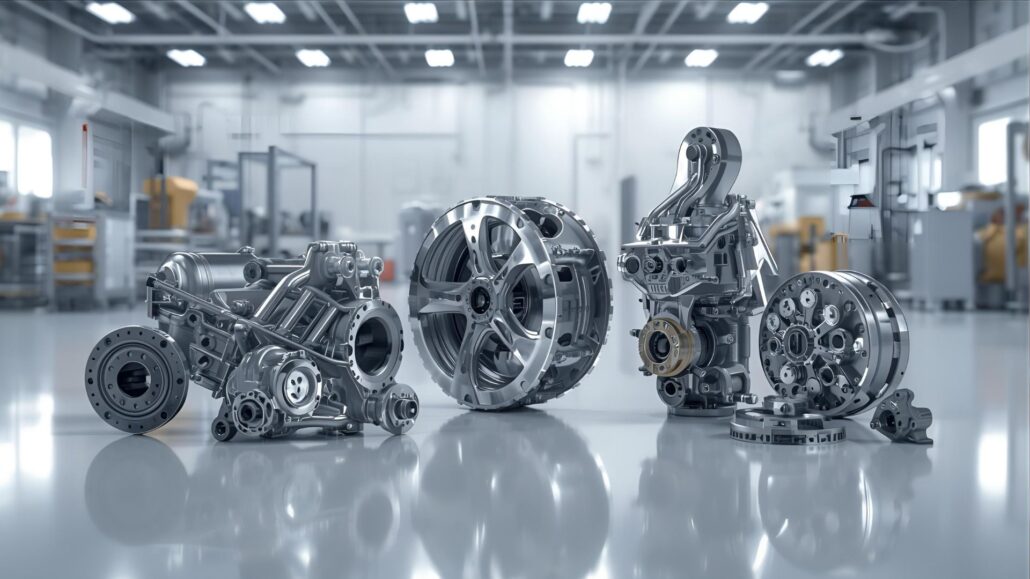
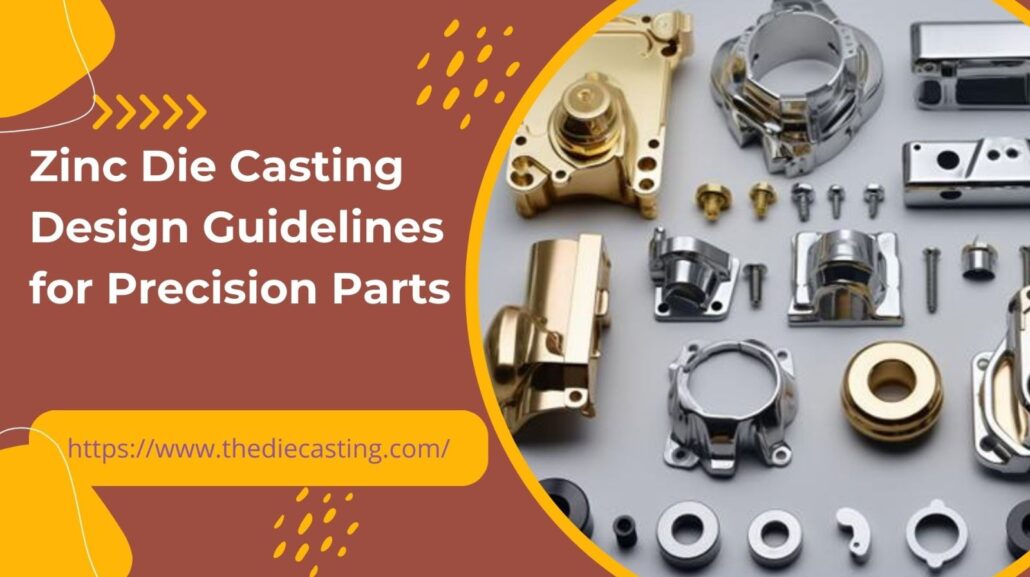
Zinc die casting is a flexible production method which entails an injection of zinc alloy molten matter into a specially designed mold with high pressure in order to create complex and high-precision parts. Such an approach is especially appropriate for precision parts because zinc has high fluidity, a low melting point, and can be machined to tight tolerances without much post-processing. Zamak die casting is used in industries such as automotive, electronics, consumer goods, and medical devices for parts, including connectors, gears, housings, and complex mechanisms that require dimensional tolerances and longevity. Most zinc alloys are processed using hot-chamber machines, which enable quick cycle times and a steady quality. Accurate parts benefit from zinc’s ability to produce thin walls, complex geometries, and net-shape parts, reducing material waste and assembly time. Nevertheless, high success rates are achieved when specific design rules are followed, and material properties, shape, form, and processing parameters are considered. These rules help reduce defects, improve manufacturability, and enhance precision. This article identifies major guidelines supported by industry standards set by organizations to help engineers design zinc die-cast precision parts. Advantages of Zinc Die Casting of Precision Parts The use of zinc die casting offers several benefits, making it one of the best materials for precision applications. Selection Material: Zinc Alloys Selecting the correct zinc alloy is important for precision parts because it affects mechanical properties, castability, and tolerances. The Zamak die-casting series (2, 3, 5, 7) and the ZA series (8, 12, 27) have specific compositions and performance properties. The table below will summarize the kinds of zinc alloy used in the manufacture of precision parts: Types of Zinc Alloy Tensile strength (ksi/MPa) Elongation % Hardness (BHN)   Density g/cm³   Yield strength (MPa) Melting point °C Zamak 2 52/359 7 100 6.6 283 379-390 Zamak 3 41/283 10 82 6.6 269 381-387 Zamak 5 48/328 7 91 6.6 283-269 380-386 Zamak 7 41/283 13 80 6.6 310-331 381-387 ZA 8 54/372 6-10 100-106 6.3 359-379 375-404 ZA-12 59/400 4-7 95-105 6.03 145 377-432 ZA-27 62/426 2.0-3.5 116-122 5.3 N/A 372-484 These properties can be used to ensure that zinc alloys meet precision specifications and that complex parts have high fluidity scores (1-2 on a 1-4 scale; 1 best). To be more exact, manufacturers would want to choose alloys such as Zamak 3 or ZA-8 due to their stability and ability to withstand tight tolerances. Key Design Guidelines Good zinc die casting is designed to facilitate flow and ejection while maintaining strength at minimal cost. Wall Thickness The wall thickness should be uniform to avoid porosity and distortion. For precision parts, keep it within +/-10% and use a minimum thickness of 0.040 inches (1 mm) for a good surface finish, and as fine as 0.020 inches (0.5 mm) in miniature models. Ratios of thick to thin sections should be kept to less than 3:1 to minimize the chance of porosity; preferably the inscribed sphere diameter ratios should not exceed 6:1. Thickening walls enhances flow but raises the cycle time and consumption. To distances away from the ingate, minimum thickness changes: below 0.5 mm in areas less than 50 mm, up to 2 mm at 200 mm. Different simulations can be used to check designs. In zinc casting, specify a minimum of 0.025 inches (0.635 mm) in selected locations, but 0.040 inches (1.016 mm) in best-as-cast locations. Draft Angles Draft angles help eject parts and prevent damage to the die. For zinc, the minimum drafts are 0.5 ° -1 on outside surfaces, 1- -1 on internal surfaces, and 0.1 ° -1 on round holes. Short features that use moving parts (die elements) can be printed in zero, but it is more expensive. For ribs, a 5-10 taper is used when it is not parallel to the shrinkage. Different standards give draft calculations: standard tolerances are 50 (draft angle approximately 1.9 degrees at a 1-inch depth) for inside walls and 100 for outside walls. There are also precision tolerances that permit 60 and 120 constant drafts. Fillets and Radii Fillets and radii should always be added since sharp edges lead to stress concentrations and die erosion. Minimum radius of inside fillet is 0.016 inches (0.4 mm), and outside 0.031 inches (0.8 mm). Radii of larger size (up to 0.063 inches or 1.6 mm) enhance flow and strength. Minimum radii should be used (0.060 inches (1.5 mm) for bosses and ribs). Radius at high stress should not be less than 1 mm; standards suggest ±0.08/±0.04 inches (±2/±1 mm) in fillets. This improves the part’s life and reduces cracking. Ribs and Bosses Ribs enhance reinforcement without adding bulk. Create shallow, rounded ribs (height-to-thickness ratio no more than 3:1) and evenly space them so they are not distorted. Adhesion ribs to walls with fillets to avoid porosity in the intersection. The height of bosses used to mount or thread must be equal to their diameter, and when the diameter is large, they must have ribs. Keep 0.25 inches (6.5 mm) distance between bosses. Tolerances of critical heights can be contained in ribs, such as in the precision designs of ±0.001 inches (±0.025 mm) ribs. Cored Holes and Threads Holes made in the core make it lighter and allow elements such as threads. Maximum depths are around 3 mm diameter, 9 mm blind or 24 mm through; up to 12 mm diameter with larger openings. At least 0.25 inches (6 mm) in diameter, L/D ratio not more than 4:1 in small holes. Parting Line Considerations It is best to place the parting line in the largest section possible to produce the least amount of flash and to allow easy trimming. Vertical or complicated lines should be avoided; die motion plane right angles are best. Tolerances on parting lines are the sum of linear ones, by projected area. Projected area Tolerance (+in) Upto 10 +0.0045 11-20 +0.005 21-50 +0.006 51-100 +0.009 Tolerances of Precision Parts Zinc die casting has even higher precision tolerances than standard, and sometimes 65% of those special controls are
De beste bilstøpefirmaene i Kina og verden 

trykkstøping av aluminium, trykkstøpefirmaer, trykkstøpefirma, Produsent av støpegods

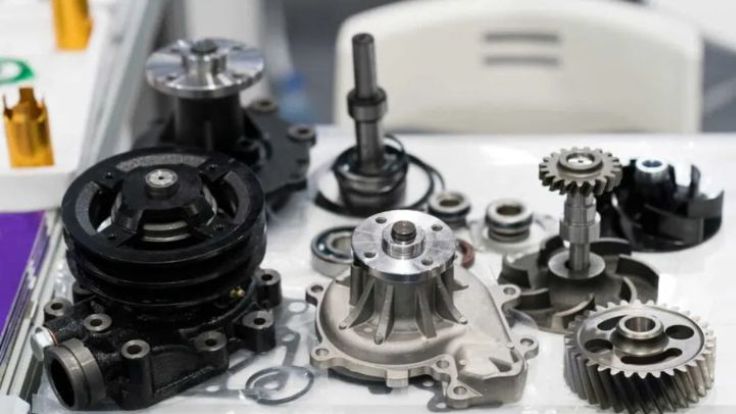
Aluminiumstøping er en av de mest pålitelige og kostnadseffektive produksjonsprosessene i moderne industri. Det er en prosess der høytrykksinjeksjon av smeltet aluminium ved høy temperatur sprøytes inn i en nøyaktig støpeform for å skape kraftige, lette og dimensjonalt presise deler. Den er spesielt nyttig i produksjonen av svært komplekse former med høy overflatefinish, og dermed er det en foretrukket prosess i bilindustrien, romfart, elektronikk, forbrukerprodukter og industrimaskiner. Det har vært stor etterspørsel etter aluminiumstøping de siste årene. Verdens tendens mot elbiler, lettvektskonstruksjoner og energieffektivitet har satt aluminiumslegeringer i frontlinjen for innovasjon. Produsentene har nå utviklet høyteknologiske komponenter som motorblokker, girkasser, batterikapslinger og kjøleribber som er både slitesterke og lette. Resirkulerbarhet og korrosjonsbestandighet gjør aluminium også nyttig i den verdensomspennende tendensen til å produsere bærekraftig og miljøvennlig. To av de største knutepunktene for aluminiumstøping er USA og Kina. Bedriftene i USA er kjent for å være innovative, ha høye kvalitetsstandarder og bruke høy grad av automatisering, og kan betraktes som en god investering i høypresisjonsindustrier. Kinesiske produsenter har derimot opparbeidet seg stor konkurransekraft på verdensmarkedet, og de kan tilby kostnadseffektive løsninger, høy produksjonskapasitet og mer avansert teknologi. Denne artikkelen vil ta for seg noen av de mest vellykkede aluminiumstøpeindustriene i USA og Kina, deres styrker, evner og de faktorene som gjør dem til de mest pålitelige partnerne som bedrifter over hele verden foretrekker som sine leverandører i produksjonsindustrien. Hva er Automotive Die Casting? Støping er en produksjonsprosess der smeltet metall, vanligvis aluminium, magnesium eller sink, presses under stort trykk inn i en form som har et åpent rom. Dette muliggjør masseproduksjon av høyfaste komponenter med komplekse funksjoner og med god overflatefinish og dimensjonsnøyaktighet. Pressstøping i bilindustrien gjør det mulig å produsere komponenter som er: Bruken av pressstøping har revolusjonert konstruksjonen av moderne kjøretøyer, slik at man kan spare vekt samtidig som man klarer å prestere. Etterspørselen har bidratt til den høye utviklingshastigheten til de store bilstøpefirmaene i Kina, Europa, Amerika og Japan. Hvorfor Kina er ledende innen støping av biler Kina har noen av verdens største produsenter av støpegods til biler på grunn av sin sterke posisjon: Et slikt sett med styrker har gjort det mulig for kinesiske støpefirmaer for bilmotorer å være kraftsentre ikke bare i det lokale markedet, men også internasjonalt i forsyningskjeden. CNM Tech Diecasting Company er en ledende produsent av overlegne aluminiumstøpte produkter. De tilbyr presisjonsutviklede komponenter av høyeste kvalitet til en rekke bransjer, blant annet bilindustrien, elektronikk- og telekommunikasjonsbransjen. De kan produsere lette og sterke deler ved hjelp av avanserte produksjonsprosesser som høytrykksstøping og CNC-maskinering. Diecasting Company tror på kraften i konstant innovasjon og investerer derfor i moderne maskiner, automatiserte produksjonslinjer og, enda viktigere, kvalitetskontrollsystemer som bidrar til å levere de samme resultatene til enhver tid. De har både OEM- og Tier 1-leverandører i sin globale kundebase, og er derfor en pålitelig partner når det gjelder å oppfylle komplekse produksjonsbehov i store volumer. Nettsted: https://www.thediecasting.com/ Hvorfor velge dem The Diecasting Company er foretrukket av bedrifter fordi de fokuserer på kvalitet, presisjon og innovasjon. Deres anvendelse av toppmoderne støpeteknologi, sterk kvalitetskontroll og levering i tide sørger for at kundene får komponenter som kan oppfylle internasjonale standarder og gjør dem til deres favorittvalg når det gjelder bilprodusenter og produsenter som ønsker å finne en pålitelig leverandør av støpte løsninger. Sincere Tech Sincere Tech er en av produsentene av høypresise støpeformer for plastinnsprøytning og pressstøping. De har bakgrunn i design av støpeformer, prototyping og produksjon av sluttproduktet, noe som gir en one-stop-løsning til kunder over hele verden. De bruker datastyrt CAD/CAM-programvare og automatisert maskinering slik at alle formene som produseres er veldig nøyaktige. Plastic Mold kan krediteres med mange års erfaring med å betjene behovene til bilindustrien, forbrukerelektronikk og medisinsk utstyr med kapasitet til å levere komplekse former med effektivitet. De skiller seg ut i innovasjon, kvalitetskontroll og leveringshastighet, og gjør dem dermed til en pålitelig leverandør av selskaper som ønsker å ha en personlig formløsning. Nettsted: https://www.plasticmold.net/ Hvorfor velge dem Plastic Mold er valgt på grunn av deres komplette formfremstillingssystemer, tekniske ferdigheter og evne til å passe inn i begrenset produksjonstid. Deres overlegne kvalitetsformer minimerer feil, forbedrer produktiviteten og hjelper kundene med å ha nøyaktige og pålitelige støpte eller sprøytestøpte produkter. GC Precision Mould GC Precision Mould er en produsent av støpegods i Kina som tilbyr støpegods i aluminium, sink og magnesium. De har rykte på seg for å produsere høykvalitets, kostnadseffektive og lette deler til bilindustrien, elektronikk- og belysningssektoren. De har evnen til høytrykksstøping, CNC-bearbeiding og sekundær etterbehandling. Alu Diecasting fokuserer på nøyaktighet, lang levetid og produktivitet. De oppfyller alltid internasjonale standarder med bruk av moderne fasiliteter, automatiserte linjer og dyktige ingeniører. De henvender seg til kunder både lokalt og internasjonalt, for eksempel OEM-er og Tier-1-leverandører, og er posisjonert som en av de beste kinesiske produsentene av støpegods til bilindustrien. Nettsted: https://aludiecasting.com/ Hvorfor velge dem De bruker Alu Diecasting ettersom de tilbyr en kombinasjon av konkurransedyktige priser, høykvalitetsstandarder og teknologi. De har en oversikt over forskjellige legeringer, presisjonsbearbeiding og produksjon i tide som opprettholder pålitelige, lange levetider og lette deler som tilfredsstiller kravene fra verdens bilindustri. Get It Made Get It Made er en produsent av CNC-maskinering, 3D-printing, pressstøping og metallforming med base i Storbritannia. De støtter både prototyping og lavvolumproduksjon,

Hva er kokekar av støpt aluminium?

Hva er kokekar av støpt aluminium? En komplett guide

Aluminium, aluminiumsstøping

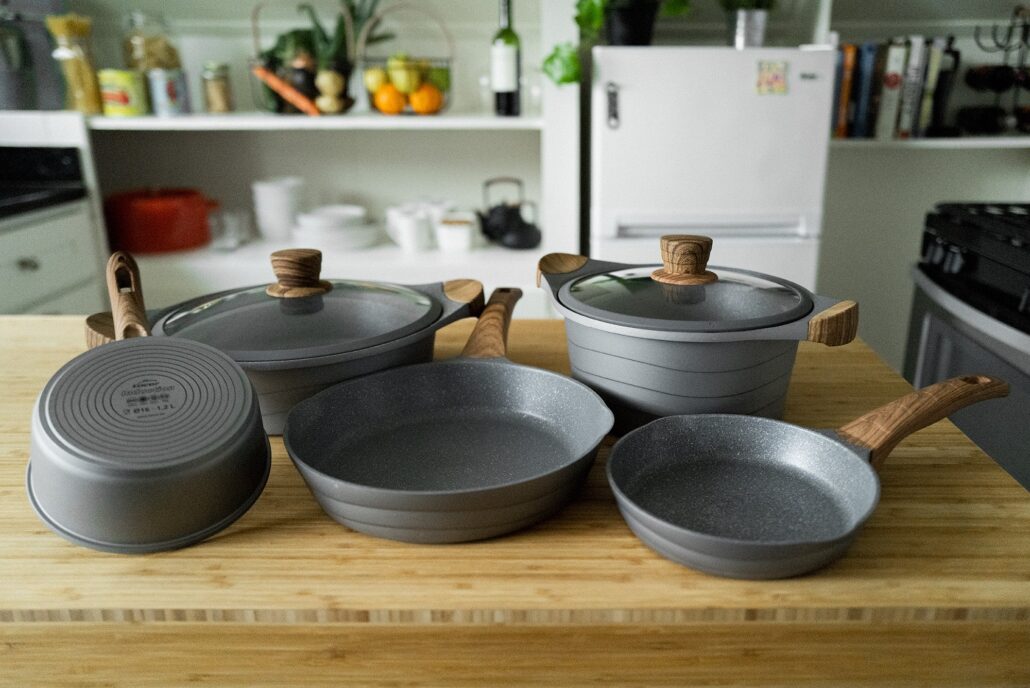
Cast aluminum cookware is becoming popular in kitchens worldwide. It is lightweight, inexpensive, and easy to use. The food can have a different taste depending on the cookware that is used, including the easy cooking process. Cookware is also time-saving and long-lasting. The cast aluminum is made by pouring molten aluminum into a mold. The method gives the cookware both a concrete structure and consistency in the thickness. It allows the pan or the pot to warm up quickly and evenly spread the heat. This simplifies and reduces the time spent preparing day-to-day meals. Cast aluminum is another relatively lightweight material that many people have been using since it is relatively inexpensive when compared to stainless steel. It may also be prepared in different shapes and sizes; therefore, it may be fried, baked, and boiled. However, cast aluminum has its negative sides. It is not as tough as stainless steel nor as tough as cast iron. There are also some types of cooking utensils that need a non-stick or anodized coating so that the food does not stick or is not in contact with acidic foods. In this article, all of these will be expounded using simple language. You will be introduced to the advantages, disadvantages, security, and treatment of cast aluminum cookware. How Cast Aluminum Cookware is Made? Cast aluminum cooking utensils are produced as a result of pouring the melted aluminum into a mold. The metal (aluminum) will then be in the shape of a pan, pot, or baking dish after cooling down. The process makes the cookware tougher and heavier than the traditional pressed or rolled aluminum. The two big stages of the process are: Such casting makes the coocooklightlightut strong enough that it can be used daily. Others are non-stick envelopings on them to prevent the sticking of food, and to facilitate their cleaning. Cast Aluminum Process of Cookware Preparing the Aluminum The initial step entails the selection of aluminum. Pure aluminum or recycled aluminum can be used by manufacturers. This is put into large furnaces where it is heated to over 660 °Cuntil it melts to form a liquid. This stage is where purification of the aluminum is done to determine that it will be strong and safe in the final product. Creating the Mold Once the aluminum is on hand, the mold is created. The form is determined by the mould, and it may be a frying pan, a pot, or a baking pan. These moulds are mostly sandy or steely. The thinness, balance, and durability of the copopotterarere dare be determined by the type of mold and the level of exquisiteness. Pouring the Molten Aluminum The mold is then filled with liquid aluminum. It is filled to the very brim in every crevice of design. It is the process that also causes cast aluminum cookware to be heavier and stronger than pressed aluminum cookware. Cooling and Solidifying After being poured, the aluminum is expected to cool down. It is stiffening and depressing when it comes to cooling and acquires the shape of the mold. The cooling is required as it removes cracks, air bubbles, or weak areas that can jeopardize the quality of the cookware. Trimming and Finishing Once hardened, cookware is removed from the mold. Such is where a crude surface gets cut and polished. Other features are also incorporated, such as handles and bases. This is to ensure that the cook’s uniform is smooth, safe, and ready to be coated. Surface Coating and Finishing Most cast aluminum cooking utensils are surface-treated. They have most of them supplied with non-sticky surfaces, such that the food does not stick on the surfaces,, and the cleaning does not take much time. They can be anodized by others, and this increases their resistance to corrosion and scratches. These finishes are also resistant to the reactivity with acidic food. Quality Testing The quality control is the last one. All of the works are inspected on balance, durability, and coating safety. Cookware that has been carefully checked is packed and only sent into the market. It will ensure the customers receive durable, quality, and safe cookware. Cast Aluminum Cookware advantages What is the reason not to use other materials, to use cast aluminum? Here are the key benefits: Lightweight In comparison to cast iron, it is very light in cast aluminum. It does not take much time tocleanna, and it is more so when one has a cook who prepares meals regularly for the elderly. Superb Heat Distribution Aluminium is a thermal conductor. Cast aluminum utensils are quick to cook and evenly cook. This means that there would be fewer hot spots and even cooking. Affordable It is normally cheaper than stainless steel or copper cookware. It has decent performance at an affordable price. Versatile Cast aluminum may be fried, baked, boiled, or simmered. Some are even oven-safe. Quick Heating The aluminum makes food cook more quickly since it reacts to heat faster. This saves time and energy. Disadvantages of Cast Aluminum Cookware Despite several advantages of cast aluminum cookware, it also possesses several limitations: Durability Issues The cast aluminum is softer than the cast iron or stainless steel. Eventually,, it is likely to be dented or scratched, especially when it is not handled properly. Reactivity with Food The uncoated aluminium can react with acids such as tomatoes or vinegar. This may either render it metallic or discoloured. The majority of modern cast aluminium pans are coated to such effects. Coating Problems The non-stick film on the pan may be of poor quality, and thus, it may wear away with time. It can be scrubbed with hard sponges or metal utensils, and this decreases its life span. Aluminum Cast And Other Cookware The choice of cookware is more of a choice. The cast Aluminum performance when compared with the popular substitutes stands as follows: Cast Aluminum and Stainless steel The first distinguishable difference in the case of the cast aluminum and stainless steel is the heat

Skapinnredning i messing: En komplett guide til stil, funksjon og holdbarhet

Skapinnredning i messing: En komplett guide til stil, funksjon og holdbarhet

Skapbeslag i messing

Cabinet hardware can be viewed as minor detail, yet it can change the appearance and functionality of a room. Of the numerous finishes that can be used, the brass cabinet hardware is a test of time in terms of beauty, strength, and versatility. Considering remodeling the kitchen, upgrading the bathroom vanity, or even refreshing the storage furniture, the brass finish is the one that will be durable and, at the same time, very stylish. Both designers and homeowners still prefer the useof brass hardware as it has added significance to modern and traditional interiors. Its warm tones, which are of gold, also match well with wood, stone, or painted cabinets, making it one of the most adaptive finishes. As simple, modern pulls as fancy, vintage knobs, brass cabinet hardware is a feature that gives the whole design of a space an upscale look. Brass, unlike other metals, is a good-looking item, but it provides long-lasting value. The quality of brass kitchen hardware and brushed brass hardware resists corrosion, can be used in everyday life, and acquiress the status of timeless. Such a blend of style and performance makes brass an investment that enhances the appearance and functionality of the cabinets so that they are refined over the years to come. History and popularity of Brass in Design Brass is a copper-zinc alloy and has been applied in various structures, furniture, and ornaments forcenturies. Brass used to be a common decorative fitting and fixtureas it was deemed highly beautiful and elegant once. The brass hardware is also still used in the present daydue to its appearance and its durability and strength, and it is also used in the current-day interiors due to the practicality in its usage and its appearance,, which is more than impressive. The timeless quality of the brass cabinet hardware is its flexibility. It may be shined brightly and reflective like a mirror, or it may have a more subdued look and be finished in muted colors. Since the shift of interior decor towards warmer metallics, brass remains one of the finishes that can be mixed with light and dark cabinets. What does Brass Cabinet Hardware mean? Brass cabinet hardware is knobs, pulls, hinges, handles, and other fittings manufactured out of the alloy of copper and zinc, known as brass. Such hardware is very common in the kitchen, bathroom, and furniture since it is strong, durable, and not out of fashion. Compared to cheaper metals, brass does not corrode and will naturally age with a patina, and it can be polished, left in a satin finish, or antique, or left in the so-called brushed brass hardware. The designers and owners of homes prefer the use of brass hardware due to its diversity. Specifically, brass kitchen hardware is functional and stylish, and it has become one of the most popular options to upgrade the cabinets. Types of Brass Hardware Cabinet accessories come in an array of different forms made out of brass, with each being used in a different way. The most popular ones are: In any design project, brass cabinet hardware, regardless of its type, is a useful addition in terms of decorative and functional purposes. The manufacturing of Brass Cabinet Hardware The production of so-called brass cabinet hardware is a long-stage product manufacturing process based on the requirements of durability, usefulness, and beauty. It is a process that uses a mixture of both traditional and modern metal finishing techniques. Alloy Preparation It starts with the melting of a mixture of copper and zinc to form brass. Additional elements can be added depending on what finish is desired. This makes the brass hardware with the correct strength, machinability, and color. Casting or Forging After preparation of the brass alloy, it is then cast (molten brass poured into castings) or forged (pressed and heated brass compressed into castings). Copies of brass kitchen hardware are more powerful and sturdier. Machining and Shaping These are then turned into accurate shapes, knobs, pulls, handles, or hinges. CNC machines and old-fashioned lathes tend to build uniformity in the so-called brass cabinet hardware. Surface Finishing When the pieces have been shaped, they are automatically ground and polished to a smooth finish. Finishes applied at this stage include polished, antique, satin, or brushed brass hardware to give it the desired appearance. Plating or Coating (Optional) In other instances, a protective coating of lacquer or further plating is made to increase resistance to corrosion. It is common to leave solid brass unlacquered in the natural patina style. Mechanical Assembly and Quality Control Lastly, the quality, fit, and finish of every item of the brass cabinet hardware are checked. Assembling screws and fittings and packaging them are done before distributing. Advantages of Brass Cabinet Hardware Durability Brass is a material that has been known to have strength and endurance. Solid brass, unlike cheaper alloys does not bend, bend, and break, meaning your cabinets will be useful over time. It is particularly significant that brass kitchen hardware has to stand up to daily wear. Timeless Aesthetics Interiors are made warm and rich with the golden hues of brass. It has smooth finishes and polishing that is elegant, and the hardware is brushed brass, giving it a modern, subtle look. Corrosion Resistance The inherent nature of brass is such that it is resistant to tarnish and corrosion and should therefore be used in the kitchen and bathroom where moisture is abundant. Versatility Ranging from coarse farmhouse kitchens to polished modern bathrooms, brass cabinet hardware goes well with all kinds of styles. It has been flexible, which is why it is still used in various projects of brass hardware by designers. Usage in Bathrooms and in Kitchens One of the most noticeable details in the kitchens and bathrooms is cabinet hardware, where functionality and design should be in harmony. Brass cabinet hardware offers the strength needed in busy areas, as well as serving as a decorative center stage. Kitchens The contemporary kitchen styles are more than pleased with the

Bedrifter som støper aluminium i USA

Bedrifter som støper aluminium i USA

trykkstøping av aluminium, trykkstøpefirmaer, trykkstøpefirma

Aluminum die casting is now one of the surest and most economical production procedures in the United States of America, particularly to manufacturers that require robustness, longevity and precision. This is done by high pressure injection of molten aluminum into steel castings and this produces parts which are not only lightweight but also dimensionally accurate and durable. It is this strength and low weight that makes aluminum die casting the material of choice in the automotive and aerospace industry, electronics, industrial machineries, and consumer goods. The U.S market boasts of some of the most established aluminum die casting industry worldwide in the form of large scale manufacturers with global presence to small and specialized firms, specializing in custom parts and niche applications. These firms are very crucial in the sustenance of the key industry by supplying such segments of the industry as engine blocks, transmission housings, electronic enclosures, and structural parts. The U.S. based manufacturers have earned their reputation of reliability and innovative products in the world through their high quality technologies, certification and focus on quality products. The trend in the last few years has seen a massive surge in demand of die-cast aluminum parts because of the recent developments in lightweighting of vehicles, the production of electric vehicles, and the drive to manufacture energy efficiently. American firms are embracing automation, sustainable castings, and superior alloys so as to achieve high results to meet these requirements. This article lists some of the best aluminum die casting manufacturers in the USA and their achievements, potential, and contributions to the contemporary industry. It does not matter whether you are getting parts to perform a large-scale manufacturing process or a highly-technical application, these manufacturers are the embodiment of the finest American technology in aluminum die casting. What Is Aluminum Die Casting? Aluminum die casting is a production technique where high pressure on a molten aluminum is forced into a steel mold also referred to as a die. When the metal cools and solidifies the mold is opened and the completed part is ejected. This is the process with the help of which the manufacturers can create strong, light and highly detailed components with high level of dimensional accuracy and smooth surface finishes. The fact that aluminum die casting can produce complex shapes that would otherwise be challenging or costly to produce using other manufacturing processes is the key benefit. It finds extensive application in the manufacture of such parts as engine blocks, transmission housings, electronic enclosures, heat sinks and structural components. The Aluminum Die Casting has several major advantages: Thanks to such strengths, aluminum die casting has emerged as a better alternative in industries, which require dependable and efficient components of high-quality to match its technical and economical necessities. Top USA Aluminum Die Casting Companies 1. Dynacast International Dynacast International has been one of the best known companies in the area of precision die casting globally. The company has decades of experience in the production of small, complex components with the use of aluminum, zinc and magnesium alloys. They are good at producing components that have stringent tolerances and that have complex features, which are needed by the automotive, consumer electronics, telecommunications, and medical devices industries. Being global also means that Dynacast is able to serve small businesses and multinational companies with the flexibility, innovations and quality that do not vary among projects. 2. Pace Industries Having become the largest die casting companies in North America, Pace industries have established a good reputation of offering to offer solutions in totality. Their service ranges include designs and engineering support, die castings, machining, surface finishing and final assembly; they have been providing a one-stop solution to clients in the automotive, industrial and consumer industries. High-volume projects and custom projects can be dealt with because of the scale of their operations. Pace also follows the culture of putting money in the modern technology and sustainable practices such that they can be able to remain competitive in the rapidly changing industry. 3. Ryobi Die Casting (USA), Inc. Ryobi is a renowned brand in the world die casting segment, and it has a major presence in the United States. Their operations in the U.S. are centered on medium to large scale aluminum die cast components, majorly to the automotive sector. Ryobi manufactures engine block, transmission housing, and structural parts that they need to be durable and precise. The firm has utilized cutting edge technology and quality management which has seen it become a supplier of choice to major automobile manufacturers in the world. 4. Gibbs Die Casting Gibbs Die Casting, the other leader in the U.S. market is based in Henderson, Kentucky. The company specializes in the aluminum and magnesium die castings in the automotive industry, especially the transmission housings and power train parts. Gibbs lays strong emphasis on innovation where automation and sophisticated manufacturing techniques are being used to ensure high standards of efficiency and quality of work. The company also incorporates the concept of sustainability in its business by curbing wastage and encouraging environmental friendliness business practices. 5. Apex Aluminum Die Casting Co., inc. Apex Aluminum Die Casting is situated in Ohio and it is used in automotive, electronic, and appliances industries. The business is reputable in working with mid-volume production lots, which makes it the perfect option with firms that require a steady output quality but does not require the enormous powers of bigger importers. The team of Apex is concerned with customer satisfaction, reliability of service, engineering and accuracy in manufacturing. They have established themselves as a reliable partner to a number of U.S. companies because of their good reputation to deliver consistent results. 6. KenWalt Die Casting Company KenWalt Die Casting is based in California and has over several decades of experience with producing die castings; aluminum and zinc. The firm also focuses on bespoke jobs and serves the industries of both industrial equipment and consumer goods. KenWalt stands out as a company that collaborates closely with the client during the

Støping av aluminium til bilindustrien i Kina

Støping av aluminium til bilindustrien i Kina

trykkstøping av aluminium, trykkstøpte deler

Aluminium automotive die casting in China has become an essential process within the international automotive supply chain that contributes to efficiency, sustainability, and innovation in vehicle production. Lightweight and strong, aluminium provides a special balance between mechanical performance and fuel consumption, which contemporary car manufacturers require. Through minimised vehicle weight, aluminium die-cast components have a direct impact on reducing fuel consumption, longer battery range in electric vehicles (EVs), and carbon emissions. This not only renders the technology significant to the manufacturers, but also to environmental regulations across the world. This domination in the automotive industry of China is a natural extension of aluminium die casting. Being the largest producer, the country with huge production rates, with its large supply chain and the support of the government through industrial policy, China has already established itself as the largest producer and one of the greatest innovators in the area. The die casting sector of the country serves both local car manufacturing industries and foreign brands, and it provides engine blocks and transmission housings, as well as high-tech giga castings, applied to the body of EVs. The development of lightweight materials and more environmentally friendly production technologies has become even faster. This congruence between industrial competency and the world sustainability targets will keep China on the frontline of the technology of aluminium die casting, which is the future of automotive engineering. What is Die Casting of Aluminium? Aluminium die casting is the production technique where molten aluminium is pressurized and injected into a high-pressure steel mold (die). Upon cooling and solidification, the metal produces complex and precise components with very favourable strength-to-weight ratios. The automotive parts that are commonly manufactured are engine blocks, transmission housings, wheels, brackets, and structural body parts. Why China Leads in Aluminium Die Casting? Aluminium Die Casting Process Aluminium die casting is one of the most specialized manufacturing techniques that allows the creation of complex and accurate automotive components with great mechanical properties. It does include several well-regulated phases, and each of them can be seen as a step toward the quality, strength, and durability of a final product. The following is a discussion of each of the stages: 1. Mold Preparation The steel mold, usually of hardened tool steel, is completely cleaned and checked before production starts and should be free of wear or damage. Then the release agent or lubricant is applied to the cavity of the mold, which has a variety of significant purposes. It avoids the sticking of the molten aluminium to the die, provides smooth part ejection and assists in maintaining mold temperature in successive casting cycles. It is important to prepare the mold properly, as this has a direct relation to the surface quality and dimensional accuracy of the finished component. 2. Melting & Alloy Preparation It begins with the melting of aluminium ingots or recycled scrap in a high-temperature furnace that can be either gas-powered, electrically powered or induced. At this phase, molten aluminium is observed keenly to maintain an optimal temperature range of around 660 to 700 °C to provide a fluid mass and reduce defects. Elements like silicon, magnesium, and copper are alloyed in order to improve certain properties such as strength, corrosion resistance, or thermal conductivity. It is important to keep the chemical composition accurate since a slight change in it might greatly affect the functionality of automotive elements. 3. High-Pressure Die Casting (injection) After the molten aluminium attains the desired state, it is poured into the prepared steel casting mould by a high-pressure die casting (HPDC) machine. The pressure of injection is usually between 110 and 175 MPa, and this makes the liquid metal fill even in the most complex molding cavities with accuracy. High pressure also aids in reducing porosity and shrinkage flaws to produce high-strength and dense parts. This is regarded as the centre point of the process since it determines the quality of the casting and whether complicated shapes can be produced without breaking the structural integrity. 4. Cooling & Solidification The molten aluminium is then injected and quickly cools down and hardens in the steel mould. The rate of cooling is maintained throughout to make sure that the crystallization is uniform and internal stresses or warping are minimized. Cooling time varies greatly with the thickness and intricacy of the component being cast; a thin-walled component could be solidified in a matter of seconds, whereas a more complex part could take a longer cycle to solidify. Well-organised cooling circuits (water channels or oil circuits built into the die) are commonplace with the aim of ensuring consistency throughout the production runs. It is essential to attain a balance of strength, ductility, and dimensional accuracy by proper solidification. 5. Ejection After the part has hardened, ejector pins in the mold force the casting out. In this step, accuracy is needed to prevent burning sensitive areas or thin walls of the part. Large-scale automotive manufacturing often relies on automated ejection systems, which guarantee the consistency of cycle times and minimize manual work. The process of ejection may appear to be easy, yet with improper application, it might cause surface defects, cracks or misalignment, which will adversely affect the usability of the final product. 6. Trimming & Finishing Raw casting may contain large quantities of extraneous material, such as flash, runners or even gates, after ejection, and this needs to be removed. A hydraulic press or a CNC machine is usually used in trimming to attain an accurate edge line. Other finishing processes like shot blasting enhance the texture of the surface, and machining provides the high dimensional tolerance needed by engine or transmission components. They can be heat-treated to increase strength and hardness, and coating or anodizing may increase corrosion resistance. These are the necessary secondary processes because through them the raw casting is taken to the next level, where it is turned into a functional and reliable automotive component. 7. Inspection & Quality Control The last step is the intensive inspection, whereby all castings will be

Aluminium høytrykksstøpte bildeler

Aluminium høytrykksstøpte bildeler: Holdbare og effektive

trykkstøping av aluminium, høytrykksstøping

The automotive industry is changing due to the use of aluminum high pressure die-casting auto parts. They provide manufacturers with the power to design lighter, stronger and more efficient cars. With this technology, the car manufacturers can save on weight, become fuel efficient and have green mobility without compromising on the durability of the car. Auto parts die casting is the process whereby molten aluminum is injected into a steel mold at a very high pressure. This produces a strong shape that is smooth and sharp. The method allows faster production, reduced machining and consistent quality. In die casting auto parts, the companies are able to design complex components in a single step, which saves them time and money. Auto parts made in aluminium die casting are now much needed in modern vehicles. This is a frequent method of producing engine blocks, transmission housings, brake parts, and battery casings in electric cars. Lightweight, but tough, corrosion-resistant, and designed to meet tough conditions on the road, these parts are made. Auto parts made with aluminum die casting are increasing in demand rapidly, particularly as we move to electric and hybrid cars. Loss of total weight of cars increases battery life, performance and reduces emissions. This makes aluminum die casting a major component of green production. In brief, the use of aluminum high pressure die-casting auto parts in car manufacturing is no longer a choice. They have played a key role in creating the modern vehicles, which will not only be up to the present performance standards, but also be green. Powerful, effective, and stable, they will also be at the very centre of automotive design in the future. What Is Aluminum High Pressure Die-Casting? Die casting is a process of molding metal. In this, molten aluminum is forced under a very high pressure into a cavity in a steel mold. When cooled, the metal hardens in the same shape as the mold. The outcome is smooth, accurate and long-lasting. That is why die casting became one of the most popular ways of producing modern car parts. In comparison with the traditional technique, high pressure die casting can make complicated parts in one time. This saves time, machining requirements and costs to manufacturers. Why Aluminum for Auto Parts? The reason why aluminum high pressure die-casting auto parts are so popular is that there is no other material that has a combination of qualities as much as aluminum. It is green and rough; therefore, it is light and, therefore, can be used in the automobile industry. Increasing efficiency and environmental requirements have made aluminum the die casting of choice in auto parts. Weight loss is one of the largest benefits. Steel is a lot heavier than aluminum. Carmakers can lighten an overall vehicle by incorporating die casting auto parts produced using aluminum. The lighter a car is, the better its fuel economy, emissions, and performance. This would be important in both a conventional and an electric vehicle. Meanwhile, aluminum does not lose strength. It has a good strength-to-weight ratio, and this is good because even when the part is strained, it does not become soft. This is what renders aluminium die cast auto parts so useful in engines, transmission and chassis parts. The other important advantage is corrosion resistance. Aluminum does not rust and wear out like other metals. This provides increased life to aluminum die casting auto parts and decreased maintenance expenses to vehicle owners. Major Auto Parts are produced using Die Casting Automobile manufacturers cast most of their components using aluminum die casting. These are lightweight yet powerful parts that can be used in conventional as well as electric cars. Engine Blocks Engine blocks have to deal with heat, vibration and pressure. When it comes to auto parts die casting, aluminum blocks weigh less but are firm enough to work in very harsh conditions. This will conserve the overall weight of the engine and fuel consumption. Transmission Housings The transmission housings have to be precise and durable. Die casting auto parts are used in order to achieve the accuracy of smooth-running gears. This guarantees high reliability over time, and minimal machining is required. Brake Components Brakes face constant stress. Manufacturers produce strong components that are not heavy since they use aluminum die casting auto parts. This balance is applied to increase the braking force and to decrease the vehicle’s weight. Chassis Parts The chassis parts are used to provide safety and stability. They are strong but not bulky when made using aluminium die casting auto parts. This increases the management and productivity. EV Electric Housing’s motor and battery The auto parts that shield the motors and batteries are constructed using aluminum high pressure die-casting in electric vehicles. The housings protect delicate systems and still provide a lightweight frame, increasing the distance covered during driving. Collectively, these elements bring out the role of auto parts die casting in helping to design new cars. Aluminum die casting has made engines, EV batteries, and more perform efficiently, last longer, and be durable. Process of Aluminum High Pressure Die Casting 1. Mold Preparation Preparation of the moulds starts. The die of steel is thoroughly washed in order to eliminate all materials that are impurities and heated to the appropriate temperature. A protective coating is applied to the surface that prevents the sticking of the molten aluminum to the surface, and helps in controlling the cooling rate. This is done to ensure enhanced circulation of metals and longer life of moulds and consistency of parts per production cycle. 2. Melting the Aluminum These aluminum alloys are melted in a furnace with specific controlled temperatures. But sufficient temperature is also required, as that prevents oxidation, and the molten metal will flow easily into the mold cavity. Any impurities are removed by refining the agents or filters. This ensures that aluminum die cast auto parts contain no defects and are of good and consistent properties. 3. Under high pressure injection. Then the molten aluminum is forced into

Bildeler laget ved støping:

Bildeler produsert ved støping: Valg av materiale og prosess

trykkstøpte deler

The modern automobile is a sophisticated machine that consists of thousands of separate parts with their own purpose to provide safety, performance, and reliability. Casting is one of the various manufacturing processes that are employed in the automotive industry. Casting is now an irreversible procedure where major parts of a vehicle are formed by shaping molten metal into extremely detailed and strong parts. The engines, transmissions, and braking systems of most vehicles are among the most significant systems that require parts made by casting. Indeed, when designers and builders discuss efficiency, durability, and cost-effectiveness in the production, casting of automobile parts are often at the centre stage of the debate. The art of casting is not new; it was invented thousands of years ago. However, its application in the motor industry has undergone a revolutionary shift to harness hi-tech technologies and the most recent alloys that can fit the high demands of the modern car. Casting has been instrumental in enabling cars to maintain high-performance standards at a relatively low cost through lightweight aluminum engine blocks that are tough and, resilient cast-iron brake components. The article will review the history of the automobile casting parts, processes, advantages, and future trends of automobile casting parts and reveal the reasons why the automobile casting parts continue to be a pillar in the automotive manufacturing industry. History  of Casting It was actually the aluminum casting process that penetrated the sphere in the middle of the 20th century. Casting has been in use in vehicles since the late 19th and early 20th centuries, when the automobile was first developed to replace the horse-drawn carriage. Early engines demanded powerful but inexpensive parts, and casting was the right way to go. One of the first methods to make engine blocks, crankshafts, and housings was iron casting. With the increase in the automobile industry, casting techniques increased and became advanced. The automobile manufacturers learned that they could increase fuel efficiency without reducing the lifetime of the vehicles due to lighter engines and structural parts. Casting is applied to different systems of vehicles in accordance with their application and importance. Finally, the automobile casting parts have the important role of giving strength, accuracy, and cost-effectiveness to reduce the cost, which is why automobile parts are the giants of the automotive industry. What are Automobile Casting Parts? Automobile Casting Parts can be defined as parts of a vehicle that are produced through pouring molten metal into a mold, and the resulting molten metal hardens into a desired shape. This has enabled the manufacture of robust, sturdy, and intricate components that are utilized in automobiles, including engine blocks, cylinder heads, transmission housings, brake drums, and wheels. They are very popular since casting offers: Taking the case of an engine block, the block has various chambers and coolant passages with threaded openings that can be cast correctly. What is Casting? The process of casting is a type of manufacturing where molten metal is poured into a mold and allowed to cool in the shape of the mold. After cooling, the casting is removed, machined (where needed),, and fitted into the finished product. It is an operation in which it is possible to produce both strong and geometrically complex parts. The reason why automobile manufacturers like to use casting is that they can produce large quantities of complicated parts of uniform quality. The proper melting temperature should also be maintained to remove defects such as porosity or underfill We are discussing not only structurally significant parts of automobiles, but also those that must be precise and durable under severe conditions of high temperatures, pressures, and constant wear. Process of Casting in Automobile Parts High-volume production also automates machines or high-pressure systems to ensure a high level of accuracy and consistency. 1. Pattern Making It starts with the production of a pattern, an imitation of the finished part. Patterns tend to be made of wood, metal, or plastic. They also determine the accurate shape and size of the mold cavity into which the molten metal will be poured. 2. Mold Preparation Sand, metal, or ceramic materials are used to form a mold. The two halves of the mold make the cavity to shape the part. Hollows can also be introduced within the mold,, such as internal passages within an engine block. 3. Melting the Metal In a furnace, a controlled temperature is used to melt the selected metal or alloy (cast iron, aluminum, or magnesium). This is to bring mechanical properties to high-performance applications such as engines or gearboxes. 4. Pouring When the metal is melted, it is filled into the mold. The proper sizes and finishes are ensured during drilling, milling, and turning. 5. Solidification and Cooling The heated material is left to cool and harden within the mold, assuming the shape of the mold. The part should avoid a shrinkage defect or crack due to uncontrolled cooling rates. 6. Mold Removal When solidifying, the mold is broken (in sand casting) or the mold is opened (in permanent and die casting). A raw casting is then removed and processed further as a casting blank. 7. Fettling and Cleaning Unneeded material, including sprues, risers, or flash, is eliminated. The casting could be shot blasted or ground to clean up the surface to make it easy to machine. 8. Heat Treatment (if required) Cast parts can be heat-treated to enhance their strength, hardness, or toughness. Sand Casting – Sand casting is one of the oldest and most common ways in which a mold of sand is molded into a more complicated shape. 9. Machining and Finishing Despite the fact that casting generates near-net shapes, a lot of automobile parts have to be machined to be precise. It is used with the engine block, cylinder head, and manifold. 10. Inspection and Testing Lastly, quality checks are done on the cast part. Non-destructive testing (NDT), dimensional testing, and material inspection are conducted to ensure that the part is up to industry standards before assembly into

Hvorfor er smidd aluminium bedre enn støpt metall?

Hvorfor er smidd aluminium bedre enn støpt metall?

Smidd aluminium

Forged aluminum is among the most trusted materials in contemporary engineering practice. It is formed by pressing solid aluminum with a high amount of heat and pressure. It alters the internal structure of the metal and makes it stronger and tougher than cast aluminum. Due to this, industries that require safety and durability use forged aluminum. Aluminum in itself is already rated as lightweight, resistant to corrosion and versatile. It is present in vehicles, aircraft, buildings, electronics and even in common tools. Not everything that is made of aluminum is the same, though. The performance of the metal is directly affected by how the metal is formed. Aluminium is melted and poured into molds when it is cast. This may cause flaws such as air bubbles and holes. Forging eliminates those issues. Rather than melting, the aluminum is pressed into form so that the grain is forced to conform to the design of the part. This yields a very powerful and homogeneous material. Forged aluminum has become popular now that industries are shifting to lighter, safer and more efficient solutions. This paper tells us why it is better than cast metal, the process involved in forging metals, where it is applied and the future of forging of aluminum. What Is Forged Aluminum? Forged aluminum is done by pressing solid aluminum under high pressure. The metal is not melted all the way as in casting. Rather, it is heated till it turns soft and malleable. After being softened, the aluminum is stamped or beaten into the required shape by means of heavy forging machines. This stress flattens the metal and also perfects its internal grains. The grain is oriented in the shape direction, and it contributes to the part’s better strength and toughness. Such a fine structure also removes numerous defects present in cast aluminum, including pores or cracks. Consequently, forged aluminum is safer, more durable and stronger. How an Aluminum Forge Works? Forging is done in an aluminum forge. There are a few steps involved in the process: This process ends up with a thick, solid, and homogeneous portion. It does not have weak spots or air bubbles like casting. Benefits of Forged Aluminum Cast metal and other materials cannot do what forged aluminum can do. It has become the tool of preference in industries where we cannot afford to compromise on performance and safety. Superior Strength Forged aluminum is very strong, and this is one of the key benefits of forged aluminum. The grain structure of the metal is refined through the forging process. The tensile and fatigue strength are enhanced by this alignment. False components can bear heavy loads as well as stresses and strains repeatedly without failure. This also positions them very well in high-performance activities like plane landing gear, suspension systems, and industrial machinery. Lightweight but Tough Aluminum is inherently lighter than steel, and forging goes even deeper with it. Forged aluminum is very strong for its weight. This enables engineers to ensure that they make lighter machines and vehicles that are still safe and strong. The weight loss makes cars and aeroplanes more fuel efficient, but also gives them durability. Increased Resistance to Fatigue Cast parts wear out much more than forged aluminum. Fatigue is a condition in which a part has worn out due to multiple stress cycles. Due to weak grain structure, cast parts tend to crack. Aluminum that has been forged does not crack easily, and thus parts made with this material will survive long in the hands of those who use them. Uniform Grain Structure The forging process is used to match the part shape with the grain in the metal. Such homogeneous graining makes it harder and harder to strike. Quite the contrary, casting gives arbitrary grain structures that create weak positions. Safety and Reliability Safety is the first priority in high-pressure industries like aerospace, automotive and defense. Forged aluminum is reliable as it provides power, hardness and steadiness over time, even in extreme circumstances. Aluminum Forging uses Aluminum forging has made an impression in the world where weightless, powerful and enduring parts are required. Forged aluminum parts are believed to be safe and, therefore, are commonly trusted in critical applications related to safety. Automotive Industry Modern automobiles are involved in fraudulent aluminum. A very common application is in wheels. Compared to cast wheels, forged wheels are lighter, more durable and safer. This type of weight loss improves manoeuvrability and fuel efficiency. Suspension parts are another significant use that should resist heavy loads, impact, and vibration on the road. The aluminum used is forged, so they are not stressed. Moreover, most engine parts, including connecting rods and pistons, are forged. These sections can withstand high pressure and hot temperatures with long durability. Concisely, forged aluminum improves the automobile’s performance and safety. Aerospace Industry Aircraft require components that are lightweight in nature and strong. Forged aluminum fits this specification. It applies to landing gears, which are supposed to withstand high levels of impact during landing and takeoff. It also occurs in wing structures where efficiency depends on lightness. Forged aluminum parts deal with pressure, heat and vibration in aircraft engines. Failure is not an option in flight; this is why the aerospace industry relies on forging. Military and Defense Defense applications require forged aluminum. Forged parts of tanks, aircraft, and naval ships have to endure the extreme conditions of combat. Forging guarantees maximum toughness, strength and reliability even in the most strenuous conditions. Industrial Machinery Major equipment is usually operated at full load. Forged aluminum products are wear-resistant and minimize downtime. This makes them cost-effective and long-term solutions for manufacturers. Sports and Lifestyle The sports and lifestyle items also use forged aluminum. Forged components are used to manufacture high-end bicycles, climbing gear and sports equipment. Such objects need to be lightweight and durable over a long period of time, which is why forging is the best method. The Reason Why Industries use forging rather than casting? Forging is the option

Fremtiden for støpegods til bilindustrien

Fremtiden for støpegods til bilindustrien: Innovasjon, effektivitet og ytelse

Produsent av støpegods, pressstøping

Biler har aldri ligget på etterskudd i den teknologiske utviklingen. Fra de første stålrammene i bilproduksjonen og frem til de nyeste lettvektslegeringene har hver eneste del av en bil blitt forbedret gjennom innovasjon for å øke sikkerheten, holdbarheten og ytelsen. Et av de viktigste områdene hvor det har skjedd store fremskritt, er innen bilstøping. Dette har bidratt til design, produksjon og optimalisering av kjøretøy. I klartekst kan begrepet bilstøping defineres som en prosess der smeltet metall måles opp og helles i støpeformer for å forme kompliserte deler av kjøretøyet. Metoden er presis, kostnadseffektiv og kan skaleres til masseproduksjon. Disse prosessene er viktige i industrien fordi nesten alle kjøretøy som er på veien i dag, har flere deler som er støpt. Denne artikkelen tar for seg historien, produksjonen, fordelene og fremtiden til såkalt bilstøping, og ser også på hvordan såkalt bilstøping, pressstøpte bildeler og støpte bildeler har bidratt til å forme den moderne bilen. Historien om bilstøping Metodene for støping går flere tusen år tilbake i tid, men det var først på slutten av 1800-tallet og helt på begynnelsen av 1900-tallet at de ble brukt i bilindustrien. De første bilene var ineffektive og veide mye, og hadde for det meste smidde stålkomponenter. Med det økte behovet for å produsere i store kvanta måtte produsentene finne en billigere og raskere løsning. Det var i denne perioden at støpeteknikken begynte å erstatte de tradisjonelle teknikkene. Ved hjelp av støping kunne bilprodusentene lage mange av de samme delene i store kvanta med mindre sløsing av materialer. Dette førte til masseproduksjon, en av grunnene til at biler ble rimelige for vanlige folk under den industrielle boomen. Moderne bilstøperier bruker i dag topp moderne legeringer, nøyaktige støpeformer og automatisering for å tilfredsstille de høye standardene i internasjonale bilstandarder. Hva er støping av biler? Støping av biler er en produksjonsprosess som brukes i bilproduksjon for å lage deler av kjøretøyene sine ved å helle smeltet metall i formene, der det stivner og stivner til ønsket form. Dette er en teknikk som gjør det mulig for produsentene å lage komplekse, langvarige og nøyaktige deler på en kostnadseffektiv måte og med mindre innsats sammenlignet med tradisjonell maskinering eller smiing. Teknikken brukes blant annet i deler til motorblokker, topplokk, girhus, bremser og hjuloppheng. Ved hjelp av ulike legeringer som aluminium, støpejern, stål og magnesium gir bilstøping den styrken, lette konstruksjonen og holdbarheten som trengs i moderne biler. Denne teknikken er populær fordi: Vanlige bildeler laget av støping: Typer av bilstøping Kort sagt, bilstøping er nødvendig siden det hjelper bilprodusenter med å utvikle pålitelige, lette og kostnadseffektive komponenter på massebasis. Moderne biler kan ikke masseproduseres uten dette. Materialer i bilstøpegods Aluminium Aluminium er et lett og korrosjonsbestandig glass, og er blant de mest foretrukne materialene innen bilstøpegods. Det gir store besparelser i bilens totalvekt, noe som forbedrer drivstoffeffektiviteten og manøvreringsevnen. Aluminium er også en god varmeleder, og derfor egner det seg godt til motorblokker, topplokk og girkassehus. Aluminium brukes til å støpe mange bildeler, siden det gjør det mulig for produsentene å lage komponenter med høy presisjon og lav vekt uten å miste styrke. Med sin fleksibilitet og stabilitet er aluminium et av de beste materialene i moderne bilproduksjon. Støpejern Støpejern er et annet populært materiale i bilindustrien, fordi materialet har høy styrke, varmebestandighet og slitasjeegenskaper. Støpejern er tyngre enn aluminium, og det egner seg godt til strukturelle og tunge bruksområder som motorblokker, bremsetromler og andre deler av hjulopphenget. Strukturen er svært slitesterk, noe som betyr at slike deler kan motstå presset fra langvarig bruk og høye temperaturer, noe som gjør det viktig for kjøretøy som trenger sterk og pålitelig ytelse. Stål I støpegods til bilindustrien har stål blitt foretrukket på grunn av sin høye styrke og fleksibilitet. Varmebehandling av ståldeler øker seigheten, slik at de er ideelle i chassisdeler, braketter og strukturelle rammer. Selv om stål veier mer enn aluminium, gir det styrke og bæreevne til noen av de sikkerhetskritiske delene av bilen. Det er fleksibelt, og ingeniørene kan utvikle komponenter som tilfredsstiller både ytelses- og myndighetskrav. Magnesiumlegeringer Magnesiumlegeringer får stadig større anvendelse i såkalt bilstøpegods der vektreduksjon er en prioritet. Disse legeringene er svært lette, men gir likevel tilstrekkelig styrke til ikke-strukturelle deler. Magnesiumdeler kan brukes i innredningsdetaljer, motordeksler og visse konstruksjonsdeler, spesielt i biler med høy ytelse og elektriske biler, der minimering av totalvekten er viktig for ytelse og kjøreegenskaper. Kobberlegeringer Kobberlegeringer blir noen ganger brukt til såkalt bilstøpegods på grunn av sin høye elektriske og termiske ledningsevne. Dette er korrosjonsbestandige og sterke materialer som kan brukes til visse elektriske komponenter eller varmefølsomme deler i moderne kjøretøy. Kobberlegeringer er ikke like mye brukt som aluminium eller stål, men har nisjeanvendelser, for eksempel der ytelse og ledningsevne er viktig. Komposittmaterialer Noen produsenter eksperimenterer med komposittmaterialer i støpte bildeler i takt med utviklingen av bilteknologien. Disse materialene er utviklet for å spare vekt samtidig som de er sterke, og de kan være svært nyttige i el- og hybridbiler. Kompositter har også bedre termisk regulering og korrosjonsbestandighet, og er en ny teknologi i neste generasjons bildeler. Ulike typer støpeprosesser i bilindustrien Bilindustrien benytter en rekke støpeteknikker, hver med sine egne deler og materialer. Vi vil vurdere de mest populære: Sandstøping En av de eldste teknikkene er sandstøping, der store, kompliserte komponenter lages ved hjelp av sandformer. Den egner seg best til prototyper og tunge deler som motorblokker. Pressstøping Pressstøping er en prosess som krever høytrykksinnsprøyting av smeltet metall i gjenbrukbare stålformer. Det er en teknikk som er spesielt relevant for produksjon av lette, men

Skroll til toppen

Få et tilbud