trykkstøpeprodukter i aluminiumslegering

Støping av aluminiumslegeringer 101

aluminiumsstøping

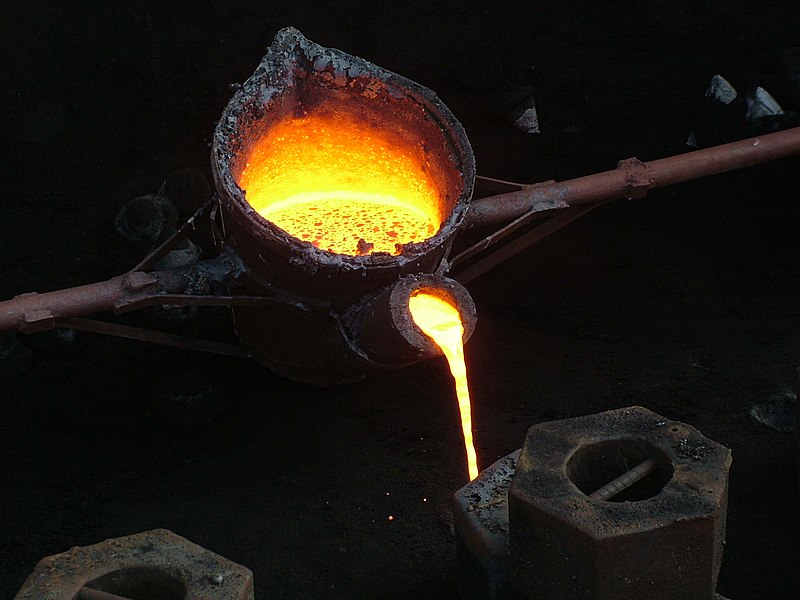
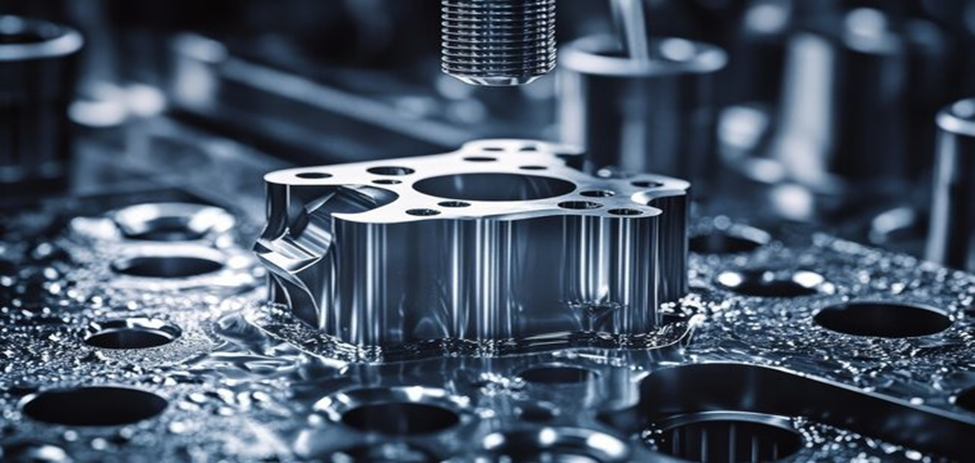
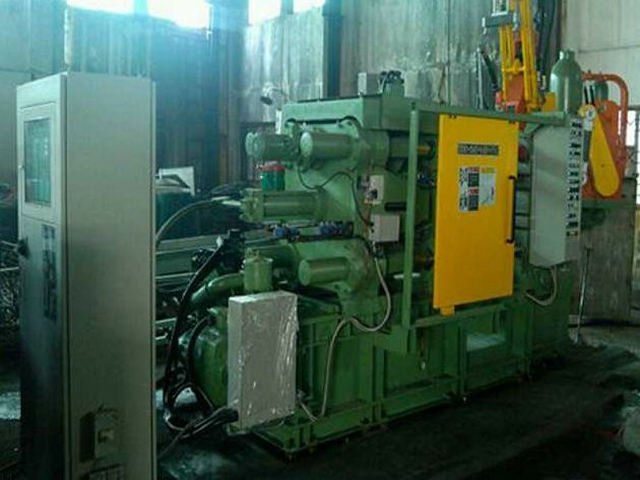
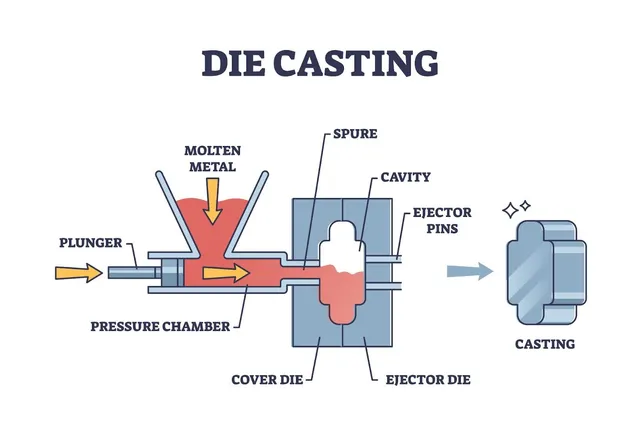
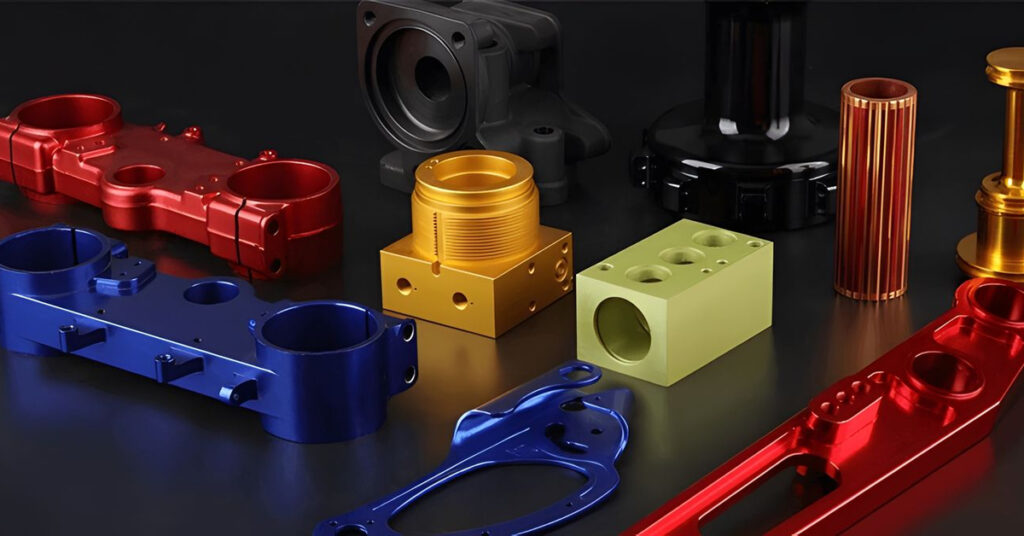
Aluminum alloy die casting is a die casting process that is a widely used process in manufacturing that involves producing accurate and intricate parts of metal with efficiency. In this case, we can list metals that have a variety of applications due to their capacity to be very strong and light simultaneously. Besides this, we can list that practically corrosion-resistant, i.e., aluminum alloys are particularly popular with car manufacturing. This article also looks into such areas as processes, properties, challenges, and applications of aluminum alloy die casting. We will get deep insights into its complete process, types, and differences from other processes. What is Die Casting? It is a manufacturing process that utilizes high pressure to force a molten metal to fill a mold cavity. It also allows the generation of excellent models with near-net shaping, accurate dimensions surface finish, and complicated shapes. Different Types of Die Casting Die-casting has many types. Let’s discuss these types in detail; 1. Hot Chamber Die Casting It is mostly suitable for zinc and magnesium alloys. This process takes submergence of the injection system in the molten metal to facilitate rapid casting. It is ideal for use in a large production but unadapted for utilization in high-melting-point alloys. you can go to zinc die casting to know more detail 2. Cold Chamber Die Casting It is a best fit for metals such as aluminum and brass having high melting points. Here we transfer the molten into a cold chamber and then inject it into the mold. It saves on the heat hazard to the equipment but has longer operating cycles. Got aluminum die casting services page to know more about this process. 3. Low-Pressure Die Casting The low-pressure die casting use with Used with aluminum and magnesium alloys. It causes minimal porosity but good structural quality. Besides this, it is time-consuming but suitable for creating the stronger part of the product. 4. High-Pressure Die Casting (HPDC) Common in aluminum, zinc, and magnesium alloys. Here we inject the molten metal at very high pressure into complicated shapes and fine surface textures. So, it is highly suitable for applications that need parts with large production quantities, and areas with large cross-sections may be porous. Go to high pressure die casting page to know more detail. 5. Gravity Die Casting Standing pressure is used to cast molten metal into a mold thus yielding strong and low porosity objects. It is used in production lines where we need to produce less number of parts at a time but it is comparatively slower than pressure-based processes. 7. Squeeze Die Casting Here we make semi-finished products by the pressure forging method where molten metal is high pressure and can also prevent casting porosity. This is suitable for the structure of a part; however, it has a higher cost and slow cycle time. Define Aluminum Alloy die casting Aluminum alloy die casting is a process in which molten aluminum alloy materials are forced under pressure into molds or dies. So, it can form the desired shape and a very smooth surface finish. It is employed in component manufacturing with complicated shapes that require high strength, stiffness, and low density integrated with good surface finish and accurate dimensions. The aluminum alloy has all the favorable characteristics of high corrosion and heat transfer coefficients and hardness-to-weight ratio. One of the benefits of this process is that die casting is suitable for large-scale production processes. Selecting the Right Material for Aluminium alloy Die Casting Materials used are very vital in the aluminum alloy die-casting business since they determine the efficiency, quality, reliability, and cost of the final product. Properly chosen alloys ensure: Aluminum alloys in die casting Die-casting aluminum alloys are common to many industries because these materials possess qualities that are desirable in dies such as lightweight, high strength, and corrosion resistance. Alloy Key Properties Applications Values A380 Strong, corrosion-resistant Engine blocks, housings Strength: 320 MPa A383 Crack-resistant, castable Electronics, thin parts Strength: 290 MPa A360 Corrosion-resistant, durable Marine, aerospace Strength: 330 MPa ADC12 Castable, corrosion-resistant Automotive, machinery Strength: 310 MPa AlSi9Cu3 Strong, wear-resistant Structural components Strength: 250–280 MPa Complete Process for Aluminum Alloy Die Casting Aluminum die casting entails the formation of elaborate and accurate first parts by the application of pressure on molten aluminum alloys. Below are the key stages: 1. Mold Preparation 2. Melting and Alloy Selection The aluminum alloys are brazed at a temperature of about 660 centigrade (1220 Fahrenheit) in a furnace. This aluminum is then kept at a relatively constant temperature to retain the material properties of the metal. 3. Injection When high pressure is used, it ensures that the molten aluminum flows right to the small crevices resulting in excellent finishes. 4. Cooling and Solidification It is the process during which the obtained molten aluminum cools and solidifies inside the given mold. Cooling minimizes defects such as shrinkage or warping that are brought about by dryness in the cast iron. 5. Ejection Finally when the casting is fully formed its mold is ejected from the casting using the ejector pins. The mold is then ready for the next cycle of use with the Epicor software. 6. Trimming and Finishing If necessary, runners, gates, and flash are removed from the casting leaving only the necessary shape and form of the object. Some of the operations include giving the required surface finishes such as sandblasting, polishing, or coating. Die Casting Aluminum Alloy Properties So, let’s discuss some of the important mechanical, chemical, and thermal properties of Aluminum alloy Diecasting; I. Mechanical Properties These may include; II. Thermal Properties The following are some thermal properties of diecasting aluminum alloy; III. Chemical Resistance: These are generally; These characteristics make aluminum alloys a premium material for die casting whose products are effective in different sectors. Design Guide for Aluminum Alloy Die Casting Design guide and material selection, both features play an important role in aluminum diecasting. So, let’s discuss the design guide properly; Design Factor Guideline Reasoning Wall Thickness Keep

bedrifter som støper aluminium

Topp 10 aluminiumsstøpeselskaper i Kina og USA

trykkstøpefirmaer

Are you looking for Top Aluminum Die Casting Companies in the world’s industrial powerhouses? The USA and China have become significant participants in global aluminum die-casting services over decades by offering an array of services to fulfill precision-demanding sectors. Like in any business field, the project’s success usually depends on the partner you select. The most reputable, experienced die-cast companies always guarantee high-end products formulations, and satisfied outcomes. Due to diverse aluminum die-casting companies in the USA and China, it sometimes becomes challenging to figure out the right partner for your business. Don’t fret— We will compare the leading 10 Aluminum Die Casting Companies in China & USA in this article. 1. Sincere Tech Co., Ltd. Year Established: Over 15 years Core Business Capabilities: Plastic molding, aluminum, magnesium, and zinc die casting molds/tooling, machining, surface finishing, and Prodcut assembly services. Address: Building 1, No. 30 Huan Zhen Rd, Shang Dong Village, Qi Shi Town, Dongguan City, Guangdong Province, China, P.C.: 523000 Website: www.plasticmold.net Company Overview: Sincere Tech Co., Ltd. is a the leading aluminum die casting and mold facotry in China that is located in Dongguan, China. It mainly focuses on the highly precise plastic injection mold, aluminum die-casting mold, magnesium, and zinc die-casting, and plastic molding. Originally founded over 15 years ago, the company has grown to develop exceptional tooling and die-casting capabilities for a broad range of industries. Established with modern technology and experienced staff, Sincere Tech provides precise products that conform to modern industry standards. For clients in the computer peripheral industry that need die-cast parts and/or plastic injection parts, Sincere Tech can handle design, manufacturing, assembly, and other related services to provide the best quality and lowest cost through one-stop-shopping. Key Services Their Commitment to Quality: Sincere Tech’s team makes sure every product they develop conforms to the high-quality standards of the sphere. They entail sound quality control measures that encompass each stage of product development, including design and physical prototyping, assembly included. The firm employs an automated system and also incorporates manual checks on the products to notice any flaws during the production process. As highlighted, Sincere Tech is an ISO-certified company that helps validate the firm’s anvil on credible and long-lasting products. Industries Served: Sincere Tech serves a diverse range of industries, including: Why Choose Sincere Tech? Sincere Tech is your comprehensive solution provider for Aluminum die-cast part solutions. They have been in the business for over 15 years, and provide custom services such as design, prototyping, tooling, production, and assembly. The company presents its solutions at a lower price while preserving the highest quality level. It also provides good quotes and fast turnaround time for small and large complex projects whether you are planning for a few prototypes or 1000s of production parts. If you are looking for aluminum die casting companies in China that could offer you product design and development, product assembly, aluminum die casting and plastic injection molding, then they will be one of your best options. 2. GC Precision Mold – One of Aluminum Die Casting Companies in China Year Established: 2005Core Business Capabilities: Aluminum die casting (ADC12, A380, AL 6061, 6063 die casting), zinc die casting, precision CNC machining, and assembly.Address: Dongguan City Qiaotou Town, Jinglian No.40, Donghu Road, Guangdong Province, China.Website: www.thediecasting.com Company Introduction: GC Precision Mold is ranked among the large B2B Aluminum China Die Casting Companies. It was established in 1999. The company provides services such as aluminum, magnesium, and zinc-casting services to different industries across the globe. Besides general die casting, they also offer surpassed precision CNC machining, surface finishing as well and assembling services. By employing contemporary means and skilled professionals, GC Precision Mold offers its customers standard-quality products. They produce intricate engineering part and tolerance and with Six Sigma Surface Finish. The company ensures that its clients will obtain solutions including the design processes up to fabrication of the intended parts down to the final assembly of the particular molds, which fits the specific figures to the last detail. Their Commitment to Quality: GC Precision Mold manufactures products that always follow rigorous quality standards like ISO 9001:2015. It dictates high-quality products for its clientele. The company has a comprehensive quality control procedure which guarantees the products meet the set standard and are acceptable to the market. Industries Served: GC Precision Mold serves a wide range of industries, including: Why Choose GC Precision Mold? GC Precision Mold employs modern technology with skilled manpower to ensure a satisfied customer experience. Whether a client needs high-volume production or prototype service, GC Precision Mold provides the best on-demand high-quality service on a constrained budget. If you are looking for accurate aluminum die-casting solutions in China you can trust GC Precision mold. Feel free to request an instant online quote! If you are looking for aluminum die casting companies in China that could offer you 6061 and 6063 high pressure die casting, product assembly and plastic injection molding, then they will be one of your best options. 3. CNM Casting Year Established: Over 20 years Core Business Capabilities: Aluminum, magnesium, and zinc die casting, precision CNC machining, surface finishing, and assembly. Address: Room 101, No. 40, Donghu Road, Jinglian, Qiaotou Town, Dongguan City, Guangdong Province, China, P.C.: 523520 Website: www.thediecasting.com Company Introduction: CNM Tech Co., Ltd. was founded over 20 years ago. The company is located in Dongguan, China, and provides a wide set of die-casting services that involve aluminum, magnesium, as well as zinc alloys. They also make complicated castings and precise casting with the industrial application of automobile, electronics, aerospace, and home electric appliances. CNM Tech aims to deliver forth-durable, and highly complicated parts with fine features and spacial dimensions chiefly attributable to the ultra-modern equipment and human resource capital at its disposal. They serve customers who require modest quantities of prototypes as well as clients who require sizable production batches at inexpensive rates without compromising the quality. Another critical aspect of CNM Tech is close cooperation with the customer, as well as the

trykkstøpte deler

Forskjeller mellom Zamak 3 og Zamak 5 Alloy

zamak 3, zamak 5

Zamak alloys used commonly in die casting have attractive characteristics which include versatility, strength, and durability. Of all the Zinc die-casting alloys, Zamak3 and Zamak5 are the most prevalent due to their special characteristics and the versatility of the application areas. To avoid compromising its functions, it is important for manufacturers and engineers who make choices to learn and distinguish the various qualities of those alloys. This guide discusses all the differences and similarities between Zamak 3 and Zamak 5 as well as their use in multiple settings and their capabilities. What is Zamak? Zamak, a term that is an acronym for Zinc, Aluminum, Magnesium, and Kupfer, (original German for copper), denotes a group of zinc-based alloys widely used for die casting. Some of the properties that make these alloys desirable is; polished appearance, precise dimension, and high corrosion resistance. The Zamak type of alloy varies depending on the proportion of aluminum, magnesium, and copper it contains. The two common forms are Zamak 3 and Zamak 5, which have Different settings of parameters for different industries. Chemical Composition of Zamak 3 and Zamak 5 This is because the performance of Zamak 3 and Zamak 5 depends on the chemical composition. These two alloys contain major proportions of zinc but they differ in secondary elements which result in different properties. Element Zamak 3 Composition (%) Zamak 5 Composition (%)   Zinc (Zn) ~96 ~95.5 Aluminum (Al) ~3.9 ~3.9 Magnesium (Mg) ~0.04 ~0.04 Copper (Cu) 0 ~0.75 Key Differences Zamak 3 lacks copper, giving it slightly better corrosion resistance in specific environments. Zamak 5 contains about 0.75% copper, enhancing its strength and hardness. Mechanical Properties Comparison It is for this reason that Zamak 3 and Zamak 5 have some variations of the mechanical properties, which are a result of the differences in their formulation. This affects their usage as well as working efficiency under different circumstances. Table: Mechanical Properties of Zamak 3 vs. Zamak 5 Property Zamak 3 Zamak 5   Density (g/cm³) 6.6 6.7 Yield Strength (Mpa) 220 250 Elongation (%) 10 7 Hardness (Brinell) 82 90 Impact Strength (J) Higher than Zamak 5 Lower than Zamak 3 Analysis Strength: Zamak 5 has higher tensile and yield strength, making it more robust for demanding applications. Ductility: Zamak 3 exhibits better elongation and impact resistance, suitable for parts requiring flexibility. Hardness: Zamak 5’s higher hardness ensures better wear resistance. Applications of Zamak 3 and Zamak 5 die casting products Namely, the properties of Zamak 3 and Zamak 5 make them suitable for particular uses. Zamak 3 casting Applications Consumer Goods: Commonly seen on die-cast end products such as car door handles, zippers, and other small ornamental parts. Electronics: Zamak 3 die casting parts can also maintain a more stable dimension than other die-cast alloys, especially for housing or enclosure applications. Toys: Otherwise known for its good surface finish and easy-to-machine material, many die cast toys made with zamak 3 die casting process Zamak 5 die casting Applications Automotive Industry: Owing to high strength, Zamak 5 alloy die casting parts are used in the structural and functional parts of a variety of apparatus. Hardware: Writing instrument parts – zinc die casting hinges, brackets, locks, benefit from its increased hardness. Industrial Equipment: Zamak 5 die casting parts are the choice for all the zinc alloy parts experiencing high stresses. Table: Applications by Industry Industry Zamak 3 die casting   Zamak 5 die casting Consumer Goods Small decorative items Heavy-duty functional parts Automotive Low-stress interior parts High-stress structural parts Electronics Precision housings Heat-resistant components Advantages and Limitations Advantages of Zamak 3 die casting products Cost-Effective: Lower material cost compared to Zamak 5 alloys. Corrosion Resistance: Excellent in environments where copper would accelerate corrosion. Ease of Casting: Offers better fluidity during zinc die casting manufacturing process. Advantages of Zamak 5 die casting products Strength and Hardness: Higher mechanical strength and wear resistance. Durability: Better suited for high-stress applications. Surface Treatment: Enhanced suitability for plating and finishing. Limitations Zamak 3:      Maintenance of limited power when required to operate under high stress conditions. Zamak 5: This is another reason for a slightly lower corrosion resistance at higher concentrations of                                        copper present in the alloy. Die Casting Zamak 3 vs. Die Casting Zamak 5                Die casting is a process of forcing a metal at high pressure into a mold cavity. Both die-casting Zamak 3 and die-casting Zamak 5 excel in producing intricate shapes with tight tolerances, but there are notable differences: Parameter Die Casting Zamak 3 Die Casting Zamak 5 Fluidity Superior Slightly lower Shrinkage Minimal Slightly higher Casting Temperature Lower (~380°C) Slightly higher (~385°C) Machinability Excellent Good Die Casting Process Overview  Key Considerations: Ease of Use: Zamak 3 die casting also has drawing advantages over the other because of its comparatively lower casting temperature and better fluidity. Stress Tolerance: Therefore, Zamak 5 die casting can be used in an application with robust parts and components. Choosing the Right Alloy Factors to Consider Application Requirements: For applications that need high dimensional stability, corrosion resistance, and low-stress bearing: the Zamak 3 alloy material should be used. When selecting for strength and hardness choose Zamak 5 alloy for parts that require high levels of durability, and lower stress tolerance. Cost: It is observed that Zamak 3 alloy is slightly cheaper than Zamak 5 alloy. Environment: Zamak 3 may do better in corrosive circumstances because of a lack of copper in the alloy. Decision Table: Zamak 3 vs. Zamak 5 Requirement Recommended Alloy   High strength Zamak 5 alloy Cost efficiency Zamak 3 alloy Corrosion resistance Zamak 3 alloy Wear resistance Zamak 5 alloy Practical Use Cases for Zamak 3 and Zamak 5 Thus, we will investigate how adopted scenarios of Zamak 3 and Zamak 5 work in practice. This will also make clear to them the benefits and the nature of their applicability to certain functions. Zamak 3 in Practice  Electronics Industry: Zamak 3 die casting is used predominantly for applications in

produsent av sinkstøping i Kina

Beste 11 sinkstøpeselskaper i Kina og USA

trykkstøpte deler, Pressstøping av sink

If you have metal alloy casting parts that require a high quality surface finish, such as polishing, plating, or electronic plating, then you should look for zinc die casting parts. Zinc or zamak die casting is frequently used in the production of precisely decorative parts, building accessories, door and window accessories, door hingers, die cast models, and other similar alloy products. The purpose of this article is to provide you with a concise introduction to the best 11 zinc die casting companies in China and the United States of America, as well as their casting capabilities and competitive advantages. With that in mind, let’s take a look at some of the most well-known businesses in this extensive guide. 1. Dongguan Sincere Tech Co., Ltd Dongguan Sincere Tech Co., Ltd is a mold manufacturer and zinc die casting company based in China. High-quality injection molds are the specialty of the company. It provides die-casting molds of aluminum, zinc, and magnesium along with the accuracy in plastic molding as well as molding. Services offered are for automotive, medical, and other sectors. The customers gain precision reliability and competitive charges for all the projects offered. The use of high-quality machines and equipment means that there is quality output with minimal deviations. Oversight of each project is left in the hands of skilled professionals to ensure that high standards are followed. The company has established a reputation as one of the leading companies because international clients have confidence in Dongguan Sincere Tech for success. Services Offered Dongguan Sincere Tech provides clients with a wide range of product development solutions. It ranges from the design process to the creation of prototypes, from production design to actual mass manufacturing. That is why mold creation and tooling services are considered to incorporate high precision of output product assembly, testing, and packaging. The company has immense experience in Die casting and plastic molding. Every move is performed with precision and clarity. The company makes sure that its products are according to the industry standards and values. Quick turnaround times and good results are guaranteed. Why Choose Dongguan Sincere Tech? Quality, precision, and reliability are the core values of Dongguan Sincere Tech Company. Quality assurance measures applied to the greatest level ensure the high quality and standards of the product. Raw materials of fine quality are used in the production of various products. The sophistication of manufacturing processes is used for better sturdiness. Every client is provided with high-performance and low-cost services. Accuracy and durability are the foremost aspects of designing the product. Professionals receive optimum levels of satisfaction in the services they offer to the customers as well as the products they manufacture. If you are seeking reliable and affordable molds, then Sincere Tech is a company you should look at. If you are looking for plastic injection molding, product assembly services China, and zinc die casting companies in China, you are welcome to contact with them for price. 2. GC Precision Mold Co., Ltd. GC Precision Mold Co., Ltd. is a leading Zinc die casting company in China offering vast experience of over two decades. Founded in 1999 and is primarily involved in the business of aluminum, zinc, and magnesium die-casting. In addition, they provide services for plastic molding, CNC machining, and surface finishing. GC Precision Mould works with different sectors of the economy such as automobile, electronics, and the healthcare sector. The company holds a reputation for its efficient production line. Its advanced machines are from 120 tons to 1650 tons. The services offered by the company include gravity casting, high-pressure die casting, and sand casting. They design and develop molds of specific interest. The accuracy and quality are ensured on every project to the maximum level. GC Precision Mould sells its products in the international market, specifically in North America and Europe. These companies provide efficient and convenient delivery and shipping for their customers in different parts of the globe. This has made them certified under the International Organization for Standardization (ISO) 9001 on quality. The company delivers customized solutions according to the client’s demand, thereby adding value. Core Services Provided GC Precision Mould Co., Ltd. provides a wide range of services: Die Casting: The materials used are aluminum, magnesium, zinc, and other custom alloys. Plastic Injection Molding: High precision in molding with a range of surface finishes. CNC Machining: CNC lathe turning and component manufacturing with high levels of accuracy. Surface Finish: Anodizing, powder coating, painting, and plating with chromium. Custom die casting Tooling: Equipment for difficult die casting and molding applications. Their die-casting services target the automotive, electronics, and consumer products industries. For every project, they employ modern tools and techniques, thus meeting the highest levels of production. They satisfy various customer needs since the machines used in manufacturing have a part-making capability of up to 50kg in weight. Why Choose GC Precision Mould Co. Ltd? GC Precision Mould is a reliable supplier of Zinc Die Casting Services. They provide steady and affordable services grounded on their many years of experience. The company emphasizes and assures a fast response time and works at a reasonable budget. GC Precision Mold offers a full spectrum of customer support starting from the time the project is initiated. From die casting, and CNC machining to plastic molding the company guarantees satisfaction to their customers. G.C Precision Mold Co., Ltd. focuses on constant innovation. They are always giving their best to advance their production systems and techniques. They are ISO 9001 certified and follow rigorous international standards for their products. They meet both small and big production needs in terms of service delivery. If you are looking for plastic injection molding, CNC machining, surface finish like anodzing, electronic plasting, 6063 or 6061 high pressure die casting, and zinc die casting manufacturers in China, you are welcome to contact with them for price. 3. CNM Casting CNM TECH is an advanced industrial zinc die casting company based in China, the CNM casting company is mainly involved in precision die-casting

Cnc-bearbeiding

Maskinering av titan

Bearbeiding av metalldeler

Titanium was once a material that was used by only a few select shops and was rarely touched by the average machinist, but now it is used much more frequently and has been used by many machinists over the course of their careers. The machining of titanium is not similar to that of standard materials such as aluminum and steel in the industry. However, because of their enormous profits, more shops are beginning to express an interest in these jobs. In this article, we will cover successful practices for cnc machining titanium, how to select the appropriate cutting tools, and things that need to be considered by machinists. wanto know more about other machining process, please go to Manufacturer of Turned Components page. Machining Titanium: Key Considerations CNC Machining with titanium is a complex process because of its strength, making it appropriate for most demanding applications while simultaneously being difficult to machine. It is vital to comprehend the details of the machining process to get the best outcome and extend the tool’s lifespan. Selection of Cutting Tools Machining titanium requires considering cutting tools. Since titanium is resistant to heat and hard, it is crucial to choose tools that can withstand these properties. Coated high-speed steel tools with tungsten, carbon, and vanadium are suitable because of their hardness retention at temperatures up to 600°C. These tools allow for better cutting and reduce the chances of chipped edges, improving the machining processes. Importance of Tool Coatings The coating of cutting tools is significant, and applying the correct type of coating will improve the cutting tools’ performance during titanium machining. Coatings such as titanium aluminum nitride (TiAlN) reduce heat generation by creating a layer of aluminum oxide on the tool’s surface. This layer minimizes heat conduction and chemical interaction between the tool and workpiece, increasing tool life and chip removal. Ensuring Stability in Machining Stability during titanium machining is vital to reduce vibration and increase the accuracy of the cutting. Due to the flexibility of titanium and high forces, chattering is likely to occur, which is detrimental to the quality of the machined surface. Work with more giant core-diameter end mills to improve stability and ensure the shortest distance between the spindle nose and the tooltip. Using constant machining feeds and speeds also reduces heat and strain hardening on the tool, thus maintaining the tool’s functionality and durability. Advantages of Climb Milling Climb milling has several benefits when used in custom titanium machining. In climb milling, the chip thickness starts from a wider one and gradually reduces, while in down milling, the opposite is true. This helps enhance the heat transfer to the chips rather than the workpiece, thus minimizing thermal stress and tool wear. Climb milling enhances shear and proper chip clearing behind the cutter, improving machining and surface finish efficiency. Knowledge of these strategies is crucial to the successful machining of titanium. Thus, selecting proper tools, appropriate coatings, stability, and adequate milling strategy will enable the machinists to obtain the desired dimensions and efficiency of the titanium components under the industrial requirements. Common Grades Used For CNC Machining Let’s discuss some common grades typically used in cnc titanium machining. Grade 1: Commercially pure titanium containing not more than 0.3% of Oxygen. Some of the most common types include grade 1 titanium with high ductility and low oxygen content. It has good machinability, high impact toughness, and high corrosion resistance and is applied in the medical, automobile, and aerospace industries. However, Grade 1 titanium has some drawbacks; it has lower strength than the other grades of titanium and thus cannot be used in areas where stress is applied. Grade 2 (Commercially Pure Titanium containing a standard amount of Oxygen) The second grade of titanium is also known as the workhorse titanium because of its average oxygen content, high corrosion resistance, formability, weldability, and ductility. It is widely used in the medical and aerospace industries, especially in aircraft engine parts, due to its mechanical characteristics that enable it to withstand the applied conditions. Grade 3(Pure titanium with a moderate quantity of oxygen) Grade 3 titanium is considered to have moderate mechanical properties such as corrosion, workability, and strength. It is not as commonly used in commercial applications as Grade 1 and 2. Still, it is used in medical, marine, and aerospace industries where consistent performance of parts and assemblies is required. Grade 4 (Pure Titanium with high oxygen content) Grade 4 titanium is one of the most powerful and chemically stable materials for cnc titanium machining. it is appreciated for its ability to work in harsh environments. Nonetheless, it has a high oxygen content, which makes it rather difficult to machine. It uses a lot of coolant and has high feed rates during machining. This grade is used in cryogenic vessels, chemical processing equipment, and airframe parts where high strength and toughness are essential. Grade 5 (Ti6Al4V) Ti6Al4V is an alpha-beta titanium alloy with 6% Al and 4% V; this material has good mechanical properties, including high strength, reasonable formability, and good corrosion resistance. It is used in power plants, offshore platforms, ships and ship parts, high-strength aerospace products, and so on.  The grade 5 titanium is applied in all the areas where high performance is needed in various conditions of the environment. Grade 6 (Ti 5Al-2.5Sn) Grade 6 titanium alloy has good stability and high strength and can quickly be joined, especially at high operating temperatures. This makes it ideal for use in airframes, jet engines, and other aerospace parts and components where the strength of the material is of utmost consideration. Due to its ability to handle high temperatures and stress conditions, it is suitable for rigorous conditions. Grade 7 (Ti-0.15Pd) When comparing Grade 2 with Grade 7, the latter contains palladium to improve the corrosion properties, particularly in chemical applications. It has good forming and welding characteristics, and because of its resistance to corrosive agents, it is extensively used in chemical processing equipment where strength and durability are essential.

produsent av dreide komponenter

Hva er polering av aluminium

aluminiumsstøping, Overflatebehandling

Aluminum Polishing is a process that makes aluminum look shiny and new. There are two main ways to polish aluminum: mechanical polishing and chemical polishing. Both methods can be done by hand or with machines. Aluminum polishing is often used in automotive and aerospace factories. This guide will teach you how to turn dull aluminum into a mirror-like finish. We’ll cover surface prep, tools, and techniques. Get ready to make your aluminum shine. Importance of Surface Preparation The surface preparation of items results in flawless aluminum polish. Skipping this step is not beneficial. Because it may result in uneven, dull, or inconsistent finishes. Discover key factors, why they matter, and how to do it right. Why Surface Preparation is important Ensures a Smooth Finish Prevents Damage Enhances Effectiveness Ensures a Smooth Finish Proper preparation removes contaminants and imperfections. This step helps achieve a mirror-like shine. Prevents Damage Properly preparing the surface prevents further damage during polishing. It avoids scratching and maintains the aluminum’s integrity. Enhances Effectiveness A clean, well-prepared surface allows aluminum polishing compounds to work efficiently. It ensures even application and better results. Impact of Poor Preparation Uneven Finish Increased Effort Reduced Longevity Uneven Finish Dust, grime, or old coatings can create a blotchy appearance. This uneven surface leads to a lackluster shine. Increased Effort Inadequate preparation forces you to work harder during the polishing stage. That can result in an inconsistent finish. Reduced Longevity The polish may only last briefly with proper cleaning and sanding. Preparation can prevent the finish from degrading faster. Preparation Before Aluminum Polishing Getting ready before polishing is crucial for the best results. Follow these steps to prepare your aluminum surface. Tools and Materials Required Cleaners Sandpapers Scouring Pads Cleaning Rags Metal Polish Microfiber Cloths Buckets and Clean Water Cleaners Use degreasing cleaners to remove grease and dirt. It ensures no contaminants impact the polishing process. Sandpapers Smooth the surfaces of parts using different grits of sandpaper. They will help you effectively remove scratches and old coatings.  Sanding Blocks Sanding blocks or pads help achieve an even sanding pressure. They ensure a uniform surface by conforming to the shape of the aluminum. Scouring Pads Use non-metallic pads for oxidation and corrosion. They are effective for preparing larger, flat areas. Cleaning Rags Use lint-free rags to wipe down the surface and remove any remaining residues after cleaning and sanding. Metal Polish The metal polish is also technically part of the polishing stage. It is used to check the surface condition during preparation. Microfiber Cloths Microfiber will not scratch the aluminum surface. Soft and practical, these clothes work best for cleaning and drying.  Buckets and Clean Water Fill a bucket with clean water for rinsing. Use fresh water to avoid reapplying dirt to the surface. Surface Inspection Check for Imperfections Identify Problem Areas Test the Surface Check for Imperfections Check the surface for dents, scratches, or areas of oxidation. Use a bright light to see minor imperfections. Identify Problem Areas Mark any imperfections that need attention. Plan to sand or clean these areas more thoroughly. Test the Surface Run your hand over the aluminum. Check for any rough surfaces or raised areas that need extra work. Types of Aluminum Polishes Choosing the suitable aluminum polish is essential to getting the right finish. Below is an overview of various types of polishes. Cream Polishes Cream polishes are thick and easy to apply. They provide a deep shine and are ideal for small areas. Use them to remove minor scratches and oxidation. Liquid Polishes Liquid polishes are versatile and quick to apply. They cover large surfaces well and dry fast. Choose liquid polishes for regular maintenance and a glossy finish. Paste Polishes Paste polishes are dense and long-lasting. They offer superior shine and protection. Apply them for heavy-duty polishing on stubborn tarnish. Spray Polishes Spray polishes are convenient and fast. They reach tight spots easily and leave a smooth, even coat. You can use sprays for minor adjustments and hard-to-reach areas. Polishing Waxes Polishing waxes combine polishing and protection. They provide a durable shine and a protective layer. Apply them for a lasting finish that resists dirt and moisture. Metal Polishing Kits Metal polishing kits include all the essentials for a complete polishing process. They offer a combination of tools and polishes for different needs. Use kits for comprehensive care and achieving a professional-grade finish. Choosing the Right Polish Selecting the appropriate polish depends on your specific application. Here’s a comparison to help you choose: Types of Polish Best Use Application Method Pros Cons Cream Polishes Heavy oxidation and deep cleaning Use a cloth or pad to apply. Long-lasting shine, deep clean It requires more effort to buff out Liquid Polishes Regular maintenance Apply it with a soft cloth. Easy to apply, quick results It may require frequent application. Paste Polishes Tough stains and oxidation Apply using a pad or brush. Strong cleaning power It can be abrasive and more challenging to work with. Spray Polishes Large surfaces, quick touch-ups Spray directly and wipe. Fast application, even coverage It provides a lighter finish. Polishing Waxes Protection and shine Apply with a cloth or pad. Polishes and protects in one step It may not remove heavy oxidation. Metal polishing kits Comprehensive polishing Follow the kit Instructions. All-in-one solution, versatile It is more expensive and requires multiple steps. Commercial vs. Homemade Polishes Factor Commercial Polishes Homemade Polishes Ingredients Specially formulated for specific results Made from household items like baking soda, vinegar, or lemon juice Ease of Use Ready-to-use, consistent results Requires preparation, and results may vary. Cost It can be expensive but often highly effective. Usually cheaper and more cost-effective for small tasks Performance Designed for maximum shine and protection It works well for minor cleaning but only lasts for a short time. Availability Widely available in stores and online. It requires making or mixing at home. Environmental Impact Some may contain harsh chemicals. Usually made from eco-friendly, natural components Versatility There is an extensive choice of products for

produsent av dreide komponenter til den medisinske sektoren

Produsent av dreide komponenter

CNC-maskinering

Turning parts are products made through CNC turning, a process in which lathes or turning-milling centers shape workpieces using turning tools. These chisels revolve at a speed higher than 1,000 rpm and shave the workpiece to remove the unwanted material. The speed of turning and the feed rate depends on the material to be machined, the type of cutting tool, and the diameter of the workpiece. It is vital in forming rotationally symmetrical parts with high accuracy and productivity. In this article, you will find information about CNC manufacturer of turned components. in the medical, aerospace, connectors, and defense industries and the peculiarities of their production. Specialist in the Supply of Turned Parts for Medical Applications CNM focuses on cnc machining tight tolerance medical components for surgical tools, apparatuses, and equipment use. CNM has over thirty years of experience in manufacturing and can ensure that the tolerance of each part is precise and very, very tight. Our specialties include Ventricle Assist Devices (VADs), Lasik eye surgery equipment, CT & MRI scanner equipment, and surgical equipment, including Trocar/Cannula systems and biopsy cutters. Our core competencies include 5-axis milling and electrical discharge machining (EDM) services, and thus we are the preferred partner for cardiovascular devices, orthopedic implants, and dental equipment. Our metals and alloys are Titanium, Stainless Steel, Invar, Kovar, and Inconel; thus, all our parts, such as medical screws, implant prototypes, and custom molds, are precise. Our clean, temperature- and dust-controlled environment ensures we can achieve the closest tolerances required for medical use. The precision machining services offered by the company also include manufacturing surgical scissors, cannulas, biopsy tubes, and saw guides for bone surgery that require compliance with medical standards. Whether the application is micromachining or manufacturing of surgical instruments, CNM offers reliable and quality medical machining services for your needs worldwide. CNC Turning Aerospace Parts Manufacturer CNM specializes in manufacturing CNC-turned parts for aerospace, automobile, electronics, mechanical, medical, and dental instruments, military and defense, hunting, and fishing. We deal with materials like brass, stainless steel, plastic, aluminum alloy, steel, and titanium and manufacture items like pipe joints, connector joints, servo motor shafts, and anodized aluminum tubes. In aerospace cnc machining, CNM can manufacture parts used in different kinds of aircraft; military, commercial, and glider. We pay great attention to such issues as durability, compliance with the declared characteristics, and batch marking to obtain the high rates of performance and protection that are typical for aviation. Backed by advanced technology and a stringent machining system, CNM maintains precision with tight tolerances and offers comprehensive services under ISO9001:Certification in 2015. This involves the type of material to be used, the quality of the material, the labeling of all the materials used in the production, and the delivery time as per the client’s request. CNM has a good record and credible partners across the globe; America, Europe, the Middle East, Southeast Asia, Japan, and many more. The company takes pride in quality and reliability in all its activities to satisfy customers and achieve high performance in aerospace parts. Manufacturer of Turned Components For the Connector Industry CNM is a precision-turned components manufacturer particularly suited to the connector industry. Being a quality-conscious company focusing on cost and time, we use our vast experience in the industry and sophisticated machining technology to produce parts to your requirements. We have CNC sliding headstock machines for the connector dimensions from Ø5 mm up to Ø36 mm, and for some particular types of connectors, we have fixed headstock machines. However, for the dimensions up to Ø80 mm are also possible. Machining complex geometries is one of our strengths, as we use machines with up to 10 numerical axes, including B axes. CNM has the flexibility of batch sizes ranging from 500 to 20,000 and above, thus making it possible to meet the needs of small and large-scale projects. Our materials include aluminum, copper alloys, copper, brass, and ceiling, therefore affording flexibility and satisfying the requirements of the connector component industry. Some of the precision parts we offer are terminal blocks, connectors, adapters, sensor bodies, connection plugs, and sockets, all made to precise industry standards. In addition to machining, CNM provides a wide range of additional services with the help of reliable subcontractors: silvering, gilding, annealing, laser engraving, tribofinishing, and deburring. Also, we offer kit assembly services, strengthening our capacity to offer bundled services. Suppose you are in the connector industry and you need superior turned components for your turned parts. In that case, CNM is ready to serve you. Get in touch with us today to understand how we can help you with your manufacturing projects and improve them. Manufacturer of Turned Components For the Defense Industry CNM TECH.CO.,LTD is one of top 10 CNC machining services in the world, we specialize in CNC machining for accurate and high-quality defense parts and components. The authors are proud of the team of professional employees and the effective system of controls in the company. CNM is equipped with modern technology tools, CNM is ISO 9001, AS 9100D, and ITAR registered to supply aerospace and defense parts. Comprehensive Program Management Services  CNM offers numerous services in program management apart from CNC machining. We have a well-trained staff that can meet the rugged demands of the supply chain partners. Therefore, customer relations and their feedback are underlined as significant in developing sound program management systems. Our ISO 9001:The 2000, AS9100D, and ITAR certifications demonstrate the company’s commitment to timely, professional, and focused work. We very closely control our production process with the help of Epicor ERP/MRP system software. This means we can schedule and track parts in this integrated system from the shop floor, as shown below. It effectively manages various aspects, including It helps manage several aspects such as: Engineering support Kanban Pull Systems The first article inspections, or FAI for short. AOGs (Aircraft on the Ground) DX/DO requirements Forecasting is related to supplier portals Raw material sourcing Part machining Special process management Quality assurance Documentation Packaging & Shipment

CNC-maskinering av magnesium

Maskinering av magnesium

CNC-maskinering

Magnesium has exceptional characteristics, notably low density, and good machinability, for creating corrosion resistance in high-strength parts through CNC machining. However, the process of machining magnesium is quite a challenge because of the flammability of the material. When dealing with magnesium, safety measures are taken to reduce any risks likely associated with it. The machining of magnesium generates shavings and dust, which can easily be ignited, which is a great danger to CNC machinists. If not well controlled, the machining process will likely cause fires or explosions in the workshop. This article describes the main safety measures for working correctly with magnesium and other flammable metals. It focuses on proper methods of chip clearance and measures and precautionary measures to avoid fire in a machine shop. Challenges in Magnesium Machining Working with magnesium alloys is always accompanied by risks that must be managed adequately. These are some of the risks that should be understood when involved in the CNC machining of magnesium. Fire Hazard One of the significant problems in machining magnesium alloys is the flammability of the fine chips and dust produced during the process. These particles are highly inflammable, and even tiny sparks or excessive heat can easily cause them to catch fire, which is a big danger in the workshop. Tool Wear Due to its soft and abrasive nature, the magnesium material can wear out the cutting tool during CNC machining. This results in a lower machining rate and more tools that must be changed more often than not. Heat Generation It is also clear that magnesium alloys have low thermal conductivity, and therefore, heat is localized to the cutting zone. This high cutting temperature also negatively affects the tool’s life. Also, it increases the possibility of warping the workpiece and accelerates the tool wear rate. Surface Finish Challenges Achieving a high surface finish on magnesium alloys is challenging due to the presence of burr and machining deformation. All these issues must be addressed by applying the correct machining methods and selecting the right tools to achieve the desired high-quality surface finish. To address these issues, it is required to adhere to all the safety measures, correct use of tools, and information on the characteristics of magnesium and its machining for safety and effectiveness. Enormous Benefits CNC Magnesium Machining However, there are some advantages of using CNC machining magnesium despite the above risks. This is why magnesium is appropriate for use in industries that require light, such as the aerospace and automobile industries, whereby it enhances efficiency and fuel usage. It is a very lightweight material, but at the same time it has high strength. Thus, structures can be solid and slim, requiring less material. Magnesium is easily machined and thus can be produced in large quantities. The tools used are not easily damaged, cutting the cost. Because of its good thermal conductivity, it is suitable for applications where heat is to be conducted away from the product, such as the casing of electronic equipment. Also, magnesium has inherent EMI gasketing characteristics that shield sensitive electronics from interference. From the environmental point of view, magnesium is in abundance. It can be recycled, and in the machining processes, the amount of emission is negligible. Additionally, the energy used is less than that of other metals. This sustainability, coupled with flexibility in the type of surface finish that can be applied, such as painting or anodizing, makes magnesium a preferred material by manufacturers who desire high performance and, simultaneously want to reduce the impacts of their CNC machining on the environment. Safety Measures to be Adopted in CNC Machining of Magnesium Alloys CNC machining of magnesium alloys can be safe if the following measures for machining magnesium safety are observed: Here are vital tips to ensure the safe machining of magnesium. Keep Tools Sharp: One of the challenges that are associated with the machining of magnesium is heat production—using sharp tools when cutting is also essential to avoid heat accumulation. Blunt tools are likely to create a lot of friction and may cause sparks that lead to the ignition of magnesium chips. Carbide-tipped tools are preferred because they are hard and do not spark quickly at high temperatures. Avoid Tight Clearance Angles: One of the crucial things to consider when machining magnesium alloys is to avoid close tolerance angles. High cutting angles result in massive and consecutive chips that increase heat and the possibility of a fire outbreak due to the nature of the element magnesium. Produce Broken Chips: Set up your CNC machine to produce small and intermittent chips. This assists in removing heat from the cutting tool and the workpiece so that there are minimal chances of the material catching an open flame. This should be done by employing small back rake angles, low feed rates, and moderate to high cutting speeds. Use Mineral Oil-Based Coolants: When machining magnesium, it is recommended to use mineral oil coolants instead of water. Mineral oil reduces fire and explosion risks and enhances the surface finish. Aqueous solutions of coolants may corrode magnesium and cause the formation of flammable hydrogen gas. Employ Explosion-Proof Vacuum Systems: Employ explosion-proof vacuum systems to help extract magnesium chips and dust from the CNC machines. Discontinuous magnesium chips are also flammable; removing them in the workshop is crucial without causing a fire outbreak. Avoid Water in Case of Fire: Do not attempt to put the fire out with water during a magnesium fire, as this will only worsen it. Magnesium fires should be fought with dry Class-D fire extinguishers or dry sand. Thus, following the above measures, magnesium cnc machining can be done safely with less risk in the workplace. Choosing the Right Cutting Tool in CNC Machining of Magnesium Alloy Selecting the appropriate cutting tools is crucial to achieve the best results and safety when using CNC machining on magnesium alloys. Below is the categorization of the tools that are frequently utilized: High-Speed Steel (HSS) Tools: High-speed steel tools are easy to use and

maskinering av berylliumkobber

Bearbeiding av kobber

CNC-maskinering

Copper metals are highly valued for their appearance. Primarily, it is used in everyday art and on utensils. Copper has better material and electrical characteristics as compared to aluminum or aluminium. This makes it essential to produce complex parts. These parts are used in applications such as EDM electrodes. However, copper is typically challenging to machine. This hardness poses several problems as follows. The additives include aluminum, zinc, silicon, and tin. These combinations result in the formation of alloys such as brass and bronze. Nickel-silver alloys are also produced to meet specific requirements. Every one of the alloys is thus designed for exact machining applications. Therefore, they play a significant role in many fields. The machining of copper alloy parts becomes more accessible, allowing for more efficient production. This, in turn, enables production to be done more efficiently. Copper is still valuable for all areas because of its versatility. It is even more helpful when combined with other metals. Nevertheless, copper is irreplaceable, and the industry will continue to encounter it in the future. This article will focus on copper cnc machining methods, essential factors to consider, various uses of copper, and necessary machining services. So, let us help you decode the information you need to make the most of this instrumental metal. Copper CNC Machining: When it comes to CNC machining copper, there are two critical factors to keep in mind for optimal results: Optimal Tool Material Selection: Dealing with raw copper is problematic because the material is very soft, making tools wear out very fast and challenging to remove chips. One of the problems often faced is the creation of a built-up edge, which is a condition where copper particles cling to the tool and produce uneven surfaces. To eliminate these problems, it is necessary to employ cutting tools manufactured from materials like high-speed steel (HSS). HSS tools are specifically famous for cutting copper since it is a soft metal and do not blunt HSS tools quickly while using CNC machines. Setting the Ideal Feed Rate: The feed rate determines the speed at which the CNC cutting tool travels on the copper workpiece. When it comes to copper machining, it is advised that one should keep the feed rate between moderate and low. High feed rates can produce much heat, which is not preferred in precision machining applications. One of the critical aspects of controlling the feed rate is that it is vital for precision and surface finish during machining. If higher feed rates are required in your project, then it becomes mandatory to use cutting fluids or coolants because heat has to be taken out for better precision in the machining process. Selecting the Correct Grade of Material Choosing the correct grade of copper is one of the most critical decisions made during the design of any project. Electrolytic rigid pitch copper (ETPC), also known as pure copper (C101), has a purity of 99%. 99% reliability can be a problem and expensive, particularly regarding mechanical components. When comparing the two materials, C110 is more conductive than C101, more accessible to machines than C101, and sometimes cheaper. Selecting the correct material grade is crucial to achieving the design necessities in the proper manner. Manufacturability should be deemed regardless of the type of material incorporated in developing a product. One has to follow the principles of DFM to the letter to get the best outcome. Some recommendations include closely controlling the performance tolerance and dimensional checks. Do not make thin walls with small radii for improved machining. Wall thicknesses should be kept to a minimum of 0.5 mm for structural strength. For CNC milling, the size limit is 1200mm x 500mm x 152mm, while for CNC turning, it is 152mm x 394mm. Design undercuts with square profiles, full radii, or dovetails to reduce the machining operations. These guidelines are specific to copper components and are essential in enhancing on productivity and quality of the components. The Copper Alloys For Machining Copper materials include various commercial metals used in different industries depending on the required properties for a specific application. Pure Copper: Copper is known to be in the purest form, soft, and can be easily molded. It may contain a small percentage of alloying additions to improve its characteristics, such as improved strength. High-purity copper is used in electrical applications, including wiring, motors, other equipment, and industrial applications such as heat exchangers. The commercial grades of pure copper are classified by the UNS numbers C10100 to C13000. For applications requiring higher strength and hardness, such as machining beryllium copper, alloying pure copper with beryllium is a common practice. Electrolytic Copper: Electrolytic tough-pitch copper is obtained from cathode copper, refined by electrolysis, and contains deficient impurities. The most widely used grade is C11000, which offers electrical conductivity of up to 100% IACS and high flexibility, which makes it suitable for electrical applications such as windings, cables, and bus bars. Oxygen-Free Copper: Due to its shallow oxygen content, oxygen-free copper grades such as C10100 (Oxygen-free electronic) and C10200 (Oxygen-free) are characterized by shallow oxygen content and high electrical conductivity. These coppers are made under non-oxidizing conditions and are used in high vacuum electronics such as transmitter tubes and glass-to-metal seals. Free-Machining Coppers: These copper base alloys contain nickel, tin, phosphorus, and zinc additions, which aim to improve the machinability. Some well-known alloys include bronze, copper-tin-phosphorus, brass, and copper-zinc, characterized by high hardness, impact strength, workability, and corrosion resistance. It has uses in various machining operations, such as in machining coins, machined electrical parts, gears, bearings, and automotive hydraulic parts. Techniques of Machining Copper The following are some of the most efficient ways of machining copper: Machining copper as a material is a process that is associated with some difficulties due to the material’s flexibility, pliability, and durability. Nevertheless, copper can be alloyed with other elements such as zinc, tin, aluminum, silicon, and nickel, improving the possibility of machining copper. Such alloys are usually easier to cut than materials of similar

cnc-maskinering av komponenter

CNC-maskinerte komponenter

CNC-maskinering

Numerous engineers in various branches value the role of metal parts that are expected to have certain levels of precision and efficiency. This is especially the case in industries such as aerospace and transportation, where the components’ quality, safety, and functionality are paramount. In such circumstances, CNC-machined components are unavoidable. These are the reasons why CNC machining is widespread; it is fast, accurate, and precise, and this has made it famous all over the world. Below are some factors that you should put into consideration when selecting cnc machined parts for delicate operations. Use of CNC Machining in the Development of Complicated Parts CNC (Computer Numerical Control) machines operate with the help of instructions from a computer that controls the position of the cutting tools. The two most common categories of CNC machines are 3-axis and 5-axis machines, but contemporary CNC systems can have up to 12 axes. These multiple axes make it possible to create complex metal parts. For instance, a 3-axis CNC machine moves the cutting tool along three primary directions: The first one is the X-axis which is also known as the lengthwise movement; the second one is the Y-axis which is also known as the widthwise movement and the third one is the Z-axis which is used for the depth control. With these axes, cutting the required parts at a high speed and with precision of form is possible. In addition, several operations can be done in one setup because of the characteristics like the automatic tool change. This capability allows the company to produce cnc precision machined components faster and cheaper. Moreover, the company has always been able to create complex parts with tight tolerance. Tolerances for CNC Machined Parts However, there are several other factors that engineers have to consider concerning CNC machined parts other than their functionality and durability. When designing for the manufacturing process, the following factors should be taken into consideration: Cost Efficiency: Several factors that affect the cost of the CNC machined parts include setup cost, programming cost, cost of material, complexity of the part design, and the number of parts to be manufactured. These aspects should be controlled during a product’s design phase because this is when the best production methods at the least cost are defined. Lead Time: Based on the tolerance, complexity of the part, time taken to set up the CNC machine, and whether standard or special tools are used, the time taken to complete the machining process will vary. It is also important to realize that detailed design planning reduces lead time and overall productivity. Design Feasibility: Make sure your part is ready for CNC machining. For instance, making the cavities to be less than 2. It is important to point out that if one is making a hole of 5mm diameter and below, it may be considered micro-machining and may need some special tools. One has to consider the design option within the CNC machining process to shape cnc machined components. Tolerances: Tolerances depend on the construction material, the tools to produce the particular part in question, and the specific part being produced. Therefore, CNC machining can be precise to tiny tolerances, which, in turn, cost more than parts with less tolerance. Pros and Cons of CNC Machined Parts CNC-machined parts are ideal under certain conditions: However, CNC-machined parts are suitable under the following circumstances: Low to Medium Volume Production: CNC is most suitable for low to medium-volume production since the cost of setting up and the cost of the tools is recovered by the time it takes to produce each part. Complex Geometries: Due to the kind of technology that is applied in CNC machining, it is ideal for use in making parts that have complex shapes. Prioritizing Short Lead Times: This implies that in one cycle of the CNC machining process, several operations can be performed, which can be very beneficial in terms of the time taken to manufacture compared to other methods. Hence, if the above-mentioned design and tolerance factors are considered, coupled with the circumstances under which CNC machining should be applied, engineers can be assured that they will produce accurate, high-quality, and relatively cheaper cnc machining components.     CNC machining and its Alternatives CNC machining is a very efficient and accurate method of manufacturing however it is not always applicable for all projects. Even though using techniques like metal stamping for significant production needs, such as mass production, is more appropriate and cost-effective. If cost is a problem, you may have to opt for manufacturing processes that do not necessarily need a lot of capital, such as stamping or sheet metal forming. These methods can be very cheap while at the same time yielding good results. It is also important to note that CNC machining is not rigid on the type of material that can be processed, but some of the materials may not be very suitable since heat is used. Evaluating the appropriateness of the material is very crucial when it comes to manufacturing to produce the best results and, at the same time, minimize the costs. Machining Industries and Their Function CNC machining companies do not only provide precision parts but also manufacturing tools and devices that are needed by other industries of precision manufacturing. The following is a breakdown of CNC machined parts: This manufacturing process involves the removal of material from the raw material to give highly accurate parts. CNC Drill CNC drills are used for dulling, milling, and any other required shape on the workpiece. They cut through materials to the depth that was set earlier. This makes it possible to accurately position and dimension the holes, especially for assembly and fit in large structures. CNC drills are flexible since they can drill on various materials based on the required job. They are essential in developing the precision and accuracy of the produced parts. CNC drills are precise and ensure the holes are drilled to the standard. This method is appropriate for

Skroll til toppen

Få et tilbud