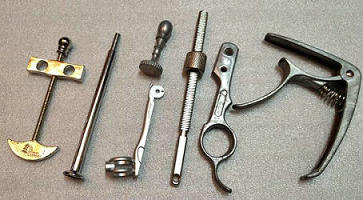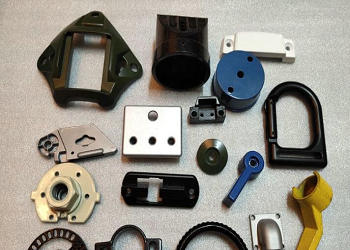
zamak spuitgietwerk

zink spuitgieten

Tips voor het opsporen van gebreken en kwaliteitsborging bij zinkspuitgietwerk

zamak spuitgietwerk, Zink spuitgieten

Zinkspuitgieten is een zeer efficiënt productieproces dat veel wordt gebruikt in auto-onderdelen, elektronische behuizing, fittingen, hardware, medische apparatuur en consumentengoederen. Het wordt gewaardeerd om zijn vermogen om complexe geometrieën te creëren met een hoge maatnauwkeurigheid, schone oppervlakteafwerkingen en hoge productiesnelheden. Ondanks deze voordelen is zinkspuitgieten geen technologie die immuun is voor kwaliteitsproblemen. De defecten kunnen ontstaan door onregelmatigheden in de gebruikte materialen, de capaciteit van het gereedschap, een gebrek aan procescontrole of het ontwerp. Een goede preventie van defecten, het opsporen van problemen en kwaliteitscontrole zijn van cruciaal belang om een uniforme kwaliteit in de productie te garanderen, het uitvalpercentage te verlagen en de algemene efficiëntie van het productieproces te verbeteren. Dit artikel geeft een diepgaande bespreking van de meest voorkomende defecten bij het spuitgieten van zink, de oorzaken, effectieve corrigerende maatregelen en het profiel van best practices om de kwaliteit in elke productiecyclus te garanderen. Kwaliteitsproblemen bij het spuitgieten van zink Bij het spuitgieten van zink wordt een gesmolten zinklegering onder hoge druk in een machinaal bewerkte stalen matrijs gespoten. Het metaal stolt snel, wat resulteert in korte cyclustijden en een hoge herhaalbaarheid. Toch zijn de hoge druk en hoge snelheid waarmee het proces werkt dezelfde factoren die bijdragen aan zowel de effectiviteit als de gevoeligheid voor defecten als de parameters niet worden bewaakt. Kwaliteitscontroleproblemen bij zinkspuitgieten hebben vaak te maken met mechanische prestaties, de kwaliteit van de afmetingen, het uiterlijk van het oppervlak, de corrosiebestendigheid of de montage. De meeste defecten zijn onderling verbonden, aangezien één enkele oorzaak kan leiden tot meerdere kwaliteitsproblemen. Het is belangrijk om de relaties tussen materiaalgedrag, matrijsontwerp en verwerkingsparameters te begrijpen om efficiënte probleemoplossing mogelijk te maken. Defecten bij zink spuitgietwerk De meest voorkomende defecten bij zink spuitgietwerk kunnen worden ingedeeld op basis van hun uiterlijk en hun effect op de prestaties van het onderdeel. De volgende tabel geeft een overzicht van veelvoorkomende defecten en hun algemene effect. Soort defect Uiterlijk Effect Poreusheid Holten of gaatjes inwendig Het zal de sterkte verminderen Het kan lekkage veroorzaken Koudsluitingen Zichtbare lijnen en naden Dit zal resulteren in een zwakke hechting tussen de vloei. Krimp Holtes en zinksporen De afmetingen van de onderdelen veranderen. Dit zal leiden tot meetonnauwkeurigheden. Onvolledige vulling Ontbrekende of dunne doorsneden Dit leidt tot functionele storingen. Solderen Metaal kleeft aan de matrijs Dit veroorzaakt schade aan het gereedschap Scheuren Interne of oppervlaktebreuken Dit uiterlijk wijst op structurele schade of defecten. Blaarvorming Bubbelachtig uiterlijk op het oppervlak Slechte oppervlakteafwerking Flits Overmaat aan metaal bij de deellijnen Het esthetisch uitzicht wordt aangetast Porositeit in spuitgietstukken Zinkporositeit verwijst naar de aanwezigheid van lege ruimtes of gasbellen in het gietstuk. Deze holtes kunnen zich aan het oppervlak of in het gietstuk bevinden; ze zijn erg moeilijk te detecteren zonder geavanceerde inspectietechnieken. Porositeit breekt de mechanische integriteit van het gietstuk af en kan leiden tot lekkage in drukhoudende onderdelen. Soort porositeit Beschrijving Oorsprong Gas Porositeit Gladde afgeronde holtes Gas of lucht raakt ingesloten Krimp Porositeit Onregelmatige holtes Onvoldoende toevoer Micro Porositeit Zeer fijne holte Snelle stolling Etiologie en profylaxe De porositeit kan het gevolg zijn van ingesloten lucht tijdens het injecteren, hoge turbulentie in de stroming van het gesmolten metaal of slechte ontluchting van de gietholte. Gasvorming kan ook het gevolg zijn van een hoog vochtgehalte op de matrijsoppervlakken of van een onjuiste smelttemperatuur. Porositeitsreductie wordt bereikt door de injectiesnelheid en -druk nauwkeurig te regelen, de matrijzen te ontluchten en waar nodig efficiënt gebruik te maken van vacuümsystemen. Het handhaven van een optimale smelttemperatuur en het schoon en droog houden van de matrijsoppervlakken zal ook de gasinsluiting verminderen. In de meeste gevallen kan het reconstrueren van het gating systeem om een soepele metaalstroom te faciliteren een grote bijdrage leveren aan het minimaliseren van porositeit. Cold Shuts en Flow Line Defecten Beschrijving en impact Cold shut: Dit gebeurt wanneer twee stromen gesmolten zink elkaar ontmoeten en niet goed samensmelten, waardoor er een zichtbare naad of lijn op het gietoppervlak ontstaat. Dergelijke gebreken verminderen de structurele integriteit en kunnen leiden tot vroegtijdig bezwijken onder mechanische druk. Oorzaken en oplossingen Lage smelttemperatuur, onvoldoende injectiesnelheid of lange stromingstrajecten kunnen leiden tot voortijdig stollen en koud sluiten. Slechte positionering van poorten en dunne wandsecties verergeren de zaak ook. Om koudsluiting te voorkomen, moeten de vloei-eigenschappen van het metaal worden verbeterd. Dit kan worden bereikt door de smelt- en matrijstemperaturen binnen een redelijk bereik te brengen, de injectiesnelheid te optimaliseren en de poorten opnieuw te ontwerpen voor een evenwichtige vulling. De continuïteit van de stroming wordt ook verbeterd door de geometrie van het onderdeel te wijzigen om dunne doorsneden en scherpe hoeken te vermijden. Zinkspuitgieten Defecten door krimp Kennis over krimpgedrag Als gesmolten zink stolt, krimpt het, wat krimp veroorzaakt. Tenzij er meer gesmolten metaal wordt toegevoegd om deze krimp te compenseren, kunnen er inwendige holtes of zinksporen aan het oppervlak ontstaan. Zinkdefecten in de vorm van krimp ontstaan meestal in die delen van het gietstuk die dik zijn en waarvan kan worden vastgesteld dat ze het laatst zijn gestold. Redenen en corrigerende maatregelen Onvoldoende houddruk, onjuist ontwerp van het toevoersysteem of plotselinge veranderingen in de wanddikte zijn vaak de oorzaken van krimpdefecten. Ongelijke koelsnelheden kunnen ook plaatselijke krimp veroorzaken. Om krimp te voorkomen, is het belangrijk om de loopwagens en poorten zo te ontwerpen dat er een constante metaaltoevoer is tijdens het stolproces. Door een hogere houddruk toe te passen en de tijd onder druk te verlengen, kan gesmolten metaal krimp compenseren. Het handhaven van een uniforme wanddikte en het verbeteren van de thermische balans in de matrijs minimaliseert ook het risico op krimpgerelateerde defecten. Flashvorming en de beheersing ervan Beschrijving van flash Flash ontstaat in de vorm van dunne lagen overtollig metaal langs de snijlijn van de matrijs, de uitwerppin of in de vorm van openingen. Hoewel de flash niet noodzakelijk de functionaliteit van het onderdeel in gevaar brengt, vereist het vaak secundaire snijprocessen en kan het het uiterlijk beïnvloeden. Oorzaken en preventie Flitsvorming wordt vaak in verband gebracht met hoge injectiedruk, slijtage van matrijsonderdelen of zelfs verkeerde uitlijning van matrijzen. Matrijsoppervlakken kunnen ook niet goed afdichten doordat er vreemd materiaal op ligt. Om vlamvorming te voorkomen, is het noodzakelijk om de juiste hoeveelheid injectiedruk, voldoende klemkracht en routinematig matrijsonderhoud te handhaven. Slijtage en schadecontrole van matrijzen en
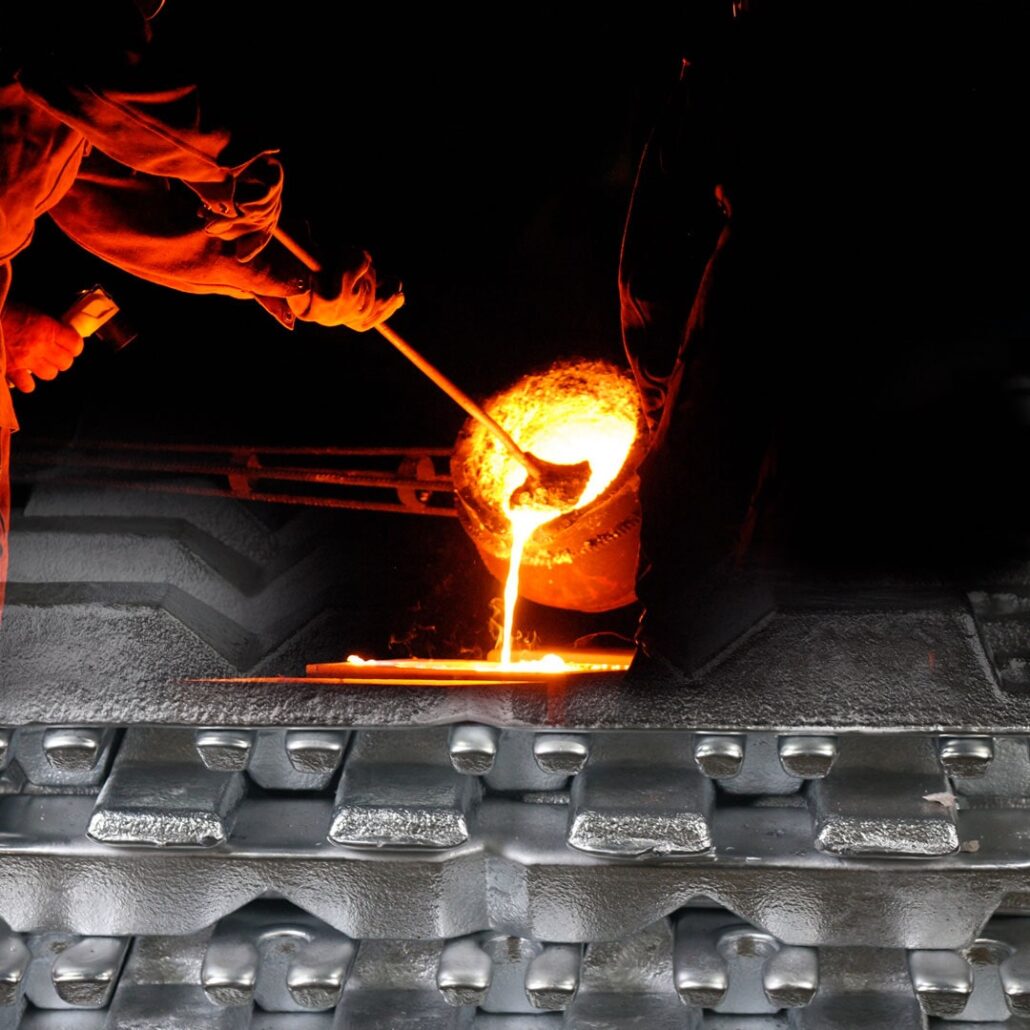
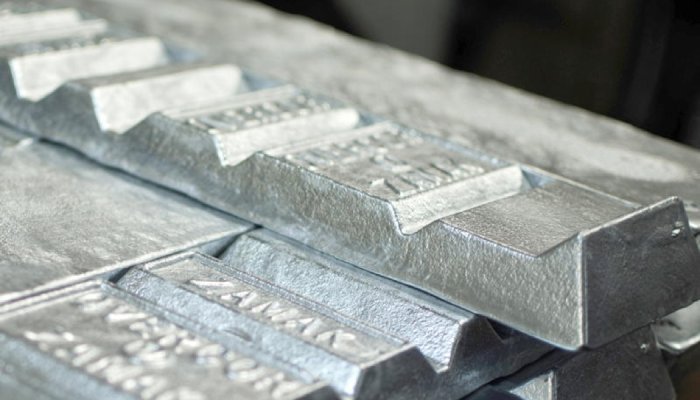
Precisie in zink: de kracht van zamak spuitgietwerk

Precisie in zink: de kracht van zamak spuitgietwerk

aluminium gietwerk, zamak spuitgietwerk

ZAMAK is the name given to a zinc-based alloy that is used with aluminum, copper (Kupfer), and magnesium. ZAMAK was named in German from these words. This alloy usually contains 94% to 96% zinc, the other material being added to foil or sheet. Several remarkable qualities make ZAMAK alloys good for die casting applications. The fact that these alloys have a low melting point, high fluidity, and high strength per weight makes them extraordinarily useful for making hard, tough and accurate parts. In addition to these key features, ZAMAK alloys offer other features that qualify them for several industrial applications.Zamak die casting has established itself in the world of metal casting as a highly cost-effective and cozy method of metal casting. Zamak is a zinc family of alloys used widely to build complex high quality parts in many industries. The process involves injecting molten Zamak alloy into a metal mold or die under high pressure. The process is capable of making intricate parts to very close tolerances with very good surface finishes, which makes it suitable for manufacturing precision parts. The more critical role of Zamak die casting is here because, as industries evolve with the increased need for durable, lightweight and strong materials. In this article, we analyze the significance of Zamak die casting and why a person should prefer Zamak die casting over other casting methods. ZAMAK alloys are used in die casting foundries for casting parts, and their cast parts comprise many industries such as automotive, electronics and hardware. This also adds an extra edge because these alloys are fully recyclable, as per the sustainability goals. However, ZAMAK die-cast parts have additional surface options, which will be of help to manufacturers to have aesthetically appealing products with a premium look, especially these decorative parts. What Is ZAMAK Die Casting? ZAMAK die casting is a metal casting technique widely used in which molten ZAMAK alloy is injected under high pressure into a mold. Typical in this process is the die or mold made from durable tool steel. Various molds are needed for each shape, and the ZAMAK die casting process just requires a hot chamber die casting machine. A two-halve hot chamber die casting machine is arranged with one stationary half and one movable half. These halves are then closed, and molten metal is injected into the mold by an injection chamber. When the metal is solidified, the cast part is removed from the mold by ejector pins. ZAMAK die casting uses this method on ZAMAK alloys. Hot Chamber Die Casting (HPDC), Low Pressure Die Casting (LPDC), and Gravity Die Casting (GDC) are possible types of ZAMAK alloys suitable for die casting processes with their respective advantages for different applications. 1. The ZAMAK Die Casting Process Like other types of aluminum or magnesium die casting, the ZAMAK die casting method needs attention to be paid wherever possible because the results are only as good as the ZAMAK casting process. The typical ZAMAK die casting process is written below in a breakdown: Step#1: Designing and Creating the Die The process starts with mold or die design and the final part design in the ZAMAK die casting process. It is important as it determines the final result of the casting as such. The first is that engineers first design a 3D model of the part to be cast using specialized CAD software. Typically, a prototype is made and tested, the design is improved until approval of the final version. Secondly, once there is a final part design, the mold is created, which means: The injection type: The melting point of the ZAMAK is low enough that it has to be hot enough to be injected into the mold. Step #2: Preparing the ZAMAK Alloy After that, prepare ZAMAK alloy. The ZAMAK alloy is purified with several refining methods such as thermal refining, chemical reaction, electrolytic refining and zone refining. The alloy is melted in a furnace at strictly controlled temperatures to prevent the alloy from coming to a liquid state with impurities. After the final refining, the molten metal is kept in an injection chamber to control temperature to prevent contamination. Step #3: Injecting the Molten ZAMAK into the Die. One of the critical phases of die casting is the injection of molten ZAMAK into the mold. After preparation and storage of the molten metal in the injection chamber, it is then injected under high pressure into the die with a plunger or piston. The molten alloy undergoes pressure, forcing it into every corner of the mold since all the space of the cavity is filled. In this way, one can have the part’s surface even and smooth, and produce good quality results through proper injection techniques. Also, the design of the mold’s injection channels is a key determinant of accomplishing this. Step 4: Cooling and Solidifying the Part However, as soon as the molten metal enters the mold, cooling begins. They quickly cycle the high-quality tool steel mold to draw the heat of the molten metal quickly enough for it to solidify. The cooling system is also used by many molds to accelerate the solidification process. Simply, to achieve the desired part quality and prevent defects, a consistent cooling rate is required, and are most commonly used are water and air cooling systems. Step #5: Solidified ZAMAK Casting Ejection The next step from the ZAMAK alloy to solidify is to eject the casting from the die. Care is taken in this to retain the quality of the part. To expel the solidified part out of the mold, ejector pins are used. The mold breaks open into two halves, the ejector pin is actuated, and the casting is released. There is a nice degree of precision to do this step, because too much force on the casting cay damage it. Proper alignment of the ejector pin will also ensure no surface imperfections or dents. Step #6: Finishing and Trimming The casting is usually ejected with excess material on it,

Wat is Zamak? Een complete gids voor deze veelzijdige zinklegering

Wat is Zamak? Een complete gids voor deze veelzijdige zinklegering

zamak spuitgietwerk

What is zamak? Zamak or ‘zinc alloy’ is a family of alloys that are mainly zinc-based with traces of other metals such as aluminum, magnesium and copper. Zamak is a German word made from the short form of zinc (‘Z’) and the word Amak (‘aluminum, magnesium and copper’; the main elements that compose this alloy). Due to its versatility, durability and cost efficiency, the metal is very popular in industries. Zamak (or Zamac, trademarked as ZAMAK before) is a very soft and relatively hard group of alloys, the majority of which comprises of zinc and some smaller amounts of aluminum, copper and magnesium. These alloys are a part of the broader family of zinc-aluminum alloys, but this group is distinct in that the concentration of aluminium is usually consistent and is typically about 4%. This particular combination of elements is what distinguishes Zamak from other alloys within the family and, consequently, results in unique properties that make it suitable for a variety of applications. In this article, we shall discuss Zamak’s composition, characteristics, types, advantages, uses and reasons why it is progressively being employed in various sectors of manufacturing.  Zamak: A Versatile Zinc-Aluminum Alloy Zamak is an acronym for the German names of the metals that comprise its alloy: Zink (zinc), Aluminium (aluminum), Magnesium and Kupfer (copper). First introduced in 1929, the alloy has since proven itself to be a cost-effective, durable, and incredibly versatile material to be used throughout the manufacturing world. Before Zamak was developed, zinc die casting had an issue known as zinc pest. Zinc pest refers to the degradation of zinc components due to the presence of impurities in the alloy. The impurities made the zinc degenerate, and over time, most die-cast parts were rendered unusable. The New Jersey Zinc Company solved this by making Zamak, which was made from very pure zinc – the very most pure zinc – 99.99% pure zinc. Refining was achieved by refluxing, and this was done so that the impurities that caused zinc pest could be removed. The Origins and Evolution of Zamak Alloys  Zamak’s innovation had brought stability to the zinc die casting industry, which was much needed. Zamak was soon widely accepted for its higher purity and its ability to resist zinc pest in a relatively short period for use in die casting and other industrial purposes. This alloy was a real success, as it enabled strong, durable, and long-lasting components even in harsh environments. Zamak has become a well-proven material, qualifying it to endure mechanical stresses while exposed to the environment.  What is zamak? Zamak itself is a zinc-aluminum-based alloy, essentially designed for die casting and precision manufacturing. It is widely used as a result of its strength, corrosion resistance and good casting properties; it was developed in 1929 by the New Jersey Zinc Company. Being able to melt at (380°C or so to 420°C), it has a low melting point and thus is suitable for automotive parts, hardware, electrical components, and consumer goods. It is a preferred choice over pure zinc and other metal alloys because of its durability and low cost in different industries. Composition of Zamak Alloys Zamak is a group of five different alloys of zinc as the base metal and small amounts of added aluminium, magnesium and copper to provide special properties to the metal. The principal elements contained in various Zamak alloys include: 1. Zinc (Zn) is the base metal in all Zamak alloys. The alloy is the second most widely used non-ferrous metal, after aluminum, as it is notable for its corrosion resistance and strength.2. Zamak also often contains Aluminum (Al) to increase the overall strength and resistance to corrosion. Also, it gives a better surface finish, which is worth special attention in casting.3. Magnesium (Mg) – Magnesium is also added to Zamak alloys to enhance the strength and casting properties of the finished alloy. Reducing the brittleness of zinc is also achieved.4. Zamak contains copper (Cu) added in very small amounts to add hardness and increase wear resistance. In general, the composition of the alloy may differ with the type of Zamak, but generally contains about 85–95% zinc, aluminium around 4–8%, copper 1–3%, and magnesium 0,01–0,1 %.  What is the Zamak Melting Point? The melting point of Zamak alloys depends slightly on their composition, but commonly lies between 380°C to 420°C (716°F to 788°F). Zamak is also relatively low in melting point and is a good choice for casting and precision manufacturing. Melting Points of Different Zamak Alloys: Zamak is made of mostly zinc so it melts at a much lower temperature than aluminum or steel. Its property of high precision, fast production and cost-effective manufacturing makes it appropriate for applications having high precision requirements. What is Zamak Powder? Zamak powder is a fine particle structure of Zamak alloy composed of zinc with minor additions of aluminum, magnesium, and copper. This is a fine metallized powder used in industries such as thermal, spraying industries, industries in additive manufacturing and powder metallurgy industries. Properties of Zamak Powder Composition: Same as standard Zamak alloys (Zamak 2, 3, 5, or 7)Melting Point: Approximately 380°C to 420°C (716°F to 788°F)Corrosion Resistance: Excellent resistance to environmental factorsConductivity: Good electrical and thermal conductivityDensity: Like Zamak solid, which makes it suitable for metal plating and sintered parts Uses of Zamak Powder 1. Powder Metallurgy– Applied in the making of sintered components where metal powder is put and it is heated in the formation of solid parts.2. Thermal Spraying – Used as a protective coating of its surface that involves use of sprayed material in protecting the surface against corrosion and wear.3. 3D Printing and Additive Manufacturing – applied in the new generation technologies for manufacturing prototypes.4. Metal Injection Molding (MIM) – This is used in the manufacturing processes of small metal parts with intricate designs. Advantages of Zamak Powder Zamak powder finds its application in automotive, aerospace, electronics and many other industrial applications because of its usefulness and strength. Different Types of Zamak Alloys and

Zink spuitgieten

Het belang van spuitgieten van zink in de auto-industrie

spuitgiet aluminium, spuitgietbedrijven, spuitgietbedrijf, Die Casting Fabrikant, gietdelen, zamak 3 spuitgietwerk, Zamak 3 zinkgieten, zamak 5, zamak 5 spuitgietwerk, zamak spuitgietwerk, het afgietsel van de zinklegering, Zink spuitgieten

Wat is spuitgieten? Spuitgieten is een metaalgietproces waarbij gesmolten metaal in de vormholte wordt geperst. De matrijsholte wordt gemaakt met behulp van twee geharde matrijzen van gereedschapsstaal die tijdens de verwerking worden bewerkt en werken op dezelfde manier als spuitgietmatrijzen. Het meeste spuitgietwerk wordt gemaakt van non-ferrometalen, vooral zink, koper, aluminium, magnesium, tin, lood en op tin gebaseerde legeringen. Afhankelijk van het type metaal dat wordt gegoten, wordt een thermische of koude motor gebruikt. Het zinkspuitgietproces is erg populair voor het maken van onderdelen in de bouw en industrie, maar de meest voorkomende toepassing is in de auto-industrie. Auto's hebben zelfs verschillende onderdelen die door middel van spuitgieten kunnen worden gemaakt, zodanig dat het moderne proces van spuitgieten oorspronkelijk is begonnen voor de auto-industrie. Bij het gietproces is vaak geen verdere bewerking nodig na het gieten: niet alleen is de nauwkeurigheid tot 99,8%, maar de gegoten producten kunnen ook onbewerkt gebruikt worden omdat ze een aangename afwerking hebben. Het gebruik van zink spuitgietwerk is bijna 28% in de automobielindustrie, gevolgd door de bouw- en ijzerwarensector. Zink is een van de belangrijkste metalen geworden in de auto-onderdelenindustrie, vooral voor producten zoals portierslotbehuizingen, pal, tandwielen en oprolmechanismen in veiligheidsgordelsystemen, maar ook voor nokkenas- en sensoronderdelen. Door dit metaal en zijn legeringen te gebruiken, is het mogelijk om sterkte, vervormbaarheid en flexibiliteit te bereiken die met andere materialen niet mogelijk zouden zijn. Bovendien kan zink de juiste keuze zijn om esthetische componenten van hoge kwaliteit te krijgen, met nauwe toleranties die niet mogelijk zijn met andere materialen, en om reliëf en groeven te krijgen voor mechanische componenten of tandwielen. Zink spuitgietmechanismen in de automobielindustrie Zoals eerder gezegd is de automobielindustrie de meest voorkomende spuitgiettoepassing: het gebruik van zink en zinklegeringen maakt het mogelijk om onderdelen te produceren met een hoge esthetische kwaliteit, met nauwe toleranties voor de vormmorfologie. Zinklegeringen worden ook gebruikt voor coatings vanwege de vele voordelen, zoals het verbeteren van de roestwerende eigenschappen van zink, die al indrukwekkend zijn. Hieronder vind je een aantal mogelijke voorbeelden van verzinken: Esthetisch interieur Sectie Zonnedaken Sectie Mechanische onderdelen Motor en andere onderdelen onder de motorkap Stuurbekrachtigingssysteem Onderdelen en remsysteem Airconditioning onderdelen en systemen Chassis hardware Onderdelen in het gordelsysteem Onderdelen van de klimaatregeling Brandstofsysteem Voordelen voor zink spuitgieten: Een efficiënt & economisch proces waarbij verschillende vormen mogelijk zijn. Productie op hoge snelheid Nauwkeurigheid & stabiliteit van afmetingen Sterkte & gewicht Verschillende afwerkingstechnieken zijn beschikbaar Eenvoudige assemblage Het spuitgietproces begon met het gebruik van lood en loodlegeringen, magnesium- en koperlegeringen die snel werden gevolgd en in de jaren 1930 waren veel moderne legeringen beschikbaar die vandaag nog steeds worden gebruikt. Dit proces evolueerde van injectie onder lage druk bij het gieten tot moderne injectie onder hoge druk van 4500 pond per vierkante inch. Het moderne proces is in staat om schone gietvormen met een hoge integriteit en een uitstekende oppervlakteafwerking te produceren. Een zinklegering is een sterk, duurzaam en kosteneffectief technisch materiaal. De mechanische eigenschappen zijn concurrerend en meestal beter dan gegoten aluminium, magnesium, brons, kunststof en het meeste gietijzer.

Zamak 3 zinkgieten

Zamak 3 Spuitgieten

aluminium gietwerk, zamak 3, zamak 3 spuitgietwerk, Zamak 3 zinkgieten, zamak 5, zamak spuitgietwerk, het afgietsel van de zinklegering, Zink spuitgieten

Wij bieden ZAMAK 3 spuitgietmatrijzen aan voor de productie van ZAMAK 3 producten. Onze ZAMAK 3 producten, productiemogelijkheden en opslagfaciliteiten geven je kwaliteitsonderdelen tegen concurrerende prijzen. ZAMAK 3 is de meest populaire van de ZAMAK serie legeringen voor zink spuitgieten vanwege de gietbaarheid en maatvastheid. ZAMAK 3 eigenschappen: Uiteindelijke treksterkte: psi x 103 (MPa) 41 (283) Opbrengststerkte - 0,2% offset: psi x 103 (MPa) 32 (221) Rek: % in 2″ 10 Afschuifsterkte: psi x 103 (MPa) 31 (214) Hardheid: Brinell 82 Slagvastheid: ft-lb (J) 432 (58) Vermoeiingssterkte Rotary Bend - 5×10⁸ cycli: psi x 103 (MPa) 6,9 (48) Samendruksterkte 0,1% Offset: psi x 103 (MPa) 604 (414) Elasticiteitsmodulus - psi x 106 (MPa x 103) 12.46 (85,5) Poisson¡¯s Ratio 0,27 Dichtheid: lb/cu in (g/cm3) .24 (6,6) Smelttraject: ¡ãF (¡ãC) 718-728 (381-387) Elektrisch geleidingsvermogen: %IACS 27 Thermisch geleidingsvermogen: BTU/ft/hr/¡ãF (W/m/hr/¡ãC) 65,3 (113,0) Thermische uitzettingscoëfficiënt: 68-212¡ãF µin/in/¡ãF (100-200¡ãC µm/mm/¡ãC) 15,2 (27,4) Soortelijke warmte: BTU/lb/¡ãF (J/kg/¡ãC) .10 (419) Patroon van matrijskrimp: in/in .007 Zink spuitgietwerk Toepassingen Sportartikelen - Kostenbesparende benaderingen van machinaal bewerkte onderdelen; - Coatings die passen bij parallelle zinkdelen; - Sterkte voor zware toepassingen; Medisch - Innovatieve mogelijkheden; - Precisieontwerpen als gegoten; - Voor gebruik in vele moeilijke toepassingen; Schakelaar - Meerdere holtes voor kostenbesparingen; - Multislide; Bevestigingsmiddelen - Vele maten paneelmoeren reeds bewerkt; - Snelle tapmogelijkheden; Schakelaar - Vier schuiftechnologie om kostbare secundaire te elimineren; - Vatplateren voor elektroless nikkel biedt kosteneffectieve bescherming en esthetiek; - uitstekende geleidende legeringen; glasvezel - in staat om complexe ontwerpen te gieten; - componenten met nauwe toleranties, zoals gegoten; - apparatuur en ervaring om kleine componenten te leveren; apparaten - dunwandige gietstukken met de sterkte om in toepassingen te blijven; - oppervlakteafwerkingen bieden slijtvastheid; - legeringen ontworpen voor specifieke toepassingen; auto-industrie - in staat om meerdere componenten in één zinkgietstuk op te nemen; - corrosiebestendige gietstukken en bekledingen; - secundaire tapmogelijkheden; - zink is een uitstekend dempingsmateriaal; het detail van Zamak 3 zinkgietwerk Modelnr: Zamak 3 zinkafgietsel ProductName: Zamak 3 of 5 matrijzenafgietsel Productoorsprong: China Merknaam: CNM TECH Prijstermijnen: FOB SZ Betalingstermijnen: T/T CIF L/C Leveringscapaciteit: 300.000-400.000sets/maand Leveringsproductietijd: rond 30 dagen Als u wilt kopen of meer informatie over Zamak 3 zinkafgietsel wilt kennen,

Zink spuitgietdelen

Spuitgietwerk zinklegering Zamak 3 Zamak 5

aluminium gietwerk, zamak 2 spuitgietwerk, zamak 3, zamak 3 spuitgietwerk, zamak 5, zamak 5 spuitgietwerk, zamak spuitgietwerk, het afgietsel van de zinklegering, Zink spuitgieten

Zinc Die Casting Description : We use four top-quality zinc alloys for our zinc die casting parts – Zamak 3, Zamak 5, ZA-8 and Zamak 2 — because they offer unique advantages for creating high-precision die castings. Zamak 3: As the most popular zinc alloy, Zamak 3 features exceptional ductility and impact strength. It works very well with multiple plating and finishing options, Zamak 5: Typically used in automotive and small engine applications, Zamak 5 exhibits excellent creep resistance, hardness, and strength. Zamak 3 or 5 die casting parts? For all our zinc die castings we use either Zamak-3 or Zamak-5 Zinc Alloy. Special. The Alloying is done in our fully automatic In-house Zinc Alloying section where we manufacture all kinds of Zinc Alloys for Die Casting. Our daily Zinc Alloying capacity is 16 Metric Tonnes. Every  Alloy Heat is tested by a computerized Spectrometer for metallurgical composition. We would be happy to quote for your requirements of low-cost high volume small precision  Zinc Die Casting components weighing in the range of 0.25 gms to 125 gms. We specialize in a rare combination of both – Accurate Sizes & Decorative Surface Finish ZA-8: Even stronger than Zamak 3 and 5, ZA-zamak8 is the ideal choice for hot chamber casting projects. It also works well with multiple plating and finishing options. Zamak 2: Compared to other Zamak alloys, Zamak 2 offers higher creep performance and long-term strength and hardness. It serves as an excellent bearing material and has been known to eliminate the need for bushings and wear inserts in die-casting components. Zamak 3, Zamak 5, ZA-8, and Zamak 2 is well suited for the die casting process due to their ability to: – Produce very thin walls and near net shapes – Achieve high levels of accuracy – Offer temperature flexibility up to 150° F – Provide reliability with superior bearing properties – Exhibit increased wear resistance Please send us either your samples, drawing and other details and we will send you our quote immediately.

Scroll naar boven

Een offerte aanvragen