Aluminium

Aluminium of aluminium

aluminium gietwerk

Flexible Metal Fashioning the Modern World One of the most important materials that contributes to modern civilization is aluminium. From high-tech aerospace and electric cars to simple things like food packaging and consumer electronics, this silvery-white metalloid is probably found in almost every sphere of modern life. Aluminium is a chemical with the chemical symbol Al and atomic number 13. It is prized for its outstanding light weight, strength, corrosion resistance, electrical and thermal conductivity, and complete recyclability. The only difference between Aluminum or aluminium is that it is able to respond to the increased world demand for materials that not only perform well but are also environmentally friendly. With industries shifting towards sustainability, lightweight design, and reduced energy consumption, aluminium has become one of the backbone metals of the 21st century.  This paper provides an in-depth description of the nomenclature of aluminum and aluminium, physical and chemical characteristics, history of aluminium, how it is made, its uses in industry, systems of alloys, its sustainability, and trends in its future in a fast-changing world. The Lingistic Dilemma: Aluminum vs. Aluminium Among the most widely observed peculiarities of this metal are the two spellings it has, i.e., aluminum or aluminium. Both terms mean the same thing, although regional language customs and the historical development of the scientific world explain their use. Aspect Aluminum Aluminium Chemical symbol Al Al Atomic number 13 13 Original term used Aluminum Aluminium Regions using the term United states British Dictionary Preference American dictionaries British dictionaries Scientific use U.S. publications European publications Industrial standards ASTM Standards ISO Standards Language influences American English British English Related Chemical Terms Al₂O₃, Al₄C₃ Al₂O₃, Al₄C₃ Naming Convention Originated with the Following The name itself can be traced back to the early 19th century, and it is strongly linked to Sir Humphry Davy, a British chemist who helped identify and name several chemical elements. During one of his experiments with alumina (aluminium oxide), Davy first suggested the name alumium. Soon, he amended it to aluminium. Nevertheless, certain contemporaries of Davy contended that the name ought to be stricter in accordance with the classical Latin style of naming as applied to other elements, e.g., sodium and potassium. Consequently, the name aluminum became common, especially in Britain and Europe. Local Tastes and Unification Regional tastes were, over time, entrenched in North America. The spelling aluminum was officially adopted and made uniform by the American Chemical Society (ACS) in 1925. In 1990, on the other hand, the International Union of Pure and Applied Chemistry (IUPAC) formally accepted the spelling aluminum as the standard international scientific spelling. Even today, aluminum is more common in the United States and Canada, whereas in most other regions, including the United Kingdom, Europe, and Australia, aluminium is more common. Implication on Global Communication Although there are dual spellings, scientific, technical, or industrial communication is not ambiguous at all. The two terms are universally applicable, and the international standards, product specifications and trade documentation routinely consider this linguistic variation but do not have an operational effect. Aluminium Physical and Chemical Properties The popularity of aluminium or aluminum lies in its exceptional physical and chemical properties. It is the most common metallic element in the Earth’s crust, accounting for approximately 8.1%, but it is never found in pure metallic form. Main Physical Characteristics Aluminum has some of the most interesting physical properties, which include: Aluminium is an excellent material for heat exchangers, radiators, and cooling electronic systems due to its excellent heat dissipation. Ductility and Malleability Aluminium can be beaten into foils less than 0.01 mm thick and pulled into very fine wires without breaking. This makes aluminium an ideal material for a wide range of frames and products acrossindustries. Chemical Behaviour and Resistance to Corrosion Corrosion resistance is also a natural characteristic of aluminium, which is very desirable. The presence of air leads to the immediate formation of a dense, adherent layer of aluminium oxide (Al2O3) on aluminium. This coated film prevents further oxidation and shields the underlying metal from environmental degradation. Additionally, aluminium is: History of the Discovery of Aluminum or Aluminium Early Isolation Efforts Although aluminium compounds have been in use since antiquity, isolating the pure metal was not an easy task. In 1825, Danish physicist Hans Christian Oersted was able to reduce small amounts of aluminium chloride, producing small amounts of aluminium. It was soon followed by an improvement by Friedrich Woehler in 1827, but production remained costly and low. Aluminum was an expensive material at this time, more precious than gold, and was actually used to top the Washington Monument as a technological showcase. Breakthrough in the Hall-Héroult In 1886, breakthroughs were made when Charles Martin Hall, then in the United States, and Paul Heroult, then in France, independently developed the electrolytic reduction process for aluminium extraction. The process is called the Hall-Héroult process, and it consists of dissolving alumina in a molten cryolite solution and passing an electric current through the solution to obtain molten aluminium. This invention, added to the Bayer process (invented in 1887 to process bauxite into alumina), significantly reduced production costs and enabled large-scale industrialisation. The Development into Mass Production At the beginning of the 20th century, aluminium production increased rapidly. Its strategic significance was fully realised during World War I and World War II, especially in aircraft production. Since then, aluminium die casting has ceased to be a rare novelty and has become an essential part of industry. Contemporary Processes of Production Primary Production: Bauxite to Metal Bauxite mining is the starting point of primary aluminium production, and the ores usually contain 30-60 per cent alumina ). It consists of two major phases: Bayer Process Through this process, bauxite is purified into alumina using sodium hydroxide. Hall-Héroult Process Alumina undergoes electrolytic reduction to molten aluminium, which requires about 13-15 kWh of electricity per kilogram. The World Production and Main manufacturers By 2024, the world had a steady output of about 72 million metric tons of aluminum. Major producers include: Secondary
aluminium spuitgietwerk

Wat is spuitgieten van aluminium?

aluminium gietwerk

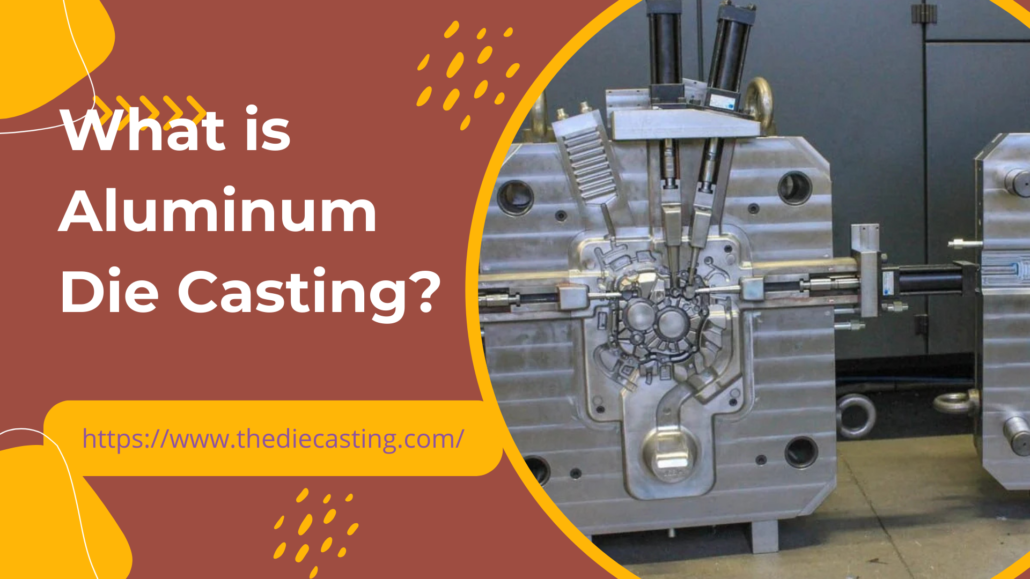
One of the most popular manufacturing processes for producing high-precision metal parts on a large scale is aluminum die casting. It is important in contemporary industries that require high precision in dimensions, mechanical strength, light weight, and cost-effectiveness.

zink spuitgieten

Tips voor het opsporen van gebreken en kwaliteitsborging bij zinkspuitgietwerk

zamak spuitgietwerk, Zink spuitgieten

Zinkspuitgieten is een zeer efficiënt productieproces dat veel wordt gebruikt in auto-onderdelen, elektronische behuizing, fittingen, hardware, medische apparatuur en consumentengoederen. Het wordt gewaardeerd om zijn vermogen om complexe geometrieën te creëren met een hoge maatnauwkeurigheid, schone oppervlakteafwerkingen en hoge productiesnelheden. Ondanks deze voordelen is zinkspuitgieten geen technologie die immuun is voor kwaliteitsproblemen. De defecten kunnen ontstaan door onregelmatigheden in de gebruikte materialen, de capaciteit van het gereedschap, een gebrek aan procescontrole of het ontwerp. Een goede preventie van defecten, het opsporen van problemen en kwaliteitscontrole zijn van cruciaal belang om een uniforme kwaliteit in de productie te garanderen, het uitvalpercentage te verlagen en de algemene efficiëntie van het productieproces te verbeteren. Dit artikel geeft een diepgaande bespreking van de meest voorkomende defecten bij het spuitgieten van zink, de oorzaken, effectieve corrigerende maatregelen en het profiel van best practices om de kwaliteit in elke productiecyclus te garanderen. Kwaliteitsproblemen bij het spuitgieten van zink Bij het spuitgieten van zink wordt een gesmolten zinklegering onder hoge druk in een machinaal bewerkte stalen matrijs gespoten. Het metaal stolt snel, wat resulteert in korte cyclustijden en een hoge herhaalbaarheid. Toch zijn de hoge druk en hoge snelheid waarmee het proces werkt dezelfde factoren die bijdragen aan zowel de effectiviteit als de gevoeligheid voor defecten als de parameters niet worden bewaakt. Kwaliteitscontroleproblemen bij zinkspuitgieten hebben vaak te maken met mechanische prestaties, de kwaliteit van de afmetingen, het uiterlijk van het oppervlak, de corrosiebestendigheid of de montage. De meeste defecten zijn onderling verbonden, aangezien één enkele oorzaak kan leiden tot meerdere kwaliteitsproblemen. Het is belangrijk om de relaties tussen materiaalgedrag, matrijsontwerp en verwerkingsparameters te begrijpen om efficiënte probleemoplossing mogelijk te maken. Defecten bij zink spuitgietwerk De meest voorkomende defecten bij zink spuitgietwerk kunnen worden ingedeeld op basis van hun uiterlijk en hun effect op de prestaties van het onderdeel. De volgende tabel geeft een overzicht van veelvoorkomende defecten en hun algemene effect. Soort defect Uiterlijk Effect Poreusheid Holten of gaatjes inwendig Het zal de sterkte verminderen Het kan lekkage veroorzaken Koudsluitingen Zichtbare lijnen en naden Dit zal resulteren in een zwakke hechting tussen de vloei. Krimp Holtes en zinksporen De afmetingen van de onderdelen veranderen. Dit zal leiden tot meetonnauwkeurigheden. Onvolledige vulling Ontbrekende of dunne doorsneden Dit leidt tot functionele storingen. Solderen Metaal kleeft aan de matrijs Dit veroorzaakt schade aan het gereedschap Scheuren Interne of oppervlaktebreuken Dit uiterlijk wijst op structurele schade of defecten. Blaarvorming Bubbelachtig uiterlijk op het oppervlak Slechte oppervlakteafwerking Flits Overmaat aan metaal bij de deellijnen Het esthetisch uitzicht wordt aangetast Porositeit in spuitgietstukken Zinkporositeit verwijst naar de aanwezigheid van lege ruimtes of gasbellen in het gietstuk. Deze holtes kunnen zich aan het oppervlak of in het gietstuk bevinden; ze zijn erg moeilijk te detecteren zonder geavanceerde inspectietechnieken. Porositeit breekt de mechanische integriteit van het gietstuk af en kan leiden tot lekkage in drukhoudende onderdelen. Soort porositeit Beschrijving Oorsprong Gas Porositeit Gladde afgeronde holtes Gas of lucht raakt ingesloten Krimp Porositeit Onregelmatige holtes Onvoldoende toevoer Micro Porositeit Zeer fijne holte Snelle stolling Etiologie en profylaxe De porositeit kan het gevolg zijn van ingesloten lucht tijdens het injecteren, hoge turbulentie in de stroming van het gesmolten metaal of slechte ontluchting van de gietholte. Gasvorming kan ook het gevolg zijn van een hoog vochtgehalte op de matrijsoppervlakken of van een onjuiste smelttemperatuur. Porositeitsreductie wordt bereikt door de injectiesnelheid en -druk nauwkeurig te regelen, de matrijzen te ontluchten en waar nodig efficiënt gebruik te maken van vacuümsystemen. Het handhaven van een optimale smelttemperatuur en het schoon en droog houden van de matrijsoppervlakken zal ook de gasinsluiting verminderen. In de meeste gevallen kan het reconstrueren van het gating systeem om een soepele metaalstroom te faciliteren een grote bijdrage leveren aan het minimaliseren van porositeit. Cold Shuts en Flow Line Defecten Beschrijving en impact Cold shut: Dit gebeurt wanneer twee stromen gesmolten zink elkaar ontmoeten en niet goed samensmelten, waardoor er een zichtbare naad of lijn op het gietoppervlak ontstaat. Dergelijke gebreken verminderen de structurele integriteit en kunnen leiden tot vroegtijdig bezwijken onder mechanische druk. Oorzaken en oplossingen Lage smelttemperatuur, onvoldoende injectiesnelheid of lange stromingstrajecten kunnen leiden tot voortijdig stollen en koud sluiten. Slechte positionering van poorten en dunne wandsecties verergeren de zaak ook. Om koudsluiting te voorkomen, moeten de vloei-eigenschappen van het metaal worden verbeterd. Dit kan worden bereikt door de smelt- en matrijstemperaturen binnen een redelijk bereik te brengen, de injectiesnelheid te optimaliseren en de poorten opnieuw te ontwerpen voor een evenwichtige vulling. De continuïteit van de stroming wordt ook verbeterd door de geometrie van het onderdeel te wijzigen om dunne doorsneden en scherpe hoeken te vermijden. Zinkspuitgieten Defecten door krimp Kennis over krimpgedrag Als gesmolten zink stolt, krimpt het, wat krimp veroorzaakt. Tenzij er meer gesmolten metaal wordt toegevoegd om deze krimp te compenseren, kunnen er inwendige holtes of zinksporen aan het oppervlak ontstaan. Zinkdefecten in de vorm van krimp ontstaan meestal in die delen van het gietstuk die dik zijn en waarvan kan worden vastgesteld dat ze het laatst zijn gestold. Redenen en corrigerende maatregelen Onvoldoende houddruk, onjuist ontwerp van het toevoersysteem of plotselinge veranderingen in de wanddikte zijn vaak de oorzaken van krimpdefecten. Ongelijke koelsnelheden kunnen ook plaatselijke krimp veroorzaken. Om krimp te voorkomen, is het belangrijk om de loopwagens en poorten zo te ontwerpen dat er een constante metaaltoevoer is tijdens het stolproces. Door een hogere houddruk toe te passen en de tijd onder druk te verlengen, kan gesmolten metaal krimp compenseren. Het handhaven van een uniforme wanddikte en het verbeteren van de thermische balans in de matrijs minimaliseert ook het risico op krimpgerelateerde defecten. Flashvorming en de beheersing ervan Beschrijving van flash Flash ontstaat in de vorm van dunne lagen overtollig metaal langs de snijlijn van de matrijs, de uitwerppin of in de vorm van openingen. Hoewel de flash niet noodzakelijk de functionaliteit van het onderdeel in gevaar brengt, vereist het vaak secundaire snijprocessen en kan het het uiterlijk beïnvloeden. Oorzaken en preventie Flitsvorming wordt vaak in verband gebracht met hoge injectiedruk, slijtage van matrijsonderdelen of zelfs verkeerde uitlijning van matrijzen. Matrijsoppervlakken kunnen ook niet goed afdichten doordat er vreemd materiaal op ligt. Om vlamvorming te voorkomen, is het noodzakelijk om de juiste hoeveelheid injectiedruk, voldoende klemkracht en routinematig matrijsonderhoud te handhaven. Slijtage en schadecontrole van matrijzen en

zink spuitgieten

Beste zink spuitgietproducten voor decoratieve hardware

Zink spuitgieten

Zinc die casting is considered one of the preferred production processes for decorative hardware because it can produce complex, high-quality finishes at a cost-effective rate. This is done by forcing molten zinc alloy under high pressure into a precision steel mould to produce parts with superior surface finish, tight tolerances, and intricate geometries. Decorative hardware comprises door handles, cabinet knobs, pulls, hinges, scutcheons, and decorative accents for residential, commercial, and architectural applications. The low melting point (380-390 °C) and high fluidity of zinc allow for finely detailed thin walls (down to 0.5 mm), extended tool life (typically over 1 million shots), and large dimensions. These features make it suitable for decorative works that need to be both appealing and functional in the long term. Finishes such as chrome, nickel, brass imitation, or antique bronze enhance visual luxury and offer corrosion resistance. Ordinary Zinc Die Casting Decorative Hardware Alloys The choice of the right zinc alloy in the production of decorative hardware is critical to the performance, stability, appearance, and overall cost-effectiveness of the products. Zinc alloys are popular because they offer a good compromise between castability, strength, and finish. Alloy Composition Hardness Tensile strength (Mpa) Elongation % Applications Zamak 3 Zn 96% Al 4% Mg 0.03% 82   283   10   Doorknobs, escutcheons, ornamental plates Zamak 5 Zn 95% Al 4% Cu 1% 91   331   7   Cabinet pulls, hinges, locksets. Zamak 7 Zn 95.9% Al 4% Ni 0.02% 80   285   13   Intricate finials, decorative brackets ZA-8 Zn 91% Al 8.4% Cu 1% 103   372   6-10   Heavy-duty hardware like gate latches Zamak 3 The most common decorative hardware application is Zamak 3. It offers great castability, dimensional stability and a smooth as-cast surface. These characteristics make it suitable for door handles, cabinet knobs, rosettes, and other parts exposed to view. Zamak 3 also offers good compatibility with plating, painting, and powder coating, enabling manufacturers to achieve high-quality decorative finishes with minimal surface preparation. Zamak 5 Zamak 5 is enhanced with a small amount of copper, which enhances hardness and creep resistance. The alloy is typically used to make load-bearing decorative hardware, including hinges, locks, latches, and structural fittings. The increased mechanical strength enables the parts to withstand repeated stress and prolonged use, maintain good surface condition, and maintain good dimensions. Zamak 7 Zamak 7 is appreciated for its purity and fluidity. These features make it particularly appropriate for intricate, thin-walled, and ornate designs. It is frequently employed with complex hardware components that require sharp edges, fine finishes, and a high-quality surface appearance. ZA-8 ZA-8 has greater wear resistance and strength than standard Zamak alloys. Its application is commonly referred to as decorative hardware that is higher stress or mechanical load, and both durability and appearance are needed. Best Zinc Die Casting Products of Decorative Hardware Zinc die casting is critical in the manufacture of decorative hardware, as it provides a perfect blend of strength, accuracy, surface quality, and cost-effectiveness. Ornamental hardware accents are not merely useful; they also play a major role in the appearance of doors, furniture, and architectural interiors. Zinc die casting enables manufacturers to form complex shapes with tight tolerances and surface features, making it the choice for both high-end and mass-market decorative hardware. Zinc die-cast products, whether door handles and cabinet pulls, hinges, or ornamental accessories, are designed to withstand heavy use while retaining their beauty. Door Handles and Levers Decorative hardware products, such as zinc die-cast door handles and levers, are widely used for their flexibility in design, mechanical performance, and ergonomic comfort. These parts are typically designed with wall thicknesses of 1 to 2mm, making them very lightweight yet structurally sound. Draft angles of 1 to 2 degrees are commonly used to ensure easy ejection and maintain fine surface detailing. In fact, modern zinc die-cast lever designs are frequently designed with internal springs and mounting provisions. This integration reduces assembly complexity and enhances its smooth operation. These handles are made from high-quality zinc alloys to ensure tensile strengths up to 300 MPa and long-term resistance to bending and deformation. Well-designed zinc levers can withstand 500,000 or more cycles and are therefore used in entry doors, interior passages, and busy commercial settings. Cabinet Knobs and Pulls One of the most economical uses of zinc die casting is for cabinet knobs and pulls, as well as small, very delicate parts. Zinc also has great fluidity, which enables the manufacture of small designs with fine textures, impressed logos, and fine threading. Common cabinet knobs are about 1-1.5 inches in diameter, and common pulls have a 3-12-inch centre-to-centre spacing, all with high dimensional accuracy. Zinc die-cast cabinet hardware is so lightweight (typically 50-150 grams) that it is simple to install and use daily. The texture of the grips and the contour design promote comfortable handling, whereas the inner hardness of the zinc alloys provides resistance to scratches, fingerprints, and wear. Popular finishes include brushed antique brass, satin nickel, and oil-rubbed bronze, which are timeless and will fit both modern and antique furniture designs. Furniture and Door Hinges Hinges made by zinc die casting are appreciated for their smooth operation, consistent dimensions, and ability to incorporate functional features. The typical hinge types are hinges, concealed hinges, and pie-cut corner hinges. These hinges usually have loads of 20-50 kg, depending on the use. Zinc die casting enables the addition of self-lubricating properties, built-in stops, and accurate pivot points, thereby enabling smooth, quiet operation. Close dimensional tolerances of 0.05 mm ensure a tight fit between the doors and frames. Zinc hinges can be used in both the residential and light commercial markets, with nickel plating and other protective coatings providing up to 500 hours of corrosion protection. Keyhole Covers and Escutcheons Escutcheons and keyhole covers can be used to protect as well as be decorative. Zinc die casting allows making thin sections as small as 1 mm, while also enabling high-resolution details of 0.1 mm. Such accuracy enables manufacturers to create

zink spuitgieten

Ontwerprichtlijnen voor zink spuitgietwerk voor precisieonderdelen

zamak 5, Zink spuitgieten

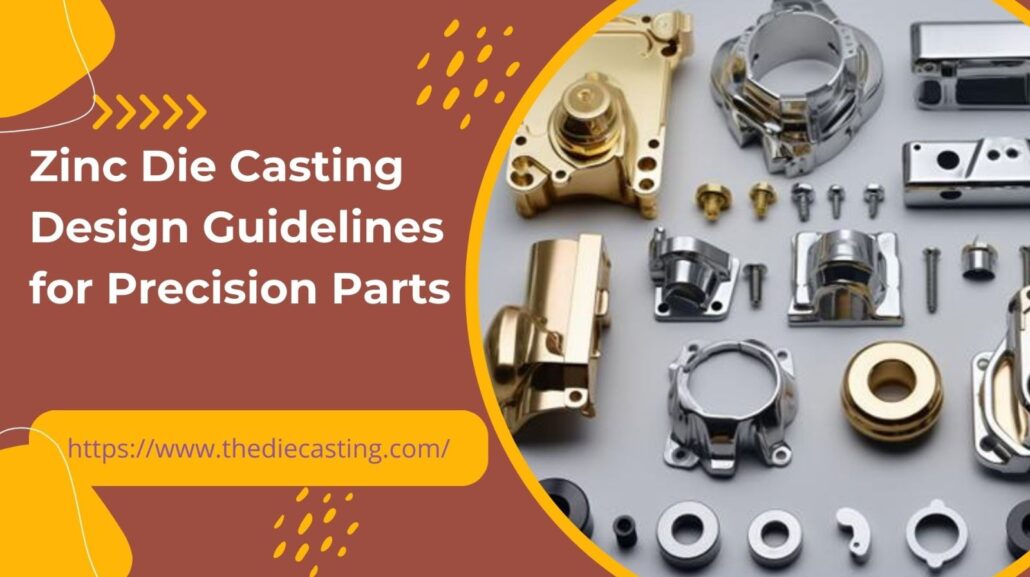
Zinc die casting is a flexible production method which entails an injection of zinc alloy molten matter into a specially designed mold with high pressure in order to create complex and high-precision parts. Such an approach is especially appropriate for precision parts because zinc has high fluidity, a low melting point, and can be machined to tight tolerances without much post-processing. Zamak die casting is used in industries such as automotive, electronics, consumer goods, and medical devices for parts, including connectors, gears, housings, and complex mechanisms that require dimensional tolerances and longevity. Most zinc alloys are processed using hot-chamber machines, which enable quick cycle times and a steady quality. Accurate parts benefit from zinc’s ability to produce thin walls, complex geometries, and net-shape parts, reducing material waste and assembly time. Nevertheless, high success rates are achieved when specific design rules are followed, and material properties, shape, form, and processing parameters are considered. These rules help reduce defects, improve manufacturability, and enhance precision. This article identifies major guidelines supported by industry standards set by organizations to help engineers design zinc die-cast precision parts. Advantages of Zinc Die Casting of Precision Parts The use of zinc die casting offers several benefits, making it one of the best materials for precision applications. Selection Material: Zinc Alloys Selecting the correct zinc alloy is important for precision parts because it affects mechanical properties, castability, and tolerances. The Zamak die-casting series (2, 3, 5, 7) and the ZA series (8, 12, 27) have specific compositions and performance properties. The table below will summarize the kinds of zinc alloy used in the manufacture of precision parts: Types of Zinc Alloy Tensile strength (ksi/MPa) Elongation % Hardness (BHN)   Density g/cm³   Yield strength (MPa) Melting point °C Zamak 2 52/359 7 100 6.6 283 379-390 Zamak 3 41/283 10 82 6.6 269 381-387 Zamak 5 48/328 7 91 6.6 283-269 380-386 Zamak 7 41/283 13 80 6.6 310-331 381-387 ZA 8 54/372 6-10 100-106 6.3 359-379 375-404 ZA-12 59/400 4-7 95-105 6.03 145 377-432 ZA-27 62/426 2.0-3.5 116-122 5.3 N/A 372-484 These properties can be used to ensure that zinc alloys meet precision specifications and that complex parts have high fluidity scores (1-2 on a 1-4 scale; 1 best). To be more exact, manufacturers would want to choose alloys such as Zamak 3 or ZA-8 due to their stability and ability to withstand tight tolerances. Key Design Guidelines Good zinc die casting is designed to facilitate flow and ejection while maintaining strength at minimal cost. Wall Thickness The wall thickness should be uniform to avoid porosity and distortion. For precision parts, keep it within +/-10% and use a minimum thickness of 0.040 inches (1 mm) for a good surface finish, and as fine as 0.020 inches (0.5 mm) in miniature models. Ratios of thick to thin sections should be kept to less than 3:1 to minimize the chance of porosity; preferably the inscribed sphere diameter ratios should not exceed 6:1. Thickening walls enhances flow but raises the cycle time and consumption. To distances away from the ingate, minimum thickness changes: below 0.5 mm in areas less than 50 mm, up to 2 mm at 200 mm. Different simulations can be used to check designs. In zinc casting, specify a minimum of 0.025 inches (0.635 mm) in selected locations, but 0.040 inches (1.016 mm) in best-as-cast locations. Draft Angles Draft angles help eject parts and prevent damage to the die. For zinc, the minimum drafts are 0.5 ° -1 on outside surfaces, 1- -1 on internal surfaces, and 0.1 ° -1 on round holes. Short features that use moving parts (die elements) can be printed in zero, but it is more expensive. For ribs, a 5-10 taper is used when it is not parallel to the shrinkage. Different standards give draft calculations: standard tolerances are 50 (draft angle approximately 1.9 degrees at a 1-inch depth) for inside walls and 100 for outside walls. There are also precision tolerances that permit 60 and 120 constant drafts. Fillets and Radii Fillets and radii should always be added since sharp edges lead to stress concentrations and die erosion. Minimum radius of inside fillet is 0.016 inches (0.4 mm), and outside 0.031 inches (0.8 mm). Radii of larger size (up to 0.063 inches or 1.6 mm) enhance flow and strength. Minimum radii should be used (0.060 inches (1.5 mm) for bosses and ribs). Radius at high stress should not be less than 1 mm; standards suggest ±0.08/±0.04 inches (±2/±1 mm) in fillets. This improves the part’s life and reduces cracking. Ribs and Bosses Ribs enhance reinforcement without adding bulk. Create shallow, rounded ribs (height-to-thickness ratio no more than 3:1) and evenly space them so they are not distorted. Adhesion ribs to walls with fillets to avoid porosity in the intersection. The height of bosses used to mount or thread must be equal to their diameter, and when the diameter is large, they must have ribs. Keep 0.25 inches (6.5 mm) distance between bosses. Tolerances of critical heights can be contained in ribs, such as in the precision designs of ±0.001 inches (±0.025 mm) ribs. Cored Holes and Threads Holes made in the core make it lighter and allow elements such as threads. Maximum depths are around 3 mm diameter, 9 mm blind or 24 mm through; up to 12 mm diameter with larger openings. At least 0.25 inches (6 mm) in diameter, L/D ratio not more than 4:1 in small holes. Parting Line Considerations It is best to place the parting line in the largest section possible to produce the least amount of flash and to allow easy trimming. Vertical or complicated lines should be avoided; die motion plane right angles are best. Tolerances on parting lines are the sum of linear ones, by projected area. Projected area Tolerance (+in) Upto 10 +0.0045 11-20 +0.005 21-50 +0.006 51-100 +0.009 Tolerances of Precision Parts Zinc die casting has even higher precision tolerances than standard, and sometimes 65% of those special controls are

zink spuitgieten

Spuitgieten van zink vs spuitgieten van aluminium: Voordelen en nadelen

aluminium gietwerk, Zink spuitgieten

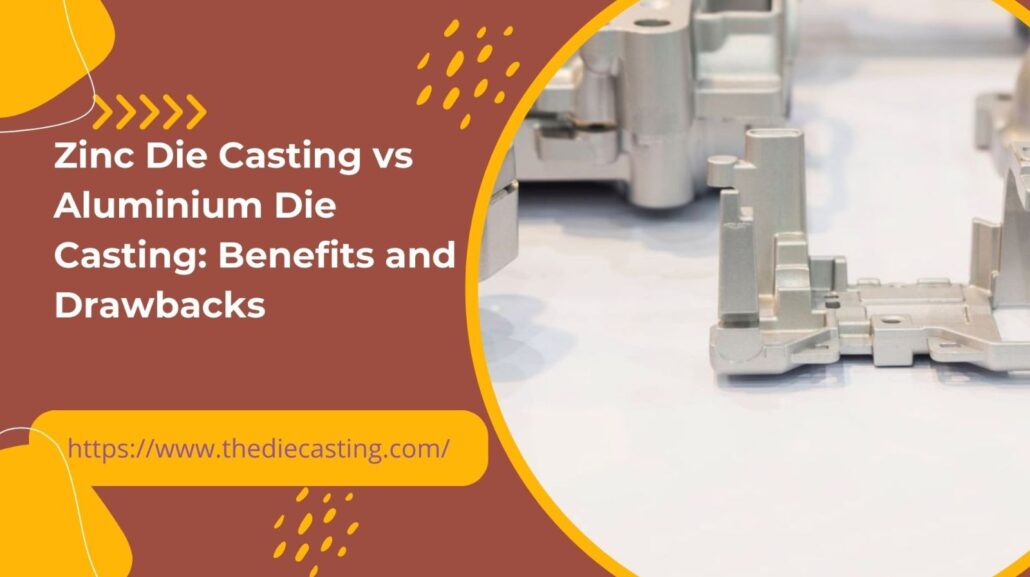
Die casting has also been a viable and versatile process in the manufacturing sector for producing high-precision metal products. Aluminum and zinc are among the most common die-casting alloys. Supposing that you are engaged in the production of a product, engineering, or locating the ingredients, you have to realize the difference between zinc die casting and aluminum die casting. The guide will help manufacturers to choose the most appropriate alloy for their project, whether it’s automotive parts, electronics, or consumer goods. Die casting is a process of pouring hot molten metal into a mold under high pressure to produce intricate shapes with a high level of surface finishes. Both Zinc and aluminum die casting have their own merits and demerits. We will also provide in-depth comparisons, a tabular, fast-tracked view, and professional commentary to help you make an informed decision. At the end, you will clearly understand the difference between zinc die casting and aluminum die casting, and when to use either of them. Let’s explore the key factors. What is Die Casting? A Quick Overview It is vital to understand the die casting process before comparing zinc die casting and aluminum die casting. Die casting is a process of forcing molten metal into a mold cavity under high pressure (1,000 to 20,000 psi). The hardened steel mold or die can typically produce thousands of similar parts with tight tolerances. Die Casting Types Hot Chamber Die Casting  It is applied in low-melting-point metals such as zinc. The injection system is dipped in molten metal. Cold Chamber Die Casting It is best when the metal has a higher melting temperature, such as aluminum. Lading of molten metal into the chamber is done to prevent damage to the machine. It is preferred for its speed, accuracy, and ability to create complex designs without extensive post-processing. At this point, we will compare the two star alloys: zinc and aluminum. Primary Properties of Zinc and Aluminum Die Casting The decision between zinc and aluminum die casting is often reduced to material characteristics. Zinc (and is commonly alloyed as Zamak) and aluminum (such as ADC12 or A380) do not share the same strengths, weight, corrosion resistance, etc. Strength and Durability Zinc alloys are reported to possess great impact strength and ductility. They can withstand significant stress without breaking, making them suitable for components that should be bent or shaped after casting. Aluminum alloys, on the other hand, are superior in tensile strength and hardness, particularly in structures. Weight and Density Compared to zinc, which has a density of 6.6 g/cm 3, aluminum is lighter (d = 2.7 g/cm 3). This contributes to the use of aluminum in industries that require low weight, such as the aerospace industry. Melting Point and Castability Zinc melts at approximately 380-390 °C, allowing hot-chamber machines to run faster. Aluminum-only melts at 660 °C, which means cold-chamber processes that may slow production but enable thinner walls to. Corrosion Resistance Both have good resistance; however, aluminium performs better under harsh conditions because it naturally forms a protective oxide coating. Outdoor use of zinc demands coating. Features Zinc die casting Aluminum die casting Melting point 380-390 degrees 660 degrees Tensile strength 280-400 200-300 Density 6.6 2.7 Thermal conductivity 109 100-140 Electrical conductivity High Very high Impact strength Ductile Brittle Corrosion resistance Good Best Benefits of Zinc Die Casting The versatility of zinc die casting has made it a reliable option for more than a hundred years. That is why manufacturers are fond of it: Outstanding Dimensional Accuracy Zinc remains intact to 0.05mm or less, eliminating the need for secondary machining. The manufacturer can achieve extreme dimensional accuracy with zinc die casting moulds. High Finish The raw material itself has a high-quality finish. Parts emerge clean and frequently do not require additional polishing before being plated or painted. Prolonged Tool Life Zinc melts easily, so the dies wear out less, resulting in lower long-term tooling costs. The products are corrosion- and wear-resistant, resulting in a longer lifespan. Fast Speed of Production The molten material solidifies within 15-30 seconds. It makes zinc die casting suitable for high-volume production. Large-scale industry uses it to improve and increase production. Affordable for Small Components Zinc is ideal for complex, small parts such as locks, gears, and hardware. But weight-sensitive applications may make zinc less desirable due to its greater density. Examples of standard alloys include Zamak 3 (general-purpose) and Zamak 5 (higher strength). Applications In other industries, such as the automotive sector, zinc is utilized in door handles and brackets. In the case of electronics, it is preferred in connection because it can shield against EMI. Benefits of Aluminum Die Casting In larger and structural components, aluminum die casting is leading. Its benefits include: Lightweight and Strong Aluminum components can reduce the product’s total weight by 50 percent compared to steel or zinc. Aluminum is light but strong. That makes aluminum die casting ideal for producing products suited to high-strength applications.   Excellent Corrosion Resistance It does not need further coating in most instances, which is time- and money-saving. The products made from aluminum die casting have a longer lifespan and remain intact. Good Thermal and Electrical Conductivity Aluminum’s ability to conduct electricity and heat makes it ideal for a wide range of applications. It is perfect for use in heat sinks, engine blocks, and electrical housings. Recyclability The aluminum die-casting process is best because of its high recyclability—100 percent aluminum recycling, in line with sustainable manufacturing trends. Thin-Wall Capability Aluminum die casting can produce walls as thin as 0.5mm, enabling complex designs. Drawbacks Contradictions and Disadvantages Not any material is perfect. In the case of zinc die casting as compared to aluminum die casting, these are the cons: Zinc Die Casting Limitations Aluminum Die Casting Restrictions Comparison of Costs: Zinc Die Casting vs Aluminum Die Casting A significant factor in the zinc die versus aluminum die casting is cost. Raw materials are usually cheaper, getting Zinc (2-3/kg) as compared to aluminum (2-4/kg), yet tooling and manufacturing

zink spuitgieten

Recensies van Zink spuitgieten dienstverleners voor auto-onderdelen

Zink spuitgieten

Inleiding In de auto-industrie is zink een belangrijke grondstof voor spuitgieten omdat het een opmerkelijke combinatie van precisie, sterkte, duurzaamheid en kosteneffectiviteit biedt. Autofabrikanten maken ook gebruik van zinklegeringen voor onderdelen die nauwe toleranties, dunne wanden, een hoge oppervlakteafwerking en slijtage- en corrosiebestendigheid vereisen. Dit wordt gebruikt in veelvoorkomende toepassingen zoals deurgrepen, slothuizen, veiligheidsgordelmechanismen, tandwielen, beugels, sensorbehuizingen en binnenbekledingen. De technologie bestaat uit het onder hoge druk injecteren van gesmolten zink in stalen matrijzen, die een complexe geometrie en volumes kunnen hebben met beperkte secundaire bewerkingen. Chinese matrijzenfabrikanten hebben de wereld van het zinkspuitgieten al gedomineerd doordat ze op maat gemaakte prijzen, faciliteiten en de noodzakelijke certificering, zoals de IATF 16949, kunnen aanbieden die door toeleveranciers van auto's wordt vereist. Dit artikel geeft een overzicht van de beste zinkspuitgietbedrijven die zich richten op auto-onderdelen, gebaseerd op de capaciteiten van de bedrijven, klantbeoordelingen en de reputatie in de sector. We richten ons op de Chinese fabrikanten, die de belangrijkste bron zijn voor de wereldwijde levering van laaggeprijsde maar kwalitatief hoogwaardige auto-onderdelen. Belangrijkste voordelen van zink spuitgietwerk Met de laatste ontwikkeling van voertuigen in de richting van elektrificatie en lichtgewicht, zijn zink spuitgietdiensten belangrijk voor het maken van betrouwbare, hoogwaardige onderdelen. Het zink spuitgietproces Zink spuitgieten is een zeer efficiënt productieproces dat nauwkeurig is in het maken van complexe metalen onderdelen met een superieure oppervlakteafwerking. Het wordt vooral goed gebruikt in de auto-industrie met onderdelen die een dunne wand vereisen, een hoge sterkte hebben en beter compatibel zijn met plating. Net als bij het spuitgieten van aluminium wordt voor zink het hete-kamer-proces gebruikt omdat het smelt bij een lagere temperatuur (ongeveer 420 °C), waardoor het korte cyclustijden en een langere standtijd heeft. Principes van het zink spuitgietproces Voorbereiding van de matrijs Om het uitwerpen en de temperatuurregeling te vergemakkelijken, wordt de stalen matrijs (matrijs) besproeid met een smeermiddel. De matrijs is gemaakt van sterk materiaal zoals staal dat alle details van de auto-onderdelen bevat. Smelten en injecteren Een zinklegering (meestal Zamak 3, 5 of ZA-8) wordt gesmolten in een oven die verbonden is met de machine. Een zwanenhalsplunjer wordt in het gesmolten metaal gestoken en perst het onder hoge druk (tot 30 MPa) in de matrijsholte. Stollen Het metaal stolt (enkele seconden) in de watergekoelde matrijs en het metaal wordt gestold in de vorm van zijn keuze. Uitwerpen De matrijs wordt gegoten en uitwerppinnen duwen het gietstuk naar buiten. De uiteindelijke vorm van het product wordt gestold. Trimmen en Afwerken Flessen (runners) worden verwijderd. De secundaire processen, zoals machinaal bewerken, plateren of poedercoaten, worden opgenomen. Het trimmen van het ongewenste deel van het zink automotive product is de laatste stap. Waarom spuitgieten van zink superieur is in autotoepassingen Zinklegeringen (d.w.z. Zamak 3, 5 en ZA-8) hebben duidelijke voordelen in vergelijking met alternatieven zoals aluminium: Hoogwaardige afwerking en oppervlakteafwerking De vloeibaarheid van zink maakt het mogelijk om dunnere wanden (tot 0,5 mm) en fijnere details toe te voegen om de nabewerking te minimaliseren. De auto-onderdelen van zink hebben dunnere wanden en een grotere sterkte. Grotere sterkte en schokbestendigheid Geschikt voor onderdelen met veiligheidskritische functies zoals oprolmechanismen voor veiligheidsgordels en vergrendelingen. Autofabrikanten gebruiken deze producten bij voorkeur. Langere standtijd Door het lage smeltpunt gaat een zinkspuitgietproduct langer mee en zijn de kosten voor grote series lager. Uitstekende galvanische compatibiliteit Het proces van zink spuitgieten is ideaal voor exterieur- of interieuronderdelen, omdat deze verchroomd zijn. Zuinig met middelgrote volumes De auto-onderdelen die gemaakt zijn door zink spuitgieten maken gebruik van hete-kamer-processen en hebben snellere cyclustijden dan aluminium. Zink vs. Aluminium Die Casting vergelijking voor auto-onderdelen Auto-onderdelen kunnen worden gemaakt van zink of aluminium. Hier is de vergelijkingstabel voor de gebruikers om de beste beslissing te nemen op basis van hun productbehoefte. Eigenschappen Zink spuitgieten Aluminium spuitgieten Wanddikte Dunner (0,5-1. 5mm) Dikker (2-5mm)5 mm) Dikker (2-5 mm) Gewicht Hoger Hoog Smeltpunt Laag Hoog Warmtegeleidingsvermogen Hoog Laag Corrosieweerstand Hoger Laag Slagvastheid Hoge slagvastheid Grotere ductiliteit Standtijd Langer Korter Kosten Beter voor kleinere onderdelen Beter voor grotere onderdelen Toepassingen Auto maritiem Stuurbekrachtigingssysteem Brandstofsysteem Motorsysteem Automobielcomponenten Lucht- en ruimtevaart Huishoudelijke apparaten Medisch automobiel Beste aanbieders van zink spuitgietmatrijzen China (CNM Tech) Dit is een bedrijf dat zich bezighoudt met zink spuitgietmatrijzen en aluminium in de auto-onderdelenindustrie in Dongguan, een spuitgietcentrum. Ze hebben machines van 120 tot 1600 ton en eigen machinale bewerking, ontbramen, plateren en poedercoaten. Sterke punten full-service (one-stop), IATF 16949-gecertificeerd, hoge concentratie op auto's (bijv. beugels, behuizingen). Hoogwaardig ontbramen levert onderdelen zonder accent. Klantenreviews Complimenten voor consistentie, snelle levering en concurrerende prijzen. Geplateerde afwerkingen zijn ideaal voor OEM's. Waardering 4.8/5 -Betrouwbaar bij gebruik op middelgrote tot grote volumes in de auto-industrie. GC Precision Mold Co, Ltd. GC, een fabrikant van zinkmatrijzen, werd in 1999 opgericht in Dongguan en levert IATF 16949-gecertificeerde zink-, aluminium- en magnesiummatrijzen. GC is actief in de auto-, elektronica- en hardware-industrie. Sterke punten Groot assortiment legeringen, integratie van CNC-verspaning en uiterste zorg voor krappe toleranties. Geverifieerd in auto-onderdelen zoals tandwielen en behuizingen. Klantbeoordelingen De klanttevredenheid (transparantie, reactiesnelheid en constante kwaliteit) was hoog. Klanten rapporteren over superieure Engelse communicatie. Waardering 4.9/5 -Beste selectie van precisie auto-onderdelen. Sincere Tech (Dongguan Sincere Tech Co., Ltd.) Hoewel de belangrijkste activiteiten plastic injectie en algemeen spuitgieten zijn, biedt Sincere Tech ook zink spuitgietdiensten aan, samen met machinale bewerking en assemblage. Ze hebben het over spuitgieten van metalen onderdelen, waaronder auto's. Sterke punten Alles-in-één diensten (ontwerp tot assemblage), ISO 9001:2015, meer dan 18 jaar ervaring. DFM en vloeiend Engels. Klantbeoordelingen Gunstige reactie op projectmanagement en probleemoplossing. Uitstekend in het oplossen van problemen volgens buitenlandse klanten. Waardering 4.7/5: Sterk in gecombineerde projecten van zink en kunststof onderdelen. PHB Inc. PHB is een honderd jaar oud Amerikaans bedrijf dat zich bezighoudt met aluminium en zink spuitgietwerk. Ze werken met grote autofabrikanten en maken onderdelen zoals boren, frezen

Wat zijn de voordelen van magnesium spuitgietwerk in autotoepassingen?

Wat zijn de voordelen van magnesium spuitgietwerk in autotoepassingen?

Spuitgieten van magnesium

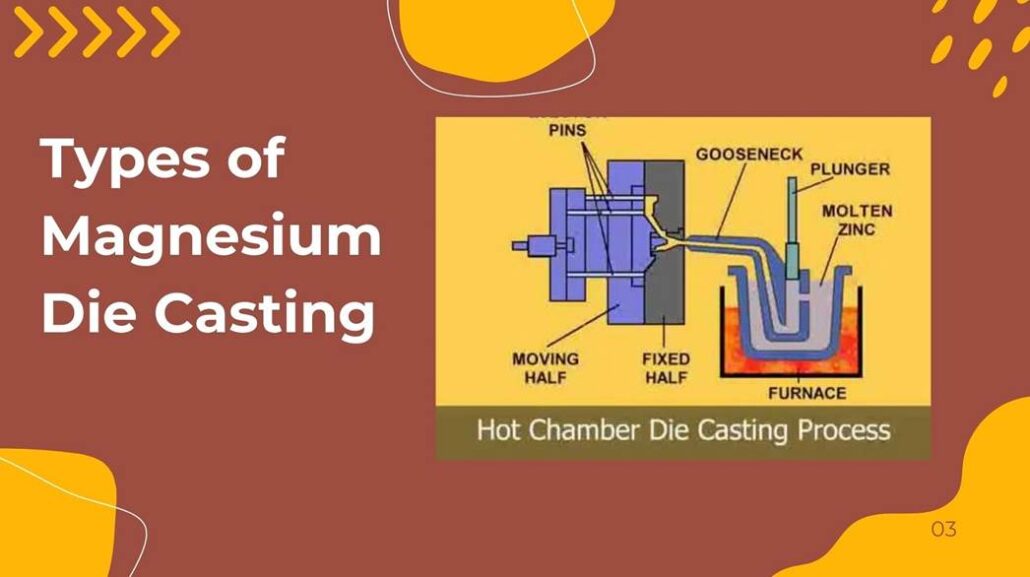
De basisfunctie van spuitgieten is het maken van auto-onderdelen die licht van gewicht en zeer efficiënt zijn. Al deze vereisten zijn vervuld met het gebruik van magnesium spuitgieten. Verschillende gietstukken worden vervaardigd door de magnesiummatrijs te gebruiken voor het maken van auto-onderdelen. Alle fabrikanten richten zich op het maken van autodelen die zeer efficiënt zijn en ze moeten zuinig zijn. Aangezien de wereld vooruitgaat, staat de auto-industrie onder constante druk om innovatieve producten te maken. Het spuitgieten van magnesiumlegeringen heeft in de loop der jaren aan populariteit gewonnen. De evolutie in de auto-industrie, met de toename in de productie van elektrische voertuigen (EV's), heeft geleid tot een groot gebruik van magnesiumlegering in de productie van onderdelen. Sommige andere materialen kunnen worden gebruikt bij de productie, maar magnesium is het lichtst. Het gebruik ervan biedt grote voordelen in de auto-industrie wanneer het verwerkt wordt door middel van hogedrukgieten. Dit artikel gaat in op de ideeën over magnesium spuitgieten, de voordelen in de auto-industrie en de toepassingen. Aan het einde geven we informatie over het toekomstige gebruik van de magnesiumlegering in spuitgietwerk in de auto-industrie voor autofabrikanten. Wat is magnesium spuitgieten? Voordat we dieper ingaan op de toepassingen en voordelen van spuitgieten met magnesiumlegeringen in de auto-industrie, is het belangrijk om te begrijpen wat spuitgieten met magnesium is. Dit zijn de stappen in het proces. Het smelten van het magnesium bij 650°C om het om te zetten in een vloeibare vorm. De mal voorbereiden De eerste stap in het proces van magnesium spuitgieten is de voorbereiding van de mal. De mal wordt gemaakt van een materiaal met hoge sterkte. Hij is bekleed met een lossingsmiddel dat helpt voorkomen dat gesmolten magnesium aan de mal blijft kleven. De uiteindelijke vrijgave van de auto-onderdelen hangt af van deze stap, waarbij de producten gemakkelijk vrijkomen. Het is erg belangrijk om een onberispelijke mal te hebben om defecten in het eindproduct te voorkomen. Gesmolten magnesium injecteren De volgende stap is het injecteren van het gesmolten magnesium in de matrijs. De autofabrikanten zorgen ervoor dat de legering elke complexe geometrie van de mal bereikt om perfecte resultaten te krijgen. De druk wordt tijdens het proces op ongeveer 1500 tot 3000 psi gehouden. Deze stap is zeer nauwkeurig en toch zeer snel om uitharding van de magnesiumlegering te voorkomen. Koelen Nadat het magnesium in de matrijs is geïnjecteerd, is de volgende stap het koelen. Het is belangrijk om de matrijs na het afkoelen en uitharden uit het materiaal te halen. Net als bij elk ander materiaal duurt het afkoelen langer als de structuur complex en groter is. Daarentegen worden kleinere en dunne auto-onderdelen gemakkelijker gekoeld. Een gecontroleerde en efficiënte koeling is nodig om scheuren in het magnesium spuitgietproduct te voorkomen. Uitwerpen en afwerken Na het afkoelen van het magnesium in de matrijs, is het uitwerpen uit de matrijs de laatste stap. Het proces waarbij het eindproduct uit de matrijs wordt gehaald, staat bekend als het uitwerpen. Zodra de autodelen voorzichtig zijn uitgeworpen, moeten ze nog verder worden gedetailleerd, zoals het verwijderen en boren van de ongewenste delen van het eindproduct voor de afwerking. Het proces van magnesiumlegering spuitgieten is essentieel bij het maken van complexe en dunwandige auto-onderdelen. Automakers gebruiken magnesium omdat het het lichtste materiaal is in de spuitgietindustrie voor het maken van innovatieve auto-onderdelen voor EV en moderne voertuigen. Soorten magnesium spuitgietprocessen Voor het maken van verschillende auto-onderdelen zijn er in principe twee soorten magnesium spuitgietprocessen. Deze zijn als volgt; Hot Chamber Die Casting In de hot chamber is magnesium spuitgieten ideaal vanwege het lage smeltpunt van magnesium. In dit proces wordt de matrijs ondergedompeld in de gesmolten kamer en in de matrijs geforceerd. Koud kamer spuitgieten De typische methode van magnesium spuitgieten is het koud kamer spuitgieten. Bij dit proces wordt het gesmolten magnesium in onverwarmde matrijzen in de auto-industrie geïnjecteerd. Waarom magnesium het beste is voor toepassingen in de auto-industrie De combinatie van fysische en mechanische eigenschappen van magnesium is heel bijzonder en wordt veel gevraagd bij de productie van voertuigen. Voordelen van magnesium spuitgietwerk Aanzienlijke gewichtsvermindering in voertuigen Een van de belangrijkste doelstellingen van autotechniek is gewichtsvermindering. Lichtgewicht auto's verbruiken minder brandstof, produceren minder uitstoot en leveren betere prestaties. Het spuitgieten van magnesium helpt autofabrikanten om de zwaardere onderdelen van staal of aluminium te vervangen door magnesium zonder hun functionaliteit aan te tasten. De lichtste gewichtsbesparing in elk element kan een enorme gewichtsbesparing opleveren als je het bij elkaar optelt voor een complete auto. Dit voordeel is vooral belangrijk bij elektrische auto's waarbij een lager gewicht van de carrosserie een directe invloed heeft op het bereik en de efficiëntie van de batterij. Betere brandstofzuinigheid en minder uitstoot Brandstofzuinigheid wordt direct beïnvloed door de gewichtsvermindering van het voertuig. Onderzoek toont voortdurend aan dat de brandstofefficiëntie met 5-7% toeneemt naarmate het gewicht van het voertuig met 10% afneemt. Met magnesium spuitgietonderdelen kunnen autofabrikanten gemakkelijker voldoen aan de strenge wereldwijde emissienormen. Dit is vooral belangrijk wanneer de regeringen van de landen regels opleggen die bedoeld zijn om de koolstofuitstoot te minimaliseren en duurzaam transport te ontwikkelen. Het spuitgieten van magnesium bevordert dus economische en milieudoelstellingen. Grote sterkte-gewicht verhouding De mythe rond lichtgewicht metalen is dat het de sterkte vermindert. Magnesiumlegeringen weerleggen deze veronderstelling. Recente magnesiumlegeringen in spuitgietwerk hebben voldoende mechanische sterkte om toegepast te worden in auto-onderdelen zoals stuurkolommen, stoelframes, behuizingen voor versnellingsbakken en structurele steunen. Deze onderdelen moeten bestand zijn tegen stress, trillingen en thermische veranderingen op de lange termijn. De fabrikanten krijgen onderdelen die duurzaam en licht zijn door de juiste keuze van legeringen en efficiënte spuitgietprocessen. Maatnauwkeurigheid en ontwerpflexibiliteit Complexe en strakke geometrieën kunnen worden geproduceerd met magnesium spuitgieten. Het is mogelijk om dunne wanden, complexe vormen, ribben, nokken en ingebouwde elementen in één gietstuk te maken. Dit ontwerp maakt flexibiliteit mogelijk, elimineert de secundaire bewerking en assemblage, verlaagt de productiekosten en minimaliseert de punten van

Koudkamer spuitgieten: Complete gids

spuitgieten, Die Casting Fabrikant, gietdelen

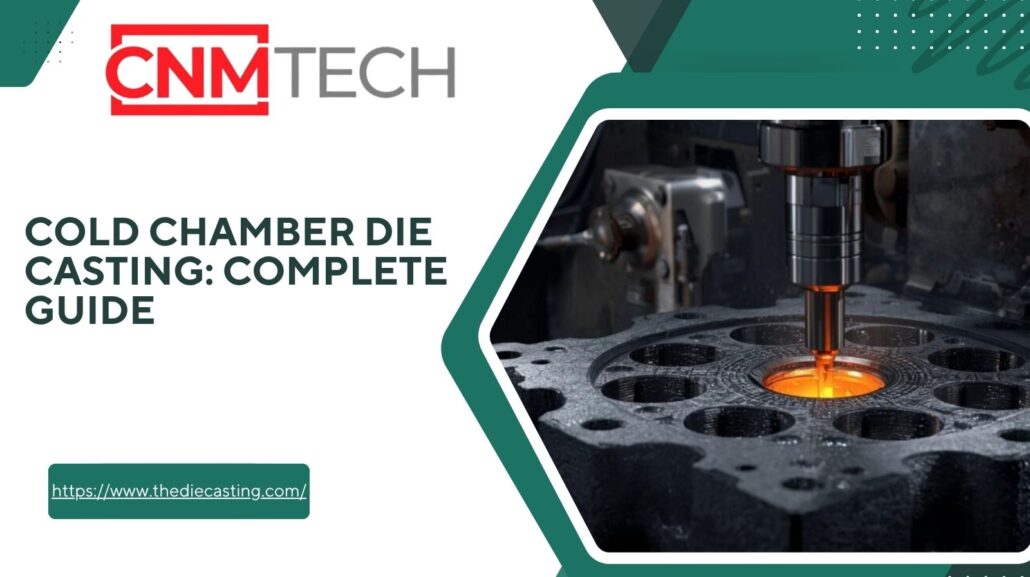
The cold chamber die casting process is initiated by first ladling molten metal into a separate injection chamber and then forcing it out into a steel mould. This process deals with high melting alloys such as aluminium, copper and magnesium. It is a tight-tolerance, high-pressure production process found in the automotive, electronics, and industrial parts production.  What is cold chamber die casting is and when to use it? Cold chamber die casting is a high-pressure moulding of metals, which would ruin or corrode a hot-chamber system. Practically, the operators melt the metal in a different furnace. Then they pour the molten metal into an unheated shot sleeve. The metal is forced into the closed mould by a hydraulic plunger with extreme pressure. The section hardens very rapidly, and the die is opened to spurt out the casting. This can be used when the alloy is of high melting temperature or where the alloy would corrode injection components, such as aluminium and copper alloys. The process sacrifices speed of the cycle for the scale and flexibility of the alloy.  Cold Chamber Die Casting Process Step-by-Step Cold chamber die casting is one of the most reliable techniques for making high-quality metal parts. Every process must be monitored in terms of temperature, pressure and time. Minor variations can impact the surface finish, strength and dimensional accuracy of the end product. Melting the Metal It starts by melting the metal in a separate furnace. Mostly used are aluminium, magnesium and copper alloys. In the case of aluminium, it is typically 650degC and 750degC. It is necessary to keep the melt clean. The impurities are eliminated by the operator with the help of fluxing agents and skimming tools. In case some oxide or gas is left, it may introduce defects such as porosity or inclusions in the future. In high-tech furnaces, a dosing system is the direct connection between the furnace and a die casting machine of China Cold. This guarantees that the temperature and composition of the molten metal are uniform in each shot. Molten Metal to the Shot Chamber Then molten metal is poured into the shot chamber or shot sleeve. This may be done manually or automatically. Manual ladling is easy, less fast and has more chances of entraping air. Automatic ladling systems, in their turn, provide the accurate amounts of metal with low turbulence. Oxidation and gas inclusion can be prevented by controlling the ladling speed and temperature. Others preheat the shot sleeve a little so that it will not suddenly drop in temperature, to allow the fluidity of injection. 3. Injection into the Die Cavity A hydraulic plunger is used to inject the high-pressure molten metal into the die cavity once it is in the shot sleeve. This is the fundamental phase of the cold chamber die casting. Injection pressure varies between 3,000 psi and more than 20,000 psi, depending on the size of the part and the alloy. The injection cycle normally contains two stages: The timeliness of these phases is critical. Recent China cold chamber die casting machinery, servo-hydraulic systems automatically regulate pressure and speed of every shot and guarantee homogeneity. Solidification and Cooling Opening and Part Ejection Die Once the metal has solidified, the die is opened by the machine, after which ejector pins or robotic arms take the casting out. It should be ejected only when fully solidified; otherwise, it is distorted. In complex shapes, there is more than one ejector pin, which guarantees the clean release of the die cavity. Robots take the parts on the automated lines and place them on conveyors to be trimmed and cooled. This increases handling damage reduction and accelerates production. Trimming and Finishing Inspection and Quality Control The last one is inspection and quality control. Every casting is inspected to guarantee that it has the necessary tolerances and quality standards. Popular types of inspection are: The machinery of modern China cold chamber die casting is usually equipped with sensors and software which keep track of all the parameters – Melt temperature, injection pressure, and die temperature, which enables quality monitoring in real time. Optimisation of process and control The quality of outcomes must rely on controlled quality at each step. Safety and Environmental Factors Usually used materials and alloys. The use of a cold chamber is preferred in alloys which cannot be utilised in hot-chamber machines. Most common materials used include aluminium alloys, magnesium, copper and a few combinations of zinc andaluminiumm where corrosion of the injection mechanism should be prevented at all costs. In the automotive structural parts, aluminium alloys prevail. Magnesium is applicable in situations where very lightness is an issue. Both alloys have their own melting point, fluidity and shrinkage behaviour, which need to be handled in mould design and process parameters.  Machinery and features – such as the China cold chamber die casting machine choice. Die casting machines: The Cold chamber die casting machines are made of a robust frame, high pressure injection unit, a hydraulic system and the control electronics. The modern machines provide servo-hydraulics to save energy and enhance control, computer controls to make the shot profiles programmable and integrated auxiliary systems such as die temperature controllers and automatic ladling systems. It is also possible to find China cold chamber die casting machine suppliers that offer a large variety of models and different price ranges in case you are sourcing machines. There are compact models of Chinese manufacturers that fit small shops and large tonnage machines that are appropriate to high-volume production. Chinese constructors tend to package melting and handling equipment to provide a turnkey line as well. Compare machines in terms of check maximum clamping force (tons), volume in the shot, speed control in an injection, die size, and automation.  Essentials of tooling and die design The hardened tool steel is normally die (mould. The design of the die should permit a controlled flow of metals and escaping gaseous air,  and gating and runners geometry and cooling channels in order to

Zwart Nikkel Galvaniseren: Een complete gids

Zwart Nikkel Galvaniseren: Een complete gids

Vernikkelen

Black nickel electroplating is one of the common ways of finishing, which enhances the appearance and longevity of metal pieces. It gives it a smooth dark appearance and enhances corrosion resistance and hardness of the surface. This has made it popular in most sectors, such as the automotive industry, electronics, jewelry, and ornamental hardware. The question of nickel plating aluminum has been a subject of debate among many novices and experts, as the natural oxide layer on aluminum makes it harder to plate. The nickel layer can fail to stick on efficiently without proper preparation, whereby it can peel or result in an uneven outcome. The other question that is frequently asked is whether black nickel electroplating is possible at home or in a small workshop. Small-scale arrangements can be made, but professional processes result in more reliable and stable outcomes. Black electroplated nickel is a valuable material because it has a protective value as well as an aesthetic value. The black finish gives a modern and sophisticated appearance to the tools, trims, jewelry, and industrial parts. In this manual, we shall discuss the entire process of black nickel electroplating. You will get to know the preparation of the surfaces, the plating process, the post-treatment process, and typical pitfalls. At the end, you will know why black nickel is the most used finish in comparison to other finishes and the way it is both functional and decorative. What does Black Nickel Electroplating mean? The black nickel electroplating is an electrochemical process whereby an alloy of nickel is deposited onto a metal surface. In contrast to conventional nickel plating, the final finish is a dark, matte, or semi-gloss finish. This renders it very much sought after as a decoration. The process also makes the metal surface strong, which makes it less susceptible to scratches, wear, and corrosion. During aluminum plating, it is more complicated. Naturally, metallic oxide is formed on aluminum, which inhibits the adhesion of the metal. This is the reason why the nickel plating of aluminum must be specially cleaned and pre-treated before applying the black nickel layer. Nevertheless, black electroplated nickel has great protective qualities and a dark appearance as well. Benefits of Black Nickel Electroplating Corrosion Resistance Corrosion protection is one of the primary reasons why electroplating black nickel would be chosen. The nickel layer protects the underlying metal against the environmental factors, including moisture, salt, and chemicals. This is especially crucial concerning car components, hardware devices, and factory equipment. Enhanced Surface Hardness Nickel electroplating black enhances the hardness of surfaces. This enhances wear resistance and reduces scratches on the parts. This additional durability is highly valuable to tools, machine components, and hardware. Aesthetic Appeal The black nickel is dark and classy, and the finish is appealing to the eyes. It finds extensive application in decoration, jewelry, car interiors, and electrical casing. Although the conventional nickel plating results in a bright silver appearance, black nickel creates a modern and high-quality appearance. A Longer Life and Economy Black nickel plating increases the life of parts by coating them so that they do not corrode or wear out. This lowers the maintenance and replacement expenses and is therefore an affordable solution for both the industries and hobbyists. Versatility Black nickel plating may be done on metal, such as aluminum, steel, and brass. This flexibility makes it suitable for a large variety of applications. Nickel Plating Aluminum Problems Although nickel plating of aluminum can be done, there are difficulties with it. The natural oxide layer of aluminum is an obstacle to the adhesion of the nickel layer. It is important to clean, etch, and activate the pre-treatment steps to get successful plating. Lack of proper preparation will result in peeling, uneven coverage, or flawed quality of the finish. The other difficulty is the ability to control the final color. Black nickel electroplating may be darker or uneven when the parameters of the plating are not optimized. It is due to this reason that professional setups are usually suggested for industrial-grade output. Black Nickel Electroplating Process Step-by-Step Surface Preparation Surface preparation must be done properly. Wash the aluminum or other metal to eliminate grease, dirt, and oxidation. In the case of aluminum, the zinc casting step is regularly carried out. This forms a thin layer of zinc, which enhances the adhesion of the nickel. Wash it after cleaning and activation. Electroplating Setup Warm the black nickel bath using the suggested chemicals and temperature levels. Power supply is needed to deliver the current needed. The workpiece should then be connected as the anode and a cathode material (usually lead or stainless steel) to complete the circuit. Electroplating Process Add the metal piece to the black nickel solution. Connect the electric current according to the specifications of the bath. The nickel ions get deposited on the metal surface, forming a dark colored and uniform, and protective coating. Temperature, current, and plating time are to be closely observed. Rinsing and Drying Plate. Rinse the part under clean water to cleanse the part of the remaining chemicals. Wipe to avoid water spots or areas that which is unevenly finished. Post-Treatment Heat curing or sealing may be done after treatment in order to enhance corrosion resistance and hardness. This is done to ensure that the plated layer is long-lasting and tough. Uses of Black Nickel Electroplating Jewelry and Accessories Jewelry is made to look smooth and modern with the help of black nickel. Both rings, bracelets, and watches enjoy the advantage of being aesthetically appealing as well as corrosion-resistant. Automotive Industry Trims and handles on the car, as well as decorative pieces, are usually black nickel-plated. This offers durability and a high-quality look. Electronics and Hardware Electroplating black nickel on electronic housings, switches, and connectors is also aimed at preventing wear and making them more aesthetically attractive. Industrial Tools Black electroplated nickel is useful in parts and tools of machines as it enhances the hardness and longevity of the machinery. Mistakes in Black Nickel Electroplating

Scroll naar boven

Een offerte aanvragen