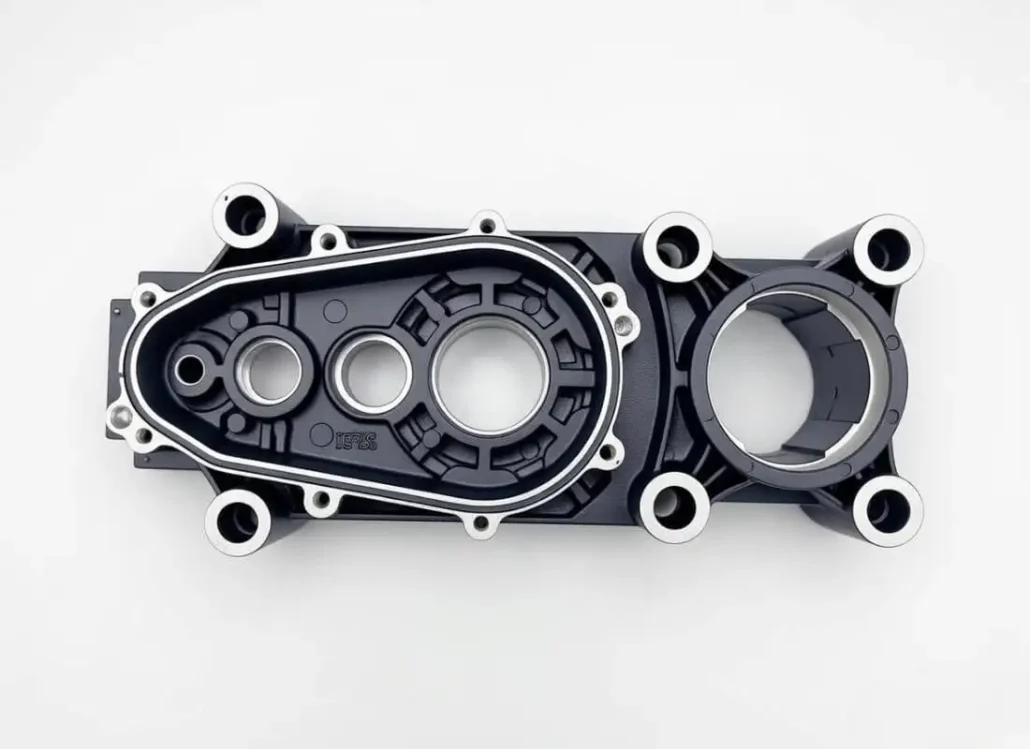
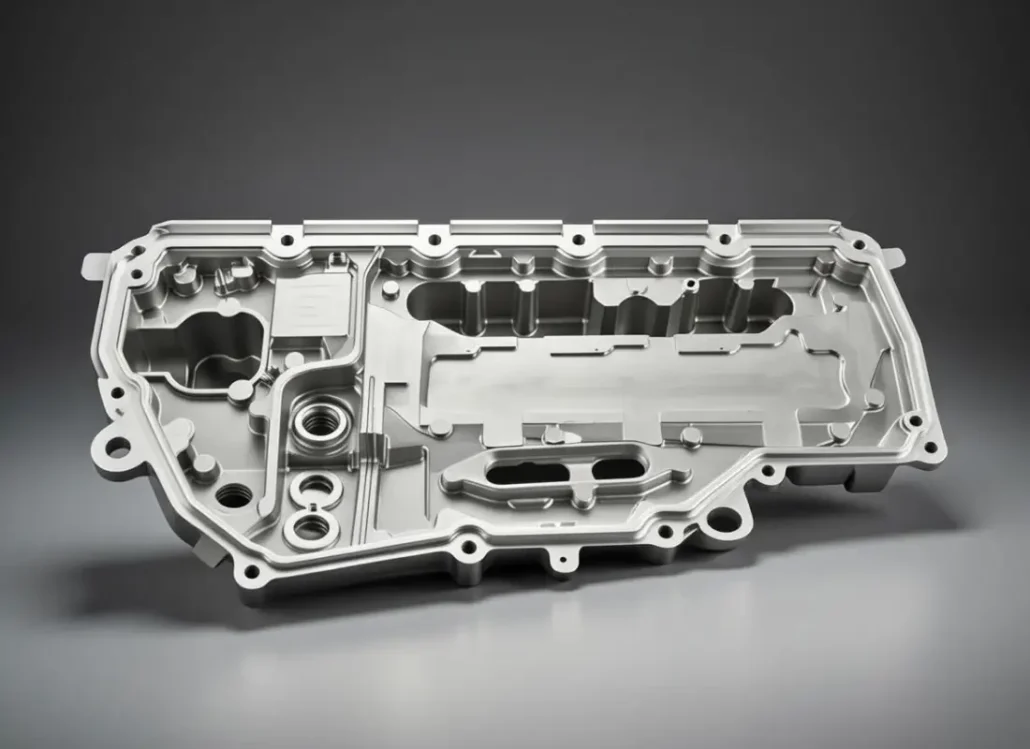
aluminiowe formy odlewnicze

Jeśli potrzebujesz odlewów ciśnieniowych i wysokiej jakości form odlewniczych, skontaktuj się z The diecasting. Kliknij i dowiedz się więcej o procesie odlewania ciśnieniowego.

Cynkowanie a niklowanie: Którą powłokę wybrać?

Cynkowanie a niklowanie: Którą powłokę wybrać?

aluminiowe formy odlewnicze, odlew aluminiowy, Wykończenie powierzchni aluminium

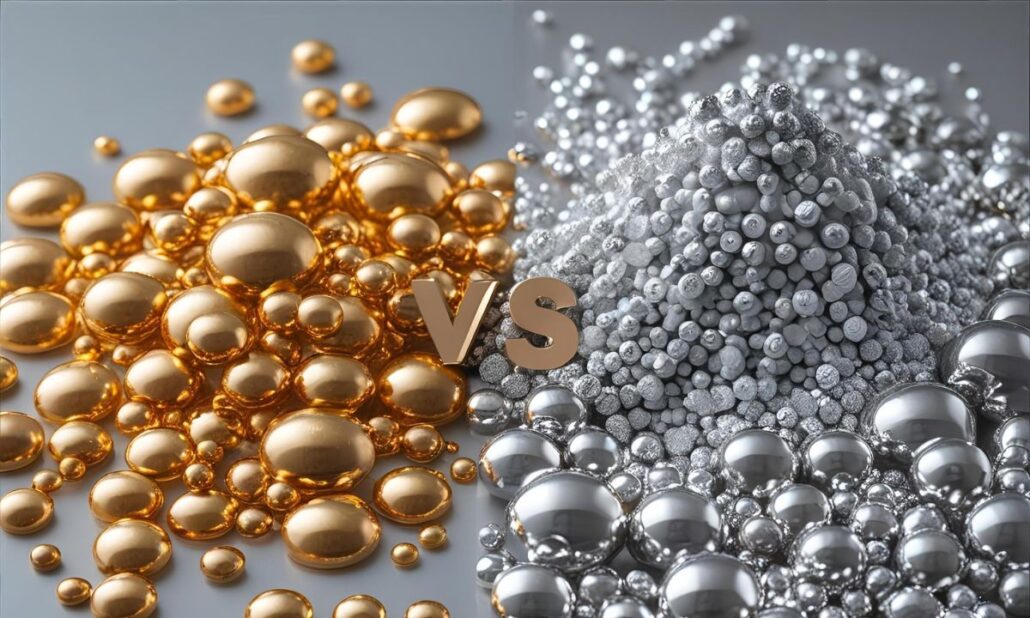
Zinc Plating vs Nickel plating is a frequent point of reference in terms of metal finishing. These two methods are applied to safeguard the metals, enhance their performance, and cause their products to last longer. The differences between these two types depend on cost, durability, and appearance. Surface finishing is not all about appearances. It is concerned with the accuracy with which a product can counter rust, wear, and damage. Even strong metals can be defeated where there is no appropriate coating. This is the reason why plating has been an important process in the automotive, aerospace, construction, and electronic industries. Zinc plating is well known to be cheap and effective. It forms a thin and workable protective coating that resists rust damage on the metal underneath. This gives it preference in fasteners, nuts, bolts, and many other small product elements used in day-to-day items. Nickel plating is stronger and durable, on the other hand. It cannot be worn out easily, and it resists acid. Nickel plating is also a bright, attractive finish, so it is ideal when it is needed on decorative or visible parts such as car trims and appliance fittings or on electronic casings. And when considering Zinc Plating vs Nickel Plating, it becomes the question: which works better in your situation? Depending on the location where the part will find application, how much safeguarding it needs, and how much you are ready to part with, determines the answer. In the current blog, we will unravel both the processes, their advantages, limitations, and major areas where they can be best used to help you make the most appropriate decision. What is Zinc Plating? Zinc plating is a widely used and cost-efficient technique of coating. It is done by depositing a thin coat of zinc on the surface of metal, most commonly steel or iron, by a process known as electroplating. In the process, a zinc salt solution is used to immerse the base metal, and an electrical current is passed. Zinc solutions travel to the surface of the piece leaving an even and thin coating. Benefits of Zinc Plating Limitations of Zinc Plating What is Nickel Plating? Nickel plating is also a common finishing technique, but compared with zinc, it offers a harder, more durable, and aesthetically pleasing surface. The process is achieved in either of two major ways: Electrolytic Nickel Plating (Electroplating) – Much like the zinc plating process, the raw metal is placed into a nickel salt solution, and the nickel is deposited on the surface by applying an electric current to the metal. Electroless Nickel Plating is a method that does not need electricity. Rather, it uses a chemical process to capably deposit nickel to cover the surface evenly, including in complex structures or otherwise inaccessible places. Benefits of Nickel Plating Limitations of Nickel Plating The Plating Process Zinc Plating Process Surface preparation is very meticulous in the case of zinc plating. Before a plate can be done, the surface, which is in most cases metal, normally steel or iron, must be cleaned of oil, dirt, rust, and oxides. To accomplish this, components are either cleaned in acid or alkaline fluids and then rinsed so that no residues remain. After cleaning, the component is inserted into an electrolytic bath that has a zinc salt solution, mostly zinc sulfate or zinc chloride. Electricity is then charged through the bath.. This movement results in zinc ions in the medium to move and being deposited on the surface of the base metal. The effect is a very thin, even coating of zinc covering the zinc below it. A post-step processing of the plated component is often carried out, which can give a more corrosion-resistant effect, also able to change the appearance of the coating, providing a yellow, black, or clear finish. Zinc plating is comparatively quick, price low, and highly applicable in the mass production of hardware and vehicle parts. Nickel Plating Process Nickel plating is prepared in almost a similar manner, with the initial step being cleaning. Part surfaces are well-treated and made clean to ensure adhesion is not compromised by residues. Electrolytic nickel plating: The part enters a bath of solutions of nickel salts, e.g., nickel sulfate, and an electric current is applied. This makes the nickel ions deposit on the surface, forming a hard and protective layer. Another approach, which is nickel plating and does not require power, is electroless nickel plating. Rather, the part is immersed in some chemicals under nickel salts and a reducing solution such as sodium hypophosphite. A plated chemical reaction also occurs, the nickel being deposited uniformly onto the part. This process has an advantage over electrolytic plating in that it will cover with uniformity even in recesses, grooves, and other complex geometries. Electroless nickel deposits are noted to be highly hard and resistant to corrosion, but this process is costlier than the electroplating method and demands much more care over the bath chemistry, pH level, and temperature. Zinc Plating vs Nickel Plating: Key Differences With the choice between zinc plating and nickel plating, cost, durability, appearance, corrosion resistance, and the appropriateness of application are all aspects that may come into consideration. Let us look at them one by one. 1.     Corrosion Resistance Winner: Nickel Plating to serve long-term corrosion protection. 2. Endurance / Wearability Winner: Nickel Plating; Hardness, wear resistance. 3. Cost  Winner: Zinc Plating to cost-effective solutions. 4. Appearance  Winner: Nickel Plating- to look good. 5. Environmental Impact  Winner: Zinc Plating on its greenness. Quick Comparison Table Feature Zinc Plating Nickel Plating Corrosion Resistance Good, but limited in harsh conditions Excellent, especially electroless nickel Durability Moderate – wears faster High – scratch & wear-resistant Cost Low (budget-friendly) Higher (premium option) Appearance Shiny, but basic finish Smooth, mirror-like decorative finish Environmental Impact Easier waste treatment Stricter environmental controls are needed Best For Fasteners, bolts, general hardware Aerospace, electronics, decorative uses Industry Applications of Zinc and Nickel Plating Both plating techniques are very common in industries;

Odlewanie aluminium: Kompleksowy przewodnik

Odlewanie aluminium: Kompleksowy przewodnik 

aluminiowe formy odlewnicze

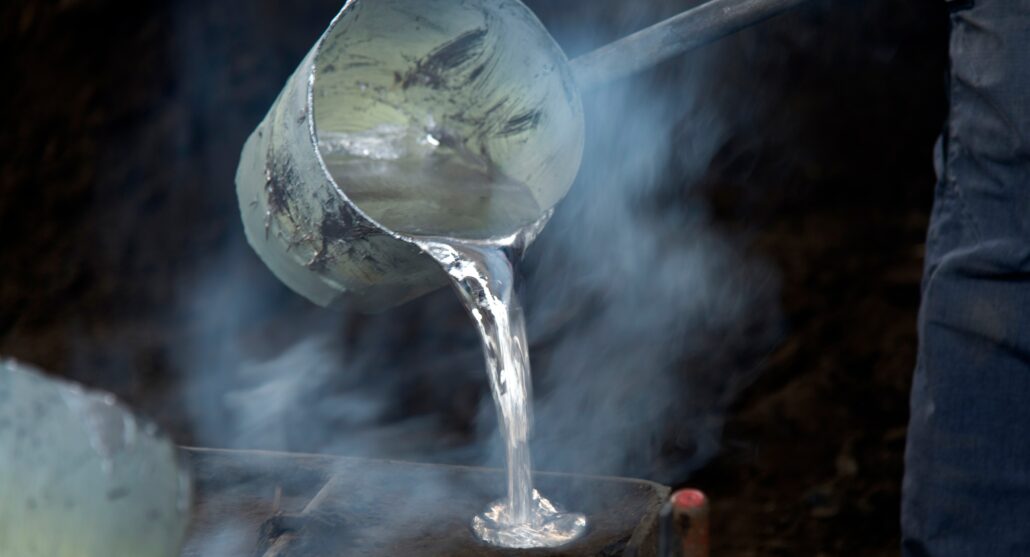
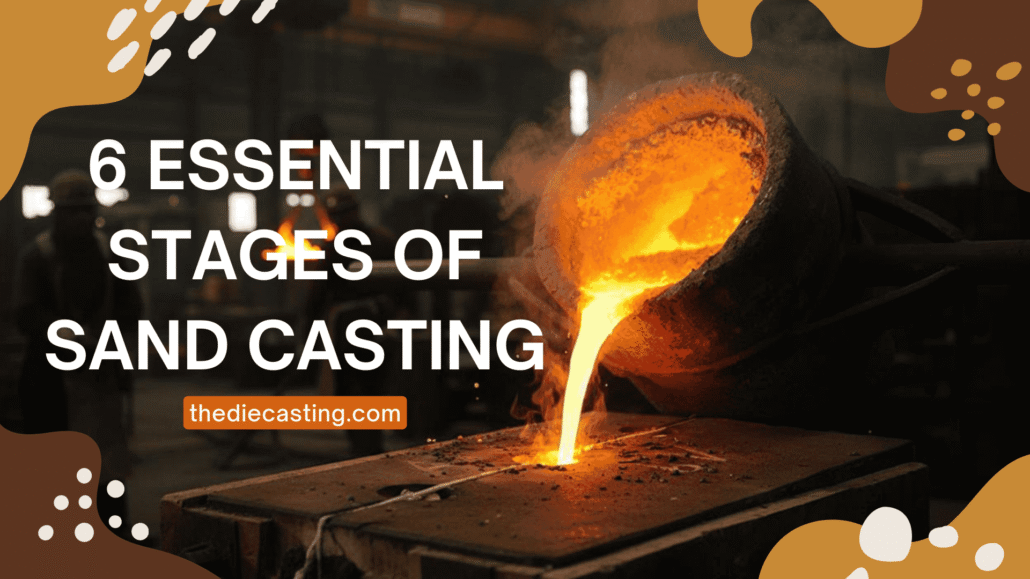
Current industries extensively use aluminium because of its strength combined with its low weight along with its ability to resist heat effectively. The production of aluminium components achieves its best results through the casting aluminium process. The procedure enables users to produce intricate complex shapes which work perfectly for industrial needs and commercial environments. Manufacturers widely employ the casting aluminum method to create complex and resilient components by pouring molten aluminum into designed moulds. Produced components through casting aluminium are widely used across the automotive, aerospace, construction and cookware sectors because aluminium offers excellent thermal conductivity together with lightweight construction and corrosion resistance properties. The essential basis for understanding casting aluminium demands an initial definition of what cast aluminium represents. Castaluminiumm represents metaaluminiumum processed through thermal melting followed by mould filling which results in its transformation into precise configurations. Industrial producers use this method to achieve precise detailed designs which suit engine parts together with machinery parts as well as heat exchangers. Cast aluminium stands out because its strength-to-weight ratio outperforms every other metal thus making it suitable for applications that require lightweight construction. Three main techniques include die casting, sand casting and investment casting that manufacturers use to perform the casting aluminium process with their specific advantages. Die casting performs high-speed precise processing that matches well with mass production but sand casting delivers versatile low-cost benefits suitable for low-volume manufacturing. The investment casting method can deliver both high accuracy and elaborate details in finished products. Knowledge about cast aluminium composition along with manufacturing methods enables industry professionals to pick suitable production systems. Global industries choose to castg aluminium as their standard procedure because it provides lightweight durability with corrosion protection in addition to cost efficiency. What Is Cast Aluminum? Aluminium becomes cast aluminium when manufacturers melt the aluminium metal to pour it into specific moulds for product creation. The unique aspect of aluminium casting enables manufacturers to create complex shapes while reducing material waste better than machine orextrudedealuminiumm methods. What purposes does aluminum casting serve? Different industries use cast aluminum as a primary material to create automotive parts and cookware together with furniture, machinery and aerospace components. Through its production method the product results in strong yet lightweight performance which makes it ideal for efficiency and durability applications. Key Characteristics of Cast Aluminum: Step-by-Step Guide to Casting Aluminum Working with molten aluminium needs severe safety precautions because it creates danger when mishandled. Every step should begin with putting on gloves along with heatproof clothes and face protection. This manual presents a simple method of aluminum casting that protects both workers and equipment. These specific die-casting steps work the same way in other aluminium casting processes. Step 1: Begin By Creating The Mold For Your Project Design The beginning of aluminium casting starts with developing and readying the mould design. The mould selection process controls how the casted aluminium item looks and behaves. Cutting tools must match the chosen mold material which could be sand, steel, ceramic, plaster or aluminum. The mould design must precisely match all details and requirements of the final aluminium product. To produce precise molds manufacturers use CAD system software. The software helps designers build an exact 3D representation of their product before making it. After the digital design is ready CNC machines accurately make and form the mold. The user applies a release agent to the inside of the mould before production starts. The coating applied to the mold prevents aluminum from bonding to it so the cast part can be easily removed. After application of the coating the mold is tightly closed before continuing. Step 2: Melting the Aluminum The following step is to heat the aluminum until it liquefies. The metal reaches melting temperature of 660 degrees Celsius (1220°F) very fast due to its low melting point.The furnace heats up aluminum metal to its melting temperature before electricity or gas power is used to transform it into a fluid substance. The liquid aluminum moves from the furnace to a storage area where it remains usable until deployment into the mold. Step 3: We pour the melted aluminum into the mold The ready molten aluminium can flow smoothly into the mould since its temperature is optimal. Our team pours the aluminium with exact movements to avoid creating defects from trapped air in the finished item. The gate system is specially designed to let aluminium metal flow smoothly into the mould’s cavity. Once the mould reaches its capacity all additional aluminum drains out. After pouring ends the mold stays untouched as the metal starts to cool and harden. Step 4: Cooling and Solidification Casting aluminum needs proper temperature reduction and solidification steps. The casting process takes a period that depends on how thick and intricate the part is.Proper temperature reduction steps are needed to create parts with the needed strength and capacity. A steady temperature needs to stay constant during metal cooling to prevent parts like warping or internal stress from developing.Manufacturers employ cooling tools like air, water and furnace temperature control during aluminum solidification. Step 5: After Solidification the Casting Leaves the Mold  When aluminum solidifies completely we extract the casting out of its mold. We need to cut away the leftover material known as flash sprues from the product. Included finishing actions to produce the desired outcome are water cooling and heating control in the furnace process. We use machining tools to create exact dimensions after product processing. To make surface texture easy to work with. Using polishing or coating techniques makes aluminum surfaces shine better while increasing their resistance to wear. The casting of aluminum production ends when quality finishing techniques produce a ready-to-use item. Great! Your existing steps explain how aluminium castings are made yet producers mostly complete their procedure using more steps. Several additional methods help enhance the quality of final cast aluminum parts. Step 6:  heat treatment improves metal quality though it is optional. Manufacturers enhance aluminum mechanical properties by implementing a heat treatment process after casting ends.

Aluminiowe części dla przemysłu lotniczego

Odlewanie ciśnieniowe aluminium i jego znaczenie w przemyśle lotniczym

odlew aluminiowy, aluminiowe formy odlewnicze, odlew aluminiowy, odlewanie ciśnieniowe aluminium, firmy odlewnicze, firma odlewnicza

Aluminum die casting items are of remarkable use in different industry sectors and more so in the aerospace engineering where precision and top standard items is of greatest significance. These items are used in building both little as well as the big components in the aviation industry. Additional, die casting aluminum are used both in the pivotal military sector as well as commercial. The reason for this is easy – they are cost-friendly solutions and provide amazing outcomes. Apart from being cost effect, the parts made from die casting aluminum are additionally prepared to endure extreme weather situations and increased damages. Another vital reason for using aluminum products in aircraft is that the meal is comparatively affordable than other metals that are die casted. Additional,  aluminum has the potential to get with other metals in order to provide durability and much flexible. With aluminum casted products, you do not have to compromise on the standard yet can them at much affordable production cost. Further, all the standards that have been set for using of metal components, aluminum relax the need to the utmost. Hence, they are certified secure for use in planes, affordable and have all the qualities that are needed for flying crafts. So casting aluminum is on the boost like never before. Further, the top thing about an aluminum die cast part is that its weight is favorable for the aircraft works. So, how actually is casting Aluminum done and what are the processes involved? Well, the reply is simple. Aluminum alloy is first forced into a top-grade steel at high speed and force in a high temperature. This outcomes in superior standard products that are very light and thin walled perfect for use as aircraft components. It is to be mentioned here that Aluminum diet casting is a hard technique. Only a truly experienced and top standard team of engineers can make sure that the parts come with top volumes or with excellent tolerances and surface finish. Actually, this type of force casting is far more famous than gravity die casting or sand casting. This is because the need for machining is this type weather for Zinc or aluminum casting is extremely low due to the close casting tolerances. Though the tooling cost in casting Aluminum or rather any metal are considerably higher than the other 2 types yet, the mechanical properties achieved thus are far excellent in terms of functionality.

Co to jest siła mocowania odlewu ciśnieniowego

Odlew aluminiowy A380, aluminiowe formy odlewnicze, odlew aluminiowy, firmy odlewnicze

Die Casting clamping force is the force applied to a mold by clamping unit of HPDC die casting machine. The clamping force must be grater their separating force. Which applied by the injection of molten metal into the mold The clamping fore > separating force How to calculate the separating force (opening force)? Opening force is the force acting on the cavity to make the die expand during the production of die casting part. The opening force can be calculated by the following formula: F=PXA F: opening force P: specific injection pressure A: Total projected area What is Specific injection pressure? Molten metal is ladled through the shot hole into the cold chamber and the shot plunger pushes the metal into the die. The pressure applied by plunger to push the metal into the die is specific injection pressure. Injection pressure use for different type of casting: For standard casting =600 kg/cm2 For technical casting =600−800 kg/cm2 For pressure testing casting =800 kg/cm2 What is projected area? The anticipated region is a two-dimensional zone estimation of a three-dimensional article by anticipating its shape on the plane. Total projected area =casting projected area + slide projected area + runner projected area + overflow projected area Example Casting projected areas =56000mm2 Overflow + runner projected area =22400mm2 (40% of total casting projected area ) Slide projected area=projected area must be selected in the plane that is normal to be direction of core travel x tanꬾ Angle of wedge = angle of finger cam angle + 2degree Force FY = F X Tan ꬾ ꬾ = angle of wedge lock Example: Slide core 1 projected area=area normal to direction of travel × tanꬾ =5000× tan20 degree =5000× 0.36 =1800 m2 Slide core 2 projected area=4500×tan 20degree= 1620mm2 so, Total projected area= 56000+22400+1800+1620mm2                                                                        =81820 mm2 What is separating force (Opening force)? (For technical casting=600−800 kg/cm2) (800 kg/cm2       =8kg/mm2) Opening force = specific pressure ×total projected area =8 kg/mm2 × 81820mm2 =654560 kg/mm2 (1 ton = 1000kg) =654.56 T Die clamping force The clamping force must be grater then the separating force. Locking force require =F×1.2 =654.56×1.2 =785.472 tons We select the 900T machine What is fill ratio, how it is important for selecting machine tonnage? It is the percent of liquid metal vulnerable chamber contrasted with the absolute volume of the virus chamber. Another method for saying it would be the level of metal contrasted with the level of air exposed to the harsh elements chamber For Example 50% full (of metal) = 50% air remaining The level of fill is significant in light of the fact that it is utilized to ascertain the ideal moderate shot speed. This can have a quality impact on the casting. Fill ratio (30-40%) is good for automobile die casting component quality.

Firma produkująca odlewy ciśnieniowe

Proces odlewania ciśnieniowego krok po kroku

aluminiowe formy odlewnicze, odlew aluminiowy, odlewanie ciśnieniowe, odlewanie ciśnieniowe aluminium, firmy odlewnicze, firma odlewnicza, Producent odlewów ciśnieniowych

The climbing phase: The 1st step is to prepare the die halves for casting by cleaning the faces of each die then applying lubrication or release agent. Once the die has been prepared, the die halves are closed and clamped together with pressure applied from the die-cast machine. The clamping force will depend upon the size of the machine but must be more than the opposing force trying to open the die during the casting process. The injection phase: The ingots are added to the furnace and kept molten at a set temperature according to the metal being used. The molten metal is transferred to an injection chamber and injected into the closed die pressure ranging from 1000 to 20,000 psi. The pressure is maintained while the metal solidifies. The amount is injected into the die is known as the ‘shot’ The injection of metal into the die is very short, this ensures the metals do not start to solidify before the die is completely filled. The cooling phase: After the injection is complete, the molten metal needs to solidify before the die is opened. The cooling time will depend upon the part geometry as well as the metal thermodynamic properties. The wall thickness of the parts plays a big factor in the cooling time, the thicker the wall section the longer the cooling time required. The ejection phase: After the cooling time has elapsed, the two die halves can be opened. An ejection mechanism then pushes the solidified casting out of the die. The force of the ejection will be determined by the size of the part, bearing in mind, the part shrink during the cooling process and tends to stick to the die surface. Once the part has been ejected, the die can be closed ready for the next injection cycle. The trimming phase During the cooling and solidification phase, the casting will solidify as a complete cast unit which includes the part, flash, and any runner system This excess material must be trimmed off to leave just the main cast product. Method of trimming includes trim tools, band saw are manually clipping. Any trimmed metal is either scrapped or recycled if permitted. Advantages of die casting: Die casting is fast Die casting can be produced in seconds each part and quantities of hundreds to thousands of metal parts each day. Near net shape Die casting are produced “near net shapes” no matter how complex the shape are how tight the tolerances are. Lighter weights Die casting are stronger because of the material surface skin not the thickness of materials so parts can weigh less with thinner casting wall thicknesses. Die casting is versatile Many more part shapes and sizes can be produced using the die casting manufacturing process. Die casting are durable Die castings parts are metal and have a long service life. Die castings are inexpensive Die castings are fast to produce and useless material. Die casting are typically less expensive than most other metal parts manufacturing processes.    

Czym jest odlewanie grawitacyjne

odlew aluminiowy, aluminiowe formy odlewnicze, odlew aluminiowy, odlewanie ciśnieniowe, odlewanie ciśnieniowe aluminium, firmy odlewnicze, forma odlewnicza, części odlewane ciśnieniowo, Odlewanie grawitacyjne, chińska forma wtryskowa, produkcja form wtryskowych

Różnice między odlewaniem ciśnieniowym aluminium a odlewaniem grawitacyjnym Odlewanie ciśnieniowe aluminium to coś więcej niż tylko pretekst do zabawy ze stopionym metalem, to w rzeczywistości świetny sposób na tworzenie sztuki i skomplikowanych elementów maszyn lub innych przedmiotów, które w innym przypadku byłyby prawie niemożliwe do wykonania. Odlewanie ciśnieniowe aluminium to naprawdę świetny sposób na zaoszczędzenie pieniędzy... podczas zabawy ze stopionym metalem. Powodem, dla którego odlewanie ciśnieniowe aluminium przetrwało próbę czasu, jest kwestia wydajności. Niektóre z najwcześniejszych przykładów odlewów zostały znalezione w Chinach tysiące lat temu. W rzeczywistości każda większa cywilizacja, od Egipcjan po Rzymian, praktykowała odlewanie aluminium. Umiejętność ta powróciła do mody w okresie renesansu i od tego czasu wciąż się rozwija i ewoluuje. Podczas gdy odlewanie piaskowe jest najpopularniejszym procesem odlewniczym, istnieje wiele, wiele innych procesów dostępnych dla odlewni przydomowych. Nie każdy będzie odlewał ciężkie elementy, takie jak części silnika lub odlewał własne motocykle. Tak więc dla tych, którzy chcą po prostu wykonać elementy dekoracyjne, nie będziesz używać tego samego procesu odlewania, co te ciężkie odlewy. Artyści tworzący małe rzeźby lub ozdoby oraz hobbyści, którzy potrzebują dekoracyjnego akcentu do swojego modelu samolotu lub łodzi, mogą rozważyć zastosowanie odlewu grawitacyjnego do swoich potrzeb. Czym jest odlewanie grawitacyjne Odlewanie grawitacyjne wydaje się być szczególnie przydatne w przypadku aluminium i innych lekkich stopów. Podstawową ideą tego procesu odlewania jest dokładnie to, co sugeruje nazwa. Metal jest wprowadzany do formy za pomocą siły grawitacji. Większość innych procesów odlewania wykorzystuje naturalną różnicę ciśnień, taką jak w niektórych procedurach odlewania w piasku, lub wykorzystuje wymuszone ciśnienie, takie jak w odlewaniu odśrodkowym, aby wprowadzić stopiony metal do formy. Jednym z najczęstszych zastosowań odlewania grawitacyjnego jest użycie stałych form. Nazywana również matrycą, stała forma jest naprawdę ekonomiczna tylko dla tych, którzy planują używać tej samej formy wiele razy i będą musieli utrzymywać jakość na stałym poziomie. Podczas gdy niektóre tymczasowe formy mogą być wielokrotnie używane, jakość gotowego produktu zacznie z czasem spadać. W przypadku form matrycowych jakość pozostanie taka sama. Formy matrycowe powinny być postrzegane jako inwestycja. Tak, będą one droższe niż inne formy, jednak przetrwają tańsze opcje form. W przypadku form stałych są one tworzone przy użyciu żeliwa, stali i innych metali. Odlewanie grawitacyjne jest stosowane w procesie trwałego formowania z zadowalającymi wynikami. Odlewanie grawitacyjne jest zwykle stosowane, gdy gotowy produkt jest bardziej wizualny niż strukturalny, dlatego metoda ta jest ulubioną metodą artystów, a nawet niektórych jubilerów. Utrata wytrzymałości wynika z braku ciśnienia stosowanego w tym procesie. Dla tych, którzy potrzebują wytrzymałości, ale nadal chcą korzystać z odlewania grawitacyjnego, konieczne będzie użycie większej ilości stopionego metalu, co zwiększy wagę. przejdź do https://www.aludiecasting.com/, aby dowiedzieć się więcej o odlewaniu grawitacyjnym Poleganie na grawitacji wymaga cierpliwości, chociaż będzie to konieczne w przypadku większych produktów. Jeśli potrzebujesz usługi odlewania grawitacyjnego lub odlewania ciśnieniowego aluminium, odlewania ciśnieniowego magnezu lub odlewania ciśnieniowego cynku dla swojej firmy. Zapraszamy do przesłania nam swoich wymagań dotyczących wyceny, wystarczy przesłać nam projekt części 3D i wymagania, a następnie usiąść wygodnie, a my zajmiemy się resztą, aby z nami współpracować, wystarczy zadbać o rynek po swojej stronie, a my będziemy Twoim wsparciem, aby zadbać o czas realizacji, wysyłkę, jakość i kwestie techniczne.

Odlewanie ciśnieniowe

odlew aluminiowy, aluminiowe formy odlewnicze, odlew aluminiowy, odlewanie ciśnieniowe, odlewanie ciśnieniowe aluminium, firmy odlewnicze, forma odlewnicza, części odlewane ciśnieniowo

Find Right Aluminum Die Casting Sources Are you looking for the high quality and ultimate die casting services for your business? Well, you better need to hire the right service provider who must be experienced in the very same domain. Yes, it is highly necessary to invest some time who can offer very high-quality results and that is by paying the very affordable amount. Before we talk about how to find the right company, it is highly necessary to know more about Die casting. Well, this is the most important manufacturing technology which is used by many industries which are looking for all sorts of parts to commence the work and for that it is necessary to go with the aluminum die casting process. With the help of die casting mold, it will help in molding the complexity of the metal substance exactly in the same manner as you are looking to have. Yes, the final product can have virtually any size depending on what designer desires, thus there is nothing impossible for the best and great service providers at all. When it comes to finding a right service provider for aluminum casting parts, you better invest time over the net and find out the most experienced, reliable and friendly service provider to meet the exact requirements without any fail. Also, you better find out someone who can easily work on any customized requirements of the clients as well as they must possess great goodwill in the market. Also, you can investigate their previous projects and check how best they are in the die casting and how they have helped other companies to complete their requirements. Not only this, even, you need to disclose them the complete information about your project requirements and check how well they are in offering you the correct guidance as well as what price they are quoting you up. Even, you can do this with different sources and go up with the best one who offers great services at the best prices. Moving up with the pro means they will consider mechanical properties, including tensile strength, yield, impact, hardness, and other various specifications in advance to offer you the best solutions. Not only this, pros will help in picking up the right metal which they perform by checking out the physical properties of the metal. Yes, before going up with the aluminum die casting, it is very important to know more about its conductivity or how it behaves under extreme stress or heat. Pros also determine the composition of different alloys, check what are the common uses for the primary element, they also check out a complete list of die-cast alloys, check out the needed properties, and everything to offer you something the best to meet your exact requirements. Why don’t you check out to go to the suggested source? Well, it will offer you the best services by offering you the casting of metal in the shortest possible of time, will make everything from the scratch and the best part is everything will be done in a budget-friendly manner.   Technology is improving day by day and we are the one enjoying it up fully. Today, we can have every possible thing to make our work the best as well as offer us full convenience and complete peace of mind. Apart from others, talking about Die casting, it is a manufacturing process that can produce geometrically unique and impossible metal parts with the best use of reusable molds, called dies. The die casting process is very important and pros always make sure to use all the necessary things, called- furnace, metal, die casting machine, die and other various materials. The metal which is used here is always non-ferrous alloy, like- Zinc and aluminum, later it is melted in the furnace and then injected into the dies in the die casting machine for producing very complex metal parts. It is always better to approach the right company for aluminum casting parts as they always go with the best and authentic procedures in order to produce something the best. They may use different types of die casting machines, called – hot chamber machines and cold chamber machines for a perfect die casting solution. Hot chamber machines are used for those alloys which have low melting temperatures, such as zinc. And Cold chamber machines are used for those alloys with high melting temperatures, such as aluminum. Both machines work the same and once they are done with the molten metal, they inject the same into the dies, wait for cooling it down and solidify into the final part, called the casting. Aluminum die casting tooling is also known as dies, is here just for alloying the steel. The dies are finished from at least two sections to allow casting elimination. To do so, there is a special need of the efficient approach of die casting and some go with the portable slides, with certain sections that can be done without difficulty to build the ideal shape as demanded by clients from die casters. In the procedure, die casting tooling goes with the simple production of the holes through the predetermined die half. Once we have the molten metal, it is then dispensed into the hole in order to dry in the cavity and this is the best way to get the specific dimensions contoured in the plating. Dies may also have to lock pins, which are utilized in order to stick together two halves and to take away the cast part. Always find the best and reliable service provider for aluminum die casting as well as who can easily manufacture miniature to large precision components using the broad range of zinc die casting, aluminum and magnesium die casting alloys. It is important to know that each and every alloy has unique physical characteristics to match your specific application. However, it is highly necessary to find out the right experts who can help you to meet your requirements by picking up the ideal material to manufacture your precision component.

Odlew aluminiowy

Odlewanie ciśnieniowe aluminium

odlew aluminiowy, aluminiowe formy odlewnicze, odlew aluminiowy, odlewanie ciśnieniowe, odlewanie ciśnieniowe aluminium, firmy odlewnicze, forma odlewnicza, części odlewane ciśnieniowo, odlewanie wysokociśnieniowe, Odlewanie ciśnieniowe magnezu, odlewanie ciśnieniowe

Co to jest odlewanie ciśnieniowe aluminium Odlewanie ciśnieniowe aluminium to metoda odlewania płynnych matryc. Proces odlewania ciśnieniowego jest rodzajem specjalnej wysokociśnieniowej maszyny do odlewania ciśnieniowego. Podstawowym procesem technologicznym jest: pierwszy płynny metal lub stop aluminium w niskim lub szybkim odlewaniu wypełniający wnękę formy matrycowej, matryca z ruchomą powierzchnią wnęki. Dzięki procesowi chłodzenia ciekłego stopu aluminium kucie ciśnieniowe półfabrykatu, zarówno eliminacja wad skurczowych, jak i szorstka wewnętrzna organizacja odlewania ciśnieniowego aluminium w celu wykucia złamanego kryształu. Szorstkie kompleksowe właściwości mechaniczne ulegają znacznej poprawie. Korzyści z odlewania ciśnieniowego aluminium Metale i środki ostrożności związane z odlewaniem ciśnieniowym aluminium. Różne rodzaje stopów aluminium mogą być stosowane do odlewania ciśnieniowego i form aluminiowych, rodzaje metod są stosowane do form odlewniczych z aluminium, odlewania ciśnieniowego cynku, odlewania ciśnieniowego aluminium i wielu innych rodzajów procesu odlewania Odlewanie to proces wytwarzania aluminium odpowiedniego do wytwarzania różnych rodzajów produktów. Jest to prosty i niedrogi sposób na zapewnienie szerokiej gamy produktów aluminiowych. Niektóre z przykładów to pomnik Waszyngtona, silniki samochodowe, przekładnie itp., które zostały wyprodukowane w procesie odlewania stopów aluminium. Odlewanie aluminium można wykonać na 3 sposoby: - Odlewanie ciśnieniowe aluminium Odlewanie w formach Odlewanie piaskowe ODLEWANIE CIŚNIENIOWE Odlewanie ciśnieniowe to proces produkcyjny służący do wytwarzania części metalowych. W odlewaniu ciśnieniowym, wnęki matrycy lub formy są tworzone za pomocą hartowanej stali narzędziowej, która została wcześniej obrobiona do określonego kształtu. W przypadku odlewania ciśnieniowego, aluminium jest najpierw topione i wlewane do stalowej matrycy pod wysokim ciśnieniem. Ta technika produkcji jest zwykle stosowana w produkcji wielkoseryjnej, a proces ten jest zwykle nazywany odlewaniem wysokociśnieniowym lub odlewaniem ciśnieniowym ODLEWANIE W FORMIE O odlewaniu w formie, forma i rdzenie mogą być wykonane ze stali lub dowolnego innego metalu. Tutaj również aluminium jest najpierw topione i wlewane do dostarczonej formy. Czasami stosuje się również próżnię. W niektórych sytuacjach odlewanie w formach stałych wydaje się być mocniejsze niż odlewanie ciśnieniowe i piaskowe. Techniki półtrwałego odlewania form są stosowane, gdy trwałe rdzenie są niemożliwe do usunięcia z gotowej części. ODLEWANIE PIASKOWE: Odlewanie piaskowe jest najbardziej wszechstronną metodą produkcji wyrobów aluminiowych. Zazwyczaj stopione aluminium jest wlewane do formy, która jest praktycznie wciskana w drobną mieszankę piasku. Wzór będzie niewiele większy niż potrzebny do skurczu aluminium podczas krzepnięcia i chłodzenia. Odlewanie piaskowe jest zwykle procesem wolniejszym niż odlewanie ciśnieniowe i odlewanie w formach. Zwykle stosuje się go w przypadku niewielkich ilości produktów. Aluminiowe stopy odlewnicze Najważniejszym systemem aluminiowych stopów odlewniczych jest Al-Si. Tutaj wysoki poziom krzemu przyczynia się do uzyskania dobrych właściwości odlewniczych. aluminiowe stopy odlewnicze są szeroko stosowane w konstrukcjach inżynieryjnych i komponentach, w których wymagana jest lekkość lub odporność na korozję. Metody i zalety odlewania ciśnieniowego aluminium Metale i środki ostrożności związane z odlewaniem ciśnieniowym aluminium Różne rodzaje aluminium mogą być stosowane do odlewania ciśnieniowego, producent odlewów aluminiowych i odlewanie aluminium jest stosowane w celu pokrycia różnych rodzajów metali przy użyciu różnych rodzajów metod. Istnieje wiele metod stosowanych do odlewania aluminium i uzyskuje się różne rodzaje korzyści. Za pomocą odlewania aluminium i odlewania ciśnieniowego aluminium można zwiększyć żywotność metali i mogą one być używane przez długi czas z niesamowitym wyglądem i urokiem metalu. Metody Do odlewania ciśnieniowego aluminium stosuje się różne rodzaje metod. Najważniejsze jest stopienie aluminium. Do topienia aluminium potrzebna jest wysoka temperatura. Do topienia aluminium wykorzystywane są specjalne struktury. Po stopieniu odlew aluminiowy jest wylewany na docelowe metale. Następnie stopiony odlew aluminiowy jest utwardzany i po pewnym czasie jest gotowy do użycia. Istnieją specjalne pojemniki, które są przeznaczone do topienia aluminium. Konstrukcje te są dostępne na rynku w różnych kształtach i rozmiarach. Można je również wykonać w domu przy użyciu odpowiednich składników. Istnieje wiele opcji tworzenia tych struktur. Jeśli zamierzasz kupić tę strukturę na rynku, musisz dokonać wyboru rozmiaru i kształtów. Istnieje wiele opcji pod względem rozmiarów i kształtów, a producenci pobierają różne rodzaje cen. Praca tych struktur jest również inna, ponieważ niektóre wykorzystują paliwa, a inne wykorzystują ręczne wysiłki w celu uzyskania ciepła, aby upewnić się, że odlew aluminiowy może być skutecznie ogrzewany i topiony. W tych strukturach uzyskuje się wysokie temperatury, a następnie odlewy aluminiowe są topione, a następnie stosowane na metalach docelowych w procesie odlewania. Korzyści z odlewania ciśnieniowego aluminium Istnieje wiele rodzajów korzyści z odlewania ciśnieniowego aluminium. Głównie ten rodzaj odlewania jest wykonywany, aby upewnić się, że metal może pozostać bezpieczny przed korozją. Warunki atmosferyczne i wilgoć są szkodliwe dla żelaza, a odlewanie może pomóc chronić żelazo i wydłużyć jego żywotność. Odlew aluminiowy jest odporny na wilgoć i inne szkodliwe skutki środowiska, dzięki czemu może być stosowany na metalach poprzez odlewanie. Osłona ochronna jest wykonana na żelazie, aby upewnić się, że może być używana przez długi czas. firmy odlewnicze aluminium mogą być odlewane na żelazo i tworzyć arkusz ochronny. Ta ochrona ma postać błyszczącej warstwy, którą uzyskuje się przy użyciu wysokich temperatur. Warstwa ta jest trwała i dobrze wygląda, a także zwiększa wytrzymałość i żywotność metalu. Najczęściej żelazo jest odlewane przy pomocy aluminium. Jest to tani proces, a użytkownik jest w stanie uzyskać korzyści, ponieważ żywotność żelaza jest zwiększona. Podsumowując, aluminiowa forma odlewnicza może być używana do odlewania żelaza i innych metali. Istnieje wiele metod dostępnych dla tego procesu. Za pomocą dowolnej niezawodnej metody użytkownik jest w stanie uzyskać korzyści, ponieważ metal jest chroniony przed korozją i innymi czynnikami.

Przewiń do góry

Wycena