Zwykłe wady produkcyjne w wysokociśnieniowym odlewaniu ciśnieniowym: Przyczyny, zapobieganie i rozwiązania

odlew aluminiowy, odlewanie ciśnieniowe, odlewanie wysokociśnieniowe

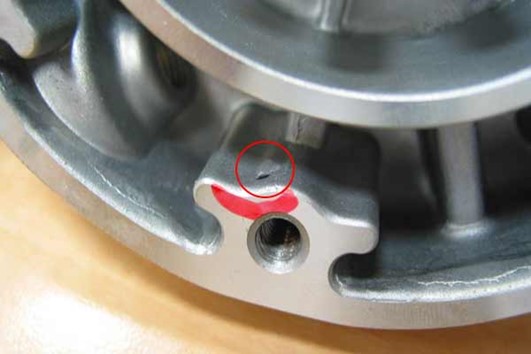
High-pressure die Casting (HPDC) is one of the most frequently utilized metal casting processes in current manufacturing. Manufacturers choose HPDC because it enables the production of complex metal parts that achieve both high precision and rapid production rates superior dimensional accuracy and smooth finishes. HPDC enables automotive and aerospace industries and the production of electronics components and consumer goods to manufacture lightweight durable parts for applications like engines and housings, structural elements, and mechanical assemblies. The manufacturing process of high-pressure die casting faces numerous risks that create substantial defects that decrease product quality while shortening the lifespan and compromising performance. Various defects form from improper mold design, turbulent molten metal flow, trapped gases, inconsistent cooling rates, and thermal stress during the production process. HPDC technology encounters seven primary defects which include porosity, cold shuts, shrinkage defects, flash formation, surface defects, misruns, die erosion, and soldering. These types of manufacturing defects cause deterioration of material strength while producing irregular dimensions and undesirable visual effects which can instigate component breakdown. Manufacturers combat production problems through the optimization of processing parameters and better-undermining methods along with controlled temperature systems and vacuum-assisted casting procedures. Real-time monitoring and simulation software are advanced quality control methods with further efficiency and reliability in the die-casting process. This article provides a comprehensive analysis of standard manufacturing issues during high-pressure die-casting technology with explanations of root causes and solution strategies to decrease these defects. It is only by understanding these challenges and applying best practices that manufacturers can improve the quality, longevity, and, of course, the performance of their die-cast components and simultaneously cut down on waste, and production costs. Proficiency in these manufacturing defects will assist die-casting engineers, production managers, and quality control specialists to optimize their processes for the best die-casting outcomes. 1. Porosity Porosity is defined by small holes or gas inclusions found within the metal matrix, and as a result, affects the mechanical properties, decreasing the strength, including allowing for air and gasses to pass through the structure, and leading to visible surface defects in die-casted products. Causes: Prevention & Solutions: 2. Cold Shut A cold shut is created when two streams of molten metal do not fuse properly and form weak bonding areas or visible seams in the casting. This defect not only decreases the mechanical strength but also increases the risk of a fracture, as well as negatively affects the component’s durability and appearance. Causes: Prevention & Solutions: 3. Shrinkage Defects Shrinkage defects occur due to shrinkage of metal during cooling which leads to internal voids or cavities, which deteriorate the structural integrity of casting. As a result, these defects reduce the mechanical strength of the final product, cause potential failure under stress, and cause poor surface quality, thus affecting both the functionality and aesthetics of the final products. Causes: Prevention & Solutions: 4. Flash Formation Excess thin metal layers formed at the parting line or die gap due to high-pressure metal escape are referred to as flash. Although flash can be trimmed off post-casting, over-flash leads to increased material waste, tool wear, and associated production costs and thus reduces the overall efficiency of the die-casting process. Causes: Prevention & Solutions: 5. Inspection of Surface Defects (Blisters, Crack and Wrinkles) A variety of surface defects, blisters, cracks, and wrinkles, degrade the visual appearance and mechanical strength of the casting and need to be prevented and eliminated. It causes weld defects that reduce the durability of the product, increase the rejection rate, and make the product stick poorly after post-casting treatments such as painting or coating. Causes: Prevention & Solutions: 6. Inclusions and Contamination Unwanted foreign particles, such as slag, oxide films, dirt, or other impurities, which are trapped in a final casting, create poor mechanical properties, weak structural integrity, and surface defects and are called inclusions. The presence of these contaminants can reduce die-cast component performance and durability so that they are not suitable for high-precision applications. Causes: Prevention & Solutions: 7. Misruns and Incomplete Fill A misrun occurs where there is a short filling of the mold cavity, which causes missing sections, thin walls, and weak points in the final component. Negative effects on the structural integrity and functionality of the part and in this way unsuitable for performance applications. Causes: Prevention & Solutions: 8. Die Erosion and Wear Molten erosion dies wear is the loss of the mold surfaces due to the high-speed metal continuously wearing the mold part surfaces until the required dimensions are achieved, which results in poor surface finish and short mold tool life. If this defect occurs, die replacement is common and consequently, production costs increase while casting quality varies. Causes: Prevention & Solutions: 9. Hot Cracking Cracks that occur during the semi-solid state of the metal, is due to high thermal stress and excessive shrinkage are known as hot cracking. These cracks degrade the mechanical integrity of the casting that is increase the chance of failure of the casting at the place where the cracks are present under stress or load. Causes: Prevention & Solutions: 10. Soldering The molten metal adheres to the die surface, which is difficult to remove with casting, causing surface defects, die wear as well as prolonged production downtime. Dimensional inaccuracies and poor surface finish are also caused by this defect, as it results in the overall compromised quality of the final product. Causes: Prevention & Solutions: Conclusion The high-pressure die casting is a powerful manufacturing process that creates complex metal parts at high accuracy at maximum efficiency. However, different kinds of defects arise using improper process parameters, material issues, and/or mold design flaws. Manufacturers can take preventive measures, e.g. optimal process control mold, properly selected material, etc., after understanding these usual manufacturing defects. A company can improve product quality, lower production costs, and achieve higher production efficiency in die-casting operations by emphasizing continuous process improvement as well as defect prevention strategies. Frequently Asked Questions (FAQs) 1. What are the major reasons for defects in high-pressure die casting? The main causes

Wybór odpowiedniej firmy odlewniczej: Kompletny przewodnik

Wybór odpowiedniej firmy odlewniczej: Kompletny przewodnik

odlew aluminiowy, firmy odlewnicze

Alloy die casting is essential to the manufacturing industry because it relies heavily on high precision, durable, and cost-effective metal components. In a revolutionary impact on modern manufacturing, this process has made possible the mass production of intricate metal parts to a very high standard of accuracy and consistency. By specialized companies which as alloy die casting companies, in service industries which as automotive, aerospace, electronics, medical, and heavy machines for building tailor resultant metal components in their specific areas of needs. A professional alloy die casting company makes use of the latest technologies and high-quality materials coupled with a strict quality control process to deliver your products that suit industry standards. If choosing the right company matters, you may choose, one way or another, between a truly reliable product that will last for years and a faulty component that will fail early. The article gives you a detailed overview of Alloy die casting, emphasizing its importance, benefits and the most essential factors to consider when choosing the best Alloy die casting company. Alloy die casting knowledge is essential if you’re a manufacturer seeking the manufacture of precisely engineered parts or a business in search of economic manufacturing options. What is Alloy Die Casting? The metal manufacturing process in which molten metal is injected into a mold (die) under high pressure is called alloy die casting. Implementation of this method is widely used for the production of complex shapes with tight tolerances. The common use of various metal alloys, such as aluminium, zinc, and magnesium, in die casting is because of their good strength properties and corrosion resistance. Types of Alloys Used in Die Casting Alloys used in die casting have a great effect on the selections in the process of die casting, it leads directly to the strength and weight, corrosion resistance and overall performance of the final product. Alloys that differ vary by different industries based on their mechanical properties, durability, and the end use necessary to them. The most commonly used alloys in die casting are mentioned below. 1. Aluminum Alloys A good thermal conductivity, combined with corrosion resistance and lightweight strength, means aluminium die casting is preferred by researchers and manufacturers the world over. In industries that require durable and relatively light components, this alloy type is used. Key Features: Applications: 2. Zinc Alloys Since it has high strength, low melting point and excellent precision, zinc is another commonly used alloy in die casting. For manufacturing small, detailed parts it is ideal. Key Features: Applications: 3. Magnesium Alloys Its lightness makes it extremely suitable to be used for industries seeking to cut weight without compromising on strength, hence this metal is named magnesium. Key Features: Applications: 4. Copper-Based Alloys Brass and bronze are examples of copper-based alloys which are high electrical conductors, corrosion resistant, and good wear resistors. Such alloys are used for applications where the electrical and thermal performance have to be superb. Key Features: Applications: Benefits of Working with a Reliable Alloy Die Casting Company The right alloy die company allows you to select high-quality products that follow industry standards. Here are the key benefits: 1. High Precision and Consistency A top die-casting company has good machinery and rigorous quality control measures to produce the dimensions with very few defects. 2. Cost-Effectiveness Die casting is a very efficient process that also reduces the material and energy costs of the final product significantly compared to other metal-forming processes. 3. Customization and Versatility A custom solution-based casting company is a reputable company that provides custom solutions that are based on particular industry necessities and provides different alloy options. 4. Faster Production and Short Lead Times Automated systems are used in modern die-casting companies to increase their speed of production and meet strict deadlines. 5. Durability and Strength Alloy die-cast parts are well known to be very durable, and thus suitable for use under demanding conditions. How to Choose the Best Alloy Die Casting Company When you select a die-casting manufacturer, you should consider the following: 1. Experience and Industry Expertise Check with the company’s track record, if it had experienced years doing alloy die casting, if its attempt in your industry was proven. 2. Quality Certifications and Standards Make sure the business follows the codec of the industry which might be: 3. Advanced Technology and Equipment To maintain accuracy and reduce the need for physical labor, a modern die-casting company will employ such equipment as a CNC machine, vacuum cast, and robotic automation. 4. Material Selection and Customization Have a company with multiple alloy options and customization so you can find the specific design that your company offers. 5. Strong Supply Chain and On-Time Delivery Efficient logistics and speedy delivery of products are brought about by reliable suppliers. 6. Prototyping and Testing Capabilities Very critical is to prototype and with rigorous quality testing (X-ray inspection and tensile strength) on the product. 7. Competitive Pricing Although price must not be the only consideration, a good die-casting firm can offer competitive prices without sacrificing quality. Industries That Rely on Alloy Die Casting 1. Automotive Industry 2. Aerospace Industry 3. Electronics Industry 4. Medical Equipment 5. Consumer Products Challenges in Alloy Die Casting and How Companies Overcome Them Alloy die casting is a well-known manufacturing process, which faces some challenges and that have an impact on quality, cost and sustainability. Innovative solutions are also implemented by leading alloy die-casting companies to overcome these problems resulting in high-quality production, optimized costs as well and minimized impact on the environment. 1. Managing Porosity and Defects Porosity is one of the most common problems encountered in die casting where gas bubbles or shrinkage cavities occur inside the metal. It can also reduce the structural integrity of the part and impact functionality. This would be addressed by manufacturers using the use of vacuum-assisted die casting, entrapping a minimum amount of air and improved metal density. Moreover, the porosity can be reduced by using pressure-tight casting techniques, design of the mold and proper

Dostawca odlewów ciśnieniowych: Proces, zastosowania i kluczowe kwestie

Dostawca odlewów ciśnieniowych: Proces, zastosowania i kluczowe kwestie

Producent odlewów ciśnieniowych, proces odlewania ciśnieniowego

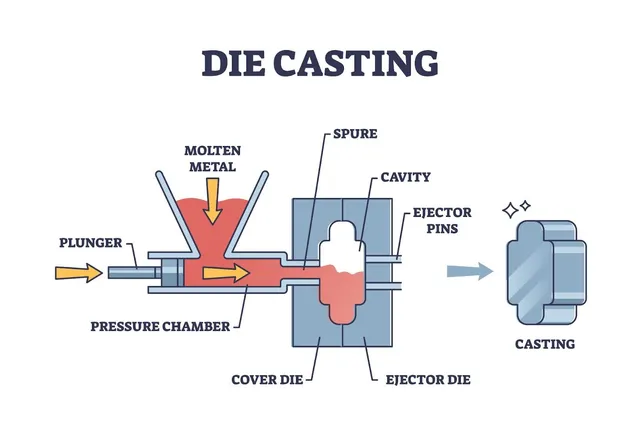
It is one of the widely used metal manufacturing processes, and it is highly efficient: producing high precision, durable, and complex components for many Industries. It injects molten metal, like aluminium, Zinc, or magnesium, inside of a steel mold (die) at very high pressure. It provides uniformity, internal strength and smashing surface finishes making it the right choice for use in automotive, aerospace, electronics, medical equipment, as well as consumer goods. A die-casting supplier is a very important company for the manufacture of high-quality parts that satisfy the industry requirements. They are suppliers, who are especially involved in designing, manufacturing and finishing the components or parts utilizing metal with strict tolerances and intricate geometries. Choosing the right supplier matters a lot for the success of any die-casting project as a good supplier should possess adequate expertise, state-of-the-art technology, and a history of successfully delivering precise and low-cost parts.Die casting is efficient in mass production and produces lightweight, yet strong parts, and as a result, the demand for die casting is increasing worldwide. Examples include reducing the weight of a vehicle, and enhancing fuel efficiency, through the use of die-cast aluminum and magnesium components in the automotive industry. In the same way, the electronics industry employs die casting to make heat sinks, enclosures and structural parts that are prone to high durability and electrical conductivity. When looking for a die-casting supplier, one should consider not only manufacturing capabilities but, more importantly, their quality control process, material expertise, and anything that may be left up to the supplier, such as machining, coating, and finishing. This provides a well-established supplier, therefore, reducing lead times, minimal defects and cost-effective production.  In this article, the die-casting process, materials used, the applications, advantages and important considerations of choosing a die-casting supplier are covered. Metal parts required to meet industrial applications need high performance and a reliable supplier fulfils this criterion for both small-batch production and large-scale production. The Die Casting Process: Step-by-Step Guide 1. Mold Preparation Mold (die) preparation and design accompany the initial step of this process. The two-part steel dies consist of a stationary cover die section and the movable ejector die section. Applied lubrication helps the molded flow metallic material smoothly while stopping the material from clinging. 2. Molten Metal Injection The chosen metals aluminum and zinc along with magnesium undergo high-temperature melting. Due to high pressure between 1,500 to 25,000 psi the molten metal enters the mold cavity. High injection pressure produces both accurate and even parts with low levels of flaws. 3. Cooling and Solidification The molten metal quickly reaches solid form during this process when forming parts to their designated shape. The components achieve superior high-strength properties because of the fast cooling process. 4. Ejection of the Part After metal solidification, the mold opens while ejector pins extract the completed part from its chamber. One mold cycle ends when it closes before starting another round of production. 5. Trimming and Finishing Machinists remove all undesirable remnants including flash and both sprees and runners from the part. The component requires supplementary finishing actions which involve sandblasting together with powder coating and anodizing operations to develop superior looks alongside functionality. Differences between Hot Chamber and Cold Chamber die-casting The die-casting process operates in either hot chamber die-casting or cold chamber die-casting formats. The main difference exists in how molten metal receives treatment before mould injection during these two techniques. The two methods differ in specific strengths together with restrictions which make them suitable for particular materials and production needs. The following section provides an elaborate comparison between hot chamber die-casting systems along cold chamber die-casting systems. 1. Process Overview Hot Chamber Die Casting • It requires a built-in furnace, which keeps the metal in a molten state. • Injection system is immersed in the molten metal, sucking it through the injection of a center and supplying it to the mold cavity. • The process is faster since there is no need to convey the metal from an independent melting station as in other processes. Cold Chamber Die Casting • Utilizes an external furnace for heating the metal to produce the required change in its state. • The molten metal is either ladled manually or automatically into the injection system and then it is injected into the mold. • The process is slower than the hot chamber one because the extra step of transferring molten metal takes time. 2. Suitable Metals Hot Chamber Die Casting • Like metals that melt below this temperature such as those that are not suitable to erode the injection system. • Common raw materials include: zinc, magnesium, lead and tin. Cold Chamber Die Casting • Applied to work with metals that have high a melting point which tends to deform the hot chamber system. • Common materials: aluminum, brass, copper, and magnesium alloys. 3. Production Speed Hot Chamber Die Casting • Higher speed of operations normally ranging between 5 to 15 operation cycles per minute. • The direct metal feed helps in avoiding the use of the ladling process in the making of the product. Cold Chamber Die Casting • Some of the disadvantages are the slow cycle times because of manual or fully automated metal transfer. • Other factors may take longer in the cooling and solidification process in this case with some of the alloys. 4. Equipment Durability Hot Chamber Die Casting • The submerged injection system has short service life since it deals with low-melting-point metals. • Longer equipment lifespan with proper maintenance. Cold Chamber Die Casting • Wear and tear increases with the rise in high temperatures especially in the case of aluminum and copper alloys. • Furniture and equipment may last for a shorter time and, therefore, may need constant replacement and maintenance. 5. Cost and Efficiency Hot Chamber Die Casting • High production since the time taken to complete a production cycle is short. • Lower operational costs because of integrated metal handling. Cold Chamber Die Casting • Increased energy costs by

Oprzyrządowanie odlewnicze: Kamień węgielny produkcji precyzyjnej

Oprzyrządowanie odlewnicze: Kamień węgielny produkcji precyzyjnej

odlew aluminiowy

Since the modern manufacturing world is surrounded by die-cast tooling, it is no wonder that die-cast tooling has become a critical step in manufacturing precise and reliable metal components. Whether it be automotive parts or consumer electronics, the aim is that the products are of the highest quality standards as regards durability, function, and appearance. It is this comprehensive guide of every part of die-cast tooling from the types to its advantages and disadvantages to the applications that you will find extremely helpful if you are fully into manufacturing.Although the cost of producing parts out of die-cast tooling is higher initially, on the other hand, it provides you with reduced material waste, faster production cycle time, and being ability to make complex designs with very little post-processing if any at all. Not only did advances in cooling systems and more efficient substitution parts like replacement inserts, surface coatings, and the like increase efficiency and durability but also less worn grids and better purge for the electrical system helped. What is Die Cast Tooling? Die-casting tooling means the tools and processes for die-cast tooling. These dies (molds) also shape molten metal into complex and accurate components under high pressure. The engineering of advanced die-cast tooling requires materials and meticulous design practice, as well as advanced engineering skills to facilitate the production of consistently produced defect-free parts.First, metal (usually aluminium, zinc, or magnesium) is melted and passed under high pressure into the die. The quality of the final product is dependent on the precision of the tooling, and that is why die-cast tooling is vital to industrial manufacturing. Components of Die Cast Tooling The process of die casting is a precision manufacturing process that greatly relies on the array of tools needed to produce high-quality metal parts. The combination of these tools is such that they are accurate, durable and efficient. The most common tools used in die casting are listed below. 1. Dies (Molds) The most critical tool in the process is the die, also called the mold. It consists of two halves: •             The cover die; stays stationary and aligned to the injection system. •             If it is an ejector Die, it moves to release the solidified casting. Hardened steel is used to make dies to withstand extreme pressures and high temperatures. They set what dimensions they will build, the complexity the final product will have and how precise it will be.  2. Cavity Inserts The internal shape of the die is formed by cavity inserts to create the intricate ones. Because of this, these inserts are replaceable, facilitating changing the die for different components without having to fabricate a new tool. 3. Core Pins To manufacture internal holes, slots, or intricate recesses, an internal feature is created with a core pin. To get the finished product or product of the finest quality possible, they are necessary. 4. Ejector Pins The completed casting is removed from the die cavity without damaging it by ejector pins. These pins are used for the ejection system, given for smooth and easy part removal. 5. Cooling Channels The die includes cooling channels to allow for regulating the respective temperature during casting. Because uniform cooling avoids defects like warping, cracking, or shrinkage, it also provides for constant quality. 6. Vents and Overflow Wells Trapped air is released from vents when molten metal is injected into the die and overflow wells are used to collect excess material. The final product is free of voids or air pockets, and both tools lend to that. 7. Trim Dies Trim dies are specialized tools to remove excess material i.e. flash from castings. Clean edges and accurate dimensions for the final product are assured because they promise it. 8. Lubrication Systems The die is lubricated with some aqueous lubricants to minimize wear, reduce friction, and also facilitate the removal of the part. Lubrication in its proper form improves die lifespan, prevents die shutoff and ensures smooth casting operations. 9. Shot Sleeves  Guides to the injection system are shot sleeves that guide the molten metal to the die cavity. The way they are designed to handle extreme heat and pressure means they work to smooth metal flow. 10. Sprayers Release agents are coated in the die using sprayers to prevent the molten metal from sticking to the die and making part removal easier. In order words, these tools work together to deliver consistent parts, high quality and without defects – indispensable for industries such as automotive, aerospace, electronics, etc. Types of Die Cast Tooling From die-cast tooling, there is nothing one size fits all. Depending on production requirements, various types of tooling are designed. Single-Cavity Tooling: This type of tooling produces one part per cycle. A low-volume production or prototyping system will suit. Multi-Cavity Tooling: Multi-cavity tooling enables the simultaneous production of multiple identical parts improving production efficiency. For high volume manufacturing it is very commonly used. Family Tooling: The entire tooling method is innovative, it produces many different parts in one cycle. It is particularly appropriate when assembling components that are to be manufactured together. Unit Die Tooling: Modular unit dies can substitute insert types or portions of the dies without redrawing the entire die. This reduces costs and downtime. Trim Dies: They are used to get rid of excess material (flash) from the finished part, making sure that the finished part meets the exact specifications. Benefits of Die-Cast Tooling Nowadays, die-cast tooling is indispensable because of its many advantages: Precision and Accuracy: High dimensional accuracy is achieved of course with die casting, part production with relatively tight tolerances, and intricate designs. Durability: These tools are from hard steel and are well capable of withstanding the rigours of high-pressure casting and increased use. Efficiency: The process gives a quick, economical way to produce identical parts without much scrap and is thus economical for large-scale production. Design Flexibility: With die-cast tooling, there are complex shapes, thin walls, and intricate details that are not possible under other manufacturing methods. Material Savings:

Aluminium malowane proszkowo: Wszystko, co musisz wiedzieć!

odlew aluminiowy

Aluminiowa powłoka proszkowa zapewnia częściom silną ochronę przed korozją i trwałość. Jest to idealne rozwiązanie zarówno dla projektów mieszkaniowych, jak i komercyjnych. Proces powlekania umożliwia producentom osiągnięcie niezawodności i długowieczności. Malowanie proszkowe poprawia wygląd części/produktów, a także ich wydajność w różnych sytuacjach. Co więcej, nie zużywa się łatwo, nie łuszczy się ani nie rdzewieje. Sprawia to, że nadaje się do stosowania w obszarach, w których wchodzi w kontakt z żywiołami. Wynika to w dużej mierze z elastyczności związanej z malowanym proszkowo aluminium w różnych zastosowaniach. W wielu przypadkach łączy w sobie modę i konieczność służenia jako przedmiot użytkowy w różnych kontekstach. Na czym polega proces malowania proszkowego aluminium? Malowanie proszkowe aluminium to proces nakładania gładkiej i wytrzymałej warstwy. Jest stosunkowo skuteczny i wymaga kilku ważnych etapów przygotowania powierzchni do nałożenia powłoki i utwardzenia nałożonego materiału powłokowego w celu zmaksymalizowania trwałości. W kolejnych sekcjach omówimy jego szczegółowy proces w kilku krokach: 1. Przygotowanie powierzchni: Aby odpowiednio nałożyć aluminiową powłokę proszkową, ważne jest wcześniejsze oczyszczenie aluminiowej powierzchni. Można użyć obróbki strumieniowo-ściernej lub czyszczenia chemicznego, aby pozbyć się olejów, smarów, brudu lub utleniania. Przygotowanie jest niezbędne. Ponieważ wszystkie zanieczyszczenia mogą korzystać z charakterystycznych dla kleju aluminiowych części malowanych proszkowo. 2. Elektrostatyczna aplikacja proszku: Po oczyszczeniu i wysuszeniu materiału nakładana jest odpowiednia powłoka proszkowa. Operatorzy stosują pistolet elektrostatyczny w celu wytworzenia wyładowania elektrycznego przy użyciu drobnego i suchego proszku na powierzchni aluminium. Cząsteczki proszku są naładowane, aby umożliwić im przyleganie do aluminium. W ten sposób równomierne rozprowadzenie zapewni jednolite wykończenie powierzchni. 3. Końcowe utwardzanie w wysokiej temperaturze: Po nałożeniu proszku aluminiowy element jest przenoszony do pieca do utwardzania. Tutaj drobny proszek topi się i trafia na powlekaną powierzchnię. Podczas gdy twardnieje, tworząc powierzchnię powłoki. Temperatura i czas są dwoma najważniejszymi czynnikami decydującymi o tym, jak twarda jest powłoka i jak gładka jest powierzchnia po utwardzeniu powłoki. 4. Chłodzenie i kontrola jakości: Niedoskonałości, które mogły powstać po zakończeniu procesu. Produkt końcowy uzyskany po utwardzeniu musi zostać sprawdzony pod kątem wysokiej jakości, zanim zostanie wprowadzony na rynek. Tak więc, od początku do końca, każdy etap procesu odgrywa istotną rolę w tworzeniu trwałej, przyciągającej wzrok warstwy aluminium. Ponadto pomaga w walce z korozją, zadrapaniami i degradacją. Dlatego też aluminium malowane proszkowo nadaje się do stosowania w różnych dziedzinach, czy to w gospodarstwach domowych, na zewnątrz, takich jak tarasy i zestawy patio, czy też w przemyśle morskim. Malowanie proszkowe aluminium: Jakie korzyści przynosi producentom Aluminiowa powłoka proszkowa ma wiele zalet dla producentów innych niż poprawa wyglądu i wydajności. Można podkreślić, że ten rodzaj ogrzewania jest skuteczny, trwały i bardzo elastyczny. Pozwolę sobie teraz podkreślić główne zalety procesu powlekania aluminium. 1. Trwałość i ochrona przed korozją: Zastosowana powłoka proszkowa jest wykonana z aluminium, dzięki czemu zapewnia wytrzymałą warstwę powierzchniową. Warstwa ta jest bardziej odporna na zarysowania, odpryski i ścieranie niż jakakolwiek inna zwykła farba. Ale nie wytrzymuje ona dziesięcioleci! Materiał ten ma również wysoką wydajność w różnych warunkach klimatycznych i wodnych, co prowadzi odpowiednio do korozji i blaknięcia. 2. Ekologiczne i bezpieczne: Jeśli chodzi o ciekłe powłoki, zawierają one ciecz, rozpuszczalnik i lotne niebezpieczne składniki, podczas gdy w farbie proszkowej nie ma żadnego z nich. Po drugie, produkuje niewiele zanieczyszczeń i nie emituje/uwalnia toksycznych gazów. Co więcej, proces ten zmniejsza szkodliwość dla środowiska, dzięki czemu jest stosunkowo bezpieczny dla pracowników, którzy go obsługują. 3. Konfigurowalne wykończenia: Będąc dobrym przewodnikiem ciepła, aluminium malowane proszkowo pozwala na szeroką gamę kolorów i tekstur dla konsumentów. Bez względu na to, czy lubisz błyszczące, satynowe, czy nawet zacierane wykończenie, malowanie proszkowe zapewnia to drugie. Dodatkowo, powłoka może być dostosowana do konkretnych potrzeb projektowych lub specyfikacji marki. 4. Ekonomiczne rozwiązanie: Aluminium jest popularnym materiałem, który może być malowany proszkowo przy stosunkowo niskich kosztach w przypadku dużych zleceń. Jest szybkie, wymaga mniej retuszu i ma dłuższą żywotność w porównaniu do zwykłych farb. Wszystkie te cechy sprawiają, że jest łatwy w utrzymaniu i długotrwały, na przykład idealny do użytku komercyjnego i mieszkaniowego. Jakie są wady aluminium malowanego proszkowo? Chociaż malowanie proszkowe aluminium ma swoje zalety, ma również pewne wady. Przed podjęciem decyzji należy rozważyć obie opcje. Oto niektóre z nich: 1. Ograniczone możliwości naprawy: Pierwszym ograniczeniem związanym z malowaniem proszkowym jest stosunkowo niewielka liczba sposobów naprawy powlekanej powierzchni. Ogólnie rzecz biorąc, jeśli powłoka jest uszkodzona lub zarysowana, trudno jest ją naprawić, nie sprawiając, że będzie to dość zauważalne. Problem z farbą polega na tym, że nie można pomalować punktowo niewielkiego obszaru bez zmiany tekstury i koloru. 2. Koszt początkowy i sprzęt: Kolejną wadą jest wysoki koszt początkowy sprzętu do malowania proszkowego. Niezbędne są szybkie pistolety elektrostatyczne i piece do utwardzania. Są one jednak droższe w porównaniu z prostymi metodami malowania, zwłaszcza w przypadku malowania na umiarkowaną lub małą skalę. 3. Złożoność przygotowania powierzchni: Przygotowanie powierzchni jest krytycznym czynnikiem w aplikacji farb proszkowych. Jeśli powierzchnia aluminium nie jest dobrze oczyszczona i przygotowana, powłoka nie będzie dobrze przylegać do powierzchni aluminium. Wstępna charakteryzacja zajmowała więcej czasu, a przez to była bardziej męcząca. 4. Nadaje się do niektórych zastosowań: Aluminiowa powłoka proszkowa nadaje się tylko do stosowania na stopach aluminium. Jednak może nie być korzystne dla innych rodzajów materiałów i złożonych wzorów, które mają być użyte w konstrukcji ekranu. W przypadku bardzo szczegółowych lub małych części proces może nie działać zgodnie z przeznaczeniem i często wymaga dalszych kroków. Co oznacza malowanie proszkowe dla

produkty odlewnicze ze stopów aluminium

Odlewanie ciśnieniowe stopów aluminium 101

odlew aluminiowy

Aluminum alloy die casting is a die casting process that is a widely used process in manufacturing that involves producing accurate and intricate parts of metal with efficiency. In this case, we can list metals that have a variety of applications due to their capacity to be very strong and light simultaneously. Besides this, we can list that practically corrosion-resistant, i.e., aluminum alloys are particularly popular with car manufacturing. This article also looks into such areas as processes, properties, challenges, and applications of aluminum alloy die casting. We will get deep insights into its complete process, types, and differences from other processes. What is Die Casting? It is a manufacturing process that utilizes high pressure to force a molten metal to fill a mold cavity. It also allows the generation of excellent models with near-net shaping, accurate dimensions surface finish, and complicated shapes. Different Types of Die Casting Die-casting has many types. Let’s discuss these types in detail; 1. Hot Chamber Die Casting It is mostly suitable for zinc and magnesium alloys. This process takes submergence of the injection system in the molten metal to facilitate rapid casting. It is ideal for use in a large production but unadapted for utilization in high-melting-point alloys. you can go to zinc die casting to know more detail 2. Cold Chamber Die Casting It is a best fit for metals such as aluminum and brass having high melting points. Here we transfer the molten into a cold chamber and then inject it into the mold. It saves on the heat hazard to the equipment but has longer operating cycles. Got aluminum die casting services page to know more about this process. 3. Low-Pressure Die Casting The low-pressure die casting use with Used with aluminum and magnesium alloys. It causes minimal porosity but good structural quality. Besides this, it is time-consuming but suitable for creating the stronger part of the product. 4. High-Pressure Die Casting (HPDC) Common in aluminum, zinc, and magnesium alloys. Here we inject the molten metal at very high pressure into complicated shapes and fine surface textures. So, it is highly suitable for applications that need parts with large production quantities, and areas with large cross-sections may be porous. Go to high pressure die casting page to know more detail. 5. Gravity Die Casting Standing pressure is used to cast molten metal into a mold thus yielding strong and low porosity objects. It is used in production lines where we need to produce less number of parts at a time but it is comparatively slower than pressure-based processes. 7. Squeeze Die Casting Here we make semi-finished products by the pressure forging method where molten metal is high pressure and can also prevent casting porosity. This is suitable for the structure of a part; however, it has a higher cost and slow cycle time. Define Aluminum Alloy die casting Aluminum alloy die casting is a process in which molten aluminum alloy materials are forced under pressure into molds or dies. So, it can form the desired shape and a very smooth surface finish. It is employed in component manufacturing with complicated shapes that require high strength, stiffness, and low density integrated with good surface finish and accurate dimensions. The aluminum alloy has all the favorable characteristics of high corrosion and heat transfer coefficients and hardness-to-weight ratio. One of the benefits of this process is that die casting is suitable for large-scale production processes. Selecting the Right Material for Aluminium alloy Die Casting Materials used are very vital in the aluminum alloy die-casting business since they determine the efficiency, quality, reliability, and cost of the final product. Properly chosen alloys ensure: Aluminum alloys in die casting Die-casting aluminum alloys are common to many industries because these materials possess qualities that are desirable in dies such as lightweight, high strength, and corrosion resistance. Alloy Key Properties Applications Values A380 Strong, corrosion-resistant Engine blocks, housings Strength: 320 MPa A383 Crack-resistant, castable Electronics, thin parts Strength: 290 MPa A360 Corrosion-resistant, durable Marine, aerospace Strength: 330 MPa ADC12 Castable, corrosion-resistant Automotive, machinery Strength: 310 MPa AlSi9Cu3 Strong, wear-resistant Structural components Strength: 250–280 MPa Complete Process for Aluminum Alloy Die Casting Aluminum die casting entails the formation of elaborate and accurate first parts by the application of pressure on molten aluminum alloys. Below are the key stages: 1. Mold Preparation 2. Melting and Alloy Selection The aluminum alloys are brazed at a temperature of about 660 centigrade (1220 Fahrenheit) in a furnace. This aluminum is then kept at a relatively constant temperature to retain the material properties of the metal. 3. Injection When high pressure is used, it ensures that the molten aluminum flows right to the small crevices resulting in excellent finishes. 4. Cooling and Solidification It is the process during which the obtained molten aluminum cools and solidifies inside the given mold. Cooling minimizes defects such as shrinkage or warping that are brought about by dryness in the cast iron. 5. Ejection Finally when the casting is fully formed its mold is ejected from the casting using the ejector pins. The mold is then ready for the next cycle of use with the Epicor software. 6. Trimming and Finishing If necessary, runners, gates, and flash are removed from the casting leaving only the necessary shape and form of the object. Some of the operations include giving the required surface finishes such as sandblasting, polishing, or coating. Die Casting Aluminum Alloy Properties So, let’s discuss some of the important mechanical, chemical, and thermal properties of Aluminum alloy Diecasting; I. Mechanical Properties These may include; II. Thermal Properties The following are some thermal properties of diecasting aluminum alloy; III. Chemical Resistance: These are generally; These characteristics make aluminum alloys a premium material for die casting whose products are effective in different sectors. Design Guide for Aluminum Alloy Die Casting Design guide and material selection, both features play an important role in aluminum diecasting. So, let’s discuss the design guide properly; Design Factor Guideline Reasoning Wall Thickness Keep

firmy zajmujące się odlewami aluminiowymi

10 najlepszych firm odlewniczych w Chinach i USA

firmy odlewnicze

Szukasz najlepszych firm zajmujących się odlewaniem ciśnieniowym aluminium w światowych potęgach przemysłowych? USA i Chiny stały się znaczącymi uczestnikami globalnych usług odlewania ciśnieniowego aluminium na przestrzeni dziesięcioleci, oferując szereg usług spełniających wymagania sektorów wymagających precyzji. Jak w każdej dziedzinie biznesu, sukces projektu zazwyczaj zależy od wybranego partnera. Najbardziej renomowane, doświadczone firmy odlewnicze zawsze gwarantują wysokiej jakości produkty i satysfakcjonujące wyniki. Ze względu na różnorodność firm zajmujących się odlewaniem ciśnieniowym aluminium w USA i Chinach, czasami trudno jest znaleźć odpowiedniego partnera dla swojej firmy. Nie martw się - w tym artykule porównamy 10 wiodących firm zajmujących się odlewaniem ciśnieniowym aluminium w Chinach i USA. 1. Sincere Tech Co, Ltd. Rok założenia: Ponad 15 lat Podstawowe możliwości biznesowe: Formowanie tworzyw sztucznych, formy/narzędzia do odlewania ciśnieniowego aluminium, magnezu i cynku, obróbka skrawaniem, wykańczanie powierzchni i usługi montażu Prodcut. Adres: Building 1, No. 30 Huan Zhen Rd, Shang Dong Village, Qi Shi Town, Dongguan City, Guangdong Province, China, P.C.: 523000 Website: www.plasticmold.net Company Overview: Sincere Tech Co., Ltd. jest wiodącym producentem odlewów aluminiowych i form w Chinach, który znajduje się w Dongguan w Chinach. Koncentruje się głównie na wysoce precyzyjnych formach wtryskowych z tworzyw sztucznych, formach do odlewania ciśnieniowego aluminium, magnezu i cynku oraz formowaniu tworzyw sztucznych. Założona ponad 15 lat temu firma rozwinęła się, aby opracować wyjątkowe narzędzia i możliwości odlewania ciśnieniowego dla szerokiego zakresu branż. Dzięki nowoczesnej technologii i doświadczonemu personelowi, Sincere Tech dostarcza precyzyjne produkty, które są zgodne z nowoczesnymi standardami branżowymi. Dla klientów z branży peryferiów komputerowych, którzy potrzebują części odlewanych ciśnieniowo i/lub części wtryskiwanych z tworzyw sztucznych, Sincere Tech może zająć się projektowaniem, produkcją, montażem i innymi powiązanymi usługami, aby zapewnić najlepszą jakość i najniższe koszty dzięki kompleksowej obsłudze. Kluczowe usługi Ich zaangażowanie w jakość: Zespół Sincere Tech dba o to, by każdy opracowywany przez nich produkt spełniał wysokie standardy jakości. Wiąże się to z solidnymi środkami kontroli jakości, które obejmują każdy etap rozwoju produktu, w tym projektowanie i fizyczne prototypowanie, w tym montaż. Firma stosuje zautomatyzowany system, a także ręczne kontrole produktów w celu wykrycia wszelkich wad podczas procesu produkcyjnego. Jak podkreślono, Sincere Tech jest firmą posiadającą certyfikat ISO, który pomaga zweryfikować kowadło firmy w zakresie wiarygodnych i trwałych produktów. Obsługiwane branże: Sincere Tech obsługuje różnorodne branże, w tym: Dlaczego warto wybrać Sincere Tech? Sincere Tech jest kompleksowym dostawcą rozwiązań w zakresie części odlewanych ciśnieniowo z aluminium. Działa w branży od ponad 15 lat i świadczy niestandardowe usługi, takie jak projektowanie, prototypowanie, oprzyrządowanie, produkcja i montaż. Firma prezentuje swoje rozwiązania w niższej cenie przy zachowaniu najwyższego poziomu jakości. Zapewnia również dobre wyceny i szybki czas realizacji dla małych i dużych złożonych projektów, niezależnie od tego, czy planujesz kilka prototypów, czy 1000 części produkcyjnych. Jeśli szukasz firm zajmujących się odlewaniem ciśnieniowym aluminium w Chinach, które mogą zaoferować projektowanie i rozwój produktów, montaż produktów, odlewanie ciśnieniowe aluminium i formowanie wtryskowe tworzyw sztucznych, to będą one jedną z najlepszych opcji. 2. GC Precision Mold - jedna z firm zajmujących się odlewami aluminiowymi w Chinach Rok założenia: 2005 Główne możliwości biznesowe: Odlewanie ciśnieniowe aluminium (ADC12, A380, odlewanie ciśnieniowe AL 6061, 6063), odlewanie ciśnieniowe cynku, precyzyjna obróbka CNC i montaż.Adres: Dongguan City Qiaotou Town, Jinglian No.40, Donghu Road, Guangdong Province, China.Website: www.thediecasting.com Company Introduction: GC Precision Mold jest zaliczana do dużych firm B2B Aluminum China Die Casting Companies. Została założona w 1999 roku. Firma świadczy usługi takie jak odlewanie aluminium, magnezu i cynku dla różnych branż na całym świecie. Oprócz ogólnego odlewania ciśnieniowego, oferuje również ponadprzeciętną precyzyjną obróbkę CNC, wykończenie powierzchni oraz usługi montażowe. Wykorzystując nowoczesne środki i wykwalifikowanych specjalistów, GC Precision Mold oferuje swoim klientom produkty o standardowej jakości. Produkują skomplikowane części inżynieryjne i tolerancje oraz wykończenie powierzchni Six Sigma. Firma zapewnia, że jej klienci otrzymają rozwiązania obejmujące procesy projektowania, aż po wytwarzanie zamierzonych części, aż do końcowego montażu poszczególnych form, które pasują do konkretnych figur w najdrobniejszych szczegółach. Zaangażowanie w jakość: GC Precision Mold wytwarza produkty, które zawsze spełniają rygorystyczne normy jakości, takie jak ISO 9001:2015. Dyktuje to wysokiej jakości produkty dla swoich klientów. Firma posiada kompleksową procedurę kontroli jakości, która gwarantuje, że produkty spełniają ustalone standardy i są akceptowalne na rynku. Obsługiwane branże: GC Precision Mold obsługuje szeroki zakres branż, w tym: Dlaczego warto wybrać GC Precision Mold? GC Precision Mold wykorzystuje nowoczesną technologię i wykwalifikowaną siłę roboczą, aby zapewnić zadowolenie klientów. Niezależnie od tego, czy klient potrzebuje produkcji wielkoseryjnej, czy usługi prototypowania, GC Precision Mold zapewnia najlepsze usługi wysokiej jakości na żądanie przy ograniczonym budżecie. Jeśli szukasz dokładnych rozwiązań w zakresie odlewania ciśnieniowego aluminium w Chinach, możesz zaufać GC Precision Mold. Poproś o natychmiastową wycenę online! Jeśli szukasz firm zajmujących się odlewaniem ciśnieniowym aluminium w Chinach, które mogą zaoferować odlewanie ciśnieniowe pod wysokim ciśnieniem 6061 i 6063, montaż produktów i formowanie wtryskowe tworzyw sztucznych, będą one jedną z najlepszych opcji. 3. CNM Casting Rok założenia: Ponad 20 lat Główne możliwości biznesowe: Odlewanie ciśnieniowe aluminium, magnezu i cynku, precyzyjna obróbka CNC, wykańczanie powierzchni i montaż. Adres: Room 101, No. 40, Donghu Road, Jinglian, Qiaotou Town, Dongguan City, Guangdong Province, China, P.C.: 523520 Website: www.thediecasting.com Company Introduction: CNM Tech Co, Ltd. została założona ponad 20 lat temu. Firma znajduje się w Dongguan w Chinach i świadczy szeroki zakres usług odlewniczych, które obejmują stopy aluminium, magnezu i cynku. Wykonuje również skomplikowane odlewy i precyzyjne odlewy do zastosowań przemysłowych w motoryzacji, elektronice, lotnictwie i domowych urządzeniach elektrycznych. CNM Tech dąży do dostarczania trwałych i wysoce skomplikowanych części o precyzyjnych cechach i wymiarach przestrzennych, głównie dzięki ultranowoczesnemu sprzętowi i kapitałowi ludzkiemu, którym dysponuje. Obsługuje klientów, którzy potrzebują niewielkich ilości prototypów, a także klientów, którzy wymagają dużych partii produkcyjnych po niskich cenach bez uszczerbku dla jakości. Kolejnym kluczowym aspektem działalności CNM Tech jest ścisła współpraca z klientem, a także z dostawcami.

części odlewane ciśnieniowo

Różnice między stopami Zamak 3 i Zamak 5

zamak 3, zamak 5

Zamak alloys used commonly in die casting have attractive characteristics which include versatility, strength, and durability. Of all the Zinc die-casting alloys, Zamak3 and Zamak5 are the most prevalent due to their special characteristics and the versatility of the application areas. To avoid compromising its functions, it is important for manufacturers and engineers who make choices to learn and distinguish the various qualities of those alloys. This guide discusses all the differences and similarities between Zamak 3 and Zamak 5 as well as their use in multiple settings and their capabilities. What is Zamak? Zamak, a term that is an acronym for Zinc, Aluminum, Magnesium, and Kupfer, (original German for copper), denotes a group of zinc-based alloys widely used for die casting. Some of the properties that make these alloys desirable is; polished appearance, precise dimension, and high corrosion resistance. The Zamak type of alloy varies depending on the proportion of aluminum, magnesium, and copper it contains. The two common forms are Zamak 3 and Zamak 5, which have Different settings of parameters for different industries. Chemical Composition of Zamak 3 and Zamak 5 This is because the performance of Zamak 3 and Zamak 5 depends on the chemical composition. These two alloys contain major proportions of zinc but they differ in secondary elements which result in different properties. Element Zamak 3 Composition (%) Zamak 5 Composition (%)   Zinc (Zn) ~96 ~95.5 Aluminum (Al) ~3.9 ~3.9 Magnesium (Mg) ~0.04 ~0.04 Copper (Cu) 0 ~0.75 Key Differences Zamak 3 lacks copper, giving it slightly better corrosion resistance in specific environments. Zamak 5 contains about 0.75% copper, enhancing its strength and hardness. Mechanical Properties Comparison It is for this reason that Zamak 3 and Zamak 5 have some variations of the mechanical properties, which are a result of the differences in their formulation. This affects their usage as well as working efficiency under different circumstances. Table: Mechanical Properties of Zamak 3 vs. Zamak 5 Property Zamak 3 Zamak 5   Density (g/cm³) 6.6 6.7 Yield Strength (Mpa) 220 250 Elongation (%) 10 7 Hardness (Brinell) 82 90 Impact Strength (J) Higher than Zamak 5 Lower than Zamak 3 Analysis Strength: Zamak 5 has higher tensile and yield strength, making it more robust for demanding applications. Ductility: Zamak 3 exhibits better elongation and impact resistance, suitable for parts requiring flexibility. Hardness: Zamak 5’s higher hardness ensures better wear resistance. Applications of Zamak 3 and Zamak 5 die casting products Namely, the properties of Zamak 3 and Zamak 5 make them suitable for particular uses. Zamak 3 casting Applications Consumer Goods: Commonly seen on die-cast end products such as car door handles, zippers, and other small ornamental parts. Electronics: Zamak 3 die casting parts can also maintain a more stable dimension than other die-cast alloys, especially for housing or enclosure applications. Toys: Otherwise known for its good surface finish and easy-to-machine material, many die cast toys made with zamak 3 die casting process Zamak 5 die casting Applications Automotive Industry: Owing to high strength, Zamak 5 alloy die casting parts are used in the structural and functional parts of a variety of apparatus. Hardware: Writing instrument parts – zinc die casting hinges, brackets, locks, benefit from its increased hardness. Industrial Equipment: Zamak 5 die casting parts are the choice for all the zinc alloy parts experiencing high stresses. Table: Applications by Industry Industry Zamak 3 die casting   Zamak 5 die casting Consumer Goods Small decorative items Heavy-duty functional parts Automotive Low-stress interior parts High-stress structural parts Electronics Precision housings Heat-resistant components Advantages and Limitations Advantages of Zamak 3 die casting products Cost-Effective: Lower material cost compared to Zamak 5 alloys. Corrosion Resistance: Excellent in environments where copper would accelerate corrosion. Ease of Casting: Offers better fluidity during zinc die casting manufacturing process. Advantages of Zamak 5 die casting products Strength and Hardness: Higher mechanical strength and wear resistance. Durability: Better suited for high-stress applications. Surface Treatment: Enhanced suitability for plating and finishing. Limitations Zamak 3:      Maintenance of limited power when required to operate under high stress conditions. Zamak 5: This is another reason for a slightly lower corrosion resistance at higher concentrations of                                        copper present in the alloy. Die Casting Zamak 3 vs. Die Casting Zamak 5                Die casting is a process of forcing a metal at high pressure into a mold cavity. Both die-casting Zamak 3 and die-casting Zamak 5 excel in producing intricate shapes with tight tolerances, but there are notable differences: Parameter Die Casting Zamak 3 Die Casting Zamak 5 Fluidity Superior Slightly lower Shrinkage Minimal Slightly higher Casting Temperature Lower (~380°C) Slightly higher (~385°C) Machinability Excellent Good Die Casting Process Overview  Key Considerations: Ease of Use: Zamak 3 die casting also has drawing advantages over the other because of its comparatively lower casting temperature and better fluidity. Stress Tolerance: Therefore, Zamak 5 die casting can be used in an application with robust parts and components. Choosing the Right Alloy Factors to Consider Application Requirements: For applications that need high dimensional stability, corrosion resistance, and low-stress bearing: the Zamak 3 alloy material should be used. When selecting for strength and hardness choose Zamak 5 alloy for parts that require high levels of durability, and lower stress tolerance. Cost: It is observed that Zamak 3 alloy is slightly cheaper than Zamak 5 alloy. Environment: Zamak 3 may do better in corrosive circumstances because of a lack of copper in the alloy. Decision Table: Zamak 3 vs. Zamak 5 Requirement Recommended Alloy   High strength Zamak 5 alloy Cost efficiency Zamak 3 alloy Corrosion resistance Zamak 3 alloy Wear resistance Zamak 5 alloy Practical Use Cases for Zamak 3 and Zamak 5 Thus, we will investigate how adopted scenarios of Zamak 3 and Zamak 5 work in practice. This will also make clear to them the benefits and the nature of their applicability to certain functions. Zamak 3 in Practice  Electronics Industry: Zamak 3 die casting is used predominantly for applications in

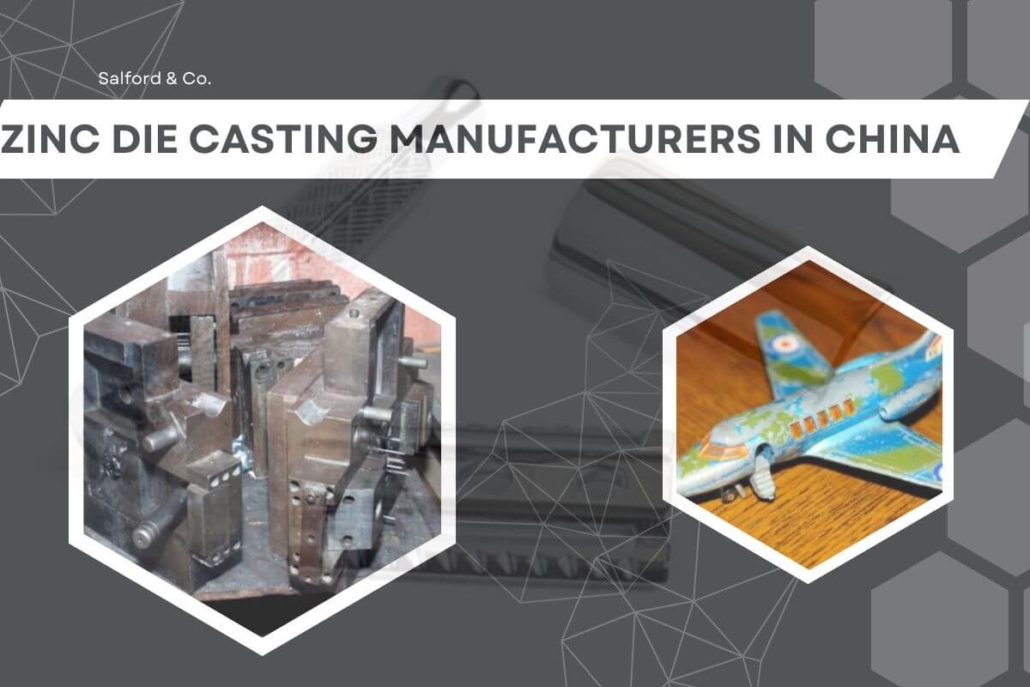
Producent odlewów cynkowych w Chinach

11 najlepszych firm odlewniczych cynku w Chinach i USA

części odlewane ciśnieniowo, Odlew cynkowy

Jeśli masz części odlewane ze stopów metali, które wymagają wysokiej jakości wykończenia powierzchni, takiego jak polerowanie, powlekanie lub powlekanie elektroniczne, powinieneś poszukać części odlewanych ciśnieniowo z cynku. Odlewy cynkowe lub zamakowe są często stosowane w produkcji precyzyjnych elementów dekoracyjnych, akcesoriów budowlanych, akcesoriów do drzwi i okien, zawiasów drzwiowych, modeli odlewanych ciśnieniowo i innych podobnych produktów ze stopów. Celem tego artykułu jest zwięzłe przedstawienie 11 najlepszych firm zajmujących się odlewami cynkowymi w Chinach i Stanach Zjednoczonych Ameryki, a także ich możliwości odlewniczych i przewag konkurencyjnych. Mając to na uwadze, przyjrzyjmy się niektórym z najbardziej znanych firm w tym obszernym przewodniku. 1. Dongguan Sincere Tech Co., Ltd Dongguan Sincere Tech Co., Ltd jest producentem form i odlewnią cynku z siedzibą w Chinach. Specjalnością firmy są wysokiej jakości formy wtryskowe. Dostarcza formy odlewnicze z aluminium, cynku i magnezu wraz z dokładnością w formowaniu tworzyw sztucznych, a także formowaniu. Usługi oferowane są dla sektora motoryzacyjnego, medycznego i innych. Klienci zyskują precyzję, niezawodność i konkurencyjne opłaty za wszystkie oferowane projekty. Zastosowanie wysokiej jakości maszyn i urządzeń oznacza, że jakość produkcji jest minimalna. Nadzór nad każdym projektem spoczywa w rękach wykwalifikowanych specjalistów, aby zapewnić przestrzeganie wysokich standardów. Firma zyskała reputację jednej z wiodących firm, ponieważ międzynarodowi klienci ufają, że Dongguan Sincere Tech odniesie sukces. Oferowane usługi Dongguan Sincere Tech zapewnia klientom szeroką gamę rozwiązań w zakresie rozwoju produktów. Począwszy od procesu projektowania po tworzenie prototypów, od projektowania produkcji po rzeczywistą produkcję masową. Dlatego usługi tworzenia form i oprzyrządowania są uważane za obejmujące wysoką precyzję montażu, testowania i pakowania produktów wyjściowych. Firma ma ogromne doświadczenie w odlewaniu ciśnieniowym i formowaniu tworzyw sztucznych. Każdy ruch wykonywany jest z precyzją i przejrzystością. Firma zapewnia, że jej produkty są zgodne ze standardami i wartościami branżowymi. Gwarantujemy szybki czas realizacji i dobre wyniki. Dlaczego warto wybrać Dongguan Sincere Tech? Jakość, precyzja i niezawodność to podstawowe wartości firmy Dongguan Sincere Tech. Środki zapewnienia jakości stosowane na najwyższym poziomie zapewniają wysoką jakość i standardy produktu. Surowce wysokiej jakości są wykorzystywane do produkcji różnych produktów. Zaawansowane procesy produkcyjne są wykorzystywane dla lepszej wytrzymałości. Każdy klient ma zapewnioną wysoką wydajność i niskie koszty usług. Dokładność i trwałość to najważniejsze aspekty projektowania produktu. Profesjonaliści otrzymują optymalny poziom satysfakcji z usług, które oferują klientom, a także z produktów, które wytwarzają. Jeśli szukasz niezawodnych i niedrogich form wtryskowych, to Sincere Tech jest firmą, na którą powinieneś zwrócić uwagę. Jeśli szukasz formowania wtryskowego tworzyw sztucznych, usług montażu produktów w Chinach i firm odlewniczych cynku w Chinach, zapraszamy do kontaktu z nimi w sprawie ceny. 2. GC Precision Mold Co, Ltd. GC Precision Mold Co., Ltd. jest wiodącą firmą odlewniczą cynku w Chinach, oferującą ogromne doświadczenie od ponad dwóch dekad. Firma została założona w 1999 roku i zajmuje się głównie odlewnictwem ciśnieniowym aluminium, cynku i magnezu. Ponadto świadczy usługi w zakresie formowania tworzyw sztucznych, obróbki CNC i wykańczania powierzchni. GC Precision Mould współpracuje z różnymi sektorami gospodarki, takimi jak motoryzacja, elektronika i sektor opieki zdrowotnej. Firma cieszy się renomą dzięki wydajnej linii produkcyjnej. Jej zaawansowane maszyny mają udźwig od 120 ton do 1650 ton. Usługi oferowane przez firmę obejmują odlewanie grawitacyjne, odlewanie wysokociśnieniowe i odlewanie piaskowe. Firma projektuje i opracowuje formy o określonych zainteresowaniach. Dokładność i jakość są zapewnione w każdym projekcie do maksymalnego poziomu. GC Precision Mould sprzedaje swoje produkty na rynku międzynarodowym, w szczególności w Ameryce Północnej i Europie. Firmy te zapewniają sprawną i wygodną dostawę i wysyłkę dla swoich klientów w różnych częściach świata. Dzięki temu firma uzyskała certyfikat jakości Międzynarodowej Organizacji Normalizacyjnej (ISO) 9001. Firma dostarcza niestandardowe rozwiązania zgodnie z wymaganiami klienta, zwiększając w ten sposób wartość dodaną. Podstawowe świadczone usługi GC Precision Mould Co., Ltd. zapewnia szeroki zakres usług: Odlewanie ciśnieniowe: Stosowane materiały to aluminium, magnez, cynk i inne niestandardowe stopy. Formowanie wtryskowe tworzyw sztucznych: Wysoka precyzja formowania z szeroką gamą wykończeń powierzchni. Obróbka CNC: Toczenie CNC i produkcja komponentów o wysokim poziomie dokładności. Wykończenie powierzchni: Anodowanie, malowanie proszkowe, malowanie i powlekanie chromem. Niestandardowe oprzyrządowanie do odlewania ciśnieniowego: Sprzęt do trudnych zastosowań odlewania ciśnieniowego i formowania. Usługi odlewania ciśnieniowego są skierowane do branży motoryzacyjnej, elektronicznej i produktów konsumenckich. Do każdego projektu wykorzystują nowoczesne narzędzia i techniki, spełniając tym samym najwyższe poziomy produkcji. Zaspokajają różne potrzeby klientów, ponieważ maszyny wykorzystywane w produkcji mają zdolność wytwarzania części o wadze do 50 kg. Dlaczego warto wybrać GC Precision Mould Co. Ltd? GC Precision Mould jest niezawodnym dostawcą usług odlewania ciśnieniowego cynku. Zapewnia stabilne i niedrogie usługi oparte na wieloletnim doświadczeniu. Firma kładzie nacisk i zapewnia szybki czas reakcji i działa w rozsądnym budżecie. GC Precision Mold oferuje pełne spektrum obsługi klienta od momentu rozpoczęcia projektu. Od odlewania ciśnieniowego i obróbki CNC po formowanie tworzyw sztucznych, firma gwarantuje satysfakcję swoim klientom. G.C Precision Mold Co., Ltd. koncentruje się na ciągłych innowacjach. Zawsze daje z siebie wszystko, aby rozwijać swoje systemy i techniki produkcji. Firma posiada certyfikat ISO 9001 i przestrzega rygorystycznych międzynarodowych standardów dla swoich produktów. Zaspokajają zarówno małe, jak i duże potrzeby produkcyjne w zakresie świadczenia usług. Jeśli szukasz formowania wtryskowego tworzyw sztucznych, obróbki CNC, wykończenia powierzchni, takiego jak anodowanie, plastrowanie elektroniczne, odlewanie ciśnieniowe pod wysokim ciśnieniem 6063 lub 6061 oraz producentów odlewów cynkowych w Chinach, zapraszamy do kontaktu z nimi w sprawie ceny. 3. CNM Casting CNM TECH jest zaawansowaną przemysłową firmą odlewniczą cynku z siedzibą w Chinach, firma odlewnicza CNM zajmuje się głównie precyzyjnym odlewaniem ciśnieniowym

Obróbka CNC

Obróbka tytanu

Części do obróbki metalu

Titanium was once a material that was used by only a few select shops and was rarely touched by the average machinist, but now it is used much more frequently and has been used by many machinists over the course of their careers. The machining of titanium is not similar to that of standard materials such as aluminum and steel in the industry. However, because of their enormous profits, more shops are beginning to express an interest in these jobs. In this article, we will cover successful practices for cnc machining titanium, how to select the appropriate cutting tools, and things that need to be considered by machinists. wanto know more about other machining process, please go to Manufacturer of Turned Components page. Machining Titanium: Key Considerations CNC Machining with titanium is a complex process because of its strength, making it appropriate for most demanding applications while simultaneously being difficult to machine. It is vital to comprehend the details of the machining process to get the best outcome and extend the tool’s lifespan. Selection of Cutting Tools Machining titanium requires considering cutting tools. Since titanium is resistant to heat and hard, it is crucial to choose tools that can withstand these properties. Coated high-speed steel tools with tungsten, carbon, and vanadium are suitable because of their hardness retention at temperatures up to 600°C. These tools allow for better cutting and reduce the chances of chipped edges, improving the machining processes. Importance of Tool Coatings The coating of cutting tools is significant, and applying the correct type of coating will improve the cutting tools’ performance during titanium machining. Coatings such as titanium aluminum nitride (TiAlN) reduce heat generation by creating a layer of aluminum oxide on the tool’s surface. This layer minimizes heat conduction and chemical interaction between the tool and workpiece, increasing tool life and chip removal. Ensuring Stability in Machining Stability during titanium machining is vital to reduce vibration and increase the accuracy of the cutting. Due to the flexibility of titanium and high forces, chattering is likely to occur, which is detrimental to the quality of the machined surface. Work with more giant core-diameter end mills to improve stability and ensure the shortest distance between the spindle nose and the tooltip. Using constant machining feeds and speeds also reduces heat and strain hardening on the tool, thus maintaining the tool’s functionality and durability. Advantages of Climb Milling Climb milling has several benefits when used in custom titanium machining. In climb milling, the chip thickness starts from a wider one and gradually reduces, while in down milling, the opposite is true. This helps enhance the heat transfer to the chips rather than the workpiece, thus minimizing thermal stress and tool wear. Climb milling enhances shear and proper chip clearing behind the cutter, improving machining and surface finish efficiency. Knowledge of these strategies is crucial to the successful machining of titanium. Thus, selecting proper tools, appropriate coatings, stability, and adequate milling strategy will enable the machinists to obtain the desired dimensions and efficiency of the titanium components under the industrial requirements. Common Grades Used For CNC Machining Let’s discuss some common grades typically used in cnc titanium machining. Grade 1: Commercially pure titanium containing not more than 0.3% of Oxygen. Some of the most common types include grade 1 titanium with high ductility and low oxygen content. It has good machinability, high impact toughness, and high corrosion resistance and is applied in the medical, automobile, and aerospace industries. However, Grade 1 titanium has some drawbacks; it has lower strength than the other grades of titanium and thus cannot be used in areas where stress is applied. Grade 2 (Commercially Pure Titanium containing a standard amount of Oxygen) The second grade of titanium is also known as the workhorse titanium because of its average oxygen content, high corrosion resistance, formability, weldability, and ductility. It is widely used in the medical and aerospace industries, especially in aircraft engine parts, due to its mechanical characteristics that enable it to withstand the applied conditions. Grade 3(Pure titanium with a moderate quantity of oxygen) Grade 3 titanium is considered to have moderate mechanical properties such as corrosion, workability, and strength. It is not as commonly used in commercial applications as Grade 1 and 2. Still, it is used in medical, marine, and aerospace industries where consistent performance of parts and assemblies is required. Grade 4 (Pure Titanium with high oxygen content) Grade 4 titanium is one of the most powerful and chemically stable materials for cnc titanium machining. it is appreciated for its ability to work in harsh environments. Nonetheless, it has a high oxygen content, which makes it rather difficult to machine. It uses a lot of coolant and has high feed rates during machining. This grade is used in cryogenic vessels, chemical processing equipment, and airframe parts where high strength and toughness are essential. Grade 5 (Ti6Al4V) Ti6Al4V is an alpha-beta titanium alloy with 6% Al and 4% V; this material has good mechanical properties, including high strength, reasonable formability, and good corrosion resistance. It is used in power plants, offshore platforms, ships and ship parts, high-strength aerospace products, and so on.  The grade 5 titanium is applied in all the areas where high performance is needed in various conditions of the environment. Grade 6 (Ti 5Al-2.5Sn) Grade 6 titanium alloy has good stability and high strength and can quickly be joined, especially at high operating temperatures. This makes it ideal for use in airframes, jet engines, and other aerospace parts and components where the strength of the material is of utmost consideration. Due to its ability to handle high temperatures and stress conditions, it is suitable for rigorous conditions. Grade 7 (Ti-0.15Pd) When comparing Grade 2 with Grade 7, the latter contains palladium to improve the corrosion properties, particularly in chemical applications. It has good forming and welding characteristics, and because of its resistance to corrosive agents, it is extensively used in chemical processing equipment where strength and durability are essential.

Przewiń do góry

Wycena