
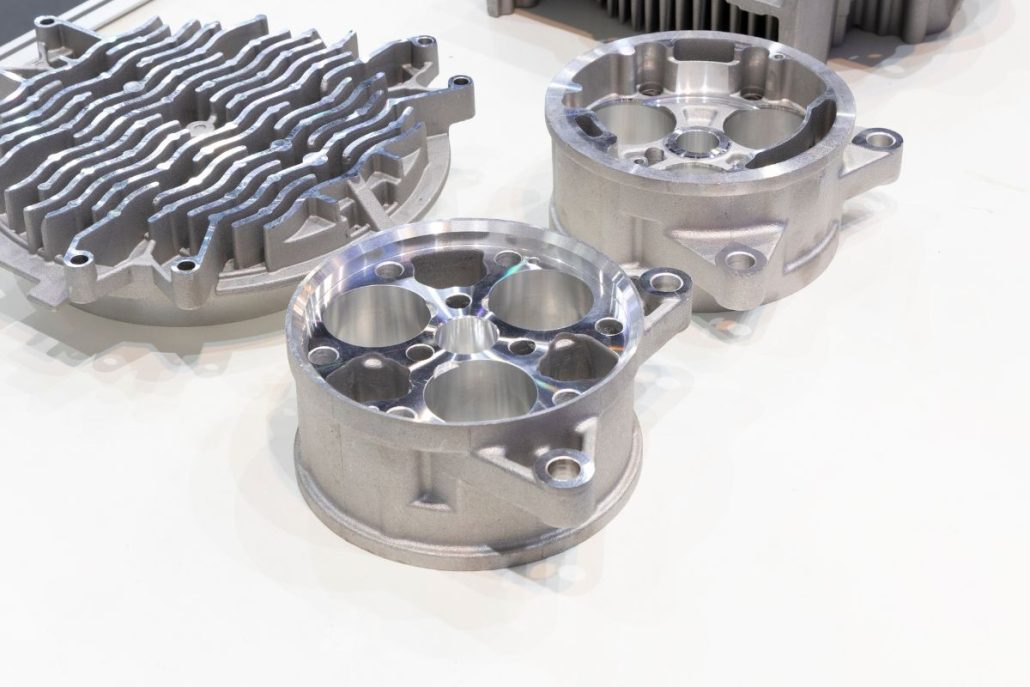
Turnare sub presiune înaltă
aluminiu turnat sub presiune, companii de turnare sub presiune, turnare sub presiune înaltă, turnare sub presiuneMetal casting is highly crucial in modern manufacturing. It is technically shaping the whole world. As you know, you can create a wide range of metal parts from this method. High Pressure Die Casting is one of the most popular metal casting methods here. A typical metal casting method pours molten metal into a mold to create complex and precise shapes. Every industry needs these casting parts for many applications. They may need them for structural support or in their main products. One popular way to shape metal is through die-casting, and high pressure die casting is one of the most common die-casting methods. This method is what this article is mostly about. You will learn about how they are made, their benefits, and how they can be used. You will also find out how HPDC and LPDC are different. Overview of High Pressure Die Casting (HPDC) HPDC stands for High-Pressure Die Casting. As the name suggests, this metal casting method needs high pressure. HPDC casting is suitable for making many metal parts with high tolerances. In HPDC die casting, molten metal is injected into a steel mold or die at high speeds and pressure. As a result, you can create hundreds of casting parts in less time. The pressure needed here is to ensure that the molten metal fills the detailed feature of the die. Because of this, high-pressure die casting is suitable for high-volume production. An high pressure die casting machine is made up of several primary components. All of them are very important to the system. You might also find other parts, though. However, these four parts are the most important things in high pressure die casting process. They usually decide how good the casting parts are in the end. Die Cast Molds Die-cast molds, or dies, are high pressure die casting machine parts that generally determine the final shape. They have two main halves: stationery and movable. They are usually made from high-strength steel. Making these HPDC die-cast molds is called high pressure die casting tooling. Note that HPDC tooling is crucial for the best quality of metal casting. Ejector Pins Ejector Pins are another important components in high pressure die casting mold. They facilitate the removal of the solidified cast from the die. You can find these pins within the movable die half. Once your metal casting is cooled and solidified, you can actuate these pins to remove it. It mainly plays a crucial role in the production cycle. Cold chamber die casting machine Cold chamber die casting machine is a most important machinie which has injection system, press system, ejection systems and so on. all of die casting process will be done by this cold chamber die casting machine. Heating Components Heating components may include furnaces and heating elements. They typically do not melt the metal but keep the temperature constant. The main goal of this high pressure die casting machine part is to ensure the metal is in liquid form. Note that consistent heating is crucial for the quality and consistency of the final castings. How DoesHigh Pressure Die Casting Work? Generally, high pressure die casting works in five steps. Each step is crucial for the final quality of the castings. Therefore, when starting a die-casting process, always inspect the device. Check for any defects or loose screws. Always tune your device to its optimal settings. Check whether the cooling system is properly working or not. Once you have checked your device correctly, you can proceed to the primary high pressure die casting process. Always wear safety gear, such as gloves, clothes, and glasses. Step #1 Preparing the Die Cast Mold You can prepare the high pressure die casting mold in two main steps. First, if it has already been made, check it for defects and contamination before using it. Second, designing the mold is necessary for customized products. Designing a die-cast mold has several stages. First, you can draw your design using 3D software like SolidWorks, AutoCAD, and more. Ensure you have properly organized the gate runner and mold base when designing it. The cooling system is also a crucial part of this design process. Finally, check the venting & ejection system. Once you are done with the design, proceed with the draft analysis. You can check its functionality on various simulation software. After testing and quality inspection, you can use the die casting tooling for your final production. Step #2 Molten Metal Injection In this HPDC casting process, the machine injects molten metal into the die cavity. Unlike other methods, high-pressure casting uses high pressure and speed for this job, which is why it is called high-pressure die casting. First, tightly connect the two halves of the die-casting mold. Then, with a button push, the HPDC machine forces the molten metal into the chamber. This pressure technically ensures that the molten metal fills the entire cavity. Once the injection is done, the molten metal is allowed to cool and solidify. Two primary injection methods are used in the HPDC die-casting system. You can choose the correct method for the job based on your project needs. Hot Chamber Injection When your injection mechanism is immersed in the molten metal reservoir, it is called hot chamber injection. When the plunger moves, it draws the molten metal into the chamber and injects it into the die cavity. This type of injection is suitable for metals with low melting points. You may often find this hot chamber die casting machine is used zinc and magnesium alloys. Cold Chamber Injection Cold chamber injection, on the other hand, uses a separate melting furnace. You can pour the molten metal using a manual or automated system. In manufacturing, the automatic system is generally operated by a hydraulic plunger. It forces the molten metal to insert into the mold cavity. Cold chamber injection is a common technique for aluminum HPDC casting. Step #3 Cooling & Solidification After injection, the molten metal quickly cools within the die cavity. Some
