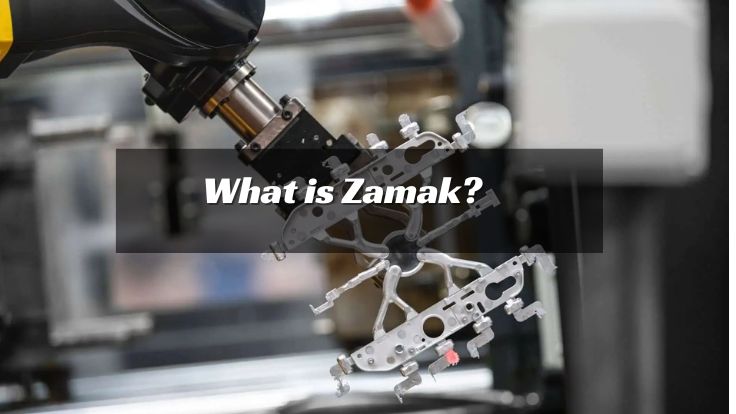
Ce este Zamak? Ce este și de ce este utilizat pe scară largă în producție
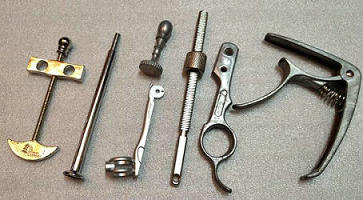
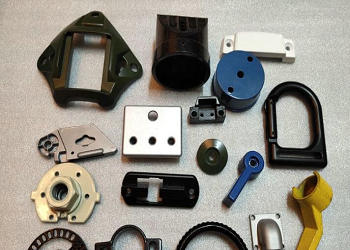
zamak 5, zamak 2 turnare sub presiune, zamak 3, zamak 3 turnare sub presiune, Zamak 3 turnare zincAliajele contribuie semnificativ la dezvoltarea pieselor electronice delicate, precum și a pieselor grele utilizate în vehicule. De exemplu, metalul zamak a schimbat în liniște modul în care funcționează multe industrii. Acest metal este renumit pentru că este puternic, poate fi turnat cu ușurință și este versatil. Cuvântul Zamak provine din limba germană și înseamnă zinc, aluminiu, magneziu și cupru. În primii ani ai secolului al XX-lea, producția de aliaje de alamă a avut ca scop îmbunătățirea fragilității găsite în produsele anterioare pe bază de zinc. În prezent, zamacul este utilizat pe scară largă în producția de vehicule, dispozitive electronice și hardware. Este apreciat atât pentru structura sa robustă, cât și pentru finisarea fără probleme cu doar puțină muncă. Producția de aluminiu necesită mai puțină energie decât alte materiale, deoarece se topește ușor, și este, de asemenea, atractivă deoarece poate fi reciclată. Fiecare grad diferit de zamak se potrivește diferitelor nevoi, cum ar fi zamak 3 care este mai moale decât zamak 5, care este mai puternic decât zamak 12. Majoritatea articolelor de uz casnic și a produselor industriale fabricate din zamak metalic răspund nevoilor crescânde de producție, deoarece sunt practice și de bună calitate. Aici, vom explica din ce este fabricat metalul zamak, tipuri precum zamak 3, zamak 5 și zamak 12, funcțiile sale, plus aspectele pozitive și negative. Zamak este un tip de aliaj de zinc Zamak este fabricat din zinc, amestecat cu o cantitate mică de aluminiu, magneziu și cupru. Cuvântul Zamak vine de la Zink, Aluminum, Magnesium și Kupfer, care sunt denumirile germane ale metalelor implicate. Datorită turnării și aspectului său de înaltă calitate, metalul zamak este popular în producția de automobile, electronice, mobilier și bunuri de consum. Procesul numit turnare sub presiune permite metalului zamak să modeleze piese complexe, puternice și rentabile. Curbarea zamakului în forme de oțel care au forma produselor finite se face la presiune ridicată, producând foarte rapid multe forme complexe și necesitând doar o cantitate minimă de prelucrare. Deoarece temperatura sa de topire (aproximativ 385°C) este mai scăzută, zincul este modelat mai eficient decât metale precum oțelul sau aluminiul într-o turnătorie. Ce este Zamak și cum este fabricat? Zamak este un nume format din cuvintele germane pentru principalele metale: Zink (zinc), Aluminium (aluminiu), Magnesium și Kupfer (cupru). În anii 1920, New Jersey Zinc Company a creat zamak pentru a ajuta la depășirea fragilității care afecta unele aliaje de zinc. Acesta este considerat un tip de zinc de înaltă calitate care oferă o turnare sub presiune mai bună decât majoritatea celorlalte materiale. Elementele obișnuite din metalul zamak sunt zinc 96%, aluminiu 4%, un pic de magneziu și ceva cupru. Ca urmare a acestui amestec, produsul său metalic este foarte puternic, durează mult timp și poate fi format în forme exacte cu o precizie ridicată. Puncte cheie despre metalul zamak Un punct culminant al metalului zamak este că este foarte ușor de turnat. Producătorii pot crea forme cu pereți subțiri din aluminiu care, de obicei, ar fi costisitoare sau dificil de produs folosind alte materiale. În plus, zamak are o suprafață lustruită, ceea ce îl face potrivit pentru utilizarea în piese care necesită vopsire sau placare. Un alt avantaj este faptul că oțelul își păstrează forma. Deoarece zamacul nu își schimbă forma cu ușurință, acesta este utilizat în mod obișnuit în producția de automobile și electronice. Materialul este puternic raportat la greutatea sa, ceea ce îl face atractiv. Spre deosebire de aluminiu, zamak nu cântărește foarte puțin, dar oferă un nivel bun de durabilitate care îl face util pentru articolele care trebuie să fie manevrabile. Utilizări ale metalului zamak Deoarece are caracteristici mecanice excelente, metalul zamak este aplicat în multe produse. În această industrie, oțelul inoxidabil se găsește în mânerele ușilor, oglinzi și mai multe piese de interior. O varietate de piese electronice folosesc zamakul deoarece este atât precis, cât și rezistent la căldură. Sectorul mobilei utilizează zamakul deoarece este foarte versatil, potrivindu-se în balamale, suporturi și alte decorațiuni. Multe piese de lux din modă includ zamak deoarece este strălucitor și nu se pătează ușor. Procesul de fabricare a metalului Zamak prin turnare 1. Pregătirea aliajului Pentru a produce metal zamak, trebuie să combinați zinc, aluminiu, magneziu și cupru în proporțiile potrivite. Pentru a extrage metalele din acestea, materiile prime sunt topite la temperaturi moderate. Raporturile corecte sunt necesare pentru a se asigura că zamak 3, zamak 5 și zamak 12 oferă calitățile dorite. 2. Topirea Amestecul de materiale este introdus într-un cuptor și adus până la punctul de topire zamak de 385°C (725°F). În timpul acestei etape, aliajul curge foarte bine și, prin urmare, este excelent pentru turnarea sub presiune înaltă. 3. Turnarea sub presiune Zamak-ul este topit și apoi introdus într-o mașină de turnare sub presiune pentru a fi injectat într-o matriță metalică. Datorită acestui proces, obiectele sunt modelate în forme foarte detaliate și rezistente. În funcție de modul în care va fi utilizată piesa turnată, producătorii aleg dintre produsele clasificate ca zamak 3, zamak 5 sau zamak 12, deoarece fiecare este destinat unui scop diferit. 4. Injectarea și ieșirea Imediat ce zamakul este injectat, răcirea matriței face ca metalul să se întărească rapid. După scoaterea piesei din matriță, aceasta poate să nu necesite prelucrare, deoarece aliajul are un finisaj curat. 5. Finisat și placat Când modelul este turnat, ar putea fi lustruit, vopsit sau electroplacat în materiale precum nichel sau crom. Procesele îmbunătățesc aspectul și rezistența la coroziune a produsului fabricat, mai ales atunci când este utilizat în exterior. Aplicații ale metalului zamak Metalul zamak este utilizat în mai multe industrii datorită turnării sale superioare, proprietăților sale puternice și netezimii atractive. Chiar și în industria auto, metalul zamak joacă un rol cheie, fiind util și atractiv. 1. Industria auto Multe mânere de uși, embleme, carcase de oglinzi și detalii interioare din autovehicule sunt fabricate folosind metalul zamak. Deoarece poate fi proiectat complicat și ținut la dimensiuni mici, este util în piese care sunt fie vizibile, fie nu. Motivul pentru care Zamak 5 este folosit cel mai des aici este că este mai durabil și se uzează mai puțin ușor. 2. Electronică de consum Dimensiunile sale stabile și aspectul neted