companii de turnare sub presiune a aluminiului

Furnizor de turnare sub presiune: Proces, aplicații și considerații cheie

Furnizor de turnare sub presiune: Proces, aplicații și considerații cheie

Die Casting Producător, procesul de turnare sub presiune

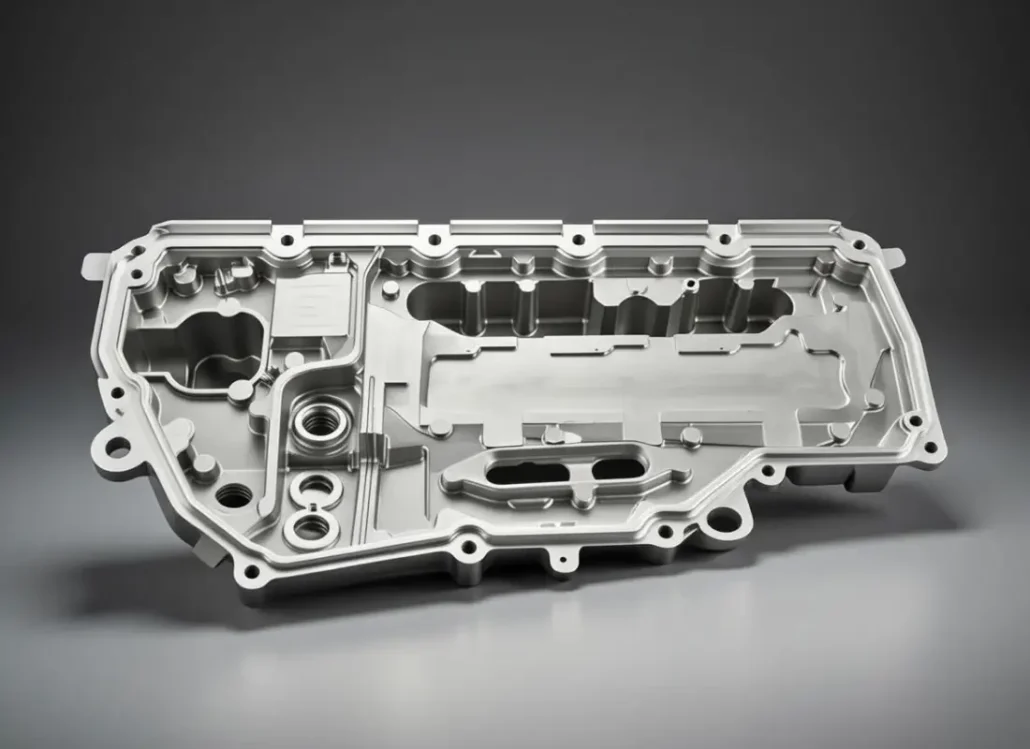
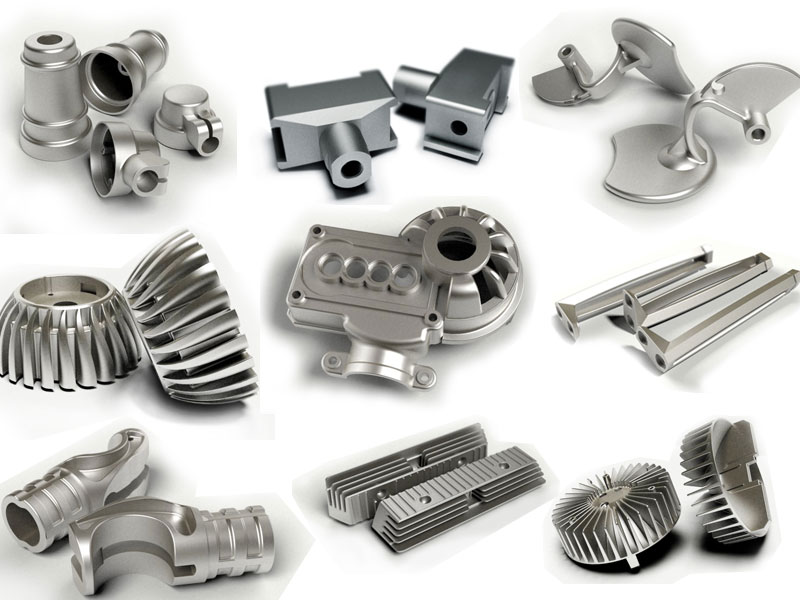
It is one of the widely used metal manufacturing processes, and it is highly efficient: producing high precision, durable, and complex components for many Industries. It injects molten metal, like aluminium, Zinc, or magnesium, inside of a steel mold (die) at very high pressure. It provides uniformity, internal strength and smashing surface finishes making it the right choice for use in automotive, aerospace, electronics, medical equipment, as well as consumer goods. A die-casting supplier is a very important company for the manufacture of high-quality parts that satisfy the industry requirements. They are suppliers, who are especially involved in designing, manufacturing and finishing the components or parts utilizing metal with strict tolerances and intricate geometries. Choosing the right supplier matters a lot for the success of any die-casting project as a good supplier should possess adequate expertise, state-of-the-art technology, and a history of successfully delivering precise and low-cost parts.Die casting is efficient in mass production and produces lightweight, yet strong parts, and as a result, the demand for die casting is increasing worldwide. Examples include reducing the weight of a vehicle, and enhancing fuel efficiency, through the use of die-cast aluminum and magnesium components in the automotive industry. In the same way, the electronics industry employs die casting to make heat sinks, enclosures and structural parts that are prone to high durability and electrical conductivity. When looking for a die-casting supplier, one should consider not only manufacturing capabilities but, more importantly, their quality control process, material expertise, and anything that may be left up to the supplier, such as machining, coating, and finishing. This provides a well-established supplier, therefore, reducing lead times, minimal defects and cost-effective production.  In this article, the die-casting process, materials used, the applications, advantages and important considerations of choosing a die-casting supplier are covered. Metal parts required to meet industrial applications need high performance and a reliable supplier fulfils this criterion for both small-batch production and large-scale production. The Die Casting Process: Step-by-Step Guide 1. Mold Preparation Mold (die) preparation and design accompany the initial step of this process. The two-part steel dies consist of a stationary cover die section and the movable ejector die section. Applied lubrication helps the molded flow metallic material smoothly while stopping the material from clinging. 2. Molten Metal Injection The chosen metals aluminum and zinc along with magnesium undergo high-temperature melting. Due to high pressure between 1,500 to 25,000 psi the molten metal enters the mold cavity. High injection pressure produces both accurate and even parts with low levels of flaws. 3. Cooling and Solidification The molten metal quickly reaches solid form during this process when forming parts to their designated shape. The components achieve superior high-strength properties because of the fast cooling process. 4. Ejection of the Part After metal solidification, the mold opens while ejector pins extract the completed part from its chamber. One mold cycle ends when it closes before starting another round of production. 5. Trimming and Finishing Machinists remove all undesirable remnants including flash and both sprees and runners from the part. The component requires supplementary finishing actions which involve sandblasting together with powder coating and anodizing operations to develop superior looks alongside functionality. Differences between Hot Chamber and Cold Chamber die-casting The die-casting process operates in either hot chamber die-casting or cold chamber die-casting formats. The main difference exists in how molten metal receives treatment before mould injection during these two techniques. The two methods differ in specific strengths together with restrictions which make them suitable for particular materials and production needs. The following section provides an elaborate comparison between hot chamber die-casting systems along cold chamber die-casting systems. 1. Process Overview Hot Chamber Die Casting • It requires a built-in furnace, which keeps the metal in a molten state. • Injection system is immersed in the molten metal, sucking it through the injection of a center and supplying it to the mold cavity. • The process is faster since there is no need to convey the metal from an independent melting station as in other processes. Cold Chamber Die Casting • Utilizes an external furnace for heating the metal to produce the required change in its state. • The molten metal is either ladled manually or automatically into the injection system and then it is injected into the mold. • The process is slower than the hot chamber one because the extra step of transferring molten metal takes time. 2. Suitable Metals Hot Chamber Die Casting • Like metals that melt below this temperature such as those that are not suitable to erode the injection system. • Common raw materials include: zinc, magnesium, lead and tin. Cold Chamber Die Casting • Applied to work with metals that have high a melting point which tends to deform the hot chamber system. • Common materials: aluminum, brass, copper, and magnesium alloys. 3. Production Speed Hot Chamber Die Casting • Higher speed of operations normally ranging between 5 to 15 operation cycles per minute. • The direct metal feed helps in avoiding the use of the ladling process in the making of the product. Cold Chamber Die Casting • Some of the disadvantages are the slow cycle times because of manual or fully automated metal transfer. • Other factors may take longer in the cooling and solidification process in this case with some of the alloys. 4. Equipment Durability Hot Chamber Die Casting • The submerged injection system has short service life since it deals with low-melting-point metals. • Longer equipment lifespan with proper maintenance. Cold Chamber Die Casting • Wear and tear increases with the rise in high temperatures especially in the case of aluminum and copper alloys. • Furniture and equipment may last for a shorter time and, therefore, may need constant replacement and maintenance. 5. Cost and Efficiency Hot Chamber Die Casting • High production since the time taken to complete a production cycle is short. • Lower operational costs because of integrated metal handling. Cold Chamber Die Casting • Increased energy costs by
Despre serviciile de turnare a metalelor

aluminiu turnat sub presiune, companii de turnare sub presiune, piese turnate sub presiune, turnare sub presiune înaltă, Turnarea magneziului, Magnesiu turnat sub presiune, Zinc turnat sub presiune

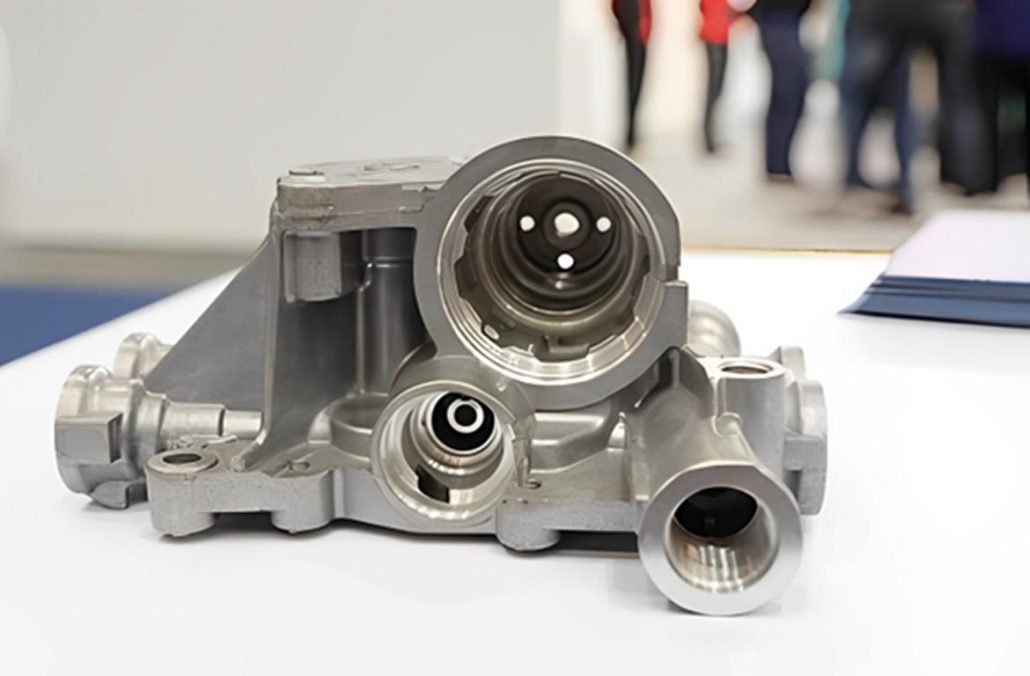
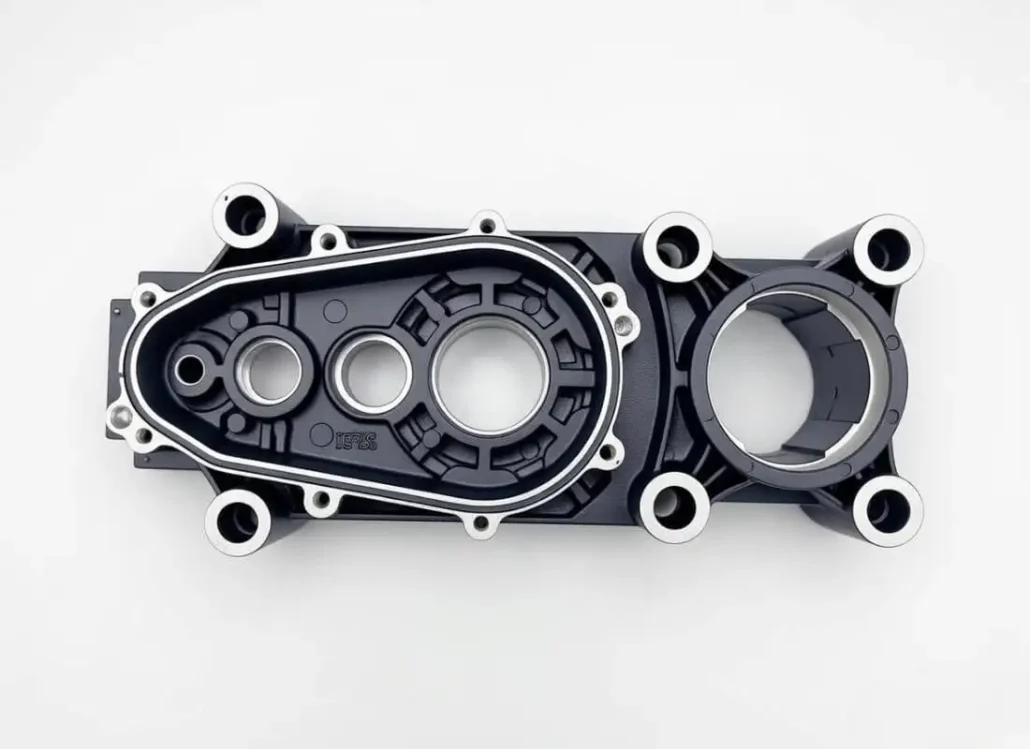
Serviciile de turnare a metalelor implică modelarea metalelor lichide care curg liber prin utilizarea de matrițe, matrițe sau modele. În general, piesele turnate sunt finisate grosier datorită naturii producției lor. În multe cazuri, este necesară o finisare suplimentară pentru a îndepărta bavurile și alte artefacte ale procesului de turnare. Serviciile de turnare a metalelor sunt utilizate pentru proiectarea unei game largi de componente și produse finite. Totul, de la cuie și elemente de fixare simple până la blocuri motor, poate fi fabricat cu ajutorul serviciilor de turnare a metalelor. Procesele comune de turnare a metalelor includ turnarea cu nisip, turnarea sub presiune, turnarea în matriță permanentă, turnarea în investiție, turnarea centrifugă și turnarea cu spumă pierdută. Turnarea în nisip Turnarea în nisip este utilizată pentru a realiza piese mari (de obicei din fier, dar și din bronz, alamă, aluminiu). Metalul topit este turnat într-o cavitate a matriței formată din nisip (natural sau sintetic). Piesele turnate în nisip au în general o suprafață rugoasă, uneori cu impurități de suprafață și variații de suprafață. Turnarea sub presiune include o serie de procese în care sunt utilizate matrițe sau matrițe reutilizabile pentru a produce piese turnate. Matrița conține o amprentă a produsului finit împreună cu sistemele sale de funcționare, alimentare și aerisire. Matrița este capabilă de un ciclu regulat și de disiparea (rapidă) a căldurii metalului turnat în ea. Odată ce metalul lichid s-a răcit suficient, matrița este deschisă, iar piesele turnate pot fi îndepărtate și finisate. Turnarea în matriță permanentă În turnarea în matriță permanentă, metalul topit este turnat în matrițe din fontă, acoperite cu o spălare ceramică a matriței. Miezurile pot fi un metal, nisip, coajă de nisip sau alte materiale. Când sunt finalizate, matrițele sunt deschise și piesele turnate sunt ejectate. Serviciile de turnare prin presiune implică modelarea modelelor prin injectarea unei ceară speciale într-o matriță metalică. Modelele sunt asamblate într-un grup în jurul unui sistem de rulare a cerii. ‘Copacul’ de modele este apoi acoperit cu 8-10 straturi de material refractar. Ansamblul este încălzit pentru a îndepărta ceara. Matrița fierbinte este turnată, iar când se răcește, materialul matriței este îndepărtat prin impact, vibrații, sablare cu nisip, sablare cu apă la presiune ridicată sau dizolvare chimică, lăsând piesele turnate, care sunt apoi îndepărtate din sistemul de canale. Turnare centrifugă Serviciile de turnare centrifugă sunt utilizate pentru a produce piese turnate care au formă cilindrică. În turnarea centrifugă, o matriță permanentă este rotită în jurul axei sale la viteze mari în timp ce metalul topit este turnat. Metalul topit este aruncat centrifug spre peretele interior al matriței, unde se solidifică. Turnarea este de obicei o turnare cu granulație fină, cu un diametru exterior cu granulație foarte fină, care este rezistent la coroziunea atmosferică, o necesitate tipică în cazul țevilor. Diametrul interior are mai multe impurități și incluziuni, care pot fi îndepărtate prin prelucrare. Turnare cu spumă pierdută Turnarea cu spumă pierdută (LFC) este un serviciu de turnare a metalelor care utilizează modele umplute cu spumă pentru a produce piese turnate. Spuma este injectată într-un model, umplând toate zonele, fără a lăsa cavități. Atunci când metalul topit este injectat în model, spuma este arsă, permițând piesei turnate să prindă formă. Turnare sub presiune Turnarea sub presiune și turnarea metalelor include o serie de procese în care sunt utilizate matrițe sau matrițe reutilizabile pentru a produce piese turnate. Matrița este capabilă de un ciclu regulat și de a disipa (rapid) căldura metalului turnat în ea. Odată ce metalul lichid s-a răcit suficient, matrița sau este deschisă, iar piesele turnate pot fi îndepărtate și finisate. În procesul de turnare sub presiune, metalul topit este injectat sub presiune într-o matriță sau matriță reutilizabilă. Matrița conține o amprentă a piesei turnate împreună cu sistemele sale de funcționare, alimentare și aerisire. Matrița este capabilă de un ciclu regulat și de disiparea (rapidă) a căldurii metalului turnat în ea. Odată ce metalul lichid s-a răcit suficient, matrița sau este deschisă, iar metalul turnat poate fi îndepărtat și finisat. turnare sub presiune înaltă Procesul de turnare sub presiune înaltă este cel mai utilizat, reprezentând aproximativ 50% din întreaga producție de turnare a aliajelor ușoare. Turnarea sub presiune joasă reprezintă în prezent aproximativ 20% din producție și utilizarea sa este în creștere. Turnarea prin gravitație reprezintă restul, cu excepția unei contribuții mici, dar în creștere, a proceselor de turnare sub vid și de turnare prin stoarcere, recent introduse. proiectarea matrițelor de turnare sub presiune scăzută și prin gravitație pentru o umplere îmbunătățită a matriței, un model de solidificare optimizat și un randament maxim. Turnarea sub presiune prin gravitație este potrivită pentru producția de masă și pentru turnarea complet mecanizată. Turnarea sub presiune joasă este potrivită în special pentru producția de componente care sunt simetrice în jurul unei axe de rotație. Roțile auto ușoare sunt în mod normal fabricate prin această tehnică. Metalele de turnare sub presiune pot varia foarte mult, iar diferite companii de turnare sub presiune pot avea capacitatea de a lucra cu oricare sau mai multe dintre acestea. Unele dintre cele mai comune tipuri de metal turnat includ aluminiu turnat sub presiune, alamă turnată sub presiune, plumb turnat sub presiune (cel mai popular pentru modele turnate sub presiune), magneziu turnat sub presiune și zinc turnat sub presiune. Sper că toate aceste informații sunt suficiente pentru referință, dar dacă doriți să aflați mai multe informații, sunteți bineveniți să ne contactați prin telefon sau e-mail.

piesă turnată sub presiune înaltă

Ce este turnarea sub presiune

turnare sub presiune

What is die casting Die casting is a manufacturing process for producing accurately dimension, sharply defined, smooth or textured-surface metal parts. It is accomplished by forcing molten metal under high pressure into reusable metal dies. The process is often described as the shortest distance between raw material and finished product. The term, “die casting,” is also used to describe the finished part. The term “gravity die casting” refers to castings made in metal molds under a gravity head. It is known as permanent mold casting in the U.S.A. and Canada. What we call “die casting” here is known as “high pressure die casting” in Europe. How are die castings produced First, a steel mold capable of producing tens of thousands of castings in rapid succession must be made in at least two sections to permit removal of castings. These sections are mounted securely in a machine and are arranged so that one is stationary (fixed die half) while the other is moveable (injector die half). To begin the casting cycle, the two die halves are clamped tightly together by the die casting machine. Molten metal is injected into the die cavity where it solidifies quickly. The die halves are drawn apart and the casting is ejected. Die casting dies can be simple or complex, having moveable slides, cores, or other sections depending on the complexity of the casting. The complete cycle of the die casting process is by far the fastest known for producing precise non-ferrous metal parts. This is in marked contrast to sand casting which requires a new sand mold for each casting. While the permanent mold process uses iron or steel molds instead of sand, it is considerably slower, and not as precise as die casting. Types of machines for die casting Regardless of the type of machine used, it is essential that die halves, cores and/or other moveable sections be securely locked in place during the casting cycle. Generally, the clamping force of the machine is governed by (a) the projected surface area of the casting (measured at the die parting line) and (b) the pressure used to inject metal into the die. Most machines use toggle type mechanisms actuated by hydraulic cylinders (sometimes air pressure) to achieve locking. Others use direct acting hydraulic pressure. Safety interlock systems are used to prevent the die from opening during the casting cycles. Die casting machines, large or small, very fundamentally only in the method used to inject molten metal into the die. These are classified and described as either hot or cold chamber die casting machines. Hot Chamber die casting machines Hot chamber machines (Fig.1) are used primarily for zinc, and low melting point alloys which do not readily attack and erode metal pots, cylinders and plungers. Advanced technology and development of new, higher temperature materials have extended the use of this equipment for magnesium alloy die casting. Figure 1: Hot Chamber Machine. Diagram illustrates the plunger mechanism which is submerged in molten metal. Modern machines are hydraulically operated and equipped with automatic cycling controls and safety devices. In the hot chamber machine, the injection mechanism is immersed in molten metal in a furnace attached to the machine. As the plunger is raised, a port opens allowing molten metal to fill the cylinder. As the plunger moves downward sealing the port, it forces molten metal through the gooseneck and nozzle into the die. After the metal has solidified, the plunger is withdrawn, the die opens, and the resulting casting is ejected. Hot chamber machines are rapid in operation. Cycle times vary from less than one second for small components weighing less than one ounce to thirty seconds for a casting of several pounds. Dies are filled quickly (normally between five and forty milliseconds) and metal is injected at high pressures (1,500 to over 4,500 psi). Nevertheless, modern technology gives close control over these values, thus producing castings with fine detail, close tolerances and high strength. Cold Chamber die casting machines Cold chamber machines (Fig. 2) differ from hot chamber machines primarily in one respect; the injection plunger and cylinder are not submerged in molten metal. The molten metal is poured into a “cold chamber” through a port or pouring slot by a hand or automatic ladle. A hydraulically operated plunger, advancing forward, seals the port forcing the metal into the locked die at high pressures. Injection pressures range from 3,000 to over 10,000 psi for both aluminum and magnesium alloys, and from 6,000 to over 15,000 psi for copper base alloys. Figure 2: Cold Chamber Machine. Diagram illustrates die, cold chamber and horizontal ram or plunger (in charging position). Die casting provides complex shapes within closer tolerances than many other mass production processes. In a cold chamber machine, more molten metal is poured into the chamber that is needed to fill the die cavity. This helps sustain sufficient pressure to pack the cavity solidly with casting alloy. Excess metal is ejected along with the casting and is part of the complete shot. Operation of a “cold chamber” machine is a little slower than a “hot chamber” machine because of the ladling operation. A cold chamber machine is used for high melting point die casting alloys because plunger and cylinder assemblies are less subject to attack since they are not submerged in molten metal. Die casting and their construction Die casting dies (Fig. 3) are made of alloy tool steels in at least two sections called fixed die half and ejector die half. The fixed die half is mounted on the side toward the molten metal injection system. The ejector die half, to which the die casting adheres, and from which it is ejected when the die is opened, is mounted on the moveable platen of the machine. The fixed die half of the die is designed to contain the sprue hole through which molten metal enters the die. The ejector half usually contains the runners (passageways) and gates (inlets) which route molten metal to the cavity (or cavities) of the die. The ejector

Ce este Gravity Casting

aluminiu turnat, matrițe de turnare din aluminiu, aluminiu turnat sub presiune, turnare sub presiune, aluminiu turnat sub presiune, companii de turnare sub presiune, matriță de turnare sub presiune, piese turnate sub presiune, Gravity Casting, mucegai de injecție china, fabricarea matrițelor de injecție

Diferite între aluminiu turnat sub presiune și turnare prin gravitație Aluminiu turnat sub presiune este mai mult decât o scuză pentru a juca cu metalul topit, este de fapt o modalitate foarte bună de a crea artă și piese complicate de mașini sau alte elemente care ar fi altfel aproape imposibil de făcut. Aluminum die Casting este într-adevăr o modalitate foarte bună de a economisi bani ... în timp ce se joacă cu metal topit. Motivul pentru care turnarea sub presiune a aluminiului a supraviețuit testului timpului este o chestiune de eficiență. Unele dintre cele mai vechi exemple de turnare au fost găsite în China, datând de mii și mii de ani. De fapt, fiecare civilizație majoră, de la egipteni la romani, a practicat turnarea aluminiului. Această abilitate a revenit în vogă în timpul Renașterii și a continuat să progreseze și să evolueze de atunci. În timp ce turnarea cu nisip este cel mai popular proces de turnare, există mult, mult mai multe procese disponibile pentru turnătoriile de curte. Nu toată lumea va turna piese grele, cum ar fi piese de motor, sau își va turna propriile motociclete. Deci, pentru cei care doresc doar să facă piese decorative, nu veți folosi același proces de turnare ca aceste piese grele. Pentru artiștii care creează statui sau ornamente la scară mică și pentru pasionații care au nevoie de o notă decorativă pentru modelul lor de avion sau de barcă ar putea să ia în considerare utilizarea turnării gravitaționale pentru nevoile lor. Ce este turnarea prin gravitație Turnarea prin gravitație pare a fi deosebit de utilă atunci când este vorba de aluminiu și alte aliaje ușoare. Ideea de bază din spatele acestui proces de turnare este cam exact ceea ce sugerează numele. Metalul este introdus în matriță prin forța gravitației. Majoritatea celorlalte procese de turnare fie utilizează diferențe naturale de presiune, precum cele din anumite proceduri de turnare în nisip, fie utilizează presiune forțată, precum în turnarea centrifugă, pentru a introduce metalul topit în matriță. Una dintre cele mai comune utilizări ale turnării prin gravitație este atunci când urmează să fie utilizate matrițe permanente. Denumită și matriță, matrița permanentă este cu adevărat economică doar pentru cei care intenționează să utilizeze aceeași matriță de mai multe ori și care vor trebui să mențină calitatea la un nivel constant. În timp ce unele matrițe temporare pot fi utilizate în mod repetat, calitatea produsului finit va începe să sufere în timp. Cu matrițele, calitatea va rămâne aceeași. Matrițele trebuie privite ca o investiție. Da, acestea vor fi mai costisitoare decât alte matrițe; cu toate acestea, ele vor rezista mai mult decât opțiunile mai ieftine pentru matrițe. Cu matrițele permanente, acestea sunt create folosind fontă, oțel și alte metale. Turnarea prin gravitație este utilizată pentru procesul de matrițe permanente cu rezultate plăcute. Turnarea prin gravitație este de obicei utilizată atunci când produsul finit se bazează mai mult pe aspect vizual decât pe structură, motiv pentru care această metodă este preferată de artiști și chiar de unii bijutieri. Pierderea de rezistență se datorează lipsei de presiune utilizată în acest proces. Pentru cei care au nevoie de rezistență, dar doresc totuși să utilizeze turnarea prin gravitație, va trebui utilizată o cantitate mai mare de metal topit, ceea ce va crește greutatea. accesați https://www.aludiecasting.com/ pentru a afla mai multe despre turnarea prin gravitație Bazarea pe gravitație va necesita răbdare, deși va fi necesară pentru produsele mai mari. Dacă aveți nevoie de turnare gravitațională sau aluminiu turnat sub presiune, magneziu turnat sub presiune sau zinc turnat sub presiune servicii pentru afacerea dvs. Sunteți binevenit să ne trimiteți cerința dvs. pentru cotație, trebuie doar să ne trimiteți designul piesei dvs. 3D și cerința dvs., apoi puteți să vă relaxați și noi vom face restul pentru dvs., pentru a lucra cu noi trebuie doar să aveți grijă de piață pe partea dvs., iar noi vom fi sprijinul dvs. pentru a avea grijă de timpul de livrare, expediere, calitate și tehnică.

prelucrare turnare sub presiune

Turnare sub presiune

aluminiu turnat, matrițe de turnare din aluminiu, aluminiu turnat sub presiune, turnare sub presiune, aluminiu turnat sub presiune, companii de turnare sub presiune, matriță de turnare sub presiune, piese turnate sub presiune

What is die casting? Die casting, from a mold shop perspective, is less about simply shaping molten metal and more about repeatedly “copying” a part using a hardened steel tool. In daily production, molten alloy is injected into the die cavity under high pressure, filling the geometry in a fraction of a second. Once the metal solidifies, the mold opens and the part is ejected, ready for the next cycle. The whole process runs fast, but the real work is in the tooling and process setup rather than the machine alone. On the die casting shop floor, what matters most is consistency. After the die is properly tuned, the process can deliver thousands of identical parts with stable dimensions and surface quality. However, this reliability depends heavily on early-stage mold design—issues like venting, shrinkage, and flow balance must be solved upfront, because they are difficult to fix later in production. What is Aluminum die casting? Aluminum die casting is a casting liquid die forging method. Die casting process is a kind of special high pressure die casting machine to accomplish the process. Its basic technological process is: first metal or aluminium alloy liquid in low or high-speed casting filling into the die mold cavity, die with a moveable type cavity surface. It with the liquid aluminum alloy cooling process pressure forging blank, both the elimination of shrinkage defects, also make the rough internal Aluminum Die Casting organization to forge the broken crystal. Rough comprehensive mechanical properties are improved significantly. How To Find Right Aluminum Die Casting Sources Are you looking for the high quality and ultimate die casting services for your business? Well, you better need to hire the right service provider who must be experienced in the very same domain. Yes, it is highly necessary to invest some time who can offer very high-quality results and that is by paying the very affordable amount. Before we talk about how to find the right company, it is highly necessary to know more about Die casting. Well, this is the most important manufacturing technology which is used by many industries which are looking for all sorts of parts to commence the work and for that it is necessary to go with the aluminum die casting process. With the help of die casting mold, it will help in molding the complexity of the metal substance exactly in the same manner as you are looking to have. Yes, the final product can have virtually any size depending on what designer desires, thus there is nothing impossible for the best and great service providers at all. When it comes to finding a right service provider for aluminum casting parts, you better invest time over the net and find out the most experienced, reliable and friendly service provider to meet the exact requirements without any fail. Also, you better find out someone who can easily work on any customized requirements of the clients as well as they must possess great goodwill in the market. Also, you can investigate their previous projects and check how best they are in the die casting and how they have helped other companies to complete their requirements. Not only this, even, you need to disclose them the complete information about your project requirements and check how well they are in offering you the correct guidance as well as what price they are quoting you up. Even, you can do this with different sources and go up with the best one who offers great services at the best prices. Moving up with the pro means they will consider mechanical properties, including tensile strength, yield, impact, hardness, and other various specifications in advance to offer you the best solutions. Not only this, pros will help in picking up the right metal which they perform by checking out the physical properties of the metal. Yes, before going up with the aluminum die casting, it is very important to know more about its conductivity or how it behaves under extreme stress or heat. Pros also determine the composition of different alloys, check what are the common uses for the primary element, they also check out a complete list of die-cast alloys, check out the needed properties, and everything to offer you something the best to meet your exact requirements. Why don’t you check out to go to the suggested source? Well, it will offer you the best services by offering you the casting of metal in the shortest possible of time, will make everything from the scratch and the best part is everything will be done in a budget-friendly manner. Technology is improving day by day and we are the one enjoying it up fully. Today, we can have every possible thing to make our work the best as well as offer us full convenience and complete peace of mind. Apart from others, talking about Die casting, it is a manufacturing process that can produce geometrically unique and impossible metal parts with the best use of reusable molds, called dies. The die casting process is very important and pros always make sure to use all the necessary things, called- furnace, metal, die casting machine, die and other various materials. The metal which is used here is always non-ferrous alloy, like- Zinc and aluminum, later it is melted in the furnace and then injected into the dies in the die casting machine for producing very complex metal parts. It is always better to approach the right company for aluminum casting parts as they always go with the best and authentic procedures in order to produce something the best. They may use different types of die casting machines, called – hot chamber machines and cold chamber machines for a perfect die casting solution. Hot chamber machines are used for those alloys which have low melting temperatures, such as zinc. And Cold chamber machines are used for those alloys with high melting temperatures, such as aluminum. Both machines work the same and once they are done with the molten metal, they inject the same

aluminiu turnat sub presiune

Aluminum Die Casting

aluminiu turnat, matrițe de turnare din aluminiu, aluminiu turnat sub presiune, turnare sub presiune, aluminiu turnat sub presiune, companii de turnare sub presiune, matriță de turnare sub presiune, piese turnate sub presiune, turnare sub presiune înaltă, Magnesiu turnat sub presiune, turnare sub presiune

What is Aluminum die Casting Aluminum die casting can be understood as a highly controlled metal “injection” process rather than a simple pouring method. In a typical aluminum die casting manufacturing company, molten aluminum is forced into a hardened steel die under high pressure, allowing the metal alloys to fill even very thin sections and complex geometries within milliseconds. What makes this process valuable is not just speed, but repeatability—once the mold is tuned, thousands of parts can be produced with consistent dimensions and surface quality. From a practical manufacturing perspective, die casting is often chosen when a part demands tight tolerances, good surface finish, and minimal secondary machining. The upfront investment in tooling is relatively high, but it is offset by lower per-unit cost in volume production. Engineers also favor aluminum die casting because it combines lightweight properties with decent strength, corrosion resistance, and thermal conductivity. Benefits of aluminum die casting Metals and precautions related to aluminium die casting. Different types of aluminium alloys can be used in die Casting and aluminium molds, types of casting methods are used for making aluminum die casting, zinc die casting, magnesium die casting and many more. Type of Die Casting process Die Casting is the process of making Aluminium suitable for producing different types of products. It is a simple and inexpensive way to provide a wide variety of aluminium products. Some of the examples are Washington Monument, car engines, and power transmissions, etc, which were all produced through aluminum casting alloys process. Aluminium casting can be done in 3 ways:- Auminum die casting Mold Casting Sand Casting DIE CASTING Die casting is a manufacturing process for producing metal parts.  In die casting, die or mold cavities are created with hardened tool steel that has been previously machined to a particular shape. Here in die casting, Aluminium is melted first and is poured into a steel die under high pressure forcefully. This manufacturing technique is normally used for high volume production, the process we normally called high pressure die casting or pressure die casting process MOLD CASTING About mold casting, mold and cores can be of either steel or any other metal. Here also the aluminium is melted first and is poured in the mold provided. Sometimes vacuum is also applied. In some situations, Permanent mold casting is seemed to be stronger than both die casting and sand casting methods. Semi-permanent mold casting techniques are used when permanent cores are impossible to remove from the finished part. SAND CASTING: Sand casting is the most versatile method of producing aluminium products. Usually, the molted aluminium is poured into a mold which is virtually pressed into a fine sand mixture. The pattern will be little larger than which needed for the aluminium shrinkage during solidification and cooling. Sand Casting is usually a slow process than both die casting and mold casting. Usually, it is used for small quantity products. Aluminum Casting Alloys The most important cast aluminum casting alloys system is Al-Si. Here high levels of Silicon contribute to give good casting characteristics. aluminum casting alloys are widely used in engineering structures and components where lightweight or corrosion-resistant is required. Methods and benefits of Aluminium die casting Metals and precautions related with aluminium die casting Different types of aluminium can be used for die Casting, Aluminum casting manufacturer & aluminum casting is used in order to cover different types of metals by using different types of methods. There are many methods used for aluminum casting and different types of benefits are obtained. With the help of aluminum casting and aluminum die casting it is possible to increase the life of metals and these can be used for a long time period with an amazing look and charm of metal. Methods Different types of methods are used for aluminium die casting. The main thing is to melt aluminum. High temperature is needed for melting aluminum. Special structures are used for the melting of aluminum. When aluminum casting is melted then it is poured on the target metals. Then the melted aluminum casting is allowed to get hard and it is ready to be used after some time period. There are special containers that are made to be used for the melting of aluminum. These structures are available in the market in different shapes and sizes. You are also able to make these structures at home by using the desired ingredients. You have many options in making these structures. If you are going to buy this structure from the market then you have to make a selection of the size and shapes. There are many options in terms of sizes and shapes and different types of prices are charged by makers. Working of these structures is also different as some use fuels and some use manual efforts for getting heat to make sure that aluminum casting could be heated and melted effectively. High temperatures are obtained in these structures and then aluminum casting is melted and then used on the target metals for the casting process. Benefits Aluminium Die Casting There are many types of benefits of aluminum die casting. Mainly this type of casting is done to make sure that the metal can remain safe from corrosion. Atmosphere conditions and moisture is bad for iron and casting can help to protect iron and increase its useful life. aluminium die casting is able to resist moisture and other harmful effects of the environment due to which it can be used on metals through casting. The protective shield is made on iron to make sure that it can be used for a long time period. aluminium die casting companies can be cast on iron and make a protective sheet. This protection is in the form of a shining layer which is obtained by using high temperatures. This layer is permanent and good looking along with increasing strength and useful life of metal. Mostly iron is cast with the help of aluminum. This is a cheap process and the user is able

Derulați la început

Obțineți o ofertă