turnare sub presiune înaltă

Placare cu nichel fără electroliți

Nichelarea chimică: Un ghid tehnic complet

Placare cu nichel

Electroless nickel plating can be considered one of the most accurate, versatile, and reliable processes in the field of surface engineering and metal finishing, which allows improving the surface properties of numerous materials. This, contrary to ordinary electroplating, does not need an outside electric current. It depends instead on a controlled chemical reaction that deposits a uniform film of nickel-phosphorus or nickel-boron by alloying them evenly on a surface. This process provides the best corrosion resistance, wear factor, and consistent thickness, even on intricate shapes. Electroless coating has often been selected by manufacturers, engineers, and designers instead of other coating procedures due to its performance and cosmetic benefits. Regardless, whether they are aerospace, automotive parts, molds, or industrial machinery, the process provides repeatable results capable of prolonging the life of a component and cutting down on the expenses of its maintenance. In this tutorial, we shall delve into the ins and outs of the Electroless nickel plating, its positive attributes, uses, the steps involved, and how it compares with other processes such as the nickel plating, the hard anodizing of die cast aluminum, and nickel chrome plating used in contemporary production. What is Electroless Nickel Plating? Electroless nickel plating refers to the deposition of a nickel alloy onto a metallic or non-metallic surface, since an autocatalytic reaction takes place. The chemical bath includes nickel salts and a reducing agent, usually sodium hypophosphite, which converts the nickel ions to metal, and they are able to adhere to the substrate. In contrast to the electroplating process of deposition called nickel plating, where nickel has to be deposited through the use of electric current, in electroless nickel, the process does not need any outside power supply. This results in uniformity of the thickness of the coating in even recessed sections, threads, or internal cavities. The outcome is a non-porous, hard finish and corrosion-resistant resistant applies to challenging industrial conditions. Major Advantages of Nickel Plating without Electroless 1. Even Coating Thickness The deposition is the same regardless of the part shape or the complexity. 2. Better Corrosion Property The layer of nickel-phosphorus alloy offers superior protection against oxidation and attack by chemicals. 3. Better Hardness and Wear Upon heat-treatment, electroless nickel can hit a hardness very similar to that of hard chrome. 4. Dimensional Precision The uniformity in thickness is small, hence usable in precision engineering applications. 5. Ability to be Compatible with Other Materials It can be used on steel, copper, aluminum, brass, and must be used on some plastics with only a minor surface preparation.  Electroless Nickel Plating Types Electroless nickel plating is commonly classified by the amount of phosphorus in the alloy of nickel and phosphorus. Every type has varied requirements in the case of hardness, corrosion resistance, and wear, hence apt usage in individual applications. 1. Low-phosphorus electroless nickel plating (2 to 5 per cent phosphorus) 2. Med-Phos Electroless Nickel Plating (6-9 percent phosphorus ) 3. High-Phosphorus Electroless Nickel Plating (10 13-per cent phosphorus) Uses Of Electroless Nickel Plating Electroless nickel plating is popular throughout industries because it gives a thick, uniform coating, corrosion resistance, and wear protection. It is all versatile and can serve in numerous engineering and painting needs. 1. Aerospace Industry 2. Automotive Industry 3. Electronics Industry 4. Oil and gas sector 5. Mold & Tooling Industry 6. Marine Applications Electroless Nickel Plating Process Step by Step Comparisons to Nickel chrome plating Nickel chrome plating is effectively a step electroplating, i.e., first depositing a nickel layer and then chromium on top. This forms a great mirror-like finish and is very good in resistance to corrosion. Electroless nickel plating, in contrast, lays down a uniform nickel-phosphorus layer by a non-electric process. This enables the metallization of intricate structures, recessed areas, and fine tolerance and may not be covered uniformly when using nickel chrome plating. Though nickel chrome plating offers better aesthetics, electroless nickel plating has better thickness uniformity, superior wear resistance, and wider substrate compatibility. Electroless nickel plating is widely used in so many industries on those pieces that are critical to performance, but nickel chrome plating is used on decorative items. Electroless Nickel Plating vs Electrolytic Nickel Plating Although both of these processes are categorized to coat a surface using nickel, their working principles exhibit a big difference: Feature Electroless Nickel Plating Electrolytic “nickel plating” Power Source None (autocatalytic) External electric current Coating Uniformity Excellent Less uniform on complex shapes Cost Higher chemical cost Lower chemical cost Precision High Moderate Table of Comparisons Hard Anodizing As has been stated about aluminum parts, in particular, nickel plating is frequently viewed as a substitute for the hard anodizing die cast aluminum. Nevertheless, anodizing forms an oxide layer instead of a deposit. Feature Electroless Nickel Plating “hard anodizing die cast aluminum” Material Compatibility Multiple metals & plastics Only aluminum & titanium Corrosion Resistance Excellent Excellent, but specific to aluminum Wear Resistance High (after heat treatment) High Coating Type Nickel alloy layer Aluminum oxide layer Comparison against Nickel Chrome Plating The process of nickel chrome plating is a two-step electroplating treatment, where the first layer is nickel to prevent corrosion, and a secondary protective finish is a thin layer of chrome. Feature Electroless Nickel Plating Nickel chrome plating Appearance Satin to bright finish Bright, mirror-like finish Corrosion Resistance Excellent Very high Thickness Uniformity Perfect Moderate Durability High High Influences on Plating Quality There are a number of factors that will have an immediate impact on the quality of the performance, appearance, and durability of an electroless nickel coating. Regulation of such parameters will lead to steady results and a lower number of defects. Electroless Nickel Plating Materials Nickel Source A nickel salt, either nickel sulfate or nickel chloride, is present in the plating bath. These give the nickel Ions, which will compose the coating in the reaction. Reducing Agent The most popular reducing agent is the hypophosphite. It also reduces nickel ions to metallic nickel chemically, but does not require electricity. Stabilizers Very little of metallic salts or organic stabilizers
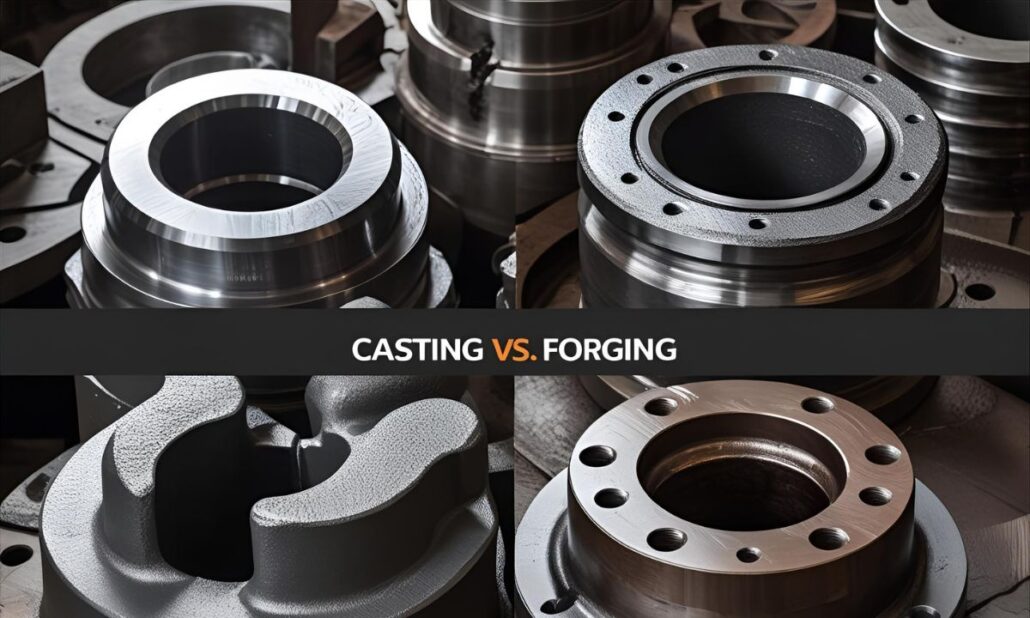
Turnare vs. Forjare

Turnare vs forjare: Înțelegerea principalelor procese de fabricație

aluminiu turnat

Casting and forging are two of the most commonly used metalworking methods, both of which have different applications in the manufacturing sector. Such techniques are essential in the manufacture of metal parts that diversify in automotive, aerospace, defence, and goliath machinery industries. Although both of them look to create functional parts by shaping metal, they ultimately achieve that goal in definitively different ways, creating different material properties and uses. Casting makes use of processes of melting down metal and pouring it into a mold, where it takes on a permanent shape. It is most suitable for the production of intricate and complicated shapes that would otherwise be difficult to acquire through other machinery. It works very well in mass production, particularly where large volumes of identical parts are manufactured. Casting is very flexible and can use a vast number of metals and alloys, thus casting can be used in industries where fine quality designs matter, aerospace, automotive and art. Forging, on the other hand, is a process of shaping metal through compressive forces, usually when the material is at a high temperature. This process makes the metal stronger by straightening up its grain structure, thus making the parts stronger and durable. The particular benefit of forging is that it is highly applicable in the manufacturing of parts that have to be hardened or exposed to extreme conditions, including high stresses, as in the automotive, aerospace, and defence industries. This article will discuss the main differences concerning casting and forging, the benefits and drawbacks of each, and the areas of application in modern manufacturing and what role each process holds in these processes. What is Casting? A manufacturing process preserved in casting involves pouring a liquid material, typically metallic, into a mold to set and acquire the shape of the mold cavity. It starts as the material is melted, poured into a special shape, and cooled. After this material hardens, the mold is removed, and a solid object is left, which is an almost perfect copy of the mold shape. What is Forging? Forging is a metalworking process that makes use of compressive force, with the metal typically heated to high temperatures. The metal is either beaten, pressed into shape or rolled to the required shape. Forging is commonly done at high temperatures, at which point in time the metal becomes malleable and a lot easier to work with. It is a process that is mostly employed to create robust, wearable components and is widely employed in such industries as automotive, aerospace, as well as heavy machinery. Casting Process The casting involves some major steps: Forging Process Forging is less complicated in the manufacturing process; however, one has to have greater control over temperature and pressure: The Pros of Casting and Forging Casting Advantages: Forging Advantages: Cons of Casting and Forging Casting Disadvantages: Forging Disadvantages: Casting and Forging Materials Casting Materials This casting process is a diverse process that may be conducted using a wide range of materials in relation to the needs of the application. Metals commonly used in casting are aluminum, steel, iron, bronze and brass, which are characterised by unique properties which qualify them to be utilized in various industries. As another example, aluminum is lightweight and has good resistance to corrosion, which will be ideal in automotive and aerospace markets. Steel and iron are more preferred due to their durability and strength, and are usually put to use in components of heavy machinery and industries. Bronze and brass can be seen in the use of metal when the element of strength is needed, but also the need for resistance to corrosion and appealing to the eye has to be considered, like decorative pieces or equipment on ships. Besides these common metals, casting may also entail specialized alloys, such as magnesium, zinc alloys and copper base alloys that are selected to fit certain applications because they possess specific functioning properties. An example of magnesium alloys is employed in the industries that need lightweight components, another example being the zinc alloys that might be applied in various industries where there is a need to cast certain parts that should not be vulnerable to wear and tear. Such copper alloys are dominant in electrical and plumbing works because of their high resistance to corrosion and electrical conductivity. Casting can use different metals and alloys, which means that manufacturers can modify the parts to best suit that application. Forging Materials Materials used to make forgings are usually chosen because of their strength in terms of stress and pressure-resistant properties. Steel alloys comprising carbon steel, stainless steel and tool steel are the most frequently used materials in forging. Carbon steel is strong and hard, and as a result, it is used when building structures and heavy machinery components. The advantage of stainless steel is that it cannot be easily corroded, thus it is ideal in places where parts are inhospitable, like the automotive and medical industries. Tool steel is particularly made and works well against wear and is hence applicable in tools, dies, and other parts of high-performance machines. Uses of Casting and Forging The casting and forging have more similar applications in different industries, and every type is specialized to suit the needs of the end product. The type of casting or forging is determined by strength, complexity, properties of the used material, and end use. The main applications of the processes are the following. Uses of Casting Casting has also proved to come in handy in the production of parts of complex shapes or large volumes. Some of the most important applications in industries are as follows: Uses of Forging Forging. In cases where high strength, durability and material integrity are demanded of the end product, the process is carried out by forging. These are common industries and parts in which forging is important: The Major Distinctions between Forging and Casting Although casting and forging are quite similar manufacturing techniques, it is important to realize the main peculiarities of

Carcasă termostat din aluminiu

Carcasa termostatului din aluminiu: Precizie și durabilitate pentru componentele motorului

Aluminiu

The aluminum thermostat housing is extremely important for the effective working and the endurance of automobile and industrial engines. The necessity to keep the engine at an optimum temperature to avoid the risk of overheating, which can lead to serious engine damage, is necessitated by engine cooling systems. Consequently, the structure and materials employed to make up parts like the thermostat housing are vital to the entire efficiency of the cooling system. Aluminum has evolved to be a popular material because of its light weight, strength, and excellent heat dissipation qualities; therefore, aluminum is a popular choice of material when demanded under the circumstance known as an aluminum thermostat housing. Aluminum thermostat housing has gained increased popularity in a number of trade verticals as many industries demand high-performance and cost-effective parts. Motorcycles, heavy machinery, and marine engine aluminum thermostat housings also enjoy the value of resistance to high temperatures and other elements that the material has demonstrated in its application in automotive engines as well. The concept of the significant aluminum thermostat housing, its use, advantages, fabrication, and application in the engine cooling system will be discussed in this article. We shall also explore the option of custom thermostat housing and how thermostat housing manufacturing is a crucial element when it comes to manufacturing high-quality and long-lasting components. What is an Aluminum Thermostat Housing? A thermostat housing, most often made of aluminum, is a very important part of the cooling system of an internal combustion engine, especially an automotive engine. Its major role is to accommodate the thermostat, which regulates the flow of coolant in the engine and the radiator. The thermostat controls the temperature of the engine, shutting down and opening up depending on the temperature of the coolant, and the temperature of the engine is at optimum. Housing usually is composed of aluminum due to its lightweight attributes, ability to resist corrosion and thermal conductivity. It is made to be able to resist high-pressure coolant systems and rough operating environments, and cause no degradation after several years. Not only is an aluminum thermostat housing light in weight, but it is also highly temperature resistant, which is critical to ensuring proper engine cooling system. Why should thermostat housing be made of aluminum? The selection of aluminum in the production of thermostat housing has tremendously been in favour, as it comes with numerous benefits, namely: a. Light and Strong The lightweight nature of aluminum has seen this material being extensively used in automotive parts that require reduced weight without compromising the strength and performance of the parts. The lower weight will lead to more fuel efficiency, which is important among current vehicles. b. Corrosion Resistance Aluminum is naturally unaffected by corrosion, which is quite essential in automotive engines where there is always exposure to coolants, water, and chemicals. The presence of corrosion resistance makes the housing of the aluminum thermostat structurally stable and gives it the capacity to endure with reliable performance during its lifetime. c. Dissipation of Heat Aluminum has been a great heat conductor. It allows cooling of the engine away, making the thermostat have an optimum temperature. This conductivity of thermal energy assists in adjusting the engine temperatures and avoids overheating, which will lead to the destruction of engine parts. d. Cost-Effective Aluminum is a cheap metal when compared to other metals, hence it is a cost-effective alternative when mass production is involved. Furthermore, it can be lightly machined and cast, enabling affordable production procedures; therefore, it has reduced the production cost of offering a solution of a custom thermostat housing. The Aluminum Thermostat Housing Materials Aluminum thermostat housing materials are important in performance, durability and resistance to harsh engine operating conditions. Synthetic alloys that are common are: 1. Aluminum 356 Alloy Aluminum 356 is famously known to be an incomparable castable, sturdy, corrosion-resistant metal that makes it a favourite medium in thermostat housing due to its admirable qualities. It is durably performing in extreme hot climate conditions. 2. Aluminum 6061 Alloy This alloy has a good strength-to-weight ratio and corrosion resistance, which are suitable traits to be used as a custom thermostat housing for PMFMI automotives or industries. 3. Aluminum 7075 Alloy Aluminum 7075, a super-strong alloy that fits on high-performance components, is ideal as a custom housing for a thermostat in engines where stress and temperatures are extremely high. 4. Alloy 319 Aluminum With superior casting properties, Aluminum 319 is used in aluminum thermostat housings on automobiles and industrial engines where long-term wear resistance must be achieved. 5. Alloy 5083 Aluminum The aluminum 5083 has good corrosion resistance, which makes it highly useful in the marine industry and heavy machinery industries, where it has to deal with corrosive factors due to moisture and harsh conditions. These materials guarantee that thermostat housing manufacturing will generate durable, light and efficient engine cooling parts. Aluminum Thermostat Housing Types Aluminum thermostat housing is also of various types, depending on the manufacturing process, design requirement and the nature of the engine application in question. The typical automotive and industrial materials are listed below: 1. Sand Casting Thermostat Enclosure The creation of larger and more complex parts is usually done through a process known as aerospace sand casting, where an aluminum thermostat housing is determined. Here, a sand mold is cast over the pattern of the thermostat housing, and molten aluminum is poured into the mold so as to create the part. The technique is best suited for manufacturing elaborate patterns and low to medium volume of production. 2. Die Cast Thermostat Housing In die casting, molten aluminum is repeatedly forcefully injected into a steel mold, forming an aluminum thermostat housing of usually accurate dimensions and smooth surface finishes. This process is most suited to large volume manufacturing and is normally employed in instances where specific, strict tolerances and uniformity must be met. 3. Thermostat Housing Permanent Mold Casting Permeant mold casting employs the use of metal molds in thermostat housing production, and parts manufactured in this form have very

Aluminiu turnat

Ce este aluminiul turnat? Metalul versatil utilizat în producția modernă

Aluminiu, aluminiu turnat

Aluminium castings are one of the most adaptable and common materials in contemporary manufacturing. It is used to melt and pour molten aluminum into moulds to adopt desired shapes, and in this process, complex and intricate parts can be constructed that would otherwise have a tough time coming out using alternative techniques, and hence, the process can generate a lot of such parts at a relatively lower cost. The cast aluminum products have found their value through various purposes that stretch to auto engine parts, aerospace, coffee pots, cookware and even household. The incredible weightlessness, plus concurrent strengths and resistances against corrosion and good thermal conductivity, make it the best supplier to numerous industries. Cast aluminum also provides the manufacturer with a lot of design flexibility, allowing the creation of complex geometries that can optimise performance without using a lot of material.  The process of casting is also very efficient and economically viable, particularly when mass production of parts is involved. Moreover, aluminium is one of the categories of metal that is easy to recycle, which means it can decrease the ecological costs of production. Although cast aluminum has a lot of advantages, it also has some shortfalls, such as its brittle nature when compared to wrought aluminum and that it is difficult to weld. These factors have to be taken into consideration when choosing cast aluminum for particular applications. This article will give a broad perspective of the properties, advantages and applications of cast aluminum, one of the most common substances in the contemporary world. What is Aluminium Cast? Cast aluminum consists of the quite liquid appearance of aluminum that has been remoulded into a shape that forms a product. This process, or casting, is a very old manufacturing process adapted to present-day practices. Unlike wrought aluminum, which is cast using the rolling process or extrusion, aluminum is poured into the mould as molten metal, after which it is left to harden. Casting provides more complex, hollow and even three dimensional shapes that could not be readily or cost within easy reach to form by machining or forging, since it begins as a liquid. It is this versatility that makes cast aluminum products so widely used right across our spectrum of products; that is, engine parts, as well as electronic equipment and cookware, to name a few. Simple Cast Aluminum Composition Aluminum, most of the time, is not pure aluminum. Instead, it is an alloy, i.e. a mixture of aluminum and other materials in order to improve strength or fluidity, or both. The most frequent aspect of the alloy is The combination is particular, which is dependent on use. To illustrate, alloys with high heat conductivity and corrosion resistance would be used on high-temperature equipment like automotive parts, and cookware would take the one with the high silicon-aluminium content that has high thermal performance and wear resistance. History and Development of Cast Aluminum Casting of metals has a history in the order of thousands of years since the early societies were known to cast bronze and cast iron to produce tools and weapons. Aluminum was not extracted until the early 19th century, and it was uneconomical to do so until the creation of the Hall-Héoult process late in the 19th century. The casting of aluminum became one of the processes of the aviation and cookware industries by the beginning of the 20th century. It is during the World War II era that aluminum demand was at its highest because of its strength-to-weight ratio that made it most suitable in aeroplanes. After the war, aluminum casting had more commercial applications in consumer products, automobile manufacturing and architecture.Due to the advancement of the design engineering of moulds, metallurgy, and castings, cast aluminum is part of the present-day production. Process of Cast Aluminum  Cast aluminum is a process which requires a number of major steps to turn melted aluminum into parts that can be used in the form of specific shapes. The work of the basic explanation of the process goes in the following way: 1. Mould Preparation The initial procedure of casting is making a mould in which molten aluminum will be cast. Depending on the casting method, the mould may consist of such materials as sand, metal or ceramic, among others. It is also designed with a good mould to have the desired shape to ensure that the aluminum solidifies in the right shape. 2. Melting Aluminum When the mould is ready, some scraps of aluminum or aluminum ingots are placed in a furnace where they are melted at a temperature range of 660 to 750 °C (1220 to 1382 o F). The molten aluminum is also continuously watched with the aim of obtaining the right pouring temperature and quality. 3. Pouring the Molten Aluminum into its Mold Once the melted aluminium is poured into the cavity of the mould, the molten metal is poured into the cavity of the mould. The pouring is done, depending on the kind of casting, i.e. die casting, sand casting or investment casting. Some of the techniques used include die casting, where molten aluminum is injected under pressure, whereas in other techniques, the molten aluminum is just poured into the mould and left to cool. 4. Cooling and Solidification Building and Overseeing: Having too thick or complicated a part will take a long time to cool. At this stage, the melted-down aluminum cools into the required shape and expels internal pressure. 5. Installation and Inspection After the aluminum is cooled down and solidified, the mould is then released, and the cast part remains. The separation in some cases is done by breaking the mould piece, particularly with casting in sand, and with other techniques such as die casting, mould opening and the part is ejected. 6. Finishing and Inspection After cutting the part, it is usually processed further using finishing operations such as grinding, polishing, machining, etc., in order to smooth the surface or attain closer tolerances. With the part, it is then checked

ce este ustensila de gătit din aluminiu turnat

Ce sunt vasele de gătit din aluminiu turnat?

Aluminiu

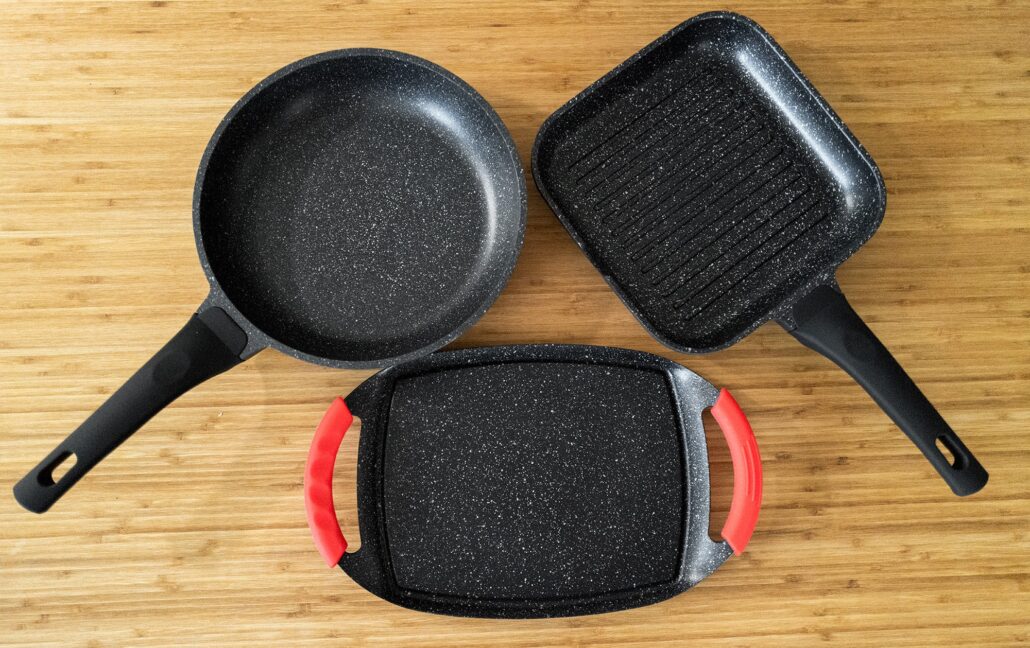
The cast aluminum cookware is often used by home cooks and professional chefs and is known and appreciated because it is durable and lightweight at the same time, with a high distribution of heat. Cast aluminum cookware is manufactured by pouring molten aluminum into moldings; the main aim of such cookware is to ensure that it gives even heating, it should not warp, and it should be able to last a long time. Its application has made it an all-purpose element in the kitchen since it is applicable in most of the cooking methods, such as frying and sauteing, baking and roasting.Among the most notable benefits of cast aluminum cookware is the fact that it warms up fast and equally. Cast aluminum cookware can also be said to be thicker than its thinner counterparts, such as the stamped aluminum, which makes them have good thickness to maintain a homogenous cooking temperature. It is also usually manufactured to have non-stick layers, and thus also lowers the amount of oil used, and cleaning becomes easier.Over time, cast aluminum cookware manufacturers have been advancing and making it exceptional through new materials, environmentally friendly coatings and other non-stick technologies. These developments also make it even more popular and provide its customers with a more efficient, healthier, and more sustainable process of cooking. You invite your friends over, you are in the process of putting together a simple meal or a complicated one; cast aluminum cookware comes in handy to do the job, this is because its performance is dependable and works in tandem with the demands of a modern kitchen.  Understanding Cast Aluminum Cookware Cast aluminum cookware refers to pots, pans and skillets, plus the other kitchen equipment manufactured at the local level by pouring molten aluminum into moulds. The casting of the cookware makes it quite robust in structure, which therefore makes it considerably stronger as compared to ordinary aluminum. In comparison to stamped aluminum (prepared on thin sheets), cast aluminum cookware is far thicker, hence offering more heat retention and distribution. The warp factor as time passes is one of the primary factors people love using cast aluminum cookware, as the problem is prevalent with thin material. This also assists in even cooking temperature, so that cooking of different dishes is likely to give more similar results.  Die-cast aluminum cookware Die-cast aluminum cookware follows the use of aluminum that undergoes the die-casting procedure. It is done through the pouring of molten and pressurised aluminium into a cavity. This way, the shape and the thickness of the cookware can be controlled accurately. The die-cast aluminum cookware is usually more sophisticated as compared to the regular cast aluminum since it has a refined texture and smooth surface.The advantage of the die-cast aluminum cookware is that it is not as heavy as some of the other materials, such as cast iron. This is more convenient when cooking and cleaning up, thus Ideal in cooking choice, especially when one requires cookware that is of good quality but not heavy.The other attribute of die-cast aluminum cookware is that it is versatile. It applies to a large number of procedures such as frying, baking and simmering. It also usually has a non-stick coating added to it, which contributes to it being easy to use and clean. Nevertheless, one should keep in mind that the non-stick coating may wear down over time, unless it is maintained carefully. What is Cookware? Cookware can also be defined as the different kinds of pots, pans and other cooking utensils that are employed in the preparation of food. Such objects are frequently produced with such materials as stainless steel, aluminum, cast iron, ceramic, non-stick covered items, and copper. The primary aim of cookware is to assist in preparing and cooking food materials by using different methods, i.e., boiling, frying, sauteing, baking, or grilling. The kind of cookware: 1. Cooking Pots and Pans: Cooking is done using the two most basic cooking pots. They are of different shapes and sizes, such as frying pans, saucepans, stockpots and saute pans.2. Baking Dishes: This category will be trays, pie dishes, and cake pans, which are only used to bake.3. Speciality Cookware: These are woks, grills, Dutch ovens and pressure cookers. Materials Used in Cookware The process of manufacturing cast aluminum cookware  Manufacturing of cast aluminum cookware consists of the following steps, which include melting of aluminium, molding, finishing and coating. The procedure of manufacturing cast aluminum cookware is described in as many steps as possible below: 1. Melting the Aluminum The aluminum metal has to be melted to prepare it, and that is the first stage of its production of cast aluminum cookware. Sand, metal, or ceramics are typical materials that make up this kind of mould. The temperature regulation is done with accuracy to ensure that the aluminum reaches the correct viscosity to be cast with. 2. Preparing the Mould After the aluminum has been melted, a form is initiated to shape it into the preferred form of cookware. Aluminum is poured in the form of Aluminum. Where cast aluminum itself is used, the moulds are often sandcast, and they are specifically designed to make an individual piece of cookware (a frying pan, a pot, a skillet, etc.).Once the mould is prepared, the molten aluminum is supposed to be poured into the mould cavity. This depression takes the form of the cookware to be produced. Metal Moulds: There are metal moulds that can be reused, which are reused and are able to hold the heat at greater temperatures. 3. Pouring the Molten Aluminum Once the aluminum has been poured into the mould, it is cooled down. The liquid metal is added to all the areas of the mould, and it assumes the form of the cookware. This pouring process should be accurate so that the cookware is also shaped properly and flawlessly.At this phase, the pouring of the aluminum into the mould is done either manually or automatically (depending on the magnitude of the

Aluminiu anodizat: Înțelegerea procesului și a numeroaselor sale beneficii

Aluminiu anodizat: Înțelegerea procesului și a numeroaselor sale beneficii

Aluminiu

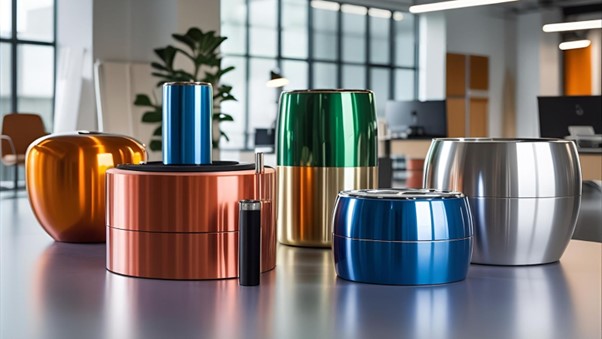
Anodized aluminum is an extremely resilient and resistant to corrosion type of material that is formed by a process of electrochemical engineering that advances the inherent oxide layer on aluminum. This is done by dipping aluminum into an electrolyte, i.e., sulfuric acid, and passing an electric current. This leads to an aluminum oxide that is thicker and bonds internally in the material and not simply upon the surface of the material. It has made anodized aluminum to be more strong, resistant to wear and corrosion, and able to survive in harsh weather conditions.During anodizing, some characteristics of aluminum that make it usable are enhanced, and in addition to this, they can be customized aesthetically. It is possible to obtain clear and stable colours by absorption of dyes into the porous oxide layer formed by anodizing. This characteristic enables the use of anodized aluminum in architecture, automobiles, and consumer electronics applications, where it is needed to balance durability with good looks.Corrosion resistance is one of the greatest advantages of anodized aluminum. This layer of aluminum oxide covers the aluminum against moisture, salt, and chemicals, and as such, the aluminum works best in outdoor conditions as well as in marine conditions. Also, aluminum anodized is highly abrasion resistant which means that the required matter is designed to last long on a product that is exposed to wear and tear, like automotive components, industrial tools, or even kitchenware. What is Anodizing? A process that thickens the natural oxide layer on aluminum and is known as anodizing, is an electrochemical process. The aluminum is placed in an electrolyte solution, generally a sulfuric acid solution, and an electric current is applied to it, thereby producing a strong corrosion-resistant finish. This procedure increases the strength of the metal and wear resistance, as well as enabling the dyeing of colors. The end product is anodized aluminum, and it is stronger and lasts longer than untreated aluminum. What is Aluminum Anodized? Anodized aluminum means aluminum that has already been processed using a so-called anodizing process. This is achieved by altering the surface of aluminum through the formation of a thick, resistant layer of oxide. Normal coats just lie on the surface, and the oxide layer formed on anodized aluminum becomes part of the aluminum itself. The effect of this is a more durable, corrosion-resistant, and scratch-resistant material. In a typical process of anodizing, a suspension of aluminum is placed in an electrolytic dip, which is usually sulfuric acid, and the process is made to pass an electric current. It results in the formation of the aluminum oxide on the metal surface. The oxide layer can be varied, and in other situations, you can add dyes to the process in order to gain a colored oxide. The major parameters of the Anodized Aluminum are the following: Depending on the method of its production, anodized aluminum is quite common in aerospace, automotive, architecture, and electronics industries, offering a synergy of strength, functionality, and aesthetics. Anodizing aluminum comes with practical and aesthetic benefits, whether it is used in high-performance components, decorative aluminum applications, or products that are subjected to environments that are extreme environments. Process of Aluminum Anodizing Anodizing: An electrochemical finishing method in which the aluminum surface is converted into a very strong and corrosion-resistant oxide layer. There are numerous important steps involved in the process, and all these steps contribute to the finished product in terms of functional and aesthetic needs. This is an outline of the anodizing of aluminum process: Step one: Preparation of Aluminum In the course of the preparation of aluminum, the following may be taken: The aluminum is first cleaned before anodizing to eliminate any dirt, oil, or contaminants. Usually, this can be done by making use of an alkaline solution or a chemical cleaner. It is important that the surface be cleaned, as any impurity will reach into the anodizing and create difficulties in the quality of the oxide layer. Step 2: Electrolytic Bath After cleaning, the aluminum is dipped into an electrolytic solution, which can be sulfuric acid, and an electric current is run through it. The result of this electrochemical reaction is the oxidation of the aluminum; a rigid layer of oxide covers the surface of this element, forming a thick protective layer over it, and the aluminum oxidizes. The voltage, temperature, and duration in the bath result in the thickness of the oxide layer. Step 3: Inspection During this step, the anodized aluminum can be stained with a color pigment to achieve it. The absorption of the dye leads to its absorption by the porous oxide layer to form the beautiful colors. The dye can be used after the surface of the aluminum has been anodized, and the color is built into the oxide film, making it long-lasting and not susceptible to fading. Step 4: Sealing The coloured aluminum is sealed after anodizing and dyeing to seal the pores in the oxide layer. This is totally important in enhancing corrosion resistance and in maintaining the color. Nickel acetate or even boiling water sealants are used in this procedure. The material is also durable when sealed and thus has a variety of applications. Step 5: Check-up Quality inspection of the aluminum is done after the anodizing, coloring, and sealing processes have been done, and quality parts have been achieved. In this inspection, uniformity of the oxide layer in thickness, color, and the overall finish is being checked. Any impairments or discrepancies are tackled, and then the aluminum is shipped out to be put in its contented applications. Types of Anodizing Aluminum Anodized aluminum comes in varieties depending on what is needed and depending on application. Most of the variations are based on the thickness of the anodized layer, the finish, and the electrolytic process that is implemented. The principal forms of anodized aluminum are the following: 1. Type I: Schulze chrome acid anodizing One of the oldest techniques in anodizing aluminum is the chromic acid anodizing technique. Here, chromic acid bath

Coacere din aluminiu turnat

De ce ustensilele de copt din aluminiu turnat se încălzesc mai bine și durează mai mult?

aluminiu turnat

Datorită caracteristicilor de greutate redusă, rezistență și distribuție densă a căldurii, ustensilele de copt din aluminiu turnat au devenit populare printre brutari, în special printre cei care doresc produse de primă clasă și durabile. Aluminiul turnat este echilibrul corect între performanță și utilizare fără efort, spre deosebire de alte materiale tradiționale de coacere, cum ar fi fonta și oțelul inoxidabil. Acesta este turnat în matrițe de aluminiu topit și iese ca unul puternic, durabil și convenabil de utilizat chiar și pentru un brutar amator. Aluminiul turnat are o conductivitate termică excelentă, ceea ce garantează o gătire uniformă a produselor comestibile, în special a produselor de patiserie, pentru a preveni supracoacerea și rumenirea neuniformă. Cel mai mare dintre beneficiile ustensilelor de copt din aluminiu turnat este consistența temperaturii, care este elementul cheie al coacerii impecabile. Se încălzește mai repede decât altele; prin urmare, este disponibil mai repede, iar greutatea sa redusă îl face mai ușor de manevrat în bucătărie. Cele mai multe bucăți de ustensile de copt din aluminiu turnat au și un strat antiaderent, ceea ce facilitează și mai mult eliberarea alimentelor și curățarea după coacere. Articolele de copt din aluminiu turnat oferă, de asemenea, o mai mare durabilitate și rezistență la deformare în comparație cu sticla și oțelul inoxidabil. Deși fonta este de neegalat în ceea ce privește retenția căldurii, aluminiu turnat are aproape aceeași cantitate de distribuție a căldurii, dar cu o greutate mai mică. Ustensilele de copt din aluminiu turnat au fost preferate de brutarii profesioniști, dar și de persoanele care gătesc acasă, toate din cauza dorinței de a avea instrumente de copt eficiente și durabile. Ce sunt ustensilele de copt din aluminiu turnat? Bazat pe metoda de turnare a ustensilelor de copt, aluminiu turnat, acesta este produs prin utilizarea aluminiului topit turnat în matrițe deja pregătite pentru a produce tăvi de copt, forme de tort, farfurii pentru plăcinte și diverse alte necesități de gătit. Procesul face ca ustensilele de copt să fie puternice, dar ușoare în greutate, astfel încât să existe o manipulare eficientă a ustensilelor de copt în timpul coacerii și în timpul servirii. Printre cele mai bune caracteristici ale așa-numitei ustensile de copt din aluminiu turnat se numără proprietățile sale uniforme de conducție a căldurii. Acest lucru implică faptul că produsele coapte, cum ar fi prăjiturile, fursecurile și pâinea, sunt bine gătite, fără zone fierbinți sau părți arse. Există avantaje suplimentare pentru viteza cu care metalul se încălzește și se răcește, ceea ce, la rândul său, economisește ceva timp la gătit, iar acest lucru este un plus pentru brutarii ocupați. Materialul este atât de rezistent și nu ruginește sau corodează cu ușurință, prin urmare acest lucru l-ar face să dureze mai mult în bucătărie. În plus, nu implică o mulțime de întreținere și uzură în comparație cu unele dintre celelalte materiale care se vor uza cu timpul, deoarece va exista o mulțime de utilizare. Avantajele ustensilelor de copt din aluminiu turnat 1. Durabilitate Articolele de copt sunt fabricate din aluminiu turnat, deci durează mult timp. Aluminiul este aproape imun la uzură, adică nu se va fisura sau deforma în cazul utilizării frecvente. Tacâmurile dvs. de copt vor dura chiar dacă le folosiți zilnic sau neregulat. 2. Distribuția uniformă a căldurii Printre cele mai izbitoare proprietăți ale ustensilelor de copt din aluminiu turnat la termen este faptul că transferă căldura pe toată suprafața. Acest lucru reduce coacerea inconsecventă, deoarece produsul final este regulat în textură și culoare. Este ideal în rândul brutarilor care aspiră să aducă consecvență în performanță. 3. Ușor Ustensilele de copt din aluminiu turnat sunt mult mai ușoare în comparație cu alte materiale mai voluminoase, cum ar fi fonta și, prin urmare, ușor de manevrat. Tăvile de copt sau formele de prăjituri rezistente pot fi ridicate, transferate și depozitate foarte ușor, iar acest lucru este ideal pentru orice brutar, fie că este profesionist sau nu. 4. Proprietăți antiaderente De asemenea, majoritatea produselor din categoria “ustensile de copt din aluminiu turnat” sunt echipate cu un strat antiaderent, ceea ce le face și mai convenabile de utilizat. Prezența acestei caracteristici va face mai ușoară gătirea produselor de patiserie; prin urmare, se va folosi mai puțin ulei sau spray. De asemenea, face curățarea fără efort, deoarece există puține reziduuri care rămân după coacere. 5. Rezistența la coroziune Spre deosebire de majoritatea metalelor, vasele de copt din aluminiu turnat nu ruginesc ușor. Nu corodează și, prin urmare, este materialul ideal de folosit atunci când se dorește utilizarea acestuia pe termen lung. Acest aspect este util în special în zonele care se confruntă cu grade diferite de umiditate și temperatură. Coacere din aluminiu turnat: Procesul de fabricație Fabricarea ustensilelor de copt din aluminiu turnat presupune o producție atentă și foarte consistentă, concepută pentru a menține calitatea și performanța. Cele mai importante sunt: 1. Turnarea sub presiune Turnarea sub presiune va fi prima etapă a procesului, adică aluminiul topit va fi injectat în matrițe de oțel la presiune ridicată. Această tehnică este o modalitate de a se asigura că vasele de copt sunt modelate și turnate într-un mod foarte precis și consecvent. Metalul topit intră în toate spațiile cavității matriței, rezultând forme complexe și detalii minuțioase ale diferitelor ustensile de copt, inclusiv tigăi pentru prăjituri, tăvi pentru brioșe și tigăi pentru pâine. 1. Solidificarea și răcirea După ce aluminiul topit a fost injectat în matriță, acesta este lăsat să se răcească și să se întărească. Răcirea este, de asemenea, reglată astfel încât să se obțină proprietățile dorite ale aluminiului, cum ar fi rezistența și rezistența la căldură. Pe măsură ce vasul de copt se întărește, acesta își ia încet forma finală și, în mod normal, este nevoie de doar câteva minute până la câteva ore, în funcție de cât de groasă și elaborată este forma. 2. Ejectarea și inspecția Odată ce piesele de aluminiu s-au răcit complet, acestea sunt îndepărtate și matrița este deschisă, eliberând copturile din aluminiu turnat. A doua procedură constă într-o inspecție completă a defectului, cum ar fi prezența bulelor de aer și a fisurilor sau prezența rugozităților. Orice vas de copt care prezintă defecte este fie reparat, fie aruncat, și doar vasele de copt de bună calitate vor fi trecute mai departe în procesul de producție. 3. Finisarea suprafeței După terminarea inspecției, ustensilele de copt sunt supuse unor tratamente de finisare a suprafeței. Acestea pot implica lucruri precum anodizarea, care face suprafața mai aspră pentru a rezista la coroziune și abraziune, sau acoperirea cu material antiaderent, astfel încât să fie mai ușor de eliberat produsele de patiserie și de curățat după coacere. Finisarea pe

Turnare sub presiune cu cameră rece

Tendințe moderne în tehnologia de turnare sub presiune cu cameră rece

turnare sub presiune, Die Casting Producător, piese turnate sub presiune

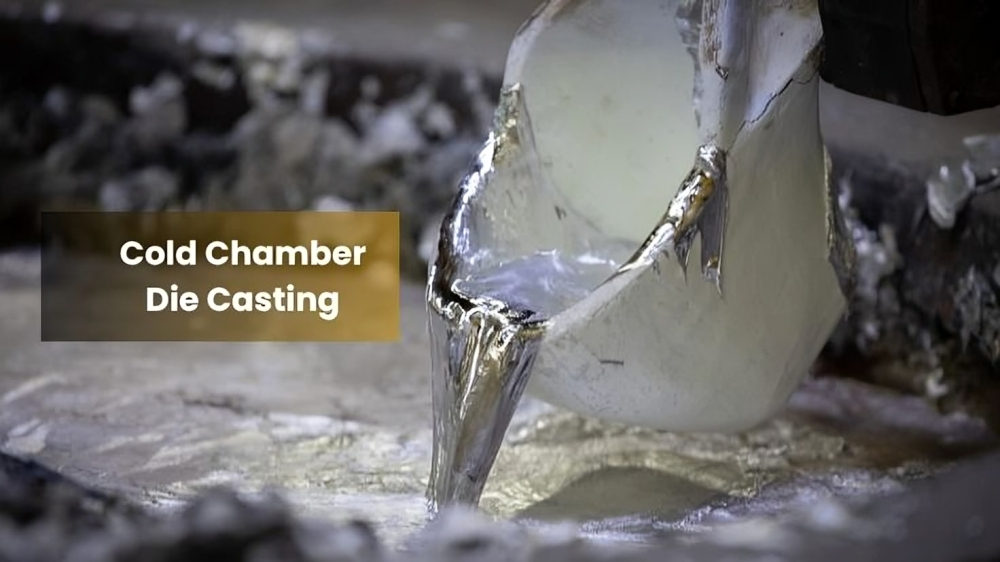
Turnarea sub presiune în cameră rece este un tip de tehnică de producție de precizie aplicată în fabricarea de componente metalice complicate caracterizate prin niveluri ridicate de rezistență și precizie. Acest proces poate fi utilizat cel mai bine în cazul metalelor care au un prag ridicat al punctului de topire, cum ar fi aluminiul, alama și aliajele de cupru. Sistemele de turnare sub presiune cu cameră rece nu sunt plasate în metal topit ca un sistem de turnare sub presiune cu cameră caldă; în schimb, metalul este pus în mașina de turnare sub presiune cu cameră rece prin încărcarea manuală a metalului în mașina de turnare sub presiune cu cameră rece după ce acesta este topit într-un alt cuptor. Acest aranjament uzează mai puțin mașina și utilizează aliaje care sunt mai rezistente. Printre factorii importanți care fac companiile să opteze pentru utilizarea acestei metode se numără avantajele și dezavantajele speciale ale turnării sub presiune cu cameră rece. Aceasta are o precizie dimensională de top, finisaje de suprafață netede, precum și timpi de ciclu lungi. Cu toate acestea, rezistența și durabilitatea constituenților sunt preferatele sale pe piețele auto, aerospațială și electronică. Diferența dintre turnarea sub presiune în cameră caldă și rece este esențială pentru a face alegerea corectă a procesului. Turnarea sub presiune cu cameră caldă este mai rapidă și se aplică metalelor cu punct de topire scăzut, cum ar fi zincul, în timp ce sistemul de turnare sub presiune cu cameră rece este conceput pentru a face față temperaturilor mai ridicate și metalelor mai rezistente. De asemenea, producătorii vor putea fabrica cu ajutorul acestui proces piese durabile și fiabile, care au un grad ridicat de precizie în specificațiile lor. În articolul de față, vom discuta despre principiul de funcționare al turnării sub presiune în cameră rece, părțile sale principale, natura metalului utilizat și parametrii tehnologici ai turnării sub presiune în cameră rece, inclusiv forța de strângere și durata ciclului. Avantajele și dezavantajele turnării sub presiune cu cameră rece vor fi, de asemenea, luate în considerare pentru a vă oferi o imagine completă a acestui important proces de fabricație. Ce este turnarea sub presiune în cameră rece? Turnarea sub presiune în cameră rece: Un proces de turnare sub presiune cu cameră rece este un proces de turnare a metalului în care metalul topit este turnat manual sau automat într-o cameră rece separată în afara sistemului de injecție. Ulterior, metalul este împins cu presiune ridicată într-o cavitate de turnare, ceea ce face ca metalul să se răcească și să se cristalizeze în forma dorită. Se aplică de obicei metalului cu un punct de topire mare, cum ar fi alama, aluminiul și aliajele de cupru. Scopul de a evita coroziunea și oboseala termică care pot duce la funcționarea necorespunzătoare a componentelor sistemului de injecție, spre deosebire de procesul de turnare sub presiune cu cameră caldă, în care mecanismul de injecție este suspendat în metalul topit, procesul cu cameră rece menține segregate instalațiile de injecție. Aplicarea practicii acesteia din urmă, și anume turnarea sub presiune în cameră rece, este deosebit de avantajoasă, în cazul în care metalele utilizate ar dăuna componentelor, prin contactul cu acestea. Presiunea ridicată poate fi utilizată în procesul de injecție în sine și ar fi posibile componente mai dense, mai rezistente, cu un finisaj de suprafață strălucitor și stabilitate dimensională. Procesul de turnare sub presiune - pas cu pas Scopul tehnicii de turnare sub presiune în cameră rece este de a realiza piese metalice foarte precise și dure, care sunt adesea compuse din aliaje care au puncte de topire la temperaturi ridicate, cum ar fi aluminiul și alama. Să avem o defalcare pas cu pas a modului în care funcționează: 1. Cuptorul extern este utilizat pentru topirea metalului Procesul este similar cu cel de turnare în cameră fierbinte, cu excepția faptului că topirea metalului se face într-un cuptor separat, în exterior. Acest lucru este necesar deoarece metalul topit în turnarea în camera rece va provoca un nivel ridicat de căldură în interior care nu poate fi manipulat. Metalul este topit, după care este capabil să fie transferat în mașina de turnare. 2. Turnarea metalului topit în manșonul de injecție Ulterior, metalul topit este turnat în manșonul de injecție din mașina de turnare sub presiune. Acest lucru se face manual sau cu ajutorul unui braț. Manșonul de injecție este un tub puternic, rezistent la căldură, în care metalul se odihnește și este ulterior injectat. Acest lucru trebuie făcut foarte repede pentru a preveni solidificarea prematură. 3. Plonjorul forțează metalul în matriță. Un piston de oțel se deplasează în manșonul de injecție și presează metalul topit la presiune ridicată în cavitățile matriței. Forța se asigură că metalul umple matrița chiar și în orice model complicat sau cu un perete foarte subțire și scade șansele apariției oricăror defecte, cum ar fi buzunarele de aer. 4. Are loc solidificarea metalului în interiorul matriței Când matrița este umplută, metalul începe să se răcească și să se solidifice în interiorul matriței. Această etapă de solidificare este foarte importantă în obținerea unei piese bune și precise. Timpul de răcire depinde de metalul piesei, de grosimea piesei și de temperatura matriței. 5. Matrița din alamă și pinii de ejecție forțează ieșirea piesei turnate Când piesa s-a solidificat, unitatea de prindere a mașinii deschide matrița, iar pinii de ejecție forțează ieșirea piesei turnate din cavitatea matriței. Porțiunea este apoi mutată la o stație de răcire sau la o stație de tăiere. 6. Îndepărtarea blițului (îndepărtarea excesului de metal) Există un surplus de metal pe părțile laterale, numit bliț, care se află în jurul marginilor piesei turnate în locul în care jumătățile matriței se unesc. Aceasta se îndepărtează prin tăiere mecanică, șlefuire sau prelucrare, în funcție de finisajul necesar. Acest lucru va împiedica ca lucrările finale să fie sub forma și toleranța prevăzute. 7. Resetarea și lubrifierea ciclului matriței Matrița este spălată și unsă înainte de a intra în ciclul următor pentru a fi de bună calitate și a evita lipirea. După ce lubrifierea este terminată, matrița este din nou fixată, iar mașina este comutată la resetare pentru mai multe cicluri. 8. Calitatea Inspecția și finisarea Aceasta este o piesă completă care este verificată pentru a se asigura că nu există defecte de calitate, cum ar fi fisuri, contracții sau anomalii pe suprafață. În funcție de cerința de utilizare finală a piesei, aceasta poate fi supusă unor prelucrări suplimentare, unui tratament de suprafață sau poate fi asamblată (dacă este necesar). Metalele care urmează să fie utilizate în

Aluminum Sand Casting

O analiză tehnică cuprinzătoare a turnării în nisip a aluminiului în producția modernă

aluminiu turnat

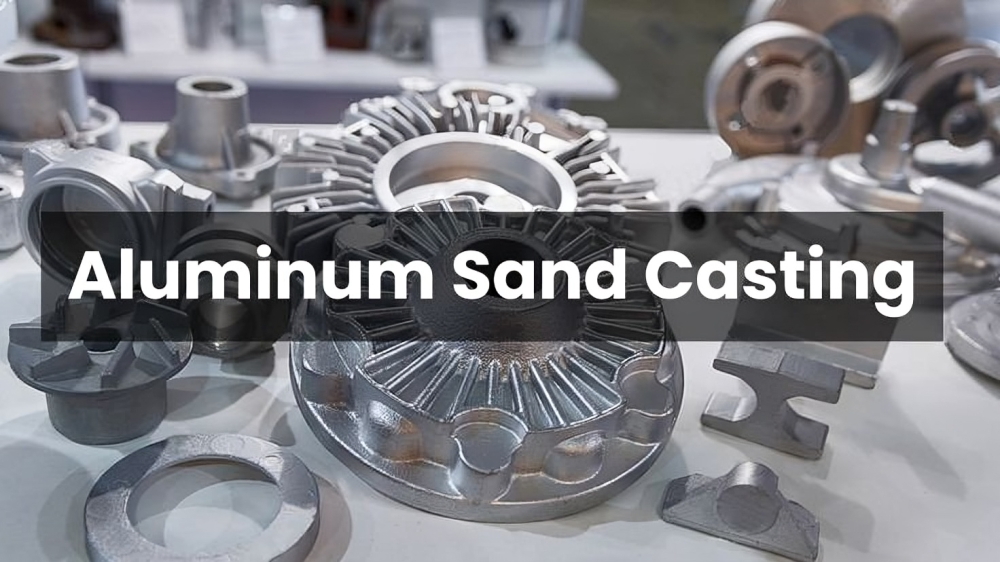
Turnarea în nisip a aluminiului este unul dintre cele mai vechi și mai versatile procese de turnare a metalelor, utilizat pe scară largă în producția modernă pentru a produce componente complexe, durabile și rentabile. Producătorii de turnare în nisip a aluminiului pot genera geometrii complexe cu caracteristici complicate care altfel ar fi fost fie nepractice, fie neprofitabile de prelucrat din material solid prin turnarea aluminiului topit în matrițe de nisip pregătite. Această metodă este potrivită în special în producția de volum mic și mediu, în prototipuri și în turnarea de structuri înalte pe aplicații care acoperă industriile aerospațială, auto, de apărare și energetică. Cel mai interesant aspect al aluminiului turnat în nisip este că este atât flexibil, cât și funcțional. Aluminiul are un raport foarte bun rezistență/greutate, rezistență la coroziune și reciclabilitate, fiind astfel un material de turnare excelent. Împreună cu rezistența termică a nisipului și capacitatea sa ridicată de turnare, procesul oferă o capacitate de producție scalabilă cu o precizie dimensională excelentă. Proiectarea modelului, alcătuirea matriței, calitatea topiturii și proiectarea gurilor sunt factori-cheie pentru succesul fiecărei piese turnate. O turnătorie excelentă de piese turnate din nisip de aluminiu trebuie să controleze nu numai faptele clasice în tehnologia metalelor, ci să atingă și inovațiile în procese. Instalațiile actuale aplică cele mai noi tehnologii pentru a preveni defectele și a asigura cea mai bună performanță a turnării prin utilizarea imprimării 3D în nisip, a software-ului de simulare și a monitorizării proceselor în timp real. Piesele din aluminiu proiectate cu precizie și turnate sunt acum capabile să îndeplinească standarde inginerești stricte de siguranță, toleranță și durabilitate. Pe măsură ce crește cererea de componente complexe cu termene de execuție mai rapide și impact redus asupra mediului, serviciile profesionale de turnare în nisip a aluminiului trebuie să continue să evolueze. Acest articol analizează detaliile tehnice ale procesului în sine, fluxul de lucru tehnic, materialele, provocările, inovațiile și așa mai departe. Principiile de bază ale turnării în nisip a aluminiului În esența sa, turnarea în nisip a aluminiului implică turnarea aluminiului topit într-o cavitate de turnare în nisip, care este modelată după un tipar care reproduce geometria piesei finale. Când aluminiul se solidifică, matrița de nisip este scuturată, lăsând piesa turnată. Procesul are, de asemenea, o flexibilitate dimensională remarcabilă și o capacitate de scalabilitate în condiții de producție de volum redus cu amestec mare. Procesul se bazează pe utilizarea unei matrițe nepermanente, nisipul, care poate fi reciclat și reutilizat, minimizând risipa de materiale și cheltuielile. Matrițele de nisip constau cel mai adesea din nisip de siliciu la care se adaugă un liant, iar natura sistemului de lianți influențează în general în mod considerabil finisajul suprafeței rezultate, precizia dimensională și rata de răcire. Procesul de Flux în ingineria turnării în nisip a aluminiului Turnarea în nisip a aluminiului este un proces de inginerie care constă într-un set de activități calibrate cu precizie care vizează transformarea aluminiului brut în piese specifice, bine construite și precis dimensionate. Atât expertiza materială, cât și cea mecanică trebuie să fie aprofundate pentru a asigura succesul tuturor etapelor procesului. În continuare este prezentată o analiză pas cu pas a modului în care turnarea în nisip a aluminiului este implementată din punct de vedere profesional și tehnic. 1. Proiectarea și realizarea modelului În procesul de turnare în nisip a aluminiului, pasul inițial este proiectarea și realizarea modelului, o copie fizică a piesei turnate finale. Adaosurile care trebuie incluse în modele sunt destul de critice, cum ar fi contracția, tirajul și stocul de prelucrare. Pe măsură ce aluminiul se contractă, în timpul răcirii, modelele sunt dispuse puțin mai mari decât componenta finită. Rata de contracție a aliajelor de aluminiu este în mod normal de 1,3%; totuși, în funcție de aliaj și de condițiile de răcire, aceasta poate varia. Porțiunilor verticale ale matrițelor li se dau unghiuri de tragere, în mod normal de câteva grade între 1 și 3, pentru a se asigura că modelul poate fi îndepărtat cu ușurință în matrița de nisip, având grijă să nu se distrugă cavitatea. Se includ toleranțe suplimentare (toleranțe de prelucrare) astfel încât să nu existe o interacțiune negativă între postprocesare și piesa finală. Modelele pot fi realizate din lemn, metal, rășină sau chiar materiale polimerice imprimate 3D, în funcție de cerințele de precizie și de nevoile volumului de producție. 2. Realizarea matriței (turnarea și fixarea miezului) După pregătirea modelului, trebuie pregătită matrița. Pentru matrița din aluminiu, turnată în nisip, există două jumătăți separate: copul (jumătatea superioară) și tragerea (jumătatea inferioară). Acestea sunt produse prin îndesarea nisipului în jurul matriței într-un balon. În funcție de aplicație, nisipul este în general pe bază de siliciu și este amalgamat cu lianți precum argila (nisip verde) sau rășini chimice (nisip fără coacere). În cazul în care designul piesei are spațiu intern și părți goale, este necesară utilizarea de miezuri de nisip. Acestea sunt plasate în cavitatea matriței, după care se toarnă metalul. Miezurile pot fi fabricate folosind cutii de miezuri, iar în cazul producției de precizie, acestea pot fi imprimate cu o precizie mai mare folosind imprimarea 3D cu nisip. Amprenta exactă a miezului este foarte importantă pentru a avea o structură rigidă și aderență la dimensiunea finală a piesei. 3. Proiectarea sistemului de gavare Oportunitatea și eficiența sistemului de gavare format sunt semnificative pentru succesul procesului de turnare în nisip a aluminiului. Acest sistem este format dintr-un bazin de turnare, un canal de turnare, canale de rulare și porți, care forțează aluminiul reținut în implicarea matriței. Porțile adecvate vor preveni o mulțime de turbulențe, vor minimiza blocajele de aer și, de asemenea, se vor asigura că există o umplere uniformă. De asemenea, sunt necesare înălțătoare (denumite alternativ alimentatoare), care pot fi văzute ca un rezervor de metal topit care compensează direcția de contracție care apare după solidificare. Software-ul de simulare a turnării este, de obicei, utilizat de ingineri pentru a studia și optimiza sistemele de grilaj și de urcare. Predicția are loc prin utilizarea unor instrumente de simulare cum ar fi MAGMASoft sau ProCAST, astfel încât defectele tipice, cum ar fi închiderile la rece, derulările greșite și porozitatea de contracție, pot fi corectate practic înainte de a avea loc orice producție. 4. Topirea Cu și tratarea metalelor Aluminiul se topește de obicei într-un cuptor cu reverberație, într-un cuptor cu creuzet sau într-un cuptor cu inducție, iar alegerea depinde de volumul lotului, de necesarul de aliaj și de cantitatea de energie necesară. Temperatura de topire a aluminiului pur este de aproximativ 660 de grade

TIG de sudare a aluminiului

TIG Sudarea aluminiului: Un ghid tehnic cuprinzător

aluminiu turnat

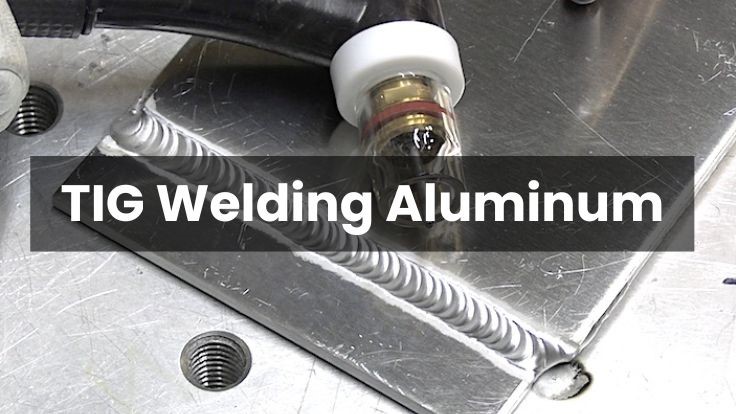
Sudarea TIG a aluminiului este considerată unul dintre cele mai exigente procese tehnice din domeniul sudării. Atunci când se lucrează cu aluminiu, metal care se caracterizează prin greutatea sa redusă, rezistența la coroziune și conductivitatea ridicată, apare un set de probleme fără precedent, care îl diferențiază atât de mult în ceea ce privește oțelul sau oțelul inoxidabil. Manipularea necorespunzătoare a aluminiului poate face ca stratul de oxid natural să ofere o sudură slabă, poroasă sau nedorită din punct de vedere structural din cauza nivelului său natural de oxid, a punctului de topire scăzut și a capacității sale de a absorbi hidrogenul gazos. Astfel, procedeul TIG (Tungsten Inert Gas) sau procedeul GTAW (Gas Tungsten Arc Welding) este procedeul ales de industrie pentru a fi utilizat în cazurile în care precizia, estetica și integritatea sudurii sunt factorii principali. Acestea vor acoperi comportamentul materialelor, selectarea echipamentului, alegerea gazului de protecție, pregătirea îmbinărilor și metodele de depanare, deși se va pune un accent deosebit pe controlul calității și repetabilitate. În plus, articolul va detalia modul de selectare și operare corectă a unui aparat de sudură TIG pentru aluminiu, de gestionare a diferitelor tipuri de piese de sudură din aluminiu și de producere a unor îmbinări consecvente, fără defecte, atunci când se încearcă sudarea TIG a aluminiului. Până la final, cititorul va avea cunoștințe temeinice despre cum să creeze un ansamblu de aluminiu sudat cu tig bun, curat și cu un aspect structural bun, conform standardului industrial din industria aerospațială, industria auto, industria navală, precum și industria prelucrătoare. Acest articol discută știința, metodele, precum și aspectele practice ale sudării TIG pe aluminiu. Este menit să fie utilizat de experți și persoane cu pregătire tehnică care doresc să își extindă cunoștințele despre sudarea aluminiului în procese de înaltă performanță sau industriale. Ce este sudarea TIG a aluminiului? Sudarea TIG a aluminiului se referă la procesul de îmbinare a componentelor din aluminiu folosind sudarea cu gaz inert de tungsten (TIG), cunoscută și sub denumirea de sudare cu arc de tungsten cu gaz (GTAW). Aici, un arc electric este generat de un electrod de tungsten neconsumabil, iar metalul de bază din aluminiu și o tijă de umplere sunt topite într-un strat protector de gaz inert, de obicei argon. Deoarece aluminiul are o conductivitate termică ridicată, un punct de topire scăzut și un strat de oxid cu topire ridicată, sudarea aluminiului are o colorare unică, iar uscarea trebuie făcută cu atenție. Sudarea TIG are un control situat al aportului de căldură și al bălții de sudură, ceea ce înseamnă că este perfectă în materiale subțiri, ansambluri avansate și alte aplicații de înaltă performanță. Industriile aerospațială, auto și navală, printre altele, utilizează sudarea TIG pentru a produce filme de sudură rezistente, necorozive și cu aspect îngrijit. Succesul “sudării TIG a aluminiului” necesită tehnică calificată, echipament adecvat și o pregătire atentă a suprafeței pentru a asigura integritatea și rezistența sudurii. De ce sudarea TIG a aluminiului? Sudarea cu arc cu tungsten gazos (GTAW), care este cunoscută și sub denumirea de TIG (Tungsten Inert Gas), este tehnica ideală de utilizat atunci când sunt necesare precizie, control și un aspect fin. Aceasta oferă un control de neegalat în ceea ce privește cantitatea de căldură de intrare, astfel încât sudorii au posibilitatea de a controla fluiditatea bazinului de sudură din aluminiu. Sudarea TIG, atunci când este utilizată cu aluminiu, este destul de convenabilă în principal pentru că: Sudarea aluminiului implică o mai bună înțelegere a proprietăților sale fizice și chimice și care sunt mult diferite în comparație cu alte metale utilizate pe scară largă. Mai jos sunt principalele provocări asociate cu sudarea TIG a aluminiului. 1. Conductivitate termică foarte mare Aluminiul transportă căldura de 5 ori mai mult decât oțelul. Acest lucru înseamnă că căldura se disipează rapid din zona de sudură, necesitând un amperaj mai mare atunci când încercați să sudați TIG aluminiu, în special cu materiale groase. Atunci când nu se procedează cel mai bine se poate ajunge la o fuziune lacunară sau la o penetrare neregulată a sudurii. 2. Probleme legate de stratul de oxid Când suprafețele de aluminiu sunt expuse la aer, se formează instantaneu un strat de oxid (fiabil aderent), care este subțire. Acest strat se topește la aproximativ 2050 °C, ceea ce este cu mult peste punctul de topire al metalului de bază al aluminiului, care este de 660 °C. Sudarea TIG, atunci când se utilizează modul AC, ajută la ruperea acestui strat, dar este, de asemenea, important să se efectueze o curățare prealabilă pentru a produce aluminiu sudat TIG de înaltă calitate. 3. Susceptibilitatea la porozitate a hidrogenului Hidrogenul se absoarbe ușor în aluminiul topit, iar acest lucru poate crea porozitate sau provoca fisuri în timpul răcirii. Uleiul, umiditatea sau tijele de umplere murdare au acționat ca o sursă de contaminanți care au făcut ca hidrogenul să ajungă în bazinul de sudură. Curățarea corespunzătoare și utilizarea de tije de umplere uscate sunt esențiale pentru a evita defectele la piesele de sudură din aluminiu. Tabel tehnic recapitulativ pentru sudarea TIG a aluminiului Iată un tabel tehnic cuprinzător care rezumă aspectele cheie ale sudării TIG a aluminiului, inclusiv parametrii de sudare, tipurile de îmbinări, defectele comune și modul de gestionare a acestora. În acest tabel, combinați ideile din articolul dvs. și este original și foarte tehnic. Categorie Detaliu tehnic Recomandări / Parametri Material de bază Aliajele de aluminiu 1xxx până la 6xxx sunt cel mai frecvent sudate TIG Curățați toate suprafețele înainte de sudare; evitați 7xxx pentru sensibilitatea ridicată la fisuri Proces principal Sudarea TIG a aluminiului folosind curent alternativ (AC) Utilizați un invertor TIG cu echilibru AC, pornire de înaltă frecvență și control stabil al arcului Cuvânt cheie principal Sudarea aluminiului tig Utilizați un echilibru și un amperaj AC adecvat; optimizați controlul bălții și depunerea materialului de umplutură Tipul de electrod 2% Tungsten lantanat sau ceriat (1/16″, 3/32″ sau 1/8″) Ascuțiți până la o vârf trunchiat sau sferic (pentru AC), în funcție de aplicație Gaz de protecție Argon de înaltă puritate (99.99%) Debit: 15-20 CFH; adăugați heliu pentru materiale mai groase sau penetrare mai adâncă Baghete de umplere ER4043, ER5356 Potriviți materialul de umplere cu aliajul de bază și cu aplicația (ER5356 pentru rezistență, ER4043 pentru rezistență la fisuri) Tipuri de îmbinare Butt, Lap, T, Corner Proiectați cu spații mici (~1/16”) și permiteți dilatarea termică Pregătirea sudurii Degresare + perie de sârmă din oțel inoxidabil Nu atingeți după curățare; îndepărtați stratul de oxid înainte de sudare Tehnica torței Lungime scurtă a arcului (<1/8”), unghi de deplasare de 10-15° Păstrați materialul de umplere în afara conului arcului pentru a preveni oxidarea Setări de amperaj 1 amper per 0.001” grosime linie de bază 60-130 amperi pentru majoritatea aplicațiilor de aluminiu subțire până la mediu Frecvența CA Controlează focalizarea arcului 120-200 Hz pentru un arc curat și îngust pe piesele subțiri de sudură din aluminiu Echilibrul CA 70% EN / 30% EP tipic Reglați spre mai mult EN pentru o penetrare mai profundă; mai mult EP pentru curățarea oxidului Sfat: Asigurați-vă că vă calibrați corect aparatul de sudură tig pentru aluminiu

Derulați la început

Obțineți o ofertă