společnosti zabývající se odléváním hliníku

Nejlepší společnosti zabývající se tlakovým litím pro automobilový průmysl v Číně a ve světě 

tlakové lití hliníku, společnosti zabývající se tlakovým litím, společnost zabývající se tlakovým litím, Výrobce tlakových odlitků

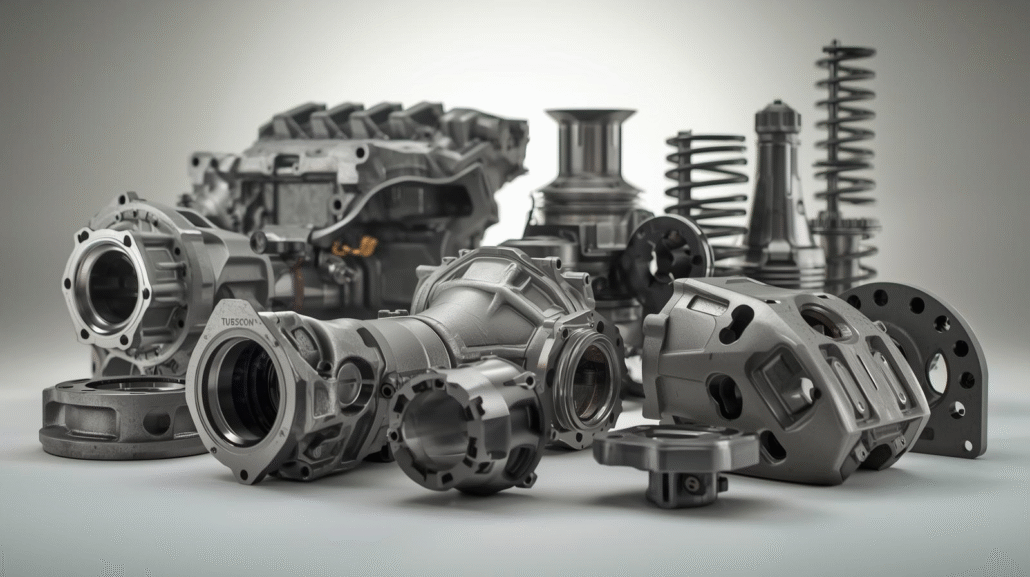
Aluminum die casting is one of the most dependable and cost effective manufacturing processes in the contemporary industry. It is the process of high pressure injection of high temperature melted aluminum into an accurate mold to create powerful, lightweight as well as dimensionally precise parts. It is particularly useful in the production of highly complex shapes with high surface finishes, and thus it is a favored process in the automotive, aerospace, electronics, consumer products, and industrial machinery industries. The aluminum die casting has been on a high demand in the past years. The tendency of the world towards electric cars, lightweight constructions, and energy efficiency has put the aluminum alloys on the frontline of innovation. Manufacturers have now developed high-tech components like engine blocks, transmission houses, battery enclosures and heat sinks that are both durable and lightweight. Recyclability and resistance to corrosion make aluminum also helpful in the world-wide tendencies to produce sustainable and ecologically friendly. Two of the major aluminum die casting hubs are the United States of America and China. Campanies in the United States are known to be innovative, have high standards in quality, and use high levels of automation and can be considered as a good investment in high precision industries. Conversely, Chinese manufacturers have gained a lot of competitiveness over the world market, have provided a cost effective solution, high production capacity and more advanced technologies. This paper will discuss some of the most successful aluminum die casting industries in the USA and China, their strengths, abilities and the factors that make them the most reliable partners that businesses across the world as their preferred suppliers in the manufacturing industry. What is Automotive Die Casting? Die casting is a production process whereby molten metal, usually aluminum, magnesium, or zinc, is forced under great pressure into a mold that has an open space. This enables mass production of high-strength components of complex functions and with good surface finish and dimensional accuracy. Die casting in the automotive industry allows the production of components which are: The use of die casting has revolutionized the construction of contemporary vehicles whereby one can save weight and still manage to perform at the same time. The demand has contributed to the high rate of development of the major Automotive die casting firms in China, Europe, America and Japan. Why China is the leader in Automotive Die Casting China has some of the largest in the world of manufacturers of Automotive die castings because of its: Such a set of strengths has enabled Chinese auto-motive die casting firms to be the powerhouses not only in the local market but also internationally in the supply chain. CNM Tech Diecasting Company is a leading producer of superior aluminum die-cast products. They offer several sectors such as automotive, electronics and telecommunication with precision-engineered components that are aimed at maintaining the highest quality standards. They can produce light and strong parts utilizing their advanced production processes such as high-pressure die casting and CNC machining. The Diecasting Company believes in the power of constant innovation and therefore, it invests in modern machinery, automated production lines and more importantly quality control systems that help to deliver the same results at all times. Both OEMs and Tier-1 suppliers are also in their global client base, and therefore, they are a reliable partner in meet complex and large-volume production needs.  Website: https://www.thediecasting.com/ Why Choose Them  The Diecasting Company is preferred by businesses because it is focused on quality, precision, and innovation. Their application of state-of-the-art die casting technologies, strong quality control, and delivery on time makes sure that their clients get the components that could meet international standards and make them their favorite choice when it comes to automotive OEMs and manufacturers that want to find a reliable die-cast solutions provider. Industries Served  Sincere Tech  Sincere Tech is one of the producers of high-precise molds in plastic injection and die casts. They have a background in designing mold, prototyping, and manufacturing of the final product which provides a one-stop solution to their customers all over the world. They use computerized CAD/CAM software and automated machining so that all the molds manufactured are very accurate. Plastic Mold can be credited with years of experience in serving the needs of automotive, consumer electronics and medical device industries with the capacity of delivering complex molds with efficiency. They stand out in their innovation, quality control, and speed in delivery, thus making them a trusted supplier of companies that would like to have a personalized mold solution. Website: https://www.plasticmold.net/ Why Choose Them Plastic Mold is selected due to their complete mould making systems, technical skills and capability to fit into constrained production time. Their superior quality molds minimize errors, enhance productivity and aids clients to have accurate and dependable die-cast or injection-molded products. Industries Served  GC Precision Mould  GC Precision Mould is a producer of die casting in China which provides aluminum, zinc, and magnesium die casts. They have reputations of manufacturing high quality, cost effective, and lightweight parts in the automotive, electronic and lighting sectors. They have the abilities of high-pressure die casting, CNC machining and secondary finishing operations. Alu Diecasting is focused on accuracy, longevity and productivity. They are always up to the international standards with the use of modern facilities, automated lines, and skilled engineers. They cater to customers both locally as well as internationally such as OEMs and Tier-1 suppliers, and are positioned as a top Chinese manufacturer of die castings as an automotive industry. Website: https://aludiecasting.com/ Why Choose Them  They are using Alu Diecasting as they offer a combination of competitive prices, high-quality standards, and technology. They have a track record of various alloys, precision machining and on time production which maintains dependable, long life, and lightweight parts that satisfy the demands of the world automotive industry. Industries Served  Get It Made Get It Made is a producer of CNC machining, 3D printing, die casting, and metal forming based in UK. They support both prototyping and low-volume production,
Co je lité hliníkové nádobí?

Co je lité hliníkové nádobí? Kompletní průvodce

Hliník, hliníkové odlitky

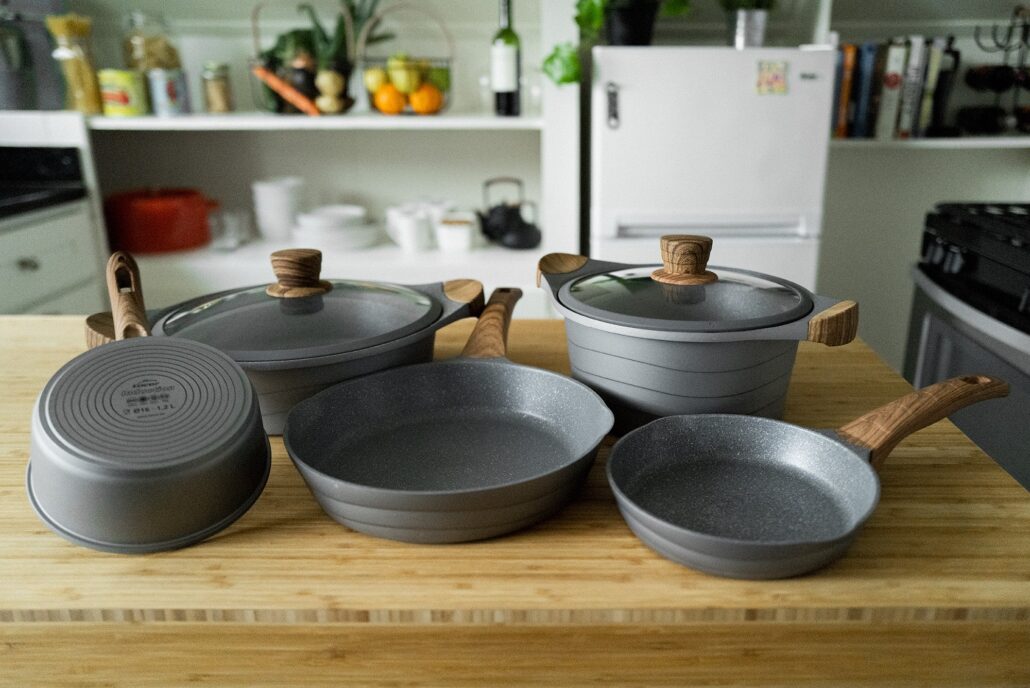
Cast aluminum cookware is becoming popular in kitchens worldwide. It is lightweight, inexpensive, and easy to use. The food can have a different taste depending on the cookware that is used, including the easy cooking process. Cookware is also time-saving and long-lasting. The cast aluminum is made by pouring molten aluminum into a mold. The method gives the cookware both a concrete structure and consistency in the thickness. It allows the pan or the pot to warm up quickly and evenly spread the heat. This simplifies and reduces the time spent preparing day-to-day meals. Cast aluminum is another relatively lightweight material that many people have been using since it is relatively inexpensive when compared to stainless steel. It may also be prepared in different shapes and sizes; therefore, it may be fried, baked, and boiled. However, cast aluminum has its negative sides. It is not as tough as stainless steel nor as tough as cast iron. There are also some types of cooking utensils that need a non-stick or anodized coating so that the food does not stick or is not in contact with acidic foods. In this article, all of these will be expounded using simple language. You will be introduced to the advantages, disadvantages, security, and treatment of cast aluminum cookware. How Cast Aluminum Cookware is Made? Cast aluminum cooking utensils are produced as a result of pouring the melted aluminum into a mold. The metal (aluminum) will then be in the shape of a pan, pot, or baking dish after cooling down. The process makes the cookware tougher and heavier than the traditional pressed or rolled aluminum. The two big stages of the process are: Such casting makes the coocooklightlightut strong enough that it can be used daily. Others are non-stick envelopings on them to prevent the sticking of food, and to facilitate their cleaning. Cast Aluminum Process of Cookware Preparing the Aluminum The initial step entails the selection of aluminum. Pure aluminum or recycled aluminum can be used by manufacturers. This is put into large furnaces where it is heated to over 660 °Cuntil it melts to form a liquid. This stage is where purification of the aluminum is done to determine that it will be strong and safe in the final product. Creating the Mold Once the aluminum is on hand, the mold is created. The form is determined by the mould, and it may be a frying pan, a pot, or a baking pan. These moulds are mostly sandy or steely. The thinness, balance, and durability of the copopotterarere dare be determined by the type of mold and the level of exquisiteness. Pouring the Molten Aluminum The mold is then filled with liquid aluminum. It is filled to the very brim in every crevice of design. It is the process that also causes cast aluminum cookware to be heavier and stronger than pressed aluminum cookware. Cooling and Solidifying After being poured, the aluminum is expected to cool down. It is stiffening and depressing when it comes to cooling and acquires the shape of the mold. The cooling is required as it removes cracks, air bubbles, or weak areas that can jeopardize the quality of the cookware. Trimming and Finishing Once hardened, cookware is removed from the mold. Such is where a crude surface gets cut and polished. Other features are also incorporated, such as handles and bases. This is to ensure that the cook’s uniform is smooth, safe, and ready to be coated. Surface Coating and Finishing Most cast aluminum cooking utensils are surface-treated. They have most of them supplied with non-sticky surfaces, such that the food does not stick on the surfaces,, and the cleaning does not take much time. They can be anodized by others, and this increases their resistance to corrosion and scratches. These finishes are also resistant to the reactivity with acidic food. Quality Testing The quality control is the last one. All of the works are inspected on balance, durability, and coating safety. Cookware that has been carefully checked is packed and only sent into the market. It will ensure the customers receive durable, quality, and safe cookware. Cast Aluminum Cookware advantages What is the reason not to use other materials, to use cast aluminum? Here are the key benefits: Lightweight In comparison to cast iron, it is very light in cast aluminum. It does not take much time tocleanna, and it is more so when one has a cook who prepares meals regularly for the elderly. Superb Heat Distribution Aluminium is a thermal conductor. Cast aluminum utensils are quick to cook and evenly cook. This means that there would be fewer hot spots and even cooking. Affordable It is normally cheaper than stainless steel or copper cookware. It has decent performance at an affordable price. Versatile Cast aluminum may be fried, baked, boiled, or simmered. Some are even oven-safe. Quick Heating The aluminum makes food cook more quickly since it reacts to heat faster. This saves time and energy. Disadvantages of Cast Aluminum Cookware Despite several advantages of cast aluminum cookware, it also possesses several limitations: Durability Issues The cast aluminum is softer than the cast iron or stainless steel. Eventually,, it is likely to be dented or scratched, especially when it is not handled properly. Reactivity with Food The uncoated aluminium can react with acids such as tomatoes or vinegar. This may either render it metallic or discoloured. The majority of modern cast aluminium pans are coated to such effects. Coating Problems The non-stick film on the pan may be of poor quality, and thus, it may wear away with time. It can be scrubbed with hard sponges or metal utensils, and this decreases its life span. Aluminum Cast And Other Cookware The choice of cookware is more of a choice. The cast Aluminum performance when compared with the popular substitutes stands as follows: Cast Aluminum and Stainless steel The first distinguishable difference in the case of the cast aluminum and stainless steel is the heat

Společnosti zabývající se tlakovým litím hliníku v USA

Společnosti zabývající se tlakovým litím hliníku v USA

tlakové lití hliníku, společnosti zabývající se tlakovým litím, společnost zabývající se tlakovým litím

Aluminum die casting is now one of the surest and most economical production procedures in the United States of America, particularly to manufacturers that require robustness, longevity and precision. This is done by high pressure injection of molten aluminum into steel castings and this produces parts which are not only lightweight but also dimensionally accurate and durable. It is this strength and low weight that makes aluminum die casting the material of choice in the automotive and aerospace industry, electronics, industrial machineries, and consumer goods. The U.S market boasts of some of the most established aluminum die casting industry worldwide in the form of large scale manufacturers with global presence to small and specialized firms, specializing in custom parts and niche applications. These firms are very crucial in the sustenance of the key industry by supplying such segments of the industry as engine blocks, transmission housings, electronic enclosures, and structural parts. The U.S. based manufacturers have earned their reputation of reliability and innovative products in the world through their high quality technologies, certification and focus on quality products. The trend in the last few years has seen a massive surge in demand of die-cast aluminum parts because of the recent developments in lightweighting of vehicles, the production of electric vehicles, and the drive to manufacture energy efficiently. American firms are embracing automation, sustainable castings, and superior alloys so as to achieve high results to meet these requirements. This article lists some of the best aluminum die casting manufacturers in the USA and their achievements, potential, and contributions to the contemporary industry. It does not matter whether you are getting parts to perform a large-scale manufacturing process or a highly-technical application, these manufacturers are the embodiment of the finest American technology in aluminum die casting. What Is Aluminum Die Casting? Aluminum die casting is a production technique where high pressure on a molten aluminum is forced into a steel mold also referred to as a die. When the metal cools and solidifies the mold is opened and the completed part is ejected. This is the process with the help of which the manufacturers can create strong, light and highly detailed components with high level of dimensional accuracy and smooth surface finishes. The fact that aluminum die casting can produce complex shapes that would otherwise be challenging or costly to produce using other manufacturing processes is the key benefit. It finds extensive application in the manufacture of such parts as engine blocks, transmission housings, electronic enclosures, heat sinks and structural components. The Aluminum Die Casting has several major advantages: Thanks to such strengths, aluminum die casting has emerged as a better alternative in industries, which require dependable and efficient components of high-quality to match its technical and economical necessities. Top USA Aluminum Die Casting Companies 1. Dynacast International Dynacast International has been one of the best known companies in the area of precision die casting globally. The company has decades of experience in the production of small, complex components with the use of aluminum, zinc and magnesium alloys. They are good at producing components that have stringent tolerances and that have complex features, which are needed by the automotive, consumer electronics, telecommunications, and medical devices industries. Being global also means that Dynacast is able to serve small businesses and multinational companies with the flexibility, innovations and quality that do not vary among projects. 2. Pace Industries Having become the largest die casting companies in North America, Pace industries have established a good reputation of offering to offer solutions in totality. Their service ranges include designs and engineering support, die castings, machining, surface finishing and final assembly; they have been providing a one-stop solution to clients in the automotive, industrial and consumer industries. High-volume projects and custom projects can be dealt with because of the scale of their operations. Pace also follows the culture of putting money in the modern technology and sustainable practices such that they can be able to remain competitive in the rapidly changing industry. 3. Ryobi Die Casting (USA), Inc. Ryobi is a renowned brand in the world die casting segment, and it has a major presence in the United States. Their operations in the U.S. are centered on medium to large scale aluminum die cast components, majorly to the automotive sector. Ryobi manufactures engine block, transmission housing, and structural parts that they need to be durable and precise. The firm has utilized cutting edge technology and quality management which has seen it become a supplier of choice to major automobile manufacturers in the world. 4. Gibbs Die Casting Gibbs Die Casting, the other leader in the U.S. market is based in Henderson, Kentucky. The company specializes in the aluminum and magnesium die castings in the automotive industry, especially the transmission housings and power train parts. Gibbs lays strong emphasis on innovation where automation and sophisticated manufacturing techniques are being used to ensure high standards of efficiency and quality of work. The company also incorporates the concept of sustainability in its business by curbing wastage and encouraging environmental friendliness business practices. 5. Apex Aluminum Die Casting Co., inc. Apex Aluminum Die Casting is situated in Ohio and it is used in automotive, electronic, and appliances industries. The business is reputable in working with mid-volume production lots, which makes it the perfect option with firms that require a steady output quality but does not require the enormous powers of bigger importers. The team of Apex is concerned with customer satisfaction, reliability of service, engineering and accuracy in manufacturing. They have established themselves as a reliable partner to a number of U.S. companies because of their good reputation to deliver consistent results. 6. KenWalt Die Casting Company KenWalt Die Casting is based in California and has over several decades of experience with producing die castings; aluminum and zinc. The firm also focuses on bespoke jobs and serves the industries of both industrial equipment and consumer goods. KenWalt stands out as a company that collaborates closely with the client during the

Tlakové lití hliníku pro automobilový průmysl v Číně

Tlakové lití hliníku pro automobilový průmysl v Číně

tlakové lití hliníku, díly pro tlakové lití

Aluminium automotive die casting in China has become an essential process within the international automotive supply chain that contributes to efficiency, sustainability, and innovation in vehicle production. Lightweight and strong, aluminium provides a special balance between mechanical performance and fuel consumption, which contemporary car manufacturers require. Through minimised vehicle weight, aluminium die-cast components have a direct impact on reducing fuel consumption, longer battery range in electric vehicles (EVs), and carbon emissions. This not only renders the technology significant to the manufacturers, but also to environmental regulations across the world. This domination in the automotive industry of China is a natural extension of aluminium die casting. Being the largest producer, the country with huge production rates, with its large supply chain and the support of the government through industrial policy, China has already established itself as the largest producer and one of the greatest innovators in the area. The die casting sector of the country serves both local car manufacturing industries and foreign brands, and it provides engine blocks and transmission housings, as well as high-tech giga castings, applied to the body of EVs. The development of lightweight materials and more environmentally friendly production technologies has become even faster. This congruence between industrial competency and the world sustainability targets will keep China on the frontline of the technology of aluminium die casting, which is the future of automotive engineering. What is Die Casting of Aluminium? Aluminium die casting is the production technique where molten aluminium is pressurized and injected into a high-pressure steel mold (die). Upon cooling and solidification, the metal produces complex and precise components with very favourable strength-to-weight ratios. The automotive parts that are commonly manufactured are engine blocks, transmission housings, wheels, brackets, and structural body parts. Why China Leads in Aluminium Die Casting? Aluminium Die Casting Process Aluminium die casting is one of the most specialized manufacturing techniques that allows the creation of complex and accurate automotive components with great mechanical properties. It does include several well-regulated phases, and each of them can be seen as a step toward the quality, strength, and durability of a final product. The following is a discussion of each of the stages: 1. Mold Preparation The steel mold, usually of hardened tool steel, is completely cleaned and checked before production starts and should be free of wear or damage. Then the release agent or lubricant is applied to the cavity of the mold, which has a variety of significant purposes. It avoids the sticking of the molten aluminium to the die, provides smooth part ejection and assists in maintaining mold temperature in successive casting cycles. It is important to prepare the mold properly, as this has a direct relation to the surface quality and dimensional accuracy of the finished component. 2. Melting & Alloy Preparation It begins with the melting of aluminium ingots or recycled scrap in a high-temperature furnace that can be either gas-powered, electrically powered or induced. At this phase, molten aluminium is observed keenly to maintain an optimal temperature range of around 660 to 700 °C to provide a fluid mass and reduce defects. Elements like silicon, magnesium, and copper are alloyed in order to improve certain properties such as strength, corrosion resistance, or thermal conductivity. It is important to keep the chemical composition accurate since a slight change in it might greatly affect the functionality of automotive elements. 3. High-Pressure Die Casting (injection) After the molten aluminium attains the desired state, it is poured into the prepared steel casting mould by a high-pressure die casting (HPDC) machine. The pressure of injection is usually between 110 and 175 MPa, and this makes the liquid metal fill even in the most complex molding cavities with accuracy. High pressure also aids in reducing porosity and shrinkage flaws to produce high-strength and dense parts. This is regarded as the centre point of the process since it determines the quality of the casting and whether complicated shapes can be produced without breaking the structural integrity. 4. Cooling & Solidification The molten aluminium is then injected and quickly cools down and hardens in the steel mould. The rate of cooling is maintained throughout to make sure that the crystallization is uniform and internal stresses or warping are minimized. Cooling time varies greatly with the thickness and intricacy of the component being cast; a thin-walled component could be solidified in a matter of seconds, whereas a more complex part could take a longer cycle to solidify. Well-organised cooling circuits (water channels or oil circuits built into the die) are commonplace with the aim of ensuring consistency throughout the production runs. It is essential to attain a balance of strength, ductility, and dimensional accuracy by proper solidification. 5. Ejection After the part has hardened, ejector pins in the mold force the casting out. In this step, accuracy is needed to prevent burning sensitive areas or thin walls of the part. Large-scale automotive manufacturing often relies on automated ejection systems, which guarantee the consistency of cycle times and minimize manual work. The process of ejection may appear to be easy, yet with improper application, it might cause surface defects, cracks or misalignment, which will adversely affect the usability of the final product. 6. Trimming & Finishing Raw casting may contain large quantities of extraneous material, such as flash, runners or even gates, after ejection, and this needs to be removed. A hydraulic press or a CNC machine is usually used in trimming to attain an accurate edge line. Other finishing processes like shot blasting enhance the texture of the surface, and machining provides the high dimensional tolerance needed by engine or transmission components. They can be heat-treated to increase strength and hardness, and coating or anodizing may increase corrosion resistance. These are the necessary secondary processes because through them the raw casting is taken to the next level, where it is turned into a functional and reliable automotive component. 7. Inspection & Quality Control The last step is the intensive inspection, whereby all castings will be

Automobilové díly vyráběné litím:

Automobilové díly vyráběné litím: Výběr materiálu a procesu

díly pro tlakové lití

The modern automobile is a sophisticated machine that consists of thousands of separate parts with their own purpose to provide safety, performance, and reliability. Casting is one of the various manufacturing processes that are employed in the automotive industry. Casting is now an irreversible procedure where major parts of a vehicle are formed by shaping molten metal into extremely detailed and strong parts. The engines, transmissions, and braking systems of most vehicles are among the most significant systems that require parts made by casting. Indeed, when designers and builders discuss efficiency, durability, and cost-effectiveness in the production, casting of automobile parts are often at the centre stage of the debate. The art of casting is not new; it was invented thousands of years ago. However, its application in the motor industry has undergone a revolutionary shift to harness hi-tech technologies and the most recent alloys that can fit the high demands of the modern car. Casting has been instrumental in enabling cars to maintain high-performance standards at a relatively low cost through lightweight aluminum engine blocks that are tough and, resilient cast-iron brake components. The article will review the history of the automobile casting parts, processes, advantages, and future trends of automobile casting parts and reveal the reasons why the automobile casting parts continue to be a pillar in the automotive manufacturing industry. History  of Casting It was actually the aluminum casting process that penetrated the sphere in the middle of the 20th century. Casting has been in use in vehicles since the late 19th and early 20th centuries, when the automobile was first developed to replace the horse-drawn carriage. Early engines demanded powerful but inexpensive parts, and casting was the right way to go. One of the first methods to make engine blocks, crankshafts, and housings was iron casting. With the increase in the automobile industry, casting techniques increased and became advanced. The automobile manufacturers learned that they could increase fuel efficiency without reducing the lifetime of the vehicles due to lighter engines and structural parts. Casting is applied to different systems of vehicles in accordance with their application and importance. Finally, the automobile casting parts have the important role of giving strength, accuracy, and cost-effectiveness to reduce the cost, which is why automobile parts are the giants of the automotive industry. What are Automobile Casting Parts? Automobile Casting Parts can be defined as parts of a vehicle that are produced through pouring molten metal into a mold, and the resulting molten metal hardens into a desired shape. This has enabled the manufacture of robust, sturdy, and intricate components that are utilized in automobiles, including engine blocks, cylinder heads, transmission housings, brake drums, and wheels. They are very popular since casting offers: Taking the case of an engine block, the block has various chambers and coolant passages with threaded openings that can be cast correctly. What is Casting? The process of casting is a type of manufacturing where molten metal is poured into a mold and allowed to cool in the shape of the mold. After cooling, the casting is removed, machined (where needed),, and fitted into the finished product. It is an operation in which it is possible to produce both strong and geometrically complex parts. The reason why automobile manufacturers like to use casting is that they can produce large quantities of complicated parts of uniform quality. The proper melting temperature should also be maintained to remove defects such as porosity or underfill We are discussing not only structurally significant parts of automobiles, but also those that must be precise and durable under severe conditions of high temperatures, pressures, and constant wear. Process of Casting in Automobile Parts High-volume production also automates machines or high-pressure systems to ensure a high level of accuracy and consistency. 1. Pattern Making It starts with the production of a pattern, an imitation of the finished part. Patterns tend to be made of wood, metal, or plastic. They also determine the accurate shape and size of the mold cavity into which the molten metal will be poured. 2. Mold Preparation Sand, metal, or ceramic materials are used to form a mold. The two halves of the mold make the cavity to shape the part. Hollows can also be introduced within the mold,, such as internal passages within an engine block. 3. Melting the Metal In a furnace, a controlled temperature is used to melt the selected metal or alloy (cast iron, aluminum, or magnesium). This is to bring mechanical properties to high-performance applications such as engines or gearboxes. 4. Pouring When the metal is melted, it is filled into the mold. The proper sizes and finishes are ensured during drilling, milling, and turning. 5. Solidification and Cooling The heated material is left to cool and harden within the mold, assuming the shape of the mold. The part should avoid a shrinkage defect or crack due to uncontrolled cooling rates. 6. Mold Removal When solidifying, the mold is broken (in sand casting) or the mold is opened (in permanent and die casting). A raw casting is then removed and processed further as a casting blank. 7. Fettling and Cleaning Unneeded material, including sprues, risers, or flash, is eliminated. The casting could be shot blasted or ground to clean up the surface to make it easy to machine. 8. Heat Treatment (if required) Cast parts can be heat-treated to enhance their strength, hardness, or toughness. Sand Casting – Sand casting is one of the oldest and most common ways in which a mold of sand is molded into a more complicated shape. 9. Machining and Finishing Despite the fact that casting generates near-net shapes, a lot of automobile parts have to be machined to be precise. It is used with the engine block, cylinder head, and manifold. 10. Inspection and Testing Lastly, quality checks are done on the cast part. Non-destructive testing (NDT), dimensional testing, and material inspection are conducted to ensure that the part is up to industry standards before assembly into

Proč je kovaný hliník lepší než litý kov?

Proč je kovaný hliník lepší než litý kov?

Kovaný hliník

Forged aluminum is among the most trusted materials in contemporary engineering practice. It is formed by pressing solid aluminum with a high amount of heat and pressure. It alters the internal structure of the metal and makes it stronger and tougher than cast aluminum. Due to this, industries that require safety and durability use forged aluminum. Aluminum in itself is already rated as lightweight, resistant to corrosion and versatile. It is present in vehicles, aircraft, buildings, electronics and even in common tools. Not everything that is made of aluminum is the same, though. The performance of the metal is directly affected by how the metal is formed. Aluminium is melted and poured into molds when it is cast. This may cause flaws such as air bubbles and holes. Forging eliminates those issues. Rather than melting, the aluminum is pressed into form so that the grain is forced to conform to the design of the part. This yields a very powerful and homogeneous material. Forged aluminum has become popular now that industries are shifting to lighter, safer and more efficient solutions. This paper tells us why it is better than cast metal, the process involved in forging metals, where it is applied and the future of forging of aluminum. What Is Forged Aluminum? Forged aluminum is done by pressing solid aluminum under high pressure. The metal is not melted all the way as in casting. Rather, it is heated till it turns soft and malleable. After being softened, the aluminum is stamped or beaten into the required shape by means of heavy forging machines. This stress flattens the metal and also perfects its internal grains. The grain is oriented in the shape direction, and it contributes to the part’s better strength and toughness. Such a fine structure also removes numerous defects present in cast aluminum, including pores or cracks. Consequently, forged aluminum is safer, more durable and stronger. How an Aluminum Forge Works? Forging is done in an aluminum forge. There are a few steps involved in the process: This process ends up with a thick, solid, and homogeneous portion. It does not have weak spots or air bubbles like casting. Benefits of Forged Aluminum Cast metal and other materials cannot do what forged aluminum can do. It has become the tool of preference in industries where we cannot afford to compromise on performance and safety. Superior Strength Forged aluminum is very strong, and this is one of the key benefits of forged aluminum. The grain structure of the metal is refined through the forging process. The tensile and fatigue strength are enhanced by this alignment. False components can bear heavy loads as well as stresses and strains repeatedly without failure. This also positions them very well in high-performance activities like plane landing gear, suspension systems, and industrial machinery. Lightweight but Tough Aluminum is inherently lighter than steel, and forging goes even deeper with it. Forged aluminum is very strong for its weight. This enables engineers to ensure that they make lighter machines and vehicles that are still safe and strong. The weight loss makes cars and aeroplanes more fuel efficient, but also gives them durability. Increased Resistance to Fatigue Cast parts wear out much more than forged aluminum. Fatigue is a condition in which a part has worn out due to multiple stress cycles. Due to weak grain structure, cast parts tend to crack. Aluminum that has been forged does not crack easily, and thus parts made with this material will survive long in the hands of those who use them. Uniform Grain Structure The forging process is used to match the part shape with the grain in the metal. Such homogeneous graining makes it harder and harder to strike. Quite the contrary, casting gives arbitrary grain structures that create weak positions. Safety and Reliability Safety is the first priority in high-pressure industries like aerospace, automotive and defense. Forged aluminum is reliable as it provides power, hardness and steadiness over time, even in extreme circumstances. Aluminum Forging uses Aluminum forging has made an impression in the world where weightless, powerful and enduring parts are required. Forged aluminum parts are believed to be safe and, therefore, are commonly trusted in critical applications related to safety. Automotive Industry Modern automobiles are involved in fraudulent aluminum. A very common application is in wheels. Compared to cast wheels, forged wheels are lighter, more durable and safer. This type of weight loss improves manoeuvrability and fuel efficiency. Suspension parts are another significant use that should resist heavy loads, impact, and vibration on the road. The aluminum used is forged, so they are not stressed. Moreover, most engine parts, including connecting rods and pistons, are forged. These sections can withstand high pressure and hot temperatures with long durability. Concisely, forged aluminum improves the automobile’s performance and safety. Aerospace Industry Aircraft require components that are lightweight in nature and strong. Forged aluminum fits this specification. It applies to landing gears, which are supposed to withstand high levels of impact during landing and takeoff. It also occurs in wing structures where efficiency depends on lightness. Forged aluminum parts deal with pressure, heat and vibration in aircraft engines. Failure is not an option in flight; this is why the aerospace industry relies on forging. Military and Defense Defense applications require forged aluminum. Forged parts of tanks, aircraft, and naval ships have to endure the extreme conditions of combat. Forging guarantees maximum toughness, strength and reliability even in the most strenuous conditions. Industrial Machinery Major equipment is usually operated at full load. Forged aluminum products are wear-resistant and minimize downtime. This makes them cost-effective and long-term solutions for manufacturers. Sports and Lifestyle The sports and lifestyle items also use forged aluminum. Forged components are used to manufacture high-end bicycles, climbing gear and sports equipment. Such objects need to be lightweight and durable over a long period of time, which is why forging is the best method. The Reason Why Industries use forging rather than casting? Forging is the option

Budoucnost automobilových odlitků

Budoucnost automobilových odlitků: Inovace, efektivita a výkon

Výrobce tlakových odlitků, tlakové lití

Automobiles have never been left behind in technological development. Since the first steel framing in automobile manufacturing up to the latest lightweight alloys, each part of a car has been improved through innovation to enhance safety, durability and performance. One of the most significant areas of progress lies in the world of automotive castings. This has helped in the designing, production, and optimization of vehicles. In plain terms, the term automotive castings can be defined as the process through which the molten metal is measured and poured into the moulds to shape intricate parts of the vehicle. The method is precise, cost-efficient and can be scaled to mass production. These processes are important in the industry because almost all vehicles on the road today have several parts that have been cast. This article examines the history, manufacturing, advantages, and future of the so-called automotive castings, and also takes a look at how the so-called automotive casting, die casting automotive parts, and cast automotive parts contributed to the shaping of the modern automobile. The History of Automotive Castings The methods of casting date back several thousand years, although it was not until the end of the 19th and very early 20th centuries that they were used in the automotive industry. The first automobiles were ineffective and weighed a lot, with mostly forged steel components. With the increased need to produce in large quantities, manufacturers were required to find a cheaper and quicker solution. Then is the period when the techniques of automotive casting started to substitute traditional ones. Through casting, car manufacturers would be able to create numerous of the same parts in large quantities with less wastage of materials. This brought about mass production, one of the reasons why automobiles became affordable to ordinary people in the industrial boom. Modern automotive castings today use state-of-the-art alloys, accurate moulds, and automation to satisfy the high standards of the international automotive standards.  What is Automotive Casting? Automotive casting is a manufacturing process that is applied in automobile manufacturing to make parts of their vehicles through pouring of molten metal into the moulds, where it solidifies and hardens into the desired shape. This is a technique that enables manufacturers to make complex, long-lasting and accurate parts cost-effectively and with less effort as compared to traditional machining or forging. It finds application in engine block parts, cylinder head parts, transmission housing parts, brake parts, and suspension parts. Through various alloys such as aluminum, cast iron, steel, and magnesium, the automotive casting offers the strength, lightweight design, and durability needed in modern automobiles. This technique is popular because: Common Automotive Parts Made by Casting: Types of Automotive Casting Concisely, automotive casting is necessary since it assists automakers in developing dependable, lightweight, and cost-effective components on a mass basis. Modern cars cannot be produced in mass without it. Materials in the automotive castings Aluminum A lightweight and corrosion-resistant glass, aluminum is among the most favoured materials in the field of automotive castings. It makes huge savings in the total weight of cars, enhancing fuel efficiency and manoeuvrability. Aluminum is also a good thermal conductor and therefore it is good on engine blocks, cylinder heads and transmission housings. Aluminum is used to create many die-casting automotive parts since it enables manufacturers to create high-precision and lightweight components without losing strength. With its flexibility and stability, aluminum is one of the best materials in contemporary automobile manufacturing. Cast Iron Other popular materials in automotive castings are cast iron because the material has high strength, heat resistance, and wear properties. Cast iron is heavier than aluminum, and it is suitable for structural and heavy-duty applications as engine blocks, brake drums and other parts of the suspension. The structure is very durable, which means that such parts can resist the pressures of long-term service and high-temperature conditions, making it vital to vehicles that need strong and reliable performance. Steel In the automotive castings, steel has been preferred due to its high strength and flexibility. Heat-treatment of steel parts increases toughness, so they are ideal in chassis parts, brackets, and structural frames. Although steel weighs more than aluminum, it offers the strength and carrying capacity to some of the safety-critical parts of the car. It is flexible, and engineers can come up with components that satisfy both the performance and regulatory requirements. Magnesium Alloys Magnesium alloys are finding increased applications in so-called automotive castings where weight loss is a priority. These alloys are very light, yet offer sufficient strength to non-structural parts. Magnesium parts may be used in interior fittings, engine covers, and certain structural parts, especially in high-performance vehicles and electric vehicles, where minimizing total weight is important to performance and handling. Copper Alloys Copper alloys are sometimes made into so-called automotive castings due to their high electrical and thermal conductivity. These are resistant to corrosion and strong materials that can be applied to certain electrical components or heat-sensitive parts of the modern vehicle. Copper alloys are not as widely used as aluminum or steel, but have niche uses, such as where performance and conductivity are important. Composite Materials Some manufacturers are experimenting with composite materials in cast automotive parts with the development of automotive technology. These materials are developed to save weight and still offer strength, and can be very handy in electric and hybrid vehicles. Composites also have better thermal regulation and corrosion resistance, and are a new technology in the next-generation car parts. Types of Automotive Casting Processes The automotive industry employs a number of casting techniques, each with its own parts and materials. We will consider the most popular ones: Sand Casting One of the oldest techniques is sand casting, in which large, intricate components are made by means of sand moulds. It is most suitable for prototypes and heavy parts such as engine blocks. Die Casting Die casting is the process that requires high-pressure injection of molten metal into reusable steel moulds. It is a technique that is especially relevant in fabricating light but

Pokovování zinkových odlitků:

Pokovování zinkových odlitků: Zinkování: techniky, výhody a průmyslové aplikace

Tlakové lití zinku

Tlakové lití zinku je běžná výrobní metoda, která se běžně používá v odvětvích, kde záleží na rychlosti, přesnosti, pevnosti a cenové dostupnosti. Zinkové slitiny se používají v automobilovém průmyslu, leteckém průmyslu, spotřební elektronice a dalších aplikacích díky svým vysokým odlévacím vlastnostem, kontrole rozměrů, pevnosti a univerzálnosti. Lze z nich vytvářet složité tvary s hladkým povrchem, a proto je jejich použití v hromadné výrobě velmi žádané. Holé zinkové povrchy mají tendenci snadno korodovat, dehtovat a obecně se opotřebovávat působením nepříznivého prostředí, což vyžaduje nutnost nanášet ochrannou povrchovou úpravu. Právě zde se pokovení stává jedním z nejdůležitějších kroků, a to jak z hlediska použitelnosti a životnosti výrobků, tak z hlediska atraktivity a profesionálního vzhledu výrobků na trhu. Při řešení takové povrchové úpravy zaručuje pokovení zinkových odlitků zvýšenou odolnost proti stárnutí prostředí, vzhled a trvanlivost. Mezi nejběžnější postupy ve výrobním průmyslu po celém světě patří chromování, zinkové tlakové lití a niklování zinkových tlakových odlitků. Kromě životnosti vytváří pokovování také obchodní hodnotu, protože zákazníci vždy chtějí výrobky, které jsou pevné a zároveň mají lesklou, vysoce kvalitní povrchovou úpravu. Proto je pokovování v současných průmyslových odvětvích zásadní činností. V tomto článku uvedu podrobnou extrapolaci argumentů, proč je pokovování nezbytné, jak technický proces funguje, jaké jsou problémy a průmyslové výhody spojené s tímto procesem. Co je zinkování tlakového lití? Zinkování pod tlakem je proces používaný k rovnoměrnému nanášení ochranného a dekorativního kovového povlaku na součásti, které byly odlity pomocí zinkového tlakového lití. Vzhledem k tomu, že zinkové slitiny jsou pevné a cenově výhodné, ale korozivní a závislé na opotřebení, pokovení prodlužuje jejich životnost, vzhled a provoz. Zjednodušeně řečeno, zinkové tlakové lití je proces, při kterém se vyrábí skutečný díl nebo součástka, zatímco pokovování nanáší další vrstvu, která na povrch nanese ochranný povlak a zajistí potřebnou povrchovou úpravu. Pokovování a pokovování zinkových tlakových odlitků umožňuje dosáhnout zrcadlového povrchu chromováním zinkových tlakových odlitků nebo ochranného, vyššího stupně povrchové úpravy poniklováním, zinkovým tlakovým odlitkem. Díky této kombinaci nachází pokovený zinkový tlakový odlitek široké uplatnění v automobilovém obložení, elektronických pouzdrech, zařízeních pro domácnost a průmyslových zařízeních, kde jsou potenciálními požadavky dobrý vzhled a pevnost. Co je to pokovování? Pokovování je přidání tenké vrstvy kovu na povrch jiného materiálu, a to buď galvanickým pokovováním (za použití elektrického proudu), nebo chemickým pokovováním (bez použití elektrického proudu). Pokovování se provádí za účelem zvýšení estetického vzhledu, odolnosti proti oděru, odolnosti proti korozi, vodivosti a odolnosti proti opotřebení substrátu. Příkladem může být použití niklu nebo chromu na zinkové tlakové odlitky, které přidávají ochranu a lesk základnímu zinku, jenž nabízí pevnost a tvar. Lesklý povrch lesklé chromované kliky automobilu nebo koupelnového prvku je přímým výsledkem pokovení. Stručně řečeno, pokovování je podobný proces, při kterém se výrobku dodává štít a krásný povrch, aby věci působily trvanlivěji a atraktivněji. Důvod, proč zinkové tlakové lití potřebuje pokovení Navzdory silným stránkám zinkových slitin, které lze použít v různých aplikacích, existují určitá omezení, pokud jsou surové. Nepokrytý zinek podléhá dehtování nebo korozivnímu napadení vlhkostí, chemikáliemi a tepelným změnám. Hladký, nepovlakovaný díl není v mnoha průmyslových odvětvích dostatečně spolehlivý pro dlouhodobé použití. Povrchové úpravy pokovením neslouží pouze ke kosmetickým účelům, ale přinášejí také různé výhody ve strojírenství. Výrobci zvyšují preventivní opatření proti korozi, oděru a oxidaci použitím tzv. technik pokovování zinkových odlitků. Tím je zaručena trvanlivost výrobku z hlediska celistvosti jeho struktury i jeho estetického vzhledu v dlouhodobém horizontu. Kromě toho jsou možné speciální povlaky, jako je chromování, zinkové tlakové lití, které poskytuje vysoce lesklý povrch nejlépe vhodný pro součásti spotřebních výrobků, a také niklování zinkového tlakového lití, které je jak ochranným, tak i dekorativním povlakem. Proces pokovování zinkových tlakových odlitků Povlakování je složitý proces, který vyžaduje jemnou přípravu a provedení. Na rozdíl od hliníku a oceli představují zinkové slitiny neobvyklé výzvy kvůli reaktivitě zinku. Proto pokovování zinku předpokládá speciální ošetření, aby byla zaručena dobrá přilnavost. Povrchová úprava 1: Příprava povrchu Počátečním procesem je odmaštění, při kterém se z odlitku odstraní olej, mazivo a nečistoty. Bez důsledného očištění by došlo k odlupování nebo odlupování, což znamená špatnou přilnavost při použití zinkových odlitků. Krok 2: Výběr Odlitky se odkyselí a očistí ponořením do kyseliny. Tím se povrch stane čistým, aktivním a schopným přijímat pokovovací vrstvy. Krok 3: Nanesení úderové vrstvy Zinkové slitiny jsou velmi reaktivní, proto se před konečnou úpravou obvykle používá tenká úderová vrstva mědi nebo niklu pro zvýšení přilnavosti. Tento krok je zásadní jak pro chromování, tak pro zinkové tlakové lití a niklování zinkových tlakových odlitků. Krok 4, závěrečná vrstva pokovení Neodolné kovy, chrom, nikl nebo jiné slitiny se galvanicky pokovují, aby se pokryl povrch. Na této vrstvě, její tloušťce a kvalitě závisí trvanlivost a vzhled hotového výrobku. Chromování zinkových tlakových odlitků Nejvíce ceněnou technikou povrchové úpravy používanou u zinkových tlakových odlitků je tzv. chromování; tento typ povrchové úpravy se používá za účelem zvýšení odolnosti zinkového dílu, jeho funkčnosti a také krásy. Chromování znamená nanesení velmi tenké vrstvy kovového chromu na povrch zinkových tlakových odlitků prostřednictvím galvanického pokovování. Výsledkem je lesklý, zrcadlově lesklý povlak, který může zvýšit estetickou hodnotu, ale také zpevnit díl proti korozi, poškrábání a každodennímu opotřebení. Původně bylo zjištěno, že chromované předměty ochrání povrch surového zinku, který má sklon k rychlému dehtování v náročnějších podmínkách, a výrobky jsou odolné. Důležité výhody

Lze práškově lakovat hliník?

Lze práškově lakovat hliník?

Hliník

Hliník je jedním z nejvýznamnějších materiálů v oboru. Díky kombinaci nízké hmotnosti, odolnosti proti korozi a pevnosti se stal nepostradatelným ve všech oblastech od stavebnictví přes automobilový průmysl, letectví až po spotřební zboží. V případech, kdy si zákazníci přejí stabilnější, barevnější a ochrannější povrchovou úpravu, však vždy vyvstává jedna jediná otázka: Lze práškově lakovat hliník? Stručná odpověď zní: ano. Není pochyb o tom, že pro zvýšení trvanlivosti, odolnosti proti korozi i celkového vzhledu lze hliník práškově lakovat. Hliník má však přirozenou vrstvu oxidu, kvůli které je důležitá správná příprava, protože jde o dostatečnou přilnavost. V opačném případě, bez provedení správných kroků, se vám může povrchová úprava odloupnout nebo spíše předčasně odloupnout. Zde se podrobně věnujeme tomu, co přesně práškové lakování je, proč se na hliník tak dobře hodí, procesu, výhodám, použití a radám pro údržbu, včetně těch o rozdílech mezi práškovým lakováním a eloxováním. Na konci již budete vědět o účinném práškovém lakování hliníku. Co je práškové lakování? Práškové lakování je dokončovací postup, který zahrnuje použití suchého prášku (získaného z jemně mleté pryskyřice, pigmentů a přísad) na kovový povrch pomocí elektrostatické přitažlivosti. Poté se potažená část zahřívá v peci, kde roztavený prášek stéká a vytvrzuje v pevný, tvrdý ochranný materiál. Práškové lakování neobsahuje rozpouštědla a ve srovnání s tekutými barvami uvolňuje jen málo těkavých organických látek (VOC). V případě hliníku se jako práškově lakovaný hliník označuje možnost, která je odolnější proti opotřebení, UV záření a dekorativnější. Proč práškově lakovaný hliník? Výrobci se rozhodují podstoupit proces povrchové úpravy nazývaný práškové lakování hliníku z několika důvodů: Ve srovnání s tradičním lakováním má práškové lakování hliníku tu výhodu, že je schopno zajistit rovnoměrnější pokrytí a obecně silnější, spolehlivější a odolnější povlak. Poznatky o hliníku jako povrchové úpravě Mluvíme-li o povrchové úpravě, měli bychom ale nejprve znát fyzikální a chemické vlastnosti hliníku: Ačkoli tento oxidový povlak funguje jako obranný mechanismus, může způsobovat obtíže při postupech nanášení povlaku. Klíčovým bodem skvělého práškového lakování hliníku je dobrá příprava povrchu, aby prášek dobře přilnul k povrchu. Postup práškového lakování hliníku krok za krokem 1. Vyměňte povrchovou vrstvu. Příprava povrchu Práškové lakování hliníku začíná přípravou povrchu, což je nejdůležitější krok. Příslušné čištění zaručí, že prášek dobře přilne a poskytne trvalý povrch. Na hliníkovém povrchu se nesmí vyskytovat nečistoty a mastnota, oleje a oxidace. Toho se obvykle dosáhne pomocí čisticích prostředků, rozpouštědel nebo alkalických čisticích prostředků. V určitých situacích se provádí chemické a ultrazvukové čištění, aby se odstranily mikroskopické zbytky. Je také možné provést leptání povrchu, aby se hliník trochu zdrsnil a zvýšila se tak přilnavost. Po provedení čištění se hliník opláchne a vysuší, aby se odstranily případné vady na povlaku. 2. Předběžná úprava Předběžná úprava kovů: Chemická předúprava Hliník může být chemicky předupraven, aby se zvýšila jeho odolnost proti korozi a zajistilo se vhodné spojení prášků. Jednou z běžných technik je konverzní povlak, který na povrchu hliníku vytvoří tenký ochranný film. To lze provést chromátovými nebo nechromátovými úpravami. Kromě zvýšení přilnavosti tyto předběžné úpravy prodlouží životnost povlaku, protože hliník nebude vystaven povětrnostním vlivům. U některých aplikací přichází v úvahu také fosfátový povlak, ale méně než u oceli, protože by se musel použít alespoň chrom v postupu s více vrstvami. 3. Práškové nanášení Práškový nátěr se pak nanáší poté, co byl hliník připraven a ošetřen. Nejběžnější metodou je elektrostatické stříkání. Při této technice jsou hliníkové součásti uzemněny a prachové částice se nabíjejí v důsledku elektrodynamiky pomocí stříkací pistole. Kladně nabité částice jsou přitahovány k hliníkovému povrchu, čímž vzniká rovný a hladký povlak. Další technika je známá jako metoda fluidního lože: zde mohou být součásti hliníkové, zahřáté a umístěné do lázně s práškem, který se při kontaktu roztaví a vytvoří povlak. Tím se dosáhne stoprocentního pokrytí i na složitých tvarech a rozích. 4. Vytvrzování Povlak vytvořený pomocí prášku je třeba vytvrdit, načež se získá trvanlivá povrchová úprava. Hliníkové součásti se poté umístí do vytvrzovací pece a pečou se v rozmezí 180200 o C po dobu 1020 minut v závislosti na použitém prášku. Částice prášku se vlivem tepla roztaví, roztečou a chemicky se vzájemně propojí v jednolitý a tvrdý povlak. Po dokončení vytvrzování se díly pomalu ochladí na pokojovou teplotu, takže povlak je rovnoměrný a bez vad. 5. Kontrola kvality Každý hliníkový díl je následně testován, aby bylo zajištěno, že povlak je po vytvrzení kvalitní. Oční prohlídkou se ověřuje stálost barvy a hladkost bez prohnutí, stékání a nepokrytých míst. Kontroluje se tloušťka povlaku, která se zpravidla pohybuje mezi 50 a 150 mikrony. Zkoumání trvanlivosti povlaku se provádí pomocí zkoušek přilnavosti a tvrdosti, jako je zkouška páskou nebo zkouška nárazem. Provedou se také zkoušky odolnosti proti korozi, kdy se v kritických aplikacích provedou testy, jako je zkouška solnou mlhou, aby se zjistila dlouhodobá ochrana. 6. Volitelná závěrečná úprava Někdy se provádí další povrchová úprava pokovených hliníkových dílů. Ta může mít podobu leštění, ražení nebo laserového značení buď pro zlepšení dekorativních, nebo praktických účelů. Nakonec jsou díly dobře zabaleny a polstrovány pro skladování nebo přepravu a povrchová úprava není poškozena, dokud výrobek neobdrží konečný uživatel. Výhody práškového lakování hliníku Existuje řada výhod použití práškově lakovaného hliníku, které by jej učinily velmi atraktivním pro většinu průmyslových odvětví. Jeho hlavní předností je vynikající odolnost proti korozi. Nabízí ochranu v tom, že povlak je proveden v práškové formě a stává se štítem, a to chrání

Pokovování bez použití niklu

Pokovování bez elektrolytického niklu: Kompletní technický průvodce

Niklování

Bezelektrické niklování lze považovat za jeden z nejpřesnějších, nejuniverzálnějších a nejspolehlivějších procesů v oblasti povrchového inženýrství a zušlechťování kovů, který umožňuje zlepšit povrchové vlastnosti mnoha materiálů. Na rozdíl od běžného galvanického pokovování nepotřebuje vnější elektrický proud. Místo toho závisí na řízené chemické reakci, která na povrch rovnoměrně nanese rovnoměrný film niklu a fosforu nebo niklu a boru jejich slitinou. Tento proces zajišťuje nejlepší odolnost proti korozi, faktor opotřebení a konzistentní tloušťku i u složitých tvarů. Výrobci, konstruktéři a designéři často volí bezelektrické povlakování namísto jiných povlakovacích postupů díky jeho výkonnostním a kosmetickým výhodám. Bez ohledu na to, zda se jedná o letecký průmysl, automobilové díly, formy nebo průmyslové stroje, poskytuje tento proces opakovatelné výsledky schopné prodloužit životnost součásti a snížit náklady na její údržbu. V tomto návodu se ponoříme do tajů bezelektrického niklování, jeho pozitivních vlastností, použití, souvisejících kroků a srovnání s jinými procesy, jako je niklování, tvrdé eloxování hliníkových odlitků a niklování chromem, které se používají v současné výrobě. Co je bezelektrické niklování? Bezelektrické niklování znamená nanášení slitiny niklu na kovový nebo nekovový povrch, protože dochází k autokatalytické reakci. Chemická lázeň obsahuje soli niklu a redukční činidlo, obvykle hypofosforečnan sodný, které přemění ionty niklu na kov a ty jsou schopny přilnout k podkladu. Na rozdíl od galvanického procesu nanášení nazývaného niklování, kde se nikl musí nanášet pomocí elektrického proudu, u bezniklového niklování proces nepotřebuje žádný vnější zdroj energie. Výsledkem je rovnoměrná tloušťka povlaku i v zapuštěných částech, závitech nebo vnitřních dutinách. Výsledkem je neporézní, tvrdý povrch a odolnost proti korozi se uplatní v náročných průmyslových podmínkách. Hlavní výhody niklování bez elektrolytického pokovování 1. Rovnoměrná tloušťka povlaku Nanášení je stejné bez ohledu na tvar nebo složitost dílu. 2. Lepší korozní vlastnosti Vrstva slitiny niklu a fosforu poskytuje vynikající ochranu proti oxidaci a působení chemických látek. 3. Lepší tvrdost a opotřebení Po tepelném zpracování může elektrolytický nikl dosáhnout tvrdosti velmi podobné tvrdosti tvrdého chromu. 4. Rozměrová přesnost Rovnoměrnost tloušťky je malá, tudíž použitelná v přesných strojírenských aplikacích. 5. Schopnost kompatibility s jinými materiály Lze jej použít na ocel, měď, hliník, mosaz a musí být použit na některé plasty jen s malou přípravou povrchu. Typy elektrolytického niklování Elektrolytické niklování se běžně klasifikuje podle množství fosforu ve slitině niklu a fosforu. Každý typ má rozdílné požadavky v případě tvrdosti, odolnosti proti korozi a opotřebení, a tedy vhodné použití v jednotlivých aplikacích. 1. Elektrolytické niklování s nízkým obsahem fosforu (2 až 5 % fosforu) 2. Středněfosforové elektrolytické niklování (6 až 9 procent fosforu) 3. Elektrolytické niklování s vysokým obsahem fosforu (10 13 procent fosforu) Použití elektrolytického niklování Elektrolytické niklování je oblíbené ve všech průmyslových odvětvích, protože poskytuje silný, rovnoměrný povlak, odolnost proti korozi a ochranu proti opotřebení. Je všestranně použitelný a může sloužit v mnoha strojírenských a lakovacích potřebách. 1. Letecký průmysl 2. Automobilový průmysl 3. Elektronický průmysl 4. Ropný a plynárenský průmysl 5. Průmysl forem a nástrojů 6. Námořní aplikace Proces elektrolytického niklování Krok za krokem Srovnání s niklchromováním Niklchromování je ve skutečnosti krokové galvanické pokovování, tj. nejprve se nanese vrstva niklu a poté chromu. Tím se vytvoří skvělý zrcadlový povrch a je velmi dobře odolný proti korozi. Naproti tomu při bezelektrickém niklování se neelektrickým procesem nanáší rovnoměrná vrstva niklu a fosforu. To umožňuje metalizaci složitých struktur, zapuštěných míst a jemných tolerancí a při použití chromniklování nemusí být rovnoměrně pokryty. Ačkoli niklchromování nabízí lepší estetiku, bezelektrické niklování má lepší rovnoměrnost tloušťky, vyšší odolnost proti opotřebení a širší kompatibilitu s podkladem. Bezelektrické niklování je široce používáno v mnoha průmyslových odvětvích na ty kusy, které jsou kritické pro výkon, ale niklchromování se používá na dekorativní předměty. Bezelektrické niklování vs. elektrolytické niklování Ačkoli oba tyto procesy jsou zařazeny do kategorie pro pokovování povrchu pomocí niklu, jejich pracovní principy vykazují velký rozdíl: Jak již bylo uvedeno zejména u hliníkových dílů, niklování je často považováno za náhradu tvrdého eloxování hliníkových odlitků. 2. Vlastnosti Bezniklové niklování Elektrolytické “niklování” Zdroj energie Žádný (autokatalytické) Externí elektrický proud Rovnoměrnost povlaku Výborná Méně rovnoměrná na složitých tvarech Náklady Vyšší chemické náklady Nižší chemické náklady Přesnost Vysoká Mírná Tabulka srovnání Tvrdé eloxování Jak již bylo uvedeno zejména u hliníkových dílů, niklování je často považováno za náhradu tvrdého eloxování hliníkových odlitků. Nicméně eloxování vytváří místo nánosu vrstvu oxidu. Vlastnosti Elektrolytické niklování “tvrdé eloxování tlakového hliníkového odlitku” Kompatibilita materiálu Více kovů a plastů Pouze hliník a titan Odolnost proti korozi Výborná Výborná, ale specifická pro hliník Odolnost proti opotřebení Vysoká (po tepelném zpracování) Vysoká Typ povlaku Vrstva slitiny niklu Vrstva oxidu hliníku Srovnání s niklováním Chromování Proces niklování je dvoustupňová galvanická úprava, kde první vrstvu tvoří nikl, aby se zabránilo korozi, a sekundární ochrannou povrchovou úpravu představuje tenká vrstva chromu. Vlastnosti Bezniklové niklování Niklování chromováním Vzhled Saténový až lesklý povrch Jasný, zrcadlový povrch Odolnost proti korozi Výborná Velmi vysoká Rovnoměrnost tloušťky Perfektní Střední Trvanlivost Vysoká Vysoká Vlivy na kvalitu pokovení Existuje řada faktorů, které bezprostředně ovlivní kvalitu provedení, vzhled a trvanlivost elektrolytického niklování. Regulace těchto parametrů povede ke stabilním výsledkům a nižšímu počtu vad. Materiály pro elektrolytické niklování Zdroj niklu V pokovovací lázni je přítomna sůl niklu, buď síran nikelnatý, nebo chlorid nikelnatý. Ty poskytují ionty niklu, z nichž se při reakci vytvoří povlak. Redukční činidlo Nejoblíbenějším redukčním činidlem je hypofosfit. Ten rovněž chemicky redukuje ionty niklu na kovový nikl, ale nevyžaduje elektrickou energii. Stabilizátory Velmi málo kovových solí nebo organických stabilizátorů.

Přejít nahoru

Získat nabídku