producent af trykstøbning

Almindelige produktionsfejl i højtryksstøbning: Årsager, forebyggelse og løsninger

Støbning af aluminium, trykstøbning, trykstøbning under højt tryk

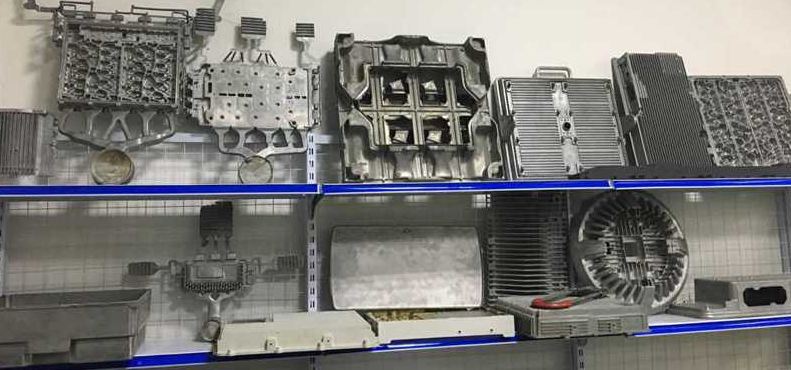
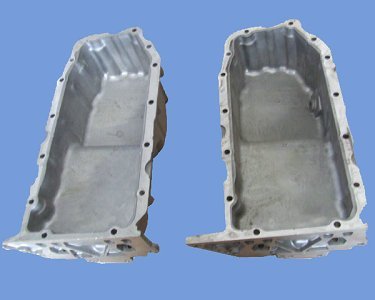
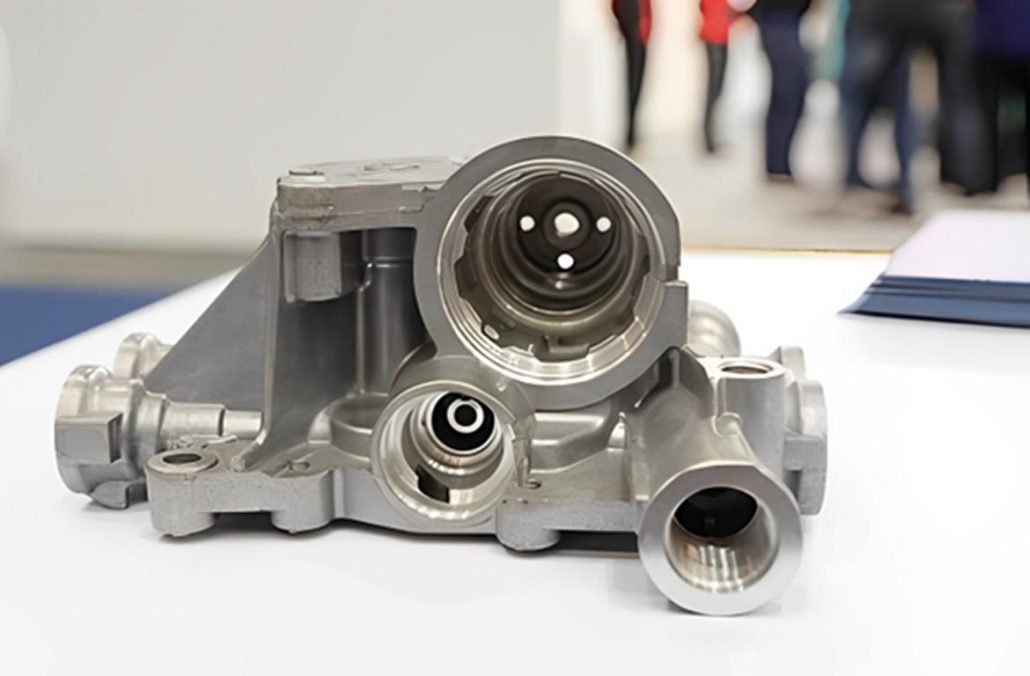
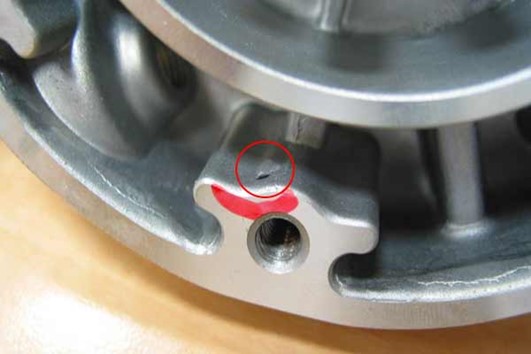
High-pressure die Casting (HPDC) is one of the most frequently utilized metal casting processes in current manufacturing. Manufacturers choose HPDC because it enables the production of complex metal parts that achieve both high precision and rapid production rates superior dimensional accuracy and smooth finishes. HPDC enables automotive and aerospace industries and the production of electronics components and consumer goods to manufacture lightweight durable parts for applications like engines and housings, structural elements, and mechanical assemblies. The manufacturing process of high-pressure die casting faces numerous risks that create substantial defects that decrease product quality while shortening the lifespan and compromising performance. Various defects form from improper mold design, turbulent molten metal flow, trapped gases, inconsistent cooling rates, and thermal stress during the production process. HPDC technology encounters seven primary defects which include porosity, cold shuts, shrinkage defects, flash formation, surface defects, misruns, die erosion, and soldering. These types of manufacturing defects cause deterioration of material strength while producing irregular dimensions and undesirable visual effects which can instigate component breakdown. Manufacturers combat production problems through the optimization of processing parameters and better-undermining methods along with controlled temperature systems and vacuum-assisted casting procedures. Real-time monitoring and simulation software are advanced quality control methods with further efficiency and reliability in the die-casting process. This article provides a comprehensive analysis of standard manufacturing issues during high-pressure die-casting technology with explanations of root causes and solution strategies to decrease these defects. It is only by understanding these challenges and applying best practices that manufacturers can improve the quality, longevity, and, of course, the performance of their die-cast components and simultaneously cut down on waste, and production costs. Proficiency in these manufacturing defects will assist die-casting engineers, production managers, and quality control specialists to optimize their processes for the best die-casting outcomes. 1. Porosity Porosity is defined by small holes or gas inclusions found within the metal matrix, and as a result, affects the mechanical properties, decreasing the strength, including allowing for air and gasses to pass through the structure, and leading to visible surface defects in die-casted products. Causes: Prevention & Solutions: 2. Cold Shut A cold shut is created when two streams of molten metal do not fuse properly and form weak bonding areas or visible seams in the casting. This defect not only decreases the mechanical strength but also increases the risk of a fracture, as well as negatively affects the component’s durability and appearance. Causes: Prevention & Solutions: 3. Shrinkage Defects Shrinkage defects occur due to shrinkage of metal during cooling which leads to internal voids or cavities, which deteriorate the structural integrity of casting. As a result, these defects reduce the mechanical strength of the final product, cause potential failure under stress, and cause poor surface quality, thus affecting both the functionality and aesthetics of the final products. Causes: Prevention & Solutions: 4. Flash Formation Excess thin metal layers formed at the parting line or die gap due to high-pressure metal escape are referred to as flash. Although flash can be trimmed off post-casting, over-flash leads to increased material waste, tool wear, and associated production costs and thus reduces the overall efficiency of the die-casting process. Causes: Prevention & Solutions: 5. Inspection of Surface Defects (Blisters, Crack and Wrinkles) A variety of surface defects, blisters, cracks, and wrinkles, degrade the visual appearance and mechanical strength of the casting and need to be prevented and eliminated. It causes weld defects that reduce the durability of the product, increase the rejection rate, and make the product stick poorly after post-casting treatments such as painting or coating. Causes: Prevention & Solutions: 6. Inclusions and Contamination Unwanted foreign particles, such as slag, oxide films, dirt, or other impurities, which are trapped in a final casting, create poor mechanical properties, weak structural integrity, and surface defects and are called inclusions. The presence of these contaminants can reduce die-cast component performance and durability so that they are not suitable for high-precision applications. Causes: Prevention & Solutions: 7. Misruns and Incomplete Fill A misrun occurs where there is a short filling of the mold cavity, which causes missing sections, thin walls, and weak points in the final component. Negative effects on the structural integrity and functionality of the part and in this way unsuitable for performance applications. Causes: Prevention & Solutions: 8. Die Erosion and Wear Molten erosion dies wear is the loss of the mold surfaces due to the high-speed metal continuously wearing the mold part surfaces until the required dimensions are achieved, which results in poor surface finish and short mold tool life. If this defect occurs, die replacement is common and consequently, production costs increase while casting quality varies. Causes: Prevention & Solutions: 9. Hot Cracking Cracks that occur during the semi-solid state of the metal, is due to high thermal stress and excessive shrinkage are known as hot cracking. These cracks degrade the mechanical integrity of the casting that is increase the chance of failure of the casting at the place where the cracks are present under stress or load. Causes: Prevention & Solutions: 10. Soldering The molten metal adheres to the die surface, which is difficult to remove with casting, causing surface defects, die wear as well as prolonged production downtime. Dimensional inaccuracies and poor surface finish are also caused by this defect, as it results in the overall compromised quality of the final product. Causes: Prevention & Solutions: Conclusion The high-pressure die casting is a powerful manufacturing process that creates complex metal parts at high accuracy at maximum efficiency. However, different kinds of defects arise using improper process parameters, material issues, and/or mold design flaws. Manufacturers can take preventive measures, e.g. optimal process control mold, properly selected material, etc., after understanding these usual manufacturing defects. A company can improve product quality, lower production costs, and achieve higher production efficiency in die-casting operations by emphasizing continuous process improvement as well as defect prevention strategies. Frequently Asked Questions (FAQs) 1. What are the major reasons for defects in high-pressure die casting? The main causes
At vælge den rigtige legeringsstøbningsvirksomhed: En komplet guide

At vælge den rigtige legeringsstøbningsvirksomhed: En komplet guide

trykstøbning af aluminium, Trykstøbningsvirksomheder

Alloy die casting is essential to the manufacturing industry because it relies heavily on high precision, durable, and cost-effective metal components. In a revolutionary impact on modern manufacturing, this process has made possible the mass production of intricate metal parts to a very high standard of accuracy and consistency. By specialized companies which as alloy die casting companies, in service industries which as automotive, aerospace, electronics, medical, and heavy machines for building tailor resultant metal components in their specific areas of needs. A professional alloy die casting company makes use of the latest technologies and high-quality materials coupled with a strict quality control process to deliver your products that suit industry standards. If choosing the right company matters, you may choose, one way or another, between a truly reliable product that will last for years and a faulty component that will fail early. The article gives you a detailed overview of Alloy die casting, emphasizing its importance, benefits and the most essential factors to consider when choosing the best Alloy die casting company. Alloy die casting knowledge is essential if you’re a manufacturer seeking the manufacture of precisely engineered parts or a business in search of economic manufacturing options. What is Alloy Die Casting? The metal manufacturing process in which molten metal is injected into a mold (die) under high pressure is called alloy die casting. Implementation of this method is widely used for the production of complex shapes with tight tolerances. The common use of various metal alloys, such as aluminium, zinc, and magnesium, in die casting is because of their good strength properties and corrosion resistance. Types of Alloys Used in Die Casting Alloys used in die casting have a great effect on the selections in the process of die casting, it leads directly to the strength and weight, corrosion resistance and overall performance of the final product. Alloys that differ vary by different industries based on their mechanical properties, durability, and the end use necessary to them. The most commonly used alloys in die casting are mentioned below. 1. Aluminum Alloys A good thermal conductivity, combined with corrosion resistance and lightweight strength, means aluminium die casting is preferred by researchers and manufacturers the world over. In industries that require durable and relatively light components, this alloy type is used. Key Features: Applications: 2. Zinc Alloys Since it has high strength, low melting point and excellent precision, zinc is another commonly used alloy in die casting. For manufacturing small, detailed parts it is ideal. Key Features: Applications: 3. Magnesium Alloys Its lightness makes it extremely suitable to be used for industries seeking to cut weight without compromising on strength, hence this metal is named magnesium. Key Features: Applications: 4. Copper-Based Alloys Brass and bronze are examples of copper-based alloys which are high electrical conductors, corrosion resistant, and good wear resistors. Such alloys are used for applications where the electrical and thermal performance have to be superb. Key Features: Applications: Benefits of Working with a Reliable Alloy Die Casting Company The right alloy die company allows you to select high-quality products that follow industry standards. Here are the key benefits: 1. High Precision and Consistency A top die-casting company has good machinery and rigorous quality control measures to produce the dimensions with very few defects. 2. Cost-Effectiveness Die casting is a very efficient process that also reduces the material and energy costs of the final product significantly compared to other metal-forming processes. 3. Customization and Versatility A custom solution-based casting company is a reputable company that provides custom solutions that are based on particular industry necessities and provides different alloy options. 4. Faster Production and Short Lead Times Automated systems are used in modern die-casting companies to increase their speed of production and meet strict deadlines. 5. Durability and Strength Alloy die-cast parts are well known to be very durable, and thus suitable for use under demanding conditions. How to Choose the Best Alloy Die Casting Company When you select a die-casting manufacturer, you should consider the following: 1. Experience and Industry Expertise Check with the company’s track record, if it had experienced years doing alloy die casting, if its attempt in your industry was proven. 2. Quality Certifications and Standards Make sure the business follows the codec of the industry which might be: 3. Advanced Technology and Equipment To maintain accuracy and reduce the need for physical labor, a modern die-casting company will employ such equipment as a CNC machine, vacuum cast, and robotic automation. 4. Material Selection and Customization Have a company with multiple alloy options and customization so you can find the specific design that your company offers. 5. Strong Supply Chain and On-Time Delivery Efficient logistics and speedy delivery of products are brought about by reliable suppliers. 6. Prototyping and Testing Capabilities Very critical is to prototype and with rigorous quality testing (X-ray inspection and tensile strength) on the product. 7. Competitive Pricing Although price must not be the only consideration, a good die-casting firm can offer competitive prices without sacrificing quality. Industries That Rely on Alloy Die Casting 1. Automotive Industry 2. Aerospace Industry 3. Electronics Industry 4. Medical Equipment 5. Consumer Products Challenges in Alloy Die Casting and How Companies Overcome Them Alloy die casting is a well-known manufacturing process, which faces some challenges and that have an impact on quality, cost and sustainability. Innovative solutions are also implemented by leading alloy die-casting companies to overcome these problems resulting in high-quality production, optimized costs as well and minimized impact on the environment. 1. Managing Porosity and Defects Porosity is one of the most common problems encountered in die casting where gas bubbles or shrinkage cavities occur inside the metal. It can also reduce the structural integrity of the part and impact functionality. This would be addressed by manufacturers using the use of vacuum-assisted die casting, entrapping a minimum amount of air and improved metal density. Moreover, the porosity can be reduced by using pressure-tight casting techniques, design of the mold and proper

Leverandør af trykstøbning: Proces, applikationer og vigtige overvejelser

Leverandør af trykstøbning: Proces, applikationer og vigtige overvejelser

Producent af trykstøbning, Trykstøbningsproces

It is one of the widely used metal manufacturing processes, and it is highly efficient: producing high precision, durable, and complex components for many Industries. It injects molten metal, like aluminium, Zinc, or magnesium, inside of a steel mold (die) at very high pressure. It provides uniformity, internal strength and smashing surface finishes making it the right choice for use in automotive, aerospace, electronics, medical equipment, as well as consumer goods. A die-casting supplier is a very important company for the manufacture of high-quality parts that satisfy the industry requirements. They are suppliers, who are especially involved in designing, manufacturing and finishing the components or parts utilizing metal with strict tolerances and intricate geometries. Choosing the right supplier matters a lot for the success of any die-casting project as a good supplier should possess adequate expertise, state-of-the-art technology, and a history of successfully delivering precise and low-cost parts.Die casting is efficient in mass production and produces lightweight, yet strong parts, and as a result, the demand for die casting is increasing worldwide. Examples include reducing the weight of a vehicle, and enhancing fuel efficiency, through the use of die-cast aluminum and magnesium components in the automotive industry. In the same way, the electronics industry employs die casting to make heat sinks, enclosures and structural parts that are prone to high durability and electrical conductivity. When looking for a die-casting supplier, one should consider not only manufacturing capabilities but, more importantly, their quality control process, material expertise, and anything that may be left up to the supplier, such as machining, coating, and finishing. This provides a well-established supplier, therefore, reducing lead times, minimal defects and cost-effective production.  In this article, the die-casting process, materials used, the applications, advantages and important considerations of choosing a die-casting supplier are covered. Metal parts required to meet industrial applications need high performance and a reliable supplier fulfils this criterion for both small-batch production and large-scale production. The Die Casting Process: Step-by-Step Guide 1. Mold Preparation Mold (die) preparation and design accompany the initial step of this process. The two-part steel dies consist of a stationary cover die section and the movable ejector die section. Applied lubrication helps the molded flow metallic material smoothly while stopping the material from clinging. 2. Molten Metal Injection The chosen metals aluminum and zinc along with magnesium undergo high-temperature melting. Due to high pressure between 1,500 to 25,000 psi the molten metal enters the mold cavity. High injection pressure produces both accurate and even parts with low levels of flaws. 3. Cooling and Solidification The molten metal quickly reaches solid form during this process when forming parts to their designated shape. The components achieve superior high-strength properties because of the fast cooling process. 4. Ejection of the Part After metal solidification, the mold opens while ejector pins extract the completed part from its chamber. One mold cycle ends when it closes before starting another round of production. 5. Trimming and Finishing Machinists remove all undesirable remnants including flash and both sprees and runners from the part. The component requires supplementary finishing actions which involve sandblasting together with powder coating and anodizing operations to develop superior looks alongside functionality. Differences between Hot Chamber and Cold Chamber die-casting The die-casting process operates in either hot chamber die-casting or cold chamber die-casting formats. The main difference exists in how molten metal receives treatment before mould injection during these two techniques. The two methods differ in specific strengths together with restrictions which make them suitable for particular materials and production needs. The following section provides an elaborate comparison between hot chamber die-casting systems along cold chamber die-casting systems. 1. Process Overview Hot Chamber Die Casting • It requires a built-in furnace, which keeps the metal in a molten state. • Injection system is immersed in the molten metal, sucking it through the injection of a center and supplying it to the mold cavity. • The process is faster since there is no need to convey the metal from an independent melting station as in other processes. Cold Chamber Die Casting • Utilizes an external furnace for heating the metal to produce the required change in its state. • The molten metal is either ladled manually or automatically into the injection system and then it is injected into the mold. • The process is slower than the hot chamber one because the extra step of transferring molten metal takes time. 2. Suitable Metals Hot Chamber Die Casting • Like metals that melt below this temperature such as those that are not suitable to erode the injection system. • Common raw materials include: zinc, magnesium, lead and tin. Cold Chamber Die Casting • Applied to work with metals that have high a melting point which tends to deform the hot chamber system. • Common materials: aluminum, brass, copper, and magnesium alloys. 3. Production Speed Hot Chamber Die Casting • Higher speed of operations normally ranging between 5 to 15 operation cycles per minute. • The direct metal feed helps in avoiding the use of the ladling process in the making of the product. Cold Chamber Die Casting • Some of the disadvantages are the slow cycle times because of manual or fully automated metal transfer. • Other factors may take longer in the cooling and solidification process in this case with some of the alloys. 4. Equipment Durability Hot Chamber Die Casting • The submerged injection system has short service life since it deals with low-melting-point metals. • Longer equipment lifespan with proper maintenance. Cold Chamber Die Casting • Wear and tear increases with the rise in high temperatures especially in the case of aluminum and copper alloys. • Furniture and equipment may last for a shorter time and, therefore, may need constant replacement and maintenance. 5. Cost and Efficiency Hot Chamber Die Casting • High production since the time taken to complete a production cycle is short. • Lower operational costs because of integrated metal handling. Cold Chamber Die Casting • Increased energy costs by

Engros producent af aluminiumsstøbning

Dele til trykstøbning

Producent af trykstøbning, Dele til trykstøbning

Machining and Finishing Operations For Ready-To-Assemble Die Casting Parts. Over 20 years, CNM die casting company, Incorporated has provided high-quality aluminum, magnesium, and zinc die casting parts and services. CNM TECH specializes in the design, engineering, and production of complex die-cast parts in a broad range of sizes. Our experienced team of engineers, technicians, designers, machinists, finishers, and production staff excel at producing precision castings that are meticulously machined to tight tolerances, finished to customer specifications, and delivered ready for assembly. Regardless of quantity, part type, alloy, cast-and-trim to cosmetic finish, CNM TECH is a solution driven die-casting partner that works with you to produce the best possible products cost-effectively and efficiently. In order to supply ready-to-assemble component die casting parts, CNM TECH Die Casting manufacturer maintains a fully-equipped production machine shop. It’s staffed with machinists experienced in working with aluminum and zinc. Here, modern machine tools, supported by regular maintenance and a statistical process control program, can turn out production quantities of high-quality parts to meet your manufacturing schedules. CNM TECH has the capability of handling machining requirements where tolerances must be held to a few ten-thousandths of an inch and where production quality control records must be provided. CNM TECH also maintains close working relationships with local suppliers of a variety of finishing services such as plating, anodizing and painting. This assures you of a smooth flow of work through a single, responsible source and, at the same time, provides access to a wide variety of finishing options. Inventory capabilities to meet your just-in-time production needs. CNM TECH warehouses parts inventories for customers with just-in-time production schedules. Once a predetermined inventory level has been established, we can set manufacturing schedules to maintain the stock you require. Actual parts delivery is aided by our central location and easy access to interstate highways. Let’s talk about the difference that quality can make in your die casting parts. If you’re interested in lowering your current casting reject rate or if you feel your part quantities are reaching a volume that can justify die casting, please give us a call. We’ve invested a lot of ourselves in maintaining tight quality control standards and we’d like to put that investment to work for you. Finished parts can be packed to any specification for timely delivery anywhere in the country. CNM TECH’s location puts the entire upper Midwest within the overnight delivery time.  

Trykstøbning af aluminium

Kina Trykstøbningsservice

trykstøbning af aluminium, trykstøbningsfirma, Producent af trykstøbning, Trykstøbning af zink

Capacity To Meet Your Aluminum, Magnesium, Zinc and Vacuum Die Casting Needs. Aluminum Die Casting Providing high-quality Aluminum die casting parts at competitive prices requires modem die casting equipment. To reduce the effects that extreme cooling temperatures have on dies CNM TECH is converting its die cooling system from water to oil. Oil maintains a warmer die temperature that contributes to a more uniform casting and extends die life, an important factor in part costs. CNM TECH Die Casting company is adapting robotic controls to the operation of die casting machines. This permits a substantial increase in production rates, important in both controlling costs and meeting delivery requirements. It also allows us to use our people in ways which make better use of their skills and experience. To lower production costs, CNM TECH Die Casting manufacturer has developed and patented, new, low volume, energy efficient aluminum melting furnaces. Since aluminum can be melted efficiently in small quantities, it allows the company to supply casting machines with different alloys of aluminum simultaneously. Casting machines don’t have to stand to wait for a large furnace to supply the proper alloy. Schedules aren’t built around what alloy is in the furnace. Zinc Die Casting For applications where high impact strength, low cost and close dimensional limits are important design considerations, zinc die casting plays an important role. Zinc normally permits higher production rates than aluminum and parts can be designed with thinner cross-sections. The resulting parts are highly resistant to corrosion and receptive to a variety of beautiful finishes. High rates of production and uniform quality are maintained by die casting machines with automatic extractors. Vacuum Die Casting Vacuum die casting is preferred by many casting buyers because it results in a less porous part. CNM TECH’s Vert-a-Cast machines, with a clamping force of 400 tons, are capable of producing castings automatically at a much faster pace than manually-operated horizontal machines. Vacuum die casting, a CNM TECH capability for ten years, is often the only economical way to meet critical porosity specifications. Maintenance, repair, changes and corrections on dies are accomplished promptly in CNM TECH’s fully-equipped tool and die shop. Alloy materials are melted, fluxed and cleaned in the central furnace before being transferred to die casting equipment. If you have any die casting requirement, you are welcome to send us your requirement for a quotation.

Dele til trykstøbning

Trykstøbte dele af høj kvalitet

Trykstøbningsvirksomheder, trykstøbningsfirma, Producent af trykstøbning, Dele til trykstøbning, Trykstøbning af zink

Your High-Quality Source For Aluminum, Magnesium and Zinc Die Castings; Machined and Finished, Ready For Assembly. Setting product quality as the company goal, CNM Die Casting has risen to the top of its industry during the past ten years. Die casting buyers to look to CNM TECH to help reduce reject problems they have encountered with other component part suppliers. A manufacturer of natural gas valves experienced reject levels of up to 40% until they were cast by CNM TECH. Now, very few of their parts fail to meet a rigorous 100% testing level for pressure leaks. Quality based on engineering experience At CNM TECH Die Casting company, quality begins with experienced engineering assistance. Consultation on part design and aluminum alloy selection are part of the service. Sometimes minor changes in part design can increase production rates and eliminate potential quality problems. The end result is a better part at a lower unit cost. To be sure finished die casting parts to meet alloy specifications, both incoming materials and finished product samples are checked on the Jarrell-Ash spectrometer. Quality that moves with production instead of just a final part check Production starts after a final part design is accepted. Our quality control program then begins a series of checks to determine that the part has been produced within the specified tolerances. First, alloys are tested to make sure they meet our customer’s specifications. Then, statistical sampling during the casting and machining processes provides an early warning of manufacturing defects and helps to prevent the production of defective finished parts. Inspection frequencies can be predetermined by the job requirements to make certain that the parts you receive are parts you can use. A Three Coordinate Measuring Machine (CMM) allows completed part dimensions to be checked against computer-stored specifications to assure that accuracy has been maintained throughout the entire production run. Fatigue testing for completed parts can also be carried out under simulated operating conditions if required by the customer. Whether your specifications call for pressure tightness, critical dimensions and details, or freedom from subsurface discontinuities, CNM TECH quality assurance people have the equipment and training for the job. A regular inspection program on casting and machining equipment helps us maintain close tolerances. Equipment that’s in top operating condition benefits our customers in both reduced costs and shorter lead times. In-plant maintenance personnel can quickly correct machine problems and smooth production flow. This online catalogue will introduce you to our capabilities and give you a brief tour of our facility. Over 150 employees share our interest in providing on-time delivery of ready-for-assembly die casting parts and our objective of striving for the highest quality. CNM TECH engineers are available for consultation at early design stages to help assure finished parts meet tolerance and quality requirements while making economical use of die casting processes. The dimensional coordinate measuring machine is used to measure castings against specified tolerances. Proven, rigid quality assurance techniques applied at CNM TECH Die Casting manufacturer can meet the most demanding industrial standards.

Del til trykstøbning under højt tryk

Hvad er trykstøbning?

trykstøbning

What is die casting Die casting is a manufacturing process for producing accurately dimension, sharply defined, smooth or textured-surface metal parts. It is accomplished by forcing molten metal under high pressure into reusable metal dies. The process is often described as the shortest distance between raw material and finished product. The term, “die casting,” is also used to describe the finished part. The term “gravity die casting” refers to castings made in metal molds under a gravity head. It is known as permanent mold casting in the U.S.A. and Canada. What we call “die casting” here is known as “high pressure die casting” in Europe. How are die castings produced First, a steel mold capable of producing tens of thousands of castings in rapid succession must be made in at least two sections to permit removal of castings. These sections are mounted securely in a machine and are arranged so that one is stationary (fixed die half) while the other is moveable (injector die half). To begin the casting cycle, the two die halves are clamped tightly together by the die casting machine. Molten metal is injected into the die cavity where it solidifies quickly. The die halves are drawn apart and the casting is ejected. Die casting dies can be simple or complex, having moveable slides, cores, or other sections depending on the complexity of the casting. The complete cycle of the die casting process is by far the fastest known for producing precise non-ferrous metal parts. This is in marked contrast to sand casting which requires a new sand mold for each casting. While the permanent mold process uses iron or steel molds instead of sand, it is considerably slower, and not as precise as die casting. Types of machines for die casting Regardless of the type of machine used, it is essential that die halves, cores and/or other moveable sections be securely locked in place during the casting cycle. Generally, the clamping force of the machine is governed by (a) the projected surface area of the casting (measured at the die parting line) and (b) the pressure used to inject metal into the die. Most machines use toggle type mechanisms actuated by hydraulic cylinders (sometimes air pressure) to achieve locking. Others use direct acting hydraulic pressure. Safety interlock systems are used to prevent the die from opening during the casting cycles. Die casting machines, large or small, very fundamentally only in the method used to inject molten metal into the die. These are classified and described as either hot or cold chamber die casting machines. Hot Chamber die casting machines Hot chamber machines (Fig.1) are used primarily for zinc, and low melting point alloys which do not readily attack and erode metal pots, cylinders and plungers. Advanced technology and development of new, higher temperature materials have extended the use of this equipment for magnesium alloy die casting. Figure 1: Hot Chamber Machine. Diagram illustrates the plunger mechanism which is submerged in molten metal. Modern machines are hydraulically operated and equipped with automatic cycling controls and safety devices. In the hot chamber machine, the injection mechanism is immersed in molten metal in a furnace attached to the machine. As the plunger is raised, a port opens allowing molten metal to fill the cylinder. As the plunger moves downward sealing the port, it forces molten metal through the gooseneck and nozzle into the die. After the metal has solidified, the plunger is withdrawn, the die opens, and the resulting casting is ejected. Hot chamber machines are rapid in operation. Cycle times vary from less than one second for small components weighing less than one ounce to thirty seconds for a casting of several pounds. Dies are filled quickly (normally between five and forty milliseconds) and metal is injected at high pressures (1,500 to over 4,500 psi). Nevertheless, modern technology gives close control over these values, thus producing castings with fine detail, close tolerances and high strength. Cold Chamber die casting machines Cold chamber machines (Fig. 2) differ from hot chamber machines primarily in one respect; the injection plunger and cylinder are not submerged in molten metal. The molten metal is poured into a “cold chamber” through a port or pouring slot by a hand or automatic ladle. A hydraulically operated plunger, advancing forward, seals the port forcing the metal into the locked die at high pressures. Injection pressures range from 3,000 to over 10,000 psi for both aluminum and magnesium alloys, and from 6,000 to over 15,000 psi for copper base alloys. Figure 2: Cold Chamber Machine. Diagram illustrates die, cold chamber and horizontal ram or plunger (in charging position). Die casting provides complex shapes within closer tolerances than many other mass production processes. In a cold chamber machine, more molten metal is poured into the chamber that is needed to fill the die cavity. This helps sustain sufficient pressure to pack the cavity solidly with casting alloy. Excess metal is ejected along with the casting and is part of the complete shot. Operation of a “cold chamber” machine is a little slower than a “hot chamber” machine because of the ladling operation. A cold chamber machine is used for high melting point die casting alloys because plunger and cylinder assemblies are less subject to attack since they are not submerged in molten metal. Die casting and their construction Die casting dies (Fig. 3) are made of alloy tool steels in at least two sections called fixed die half and ejector die half. The fixed die half is mounted on the side toward the molten metal injection system. The ejector die half, to which the die casting adheres, and from which it is ejected when the die is opened, is mounted on the moveable platen of the machine. The fixed die half of the die is designed to contain the sprue hole through which molten metal enters the die. The ejector half usually contains the runners (passageways) and gates (inlets) which route molten metal to the cavity (or cavities) of the die. The ejector

Hvad er gravitationsstøbning?

Støbning af aluminium, støbeforme af aluminium, trykstøbning af aluminium, trykstøbning, trykstøbning af aluminium, Trykstøbningsvirksomheder, Trykstøbningsform, Dele til trykstøbning, Støbning ved hjælp af tyngdekraft, sprøjtestøbeform Kina, Fremstilling af sprøjtestøbeforme

Forskellen mellem aluminiumsstøbning og tyngdekraftsstøbning Aluminiumsstøbning er mere end bare en undskyldning for at lege med smeltet metal, det er faktisk en fantastisk måde at skabe kunst og komplicerede maskiner eller andre ting på, som ellers ville være næsten umulige at lave. Aluminiumsstøbning er virkelig en god måde at spare penge på ... mens man leger med smeltet metal. Grunden til, at trykstøbning i aluminium har overlevet tidens tand, er et spørgsmål om effektivitet. Nogle af de tidligste eksempler på støbning er fundet i Kina og går tusinder og atter tusinder af år tilbage. Faktisk praktiserede alle større civilisationer fra egypterne til romerne aluminiumsstøbning. Denne færdighed kom på mode igen i renæssancen og er fortsat med at udvikle sig derfra. Mens sandstøbning er den mest populære støbeproces, er der mange, mange flere processer til rådighed for baggårdsstøberierne. Det er ikke alle, der skal støbe tunge emner som motordele eller støbe deres egne motorcykler. Så dem, der bare vil lave pyntegenstande, vil ikke bruge den samme støbeproces som disse tunge støbegods. For kunstnere, der laver små statuer eller udsmykninger, og for hobbyfolk, der har brug for et dekorativt touch til deres modelfly eller -båd, kan det være en god idé at overveje at bruge tyngdekraftsstøbning til deres behov. Hvad er gravitationsstøbning Gravitationsstøbning synes at være særlig nyttig, når man har med aluminium og andre lette legeringer at gøre. Den grundlæggende idé bag denne støbeproces er stort set præcis, hvad navnet antyder. Metallet føres ind i formen ved hjælp af tyngdekraften. De fleste andre støbeprocesser bruger enten naturlige trykforskelle som i visse sandstøbningsprocedurer, eller de bruger tvangstryk som i centrifugalstøbning for at få det smeltede metal ind i formen. En af de mest almindelige anvendelser af gravitationsstøbning er, når der skal bruges permanente støbeforme. Den permanente form, der også kaldes en matrice, er egentlig kun økonomisk for dem, der planlægger at bruge den samme form mange gange og skal holde kvaliteten på et konstant niveau. Mens nogle midlertidige forme kan bruges gentagne gange, vil kvaliteten af det færdige produkt begynde at lide over tid. Med støbeforme forbliver kvaliteten den samme. Støbeforme skal ses som en investering. Ja, de vil være dyrere end andre forme, men de vil holde længere end billigere former. Permanente støbeforme skabes ved hjælp af støbejern, stål og andre metaller. Tyngdekraftsstøbning bruges til den permanente formproces med behagelige resultater. Tyngdekraftsstøbning bruges normalt, når det færdige produkt er mere visuelt baseret end strukturelt baseret, og derfor er denne metode en favorit blandt kunstnere og endda nogle guldsmede. Tabet af styrke skyldes det manglende tryk, der bruges i denne proces. For dem, der har brug for styrke, men stadig ønsker at bruge tyngdekraftsstøbning, skal der bruges mere af det smeltede metal, hvilket øger vægten. gå til https://www.aludiecasting.com/ for at få mere at vide om tyngdekraftsstøbning Det kræver tålmodighed at stole på tyngdekraften, selv om det er nødvendigt for større produkter. Hvis du har brug for tyngdekraftstøbning eller aluminiumsstøbning, magnesiumstøbning eller zinkstøbningstjeneste til din virksomhed. Du er velkommen til at sende os dit krav om tilbud, du behøver kun at sende os dit 3D-design og dit krav, så kan du læne dig tilbage, og vi vil gøre der resten for dig, for at arbejde med os behøver du kun at tage sig af markedet på din side, og vi vil være din sikkerhedskopi for at tage sig af leveringstid, forsendelse, kvalitet og teknisk.

Trykstøbning

Støbning af aluminium, støbeforme af aluminium, trykstøbning af aluminium, trykstøbning, trykstøbning af aluminium, Trykstøbningsvirksomheder, Trykstøbningsform, Dele til trykstøbning

Find de rigtige kilder til trykstøbning af aluminium Leder du efter de ultimative trykstøbningstjenester af høj kvalitet til din virksomhed? Nå, du har bedre brug for at ansætte den rigtige tjenesteudbyder, der skal være erfaren inden for det samme domæne. Ja, det er meget nødvendigt at investere noget tid, der kan tilbyde resultater af meget høj kvalitet, og det er ved at betale det meget overkommelige beløb. Før vi taler om, hvordan man finder den rigtige virksomhed, er det meget nødvendigt at vide mere om trykstøbning. Nå, dette er den vigtigste produktionsteknologi, der bruges af mange industrier, der leder efter alle mulige dele til at påbegynde arbejdet, og til det er det nødvendigt at gå med aluminiumsstøbningsprocessen. Ved hjælp af trykstøbningsform hjælper det med at støbe kompleksiteten i metalstoffet nøjagtigt på samme måde som du ønsker at have. Ja, det endelige produkt kan have stort set enhver størrelse afhængigt af hvad designeren ønsker, og der er således intet umuligt for de bedste og store tjenesteudbydere overhovedet. Når det kommer til at finde en rigtig tjenesteudbyder til aluminiumsstøbedele, skal du hellere investere tid over nettet og finde ud af den mest erfarne, pålidelige og venlige tjenesteudbyder for at imødekomme de nøjagtige krav uden fejl. Du må også hellere finde ud af nogen, der let kan arbejde på alle tilpassede krav fra kunderne, såvel som de skal have stor goodwill på markedet. Du kan også undersøge deres tidligere projekter og kontrollere, hvor bedst de er i trykstøbningen, og hvordan de har hjulpet andre virksomheder med at opfylde deres krav. Ikke kun dette, du er endda nødt til at afsløre dem de komplette oplysninger om dine projektkrav og kontrollere, hvor godt de er i at tilbyde dig den korrekte vejledning samt hvilken pris de citerer dig. Du kan endda gøre dette med forskellige kilder og gå op med den bedste, der tilbyder gode tjenester til de bedste priser. At vælge en professionel betyder, at de vil overveje mekaniske egenskaber, herunder trækstyrke, udbytte, slagstyrke, hårdhed og andre forskellige specifikationer på forhånd for at tilbyde dig de bedste løsninger. Ikke nok med det, de professionelle vil hjælpe med at vælge det rigtige metal, hvilket de gør ved at tjekke metallets fysiske egenskaber. Ja, før du går i gang med aluminiumsstøbning, er det meget vigtigt at vide mere om dets ledningsevne, eller hvordan det opfører sig under ekstrem stress eller varme. Fordele bestemmer også sammensætningen af forskellige legeringer, kontrollerer, hvad der er de almindelige anvendelser for det primære element, de tjekker også en komplet liste over trykstøbte legeringer, tjekker de nødvendige egenskaber og alt for at tilbyde dig noget det bedste til at imødekomme dine nøjagtige krav. Hvorfor tjekker du ikke ud for at gå til den foreslåede kilde? Nå, det vil tilbyde dig de bedste tjenester ved at tilbyde dig støbning af metal på kortest mulig tid, vil gøre alt fra bunden, og den bedste del er, at alt vil blive gjort på en budgetvenlig måde. Teknologien forbedres dag for dag, og det er os, der nyder den fuldt ud. I dag kan vi have alle mulige ting for at gøre vores arbejde bedst såvel som at tilbyde os fuld bekvemmelighed og fuldstændig ro i sindet. Bortset fra andre, der taler om trykstøbning, er det en fremstillingsproces, der kan producere geometrisk unikke og umulige metaldele med den bedste brug af genanvendelige forme, kaldet matricer. Trykstøbningsprocessen er meget vigtig, og professionelle sørger altid for at bruge alle de nødvendige ting, kaldet - ovn, metal, trykstøbemaskine, matrice og andre forskellige materialer. Det metal, der bruges her, er altid en ikke-jernholdig legering som zink og aluminium, og senere smeltes det i ovnen og sprøjtes derefter ind i formene i trykstøbemaskinen til fremstilling af meget komplekse metaldele. Det er altid bedre at henvende sig til det rigtige firma for aluminiumsstøbedele, da de altid går med de bedste og autentiske procedurer for at producere noget det bedste. De kan bruge forskellige typer trykstøbemaskiner, kaldet - varmekammermaskiner og koldkammermaskiner til en perfekt trykstøbningsløsning. Varmkammermaskiner bruges til de legeringer, der har lave smeltetemperaturer, som f.eks. zink. Og koldkammermaskiner bruges til de legeringer med høje smeltetemperaturer, som f.eks. aluminium. Begge maskiner fungerer på samme måde, og når de er færdige med det smeltede metal, sprøjter de det ind i formene, venter på, at det køler ned og størkner til den endelige del, kaldet støbningen. Værktøj til trykstøbning af aluminium, også kendt som matricer, er her kun til legering af stålet. Formene er færdige af mindst to sektioner for at muliggøre eliminering af støbning. For at gøre dette er der et særligt behov for den effektive tilgang til trykstøbning, og nogle går med de bærbare dias med visse sektioner, der kan gøres uden problemer for at opbygge den ideelle form, som kunderne kræver af trykstøbere. I proceduren går trykstøbningsværktøjet med den enkle produktion af hullerne gennem den forudbestemte matricehalvdel. Når vi har det smeltede metal, udleveres det derefter i hullet for at tørre i hulrummet, og dette er den bedste måde at få de specifikke dimensioner kontureret i belægningen. Matricer kan også være nødt til at låse stifter, som bruges til at holde to halvdele sammen og til at fjerne den støbte del. Find altid den bedste og mest pålidelige tjenesteudbyder inden for trykstøbning af aluminium, som nemt kan fremstille miniature- til store præcisionskomponenter ved hjælp af det brede udvalg af zinkstøbning, aluminium og magnesiumstøbning. Det er vigtigt at vide, at hver eneste legering har unikke fysiske egenskaber, der matcher din specifikke anvendelse. Det er dog yderst nødvendigt at finde de rigtige eksperter, der kan hjælpe dig med at opfylde dine krav ved at vælge det ideelle materiale til fremstilling af din præcisionskomponent.

Trykstøbning af aluminium

Trykstøbning af aluminium

Støbning af aluminium, støbeforme af aluminium, trykstøbning af aluminium, trykstøbning, trykstøbning af aluminium, Trykstøbningsvirksomheder, Trykstøbningsform, Dele til trykstøbning, trykstøbning under højt tryk, Trykstøbning af magnesium, trykstøbning

Hvad er aluminiumsstøbning Aluminiumsstøbning er en støbning af flydende smedemetode. Trykstøbningsprocessen er en slags speciel højtryksstøbemaskine til at udføre processen. Dens grundlæggende teknologiske proces er: første metal eller aluminiumslegeringsvæske i lav- eller højhastighedsstøbning, der fylder i formhulrummet, dør med en bevægelig type hulrumsoverflade. Det med den flydende aluminiumslegering køleproces tryk smedning blank, både eliminering af krympningsfejl, gør også den grove interne aluminium Die Casting organisation til at smede den ødelagte krystal. Grove omfattende mekaniske egenskaber forbedres betydeligt. Fordele ved trykstøbning af aluminium Metaller og forholdsregler i forbindelse med trykstøbning af aluminium. Forskellige typer aluminiumslegeringer kan bruges i trykstøbning og aluminiumsforme, typer af metoder bruges til aluminiumsstøbeforme, zinkstøbning, aluminiumsstøbning og mange flere Type støbeproces Støbning er processen med at gøre aluminium egnet til fremstilling af forskellige typer produkter. Det er en enkel og billig måde at fremstille en bred vifte af aluminiumsprodukter på. Nogle af eksemplerne er Washington Monument, bilmotorer og kraftoverførsler osv., som alle blev produceret ved hjælp af aluminiumsstøbningslegeringer. Aluminiumsstøbning kan udføres på 3 måder: - Aluminiumsstøbning Formstøbning Sandstøbning STØBNING Formstøbning er en fremstillingsproces til produktion af metaldele. Ved trykstøbning skabes formhulrummene med hærdet værktøjsstål, der tidligere er blevet bearbejdet til en bestemt form. Her i trykstøbning smeltes aluminium først og hældes i en stålform under højt tryk med stor kraft. Denne fremstillingsteknik bruges normalt til produktion af store mængder, og processen kaldes normalt højtryksstøbning eller trykstøbning MOLD CASTING Om formstøbning kan formen og kernerne være af enten stål eller et hvilket som helst andet metal. Også her smeltes aluminium først og hældes i den medfølgende form. Nogle gange anvendes der også vakuum. I nogle situationer synes permanent formstøbning at være stærkere end både trykstøbning og sandstøbning. Semi-permanente formstøbningsteknikker bruges, når permanente kerner er umulige at fjerne fra den færdige del. SANDSTØBNING: Sandstøbning er den mest alsidige metode til fremstilling af aluminiumsprodukter. Normalt hældes det smeltede aluminium i en form, som nærmest presses ned i en fin sandblanding. Mønsteret vil være lidt større end det, der er nødvendigt for aluminiumskrympningen under størkning og afkøling. Sandstøbning er normalt en langsommere proces end både trykstøbning og formstøbning. Normalt bruges den til produkter i små mængder. Aluminiumsstøbelegeringer Det vigtigste støbte aluminiumsstøbelegeringssystem er Al-Si. Her bidrager høje niveauer af silicium til at give gode støbeegenskaber. Aluminiumsstøbelegeringer bruges i vid udstrækning i tekniske strukturer og komponenter, hvor letvægt eller korrosionsbestandighed er påkrævet. Metoder og fordele ved støbning af aluminium Metaller og forholdsregler i forbindelse med støbning af aluminium Forskellige typer aluminium kan bruges til trykstøbning, producent af aluminiumstøbning og aluminiumstøbning bruges til at dække forskellige typer metaller ved hjælp af forskellige typer metoder. Der er mange metoder, der bruges til aluminiumsstøbning, og der opnås forskellige typer fordele. Ved hjælp af aluminiumsstøbning og aluminiumsstøbning er det muligt at øge metallernes levetid, og disse kan bruges i en lang periode med et fantastisk udseende og charme af metal. Metoder Der anvendes forskellige typer metoder til støbning af aluminium. Det vigtigste er at smelte aluminium. Det kræver høj temperatur at smelte aluminium. Der anvendes særlige strukturer til smeltning af aluminium. Når aluminiumsstøbningen er smeltet, hældes den på målmetallerne. Derefter får den smeltede aluminiumsstøbning lov til at blive hård, og den er klar til at blive brugt efter en vis tidsperiode. Der er specielle beholdere, der er lavet til at blive brugt til smeltning af aluminium. Disse strukturer fås på markedet i forskellige former og størrelser. Du kan også lave disse strukturer derhjemme ved at bruge de ønskede ingredienser. Du har mange muligheder for at lave disse strukturer. Hvis du vil købe denne struktur fra markedet, skal du vælge størrelse og form. Der er mange muligheder med hensyn til størrelser og former, og producenterne opkræver forskellige priser. Arbejdet med disse strukturer er også forskelligt, da nogle bruger brændstoffer, og andre bruger manuel indsats for at få varme for at sikre, at aluminiumstøbning kunne opvarmes og smeltes effektivt. Der opnås høje temperaturer i disse strukturer, og derefter smeltes aluminiumstøbning og bruges derefter på målmetallerne til støbeprocessen. Fordele ved støbning af aluminium Der er mange typer fordele ved støbning af aluminium. Hovedsageligt udføres denne type støbning for at sikre, at metallet kan forblive sikkert mod korrosion. Atmosfæreforhold og fugt er dårligt for jern, og støbning kan hjælpe med at beskytte jern og øge dets levetid. aluminiumsstøbning er i stand til at modstå fugt og andre skadelige virkninger af miljøet, hvorfor det kan bruges på metaller gennem støbning. Det beskyttende skjold er lavet på jern for at sikre, at det kan bruges i lang tid. aluminiumsstøbevirksomheder kan støbes på jern og lave et beskyttende ark. Denne beskyttelse er i form af et skinnende lag, der opnås ved hjælp af høje temperaturer. Dette lag er permanent og ser godt ud sammen med øget styrke og levetid for metal. For det meste støbes jern ved hjælp af aluminium. Dette er en billig proces, og brugeren er i stand til at få fordele, da jernets levetid øges. Konklusion aluminiumsstøbeform kan bruges til støbning af jern og andre metaller. Der er mange metoder til rådighed for denne proces. Ved hjælp af enhver pålidelig metode er brugeren i stand til at få fordele, da metallet reddes fra korrosion og andet.

Rul til toppen

Få et tilbud