trykstøbning af magnesium

Top 10 producenter af trykstøbningsforme i Kina og verden

Top 10 producenter af trykstøbningsforme i Kina og verden

Trykstøbningsvirksomheder

All modern industrial operations require precise manufacturing processes and high efficiency and product quality standards that become most relevant during die casting activities. Metal part formation during die casting predominantly depends on this vital element to create products with stronger performance features. The strategic choice of fitting die casting mold manufacturers by automotive, aerospace, electronics, and consumer goods industries leads to significant business advantages through improved product performance and production efficiency, and market launch programs. The market values aluminum die casting molds because these molds offer the production of lightweight, corrosion-resistant components at high tolerances with minimal post-production requirements. Chinese die casting mold suppliers gain business from numerous manufacturers because they offer reduced production costs and expanded industrial capabilities. Leading-edge die casting mold development occurs through Europeanand  North American industrial leaders and international corporations who work with automated and bespoke solutions to redefine die casting possibilities. The guideline performs a comprehensive assessment of primary die casting mold manufacturers operating across China and worldwide territories to aid in business partnership selection. We choose mold manufacturing companies that demonstrate top-quality aluminum die casting abilities combined with exceptional client support under international quality standards. What is Die Casting? Die casting is a manufacturing process to create metal parts with high precision, with a very smooth surface finish and high tolerance. Molten metal involves forcing the metal under high pressure into a mould cavity, which is typically called a die and ordinarily made of hardened (hard facing) tool steel. Key Features of Die Casting: High Pressure: Pressures in the die range from 1.5 to over 25.0k psi, and molten metal is injected. Reusable Moulds: The dies are strong, durable and used to print high-volume products. Fast Production: It can be completed in seconds, given its small production it, making it very efficient. Precision: Excellent dimensional accuracy and little manufacturing are noted as features of parts. Materials Commonly Used: Since aluminum is strong and lightweight, it is amply used by the industry in automotive parts like motor housings. Types of Die Casting: 1. Hot Chamber Die Casting: 2. Cold Chamber Die Casting: Advantages: Disadvantages: 1. Sincere Tech Year Established: 2005Employees: 200+Business Type: Sincere Tech specializes in mold manufacturing, die casting molds, and aluminum die casting to provide high-quality die casting products. Website and Contact Website: https://www.plasticmold.netEmail: info@plasticmold.netPhone: +86 135 30801277Address: Building 1, No. 30 Huan Zhen Rd, Shang Dong village, Qi Shi Town, Dongguan City, Guangdong province, China, 523000 Company Profile Sincere Tech operates as China’s top mold manufacturing company to create precise die casting molds dedicated to serving the automotive industry and electronics industry, alongside the consumer product sector. The company applies its twenty-year market knowledge to provide high-quality die casting products with advanced production systems. Sincere Tech provides customers with an entire service range that begins with mold design and extends to mold manufacturing services. The China die casting mold supplier, plasticmold.net, operates as Sincere Tech and provides reliable services to its clients. The company operates as an aluminum die casting mold specialist with magnesium and zinc die casting capabilities to provide mold making and CNC machining with complete manufacturing services. Their Quality Commitments For quality delivery at the company to succeed their products must pass verification by quality control systems that check for international standards compliance. The company uses organizational testing combined with inspection systems to confirm compliance of their die casting molds with quality standards across the globe. The organization benefits from both rapid development and high production speed for serving various industrial markets. The operational procedure at the company follows the fundamental requirements of ISO 9001 standards. Why Choose Sincere Tech? 2. GC Precision Mould Year of Establishment: 1999No of Employees: 150+Business Type: GC Mould provides die casting mold manufacturing services exclusively for aluminum die casting and high-pressure die casting. Website and Contact Website: https://www.aludiecasting.comEmail: info@aludiecasting.comPhone: +86 131 4886 5556Address: No. 30 Huan Zhen Rd, Qi Shi Town, Dongguan City, Guangdong province China, 523516 Company Profile GC Precision Mould operates as GC Mould to provide professional die casting mold manufacturing services exclusively for aluminum die casting molds of complex component shapes. The company serves its clients across the globe because of its superior tooling and high-pressure die casting expertise. GC Precision Mould provides die casting products manufactured from aluminum for the automotive sector and industrial market segments, alongside the electronics industry. The company implements complex solution techniques to design aluminum die casting molds that guarantee both high design detail precision and manufacturing productivity levels. Their Quality Commitments The company performs strict quality management checks concurrent with updating its equipment base and production materials. The company’s essential objective consists of manufacturing durable mold components that deliver accurate measurements. The production requirements at GC Precision Mould fulfil the standards of ISO 9001, resulting in sustained top-quality operational processes. Why Choose GC Precision Mould 3. CNM Tech Year of Establishment: 20+No of Employees: 100-400Business Type: CNM Tech is a manufacturer, supplier, and exporter specialized in manufacturing high-tolerance die casting molds while producing casts at a large scale. Website and Contact Website: https://www.diecastingschina.comEmail: info@diecastingschina.comPhone: +86 130 4589 8002Address: Rm 101, No.40, Donghu road, Jinglian, Qiaotou town, Dongguan city, Guangdong Province, China. 523520. Company Profile CNM Tech operates as an experienced China-based company specializing in manufacturing high-tolerance die casting molds while producing casts at a large scale. Through their years of manufacturing aluminum die casting molds, the company supports clients who work in aerospace and automotive, and medical sectors. CNM Tech, as a Chinese die casting mold manufacturer, leads the industry by supplying processing services through die casting molds for aluminum and zinc, and magnesium alloy materials. The company’s ten-year experience in mold making allows it to supply sturdy molds that serve the automotive, electrical, telecommunications, and home appliances markets. Their Quality Commitments The company follows rigorous quality requirements while dedicating itself to permanent improvement procedures. The company obtains ISO 9001 certification together with other worldwide certifications to supply products beyond rigorous requirements. Mold inspection platforms conduct a complete check of each mold before final delivery happens. Why Choose CNM Tech? 4. Bruschi S.p.A. Year of Establishment: 1948No of Employees: 720Business
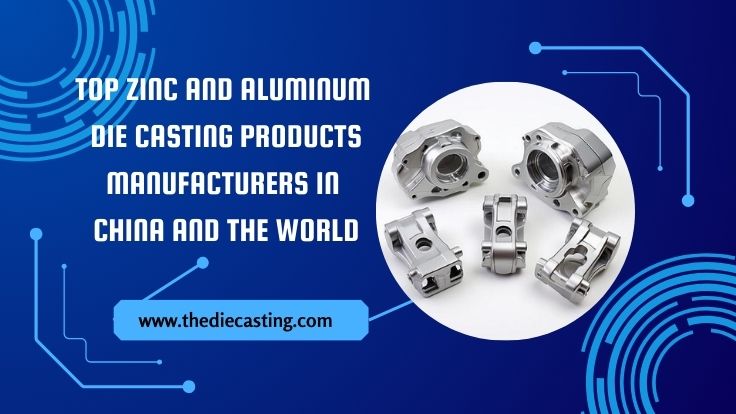
De bedste producenter af trykstøbte produkter i zink og aluminium i Kina og verden

De bedste producenter af trykstøbte produkter i zink og aluminium i Kina og verden

Støbning af aluminium

The die casting has now evolved into a crucial manufacturing step in today’s rapid, pre-precise computer controlled industrial environment. The die-cast parts can be from automobile components to home appliances, aerospace parts, and even consumer electronics etc., which helps rule out the requirement of heavy machining, making the production of complex metal parts at scale through die casting with consistent quality. As industries increase their demand for lightweight, durable, and complex design products, there is a constant demand for high-performance die casting produced from increasingly exotic alloys. Nowadays, industries require increased quality, cost-efficient, and lightweight components, and hence increasing demand on the zinc and aluminum die casting products manufacturers. Zinc and aluminum alloys are used to produce precision parts that are used in automotive engines, aerospace structures, and also as electronic devices. As businesses push towards sustainability, as well as increased performance, suppliers are becoming more and more sought after by businesses that are looking for the consistency of quality and quick turnaround times. With time, the industries grow and increase demand for die castings, the aforementioned technologies need to be exploited by manufacturers to produce more durable, functional, and aesthetically appealing die castings on a global scale. One of the types of die casting materials that you can opt for is zinc and aluminum metals. Among these two materials, they offer unique advantages: strong, cost-efficient, resistant to corrosion, and suitable for a high volume of production. Both zinc die casting products and aluminium die casting products are gaining more and more applications in the related industries all over the world, under the trend of energy efficiency, electric mobility, and sustainable manufacturing. In this article, we take a deep dive into the world of zinc and aluminum die casting, including manufacturers who are based in China, a global hub for manufacturing, and the top companies throughout the world. In this article, before digging into the most important players in the market, we will explore what die casting is and what roles zinc and aluminum play in the process. What is Die Casting? Die casting is a type of metal casting where molten metal is forced under high pressure at high velocity into a steel mold cavity (may be called ‘die’), known as a die, thus giving the name to this casting process. The two common types of these molds are usually made out of hardened tool steel and they are designed in such a way to produce complex high precision components which are otherwise impossible or would cost very high if produced through other means. Key Characteristics of Die Casting The process of die casting is very efficient and agile with large scale production and hence is widely popular in the automotive, aerospace and consumer electronics industries. Types of Die Casting Materials Die casting can be done with different materials, which have various attributes.  The most common metals include: In all of these, the most widely used are zinc and aluminum because of their superior properties, low cost, and versatility. Zinc Casting Products are created by an economical process The die-casting product is made of zinc or zinc-based alloys using the die-casting process. Zinc is easily cast and offers many desirable properties. Zinc has the following key benefits in the die casting process: The products made from zinc die casting are usually hardware components, automotive parts, connectors, locks and some consumer goods. Products Made From Aluminium Die Casting? Aluminium die casting products are those parts which are made by injecting molten aluminum into steel molds under high pressure. Because aluminum is light and does not corrosion, it is very useful for structural purposes when strength and weight matter. Aluminum is useful for die casting due to the following benefits. Amongst this, aluminium pressure die casting products are a subset of the foregoing, which specifically applies to aluminum cast by the high-pressure die casting (HPDC) method. HPDC is utilized widely for the production of engine blocks, transmission cases, electronic enclosures, and much more. What Are Cast Products? Cast products is a general term for any item formed by pouring molten metal into a mold allowing it to Solidified and then removing the formed objects from the mold. Although die casting is one type of casting method, there are certain other types of casting processes such as sand casting, gravity casting, and investment casting. Difference between General Cast Products and Die Casting Products Feature Die Casting General Cast Products Process High-pressure injection Often relies on gravity or manual pouring Precision Very high Moderate Surface Finish Smooth Usually rougher Production Volume High Medium to low Material Waste Low Higher Cycle Time Fast Slower Zinc die casting, however, is a method of creating zinc parts through high-pressure die casting for cases where the requirement of high precision is present, implying that they are not processed through simpler gravity-based casting methods. Why Are Zinc and Aluminium So Popular in Die Casting?  Here are some of the reasons why these two metals are the main contenders in the die casting industry. 1. Economy & Efficiency Zinc and aluminum are quite cheap, probably cheaper than they would be with other alloys used in casting. Moreover, they allow rapid cycle times and long mold life, which reduces manufacturing costs. 2. Versatility Such material can be used to manufacture micro components, large structural parts, or practically anything else that one might imagine. Zinc and aluminum are dependable choices for such things as making intricate gears or lightweight engine parts. 3. Sustainability Both metals are 100% recyclable. Mostly, it works with recycled aluminum and zinc and is called a greener process than casting. 4. Adaptability to Finishing Processes Zinc and aluminum parts can be finished with, among others, painting, powder coating, plating, and anodizing. That gives functional pluses such as corrosion resistance, together with the eye-pleasing qualities. How to Choose the Right Die Casting Manufacturer? The price discovery is less than finding the right supplier. To wrap up, let us first look at the following: 1. Material Expertise Manufacturers

Hvad er gravity die casting?

Hvad er gravity die casting?

Støbning af aluminium

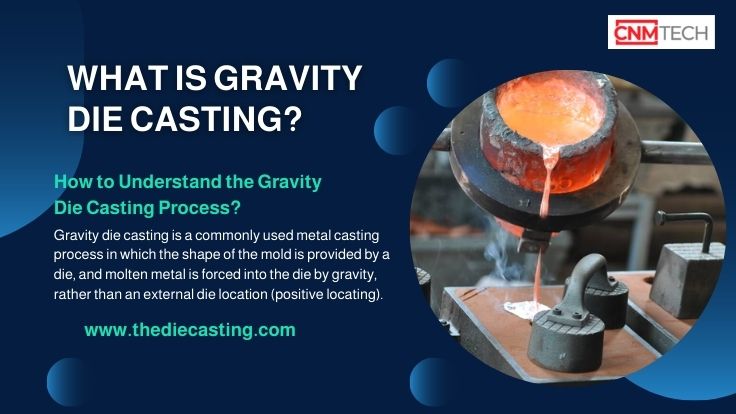
Gravity die casting is a commonly used metal casting process in which the shape of the mold is provided by a die, and molten metal is forced into the die by gravity, rather than an external die location (positive locating). This method differs from high-pressure die casting in that the molten metal is forced into the die under pressure, but using gravity is the only way to feed material into the die. The mold is usually made of durable metals such as steel or cast iron, reusable with high dimensional accuracy and a high surface finish. As well, this technique is very favored in the production of nonferrous metal parts like aluminum, zinc, magnesium, and their alloys. Heating the metal to the metal state and thereafter pouring it into a preheated permanent mold. The molten metal flows toward the gravity and down to the mold cavity, which causes it to fill. Afterwards, the mold is opened and the casting is ejected, which may need to be trimmed, machined, or otherwise treated to improve the surface. One of the most common applications of this process is in aluminum gravity die casting, because aluminum is lightweight, corrosion-resistant, and has good mechanical properties. The technique is extensively used in various industries, including automotive, aerospace, industrial machinery, and consumer goods, to make durable, complex parts, such as engine parts, housings, brackets, and the like. One of the reasons for respecting gravity casting is the ability to cast medium to high volumes of parts of high quality (low porosity) for good mechanical strength. While there are some limitations, such as higher initial tooling costs and less complex products than other casting systems, its advantages make this a suitable and low-cost method for many manufacturing needs. In essence, gravity die casting is a precision, repeatable, and rational material, which is important in modern metal working process. How to Understand the Gravity Die Casting Process? That was an easy, efficient technique at the core of gravity die casting. Preheated metal mold of steel or iron is coated with a release agent, ready to cast, the castings are easily removed. After the mold is ready, molten metal such as aluminum, magnesium or copper alloys, is poured into the mold. In order for the metal to fill the cavity, the mold simply cools and solidifies, with gravity alone. After that, the mold is opened, and the casting is removed. If not, the excess material remains, be it the gate or runner system or some other part, it is cut off, and the casting may be finished by machining or in other ways. Compared to sand casting, moulds in which casts are produced from sand are only used once. The component being cast in a gravity die is significantly improved in terms of production efficiency and product consistency because metal dies in gravity casting can be reused. Various surface finish options for gravity die casting Another of the advantages of gravity die casting is that it can enable parts with smooth, consistent surface finishes directly from the mold. However, other surface finishing techniques (s), depending upon the functional and aesthetic requirements of the final product, may be added to the finishing process to improve the appearance, durability, or prepare the part for further processes such as painting or plating. The most frequently used surface finishes on gravity die-cast parts are listed below: 1. As-Cast Finish It is the natural surface resulting directly from the casting process. If prepared properly, however, and process conditions are optimum, gravity casting can produce a rather smooth surface as compared to sand casting. Internal components or parts for which appearance is not critical usually accept as cast surfaces. 2. Shot Blasting / Grit Blasting This forms the Shot blasting, propelling of small steel or ceramic beads on the casting surface to remove the scale, flash, or any residues. This process makes a uniform matte texture of the surface, as well as cleans the surface better and much suitable for such parts that further go through finishing like powder coating or painting.  3. Polishing Mechanical removal of minor imperfections is used for polishing to improve the surface smoothness and shine. Particularly aesthetic parts and where lower friction is needed. Polishing can be basic buffing, manual or automated, or encompass a mirror finish. 4. Powder Coating In powder coating, powder is applied on the casting surface and cured under heat, forming a hard and protective layer. The excellent resistance to corrosion, impact, and UV has made it suitable for automotive components and outdoor components produced in aluminum gravity die casting. 5. Anodizing Aluminum gravity casting parts have many reasons of choice for choosing anodizing. The surface is thickened by a natural oxide layer electrochemically, which improves corrosion resistance and provides the ability to customize the color. Anodized surfaces are durable, the colors won’t tire, and they have a sleek, professional appearance. 6. Machining for Precision Surfaces In many instances, the gravity cast parts are at least partially machined post-casting casting particularly to exact tolerances or render critical surfaces smooth. CNC machining is utilized to refine flat faces and threads, along with sealing areas where the need for precision is beyond the ability of the die itself. 7. Painting and Coating Parts requiring branding, color coding, or protection can be done in any of the methods used in conventional wet painting. The application of paint coatings is usually done by either applying them manually or using automated spray lines, frequently after surface cleaning or priming. 8. Chromating / Chemical Treatments Chromating or chemical conversion coatings may be applied for enhanced corrosion protection as well as improved paint adhesion. The passive protective film produced by such treatments has little influence on dimensions, but does protect the aluminum surface. Advantages of Gravity Die Casting The superior mechanical properties are one of the main reasons of why manufacturers prefer gravity die casting. As a result, castings produced by this process tend to have fewer air pockets, or porosities, and therefore,

Top 10 producenter af aluminiumsstøbning i Kina og USA

Støbning af aluminium

Because it is lightweight, strong, and durable, aluminum casting is widely used throughout different industries from automotive to aerospace, electronics to consumer goods. The manufacturing process calls for aluminum parts to be made by pouring molten metal into molds for the production of highly detailed and precise components. Aluminum is a very versatile metal as it is easily recyclable and corrosion resistant and hence provides an excellent option for many applications. China and the USA, in recent years, are the two major global hubs for aluminum casting production and they both have a wide manufacturer range in the various industries and sectors. Mass production is the hallmark of China, which can then deliver reasonable prices and a variety of casting solutions for large production. However, the USA boasts a great number of top-tier companies that specialize in high quality, precision casting, advanced technology, and ecofriendly approaches, working with those industries that require sophisticated and custom-made aluminum cast components. In this article, we will overview the top 10 aluminum casting companies in China and the USA describing their capabilities, experience in the industry, and something unique to help the companies choose the right aluminum casting manufacturing partner. 1.  GC Precision Mold Co., Ltd. Year of Establishment: 1999Number of Employees: 100-200Business Type: Serving industries such as the auto, aero, and electronics industries, the company has gained international market trust. Website and Contact: Website: https://aludiecasting.com/Contact: +86 131 4886 5556Email: info@aludiecasting.comAddress: Factory Address 1: No. 30 Huan Zhen Rd, Qi Shi Town, Dongguan City, Guangdong Province China, 523516 Company Profile Founded in 1999, GC Precision Mold Co., Ltd. is a global leader in high-quality aluminum die casting and nonferrous metal products. It has two special properties plants located in Dongguan, China, and offers services including high-pressure die casting, sand casting, and forging. As a result of over two decades of experience, the company delivers precision, consistent quality, and flexible material offerings to a variety of industries such as automotive, aerospace, and electronics. Both client satisfaction and GC Precision Mold commit to honorable words and behavior in providing the best product. Their Quality Commitments Its various certificates are proof that GC Precision Mold Co., Ltd. adheres to the highest standards of quality and operational excellence. The company possesses certificates from ISO 9001 on Quality Management Systems, which demonstrates the company’s ability to provide the product according to customer requirements at all stages and to enhance quality systematically. Why Choose GC Precision Mold Co., Ltd.? When you are choosing a company in pursuit of top-grade die casting and metal products, there are many benefits to choosing GC Precision Mold Co., Ltd. 2.  CNM Tech Co., Ltd. Year of Establishment: 20+Number of Employees: 100-200Business Type: CNM Tech is focused on aluminum, magnesium, and zinc die casting, CNC machining, surface finishing, and assembly. Website and Contact: Website: https://www.thediecasting.com/Contact: +86 13045898002Email: sales@thediecasting.comAddress: Factory Address: Rm 101, No.40, Donghu Road, Jinglian, Qiaotou town, Dongguan city, Guangdong Province, China. 523520. Company Profile Founded over 20 years ago, CNM Tech Co., Ltd., is one of the leading Chinese manufacturers of die-casting solutions. The company is based in Dongguan, China, where it provides a thorough assortment of services including aluminum, magnesium, and zinc die casting, precision CNC machining, surface finishing, and assembly. They have expertise in automobile, electronics, aerospace, and hospitality appliance markets, to name a few.  Their Quality Commitments CNM Tech is dedicated to providing high-quality, low-cost products while abiding by extremely tight quality control standards under the auspices of ISO 9001. They take a customer-centric approach, providing personalized services from the time of initial consultation and beyond, from availability to post-production support services to maintain long-term partnerships all over the world.  Why Choose CNM Casting? As a name known in the die-casting industry, CNM Tech specializes in providing high-quality manufacturing solutions with advanced technology, and a customer-oriented approach. These are reasons why CNM Tech is your number one reason. The choice of CNM Tech guarantees a reliable manufacturing partner that implements innovations and focuses on quality and customer success. 3. Delron Industrial Co., ltd Year of Establishment: 1990Number of Employees: 300+Business Type: Delron Industrial Co., Ltd. provides die casting, CNC machining, precision forging, assembly, and automotive, LED lighting solutions. Website and Contact: Website: https://www.delron.com.cn/Contact: +86-574-88106850Email: info@delron.com.cnAddress: South Building, No. 1299, East Yinxian Avenue, Ningbo, China, 315100. Company Profile Founded in 1990, Delron Industrial Co., Ltd. is recognized as one of the top die-casting and precision machining service providers in China (Ningbo). With subsidiary activities including CNC machining, die casting, turning, milling, forging, etc., the company serves diverse industries like automotive, LED lighting, aviation, etc. Delron emphasizes a high-quality product, and on-time delivery, at a competitive price. Using the most advanced technology to provide a variety of services such as heat treatment, chrome plating, and assembling.  Their Quality Commitments Delron Industrial Co., Ltd. strives to supply high-quality merchandise utilizing advanced manufacturing know-how while following rigorous standards. As the company is customer-oriented and as the company puts very much emphasis on precision and reliability, it has strict quality control procedures in place for all products. They aim to always keep and satisfy customer expectations, all in a cost-efficient and timely manner. Why Choose Delron industrial Co., ltd Casting? 4.  American Precision Die Casting Year of Establishment: 2006Number of Employees: 150-300Business Type: Suppliers of high-impact components for the automotive, military, industrial, and consumer business sectors. Website and Contact: Website: https://apdiecasting.com/Contact: (573) 885-0018Email: lhoffman@apdiecasting.comAddress: 100 American Way, Cuba, MO 65453 Company Profile American Precision Die Casting (APDC), started in 2006 in Cuba, Missouri (USA), is a leading aluminum die casting maker. APDC has over 200 years of combined expertise serving these industries, automotive, military, and consumer products. Precision Aluminum die-cast parts formed by the company are durable, lightweight, and precise components using tight tolerances. APDC carries out high-volume as well as low-quantity specialized projects using advanced technology which provides cost efficiency quality and customer satisfaction. Their Quality Commitments APDC strictly practices to guarantee that each product exceeds customer expectations and exceeds or matches standards.

Zink trykstøbning virksomhed

Oversigt over industrien for zinkstøbningsvirksomheder

Støbning af aluminium

Zinc die casting is a manufacturing process that involves the production of intricate and strong metal parts using molten zinc. This is one of the most economical and efficient ways of making high-quality components with high dimensional accuracy. It is a process of injecting molten zinc into a steel mold under high pressure to create parts that are strong, lightweight, and corrosion-resistant. The characteristics of zinc die casting make it suitable for use in industries like automotive, electronics, aerospace, consumer goods and industrial equipment. In today’s manufacturing world, zinc die casting companies are critical because they provide high-quality precision-engineered components specifically what industries need. The majority of these kinds of companies specialize in creating parts with sophisticated shapes, fine surfaces, and tight tolerances. Besides producing high-performance die-cast components, most zinc die casting manufacturers also provide value-added services like designing, tooling, machining and finishing to satisfy customer’s requirements. The zinc die-casting market is spread wide across the globe, from North America to Asia and Europe, and companies are bringing their expertise, technological advancements and manufacturing capabilities to the table. The companies in these regions are known for their innovation, quality and sustainability in the manufacturing process. Using state-of-the-art equipment and advanced technologies they guarantee that each product will be of the highest standard in terms of strength, durability and precision. Zinc die casting is of utmost importance as it is the central process of producing components that enable the functionality of many products we use daily. Zinc die casting companies are important suppliers for industries that need automotive parts such as gears and engine components, electronic housings and medical devices. The demand for high-quality, low-cost components is expected to continue to rise and these zinc die casting companies are expected to be the leaders in innovation, product development and sustainability practices of the die-casting industry. The following sections will cover some of the major players in the zinc die-casting industry, their capabilities and how they contribute to the zinc die-casting market. What is Zinc Die Casting? The manufacturing process of zinc die casting is to inject molten zinc or a zinc alloy under high pressure into pre pre-designed steel mold or die. It quickly solidifies into a metal part that is detailed and uniform without much post-processing. The process, which is very fast, precise, and able to produce lightweight metal parts that are strong enough, is called this. Because of zinc’s unusual properties, such as its low melting point and high fluidity, intricate designs that are difficult to produce with other metals can be made using zinc. Zinc Die Casting Key Characteristics: Because it is repeatable and can produce large amounts of identical parts with very little variation, the process is widely used in mass production. The History and Evolution of Zinc Die Casting The history of zinc die casting goes back to the early 19th century. With the evolution over time, the process has gone through a lot of evolution with the move of the advancement in the materials, machinery and the manufacturing techniques. Early Developments (19th Century) The first die-casting processes occurred in the 1830s and were used to make movable type for printing presses. Although an important printing industry has existed since ancient times, the introduction of die casting substantially changed the printing industry by making the manufacture of metal parts more rapid and more exact. Growth in the 20th Century By the early 1900s, die casting had grown beyond printing to other industries such as automotive and consumer goods. Stronger, more versatile die-cast products were invented in the 1920s when zinc and aluminium alloys were invented. Zinc die casting was all the more essential in World War II since manufacturers required lightweight, tough and high-precision components for military and aircraft production. After the war, the technologies of die casting grew with the expansion of post-war industrial growth. Modern Advancements (21st Century) Today, cutting-edge innovations like automated machines, computer-aided design (CAD) and 3D printing for mod development exist in the use of zinc die casting. The use of recycled zinc has also increased sustainability efforts, which has made die-casting more environmentally friendly. However, due to Industry 4.0, manufacturers are joining robotics, AI autonomous quality control and real-time data monitoring to boost the efficiency of production and decrease defects. This is what has made zinc die casting such an important part of modern manufacturing. Importance of Zinc Die Casting in Modern Manufacturing Zinc die casting is an important part of many industries as it offers manufacturers a dependable, efficient and cost-effective way of producing precision-engineered parts. As such, it becomes increasingly important as industries require lighter, stronger and more complex components for modern applications. 1. Automotive Industry In the automotive sector, zinc die casting is widely used to manufacture: Zinc’s durability, lightweight properties and corrosion resistance make these parts more efficient and more durable, which in turn makes vehicles more efficient and more durable. 2. Electronics and Telecommunications Zinc is a preferred material for electronic devices due to its excellent thermal and electrical conductivity. The following uses zinc die-cast parts: 3. Consumer Goods and Home Appliances Zinc die-cast components are used in many everyday household products such as: Manufacturers can produce durable and aesthetically pleasing components having smooth surface finish using zinc die casting. 4. Industrial and Aerospace Applications Zinc die casting also leads to the production of high precision, lightweight parts that can withstand harsh environments and extreme temperatures and find its use in industrial and aerospace applications. These parts are critical parts for safety and reliability in the critical area. 5. Environmental and Sustainability Benefits Zinc is a fully recyclable metal, so there is less waste produced and reduced manufacturing and sustainability costs. Zinc die casting requires lower energy consumption than other metals and is therefore an eco-friendly option for mass production. The Zinc Die Casting Process There are several critical steps in zinc die casting: 1. The steel mold is coated with a lubricant to ease the release of cast parts during mold preparation. 2. Molten zinc is injected into the

Leverandør af trykstøbning: Proces, applikationer og vigtige overvejelser

Leverandør af trykstøbning: Proces, applikationer og vigtige overvejelser

Producent af trykstøbning, Trykstøbningsproces

Det er en af de mest udbredte metalfremstillingsprocesser, og den er meget effektiv: den producerer holdbare og komplekse komponenter med høj præcision til mange industrier. Den sprøjter smeltet metal som aluminium, zink eller magnesium ind i en stålform (matrice) ved meget højt tryk. Det giver ensartethed, indre styrke og en fantastisk overfladefinish, hvilket gør det til det rigtige valg til brug i bilindustrien, rumfart, elektronik, medicinsk udstyr samt forbrugsvarer. En leverandør af trykstøbning er en meget vigtig virksomhed til fremstilling af dele af høj kvalitet, der opfylder branchens krav. Det er leverandører, som især er involveret i at designe, fremstille og efterbehandle komponenter eller dele, der bruger metal med strenge tolerancer og indviklede geometrier. At vælge den rigtige leverandør betyder meget for et trykstøbningsprojekts succes, da en god leverandør skal have tilstrækkelig ekspertise, avanceret teknologi og en historie med succesfuld levering af præcise og billige dele. Trykstøbning er effektiv i masseproduktion og producerer lette, men alligevel stærke dele, og som følge heraf stiger efterspørgslen efter trykstøbning over hele verden. Eksemplerne omfatter reduktion af køretøjets vægt og forbedring af brændstofeffektiviteten gennem brug af trykstøbte aluminiums- og magnesiumkomponenter i bilindustrien. På samme måde bruger elektronikindustrien trykstøbning til at fremstille kølelegemer, kabinetter og konstruktionsdele, der har brug for høj holdbarhed og elektrisk ledningsevne. Når man leder efter en leverandør af trykstøbning, bør man ikke kun overveje produktionskapacitet, men endnu vigtigere deres kvalitetskontrolproces, materialeekspertise og alt, hvad der kan overlades til leverandøren, såsom bearbejdning, belægning og efterbehandling. Det giver en veletableret leverandør og dermed kortere leveringstider, minimale fejl og en omkostningseffektiv produktion. I denne artikel gennemgås trykstøbningsprocessen, de anvendte materialer, anvendelser, fordele og vigtige overvejelser i forbindelse med valg af trykstøbningsleverandør. Metaldele til industrielle formål kræver høj ydeevne, og en pålidelig leverandør opfylder dette kriterium for både små og store serier. Trykstøbningsprocessen: Vejledning trin for trin 1. Forberedelse af formen Forberedelse og design af formen er det første trin i denne proces. De todelte stålforme består af en stationær dækform og en bevægelig ejektorform. Påført smøring hjælper det støbte, flydende metalliske materiale med at glide, samtidig med at det forhindrer materialet i at klæbe sig fast. 2. Indsprøjtning af smeltet metal De valgte metaller aluminium og zink samt magnesium smelter ved høj temperatur. På grund af det høje tryk på mellem 1.500 og 25.000 psi kommer det smeltede metal ind i formhulrummet. Det høje indsprøjtningstryk giver både præcise og jævne dele med få fejl. 3. Afkøling og størkning Det smeltede metal når hurtigt fast form under denne proces, hvor delene formes til den ønskede form. Komponenterne opnår overlegne højstyrkeegenskaber på grund af den hurtige afkølingsproces. 4. Udstødning af emnet Efter størkning af metallet åbnes formen, mens udstødningsstifter trækker det færdige emne ud af kammeret. En formcyklus slutter, når den lukkes, før en ny produktionsrunde påbegyndes. 5. Afpudsning og efterbehandling Maskinarbejdere fjerner alle uønskede rester fra emnet, inklusive flammer og både spidser og medløbere. Komponenten kræver yderligere efterbehandling, som involverer sandblæsning sammen med pulverlakering og anodisering for at udvikle et overlegent udseende sammen med funktionalitet. Forskelle mellem trykstøbning i varmt og koldt kammer Trykstøbningsprocessen fungerer i enten trykstøbning i varmt kammer eller trykstøbning i koldt kammer. Den største forskel ligger i, hvordan det smeltede metal behandles, før det sprøjtes ind i formen ved disse to teknikker. De to metoder har forskellige styrker og begrænsninger, som gør dem velegnede til bestemte materialer og produktionsbehov. Følgende afsnit giver en udførlig sammenligning mellem trykstøbningssystemer med varmt kammer og trykstøbningssystemer med koldt kammer. 1. Procesoversigt Trykstøbning med varmt kammer - Det kræver en indbygget ovn, som holder metallet i smeltet tilstand. - Indsprøjtningssystemet er nedsænket i det smeltede metal, suger det gennem indsprøjtningen af et center og tilfører det til formhulrummet. - Processen er hurtigere, da der ikke er behov for at transportere metallet fra en uafhængig smeltestation som i andre processer. Koldkammerstøbning - Bruger en ekstern ovn til at opvarme metallet for at frembringe den nødvendige ændring i dets tilstand. - Det smeltede metal hældes enten manuelt eller automatisk ind i indsprøjtningssystemet, hvorefter det sprøjtes ind i formen. - Processen er langsommere end varmekammerprocessen, fordi det ekstra trin med at overføre smeltet metal tager tid. 2. Egnede metaller Varmkammerstøbning - Som metaller, der smelter under denne temperatur, f.eks. dem, der ikke er egnede til at erodere indsprøjtningssystemet. - Almindelige råmaterialer omfatter: zink, magnesium, bly og tin. Koldkammerstøbning - Anvendes til at arbejde med metaller, der har et højt smeltepunkt, som har tendens til at deformere varmekammersystemet. - Almindelige materialer: aluminium, messing, kobber og magnesiumlegeringer. 3. Produktionshastighed Varmkammerstøbning - Højere driftshastighed, der normalt ligger mellem 5 og 15 driftscyklusser pr. minut. - Den direkte metaltilførsel hjælper med at undgå brug af øseprocessen i fremstillingen af produktet. Koldkammerstøbning - Nogle af ulemperne er de langsomme cyklustider på grund af manuel eller fuldautomatisk metaloverførsel. - Andre faktorer kan tage længere tid i afkølings- og størkningsprocessen i dette tilfælde med nogle af legeringerne. 4. Udstyrets holdbarhed Varmkammerstøbning - Indsprøjtningssystemet under vand har kort levetid, da det arbejder med metaller med lavt smeltepunkt. - Længere levetid for udstyret med korrekt vedligeholdelse. Koldkammerstøbning - Sliddet øges med stigningen i høje temperaturer, især når det gælder aluminium- og kobberlegeringer. - Møbler og udstyr kan holde i kortere tid og kan derfor have brug for konstant udskiftning og vedligeholdelse. 5. Omkostninger og effektivitet Varmkammerstøbning - Høj produktion, da den tid, det tager at gennemføre en produktionscyklus, er kort. - Lavere driftsomkostninger på grund af integreret metalhåndtering. Trykstøbning i koldt kammer - Øgede energiomkostninger på grund af

Om Metal Casting Services

trykstøbning af aluminium, Trykstøbningsvirksomheder, Dele til trykstøbning, trykstøbning under højt tryk, Støbning af magnesium, Trykstøbning af magnesium, Trykstøbning af zink

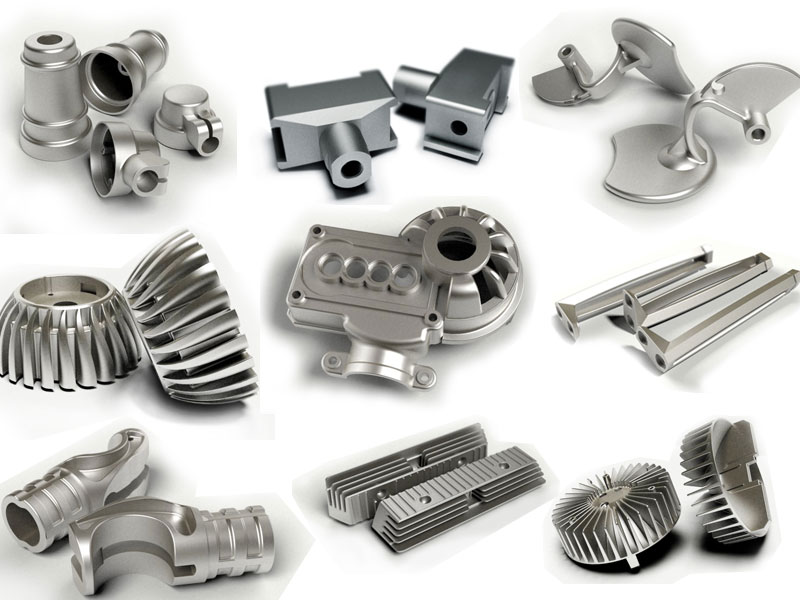
Metalstøbning involverer formning af fritflydende flydende metaller ved hjælp af matricer, forme eller mønstre. Støbegods er generelt groft efterbehandlet på grund af produktionens karakter. I mange tilfælde er det nødvendigt med yderligere efterbehandling for at fjerne grater og andre artefakter fra støbeprocessen. Metalstøbning bruges til at designe en bred vifte af komponenter og færdige produkter. Alt fra simple søm og skruer til motorblokke kan fremstilles ved hjælp af metalstøbning. Almindelige metalstøbningsprocesser omfatter sandstøbning, trykstøbning, permanent formstøbning, investeringsstøbning, centrifugalstøbning og støbning med tabt skum. Sandstøbning Sandstøbning bruges til at fremstille store dele (typisk jern, men også bronze, messing og aluminium). Smeltet metal hældes i et formhulrum, der er dannet af sand (naturligt eller syntetisk). Sandstøbninger har generelt en ru overflade, nogle gange med overfladeurenheder og overfladevariationer. Trykstøbning omfatter en række processer, hvor genanvendelige matricer eller forme bruges til at fremstille støbegods. Formen indeholder et aftryk af det færdige produkt sammen med dets løbe-, tilførsels- og udluftningssystemer. Formen er i stand til at køre en regelmæssig cyklus og til (hurtigt) at afgive varmen fra det metal, der hældes i den. Når det flydende metal er tilstrækkeligt afkølet, åbnes formen, og støbningen kan fjernes og færdiggøres. Permanent formstøbning Ved permanent formstøbning hældes smeltet metal i støbejernsforme, der er belagt med en keramisk formvask. Kernerne kan være af metal, sand, sandskaller eller andre materialer. Når de er færdige, åbnes formene, og støbegodset sprøjtes ud. Investeringsstøbning involverer støbning af mønstre ved indsprøjtning af en særlig voks i en metalform. Modellerne samles i en klynge omkring et vokskanal-system. ‘Træet’ af mønstre bliver derefter belagt med 8-10 lag ildfast materiale. Samlingen opvarmes for at fjerne voksen. Den varme form støbes, og når den er afkølet, fjernes formmaterialet ved slag, vibrationer, sandblæsning, højtryksvandblæsning eller kemisk opløsning, hvilket efterlader støbegodset, som derefter fjernes fra kanalsystemet. Centrifugalstøbning Centrifugalstøbning bruges til at producere støbegods, der er cylindrisk i formen. Ved centrifugalstøbning roterer en permanent form om sin akse ved høje hastigheder, mens det smeltede metal hældes. Det smeltede metal kastes centrifugalt mod den indvendige formvæg, hvor det størkner. Støbningen er normalt en finkornet støbning med en meget finkornet ydre diameter, som er modstandsdygtig over for atmosfærisk korrosion, hvilket er et typisk behov for rør. Den indvendige diameter har flere urenheder og indeslutninger, som kan bearbejdes væk. Lost foam casting Lost foam casting (LFC) er metalstøbning, hvor man bruger skumfyldte modeller til at producere støbegods. Skummet sprøjtes ind i et mønster og fylder alle områder uden at efterlade hulrum. Når smeltet metal sprøjtes ind i mønsteret, brændes skummet af, så støbningen kan tage form. Trykstøbning Trykstøbning og metalstøbning omfatter en række processer, hvor genanvendelige matricer eller forme bruges til at producere støbning. Formen er i stand til at køre en regelmæssig cyklus og (hurtigt) afgive varmen fra det metal, der hældes i den. Når det flydende metal er tilstrækkeligt afkølet, åbnes formen, og støbningen kan fjernes og færdiggøres. I trykstøbningsprocessen sprøjtes smeltet metal under tryk ind i en genanvendelig form eller matrice. Formen indeholder et aftryk af støbningen sammen med dens løbe-, tilførsels- og udluftningssystemer. Formen er i stand til at køre en regelmæssig cyklus og til (hurtigt) at afgive varmen fra det metal, der hældes i den. Når det flydende metal er afkølet tilstrækkeligt, åbnes formen, og metalstøbningen kan fjernes og færdiggøres. højtryksstøbning Højtryksstøbningsprocessen er den mest udbredte og står for omkring 50% af al produktion af letmetalstøbning. Lavtryksstøbning står i øjeblikket for ca. 20% af produktionen, og brugen af den er stigende. Gravitationsstøbning står for resten, med undtagelse af et lille, men voksende bidrag fra den nyligt introducerede vakuumstøbning og pressestøbning. designet af lavtryks- og gravitationsstøbningsforme til forbedret formfyldning, optimeret størkningsmønster og maksimalt udbytte. Gravitationsstøbning er velegnet til masseproduktion og til fuldt mekaniseret støbning. Lavtryksstøbning er især velegnet til produktion af komponenter, der er symmetriske omkring en rotationsakse. Lette bilhjul fremstilles normalt ved hjælp af denne teknik. Metaller til trykstøbning kan variere meget, og forskellige trykstøbningsvirksomheder kan have mulighed for at arbejde med en eller flere af dem. Nogle af de mest almindelige metalstøbningstyper omfatter trykstøbning af aluminium, trykstøbning af messing, trykstøbning af bly (den mest populære til trykstøbning af modeller), trykstøbning af magnesium og trykstøbning af zink. Håber, at alle disse oplysninger er nok til din reference, men hvis du vil vide mere information, er du velkommen til at kontakte os via telefon eller e-mail.

Hvad er gravitationsstøbning?

Støbning af aluminium, støbeforme af aluminium, trykstøbning af aluminium, trykstøbning, trykstøbning af aluminium, Trykstøbningsvirksomheder, Trykstøbningsform, Dele til trykstøbning, Støbning ved hjælp af tyngdekraft, sprøjtestøbeform Kina, Fremstilling af sprøjtestøbeforme

Forskellen mellem aluminiumsstøbning og tyngdekraftsstøbning Aluminiumsstøbning er mere end bare en undskyldning for at lege med smeltet metal, det er faktisk en fantastisk måde at skabe kunst og komplicerede maskiner eller andre ting på, som ellers ville være næsten umulige at lave. Aluminiumsstøbning er virkelig en god måde at spare penge på ... mens man leger med smeltet metal. Grunden til, at trykstøbning i aluminium har overlevet tidens tand, er et spørgsmål om effektivitet. Nogle af de tidligste eksempler på støbning er fundet i Kina og går tusinder og atter tusinder af år tilbage. Faktisk praktiserede alle større civilisationer fra egypterne til romerne aluminiumsstøbning. Denne færdighed kom på mode igen i renæssancen og er fortsat med at udvikle sig derfra. Mens sandstøbning er den mest populære støbeproces, er der mange, mange flere processer til rådighed for baggårdsstøberierne. Det er ikke alle, der skal støbe tunge emner som motordele eller støbe deres egne motorcykler. Så dem, der bare vil lave pyntegenstande, vil ikke bruge den samme støbeproces som disse tunge støbegods. For kunstnere, der laver små statuer eller udsmykninger, og for hobbyfolk, der har brug for et dekorativt touch til deres modelfly eller -båd, kan det være en god idé at overveje at bruge tyngdekraftsstøbning til deres behov. Hvad er gravitationsstøbning Gravitationsstøbning synes at være særlig nyttig, når man har med aluminium og andre lette legeringer at gøre. Den grundlæggende idé bag denne støbeproces er stort set præcis, hvad navnet antyder. Metallet føres ind i formen ved hjælp af tyngdekraften. De fleste andre støbeprocesser bruger enten naturlige trykforskelle som i visse sandstøbningsprocedurer, eller de bruger tvangstryk som i centrifugalstøbning for at få det smeltede metal ind i formen. En af de mest almindelige anvendelser af gravitationsstøbning er, når der skal bruges permanente støbeforme. Den permanente form, der også kaldes en matrice, er egentlig kun økonomisk for dem, der planlægger at bruge den samme form mange gange og skal holde kvaliteten på et konstant niveau. Mens nogle midlertidige forme kan bruges gentagne gange, vil kvaliteten af det færdige produkt begynde at lide over tid. Med støbeforme forbliver kvaliteten den samme. Støbeforme skal ses som en investering. Ja, de vil være dyrere end andre forme, men de vil holde længere end billigere former. Permanente støbeforme skabes ved hjælp af støbejern, stål og andre metaller. Tyngdekraftsstøbning bruges til den permanente formproces med behagelige resultater. Tyngdekraftsstøbning bruges normalt, når det færdige produkt er mere visuelt baseret end strukturelt baseret, og derfor er denne metode en favorit blandt kunstnere og endda nogle guldsmede. Tabet af styrke skyldes det manglende tryk, der bruges i denne proces. For dem, der har brug for styrke, men stadig ønsker at bruge tyngdekraftsstøbning, skal der bruges mere af det smeltede metal, hvilket øger vægten. gå til https://www.aludiecasting.com/ for at få mere at vide om tyngdekraftsstøbning Det kræver tålmodighed at stole på tyngdekraften, selv om det er nødvendigt for større produkter. Hvis du har brug for tyngdekraftstøbning eller aluminiumsstøbning, magnesiumstøbning eller zinkstøbningstjeneste til din virksomhed. Du er velkommen til at sende os dit krav om tilbud, du behøver kun at sende os dit 3D-design og dit krav, så kan du læne dig tilbage, og vi vil gøre der resten for dig, for at arbejde med os behøver du kun at tage sig af markedet på din side, og vi vil være din sikkerhedskopi for at tage sig af leveringstid, forsendelse, kvalitet og teknisk.

Trykstøbning

Støbning af aluminium, støbeforme af aluminium, trykstøbning af aluminium, trykstøbning, trykstøbning af aluminium, Trykstøbningsvirksomheder, Trykstøbningsform, Dele til trykstøbning

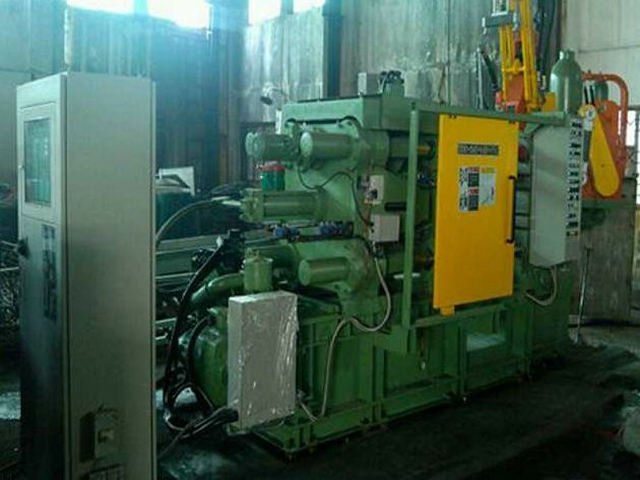
Find de rigtige kilder til trykstøbning af aluminium Leder du efter de ultimative trykstøbningstjenester af høj kvalitet til din virksomhed? Nå, du har bedre brug for at ansætte den rigtige tjenesteudbyder, der skal være erfaren inden for det samme domæne. Ja, det er meget nødvendigt at investere noget tid, der kan tilbyde resultater af meget høj kvalitet, og det er ved at betale det meget overkommelige beløb. Før vi taler om, hvordan man finder den rigtige virksomhed, er det meget nødvendigt at vide mere om trykstøbning. Nå, dette er den vigtigste produktionsteknologi, der bruges af mange industrier, der leder efter alle mulige dele til at påbegynde arbejdet, og til det er det nødvendigt at gå med aluminiumsstøbningsprocessen. Ved hjælp af trykstøbningsform hjælper det med at støbe kompleksiteten i metalstoffet nøjagtigt på samme måde som du ønsker at have. Ja, det endelige produkt kan have stort set enhver størrelse afhængigt af hvad designeren ønsker, og der er således intet umuligt for de bedste og store tjenesteudbydere overhovedet. Når det kommer til at finde en rigtig tjenesteudbyder til aluminiumsstøbedele, skal du hellere investere tid over nettet og finde ud af den mest erfarne, pålidelige og venlige tjenesteudbyder for at imødekomme de nøjagtige krav uden fejl. Du må også hellere finde ud af nogen, der let kan arbejde på alle tilpassede krav fra kunderne, såvel som de skal have stor goodwill på markedet. Du kan også undersøge deres tidligere projekter og kontrollere, hvor bedst de er i trykstøbningen, og hvordan de har hjulpet andre virksomheder med at opfylde deres krav. Ikke kun dette, du er endda nødt til at afsløre dem de komplette oplysninger om dine projektkrav og kontrollere, hvor godt de er i at tilbyde dig den korrekte vejledning samt hvilken pris de citerer dig. Du kan endda gøre dette med forskellige kilder og gå op med den bedste, der tilbyder gode tjenester til de bedste priser. At vælge en professionel betyder, at de vil overveje mekaniske egenskaber, herunder trækstyrke, udbytte, slagstyrke, hårdhed og andre forskellige specifikationer på forhånd for at tilbyde dig de bedste løsninger. Ikke nok med det, de professionelle vil hjælpe med at vælge det rigtige metal, hvilket de gør ved at tjekke metallets fysiske egenskaber. Ja, før du går i gang med aluminiumsstøbning, er det meget vigtigt at vide mere om dets ledningsevne, eller hvordan det opfører sig under ekstrem stress eller varme. Fordele bestemmer også sammensætningen af forskellige legeringer, kontrollerer, hvad der er de almindelige anvendelser for det primære element, de tjekker også en komplet liste over trykstøbte legeringer, tjekker de nødvendige egenskaber og alt for at tilbyde dig noget det bedste til at imødekomme dine nøjagtige krav. Hvorfor tjekker du ikke ud for at gå til den foreslåede kilde? Nå, det vil tilbyde dig de bedste tjenester ved at tilbyde dig støbning af metal på kortest mulig tid, vil gøre alt fra bunden, og den bedste del er, at alt vil blive gjort på en budgetvenlig måde. Teknologien forbedres dag for dag, og det er os, der nyder den fuldt ud. I dag kan vi have alle mulige ting for at gøre vores arbejde bedst såvel som at tilbyde os fuld bekvemmelighed og fuldstændig ro i sindet. Bortset fra andre, der taler om trykstøbning, er det en fremstillingsproces, der kan producere geometrisk unikke og umulige metaldele med den bedste brug af genanvendelige forme, kaldet matricer. Trykstøbningsprocessen er meget vigtig, og professionelle sørger altid for at bruge alle de nødvendige ting, kaldet - ovn, metal, trykstøbemaskine, matrice og andre forskellige materialer. Det metal, der bruges her, er altid en ikke-jernholdig legering som zink og aluminium, og senere smeltes det i ovnen og sprøjtes derefter ind i formene i trykstøbemaskinen til fremstilling af meget komplekse metaldele. Det er altid bedre at henvende sig til det rigtige firma for aluminiumsstøbedele, da de altid går med de bedste og autentiske procedurer for at producere noget det bedste. De kan bruge forskellige typer trykstøbemaskiner, kaldet - varmekammermaskiner og koldkammermaskiner til en perfekt trykstøbningsløsning. Varmkammermaskiner bruges til de legeringer, der har lave smeltetemperaturer, som f.eks. zink. Og koldkammermaskiner bruges til de legeringer med høje smeltetemperaturer, som f.eks. aluminium. Begge maskiner fungerer på samme måde, og når de er færdige med det smeltede metal, sprøjter de det ind i formene, venter på, at det køler ned og størkner til den endelige del, kaldet støbningen. Værktøj til trykstøbning af aluminium, også kendt som matricer, er her kun til legering af stålet. Formene er færdige af mindst to sektioner for at muliggøre eliminering af støbning. For at gøre dette er der et særligt behov for den effektive tilgang til trykstøbning, og nogle går med de bærbare dias med visse sektioner, der kan gøres uden problemer for at opbygge den ideelle form, som kunderne kræver af trykstøbere. I proceduren går trykstøbningsværktøjet med den enkle produktion af hullerne gennem den forudbestemte matricehalvdel. Når vi har det smeltede metal, udleveres det derefter i hullet for at tørre i hulrummet, og dette er den bedste måde at få de specifikke dimensioner kontureret i belægningen. Matricer kan også være nødt til at låse stifter, som bruges til at holde to halvdele sammen og til at fjerne den støbte del. Find altid den bedste og mest pålidelige tjenesteudbyder inden for trykstøbning af aluminium, som nemt kan fremstille miniature- til store præcisionskomponenter ved hjælp af det brede udvalg af zinkstøbning, aluminium og magnesiumstøbning. Det er vigtigt at vide, at hver eneste legering har unikke fysiske egenskaber, der matcher din specifikke anvendelse. Det er dog yderst nødvendigt at finde de rigtige eksperter, der kan hjælpe dig med at opfylde dine krav ved at vælge det ideelle materiale til fremstilling af din præcisionskomponent.

Trykstøbning af aluminium

Trykstøbning af aluminium

Støbning af aluminium, støbeforme af aluminium, trykstøbning af aluminium, trykstøbning, trykstøbning af aluminium, Trykstøbningsvirksomheder, Trykstøbningsform, Dele til trykstøbning, trykstøbning under højt tryk, Trykstøbning af magnesium, trykstøbning

Hvad er aluminiumsstøbning Aluminiumsstøbning er en støbning af flydende smedemetode. Trykstøbningsprocessen er en slags speciel højtryksstøbemaskine til at udføre processen. Dens grundlæggende teknologiske proces er: første metal eller aluminiumslegeringsvæske i lav- eller højhastighedsstøbning, der fylder i formhulrummet, dør med en bevægelig type hulrumsoverflade. Det med den flydende aluminiumslegering køleproces tryk smedning blank, både eliminering af krympningsfejl, gør også den grove interne aluminium Die Casting organisation til at smede den ødelagte krystal. Grove omfattende mekaniske egenskaber forbedres betydeligt. Fordele ved trykstøbning af aluminium Metaller og forholdsregler i forbindelse med trykstøbning af aluminium. Forskellige typer aluminiumslegeringer kan bruges i trykstøbning og aluminiumsforme, typer af metoder bruges til aluminiumsstøbeforme, zinkstøbning, aluminiumsstøbning og mange flere Type støbeproces Støbning er processen med at gøre aluminium egnet til fremstilling af forskellige typer produkter. Det er en enkel og billig måde at fremstille en bred vifte af aluminiumsprodukter på. Nogle af eksemplerne er Washington Monument, bilmotorer og kraftoverførsler osv., som alle blev produceret ved hjælp af aluminiumsstøbningslegeringer. Aluminiumsstøbning kan udføres på 3 måder: - Aluminiumsstøbning Formstøbning Sandstøbning STØBNING Formstøbning er en fremstillingsproces til produktion af metaldele. Ved trykstøbning skabes formhulrummene med hærdet værktøjsstål, der tidligere er blevet bearbejdet til en bestemt form. Her i trykstøbning smeltes aluminium først og hældes i en stålform under højt tryk med stor kraft. Denne fremstillingsteknik bruges normalt til produktion af store mængder, og processen kaldes normalt højtryksstøbning eller trykstøbning MOLD CASTING Om formstøbning kan formen og kernerne være af enten stål eller et hvilket som helst andet metal. Også her smeltes aluminium først og hældes i den medfølgende form. Nogle gange anvendes der også vakuum. I nogle situationer synes permanent formstøbning at være stærkere end både trykstøbning og sandstøbning. Semi-permanente formstøbningsteknikker bruges, når permanente kerner er umulige at fjerne fra den færdige del. SANDSTØBNING: Sandstøbning er den mest alsidige metode til fremstilling af aluminiumsprodukter. Normalt hældes det smeltede aluminium i en form, som nærmest presses ned i en fin sandblanding. Mønsteret vil være lidt større end det, der er nødvendigt for aluminiumskrympningen under størkning og afkøling. Sandstøbning er normalt en langsommere proces end både trykstøbning og formstøbning. Normalt bruges den til produkter i små mængder. Aluminiumsstøbelegeringer Det vigtigste støbte aluminiumsstøbelegeringssystem er Al-Si. Her bidrager høje niveauer af silicium til at give gode støbeegenskaber. Aluminiumsstøbelegeringer bruges i vid udstrækning i tekniske strukturer og komponenter, hvor letvægt eller korrosionsbestandighed er påkrævet. Metoder og fordele ved støbning af aluminium Metaller og forholdsregler i forbindelse med støbning af aluminium Forskellige typer aluminium kan bruges til trykstøbning, producent af aluminiumstøbning og aluminiumstøbning bruges til at dække forskellige typer metaller ved hjælp af forskellige typer metoder. Der er mange metoder, der bruges til aluminiumsstøbning, og der opnås forskellige typer fordele. Ved hjælp af aluminiumsstøbning og aluminiumsstøbning er det muligt at øge metallernes levetid, og disse kan bruges i en lang periode med et fantastisk udseende og charme af metal. Metoder Der anvendes forskellige typer metoder til støbning af aluminium. Det vigtigste er at smelte aluminium. Det kræver høj temperatur at smelte aluminium. Der anvendes særlige strukturer til smeltning af aluminium. Når aluminiumsstøbningen er smeltet, hældes den på målmetallerne. Derefter får den smeltede aluminiumsstøbning lov til at blive hård, og den er klar til at blive brugt efter en vis tidsperiode. Der er specielle beholdere, der er lavet til at blive brugt til smeltning af aluminium. Disse strukturer fås på markedet i forskellige former og størrelser. Du kan også lave disse strukturer derhjemme ved at bruge de ønskede ingredienser. Du har mange muligheder for at lave disse strukturer. Hvis du vil købe denne struktur fra markedet, skal du vælge størrelse og form. Der er mange muligheder med hensyn til størrelser og former, og producenterne opkræver forskellige priser. Arbejdet med disse strukturer er også forskelligt, da nogle bruger brændstoffer, og andre bruger manuel indsats for at få varme for at sikre, at aluminiumstøbning kunne opvarmes og smeltes effektivt. Der opnås høje temperaturer i disse strukturer, og derefter smeltes aluminiumstøbning og bruges derefter på målmetallerne til støbeprocessen. Fordele ved støbning af aluminium Der er mange typer fordele ved støbning af aluminium. Hovedsageligt udføres denne type støbning for at sikre, at metallet kan forblive sikkert mod korrosion. Atmosfæreforhold og fugt er dårligt for jern, og støbning kan hjælpe med at beskytte jern og øge dets levetid. aluminiumsstøbning er i stand til at modstå fugt og andre skadelige virkninger af miljøet, hvorfor det kan bruges på metaller gennem støbning. Det beskyttende skjold er lavet på jern for at sikre, at det kan bruges i lang tid. aluminiumsstøbevirksomheder kan støbes på jern og lave et beskyttende ark. Denne beskyttelse er i form af et skinnende lag, der opnås ved hjælp af høje temperaturer. Dette lag er permanent og ser godt ud sammen med øget styrke og levetid for metal. For det meste støbes jern ved hjælp af aluminium. Dette er en billig proces, og brugeren er i stand til at få fordele, da jernets levetid øges. Konklusion aluminiumsstøbeform kan bruges til støbning af jern og andre metaller. Der er mange metoder til rådighed for denne proces. Ved hjælp af enhver pålidelig metode er brugeren i stand til at få fordele, da metallet reddes fra korrosion og andet.

Rul til toppen

Få et tilbud