
Fundición inyectada de magnesio

¿Cuáles son las ventajas de la fundición a presión de magnesio en aplicaciones de automoción?

¿Cuáles son las ventajas de la fundición a presión de magnesio en aplicaciones de automoción?

Fundición inyectada de magnesio

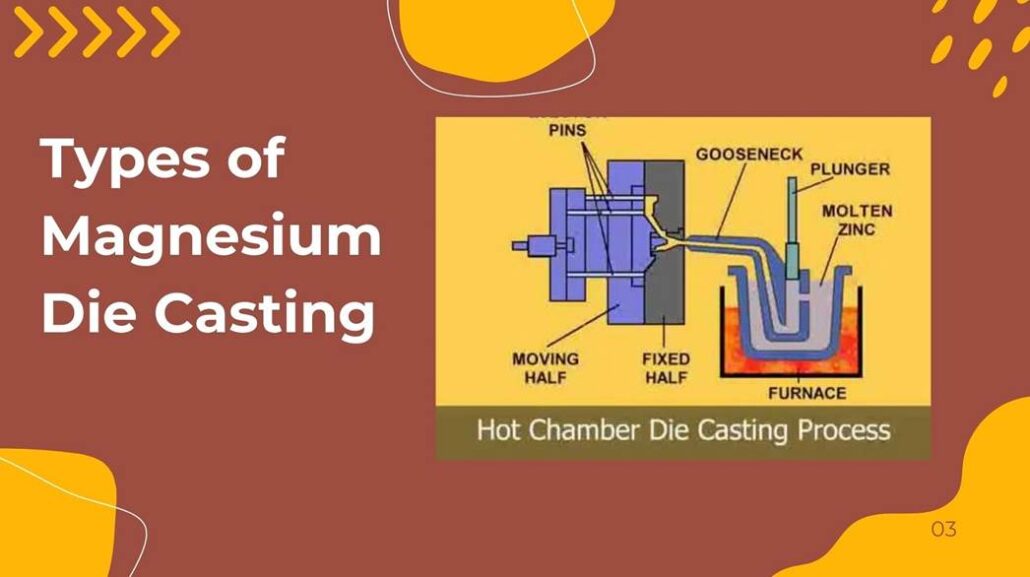
The basic function of die casting is to manufacture automotive parts that are lightweight and have high efficiency. All these requirements have fulfilled with the use of magnesium die casting. Different parts castings are manufactured by using the magnesium die for making automotive parts. All the manufacturers are focusing on making the automotive parts that have great efficiency, and they must be economical. As the world is advancing, the automotive industry is under constant pressure of manufacturing the innovative products. The magnesium alloy die casting has gained popularity over the years. The evolution in the automotive industry, with the increase in production of electric vehicles (EVs), has led to great use of magnesium alloy in parts manufacturing. Some other materials could be used in the production, but magnesium is the lightest. Its use offers great advantages in the automotive industry when it is processed through high-pressure die casting. The article explores the ideas of magnesium die casting, its benefits in the automotive industry and applications as well. In the end, we will provide the information about the future use of the magnesium alloy in die casting in the automotive industry for automakers. What is Magnesium Die Casting? Before getting into the details of the applications and advantages of magnesium alloy die casting in the automotive industry, it is important to understand what magnesium die casting is. Here are the steps involved in the process. Melting the magnesium at 650degC that convert it into a liquid form. Preparing the Mould The initial step in the process of die casting magnesium is the preparation of the mould. The mould is made of a high-strength material. It is lined with the released agent that helps in preventing sticking molten magnesium to the mould. The final release of the automotive parts depends on this step of easy release of the products. It is very important to have a flawless mould to avoid any defects in the final product. Injecting Molten Magnesium The next step is the injection of the molten magnesium into the die. The automakers make sure that the alloy reaches every complex geometry of the mould to get perfect results. The pressure is maintained at around 1500 to 3000 psi during the process. This step is highly precise yet very fast to avoid hardening of the magnesium alloy. Cooling After the magnesium is injected into the mould, the next step is the cooling. It is important to remove the die from the material after cooling and setting. Like any other material, if the structure is complex and have bigger size, it took longer period to cool. In contrast, smaller and thin sized automobiles parts got cooled more easily. Monitored and efficient cooling is required to avoid any cracks in the magnesium die casting product. Ejection and Finishing After the cooling of the magnesium in the die, the ejection from the die is the last step. The process of removing the finished product from the die is known as the ejection. Once the automotive parts are ejected carefully it need some further detailing, like removing and drilling the unwanted parts form final product for finishing. The process of magnesium alloy die casting is essential in making complex and thin-walled automotive parts. Automakers use magnesium because it is the lightest material in the die casting industry for making innovative automotive parts for EV and modern vehicles. Types of Magnesium Die Casting For making different automotive parts, there are basically two types of magnesium diecasting processes. Those are as follows; Hot Chamber Die Casting In the hot chamber, magnesium diecasting is ideal for the low melting point of magnesium. In this process, the die is submerged in the molten chamber and forced into the die. Cold Chamber Die Casting The typical method of magnesium die casting is cold chamber die casting. In this process, the molten magnesium is injected into the unheated moulds in the automotive industry. Why Magnesium is Best in Automotive Applications The combination of physical and mechanical characteristics of magnesium is very special and is very much demanded in the production of vehicles. Advantages of Magnesium Die Casting Substantial Weight Reduction on Vehicles One of the most significant objectives of automotive engineering is weight reduction. Lightweight cars use less fuel, produce fewer emissions and provide improved performance. Magnesium die casting helps automakers to substitute the heavier parts made of steel or aluminum with magnesium without affecting their functionality. The slightest weight cut in each element could produce an enormous weight cut when summed up in a complete car. This benefit is especially important in electric cars that require decreasing the weight of the body to directly affect the range of the battery and its efficiency. Better Fuel Economy and Reduced Emissions Fuel economy is directly influenced by the reduction of vehicle weight. Research continually demonstrates that fuel efficiency increases by 5-7% as the weight of the vehicle decreases by 10%. With magnesium die-cast parts, automakers would find it easier to comply with the tough global emission standards. This becomes particularly significant when the governments of the countries impose the rules intended to minimize carbon emissions and develop sustainable transportation. Magnesium die casting, hence, favors economic and environmental goals. Large strength-to-weight ratio The myth that surrounds lightweight metals is that it reduces strength. Magnesium alloys disprove this assumption. Recent magnesium alloys in die casting have adequate mechanical strength to be applied in automotive parts like steering columns, seat frames, gearbox housings, and structural brackets. These components should be able to withstand the stress, vibration, and thermal changes in the long term. The manufacturers get components that are durable and lightweight through the proper choice of alloys and efficient die-casting processes. Dimensional Accuracy and Design Flexibility Complex and tight geometries can be produced using magnesium die casting. It is possible to make thin walls, complex forms, ribs, bosses and in-built features in one casting. This design allows flexibility, eliminates the secondary machining and assembly, decreasing the cost of production and minimum points of
Principales empresas de fundición a presión de magnesio del mundo

Principales empresas de fundición a presión de magnesio del mundo

Fundición inyectada de magnesio

Today, magnesium die casting firms play a major or key role in manufacturing; the firms manufacture light and strong as well as affordable components which are utilized for various applications in the aerospace, automotive, electronics as well and medical sectors. Magnesium is the lightest structural metal and is a strong material with the best strength-weight combinations, combined with high dimensional accuracy and high characteristics of heat removal, needed for advanced performance components. Since industries have an increasing market requirement for fuel-efficient components with miniature designs as well as sustainable manufacturing practices, it pushes them to look for specialised companies that offer precision magnesium die-casting components at production levels. Magnesium die casting process continues to evolve through the stages from prototype to full mass manufacturing runs. Other than magnesium die casting competence, these premier global companies also boast zinc die casting and aluminium casting, and CNC machining and finishing services. Staying ahead in operation, these magnesium die casting suppliers perform operations in so traditional but modern style by utilising high-pressure die casting machines with a contemporary system of real-time quality checks and work on powerful simulation programs for precise and repeatable production of the parts. This article reviews the leading China-based magnesium die casting companies as well as other principal manufacturers in the United States and Canada, and Europe. Sincere Tech, GC Precision Mould, and CNM Tech make up a Chinese industry trio that embodies international standards on product costs and reliability, and manufacturing flexibility. Dynacast and Bühler Group, and Meridian Lightweight Technologies have all been able to come up with innovations at a global level through research and development of their technology in collaboration with automated casting line development. The carefully chosen business is the leading source for finding all trusted magnesium die casting organisations and their technology leaders working globally in the die casting market. What is Magnesium Die Casting? The magnesium die casting is called the process of precision manufacturing, where molten magnesium is injected at high pressure within a steel mould or die to make very complicated and lightweight metal parts. Magnesium is a highly machinable, lightweight, strong metal that is widely used in all of those applications, so this technique is widely used in all of those industries. Magnesium is the lightest structural metal and hence contributes to the important weight saving without compromising durability and performance. This casting process will produce fine details, smooth surface finish and high tolerance parts for high volume. In addition, it allows several components to be fashioned into one element, thus lowering the demand for assembly or welding. In addition, magnesium die casting is a greener manufacturing process as it is an energy-efficient, recyclable process. Yet, magnesium die casting has always, and will continue to play, a vital role in everything that comprises modern product design and engineering, as new tooling and material technology are always being developed. Sincere Tech Year of Establishment: 2005No. of Employees: 100–500Business Type: Plastic injection mould manufacturing, magnesium die casting, CNC machining, and assembly Website and Contact: Website: plasticmold.netEmail: info@plasticmold.netPhone: +86 135 30801277Address: Building 1, No. 30 Huan Zhen Rd, Shang Dong village, Qi Shi Town, Dongguan City, Guangdong, China, 523000 Company Profile As a leading manufacturer in China’s die and plastic injection moulding industry, Sincere Tech is based in Dongguan City, Guangdong Province. The company originated in 2005 and has developed into one of the reliable magnesium die casting manufacturers with a committed labour force of 100–500 labourers. Sincere Tech is an expert in plastic injection moulds, magnesium and zinc die casting parts, CNC machining and complete product assembly. As a producer of state-of-the-art equipment and advanced production capabilities, Sincere Tech supplies global clients in automotive, electronics, Medicare and consumer goods. They have an experienced engineering team that makes sure the part designs are optimised, tooling is efficient, and mass production is high quality. Sincere Tech maintains a commitment to precision, customer satisfaction, as well as the production of cost-effective, affordable pricing with innovative manufacturing processes and provides value-driven solutions to customers all over the world. Their Quality Commitments Being a sincere tech are very dedicated to producing high-quality premium products up to or above international standards. Throughout the manufacturing cycle, we (including raw material inspection and final product delivery) implement a rigorous quality control process. Dimensional accuracy is assured using CMMS and 3d scanners, as the company is certified ISO9001. Continuous training of quality assurance personnel in concert with strict process documentation and traceability guarantees that every product delivered meets customer specifications. Defect prevention is also created in Sincere Tech through simulation-based mould design and real-time production monitoring. They boast a lifelong zero-defect goal and proactive customer service, making them a go-to name among magnesium die casting companies. Why Choose DyCast Specialities Corporation? GC Precision Mould Year of Establishment: 1999No. of Employees: 100–200+Business Type: Die casting (magnesium, zinc, aluminium), CNC machining, and plastic moulding Website and Contact: Website: aludiecasting.comEmail: info@aludiecasting.comPhone: +86 131 4886 5556Address: No. 30 Huan Zhen Rd, Qi Shi Town, Dongguan City, Guangdong, China, 523516 Company Profile GC Precision Mould Co., Ltd was established in 1999, located at Dongguan city of Guangdong province in China and is now a prominent manufacturer of die casting. The company specialises in aluminium, zinc, magnesium die casting and also deals in plastic injection moulding, CNC machining and surface finishing. A hydraulic press that utilises digital technology allows it to rapidly adjust its functions and create designs involving threaded cavities. GC Precision Mould has over two decades in the industry, and serves clients from the automotive, electronics, aerospace and consumer goods sectors. With high-pressure die-casting machines ranging from 120 to 1650 tons being used at the state-of-the-art facilities, the company can produce complex and high-precision components. The commitment of GC Precision Mould to quality, innovation and customer satisfaction has ensured the company is a trusted partner to clients looking for dependable and efficient die casting solutions. Their Quality Commitments  As for the products provided by GC Precision Mould, they are fully committed to providing the

Acerca de los servicios de fundición de metales

fundición de aluminio a presión, empresas de fundición a presión, piezas de fundición a presión, fundición a alta presión, Fundición de magnesio, Fundición inyectada de magnesio, Fundición a presión de cinc

Los servicios de fundición de metales implican dar forma a metales líquidos que fluyen libremente mediante el uso de matrices, moldes o patrones. Debido a la naturaleza de su producción, las piezas de fundición suelen tener un acabado tosco. En muchos casos, se requiere un acabado adicional para eliminar rebabas y otros artefactos del proceso de fundición. Los servicios de fundición de metales se utilizan para diseñar una amplia gama de componentes y productos acabados. Todo, desde simples clavos y fijaciones hasta bloques de motor, puede fabricarse utilizando servicios de fundición de metales. Los procesos habituales de fundición de metales son la fundición en arena, la fundición a presión, la fundición en molde permanente, la fundición a la cera perdida, la fundición centrífuga y la fundición a la espuma perdida. Fundición en arena La fundición en arena se utiliza para fabricar piezas grandes (normalmente de hierro, pero también de bronce, latón o aluminio). El metal fundido se vierte en una cavidad de molde formada con arena (natural o sintética). Las piezas fundidas en arena suelen tener una superficie rugosa, a veces con impurezas y variaciones superficiales. La fundición a presión incluye una serie de procesos en los que se utilizan matrices o moldes reutilizables para producir piezas de fundición. La matriz contiene una impresión del producto acabado junto con sus sistemas de funcionamiento, alimentación y ventilación. La matriz es capaz de realizar un ciclo regular y de disipar (rápidamente) el calor del metal vertido en ella. Una vez que el metal líquido se ha enfriado lo suficiente, se abre el molde y se puede extraer y terminar la pieza fundida. Fundición en molde permanente En la fundición en molde permanente, el metal fundido se vierte en moldes de hierro fundido, recubiertos con un lavado de molde cerámico. Los machos pueden ser de metal, arena, concha de arena u otros materiales. Una vez completado el proceso, se abren los moldes y se expulsan las piezas fundidas. Los servicios de fundición a la cera perdida consisten en moldear modelos mediante la inyección de una cera especial en una matriz metálica. Los modelos se agrupan en torno a un sistema de canal de cera. A continuación, el ‘árbol’ de modelos se recubre con 8-10 capas de material refractario. El conjunto se calienta para eliminar la cera. El molde caliente se funde y, cuando se enfría, el material del molde se elimina por impacto, vibración, granallado, chorro de agua a alta presión o disolución química dejando las piezas fundidas, que se retiran del sistema de canal. Fundición centrífuga Los servicios de fundición centrífuga se utilizan para producir piezas fundidas de forma cilíndrica. En la fundición centrífuga, un molde permanente gira sobre su eje a gran velocidad mientras se vierte el metal fundido. El metal fundido es lanzado centrífugamente hacia la pared interior del molde, donde se solidifica. La fundición suele ser de grano fino, con un diámetro exterior de grano muy fino, resistente a la corrosión atmosférica, una necesidad típica de las tuberías. El diámetro interior presenta más impurezas e inclusiones, que pueden eliminarse por mecanizado. Fundición de espuma perdida La fundición de espuma perdida (LFC) es un servicio de fundición de metales que utiliza modelos rellenos de espuma para producir piezas fundidas. La espuma se inyecta en un patrón, rellenando todas las áreas, sin dejar cavidades. Cuando se inyecta metal fundido en el patrón, la espuma se quema y permite que la pieza tome forma. Fundición a presión La fundición a presión y la fundición de metales incluyen una serie de procesos en los que se utilizan matrices o moldes reutilizables para producir piezas de fundición. La matriz es capaz de un ciclo regular y de disipar (rápidamente) el calor del metal vertido en ella. Una vez que el metal líquido se ha enfriado lo suficiente, el molde o se abre y la pieza fundida puede extraerse y terminarse. En el proceso de fundición a presión, el metal fundido se inyecta a presión en un molde o matriz reutilizable. La matriz contiene una impresión de la pieza fundida junto con sus sistemas de funcionamiento, alimentación y ventilación. La matriz es capaz de un ciclo regular y de disipar (rápidamente) el calor del metal vertido en ellas. Una vez que el metal líquido se ha enfriado lo suficiente, el molde o se abre y la pieza de metal fundido puede retirarse y terminarse. fundición a alta presión El proceso de fundición a alta presión es el más utilizado, y representa alrededor del 50% de toda la producción de fundición de aleaciones ligeras. La fundición a baja presión representa actualmente unas 20% de la producción y su uso va en aumento. La fundición en coquilla por gravedad representa el resto, con la excepción de una contribución pequeña pero creciente de los procesos de fundición en coquilla al vacío y por compresión, de reciente introducción. el diseño de las matrices de fundición en coquilla a baja presión y por gravedad para mejorar el llenado de la matriz, optimizar el patrón de solidificación y obtener el máximo rendimiento. La fundición a presión por gravedad es adecuada para la producción en serie y para la fundición totalmente mecanizada. La fundición a baja presión es especialmente adecuada para la producción de componentes simétricos en torno a un eje de rotación. Las ruedas ligeras de automóviles suelen fabricarse mediante esta técnica. Los metales de fundición a presión pueden variar mucho, y las diferentes empresas de fundición a presión pueden tener la capacidad de trabajar con cualquiera de ellos o con varios. Algunos de los tipos de fundición de metales más comunes son la fundición a presión de aluminio, la fundición a presión de latón, la fundición a presión de plomo (la más popular para la fundición a presión de modelos), la fundición a presión de magnesio y la fundición a presión de zinc. Espero que toda esta información sea suficiente para su referencia, pero si desea más información, puede ponerse en contacto con nosotros por teléfono o correo electrónico.

Fundición a presión de aluminio

Fundición inyectada de aluminio

fundición de aluminio, moldes de fundición de aluminio, fundición de aluminio a presión, fundición a presión, fundición de aluminio, empresas de fundición a presión, molde de fundición a presión, piezas de fundición a presión, fundición a alta presión, Fundición inyectada de magnesio, fundición a presión

Qué es la fundición a presión de aluminio La fundición a presión de aluminio es un método de forja de matrices líquidas de fundición. El proceso de fundición a presión es un tipo de máquina especial de fundición a presión de alta presión para llevar a cabo el proceso. Su proceso tecnológico básico es: primer metal o líquido de aleación de aluminio en baja o alta velocidad de llenado de fundición en la cavidad del molde, morir con una superficie de la cavidad de tipo móvil. Es con el proceso de enfriamiento de aleación de aluminio líquido de forja a presión en blanco, tanto la eliminación de defectos de contracción, también hacen que la áspera interna de aluminio Die Casting organización para forjar el cristal roto. Rough propiedades mecánicas integrales se mejoran significativamente. Beneficios de la fundición a presión de aluminio Metales y precauciones relacionadas con la fundición a presión de aluminio. Diferentes tipos de aleaciones de aluminio se pueden utilizar en die Casting y moldes de aluminio, tipos de métodos se utilizan para moldes de fundición de aluminio, fundición a presión de zinc, fundición a presión de aluminio y muchos más Tipo de proceso de fundición La fundición es el proceso de hacer de aluminio adecuado para la producción de diferentes tipos de productos. Es una forma sencilla y económica de obtener una gran variedad de productos de aluminio. Algunos ejemplos son el Monumento a Washington, los motores de automóvil y las transmisiones de potencia, etc., todos ellos fabricados mediante el proceso de aleaciones de aluminio fundido. La fundición de aluminio puede realizarse de tres formas: - Fundición de aluminio en coquilla Fundición en molde Fundición en arena Fundición en coquilla La fundición en coquilla es un proceso de fabricación para producir piezas metálicas. En la fundición a presión, las cavidades de la matriz o del molde se crean con acero para herramientas endurecido que se ha mecanizado previamente para darle una forma determinada. En la fundición a presión, el aluminio se funde primero y se vierte en una matriz de acero a alta presión. Esta técnica de fabricación se utiliza normalmente para la producción de gran volumen, el proceso que normalmente se llama de alta presión de fundición a presión o de fundición a presión proceso de fundición de moldes Acerca de la fundición de moldes, el molde y los núcleos pueden ser de acero o de cualquier otro metal. Aquí también se funde primero el aluminio y se vierte en el molde previsto. A veces también se aplica vacío. En algunas situaciones, la fundición en molde permanente parece ser más resistente que los métodos de fundición a presión y de fundición en arena. Las técnicas de fundición en molde semipermanente se utilizan cuando es imposible retirar los machos permanentes de la pieza acabada. FUNDICIÓN EN ARENA: La fundición en arena es el método más versátil para fabricar productos de aluminio. Normalmente, el aluminio fundido se vierte en un molde que prácticamente se presiona en una mezcla de arena fina. El molde será poco más grande de lo necesario para la contracción del aluminio durante la solidificación y el enfriamiento. La fundición en arena suele ser un proceso más lento que la fundición a presión y la fundición en molde. Suele utilizarse para productos en pequeñas cantidades. Aleaciones de fundición de aluminio El sistema más importante de aleaciones de fundición de aluminio es el Al-Si. Las aleaciones de fundición de aluminio se utilizan ampliamente en estructuras y componentes de ingeniería en los que se requiere ligereza o resistencia a la corrosión. Métodos y beneficios de la fundición de aluminio a presión Metales y precauciones relacionadas con la fundición de aluminio a presión Diferentes tipos de aluminio se pueden utilizar para la fundición a presión, fabricante de fundición de aluminio y fundición de aluminio se utiliza con el fin de cubrir diferentes tipos de metales mediante el uso de diferentes tipos de métodos. Hay muchos métodos utilizados para la fundición de aluminio y se obtienen diferentes tipos de beneficios. Con la ayuda de la fundición de aluminio y fundición de aluminio a presión es posible aumentar la vida de los metales y estos pueden ser utilizados por un largo período de tiempo con un aspecto increíble y el encanto de metal. Métodos Se utilizan diferentes tipos de métodos para la fundición a presión de aluminio. Lo principal es fundir el aluminio. Para fundir el aluminio se necesitan altas temperaturas. Se utilizan estructuras especiales para fundir el aluminio. Cuando se funde la fundición de aluminio entonces se vierte sobre los metales objetivo. A continuación, se deja que el aluminio fundido se endurezca y, transcurrido un tiempo, está listo para su uso. Hay contenedores especiales que se hacen para ser utilizados para la fusión de aluminio. Estas estructuras están disponibles en el mercado en diferentes formas y tamaños. También puede hacer estas estructuras en casa utilizando los ingredientes deseados. Usted tiene muchas opciones en la fabricación de estas estructuras. Si usted va a comprar esta estructura en el mercado, entonces usted tiene que hacer una selección del tamaño y formas. Hay muchas opciones en términos de tamaños y formas y diferentes tipos de precios son cobrados por los fabricantes. Trabajo de estas estructuras también es diferente ya que algunos utilizan combustibles y algunos utilizan los esfuerzos manuales para obtener calor para asegurarse de que la fundición de aluminio podría ser calentado y fundido con eficacia. Las altas temperaturas se obtienen en estas estructuras y luego fundición de aluminio se funde y luego se utiliza en los metales de destino para el proceso de fundición. Beneficios de la fundición a presión de aluminio Hay muchos tipos de beneficios de la fundición a presión de aluminio. Principalmente este tipo de fundición se hace para asegurarse de que el metal puede permanecer a salvo de la corrosión. Las condiciones atmosféricas y la humedad son malas para el hierro y la fundición puede ayudar a proteger el hierro y aumentar su vida útil. la fundición a presión de aluminio es capaz de resistir la humedad y otros efectos nocivos del medio ambiente debido a lo cual se puede utilizar en metales a través de la fundición. Las empresas de fundición a presión de aluminio pueden fundir sobre hierro y fabricar una lámina protectora. Esta protección adopta la forma de una capa brillante que se obtiene utilizando altas temperaturas. Esta capa es permanente y de buen aspecto, además de aumentar la resistencia y la vida útil del metal. La mayor parte del hierro se funde con la ayuda del aluminio. Se trata de un proceso barato y el usuario puede obtener beneficios al aumentar la vida útil del hierro. Conclusión molde de fundición a presión de aluminio se puede utilizar para la fundición de hierro y otros metales. Hay muchos métodos disponibles para este proceso. Con la ayuda de cualquier método fiable, el usuario es capaz de obtener beneficios como el metal se guarda de la corrosión y otros.

Scroll al inicio

Solicitar presupuesto