Explorando el poder de la fundición inyectada de zinc personalizada para piezas de precisión

Explorando el poder de la fundición inyectada de zinc personalizada para piezas de precisión 

fundición de aluminio

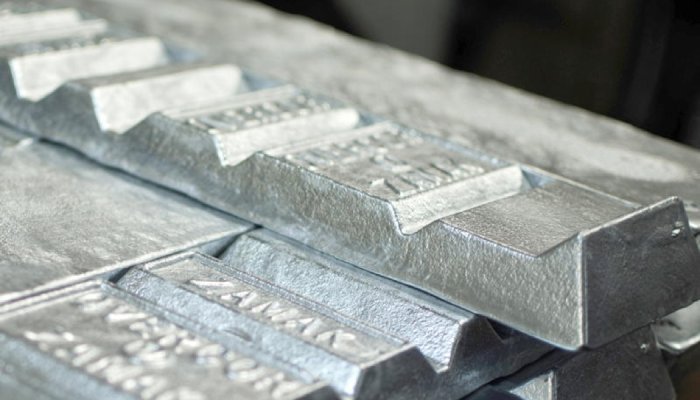
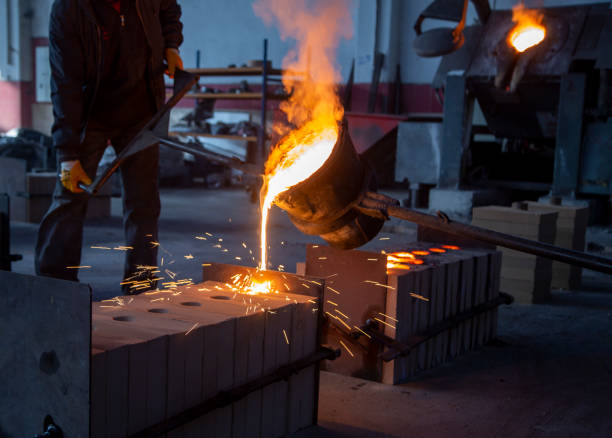
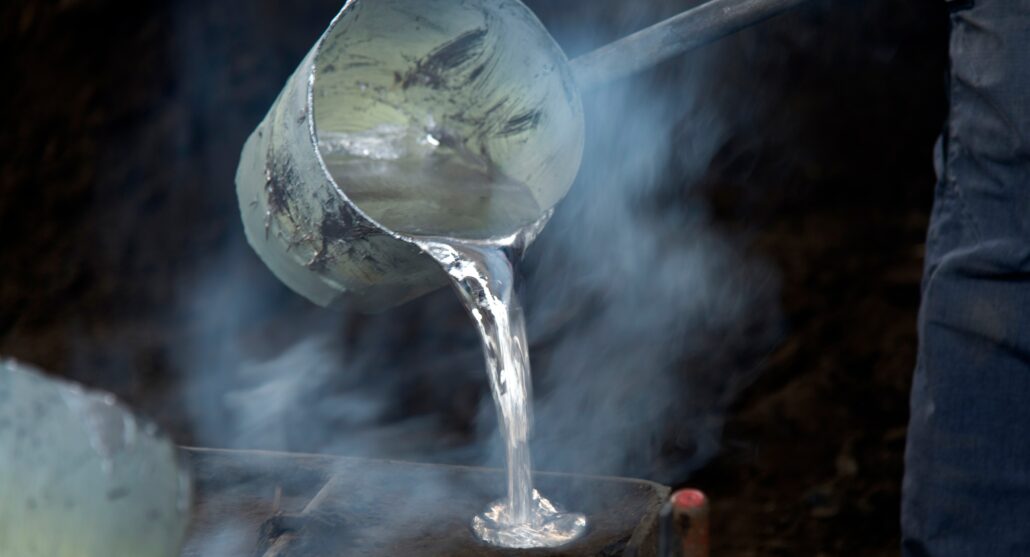
La fundición a presión de zinc personalizada se ha convertido en una piedra angular de la fabricación moderna, ofreciendo a las empresas la capacidad de producir piezas complejas, duraderas y de alta precisión a escala. A diferencia de los métodos de fundición estándar, la fundición a presión de zinc personalizada permite a los fabricantes crear componentes que cumplen los requisitos exactos de diseño, dimensiones y rendimiento. Esta flexibilidad la convierte en una solución ideal para sectores como la automoción, la electrónica, el aeroespacial y los productos de consumo, donde la fiabilidad y la precisión son fundamentales. Las aleaciones de zinc como Zamak 2, Zamak 3, Zamak 5 y ZA 8 son aleaciones de fundición a presión de zinc de uso común, que se seleccionan en función de sus requisitos mecánicos y térmicos. Zamak 2 tiene aproximadamente un 4% de aluminio, alrededor de un 3% de cobre y un poco de magnesio, lo que le confiere una gran resistencia y dureza, con una resistencia a la tracción muy cercana a los 330 MPa. El zamak 3 es, con diferencia, el más utilizado y está prácticamente exento de cobre (aproximadamente 4 % de aluminio y un contenido similar de magnesio), por lo que es duro y fácil de colar, con una resistencia a la tracción de unos 280 MPa. Se conoce como Zamak 5 una aleación a base de zinc con un contenido de cobre de 1%, que mejora un poco la resistencia y la dureza hasta los 310 MPa de la resistencia a la tracción, y que tiene una buena colabilidad. ZA-8 es una aleación de aluminio de casi 8,5% y cobre de unos 1% con una resistencia a la tracción de casi 390 MPa y una buena resistencia al desgaste y rendimiento en condiciones de temperatura elevada. La fundición a presión de zinc personalizada, el proceso como tal y el uso del negocio de los servicios de fundición a presión de aleación de zinc personalizada de China se explorarán en este artículo. ¿Qué es la fundición a presión de zinc? La fundición a presión de zinc es un método de inyección de zinc fundido a alta presión en un molde de acero. Cuando el metal se solidifica, adopta la forma del molde creando una pieza particular y duradera. Comparado con otros metales, el zinc posee una gran fluidez, una excelente resistencia y la capacidad de fundir a presión componentes con detalles finos. Su resistencia hace del zinc una opción atractiva desde el punto de vista del rendimiento, pero también es un material de coste relativamente bajo, y resulta una opción atractiva para las empresas que desean equilibrar el rendimiento con los costes de producción. Esto es especialmente cierto con cualquier tipo de fundición a presión de zinc personalizada, ya que este proceso permite a las empresas diseñar componentes personalizados para sus necesidades individuales. Ventajas de la fundición a presión de zinc personalizada 1. Precisión y exactitud Precisión y exactitud La personalización de la fundición a presión de zinc tiene una de las ventajas más significativas, que es la capacidad de fabricar piezas muy exactas y precisas. Este proceso de fundición a presión garantiza que las dimensiones y el acabado superficial de los componentes sean uniformes, incluso en el caso de diseños complejos. En los campos de la electrónica, la automoción y la industria aeroespacial, donde se necesita tolerancia y ajuste, esta precisión es muy importante. Las piezas con detalles finos que no pueden crearse por otros medios y las piezas con geometrías intrincadas y detalladas pueden fabricarse mediante fundición inyectada de zinc a medida. Mientras que otros métodos de fabricación pueden ser capaces de producir algunas piezas con grandes volúmenes de piezas idénticas con una variación mínima, la fundición a presión es realmente el camino a seguir para las piezas que requieren un alto nivel de consistencia. 2. Durabilidad y resistencia Es un metal robusto y muy duradero y resistente a la corrosión. Es, por tanto, perfecto para fabricar piezas que estarán sometidas a condiciones abrasivas. La fundición a presión de zinc ofrece la posibilidad de fabricar piezas a medida diseñadas para ser utilizadas eficazmente durante periodos de uso. Las piezas de fundición a presión de aleación de zinc ofrecen una excelente relación resistencia-peso, por lo que los productos serán resistentes pero no demasiado pesados. Como en la mayoría de las industrias, esto es crucial (especialmente en la fabricación de automóviles), donde la reducción de la masa del sistema es fundamental para el rendimiento, la eficiencia del combustible, etc. 3. Rentabilidad Para muchas empresas, la rentabilidad es algo muy importante. Este reto puede resolverse bastante bien utilizando el proceso de fundición a presión de zinc a medida debido a su capacidad para crear piezas de alta calidad a un coste relativamente bajo. Debido al coste relativamente bajo de los materiales de zinc y a la eficacia del proceso de fundición a presión, no cabe duda de que el zinc es una opción muy rentable para los fabricantes. La fundición a presión es también muy precisa de alto nivel, por lo que puede reducir los costes de postproducción o de trabajo de máquinas secundarias. También permite un alto nivel de producción de piezas idénticas en una sola tirada de producción y por lo tanto reduce aún más los costes, por lo que es la solución perfecta para la producción en masa. 4. Flexibilidad de diseño La principal ventaja de la fundición a presión de zinc con diseño personalizado es que existe flexibilidad con respecto al diseño. Esto permite a los fabricantes crear piezas con formas complejas, paredes finas y características intrincadas que de otro modo habrían sido impracticables de fabricar. Esta flexibilidad permite a las empresas inventar y crear piezas diferentes que ofrezcan funciones concretas y un aspecto específico. Además, las piezas pueden crearse con distintos acabados superficiales, desde lisos y pulidos hasta texturados o mates, utilizando esta aleación de zinc de fundición a presión personalizada. La versatilidad en el diseño hace que la fundición a presión de zinc sea adecuada para muchas más aplicaciones que la electrónica de consumo: maquinaria industrial, piezas para vehículos, etc. 5. Hoy en día, el tiempo es esencial en un entorno de fabricación de alta velocidad y gran volumen. La fundición a presión de zinc a medida ayuda a las empresas a dar en el blanco con plazos de producción rápidos, ya que sacan sus productos al mercado con celeridad. El proceso de fundición es bastante rápido una vez que se hacen los moldes, por lo que en realidad todo el proceso es bastante rápido y permite la producción rápida de una gran cantidad de piezas en un tiempo mínimo. Además, es útil en las industrias en las que el tiempo de comercialización es crítico. El uso adecuado de la fundición a presión de zinc ayuda a las empresas a evitar retrasos y escasez de existencias y da como resultado piezas de alta calidad. El proceso de fundición a presión de zinc a medida Este es el caso del proceso de fundición a presión de zinc a medida en masa, que tiene muchos pasos clave a realizar para que cumpla lo necesario. Estos pasos son: 1. Diseño y creación del molde Lo primero que se hace para fabricar un molde es diseñarlo utilizando acero. La pieza que se
Guía completa de la aleación Zamak 5: Propiedades, Fundición y Aplicaciones

Guía completa de la aleación Zamak 5: Propiedades, Fundición y Aplicaciones

fundición a presión de zamak 5

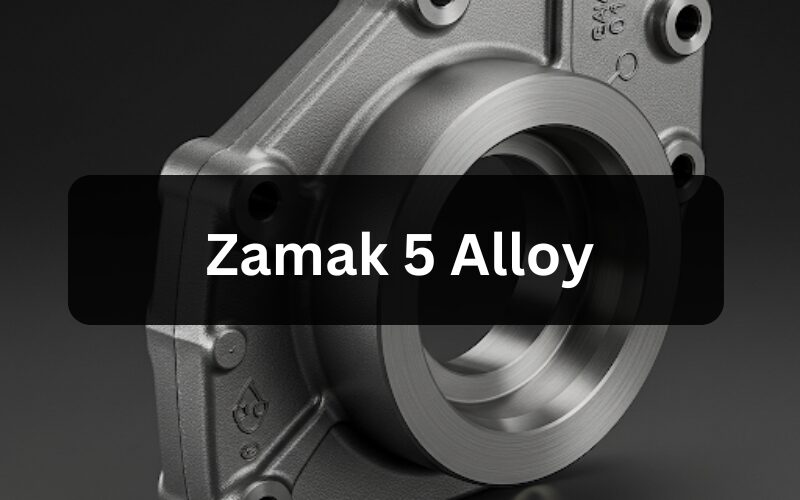
One such alloy that is widely used in manufacturing and casting industries is the zinc-based Zamak 5 alloy, which has some unique features. This is because of the great strength, excellent durability and great corrosion resistance, which Zamak 5 offers, making it an ideal material for use in die casting operations. After extraction, Zamak 5 is extremely low-melting and has excellent casting characteristics, thus making Zamak 5 an ideal material for automotive manufacturing and consumer products and hardware industries. Industry participants will have the certainty about Zamak 5 alloy properties, such as composition and various concrete usages, to make production decisions and optimize the process of operational effectiveness. The article discusses Zamak 5 alloy through its chemical makeup and the manufacturing methods alongside temperature control and pressure maintenance, and mechanical substance attributes on the industrial performance. Zamak 5 Alloy Overview Zamak 5 functions as a leading zinc-based alloy that industry refers to as zinc-aluminum alloy. Zamak 5 is chemically composed of 3.5 to 4.3 percent aluminum along 0.03 to 0.08 percent magnesium, and 0.75 to 1.25 percent copper. It also gets its superior strength due to the elements that the manufacturer can use to create high-strength components for use in the automotive and aerospace, and consumer goods industries. The tensile strength, as well as 6.7 g/cm³ density and a relatively wide melting point range of 380-385°C, are present in this alloy because of its good durability and good precision. Composition and Properties of Zamak 5 Chemical Composition of Zamak 5 Mechanical properties of Zamak 5 are improved by mixing in a zinc-based alloy in controlled percentages of zinc and aluminum and copper, and magnesium. This property of easy melting is one of the qualities that makes Zamak 5 an excellent die casting alloy in comparison with 96–98% of the alloy that is ZINC. For the achievement of superior results, it is critical to use zinc material with 99.99% purity in order to avoid contaminants that would impair the alloy strength and structural integrity.The solidification of Zamak 5 material is improved by the addition of Aluminum (3.5 to 4.3%) as it improves the alloy’s microstructure. The regions have e composition forming them that combines ductility and hardness features in the material structure. Zamak needed to be measured for the exact aluminum content to prevent material defects like cracking as well as brittleness problems.The presence of magnesium between 0.03% to 0.08% in zamak 5 is because with this element, the corrosion of micro cracks in grain boundaries is blocked by impurities. Because this addition makes the alloy more fluid, the mold benefits by obtaining better filling features. Leaving out magnesium will make the Zamak 5 surface defective, as well as being very hard to machine.Zamak 5 is graphite casted and has good wear resistance and heat treating capability when the amount of copper is added at 0.75 to 1.25 percent, which has enhanced creep resistance, which is appropriate for thermal variation applications. Because Zamak 5 becomes brittle when the correct limits are exceeded, the ratio of copper is important. Physical Properties of Zamak 5 The weight of a Zamak 5 material is 6.7 g/cm³ with a density between steel and greater than the aluminum alloys. Its favorable weight-to-strength relation makes Zamak 5 suitable for many structures involving strong materials with low weights. Zamak 5 melts between 380 and 385 degrees Celsius, which makes the exact casting of zamak 5 cost-effective compared to aluminum. At a mean temperature of 120 °C, the tensile strength of Zamak 5 was 330 MPa with 220 MPa yield strength and elongation potential of 7-10%, which meets the requirements of industrial use. Zamak 5 is strong and adaptable as it has high yield strength at 220 MPa and the maximum elongation before almost failure of 7-10%. Mechanical Properties of Zamak 5 Zamak 5 has 91 HB Brinell hardness levels perfectly struck in between strength and surface hardness, making it an excellent combination for decorative handles or other parts demanding wear protection. Impact Resistance: The measure of room temperature Charpy impact strength of the material is 53 J, while at -20°C it reduces to 35 J. The alloy has high impact resistance so that it can protect itself against mechanical stresses and vibrations in dynamic force conditions.Zamak 5 can stand up to cyclic stress of 100 MPa and survive without failure up to 1 million cycles. Zamak 5 performs in practice with reliable stability under continuous loading, thus being suitable for the machine components and the washing machine part.  Mechanical Properties of Zamak 5 Alloy A table below displays essential mechanical characteristics of Zamak 5 aluminum alloy. Property Value Brinell Hardness 91 HB Ultimate Tensile Strength 328 MPa Yield Strength (0.2%) 269 MPa Shear Strength 262 MPa Compressive Strength 600 MPa Fatigue Strength 56.5 MPa Impact Strength 65 J Modulus of Elasticity 96 GPa Elongation 7% in 50mm Zamak alloy’s strength values show how it can withstand stress and place it within other materials where it can be used in demanding applications. Zamak 5 provides superior resistance to fatigue loads and impacts, thus suitable for parts subjected to repeated force loadings. Physical Properties of Zamak 5 Alloy Through its full set of characteristics, Zamak 5’s behavior is controlled by the physical properties. Property Value Melting Range 380-386°C Density 6.60 g/cm³ Electrical Conductivity 26% IACS Thermal Conductivity 109 W/mK Specific Heat Capacity 419 J/kg-°C Coefficient of Thermal Expansion 27.4 µm/m°K Poisson’s Ratio 0.30 The combination of properties in Zamak 5 makes it perform well in different settings and for application conditions that are suitable for thermal as well as electrical conductivity. Appropriate density characteristics and thermal ability make Zamak 5 to must for warm sensitive systems and also possesses good electrical properties, which provide a variety in an use form of an electrical part. Advantages of Zamak 5 Alloy In comparison, the superior strength properties that Zamak 5 exhibits at the same time with lower weight are because its strength-to-weight ratio is 49 MPa, which exceeds A380 aluminum. Due

Guía completa de Zamak 3 y sus aplicaciones

Guía completa de Zamak 3 y sus aplicaciones

zamak 3

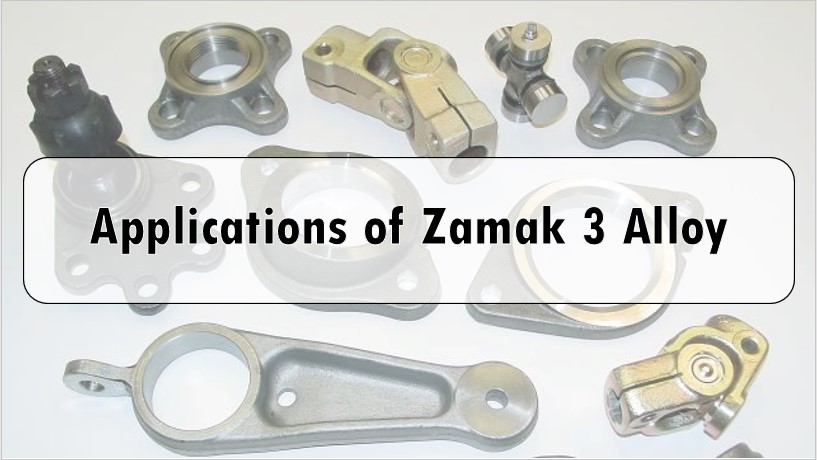
Among the Zamac alloys, Zamak 3 is the most popular due to its well balanced strength, durability and ease of casting. Zinc is the main component of this alloy containing small amounts of aluminum (3.5 -4%), magnesium (0.03 – 0.06%), and copper (0.25%) in all. Because of its very specific composition, it makes this sample more mechanically stable, less prone to corrosion, and capable of retaining dimensions more accurately. Zamak is a group of alloys consisting of zinc, which are widely used in manufacturing as they have good mechanical properties and as also affordable. It is derived from German words Zink (zinc), Aluminum, Magnesium and Kopper (copper) and the term is followed by the name of the symbols of these elements: ‘Zamak’. In the 1920s, these alloys were developed, and today they are now basic in industries that require precision metal components. This is one of the main advantages of Zamak 3 zinc alloy as it can be die cast. The low melting point (around 385°C) means that it was used for relatively low cost manufacturing of parts with intricate and detailed features. When the casting process is completed, it has maintained its fluidity to provide smooth surface finishes that do not require excessive post production treatment. Zamak 3 casting has got such good performance of it that it is used in many industries. It is present in the majority of the automotive component, electrical housing, hardware and consumer goods. Since the material is corrosion resistant and dimensionally accurate, its use is particularly appropriate for such demanding applications where long term reliability is required. Overall, Zamak 3 alloy is a cost effective and a versatile material that has continued to remain in use in modern manufacturing. The strength, durability, casting efficiency combination associated with it makes it most sought after for the industries that are heavily dependent on the quality metal component. What is Zamak 3? It can be described as zinc zinc-based alloy comprising zinc, aluminum and magnesium, with copper. Zamak is a family of alloys, which were invented in the 1920s. The name ‘Zamak’ is based on German expeditions (Zink, Aluminium, and Magnesium) plus (Kopper, or Cu) for the main components of the material.Zamak 3 (also specified as ASTM AG40A, Z33520 UNS) is one of the most commonly used zinc alloys in the die casting industry. Zamak 3 is known for its outstanding mechanical and physical properties and is a preferred choice for many industries across the board. This material has excellent castability, dimensional stability and durability that make it one of the key materials used to manufacture precision parts.Zamak 3 zinc alloy is considered to be among all the Zamak alloys because of its good mechanical properties and low cost. One offers excellent balance between hardness, impact strength, and dimensional stability, thus making this one a good industrial application. Composition and Properties of Zamak 3 Alloy Zamak 3 Alloy Composition Zamak 3 alloy is based on zinc with some aluminum and various trace metals, adding different beneficial properties. Zamak 3 alloy composition is chosen to provide the strength, durability and easy manufacturability of die casting. Zamak 3 consist of the following keys components. They work as a combination to form an alloy that features very excellent mechanical and physical properties and Zamak 3 is very popular in sectors like automotive, electronics and for manufacturing purposes. Chemical Composition of Zamak 3 Alloy The four primary elements of the Zamak 3 alloy are zinc, aluminum, magnesium and copper. The alloy characteristics are defined and its mechanical properties are enhanced by each element playing a particular role. Zamak 3 zinc alloy is normally available with typical compositions comprised of: Zinc (Zn) – 96% Zamak 3 alloy consists of Zinc as the base metal with excellent corrosion resistance, good casting properties and affordability. Additionally, it facilitates easy melting and molding, and can be mass produced in the die casting industry. Aluminum (Al) – 3.5% to 4% Aluminum also increases the strength, hardness and corrosion resistance of the alloy. In addition, it increases the fluidity of molten metal, and this allows Zamak 3 casting to produce precise and complex shapes witha  smooth finish. Magnesium (Mg) – 0.03% to 0.06% Magnesium provides significant improvement to the mechanical strength and impact resistance even in small amounts in Zamak 3 zinc alloy. In addition, the casting of the alloy is also made more stable and durable as it helps reduce oxidation during this process. Copper (Cu) – 0.25% The hardness and tensile strength of the alloy are increased by copper. But, it is kept at a very low percentage to avoid excessive brittleness of Zamak 3 alloy. Key Properties of Zamak 3 Alloy Zamak 3 zinc alloy is carefully balanced to make it a suitable industrial application because of its advantageous properties that include: 1. High Strength and Hardness The characteristics of Zamak 3 alloy produce an excellent balance between strength and ductility suitable forthese typese of components, which require durability under mechanical stress. It has tensile strength of about 283 MPa (41,000 PSI) and a hardness rating of 82 Brinell (HB). This combination makes it wear and tear resistant for such applications as automotive, and structural components. 2. Excellent Dimensional Stability Zamak 3 casting is one of the most valuable casting characteristic for maintaining precise dimensions even at high stress conditions. Zamak 3 zinc alloy is unlike some other metal alloys which expand or contract greatly with the temperature fluctuation. It becomes ideal for the applications where the tolerances should be tight and the fit should get exact, such as gears, locks and industrial machinery parts. 3. Corrosion Resistance Zamak 3 alloy contains aluminum and magnesium it which provide an additional source for oxidation and environmental corrosion. Pure zinc, however, is prone to corrosion over time, and a corrosion-resistant layer is formed on the surface after the additional elements in Zamak 3 zinc alloy. Due to this, it is good for outdoor applications, automotive components, and electrical enclosures. 4. Superior Castability and Fluidity

¿Qué es el zamak? Guía completa de esta versátil aleación de zinc

¿Qué es el zamak? Guía completa de esta versátil aleación de zinc

fundición a presión de zamak

What is zamak? Zamak or ‘zinc alloy’ is a family of alloys that are mainly zinc-based with traces of other metals such as aluminum, magnesium and copper. Zamak is a German word made from the short form of zinc (‘Z’) and the word Amak (‘aluminum, magnesium and copper’; the main elements that compose this alloy). Due to its versatility, durability and cost efficiency, the metal is very popular in industries. Zamak (or Zamac, trademarked as ZAMAK before) is a very soft and relatively hard group of alloys, the majority of which comprises of zinc and some smaller amounts of aluminum, copper and magnesium. These alloys are a part of the broader family of zinc-aluminum alloys, but this group is distinct in that the concentration of aluminium is usually consistent and is typically about 4%. This particular combination of elements is what distinguishes Zamak from other alloys within the family and, consequently, results in unique properties that make it suitable for a variety of applications. In this article, we shall discuss Zamak’s composition, characteristics, types, advantages, uses and reasons why it is progressively being employed in various sectors of manufacturing.  Zamak: A Versatile Zinc-Aluminum Alloy Zamak is an acronym for the German names of the metals that comprise its alloy: Zink (zinc), Aluminium (aluminum), Magnesium and Kupfer (copper). First introduced in 1929, the alloy has since proven itself to be a cost-effective, durable, and incredibly versatile material to be used throughout the manufacturing world. Before Zamak was developed, zinc die casting had an issue known as zinc pest. Zinc pest refers to the degradation of zinc components due to the presence of impurities in the alloy. The impurities made the zinc degenerate, and over time, most die-cast parts were rendered unusable. The New Jersey Zinc Company solved this by making Zamak, which was made from very pure zinc – the very most pure zinc – 99.99% pure zinc. Refining was achieved by refluxing, and this was done so that the impurities that caused zinc pest could be removed. The Origins and Evolution of Zamak Alloys  Zamak’s innovation had brought stability to the zinc die casting industry, which was much needed. Zamak was soon widely accepted for its higher purity and its ability to resist zinc pest in a relatively short period for use in die casting and other industrial purposes. This alloy was a real success, as it enabled strong, durable, and long-lasting components even in harsh environments. Zamak has become a well-proven material, qualifying it to endure mechanical stresses while exposed to the environment.  What is zamak? Zamak itself is a zinc-aluminum-based alloy, essentially designed for die casting and precision manufacturing. It is widely used as a result of its strength, corrosion resistance and good casting properties; it was developed in 1929 by the New Jersey Zinc Company. Being able to melt at (380°C or so to 420°C), it has a low melting point and thus is suitable for automotive parts, hardware, electrical components, and consumer goods. It is a preferred choice over pure zinc and other metal alloys because of its durability and low cost in different industries. Composition of Zamak Alloys Zamak is a group of five different alloys of zinc as the base metal and small amounts of added aluminium, magnesium and copper to provide special properties to the metal. The principal elements contained in various Zamak alloys include: 1. Zinc (Zn) is the base metal in all Zamak alloys. The alloy is the second most widely used non-ferrous metal, after aluminum, as it is notable for its corrosion resistance and strength.2. Zamak also often contains Aluminum (Al) to increase the overall strength and resistance to corrosion. Also, it gives a better surface finish, which is worth special attention in casting.3. Magnesium (Mg) – Magnesium is also added to Zamak alloys to enhance the strength and casting properties of the finished alloy. Reducing the brittleness of zinc is also achieved.4. Zamak contains copper (Cu) added in very small amounts to add hardness and increase wear resistance. In general, the composition of the alloy may differ with the type of Zamak, but generally contains about 85–95% zinc, aluminium around 4–8%, copper 1–3%, and magnesium 0,01–0,1 %.  What is the Zamak Melting Point? The melting point of Zamak alloys depends slightly on their composition, but commonly lies between 380°C to 420°C (716°F to 788°F). Zamak is also relatively low in melting point and is a good choice for casting and precision manufacturing. Melting Points of Different Zamak Alloys: Zamak is made of mostly zinc so it melts at a much lower temperature than aluminum or steel. Its property of high precision, fast production and cost-effective manufacturing makes it appropriate for applications having high precision requirements. What is Zamak Powder? Zamak powder is a fine particle structure of Zamak alloy composed of zinc with minor additions of aluminum, magnesium, and copper. This is a fine metallized powder used in industries such as thermal, spraying industries, industries in additive manufacturing and powder metallurgy industries. Properties of Zamak Powder Composition: Same as standard Zamak alloys (Zamak 2, 3, 5, or 7)Melting Point: Approximately 380°C to 420°C (716°F to 788°F)Corrosion Resistance: Excellent resistance to environmental factorsConductivity: Good electrical and thermal conductivityDensity: Like Zamak solid, which makes it suitable for metal plating and sintered parts Uses of Zamak Powder 1. Powder Metallurgy– Applied in the making of sintered components where metal powder is put and it is heated in the formation of solid parts.2. Thermal Spraying – Used as a protective coating of its surface that involves use of sprayed material in protecting the surface against corrosion and wear.3. 3D Printing and Additive Manufacturing – applied in the new generation technologies for manufacturing prototypes.4. Metal Injection Molding (MIM) – This is used in the manufacturing processes of small metal parts with intricate designs. Advantages of Zamak Powder Zamak powder finds its application in automotive, aerospace, electronics and many other industrial applications because of its usefulness and strength. Different Types of Zamak Alloys and

Soldadura de aluminio fundido: Guía completa

fundición de aluminio, fundición de aluminio a presión

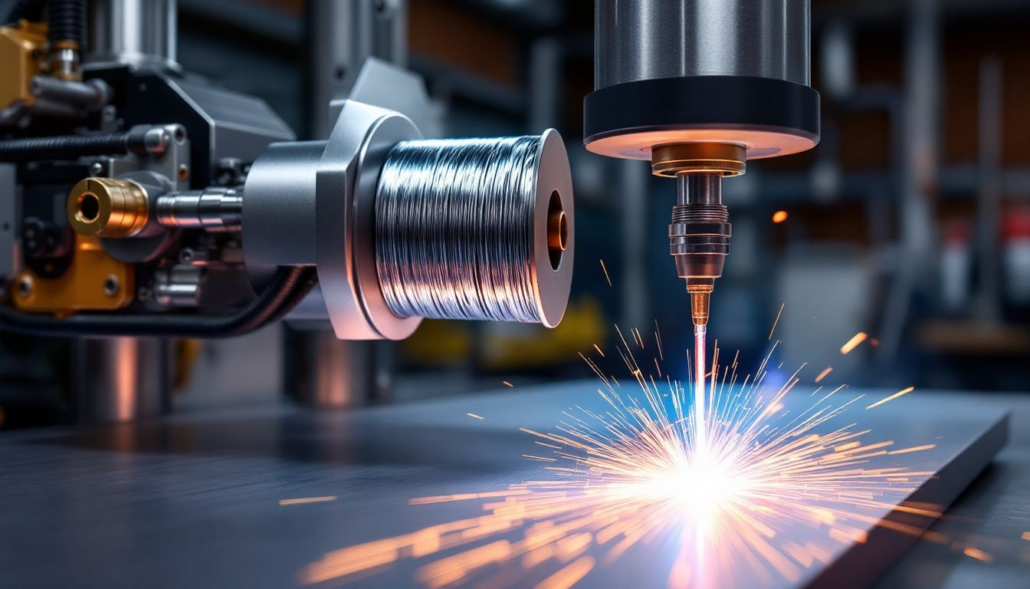
Hay muy pocos lugares donde uno pueda aprender a soldar aluminio fundido, y el conjunto de habilidades necesarias para hacerlo es muy especializado. Sin embargo, el aluminio fundido es un material que se crea vertiendo aluminio fundido en un molde, lo que da como resultado un material poroso con impurezas. Esto no ocurre con las aleaciones de aluminio estándar. Debido a estas características, la soldadura es más difícil, y es necesario prepararla con cuidado, controlar el calor con precisión y utilizar las técnicas adecuadas para producir soldaduras fuertes y robustas. La oxidación es uno de los mayores obstáculos a la hora de soldar aluminio fundido. Esta fina capa de óxido, que se forma cuando se expone al aire, es mucho más gruesa que la que se forma de forma natural en el aluminio, y se funde a una temperatura mucho más alta que el propio aluminio, lo que dificulta la fusión. Además, la presencia de impurezas y gases atrapados en el aluminio fundido puede dar lugar a porosidad, lo que proporciona soldaduras débiles si no se limpian y precalientan adecuadamente. El TIG (gas inerte de tungsteno) es el método preferido para la precisión y la limpieza, mientras que el MIG (gas inerte metálico) es útil para la velocidad y el material más grueso. Para obtener una soldadura fuerte y sin defectos, es necesario utilizar el metal de aportación correcto (como 4045, 5356 o 4047) y la combinación de gas de protección (de argón puro o mezclas de argón y helio). Una buena preparación incluye una limpieza y precalentamiento adecuados en la medida de lo posible para minimizar el agrietamiento, la porosidad y la falta de fusión. La resistencia y la vida útil de las uniones soldadas mejoran aún más con tratamientos posteriores a la soldadura, como el alivio de tensiones, el esmerilado y la protección anticorrosión tras la soldadura. Aunque la mayoría de los soldadores de aluminio fundido sueldan acero, los soldadores pueden trabajar con éxito con aluminio fundido utilizando las técnicas, herramientas y atención al detalle adecuadas siempre que en las industrias se requieran componentes ligeros y de alta resistencia. Se trata de un proceso dominable que conduce a un mayor desarrollo de las aplicaciones de soldadura de aluminio y a un rendimiento fiable y predecible de las estructuras de aluminio en entornos críticos. Comprensión del aluminio fundido Sin embargo, antes de proceder con las técnicas de soldadura necesarias para el aluminio fundido, es crucial tener una comprensión firme de lo que constituye el aluminio fundido y lo que lo hace único con respecto a otros metales. El aluminio fundido difiere del aluminio forjado, al que se da forma mecánicamente mediante laminación o extrusión, en que el aluminio fundido puede adoptar formas complejas de gran precisión fundiendo aluminio y vertiendo esta forma fundida en un molde. La estructura interna única así producida, normalmente caracterizada por porosidad, impurezas y composición variable de la aleación, tiene un efecto importante en la soldabilidad. Para poder soldar aluminio fundido con éxito, hay que conocer sus propiedades químicas y físicas, sus pros y sus contras, así como los distintos tipos de aleaciones de aluminio fundido de diversas industrias. Estos factores se tendrán en cuenta para determinar el método de soldadura necesario, la selección del material de aportación y las técnicas de preparación previas a la soldadura para realizar soldaduras fuertes y sin defectos. Propiedades del aluminio fundido: ¿Qué hace diferente a una fundición? Otra consideración importante que hay que tener en cuenta es que el aluminio fundido tiene varias propiedades que lo hacen ligero, anticorrosivo y muy flexible. Sin embargo, estas mismas propiedades también plantean algunas dificultades a la hora de soldar, siempre que no se tomen las medidas adecuadas. 1. Porosidad: El reto oculto Posiblemente una de las mayores preocupaciones de la soldadura del aluminio fundido es la porosidad; se conoce como las pequeñas burbujas de gas que quedan atrapadas en el metal cuando se está fundiendo. Estos ocho son el resultado del atrapamiento de gases como el hidrógeno, la formación de pequeños poros como resultado de la contracción durante el enfriamiento del metal de aluminio y las impurezas. ???? Cómo afecta la porosidad a la soldadura ???? Cómo minimizar la porosidad durante la soldadura 2. Oxidación: La Barrera para las Soldaduras Limpias Es un elemento que reacciona con otros elementos particularmente con el oxígeno que se encuentra en el espacio que rodea al metal. Esta oxidación genera una piel muy fina pero extremadamente dura de óxido de aluminio (Al₂O₃) a través de la cual se impide la corrosión posterior del aluminio. No obstante, la capa de óxido es un problema crítico a la hora de soldar, ya que su temperatura de fusión es de unos 2037°C (3700°F), muy superior a la del aluminio, 660°C (1221°F). Investigación sobre por qué la oxidación es un problema en la soldadura ???? Diferentes técnicas de eliminación y control de la oxidación 3. Sensibilidad al calor: Controlando la Conductividad Térmica A diferencia del acero, el aluminio tiene una alta conductividad térmica y puede absorber y emitir calor fácilmente. Esto siempre ha sido un problema para mantener una temperatura de soldadura estándar; esto tiende a causar lo siguiente: ???? Cómo superar los desafíos de la sensibilidad al calor Tipos comunes de aleaciones de aluminio fundido Se pueden fundir varios tipos de aleaciones de aluminio fundido según su composición química y propiedades mecánicas. Aquí están algunas de las ventajas y desventajas de cada tipo, así como las aplicaciones en las que serían más útiles. 1. Fundición de aluminio A356: La aleación de alta resistencia Su composición: Engloba principalmente aluminio (Al), silicio (Si) y magnesio (Mg). ???? Características principales ???? Aplicaciones comunes 2. 319 Aluminio fundido: La composición allo resistente al desgaste: Contiene mayores niveles de silicio (Si) y cobre (Cu) que el A356. ???? Características principales ???? Aplicaciones comunes 3. 535 Aluminio fundido: La composición de aleación de grado marino: Contiene un alto porcentaje de magnesio (Mg) para resistencia a la corrosión. ???? Características clave ???? Aplicaciones comunes Por qué es importante entender el aluminio fundido para la soldadura Empezar con el dominio de la soldadura del aluminio fundido consiste en determinar de qué está hecho el aluminio fundido, sus propiedades y los retos asociados. Por lo tanto, como el aluminio fundido se utiliza ampliamente en la ingeniería automotriz, aeroespacial y marina, los soldadores requieren estrategias para la porosidad de la fundición, la oxidación y la sensibilidad al calor. Los distintos tipos de aleaciones de aluminio fundido responden a la soldadura de forma diferente, por lo que la elección correcta de los materiales de aportación, el gas de protección y la técnica de soldadura suponen la diferencia entre una soldadura fuerte y fiable o una unión débil y porosa. Con la preparación del material, utilizando los procedimientos de limpieza correctos y regulando el aporte de calor, los soldadores pueden abordar los problemas asociados con el aluminio fundido y generar soldaduras potentes y duraderas que cumplan con las duras aplicaciones. Desafíos de la soldadura del aluminio fundido La soldadura del aluminio fundido es notoriamente difícil debido a las propiedades físicas y químicas únicas del aluminio fundido.

Guía definitiva de muebles de exterior de aluminio fundido

Guía definitiva de muebles de exterior de aluminio fundido

fundición de aluminio, fundición de aluminio

When in search of good material for outdoor furniture, durability, style, but also low maintenance rates, must be considered. Extensive popularity for cast aluminum outdoor furniture has been for its endurance during plenty of weather situations and gleaming style. However, cast aluminum is different from wood, which can rot, or wrought iron, prone to rust, and it has a perfect balance of strength and longevity. It is one of the greatest advantages of cast aluminum patio furniture to have resistance against rust and corrosion. Since it is water proof, it makes it an excellent choice for locations that are prone to rain often or where constant humidity exists or if the regions are coastal and salt air begins corroding other materials. It is also light and yet sturdy enough to take outdoors, given its aluminum embodiment and also quite easy to move around. Another strong point of cast aluminum is customization. Having a mix of finishes, colors and intricate designs it can go with any outdoor aesthetics from a modern patio to a classic garden setting. The added bonus of being able to customize the furniture even further with cushions, pillows and mixed materials is also appreciated by many homeowners. There are a few common misconceptions about cast aluminum, for instance being too hot to touch in the sun or being more costly than other materials, but this is far from the case. Minimal upkeep and will keep its appearance decade after decade with only simple care. However, cast aluminum offers both cushioned comfort that wood can’t and a stylish affair you won’t regret. What is Cast Aluminum Outdoor Furniture? Sometimes referred to as ‘aluminoxide’, the name cast aluminum refers to a type of metal melted and poured into molds to make sculpted designs. Cast aluminum patio furniture is not rugged like wrought iron or steel, it’s lightweight, rustproof, and can withstand all of the elements. If you desire elegant furniture that takes little maintenance while withstanding harsh out of doors components, it is a very good alternative. What is the Advantage of Cast Aluminum Outdoor Furniture? 1. Weather Resistance Cast aluminum outdoor furniture is unlike wood or wrought iron: it will never rot or rust and is ideal for outdoor use, as it is resistant to moisture. It absorbs no water and thus does not crack, warp, or weaken from exposure to rain, snow and humidity. 2. Rustproof and Corrosion-Resistant Cast aluminum patio furniture has one of the major advantages because it does not rust. Hence, it is the perfect option for humid and coastal regions as it is likely to withstand heavy rainfall. 3. Lightweight Yet Sturdy As you could expect, cast aluminium is very light compared to wrought iron, allowing it to be moved around and rearranged with far less difficulty. The wind and general wear and tear will not get to it, but still sturdy enough. 4. Elegant and Stylish Designs Cast aluminum has its particular style and is often used for patio set furniture, patio furniture, which is mostly decorated or designed carefully with intricate patterns related to some elegance. It has a detailed craftsmanship that gives the patio a sophisticated look, and the process of casting helps achieve this. 5. Low Maintenance Cast aluminum patio furniture is almost maintenance-free as it does not require staining or sealing like wooden furniture does. It will look new with a simple wipe using mild soap and water. 6. Long Lifespan Due to its ultimate durability and the fact that it is not bothered by the outdoor elements, cast aluminum furniture is long-lasting and an investment worth making by homeowners. Types of Cast Aluminum Outdoor Furniture 1. Cast Aluminum Patio Dining Sets A patio set cast aluminum dining set will be a nice addition to any yard or garden. Typically, it’s a table and matching chairs suitable for dining outside, on the patio or enjoying a BBQ with friends and family. 2. Cast Aluminum Lounge Chairs In case they love to lie outside, cast aluminum lounge chairs are a stylish and comfortable optioptionclining feature, and cushions are available in many models. 3. Cast Aluminum Benches Cast aluminum benches look attractive for parks, gardens or patios. On the other hand, they possess classic and timeless appeal and are very durable. 4. Cast Aluminum Coffee Tables Cast aluminum coffee tables are used that fit underneath outdoor seating areas. These are the ideal placplacesstick glasses, snacks or decorative items. 5. Cast Aluminum Bistro Sets If you have a small patio or balcony, a good choice for you is a bistro set that is made from cast aluminum. It adds to your decor with cozy and stylish seating for 2 persons. Cast Aluminum Patio Furniture: The Perfect Blend of Durability and Style Patio furniture made from cast aluminum is the best outdoor choice due to their resistance to rust, light weight and durability. Cast aluminum is much less heavy or prone to rust than wrought iron, and it doesn’t require near constant maintenance, like wood for a patio, garden or outdoor lounge area does. This is something that is done by molding molten aluminum into a desired shape to yield intricate designs and trendy finishes. Why are many homeowners who want a uniform look without the burden of labor preferring cast aluminum? There are many styles to choose from when you need a dining set, lounge chairs or even a decorative bench and cast aluminum furniture is available in all these options. Among its major advantages, weather resistance is one of them. Cast aluminum will not rot, rust away like steel, and will not crumble to dust like wood due to rain, sun, and even salty coastal air. Another benefit, wiping it with soap and water occasionally will keep it looking brand new, far easier than you might expect. Customization features also enable homeowners to personalize the patio furniture with the choice of cushions, pillows, and finishing with various powder-coated finishes. Thus, it is easy to match any outdoor décor. Furthermore,

¿Se puede soldar aluminio fundido? Guía completa

¿Se puede soldar aluminio fundido? Guía completa

fundición de aluminio

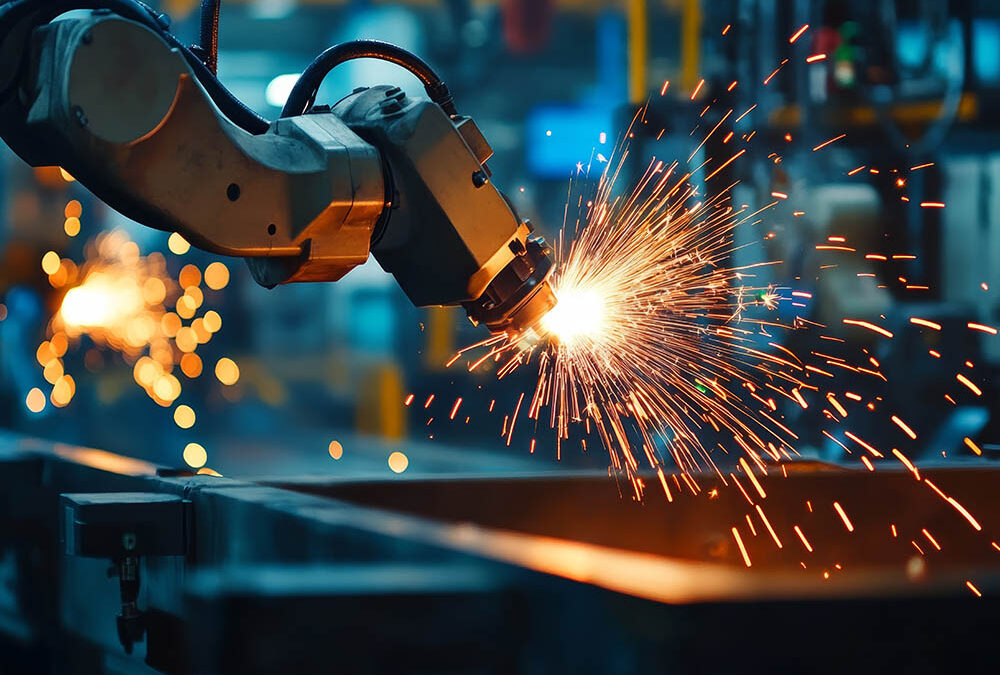
If you’re thinking, can you weld cast aluminum, the answer is yes, but you have to have the right setup, preparation and equipment to weld to cast aluminum. Welding cast aluminum is different from welding standard aluminum sheets since cast aluminium has impurities and a different grain structure, which impact weldability. The main properties of aluminium make it a popular metal used in industries such as automotive, aerospace and construction. Nevertheless, welding becomes a major issue with aluminum particularly the cast aluminum. Therefore, can you weld cast aluminum? Sure, you can, but there is a right way and a wrong way to do it, and this means you will need some techniques, preparation, and most importantly of all, equipment, to create a strong, durable weld. The problem is that cast aluminum is not regular general aluminum sheets. And is often impure and has a not-so-gripping fusion with a different grain in it, as poor, if not properly handled, this causes cracking, porosity, poor fusion, etc. But one big hurdle is that aluminum oxidizes (oxide layer forms). Your welding creates an inadequate joint because this layer is higher than the melting point of the aluminum itself, and if you don’t clean around it properly before you weld, it will stick. Control of heat is also an issue—it is neither constructive to work with too much heat, nor is it productive to have too little. They can successfully weld cast aluminum if you pick the right filler, temperature and shielding gas. TIG (Tungsten Inert Gas), MIG (Metal Inert Gas), even stick welding, and so on, are various welding methods, but not all are optimal for welding aluminium cast. This is a guide on how to weld cast aluminum with the best techniques, common problems and tips from experts so you get a nice strong and clean weld. When working with a broken aluminum part or your new project, you need to know how it works in order to avoid typical blunders and achieve the best outcomes. Learning About Cast Aluminum and Its Problems Production of cast aluminum, with direction for a specific shape, comes from melting aluminum and pouring the product into a mold. It is a widely used method of making engine blocks, transmission housings and other such mechanical parts. However, since cast aluminum is cast, it is likely to have impurities, porosity and high silicon content and therefore difficult to weld. Common Challenges in Welding Cast Aluminum 1. Shrinkage: After casting, aluminum can shrink in various parts due to its thermal coefficient of expansion. These gas pockets will expand during welding and resulting welds may be weak. 2. Aluminum:  Naturally has an oxide that must be cleaned before welding. It may otherwise interfere with the weld penetration. 3. The cast aluminum parts are also often impure (Oil, grease, dirt) if not cleaned they can pollute the weld. 4. Cracking of Welded Artwork: Some cast aluminum alloys can have high silicon content, which makes cracking during welding more likely. 5. Aluminum is Heat Sensitivity:  Aluminum conducts heat quickly, making it difficult to keep a weld pool stable without overheating. Having an understanding of these challenges will help pick the best welding technique with the most suited prep methods for getting a strong weld. Can You Weld Cast Aluminum? The Best Welding Methods You can perform welds on cast aluminum provided that you implement proper welding methods and proper materials along with appropriate preparations. Cast aluminum material becomes difficult to weld because of its impurities and voids which standard aluminum lacks. The correct weld-forming technique stands essential for creating effective durable welds. Three excellent methods exist for welding cast aluminum, including: 1. The GTAW stands for Gas Tungsten Arc Welding which functions as TIG Welding.   The best application exists for welds made of precise aluminum that require thin sections and produce excellent results. Why Use TIG Welding? Welding cast aluminum requires TIG welding because this process provides accurate heat management which generates clean and high-quality welds with very low staining. How to TIG Weld Cast Aluminum Pros & Cons of TIG Welding for Cast Aluminum 2. MIG welding systems under the name GMAW employ Gas Metal Arc Welding techniques.  The method works best for welding thick aluminum pieces when making big size repairs and demands fast work. Why Use MIG Welding? TIG welding might be slower than MIG welding while MIG welding proves to be excellent for joining thicker cast aluminum parts. MIG welding aluminum wire demands two things: first, extra setup equipment and second, a spool gun to manage wire supply. How to MIG Weld Cast Aluminum Pros & Cons of MIG Welding for Cast Aluminum 3. Shielded Metal Arc Welding operates via Stick Welding to correct broken or compromised areas.  The technique provides optimal benefits during emergency fixes as well as outdoor situations and large-scale metallic pieces. Why Use Stick Welding? Stick welding remains a valid choice for cast aluminum maintenance when no other suitable welding methods are accessible in outdoor emergency applications. Two Steps for Performing Stick Welds on Cast Aluminum Include Pros & Cons of Stick Welding for Cast Aluminum 4. Oxy-Fuel Welding functions under the name OAW (Oxyacetylene Welding) The technique is suitable for fixing minor aluminum components and basic welding jobs. Why Use Oxy-Fuel Welding? The technique of oxy-fuel welding provides a suitable option for doing small repairs on aluminum materials when TIG or MIG systems are not available. How to Oxy-Fuel Weld Cast Aluminum: Pros & Cons of Oxy-Fuel Welding for Cast Aluminum 5. Friction Stir Welding (FSW) Best for: Industrial applications, aerospace, and high-strength welds. Why Use Friction Stir Welding? The aluminum material undergoes friction stir welding in a solid-state fashion because the process heats and joins materials mechanically rather than melting them. Proficient welds without defects develop because of this process. How Friction Stir Welding Works Pros & Cons of Friction Stir Welding for Cast Aluminum Which Welding Method is Best for Cast Aluminum?  Welding Method Best For Pros Cons TIG Welding

Aluminio anodizado incoloro: ventajas, acabado superficial y guía de anodizado DIY

Aluminio anodizado incoloro: ventajas, acabado superficial y guía de anodizado DIY 

fundición de aluminio

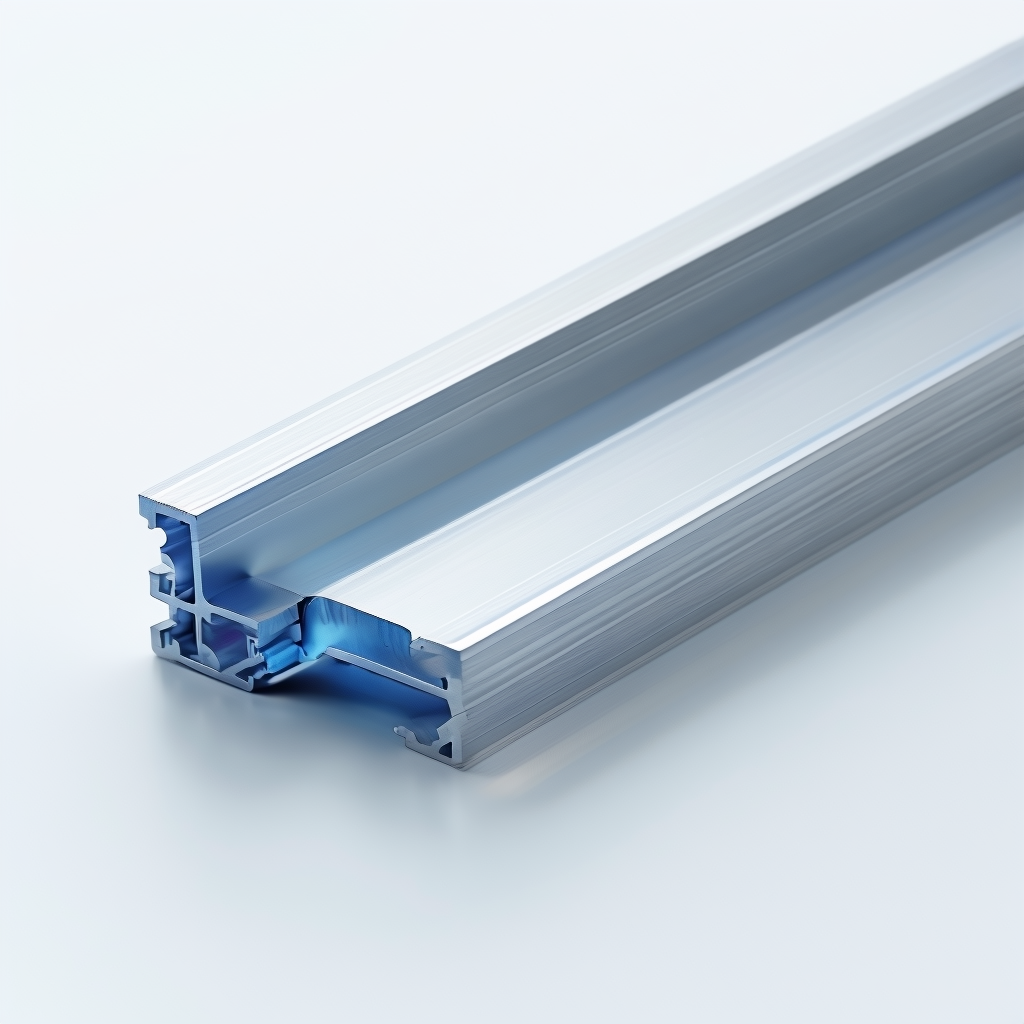
A durable corrosion-resistant metal with a transparent oxide layer over it is clear anodized aluminum. It increases strength, wear resistance, and aesthetic properties making it the choice material across the board in architectural, automotive, aerospace as well as industrial applications. One of the most widely used metals due to its lightweight, strength, and natural corrosion resistance is aluminum. Aluminum, however, can oxidize, wear, and be environmentally degradable unless treated. Clear anodized aluminum is commonly used to enhance its durability and to improve some of its surface properties. Anodization is an electrochemical process, whereby the surface of aluminum is covered with a transparent oxide layer that makes aluminum more resistant to corrosion, scratches, and fading. Anodizing will always bond with the metal which ultimately guarantees protection and aesthetic appeal without coating or painting. In this guide, you will understand the benefits of clear anodized aluminum, different surface finishes, its application in anodizing different aluminum alloys, and various industries that utilize anodizing. It also investigates whether anodized aluminum is safe as well as steps up a DIY anodizing guide for folks interested in trying the process at home. Anodized aluminum is a versatile and durable material that can be used in an architectural, automotive, aerospace or industrial application. What is Clear Anodized Aluminum? Aluminum that has been anodized (electrochemically) to form a transparent oxide layer on the surface is clear anodized aluminum. The metal coating effectively improves the metal’s corrosion resistance, wear resistance, and surface hardness which improves its durability for long-term use in harsh environments. Unlike paint or coatings, when dyeing the metal, it is integrated into the metal, so the finish will live fade-resistant and scratch-resistant for a very long time. General Specifications Material Aluminum alloys are commonly clear anodized. Anodized Layer Thickness The thickness of the anodized layer depends on its application. Surface Appearance Standard Compliance Why Choose Clear Anodized Aluminum? Superior corrosion resistance → Ideal for marine, aerospace, and outdoor applications. Durable and long-lasting → Scratch-resistant and fade-resistant finish. It has low maintenance → It needs only minimal cleaning from time to time to keep its appearance. Anodizing is also an eco-friendly process → This method of finishing is nontoxic and sustainable. As the colored option is opaque, it cannot be anodized, and it will wear very quickly and rarely does it last very long. Clear anodized aluminum is one of the most commonly used finishes in architecture, transportation, consumer electronic products, and industrial machinery, providing an attractive and functional finish that lasts and lasts. Clear Anodized Aluminum Process  Clear anodizing is a specially designed electrochemical treatment which makes the corrosion resistant, durable and hard surface of the anodized aluminum. This is a common process that is applied extensively in industrial, architectural, and decorative applications because this process creates a strong and good-looking aftereffect. 1. Cleaning The first phase of the anodizing process is cleaning the aluminum surface of oil, dust, or natural oxidation. After the degreasing, it is soaked in a degreasing solution (for example, R 105) and then rinsed with clean water to make sure all the contaminants have been washed off. This is one critical step to get a smooth and defect-free anodized finish. 2. Alkali Etching The aluminum is then put into a solution of sodium hydroxide at a controlled temperature of 70 to 90 degrees C to eliminate impurities and surface irregularities. This step removes the natural oxide layer to allow subsequent processing up to a uniform surface. 3. Chemical Polishing After completion of the etching process, chemical polishing is applied to aluminum. This process not only helps to smooth the surface but also serves to remove micro deflections and improve the live nature of the metal. Depending on your final application this step can or not create a matte or gloss finish. 4. Activation The aluminum must be activated before the anodizing step for it to have a uniform conductive surface. In this step the material is prepared to act as the anode of the electrochemical reaction by using a particular electrolyte solution. The activation aids in the coating of the entire aluminum surface with a consistent anodized coating. 5. Anodizing Anodizing is an electrochemical reaction where the aluminum submerges in an electrolytic bath and serves as an anode. When an electric current is applied to the metal, an applied oxide layer (Al₂O₃), increases the corrosion and durability of the metal. The electrolyte used, most commonly, is Sulfuric acid; the process parameters change according to the required finish. The next section speaks at length about these parameters. Key Parameters for Anodizing To ensure a successful clear anodized finish, these process parameters need to be closely controlled: The parameters for the anodized layer are such that the layer is uniform, strong and viable under ambient conditions. The final properties of the anodized aluminum can be changed by changing temperature, voltage and treatment time. Aluminum Alloys for Anodizing The use of aluminum alloys in anodizing develops from their strong resistance to corrosion and their long-standing value with good looks. The multiple aluminum alloy series has unique characteristics which match different product needs. This list shows the main aluminum alloys used in anodizing with their makeup and benefits plus their typical applications. 1. Series 1000 (Pure Aluminum)  The 1000 series contains aluminum at 99% purity blended with minor iron and silicon additives. These metal alloys demonstrate top electrical conductivity and fight against corrosion while keeping their flexibility. During the anodization process, pure aluminum creates a clear or translucent coating that increases its toughness and protects it from outside influences. Series 1000 alloys work well because they possess these characteristics. 2. Series 2000 (Aluminum-Copper Alloys) The 2000 series contains aluminum which is mixed with 2% to 7% copper and small amounts of manganese and magnesium. These alloys offer excellent strength and easy machining but have reasonable protection against corrosion. When aluminum-copper alloys receive anodization they develop better protection against wear and corrosion as well as attractive surface treatment. This makes them ideal for: 3. Series

Aluminio para fundición: Guía completa

Aluminio para fundición: Guía completa

fundición de aluminio

Casting is one of the oldest and most versatile metal working processes that allow manufacturers to produce complex shapes of the highest precision. Because of the excellent properties of aluminum for casting like its lightweight nature, corrosion resistance and high thermal conductivity, among the various metals used in casting, aluminum for casting is special. The article is on the use of aluminium for casting, its benefits, types, applications and techniques. Some of the most commonly used metals in casting are mainly due to Aluminum weight properties, excellent corrosion resistance and high thermal conductivity. To see the desired shape, aluminium is melted and poured or injected into a mould for casting. There are several leading methods of casting like sand casting, die casting, investment casting & permanent mould casting, depending on the requirements of the application. The decision of the method of casting shall be based on the size of components required precision required, mechanical properties and production volume. Aluminium casting alloy composition selection is one of the most critical decisions in the production of aluminium castings. Different common aluminium casting alloys include A356, 319 and 380 as well as 7075 which can provide different strength, ductility, and corrosion resistance for a variety of applications. Temperature control, pressure application, cooling rates and defect mitigation also greatly influence the production of high-quality aluminium castings with little porosity or shrinkage defects. Recent advances in casting technology, including vacuum-assisted casting, semi-solid metal processing and 3D printing of moulds have created great improvements in terms of precision, efficiency and sustainability of aluminium casting. In addition, industries are further focusing on recycling aluminium to reduce environmental impact while still maintaining the same levels of performance. The most comprehensive guide into aluminium for casting covering key factors such as temperature, pressure control, mechanical and chemical properties, defect prevention and alloy selection is explored. Knowledge of these aspects allows engineers and manufacturers to do a productive aluminium casting process, produce better product quality, and they can receive better production effectiveness. Why Use Aluminum for Casting? The excellent properties of aluminum justify its use in the casting industry and because of which it is an appropriate metal choice for manufacturers working in various sectors. There are some of the main reasons when opting for aluminum casting uses. 1. Lightweight Yet Strong: As you may expect, aluminum is very lightweight compared to other metals, and this makes it ideal for being used in industries where weight reduction is important when building vehicles or aircraft. 2. Aluminum offers Excellent Corrosion Resistance: The cast parts benefit from the natural oxide layer which is a barrier to rust and helps extend the life of the cast part. 3. High Thermal and Electrical Conductivity:  This makes aluminium extremely suitable for use in heat exchangers, electronic enclosures and engine components. 4. Aluminum castings – Great Machinability: The cast Aluminum can be easily machined, polished, and finished for a high precision application. 5. Less Expensive:  Aluminum is much less expensive than most other metals and its recyclability makes it environmentally friendly. Types of Aluminum Used in Casting Several different aluminium alloys are used for casting and have characteristics suitable for different applications. Which of the most commonly used aluminum alloys for casting are? 1. Aluminum-Silicon Alloys (Al-Si) 2. Aluminum-Copper Alloys (Al-Cu) 3. Aluminum-Magnesium Alloys (Al-Mg) 4. Aluminum-Zinc Alloys (Al-Zn) Aluminum Alloys for Die Casting   The manufacturing process of die casting is very efficient in which a precision mold is used to inject molten aluminum under high pressure. This has become a well known route to manufacture durable, lightweight, and dimensionally accurate, complex metal components. The low density, good corrosion resistance and excellent thermal conductivity of the aluminum make it the preferred material for die casting. There are specifically several aluminum alloys which are specifically formulated for use in die casting to offer mechanical and physical properties for various applications. We described below the most consumed aluminum die casting alloys. 1. Aluminum Alloy 380 (A380) Aluminium alloy A380 is the most common aluminium alloy employed in die casting because of its versatility and superior casting characteristics. Key Properties Common Applications These properties make A380 extensively used in the automotive, aerospace, and consumer electronics applications, where strength to weight ratio, castability and cost efficiency are required. 2. Aluminum Alloy 383 (A383) A better corrosion resistance and performance in high-temperature conditions alternative to A380 is A383. Key Properties Common Applications Applicable in electrical housings, enclosures, as well as industrial machinery parts requiring dimensional stability and heat resistance. 3. Aluminum Alloy 360 (A360) However, A360 is known to have excellent mechanical properties, such as high strength and ductility. Key Properties Common Applications For example, in the automotive transmission cases, engine housings, aerospace, and parts that need high mechanical integrity A360 is often used. 4. Aluminum Alloy 413 (A413) A413 is a high-pressure material designed for high fluidity and tightness to pressure. Key Properties Common Applications Often used in hydraulic components, pump housings and heat exchangers, where it is used to make parts that are required to leak-proof and high strength. 5. Aluminum Alloy 390 (A390) A390 has been engineered for high load and extreme wear resistance. Key Properties Common Applications A390 is commonly used in automotive engine blocks, high performance pistons and mechanical gears where wear resistance and strength at service temperatures are important. 6. Aluminum Alloy 356 (A356) High-purity aluminium A356 possesses excellent castability as well as good mechanical strength. Key Properties Common Applications Automotive suspension and aerospace parts and high-strength industrial castings are made of A356. 7. Aluminum Alloy 319 (A319) A319 is a medium-strength alloy designed for good castability, corrosion resistance, and thermal conductivity. Key Properties Common Applications A319 is being used widely as automotive cylinder heads, transmission cases, and aircraft components where reliable thermal performance and moderate strength are required. The Right Aluminum Alloy to Select for Die Casting Depending on several factors, we need to choose the appropriate aluminium alloy for die casting. 1. Mechanical Requirements: Strength, hardness, ductility, and wear resistance. 2. Corrosion

Fundición de aluminio: Guía completa

Fundición de aluminio: Guía completa 

moldes de fundición de aluminio

Current industries extensively use aluminium because of its strength combined with its low weight along with its ability to resist heat effectively. The production of aluminium components achieves its best results through the casting aluminium process. The procedure enables users to produce intricate complex shapes which work perfectly for industrial needs and commercial environments. Manufacturers widely employ the casting aluminum method to create complex and resilient components by pouring molten aluminum into designed moulds. Produced components through casting aluminium are widely used across the automotive, aerospace, construction and cookware sectors because aluminium offers excellent thermal conductivity together with lightweight construction and corrosion resistance properties. The essential basis for understanding casting aluminium demands an initial definition of what cast aluminium represents. Castaluminiumm represents metaaluminiumum processed through thermal melting followed by mould filling which results in its transformation into precise configurations. Industrial producers use this method to achieve precise detailed designs which suit engine parts together with machinery parts as well as heat exchangers. Cast aluminium stands out because its strength-to-weight ratio outperforms every other metal thus making it suitable for applications that require lightweight construction. Three main techniques include die casting, sand casting and investment casting that manufacturers use to perform the casting aluminium process with their specific advantages. Die casting performs high-speed precise processing that matches well with mass production but sand casting delivers versatile low-cost benefits suitable for low-volume manufacturing. The investment casting method can deliver both high accuracy and elaborate details in finished products. Knowledge about cast aluminium composition along with manufacturing methods enables industry professionals to pick suitable production systems. Global industries choose to castg aluminium as their standard procedure because it provides lightweight durability with corrosion protection in addition to cost efficiency. What Is Cast Aluminum? Aluminium becomes cast aluminium when manufacturers melt the aluminium metal to pour it into specific moulds for product creation. The unique aspect of aluminium casting enables manufacturers to create complex shapes while reducing material waste better than machine orextrudedealuminiumm methods. What purposes does aluminum casting serve? Different industries use cast aluminum as a primary material to create automotive parts and cookware together with furniture, machinery and aerospace components. Through its production method the product results in strong yet lightweight performance which makes it ideal for efficiency and durability applications. Key Characteristics of Cast Aluminum: Step-by-Step Guide to Casting Aluminum Working with molten aluminium needs severe safety precautions because it creates danger when mishandled. Every step should begin with putting on gloves along with heatproof clothes and face protection. This manual presents a simple method of aluminum casting that protects both workers and equipment. These specific die-casting steps work the same way in other aluminium casting processes. Step 1: Begin By Creating The Mold For Your Project Design The beginning of aluminium casting starts with developing and readying the mould design. The mould selection process controls how the casted aluminium item looks and behaves. Cutting tools must match the chosen mold material which could be sand, steel, ceramic, plaster or aluminum. The mould design must precisely match all details and requirements of the final aluminium product. To produce precise molds manufacturers use CAD system software. The software helps designers build an exact 3D representation of their product before making it. After the digital design is ready CNC machines accurately make and form the mold. The user applies a release agent to the inside of the mould before production starts. The coating applied to the mold prevents aluminum from bonding to it so the cast part can be easily removed. After application of the coating the mold is tightly closed before continuing. Step 2: Melting the Aluminum The following step is to heat the aluminum until it liquefies. The metal reaches melting temperature of 660 degrees Celsius (1220°F) very fast due to its low melting point.The furnace heats up aluminum metal to its melting temperature before electricity or gas power is used to transform it into a fluid substance. The liquid aluminum moves from the furnace to a storage area where it remains usable until deployment into the mold. Step 3: We pour the melted aluminum into the mold The ready molten aluminium can flow smoothly into the mould since its temperature is optimal. Our team pours the aluminium with exact movements to avoid creating defects from trapped air in the finished item. The gate system is specially designed to let aluminium metal flow smoothly into the mould’s cavity. Once the mould reaches its capacity all additional aluminum drains out. After pouring ends the mold stays untouched as the metal starts to cool and harden. Step 4: Cooling and Solidification Casting aluminum needs proper temperature reduction and solidification steps. The casting process takes a period that depends on how thick and intricate the part is.Proper temperature reduction steps are needed to create parts with the needed strength and capacity. A steady temperature needs to stay constant during metal cooling to prevent parts like warping or internal stress from developing.Manufacturers employ cooling tools like air, water and furnace temperature control during aluminum solidification. Step 5: After Solidification the Casting Leaves the Mold  When aluminum solidifies completely we extract the casting out of its mold. We need to cut away the leftover material known as flash sprues from the product. Included finishing actions to produce the desired outcome are water cooling and heating control in the furnace process. We use machining tools to create exact dimensions after product processing. To make surface texture easy to work with. Using polishing or coating techniques makes aluminum surfaces shine better while increasing their resistance to wear. The casting of aluminum production ends when quality finishing techniques produce a ready-to-use item. Great! Your existing steps explain how aluminium castings are made yet producers mostly complete their procedure using more steps. Several additional methods help enhance the quality of final cast aluminum parts. Step 6:  heat treatment improves metal quality though it is optional. Manufacturers enhance aluminum mechanical properties by implementing a heat treatment process after casting ends.

Scroll al inicio

Solicitar presupuesto