CNC加工

CNCマシンショップへの必須ガイド

CNCマシンショップへの必須ガイド

CNC加工

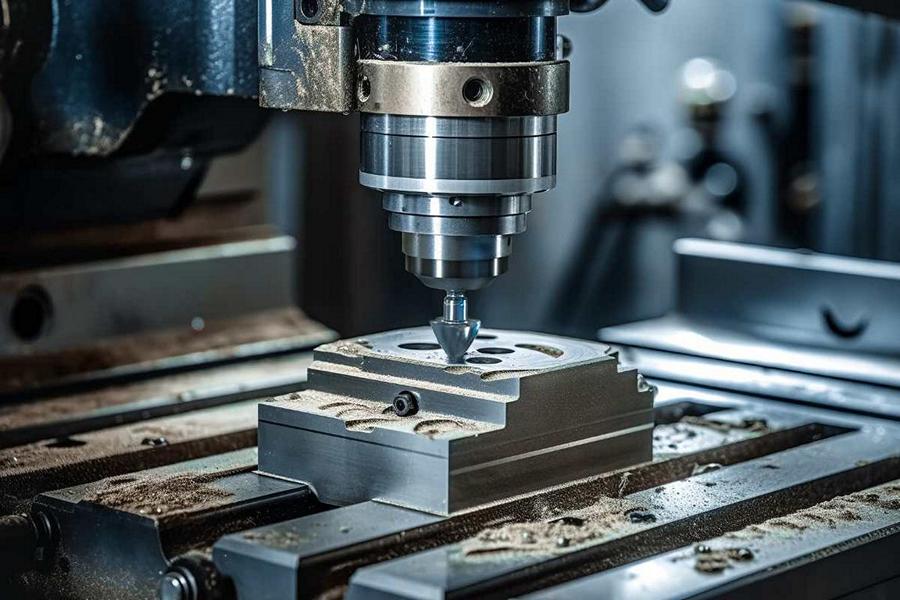
In the fast pace of manufacturing, CNC machine shops are the backbone of precision engineering, efficient machine shops, and technological advancement. The advanced facilities use Computer Numerical Control (CNC) technology to produce highly precise components for aerospace, automotive medical, and other industries. Traditional machining using manual labor and operator knowledge requires constant quality, slower production, less cost-effective. In contrast, CNC machining automates the whole process and has reliable consistency, fast production, and cost efficiency. A CNC machine shop is powered by a variety of super cool high-tech machines including CNC mills, lathes, routers, plasma cutters, and EDM machines that run on a computer with precise, auto-guided functions. The process starts by using computer-aided design (CAD) software and engineers making detailed 3D models of the particular component required in the system.  Using these designs, they are then converted into machine-readable G code that specifies the exact movements of cutting tools to create and shape raw materials products. Each material possessed specific mechanical and physical properties which made them suitable for a particular CNC machine shop. Without CNC machining, it would be difficult to work with such diverse materials and people would require durable, lightweight, heat-resistant, and even corrosion-proof parts when they need them. CNC machine shops have high precision and can be done with high efficiency, besides this, they provide scalability, repeatability and flexibility, enabling businesses to create from prototypes to mass production runs with little human involvement. CNC machining is at the forefront for industries that are actively trying to build more advanced and more complicated designs. This article details the how CNC machine shops operate, what type of machines they use, what materials they work with, and the industries they service. Knowing their role, capabilities, and the advantages the businesses can see who CNC machining service is best for. What is a CNC Machine Shop?  A CNC (Computer Numerical Control) machine shop is a place equipped with modern machine tools controlled by computer programs. They make shop with the sole purpose of producing high precision, complex parts for aerospace, automotive, medical, electronics and industrial manufacturing industries. Unlike traditional machining, which is done with the aid of hands-on operation, CNC machining makes the process automatic and facilitates higher accuracy, efficiency and consistency in production. How CNC Machine Shops Work In CNC machine shops, a computer aided design (CAD) software creates the digital model of the part. The G-code is then generated of this design which the CNC machine reads and uses to make the operations and movements. It precisely cuts, drills, shapes, or mills the material according to programmed instructions thus making the automation repeatable and free of errors. Types of CNC Machines in a CNC Shop There is usually a wide variety of CNC automated machining tools housed in CNC machine shops such as: CNC Milling Machines: are rotary-type cutting tool machines that use them to remove material from the workpiece and create shapes, holes and surface finishes.   CNC Lathes: these machines are meant to make cylindrical parts, by turning the workpiece while cutting tools perform its predefine shaping with high accuracy.  CNC Routers: The CNC router has long been in use for cutting wood, plastic and composites by carving intricate designs and patterns.  CNC Plasma Cutters: They use a high-temperature plasma torch to cut through metal sheets and the most readily useable metal in bulk quantities, depending on their size, is perfect for things like sheet metal fabrication. Electrical Discharge Machines (EDM): EDM uses electric discharges (sparks) to cut away material; thus without using cutting tools, it is ideal for detailing or fine cuts in hardened metals. Materials Used in CNC Machine Shops A huge variety of materials are used in CNC machine shops to produce high precision components for the aerospace, automotive, medical or manufacturing industries. But it is important to select the right material since it determines the durability, functionality and in general, the extent of the performance of the final product. Some of the most commonly used CNC machining materials are mentioned below. Metals  Aluminum:  Aluminum is famous for its lightweight properties, and corrosion resistance features which make the way to aerospace, automotive and consumer electronics. It also has good thermal and electrical conductivity and is therefore useful in heat exchangers and electronic components. Steel & Stainless Steel: It is a very durable metal that does not rust, does not wear out and does not get damaged in heat; hence used for medical tools, food processing machines, structural parts. It is very strong as well as durable. Titanium:  is a strong material with high strength and excellent corrosion resistance, which makes it a top choice for aerospace, medical implant, automotive etc. Extremely high temperature and extremely harsh conditions cause no problem to it. Brass & Copper: A metal commodity that is prized for its outstanding machinability, anti-corrosion and electric conductivity. Electrical fittings, plumbing fixtures and decorative hardware commonly use it. Plastics  Acetal (Branded Delrin): Strong and rigid, with good moisture resistance, acetal is a used in gears, bushings, and similar mechanical components that require low friction and high wear resistance. Polyethylene:  is a lightweight, chemically resistant material that is well suited for piping, containers and insulating parts. Food processing additionally makes use of it and so does medical application. Nylon:  It is known for its toughness and wear resistance and is often used in gears, bearings and automotive parts. It is also used for more industrial machinery components. Acrylic:  This has very good optical properties along with weather resistance. You will commonly find it used in signage, display cases and optical lenses. Composites  Carbon fibre reinforced plastic (CFRP):  material with a very strong and lightweight material, and it is widely used in the aerospace industry, sports equipment, automotive industries, etc. High rigidity and durability are provided. Fiberglass: One of the popular composite materials that’s well known for its strength, low weight and corrosion resistance. It is widely employed in automotive bodies, boat hulls and in industrial applications. Ceramics  Zirconia: the excellent hardness, and wear-resistance

医療用旋盤加工部品メーカー

旋削部品メーカー

CNC加工

Turning parts are products made through CNC turning, a process in which lathes or turning-milling centers shape workpieces using turning tools. These chisels revolve at a speed higher than 1,000 rpm and shave the workpiece to remove the unwanted material. The speed of turning and the feed rate depends on the material to be machined, the type of cutting tool, and the diameter of the workpiece. It is vital in forming rotationally symmetrical parts with high accuracy and productivity. In this article, you will find information about CNC manufacturer of turned components. in the medical, aerospace, connectors, and defense industries and the peculiarities of their production. Specialist in the Supply of Turned Parts for Medical Applications CNM focuses on cnc machining tight tolerance medical components for surgical tools, apparatuses, and equipment use. CNM has over thirty years of experience in manufacturing and can ensure that the tolerance of each part is precise and very, very tight. Our specialties include Ventricle Assist Devices (VADs), Lasik eye surgery equipment, CT & MRI scanner equipment, and surgical equipment, including Trocar/Cannula systems and biopsy cutters. Our core competencies include 5-axis milling and electrical discharge machining (EDM) services, and thus we are the preferred partner for cardiovascular devices, orthopedic implants, and dental equipment. Our metals and alloys are Titanium, Stainless Steel, Invar, Kovar, and Inconel; thus, all our parts, such as medical screws, implant prototypes, and custom molds, are precise. Our clean, temperature- and dust-controlled environment ensures we can achieve the closest tolerances required for medical use. The precision machining services offered by the company also include manufacturing surgical scissors, cannulas, biopsy tubes, and saw guides for bone surgery that require compliance with medical standards. Whether the application is micromachining or manufacturing of surgical instruments, CNM offers reliable and quality medical machining services for your needs worldwide. CNC Turning Aerospace Parts Manufacturer CNM specializes in manufacturing CNC-turned parts for aerospace, automobile, electronics, mechanical, medical, and dental instruments, military and defense, hunting, and fishing. We deal with materials like brass, stainless steel, plastic, aluminum alloy, steel, and titanium and manufacture items like pipe joints, connector joints, servo motor shafts, and anodized aluminum tubes. In aerospace cnc machining, CNM can manufacture parts used in different kinds of aircraft; military, commercial, and glider. We pay great attention to such issues as durability, compliance with the declared characteristics, and batch marking to obtain the high rates of performance and protection that are typical for aviation. Backed by advanced technology and a stringent machining system, CNM maintains precision with tight tolerances and offers comprehensive services under ISO9001:Certification in 2015. This involves the type of material to be used, the quality of the material, the labeling of all the materials used in the production, and the delivery time as per the client’s request. CNM has a good record and credible partners across the globe; America, Europe, the Middle East, Southeast Asia, Japan, and many more. The company takes pride in quality and reliability in all its activities to satisfy customers and achieve high performance in aerospace parts. Manufacturer of Turned Components For the Connector Industry CNM is a precision-turned components manufacturer particularly suited to the connector industry. Being a quality-conscious company focusing on cost and time, we use our vast experience in the industry and sophisticated machining technology to produce parts to your requirements. We have CNC sliding headstock machines for the connector dimensions from Ø5 mm up to Ø36 mm, and for some particular types of connectors, we have fixed headstock machines. However, for the dimensions up to Ø80 mm are also possible. Machining complex geometries is one of our strengths, as we use machines with up to 10 numerical axes, including B axes. CNM has the flexibility of batch sizes ranging from 500 to 20,000 and above, thus making it possible to meet the needs of small and large-scale projects. Our materials include aluminum, copper alloys, copper, brass, and ceiling, therefore affording flexibility and satisfying the requirements of the connector component industry. Some of the precision parts we offer are terminal blocks, connectors, adapters, sensor bodies, connection plugs, and sockets, all made to precise industry standards. In addition to machining, CNM provides a wide range of additional services with the help of reliable subcontractors: silvering, gilding, annealing, laser engraving, tribofinishing, and deburring. Also, we offer kit assembly services, strengthening our capacity to offer bundled services. Suppose you are in the connector industry and you need superior turned components for your turned parts. In that case, CNM is ready to serve you. Get in touch with us today to understand how we can help you with your manufacturing projects and improve them. Manufacturer of Turned Components For the Defense Industry CNM TECH.CO.,LTD is one of top 10 CNC machining services in the world, we specialize in CNC machining for accurate and high-quality defense parts and components. The authors are proud of the team of professional employees and the effective system of controls in the company. CNM is equipped with modern technology tools, CNM is ISO 9001, AS 9100D, and ITAR registered to supply aerospace and defense parts. Comprehensive Program Management Services  CNM offers numerous services in program management apart from CNC machining. We have a well-trained staff that can meet the rugged demands of the supply chain partners. Therefore, customer relations and their feedback are underlined as significant in developing sound program management systems. Our ISO 9001:The 2000, AS9100D, and ITAR certifications demonstrate the company’s commitment to timely, professional, and focused work. We very closely control our production process with the help of Epicor ERP/MRP system software. This means we can schedule and track parts in this integrated system from the shop floor, as shown below. It effectively manages various aspects, including It helps manage several aspects such as: Engineering support Kanban Pull Systems The first article inspections, or FAI for short. AOGs (Aircraft on the Ground) DX/DO requirements Forecasting is related to supplier portals Raw material sourcing Part machining Special process management Quality assurance Documentation Packaging & Shipment

マグネシウムCNC加工

マグネシウムの加工

CNC加工

Magnesium has exceptional characteristics, notably low density, and good machinability, for creating corrosion resistance in high-strength parts through CNC machining. However, the process of machining magnesium is quite a challenge because of the flammability of the material. When dealing with magnesium, safety measures are taken to reduce any risks likely associated with it. The machining of magnesium generates shavings and dust, which can easily be ignited, which is a great danger to CNC machinists. If not well controlled, the machining process will likely cause fires or explosions in the workshop. This article describes the main safety measures for working correctly with magnesium and other flammable metals. It focuses on proper methods of chip clearance and measures and precautionary measures to avoid fire in a machine shop. Challenges in Magnesium Machining Working with magnesium alloys is always accompanied by risks that must be managed adequately. These are some of the risks that should be understood when involved in the CNC machining of magnesium. Fire Hazard One of the significant problems in machining magnesium alloys is the flammability of the fine chips and dust produced during the process. These particles are highly inflammable, and even tiny sparks or excessive heat can easily cause them to catch fire, which is a big danger in the workshop. Tool Wear Due to its soft and abrasive nature, the magnesium material can wear out the cutting tool during CNC machining. This results in a lower machining rate and more tools that must be changed more often than not. Heat Generation It is also clear that magnesium alloys have low thermal conductivity, and therefore, heat is localized to the cutting zone. This high cutting temperature also negatively affects the tool’s life. Also, it increases the possibility of warping the workpiece and accelerates the tool wear rate. Surface Finish Challenges Achieving a high surface finish on magnesium alloys is challenging due to the presence of burr and machining deformation. All these issues must be addressed by applying the correct machining methods and selecting the right tools to achieve the desired high-quality surface finish. To address these issues, it is required to adhere to all the safety measures, correct use of tools, and information on the characteristics of magnesium and its machining for safety and effectiveness. Enormous Benefits CNC Magnesium Machining However, there are some advantages of using CNC machining magnesium despite the above risks. This is why magnesium is appropriate for use in industries that require light, such as the aerospace and automobile industries, whereby it enhances efficiency and fuel usage. It is a very lightweight material, but at the same time it has high strength. Thus, structures can be solid and slim, requiring less material. Magnesium is easily machined and thus can be produced in large quantities. The tools used are not easily damaged, cutting the cost. Because of its good thermal conductivity, it is suitable for applications where heat is to be conducted away from the product, such as the casing of electronic equipment. Also, magnesium has inherent EMI gasketing characteristics that shield sensitive electronics from interference. From the environmental point of view, magnesium is in abundance. It can be recycled, and in the machining processes, the amount of emission is negligible. Additionally, the energy used is less than that of other metals. This sustainability, coupled with flexibility in the type of surface finish that can be applied, such as painting or anodizing, makes magnesium a preferred material by manufacturers who desire high performance and, simultaneously want to reduce the impacts of their CNC machining on the environment. Safety Measures to be Adopted in CNC Machining of Magnesium Alloys CNC machining of magnesium alloys can be safe if the following measures for machining magnesium safety are observed: Here are vital tips to ensure the safe machining of magnesium. Keep Tools Sharp: One of the challenges that are associated with the machining of magnesium is heat production—using sharp tools when cutting is also essential to avoid heat accumulation. Blunt tools are likely to create a lot of friction and may cause sparks that lead to the ignition of magnesium chips. Carbide-tipped tools are preferred because they are hard and do not spark quickly at high temperatures. Avoid Tight Clearance Angles: One of the crucial things to consider when machining magnesium alloys is to avoid close tolerance angles. High cutting angles result in massive and consecutive chips that increase heat and the possibility of a fire outbreak due to the nature of the element magnesium. Produce Broken Chips: Set up your CNC machine to produce small and intermittent chips. This assists in removing heat from the cutting tool and the workpiece so that there are minimal chances of the material catching an open flame. This should be done by employing small back rake angles, low feed rates, and moderate to high cutting speeds. Use Mineral Oil-Based Coolants: When machining magnesium, it is recommended to use mineral oil coolants instead of water. Mineral oil reduces fire and explosion risks and enhances the surface finish. Aqueous solutions of coolants may corrode magnesium and cause the formation of flammable hydrogen gas. Employ Explosion-Proof Vacuum Systems: Employ explosion-proof vacuum systems to help extract magnesium chips and dust from the CNC machines. Discontinuous magnesium chips are also flammable; removing them in the workshop is crucial without causing a fire outbreak. Avoid Water in Case of Fire: Do not attempt to put the fire out with water during a magnesium fire, as this will only worsen it. Magnesium fires should be fought with dry Class-D fire extinguishers or dry sand. Thus, following the above measures, magnesium cnc machining can be done safely with less risk in the workplace. Choosing the Right Cutting Tool in CNC Machining of Magnesium Alloy Selecting the appropriate cutting tools is crucial to achieve the best results and safety when using CNC machining on magnesium alloys. Below is the categorization of the tools that are frequently utilized: High-Speed Steel (HSS) Tools: High-speed steel tools are easy to use and

ベリリウム銅の加工

銅の加工

CNC加工

Copper metals are highly valued for their appearance. Primarily, it is used in everyday art and on utensils. Copper has better material and electrical characteristics as compared to aluminum or aluminium. This makes it essential to produce complex parts. These parts are used in applications such as EDM electrodes. However, copper is typically challenging to machine. This hardness poses several problems as follows. The additives include aluminum, zinc, silicon, and tin. These combinations result in the formation of alloys such as brass and bronze. Nickel-silver alloys are also produced to meet specific requirements. Every one of the alloys is thus designed for exact machining applications. Therefore, they play a significant role in many fields. The machining of copper alloy parts becomes more accessible, allowing for more efficient production. This, in turn, enables production to be done more efficiently. Copper is still valuable for all areas because of its versatility. It is even more helpful when combined with other metals. Nevertheless, copper is irreplaceable, and the industry will continue to encounter it in the future. This article will focus on copper cnc machining methods, essential factors to consider, various uses of copper, and necessary machining services. So, let us help you decode the information you need to make the most of this instrumental metal. Copper CNC Machining: When it comes to CNC machining copper, there are two critical factors to keep in mind for optimal results: Optimal Tool Material Selection: Dealing with raw copper is problematic because the material is very soft, making tools wear out very fast and challenging to remove chips. One of the problems often faced is the creation of a built-up edge, which is a condition where copper particles cling to the tool and produce uneven surfaces. To eliminate these problems, it is necessary to employ cutting tools manufactured from materials like high-speed steel (HSS). HSS tools are specifically famous for cutting copper since it is a soft metal and do not blunt HSS tools quickly while using CNC machines. Setting the Ideal Feed Rate: The feed rate determines the speed at which the CNC cutting tool travels on the copper workpiece. When it comes to copper machining, it is advised that one should keep the feed rate between moderate and low. High feed rates can produce much heat, which is not preferred in precision machining applications. One of the critical aspects of controlling the feed rate is that it is vital for precision and surface finish during machining. If higher feed rates are required in your project, then it becomes mandatory to use cutting fluids or coolants because heat has to be taken out for better precision in the machining process. Selecting the Correct Grade of Material Choosing the correct grade of copper is one of the most critical decisions made during the design of any project. Electrolytic rigid pitch copper (ETPC), also known as pure copper (C101), has a purity of 99%. 99% reliability can be a problem and expensive, particularly regarding mechanical components. When comparing the two materials, C110 is more conductive than C101, more accessible to machines than C101, and sometimes cheaper. Selecting the correct material grade is crucial to achieving the design necessities in the proper manner. Manufacturability should be deemed regardless of the type of material incorporated in developing a product. One has to follow the principles of DFM to the letter to get the best outcome. Some recommendations include closely controlling the performance tolerance and dimensional checks. Do not make thin walls with small radii for improved machining. Wall thicknesses should be kept to a minimum of 0.5 mm for structural strength. For CNC milling, the size limit is 1200mm x 500mm x 152mm, while for CNC turning, it is 152mm x 394mm. Design undercuts with square profiles, full radii, or dovetails to reduce the machining operations. These guidelines are specific to copper components and are essential in enhancing on productivity and quality of the components. The Copper Alloys For Machining Copper materials include various commercial metals used in different industries depending on the required properties for a specific application. Pure Copper: Copper is known to be in the purest form, soft, and can be easily molded. It may contain a small percentage of alloying additions to improve its characteristics, such as improved strength. High-purity copper is used in electrical applications, including wiring, motors, other equipment, and industrial applications such as heat exchangers. The commercial grades of pure copper are classified by the UNS numbers C10100 to C13000. For applications requiring higher strength and hardness, such as machining beryllium copper, alloying pure copper with beryllium is a common practice. Electrolytic Copper: Electrolytic tough-pitch copper is obtained from cathode copper, refined by electrolysis, and contains deficient impurities. The most widely used grade is C11000, which offers electrical conductivity of up to 100% IACS and high flexibility, which makes it suitable for electrical applications such as windings, cables, and bus bars. Oxygen-Free Copper: Due to its shallow oxygen content, oxygen-free copper grades such as C10100 (Oxygen-free electronic) and C10200 (Oxygen-free) are characterized by shallow oxygen content and high electrical conductivity. These coppers are made under non-oxidizing conditions and are used in high vacuum electronics such as transmitter tubes and glass-to-metal seals. Free-Machining Coppers: These copper base alloys contain nickel, tin, phosphorus, and zinc additions, which aim to improve the machinability. Some well-known alloys include bronze, copper-tin-phosphorus, brass, and copper-zinc, characterized by high hardness, impact strength, workability, and corrosion resistance. It has uses in various machining operations, such as in machining coins, machined electrical parts, gears, bearings, and automotive hydraulic parts. Techniques of Machining Copper The following are some of the most efficient ways of machining copper: Machining copper as a material is a process that is associated with some difficulties due to the material’s flexibility, pliability, and durability. Nevertheless, copper can be alloyed with other elements such as zinc, tin, aluminum, silicon, and nickel, improving the possibility of machining copper. Such alloys are usually easier to cut than materials of similar

CNC加工部品

CNC機械加工部品

CNC加工

Numerous engineers in various branches value the role of metal parts that are expected to have certain levels of precision and efficiency. This is especially the case in industries such as aerospace and transportation, where the components’ quality, safety, and functionality are paramount. In such circumstances, CNC-machined components are unavoidable. These are the reasons why CNC machining is widespread; it is fast, accurate, and precise, and this has made it famous all over the world. Below are some factors that you should put into consideration when selecting cnc machined parts for delicate operations. Use of CNC Machining in the Development of Complicated Parts CNC (Computer Numerical Control) machines operate with the help of instructions from a computer that controls the position of the cutting tools. The two most common categories of CNC machines are 3-axis and 5-axis machines, but contemporary CNC systems can have up to 12 axes. These multiple axes make it possible to create complex metal parts. For instance, a 3-axis CNC machine moves the cutting tool along three primary directions: The first one is the X-axis which is also known as the lengthwise movement; the second one is the Y-axis which is also known as the widthwise movement and the third one is the Z-axis which is used for the depth control. With these axes, cutting the required parts at a high speed and with precision of form is possible. In addition, several operations can be done in one setup because of the characteristics like the automatic tool change. This capability allows the company to produce cnc precision machined components faster and cheaper. Moreover, the company has always been able to create complex parts with tight tolerance. Tolerances for CNC Machined Parts However, there are several other factors that engineers have to consider concerning CNC machined parts other than their functionality and durability. When designing for the manufacturing process, the following factors should be taken into consideration: Cost Efficiency: Several factors that affect the cost of the CNC machined parts include setup cost, programming cost, cost of material, complexity of the part design, and the number of parts to be manufactured. These aspects should be controlled during a product’s design phase because this is when the best production methods at the least cost are defined. Lead Time: Based on the tolerance, complexity of the part, time taken to set up the CNC machine, and whether standard or special tools are used, the time taken to complete the machining process will vary. It is also important to realize that detailed design planning reduces lead time and overall productivity. Design Feasibility: Make sure your part is ready for CNC machining. For instance, making the cavities to be less than 2. It is important to point out that if one is making a hole of 5mm diameter and below, it may be considered micro-machining and may need some special tools. One has to consider the design option within the CNC machining process to shape cnc machined components. Tolerances: Tolerances depend on the construction material, the tools to produce the particular part in question, and the specific part being produced. Therefore, CNC machining can be precise to tiny tolerances, which, in turn, cost more than parts with less tolerance. Pros and Cons of CNC Machined Parts CNC-machined parts are ideal under certain conditions: However, CNC-machined parts are suitable under the following circumstances: Low to Medium Volume Production: CNC is most suitable for low to medium-volume production since the cost of setting up and the cost of the tools is recovered by the time it takes to produce each part. Complex Geometries: Due to the kind of technology that is applied in CNC machining, it is ideal for use in making parts that have complex shapes. Prioritizing Short Lead Times: This implies that in one cycle of the CNC machining process, several operations can be performed, which can be very beneficial in terms of the time taken to manufacture compared to other methods. Hence, if the above-mentioned design and tolerance factors are considered, coupled with the circumstances under which CNC machining should be applied, engineers can be assured that they will produce accurate, high-quality, and relatively cheaper cnc machining components.     CNC machining and its Alternatives CNC machining is a very efficient and accurate method of manufacturing however it is not always applicable for all projects. Even though using techniques like metal stamping for significant production needs, such as mass production, is more appropriate and cost-effective. If cost is a problem, you may have to opt for manufacturing processes that do not necessarily need a lot of capital, such as stamping or sheet metal forming. These methods can be very cheap while at the same time yielding good results. It is also important to note that CNC machining is not rigid on the type of material that can be processed, but some of the materials may not be very suitable since heat is used. Evaluating the appropriateness of the material is very crucial when it comes to manufacturing to produce the best results and, at the same time, minimize the costs. Machining Industries and Their Function CNC machining companies do not only provide precision parts but also manufacturing tools and devices that are needed by other industries of precision manufacturing. The following is a breakdown of CNC machined parts: This manufacturing process involves the removal of material from the raw material to give highly accurate parts. CNC Drill CNC drills are used for dulling, milling, and any other required shape on the workpiece. They cut through materials to the depth that was set earlier. This makes it possible to accurately position and dimension the holes, especially for assembly and fit in large structures. CNC drills are flexible since they can drill on various materials based on the required job. They are essential in developing the precision and accuracy of the produced parts. CNC drills are precise and ensure the holes are drilled to the standard. This method is appropriate for

精密ダイカスト

アルミニウムCNC加工

アルミ鋳造, CNC加工

アルミニウムは、さまざまな産業における加工部品の利点から、CNC加工で広く使用されています。この記事では、CNCアルミニウム部品加工とその特性、合金の種類、加工方法、工具、用途について説明します。CNC加工におけるアルミニウム アルミニウムをCNCで加工することが好まれるのは、アルミニウムが非常に加工しやすいからである。その特性には、軟質、延性、非磁性などがあり、純アルミニウムの色は銀白色です。しかし、アルミニウムの本当の美しさは、マンガン、銅、マグネシウムなどの他の元素と合金化し、特性を改善した一連のアルミニウム合金を作ることができることです。アルミニウムCNC加工:その利点は以下の通りです:アルミニウムは柔らかく、欠けやすいため、比較的加工しやすく、鋼鉄よりも速く、少ない力で安価に加工できます。また、機械加工中に変形しやすいため、CNCマシンがより公差の近い高精度の部品を製造しやすくなります。2.強度重量比:アルミニウムは鋼鉄より3分の1軽く、強度は鋼鉄の10分の1です。そのため、高い強度重量比を必要とする部品に適している。アルミニウムから多くの利益を得ている産業には、自動車産業や航空宇宙産業向けのCNC加工アルミニウム部品の製造があります。3.耐食性:アルミニウムは、通常の環境条件下では腐食しないという固有の特性を持っており、陽極酸化処理によってさらに保護することができるため、海洋や大気条件にさらされる環境でも使用することができます。4.低温での性能:低温で機械的性質が変化し、紙のように強くなる素材もありますが、アルミニウムはそのようなことはありません。5.電気伝導性:純アルミニウムは高い電気伝導性を持っていますが、アルミニウム合金も電気用途に十分な伝導性を持っており、さまざまな産業のニーズに応えています。6.リサイクル性と環境への配慮:アルミニウムはリサイクル可能な材料であるため、廃棄物や加工工程で使用されるエネルギーを削減し、環境を保護することができます。7.陽極酸化の可能性:アルミニウム表面に陽極酸化処理を施すことができるため、機械加工されたアルミニウム部品の耐摩耗性と耐食性が向上します。異なる明るい色でアルミニウムを陽極酸化する能力は、美的側面に対処します。様々な用途 アルミニウムは汎用性が高く、多くの産業で適した特性を持つため、CNC機械加工で人気があります。自動車部品から航空機部品、電気部品、さらには複雑な機械部品まで、さまざまな用途におけるアルミニウムの耐久性と性能は明らかであり、それが創造性につながっています。したがって、CNC機械加工におけるアルミニウムの人気は偶然のものではありません-それは、この材料が製造の領域で提供する利点、可能性、展望によるものです。アルミニウムは、その性能、環境への優しさ、産業の進化に伴う柔軟性により、機械加工部品に今でも広く使用されています。CNC機械加工に使用される代表的なアルミニウム合金 アルミニウム合金は、その柔軟性と優れた機械的特性から、CNC機械加工で最も好まれる材料です。以下は、CNC機械加工工程で頻繁に使用されるアルミニウムの等級です:1.EN AW-2007 / 3.1645 / AlCuMgPb この合金は、4-5%の範囲で銅を含み、強度、軽量、高い実用性で有名です。主に機械部品、ボルト、リベット、ナット、ネジ、ネジ棒の製造に適用されます。また、比較的脆く、溶接性や耐食性が低いため、機械加工後にアルマイト処理が必要である。2.EN AW-5083 / 3.3547 / Al-Mg4,5Mn この合金は、極端な条件下で非常に優れた性能を発揮することでよく知られている。マグネシウム、クロム、マンガンを含有し、耐食性が高く、溶接した場合でも強度を維持する。極低温機器、海洋構造物、圧力機器、化学用途、その他多くの用途に使用されている。3.EN AW 5754 / 3. 3535 / Al-Mg3 この鍛造アルミニウムマグネシウム合金は、良好な耐食性と高強度を有し、溶接構造物、床材、車両ボディ、食品加工機器などに使用されます。4.EN AW-6060 / 3. 3206 / Al-MgSi この合金は熱処理が可能で、良好な成形性を有する。建築、医療機器、自動車工学産業で広く使用されています。5.EN AW-7075 / 3.4365 / Al-Zn6MgCu この合金は、被削性は平均的ですが、強度密度比が高く、大気条件に対する耐性が良好で、航空宇宙産業、兵器産業、金型工具産業で使用されています。6.EN AW-6061 / 3. 3211 / Al-Mg1SiCu この合金は非常に高い引張強度を持ち、鉄道車両、機械部品、航空宇宙構造物のような大きな荷重がかかる構造物に使用されます。7.EN AW-6082 / 3. 2315 / Al-Si1Mg この合金は、中程度の強度と良好な溶接性を持ち、応力腐食割れに強いため、海洋構造物やコンテナなどに使用されます。これらのアルミニウム合金は様々な機械的特性を提供します。CNC機械加工アプリケーションの要求に応じて選択され、意図された用途で最高の性能と寿命を保証します。アルミニウムをCNC加工する一般的な技術 アルミニウムのCNC加工では、アルミニウム部品に高い精度と精度を得るために使用できるいくつかの技術があります。これらのプロセスは、品質と性能の面で最良の結果を提供する様々なニーズや要求を満たすことを目的としています。CNC旋盤加工は、アルミニウム加工における基本的な作業の一つです。この作業では、ワークピースはその軸の周りを回転し、切削工具は固定されたままです。そのため、材料の除去とワークピースの成形が可能になります。この方法は、アルミニウム部品の円筒形や円錐形の製造に広く適用されています。もう一つの一般的な技術は、CNCフライス加工で、工具を固定したまま切削工具を回転させて加工物を切削します。このプロセスでは、さまざまな方向の切削動作が可能で、アルミニウム部品の形状やデザインを切削するのに理想的です。ポケット加工またはポケットフライスは、CNCアルミフライスの特殊なタイプです。

CNCマシニング・ブロンズ

ブロンズ加工

CNC加工

Copper Bronze in CNC Machining Bronze is a metal that is used in a wide variety of industries and applications. It is made of copper, tin, and other alloys to provide strength, durability, and resistance to corrosion. Due to its versatility, it is widely used in CNC machining applications, particularly in manufacturing high-accuracy parts such as bearings, gears, and other complex parts. Bronze’s Machinability and Applications Bronze has good machinability that allows it to be easily cut, drilled, and shaped using computerized machines such as CNC, thus making it vital in industries that require high accuracy, such as aerospace, automobile, and manufacturing of medical equipment. Enhancing Bronze’s Properties It is for this reason that by changing the composition and treatments of bronze, its mechanical and performance characteristics can be enhanced. For instance, phosphorus improves wear resistance while aluminum increases strength and hardness to suit a given application. CNC machining bronze: The Process Steps Bronze CNC machining involves the use of Computer Numerical Control (CNC) machines. The process begins with a CAD model, and CAM software creates toolpaths. The bronze material is then conditioned and positioned on the work table of the CNC machine for milling, turning, drilling, and other detailed work like engraving or etching. Quality Control and Polishing Subsequent to machining, inspection is done using accurate measuring tools to check for compliance with the set tolerances and quality. Some of the last operations, such as polishing or sanding, may be done to give the required surface finish before proper packing for transport or for subsequent operations. Expertise and Optimization CNC operators are very important in the process of using CNC machines to machine bronze since they help in achieving the best results as far as accuracy, performance, and durability of the machined components are concerned. Benefits of CNC Bronze Machining Bronze CNC machining has many advantages that make it widely used in various industries. The first advantage is that its coefficient of friction is low, and hence, there is no need to apply lubricant frequently during cutting, as is the case with other metals that are denser. This feature not only increases the effectiveness of the production process but also affects the costs in a positive way. Also, bronze has high wear resistance and is applied to the parts that have to be more durable than other elements of a machine. In the case of machining, the following benefits can be attributed to the use of bronze in a number of ways. It has high machinability and hence can be easily worked into the required form and shape. It can also be formed into intricate forms without dulling the cutting tools. This not only saves time but also the cutting tools which in turn helps in reducing the cost in the long run. It also has a very high corrosion resistance as another property of this metal as mentioned above. This makes it a preferred material for parts that are in contact with the environment or corrosive agents. Moreover, bronze is quite resistant and, at the same time, quite malleable, which makes it quite versatile. It is not the hardest of all metals, but its satisfactory strength, coupled with its flexibility, makes it suitable for structural parts and ornaments. In the field of thermal conductivity, it is an advantage of bronze that it has high thermal conductivity. It also assists in cooling during the process of bronze machining so that the workpiece does not get hot and reduces the possibility of it shrinking or expanding in size. This is important in a bid to ensure that there is accuracy in the manufacturing processes and to avoid cases of wastage of materials and tools. Components such as bearings, gears, and sliding elements are particularly suitable for use in bronze because of their low coefficient of friction through which the parts glide smoothly and for longer periods. Disadvantages of CNC Machining Bronze In fact, Bronze CNC machining has its advantages, but it also has its disadvantages that should be considered. The problem with bronze is that it is relatively costly to obtain the right materials to work with in the first place. Bronze is a combination of copper and tin, and as such it is relatively costly than other materials that can be used in bronze CNC machining hence making the overall cost of projects that require the use of bronze high. Another disadvantage is the problem of when the tools become dull and need sharpening. Bronze is relatively softer, and as a result, it causes faster wear and tear of the machining tools hence frequent replacement. This raises the cost of production and requires the monitoring of the tools from time to time. When it comes to machining bronze vs brass, CNC machining bronze is also relatively easier to get fine details and shapes than other metals. It is because of its softness. The material is not as hard as metal and, as such, may not hold finer details as well; this may be a disadvantage, especially for detailed projects. The last disadvantage of using bronze in CNC machining is that it will take a longer time to machine the material. The other disadvantage of bronze is that the time that is taken in performing machining operations on it is relatively longer than that of steel hence increasing the time taken in production. This may impact the project time line and may require some changes in the planning and programming of the project. Also, machining bronze bushings generates more heat than machining other hard metals like aluminum and steel. This heat can be very destructive to the tools and the quality of the cut, and as such, it may need to be monitored frequently and slow down the rate of machining to ensure that heat-related issues are well controlled. These challenges indicate a need to factor in and strategize when one is to perform bronze CNC machining on projects. Common Alloys of Bronze for CNC Machining Here are some

CNCプロトタイプ加工

プロトタイプCNC加工

アルミ鋳造, CNC加工

プロトタイプCNC機械加工への包括的なガイド プロトタイプCNC機械加工は、他の方法と比較して、迅速に少量のプロトタイプから大量生産するための価値ある選択肢です。プロトタイプのいくつかの種類は、単にCNCプロトタイプ加工によって作ることができる。外観プロトタイプは、自動車のケースのように、最終的な部品の外観と動作に関する視覚的な手がかりを提供します。反対に、機能的な試作品はより精度が必要で、製品の構造と安定性を強調する。この記事では、CNC機械加工プロトタイプについて、その長所と短所を説明する。プロトタイプCNC加工とは何か?プロトタイプCNC加工は、さまざまな目的に利用できるプロトタイプ部品を正確に製造するための減法的製造プロセスです。これらのプロトタイプ部品は、部品の機能性のテストや設計段階で使用されます。さらに、このようなテストの主な目的は、視覚的な識別、マーケティング、または資金調達のためです。基本的に、CNCプロトタイプ加工は、承認された場合、設計の最終化、製造、販売の段階に進む製品や機械のサンプルを生成します。CNCの多用途性により、経済的なプラスチックから高強度の金属まで、さまざまな素材から試作品を作ることができる。なぜCNC加工は価値あるプロセスなのか?CNCマシニングは、詳細な特徴パーツを試作するための優れたオプションです。まず、ワークピースと切削工具の動きを厳密に監視するコンピュータ制御により、部品に高い精度、正確さ、寸法安定性を提供します。この高度な制御により、製造されるプロトタイプが設計とまったく同じであることが保証される。これと並んで、ラピッドプロトタイプマシニングは著しく高速であり、最大±0.005倍の公差まで複雑なパターンのプロトタイプを複製するのに役立つ。逆に、射出成形、鍛造や3D印刷のようなプロセスは、厳しい公差の要件を満たすために数ヶ月かかることが多い、金型。このように、高度なCNCマシンは、CADモデルがCAMファイルまたはgコードに変換された後、すぐにプロトタイプを作成することができます。プロトタイピングに使用されるCNCマシンの種類:機能的なプロトタイプや最終製品を成形するために使用される様々な加工アプローチがあります。CNC旋盤によるプロトタイピング:CNC旋盤加工は、旋盤と呼ばれる回転機械を使用して、丸みを帯びたまたは対称的なコンポーネントのCNCプロトタイピングを作成するためのものです。この工程は、プログラムされたコードに従って高速回転する材料と切削工具を組み合わせて、高品質の正確な仕様の部品や製品を成形するものである。旋盤は、丸い部品に特化しているため、丸い中間部を持つプロトタイプには理想的な機械と考えられています。CNCフライスプロトタイプ:複雑なプロトタイプの場合、5軸までのCNCマシンが必要になることがあります。余分な軸は、より正確な切削を可能にするものであり、その結果、複雑な部品の作成が可能になりますが、コストが高くなります。CNCフライス加工では、コンピューター制御のツールヘッドが大きなブロックから最終的なプロトタイプを切削する。原型は加工プロセス全体の基礎となる。CNCルーター CNCルーターは、製品のデザインを思い通りに作ることができるため、試作品作りに最適な方法です。CNCルーターは、CNCフライスやマシンに似ていますが、より手頃な価格で、マシンのサイズよりも作業領域を広くするガントリー・システムを持っています。とはいえ、このレイアウトは複雑さを制限する。ルーターは、木材、プラスチック、アルミニウムのような軟質金属などの素材を扱うのに最適です。ルーターは通常、工業用機械工や中小企業のホビーストに採用され、正確な設計機能を持つ製品を複製するために使用される。通常、3軸または2軸ルーターは、複雑な設計のために広く使用されています。これらのうち、2次元ルーターはより単純な幾何学的部品に使用され、3次元部品は3次元部品を使用して作られる。とはいえ、CNCフライスほどの精度は出せない。なぜなら、工具と機械に基づいて詳細なCNCファイルを作成したり、回転させたりするプロセスには、多くのスキルや熟練した専門家が必要だからだ。CNCレーザーカッター CNCレーザーカッターは、プロトタイプ製品を成形するためにレーザーカットの高エネルギービームを使用する技術であり、その後、最終製品が作られるまでテストされ、改善される。小さな会社でも使用できるほど丈夫なレーザーカッターは、アルミニウムのような金属や、アクリル、織物、複合材、木材などの丈夫なプラスチックを扱うことができます。その柔軟性が、予算を超えることなく多くの試作品を作りたい小規模企業の間で最も人気がある理由だ。とはいえ、レーザーカッターは、切断プロセス中に発生する熱のために、試作部品の表面に「焦げ跡」をつけることがある。また、これらのCNCカッターは、製品開発のために複数の軸を正確に使用できることがほとんどであるため、設計の複雑さは通常制限される。CNC加工は、さまざまな製造分野に適用される理想的なプロセスと考えられている。非常に詳細で複雑な形状の部品を、卓越した寸法安定性と高い精度で形成するのに役立ちます。大半の産業では、実用的なプロトタイプ、あるいは製品の機能性を示すバージョンが最大です。これとは対照的に、剛性、機械的安定性、積層造形法では提供できない特殊な機能を必要とする機能的プロトタイプには、通常、切削工具が選択されます。精密プロトタイプCNC機械加工の用途 テスト用の軽量コンポーネントの成形や、大規模な部品生産プロジェクトを開始する前の設計の検証に精密プロトタイプ機械加工を使用するさまざまな業界について説明しましょう。ここでは、厳格な標準品質の正確な仕様の部品や製品を製造するための主要なソースとしてCNC機械加工を使用する最も一般的な産業のいくつかを紹介します。医療業界 医療分野では、CNCマシニングはプロトタイピングプロセスを高速化する最も重要な要素である。例えば、製薬会社は通常、最終的な生産前に製品の動作を実証するためにプロトタイプを必要とします。特に医療機器では、精度と正確さが最も重要な要素であり、CNC加工は、試作品が最終製品の正確なコピーであり、その中で完璧に機能することを保証します。

CNC加工部品

CNC加工サービス 中国

アルミ鋳造, CNC加工

あなたは、迅速かつ効果的なCNC機械加工中国サービスプロバイダが必要ですか?CNM はあなたの信頼できる CNC の機械化の陶磁器の工場です。当社の高度に専門化された機械工、エンジニア、品質管理担当者、および CNC 技術は、お客様の製品に高品質の製造を提供します。CNM は、CNC フライス加工、CNC 旋盤加工、CNC 研削加工、ワイヤ EDM サービスを提供し、正確で高品質な作業を目指しています。CNMのCNC製造施設は、ツーリングと少量の最終使用部品の製造という会社のコアコンピタンスに基づき、ISO 9001:2015を取得しています。また、3Dプリンティングや射出成形サービスも提供しており、当社の中国CNC機械加工および製造ソリューションに対応しています。また、お客様のニーズに応じて、機械加工部品の様々な材料や様々な表面仕上げを提供しています。CNCは、コンピュータ数値制御の頭字語です。Gコードによる指示で操作される機械を用いて、材料を切削・成形するプロセスです。多軸フライス盤、旋盤、ルーターなどがこれにあたりますが、すべてCNCをベースにしていますが、その戦略は異なります。CNCフライス盤では、ワークピースを所定の位置に保持しながら刃物で成形し、CNC旋盤では、切削工具と材料を回転させてパーツを作成する。CNC 機械加工のニーズに CNM を選択することで、効率的な性能、最新の技術、さまざまな分野向けの品質とニッチ製品の保証を確実に得ることができます。当社の中国 CNC 機械加工サービス 中国の CNC 機械工場では、さまざまな種類の精密 CNC 機械を備えた近代的な CNC 機械工場を所有しています。3軸から5軸加工を提供し、複雑な部品の切削精度を保証します。包括的な社内機械加工 ISO 2768-F 機械加工標準を遵守しているため、さまざまなサイズや形状の部品に対応する総合的な機械加工サービスを提供することができます。当社の CNC フライス加工では、お客様のニーズと精度レベルに合わせて、直径 2 mm から 350 mm までのワークピースを加工できます。CNM の多様なスキルとサービスの詳細については、こちらをご覧ください。品質保証された原材料 CNM では、使用するすべての材料が RoHS 指令の規定およびお客様から提供されるその他の仕様に適合していることも確認しています。当社では、スチール、アルミニウム、ステンレススチール、チタン、および PEEK、PC、POM などのエンジニアリングプラスチックを幅広く取り揃えています。ISO 認定精密 CNM は、中国の ISO 認定 CNC 機械加工工場です。今日の検査装置は、この精度へのこだわりを支えており、これが当社が精密フライス加工サービスにおいて最高である理由です。当社の品質保証手順の詳細については、こちらをご覧ください。柔軟な注文数量 CNM は、小ロットから大ロットまで、あらゆる注文数量に対応します。当社の重要なサービスは、短納期の精密 CNC フライス加工、旋盤加工、大量生産であり、これにより、さまざまなお客様のニーズに可能な限り対応することができます。迅速なターンアラウンド CNM は、1 日以内に作業の見積もりを提示し、迅速に作業を開始して完了することができます。独立した研究開発部門を含む、高度な資格を持つ経験豊富なスタッフが、適切な作業と高いパフォーマンスを保証します。グローバルな顧客基盤 CNM は、EU および北米のお客様と協力する用意があり、世界標準に準拠した最高品質の CNC 加工を提供しています。CNM の高精度・高品質の CNC 加工サービス CNM では、CNC 機械が高精度で動作し、さまざまな機能や部品を加工します。CNCフライス盤は、深い凹部、傾斜面、穴、スロットの加工に特に適しており、CNC旋盤は、円形で類似した形状の部品の加工に適しています。当社のCNCフライス盤とCNC旋盤で保持できる公差はごくわずかで、±0.001mmの場合もあります。CNCフライス盤とCNC旋盤で加工できるのは、金属とプラスチックだけです。この能力により、CNCマシニングは、主にプラスチックと少数の金属を扱う3Dプリントのような他の積層造形技術とは異なります。お客様のプロジェクトに CNM CNC 機械加工サービス中国を選ぶ理由CNM では、生産されるすべての製品が正確で最高品質であることを保証しています。当社のエンジニア、機械工、品質管理スタッフが協力し、すべてのプロジェクトが要求される水準で行われることを保証します。ここでは、最新のCNC技術から最も厳格な品質管理対策まで、最高のもの以外は提供されません。多様な素材の専門知識 私たちは、お客様がプロジェクトのために希望する製品を受け取ることを保証するために、幅広い素材を取り扱っています。アルミニウムから始まり、ステンレス鋼、真鍮、さらにはチタンやインコネルまで、CNM にはあらゆる素材が揃っています。また、POM、PTFE、PC などのプラスチックも得意としており、必要な材料をすべて入手できるようにしています。認定された卓越性 当社の施設は、ISO 9001:品質管理、ISO 9001:2015、ISO 14001:2015環境慣行など、厳格な業界標準を順守しています。ISO 13485:CNMは2016年の医療機器製造認証で、すべての手順の適合性と品質を保証します。 費用対効果の高いソリューション 製造工程では、DFM の原則を使用して製造コストを最小限に抑えながら、製品の品質を損なわないようにしています。CNM は、お客様の予算内に収まる費用対効果の高い製造ソリューションを提供し、一から効率的な製造を実現します。迅速な納期 中国南部地域の主要な輸送ハブの近くに位置する CNM は、製品の迅速な生産と出荷を保証します。品質を犠牲にすることなく、お客様のお手元に一刻も早く製品が届くよう、迅速な対応を心がけています。カスタマイズされた CNC 加工サービス CNM は、特定の部品を加工しなければならない特別なプロジェクト向けに、カスタム部品や複雑な材料を提供しています。お客様のニーズに柔軟に対応することで、あらゆる特徴を考慮し、効果的かつ効率的に解決します。CNM の高度な CNC 機械加工サービス CNM は主に、金属とプラスチックの高精度 CNC 機械加工部品の提供を専門としています。試作品でも生産部品でも、CNM はサイクルタイムを短縮し、品質に妥協がないことを保証します。全注文の標準送料無料、ISO 9001:2015、ISO 13485:2003、AS9100Dへの準拠など、当社の卓越性へのコミットメントをご活用ください。

上部へスクロール

お見積もり