aluminium spuitgietwerk

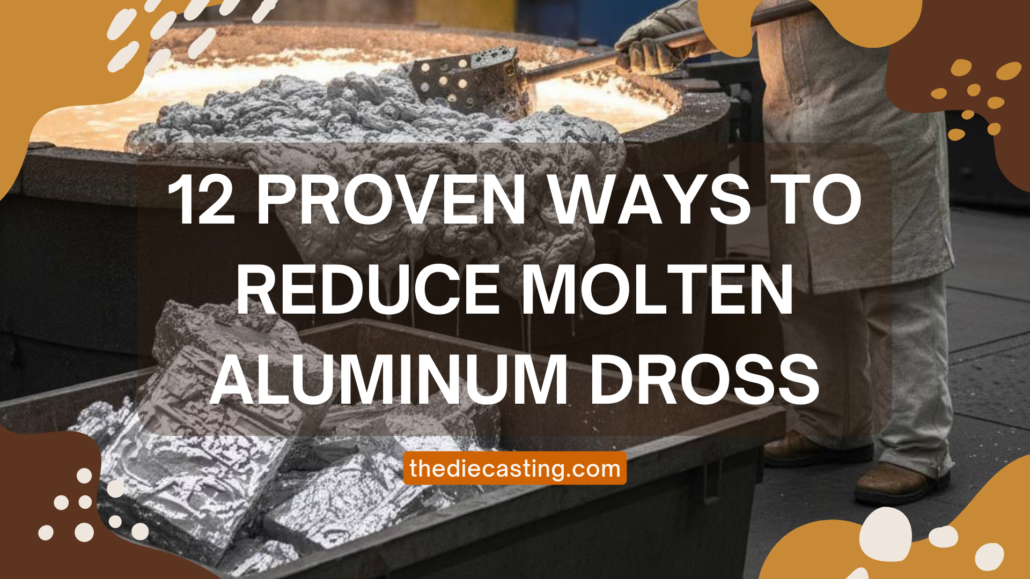
verminderen van gesmolten aluminium dross

12 Bewezen manieren om de hoeveelheid gesmolten aluminium te verminderen en de terugwinning te verbeteren

aluminium gietwerk

Vandaag stropen we onze mouwen op en gaan we naar het hart van de gieterij om een van de duurste problemen in de industrie aan te pakken: aluminium smeltende dross. Als u ooit in een typische reverberatory oven voor het smelten van massief aluminium hebt gekeken, weet u dat wat er aan het oppervlak van die smelt gebeurt uw winstmarges kan maken of breken. Om concurrerend te blijven, moet elke gieterijmanager precies weten hoe hij de hoeveelheid gesmolten aluminiumdross kan verminderen voordat het de winstmarges aantast. Als we het hebben over het terugwinnen van aluminium, hebben we het eigenlijk over een oorlog tegen oxidatie. Elk stuk aluminiumschroot dat naar een oven wordt gevoerd, heeft een zeer dun laagje aluminiumoxide. Het maakt niet uit of het een zware staaf is of een lichte, die huid is er. Wanneer het schroot in een oven wordt verhit, zorgt de hogere temperatuur ervoor dat de huid sneller groeit, vooral als het schroot in lucht of een oxiderende omgeving wordt verhit. Als er niets wordt gedaan, leidt deze oxidatie tot enorm veel afval, waardoor het van cruciaal belang is om strategieën te implementeren die de hoeveelheid gesmolten aluminiumdross tijdens de smeltcyclus verminderen. Deze gids is ontworpen om u te helpen de hoeveelheid gesmolten aluminiumdross te verminderen en uw aluminiumterugwinning te maximaliseren door gebruik te maken van zowel gezond verstand als geavanceerde chemische strategieën. Aluminium smelt Dross begrijpen Om gesmolten aluminium dross effectief te verminderen, moet je eerst begrijpen wat het precies is. Wanneer het aluminium smelt, drijft het aluminiumoxide naar de oppervlakte en vormt een tweede fase die bekend staat als dross. Maar het is niet zomaar “afval”. Door de oppervlaktespanning van de oxidehuid zit er ook metallisch aluminium gevangen in de dross van 15% tot 80%. Denk daar eens over na: het primaire doel van elke gieterij is het verminderen van gesmolten aluminium dross, want tot 80% van dat “schuim” dat je afroomt kan eigenlijk goed, bruikbaar metaal zijn. Grote, zware smeltvoorraden hebben de grootste verhouding tussen massa en oppervlakte en hebben een minimaal smeltverlies. Het binnenshuis omsmelten van schoon schroot zal echter het smeltverlies verhogen vanwege het grotere oppervlak, waardoor het nog moeilijker wordt om gesmolten aluminium dross te verminderen. Als u dieper wilt ingaan op de basisprincipes van smeltkwaliteit, bekijk dan onze gids over raffinagemiddelen. De hoge kosten van vervuiling en oppervlakte Een van de snelste manieren om geld te verliezen is door “vuil” materiaal te laden, wat het bijna onmogelijk maakt om gesmolten aluminium dross te verminderen. Voor elke 1% organische stoffen en vocht resulteert 2% smeltverlies. Daarom is het gebruik van schoon, droog laadmateriaal regel nummer één als je de hoeveelheid gesmolten aluminiumdross wilt verminderen en de aluminiumterugwinning wilt verbeteren. Verder is de vorm van je schroot belangrijk. Het laden van draaiwerk, boringen en bewerkingsspanen resulteert in wel 10% tot 15% drossvorming. Dit komt door het enorme oppervlak dat wordt blootgesteld aan de ovenatmosfeer. Als u worstelt met hoge uitvalpercentages tijdens het machinaal bewerken van spuitgietwerk, is het probleem waarschijnlijk hier in de oven begonnen, omdat u geen plan had om de slakvorming van gesmolten aluminium te verminderen. De invloed van temperatuur op de vorming van dross Een belangrijke factor in je zoektocht om gesmolten aluminium dross te verminderen is de temperatuur van de smelt. Je zou kunnen denken dat een paar graden er niet toe doen, maar de impact van temperatuurverhogingen van slechts 25 tot 55°C kan behoorlijk significant zijn. Hoge temperaturen versnellen de oxidatiereactie, dus het koel houden van de smelt is de eenvoudigste manier om gesmolten aluminium dross te verminderen. Bovendien zorgt de dikte van de laag dross over de smelt voor een isolerend effect en moet de brandsnelheid van het brandersysteem worden verhoogd. Het is een vicieuze cirkel: hoe meer dross je hebt, hoe harder je de branders moet stoken, waardoor er weer meer dross ontstaat. Om de dross van gesmolten aluminium te verminderen, wordt de dikte van de laag op de smelteroppervlakken meestal op minder dan 40 mm gehouden om de oven efficiënt te houden. Dross op de juiste manier uit aluminium verwijderen Als het tijd is om dross uit aluminium te verwijderen, moet je het er niet gewoon afschrapen terwijl het nog “nat” is. Als je dat wel doet, gooi je je winst weg. Het correct toepassen van de juiste fluxsamenstelling resulteert in het fysiek breken van een zwak gebonden oxidelaag, wat helpt bij het verminderen van gesmolten aluminium dross door vers aluminium in te sluiten en terug te brengen naar het bad. Hierdoor kunnen de metallische vloeistofdruppels samensmelten, wat de “geheime saus” is voor succesvol aluminiumherstel. Je kunt aan het uiterlijk van het materiaal zien of je succesvol flux gebruikt om gesmolten aluminium dross te verminderen. Metaalrijke dross ziet er helder en glanzend uit, zeker beladen met metaalhoudend aluminium, terwijl behandelde dross er doffer en poederachtig uitziet. Om dross effectief van aluminium te verwijderen, wil je die poederachtige afwerking. Het aluminiumgehalte van onbehandelde dross is gemiddeld 85 tot 90%, maar een ovenbehandeling kan ongeveer de helft van deze hoeveelheid terugwinnen, wat je aluminiumterugwinningspercentages aanzienlijk verhoogt. Tien gezond verstand procedures om aluminium dross te verminderen De beste manier om in eerste instantie om te gaan met de vorming van dross is om het te minimaliseren. Dit kan worden bereikt door een aantal verstandige en consciëntieuze onderhoudsprocedures: Geavanceerde systemen voor aluminiumterugwinning Naast handmatig afschuimen is het gebruik van een professioneel systeem voor het terugwinnen van dross een totale spelbreker voor gieterijen met grote volumes die gesmolten aluminiumdross willen verminderen. Deze geavanceerde systemen gebruiken mechanische actie en nauwkeurige temperatuurregeling om het resterende metallische aluminium uit de aluminium smeltdross te “persen” voordat het de kans krijgt om af te koelen en te stollen. Door het materiaal te verwerken terwijl het nog heet is, kun je een veel hoger niveau van aluminiumterugwinning bereiken dan met alleen handmatige methoden. Om gesmolten aluminiumdross consistent te verminderen, moet je er bovendien voor zorgen dat alle thermokoppels goed werken. Als je sensoren niet goed werken, zal je bewaartemperatuur onnauwkeurig zijn en zal je productie van gesmolten aluminiumschroten omhoog schieten door overmatige hitte. Nauwkeurige thermische bewaking is de ruggengraat van elke strategie om gesmolten aluminium dross te verminderen. Voor meer informatie over professionele apparatuur en gespecialiseerde sourcing, bezoek China Die Casting fabrikanten. Gereedschap
aluminiumlegering

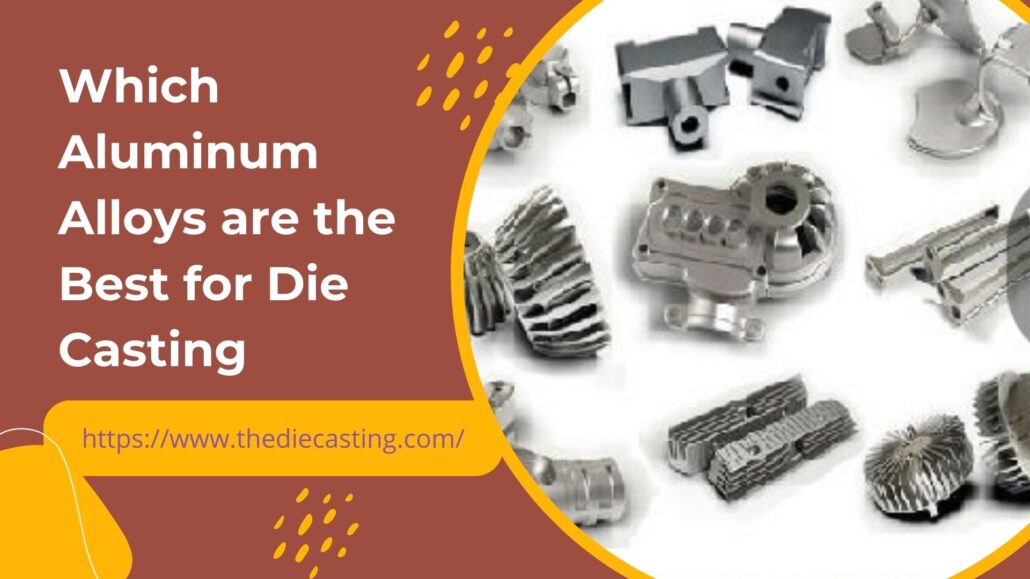
Which Aluminum Alloys are the Best for Die Casting

Aluminium, aluminium gietwerk, AlZn10Si8Mg-legeringen

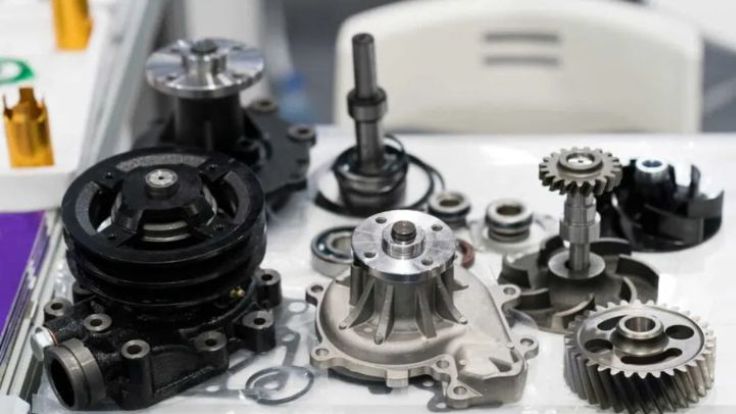
Introduction to Die Casting of Aluminum Aluminum alloy die casting is a highly efficient manufacturing process and is used to produce complex metal components at high volume. It is the process of injecting molten aluminum alloy into a hardened steel mold (commonly called a die) at high pressure. The process is particularly appreciated in the automotive, electronics, telecommunications, and industrial equipment industries, as it produces lightweight components with good dimensional accuracy and surface finish. The excellent strength-to-weight ratio is a key reason aluminum is a preferred metal for die casting. The aluminum alloy components may provide the required mechanical performance for the structural application and offer a material with a high level of product weight reduction. There is also die casting, which enables manufacturers to incorporate multiple functions into a single part. Ribs, bosses, mounting points, and thin walls can be cast in a single operation, eliminating the need for secondary machining and assembly. This, in turn, reduces production costs and increases consistency and repeatability. Owing to these merits, aluminum die casting has emerged as one of the most popular metal-forming processes for medium- to high-volume production. The Die Casting Process of Aluminium Mold Preparation and Setup It starts with preparing the steel die. The die is a two-part die casting: a stationary half and a moving half. The die cavity is sprayed and cleaned after every shot. This coating enables control of die temperature and makes the cast solid easy to eject without sticking to the mold surface or being damaged. Molten Aluminum Injection In a furnace, the aluminum alloy is melted and held at a controlled temperature to achieve the proper fluidity. During high-pressure die casting, a specified quantity of molten metal is injected into the die cavity at high pressure by a hydraulic piston. The pressure may range from several thousand to more than 20,000 psi, allowing the metal to fill small areas and complex geometries before solidification. Solidification and Cooling Pressure is kept after filling up the cavity until the aluminum cools and solidifies. The rapid cooling of the steel die yields a fine microstructure that enhances mechanical properties and surface finish. Channel cooling within the die regulates temperature and ensures consistent cycle times. Ejection and Finishing When the die is hardened, the halves open, and the die is ejected from the mold by ejector pins. Any unnecessary material, including runners, gates, and flash, is trimmed. Secondary operations, such as machining, surface treatment, or heat treatment, may then be performed on the part, depending on the application. The result is a near-net-shaped aluminum part suitable for demanding industrial applications. Aluminum Alloys in Die Casting Alloy-based castings: Aluminum die-casting alloys are designed to balance castability, mechanical strength, corrosion resistance, and thermal performance. In contrast to pure aluminum, these alloys have controlled levels of silicon, copper, magnesium, iron, and other alloying elements to enhance liquid flow, solidification, and serviceability of the molten metal. Selecting an appropriate alloy is essential, since each composition offers a unique balance of strength, durability, weight, cost, and manufacturability. This is a closer examination of the most popular high-performance aluminum die-casting alloys and what makes each one suitable for a particular application. A380 Aluminum Alloy Mechanical Performance and Strength A380 has been referred to as the workhorse of aluminum die casting. It has good tensile strength (approximately 320 MPa) and yield strength (approximately 160 MPa) in the as-cast form. Although not the best aluminum alloy on the market, it offers the best combination of strength and ductility for structural housings, covers, and brackets. Advantages A360 Aluminum Alloy Mechanical Performance and Strength A360 offers the same tensile strength as A380 and has improved performance at higher temperatures. The yield strength is typically 170 MPa, and this aluminum alloy is stable under hot-working conditions, such as in engine compartments. Advantages ADC12 (A383 Equivalent) Aluminum Alloy Mechanical Performance and Strength The counterpart of A383 is ADC12, which is of moderate strength, and the tensile strength is commonly 180230 Mpa. Although a bit weaker than the A380, it is still sufficient for the structural performance of numerous industrial and automotive components. Advantages Al-Si11Cu3 Aluminum Alloy Mechanical Performance and Strength The balanced mechanical properties characterize Al-Si11Cu3. Tensile strength is typically above 300 MPa, with good hardness and moderate ductility. It is stronger than ADC12 and is similar to A380 in most structural applications. Advantages B390 Aluminum Alloy Mechanical Performance and Strength B390 has been manufactured to be as hard and wear-resistant as possible. It has an incredibly high yield strength (approximately 240 MPa) and a tensile strength of 350 MPa. It is hard enough, up to 120 Brinell, which is very high by the standards of most die casting alloys. Advantages Comparative Summary The alloys of aluminum die casting are used as follows: The choice of an appropriate alloy is determined by the design factor, which may be strength, corrosion resistance, wear life, weight reduction, or casting complexity. Summary of Physical and Chemical Properties of Aluminum Alloys Alloy A380 A360 ADC12 / A383 Al-Si11Cu3 B390 Silicon % 7.5–9.5 9–10 9.5–11.5 9.6–12 16–18 Copper % 3–4   ≤0.6 2–3 1.5–3.5 4–5 Magnesium % ≤0.1 0.4–0.6 ≤0.3 ≤0.35 ≤0.1 Density (g/cm³) 2.71   2.63 2.70 2.70 2.75 Tensile Strength (MPa) ~324 ~317 180–230 ~300 320–360 Yield Strength (MPa) ~160 ~170 ~150 ~140 240–250 Elongation (%) ~3.5 ~3.5 ~3 ~2–3 <1 Hardness ~80 ~75 ~75 ~85 ~120 Corrosion Resistance Moderate Excellent Fair Moderate Fair Castability Excellent Fair Excellent Very good Moderate Wear Resistance Good Good Moderate Good Excellent Applications of Aluminum Alloys Automotive Industry Lightweight Structural and Powertrain Components Automotive aluminum alloys are widely used in the manufacture of automotive engine blocks, transmission housings, suspension components, and structural brackets. They are powerful per unit weight, reducing the vehicle’s total mass and improving fuel efficiency, thereby increasing the range an electric vehicle can travel. This aluminum alloy also improves heat dissipation in engines and battery systems, enhancing performance and durability. Aerospace Sector Airframe structures and Interior structures The properties that make aluminum

Hot Chamber Die Casting and Cold Chamber Die Casting

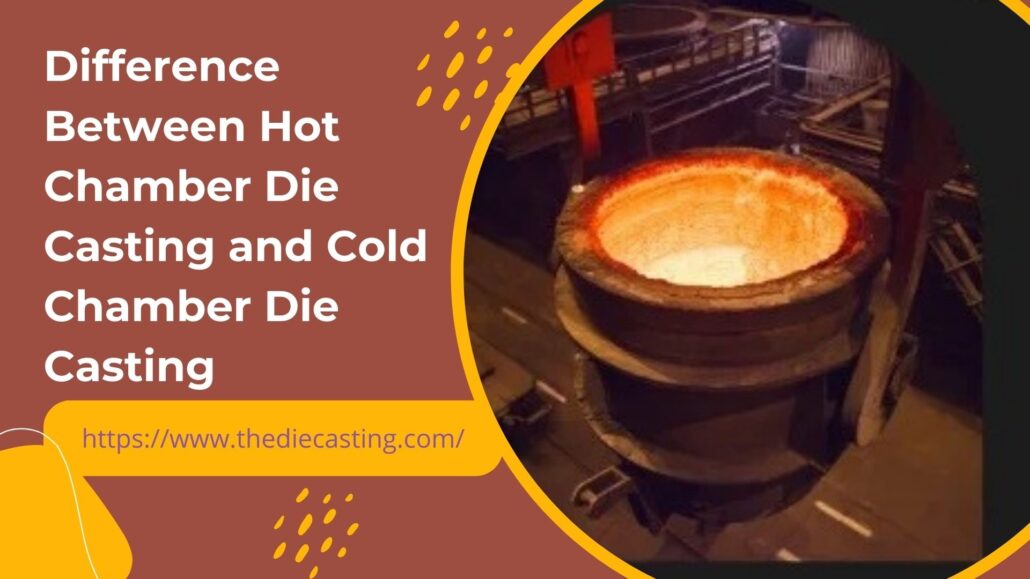
Difference Between Hot Chamber Die Casting and Cold Chamber Die Casting

aluminium gietwerk

Die casting is a metal casting process that uses high pressure to produce complex, high-volume, precise metal components with superior surface finish and dimensional accuracy. This is achieved by high-speed, high-pressure injection of molten metal into a hardened steel mold, known as a die. After the metal solidifies, the die is opened, and the completed component is ejected, trimmed, or lightly secondary processed. Due to its speed, reproducibility, and ability to produce thin-walled, detailed casts, die casting is widely used across the automotive, electronics, aerospace, appliance, and consumer products sectors. High-pressure die casting processes fall into two major types: hot-chamber and cold-chamber die casting. Although both processes use pressure to force molten metal into a die, the ways the metal is melted, manipulated, and injected differ markedly. The differences influence the type of metals used, cycle time, production cost, tooling life, and part size. Hot-chamber die casting integrates the melting furnace with the casting machine, enabling faster processing and improved suitability for low-melting-point alloys. In cold-chamber die casting, however, a separate furnace is used, and molten metal is poured into the machine each time. This arrangement is preferable when the alloy has a higher melting point, e.g., aluminum and copper. Knowledge of the differences between these two processes helps Die Castings China select the most effective, cost-effective, and technically viable method for the company’s application. Hot Chamber Die Casting: Process and Technical Knowledge Hot-chamber die casting is a high-pressure metal casting process primarily used for low-melting-point alloys. It has extensive applications in the automotive hardware, electronics, telecommunications, and consumer goods industries, as well as in sectors that require high production speeds, tight dimensional tolerances, and good surface finish. The key feature of this process is that the melting furnace is integrated into the casting machine. In this type of design, the molten metal is kept in a continuously ready-to-inject state, reducing handling time and resulting in production that is much more efficient than in other casting methods. Summary of the Process Process Explanation Melting Metal is maintained in a furnace inbuilt as molten at about 400 -450 °C in the case of zinc alloys and 600 °C in the case of some magnesium alloys. Filling the Gooseneck In this setup, a hydraulic plunger is used to withdraw until molten metal fills the gooseneck chamber. Injection The plunger moves forward and injects metal into the die cavity at rates up to 3060 m/s. Solidification The metal’s cooling and solidification take 2-10 seconds, depending on the part’s thickness. Ejection This is where the die opens, and the casting is removed by die ejection pins. Repeat The total cycle time is 3 to 15 seconds, enabling high production volumes. The Process of the Hot Chamber Die Casting In hot-chamber die casting, the molten metal is retained in an in-built furnace mounted on the machine. The molten metal submerges a component called a gooseneck. When the plunger is retracted, an intake port supplies molten metal to the injection chamber. The plunger is then hydraulically actuated, driving the metal through the gooseneck and into the die cavity at high velocity. The injection rates may reach 30-60 meters per second, filling the cavity before the metal solidifies. After being cast, the molten metal is pressurized and cooled. Solidification typically takes 2-10 seconds, depending on wall thickness and alloy. With the part already solid, the die is opened, and the ejector pins force the casting out. The machine thereafter shuts and initiates the subsequent cycle. Technical Parameters and the Operating Conditions The process is carried out within well-controlled temperature and high-pressure ranges to ensure tooling quality and safety. Zinc alloys can be cast at temperatures between 400 and 450 °C. In contrast, magnesium alloys can be cast at temperatures closer to 600 °C. The injection pressure is typically 7-35 MPa (approximately 1,000-5,000 psi). The die temperature is maintained between 150 and 250 °C to ensure consistent metal flow and controlled cooling. Due to the wide range of machine sizes, the clamping force typically ranges from 20 to 500 tons. Shot weights are usually less than 1 kilogram, but machines can handle up to 5 kilograms. This is one of the fastest metal-forming methods, with production rates often reaching 300-700 parts per hour due to its high cycle rate. Applicable Material Limits and Alloys Hot-chamber die casting applies only to alloys that do not attack iron at high temperatures. The most common are zinc alloys, including Zamak 3 and Zamak 5, which have melting points near 385 °C. It is also commonly used with magnesium alloys such as AZ91D, which melts at about 595 °C. It is also possible to process lead-tin alloys, but their industrial applications are more limited. This process cannot be applied to aluminum, which has a melting point of approximately 660 degrees Celsius, which can destroy the submerged injection elements. Performance Benefits and Practices Limitations Parameter Typical Range Metal Temperature 400–450°C (Zinc), up to 600°C (Magnesium) Injection Pressure 7–35 MPa (1,000–5,000 psi) Cycle Time 3–15 seconds Machine Tonnage 20–500 tons Production Rate 300–700 parts/hour Die Temperature 150–250°C Typical Part Weight 0.02–5 kg Cold Chamber Die Casting: Process and Technical Observations Cold-chamber die casting is a high-pressure metal casting process suitable for alloys with medium- to high-melting points. It is commonly used in industries such as automotive, aerospace, industrial machinery, and electronics that require strong, lightweight components with precise dimensions. This process uses a separate furnace to melt the metal, rather than a hot-chamber die casting. Each shot is moved into the casting machine with the molten metal, making the system suitable for materials that would harm a permanently submerged injection process. This geometric distinction characterizes the operating mode, production speed, and material range of the cold-chamber process. Process Overview During cold-chamber die casting, the metal is melted in an external furnace at the appropriate alloy-specific temperature. The melting temperature of aluminum alloys is generally in the range of 660- 700 °C, and copper-based alloys might be melted at temperatures exceeding 1,000 °C. After melting,

Aluminium

Aluminium of aluminium

aluminium gietwerk

Flexible Metal Fashioning the Modern World One of the most important materials that contributes to modern civilization is aluminium. From high-tech aerospace and electric cars to simple things like food packaging and consumer electronics, this silvery-white metalloid is probably found in almost every sphere of modern life. Aluminium is a chemical with the chemical symbol Al and atomic number 13. It is prized for its outstanding light weight, strength, corrosion resistance, electrical and thermal conductivity, and complete recyclability. The only difference between Aluminum or aluminium is that it is able to respond to the increased world demand for materials that not only perform well but are also environmentally friendly. With industries shifting towards sustainability, lightweight design, and reduced energy consumption, aluminium has become one of the backbone metals of the 21st century.  This paper provides an in-depth description of the nomenclature of aluminum and aluminium, physical and chemical characteristics, history of aluminium, how it is made, its uses in industry, systems of alloys, its sustainability, and trends in its future in a fast-changing world. The Lingistic Dilemma: Aluminum vs. Aluminium Among the most widely observed peculiarities of this metal are the two spellings it has, i.e., aluminum or aluminium. Both terms mean the same thing, although regional language customs and the historical development of the scientific world explain their use. Aspect Aluminum Aluminium Chemical symbol Al Al Atomic number 13 13 Original term used Aluminum Aluminium Regions using the term United states British Dictionary Preference American dictionaries British dictionaries Scientific use U.S. publications European publications Industrial standards ASTM Standards ISO Standards Language influences American English British English Related Chemical Terms Al₂O₃, Al₄C₃ Al₂O₃, Al₄C₃ Naming Convention Originated with the Following The name itself can be traced back to the early 19th century, and it is strongly linked to Sir Humphry Davy, a British chemist who helped identify and name several chemical elements. During one of his experiments with alumina (aluminium oxide), Davy first suggested the name alumium. Soon, he amended it to aluminium. Nevertheless, certain contemporaries of Davy contended that the name ought to be stricter in accordance with the classical Latin style of naming as applied to other elements, e.g., sodium and potassium. Consequently, the name aluminum became common, especially in Britain and Europe. Local Tastes and Unification Regional tastes were, over time, entrenched in North America. The spelling aluminum was officially adopted and made uniform by the American Chemical Society (ACS) in 1925. In 1990, on the other hand, the International Union of Pure and Applied Chemistry (IUPAC) formally accepted the spelling aluminum as the standard international scientific spelling. Even today, aluminum is more common in the United States and Canada, whereas in most other regions, including the United Kingdom, Europe, and Australia, aluminium is more common. Implication on Global Communication Although there are dual spellings, scientific, technical, or industrial communication is not ambiguous at all. The two terms are universally applicable, and the international standards, product specifications and trade documentation routinely consider this linguistic variation but do not have an operational effect. Aluminium Physical and Chemical Properties The popularity of aluminium or aluminum lies in its exceptional physical and chemical properties. It is the most common metallic element in the Earth’s crust, accounting for approximately 8.1%, but it is never found in pure metallic form. Main Physical Characteristics Aluminum has some of the most interesting physical properties, which include: Aluminium is an excellent material for heat exchangers, radiators, and cooling electronic systems due to its excellent heat dissipation. Ductility and Malleability Aluminium can be beaten into foils less than 0.01 mm thick and pulled into very fine wires without breaking. This makes aluminium an ideal material for a wide range of frames and products acrossindustries. Chemical Behaviour and Resistance to Corrosion Corrosion resistance is also a natural characteristic of aluminium, which is very desirable. The presence of air leads to the immediate formation of a dense, adherent layer of aluminium oxide (Al2O3) on aluminium. This coated film prevents further oxidation and shields the underlying metal from environmental degradation. Additionally, aluminium is: History of the Discovery of Aluminum or Aluminium Early Isolation Efforts Although aluminium compounds have been in use since antiquity, isolating the pure metal was not an easy task. In 1825, Danish physicist Hans Christian Oersted was able to reduce small amounts of aluminium chloride, producing small amounts of aluminium. It was soon followed by an improvement by Friedrich Woehler in 1827, but production remained costly and low. Aluminum was an expensive material at this time, more precious than gold, and was actually used to top the Washington Monument as a technological showcase. Breakthrough in the Hall-Héroult In 1886, breakthroughs were made when Charles Martin Hall, then in the United States, and Paul Heroult, then in France, independently developed the electrolytic reduction process for aluminium extraction. The process is called the Hall-Héroult process, and it consists of dissolving alumina in a molten cryolite solution and passing an electric current through the solution to obtain molten aluminium. This invention, added to the Bayer process (invented in 1887 to process bauxite into alumina), significantly reduced production costs and enabled large-scale industrialisation. The Development into Mass Production At the beginning of the 20th century, aluminium production increased rapidly. Its strategic significance was fully realised during World War I and World War II, especially in aircraft production. Since then, aluminium die casting has ceased to be a rare novelty and has become an essential part of industry. Contemporary Processes of Production Primary Production: Bauxite to Metal Bauxite mining is the starting point of primary aluminium production, and the ores usually contain 30-60 per cent alumina ). It consists of two major phases: Bayer Process Through this process, bauxite is purified into alumina using sodium hydroxide. Hall-Héroult Process Alumina undergoes electrolytic reduction to molten aluminium, which requires about 13-15 kWh of electricity per kilogram. The World Production and Main manufacturers By 2024, the world had a steady output of about 72 million metric tons of aluminum. Major producers include: Secondary

aluminium spuitgietwerk

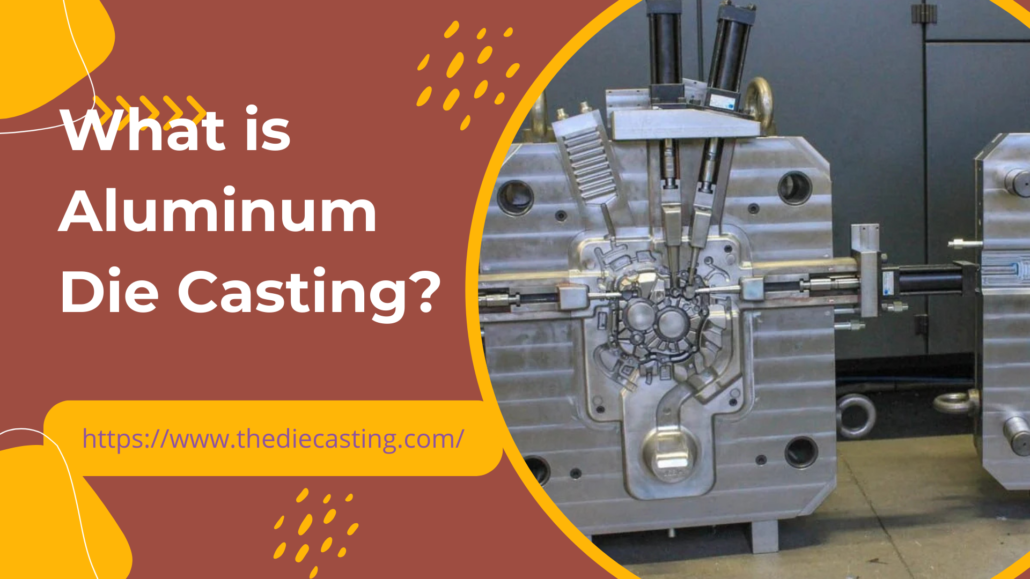
Wat is spuitgieten van aluminium?

aluminium gietwerk

One of the most popular manufacturing processes for producing high-precision metal parts on a large scale is aluminum die casting. It is important in contemporary industries that require high precision in dimensions, mechanical strength, light weight, and cost-effectiveness.

Top Automotive spuitgietbedrijven in China en de wereld 

aluminium spuitgietwerk, spuitgietbedrijven, spuitgietbedrijf, Die Casting Fabrikant

Aluminium spuitgietwerk is een van de meest betrouwbare en rendabele productieprocessen in de hedendaagse industrie. Het is het proces waarbij gesmolten aluminium onder hoge druk in een nauwkeurige mal wordt gespoten om krachtige, lichte en maatvaste onderdelen te maken. Het is vooral nuttig bij de productie van zeer complexe vormen met een hoge oppervlakteafwerking en daarom is het een geliefd proces in de auto-, lucht- en ruimtevaart-, elektronica-, consumentenproducten- en industriële machine-industrie. De laatste jaren is er veel vraag naar aluminium spuitgietwerk. De tendens van de wereld naar elektrische auto's, lichtgewicht constructies en energie-efficiëntie heeft de aluminiumlegeringen in de frontlinie van innovatie geplaatst. Fabrikanten hebben nu hightech onderdelen ontwikkeld zoals motorblokken, transmissiehuizen, accubehuizingen en koellichamen die zowel duurzaam als licht zijn. Recyclebaarheid en weerstand tegen corrosie maken aluminium ook nuttig in de wereldwijde tendensen om duurzaam en milieuvriendelijk te produceren. Twee van de belangrijkste hubs voor het gieten van aluminium zijn de Verenigde Staten en China. Bedrijven in de Verenigde Staten staan bekend als innovatief, hebben hoge kwaliteitsnormen en gebruiken hoge automatiseringsniveaus en kunnen worden beschouwd als een goede investering in hoge precisie-industrieën. Omgekeerd hebben Chinese fabrikanten veel concurrentievermogen verworven op de wereldmarkt, bieden ze een kosteneffectieve oplossing, een hoge productiecapaciteit en meer geavanceerde technologieën. Dit artikel bespreekt enkele van de meest succesvolle aluminium spuitgietbedrijven in de VS en China, hun sterke punten, hun mogelijkheden en de factoren die hen tot de meest betrouwbare partners maken voor bedrijven over de hele wereld als hun voorkeursleveranciers in de productie-industrie. Wat is spuitgieten voor auto's? Spuitgieten is een productieproces waarbij gesmolten metaal, meestal aluminium, magnesium of zink, onder grote druk in een mal met een open ruimte wordt geperst. Dit maakt massaproductie mogelijk van onderdelen met een hoge sterkte, complexe functies en een goede oppervlakteafwerking en maatnauwkeurigheid. Spuitgieten in de auto-industrie maakt de productie mogelijk van onderdelen die: Het gebruik van spuitgieten heeft een revolutie teweeggebracht in de constructie van hedendaagse voertuigen waarbij men gewicht kan besparen en tegelijkertijd toch kan presteren. De vraag heeft bijgedragen aan het hoge ontwikkelingstempo van de grote autogietbedrijven in China, Europa, Amerika en Japan. Waarom China de leider is op het gebied van autospuitgietwerk China heeft een aantal van de grootste fabrikanten van autospuitgietwerk ter wereld vanwege zijn: Een dergelijke reeks sterke punten heeft Chinese auto-motief spuitgietbedrijven in staat gesteld om de krachtpatsers te zijn, niet alleen op de lokale markt, maar ook internationaal in de toeleveringsketen. CNM Tech Diecasting Company is een toonaangevende producent van superieure aluminium spuitgietproducten. Ze bieden verschillende sectoren zoals de auto-industrie, elektronica en telecommunicatie met precisie ontworpen onderdelen die gericht zijn op het handhaven van de hoogste kwaliteitsnormen. Ze kunnen lichte en sterke onderdelen produceren met behulp van hun geavanceerde productieprocessen zoals hogedrukgieten en CNC-verspaning. The Diecasting Company gelooft in de kracht van constante innovatie en investeert daarom in moderne machines, geautomatiseerde productielijnen en, nog belangrijker, kwaliteitscontrolesystemen die helpen om altijd dezelfde resultaten te leveren. Zowel OEM's als Tier-1 leveranciers behoren ook tot hun wereldwijde klantenbestand en daarom zijn ze een betrouwbare partner bij het voldoen aan complexe en grote productiebehoeften. Website: https://www.thediecasting.com/ Waarom voor hen kiezen The Diecasting Company geniet de voorkeur van bedrijven omdat ze gericht zijn op kwaliteit, precisie en innovatie. Hun toepassing van de allernieuwste spuitgiettechnologieën, sterke kwaliteitscontrole en tijdige levering zorgen ervoor dat hun klanten componenten krijgen die aan internationale normen kunnen voldoen en maken van hen de favoriete keuze als het gaat om OEM's in de automobielindustrie en fabrikanten die een betrouwbare leverancier van spuitgietoplossingen willen vinden. Bedrijfstakken die worden bediend Sincere Tech Sincere Tech is een van de producenten van hoognauwkeurige matrijzen in kunststof injectie en spuitgieten. Ze hebben een achtergrond in het ontwerpen van mallen, prototyping en de productie van het eindproduct, wat hun klanten over de hele wereld een one-stop-oplossing biedt. Ze gebruiken geautomatiseerde CAD/CAM-software en geautomatiseerde bewerking, zodat alle vervaardigde mallen zeer nauwkeurig zijn. Plastic Mold kan worden gecrediteerd met jarenlange ervaring in het bedienen van de behoeften van de auto-industrie, consumentenelektronica en medische hulpmiddelen industrie met de capaciteit van het leveren van complexe mallen met efficiëntie. Ze onderscheiden zich door hun innovatie, kwaliteitscontrole en snelheid in levering, waardoor ze een vertrouwde leverancier zijn voor bedrijven die graag een gepersonaliseerde matrijsoplossing willen. Website: https://www.plasticmold.net/ Waarom voor hen kiezen Plastic Mold wordt geselecteerd vanwege hun complete systemen voor het maken van mallen, hun technische vaardigheden en hun vermogen om in een beperkte productietijd te passen. Hun mallen van superieure kwaliteit minimaliseren fouten, verhogen de productiviteit en helpen klanten nauwkeurige en betrouwbare spuitgegoten of spuitgegoten producten te maken. De bedrijfstakken die worden bediend GC Precision Mould GC Precision Mould is een producent van spuitgieten in China die aluminium, zink en magnesium spuitgietmatrijzen levert. Ze hebben een reputatie in het produceren van hoogwaardige, rendabele en lichtgewicht onderdelen in de automobiel-, elektronische en verlichtingssector. Ze beschikken over de vaardigheden van hogedrukgietwerk, CNC-verspaning en secundaire afwerking. Alu Diecasting richt zich op nauwkeurigheid, duurzaamheid en productiviteit. Ze voldoen altijd aan de internationale normen door het gebruik van moderne faciliteiten, geautomatiseerde lijnen en bekwame technici. Ze leveren zowel lokaal als internationaal aan klanten zoals OEM's en Tier-1 leveranciers, en zijn gepositioneerd als een top Chinese fabrikant van gietstukken voor de automobielindustrie. Website: https://aludiecasting.com/ Waarom ze kiezen Ze gebruiken Alu Diecasting omdat ze een combinatie van concurrerende prijzen, hoge kwaliteitsnormen en technologie bieden. Ze hebben een trackrecord van verschillende legeringen, precisiebewerking en tijdige productie die betrouwbare, duurzame en lichtgewicht onderdelen onderhoudt die voldoen aan de eisen van de wereldwijde auto-industrie. Get It Made Get It Made is een producent van CNC-verspaning, 3D-printen, spuitgieten en metaalvorming gevestigd in het Verenigd Koninkrijk. Ze ondersteunen zowel prototyping als productie in kleine aantallen,

Wat is gegoten aluminium kookgerei?

Wat is gegoten aluminium kookgerei? Een complete gids

Aluminium, aluminium gietwerk

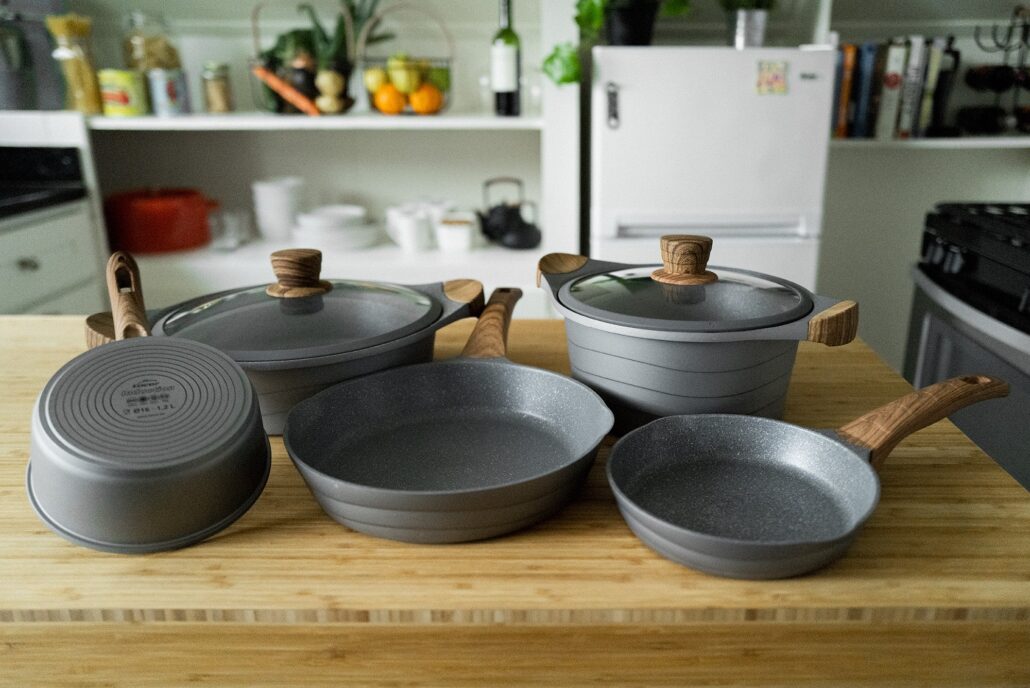
Cast aluminum cookware is becoming popular in kitchens worldwide. It is lightweight, inexpensive, and easy to use. The food can have a different taste depending on the cookware that is used, including the easy cooking process. Cookware is also time-saving and long-lasting. The cast aluminum is made by pouring molten aluminum into a mold. The method gives the cookware both a concrete structure and consistency in the thickness. It allows the pan or the pot to warm up quickly and evenly spread the heat. This simplifies and reduces the time spent preparing day-to-day meals. Cast aluminum is another relatively lightweight material that many people have been using since it is relatively inexpensive when compared to stainless steel. It may also be prepared in different shapes and sizes; therefore, it may be fried, baked, and boiled. However, cast aluminum has its negative sides. It is not as tough as stainless steel nor as tough as cast iron. There are also some types of cooking utensils that need a non-stick or anodized coating so that the food does not stick or is not in contact with acidic foods. In this article, all of these will be expounded using simple language. You will be introduced to the advantages, disadvantages, security, and treatment of cast aluminum cookware. How Cast Aluminum Cookware is Made? Cast aluminum cooking utensils are produced as a result of pouring the melted aluminum into a mold. The metal (aluminum) will then be in the shape of a pan, pot, or baking dish after cooling down. The process makes the cookware tougher and heavier than the traditional pressed or rolled aluminum. The two big stages of the process are: Such casting makes the coocooklightlightut strong enough that it can be used daily. Others are non-stick envelopings on them to prevent the sticking of food, and to facilitate their cleaning. Cast Aluminum Process of Cookware Preparing the Aluminum The initial step entails the selection of aluminum. Pure aluminum or recycled aluminum can be used by manufacturers. This is put into large furnaces where it is heated to over 660 °Cuntil it melts to form a liquid. This stage is where purification of the aluminum is done to determine that it will be strong and safe in the final product. Creating the Mold Once the aluminum is on hand, the mold is created. The form is determined by the mould, and it may be a frying pan, a pot, or a baking pan. These moulds are mostly sandy or steely. The thinness, balance, and durability of the copopotterarere dare be determined by the type of mold and the level of exquisiteness. Pouring the Molten Aluminum The mold is then filled with liquid aluminum. It is filled to the very brim in every crevice of design. It is the process that also causes cast aluminum cookware to be heavier and stronger than pressed aluminum cookware. Cooling and Solidifying After being poured, the aluminum is expected to cool down. It is stiffening and depressing when it comes to cooling and acquires the shape of the mold. The cooling is required as it removes cracks, air bubbles, or weak areas that can jeopardize the quality of the cookware. Trimming and Finishing Once hardened, cookware is removed from the mold. Such is where a crude surface gets cut and polished. Other features are also incorporated, such as handles and bases. This is to ensure that the cook’s uniform is smooth, safe, and ready to be coated. Surface Coating and Finishing Most cast aluminum cooking utensils are surface-treated. They have most of them supplied with non-sticky surfaces, such that the food does not stick on the surfaces,, and the cleaning does not take much time. They can be anodized by others, and this increases their resistance to corrosion and scratches. These finishes are also resistant to the reactivity with acidic food. Quality Testing The quality control is the last one. All of the works are inspected on balance, durability, and coating safety. Cookware that has been carefully checked is packed and only sent into the market. It will ensure the customers receive durable, quality, and safe cookware. Cast Aluminum Cookware advantages What is the reason not to use other materials, to use cast aluminum? Here are the key benefits: Lightweight In comparison to cast iron, it is very light in cast aluminum. It does not take much time tocleanna, and it is more so when one has a cook who prepares meals regularly for the elderly. Superb Heat Distribution Aluminium is a thermal conductor. Cast aluminum utensils are quick to cook and evenly cook. This means that there would be fewer hot spots and even cooking. Affordable It is normally cheaper than stainless steel or copper cookware. It has decent performance at an affordable price. Versatile Cast aluminum may be fried, baked, boiled, or simmered. Some are even oven-safe. Quick Heating The aluminum makes food cook more quickly since it reacts to heat faster. This saves time and energy. Disadvantages of Cast Aluminum Cookware Despite several advantages of cast aluminum cookware, it also possesses several limitations: Durability Issues The cast aluminum is softer than the cast iron or stainless steel. Eventually,, it is likely to be dented or scratched, especially when it is not handled properly. Reactivity with Food The uncoated aluminium can react with acids such as tomatoes or vinegar. This may either render it metallic or discoloured. The majority of modern cast aluminium pans are coated to such effects. Coating Problems The non-stick film on the pan may be of poor quality, and thus, it may wear away with time. It can be scrubbed with hard sponges or metal utensils, and this decreases its life span. Aluminum Cast And Other Cookware The choice of cookware is more of a choice. The cast Aluminum performance when compared with the popular substitutes stands as follows: Cast Aluminum and Stainless steel The first distinguishable difference in the case of the cast aluminum and stainless steel is the heat

Messing kastbeslag: Een complete gids voor stijl, functie en duurzaamheid

Messing kastbeslag: Een complete gids voor stijl, functie en duurzaamheid

Messing kastbeslag

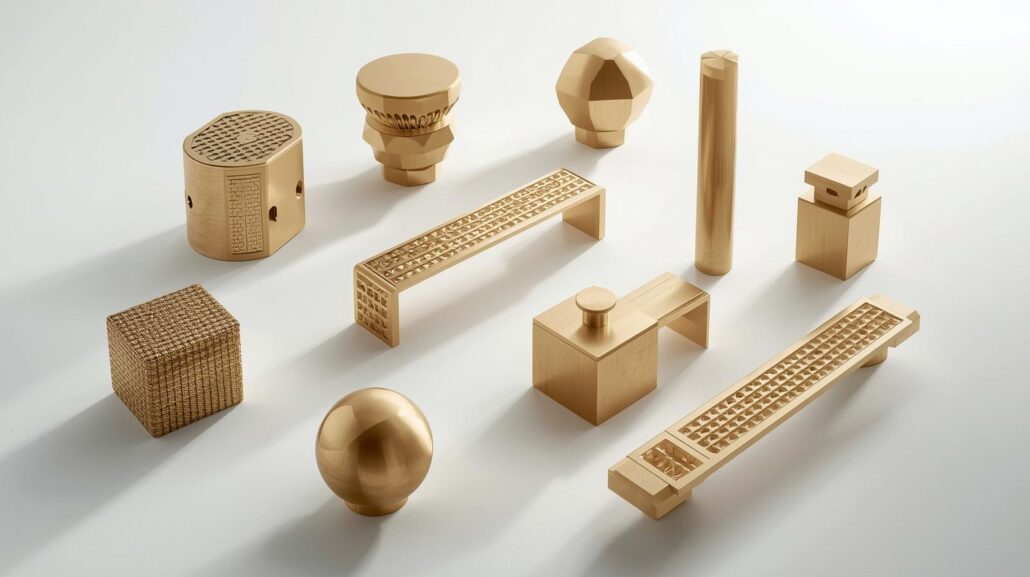
Cabinet hardware can be viewed as minor detail, yet it can change the appearance and functionality of a room. Of the numerous finishes that can be used, the brass cabinet hardware is a test of time in terms of beauty, strength, and versatility. Considering remodeling the kitchen, upgrading the bathroom vanity, or even refreshing the storage furniture, the brass finish is the one that will be durable and, at the same time, very stylish. Both designers and homeowners still prefer the useof brass hardware as it has added significance to modern and traditional interiors. Its warm tones, which are of gold, also match well with wood, stone, or painted cabinets, making it one of the most adaptive finishes. As simple, modern pulls as fancy, vintage knobs, brass cabinet hardware is a feature that gives the whole design of a space an upscale look. Brass, unlike other metals, is a good-looking item, but it provides long-lasting value. The quality of brass kitchen hardware and brushed brass hardware resists corrosion, can be used in everyday life, and acquiress the status of timeless. Such a blend of style and performance makes brass an investment that enhances the appearance and functionality of the cabinets so that they are refined over the years to come. History and popularity of Brass in Design Brass is a copper-zinc alloy and has been applied in various structures, furniture, and ornaments forcenturies. Brass used to be a common decorative fitting and fixtureas it was deemed highly beautiful and elegant once. The brass hardware is also still used in the present daydue to its appearance and its durability and strength, and it is also used in the current-day interiors due to the practicality in its usage and its appearance,, which is more than impressive. The timeless quality of the brass cabinet hardware is its flexibility. It may be shined brightly and reflective like a mirror, or it may have a more subdued look and be finished in muted colors. Since the shift of interior decor towards warmer metallics, brass remains one of the finishes that can be mixed with light and dark cabinets. What does Brass Cabinet Hardware mean? Brass cabinet hardware is knobs, pulls, hinges, handles, and other fittings manufactured out of the alloy of copper and zinc, known as brass. Such hardware is very common in the kitchen, bathroom, and furniture since it is strong, durable, and not out of fashion. Compared to cheaper metals, brass does not corrode and will naturally age with a patina, and it can be polished, left in a satin finish, or antique, or left in the so-called brushed brass hardware. The designers and owners of homes prefer the use of brass hardware due to its diversity. Specifically, brass kitchen hardware is functional and stylish, and it has become one of the most popular options to upgrade the cabinets. Types of Brass Hardware Cabinet accessories come in an array of different forms made out of brass, with each being used in a different way. The most popular ones are: In any design project, brass cabinet hardware, regardless of its type, is a useful addition in terms of decorative and functional purposes. The manufacturing of Brass Cabinet Hardware The production of so-called brass cabinet hardware is a long-stage product manufacturing process based on the requirements of durability, usefulness, and beauty. It is a process that uses a mixture of both traditional and modern metal finishing techniques. Alloy Preparation It starts with the melting of a mixture of copper and zinc to form brass. Additional elements can be added depending on what finish is desired. This makes the brass hardware with the correct strength, machinability, and color. Casting or Forging After preparation of the brass alloy, it is then cast (molten brass poured into castings) or forged (pressed and heated brass compressed into castings). Copies of brass kitchen hardware are more powerful and sturdier. Machining and Shaping These are then turned into accurate shapes, knobs, pulls, handles, or hinges. CNC machines and old-fashioned lathes tend to build uniformity in the so-called brass cabinet hardware. Surface Finishing When the pieces have been shaped, they are automatically ground and polished to a smooth finish. Finishes applied at this stage include polished, antique, satin, or brushed brass hardware to give it the desired appearance. Plating or Coating (Optional) In other instances, a protective coating of lacquer or further plating is made to increase resistance to corrosion. It is common to leave solid brass unlacquered in the natural patina style. Mechanical Assembly and Quality Control Lastly, the quality, fit, and finish of every item of the brass cabinet hardware are checked. Assembling screws and fittings and packaging them are done before distributing. Advantages of Brass Cabinet Hardware Durability Brass is a material that has been known to have strength and endurance. Solid brass, unlike cheaper alloys does not bend, bend, and break, meaning your cabinets will be useful over time. It is particularly significant that brass kitchen hardware has to stand up to daily wear. Timeless Aesthetics Interiors are made warm and rich with the golden hues of brass. It has smooth finishes and polishing that is elegant, and the hardware is brushed brass, giving it a modern, subtle look. Corrosion Resistance The inherent nature of brass is such that it is resistant to tarnish and corrosion and should therefore be used in the kitchen and bathroom where moisture is abundant. Versatility Ranging from coarse farmhouse kitchens to polished modern bathrooms, brass cabinet hardware goes well with all kinds of styles. It has been flexible, which is why it is still used in various projects of brass hardware by designers. Usage in Bathrooms and in Kitchens One of the most noticeable details in the kitchens and bathrooms is cabinet hardware, where functionality and design should be in harmony. Brass cabinet hardware offers the strength needed in busy areas, as well as serving as a decorative center stage. Kitchens The contemporary kitchen styles are more than pleased with the

Aluminium spuitgietbedrijven in de VS

Aluminium spuitgietbedrijven in de VS

aluminium spuitgietwerk, spuitgietbedrijven, spuitgietbedrijf

Aluminium spuitgieten is nu een van de zekerste en meest economische productieprocedures in de Verenigde Staten van Amerika, vooral voor fabrikanten die robuustheid, duurzaamheid en precisie vereisen. Dit wordt gedaan door het onder hoge druk injecteren van gesmolten aluminium in stalen gietstukken en dit produceert onderdelen die niet alleen licht van gewicht zijn, maar ook dimensionaal nauwkeurig en duurzaam. Het is deze sterkte en dit lage gewicht dat van het spuitgieten van aluminium het materiaal van keuze maakt in de auto- en ruimtevaartindustrie, elektronica, industriële machines en consumptiegoederen. De Amerikaanse markt heeft een aantal van de meest gevestigde aluminium spuitgietindustrie ter wereld in de vorm van grote fabrikanten met wereldwijde aanwezigheid tot kleine en gespecialiseerde bedrijven die gespecialiseerd zijn in aangepaste onderdelen en nichetoepassingen. Deze bedrijven zijn van cruciaal belang voor het voortbestaan van de sleutelindustrie door segmenten van de industrie te leveren zoals motorblokken, transmissiebehuizingen, elektronische behuizingen en structurele onderdelen. De in de VS gevestigde fabrikanten hebben hun reputatie van betrouwbaarheid en innovatieve producten in de wereld verdiend door hun hoogwaardige technologieën, certificering en focus op kwaliteitsproducten. In de afgelopen jaren is de vraag naar gegoten aluminium onderdelen enorm gestegen door de recente ontwikkelingen op het gebied van lichtgewicht voertuigen, de productie van elektrische voertuigen en het streven naar energie-efficiënte productie. Amerikaanse bedrijven omarmen automatisering, duurzame gietstukken en superieure legeringen om hoge resultaten te behalen om aan deze eisen te voldoen. Dit artikel geeft een overzicht van enkele van de beste fabrikanten van gietaluminium in de VS en hun prestaties, potentieel en bijdragen aan de hedendaagse industrie. Het maakt niet uit of je onderdelen krijgt voor een grootschalig productieproces of een zeer technische toepassing, deze fabrikanten zijn de belichaming van de beste Amerikaanse technologie in aluminium spuitgieten. Wat is aluminium spuitgieten? Het gieten van aluminiummatrijzen is een productietechniek waarbij gesmolten aluminium onder hoge druk in een stalen mal wordt geperst die ook wel een matrijs wordt genoemd. Wanneer het metaal afkoelt en stolt, wordt de mal geopend en wordt het afgewerkte onderdeel uitgeworpen. Dit is het proces waarmee fabrikanten sterke, lichte en zeer gedetailleerde onderdelen kunnen maken met een hoge mate van maatnauwkeurigheid en een gladde oppervlakteafwerking. Het feit dat aluminium spuitgietwerk complexe vormen kan produceren die anders moeilijk of duur te produceren zouden zijn met andere productieprocessen, is het belangrijkste voordeel. Het wordt op grote schaal toegepast bij de productie van onderdelen zoals motorblokken, transmissiebehuizingen, elektronische behuizingen, koellichamen en structurele componenten. Het spuitgieten van aluminium heeft verschillende grote voordelen: Dankzij deze sterke punten is het spuitgieten van aluminium naar voren gekomen als een beter alternatief in industrieën die betrouwbare en efficiënte componenten van hoge kwaliteit nodig hebben om aan hun technische en economische behoeften te voldoen. Top USA Aluminium Die Casting Bedrijven 1. Dynacast International Dynacast International is wereldwijd één van de bekendste bedrijven op het gebied van het gieten van precisiematrijzen. Het bedrijf heeft tientallen jaren ervaring in de productie van kleine, complexe onderdelen met behulp van aluminium, zink en magnesiumlegeringen. Ze zijn goed in het produceren van onderdelen met strenge toleranties en complexe kenmerken, die nodig zijn voor de auto-industrie, consumentenelektronica, telecommunicatie en medische apparatuur. Wereldwijd zijn betekent ook dat Dynacast in staat is om kleine bedrijven en multinationals te bedienen met de flexibiliteit, innovaties en kwaliteit die niet variëren tussen projecten. 2. Pace Industries Pace Industries is uitgegroeid tot de grootste spuitgietbedrijven in Noord-Amerika en heeft een goede reputatie opgebouwd als aanbieder van totaaloplossingen. Hun dienstenpakket omvat ontwerpen en engineeringondersteuning, spuitgietwerk, machinale bewerking, oppervlakteafwerking en eindassemblage; ze bieden een totaaloplossing voor klanten in de automobiel-, industriële en consumentenindustrie. Door de schaal van hun activiteiten kunnen ze projecten met hoge volumes en projecten op maat aan. Pace volgt ook de cultuur om geld te steken in moderne technologie en duurzame praktijken, zodat ze concurrerend kunnen blijven in de snel veranderende industrie. 3. Ryobi Die Casting (USA), Inc. Ryobi is een gerenommeerd merk in het wereldwijde spuitgietsegment en is sterk vertegenwoordigd in de Verenigde Staten. Hun activiteiten in de VS zijn gericht op middelgrote tot grote aluminium spuitgietonderdelen, voornamelijk voor de automobielsector. Ryobi produceert motorblokken, transmissiebehuizingen en structurele onderdelen die duurzaam en nauwkeurig moeten zijn. Het bedrijf heeft gebruik gemaakt van geavanceerde technologie en kwaliteitsmanagement, waardoor het een favoriete leverancier is geworden van grote autofabrikanten in de wereld. 4. Gibbs Die Casting Gibbs Die Casting, de andere leider op de Amerikaanse markt, is gevestigd in Henderson, Kentucky. Het bedrijf is gespecialiseerd in aluminium en magnesium spuitgietwerk voor de auto-industrie, vooral voor transmissiebehuizingen en aandrijflijnonderdelen. Gibbs legt sterk de nadruk op innovatie, waarbij automatisering en geavanceerde productietechnieken worden gebruikt om hoge normen voor efficiëntie en kwaliteit van het werk te garanderen. Het bedrijf integreert ook het concept van duurzaamheid in zijn activiteiten door verspilling tegen te gaan en milieuvriendelijke bedrijfspraktijken aan te moedigen. 5. Apex Aluminum Die Casting Co, inc. Apex Aluminum Die Casting is gevestigd in Ohio en wordt gebruikt in de auto-, elektronica- en apparatenindustrie. Het bedrijf is gerenommeerd in het werken met middelgrote productiepartijen, waardoor het de perfecte optie is voor bedrijven die een constante uitvoerkwaliteit vereisen maar niet de enorme krachten van grotere importeurs nodig hebben. Het team van Apex houdt zich bezig met klanttevredenheid, betrouwbaarheid van de service, engineering en nauwkeurigheid in de productie. Ze hebben zich gevestigd als een betrouwbare partner voor een aantal Amerikaanse bedrijven vanwege hun goede reputatie om consistente resultaten te leveren. 6. KenWalt Die Casting Company KenWalt Die Casting is gevestigd in Californië en heeft meer dan tientallen jaren ervaring met het produceren van gietstukken; aluminium en zink. Het bedrijf richt zich ook op klussen op maat en bedient de industrie van zowel industriële apparatuur als consumentengoederen. KenWalt onderscheidt zich als een bedrijf dat nauw samenwerkt met de klant tijdens het

Aluminium Automobielmatrijzenafgietsel in China

Aluminium Automobielmatrijzenafgietsel in China

aluminium spuitgietwerk, gietdelen

Aluminium automotive die casting in China has become an essential process within the international automotive supply chain that contributes to efficiency, sustainability, and innovation in vehicle production. Lightweight and strong, aluminium provides a special balance between mechanical performance and fuel consumption, which contemporary car manufacturers require. Through minimised vehicle weight, aluminium die-cast components have a direct impact on reducing fuel consumption, longer battery range in electric vehicles (EVs), and carbon emissions. This not only renders the technology significant to the manufacturers, but also to environmental regulations across the world. This domination in the automotive industry of China is a natural extension of aluminium die casting. Being the largest producer, the country with huge production rates, with its large supply chain and the support of the government through industrial policy, China has already established itself as the largest producer and one of the greatest innovators in the area. The die casting sector of the country serves both local car manufacturing industries and foreign brands, and it provides engine blocks and transmission housings, as well as high-tech giga castings, applied to the body of EVs. The development of lightweight materials and more environmentally friendly production technologies has become even faster. This congruence between industrial competency and the world sustainability targets will keep China on the frontline of the technology of aluminium die casting, which is the future of automotive engineering. What is Die Casting of Aluminium? Aluminium die casting is the production technique where molten aluminium is pressurized and injected into a high-pressure steel mold (die). Upon cooling and solidification, the metal produces complex and precise components with very favourable strength-to-weight ratios. The automotive parts that are commonly manufactured are engine blocks, transmission housings, wheels, brackets, and structural body parts. Why China Leads in Aluminium Die Casting? Aluminium Die Casting Process Aluminium die casting is one of the most specialized manufacturing techniques that allows the creation of complex and accurate automotive components with great mechanical properties. It does include several well-regulated phases, and each of them can be seen as a step toward the quality, strength, and durability of a final product. The following is a discussion of each of the stages: 1. Mold Preparation The steel mold, usually of hardened tool steel, is completely cleaned and checked before production starts and should be free of wear or damage. Then the release agent or lubricant is applied to the cavity of the mold, which has a variety of significant purposes. It avoids the sticking of the molten aluminium to the die, provides smooth part ejection and assists in maintaining mold temperature in successive casting cycles. It is important to prepare the mold properly, as this has a direct relation to the surface quality and dimensional accuracy of the finished component. 2. Melting & Alloy Preparation It begins with the melting of aluminium ingots or recycled scrap in a high-temperature furnace that can be either gas-powered, electrically powered or induced. At this phase, molten aluminium is observed keenly to maintain an optimal temperature range of around 660 to 700 °C to provide a fluid mass and reduce defects. Elements like silicon, magnesium, and copper are alloyed in order to improve certain properties such as strength, corrosion resistance, or thermal conductivity. It is important to keep the chemical composition accurate since a slight change in it might greatly affect the functionality of automotive elements. 3. High-Pressure Die Casting (injection) After the molten aluminium attains the desired state, it is poured into the prepared steel casting mould by a high-pressure die casting (HPDC) machine. The pressure of injection is usually between 110 and 175 MPa, and this makes the liquid metal fill even in the most complex molding cavities with accuracy. High pressure also aids in reducing porosity and shrinkage flaws to produce high-strength and dense parts. This is regarded as the centre point of the process since it determines the quality of the casting and whether complicated shapes can be produced without breaking the structural integrity. 4. Cooling & Solidification The molten aluminium is then injected and quickly cools down and hardens in the steel mould. The rate of cooling is maintained throughout to make sure that the crystallization is uniform and internal stresses or warping are minimized. Cooling time varies greatly with the thickness and intricacy of the component being cast; a thin-walled component could be solidified in a matter of seconds, whereas a more complex part could take a longer cycle to solidify. Well-organised cooling circuits (water channels or oil circuits built into the die) are commonplace with the aim of ensuring consistency throughout the production runs. It is essential to attain a balance of strength, ductility, and dimensional accuracy by proper solidification. 5. Ejection After the part has hardened, ejector pins in the mold force the casting out. In this step, accuracy is needed to prevent burning sensitive areas or thin walls of the part. Large-scale automotive manufacturing often relies on automated ejection systems, which guarantee the consistency of cycle times and minimize manual work. The process of ejection may appear to be easy, yet with improper application, it might cause surface defects, cracks or misalignment, which will adversely affect the usability of the final product. 6. Trimming & Finishing Raw casting may contain large quantities of extraneous material, such as flash, runners or even gates, after ejection, and this needs to be removed. A hydraulic press or a CNC machine is usually used in trimming to attain an accurate edge line. Other finishing processes like shot blasting enhance the texture of the surface, and machining provides the high dimensional tolerance needed by engine or transmission components. They can be heat-treated to increase strength and hardness, and coating or anodizing may increase corrosion resistance. These are the necessary secondary processes because through them the raw casting is taken to the next level, where it is turned into a functional and reliable automotive component. 7. Inspection & Quality Control The last step is the intensive inspection, whereby all castings will be

Scroll naar boven

Een offerte aanvragen