صب القوالب الألومنيوم

أفضل شركات صب قوالب السيارات في الصين والعالم 

صب القوالب الألومنيوم, شركات صب القوالب, شركة صب القوالب, مُصنِّع قوالب الصب بالقالب

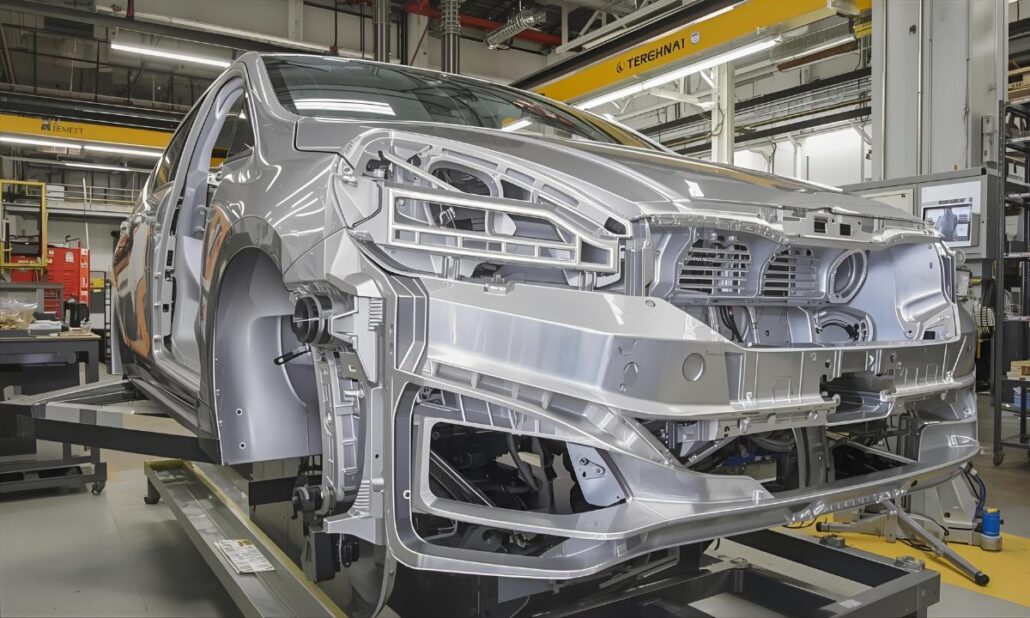
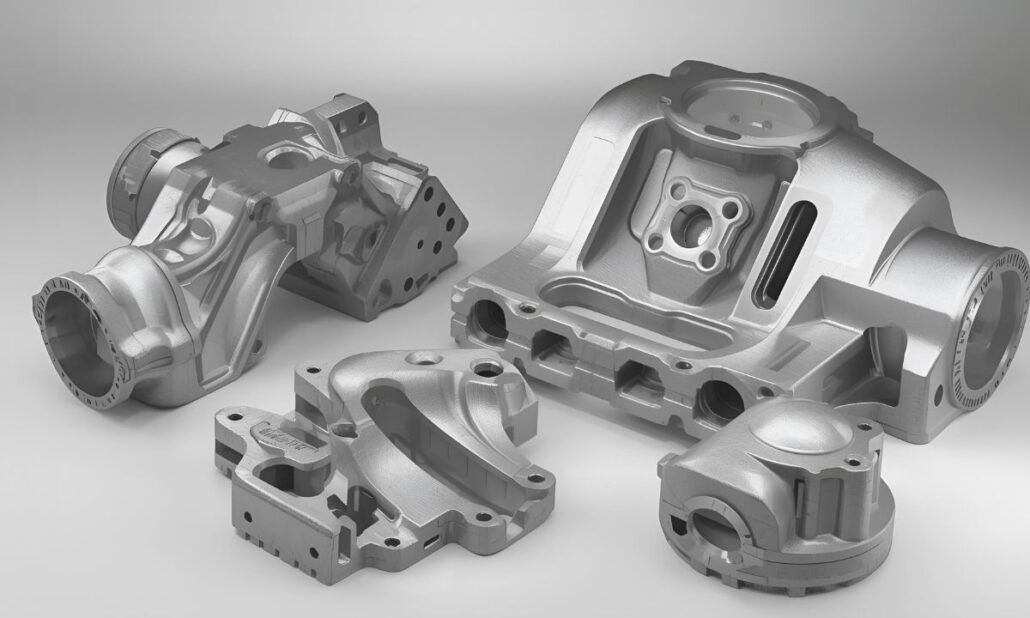
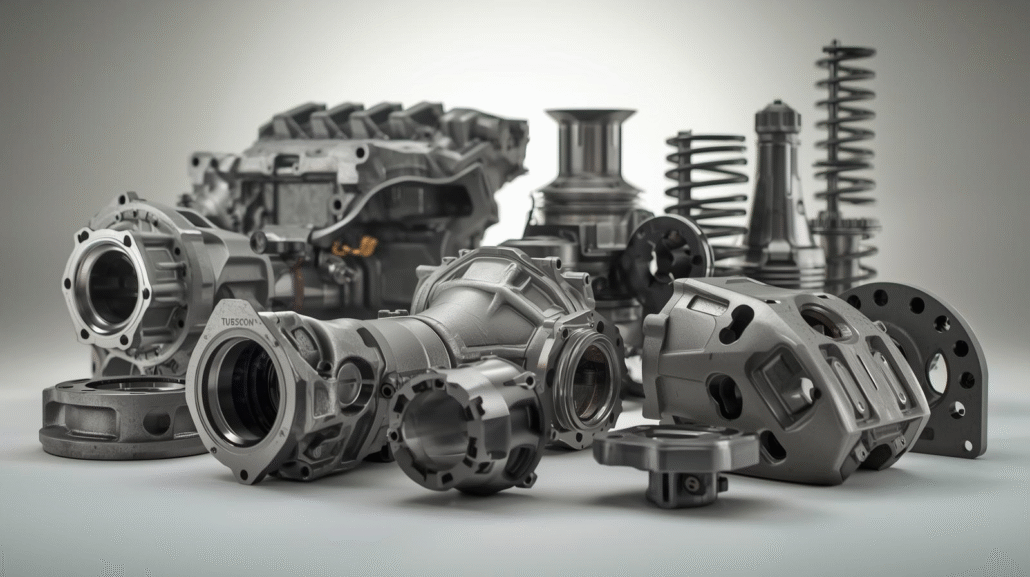
تُعد عملية صب الألومنيوم بالقالب واحدة من أكثر عمليات التصنيع موثوقية وفعالية من حيث التكلفة في الصناعة المعاصرة. إنها عملية الحقن بالضغط العالي للألومنيوم المصهور بدرجة حرارة عالية في قالب دقيق لإنشاء أجزاء قوية وخفيفة الوزن ودقيقة الأبعاد. وهي مفيدة بشكل خاص في إنتاج الأشكال المعقدة للغاية ذات التشطيبات السطحية العالية، وبالتالي فهي عملية مفضلة في صناعات السيارات والفضاء والإلكترونيات والمنتجات الاستهلاكية والآلات الصناعية. وقد زاد الطلب على صب الألومنيوم في السنوات الماضية. وقد وضع اتجاه العالم نحو السيارات الكهربائية والإنشاءات خفيفة الوزن وكفاءة الطاقة سبائك الألومنيوم في مقدمة الابتكار. وقد قام المصنعون الآن بتطوير مكونات عالية التقنية مثل كتل المحركات، ومبيتات ناقل الحركة، وحاويات البطاريات، والمشتتات الحرارية التي تتميز بالمتانة وخفة الوزن. كما أن قابلية إعادة التدوير ومقاومة التآكل تجعل الألومنيوم مفيدًا أيضًا في التوجهات العالمية لإنتاج منتجات مستدامة وصديقة للبيئة. اثنان من مراكز صب قوالب الألومنيوم الرئيسية هما الولايات المتحدة الأمريكية والصين. ومن المعروف أن الشركات المصنعة في الولايات المتحدة الأمريكية تتسم بالابتكار، ولديها معايير عالية في الجودة، وتستخدم مستويات عالية من الأتمتة ويمكن اعتبارها استثمارًا جيدًا في الصناعات عالية الدقة. وعلى العكس من ذلك، اكتسبت الشركات الصينية قدرة تنافسية كبيرة على السوق العالمية، وقدمت حلولاً فعالة من حيث التكلفة وقدرة إنتاجية عالية وتقنيات أكثر تقدماً. ستناقش هذه الورقة البحثية بعضًا من أنجح صناعات صب قوالب الألومنيوم في الولايات المتحدة الأمريكية والصين، ونقاط قوتها وقدراتها والعوامل التي تجعلها أكثر الشركاء الموثوق بهم الذين يمكن للشركات في جميع أنحاء العالم أن تكون المورد المفضل لها في الصناعة التحويلية. ما هو صب السيارات بالقالب؟ عملية الصب بالقالب هي عملية إنتاج يتم من خلالها دفع المعدن المنصهر، عادةً من الألومنيوم أو المغنيسيوم أو الزنك، تحت ضغط كبير في قالب به مساحة مفتوحة. ويتيح ذلك إنتاج كميات كبيرة من المكونات عالية القوة ذات الوظائف المعقدة وذات تشطيبات سطحية جيدة ودقة في الأبعاد. ويسمح الصب بالقالب في صناعة السيارات بإنتاج مكونات ذات وظائف معقدة وذات تشطيب سطحي جيد ودقة في الأبعاد: لقد أحدث استخدام الصب بالقالب ثورة في صناعة السيارات المعاصرة حيث يمكن توفير الوزن مع الحفاظ على الأداء في نفس الوقت. وقد ساهم هذا الطلب في ارتفاع معدل تطور شركات صب قوالب السيارات الرئيسية في الصين وأوروبا وأمريكا واليابان. لماذا تُعد الصين رائدة في مجال صب قوالب قوالب السيارات تمتلك الصين بعضًا من أكبر الشركات في العالم في مجال تصنيع قوالب قوالب صب السيارات بسبب: وقد مكنت هذه المجموعة من نقاط القوة شركات صب قوالب قوالب السيارات الصينية من أن تكون مراكز قوة ليس فقط في السوق المحلية ولكن أيضًا على المستوى الدولي في سلسلة التوريد. شركة CNM Tech Diecasting Company هي شركة رائدة في إنتاج منتجات الألومنيوم المسبوكة بالقالب المتفوقة. فهي تقدم العديد من القطاعات مثل السيارات والإلكترونيات والاتصالات السلكية واللاسلكية بمكونات مصممة بدقة عالية تهدف إلى الحفاظ على أعلى معايير الجودة. ويمكنهم إنتاج أجزاء خفيفة وقوية باستخدام عمليات الإنتاج المتقدمة مثل صب القوالب عالية الضغط والتصنيع باستخدام الحاسب الآلي. تؤمن شركة ديكاستنغ بقوة الابتكار المستمر، ولذلك فهي تستثمر في الآلات الحديثة وخطوط الإنتاج الآلية والأهم من ذلك أنظمة مراقبة الجودة التي تساعد على تقديم نفس النتائج في جميع الأوقات. كما أن مصنعي المعدات الأصلية والموردين من المستوى الأول هم أيضًا ضمن قاعدة عملائها العالمية، وبالتالي، فهي شريك موثوق به في تلبية احتياجات الإنتاج المعقدة وكبيرة الحجم. الموقع الإلكتروني: https://www.thediecasting.com/ لماذا تختارهم شركة The Diecasting Company هي الشركة المفضلة لدى الشركات لأنها تركز على الجودة والدقة والابتكار. إن تطبيقهم لأحدث تقنيات الصب بالقالب ومراقبة الجودة القوية والتسليم في الوقت المحدد يضمن حصول عملائهم على المكونات التي يمكن أن تلبي المعايير الدولية ويجعلهم الخيار المفضل عندما يتعلق الأمر بمصنعي المعدات الأصلية للسيارات والمصنعين الذين يرغبون في العثور على مزود حلول صب القوالب الموثوق به. الصناعات التي تخدمها شركة Sincere Tech تُعد شركة Sincere Tech أحد منتجي القوالب عالية الدقة في حقن البلاستيك والقوالب المصبوبة. وتتمتع الشركة بخلفية في تصميم القوالب والنماذج الأولية وتصنيع المنتج النهائي مما يوفر حلاً شاملاً لعملائها في جميع أنحاء العالم. وهم يستخدمون برامج CAD/CAM المحوسبة والتصنيع الآلي بحيث تكون جميع القوالب المصنعة دقيقة للغاية. تتمتع شركة بلاستيك مودل بسنوات من الخبرة في تلبية احتياجات صناعات السيارات والإلكترونيات الاستهلاكية والأجهزة الطبية مع القدرة على تقديم قوالب معقدة بكفاءة. وتتميز الشركة بابتكارها ومراقبة الجودة والسرعة في التسليم، مما يجعلها موردًا موثوقًا به للشركات التي ترغب في الحصول على حل القوالب المخصص. الموقع الإلكتروني: https://www.plasticmold.net/ لماذا تختارهم يتم اختيارهم القوالب البلاستيكية نظرًا لأنظمة تصنيع القوالب الكاملة ومهاراتهم الفنية وقدرتهم على التوافق مع وقت الإنتاج المحدود. تقلل قوالبهم عالية الجودة من الأخطاء وتعزز الإنتاجية وتساعد العملاء في الحصول على منتجات مصبوبة أو مصبوبة بالحقن دقيقة ويمكن الاعتماد عليها. الصناعات التي تخدمها GC Precision Mould GC Precision Mould هي شركة منتجة لقوالب الصب في الصين والتي توفر قوالب صب الألومنيوم والزنك والمغنيسيوم. وتتمتع الشركة بسمعة طيبة في تصنيع قطع غيار عالية الجودة وفعالة من حيث التكلفة وخفيفة الوزن في قطاعات السيارات والإلكترونيات والإضاءة. وتتمتع الشركة بقدرات الصب بالقالب بالضغط العالي، والتصنيع باستخدام الحاسب الآلي وعمليات التشطيب الثانوية. تركز شركة Alu Diecasting على الدقة وطول العمر والإنتاجية. كما أنها ترقى دائماً إلى المعايير الدولية باستخدام المرافق الحديثة والخطوط الآلية والمهندسين المهرة. كما أنها تلبي احتياجات العملاء على الصعيدين المحلي والدولي مثل مصنعي المعدات الأصلية والموردين من المستوى الأول، وتتمتع بمكانة مرموقة كأفضل مصنع صيني لمسبوكات القوالب في صناعة السيارات. الموقع الإلكتروني: https://aludiecasting.com/ لماذا تختارهم إنهم يستخدمون Alu Diecasting لأنهم يقدمون مزيجًا من الأسعار التنافسية والمعايير عالية الجودة والتكنولوجيا. لديهم سجل حافل من السبائك المختلفة والتصنيع الآلي الدقيق والإنتاج في الوقت المحدد مما يحافظ على أجزاء يمكن الاعتماد عليها وذات عمر طويل وخفيفة الوزن تلبي متطلبات صناعة السيارات العالمية. الصناعات التي تخدمها شركة Get It Made Get It Made هي شركة منتجة للتصنيع الآلي باستخدام الحاسب الآلي، والطباعة ثلاثية الأبعاد، وصب القوالب، وتشكيل المعادن ومقرها المملكة المتحدة. وهي تدعم كلاً من النماذج الأولية والإنتاج منخفض الحجم,
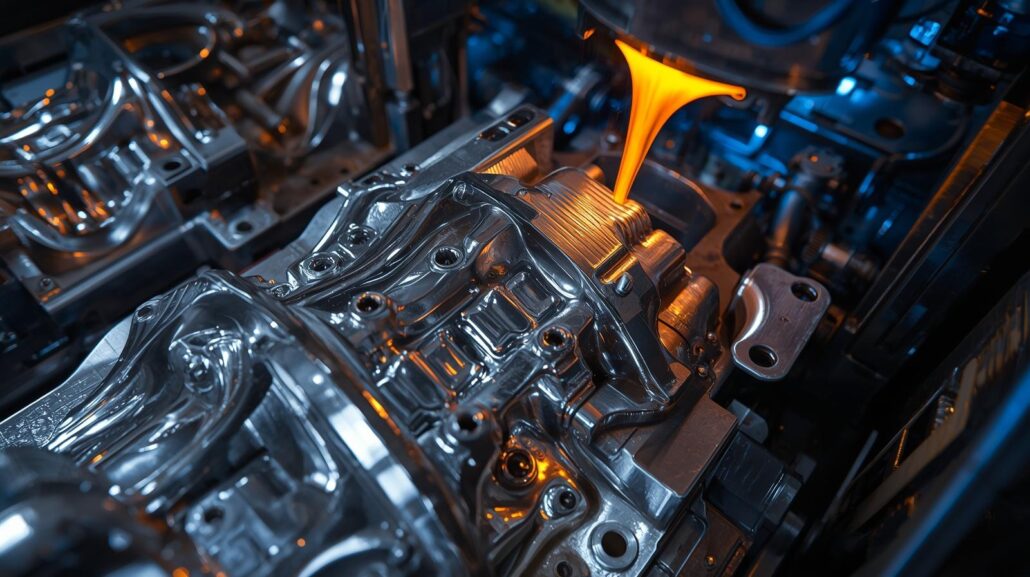
شركات صب الألومنيوم بالقالب في الولايات المتحدة الأمريكية

شركات صب الألومنيوم بالقالب في الولايات المتحدة الأمريكية

صب القوالب الألومنيوم, شركات صب القوالب, شركة صب القوالب

يُعد صب الألومنيوم بالقالب الآن أحد أضمن إجراءات الإنتاج وأكثرها اقتصادية في الولايات المتحدة الأمريكية، خاصةً للمصنعين الذين يحتاجون إلى المتانة وطول العمر والدقة. ويتم ذلك عن طريق الحقن بالضغط العالي للألومنيوم المصهور في مصبوبات الفولاذ، وهذا ينتج أجزاء ليست خفيفة الوزن فحسب، بل دقيقة الأبعاد ومتينة أيضًا. إن هذه القوة والوزن الخفيف هي التي تجعل من مصبوبات الألومنيوم المادة المفضلة في صناعة السيارات والفضاء والإلكترونيات والآلات الصناعية والسلع الاستهلاكية. يضم سوق الولايات المتحدة بعضاً من أكثر صناعات صب قوالب الألومنيوم رسوخاً في جميع أنحاء العالم في شكل شركات تصنيع كبيرة ذات حضور عالمي إلى شركات صغيرة ومتخصصة متخصصة في الأجزاء المخصصة والتطبيقات المتخصصة. وتعد هذه الشركات حاسمة للغاية في دعم الصناعة الرئيسية من خلال توريد قطاعات الصناعة مثل كتل المحركات، وأغطية ناقل الحركة، والحاويات الإلكترونية، والأجزاء الهيكلية. وقد اكتسبت الشركات المصنعة التي تتخذ من الولايات المتحدة الأمريكية مقرًا لها سمعة موثوقيتها ومنتجاتها المبتكرة في العالم من خلال تقنياتها عالية الجودة وشهاداتها وتركيزها على جودة المنتجات. وقد شهد الاتجاه في السنوات القليلة الماضية زيادة هائلة في الطلب على قطع الألومنيوم المصبوب بسبب التطورات الأخيرة في مجال تخفيف وزن السيارات، وإنتاج السيارات الكهربائية، والسعي لتصنيع السيارات الكهربائية والسعي لتصنيع الطاقة بكفاءة. تتبنى الشركات الأمريكية الأتمتة والمسبوكات المستدامة والسبائك المتفوقة لتحقيق نتائج عالية لتلبية هذه المتطلبات. تسرد هذه المقالة بعضًا من أفضل مصنعي قوالب صب الألومنيوم في الولايات المتحدة الأمريكية وإنجازاتهم وإمكاناتهم ومساهماتهم في الصناعة المعاصرة. لا يهم ما إذا كنت تحصل على قطع غيار لتنفيذ عملية تصنيع واسعة النطاق أو تطبيق عالي التقنية، فإن هؤلاء المصنعين هم تجسيد لأرقى التقنيات الأمريكية في مجال صب الألومنيوم بالقالب. ما هو صب الألومنيوم بالقالب؟ الصب بالقالب المصنوع من الألومنيوم هو تقنية إنتاج يتم فيها الضغط العالي على الألومنيوم المصهور في قالب فولاذي يُشار إليه أيضًا بالقالب. عندما يبرد المعدن ويتصلب يتم فتح القالب وإخراج الجزء المكتمل. هذه هي العملية التي يمكن للمصنعين من خلالها إنشاء مكونات قوية وخفيفة ومفصلة للغاية مع مستوى عالٍ من الدقة في الأبعاد والتشطيبات السطحية الملساء. إن حقيقة أن عملية صب الألومنيوم بالقالب يمكن أن تنتج أشكالاً معقدة قد يكون إنتاجها صعباً أو مكلفاً باستخدام عمليات التصنيع الأخرى هي الفائدة الرئيسية. ويستخدم على نطاق واسع في تصنيع أجزاء مثل كتل المحركات، وأغلفة ناقل الحركة، والحاويات الإلكترونية، والمشتتات الحرارية والمكونات الهيكلية. يتميز قالب الصب بالقالب المصنوع من الألومنيوم بالعديد من المزايا الرئيسية: وبفضل نقاط القوة هذه، برز صب الألومنيوم بالقالب كبديل أفضل في الصناعات التي تتطلب مكونات عالية الجودة يمكن الاعتماد عليها وفعالة لتتناسب مع احتياجاتها التقنية والاقتصادية. أفضل شركات صب الألومنيوم بالقالب في الولايات المتحدة الأمريكية 1. Dynacast International تعد شركة Dynacast International واحدة من أفضل الشركات المعروفة في مجال الصب الدقيق للقالب على مستوى العالم. تتمتع الشركة بعقود من الخبرة في إنتاج المكونات الصغيرة والمعقدة باستخدام سبائك الألومنيوم والزنك والمغنيسيوم. وهي بارعة في إنتاج المكونات ذات التفاوتات الصارمة والميزات المعقدة التي تحتاجها صناعات السيارات والإلكترونيات الاستهلاكية والاتصالات والأجهزة الطبية. وكونها شركة عالمية يعني أيضاً أن Dynacast قادرة على خدمة الشركات الصغيرة والشركات متعددة الجنسيات بمرونة وابتكارات وجودة لا تختلف بين المشاريع. 2. صناعات بيس بعد أن أصبحت أكبر شركات صب القوالب في أمريكا الشمالية، اكتسبت صناعات بيس سمعة جيدة في تقديم حلول متكاملة. وتشمل مجموعة خدماتها التصاميم والدعم الهندسي، والمسبوكات بالقالب، والتشغيل الآلي، والتشطيب السطحي، والتجميع النهائي؛ فهي تقدم حلًا شاملاً للعملاء في قطاعات السيارات والصناعات والصناعات الاستهلاكية. يمكن التعامل مع المشاريع ذات الحجم الكبير والمشاريع المخصصة بسبب حجم عملياتهم. كما تتبع شركة Pace ثقافة توظيف الأموال في التكنولوجيا الحديثة والممارسات المستدامة بحيث تكون قادرة على الحفاظ على قدرتها التنافسية في الصناعة سريعة التغير. 3. Ryobi Die Casting (الولايات المتحدة الأمريكية), Inc. ريوبي هي علامة تجارية مشهورة في قطاع الصب بالقالب في العالم، ولها حضور كبير في الولايات المتحدة. تتركز عملياتها في الولايات المتحدة على مكونات الألومنيوم المصبوبة بالقالب على نطاق متوسط إلى كبير الحجم، خاصةً في قطاع السيارات. تقوم شركة ريوبي بتصنيع كتلة المحرك، ومبيت ناقل الحركة، والأجزاء الهيكلية التي تحتاجها لتكون متينة ودقيقة. وقد استخدمت الشركة أحدث التقنيات المتطورة وإدارة الجودة مما جعلها تصبح المورد المفضل لكبار مصنعي السيارات في العالم. 4. شركة Gibbs Die Casting Gibbs Die Casting، الشركة الرائدة الأخرى في السوق الأمريكية ومقرها في هندرسون بولاية كنتاكي. تتخصص الشركة في مصبوبات الألومنيوم والمغنيسيوم في صناعة السيارات، خاصةً علب ناقل الحركة وأجزاء قطار الطاقة. تركز جيبس تركيزاً كبيراً على الابتكار حيث يتم استخدام الأتمتة وتقنيات التصنيع المتطورة لضمان معايير عالية من الكفاءة وجودة العمل. كما تدمج الشركة مفهوم الاستدامة في أعمالها من خلال الحد من الهدر وتشجيع الممارسات التجارية الصديقة للبيئة. 5. شركة Apex Aluminum Die Casting Co., inc. تقع شركة Apex Aluminium Die Casting في ولاية أوهايو وتستخدم في صناعات السيارات والإلكترونيات والأجهزة المنزلية. وتتمتع الشركة بسمعة طيبة في العمل مع حصص الإنتاج متوسطة الحجم، مما يجعلها الخيار الأمثل مع الشركات التي تتطلب جودة إنتاج ثابتة ولكنها لا تتطلب القوى الهائلة للمستوردين الكبار. يهتم فريق أبيكس برضا العملاء وموثوقية الخدمة والهندسة والدقة في التصنيع. وقد أثبتوا أنفسهم كشريك موثوق به لعدد من الشركات الأمريكية بسبب سمعتهم الجيدة في تقديم نتائج ثابتة. 6. شركة KenWalt Die Casting Company يقع مقر شركة KenWalt Die Casting في كاليفورنيا ولديها أكثر من عدة عقود من الخبرة في إنتاج مصبوبات القوالب؛ الألومنيوم والزنك. تركز الشركة أيضًا على الأعمال المصممة حسب الطلب وتخدم صناعات كل من المعدات الصناعية والسلع الاستهلاكية. تتميز شركة KenWalt بأنها شركة تتعاون بشكل وثيق مع العميل أثناء

الدليل الكامل لقطع غيار السيارات المصبوبة بالقالب

الدليل الكامل لقطع غيار السيارات المصبوبة بالقالب

صب القوالب الألومنيوم

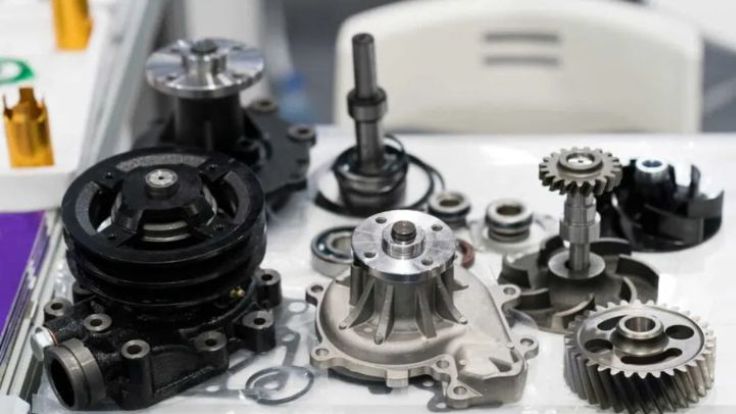
Die Casting Automotive Parts has been involved in automobile production for over one hundred years. With the course of time, the process has been advanced with better materials and technology. It is also now more prominent today in decreasing vehicle weight and enhancing fuel efficiency. The contemporary automobile sector relies on accuracy and power. The cars of the modern world have to be safe, reliable, and efficient. A method of doing this with a lot of trust is by casting an automotive part through die casting. This process is a combination of precision and high manufacturing. It provides automakers with strong, lightweight, and uniform parts. The increased use of automotive die casting is not merely about performance. It is also cost savings, increased speed of production, and sustainability. Automakers are able to create thousands of the same parts and of the same quality. This is necessary in mass production. In the present paper, we are going to discuss the significance of automotive casting. We are going to watch its work, its importance, and what tendencies of the future are influencing the industry. At the conclusion, you will know the reason why the contemporary manufacturing of vehicles is supported by automotive die casting. Automotive Die Casting Car manufacturing is one of the most sophisticated technologies through which parts are manufactured by a process known as automotive die casting. It is contrasting to the traditional casting as it operates under high pressure. Molten metal is injected into a steel mold known as a die in this process. The die is extremely precise, and hence the section that is produced is of specific dimensions. This is done by first melting the metal. The most common ones are aluminum and magnesium. After the liquid metal is melted, it is forced to fill the die at an extremely high rate. The die is filled with the metal that solidifies. Upon opening the die, the completed part is cut off. Two systems of automotive die casting are in existence: The principal advantages of automotive die casting are speed, accuracy, and strength. Thousands of parts could be made using one die. All sections are emerging virtually the same. It has smooth surfaces, and this means that it does not require additional machining. When it comes to large-scale production, automotive die casting will do. It is used by car companies to manufacture engine blocks, gear houses, wheels, and even structural parts. It is economical in both time and cost, besides providing powerful yet lightweight components. The die casting automotive parts Process The die casting automotive parts making process follows a number of steps. Every step is significant so as to be accurate, strong, and reliable. Preparing the Die It starts with the design and fabrication of the die. A die is a form of hardened steel. It consists of two parts that join each other. The die is designed with the specifics of the part by engineers. The die should be powerful enough to endure pressure and heat. Melting the Metal The second step entails melting the metal that was selected. The most common are aluminum, magnesium, and zinc. The heated metal is taken through a furnace where it is melted into a liquid. The temperature should be under control to avoid impurities. Injecting the Metal After being molten, the metal is forced into the die at very high pressure. This is the most important process in die casting the automotive parts. High pressure is used to make sure that the liquid metal fills all the corners of the die. This imprints analytical lines, flattened areas, and exact forms. Cooling and Solidifying Once injected, the metal solidifies rapidly in the die. The metal is solidified through cooling and gives the part strength. Cooling time is determined by the size and thickness of the part. Starting the Die and Ejection of the Part When the metal is solidified, the die opens. The part is forced out of the mold by special ejector pins. The section is now in its overall shape, but it can still require finishing. Trimming and Cleaning Excessive metal that results is called flash, and can occur within the edges of the casting. This is trimmed away. It is followed by cleaning the part and heating it occasionally to achieve additional strength. Finishing and Inspection Surface finishing and inspection are the last. Certain portions can be painted, polished, or coated. Each section is thoroughly screened against flaws. Only the ones that are of quality are passed to be used. What happens to be a die-casting automotive part? Die casting automotive parts- are those components made with molten metal that is pressed into a mold under pressure. This produces components whose shapes and dimensions are accurate. The molds, referred to as dies, are made with great accuracy to fit the part that is needed. The most used metals are aluminum, magnesium, and zinc. These are lightweight and strong metals. Automakers like them due to the fact that they make the vehicle lighter without sacrificing durability. Typically used die-casting automotive parts are: This is because, through this process, automakers can manufacture cars that are of high quality in terms of safety and efficiency. The Industry of Automotive Casting Role One of the most traditional and consistent processes of car production is called automotive casting. It works molten metal into components of complicated forms. Engines, transmissions, suspensions, and many other systems require these parts. The contemporary automobile sector cannot operate without this procedure. The primary purpose of the automotive casting is to make strong parts at a reduced cost. With casting, the car companies can make thousands of similar parts at a time. This is significant since automobiles need accuracy and stability. One fault may have an impact on the safety or performance. Flexibility is another application of the automotive casting. The ability to design more complex shapes that otherwise were too costly to machine is possible for engineers. Through casting, thin walls, hollow, and delicate details can

صب قوالب الألومنيوم للسيارات في الصين

صب قوالب الألومنيوم للسيارات في الصين

صب القوالب الألومنيوم, أجزاء الصب بالقالب

Aluminium automotive die casting in China has become an essential process within the international automotive supply chain that contributes to efficiency, sustainability, and innovation in vehicle production. Lightweight and strong, aluminium provides a special balance between mechanical performance and fuel consumption, which contemporary car manufacturers require. Through minimised vehicle weight, aluminium die-cast components have a direct impact on reducing fuel consumption, longer battery range in electric vehicles (EVs), and carbon emissions. This not only renders the technology significant to the manufacturers, but also to environmental regulations across the world. This domination in the automotive industry of China is a natural extension of aluminium die casting. Being the largest producer, the country with huge production rates, with its large supply chain and the support of the government through industrial policy, China has already established itself as the largest producer and one of the greatest innovators in the area. The die casting sector of the country serves both local car manufacturing industries and foreign brands, and it provides engine blocks and transmission housings, as well as high-tech giga castings, applied to the body of EVs. The development of lightweight materials and more environmentally friendly production technologies has become even faster. This congruence between industrial competency and the world sustainability targets will keep China on the frontline of the technology of aluminium die casting, which is the future of automotive engineering. What is Die Casting of Aluminium? Aluminium die casting is the production technique where molten aluminium is pressurized and injected into a high-pressure steel mold (die). Upon cooling and solidification, the metal produces complex and precise components with very favourable strength-to-weight ratios. The automotive parts that are commonly manufactured are engine blocks, transmission housings, wheels, brackets, and structural body parts. Why China Leads in Aluminium Die Casting? Aluminium Die Casting Process Aluminium die casting is one of the most specialized manufacturing techniques that allows the creation of complex and accurate automotive components with great mechanical properties. It does include several well-regulated phases, and each of them can be seen as a step toward the quality, strength, and durability of a final product. The following is a discussion of each of the stages: 1. Mold Preparation The steel mold, usually of hardened tool steel, is completely cleaned and checked before production starts and should be free of wear or damage. Then the release agent or lubricant is applied to the cavity of the mold, which has a variety of significant purposes. It avoids the sticking of the molten aluminium to the die, provides smooth part ejection and assists in maintaining mold temperature in successive casting cycles. It is important to prepare the mold properly, as this has a direct relation to the surface quality and dimensional accuracy of the finished component. 2. Melting & Alloy Preparation It begins with the melting of aluminium ingots or recycled scrap in a high-temperature furnace that can be either gas-powered, electrically powered or induced. At this phase, molten aluminium is observed keenly to maintain an optimal temperature range of around 660 to 700 °C to provide a fluid mass and reduce defects. Elements like silicon, magnesium, and copper are alloyed in order to improve certain properties such as strength, corrosion resistance, or thermal conductivity. It is important to keep the chemical composition accurate since a slight change in it might greatly affect the functionality of automotive elements. 3. High-Pressure Die Casting (injection) After the molten aluminium attains the desired state, it is poured into the prepared steel casting mould by a high-pressure die casting (HPDC) machine. The pressure of injection is usually between 110 and 175 MPa, and this makes the liquid metal fill even in the most complex molding cavities with accuracy. High pressure also aids in reducing porosity and shrinkage flaws to produce high-strength and dense parts. This is regarded as the centre point of the process since it determines the quality of the casting and whether complicated shapes can be produced without breaking the structural integrity. 4. Cooling & Solidification The molten aluminium is then injected and quickly cools down and hardens in the steel mould. The rate of cooling is maintained throughout to make sure that the crystallization is uniform and internal stresses or warping are minimized. Cooling time varies greatly with the thickness and intricacy of the component being cast; a thin-walled component could be solidified in a matter of seconds, whereas a more complex part could take a longer cycle to solidify. Well-organised cooling circuits (water channels or oil circuits built into the die) are commonplace with the aim of ensuring consistency throughout the production runs. It is essential to attain a balance of strength, ductility, and dimensional accuracy by proper solidification. 5. Ejection After the part has hardened, ejector pins in the mold force the casting out. In this step, accuracy is needed to prevent burning sensitive areas or thin walls of the part. Large-scale automotive manufacturing often relies on automated ejection systems, which guarantee the consistency of cycle times and minimize manual work. The process of ejection may appear to be easy, yet with improper application, it might cause surface defects, cracks or misalignment, which will adversely affect the usability of the final product. 6. Trimming & Finishing Raw casting may contain large quantities of extraneous material, such as flash, runners or even gates, after ejection, and this needs to be removed. A hydraulic press or a CNC machine is usually used in trimming to attain an accurate edge line. Other finishing processes like shot blasting enhance the texture of the surface, and machining provides the high dimensional tolerance needed by engine or transmission components. They can be heat-treated to increase strength and hardness, and coating or anodizing may increase corrosion resistance. These are the necessary secondary processes because through them the raw casting is taken to the next level, where it is turned into a functional and reliable automotive component. 7. Inspection & Quality Control The last step is the intensive inspection, whereby all castings will be

قطع غيار السيارات المصبوبة بالقالب عالي الضغط من الألومنيوم

قطع غيار سيارات مصبوبة بالقالب عالي الضغط من الألومنيوم: متينة وفعالة

صب القوالب الألومنيوم, صب القوالب بالضغط العالي

The automotive industry is changing due to the use of aluminum high pressure die-casting auto parts. They provide manufacturers with the power to design lighter, stronger and more efficient cars. With this technology, the car manufacturers can save on weight, become fuel efficient and have green mobility without compromising on the durability of the car. Auto parts die casting is the process whereby molten aluminum is injected into a steel mold at a very high pressure. This produces a strong shape that is smooth and sharp. The method allows faster production, reduced machining and consistent quality. In die casting auto parts, the companies are able to design complex components in a single step, which saves them time and money. Auto parts made in aluminium die casting are now much needed in modern vehicles. This is a frequent method of producing engine blocks, transmission housings, brake parts, and battery casings in electric cars. Lightweight, but tough, corrosion-resistant, and designed to meet tough conditions on the road, these parts are made. Auto parts made with aluminum die casting are increasing in demand rapidly, particularly as we move to electric and hybrid cars. Loss of total weight of cars increases battery life, performance and reduces emissions. This makes aluminum die casting a major component of green production. In brief, the use of aluminum high pressure die-casting auto parts in car manufacturing is no longer a choice. They have played a key role in creating the modern vehicles, which will not only be up to the present performance standards, but also be green. Powerful, effective, and stable, they will also be at the very centre of automotive design in the future. What Is Aluminum High Pressure Die-Casting? Die casting is a process of molding metal. In this, molten aluminum is forced under a very high pressure into a cavity in a steel mold. When cooled, the metal hardens in the same shape as the mold. The outcome is smooth, accurate and long-lasting. That is why die casting became one of the most popular ways of producing modern car parts. In comparison with the traditional technique, high pressure die casting can make complicated parts in one time. This saves time, machining requirements and costs to manufacturers. Why Aluminum for Auto Parts? The reason why aluminum high pressure die-casting auto parts are so popular is that there is no other material that has a combination of qualities as much as aluminum. It is green and rough; therefore, it is light and, therefore, can be used in the automobile industry. Increasing efficiency and environmental requirements have made aluminum the die casting of choice in auto parts. Weight loss is one of the largest benefits. Steel is a lot heavier than aluminum. Carmakers can lighten an overall vehicle by incorporating die casting auto parts produced using aluminum. The lighter a car is, the better its fuel economy, emissions, and performance. This would be important in both a conventional and an electric vehicle. Meanwhile, aluminum does not lose strength. It has a good strength-to-weight ratio, and this is good because even when the part is strained, it does not become soft. This is what renders aluminium die cast auto parts so useful in engines, transmission and chassis parts. The other important advantage is corrosion resistance. Aluminum does not rust and wear out like other metals. This provides increased life to aluminum die casting auto parts and decreased maintenance expenses to vehicle owners. Major Auto Parts are produced using Die Casting Automobile manufacturers cast most of their components using aluminum die casting. These are lightweight yet powerful parts that can be used in conventional as well as electric cars. Engine Blocks Engine blocks have to deal with heat, vibration and pressure. When it comes to auto parts die casting, aluminum blocks weigh less but are firm enough to work in very harsh conditions. This will conserve the overall weight of the engine and fuel consumption. Transmission Housings The transmission housings have to be precise and durable. Die casting auto parts are used in order to achieve the accuracy of smooth-running gears. This guarantees high reliability over time, and minimal machining is required. Brake Components Brakes face constant stress. Manufacturers produce strong components that are not heavy since they use aluminum die casting auto parts. This balance is applied to increase the braking force and to decrease the vehicle’s weight. Chassis Parts The chassis parts are used to provide safety and stability. They are strong but not bulky when made using aluminium die casting auto parts. This increases the management and productivity. EV Electric Housing’s motor and battery The auto parts that shield the motors and batteries are constructed using aluminum high pressure die-casting in electric vehicles. The housings protect delicate systems and still provide a lightweight frame, increasing the distance covered during driving. Collectively, these elements bring out the role of auto parts die casting in helping to design new cars. Aluminum die casting has made engines, EV batteries, and more perform efficiently, last longer, and be durable. Process of Aluminum High Pressure Die Casting 1. Mold Preparation Preparation of the moulds starts. The die of steel is thoroughly washed in order to eliminate all materials that are impurities and heated to the appropriate temperature. A protective coating is applied to the surface that prevents the sticking of the molten aluminum to the surface, and helps in controlling the cooling rate. This is done to ensure enhanced circulation of metals and longer life of moulds and consistency of parts per production cycle. 2. Melting the Aluminum These aluminum alloys are melted in a furnace with specific controlled temperatures. But sufficient temperature is also required, as that prevents oxidation, and the molten metal will flow easily into the mold cavity. Any impurities are removed by refining the agents or filters. This ensures that aluminum die cast auto parts contain no defects and are of good and consistent properties. 3. Under high pressure injection. Then the molten aluminum is forced into

الطلاء بالزنك مقابل الطلاء بالنيكل: أيهما يجب أن تختار؟

الطلاء بالزنك مقابل الطلاء بالنيكل: أيهما يجب أن تختار؟

قوالب صب الألومنيوم, صب القوالب الألومنيوم, تشطيب سطح الألومنيوم

يعد طلاء الزنك مقابل طلاء النيكل نقطة مرجعية متكررة فيما يتعلق بتشطيب المعادن. يتم تطبيق هاتين الطريقتين لحماية المعادن وتحسين أدائها وجعل منتجاتها تدوم لفترة أطول. تعتمد الاختلافات بين هذين النوعين على التكلفة والمتانة والمظهر. لا يتعلق تشطيب الأسطح بالمظهر الخارجي فقط. فهو يتعلق بالدقة التي يمكن للمنتج من خلالها مواجهة الصدأ والتآكل والتلف. حتى المعادن القوية يمكن هزيمتها في حالة عدم وجود طلاء مناسب. وهذا هو السبب الذي جعل الطلاء عملية مهمة في صناعات السيارات والفضاء والبناء والصناعات الإلكترونية. ومن المعروف أن طلاء الزنك رخيص وفعال. فهو يشكل طبقة واقية رقيقة وقابلة للتطبيق تقاوم تلف الصدأ على المعدن الموجود تحته. وهذا يمنحه الأفضلية في السحابات والصواميل والمسامير والعديد من عناصر المنتجات الصغيرة الأخرى المستخدمة في العناصر اليومية. ومن ناحية أخرى، فإن طلاء النيكل أقوى وأكثر متانة. ولا يمكن أن يتآكل بسهولة، كما أنه يقاوم الأحماض. كما أن الطلاء بالنيكل هو أيضاً طلاء لامع وجذاب، لذا فهو مثالي عند الحاجة إليه على الأجزاء الزخرفية أو المرئية مثل حواف السيارات وتجهيزات الأجهزة أو على الأغلفة الإلكترونية. وعند التفكير في الطلاء بالزنك مقابل الطلاء بالنيكل، يصبح السؤال: أيهما أفضل في حالتك؟ اعتمادًا على الموقع الذي سيتم فيه استخدام الجزء، ومقدار الحماية التي يحتاجها، والكمية التي أنت مستعد للتخلي عنها، يحدد الإجابة. في المدونة الحالية، سوف نكشف النقاب عن كلتا العمليتين ومزاياها وقيودها والمجالات الرئيسية التي يمكن استخدامها فيها بشكل أفضل لمساعدتك في اتخاذ القرار الأنسب. ما هو طلاء الزنك؟ طلاء الزنك هو تقنية طلاء مستخدمة على نطاق واسع وفعالة من حيث التكلفة. ويتم ذلك عن طريق ترسيب طبقة رقيقة من الزنك على سطح المعدن، الأكثر شيوعًا الفولاذ أو الحديد، من خلال عملية تُعرف باسم الطلاء الكهربائي. في هذه العملية، يُستخدم محلول ملح الزنك لغمر المعدن الأساسي ويتم تمرير تيار كهربائي. ينتقل محلول الزنك إلى سطح القطعة تاركاً طبقة رقيقة ومتساوية. فوائد الطلاء بالزنك حدود الطلاء بالزنك ما هو الطلاء بالنيكل؟ الطلاء بالنيكل هو أيضاً تقنية تشطيب شائعة، ولكن بالمقارنة مع الزنك، فإنه يوفر سطحاً أكثر صلابة ومتانة وجمالاً. يتم تحقيق هذه العملية بإحدى طريقتين رئيسيتين: الطلاء بالنيكل الإلكتروليتي (الطلاء الكهربائي) - على غرار عملية الطلاء بالزنك، يتم وضع المعدن الخام في محلول ملح النيكل، ويتم ترسيب النيكل على السطح من خلال تطبيق تيار كهربائي على المعدن. الطلاء بالنيكل غير الكهربائي هو طريقة لا تحتاج إلى الكهرباء. وبدلاً من ذلك، فإنها تستخدم عملية كيميائية لترسيب النيكل بشكل متساوٍ لتغطية السطح بشكل متساوٍ، بما في ذلك الهياكل المعقدة أو الأماكن التي يتعذر الوصول إليها. فوائد الطلاء بالنيكل حدود الطلاء بالنيكل عملية الطلاء عملية الطلاء بالزنك عملية الطلاء بالزنك إعداد السطح دقيق للغاية في حالة الطلاء بالزنك. قبل أن يتم طلاء اللوحة، يجب تنظيف السطح، الذي يكون في معظم الحالات معدنياً، وعادةً ما يكون من الفولاذ أو الحديد، من الزيوت والأوساخ والصدأ والأكاسيد. ولتحقيق ذلك، يتم تنظيف المكونات إما في سوائل حمضية أو قلوية ثم يتم شطفها بحيث لا تبقى أي بقايا. بعد التنظيف، يتم إدخال المكوّن في حمّام إلكتروليتي يحتوي على محلول ملح الزنك، معظمه كبريتات الزنك أو كلوريد الزنك. ثم يتم شحن الكهرباء من خلال الحمام. تؤدي هذه الحركة إلى تحرك أيونات الزنك في الوسط وترسبها على سطح المعدن الأساسي. ويكون التأثير عبارة عن طبقة رقيقة جدًا ومتساوية من الزنك تغطي الزنك الموجود تحته. وغالبًا ما يتم إجراء معالجة لاحقة للمكون المطلي بعد خطوة الطلاء، والتي يمكن أن تعطي تأثيرًا أكثر مقاومة للتآكل، كما أنها قادرة على تغيير مظهر الطلاء، مما يوفر لمسة نهائية صفراء أو سوداء أو شفافة. طلاء الزنك سريع نسبيًا، وسعره منخفض، وقابل للتطبيق بدرجة كبيرة في الإنتاج الضخم للأجهزة وقطع غيار المركبات. عملية الطلاء بالنيكل يتم تحضير الطلاء بالنيكل بطريقة مماثلة تقريبًا، حيث تكون الخطوة الأولى هي التنظيف. تتم معالجة أسطح الأجزاء بشكل جيد وتنظيفها لضمان عدم تعريض الالتصاق للخطر بسبب البقايا. الطلاء الكهربائي بالنيكل: يدخل الجزء في حمام من محاليل أملاح النيكل، على سبيل المثال، كبريتات النيكل، ويتم تطبيق تيار كهربائي. وهذا يجعل أيونات النيكل تترسب على السطح مكونة طبقة صلبة وواقية. وهناك طريقة أخرى، وهي الطلاء بالنيكل ولا تتطلب طاقة كهربائية، وهي الطلاء بالنيكل غير الكهربائي. وبدلاً من ذلك، يتم غمر الجزء في بعض المواد الكيميائية تحت أملاح النيكل ومحلول مختزل مثل هيبو فوسفيت الصوديوم. ويحدث تفاعل كيميائي مطلي أيضاً، حيث يتم ترسيب النيكل بشكل موحد على الجزء. وتتميز هذه العملية عن الطلاء الإلكتروليتي بأنها ستغطي بشكل موحد حتى في التجاويف والأخاديد وغيرها من الأشكال الهندسية المعقدة. ويلاحظ أن رواسب النيكل عديم الإلكتروليت تكون شديدة الصلابة ومقاومة للتآكل، ولكن هذه العملية أكثر تكلفة من طريقة الطلاء الكهربائي وتتطلب عناية أكبر بكثير في كيمياء الحمام ومستوى الأس الهيدروجيني ودرجة الحرارة. الطلاء بالزنك مقابل الطلاء بالنيكل: الاختلافات الرئيسية مع الاختيار بين الطلاء بالزنك والطلاء بالنيكل، فإن التكلفة والمتانة والمظهر ومقاومة التآكل وملاءمة التطبيق كلها جوانب قد تكون في الاعتبار. دعونا ننظر إليها واحدًا تلو الآخر. 1. الفائز بمقاومة التآكل: طلاء النيكل لخدمة الحماية من التآكل على المدى الطويل. 2. الفائز بالقدرة على التحمل / قابلية التآكل: طلاء النيكل؛ الصلابة ومقاومة التآكل. 3. الفائز من حيث التكلفة: طلاء الزنك لحلول فعالة من حيث التكلفة. 4. الفائز بالمظهر: الطلاء بالنيكل- للمظهر الجيد. 5. الفائز بالأثر البيئي: الطلاء بالزنك على خضرته. جدول المقارنة السريعة الميزة جدول مقارنة سريعة طلاء الزنك طلاء النيكل طلاء النيكل مقاومة التآكل جيد، ولكنه محدود في الظروف القاسية ممتاز، خاصةً النيكل عديم الإلكتروليت المتانة معتدلة - يبلى أسرع عالية - مقاومة للخدش والتآكل التكلفة منخفضة (مناسبة للميزانية) أعلى (خيار ممتاز) المظهر لامع ولكن بلمسة نهائية أساسية لمسة نهائية زخرفية ناعمة تشبه المرآة التأثير البيئي التأثير البيئي معالجة النفايات أسهل هناك حاجة إلى ضوابط بيئية أكثر صرامة أفضل للمثبتات والمسامير والأجهزة العامة الفضاء الجوي والإلكترونيات والاستخدامات الزخرفية التطبيقات الصناعية لطلاء الزنك والنيكل كلا تقنيتي الطلاء شائعة جدًا في الصناعات;

ما هي سبائك الألومنيوم الأفضل للحام؟

ما هي سبائك الألومنيوم الأفضل للحام؟

صب الألومنيوم, صب القوالب الألومنيوم

Which Aluminum Alloys Are Best for Welding? Aluminum has become the most popular of the metals used in contemporary industries because of its high portability, strong resistance to the elements and ease of fabrication. Its alloys are invaluable in the aerospace, automotive and marine as well as housing and building industries. But the challenges created by welding aluminum are different to welding other metals, in part because of the high thermal conductivity, speed of oxide formation and distortion and cracking characteristics of aluminum in the welding process. Knowledge of the properties and the characteristics of various aluminum alloys is important in the choice of the material that suits a particular task. Not every aluminum alloy is equally weldable, whereas some are well-adapted to traditional welding, others need some special welding procedure like friction stir welding. The alloy selection and method of welding depends on such factors as strength, resistance to corrosion, ductility, and the ability of heat-treating. Surfaces must also be properly prepared, filler metals need to be compatible and post-weld treatments must consider to achieve high-quality junctions. The article will give an in-depth report on the best types of aluminum alloy to be welded, their characteristics, the benefits associated with their usage, recommendations to follow and the challenges to expect when welding these types of aluminium alloy. Based on such knowledge, professionals will be in a position to achieve durable, reliable and good performing welded structures across diverse industrial and structural applications. What is aluminum alloys Aluminum alloys are the materials used by adding other metals to the aluminum to enhance its qualities like strength, corrosion resistant, machinability or weldability. Pure aluminum is weak, lightweight, soft, and very well resistant to corrosion. By mixing additional elements (such as copper (Cu), magnesium (Mg), silicon (Si), manganese (Mn), or zinc (Zn)), engineers can make alloys suitable to a variety of types of applications, including aerospace, automotive parts, marine and building structures. A few points of aluminum alloys Simply put, aluminum alloys have the lightweight, corrosion-resistant properties of aluminum with extra favorable qualities needed to suit the needs of an industrial application. Knowing the Aluminum Alloys Aluminum alloys have been divided into wrought alloys and cast alloys. Mechanically worked alloys are wrought into sheets, plates or extrusions but casting alloys are in form of poured molten aluminum into molds. The wrought alloys are further divided into series according to the alloying elements: Conditions which Affect Weldability Aluminum alloys can be welded, depending upon a variety of factors: The best Aluminum Alloys to weld on 5052 Alloy Al-Mg (aluminum-magnesium) alloy 5052 is considered by many to be one of the most welding friendly alloys. This is due to its high magnesium content and therefore it has good resistance to corrosion, especially in marine environments and applications in chemical processing. Applications: Moderate-to-high strength, high ductile and above-average corrosion resistance. Advantages: Materials: Marine structures, Chemical tanks, automotive panels, roofing sheets and industrial equipment. Alloy 5083 Aluminum-magnesium alloy 5083 has high strength at low temperatures and thus is applicable in marine and cryogenics. It resists corrosion especially in industrial and seawater. Characteristics: Extra-high strength, good corrosion protection, good fatigue resistance. Advantages: Applications: Shipbuilding, pressure vessels and tanks, automotive frames and equipment and transportation equipment. 5754 Alloy Another Al-Mg alloy is A-Mg 5754 which can be described as medium strength with high corrosion resistance and high formability. It also achieves structural strength, as well as, weldability and that is why it is commonly used where structural strength is key as well as weldability. Characteristics: Moderate strength, high ductility, is corrosion resistant. Advantages: Applications: Auto Body panels, structural panels, construction cladding, and marine. 6061 Alloy Al-Mg-Si alloy with the composition 6061 has found wide usage in the structural and aerospace fields. It is a compromise between toughness, corrosion resistance and utility. Type of properties: Medium-high strength, very good corrosion resistance, and moderate ductility. Advantages: Applications: Aircraft structures, pipeline, automotive components, bridge structures and structural products. 6063 Alloy Al-Mg-Si alloy (6063) is another architectural and decorative Al alloy that is noted to have a smooth finish on its surface and the ability to resist corrosion. Properties: A strong or moderate strength, good corrosion resistance, a good surface finish. Advantages: Applications: Architectural structure, window frames, doors, curtain walls and extrusions. Alloy 1100 Aluminum alloy 1100 can almost seem a pure aluminum alloy (it is 99% aluminum). It is soft, ductile and very easy to weld so it is suitable where resistivity is the issue rather than strength. High ductility: Excellent corrosion resistance, Low strength. Advantages: 1350 Alloy Another aluminum alloy of high purity applicable in the electrical and chemical industries is1350. It is incredibly strong and has great corrosion resistance as well as being very weldable and is a very dependable metal when used in specialized settings. Advantages: Immune to corrosion, excellent welding ability and low weight. Advantages: Aluminum Alloys, as well as of their major properties and the ability to be welded The technical table below contains the list of the full proper names of the aluminum alloys, as well as of their major properties and the ability to be welded: Alloy (Proper Name) Density (g/cm³) Melting Temp (°C) Tensile Strength (MPa) Yield Strength (MPa) Elongation (%) Hardness (HB) Weldability Aluminium 1100 (Commercially Pure Aluminum) 2.71 640 90 35 35 40 Excellent Aluminium 1350 (High Purity Aluminum, Electrical Grade) 2.71 640 110 40 20 50 Excellent Aluminium 5052 (Aluminium-Magnesium Alloy) 2.68 607–650 228 193 12 60 Excellent Aluminium 5083 (Aluminium-Magnesium Alloy, Marine Grade) 2.66 635 317 228 12 70 Excellent Aluminium 5754 (Aluminium-Magnesium Alloy) 2.67 637 250 190 15 60 Excellent Aluminium 6061 (Aluminium-Magnesium-Silicon Alloy) 2.70 582–652 310 276 12 95 Good Aluminium 6063 (Aluminium-Magnesium-Silicon Alloy, Architectural Grade) 2.70 615 241 214 8 90 Good Aluminium 2024 (Aluminium-Copper Alloy, Aerospace Grade) 2.78 500–640 483 345 20 120 Difficult Aluminium 2219 (Aluminium-Copper Alloy, High Strength Aerospace) 2.84 509–638 470 330 18 130 Difficult Aluminium 7075 (Aluminium-Zinc-Copper Alloy, Aerospace Grade) 2.81 477–635 572 503 11 150 Very Difficult This is

ما هي عملية بثق الألومنيوم؟ 

صب الألومنيوم, صب القوالب الألومنيوم

Aluminum extrusion has not only been appreciated in the respect that it makes a strong, yet lightweight part, but also its flexible and cost-effective designs are a factor. It is used in construction, aerospace, automotive and electronic industries, and nearly everywhere in between. Aluminium extrusion is among the processes that indicate an equalization between innovative designs and effective production, which is just about to become one of the dominating procedures of the manufacturing industry. Aluminum is one of the most popular metals in the modern industries, being appreciated because of its light weight, strength, durability and also its capacity to resist corrosion. Aluminum is more conspicuous in our lives; in the construction of skyscrapers in our cities, the cars we drive and other gadgets that we use in our daily lives. One of the most vital processes of manufacturing that has ensured the versatility is the aluminum extrusion process. Extrusion refers broadly to methods of metal deformation whereby metal is pushed or squeezed through a die in a similar fashion to toothpaste. In aluminum, longer continuous sections of final, predetermined cross-sectional shapes are formed by ramming solid block-like objects (known as billets) through an already heated die. These profiles may be plain rods, tubes or highly complex and specially made to the extent that they will meet the demands of a given industry. In this article, we will learn everything about the aluminium extrusion process; its history, the extrusion process, types, applications, advantages and limitations and its rising capabilities in future of manufacturing. Historical Background The idea of extrusion as a manufacturing process has been traced back to the late 18th century. The first well-known extrusion was that of the British inventor Joseph Bramah, who patented his exactly in 1797. Instead, he used a process that involved pushing pliable metals such as lead through a die to shape long, identical-looking pieces and primarily pipes. The preconditioning of the process of extrusion was an invention. Until much of the 19th century, the extrusion of softer metals had been inhibited by technology. The real breakthrough came about in the early 220thcenturies when economical ways of producing aluminium were discovered. The acquisition of aluminium was brought to lower prices and large-scale production by the invention in 1886 by Charles Martin Hall in the United States and separately by Paul H. Roult in France of the Hall-Heroult process. After the invention of aluminum, it did not take long before scientists and manufacturers saw the potential extrusion had to offer. The use of aluminum extrusion technology began gaining steam in the 20s, especially coming into force in Europe and North America. It was on a large scale utilized in the Second World War when the industries required a lightweight but durable material in aircraft, vehicles used by the military, and buildings. Since then, the line-casting technology has been invented and has been extended far farther than the aluminum extrusion that first emerged in the military sectors. What is Aluminum extruded? Aluminum extrusion is the commercial physical method that is used in plasticizing solid aluminum into shapes that are long with specific cross-sections. The idea is simple: a block of aluminum (a billet) is heated to a malleable stage and forced under intense pressure of a die made of steel. In pressing through the die, the aluminum takes on the shape of the opening, either straight, hollow, or solid, or in a highly complicated profile. The analogy that is best applied in extrusion is the extrusion of a toothpaste tube. Same as the toothpaste- it takes the shape of the nozzle, and similarly, the extruded aluminum takes the shape of the die. The advantage of aluminium extrusion is the ability to manufacture lightweight yet strong components of the exact shape. The resultant extruded profiles can be strippable to various lengths and are also subjected to further finishing, including anodising, powder coating, and finishing. All these upgrades raise performance, wear and look. Due to its flexibility, it has become one of the extrusion processes whose scope has been resorted to within different discourses like the construction industry, the aviation industry, the electronic industry, the transport and even the consumer products industry. It is not just the process but a vital bridge between the native stainless steel and absorbed functionality that defines the current engineering and high-construction. Aluminium Extrusion Process in Steps Characterise the Profile & Select the Alloy Cast and Christen the Billet Scalp or Saw Inspect Billet Heat the Billet Make the Die & Tooling Lubricate and Prepare the Press Load the Billet and QC Start the Press Breakthrough Extrusion, Steady Chinking on the Table Fast Cooling (Immediate Quenching) Handling temperature for cooling Profiles cool on the table after quenching until they are able to be handled without imprint or warping. Soft, controlled cooling minimises residual stress. Stretching / Straightening Cutting Back to Length Heat Treatment (Where Necessary) Surface Finish (Optional) Machining & Fabrication (As required) Profiles are CNC-machined, punched, drilled, tapped or bent. Jigs/ fixtures provide repeatability of tolerance control on thin or complex sections. Test and On-Quality Control Die Tuning & Maintenance When dimension control or surface finish is out of control, the length of the bearings and flow balance can be modified; dies may be polished and, when absolutely not required, nitrided; dies are polished and cleaned. Packing & Logistics Why every step counts The Components Used in Aluminum Extrusion Aluminum extrusion draws on choosing the correct aluminum alloy to suit the mechanical, thermal, and corrosion requirements. The properties required by different industries differ, thus selection of alloys is determined by strength, ductility, corrosion resistance and heat-treatability. 1000 Series (Practically Pure Aluminum) 3000 Series (Al-Mn Alloys) 5000 Series (Al-Mg Alloys) 6000 Series (Al-Mg-Si Alloys) 7000 Series (Al-Zn-Mg-Cu Alloys) Allothers Speciality Alloys To keep composition similarity, recyclable aluminum scrap containing the same alloy is frequently reused. Aluminum Extrusion Materials Quick Reference Table A technical table of probable common aluminum alloys used in extrusions, major properties and established extrusion parameters as follows: Alloy Series

أنودة الألومنيوم المصبوب بأكسيد الألومنيوم: التقنيات والتحديات والتطبيقات

أنودة الألومنيوم المصبوب بأكسيد الألومنيوم: التقنيات والتحديات والتطبيقات

صب الألومنيوم, صب القوالب الألومنيوم

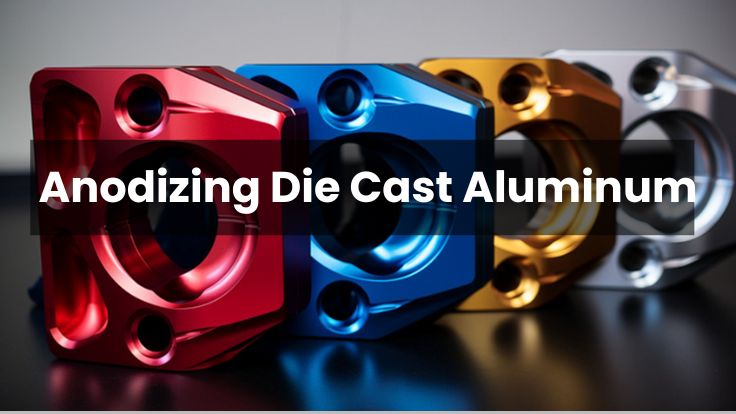
Anodizing die cast aluminum is a key metal finishing process that enhances durability, anti-seizing/corrosion and the looks of aluminum products that are extracted through die casting. With the ever-increasing demands of the industry to produce lighter-weight high-strength components for everything from car parts to electronics housing, its surface properties have become one of the most important things to add to it. Working behind the anodizing process is a controlled oxide layer that forms on the surface of aluminum by a technique of electrochemistry. Although the method has been thoroughly developed with regard to pure aluminum, its use with the alloy that is created in die casting has particular difficulties associated with it due to the inclusion of other elements such as silicon and zinc. This then brings the question to the mind of manufacturers as to whether you can anodise die-cast aluminum without sacrificing quality and appearance. To achieve performance levels under severe conditions, a combination of the techniques will be used by some industries that today are referred to as aluminum alloy die casting, plating anodizing. The technique is a combination of the strength of electroplating and anodizing, therefore, presenting better surface hardness, conductivity, and corrosion resistance. This article presents the science, techniques, and differences in anodizing die cast aluminum in order to give the complete picture to engineers, designers, and manufacturers who want to use a reliable and long-lasting surface finishing technology. What is die cast aluminum? Die casting entails pressing molten metal into a cavity of the mold at high pressure. Aluminum is lightweight and strong, making it an effective material for making durable parts with high dimensional accuracy. Nevertheless, due to a few impurities and porosities found in the process, surface finishing procedures such as anodizing die cast aluminum are made complex. It is also common to add silicon and other additives to die-casting alloys of aluminium in order to improve fluidity and other mechanical properties. However, it complicates the work on surface treatment, because these very additives will disturb the process of anodizing.  The Science of Anodizing Anodizing is an electrochemical treatment to strengthen and thicken the oxide film that occurs naturally on metal and makes it harder. The method will increase service life/durability, resistance to corrosion, and appearance. Anodized finish on aluminum has a porous structure that is perfect to absorb sealed dyes and sealants, thus they provide good decorative and functional applications. The difficulty with anodizing die cast aluminum lies in its composition. High-silicon alloy does not anodize well, and a blotchy finish or diminished corrosion resistance can be a consequence. Therefore, alloy composition is important to get a successful anodized finish. What is an Anodizing Die Cast Aluminum? Anodizing die cast aluminum. The anodizing of die-cast aluminium is the electrochemical treatment of die-cast aluminium parts to produce a permanent, protective, frequently decorative layer of corrosion-resistant oxide on the surface. The technique comes in handy, especially in areas that require protection against corrosion, advancement of surface hardness, and a limited aesthetic effect. In the process known as the anodizing die cast aluminum, the aluminum part is inserted into an electrolytic bath of acid, usually sulfuric acid, and an electric current is generated in it. This leads to the oxidation of surface of the aluminium to produce an oxide film, which is controlled and uniform. The process can be complicated, though, given the particular make-up of die-cast aluminum, commonly containing high silicon and other alloying components. Nonetheless, industries keep on investing in technologies that help to maximize the quality of anodizing die cast aluminum. The final preparation of anodized finishing is performed by methods of surface preparation like polishing, acid etching and smutting to remove the contaminants. The list of items where anodising die cast aluminum is used and utilized is long, including automotive parts, consumer electronics and many more, either to serve some functional purpose, or as an ornament. Its capability to augment the life span of parts, as well as their vulnerability to environmental degradation, makes it a vital surface treatment technique in the contemporary manufacturing industry. Process The anodizing of die cast aluminium process consists of various important steps that must be followed to achieve a good, uniform, and quality finish, even though this is a challenging process due to factors that surround the use of die-cast metals. All steps should be well-regulated in order to address such challenges as porosity of the surface and inconsistency of alloys. 1. Cleaning & Degreasing Paint, grease and oil stick to a surface and need to be removed before anodising through cleaning. This will make the process of having the oxide formed over the surface of the material even throughout the process of the anodising die die-cast aluminium. 2. Etching And De-Smuttering The outer layer is then removed, leaving a clean metallic surface by etching using an alkaline solution. This is followed by a de-smutting process to remove the residues left over by the alloying elements, a common occurrence in anodising die cast aluminium. 3. Anodising ( Electrolytic Oxidation ) The component is immersed in an electrolytic solution, normally sulfuric acid, and attached as an anode. A controlled layer of oxide is generated by the use of an electric current. This step lies at the heart of the process of anodising die cast aluminium, because it defines the thickness, porosity and longevity of the final finish. 4. Colouring (Optional) Where the finish is colored, dyes may be added to the porous anodised surface. This process is normally applied in decorative processes where looks count as much as performance in anodising die cast aluminium. 5. Sealing Lastly, the part is sealed using hot water or nickel acetate; frequently, the sealing is done in hot water or nickel acetate to seal the pores and improve corrosion resistance. This process seals dyes and reinforces the oxide layer, nd the process of anodising die-cast aluminium is complete. All the steps of this process must be controlled accurately, and so must the types of die-cast materials which are

تصنيع الصفائح المعدنية المخصصة في الصناعات الحديثة

تصنيع الصفائح المعدنية المخصصة في الصناعات الحديثة

صب القوالب الألومنيوم

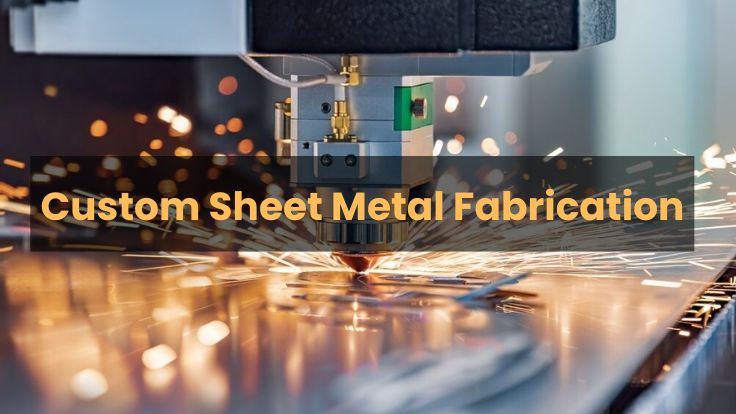
Custom sheet metal fabrication is now an activity that has established manufacturing industries in a variety of categories in the modern face of manufacturing. Whether in the form of cars and electronics, construction and healthcare, fabricated metal components play an essential role in the design, operation and durability of the enormous variety of products. It entails the sheet metal being cut, bent, shaped and assembled, based on specifications to fit the match, and manufacturers can make highly customised, durable and efficient parts. Among the most important industries that depend on this capacity is the automotive industry, in cases where the so-called custom automotive sheet metal fabrication will guarantee the production of high-performance body panels, supporting structure, and engine components. Such components should also have high standards in terms of weight, strength, and safety; hence, precision and customisation are essential. More and more foreign companies are resorting to the services provided by more advanced manufacturers like the car sheet metal fabrication in China because of favourable cost rates. Chinese manufacturers provide comprehensive services using advanced CNC equipment and short production schedules, which makes they useful partners in the global supply chain. Along with cars, the fabrication of sheet metal is a vital aspect in such areas as the aerospace industry, electronics, medical equipment, and the food processing industry. Such industries require great tolerances, corrosion resistance, and customised surface finishes, all of which can be provided by sheet metal fabrication. In this article, we are going to look at the complete range of this discipline, beginning with classic methods to the state of the art automation, mainly concentrating on automotive uses and the contribution of leading world actors, such as China. What is Custom Sheet metal fabrication? The term custom sheet metal fabrication is used when it comes to designing and manufacturing metal members or structures that can meet the specific needs of a particular project. In contrast to the mass-produced components, custom fabrications take unique solutions to specific sizes, materials and applications. This fabrication incorporates laser cutting, water jet cutting, punching, welding, forming and finishing of the surface. The most common ones are stainless steel, aluminum, galvanized steel, copper, and brass, among others, all selected due to their strength, conductivity, corrosion, and weight requirements. Manufacturers and engineers work hand in hand to make sure that all specifications are followed to the micrometre. Main Items in the Process 1. Design and Prototyping: A digital blueprint is sketched with the aid of CAD (Computer-Aided Design) software. Prototypes are frequently manufactured in order to run tests on how they work before large-scale production can commence. 2. Cutting and Shaping: The metal sheet is precisely shaped by using high-precision cutting tools to give very little tolerance. 3. Bending and Forming: The Sheet is curved to form complex shapes by bending and forming equipment, which includes press brakes. 4. Welding and Assembly: There are various parts which are assembled through TIG welding, MIG welding or spot welding. 5. Finishing: Finishing processes such as powder coating, polishing or anodising increase strength and aesthetics. Custom Automotive Sheet Metal Fabrication Rise  The Rise of custom automotive sheet metal fabrication began in the late nineteenth century, which saw the birth of the automobile industry. This period saw many people lose their lives and even more become injured by automobile accidents. This again led to the production and use of automobile insurance as a solution to automobile accidents. Precision and customization are vital in the car manufacturing business.  The custom automotive sheet metal fabrication is a significant element in the production of car body panels, chassis parts, heat shields, as well as engine enclosures. Such parts should be of high safety rating, aerodynamic, and aesthetically pleasing. Customisation gains significant relevance in the performance car, restoration car, electric car, and luxury vehicle production. The engineers may also need some special structural bracing or a project in terms of aerodynamic panels, which cannot be produced by general mass production. The benefits of the exercise of best sheet metal car fabrication are that: Common Materials in Sheet Metal Fabrication One most crucial decisions of the custom sheet metal fabrication is the choice of material. Whether it is carbon steel or stainless steel, it traverses all the aspects, including strength and corrosion resistance and even weight and workability. Knowing the nature of widely used metals enables an engineer to make a wise decision to maximise the efficiency and economic gains. Aluminium: Extremely Light and Non-Corrosive Aluminum is the most common material that is used in fabrication custom sheet metal. It is perfect for aerospace, electronic, and transport application materials because of its inherent corrosion resistance, easy weight, and good formability. It is also a highly conductive material, such that it can be used in enclosures and parts that radiate heat. As per the custom automotive sheet metal fabrication, aluminium is frequently used in the body parts and as a heat deflector to lighten the weight of the vehicle, without compromising its strength. Stainless Steel: Strong and Clean Stainless Steel  The strength of stainless and the fact that stainless is non-corrosive an attributes of the material. It is mainly utilized in food grade, medical and architectural applications where cleanliness and strength are important. Stainless steel may be specified in use of products that are under severe conditions of weather or that need a high-end finish in the custom sheet metal fabrication services. It is resistant to the effects of chemicals, water or high temperatures, hence its common use in many industries. Cold Rolled Steel: Versatile, Tough and Economical In the field of sheet metal custom fabrication, cold rolled steel (CRS) can be a common decision in construction when tight tolerances and a smooth surface are needed. It is cheap to weld or machine. Although it is likely to rust when not coated, it can be applied in buildings or painted. CSR is mostly applied in the cabinet, brackets, as well as enclosures in numerous industries such as the automotive industry, the construction industry and consumer

انتقل إلى الأعلى

احصل على عرض أسعار