أجزاء الصب بالقالب

صب القوالب على البارد: الدليل الكامل

صب القوالب, مُصنِّع قوالب الصب بالقالب, أجزاء الصب بالقالب

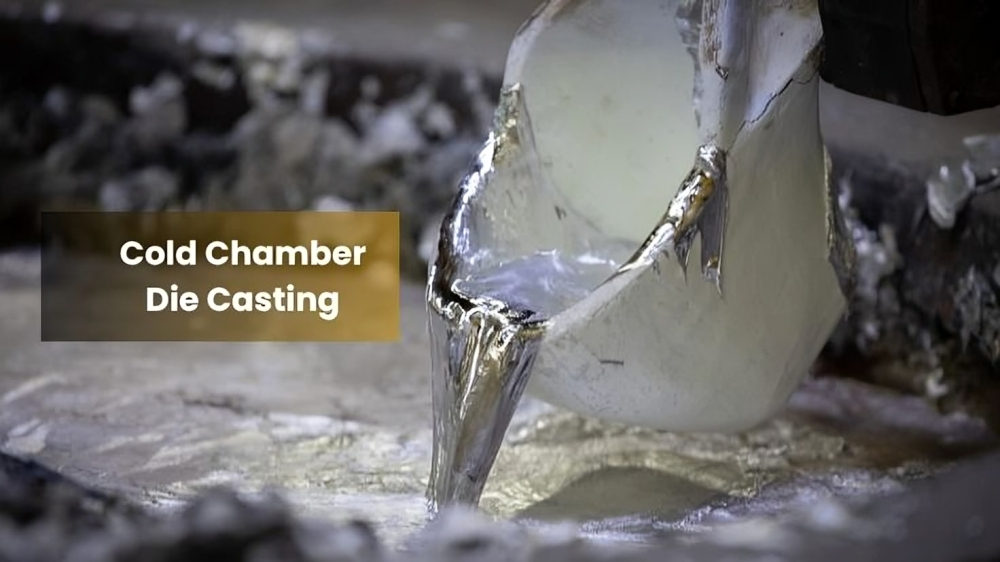
وتبدأ عملية الصب بالقالب بالغرفة الباردة عن طريق صب المعدن المنصهر أولاً في غرفة حقن منفصلة ثم دفعه إلى قالب فولاذي. تتعامل هذه العملية مع السبائك عالية الانصهار مثل الألومنيوم والنحاس والمغنيسيوم. وهي عملية إنتاج عالية الضغط وضيقة التحمل توجد في إنتاج السيارات والإلكترونيات والقطع الصناعية. ما هو الصب بالقالب بالغرفة الباردة ومتى يتم استخدامه؟ عملية الصب بالقالب بالغرفة الباردة هي عملية صب المعادن بالضغط العالي، والتي من شأنها أن تفسد أو تتآكل في نظام الغرفة الساخنة. عمليًا، يقوم المشغلون بصهر المعدن في فرن مختلف. ثم يقومون بصب المعدن المنصهر في غلاف طلقة غير ساخن. يتم دفع المعدن إلى القالب المغلق بواسطة مكبس هيدروليكي بضغط شديد. يتصلب القسم بسرعة كبيرة، ويتم فتح القالب لاندفاع الصب. يمكن استخدام ذلك عندما تكون السبيكة ذات درجة حرارة انصهار عالية أو عندما تتسبب السبيكة في تآكل مكونات الحقن، مثل سبائك الألومنيوم والنحاس. وتضحي هذه العملية بسرعة الدورة من أجل حجم ومرونة السبيكة. عملية الصب بالقالب بالغرفة الباردة خطوة بخطوة تُعد عملية الصب بالقالب بالغرفة الباردة واحدة من أكثر التقنيات الموثوقة لصنع أجزاء معدنية عالية الجودة. يجب مراقبة كل عملية من حيث درجة الحرارة والضغط والوقت. يمكن أن تؤثر الاختلافات الطفيفة على تشطيب السطح والقوة ودقة الأبعاد للمنتج النهائي. صهر المعدن يبدأ بصهر المعدن في فرن منفصل. وتستخدم في الغالب سبائك الألومنيوم والمغنيسيوم والنحاس. وفي حالة الألومنيوم، تكون درجة الحرارة عادةً 650 درجة مئوية و750 درجة مئوية. من الضروري الحفاظ على نظافة المصهور. يتم التخلص من الشوائب بواسطة المشغل بمساعدة عوامل التدفق وأدوات القشط. وفي حالة ترك بعض الأكسيد أو الغاز، فقد يؤدي ذلك إلى حدوث عيوب مثل المسامية أو الشوائب في المستقبل. في الأفران عالية التقنية، يكون نظام الجرعات هو الوصلة المباشرة بين الفرن وآلة الصب بالقالب من China Cold. وهذا يضمن أن تكون درجة حرارة وتكوين المعدن المنصهر موحدة في كل طلقة. المعدن المنصهر في حجرة الطلقة ثم يتم صب المعدن المنصهر في حجرة الطلقة أو غلاف الطلقة. قد يتم ذلك يدويًا أو آليًا. المغرفة اليدوية سهلة وأقل سرعة ولديها فرص أكبر لحبس الهواء. توفر أنظمة المغرفة الأوتوماتيكية بدورها كميات دقيقة من المعدن مع انخفاض الاضطراب. يمكن منع الأكسدة واحتواء الغاز عن طريق التحكم في سرعة المغرفة ودرجة الحرارة. يقوم البعض الآخر بالتسخين المسبق لغطاء الطلقة قليلاً حتى لا تنخفض درجة حرارته فجأة، للسماح بسيولة الحقن. 3. الحقن في تجويف القالب يتم استخدام مكبس هيدروليكي لحقن المعدن المنصهر عالي الضغط في تجويف القالب بمجرد دخوله في غلاف الطلقة. هذه هي المرحلة الأساسية لصب القالب في الغرفة الباردة. يتراوح ضغط الحقن بين 3,000 رطل لكل بوصة مربعة وأكثر من 20,000 رطل لكل بوصة مربعة، اعتمادًا على حجم الجزء والسبائك. تحتوي دورة الحقن عادةً على مرحلتين: توقيت هذه المراحل أمر بالغ الأهمية. تقوم ماكينات الصب بالقالب بالغرفة الباردة الصينية الحديثة، والأنظمة الهيدروليكية المؤازرة بتنظيم الضغط والسرعة تلقائيًا لكل حقنة وضمان التجانس. التصلب والتبريد فتح القالب وقذف الجزء بمجرد أن يتصلب المعدن، يتم فتح القالب بواسطة الماكينة، وبعد ذلك تقوم دبابيس القاذف أو الأذرع الآلية بإخراج الصب. يجب إخراجها فقط عندما تتصلب بالكامل؛ وإلا يتم تشويهها. في الأشكال المعقدة، يوجد أكثر من دبوس قاذف واحد، مما يضمن التحرير النظيف لتجويف القالب. تأخذ الروبوتات القِطع على الخطوط الآلية وتضعها على ناقلات ليتم تشذيبها وتبريدها. وهذا يزيد من تقليل أضرار المناولة ويسرّع الإنتاج. التشذيب والتشطيب الفحص ومراقبة الجودة وآخرها الفحص ومراقبة الجودة. يتم فحص كل مسبوك لضمان أن يكون لديه التفاوتات ومعايير الجودة اللازمة. أنواع الفحص الشائعة هي: عادةً ما تكون ماكينات الصب بالقالب بالغرفة الباردة الصينية الحديثة مجهزة عادةً بأجهزة استشعار وبرامج تتبع جميع المعلمات - درجة حرارة الذوبان وضغط الحقن ودرجة حرارة القالب، مما يتيح مراقبة الجودة في الوقت الفعلي. تحسين العملية والتحكم فيها يجب أن تعتمد جودة النتائج على الجودة الخاضعة للرقابة في كل خطوة. عوامل السلامة والعوامل البيئية المواد والسبائك المستخدمة عادةً. يُفضل استخدام الغرفة الباردة في السبائك التي لا يمكن استخدامها في ماكينات الغرفة الساخنة. تشمل المواد الأكثر شيوعًا المستخدمة سبائك الألومنيوم والمغنيسيوم والنحاس وبعض تركيبات الزنك والألومنيوم حيث يجب منع تآكل آلية الحقن بأي ثمن. في الأجزاء الهيكلية للسيارات، تسود سبائك الألومنيوم. يُستخدم المغنيسيوم في الحالات التي تكون فيها الخفة الشديدة مشكلة. كلتا السبيكتين لها درجة الانصهار والسيولة وسلوك الانكماش الخاص بها، والتي يجب التعامل معها في تصميم القالب ومعايير العملية. الماكينات والميزات - مثل اختيار ماكينة الصب بالقالب بالغرفة الباردة في الصين. ماكينات الصب بالقالب: ماكينات الصب بالقالب بالغرفة الباردة مصنوعة من إطار قوي، ووحدة حقن عالية الضغط، ونظام هيدروليكي وإلكترونيات التحكم. وتوفر الماكينات الحديثة أنظمة هيدروليكية مؤازرة لتوفير الطاقة وتعزيز التحكم، وأجهزة تحكم بالكمبيوتر لجعل ملامح اللقطة قابلة للبرمجة وأنظمة مساعدة متكاملة مثل أجهزة التحكم في درجة حرارة القالب وأنظمة المغرفة الأوتوماتيكية. من الممكن أيضًا العثور على موردي ماكينات الصب بالقالب بالغرفة الباردة في الصين الذين يقدمون مجموعة كبيرة ومتنوعة من الموديلات ونطاقات أسعار مختلفة في حالة البحث عن ماكينات. هناك نماذج مدمجة للمصنعين الصينيين تناسب المتاجر الصغيرة والآلات ذات الحمولة الكبيرة المناسبة للإنتاج بكميات كبيرة. ويميل المصنعون الصينيون إلى تجميع معدات الصهر والمناولة لتوفير خط تسليم المفتاح أيضًا. قارن بين الماكينات من حيث التحقق من قوة التثبيت القصوى (بالطن)، والحجم في الحقنة، والتحكم في السرعة في الحقن، وحجم القالب، والأتمتة. أساسيات تصميم الأدوات والقالب عادةً ما يكون فولاذ الأداة المقوى هو القالب (القالب. يجب أن يسمح تصميم القالب بتدفق متحكم فيه للمعادن والهواء الغازي المتسرب، وهندسة البوابات والعدّادات وقنوات التبريد من أجل
صب قوالب الألومنيوم للسيارات في الصين

صب قوالب الألومنيوم للسيارات في الصين

صب القوالب الألومنيوم, أجزاء الصب بالقالب

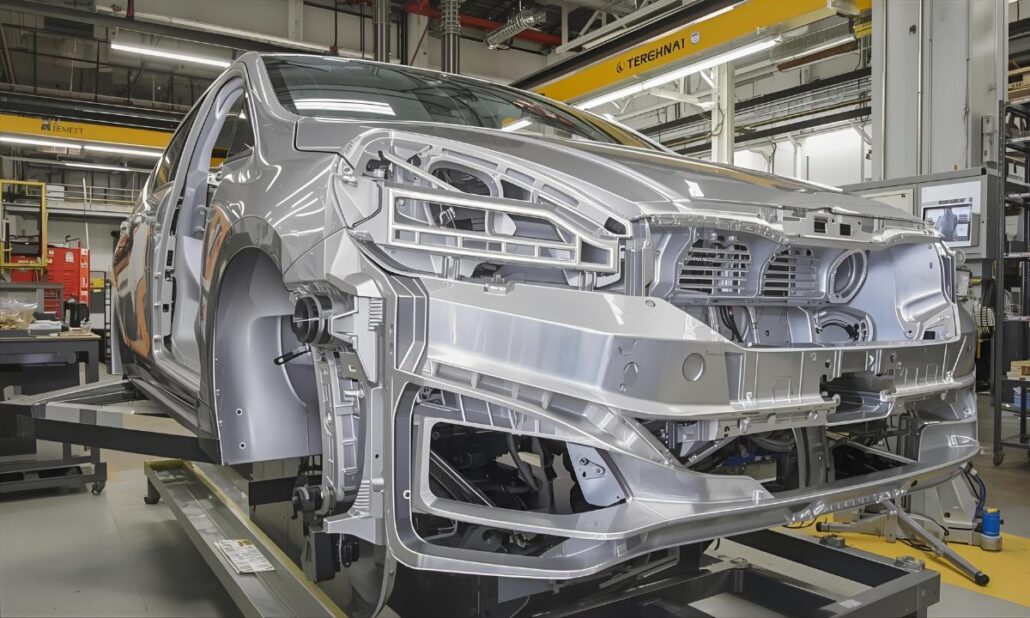
Aluminium automotive die casting in China has become an essential process within the international automotive supply chain that contributes to efficiency, sustainability, and innovation in vehicle production. Lightweight and strong, aluminium provides a special balance between mechanical performance and fuel consumption, which contemporary car manufacturers require. Through minimised vehicle weight, aluminium die-cast components have a direct impact on reducing fuel consumption, longer battery range in electric vehicles (EVs), and carbon emissions. This not only renders the technology significant to the manufacturers, but also to environmental regulations across the world. This domination in the automotive industry of China is a natural extension of aluminium die casting. Being the largest producer, the country with huge production rates, with its large supply chain and the support of the government through industrial policy, China has already established itself as the largest producer and one of the greatest innovators in the area. The die casting sector of the country serves both local car manufacturing industries and foreign brands, and it provides engine blocks and transmission housings, as well as high-tech giga castings, applied to the body of EVs. The development of lightweight materials and more environmentally friendly production technologies has become even faster. This congruence between industrial competency and the world sustainability targets will keep China on the frontline of the technology of aluminium die casting, which is the future of automotive engineering. What is Die Casting of Aluminium? Aluminium die casting is the production technique where molten aluminium is pressurized and injected into a high-pressure steel mold (die). Upon cooling and solidification, the metal produces complex and precise components with very favourable strength-to-weight ratios. The automotive parts that are commonly manufactured are engine blocks, transmission housings, wheels, brackets, and structural body parts. Why China Leads in Aluminium Die Casting? Aluminium Die Casting Process Aluminium die casting is one of the most specialized manufacturing techniques that allows the creation of complex and accurate automotive components with great mechanical properties. It does include several well-regulated phases, and each of them can be seen as a step toward the quality, strength, and durability of a final product. The following is a discussion of each of the stages: 1. Mold Preparation The steel mold, usually of hardened tool steel, is completely cleaned and checked before production starts and should be free of wear or damage. Then the release agent or lubricant is applied to the cavity of the mold, which has a variety of significant purposes. It avoids the sticking of the molten aluminium to the die, provides smooth part ejection and assists in maintaining mold temperature in successive casting cycles. It is important to prepare the mold properly, as this has a direct relation to the surface quality and dimensional accuracy of the finished component. 2. Melting & Alloy Preparation It begins with the melting of aluminium ingots or recycled scrap in a high-temperature furnace that can be either gas-powered, electrically powered or induced. At this phase, molten aluminium is observed keenly to maintain an optimal temperature range of around 660 to 700 °C to provide a fluid mass and reduce defects. Elements like silicon, magnesium, and copper are alloyed in order to improve certain properties such as strength, corrosion resistance, or thermal conductivity. It is important to keep the chemical composition accurate since a slight change in it might greatly affect the functionality of automotive elements. 3. High-Pressure Die Casting (injection) After the molten aluminium attains the desired state, it is poured into the prepared steel casting mould by a high-pressure die casting (HPDC) machine. The pressure of injection is usually between 110 and 175 MPa, and this makes the liquid metal fill even in the most complex molding cavities with accuracy. High pressure also aids in reducing porosity and shrinkage flaws to produce high-strength and dense parts. This is regarded as the centre point of the process since it determines the quality of the casting and whether complicated shapes can be produced without breaking the structural integrity. 4. Cooling & Solidification The molten aluminium is then injected and quickly cools down and hardens in the steel mould. The rate of cooling is maintained throughout to make sure that the crystallization is uniform and internal stresses or warping are minimized. Cooling time varies greatly with the thickness and intricacy of the component being cast; a thin-walled component could be solidified in a matter of seconds, whereas a more complex part could take a longer cycle to solidify. Well-organised cooling circuits (water channels or oil circuits built into the die) are commonplace with the aim of ensuring consistency throughout the production runs. It is essential to attain a balance of strength, ductility, and dimensional accuracy by proper solidification. 5. Ejection After the part has hardened, ejector pins in the mold force the casting out. In this step, accuracy is needed to prevent burning sensitive areas or thin walls of the part. Large-scale automotive manufacturing often relies on automated ejection systems, which guarantee the consistency of cycle times and minimize manual work. The process of ejection may appear to be easy, yet with improper application, it might cause surface defects, cracks or misalignment, which will adversely affect the usability of the final product. 6. Trimming & Finishing Raw casting may contain large quantities of extraneous material, such as flash, runners or even gates, after ejection, and this needs to be removed. A hydraulic press or a CNC machine is usually used in trimming to attain an accurate edge line. Other finishing processes like shot blasting enhance the texture of the surface, and machining provides the high dimensional tolerance needed by engine or transmission components. They can be heat-treated to increase strength and hardness, and coating or anodizing may increase corrosion resistance. These are the necessary secondary processes because through them the raw casting is taken to the next level, where it is turned into a functional and reliable automotive component. 7. Inspection & Quality Control The last step is the intensive inspection, whereby all castings will be

قطع غيار السيارات المصنوعة عن طريق الصب:

قطع غيار السيارات المصنوعة عن طريق الصب: اختيار المواد والعملية

أجزاء الصب بالقالب

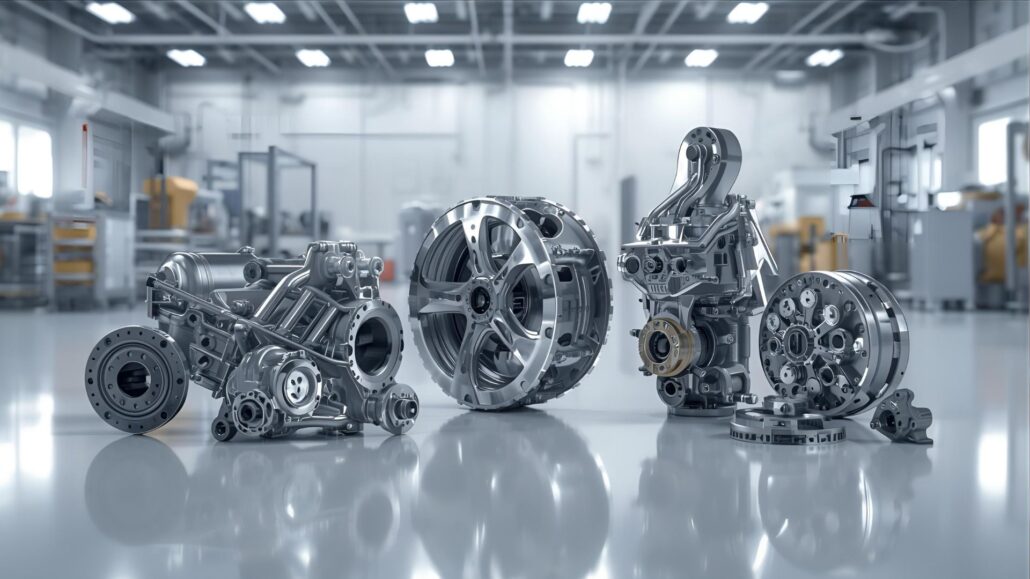
The modern automobile is a sophisticated machine that consists of thousands of separate parts with their own purpose to provide safety, performance, and reliability. Casting is one of the various manufacturing processes that are employed in the automotive industry. Casting is now an irreversible procedure where major parts of a vehicle are formed by shaping molten metal into extremely detailed and strong parts. The engines, transmissions, and braking systems of most vehicles are among the most significant systems that require parts made by casting. Indeed, when designers and builders discuss efficiency, durability, and cost-effectiveness in the production, casting of automobile parts are often at the centre stage of the debate. The art of casting is not new; it was invented thousands of years ago. However, its application in the motor industry has undergone a revolutionary shift to harness hi-tech technologies and the most recent alloys that can fit the high demands of the modern car. Casting has been instrumental in enabling cars to maintain high-performance standards at a relatively low cost through lightweight aluminum engine blocks that are tough and, resilient cast-iron brake components. The article will review the history of the automobile casting parts, processes, advantages, and future trends of automobile casting parts and reveal the reasons why the automobile casting parts continue to be a pillar in the automotive manufacturing industry. History  of Casting It was actually the aluminum casting process that penetrated the sphere in the middle of the 20th century. Casting has been in use in vehicles since the late 19th and early 20th centuries, when the automobile was first developed to replace the horse-drawn carriage. Early engines demanded powerful but inexpensive parts, and casting was the right way to go. One of the first methods to make engine blocks, crankshafts, and housings was iron casting. With the increase in the automobile industry, casting techniques increased and became advanced. The automobile manufacturers learned that they could increase fuel efficiency without reducing the lifetime of the vehicles due to lighter engines and structural parts. Casting is applied to different systems of vehicles in accordance with their application and importance. Finally, the automobile casting parts have the important role of giving strength, accuracy, and cost-effectiveness to reduce the cost, which is why automobile parts are the giants of the automotive industry. What are Automobile Casting Parts? Automobile Casting Parts can be defined as parts of a vehicle that are produced through pouring molten metal into a mold, and the resulting molten metal hardens into a desired shape. This has enabled the manufacture of robust, sturdy, and intricate components that are utilized in automobiles, including engine blocks, cylinder heads, transmission housings, brake drums, and wheels. They are very popular since casting offers: Taking the case of an engine block, the block has various chambers and coolant passages with threaded openings that can be cast correctly. What is Casting? The process of casting is a type of manufacturing where molten metal is poured into a mold and allowed to cool in the shape of the mold. After cooling, the casting is removed, machined (where needed),, and fitted into the finished product. It is an operation in which it is possible to produce both strong and geometrically complex parts. The reason why automobile manufacturers like to use casting is that they can produce large quantities of complicated parts of uniform quality. The proper melting temperature should also be maintained to remove defects such as porosity or underfill We are discussing not only structurally significant parts of automobiles, but also those that must be precise and durable under severe conditions of high temperatures, pressures, and constant wear. Process of Casting in Automobile Parts High-volume production also automates machines or high-pressure systems to ensure a high level of accuracy and consistency. 1. Pattern Making It starts with the production of a pattern, an imitation of the finished part. Patterns tend to be made of wood, metal, or plastic. They also determine the accurate shape and size of the mold cavity into which the molten metal will be poured. 2. Mold Preparation Sand, metal, or ceramic materials are used to form a mold. The two halves of the mold make the cavity to shape the part. Hollows can also be introduced within the mold,, such as internal passages within an engine block. 3. Melting the Metal In a furnace, a controlled temperature is used to melt the selected metal or alloy (cast iron, aluminum, or magnesium). This is to bring mechanical properties to high-performance applications such as engines or gearboxes. 4. Pouring When the metal is melted, it is filled into the mold. The proper sizes and finishes are ensured during drilling, milling, and turning. 5. Solidification and Cooling The heated material is left to cool and harden within the mold, assuming the shape of the mold. The part should avoid a shrinkage defect or crack due to uncontrolled cooling rates. 6. Mold Removal When solidifying, the mold is broken (in sand casting) or the mold is opened (in permanent and die casting). A raw casting is then removed and processed further as a casting blank. 7. Fettling and Cleaning Unneeded material, including sprues, risers, or flash, is eliminated. The casting could be shot blasted or ground to clean up the surface to make it easy to machine. 8. Heat Treatment (if required) Cast parts can be heat-treated to enhance their strength, hardness, or toughness. Sand Casting – Sand casting is one of the oldest and most common ways in which a mold of sand is molded into a more complicated shape. 9. Machining and Finishing Despite the fact that casting generates near-net shapes, a lot of automobile parts have to be machined to be precise. It is used with the engine block, cylinder head, and manifold. 10. Inspection and Testing Lastly, quality checks are done on the cast part. Non-destructive testing (NDT), dimensional testing, and material inspection are conducted to ensure that the part is up to industry standards before assembly into

صب القوالب على البارد

الاتجاهات الحديثة في تكنولوجيا الصب بالقالب على البارد

صب القوالب, مُصنِّع قوالب الصب بالقالب, أجزاء الصب بالقالب

الصب بالقالب بالغرفة الباردة هو نوع دقيق من تقنيات التصنيع المطبقة في تصنيع المكونات المعدنية المعقدة التي تتميز بمستويات عالية من القوة والدقة. يمكن استخدام هذه العملية على أفضل وجه في المعادن ذات درجة انصهار عالية، مثل الألومنيوم والنحاس الأصفر وسبائك النحاس. لا يتم وضع أنظمة الصب بالقالب بالغرفة الباردة في المعدن المنصهر مثل نظام الصب بالقالب بالغرفة الساخنة؛ وبدلاً من ذلك، يتم وضع المعدن في آلة الصب بالقالب بالغرفة الباردة عن طريق غَرْف المعدن يدويًا في آلة الصب بالقالب بالغرفة الباردة بعد صهره في فرن آخر. وهذا الترتيب يقلل من تآكل الماكينة ويستخدم سبائك أكثر صلابة. من بين العوامل المهمة التي تجعل الشركات تختار استخدام هذه الطريقة هي مزايا وعيوب الصب بالقالب بالغرفة الباردة الخاصة. فهي تتميز بأعلى دقة في الأبعاد، وتشطيبات سطحية ناعمة، بالإضافة إلى أوقات دورات طويلة. ومع ذلك، فإن قوتها ومتانة مكوناتها هي المفضلة في أسواق السيارات والفضاء والإلكترونيات. يعد الفرق بين الصب بالقالب بالغرفة الساخنة والباردة أمرًا بالغ الأهمية لاتخاذ القرار الصحيح للعملية. تُعد عملية الصب بالقالب بالغرفة الساخنة أكثر سرعة ويتم تطبيقها على المعادن ذات درجة الانصهار المنخفضة، مثل الزنك، في حين أن نظام الصب بالقالب بالغرفة الباردة مصمم للتعامل مع درجات حرارة أعلى ومعادن أقوى. سيتمكن المصنعون أيضًا من تصنيع أجزاء طويلة الأمد وموثوقة بهذه العملية التي تتمتع بدرجة عالية من الدقة في مواصفاتها. في هذه المقالة، سنناقش مبدأ تشغيل عملية الصب بالقالب بالغرفة الباردة، وأجزائها الرئيسية، وطبيعة المعدن المستخدم، والمعايير التكنولوجية لعملية الصب بالقالب بالغرفة الباردة، بما في ذلك قوة التثبيت وزمن الدورة. سيتم أيضًا النظر في مزايا وعيوب الصب بالقالب بالغرفة الباردة لتزويدك بصورة كاملة عن عملية التصنيع المهمة هذه. ما هو صب القوالب بالغرفة الباردة؟ صب القوالب بالغرفة الباردة: إن عملية الصب بالقالب بالغرفة الباردة هي عملية صب المعدن حيث يتم صب المعدن المنصهر إما يدويًا أو آليًا في غرفة باردة منفصلة خارج نظام الحقن. بعد ذلك، يتم دفع المعدن بضغط عالٍ في تجويف القالب، مما يؤدي إلى تبريد المعدن وتبلوره بالشكل المطلوب. وعادةً ما يتم تطبيقه على المعادن ذات درجة انصهار كبيرة، مثل النحاس الأصفر والألومنيوم وسبائك النحاس. والغرض من ذلك هو تجنب التآكل والإجهاد الحراري الذي يمكن أن يؤدي إلى عمل مكونات نظام الحقن بشكل غير سليم، على عكس عملية الصب بالقالب في الغرفة الساخنة، حيث يتم تعليق آلية الحقن في المعدن المنصهر، فإن عملية الغرفة الباردة تحافظ على مرافق الحقن منفصلة. يعتبر تطبيق هذه الممارسة الأخيرة، أي عملية الصب بالقالب بالغرفة الباردة، مفيدًا بشكل خاص، حيث أن المعادن المستخدمة من شأنها أن تضر بالمكونات التي تلامسها. يمكن استخدام الضغط العالي في عملية الحقن نفسها، ويمكن استخدام مكونات أكثر كثافة وأقوى مع تشطيب سطحي لامع وثبات في الأبعاد. عملية الصب بالقالب - خطوة بخطوة إن الهدف من تقنية الصب بالقالب بالغرفة الباردة هو صنع أجزاء معدنية عالية الدقة والصلابة والتي تتكون في كثير من الأحيان من سبائك ذات نقاط انصهار في درجات حرارة عالية، مثل الألومنيوم والنحاس الأصفر. دعونا نتناول تفصيلاً خطوة بخطوة لكيفية عملها: 1. يتم استخدام الفرن الخارجي لصهر المعدن تشبه العملية عملية الصب بالغرفة الساخنة باستثناء أن صهر المعدن يتم في فرن منفصل بالخارج. وهذا مطلوب حيث أن المعدن المنصهر في صب الغرفة الباردة سيتسبب في حدوث مستوى عالٍ من الحرارة داخليًا لا يمكن التعامل معه. يتم صهر المعدن، وبعد ذلك يمكن نقله إلى ماكينة الصب. 2. سكب المعدن المنصهر في غلاف الطلقة بعد ذلك، يتم صب المعدن المنصهر في غلاف الطلقة في ماكينة الصب بالقالب. ويتم ذلك يدويًا أو يدويًا أو بواسطة ذراع. ويكون غلاف الطلقة عبارة عن أنبوب قوي ومقاوم للحرارة يستقر فيه المعدن ويتم حقنه فيما بعد. يجب أن يتم ذلك بسرعة كبيرة لمنع التصلب المبكر. 3. يقوم المكبس بدفع المعدن داخل القالب. ينتقل مكبس فولاذي داخل غلاف القالب ويضغط على المعدن المنصهر بضغط عالٍ في تجاويف القالب. تتأكد القوة من أن المعدن يملأ القالب حتى في أي نمط معقد أو بجدار رقيق للغاية، وتقلل من فرص حدوث أي عيوب، مثل الجيوب الهوائية. 4. هناك تصلب المعدن داخل القالب عندما يتم ملء القالب، يبدأ المعدن في التبريد والتصلب داخل القالب. تعتبر خطوة التصلب هذه مهمة جدًا في الحصول على جزء جيد ودقيق. يعتمد وقت التبريد على معدن الجزء وسمك الجزء ودرجة حرارة القالب. 5. يقوم القالب النحاسي ودبابيس القاذف بإخراج القالب بالقوة عندما يتصلب الجزء، تقوم وحدة التثبيت في الماكينة بفتح القالب، وتقوم دبابيس القاذف بإخراج القالب بالقوة من تجويف القالب. ثم يتم نقل الجزء إلى محطة التبريد أو محطة التشذيب. 6. إزالة الوميض (إزالة المعدن الزائد) يوجد بعض المعدن الزائد على الجانبين يسمى الوميض الذي يكون حول حواف الصب حيث يلتقي نصفا القالب معًا. ثم يتم إزالتها عن طريق التشذيب الميكانيكي أو الطحن أو التصنيع الآلي، اعتمادًا على ما تتطلبه اللمسة النهائية. سيمنع ذلك من أن تكون الأعمال النهائية أقل من الشكل والتفاوت المطلوب. 7. إعادة ضبط دورة القالب والتشحيم يتم غسل القالب وتشحيمه قبل الدخول في الدورة التالية لكي يكون ذا نوعية جيدة وتجنب الالتصاق. عند الانتهاء من التزييت، يتم تثبيت القالب مرة أخرى، ويتم تبديل الماكينة لإعادة ضبطها لمزيد من الدورات. 8. فحص الجودة والتشطيب هذا هو الجزء الكامل الذي يتم فحصه للتأكد من عدم وجود عيوب في الجودة، مثل الشقوق أو الانكماش أو التشوهات على السطح. واعتمادًا على متطلبات الاستخدام النهائي للجزء، يمكن إخضاعه لعملية تصنيع إضافية، أو معالجة السطح، أو تجميعه (إذا لزم الأمر). المعادن المستخدمة في

قطع غيار السيارات المصبوبة بالزنك للمركبات عالية الأداء

أجزاء الصب بالقالب

In automotive manufacturing, it is important to have precision, solid components, and cost efficiency to produce top-performance parts. Meeting these demands can be done reliably with zinc die casting. Many manufacturers now use zinc die casting for automotive parts to obtain tough parts, exactly the right size, and protected against corrosion. Because they cast well, zinc alloys work great in large-scale automotive production. Owing to their easy melting and good flow, these alloys can be formed inside detailed molds with tight levels of accuracy. Zinc alloy casting is vital for building die-cast zinc parts in automobiles, such as housings for locks, brackets, door handles, and many under-the-hood fittings. Apart from needing mechanical power, these parts should also resist changes in temperature, vibration, and outside influences. Because the auto zinc-alloy die-cast process provides a better finish, manufacturers can also reduce or cancel out the need for extra finishing operations such as machining or polishing. What’s more, zinc can be used with many types of plating and coating, which boosts both how useful and attractive the parts become. Because zinc alloys are recyclable, manufacturing with them fits well with the industry’s move toward eco-efficiency. The following sections will focus on understanding the main features, weaknesses, areas of application, and related topics of zinc die casting in the automotive industry, underscoring the trend of greater interest in zinc die casting for mobility by examining a series of auto zinc alloy case studies. What is zinc die casting?  Zinc alloy is injected into a steel mold at high pressure in order to make accurate metal parts through zinc die casting. Because complex parts are produced with stability and top-quality smoothness, and exact fits, EBM is seen as particularly valued. What Are the Important Features of Zinc Die Casting? 1. When working with high-pressure injection, molten zinc is introduced quickly into a precise mold at high pressure, so that every part of the mold is filled. 2. Zinc cools and hardens very fast, which is why the process is suited to mass manufacturing. 3. Made of durably hardened steel, the dies are designed for many uses and are therefore suitable for large-volume production. Why Zinc? Because of its properties, zinc is frequently employed in die casting. Zinc Alloys: What Makes Them Unique? Zinc alloys include important mechanical and physical features required for good automotive performance. These include: The reasons behind these properties mean that zinc alloys are a common pick for brackets, housings, handles, lock components, and trim parts placed inside or outside a car. A strong benefit of automotive parts zinc die casting is that you can build many useful functions into a single, detailed part, which makes assembly less necessary and drops the product cost. What is the Die Casting Process? In die casting, the mold or die holds molten metal that is pressed under high pressure. For every part, a mold is made that ensures parts are produced quickly, exactly the same, and accurately. The most important parts of zinc die casting are: Great attention is paid to these stages to guarantee that zinc-cast vehicle parts are top quality. Zinc Die Casting Process and Its Characteristics Parameter Typical Value / Range Unit Description Injection Pressure 35 – 120 MPa High pressure ensures complete mold filling and detail replication. Injection Time 0.02 – 0.15 seconds Fast cycle times are possible due to zinc’s excellent fluidity. Die Temperature 150 – 250 °C Optimal temperature for mold longevity and casting quality. Melting Point of Zinc Alloy 380 – 390 °C Low melting point reduces energy consumption and tool wear. Solidification Time 0.1 – 1.0 seconds Zinc solidifies quickly, allowing short cycle times. Density 6.6 – 6.9 g/cm³ Zinc is denser than aluminum, offering better damping and strength. Tensile Strength (Zamak 3) ~280 MPa Sufficient for structural and mechanical automotive parts. Elongation at Break 10 – 15 % Indicates ductility; zinc alloys can absorb impact without cracking. Surface Finish Quality Excellent – Zinc supports high cosmetic quality with minimal post-processing. Tolerance Control ±0.02 – ±0.05 mm Tight tolerances are achievable, reducing the need for secondary machining. Reasons to Use Zinc Alloys Excellent Castability Zinc alloys are valued for their excellent ability to be cast. Because zinc melts at a low temperature and has great flow, it fills complex mold shapes perfectly. Therefore, zinc alloys are best for precise designs, as found in automotive zinc die casting parts, where getting consistent detail and form is important. Thin-walled sections and intricate forms, available with minimal porosity, are highly desirable in mass production. High levels of accurate matching Because of zinc alloys, it becomes very simple for manufacturers to achieve accurate dimensions. This matters a lot in industries such as automotive and electronics, since components should be accurate and barely vary. Because zinc die-cast components usually do not need post-machining, manufacturing costs are reduced. Thanks to their consistency, zinc alloys help keep quality high and the products reliable throughout massive production. Superb surface finish Zinc alloys are valuable because their superior surface finish is possible to obtain directly during molding. Reduced requirements for finishers’ operations come from the natural surface finish of the parts. Polishing, painting, or chrome or nickel plating zinc alloy parts is easy, so they serve well in places where both how they look and how they perform are important. In both consumer goods and automotive interiors, things like handles and buttons benefit a lot from this type of coating. Good Performance for Mechanical Strength and Toughness Zinc alloys bring together solid strength, a high resistance to being bent or broken, and a limited tendency to be malleable. As a result, we use metals with these properties wherever mechanical stress or strong wear occurs. Because they are impact resistant, zinc alloy components are strong and last a long time. Because they are strong, most structural and working parts, such as brackets, housings, and locking pieces, are built from plastics. Corrosion Resistance Because a zinc oxide layer forms on them, zinc alloys do not easily corrode.

الشركة المصنعة لصب قوالب الزنك في الصين

أفضل 11 شركة لصب قوالب الزنك في الصين والولايات المتحدة الأمريكية

أجزاء الصب بالقالب, صب الزنك بالقالب

If you have metal alloy casting parts that require a high quality surface finish, such as polishing, plating, or electronic plating, then you should look for zinc die casting parts. Zinc or zamak die casting is frequently used in the production of precisely decorative parts, building accessories, door and window accessories, door hingers, die cast models, and other similar alloy products. The purpose of this article is to provide you with a concise introduction to the best 11 zinc die casting companies in China and the United States of America, as well as their casting capabilities and competitive advantages. With that in mind, let’s take a look at some of the most well-known businesses in this extensive guide. 1. Dongguan Sincere Tech Co., Ltd Dongguan Sincere Tech Co., Ltd is a mold manufacturer and zinc die casting company based in China. High-quality injection molds are the specialty of the company. It provides die-casting molds of aluminum, zinc, and magnesium along with the accuracy in plastic molding as well as molding. Services offered are for automotive, medical, and other sectors. The customers gain precision reliability and competitive charges for all the projects offered. The use of high-quality machines and equipment means that there is quality output with minimal deviations. Oversight of each project is left in the hands of skilled professionals to ensure that high standards are followed. The company has established a reputation as one of the leading companies because international clients have confidence in Dongguan Sincere Tech for success. Services Offered Dongguan Sincere Tech provides clients with a wide range of product development solutions. It ranges from the design process to the creation of prototypes, from production design to actual mass manufacturing. That is why mold creation and tooling services are considered to incorporate high precision of output product assembly, testing, and packaging. The company has immense experience in Die casting and plastic molding. Every move is performed with precision and clarity. The company makes sure that its products are according to the industry standards and values. Quick turnaround times and good results are guaranteed. Why Choose Dongguan Sincere Tech? Quality, precision, and reliability are the core values of Dongguan Sincere Tech Company. Quality assurance measures applied to the greatest level ensure the high quality and standards of the product. Raw materials of fine quality are used in the production of various products. The sophistication of manufacturing processes is used for better sturdiness. Every client is provided with high-performance and low-cost services. Accuracy and durability are the foremost aspects of designing the product. Professionals receive optimum levels of satisfaction in the services they offer to the customers as well as the products they manufacture. If you are seeking reliable and affordable molds, then Sincere Tech is a company you should look at. If you are looking for plastic injection molding, product assembly services China, and zinc die casting companies in China, you are welcome to contact with them for price. 2. GC Precision Mold Co., Ltd. GC Precision Mold Co., Ltd. is a leading Zinc die casting company in China offering vast experience of over two decades. Founded in 1999 and is primarily involved in the business of aluminum, zinc, and magnesium die-casting. In addition, they provide services for plastic molding, CNC machining, and surface finishing. GC Precision Mould works with different sectors of the economy such as automobile, electronics, and the healthcare sector. The company holds a reputation for its efficient production line. Its advanced machines are from 120 tons to 1650 tons. The services offered by the company include gravity casting, high-pressure die casting, and sand casting. They design and develop molds of specific interest. The accuracy and quality are ensured on every project to the maximum level. GC Precision Mould sells its products in the international market, specifically in North America and Europe. These companies provide efficient and convenient delivery and shipping for their customers in different parts of the globe. This has made them certified under the International Organization for Standardization (ISO) 9001 on quality. The company delivers customized solutions according to the client’s demand, thereby adding value. Core Services Provided GC Precision Mould Co., Ltd. provides a wide range of services: Die Casting: The materials used are aluminum, magnesium, zinc, and other custom alloys. Plastic Injection Molding: High precision in molding with a range of surface finishes. CNC Machining: CNC lathe turning and component manufacturing with high levels of accuracy. Surface Finish: Anodizing, powder coating, painting, and plating with chromium. Custom die casting Tooling: Equipment for difficult die casting and molding applications. Their die-casting services target the automotive, electronics, and consumer products industries. For every project, they employ modern tools and techniques, thus meeting the highest levels of production. They satisfy various customer needs since the machines used in manufacturing have a part-making capability of up to 50kg in weight. Why Choose GC Precision Mould Co. Ltd? GC Precision Mould is a reliable supplier of Zinc Die Casting Services. They provide steady and affordable services grounded on their many years of experience. The company emphasizes and assures a fast response time and works at a reasonable budget. GC Precision Mold offers a full spectrum of customer support starting from the time the project is initiated. From die casting, and CNC machining to plastic molding the company guarantees satisfaction to their customers. G.C Precision Mold Co., Ltd. focuses on constant innovation. They are always giving their best to advance their production systems and techniques. They are ISO 9001 certified and follow rigorous international standards for their products. They meet both small and big production needs in terms of service delivery. If you are looking for plastic injection molding, CNC machining, surface finish like anodzing, electronic plasting, 6063 or 6061 high pressure die casting, and zinc die casting manufacturers in China, you are welcome to contact with them for price. 3. CNM Casting CNM TECH is an advanced industrial zinc die casting company based in China, the CNM casting company is mainly involved in precision die-casting

صب الزنك بالقالب

أهمية صب قوالب الزنك في صناعة السيارات

ألومنيوم الصب بالقالب, شركات صب القوالب, شركة صب القوالب, مُصنِّع قوالب الصب بالقالب, أجزاء الصب بالقالب, زاماك 3 للقالب الصب بالقالب, زماك 3 مسبوك زنك 3, زماك 5, زاماك 5 للقالب الصب بالقالب, زاماك لصب القوالب, سبائك الزنك المسبوكة بالقالب, صب الزنك بالقالب

ما هو الصب بالقالب؟ الصب بالقالب هو عملية صب المعادن التي تتميز بضغط المعدن المنصهر في تجويف القالب. يُصنع تجويف القالب باستخدام قالبين من الفولاذ المقوى للأدوات يتم العمل عليهما أثناء المعالجة ويعملان بشكل مشابه لقوالب الحقن. تُصنع معظم عمليات الصب بالقالب من المعادن غير الحديدية، وخاصة الزنك والنحاس والألومنيوم والمغنيسيوم والقصدير والرصاص والسبائك القائمة على القصدير. واعتمادًا على نوع المعدن الذي يتم طرحه، يتم استخدام محرك حراري أو بارد. تحظى عملية صب الزنك بالقالب بشعبية كبيرة في صناعة الأجزاء في مجالات البناء والمجالات الصناعية، ولكن التطبيق الأكثر شيوعًا هو في صناعة السيارات. في الواقع، تحتوي السيارات على أجزاء مختلفة يمكن تصنيعها من خلال الصب بالقالب، بحيث أن عملية الصب بالقالب الحديثة بدأت في الأصل لصناعة السيارات. مع عملية الصب غالبًا ما لا تكون هناك حاجة إلى مزيد من المعالجة الآلية بعد الصب: لا تصل الدقة إلى 99.8% فحسب، بل يمكن أيضًا استخدام المنتجات المصبوبة خامًا لأنها تتمتع بلمسة نهائية لطيفة. يبلغ استخدام الزنك المصبوب بالقالب 28% تقريبًا في صناعة السيارات، يليه قطاع البناء والأجهزة. وقد أصبح الزنك أحد أهم المعادن في صناعة قطع غيار السيارات، خاصة بالنسبة لمنتجات مثل مبيت قفل الباب، والدبابيس، والتروس، وبكرات السحب في أنظمة أحزمة الأمان، وكذلك بالنسبة لمكونات عمود الكامات والمستشعرات. وباستخدام هذا المعدن وسبائكه، من الممكن تحقيق القوة والليونة والمرونة التي لا يمكن تحقيقها باستخدام مواد أخرى. بالإضافة إلى ذلك، يمكن أن يكون الزنك هو الخيار الصحيح للحصول على مكونات جمالية عالية الجودة، مع تفاوتات ضيقة غير ممكنة مع المواد الأخرى، وللحصول على نقوش وأخاديد للمكونات الميكانيكية أو التروس. آليات صب الزنك بالقالب في السيارات كما ذكرنا سابقًا، فإن صناعة السيارات هي أكثر تطبيقات الصب بالقالب شيوعًا: يتيح استخدام الزنك وسبائكه إنتاج مكونات قادرة على تحقيق جودة جمالية عالية، مع تفاوتات ضيقة وضيقة للتشكيل الشكلي. كما تُستخدم سبائك الزنك أيضًا في الطلاء نظرًا لفوائدها العديدة، مثل تحسين الخصائص المضادة للتآكل للزنك والتي هي بالفعل مثيرة للإعجاب. يمكنك العثور أدناه على عدد من الأمثلة الممكنة لطلاء الزنك: القسم الجمالي الداخلي قسم فتحة السقف قسم الأجزاء الميكانيكية المحرك والمكونات الأخرى أسفل هيكل السيارة أجزاء نظام التوجيه الكهربائي ونظام المكابح ومكونات وأنظمة تكييف الهواء أجزاء في نظام حزام الأمان مكونات نظام التحكم في المناخ نظام الوقود مزايا صب الزنك بالقالب: عملية فعالة واقتصادية تقدم أشكالاً وأشكالاً متنوعة ممكنة. سرعة عالية في الإنتاج دقة الأبعاد والثبات القوة والوزن تتوفر العديد من تقنيات التشطيب التجميع البسيط بدأت عملية الصب بالقالب باستخدام سبائك الرصاص والرصاص وسبائك المغنيسيوم والنحاس التي سرعان ما تبعتها سبائك الرصاص، وفي الثلاثينيات من القرن الماضي، وتتوفر العديد من السبائك الحديثة التي لا تزال مستخدمة حتى اليوم. تطورت هذه العملية من صب الحقن بالضغط المنخفض إلى الحقن الحديث بالضغط العالي الذي يبلغ 4500 رطل لكل بوصة مربعة. إن العملية الحديثة قادرة على إنتاج أشكال صب عالية التكامل ونظيفة مع تشطيبات سطحية ممتازة. سبائك صب الزنك هي مادة هندسية قوية ومتينة وفعالة من حيث التكلفة. خواصها الميكانيكية تنافسية وعادةً ما تكون أعلى من الألومنيوم المصبوب والمغنيسيوم والبرونز والبلاستيك ومعظم الحديد المصبوب.

ما هي أجزاء زماك الزنك المصبوبة بالقالب الزنك

شركة صب القوالب, مُصنِّع قوالب الصب بالقالب, أجزاء الصب بالقالب, منتجات الصب بالقالب, صب الزنك بالقالب

يُشار إلى أجزاء صب الزنك بالقالب بالقالب بعملية الغرفة الساخنة. إنها الطريقة التي يتم من خلالها تسخين الزنك (الزماك) تحت درجات حرارة عالية ويتم دفع المادة المنصهرة في قالب الصب بالقالب الزنك تحت ضغط عالٍ لإنتاج منتج بشكل مماثل للقالب. وبينما يتحرك المعدن عبر القالب، يتسرب الهواء من خلال الفتحات. وبمجرد أن يمتلئ القالب، يتم الحفاظ على الضغط العالي حتى يتصلب ويتم فصل القالب لتحرير قالب الزنك المصبوب النهائي. بعد الصب، لا يلزم عادةً إجراء أي تعديل إضافي. استخدام الزنك الصب بالقالب الزنك يُعرف الزنك (الزماك) بقوته العالية ودقته وليونته وسهولة صبه وتوصيله الحراري والكهربائي العالي وعمره الطويل. وعلى هذا النحو، يتم استخدام قالب الصب بالزنك في تصنيع مواد صناعية ومواد بناء عالية الجودة. بدأ الصب بالقالب في صناعة السيارات ولا يزال يستخدم على نطاق واسع في تصنيع مكونات السيارات. غلاف أقفال الأبواب، والبكرة، وعمود الكامات هي بعض أجزاء السيارة المصنوعة من الزنك المصبوب. وفي صناعة البناء والتشييد، يُستخدم صب الزنك في تصنيع مكونات مثل مقابض الأبواب والحنفيات والأسقف. من ناحية أخرى، هناك العديد من أجزاء ماكينات صب الزنك، مثل التركيبات الكهربائية. عملية صب الزنك بالقالب يتم صب الزنك باستخدام عملية الغرفة الساخنة نظراً لانخفاض درجات حرارة انصهاره. يتم تطبيق عملية الغرفة الباردة في صب المعادن ذات درجات حرارة الانصهار العالية مثل الألومنيوم. تتضمن عملية صب الزنك بالقالب تحضير المعدن وإعداد القالب والتشطيب. وتبدأ بتحضير القالب متبوعًا بالمعدن. وتجدر الإشارة إلى أنه يمكن استخدام القالب مرة واحدة أو عدة مرات حسب المكوّن الذي يتم تصنيعه. إذا تم استخدامه من قبل، فيجب تشحيمه لتسهيل إزالة المعدن المصبوب. بعد ذلك، يتم شد نصف قالب القاذف ونصف قالب الغطاء. يحتوي نصف قالب الغطاء على ذرب يتم من خلاله حقن المعدن المنصهر بينما يحتوي قالب القاذف على دبابيس قاذفة لإزالة المسبوكات. ويتبع تحضير القالب صهر سبيكة ZA أو سبيكة ZAMALAK في فرن. تحدد الخصائص الفيزيائية للمنتج اختيار السبيكة. نظرًا لصلابة المعدن وقوته، عادةً ما تكون درجة حرارة الفرن عالية جدًا. تتم إزالة الأجزاء المؤكسدة من المعدن في هذه المرحلة لرفع نقاء المنتج النهائي. ويمكن إضافة مواد كيميائية مختلفة لتحسين الخواص الفيزيائية للسبيكة النهائية. بمجرد تحضير المعدن المنصهر، يتم حقنه في نظام التغذية تحت ضغط عالٍ. تحتوي معظم الأنظمة على العديد من القوالب لتحقيق الكفاءة والإنتاج الضخم. ويضمن الضغط المرتفع دخول سبيكة الزنك المنصهر إلى القالب بأسرع ما يمكن، وعدم دخول الهواء إلى المعدن المنصهر، وطرد الهواء الموجود في القالب من خلال فتحات التهوية. بعد ملء القالب، يتم رفع الضغط أكثر حتى تتصلب سبائك الزنك المصبوبة. تتضمن العملية أيضًا التبريد باستخدام الماء. بعد ذلك، يتم فصل القالبين وإزالة المعدن المصبوب. ويلي ذلك تنظيف نظام التغذية للتخلص من الوميض. يمكن إجراء المزيد من التشطيبات اعتمادًا على الاستخدام النهائي للمنتج. عادةً ما يتم إعادة تدوير العداء الذي تتم إزالته من المنتج النهائي والفلاش.

شركة تصنيع قوالب صب الألومنيوم بالجملة

أجزاء الصب بالقالب

مُصنِّع قوالب الصب بالقالب, أجزاء الصب بالقالب

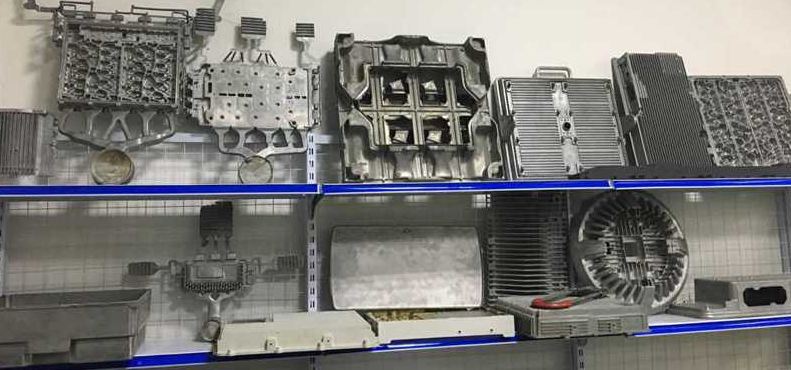
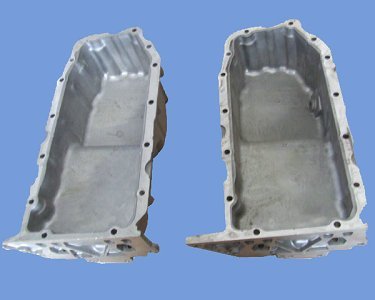
عمليات التصنيع والتشطيب لقطع الصب بالقالب الجاهزة للتجميع. على مدار 20 عامًا، قدمت شركة CNM لصب القوالب، Incorporated، قطع وخدمات صب القوالب من الألومنيوم والمغنيسيوم والزنك عالية الجودة. تتخصص شركة CNM TECH في تصميم وهندسة وإنتاج الأجزاء المصبوبة بالقالب المعقدة في مجموعة كبيرة من الأحجام. يتفوق فريقنا المتمرس من المهندسين والفنيين والمصممين والميكانيكيين وعمال التشطيبات وموظفي الإنتاج لدينا في إنتاج مصبوبات دقيقة يتم تشكيلها بدقة متناهية وفقًا لتفاوتات دقيقة ويتم تشطيبها وفقًا لمواصفات العميل وتسليمها جاهزة للتجميع. بغض النظر عن الكمية، ونوع الجزء، والسبائك، والتشطيبات المصبوبة والتشطيبات التجميلية، فإن شركة CNM TECH هي شريك في مجال صب القوالب يعتمد على الحلول ويعمل معك لإنتاج أفضل المنتجات الممكنة بفعالية من حيث التكلفة والكفاءة. من أجل توريد أجزاء الصب بالقالب الجاهزة للتجميع، تحتفظ شركة CNM TECH لتصنيع قوالب الصب بالقالب بمتجر ماكينات إنتاج مجهز بالكامل. وهي مزودة بميكانيكيين ذوي خبرة في العمل مع الألومنيوم والزنك. هنا، يمكن لأدوات الماكينات الحديثة، المدعومة بالصيانة الدورية وبرنامج التحكم في العمليات الإحصائية، إنتاج كميات إنتاج من الأجزاء عالية الجودة لتلبية جداول التصنيع الخاصة بك. تمتلك شركة CNM TECH القدرة على التعامل مع متطلبات التصنيع الآلي حيث يجب أن تكون التفاوتات المسموح بها في حدود عشرة آلاف من البوصة وحيث يجب توفير سجلات مراقبة جودة الإنتاج. كما تحتفظ شركة CNM TECH أيضًا بعلاقات عمل وثيقة مع الموردين المحليين لمجموعة متنوعة من خدمات التشطيب مثل الطلاء والأكسدة والطلاء. وهذا يضمن لك تدفقًا سلسًا للعمل من خلال مصدر واحد ومسؤول، وفي الوقت نفسه، يوفر لك إمكانية الوصول إلى مجموعة واسعة من خيارات التشطيب. قدرات المخزون لتلبية احتياجات الإنتاج في الوقت المناسب. تقوم شركة CNM TECH بتخزين مخزون قطع الغيار للعملاء الذين لديهم جداول إنتاج في الوقت المناسب. بمجرد تحديد مستوى مخزون محدد مسبقًا، يمكننا وضع جداول التصنيع للحفاظ على المخزون الذي تحتاجه. ويساعدنا في التسليم الفعلي لقطع الغيار موقعنا المركزي وسهولة الوصول إلى الطرق السريعة بين الولايات. دعنا نتحدث عن الفرق الذي يمكن أن تحدثه الجودة في أجزاء الصب بالقالب الخاص بك. إذا كنت مهتمًا بخفض معدل رفض الصب الحالي الخاص بك أو إذا كنت تشعر أن كميات الأجزاء الخاصة بك تصل إلى حجم يمكن أن يبرر صب القوالب، يرجى الاتصال بنا. لقد استثمرنا الكثير من أنفسنا في الحفاظ على معايير صارمة لمراقبة الجودة ونود أن نضع هذا الاستثمار في العمل من أجلك. يمكن تعبئة الأجزاء الجاهزة حسب أي مواصفات للتسليم في الوقت المناسب في أي مكان في البلاد. يضع موقع CNM TECH منطقة الغرب الأوسط العلوي بأكملها ضمن وقت التسليم الليلي.  

أجزاء الصب بالقالب

أجزاء الصب بالقالب عالية الجودة

شركات صب القوالب, شركة صب القوالب, مُصنِّع قوالب الصب بالقالب, أجزاء الصب بالقالب, صب الزنك بالقالب

مصدرك عالي الجودة لمسبوكات الألومنيوم والمغنيسيوم والزنك المصبوبة بالقالب؛ مُصنَّعة ومُنتهية وجاهزة للتجميع. من خلال وضع جودة المنتج كهدف للشركة، ارتقت شركة CNM Die Casting إلى قمة صناعتها خلال السنوات العشر الماضية. يتطلع مشترو قوالب الصب بالقالب إلى شركة CNM TECH للمساعدة في الحد من مشاكل الرفض التي واجهوها مع موردي أجزاء المكونات الأخرى. واجهت إحدى الشركات المصنعة لصمامات الغاز الطبيعي مستويات رفض تصل إلى 40% حتى تم صبها بواسطة CNM TECH. والآن، لم يفشل سوى عدد قليل جدًا من أجزائها في تلبية مستوى اختبار صارم يصل إلى 100% لتسريبات الضغط. الجودة المبنية على الخبرة الهندسية في شركة CNM TECH Die Casting، تبدأ الجودة بالمساعدة الهندسية ذات الخبرة. تُعد الاستشارات بشأن تصميم القِطع واختيار سبائك الألومنيوم جزءًا من الخدمة. في بعض الأحيان، يمكن أن تؤدي التغييرات الطفيفة في تصميم القِطع إلى زيادة معدلات الإنتاج والقضاء على مشاكل الجودة المحتملة. والنتيجة النهائية هي جزء أفضل بتكلفة أقل للوحدة. للتأكد من مطابقة أجزاء الصب بالقالب النهائي لمواصفات السبائك، يتم فحص كل من المواد الواردة وعينات المنتج النهائي على مطياف جاريل-آش. الجودة التي تتحرك مع الإنتاج بدلاً من مجرد فحص الجزء النهائي يبدأ الإنتاج بعد قبول تصميم الجزء النهائي. ثم يبدأ برنامج مراقبة الجودة لدينا سلسلة من الفحوصات لتحديد أن الجزء قد تم إنتاجه ضمن التفاوتات المسموح بها المحددة. أولاً، يتم اختبار السبائك للتأكد من مطابقتها لمواصفات عملائنا. بعد ذلك، يوفر أخذ العينات الإحصائية أثناء عمليات الصب والتصنيع الآلي إنذارًا مبكرًا بعيوب التصنيع ويساعد على منع إنتاج أجزاء تامة الصنع معيبة. يمكن تحديد ترددات الفحص مسبقًا حسب متطلبات الوظيفة للتأكد من أن الأجزاء التي تتلقاها هي أجزاء يمكنك استخدامها. تسمح ماكينة قياس الإحداثيات الثلاثية (CMM) بفحص أبعاد القِطع المكتملة مقابل المواصفات المخزنة بالكمبيوتر للتأكد من الحفاظ على الدقة طوال فترة الإنتاج بأكملها. يمكن أيضًا إجراء اختبار التعب للأجزاء المكتملة في ظل ظروف تشغيل محاكاة إذا طلب العميل ذلك. وسواءً كانت مواصفاتك تتطلب إحكام الضغط، أو الأبعاد والتفاصيل الحرجة، أو الخلو من الانقطاعات تحت السطح، فإن موظفي ضمان الجودة في CNM TECH لديهم المعدات والتدريب اللازمين للمهمة. ويساعدنا برنامج الفحص المنتظم على معدات الصب والتشغيل الآلي في الحفاظ على تفاوتات متقاربة. إن المعدات التي تكون في أفضل حالة تشغيلية تفيد عملاءنا من حيث انخفاض التكاليف وتقليل المهل الزمنية. يمكن لموظفي الصيانة داخل المصنع تصحيح مشاكل الماكينات بسرعة وتسهيل تدفق الإنتاج. سيعرّفك هذا الكتالوج على الإنترنت بقدراتنا ويمنحك جولة موجزة في منشأتنا. يشاركنا أكثر من 150 موظفًا اهتمامنا بتوفير تسليم أجزاء الصب بالقالب الجاهزة للتجميع في الوقت المحدد وهدفنا المتمثل في السعي لتحقيق أعلى مستويات الجودة. يتوفر مهندسو CNM TECH للتشاور في مراحل التصميم المبكرة للمساعدة في ضمان تلبية الأجزاء النهائية لمتطلبات التفاوت والجودة مع الاستخدام الاقتصادي لعمليات الصب بالقالب. تُستخدم آلة قياس الإحداثيات الإحداثية لقياس المسبوكات مقابل التفاوتات المحددة. يمكن لتقنيات ضمان الجودة الصارمة التي أثبتت جدواها والمطبقة في مصنع CNM TECH لصب القوالب أن تلبي المعايير الصناعية الأكثر تطلبًا.

انتقل إلى الأعلى

احصل على عرض أسعار