
Tlakové lití hořčíku

Jaké jsou výhody tlakového lití hořčíku v automobilovém průmyslu?

Jaké jsou výhody tlakového lití hořčíku v automobilovém průmyslu?

Tlakové lití hořčíku

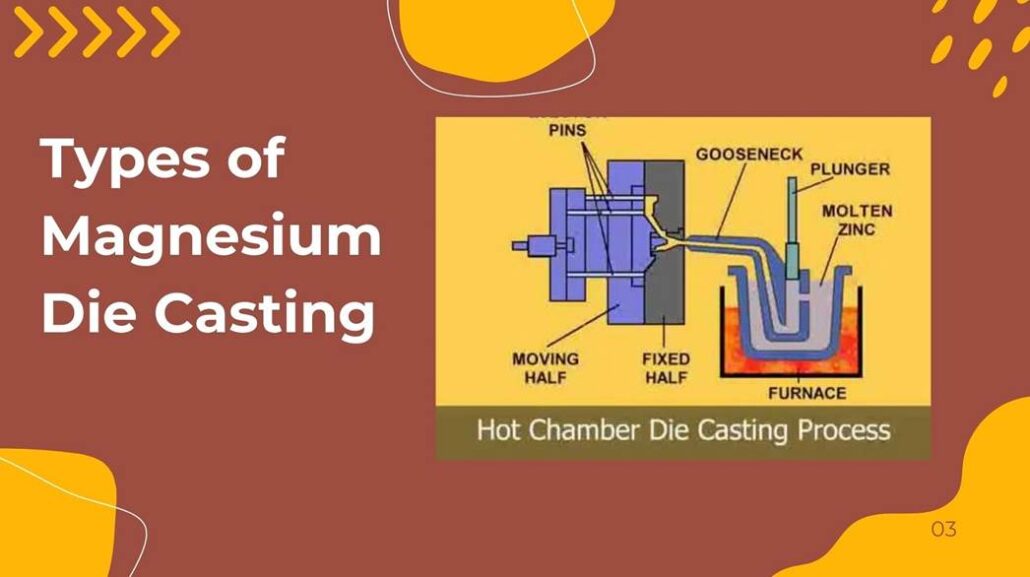
The basic function of die casting is to manufacture automotive parts that are lightweight and have high efficiency. All these requirements have fulfilled with the use of magnesium die casting. Different parts castings are manufactured by using the magnesium die for making automotive parts. All the manufacturers are focusing on making the automotive parts that have great efficiency, and they must be economical. As the world is advancing, the automotive industry is under constant pressure of manufacturing the innovative products. The magnesium alloy die casting has gained popularity over the years. The evolution in the automotive industry, with the increase in production of electric vehicles (EVs), has led to great use of magnesium alloy in parts manufacturing. Some other materials could be used in the production, but magnesium is the lightest. Its use offers great advantages in the automotive industry when it is processed through high-pressure die casting. The article explores the ideas of magnesium die casting, its benefits in the automotive industry and applications as well. In the end, we will provide the information about the future use of the magnesium alloy in die casting in the automotive industry for automakers. What is Magnesium Die Casting? Before getting into the details of the applications and advantages of magnesium alloy die casting in the automotive industry, it is important to understand what magnesium die casting is. Here are the steps involved in the process. Melting the magnesium at 650degC that convert it into a liquid form. Preparing the Mould The initial step in the process of die casting magnesium is the preparation of the mould. The mould is made of a high-strength material. It is lined with the released agent that helps in preventing sticking molten magnesium to the mould. The final release of the automotive parts depends on this step of easy release of the products. It is very important to have a flawless mould to avoid any defects in the final product. Injecting Molten Magnesium The next step is the injection of the molten magnesium into the die. The automakers make sure that the alloy reaches every complex geometry of the mould to get perfect results. The pressure is maintained at around 1500 to 3000 psi during the process. This step is highly precise yet very fast to avoid hardening of the magnesium alloy. Cooling After the magnesium is injected into the mould, the next step is the cooling. It is important to remove the die from the material after cooling and setting. Like any other material, if the structure is complex and have bigger size, it took longer period to cool. In contrast, smaller and thin sized automobiles parts got cooled more easily. Monitored and efficient cooling is required to avoid any cracks in the magnesium die casting product. Ejection and Finishing After the cooling of the magnesium in the die, the ejection from the die is the last step. The process of removing the finished product from the die is known as the ejection. Once the automotive parts are ejected carefully it need some further detailing, like removing and drilling the unwanted parts form final product for finishing. The process of magnesium alloy die casting is essential in making complex and thin-walled automotive parts. Automakers use magnesium because it is the lightest material in the die casting industry for making innovative automotive parts for EV and modern vehicles. Types of Magnesium Die Casting For making different automotive parts, there are basically two types of magnesium diecasting processes. Those are as follows; Hot Chamber Die Casting In the hot chamber, magnesium diecasting is ideal for the low melting point of magnesium. In this process, the die is submerged in the molten chamber and forced into the die. Cold Chamber Die Casting The typical method of magnesium die casting is cold chamber die casting. In this process, the molten magnesium is injected into the unheated moulds in the automotive industry. Why Magnesium is Best in Automotive Applications The combination of physical and mechanical characteristics of magnesium is very special and is very much demanded in the production of vehicles. Advantages of Magnesium Die Casting Substantial Weight Reduction on Vehicles One of the most significant objectives of automotive engineering is weight reduction. Lightweight cars use less fuel, produce fewer emissions and provide improved performance. Magnesium die casting helps automakers to substitute the heavier parts made of steel or aluminum with magnesium without affecting their functionality. The slightest weight cut in each element could produce an enormous weight cut when summed up in a complete car. This benefit is especially important in electric cars that require decreasing the weight of the body to directly affect the range of the battery and its efficiency. Better Fuel Economy and Reduced Emissions Fuel economy is directly influenced by the reduction of vehicle weight. Research continually demonstrates that fuel efficiency increases by 5-7% as the weight of the vehicle decreases by 10%. With magnesium die-cast parts, automakers would find it easier to comply with the tough global emission standards. This becomes particularly significant when the governments of the countries impose the rules intended to minimize carbon emissions and develop sustainable transportation. Magnesium die casting, hence, favors economic and environmental goals. Large strength-to-weight ratio The myth that surrounds lightweight metals is that it reduces strength. Magnesium alloys disprove this assumption. Recent magnesium alloys in die casting have adequate mechanical strength to be applied in automotive parts like steering columns, seat frames, gearbox housings, and structural brackets. These components should be able to withstand the stress, vibration, and thermal changes in the long term. The manufacturers get components that are durable and lightweight through the proper choice of alloys and efficient die-casting processes. Dimensional Accuracy and Design Flexibility Complex and tight geometries can be produced using magnesium die casting. It is possible to make thin walls, complex forms, ribs, bosses and in-built features in one casting. This design allows flexibility, eliminates the secondary machining and assembly, decreasing the cost of production and minimum points of
Nejlepší společnosti zabývající se tlakovým litím hořčíku na světě

Nejlepší společnosti zabývající se tlakovým litím hořčíku na světě

Tlakové lití hořčíku

Today, magnesium die casting firms play a major or key role in manufacturing; the firms manufacture light and strong as well as affordable components which are utilized for various applications in the aerospace, automotive, electronics as well and medical sectors. Magnesium is the lightest structural metal and is a strong material with the best strength-weight combinations, combined with high dimensional accuracy and high characteristics of heat removal, needed for advanced performance components. Since industries have an increasing market requirement for fuel-efficient components with miniature designs as well as sustainable manufacturing practices, it pushes them to look for specialised companies that offer precision magnesium die-casting components at production levels. Magnesium die casting process continues to evolve through the stages from prototype to full mass manufacturing runs. Other than magnesium die casting competence, these premier global companies also boast zinc die casting and aluminium casting, and CNC machining and finishing services. Staying ahead in operation, these magnesium die casting suppliers perform operations in so traditional but modern style by utilising high-pressure die casting machines with a contemporary system of real-time quality checks and work on powerful simulation programs for precise and repeatable production of the parts. This article reviews the leading China-based magnesium die casting companies as well as other principal manufacturers in the United States and Canada, and Europe. Sincere Tech, GC Precision Mould, and CNM Tech make up a Chinese industry trio that embodies international standards on product costs and reliability, and manufacturing flexibility. Dynacast and Bühler Group, and Meridian Lightweight Technologies have all been able to come up with innovations at a global level through research and development of their technology in collaboration with automated casting line development. The carefully chosen business is the leading source for finding all trusted magnesium die casting organisations and their technology leaders working globally in the die casting market. What is Magnesium Die Casting? The magnesium die casting is called the process of precision manufacturing, where molten magnesium is injected at high pressure within a steel mould or die to make very complicated and lightweight metal parts. Magnesium is a highly machinable, lightweight, strong metal that is widely used in all of those applications, so this technique is widely used in all of those industries. Magnesium is the lightest structural metal and hence contributes to the important weight saving without compromising durability and performance. This casting process will produce fine details, smooth surface finish and high tolerance parts for high volume. In addition, it allows several components to be fashioned into one element, thus lowering the demand for assembly or welding. In addition, magnesium die casting is a greener manufacturing process as it is an energy-efficient, recyclable process. Yet, magnesium die casting has always, and will continue to play, a vital role in everything that comprises modern product design and engineering, as new tooling and material technology are always being developed. Sincere Tech Year of Establishment: 2005No. of Employees: 100–500Business Type: Plastic injection mould manufacturing, magnesium die casting, CNC machining, and assembly Website and Contact: Website: plasticmold.netEmail: info@plasticmold.netPhone: +86 135 30801277Address: Building 1, No. 30 Huan Zhen Rd, Shang Dong village, Qi Shi Town, Dongguan City, Guangdong, China, 523000 Company Profile As a leading manufacturer in China’s die and plastic injection moulding industry, Sincere Tech is based in Dongguan City, Guangdong Province. The company originated in 2005 and has developed into one of the reliable magnesium die casting manufacturers with a committed labour force of 100–500 labourers. Sincere Tech is an expert in plastic injection moulds, magnesium and zinc die casting parts, CNC machining and complete product assembly. As a producer of state-of-the-art equipment and advanced production capabilities, Sincere Tech supplies global clients in automotive, electronics, Medicare and consumer goods. They have an experienced engineering team that makes sure the part designs are optimised, tooling is efficient, and mass production is high quality. Sincere Tech maintains a commitment to precision, customer satisfaction, as well as the production of cost-effective, affordable pricing with innovative manufacturing processes and provides value-driven solutions to customers all over the world. Their Quality Commitments Being a sincere tech are very dedicated to producing high-quality premium products up to or above international standards. Throughout the manufacturing cycle, we (including raw material inspection and final product delivery) implement a rigorous quality control process. Dimensional accuracy is assured using CMMS and 3d scanners, as the company is certified ISO9001. Continuous training of quality assurance personnel in concert with strict process documentation and traceability guarantees that every product delivered meets customer specifications. Defect prevention is also created in Sincere Tech through simulation-based mould design and real-time production monitoring. They boast a lifelong zero-defect goal and proactive customer service, making them a go-to name among magnesium die casting companies. Why Choose DyCast Specialities Corporation? GC Precision Mould Year of Establishment: 1999No. of Employees: 100–200+Business Type: Die casting (magnesium, zinc, aluminium), CNC machining, and plastic moulding Website and Contact: Website: aludiecasting.comEmail: info@aludiecasting.comPhone: +86 131 4886 5556Address: No. 30 Huan Zhen Rd, Qi Shi Town, Dongguan City, Guangdong, China, 523516 Company Profile GC Precision Mould Co., Ltd was established in 1999, located at Dongguan city of Guangdong province in China and is now a prominent manufacturer of die casting. The company specialises in aluminium, zinc, magnesium die casting and also deals in plastic injection moulding, CNC machining and surface finishing. A hydraulic press that utilises digital technology allows it to rapidly adjust its functions and create designs involving threaded cavities. GC Precision Mould has over two decades in the industry, and serves clients from the automotive, electronics, aerospace and consumer goods sectors. With high-pressure die-casting machines ranging from 120 to 1650 tons being used at the state-of-the-art facilities, the company can produce complex and high-precision components. The commitment of GC Precision Mould to quality, innovation and customer satisfaction has ensured the company is a trusted partner to clients looking for dependable and efficient die casting solutions. Their Quality Commitments  As for the products provided by GC Precision Mould, they are fully committed to providing the

O službách odlévání kovů

tlakové lití hliníku, společnosti zabývající se tlakovým litím, díly pro tlakové lití, vysokotlaké lití, Odlévání hořčíku, Tlakové lití hořčíku, Tlakové lití zinku

Metal casting services involve the shaping of free-flowing liquid metals through the use of dies, molds, or patterns.  Castings are generally roughly finished due to the nature of their production.  In many cases, additional finishing is required to remove burrs and other artefacts of the casting process.  Metal castings services are used to design a wide range of components and finished products.  Everything from simple nails and fasteners to engine blocks can be fabricated using metal casting services.  Common metal casting processes include sand casting, die casting, permanent mold casting, investment casting, centrifugal casting, and lost foam casting. Sand Casting Sand casting is used to make large parts (typically iron, but also bronze, brass, aluminum). Molten metal is poured into a mold cavity formed out of sand (natural or synthetic). Sand castings generally have a rough surface, sometimes with surface impurities and surface variations. Die-casting includes a number of processes in which reusable dies or molds are used to produce casting.  The die contains an impression of the finished product together with it’s running, feeding and venting systems.  The die is capable of a regular cycle and of (quickly) dissipating the heat of the metal poured into it.  Once the liquid metal has cooled sufficiently, the mold is opened and the casting can be removed and finished. Permanent Mold Casting In permanent mold casting, molten metal is poured into cast iron molds, coated with a ceramic mold wash. Cores can be a metal, sand, sand shell, or other materials. When completed, the molds are opened and the castings are ejected.   Investment casting services involve molding patterns by the injection of a special wax into a metal die.  The patterns are assembled into a cluster around a wax runner system. The ‘tree’ of patterns is then coated with 8-10 layers of refractory material. The assembly is heated to remove the wax.  The hot mold is cast, and when cool, the mold material is removed by impact, vibration, grit blasting, high-pressure water blasting or chemical dissolution leaving the castings, which are then removed from the runner system. Centrifugal casting Centrifugal casting services are used to produce castings that are cylindrical in shape.  In centrifugal casting, a permanent mold is rotated about its axis at high speeds as the molten metal is poured. The molten metal is centrifugally thrown towards the inside mold wall, where it solidifies. The casting is usually a fine grain casting with a very fine-grained outer diameter, which is resistant to atmospheric corrosion, a typical need with pipes. The inside diameter has more impurities and inclusions, which can be machined away. Lost foam casting Lost foam casting (LFC) is metal casting services that use foam filled patterns to produce castings.  Foam is injected into a pattern, filling all areas, leaving no cavities.  When molten metal is injected into the pattern, the foam is burned off allowing the casting to take shape. Die casting Die casting and metal casting includes a number of processes in which reusable dies or molds are used to produce casting. The die is capable of a regular cycle and of (quickly) dissipating the heat of the metal poured into it. Once the liquid metal has cooled sufficiently, the mold or is opened and the casting can be removed and finished.   In the die casting process, molten metal is injected under pressure into a reusable mold or die. The die contains an impression of the casting together with it’s running, feeding and venting systems. The die is capable of a regular cycle and of (quickly) dissipating the heat of the metal poured into them. Once the liquid metal has cooled sufficiently, the mold or is opened and the metal casting can be removed and finished. high pressure die casting The high pressure die casting process is the most widely used, representing about 50% of all light alloy casting production. Low pressure die casting currently accounts for about 20% of production and its use is increasing. Gravity die casting accounts for the rest, with the exception of a small but growing contribution from the recently introduced vacuum die casting and squeeze casting process. the design of low pressure and gravity die casting dies for improved die filling, optimized solidification pattern and maximum yield. Gravity die-casting is suitable for mass production and for fully mechanized casting. Low-pressure die casting is especially suited to the production of components that are symmetric about an axis of rotation. Light automotive wheels are normally manufactured by this technique. Die casting metals can vary widely, and different die casting companies may have the ability to work with anyone or number of them. Some of the most common metal casting types include aluminum die casting, brass die casting, lead die casting (the most popular for model die casting), magnesium die casting, and zinc die casting. Hope all of that information is enough for your reference, but if you want to know more information, you are welcome to contact us by phone or email.

Hliníkové tlakové lití

Tlakové lití hliníku

hliníkové odlitky, formy na odlévání hliníku, tlakové lití hliníku, tlakové lití, tlakové lití hliníku, společnosti zabývající se tlakovým litím, formy pro tlakové lití, díly pro tlakové lití, vysokotlaké lití, Tlakové lití hořčíku, tlakové lití

Co je to lití hliníku pod tlakem Lití hliníku pod tlakem je metoda kování pod tlakem. Proces tlakového lití je druh speciálního vysokotlakého stroje na tlakové lití, který tento proces provádí. Jeho základním technologickým postupem je: nejprve se kov nebo slitina hliníku v kapalině při nízké nebo vysoké rychlosti lití naplní do dutiny formy, zápustka s pohyblivým typem povrchu dutiny. To s kapalnou hliníkovou slitinou proces chlazení tlakové kování polotovar, a to jak odstranění smršťovací vady, také aby hrubý vnitřní hliník Die Casting organizace kování rozbité krystalu. Hrubé komplexní mechanické vlastnosti se výrazně zlepšují. Výhody tlakového lití hliníku Kovy a bezpečnostní opatření související s tlakovým litím hliníku. Různé typy hliníkových slitin lze použít při tlakovém lití a hliníkové formy, typy metod se používají pro hliníkové formy, zinkové tlakové lití, hliníkové tlakové lití a mnoho dalších Typ procesu lití Lití je proces, při kterém se hliník hodí k výrobě různých typů výrobků. Je to jednoduchý a levný způsob, jak zajistit širokou škálu hliníkových výrobků. Jako příklad lze uvést washingtonský pomník, automobilové motory a elektrické převodovky atd. které byly vyrobeny procesem lití hliníkových slitin. Odlévání hliníku lze provádět třemi způsoby: - tlakové lití hliníku lití do forem lití do písku TLAKOVÉ LITÍ Tlakové lití je výrobní proces pro výrobu kovových dílů. Při tlakovém lití se dutiny pro formy vytvářejí pomocí kalené nástrojové oceli, která byla předtím opracována do určitého tvaru. Při tlakovém lití se nejprve roztaví hliník a pod vysokým tlakem se silou nalije do ocelové formy. Tato výrobní technika se obvykle používá pro velkosériovou výrobu, proces obvykle nazýváme vysokotlaké lití pod tlakem nebo tlakové lití pod tlakem LÉVÁNÍ DO FOREM Co se týče lití do forem, formy a jádra mohou být buď z oceli, nebo z jakéhokoli jiného kovu. I zde se nejprve roztaví hliník a nalije se do připravené formy. Někdy se používá také vakuum. V některých situacích se zdá, že odlévání do trvalé formy je pevnější než metody tlakového lití i lití do písku. Techniky polopermanentního lití do forem se používají v případech, kdy není možné z hotového dílu odstranit permanentní jádra. ODLÉVÁNÍ DO PÍSKU: Odlévání do písku je nejuniverzálnější metodou výroby hliníkových výrobků. Obvykle se roztavený hliník nalije do formy, která se prakticky zalisuje do jemné pískové směsi. Vzorek je jen o málo větší, než je potřeba pro smrštění hliníku během tuhnutí a chladnutí. Odlévání do písku je obvykle pomalejší proces než lití pod tlakem i do formy. Obvykle se používá pro malá množství výrobků. Slitiny pro lití hliníku Nejdůležitějším systémem slitin pro lití hliníku je Al-Si. Vysoký obsah křemíku zde přispívá k dobrým vlastnostem odlitku. slitiny pro lití hliníku se široce používají v technických konstrukcích a součástech, kde se vyžaduje nízká hmotnost nebo odolnost proti korozi. Metody a výhody tlakového lití hliníku Kovy a bezpečnostní opatření související s tlakovým litím hliníku Pro tlakové lití lze použít různé typy hliníku, Výrobce hliníkových odlitků & odlévání hliníku se používá za účelem pokrytí různých typů kovů pomocí různých typů metod. Pro lití hliníku se používá mnoho metod a získávají se různé typy výhod. Pomocí odlévání hliníku a tlakového lití hliníku je možné zvýšit životnost kovů a ty lze používat po dlouhou dobu s úžasným vzhledem a kouzlem kovu. Metody Pro tlakové lití hliníku se používají různé typy metod. Základem je roztavení hliníku. K tavení hliníku je zapotřebí vysoká teplota. K tavení hliníku se používají speciální konstrukce. Když je hliníkový odlitek roztaven, pak se nalije na cílové kovy. Poté se roztavený hliníkový odlitek nechá ztuhnout a po určité době je připraven k použití. Existují speciální nádoby, které jsou vyrobeny tak, aby se daly použít pro tavení hliníku. Tyto konstrukce jsou na trhu dostupné v různých tvarech a velikostech. Tyto struktury si můžete vyrobit i doma s použitím požadovaných přísad. Při výrobě těchto struktur máte mnoho možností. Pokud se chystáte koupit tuto strukturu na trhu, pak musíte provést výběr velikosti a tvarů. Existuje mnoho možností, pokud jde o velikosti a tvary, a výrobci si účtují různé typy cen. Práce s těmito konstrukcemi se také liší, protože někteří používají paliva a někteří používají ruční úsilí pro získání tepla, aby se ujistili, že hliníkové odlitky mohou být účinně zahřáty a roztaveny. V těchto konstrukcích se dosahuje vysokých teplot a poté se hliníkový odlitek roztaví a následně se použije na cílové kovy pro proces odlévání. Výhody tlakového lití hliníku Existuje mnoho typů výhod tlakového lití hliníku. Hlavně se tento typ odlévání provádí proto, aby kov mohl zůstat v bezpečí před korozí. Atmosférické podmínky a vlhkost jsou pro železo špatné a odlévání může pomoci železo ochránit a prodloužit jeho životnost. hliníkové tlakové lití je schopno odolávat vlhkosti a dalším škodlivým vlivům prostředí, díky čemuž může být použito na kovy prostřednictvím odlévání. Ochranný štít se na železo zhotovuje proto, aby se zajistilo jeho dlouhodobé používání. společnosti zabývající se tlakovým litím hliníku mohou na železo odlévat a zhotovovat ochranný plech. Tato ochrana má podobu lesklé vrstvy, která se získá použitím vysokých teplot. Tato vrstva je trvalá a dobře vypadající spolu se zvýšením pevnosti a životnosti kovu. Většinou se železo odlévá pomocí hliníku. Jedná se o levný proces a uživatel je schopen získat výhody, protože se zvyšuje životnost železa. Závěr Formy pro tlakové lití hliníku lze použít k odlévání železa a dalších kovů. Pro tento proces je k dispozici mnoho metod. Pomocí jakékoli spolehlivé metody je uživatel schopen získat výhody, protože kov je chráněn před korozí a dalšími škodlivými vlivy.

Přejít nahoru

Získat nabídku