tlakové lití hliníku

snížení množství roztavených hliníkových strusek

12 osvědčených způsobů, jak snížit množství roztaveného hliníku a zvýšit jeho využití

hliníkové odlitky

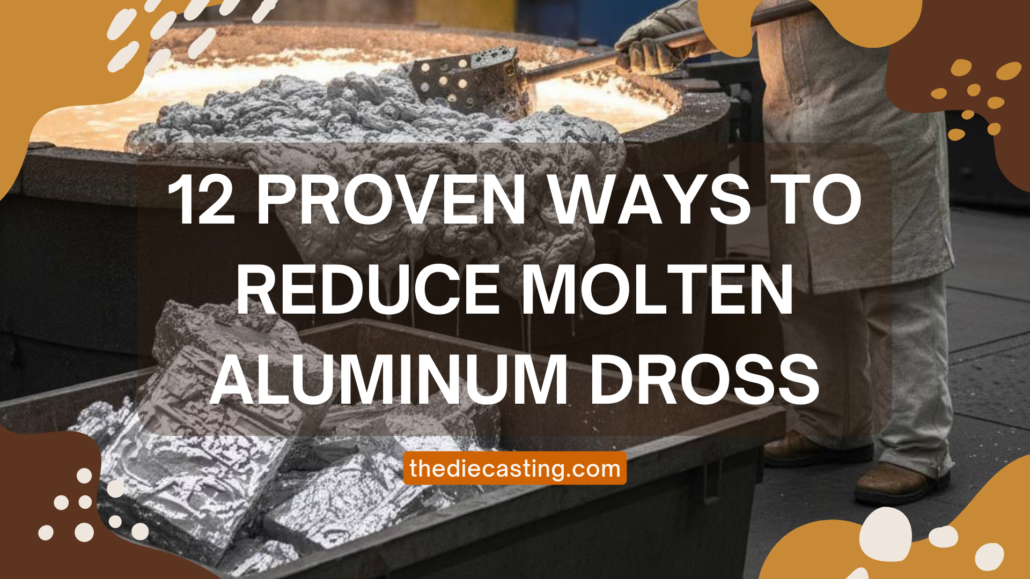
Dnes si vyhrneme rukávy a vydáme se do srdce slévárny, abychom se vypořádali s jednou z nejdražších bolestí v oboru: hliníkovým taveninovým odpadem. Pokud jste někdy nahlédli do typické reverzační pece na tavení pevného hliníku, víte, že to, co se děje na povrchu taveniny, může rozhodnout o vašich ziskových maržích. Aby si každý manažer slévárny udržel konkurenceschopnost, musí přesně vědět, jak snížit množství roztaveného hliníkového odpadu dříve, než mu sníží zisk. Když mluvíme o regeneraci hliníku, mluvíme ve skutečnosti o boji proti oxidaci. Každý kus hliníkového šrotu přiváděného do pece má velmi tenkou slupku oxidu hlinitého. Nezáleží na tom, zda jde o těžký ingot nebo lehký soustruh, tato slupka tam je. Když se šrot zahřívá v peci, vyšší teploty způsobují rychlejší růst slupky, zejména pokud se šrot zahřívá na vzduchu nebo v oxidačním prostředí. Pokud se tato oxidace nekontroluje, vede k masivnímu odpadu, a proto je velmi důležité zavést strategie, které snižují množství roztaveného hliníkového šrotu během tavicího cyklu. Tato příručka vám má pomoci snížit množství roztaveného hliníkového strusku a maximalizovat využití hliníku pomocí údržby založené na zdravém rozumu i pokročilých chemických strategiích. Pochopení strusky při tavení hliníku Chcete-li účinně snížit strusku z roztaveného hliníku, musíte nejprve přesně pochopit, co to je. Při tavení hliníku vyplave na povrch oxid hlinitý a vytvoří druhou fázi známou jako struska. Není to však jen “odpad”. Kvůli povrchovému napětí slupky oxidu je ve strusce od 15% do 80% zachycen také kovový hliník. Zamyslete se nad tím na chvíli: hlavním cílem každé slévárny je snížit množství roztaveného hliníkového odpadu, protože až 80% z tohoto “odpadu”, který odvádíte, může být ve skutečnosti dobrý, použitelný kov. Velké taveniny s velkým průřezem mají největší poměr hmotnosti k ploše povrchu a udržují minimální ztráty taveniny. Přetavení čistého šrotu ve vlastní režii však ztráty taveniny zvýší kvůli zvětšenému povrchu, což ještě více ztěžuje redukci roztaveného hliníkového šrotu. Pokud se chcete ponořit hlouběji do základů kvality taveniny, podívejte se na našeho průvodce rafinačními prostředky. Vysoké náklady na kontaminaci a plochu povrchu Jedním z nejrychlejších způsobů, jak přijít o peníze, je nabíjení “špinavého” materiálu, které téměř znemožňuje snížení strusky roztaveného hliníku. Na každých 1% organických látek a vlhkosti připadá 2% ztrát taveniny. Proto je používání čistých, suchých nabíjecích materiálů pravidlem číslo jedna, pokud chcete snížit množství roztavených hliníkových strusek a zlepšit výtěžnost hliníku. Dále záleží na tvaru vašeho šrotu. Nabíjení soustruhů, vývrtů a třísek při obrábění vede k tvorbě až 10% až 15% strusky. To je způsobeno obrovskou plochou povrchu vystavenou atmosféře pece. Pokud se potýkáte s vysokou mírou zmetků při obrábění tlakových odlitků, problém pravděpodobně začal právě zde, v peci, protože jste neměli plán na snížení tvorby roztaveného hliníkového strusku. Vliv teploty na tvorbu strusky Důležitým faktorem ve vašem úsilí o snížení strusky z roztaveného hliníku je teplota udržování taveniny. Možná si myslíte, že na několika stupních nezáleží, ale vliv zvýšení teploty o pouhých 25 až 55 °C může být poměrně významný. Vysoké teploty urychlují oxidační reakci, takže udržování chladné taveniny je nejjednodušší způsob, jak snížit množství roztaveného hliníkového strusku. Tloušťka vrstvy strusky nad taveninou navíc působí izolačně a vyžaduje zvýšení rychlosti výpalu hořákového systému. Je to začarovaný kruh: čím více strusky máte, tím silněji musíte hořáky vypalovat, což zase vytváří více strusky. Proto se v zájmu snížení množství roztaveného hliníkového šrotu nejčastěji udržuje tloušťka vrstvy na povrchu tavicí pece menší než 40 mm, aby se udržela účinnost pece. Jak správně odstranit strusku z hliníku Když přijde čas na odstranění strusky z hliníku, neměli byste ji jen tak seškrábat, dokud je “mokrá”. Pokud tak učiníte, vyhazujete svůj zisk. Správné použití správného složení tavidla vede k fyzikálnímu porušení slabě vázané vrstvy oxidu, což pomáhá snížit množství roztaveného hliníkového strusku tím, že zachytí čerstvý hliník a vrátí jej do lázně. To umožňuje koalescenci kapiček kovové kapalné slitiny, což je “tajná omáčka” pro úspěšné obnovení hliníku. Úspěšné použití tavidla ke snížení roztavených hliníkových strusek poznáte podle vzhledu materiálu. Struska bohatá na kovy se jeví jako jasná a lesklá, jistě s obsahem kovového hliníku, zatímco ošetřená struska bude vypadat matněji a práškovitěji. Chcete-li účinně odstranit strusku z hliníku, musíte mít tento práškovitý povrch. Obsah hliníku v neupravené strusce je v průměru 85 až 90%, ale úpravou v peci lze získat přibližně polovinu tohoto množství, což výrazně zvyšuje míru výtěžnosti hliníku. Deset rozumných postupů ke snížení tvorby hliníkových strusek Nejlepším způsobem, jak se zpočátku vypořádat s tvorbou strusek, je minimalizovat je. Toho lze dosáhnout řadou postupů zdravého rozumu a svědomité údržby: Pokročilé systémy pro regeneraci hliníku Kromě ručního odlučování je pro velkoobjemové slévárny, které chtějí snížit množství roztaveného hliníkového odpadu, naprostou změnou použití profesionálního systému pro regeneraci strusky. Tyto pokročilé systémy využívají mechanické působení a přesnou regulaci teploty k “vytlačení” zbývajícího kovového hliníku ze strusky z tavení hliníku dříve, než má šanci vychladnout a ztuhnout. Zpracováním materiálu ještě za horka lze dosáhnout mnohem vyšší úrovně využití hliníku než pouhými manuálními metodami. Kromě toho, abyste mohli důsledně snižovat roztavený hliníkový odpad, musíte zajistit, aby všechny termočlánky byly v dobrém stavu. Pokud jsou vaše snímače nefunkční, bude vaše udržovací teplota nepřesná a produkce taveniny hliníkových strusek se v důsledku nadměrného tepla prudce zvýší. Přesné sledování teploty je základem každé strategie snižování množství roztavené hliníkové strusky. Další informace o profesionálním vybavení a specializovaném zásobování naleznete na stránce China Die Casting Manufacturers. Nástroje
Tlakové lití hliníku

Jak vybrat nejlepšího dodavatele hliníkových odlitků pro automobilové díly?

hliníkové odlitky

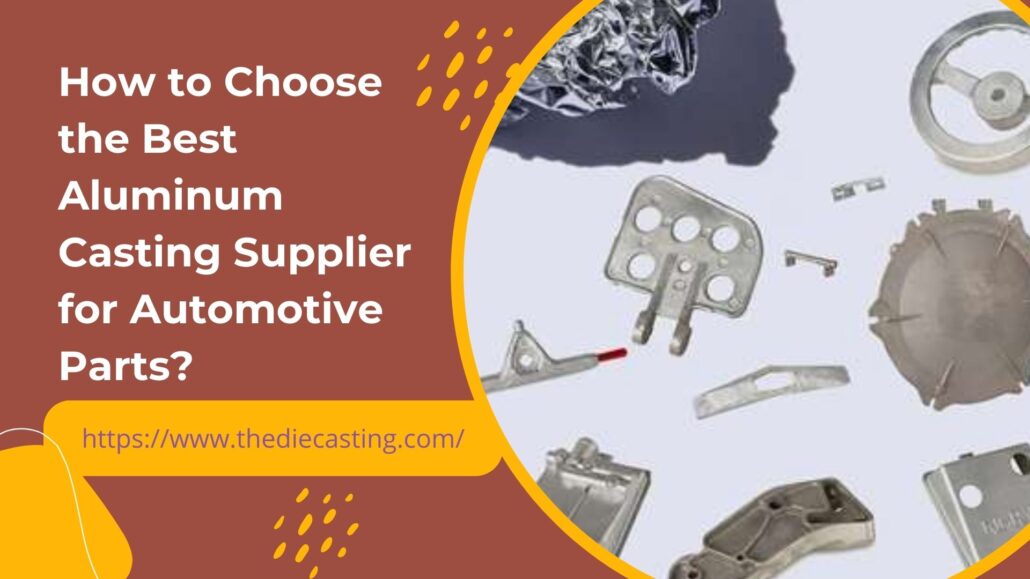
Automobilový průmysl se ve světě rychle rozvíjí kvůli potřebě lehkých automobilů, lepší palivové účinnosti, nižších emisí a vysoce výkonných dílů. Tlakové lití hliníku se stalo jedním z nejdůležitějších výrobních procesů, který tuto transformaci úžasně podporuje. V konstrukci elektromobilů mají hliníkové tlakové odlitky zásadní význam pro moderní automobilový design, včetně skříní motorů a převodovek a také konstrukčních prvků vozu. Výběr vhodného dodavatele hliníkových odlitků automobilových dílů již není snadnou volbou. Jedná se o strategické spojenectví, které ovlivňuje kvalitu výrobků, efektivitu výroby, kontrolu nákladů a obchodní úspěch v dlouhodobém horizontu. Tento článek popisuje kroky spojené s určením nejoptimálnějšího dodavatele hliníkových odlitků a také identifikuje některé z předních výrobců hliníkových odlitků automobilových dílů v Číně a ve světě. Proč výroba automobilů vyžaduje tlakové lití hliníku Prostřednictvím tlakového lití hliníku jsou výrobci schopni vyvíjet složité, vysoce přesné součásti v obrovských objemech s vysokou povrchovou úpravou a rozměrovou přesností. Hliník má lepší poměr pevnosti a hmotnosti, odolnost proti korozi a tepelnou vodivost než běžné materiály, je to ideální materiál pro použití v automobilech. Tlakové lití hliníku nabývá ještě většího významu s nástupem elektromobilů. Technologie tlakového lití je důležitá u krytů baterií, rámů motorů, krytů měničů a masivních konstrukčních dílů. S rostoucí složitostí automobilových konstrukcí musí dodavatelé poskytovat služby odlévání spolu s inženýrskými službami, obráběním, povrchovou úpravou a kontrolou kvality. Základní faktory, které je třeba zvážit při výběru dodavatele hliníkových odlitků Znalosti a zkušenosti v oblasti automobilového průmyslu Zkušenosti dodavatele hliníkových odlitků v oblasti tlakového lití v automobilovém průmyslu jsou jedním z prvních faktorů, které je třeba zvážit. Díly pro automobily musí být vysoce bezpečné, odolné a v souladu s předpisy. Dodavatel, který má dlouhodobé zkušenosti s projekty v automobilovém průmyslu, zná výběr materiálů, kontrolu tolerancí a stabilitu procesu. Dodavatelé, kteří se zapojili do partnerství s výrobci automobilů, s dodavateli Tier-1 nebo Tier-2, mají tendenci vyrábět stabilní kvalitu a zvládat komplikované výrobní specifikace. Výrobní zařízení a zdroje Důvěryhodná společnost zabývající se tlakovým litím hliníku musí disponovat moderním výrobním zařízením, jako jsou vysokotlaké tlakové licí stroje různých tonáží, CNC obráběcí centra a povrchové úpravy. Velkou předností je schopnost zpracovávat malé přesné odlitky i velké konstrukční odlitky. Automatizace, robotizace a digitální monitorování jsou další technologie, které vyspělí dodavatelé rovněž často využívají k dosažení opakovatelnosti a minimalizaci vad v hromadné výrobě. Kontrola kvality a certifikace Při výrobě automobilů hraje klíčovou roli kontrola kvality. Nejefektivnější dodavatelé se vypracovali na základě mezinárodně uznávaných systémů kvality, jako jsou ISO 9001, IATF 16949 (dříve TS 16949) a ISO 14001. Tyto certifikace jsou známkou řízení kvality, kontroly procesů a odpovědnosti vůči životnímu prostředí. Kontroly jsou rovněž prováděny přímo ve firmě pomocí souřadnicových měřicích strojů, rentgenových testů, spektrometrů a systémů pro tlakové zkoušky těsnosti, které rovněž zajišťují vysokou spolehlivost výrobku. Technické přizpůsobení a podpora Projekty v automobilovém průmyslu jsou obvykle přizpůsobeny na míru, na rozdíl od hotových výrobků. Efektivní dodavatel tlakového lití hliníku musí být schopen poskytnout inženýrské služby pro počáteční fázi návrhu, jako je návrh formy, optimalizace materiálů a analýza návrhu pro výrobu (DFM). Dodavatelé hliníkových odlitků jsou těmi, u nichž zákazníci naleznou služby v oblasti prototypování, rychlého vývoje nástrojů a ověřování designu, což by zkrátilo dobu vývoje a eliminovalo nákladné předělávky. Mezinárodní dodavatelský řetězec a výkonnost dodávek Přední světoví a čínští dodavatelé autodílů: Přehled společnosti CNM Tech Co., Ltd. Společnost CNM Tech Co., Ltd. je zkušený výrobce hliníkových tlakových odlitků automobilových dílů s více než 20 lety zkušeností v oboru, se sídlem v Dongguanu v Číně. Firma se zabývá tlakovým litím hliníku, hořčíku a zinku, CNC obráběním, povrchovou úpravou a montáží. Společnost CNM Tech vyrábí součásti z hliníku, zinku a některých druhů hořčíku, které neváží více než 12 kg, 2 kg, resp. další. Její vertikálně integrovaný výrobní systém zahrnuje získávání surovin, výrobu nástrojů, odlévání, obrábění, konečnou úpravu a balení. Proč si vybrat CNM Tech Společnost CNM Tech má výhodu komplexních výrobních schopností. Společnost si ponechala výrobu nástrojů, obrábění a povrchovou úpravu, což vede k úplné kontrole kvality a dodacích lhůt. Společnost pracuje na základě systémů kvality ISO 9001, TS 16949 a ISO 14001, které zaručují vysoce kvalitní výrobu s automobilovými standardy. Společnost CNM Tech poskytuje hliníkové tlakové lití automobilových dílů za konkurenceschopné ceny; proto nabízí svým zákazníkům spolehlivého partnera při dodávkách vysoce přesných dílů po celém světě. Odvětví, kterým společnost CNM Tech poskytuje služby, se zabývají také segmenty zdravotnického vybavení, domácích spotřebičů, LED elektroniky, elektrického nářadí a mechanického vybavení v automobilovém průmyslu. Přehled společnosti Sincere Tech Společnost Sincere Tech je výrobní firma s komplexními službami, která sídlí v čínském Dongguanu a byla založena v roce 2005. Společnost je specialistou na tlakové odlitky z hliníku, vstřikování plastů, CNC obrábění, komponenty ze silikonové pryže a kompletní montážní řešení. Společnost Sincere Tech nabízí díly s malou tolerancí pro průmyslové obory s vysokým tlakem a vysoce modernizovaným výrobním vybavením, jako jsou CNC stroje, systémy EDM a kontrolní zařízení CMM. Proč si vybrat společnost Sincere Tech Společnost Sincere Tech disponuje skutečným místem výroby na jednom místě. Všechny procesy jsou řešeny na jednom místě, počínaje návrhem výrobku, prototypováním, výrobou forem, tlakovým litím, obráběním a balením. Toto kombinované řešení minimalizuje riziko koordinace a zvyšuje efektivitu výroby. Společnost disponuje vynikajícím projektovým řízením, schopností mluvit anglicky a zkušenostmi s dodávkami světové dominance, což z ní činí dobrého partnera pro zákazníky z automobilového průmyslu, kteří chtějí konzistentní a nákladově efektivní výrobu. Odvětví, kterým společnost Sincere Tech poskytuje služby, je výrobcem dílů odlévaných pod tlakem z hliníku a prodávaných výrobcům automobilů, elektroniky, zdravotnických zařízení, domácích spotřebičů a průmyslových strojů. GC Precision Mould Co, Ltd Přehled společnosti Aludiecasting, čínská společnost se nazývá GC Precision Mould Co. Ltd., je významným výrobcem automobilových dílů v rámci tlakového lití hliníku a sídlí ve městě Dongguan v provincii Guangdong v Číně. Společnost je více než 20 let stará, ISO 9001

Tlakové lití hliníku

Jací jsou nejlépe hodnoceni poskytovatelé služeb tlakového lití hliníku pro automobilové díly?

hliníkové odlitky

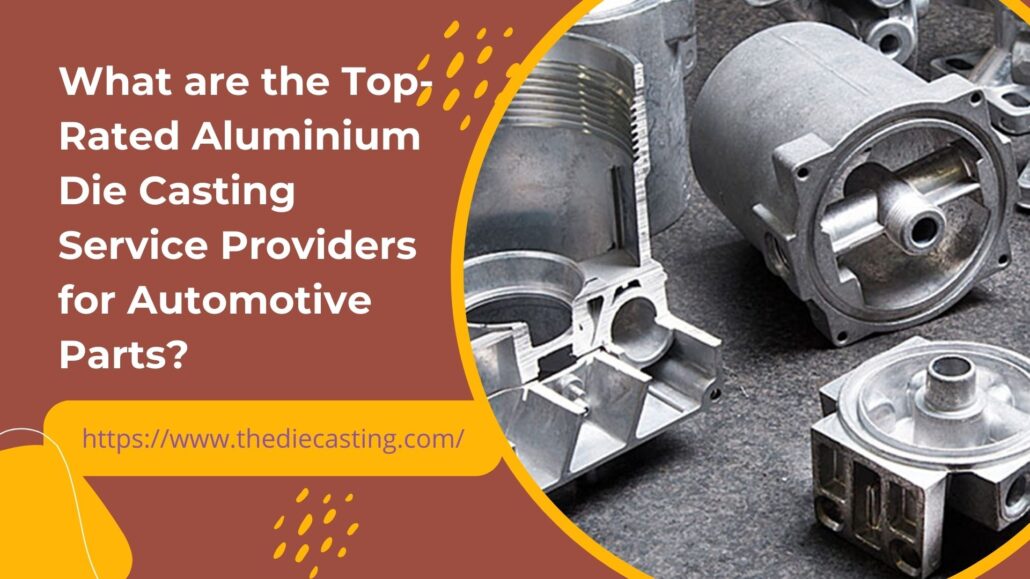
Výběr vhodného poskytovatele služeb tlakového lití hliníku je pro výrobce automobilů zásadním rozhodnutím. Tlakové lití hliníku stojí v čele výroby lehkých, vysoce pevných a rozměrově přesných dílů, které splňují současné přísné požadavky na hospodárnost, bezpečnost a emise. Navzdory uznávaným výkonnostním výhodám hliníkových slitin výsledná kvalita automobilových dílů stále závisí na dovednostech, technologiích a systémech kvality dodavatele. Vzhledem ke změně automobilového průmyslu směrem k výrobě lehčích automobilů a elektromobilitě roste potřeba najít spolehlivého partnera pro tlakové lití hliníku. Dodavatelé Tier 1 a výrobci OEM se nehodlají zaměřovat pouze na cenu. Zvažují faktory, jako je inženýrská kapacita dodavatele, výrobní spolehlivost, certifikace, zahraniční zkušenosti a potenciál dlouhodobé spolupráce. Článek poukazuje na tři významné firmy poskytující služby v oblasti tlakového lití se sídlem v Číně, mezi něž patří GC Precision Mold (Aludiecasting), CNM Casting a Sincere Tech, a na pět široce známých firem zabývajících se tlakovým litím hliníku v jiných částech světa. Tyto společnosti jsou nejrenomovanějšími značkami v oblasti mezinárodního tlakového lití hliníku pro automobilový průmysl. Tlakové lití hliníku v automobilovém průmyslu: Přehled Tlakové lití hliníku je vysokotlaký výrobní proces, při kterém se roztavená hliníková slitina vtlačuje do kalené ocelové formy a vyrábí se tak složité díly s vysokou rozměrovou přesností a povrchovou úpravou. Tlakové lití se na rozdíl od jiných metod tváření používá k výrobě velkých objemů s přísnými tolerancemi, a proto se hojně využívá v automobilovém průmyslu. Výrobci automobilů stále častěji používají hliník pro jeho nízkou hmotnost, odolnost proti korozi a silné mechanické vlastnosti. Mezi další součásti, které se obvykle vyrábějí tlakovým litím hliníku, patří skříně motorů, skříně převodovek, skříně motorů, konstrukční držáky, kryty baterií a součásti podvozku. Využití hliníkového tlakového lití se zvýšilo také u elektromobilů, protože vyžadují vyvažování objemných bateriových sad. Nicméně jedinečné tepelné a tokové vlastnosti hliníku vyžadují specifickou konstrukci nástrojů, řízené parametry odlévání a pokročilou kontrolu kvality. To je důvod, proč úpravy automobilových projektů vyžadují výběr zkušeného a kvalifikovaného poskytovatele služeb v oblasti tlakového lití hliníku. Tlakové lití hliníku - automobilový trh Celosvětový trh s tlakovým litím hliníku pro automobilový průmysl neustále roste. V roce 2025 má trh hodnotu 31,27 miliardy USD a očekává se, že v roce 2029 překročí 41 miliard USD, přičemž složená roční míra růstu přesáhne 7%. K mimořádnému nárůstu přispívají politiky, jako je odlehčování, přísnější emisní normy a zavádění elektromobilů. Čína je největším světovým centrem výroby hliníkových tlakových odlitků s rozvinutou výrobní infrastrukturou, silnými dodavatelskými řetězci a úsporami z rozsahu. Mezitím její globální partneři, včetně Evropy, Japonska, Koreje a Severní Ameriky, nadále zaujímají vedoucí postavení v oblasti inovací v oblasti velkých konstrukčních odlitků, automatizace a udržitelnosti. Společnosti poskytující služby tlakového lití hliníku Specifikace nejmodernějších technologií tlakového lití Do roku 2025 budou nejlepšími dodavateli služeb tlakového lití hliníku ti, kteří budou schopni přesně vyrábět požadované součásti automobilových systémů. Nabízejí různé metody odlévání, včetně vysokotlakého, nízkotlakého a vakuového tlakového lití, které výrobcům umožňují vyrábět lehké díly s vysokou pevností a minimem vad. Tyto schopnosti jsou vyžadovány pro motorové a konstrukční díly a pro aplikace kritické z hlediska bezpečnosti. Moderní technologie a stroje Největší dodavatelé investují velké prostředky do moderních strojů pro tlakové lití, automatizace a simulace. Analýza toku formy a sledování procesu v reálném čase pomáhá zajistit stabilitu výroby a stálost kvality. Moderní technologie odlévání také umožňuje výrobu velkých hliníkových dílů z jednoho kusu, což šetří čas montáže a snižuje hmotnost vozidla. Zakázkový návrh a podpora výroby Přední firmy zabývající se odléváním hliníku nabízejí komplexní řešení, včetně návrhu a technické analýzy, výroby prototypů a sériové výroby. Tato kombinovaná metodika zajišťuje optimalizaci konstrukce, funkčnost a flexibilitu, aby vyhovovala potřebám OEM a dodavatelů. Kontrola kvality a mezinárodní certifikace Lídři v oboru se vyznačují přísnou kontrolou kvality. Normy IATF 16949 a ISO a rentgenové testy a testy na souřadnicových měřicích přístrojích jsou certifikacemi, které zaručují, že každá součástka splňuje mezinárodní bezpečnostní a výkonnostní normy. Zákaznická podpora a nákladová efektivita Jejich silná technická podpora, efektivní komunikace a rozumné ceny činí z těchto dodavatelů silné dlouhodobé partnery pro výrobce automobilů po celém světě. Nejlépe hodnocený poskytovatel služeb tlakového lití hliníku GC Precision Mold (Aludiecasting.com) -Čína Aludiecasting, neboli GC Precision Mold, je renomovaný poskytovatel služeb tlakového lití hliníku pro automobilový průmysl a průmysl v Číně. Společnost, která byla založena v roce 1999 a sídlí v Dongguanu v provincii Guangdong, si vybudovala dobrou pověst díky poskytování komplexního komplexního řešení tlakového lití. Společnost Aludiecasting se specializuje na hliníkové slitiny, včetně slitin ADC12, A380, A360 a A356. Její služby zahrnují návrh forem, vysokotlaké tlakové lití, CNC obrábění, povrchovou úpravu a konečnou montáž. Společnost dokáže zpracovat nejen malé díly vyžadující vysokou přesnost, ale i větší automobilové komponenty, a to pomocí moderních tlakových odlévacích strojů až po velkotonážní stroje. Hlavní předností společnosti Aludiecasting je vertikálně integrovaný výrobní model. Společnost má pod jednou střechou nástroje, odlévání, obrábění a dokončovací práce, což jí umožňuje přísně kontrolovat kvalitu, náklady a dobu realizace. To z ní činí partnera, kterého si vybírají zákazníci z automobilového průmyslu, kteří hledají spolehlivého výrobního partnera a konkurenceschopné ceny. CNM Casting (diecastingschina.com)-Čína Dalším renomovaným poskytovatelem služeb v oblasti tlakového lití hliníku v Číně je společnost CNM Casting s více než 20 lety zkušeností v oboru. Společnost zajišťuje tlakové lití hliníku, zinku a hořčíku pro výrobce automobilů, osvětlení, elektroniky a průmyslových zařízení. Klíčovou silnou stránkou společnosti CNM Casting je její adaptivní výrobní strategie. Kromě tlakového lití nabízí společnost také služby CNC obrábění, povrchové úpravy a optimalizace designu. Zákazníci z automobilového průmyslu oceňují, že společnost CNM dokáže usnadnit vývoj výrobků zvýšením efektivity forem a minimalizací odpadu. Společnost klade velký důraz na zajištění kvality; v tomto případě kontrolní nástroje zahrnují měření pomocí souřadnicové měřicí soustavy, rozměrové zkoušky a kontrolu kvality povrchu. Společnost CNM Casting by se nejlépe hodila pro malé až středně velké iniciativy v automobilovém průmyslu, kde je stejně důležitá efektivita nákladů a technické vedení. Sincere Tech (plas.co / plasticmold.net) -Čínská společnost Sincere Tech je flexibilní výrobní firma, která zajišťuje tlakové lití hliníku, vstřikování plastů a CNC obrábění. Společnost Sincere Tech se sídlem v čínském Dongguanu si získala oblibu u zákazníků, kteří hledají flexibilitu, rychlou výrobu prototypů a malé výrobní série. Společnost Sincere Tech se specializuje na přesné kryty hliníkových komponent, držáky a funkční prvky.

ALuminum

Bod tání hliníku

hliníkové odlitky

Aluminum is an important engineering material in present-day manufacturing, particularly in die-casting. It is manufactured in such quantities because it is exact, has a high strength-to-weight ratio, is corrosion-resistant, has thermal conductivity, and is lightweight. Among other characteristics that determine how readily aluminum can be processed and molded into industrial products, the most significant physical property is the aluminum melting temperature. The producer of die-casting products should be aware that 660.32 °C (1220.58 °F) is the melting point of pure aluminum, although in practice pure aluminum is rarely melted in industry. Instead, it is treated as an alloy, and the inclusion of other elements such as silicon, copper, magnesium, and zinc not only alters its mechanical strength and corrosion resistance but also its melting characteristics. These alloying elements have a melting range rather than a melting point, with direct implications for die-casting operations. The melting temperature is not a collection of laboratory values in the die-casting industry; it defines furnace design, power consumption, mold life, flow behavior, defects, solidification structure, mechanical properties, and production efficiency. Melting, flow, and solidification of aluminum are essential to producing high-quality castings that are dimensionally accurate to within a millimeter and structurally sound. Aluminum or Aluminum Alloys: Different Melting Temperatures The melting temperature is the temperature at which a solid metal changes into a liquid. In pure aluminum, this change of state occurs at 660.32 °C. However, this is not the case with industrial alloys. They melt over a range of temperatures, meaning some of the material melts while the rest remains solid. This is referred to as melting-point depression, in which alloying elements disrupt aluminum’s crystal lattice. This forms a mushy zone, a semi-solid state in die casting operations that has a direct impact on the flow of metals, behavior in mold filling, formation of shrinkages, and internal defects. This range of melting points is significant to die, casting engineers, more than the absolute melting point, since it determines: Melting Point of Aluminum: Die Casting Industry In the casting process, molten aluminum is forced into steel molds. The aluminum melting temperature controls all the stages of this process. Furnace and Energy Systems Efficiency Reduced melting points mean less energy use and operational expenses. The relatively low melting temperature of aluminum compared to steel or titanium enables foundries to use lower furnace temperatures, making die casting less energy-intensive and more cost-effective to scale. Effect on Flow Behavior and Molding Viscosity is directly proportional to melting temperature. Lower-melting alloys are easier to pour into thin sections and intricate geometries and are therefore preferred for precision die casting, such as vehicle housings, electronic casings, and structural brackets. Impact on Defect Formation The inappropriate melting temperature causes: Here is the summary of different Aluminum alloys in the die casting industry:  Alloys Melting points Die casting Industry usage A360 557 – 596 °C This alloy can be used in high-pressure, tight-die casting and exhibits high fluidity. A380 538 – 593 °C The casting industry uses this alloy for its excellent castability in making structural parts. A413 574 – 582°C This could be used to make thin-wall casting products. B390 510 – 649 °C It makes products more wear-resistant. A356 555 – 615°C Automotive and structural products are made from the A356 aluminum alloy. Melting Ranges of Common Die Casting Alloys 2024 Alloy Industrial Behavior and Melting Temperature Aluminum 2024 fuses at 500-638 °C. This wide melting range makes it sensitive to temperature control during casting. This alloy is sensitive to thermal control during die casting, as it can partially melt and form segregated, weak areas. Role in Manufacturing Although it is not popular for high-pressure casting due to its tendency to corrode, 2024 aluminum is used to illustrate how the melting range influences the development of microstructures and mechanical properties. 3003 Alloy Characteristics of melting temperature Aluminum 3003 melts between 643 °C and 654 °C, which is near the melting point of pure aluminum. This relatively narrow melting range provides consistent flow behavior. Applicability to Casting and Fabrication Although more common in fabrication than in die casting, it has a stable melting profile, suggesting that higher melting temperatures can enhance dimensional stability. 5052 Alloy Thermal Behavior In aluminum, 5052 alloy is melted at 607 -649 °C, providing a balance of fluidity and strength. Die Casting Implications Although it is not a primary die-casting alloy, its melting range demonstrates why magnesium-based alloys require controlled heating to prevent oxidation and hydrogen uptake. 6061 Alloy Melting Temperature Range The melting range of 6061 aluminum is 582 °C- 652 °C. Position in Industry Processing Though die-casting is infrequent, its fusion scope demonstrates the importance of temperature in regulating the solidification process and mechanical stability in aluminum production. 7075 Alloy Low Melting Range 7075 aluminum melts at 477-635 °C, which is one of the lowest melting points of all structural aluminum alloys. Manufacturing Significance This low melting point outlines the correlation between the chemical composition of alloys and thermal sensitivity. In the die-casting process, these alloys must maintain high-temperature precision to prevent premature melting and separation. A356 Alloy Melting Curve Profile A356 has a melting point of between 555 and 615 C and is therefore very useful in die casting. Die Casting Importance A356 is a very popular alloy in the automotive and die-casting industries because it offers good flow properties, controllable solidification, and a balanced meltability range that enables high-quality mold filling. A360 Alloy Thermal Properties A360 has a temperature range of 557 °C to 596 °C, giving it excellent fluidity. Role in Die Casting It is a super alloy used in pressure-tight die castings, where dimensional precision and surface quality are paramount. It has a wide freezing temperature and easily freezes. A380 Alloy Melting Behavior A380 melts between 538°C and 593°C. Industry Dominance The most popular alloy in the world is A380, an aluminum die-casting alloy. Aluminum’s melting point offers the best fluidity, reduced contraction, and good mold filling, making it the best for automotive housing, electronic enclosures, and structural elements.

Hliník

Hliník nebo hliník

hliníkové odlitky

Flexible Metal Fashioning the Modern World One of the most important materials that contributes to modern civilization is aluminium. From high-tech aerospace and electric cars to simple things like food packaging and consumer electronics, this silvery-white metalloid is probably found in almost every sphere of modern life. Aluminium is a chemical with the chemical symbol Al and atomic number 13. It is prized for its outstanding light weight, strength, corrosion resistance, electrical and thermal conductivity, and complete recyclability. The only difference between Aluminum or aluminium is that it is able to respond to the increased world demand for materials that not only perform well but are also environmentally friendly. With industries shifting towards sustainability, lightweight design, and reduced energy consumption, aluminium has become one of the backbone metals of the 21st century.  This paper provides an in-depth description of the nomenclature of aluminum and aluminium, physical and chemical characteristics, history of aluminium, how it is made, its uses in industry, systems of alloys, its sustainability, and trends in its future in a fast-changing world. The Lingistic Dilemma: Aluminum vs. Aluminium Among the most widely observed peculiarities of this metal are the two spellings it has, i.e., aluminum or aluminium. Both terms mean the same thing, although regional language customs and the historical development of the scientific world explain their use. Aspect Aluminum Aluminium Chemical symbol Al Al Atomic number 13 13 Original term used Aluminum Aluminium Regions using the term United states British Dictionary Preference American dictionaries British dictionaries Scientific use U.S. publications European publications Industrial standards ASTM Standards ISO Standards Language influences American English British English Related Chemical Terms Al₂O₃, Al₄C₃ Al₂O₃, Al₄C₃ Naming Convention Originated with the Following The name itself can be traced back to the early 19th century, and it is strongly linked to Sir Humphry Davy, a British chemist who helped identify and name several chemical elements. During one of his experiments with alumina (aluminium oxide), Davy first suggested the name alumium. Soon, he amended it to aluminium. Nevertheless, certain contemporaries of Davy contended that the name ought to be stricter in accordance with the classical Latin style of naming as applied to other elements, e.g., sodium and potassium. Consequently, the name aluminum became common, especially in Britain and Europe. Local Tastes and Unification Regional tastes were, over time, entrenched in North America. The spelling aluminum was officially adopted and made uniform by the American Chemical Society (ACS) in 1925. In 1990, on the other hand, the International Union of Pure and Applied Chemistry (IUPAC) formally accepted the spelling aluminum as the standard international scientific spelling. Even today, aluminum is more common in the United States and Canada, whereas in most other regions, including the United Kingdom, Europe, and Australia, aluminium is more common. Implication on Global Communication Although there are dual spellings, scientific, technical, or industrial communication is not ambiguous at all. The two terms are universally applicable, and the international standards, product specifications and trade documentation routinely consider this linguistic variation but do not have an operational effect. Aluminium Physical and Chemical Properties The popularity of aluminium or aluminum lies in its exceptional physical and chemical properties. It is the most common metallic element in the Earth’s crust, accounting for approximately 8.1%, but it is never found in pure metallic form. Main Physical Characteristics Aluminum has some of the most interesting physical properties, which include: Aluminium is an excellent material for heat exchangers, radiators, and cooling electronic systems due to its excellent heat dissipation. Ductility and Malleability Aluminium can be beaten into foils less than 0.01 mm thick and pulled into very fine wires without breaking. This makes aluminium an ideal material for a wide range of frames and products acrossindustries. Chemical Behaviour and Resistance to Corrosion Corrosion resistance is also a natural characteristic of aluminium, which is very desirable. The presence of air leads to the immediate formation of a dense, adherent layer of aluminium oxide (Al2O3) on aluminium. This coated film prevents further oxidation and shields the underlying metal from environmental degradation. Additionally, aluminium is: History of the Discovery of Aluminum or Aluminium Early Isolation Efforts Although aluminium compounds have been in use since antiquity, isolating the pure metal was not an easy task. In 1825, Danish physicist Hans Christian Oersted was able to reduce small amounts of aluminium chloride, producing small amounts of aluminium. It was soon followed by an improvement by Friedrich Woehler in 1827, but production remained costly and low. Aluminum was an expensive material at this time, more precious than gold, and was actually used to top the Washington Monument as a technological showcase. Breakthrough in the Hall-Héroult In 1886, breakthroughs were made when Charles Martin Hall, then in the United States, and Paul Heroult, then in France, independently developed the electrolytic reduction process for aluminium extraction. The process is called the Hall-Héroult process, and it consists of dissolving alumina in a molten cryolite solution and passing an electric current through the solution to obtain molten aluminium. This invention, added to the Bayer process (invented in 1887 to process bauxite into alumina), significantly reduced production costs and enabled large-scale industrialisation. The Development into Mass Production At the beginning of the 20th century, aluminium production increased rapidly. Its strategic significance was fully realised during World War I and World War II, especially in aircraft production. Since then, aluminium die casting has ceased to be a rare novelty and has become an essential part of industry. Contemporary Processes of Production Primary Production: Bauxite to Metal Bauxite mining is the starting point of primary aluminium production, and the ores usually contain 30-60 per cent alumina ). It consists of two major phases: Bayer Process Through this process, bauxite is purified into alumina using sodium hydroxide. Hall-Héroult Process Alumina undergoes electrolytic reduction to molten aluminium, which requires about 13-15 kWh of electricity per kilogram. The World Production and Main manufacturers By 2024, the world had a steady output of about 72 million metric tons of aluminum. Major producers include: Secondary

tlakové lití zinku

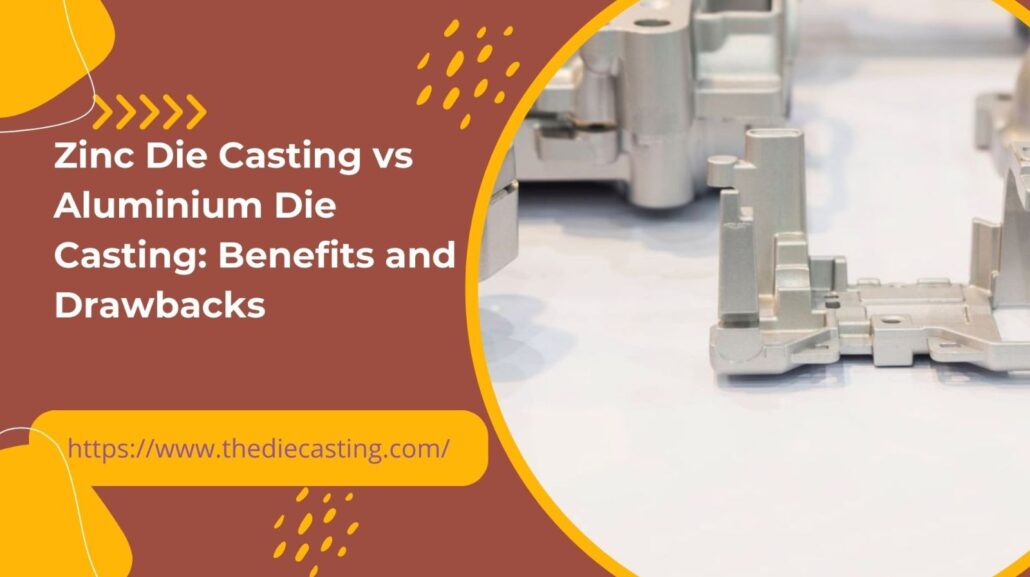
Tlakové lití zinku vs. tlakové lití hliníku: Výhody a nevýhody

hliníkové odlitky, Tlakové lití zinku

Die casting has also been a viable and versatile process in the manufacturing sector for producing high-precision metal products. Aluminum and zinc are among the most common die-casting alloys. Supposing that you are engaged in the production of a product, engineering, or locating the ingredients, you have to realize the difference between zinc die casting and aluminum die casting. The guide will help manufacturers to choose the most appropriate alloy for their project, whether it’s automotive parts, electronics, or consumer goods. Die casting is a process of pouring hot molten metal into a mold under high pressure to produce intricate shapes with a high level of surface finishes. Both Zinc and aluminum die casting have their own merits and demerits. We will also provide in-depth comparisons, a tabular, fast-tracked view, and professional commentary to help you make an informed decision. At the end, you will clearly understand the difference between zinc die casting and aluminum die casting, and when to use either of them. Let’s explore the key factors. What is Die Casting? A Quick Overview It is vital to understand the die casting process before comparing zinc die casting and aluminum die casting. Die casting is a process of forcing molten metal into a mold cavity under high pressure (1,000 to 20,000 psi). The hardened steel mold or die can typically produce thousands of similar parts with tight tolerances. Die Casting Types Hot Chamber Die Casting  It is applied in low-melting-point metals such as zinc. The injection system is dipped in molten metal. Cold Chamber Die Casting It is best when the metal has a higher melting temperature, such as aluminum. Lading of molten metal into the chamber is done to prevent damage to the machine. It is preferred for its speed, accuracy, and ability to create complex designs without extensive post-processing. At this point, we will compare the two star alloys: zinc and aluminum. Primary Properties of Zinc and Aluminum Die Casting The decision between zinc and aluminum die casting is often reduced to material characteristics. Zinc (and is commonly alloyed as Zamak) and aluminum (such as ADC12 or A380) do not share the same strengths, weight, corrosion resistance, etc. Strength and Durability Zinc alloys are reported to possess great impact strength and ductility. They can withstand significant stress without breaking, making them suitable for components that should be bent or shaped after casting. Aluminum alloys, on the other hand, are superior in tensile strength and hardness, particularly in structures. Weight and Density Compared to zinc, which has a density of 6.6 g/cm 3, aluminum is lighter (d = 2.7 g/cm 3). This contributes to the use of aluminum in industries that require low weight, such as the aerospace industry. Melting Point and Castability Zinc melts at approximately 380-390 °C, allowing hot-chamber machines to run faster. Aluminum-only melts at 660 °C, which means cold-chamber processes that may slow production but enable thinner walls to. Corrosion Resistance Both have good resistance; however, aluminium performs better under harsh conditions because it naturally forms a protective oxide coating. Outdoor use of zinc demands coating. Features Zinc die casting Aluminum die casting Melting point 380-390 degrees 660 degrees Tensile strength 280-400 200-300 Density 6.6 2.7 Thermal conductivity 109 100-140 Electrical conductivity High Very high Impact strength Ductile Brittle Corrosion resistance Good Best Benefits of Zinc Die Casting The versatility of zinc die casting has made it a reliable option for more than a hundred years. That is why manufacturers are fond of it: Outstanding Dimensional Accuracy Zinc remains intact to 0.05mm or less, eliminating the need for secondary machining. The manufacturer can achieve extreme dimensional accuracy with zinc die casting moulds. High Finish The raw material itself has a high-quality finish. Parts emerge clean and frequently do not require additional polishing before being plated or painted. Prolonged Tool Life Zinc melts easily, so the dies wear out less, resulting in lower long-term tooling costs. The products are corrosion- and wear-resistant, resulting in a longer lifespan. Fast Speed of Production The molten material solidifies within 15-30 seconds. It makes zinc die casting suitable for high-volume production. Large-scale industry uses it to improve and increase production. Affordable for Small Components Zinc is ideal for complex, small parts such as locks, gears, and hardware. But weight-sensitive applications may make zinc less desirable due to its greater density. Examples of standard alloys include Zamak 3 (general-purpose) and Zamak 5 (higher strength). Applications In other industries, such as the automotive sector, zinc is utilized in door handles and brackets. In the case of electronics, it is preferred in connection because it can shield against EMI. Benefits of Aluminum Die Casting In larger and structural components, aluminum die casting is leading. Its benefits include: Lightweight and Strong Aluminum components can reduce the product’s total weight by 50 percent compared to steel or zinc. Aluminum is light but strong. That makes aluminum die casting ideal for producing products suited to high-strength applications.   Excellent Corrosion Resistance It does not need further coating in most instances, which is time- and money-saving. The products made from aluminum die casting have a longer lifespan and remain intact. Good Thermal and Electrical Conductivity Aluminum’s ability to conduct electricity and heat makes it ideal for a wide range of applications. It is perfect for use in heat sinks, engine blocks, and electrical housings. Recyclability The aluminum die-casting process is best because of its high recyclability—100 percent aluminum recycling, in line with sustainable manufacturing trends. Thin-Wall Capability Aluminum die casting can produce walls as thin as 0.5mm, enabling complex designs. Drawbacks Contradictions and Disadvantages Not any material is perfect. In the case of zinc die casting as compared to aluminum die casting, these are the cons: Zinc Die Casting Limitations Aluminum Die Casting Restrictions Comparison of Costs: Zinc Die Casting vs Aluminum Die Casting A significant factor in the zinc die versus aluminum die casting is cost. Raw materials are usually cheaper, getting Zinc (2-3/kg) as compared to aluminum (2-4/kg), yet tooling and manufacturing

Nejlepší společnosti zabývající se tlakovým litím pro automobilový průmysl v Číně a ve světě 

tlakové lití hliníku, společnosti zabývající se tlakovým litím, společnost zabývající se tlakovým litím, Výrobce tlakových odlitků

Aluminum die casting is one of the most dependable and cost effective manufacturing processes in the contemporary industry. It is the process of high pressure injection of high temperature melted aluminum into an accurate mold to create powerful, lightweight as well as dimensionally precise parts. It is particularly useful in the production of highly complex shapes with high surface finishes, and thus it is a favored process in the automotive, aerospace, electronics, consumer products, and industrial machinery industries. The aluminum die casting has been on a high demand in the past years. The tendency of the world towards electric cars, lightweight constructions, and energy efficiency has put the aluminum alloys on the frontline of innovation. Manufacturers have now developed high-tech components like engine blocks, transmission houses, battery enclosures and heat sinks that are both durable and lightweight. Recyclability and resistance to corrosion make aluminum also helpful in the world-wide tendencies to produce sustainable and ecologically friendly. Two of the major aluminum die casting hubs are the United States of America and China. Campanies in the United States are known to be innovative, have high standards in quality, and use high levels of automation and can be considered as a good investment in high precision industries. Conversely, Chinese manufacturers have gained a lot of competitiveness over the world market, have provided a cost effective solution, high production capacity and more advanced technologies. This paper will discuss some of the most successful aluminum die casting industries in the USA and China, their strengths, abilities and the factors that make them the most reliable partners that businesses across the world as their preferred suppliers in the manufacturing industry. What is Automotive Die Casting? Die casting is a production process whereby molten metal, usually aluminum, magnesium, or zinc, is forced under great pressure into a mold that has an open space. This enables mass production of high-strength components of complex functions and with good surface finish and dimensional accuracy. Die casting in the automotive industry allows the production of components which are: The use of die casting has revolutionized the construction of contemporary vehicles whereby one can save weight and still manage to perform at the same time. The demand has contributed to the high rate of development of the major Automotive die casting firms in China, Europe, America and Japan. Why China is the leader in Automotive Die Casting China has some of the largest in the world of manufacturers of Automotive die castings because of its: Such a set of strengths has enabled Chinese auto-motive die casting firms to be the powerhouses not only in the local market but also internationally in the supply chain. CNM Tech Diecasting Company is a leading producer of superior aluminum die-cast products. They offer several sectors such as automotive, electronics and telecommunication with precision-engineered components that are aimed at maintaining the highest quality standards. They can produce light and strong parts utilizing their advanced production processes such as high-pressure die casting and CNC machining. The Diecasting Company believes in the power of constant innovation and therefore, it invests in modern machinery, automated production lines and more importantly quality control systems that help to deliver the same results at all times. Both OEMs and Tier-1 suppliers are also in their global client base, and therefore, they are a reliable partner in meet complex and large-volume production needs.  Website: https://www.thediecasting.com/ Why Choose Them  The Diecasting Company is preferred by businesses because it is focused on quality, precision, and innovation. Their application of state-of-the-art die casting technologies, strong quality control, and delivery on time makes sure that their clients get the components that could meet international standards and make them their favorite choice when it comes to automotive OEMs and manufacturers that want to find a reliable die-cast solutions provider. Industries Served  Sincere Tech  Sincere Tech is one of the producers of high-precise molds in plastic injection and die casts. They have a background in designing mold, prototyping, and manufacturing of the final product which provides a one-stop solution to their customers all over the world. They use computerized CAD/CAM software and automated machining so that all the molds manufactured are very accurate. Plastic Mold can be credited with years of experience in serving the needs of automotive, consumer electronics and medical device industries with the capacity of delivering complex molds with efficiency. They stand out in their innovation, quality control, and speed in delivery, thus making them a trusted supplier of companies that would like to have a personalized mold solution. Website: https://www.plasticmold.net/ Why Choose Them Plastic Mold is selected due to their complete mould making systems, technical skills and capability to fit into constrained production time. Their superior quality molds minimize errors, enhance productivity and aids clients to have accurate and dependable die-cast or injection-molded products. Industries Served  GC Precision Mould  GC Precision Mould is a producer of die casting in China which provides aluminum, zinc, and magnesium die casts. They have reputations of manufacturing high quality, cost effective, and lightweight parts in the automotive, electronic and lighting sectors. They have the abilities of high-pressure die casting, CNC machining and secondary finishing operations. Alu Diecasting is focused on accuracy, longevity and productivity. They are always up to the international standards with the use of modern facilities, automated lines, and skilled engineers. They cater to customers both locally as well as internationally such as OEMs and Tier-1 suppliers, and are positioned as a top Chinese manufacturer of die castings as an automotive industry. Website: https://aludiecasting.com/ Why Choose Them  They are using Alu Diecasting as they offer a combination of competitive prices, high-quality standards, and technology. They have a track record of various alloys, precision machining and on time production which maintains dependable, long life, and lightweight parts that satisfy the demands of the world automotive industry. Industries Served  Get It Made Get It Made is a producer of CNC machining, 3D printing, die casting, and metal forming based in UK. They support both prototyping and low-volume production,

Co je vysokotlaké tlakové lití?

hliníkové odlitky

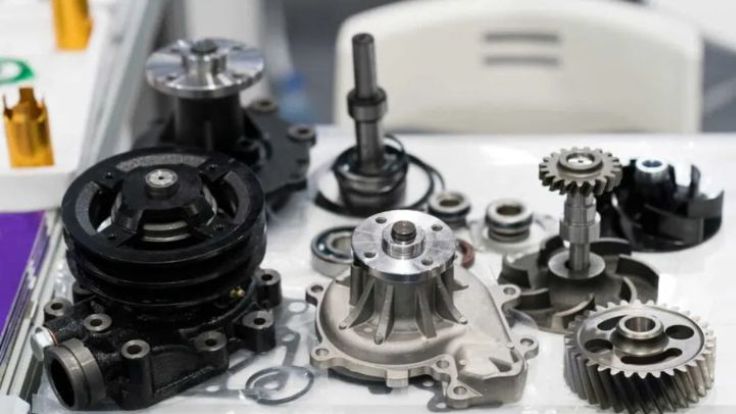
One of the most important metal processes, which is used today, is high pressure die casting. It is characterized by the capability to manufacture high-precision components. It is a process that manufacturers resort to when they require quality parts in large quantities. The process is achieved by placing a lot of pressure on molten metal and forcing it into a steel mold, referred to as a die. The pressure is used to maintain the flow of the metal to all corners of the mold. It produces components of small details, narrow walls and smooth surfaces. Because of this, the high pressure die casting would be a convenient choice in the case of an industry that has to be precise and uniform. Examples of the metals that are usually utilized during the process are aluminum, zinc, and magnesium. The materials have their own advantages. Die casting Aluminum is light and undergoes no corrosion. The reason is that Zinc die casting can be cast in thin and intricate designs. The strength of magnesium die casting is very light. High pressure die casting serves most industries. It provides vital parts in automotive, aerospace, electronic and consumer goods manufacturing industries.  This process provides durability and performance in engine housings, and in electronics cases, among other things. This article will discuss the functionality of high-pressure die casting, the material used, its advantages, constraints and its numerous applications. High Pressure Die Casting Die casting under high pressure has a history of over 100 years. Its creation dates back to the 19th century when it was used to create printing type. With time, technology was enhanced and became an essential procedure in the automotive and aerospace industries. One of the most effective methods of producing composite metal parts nowadays is high pressure die casting. It can be employed in cases where accuracy, durability, and speed are needed. This process has been adopted by manufacturers because it provides substantial production which is regular in quality, smooth, and detailed shapes which are in line with the requirements of modern engineering. The Die Casting Process of High Pressure High-pressure die casting is a rapid process that is accurate and applicable in mass production. It is a combination of high machines with molten metal that makes accurate and detailed parts. This is made efficient as the whole process enables the manufacturers to produce thousands of components of similar quality. Die Preparation It starts with the preparation of the die. The steel mold or die is meticulously washed and sprayed with a lubricant. This is to regulate the temperature and ensure that the metal does not adhere to the die surface. It should be properly prepared since it is the way to a smooth ejection of the final casting. Metal Melting After reading a die, the preferred material- aluminum, zinc or magnesium is molten down in a furnace. The metal should be heated to the right degree of temperature to attain a complete liquid state. The strength and the finish of the final casting largely depend on the quality of the melting. Metal Injection The molten metal is then forced into the die under a very high pressure. This pressure presses the metal in all corners of the mold cavity. It enables the process to make thin walls, sharp edges and complex shapes which are hard to make in other casting processes. Cooling and Solidification The metal freezes quickly within the steel mold after injection. Cooling periods are also extremely short; they may take only a few seconds. Quick cooling provides the part with its strength and assists in keeping the part at the proper size. Ejection from the Die When the solidification of the metal is done, the die is opened. The casting is forced out of the mold by ejector pins. The part is shaped at this phase except that it still contains additional material that must be eliminated. Trimming and Finishing The last phase is finishing and preparing. The metal that is kept in excess is removed, known as flash. Depending on the needs, the part can then be machined, polished, painted or coated. This will guarantee that the component is prepared to be used. Automation in Modern Factories The high pressure die casting is completely automated in modern factories. The steps of injection, cooling and ejection are performed with accuracy by robots. Automation enhances consistency, lowers labour expenses, and makes it an ideal way of undertaking mass production. Raw Materials of High Pressure Die Casting High pressure die casting is ideal for non-ferrous metals that have relatively low melting points. The most frequent are: Aluminum The most popular one is aluminum die casting. It is a low-weight, high-strength combination. Aluminum products are also resistant to corrosion, thus suitable for cars, aeroplanes and electronics. Zinc Small parts that are fine and precise are best cast with zinc. Zinc is of good toughness and strength. Thin walls and fine details are also enabled. That is why it is suitable for connectors, housings and decorative parts. Magnesium Magnesium is the lightest structural die cast metal. It possesses a good strength-to-weight ratio. It is commonly applied in aerospace, automobile, and consumer electronics in areas where a lightweight is a factor. Copper Alloys Alloys can also be made of copper, but this is not common. They are very hard, have high wear resistance and high electrical conductivity. All the materials possess their strengths depending on the usage. Aluminum is selected as a strong and corrosion-resistant material, zinc as an accurate one, and magnesium as a lightweight component. High Pressure Die Casting Tooling and Dies The most important aspect of the process is the die, or the mold. Hardened tool steel is used in making dies, and it is constructed to resist excessive heat and pressure. Dies are of two major types: It is also possible to design a die that will transfer the creation of a variety of parts in a single cycle, a combination die. The tooling costs are also expensive,

Co je lité hliníkové nádobí?

Co je lité hliníkové nádobí? Kompletní průvodce

Hliník, hliníkové odlitky

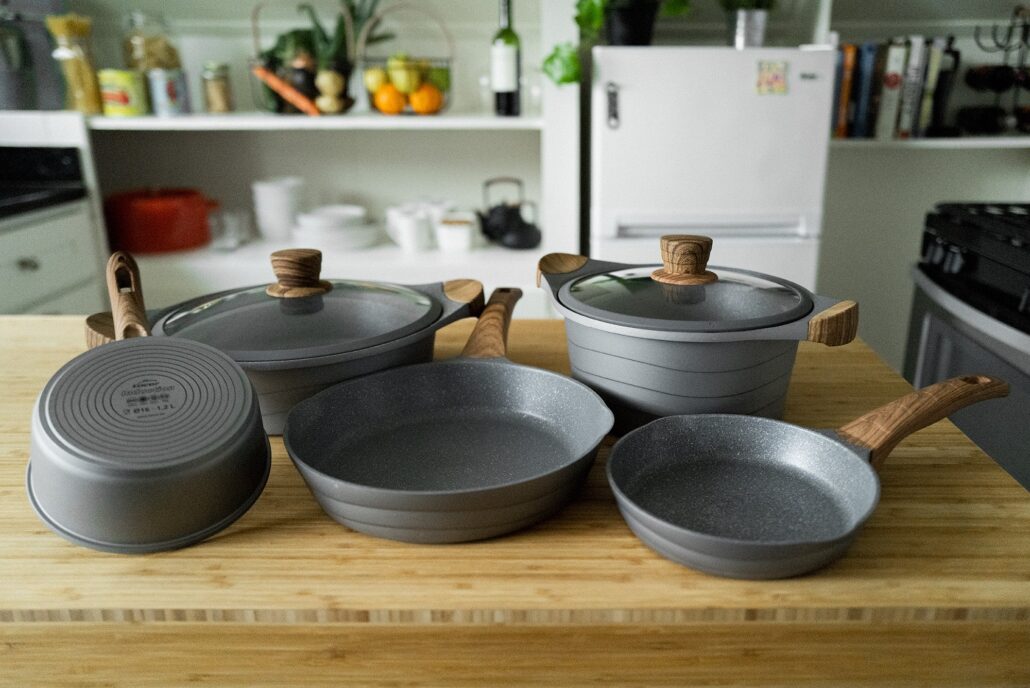
Cast aluminum cookware is becoming popular in kitchens worldwide. It is lightweight, inexpensive, and easy to use. The food can have a different taste depending on the cookware that is used, including the easy cooking process. Cookware is also time-saving and long-lasting. The cast aluminum is made by pouring molten aluminum into a mold. The method gives the cookware both a concrete structure and consistency in the thickness. It allows the pan or the pot to warm up quickly and evenly spread the heat. This simplifies and reduces the time spent preparing day-to-day meals. Cast aluminum is another relatively lightweight material that many people have been using since it is relatively inexpensive when compared to stainless steel. It may also be prepared in different shapes and sizes; therefore, it may be fried, baked, and boiled. However, cast aluminum has its negative sides. It is not as tough as stainless steel nor as tough as cast iron. There are also some types of cooking utensils that need a non-stick or anodized coating so that the food does not stick or is not in contact with acidic foods. In this article, all of these will be expounded using simple language. You will be introduced to the advantages, disadvantages, security, and treatment of cast aluminum cookware. How Cast Aluminum Cookware is Made? Cast aluminum cooking utensils are produced as a result of pouring the melted aluminum into a mold. The metal (aluminum) will then be in the shape of a pan, pot, or baking dish after cooling down. The process makes the cookware tougher and heavier than the traditional pressed or rolled aluminum. The two big stages of the process are: Such casting makes the coocooklightlightut strong enough that it can be used daily. Others are non-stick envelopings on them to prevent the sticking of food, and to facilitate their cleaning. Cast Aluminum Process of Cookware Preparing the Aluminum The initial step entails the selection of aluminum. Pure aluminum or recycled aluminum can be used by manufacturers. This is put into large furnaces where it is heated to over 660 °Cuntil it melts to form a liquid. This stage is where purification of the aluminum is done to determine that it will be strong and safe in the final product. Creating the Mold Once the aluminum is on hand, the mold is created. The form is determined by the mould, and it may be a frying pan, a pot, or a baking pan. These moulds are mostly sandy or steely. The thinness, balance, and durability of the copopotterarere dare be determined by the type of mold and the level of exquisiteness. Pouring the Molten Aluminum The mold is then filled with liquid aluminum. It is filled to the very brim in every crevice of design. It is the process that also causes cast aluminum cookware to be heavier and stronger than pressed aluminum cookware. Cooling and Solidifying After being poured, the aluminum is expected to cool down. It is stiffening and depressing when it comes to cooling and acquires the shape of the mold. The cooling is required as it removes cracks, air bubbles, or weak areas that can jeopardize the quality of the cookware. Trimming and Finishing Once hardened, cookware is removed from the mold. Such is where a crude surface gets cut and polished. Other features are also incorporated, such as handles and bases. This is to ensure that the cook’s uniform is smooth, safe, and ready to be coated. Surface Coating and Finishing Most cast aluminum cooking utensils are surface-treated. They have most of them supplied with non-sticky surfaces, such that the food does not stick on the surfaces,, and the cleaning does not take much time. They can be anodized by others, and this increases their resistance to corrosion and scratches. These finishes are also resistant to the reactivity with acidic food. Quality Testing The quality control is the last one. All of the works are inspected on balance, durability, and coating safety. Cookware that has been carefully checked is packed and only sent into the market. It will ensure the customers receive durable, quality, and safe cookware. Cast Aluminum Cookware advantages What is the reason not to use other materials, to use cast aluminum? Here are the key benefits: Lightweight In comparison to cast iron, it is very light in cast aluminum. It does not take much time tocleanna, and it is more so when one has a cook who prepares meals regularly for the elderly. Superb Heat Distribution Aluminium is a thermal conductor. Cast aluminum utensils are quick to cook and evenly cook. This means that there would be fewer hot spots and even cooking. Affordable It is normally cheaper than stainless steel or copper cookware. It has decent performance at an affordable price. Versatile Cast aluminum may be fried, baked, boiled, or simmered. Some are even oven-safe. Quick Heating The aluminum makes food cook more quickly since it reacts to heat faster. This saves time and energy. Disadvantages of Cast Aluminum Cookware Despite several advantages of cast aluminum cookware, it also possesses several limitations: Durability Issues The cast aluminum is softer than the cast iron or stainless steel. Eventually,, it is likely to be dented or scratched, especially when it is not handled properly. Reactivity with Food The uncoated aluminium can react with acids such as tomatoes or vinegar. This may either render it metallic or discoloured. The majority of modern cast aluminium pans are coated to such effects. Coating Problems The non-stick film on the pan may be of poor quality, and thus, it may wear away with time. It can be scrubbed with hard sponges or metal utensils, and this decreases its life span. Aluminum Cast And Other Cookware The choice of cookware is more of a choice. The cast Aluminum performance when compared with the popular substitutes stands as follows: Cast Aluminum and Stainless steel The first distinguishable difference in the case of the cast aluminum and stainless steel is the heat

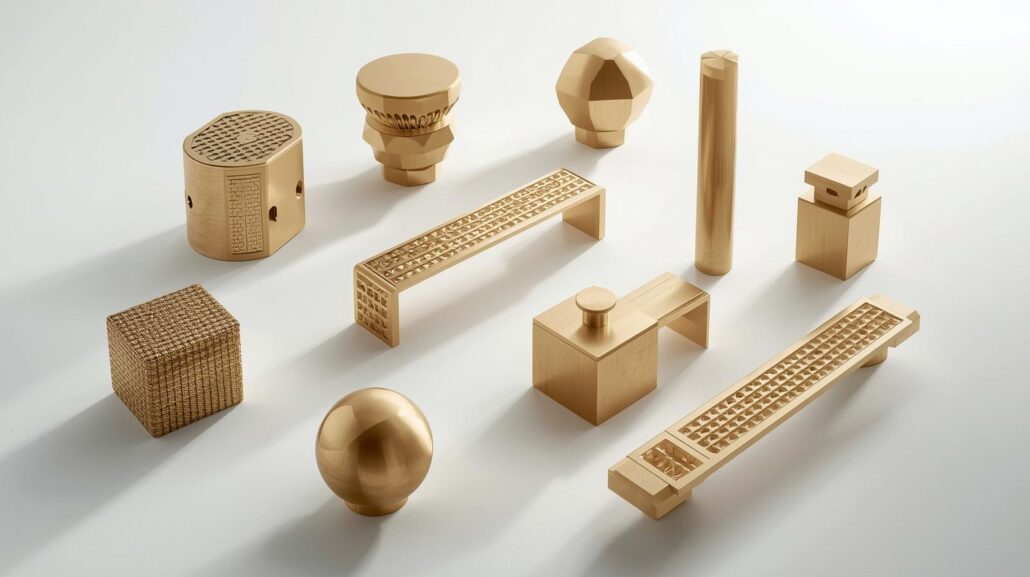
Mosazný skříňový hardware: Kompletní průvodce stylem, funkčností a trvanlivostí: Mosazné mosazné nástroje: kompletní průvodce stylem, funkčností a trvanlivostí

Mosazný skříňový hardware: Kompletní průvodce stylem, funkčností a trvanlivostí: Mosazné mosazné nástroje: kompletní průvodce stylem, funkčností a trvanlivostí

Mosazný skříňový hardware

Cabinet hardware can be viewed as minor detail, yet it can change the appearance and functionality of a room. Of the numerous finishes that can be used, the brass cabinet hardware is a test of time in terms of beauty, strength, and versatility. Considering remodeling the kitchen, upgrading the bathroom vanity, or even refreshing the storage furniture, the brass finish is the one that will be durable and, at the same time, very stylish. Both designers and homeowners still prefer the useof brass hardware as it has added significance to modern and traditional interiors. Its warm tones, which are of gold, also match well with wood, stone, or painted cabinets, making it one of the most adaptive finishes. As simple, modern pulls as fancy, vintage knobs, brass cabinet hardware is a feature that gives the whole design of a space an upscale look. Brass, unlike other metals, is a good-looking item, but it provides long-lasting value. The quality of brass kitchen hardware and brushed brass hardware resists corrosion, can be used in everyday life, and acquiress the status of timeless. Such a blend of style and performance makes brass an investment that enhances the appearance and functionality of the cabinets so that they are refined over the years to come. History and popularity of Brass in Design Brass is a copper-zinc alloy and has been applied in various structures, furniture, and ornaments forcenturies. Brass used to be a common decorative fitting and fixtureas it was deemed highly beautiful and elegant once. The brass hardware is also still used in the present daydue to its appearance and its durability and strength, and it is also used in the current-day interiors due to the practicality in its usage and its appearance,, which is more than impressive. The timeless quality of the brass cabinet hardware is its flexibility. It may be shined brightly and reflective like a mirror, or it may have a more subdued look and be finished in muted colors. Since the shift of interior decor towards warmer metallics, brass remains one of the finishes that can be mixed with light and dark cabinets. What does Brass Cabinet Hardware mean? Brass cabinet hardware is knobs, pulls, hinges, handles, and other fittings manufactured out of the alloy of copper and zinc, known as brass. Such hardware is very common in the kitchen, bathroom, and furniture since it is strong, durable, and not out of fashion. Compared to cheaper metals, brass does not corrode and will naturally age with a patina, and it can be polished, left in a satin finish, or antique, or left in the so-called brushed brass hardware. The designers and owners of homes prefer the use of brass hardware due to its diversity. Specifically, brass kitchen hardware is functional and stylish, and it has become one of the most popular options to upgrade the cabinets. Types of Brass Hardware Cabinet accessories come in an array of different forms made out of brass, with each being used in a different way. The most popular ones are: In any design project, brass cabinet hardware, regardless of its type, is a useful addition in terms of decorative and functional purposes. The manufacturing of Brass Cabinet Hardware The production of so-called brass cabinet hardware is a long-stage product manufacturing process based on the requirements of durability, usefulness, and beauty. It is a process that uses a mixture of both traditional and modern metal finishing techniques. Alloy Preparation It starts with the melting of a mixture of copper and zinc to form brass. Additional elements can be added depending on what finish is desired. This makes the brass hardware with the correct strength, machinability, and color. Casting or Forging After preparation of the brass alloy, it is then cast (molten brass poured into castings) or forged (pressed and heated brass compressed into castings). Copies of brass kitchen hardware are more powerful and sturdier. Machining and Shaping These are then turned into accurate shapes, knobs, pulls, handles, or hinges. CNC machines and old-fashioned lathes tend to build uniformity in the so-called brass cabinet hardware. Surface Finishing When the pieces have been shaped, they are automatically ground and polished to a smooth finish. Finishes applied at this stage include polished, antique, satin, or brushed brass hardware to give it the desired appearance. Plating or Coating (Optional) In other instances, a protective coating of lacquer or further plating is made to increase resistance to corrosion. It is common to leave solid brass unlacquered in the natural patina style. Mechanical Assembly and Quality Control Lastly, the quality, fit, and finish of every item of the brass cabinet hardware are checked. Assembling screws and fittings and packaging them are done before distributing. Advantages of Brass Cabinet Hardware Durability Brass is a material that has been known to have strength and endurance. Solid brass, unlike cheaper alloys does not bend, bend, and break, meaning your cabinets will be useful over time. It is particularly significant that brass kitchen hardware has to stand up to daily wear. Timeless Aesthetics Interiors are made warm and rich with the golden hues of brass. It has smooth finishes and polishing that is elegant, and the hardware is brushed brass, giving it a modern, subtle look. Corrosion Resistance The inherent nature of brass is such that it is resistant to tarnish and corrosion and should therefore be used in the kitchen and bathroom where moisture is abundant. Versatility Ranging from coarse farmhouse kitchens to polished modern bathrooms, brass cabinet hardware goes well with all kinds of styles. It has been flexible, which is why it is still used in various projects of brass hardware by designers. Usage in Bathrooms and in Kitchens One of the most noticeable details in the kitchens and bathrooms is cabinet hardware, where functionality and design should be in harmony. Brass cabinet hardware offers the strength needed in busy areas, as well as serving as a decorative center stage. Kitchens The contemporary kitchen styles are more than pleased with the

Přejít nahoru

Získat nabídku