virksomheder inden for trykstøbning af aluminium

Den ultimative guide til udendørs møbler i støbt aluminium

Den ultimative guide til udendørs møbler i støbt aluminium

Støbning af aluminium, trykstøbning af aluminium

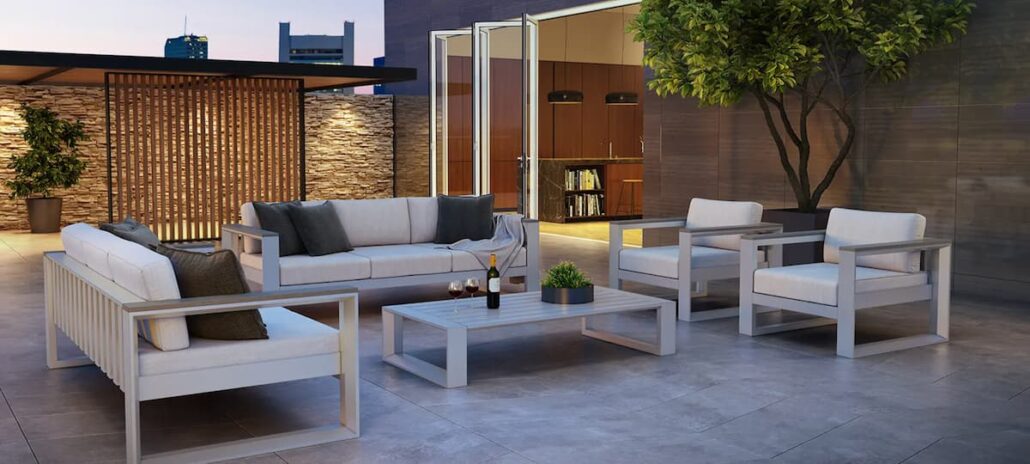
When in search of good material for outdoor furniture, durability, style, but also low maintenance rates, must be considered. Extensive popularity for cast aluminum outdoor furniture has been for its endurance during plenty of weather situations and gleaming style. However, cast aluminum is different from wood, which can rot, or wrought iron, prone to rust, and it has a perfect balance of strength and longevity. It is one of the greatest advantages of cast aluminum patio furniture to have resistance against rust and corrosion. Since it is water proof, it makes it an excellent choice for locations that are prone to rain often or where constant humidity exists or if the regions are coastal and salt air begins corroding other materials. It is also light and yet sturdy enough to take outdoors, given its aluminum embodiment and also quite easy to move around. Another strong point of cast aluminum is customization. Having a mix of finishes, colors and intricate designs it can go with any outdoor aesthetics from a modern patio to a classic garden setting. The added bonus of being able to customize the furniture even further with cushions, pillows and mixed materials is also appreciated by many homeowners. There are a few common misconceptions about cast aluminum, for instance being too hot to touch in the sun or being more costly than other materials, but this is far from the case. Minimal upkeep and will keep its appearance decade after decade with only simple care. However, cast aluminum offers both cushioned comfort that wood can’t and a stylish affair you won’t regret. What is Cast Aluminum Outdoor Furniture? Sometimes referred to as ‘aluminoxide’, the name cast aluminum refers to a type of metal melted and poured into molds to make sculpted designs. Cast aluminum patio furniture is not rugged like wrought iron or steel, it’s lightweight, rustproof, and can withstand all of the elements. If you desire elegant furniture that takes little maintenance while withstanding harsh out of doors components, it is a very good alternative. What is the Advantage of Cast Aluminum Outdoor Furniture? 1. Weather Resistance Cast aluminum outdoor furniture is unlike wood or wrought iron: it will never rot or rust and is ideal for outdoor use, as it is resistant to moisture. It absorbs no water and thus does not crack, warp, or weaken from exposure to rain, snow and humidity. 2. Rustproof and Corrosion-Resistant Cast aluminum patio furniture has one of the major advantages because it does not rust. Hence, it is the perfect option for humid and coastal regions as it is likely to withstand heavy rainfall. 3. Lightweight Yet Sturdy As you could expect, cast aluminium is very light compared to wrought iron, allowing it to be moved around and rearranged with far less difficulty. The wind and general wear and tear will not get to it, but still sturdy enough. 4. Elegant and Stylish Designs Cast aluminum has its particular style and is often used for patio set furniture, patio furniture, which is mostly decorated or designed carefully with intricate patterns related to some elegance. It has a detailed craftsmanship that gives the patio a sophisticated look, and the process of casting helps achieve this. 5. Low Maintenance Cast aluminum patio furniture is almost maintenance-free as it does not require staining or sealing like wooden furniture does. It will look new with a simple wipe using mild soap and water. 6. Long Lifespan Due to its ultimate durability and the fact that it is not bothered by the outdoor elements, cast aluminum furniture is long-lasting and an investment worth making by homeowners. Types of Cast Aluminum Outdoor Furniture 1. Cast Aluminum Patio Dining Sets A patio set cast aluminum dining set will be a nice addition to any yard or garden. Typically, it’s a table and matching chairs suitable for dining outside, on the patio or enjoying a BBQ with friends and family. 2. Cast Aluminum Lounge Chairs In case they love to lie outside, cast aluminum lounge chairs are a stylish and comfortable optioptionclining feature, and cushions are available in many models. 3. Cast Aluminum Benches Cast aluminum benches look attractive for parks, gardens or patios. On the other hand, they possess classic and timeless appeal and are very durable. 4. Cast Aluminum Coffee Tables Cast aluminum coffee tables are used that fit underneath outdoor seating areas. These are the ideal placplacesstick glasses, snacks or decorative items. 5. Cast Aluminum Bistro Sets If you have a small patio or balcony, a good choice for you is a bistro set that is made from cast aluminum. It adds to your decor with cozy and stylish seating for 2 persons. Cast Aluminum Patio Furniture: The Perfect Blend of Durability and Style Patio furniture made from cast aluminum is the best outdoor choice due to their resistance to rust, light weight and durability. Cast aluminum is much less heavy or prone to rust than wrought iron, and it doesn’t require near constant maintenance, like wood for a patio, garden or outdoor lounge area does. This is something that is done by molding molten aluminum into a desired shape to yield intricate designs and trendy finishes. Why are many homeowners who want a uniform look without the burden of labor preferring cast aluminum? There are many styles to choose from when you need a dining set, lounge chairs or even a decorative bench and cast aluminum furniture is available in all these options. Among its major advantages, weather resistance is one of them. Cast aluminum will not rot, rust away like steel, and will not crumble to dust like wood due to rain, sun, and even salty coastal air. Another benefit, wiping it with soap and water occasionally will keep it looking brand new, far easier than you might expect. Customization features also enable homeowners to personalize the patio furniture with the choice of cushions, pillows, and finishing with various powder-coated finishes. Thus, it is easy to match any outdoor décor. Furthermore,
Støbning af aluminium: En omfattende guide

Støbning af aluminium: En omfattende guide 

støbeforme af aluminium

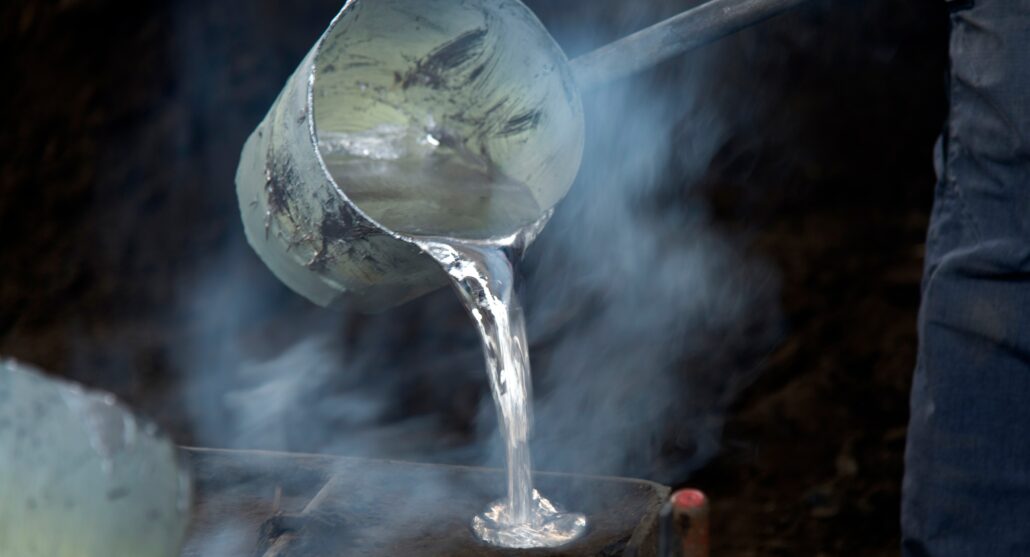
De nuværende industrier bruger i høj grad aluminium på grund af dets styrke kombineret med dets lave vægt og dets evne til at modstå varme effektivt. Produktionen af aluminiumskomponenter opnår sine bedste resultater gennem støbning af aluminium. Proceduren gør det muligt for brugerne at producere indviklede, komplekse former, som fungerer perfekt til industrielle behov og kommercielle miljøer. Producenter anvender i vid udstrækning metoden med støbt aluminium til at skabe komplekse og elastiske komponenter ved at hælde smeltet aluminium i designede forme. Komponenter fremstillet ved hjælp af støbning af aluminium bruges i vid udstrækning i bil-, rumfarts-, bygge- og kogegrejssektoren, fordi aluminium har en fremragende varmeledningsevne sammen med letvægtskonstruktion og korrosionsbestandige egenskaber. Det væsentlige grundlag for at forstå støbt aluminium kræver en indledende definition af, hvad støbt aluminium repræsenterer. Støbt aluminium er metalaluminium, der forarbejdes gennem termisk smeltning efterfulgt af formfyldning, hvilket resulterer i, at det omdannes til præcise konfigurationer. Industrielle producenter bruger denne metode til at opnå præcise, detaljerede designs, som passer til motordele, maskindele og varmevekslere. Støbt aluminium skiller sig ud, fordi dets styrke-til-vægt-forhold overgår alle andre metaller, hvilket gør det velegnet til anvendelser, der kræver letvægtskonstruktion. Tre hovedteknikker omfatter trykstøbning, sandstøbning og investeringsstøbning, som producenterne bruger til at udføre støbning af aluminium med deres specifikke fordele. Trykstøbning giver en præcis forarbejdning med høj hastighed, der passer godt til masseproduktion, men sandstøbning giver alsidige fordele med lave omkostninger, der passer til fremstilling af små mængder. Investeringsstøbemetoden kan levere både høj nøjagtighed og detaljerede detaljer i de færdige produkter. Viden om støbt aluminiums sammensætning og fremstillingsmetoder gør det muligt for fagfolk i industrien at vælge passende produktionssystemer. Globale industrier vælger at støbe aluminium som deres standardprocedure, fordi det giver letvægtsholdbarhed med korrosionsbeskyttelse ud over omkostningseffektivitet. Hvad er støbt aluminium? Aluminium bliver til støbt aluminium, når producenterne smelter aluminiummetallet for at hælde det i specifikke forme til produktfremstilling. Det unikke aspekt ved støbning af aluminium gør det muligt for producenterne at skabe komplekse former og samtidig reducere materialespild bedre end ved maskinelle eller ekstruderede aluminiumsmetoder. Hvilke formål tjener aluminiumsstøbning? Forskellige industrier bruger støbt aluminium som et primært materiale til at skabe bildele og køkkengrej sammen med møbler, maskiner og rumfartskomponenter. Takket være produktionsmetoden er produktet stærkt, men alligevel let, hvilket gør det ideelt til anvendelser, der kræver effektivitet og holdbarhed. Nøglekarakteristika for støbt aluminium: Trin-for-trin-guide til støbning af aluminium Arbejdet med smeltet aluminium kræver strenge sikkerhedsforanstaltninger, fordi det er farligt, hvis det håndteres forkert. Hvert trin bør begynde med at tage handsker på sammen med varmebestandigt tøj og ansigtsbeskyttelse. Denne manual præsenterer en enkel metode til støbning af aluminium, der beskytter både medarbejdere og udstyr. Disse specifikke trykstøbningstrin fungerer på samme måde i andre aluminiumsstøbningsprocesser. Trin 1: Begynd med at skabe formen til dit projektdesign Begyndelsen på aluminiumsstøbning starter med at udvikle og klargøre formdesignet. Processen med at vælge form styrer, hvordan det støbte aluminiumsemne ser ud og opfører sig. Skæreværktøjer skal matche det valgte formmateriale, som kan være sand, stål, keramik, gips eller aluminium. Formdesignet skal præcist matche alle detaljer og krav til det endelige aluminiumsprodukt. For at fremstille præcise forme bruger producenterne CAD-software. Softwaren hjælper designere med at opbygge en nøjagtig 3D-repræsentation af deres produkt, før de fremstiller det. Når det digitale design er klar, fremstiller og former CNC-maskiner formen nøjagtigt. Brugeren påfører et slipmiddel på indersiden af formen, før produktionen starter. Belægningen, der påføres formen, forhindrer aluminium i at binde sig til den, så den støbte del let kan fjernes. Efter påføring af belægningen lukkes formen tæt, før man fortsætter. Trin 2: Smeltning af aluminium Det følgende trin er at opvarme aluminiummet, indtil det bliver flydende. Metallet når meget hurtigt en smeltetemperatur på 660 grader Celsius (1220°F) på grund af dets lave smeltepunkt. Ovnen varmer aluminiummetallet op til smeltetemperaturen, før der bruges elektricitet eller gas til at omdanne det til en flydende substans. Det flydende aluminium flyttes fra ovnen til et opbevaringsområde, hvor det forbliver brugbart, indtil det indsættes i formen. Trin 3: Vi hælder det smeltede aluminium i formen Det færdige smeltede aluminium kan flyde jævnt ind i formen, da dets temperatur er optimal. Vores team hælder aluminiummet med præcise bevægelser for at undgå, at der opstår defekter på grund af indesluttet luft i det færdige emne. Portsystemet er specielt designet til at lade aluminiummet flyde jævnt ind i formens hulrum. Når formen har nået sin kapacitet, løber alt ekstra aluminium ud. Når hældningen er slut, forbliver formen uberørt, mens metallet begynder at afkøle og hærde. Trin 4: Afkøling og størkning Støbning af aluminium kræver korrekt temperatursænkning og størkningstrin. Støbeprocessen tager en periode, der afhænger af, hvor tyk og indviklet delen er, og der er brug for korrekt temperatursænkning for at skabe dele med den nødvendige styrke og kapacitet. En stabil temperatur skal holdes konstant under metalafkøling for at forhindre, at dele som vridning eller indre stress udvikler sig. Producenter anvender køleværktøjer som luft-, vand- og ovntemperaturkontrol under størkning af aluminium. Trin 5: Efter størkning forlader støbningen formen Når aluminium er størknet helt, tager vi støbningen ud af formen. Vi er nødt til at skære det resterende materiale, kendt som flash sprues, væk fra produktet. Efterbehandlingen for at opnå det ønskede resultat omfatter vandkøling og varmekontrol i ovnprocessen. Vi bruger bearbejdningsværktøjer til at skabe nøjagtige dimensioner efter produktforarbejdning. For at gøre overfladestrukturen nem at arbejde med. Brug af polerings- eller belægningsteknikker får aluminiumsoverflader til at skinne bedre og øger samtidig deres modstandsdygtighed over for slid. Støbning af aluminiumsproduktion slutter, når kvalitetsbehandlingsteknikker producerer et emne, der er klar til brug. Det er fantastisk! Dine eksisterende trin forklarer, hvordan aluminiumsstøbninger fremstilles, men producenterne afslutter for det meste deres procedure med flere trin. Flere yderligere metoder hjælper med at forbedre kvaliteten af de endelige støbte aluminiumsdele. Trin 6: Varmebehandling forbedrer metalkvaliteten, selvom det er valgfrit. Producenter forbedrer aluminiums mekaniske egenskaber ved at gennemføre en varmebehandlingsproces efter endt støbning.

Anodiseret aluminiumsmateriale: Egenskaber, fordele og anvendelser

Anodiseret aluminiumsmateriale: Egenskaber, fordele og anvendelser

trykstøbning af aluminium, Overfladebehandling af aluminium

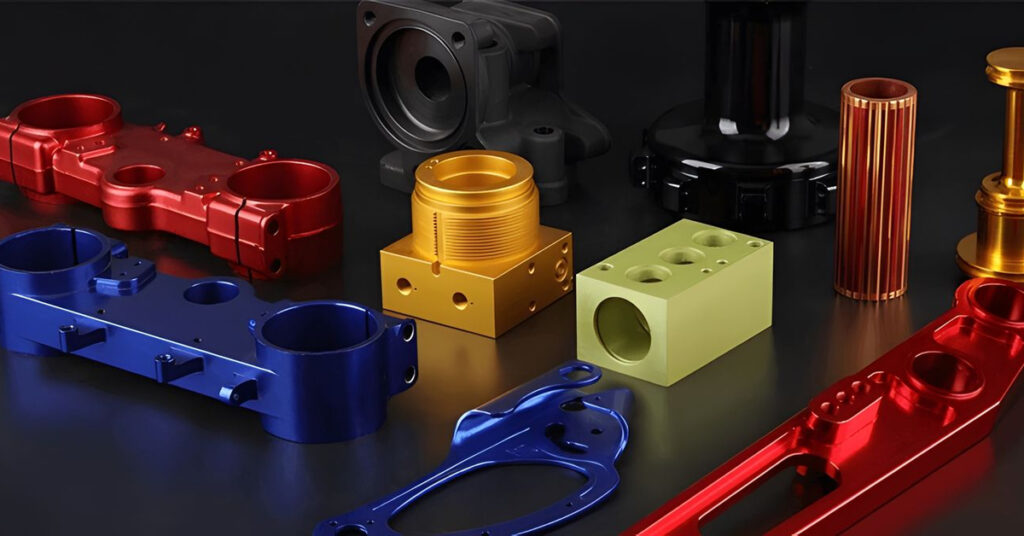
Anodized aluminum material is used mainly because it is light, strong, and corrosion-resistant. While raw aluminum does offer a certain amount of durability and scratch resistance, it is prone to oxidation, dents, and scratches, which can change it in the long term and keep it looking good. To make the aluminum stronger and more durable, it is then anodized to form a protective oxide layer on its surface. The reason for this layer is that it hardens the metal, giving it a more noncorroding and nonwear surface and a more pleasant appearance. Anodized aluminum is preferred due to these factors and is used widely across aerospace, automotive, construction, and consumer electronics industries. The anodization consists of several steps cleaning of the surface, immersion into an electrolyte bath, oxidation using electric current, and sealing. Besides making the material stronger, this treatment can be colored in different shades and finishes. Electrolytic coloring, Dip coloring, Integral coloring, and Interference coloring are different common coloring techniques. Ordinary anodizing and hard anodizing are the two main types of anodizing. Typically there are two processes available: ordinary anodizing, used primarily for finish and low-weight applications, and hard anodizing which gives excellent durability, wearer, and strength for military, industrial, and aerospace applications. In addition to anodization, aluminum can be processed through other surface treatments such as electroplating, powder coating, chromate conversion coating, PVD coating, ceramic coatings, or hot dip galvanizing. Anodized aluminum does not possess these properties uniformly and thus is used as a versatile and reliable material in many industries, with each method providing the material with specific enhanced properties—corrosion resistance, hardness, conductivity, etc. In this article, we’ll discuss what properties, benefits, applications, and maintenance of anodized aluminum involve, and why it is a better alternative to other metals and treatments. If we know these aspects we can understand which material to use for a particular industry and the consumer. What is Anodized Aluminum? Aluminum that has been anodized is an aluminum that has been run through an electrochemical process to produce a thicker, more durable oxide layer on its surface. The presence of this anodic oxide layer increases the resistance of the metal to corrosion, improves the surface hardness, and increases the ability of the metal to adhere to dyes and coatings. The Anodization Process In other words, the anodization process includes several key steps. Anodized Aluminum Material Key Properties 1. Enhanced Corrosion Resistance Anodized aluminum is one of the most resistant to corrosion. This makes it practically useless outdoors or when submerged in water, as the oxide layer protects the metal from moisture and our environment. 2. Increased Surface Hardness Anodization improves the hardness of aluminum significantly and aluminum becomes more resistant to scratch, dent, and wear. One such hard anodized aluminum is highly durable and is indeed used in high-performance applications. 3. Aesthetic Appeal and Color Variety Also, anodized aluminum is offered in black, gold, bronze, silver, etc. without changing the natural texture of the metal. This is why it is a preferred choice for architectural as well as decorative applications. 4. Lightweight Yet Strong While the oxide layer is put on top of the aluminum, this doesn’t make the aluminum significantly heavier, and it is still lighter than heavier materials such as stainless steel. 5. Electrical Insulation Because anodized aluminum is a poor conductor of electricity as compared to untreated aluminum, it is an attractive material to use in applications where insulation is needed for electrical or electronic purposes. 6. Environmentally Friendly and Sustainable Anodized aluminum is completely non-toxic, is recyclable, and does not out-gas dangerous and health-harming VOCs (volatile organic compounds), so it is eco-friendly. How to Add Color to Anodized Aluminum Parts? Anodizing aluminum is well known to be able to hold colors very vibrantly. Electrolytic coloring and dip coloring are the two of the many techniques used to color anodized aluminum. 1. Electrolytic Coloring One popular way to beautify anodized aluminum is with electrolytic coloring whereby anodized aluminum is colored with durable and UV-resistant shades. Once the aluminum has gone through the anodizing process, it is placed in a bath with metallic salts. In the last few years metalized salts have been developed whereby, when an electric current is applied, they settle into the open pores of the anodized surface permanently creating a metal-colored surface. Finally, the color depends on the type of metal salts involved. Copper salts ,for instance, make the solution reddish in tone, and other metals can make it in other hues. It is widely used because colors done this way last long and don’t fade, which makes it great for outdoor or high-exposure uses. 2. Dip Coloring Another color method is ‘dip coloring’ which gives one a large variety of color choices. During this kind of processing, the porous layer is submerged in a dye solution where the anodized aluminum absorbs the pigment. Once a shade is reached, the aluminum is sealed in water to stop reactions from continuing. Dip coloring offers much more vibrant and customizable contrasted shades, but they are not UV resistant and the colors will fade to a much lesser extent when exposed to sunlight. However, this lack of durability is the main reason why it is not commonly used in applications where the durability of parts is an important factor. 3. Integral Coloring (One-Step Process) An integral coloring is a unique process that incorporates anodizing and coloring into one process which is more efficient than in multi-step methods. Unlike some other techniques, the electrolytes, which react with the surface of the aluminum and are quick to dry, create deep, rich metallic tones including black, gold, or bronze. The color is formed in the very oxide layer, and due to that, it is very durable and doesn’t scratch, isn’t prone to corrosion, and doesn’t fade away. While integral coloring yields quality finishes, it is rare because of the cost and complexity. Architectural components, high-end electronics, and industrial equipment in which the parts must be able to withstand demanding conditions where

Top 10 producenter af aluminiumsprodukter i Kina og USA

Top 10 producenter af aluminiumsprodukter i Kina og USA

Støbning af aluminium

Aluminum Product Manufacturers are crucial in the industries of automotive, aerospace, electronics, packaging, etc. Therefore, many top-tier aluminum product manufacturers have risen in China and the USA due to the growing demand for lightweight, durable, and recyclable materials. Innovative, with high-quality standards, and dedicated to sustainability, these companies are known for their innovation.   Other leading metal manufacturing countries include China and the USA, where the most important players have been developing new methods of manufacturing aluminum. Some of the companies that have aluminum die casting, CNC machining, and precision molding’ are CNM Tech Co., Ltd., GC Precision Mold Co., Ltd., and Sincere Tech in China. With the industry demanding strict quality for high-performance aluminum components, these firms focus on various industries.Major manufacturers such as United Aluminum Corporation, Arconic Corporation, Kaiser Aluminum, and JW Aluminum have stood out as pioneers in aluminum rolling, extrusion, and fabrication in the USA. These companies operate in the field of cutting-edge aluminum solutions for aerospace, automotive, and industrial applications. This article presents 10 of the top aluminum product manufacturers based on innovation, sustainability, and excellent quality of their wares in different worlds 1.  CNM Tech Co., Ltd. Year of Establishment: 20+Number of Employees: 100-200Business Type: CNM Tech is focused on aluminum, magnesium, and zinc die casting, CNC machining, surface finishing, and assembly. Website and Contact Website: https://www.thediecasting.com/Contact: +86 13045898002Email: sales@thediecasting.comAddress: Factory Address: Rm 101, No.40, Donghu Road, Jinglian, Qiaotou town, Dongguan city, Guangdong Province, China. 523520. Company Profile Founded over 20 years ago, CNM Tech Co., Ltd., is one of the leading Chinese manufacturers of die-casting solutions. The company is based in Dongguan, China, where it provides a thorough assortment of services including aluminum, magnesium, and zinc die casting, precision CNC machining, surface finishing, and assembly. They have expertise in automobile, electronics, aerospace, and hospitality appliance markets, to name a few.  Their Quality Commitments CNM Tech is dedicated to providing high-quality, low-cost products while abiding by extremely tight quality control standards under the auspices of ISO 9001. They take a customer-centric approach, providing personalized services from the time of initial consultation and beyond, from availability to post-production support services to maintain long-term partnerships all over the world.  Why Choose CNM Casting? As a name known in the die-casting industry, CNM Tech specializes in providing high-quality manufacturing solutions with advanced technology, and a customer-oriented approach. These are reasons why CNM Tech is your number one reason. The choice of CNM Tech guarantees a reliable manufacturing partner that implements innovations and focuses on quality and customer success. 2.  GC Precision Mold Co., Ltd. Year of Establishment: 1999Number of Employees: 100-200Business Type: Serving industries such as the auto, aero, and electronics industries, the company has gained international market trust. Website and Contact: Website: https://aludiecasting.com/Contact: +86 131 4886 5556Email: info@aludiecasting.comAddress: Factory Address 1: No. 30 Huan Zhen Rd, Qi Shi Town, Dongguan City, Guangdong Province China, 523516 Company Profile Founded in 1999, GC Precision Mold Co., Ltd. is a global leader in high-quality aluminum die casting and nonferrous metal products. It has two special properties plants located in Dongguan, China, and offers services including high-pressure die casting, sand casting, and forging. As a result of over two decades of experience, the company delivers precision, consistent quality, and flexible material offerings to a variety of industries such as automotive, aerospace, and electronics. Both client satisfaction and GC Precision Mold commit to honorable words and behavior in providing the best product. Their Quality Commitments Its various certificates are proof that GC Precision Mold Co., Ltd. adheres to the highest standards of quality and operational excellence. The company possesses certificates from ISO 9001 on Quality Management Systems, which demonstrates the company’s ability to provide the product according to customer requirements at all stages and to enhance quality systematically. Why Choose GC Precision Mold Co., Ltd.? When you are choosing a company in pursuit of top-grade die casting and metal products, there are many benefits to choosing GC Precision Mold Co., Ltd. 3. Sincere Tech Year of Establishment: 2005Number of Employees: 100-200Business Type: Sincere Tech, is a leading Chinese manufacturer of custom plastic injection molds and aluminum product manufacturer. Website and Contact Website: https://plas.co/Phone: +86 135 30801277Email: steve@sincere-tech.comAddress: Rm101, N041, Donghu road, JingLian cun, qiaotou town, Donggguan City, Guangdong Province, China. 523000. Company Profile We are Sincere Tech, a world-renowned leading Chinese manufacturer of custom plastic injection molds and aluminum die-casting solution Injection Molding services. The company was founded in 2005 and has successfully established itself as a professional and highly reliable, high-precision, cost-effective, and high-quality production service provider to the world. From automotive, medical, electronics, home appliances, food packaging, cosmetics, etc. industries, Sincere Tech is equipped with state-of-the-art technology, expert engineering, and strict quality control. Their Quality Commitments ISO 9001:2015 and QS 9000:2015 standards are the only hallmarks we take seriously to maintain high-quality standards for our products and services since Sincere Tech. Their investment in advanced technologies, such as 5-axis CNC machines and FANUC systems, underscores their commitment to precision and efficiency. Confidentiality is also a company standard, promising Non-Disclosure Agreements (NDAs) for the protection of client projects. Why Choose Sincere Tech? 4. United Aluminum Corporation Year of Establishment: 1981Number of Employees: 1000+Business Type: Custom Rolled® Aluminum Coil Manufacturer and Supplier, Precision Slitting, Annealing, Surface Finishing. Website and Contact Website: https://unitedaluminum.com/Phone: 800-243-2515 / 203-239-5881Email: Sales@UnitedAluminum.comAddress: 100 United Drive, PO Box 215 North Haven, CT 06473 Company Profile United Aluminum (founded in 1891) is a leading supplier of Custom Rolled® Aluminum Coil to industries such as automotive, aerospace, medical, and packaging. These alloys are 3003, 2024, and 7075 and these guys offer precision slitting, annealing, and surface finishing. They have advanced facilities in which they produce high quality at very cheap rates. Additionally, United Aluminum supplies an Aluminum Coil Calculator resource to help its clients make educated choices. Their Quality Commitments Commitment to Quality and Customer Satisfaction a very high standard of quality is maintained by United Aluminum and the company is ISO 9001:2015 certified. Other than this, they concentrate

Top 10 producenter af aluminiumsstøbning i Kina og USA

Støbning af aluminium

Because it is lightweight, strong, and durable, aluminum casting is widely used throughout different industries from automotive to aerospace, electronics to consumer goods. The manufacturing process calls for aluminum parts to be made by pouring molten metal into molds for the production of highly detailed and precise components. Aluminum is a very versatile metal as it is easily recyclable and corrosion resistant and hence provides an excellent option for many applications. China and the USA, in recent years, are the two major global hubs for aluminum casting production and they both have a wide manufacturer range in the various industries and sectors. Mass production is the hallmark of China, which can then deliver reasonable prices and a variety of casting solutions for large production. However, the USA boasts a great number of top-tier companies that specialize in high quality, precision casting, advanced technology, and ecofriendly approaches, working with those industries that require sophisticated and custom-made aluminum cast components. In this article, we will overview the top 10 aluminum casting companies in China and the USA describing their capabilities, experience in the industry, and something unique to help the companies choose the right aluminum casting manufacturing partner. 1.  GC Precision Mold Co., Ltd. Year of Establishment: 1999Number of Employees: 100-200Business Type: Serving industries such as the auto, aero, and electronics industries, the company has gained international market trust. Website and Contact: Website: https://aludiecasting.com/Contact: +86 131 4886 5556Email: info@aludiecasting.comAddress: Factory Address 1: No. 30 Huan Zhen Rd, Qi Shi Town, Dongguan City, Guangdong Province China, 523516 Company Profile Founded in 1999, GC Precision Mold Co., Ltd. is a global leader in high-quality aluminum die casting and nonferrous metal products. It has two special properties plants located in Dongguan, China, and offers services including high-pressure die casting, sand casting, and forging. As a result of over two decades of experience, the company delivers precision, consistent quality, and flexible material offerings to a variety of industries such as automotive, aerospace, and electronics. Both client satisfaction and GC Precision Mold commit to honorable words and behavior in providing the best product. Their Quality Commitments Its various certificates are proof that GC Precision Mold Co., Ltd. adheres to the highest standards of quality and operational excellence. The company possesses certificates from ISO 9001 on Quality Management Systems, which demonstrates the company’s ability to provide the product according to customer requirements at all stages and to enhance quality systematically. Why Choose GC Precision Mold Co., Ltd.? When you are choosing a company in pursuit of top-grade die casting and metal products, there are many benefits to choosing GC Precision Mold Co., Ltd. 2.  CNM Tech Co., Ltd. Year of Establishment: 20+Number of Employees: 100-200Business Type: CNM Tech is focused on aluminum, magnesium, and zinc die casting, CNC machining, surface finishing, and assembly. Website and Contact: Website: https://www.thediecasting.com/Contact: +86 13045898002Email: sales@thediecasting.comAddress: Factory Address: Rm 101, No.40, Donghu Road, Jinglian, Qiaotou town, Dongguan city, Guangdong Province, China. 523520. Company Profile Founded over 20 years ago, CNM Tech Co., Ltd., is one of the leading Chinese manufacturers of die-casting solutions. The company is based in Dongguan, China, where it provides a thorough assortment of services including aluminum, magnesium, and zinc die casting, precision CNC machining, surface finishing, and assembly. They have expertise in automobile, electronics, aerospace, and hospitality appliance markets, to name a few.  Their Quality Commitments CNM Tech is dedicated to providing high-quality, low-cost products while abiding by extremely tight quality control standards under the auspices of ISO 9001. They take a customer-centric approach, providing personalized services from the time of initial consultation and beyond, from availability to post-production support services to maintain long-term partnerships all over the world.  Why Choose CNM Casting? As a name known in the die-casting industry, CNM Tech specializes in providing high-quality manufacturing solutions with advanced technology, and a customer-oriented approach. These are reasons why CNM Tech is your number one reason. The choice of CNM Tech guarantees a reliable manufacturing partner that implements innovations and focuses on quality and customer success. 3. Delron Industrial Co., ltd Year of Establishment: 1990Number of Employees: 300+Business Type: Delron Industrial Co., Ltd. provides die casting, CNC machining, precision forging, assembly, and automotive, LED lighting solutions. Website and Contact: Website: https://www.delron.com.cn/Contact: +86-574-88106850Email: info@delron.com.cnAddress: South Building, No. 1299, East Yinxian Avenue, Ningbo, China, 315100. Company Profile Founded in 1990, Delron Industrial Co., Ltd. is recognized as one of the top die-casting and precision machining service providers in China (Ningbo). With subsidiary activities including CNC machining, die casting, turning, milling, forging, etc., the company serves diverse industries like automotive, LED lighting, aviation, etc. Delron emphasizes a high-quality product, and on-time delivery, at a competitive price. Using the most advanced technology to provide a variety of services such as heat treatment, chrome plating, and assembling.  Their Quality Commitments Delron Industrial Co., Ltd. strives to supply high-quality merchandise utilizing advanced manufacturing know-how while following rigorous standards. As the company is customer-oriented and as the company puts very much emphasis on precision and reliability, it has strict quality control procedures in place for all products. They aim to always keep and satisfy customer expectations, all in a cost-efficient and timely manner. Why Choose Delron industrial Co., ltd Casting? 4.  American Precision Die Casting Year of Establishment: 2006Number of Employees: 150-300Business Type: Suppliers of high-impact components for the automotive, military, industrial, and consumer business sectors. Website and Contact: Website: https://apdiecasting.com/Contact: (573) 885-0018Email: lhoffman@apdiecasting.comAddress: 100 American Way, Cuba, MO 65453 Company Profile American Precision Die Casting (APDC), started in 2006 in Cuba, Missouri (USA), is a leading aluminum die casting maker. APDC has over 200 years of combined expertise serving these industries, automotive, military, and consumer products. Precision Aluminum die-cast parts formed by the company are durable, lightweight, and precise components using tight tolerances. APDC carries out high-volume as well as low-quantity specialized projects using advanced technology which provides cost efficiency quality and customer satisfaction. Their Quality Commitments APDC strictly practices to guarantee that each product exceeds customer expectations and exceeds or matches standards.

Zink trykstøbning virksomhed

Oversigt over industrien for zinkstøbningsvirksomheder

Støbning af aluminium

Zinc die casting is a manufacturing process that involves the production of intricate and strong metal parts using molten zinc. This is one of the most economical and efficient ways of making high-quality components with high dimensional accuracy. It is a process of injecting molten zinc into a steel mold under high pressure to create parts that are strong, lightweight, and corrosion-resistant. The characteristics of zinc die casting make it suitable for use in industries like automotive, electronics, aerospace, consumer goods and industrial equipment. In today’s manufacturing world, zinc die casting companies are critical because they provide high-quality precision-engineered components specifically what industries need. The majority of these kinds of companies specialize in creating parts with sophisticated shapes, fine surfaces, and tight tolerances. Besides producing high-performance die-cast components, most zinc die casting manufacturers also provide value-added services like designing, tooling, machining and finishing to satisfy customer’s requirements. The zinc die-casting market is spread wide across the globe, from North America to Asia and Europe, and companies are bringing their expertise, technological advancements and manufacturing capabilities to the table. The companies in these regions are known for their innovation, quality and sustainability in the manufacturing process. Using state-of-the-art equipment and advanced technologies they guarantee that each product will be of the highest standard in terms of strength, durability and precision. Zinc die casting is of utmost importance as it is the central process of producing components that enable the functionality of many products we use daily. Zinc die casting companies are important suppliers for industries that need automotive parts such as gears and engine components, electronic housings and medical devices. The demand for high-quality, low-cost components is expected to continue to rise and these zinc die casting companies are expected to be the leaders in innovation, product development and sustainability practices of the die-casting industry. The following sections will cover some of the major players in the zinc die-casting industry, their capabilities and how they contribute to the zinc die-casting market. What is Zinc Die Casting? The manufacturing process of zinc die casting is to inject molten zinc or a zinc alloy under high pressure into pre pre-designed steel mold or die. It quickly solidifies into a metal part that is detailed and uniform without much post-processing. The process, which is very fast, precise, and able to produce lightweight metal parts that are strong enough, is called this. Because of zinc’s unusual properties, such as its low melting point and high fluidity, intricate designs that are difficult to produce with other metals can be made using zinc. Zinc Die Casting Key Characteristics: Because it is repeatable and can produce large amounts of identical parts with very little variation, the process is widely used in mass production. The History and Evolution of Zinc Die Casting The history of zinc die casting goes back to the early 19th century. With the evolution over time, the process has gone through a lot of evolution with the move of the advancement in the materials, machinery and the manufacturing techniques. Early Developments (19th Century) The first die-casting processes occurred in the 1830s and were used to make movable type for printing presses. Although an important printing industry has existed since ancient times, the introduction of die casting substantially changed the printing industry by making the manufacture of metal parts more rapid and more exact. Growth in the 20th Century By the early 1900s, die casting had grown beyond printing to other industries such as automotive and consumer goods. Stronger, more versatile die-cast products were invented in the 1920s when zinc and aluminium alloys were invented. Zinc die casting was all the more essential in World War II since manufacturers required lightweight, tough and high-precision components for military and aircraft production. After the war, the technologies of die casting grew with the expansion of post-war industrial growth. Modern Advancements (21st Century) Today, cutting-edge innovations like automated machines, computer-aided design (CAD) and 3D printing for mod development exist in the use of zinc die casting. The use of recycled zinc has also increased sustainability efforts, which has made die-casting more environmentally friendly. However, due to Industry 4.0, manufacturers are joining robotics, AI autonomous quality control and real-time data monitoring to boost the efficiency of production and decrease defects. This is what has made zinc die casting such an important part of modern manufacturing. Importance of Zinc Die Casting in Modern Manufacturing Zinc die casting is an important part of many industries as it offers manufacturers a dependable, efficient and cost-effective way of producing precision-engineered parts. As such, it becomes increasingly important as industries require lighter, stronger and more complex components for modern applications. 1. Automotive Industry In the automotive sector, zinc die casting is widely used to manufacture: Zinc’s durability, lightweight properties and corrosion resistance make these parts more efficient and more durable, which in turn makes vehicles more efficient and more durable. 2. Electronics and Telecommunications Zinc is a preferred material for electronic devices due to its excellent thermal and electrical conductivity. The following uses zinc die-cast parts: 3. Consumer Goods and Home Appliances Zinc die-cast components are used in many everyday household products such as: Manufacturers can produce durable and aesthetically pleasing components having smooth surface finish using zinc die casting. 4. Industrial and Aerospace Applications Zinc die casting also leads to the production of high precision, lightweight parts that can withstand harsh environments and extreme temperatures and find its use in industrial and aerospace applications. These parts are critical parts for safety and reliability in the critical area. 5. Environmental and Sustainability Benefits Zinc is a fully recyclable metal, so there is less waste produced and reduced manufacturing and sustainability costs. Zinc die casting requires lower energy consumption than other metals and is therefore an eco-friendly option for mass production. The Zinc Die Casting Process There are several critical steps in zinc die casting: 1. The steel mold is coated with a lubricant to ease the release of cast parts during mold preparation. 2. Molten zinc is injected into the

Almindelige produktionsfejl i højtryksstøbning: Årsager, forebyggelse og løsninger

Støbning af aluminium, trykstøbning, trykstøbning under højt tryk

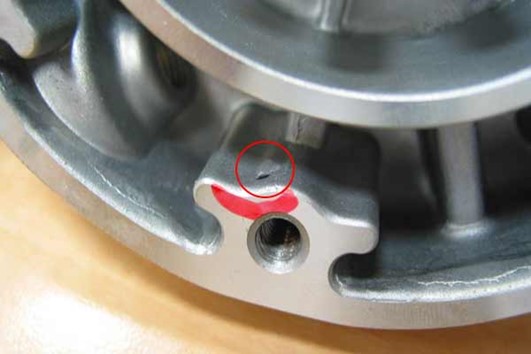
High-pressure die Casting (HPDC) is one of the most frequently utilized metal casting processes in current manufacturing. Manufacturers choose HPDC because it enables the production of complex metal parts that achieve both high precision and rapid production rates superior dimensional accuracy and smooth finishes. HPDC enables automotive and aerospace industries and the production of electronics components and consumer goods to manufacture lightweight durable parts for applications like engines and housings, structural elements, and mechanical assemblies. The manufacturing process of high-pressure die casting faces numerous risks that create substantial defects that decrease product quality while shortening the lifespan and compromising performance. Various defects form from improper mold design, turbulent molten metal flow, trapped gases, inconsistent cooling rates, and thermal stress during the production process. HPDC technology encounters seven primary defects which include porosity, cold shuts, shrinkage defects, flash formation, surface defects, misruns, die erosion, and soldering. These types of manufacturing defects cause deterioration of material strength while producing irregular dimensions and undesirable visual effects which can instigate component breakdown. Manufacturers combat production problems through the optimization of processing parameters and better-undermining methods along with controlled temperature systems and vacuum-assisted casting procedures. Real-time monitoring and simulation software are advanced quality control methods with further efficiency and reliability in the die-casting process. This article provides a comprehensive analysis of standard manufacturing issues during high-pressure die-casting technology with explanations of root causes and solution strategies to decrease these defects. It is only by understanding these challenges and applying best practices that manufacturers can improve the quality, longevity, and, of course, the performance of their die-cast components and simultaneously cut down on waste, and production costs. Proficiency in these manufacturing defects will assist die-casting engineers, production managers, and quality control specialists to optimize their processes for the best die-casting outcomes. 1. Porosity Porosity is defined by small holes or gas inclusions found within the metal matrix, and as a result, affects the mechanical properties, decreasing the strength, including allowing for air and gasses to pass through the structure, and leading to visible surface defects in die-casted products. Causes: Prevention & Solutions: 2. Cold Shut A cold shut is created when two streams of molten metal do not fuse properly and form weak bonding areas or visible seams in the casting. This defect not only decreases the mechanical strength but also increases the risk of a fracture, as well as negatively affects the component’s durability and appearance. Causes: Prevention & Solutions: 3. Shrinkage Defects Shrinkage defects occur due to shrinkage of metal during cooling which leads to internal voids or cavities, which deteriorate the structural integrity of casting. As a result, these defects reduce the mechanical strength of the final product, cause potential failure under stress, and cause poor surface quality, thus affecting both the functionality and aesthetics of the final products. Causes: Prevention & Solutions: 4. Flash Formation Excess thin metal layers formed at the parting line or die gap due to high-pressure metal escape are referred to as flash. Although flash can be trimmed off post-casting, over-flash leads to increased material waste, tool wear, and associated production costs and thus reduces the overall efficiency of the die-casting process. Causes: Prevention & Solutions: 5. Inspection of Surface Defects (Blisters, Crack and Wrinkles) A variety of surface defects, blisters, cracks, and wrinkles, degrade the visual appearance and mechanical strength of the casting and need to be prevented and eliminated. It causes weld defects that reduce the durability of the product, increase the rejection rate, and make the product stick poorly after post-casting treatments such as painting or coating. Causes: Prevention & Solutions: 6. Inclusions and Contamination Unwanted foreign particles, such as slag, oxide films, dirt, or other impurities, which are trapped in a final casting, create poor mechanical properties, weak structural integrity, and surface defects and are called inclusions. The presence of these contaminants can reduce die-cast component performance and durability so that they are not suitable for high-precision applications. Causes: Prevention & Solutions: 7. Misruns and Incomplete Fill A misrun occurs where there is a short filling of the mold cavity, which causes missing sections, thin walls, and weak points in the final component. Negative effects on the structural integrity and functionality of the part and in this way unsuitable for performance applications. Causes: Prevention & Solutions: 8. Die Erosion and Wear Molten erosion dies wear is the loss of the mold surfaces due to the high-speed metal continuously wearing the mold part surfaces until the required dimensions are achieved, which results in poor surface finish and short mold tool life. If this defect occurs, die replacement is common and consequently, production costs increase while casting quality varies. Causes: Prevention & Solutions: 9. Hot Cracking Cracks that occur during the semi-solid state of the metal, is due to high thermal stress and excessive shrinkage are known as hot cracking. These cracks degrade the mechanical integrity of the casting that is increase the chance of failure of the casting at the place where the cracks are present under stress or load. Causes: Prevention & Solutions: 10. Soldering The molten metal adheres to the die surface, which is difficult to remove with casting, causing surface defects, die wear as well as prolonged production downtime. Dimensional inaccuracies and poor surface finish are also caused by this defect, as it results in the overall compromised quality of the final product. Causes: Prevention & Solutions: Conclusion The high-pressure die casting is a powerful manufacturing process that creates complex metal parts at high accuracy at maximum efficiency. However, different kinds of defects arise using improper process parameters, material issues, and/or mold design flaws. Manufacturers can take preventive measures, e.g. optimal process control mold, properly selected material, etc., after understanding these usual manufacturing defects. A company can improve product quality, lower production costs, and achieve higher production efficiency in die-casting operations by emphasizing continuous process improvement as well as defect prevention strategies. Frequently Asked Questions (FAQs) 1. What are the major reasons for defects in high-pressure die casting? The main causes

At vælge den rigtige legeringsstøbningsvirksomhed: En komplet guide

At vælge den rigtige legeringsstøbningsvirksomhed: En komplet guide

trykstøbning af aluminium, Trykstøbningsvirksomheder

Alloy die casting is essential to the manufacturing industry because it relies heavily on high precision, durable, and cost-effective metal components. In a revolutionary impact on modern manufacturing, this process has made possible the mass production of intricate metal parts to a very high standard of accuracy and consistency. By specialized companies which as alloy die casting companies, in service industries which as automotive, aerospace, electronics, medical, and heavy machines for building tailor resultant metal components in their specific areas of needs. A professional alloy die casting company makes use of the latest technologies and high-quality materials coupled with a strict quality control process to deliver your products that suit industry standards. If choosing the right company matters, you may choose, one way or another, between a truly reliable product that will last for years and a faulty component that will fail early. The article gives you a detailed overview of Alloy die casting, emphasizing its importance, benefits and the most essential factors to consider when choosing the best Alloy die casting company. Alloy die casting knowledge is essential if you’re a manufacturer seeking the manufacture of precisely engineered parts or a business in search of economic manufacturing options. What is Alloy Die Casting? The metal manufacturing process in which molten metal is injected into a mold (die) under high pressure is called alloy die casting. Implementation of this method is widely used for the production of complex shapes with tight tolerances. The common use of various metal alloys, such as aluminium, zinc, and magnesium, in die casting is because of their good strength properties and corrosion resistance. Types of Alloys Used in Die Casting Alloys used in die casting have a great effect on the selections in the process of die casting, it leads directly to the strength and weight, corrosion resistance and overall performance of the final product. Alloys that differ vary by different industries based on their mechanical properties, durability, and the end use necessary to them. The most commonly used alloys in die casting are mentioned below. 1. Aluminum Alloys A good thermal conductivity, combined with corrosion resistance and lightweight strength, means aluminium die casting is preferred by researchers and manufacturers the world over. In industries that require durable and relatively light components, this alloy type is used. Key Features: Applications: 2. Zinc Alloys Since it has high strength, low melting point and excellent precision, zinc is another commonly used alloy in die casting. For manufacturing small, detailed parts it is ideal. Key Features: Applications: 3. Magnesium Alloys Its lightness makes it extremely suitable to be used for industries seeking to cut weight without compromising on strength, hence this metal is named magnesium. Key Features: Applications: 4. Copper-Based Alloys Brass and bronze are examples of copper-based alloys which are high electrical conductors, corrosion resistant, and good wear resistors. Such alloys are used for applications where the electrical and thermal performance have to be superb. Key Features: Applications: Benefits of Working with a Reliable Alloy Die Casting Company The right alloy die company allows you to select high-quality products that follow industry standards. Here are the key benefits: 1. High Precision and Consistency A top die-casting company has good machinery and rigorous quality control measures to produce the dimensions with very few defects. 2. Cost-Effectiveness Die casting is a very efficient process that also reduces the material and energy costs of the final product significantly compared to other metal-forming processes. 3. Customization and Versatility A custom solution-based casting company is a reputable company that provides custom solutions that are based on particular industry necessities and provides different alloy options. 4. Faster Production and Short Lead Times Automated systems are used in modern die-casting companies to increase their speed of production and meet strict deadlines. 5. Durability and Strength Alloy die-cast parts are well known to be very durable, and thus suitable for use under demanding conditions. How to Choose the Best Alloy Die Casting Company When you select a die-casting manufacturer, you should consider the following: 1. Experience and Industry Expertise Check with the company’s track record, if it had experienced years doing alloy die casting, if its attempt in your industry was proven. 2. Quality Certifications and Standards Make sure the business follows the codec of the industry which might be: 3. Advanced Technology and Equipment To maintain accuracy and reduce the need for physical labor, a modern die-casting company will employ such equipment as a CNC machine, vacuum cast, and robotic automation. 4. Material Selection and Customization Have a company with multiple alloy options and customization so you can find the specific design that your company offers. 5. Strong Supply Chain and On-Time Delivery Efficient logistics and speedy delivery of products are brought about by reliable suppliers. 6. Prototyping and Testing Capabilities Very critical is to prototype and with rigorous quality testing (X-ray inspection and tensile strength) on the product. 7. Competitive Pricing Although price must not be the only consideration, a good die-casting firm can offer competitive prices without sacrificing quality. Industries That Rely on Alloy Die Casting 1. Automotive Industry 2. Aerospace Industry 3. Electronics Industry 4. Medical Equipment 5. Consumer Products Challenges in Alloy Die Casting and How Companies Overcome Them Alloy die casting is a well-known manufacturing process, which faces some challenges and that have an impact on quality, cost and sustainability. Innovative solutions are also implemented by leading alloy die-casting companies to overcome these problems resulting in high-quality production, optimized costs as well and minimized impact on the environment. 1. Managing Porosity and Defects Porosity is one of the most common problems encountered in die casting where gas bubbles or shrinkage cavities occur inside the metal. It can also reduce the structural integrity of the part and impact functionality. This would be addressed by manufacturers using the use of vacuum-assisted die casting, entrapping a minimum amount of air and improved metal density. Moreover, the porosity can be reduced by using pressure-tight casting techniques, design of the mold and proper

virksomheder inden for trykstøbning af aluminium

Top 10 aluminiumsstøbevirksomheder i Kina og USA

Trykstøbningsvirksomheder

Are you looking for Top Aluminum Die Casting Companies in the world’s industrial powerhouses? The USA and China have become significant participants in global aluminum die-casting services over decades by offering an array of services to fulfill precision-demanding sectors. Like in any business field, the project’s success usually depends on the partner you select. The most reputable, experienced die-cast companies always guarantee high-end products formulations, and satisfied outcomes. Due to diverse aluminum die-casting companies in the USA and China, it sometimes becomes challenging to figure out the right partner for your business. Don’t fret— We will compare the leading 10 Aluminum Die Casting Companies in China & USA in this article. 1. Sincere Tech Co., Ltd. Year Established: Over 15 years Core Business Capabilities: Plastic molding, aluminum, magnesium, and zinc die casting molds/tooling, machining, surface finishing, and Prodcut assembly services. Address: Building 1, No. 30 Huan Zhen Rd, Shang Dong Village, Qi Shi Town, Dongguan City, Guangdong Province, China, P.C.: 523000 Website: www.plasticmold.net Company Overview: Sincere Tech Co., Ltd. is a the leading aluminum die casting and mold facotry in China that is located in Dongguan, China. It mainly focuses on the highly precise plastic injection mold, aluminum die-casting mold, magnesium, and zinc die-casting, and plastic molding. Originally founded over 15 years ago, the company has grown to develop exceptional tooling and die-casting capabilities for a broad range of industries. Established with modern technology and experienced staff, Sincere Tech provides precise products that conform to modern industry standards. For clients in the computer peripheral industry that need die-cast parts and/or plastic injection parts, Sincere Tech can handle design, manufacturing, assembly, and other related services to provide the best quality and lowest cost through one-stop-shopping. Key Services Their Commitment to Quality: Sincere Tech’s team makes sure every product they develop conforms to the high-quality standards of the sphere. They entail sound quality control measures that encompass each stage of product development, including design and physical prototyping, assembly included. The firm employs an automated system and also incorporates manual checks on the products to notice any flaws during the production process. As highlighted, Sincere Tech is an ISO-certified company that helps validate the firm’s anvil on credible and long-lasting products. Industries Served: Sincere Tech serves a diverse range of industries, including: Why Choose Sincere Tech? Sincere Tech is your comprehensive solution provider for Aluminum die-cast part solutions. They have been in the business for over 15 years, and provide custom services such as design, prototyping, tooling, production, and assembly. The company presents its solutions at a lower price while preserving the highest quality level. It also provides good quotes and fast turnaround time for small and large complex projects whether you are planning for a few prototypes or 1000s of production parts. If you are looking for aluminum die casting companies in China that could offer you product design and development, product assembly, aluminum die casting and plastic injection molding, then they will be one of your best options. 2. GC Precision Mold – One of Aluminum Die Casting Companies in China Year Established: 2005Core Business Capabilities: Aluminum die casting (ADC12, A380, AL 6061, 6063 die casting), zinc die casting, precision CNC machining, and assembly.Address: Dongguan City Qiaotou Town, Jinglian No.40, Donghu Road, Guangdong Province, China.Website: www.thediecasting.com Company Introduction: GC Precision Mold is ranked among the large B2B Aluminum China Die Casting Companies. It was established in 1999. The company provides services such as aluminum, magnesium, and zinc-casting services to different industries across the globe. Besides general die casting, they also offer surpassed precision CNC machining, surface finishing as well and assembling services. By employing contemporary means and skilled professionals, GC Precision Mold offers its customers standard-quality products. They produce intricate engineering part and tolerance and with Six Sigma Surface Finish. The company ensures that its clients will obtain solutions including the design processes up to fabrication of the intended parts down to the final assembly of the particular molds, which fits the specific figures to the last detail. Their Commitment to Quality: GC Precision Mold manufactures products that always follow rigorous quality standards like ISO 9001:2015. It dictates high-quality products for its clientele. The company has a comprehensive quality control procedure which guarantees the products meet the set standard and are acceptable to the market. Industries Served: GC Precision Mold serves a wide range of industries, including: Why Choose GC Precision Mold? GC Precision Mold employs modern technology with skilled manpower to ensure a satisfied customer experience. Whether a client needs high-volume production or prototype service, GC Precision Mold provides the best on-demand high-quality service on a constrained budget. If you are looking for accurate aluminum die-casting solutions in China you can trust GC Precision mold. Feel free to request an instant online quote! If you are looking for aluminum die casting companies in China that could offer you 6061 and 6063 high pressure die casting, product assembly and plastic injection molding, then they will be one of your best options. 3. CNM Casting Year Established: Over 20 years Core Business Capabilities: Aluminum, magnesium, and zinc die casting, precision CNC machining, surface finishing, and assembly. Address: Room 101, No. 40, Donghu Road, Jinglian, Qiaotou Town, Dongguan City, Guangdong Province, China, P.C.: 523520 Website: www.thediecasting.com Company Introduction: CNM Tech Co., Ltd. was founded over 20 years ago. The company is located in Dongguan, China, and provides a wide set of die-casting services that involve aluminum, magnesium, as well as zinc alloys. They also make complicated castings and precise casting with the industrial application of automobile, electronics, aerospace, and home electric appliances. CNM Tech aims to deliver forth-durable, and highly complicated parts with fine features and spacial dimensions chiefly attributable to the ultra-modern equipment and human resource capital at its disposal. They serve customers who require modest quantities of prototypes as well as clients who require sizable production batches at inexpensive rates without compromising the quality. Another critical aspect of CNM Tech is close cooperation with the customer, as well as the

Hvad er gravitationsstøbning?

Støbning af aluminium, støbeforme af aluminium, trykstøbning af aluminium, trykstøbning, trykstøbning af aluminium, Trykstøbningsvirksomheder, Trykstøbningsform, Dele til trykstøbning, Støbning ved hjælp af tyngdekraft, sprøjtestøbeform Kina, Fremstilling af sprøjtestøbeforme

Forskellen mellem aluminiumsstøbning og tyngdekraftsstøbning Aluminiumsstøbning er mere end bare en undskyldning for at lege med smeltet metal, det er faktisk en fantastisk måde at skabe kunst og komplicerede maskiner eller andre ting på, som ellers ville være næsten umulige at lave. Aluminiumsstøbning er virkelig en god måde at spare penge på ... mens man leger med smeltet metal. Grunden til, at trykstøbning i aluminium har overlevet tidens tand, er et spørgsmål om effektivitet. Nogle af de tidligste eksempler på støbning er fundet i Kina og går tusinder og atter tusinder af år tilbage. Faktisk praktiserede alle større civilisationer fra egypterne til romerne aluminiumsstøbning. Denne færdighed kom på mode igen i renæssancen og er fortsat med at udvikle sig derfra. Mens sandstøbning er den mest populære støbeproces, er der mange, mange flere processer til rådighed for baggårdsstøberierne. Det er ikke alle, der skal støbe tunge emner som motordele eller støbe deres egne motorcykler. Så dem, der bare vil lave pyntegenstande, vil ikke bruge den samme støbeproces som disse tunge støbegods. For kunstnere, der laver små statuer eller udsmykninger, og for hobbyfolk, der har brug for et dekorativt touch til deres modelfly eller -båd, kan det være en god idé at overveje at bruge tyngdekraftsstøbning til deres behov. Hvad er gravitationsstøbning Gravitationsstøbning synes at være særlig nyttig, når man har med aluminium og andre lette legeringer at gøre. Den grundlæggende idé bag denne støbeproces er stort set præcis, hvad navnet antyder. Metallet føres ind i formen ved hjælp af tyngdekraften. De fleste andre støbeprocesser bruger enten naturlige trykforskelle som i visse sandstøbningsprocedurer, eller de bruger tvangstryk som i centrifugalstøbning for at få det smeltede metal ind i formen. En af de mest almindelige anvendelser af gravitationsstøbning er, når der skal bruges permanente støbeforme. Den permanente form, der også kaldes en matrice, er egentlig kun økonomisk for dem, der planlægger at bruge den samme form mange gange og skal holde kvaliteten på et konstant niveau. Mens nogle midlertidige forme kan bruges gentagne gange, vil kvaliteten af det færdige produkt begynde at lide over tid. Med støbeforme forbliver kvaliteten den samme. Støbeforme skal ses som en investering. Ja, de vil være dyrere end andre forme, men de vil holde længere end billigere former. Permanente støbeforme skabes ved hjælp af støbejern, stål og andre metaller. Tyngdekraftsstøbning bruges til den permanente formproces med behagelige resultater. Tyngdekraftsstøbning bruges normalt, når det færdige produkt er mere visuelt baseret end strukturelt baseret, og derfor er denne metode en favorit blandt kunstnere og endda nogle guldsmede. Tabet af styrke skyldes det manglende tryk, der bruges i denne proces. For dem, der har brug for styrke, men stadig ønsker at bruge tyngdekraftsstøbning, skal der bruges mere af det smeltede metal, hvilket øger vægten. gå til https://www.aludiecasting.com/ for at få mere at vide om tyngdekraftsstøbning Det kræver tålmodighed at stole på tyngdekraften, selv om det er nødvendigt for større produkter. Hvis du har brug for tyngdekraftstøbning eller aluminiumsstøbning, magnesiumstøbning eller zinkstøbningstjeneste til din virksomhed. Du er velkommen til at sende os dit krav om tilbud, du behøver kun at sende os dit 3D-design og dit krav, så kan du læne dig tilbage, og vi vil gøre der resten for dig, for at arbejde med os behøver du kun at tage sig af markedet på din side, og vi vil være din sikkerhedskopi for at tage sig af leveringstid, forsendelse, kvalitet og teknisk.

Rul til toppen

Få et tilbud