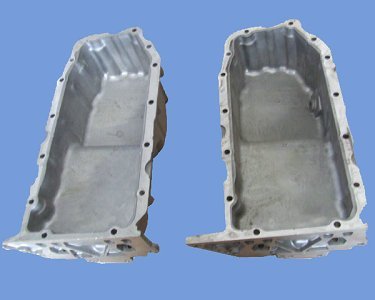
ダイカスト部品

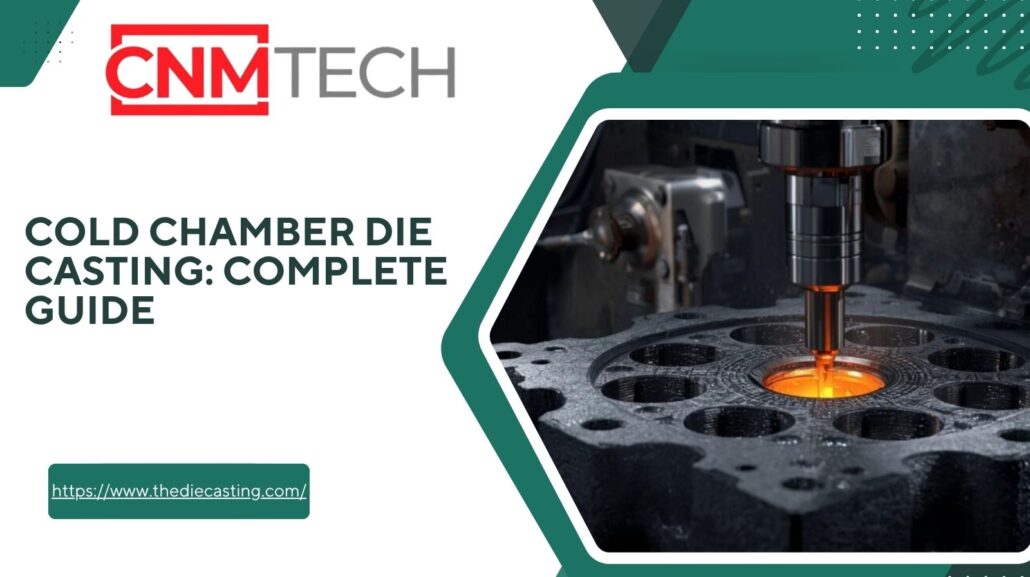
コールド・チャンバー・ダイカスト完全ガイド

ダイカスト, ダイカストメーカー, ダイカスト部品

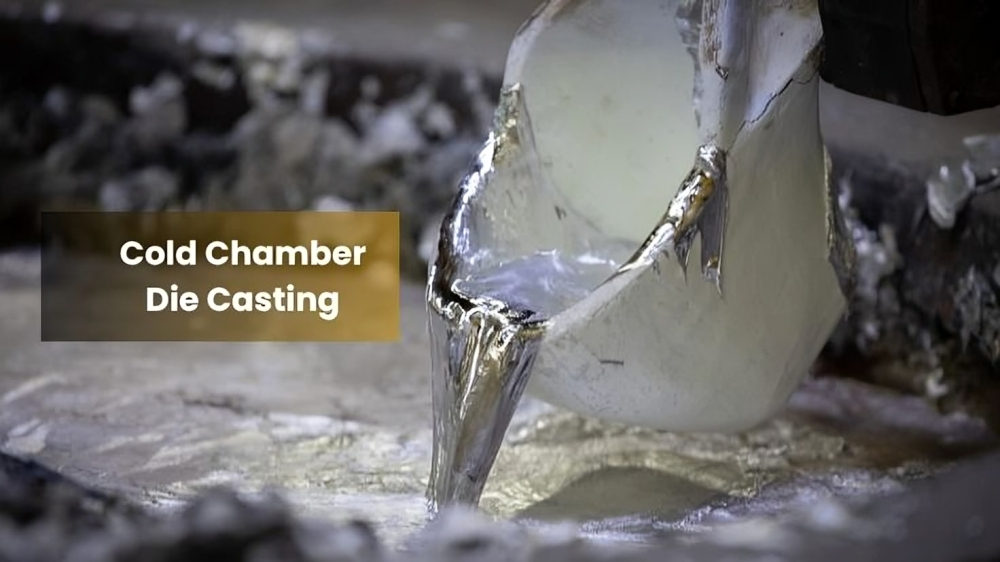
The cold chamber die casting process is initiated by first ladling molten metal into a separate injection chamber and then forcing it out into a steel mould. This process deals with high melting alloys such as aluminium, copper and magnesium. It is a tight-tolerance, high-pressure production process found in the automotive, electronics, and industrial parts production.  What is cold chamber die casting is and when to use it? Cold chamber die casting is a high-pressure moulding of metals, which would ruin or corrode a hot-chamber system. Practically, the operators melt the metal in a different furnace. Then they pour the molten metal into an unheated shot sleeve. The metal is forced into the closed mould by a hydraulic plunger with extreme pressure. The section hardens very rapidly, and the die is opened to spurt out the casting. This can be used when the alloy is of high melting temperature or where the alloy would corrode injection components, such as aluminium and copper alloys. The process sacrifices speed of the cycle for the scale and flexibility of the alloy.  Cold Chamber Die Casting Process Step-by-Step Cold chamber die casting is one of the most reliable techniques for making high-quality metal parts. Every process must be monitored in terms of temperature, pressure and time. Minor variations can impact the surface finish, strength and dimensional accuracy of the end product. Melting the Metal It starts by melting the metal in a separate furnace. Mostly used are aluminium, magnesium and copper alloys. In the case of aluminium, it is typically 650degC and 750degC. It is necessary to keep the melt clean. The impurities are eliminated by the operator with the help of fluxing agents and skimming tools. In case some oxide or gas is left, it may introduce defects such as porosity or inclusions in the future. In high-tech furnaces, a dosing system is the direct connection between the furnace and a die casting machine of China Cold. This guarantees that the temperature and composition of the molten metal are uniform in each shot. Molten Metal to the Shot Chamber Then molten metal is poured into the shot chamber or shot sleeve. This may be done manually or automatically. Manual ladling is easy, less fast and has more chances of entraping air. Automatic ladling systems, in their turn, provide the accurate amounts of metal with low turbulence. Oxidation and gas inclusion can be prevented by controlling the ladling speed and temperature. Others preheat the shot sleeve a little so that it will not suddenly drop in temperature, to allow the fluidity of injection. 3. Injection into the Die Cavity A hydraulic plunger is used to inject the high-pressure molten metal into the die cavity once it is in the shot sleeve. This is the fundamental phase of the cold chamber die casting. Injection pressure varies between 3,000 psi and more than 20,000 psi, depending on the size of the part and the alloy. The injection cycle normally contains two stages: The timeliness of these phases is critical. Recent China cold chamber die casting machinery, servo-hydraulic systems automatically regulate pressure and speed of every shot and guarantee homogeneity. Solidification and Cooling Opening and Part Ejection Die Once the metal has solidified, the die is opened by the machine, after which ejector pins or robotic arms take the casting out. It should be ejected only when fully solidified; otherwise, it is distorted. In complex shapes, there is more than one ejector pin, which guarantees the clean release of the die cavity. Robots take the parts on the automated lines and place them on conveyors to be trimmed and cooled. This increases handling damage reduction and accelerates production. Trimming and Finishing Inspection and Quality Control The last one is inspection and quality control. Every casting is inspected to guarantee that it has the necessary tolerances and quality standards. Popular types of inspection are: The machinery of modern China cold chamber die casting is usually equipped with sensors and software which keep track of all the parameters – Melt temperature, injection pressure, and die temperature, which enables quality monitoring in real time. Optimisation of process and control The quality of outcomes must rely on controlled quality at each step. Safety and Environmental Factors Usually used materials and alloys. The use of a cold chamber is preferred in alloys which cannot be utilised in hot-chamber machines. Most common materials used include aluminium alloys, magnesium, copper and a few combinations of zinc andaluminiumm where corrosion of the injection mechanism should be prevented at all costs. In the automotive structural parts, aluminium alloys prevail. Magnesium is applicable in situations where very lightness is an issue. Both alloys have their own melting point, fluidity and shrinkage behaviour, which need to be handled in mould design and process parameters.  Machinery and features – such as the China cold chamber die casting machine choice. Die casting machines: The Cold chamber die casting machines are made of a robust frame, high pressure injection unit, a hydraulic system and the control electronics. The modern machines provide servo-hydraulics to save energy and enhance control, computer controls to make the shot profiles programmable and integrated auxiliary systems such as die temperature controllers and automatic ladling systems. It is also possible to find China cold chamber die casting machine suppliers that offer a large variety of models and different price ranges in case you are sourcing machines. There are compact models of Chinese manufacturers that fit small shops and large tonnage machines that are appropriate to high-volume production. Chinese constructors tend to package melting and handling equipment to provide a turnkey line as well. Compare machines in terms of check maximum clamping force (tons), volume in the shot, speed control in an injection, die size, and automation.  Essentials of tooling and die design The hardened tool steel is normally die (mould. The design of the die should permit a controlled flow of metals and escaping gaseous air,  and gating and runners geometry and cooling channels in order to
中国における自動車用アルミダイカスト

中国における自動車用アルミダイカスト

アルミダイキャスト, ダイカスト部品

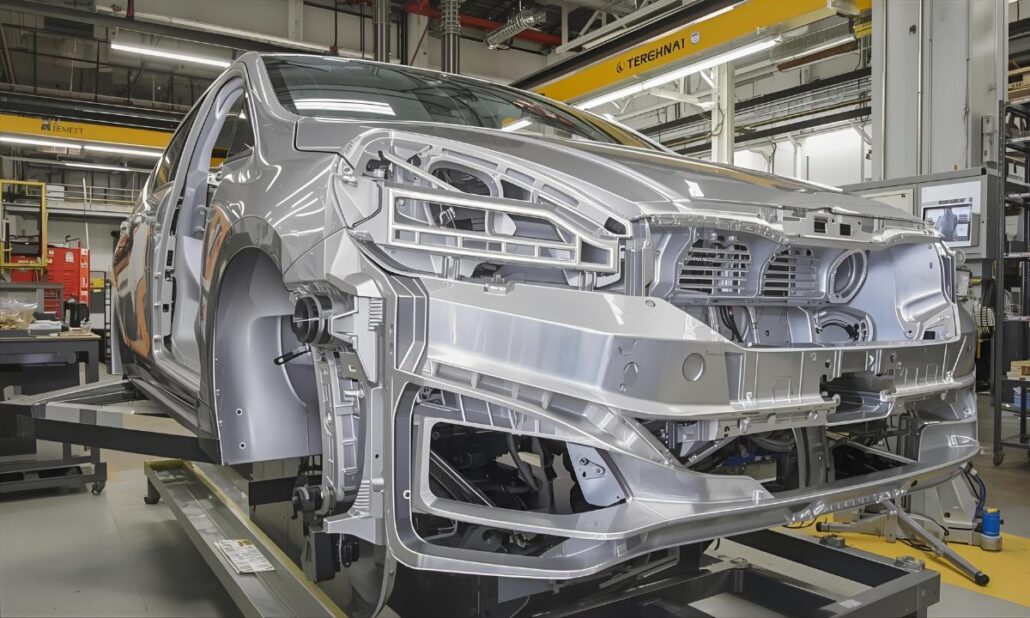
中国の自動車用アルミダイカストは、国際的な自動車サプライチェーンの中で、自動車生産の効率性、持続可能性、革新性に貢献する不可欠なプロセスとなっています。軽量で強靭なアルミは、現代の自動車メーカーが求める機械的性能と燃費の特別なバランスを提供します。車両重量の最小化を通じて、アルミダイキャスト部品は、燃料消費量の削減、電気自動車(EV)のバッテリー航続距離の延長、二酸化炭素排出量の削減に直接的な影響を与えます。これは、メーカーにとって重要な技術であるだけでなく、世界中の環境規制にとっても重要である。中国の自動車産業におけるこの優位性は、アルミダイカストの自然な延長線上にある。最大の生産国であり、莫大な生産量を誇り、大規模なサプライチェーンを持ち、産業政策を通じて政府の支援を受けている中国は、すでにこの分野で最大の生産国であり、最大の革新者の1つとしての地位を確立している。同国のダイカスト鋳造部門は、地元の自動車製造業界と海外ブランドの両方にサービスを提供しており、エンジンブロックやトランスミッションハウジング、EVのボディに適用されるハイテクギガ鋳造品を提供している。軽量素材やより環境に優しい生産技術の開発は、さらに加速している。このような産業能力と世界の持続可能性目標との一致により、中国は自動車工学の未来であるアルミダイカスト技術の最前線に立ち続けるだろう。アルミダイカストとは?アルミダイカストとは、溶融アルミを加圧して高圧鋼の金型(ダイ)に注入する製造技術です。冷却して凝固すると、非常に有利な強度対重量比を持つ複雑で精密な部品ができます。一般的に製造される自動車部品は、エンジンブロック、トランスミッションハウジング、ホイール、ブラケット、車体構造部品などである。中国がアルミダイカストでリードする理由アルミダイキャストプロセス アルミニウムダイカストは、優れた機械的特性を持つ複雑で正確な自動車部品の製造を可能にする、最も専門的な製造技術の1つです。ダイカスト鋳造には、いくつかのよく規制された段階があり、その各段階は、最終製品の品質、強度、耐久性を高めるためのステップと見なすことができます。以下、各段階について説明する:1.1.金型の準備 通常は焼き入れされた工具鋼製の金型は、生産開始前に完全に洗浄され、摩耗や損傷がないことが確認される。その後、離型剤や潤滑剤を金型のキャビティに塗布するが、これにはさまざまな重要な目的がある。溶融アルミニウムが金型に付着するのを防ぎ、部品をスムーズに排出し、連続鋳造サイクルにおける金型温度の維持を助けます。鋳型を適切に準備することは、完成部品の表面品質と寸法精度に直接関係するため重要である。2.溶解と合金の準備 アルミニウムインゴットまたはリサイクルスクラップを、ガス式、電気式、誘導式のいずれかの高温炉で溶解することから始まります。この段階では、溶融アルミニウムを660~700℃前後の最適温度範囲に維持するよう鋭意観察し、流動性のある塊を提供し、欠陥を減らす。シリコン、マグネシウム、銅などの元素は、強度、耐食性、熱伝導性などの特定の特性を向上させるために合金化される。化学組成のわずかな変化が自動車用元素の機能に大きな影響を与える可能性があるため、化学組成を正確に保つことが重要である。3.高圧ダイカスト(射出) 溶融アルミニウムが所望の状態になった後、高圧ダイカスト(HPDC)マシンによって、準備されたスチール鋳型に注入される。射出圧力は通常110MPaから175MPaで、これにより、最も複雑な成形キャビティでも液体金属が正確に充填されます。高圧はまた、ポロシティや収縮欠陥を低減し、高強度かつ高密度の部品を製造するのに役立ちます。この圧力が鋳物の品質を左右し、複雑な形状の部品が構造的に壊れることなく製造できるかどうかを左右するため、この工程の中心点とされている。4.冷却と凝固 溶融アルミニウムは射出され、鋼鉄製の鋳型の中で急速に冷却され硬化します。冷却速度は、結晶化が均一で、内部応力や反りが最小になるように、終始維持されます。冷却時間は、鋳造される部品の厚みや複雑さによって大きく異なります。薄肉の部品は数秒で凝固しますが、複雑な部品は凝固するのに長いサイクルを要します。組織化された冷却回路(金型に組み込まれた水路または油路)は、生産工程全体の一貫性を確保する目的で一般的です。適切な凝固によって、強度、延性、寸法精度のバランスをとることが不可欠である。5.射出 成形品が硬化した後、金型内の射出ピンによって鋳造品が押し出される。このステップでは、部品の敏感な部分や薄い壁が焼けるのを防ぐため、精度が要求される。大規模な自動車製造では、サイクルタイムの一貫性を保証し、手作業を最小限に抑える自動射出システムに頼ることが多い。射出工程は一見簡単そうに見えるが、不適切に適用されると、表面欠陥、亀裂、ミスアライメントを引き起こす可能性があり、最終製品の使い勝手に悪影響を及ぼす。6.トリミングと仕上げ 未加工の鋳物には、排出後にバリ、湯道、ゲートなどの余分な材料が大量に含まれることがあり、これを除去する必要があります。正確なエッジラインを得るために、トリミングには通常、油圧プレスまたはCNCマシンが使用されます。ショットブラストのような他の仕上げ工程は表面の質感を高め、機械加工はエンジンやトランスミッションの部品に必要な高い寸法公差を提供する。強度と硬度を高めるために熱処理を施したり、コーティングや陽極酸化処理によって耐食性を高めたりすることもできる。これらの二次工程を経て、生の鋳物は次の段階へと進み、機能的で信頼性の高い自動車部品へと生まれ変わるのである。7.検査と品質管理 最後の工程は集中的な検査で、すべての鋳造品が検査されます。

鋳造による自動車部品:

鋳造による自動車部品:材料とプロセスの選択

ダイカスト部品

現代の自動車は、安全性、性能、信頼性を提供するために、それぞれの目的を持った何千もの別々の部品で構成される洗練された機械です。鋳造は、自動車産業で採用されているさまざまな製造工程のひとつです。鋳造は現在では不可逆的な手順であり、自動車の主要部品は溶けた金属を極めて詳細で強固な部品に成形することで形成される。ほとんどの自動車のエンジン、トランスミッション、ブレーキシステムは、鋳造で作られた部品を必要とする最も重要なシステムのひとつである。実際、設計者や製造者が生産の効率性、耐久性、費用対効果について議論するとき、自動車部品の鋳造はしばしば議論の中心となる。鋳造技術は新しいものではなく、何千年も前に発明されたものだ。しかし、自動車産業における鋳造の応用は、ハイテク技術と最新の合金を利用することで革命的な変化を遂げました。鋳造は、軽量で強靭なアルミニウム製エンジンブロックや、弾力性のある鋳鉄製ブレーキ部品によって、比較的低コストで高性能基準を維持することを可能にしてきた。この記事では、自動車鋳造部品の歴史、プロセス、利点、将来の動向を確認し、自動車鋳造部品が自動車製造業界の柱であり続ける理由を明らかにします。鋳造の歴史 20世紀半ばにアルミ鋳造が浸透した。鋳造は、馬車に代わる自動車が開発された19世紀後半から20世紀初頭にかけて、自動車に使用されてきました。初期のエンジンには、強力でありながら安価な部品が求められており、鋳造が適していたのである。エンジンブロック、クランクシャフト、ハウジングを作る最初の方法のひとつが鉄鋳物だった。自動車産業の増加とともに、鋳造技術は進歩し、高度なものになった。自動車メーカーは、エンジンや構造部品を軽量化することで、自動車の寿命を縮めることなく燃費を向上できることを知ったのです。鋳造は、用途や重要性に応じて自動車のさまざまなシステムに適用される。最後に、自動車鋳造部品は、強度、精度、コスト削減のための費用対効果を与えるという重要な役割を担っており、これが自動車部品が自動車産業の巨人である理由です。自動車鋳造部品とは?自動車鋳造部品とは、鋳型に溶融金属を流し込んで製造する自動車の部品のことで、溶融金属が硬化して目的の形状になります。これにより、エンジンブロック、シリンダーヘッド、トランスミッションハウジング、ブレーキドラム、ホイールなど、自動車に使用される頑丈で頑丈かつ複雑な部品の製造が可能になりました。これらは鋳造が可能なため、非常に人気がある:エンジンブロックを例にとると、ブロックにはさまざまなチャンバーや冷却水通路があり、ネジ穴が開いているため、正確に鋳造することができます。鋳造とは?鋳造とは、溶けた金属を型に流し込み、型の形状に冷却する製造方法です。冷却後、鋳物を取り出し、(必要に応じて)機械加工し、完成品にはめ込みます。鋳造は、強度が高く、形状が複雑な部品を作ることができる作業である。自動車メーカーが鋳造を好む理由は、複雑な部品を均一な品質で大量に生産できるからである。自動車の構造上重要な部品だけでなく、高温、高圧、絶え間ない磨耗という厳しい条件下で、精密さと耐久性が求められる部品についても、適切な溶解温度を維持する必要があります。自動車部品の鋳造プロセス 大量生産では、高い精度と一貫性を確保するために、機械や高圧システムも自動化されます。1.パターン製作 完成部品の模造品であるパターンの製作から始まる。パターンは木、金属、プラスチックで作られることが多い。また、溶融金属を流し込む金型キャビティの正確な形状とサイズを決定する。2.鋳型の準備 砂、金属、セラミックなどの材料を用いて鋳型を形成する。金型の2つの部分によって、部品を成形するためのキャビティが作られる。エンジンブロックの内部通路のように、金型内にくぼみを設けることもできる。3.金属を溶かす 炉の中で、温度を制御して選択した金属や合金(鋳鉄、アルミニウム、マグネシウム)を溶かします。これは、エンジンやギアボックスなどの高性能用途に機械的特性をもたらすためである。4.注湯 金属が溶けたら、鋳型に充填します。穴あけ、フライス加工、旋盤加工で、適切なサイズと仕上げが確保される。5.凝固と冷却 加熱された材料は、金型の中で冷え固まり、金型の形状になります。部品は、冷却速度の制御不能による収縮欠陥や亀裂を避ける必要がある。6.鋳型の取り外し 凝固が完了したら、鋳型を壊す(砂型鋳造の場合)か、鋳型を開く(永久鋳造およびダイカストの場合)。その後、生の鋳物が取り出され、鋳造ブランクとしてさらに加工されます。7.フェッテリングと洗浄 スプルー、ライザー、フラッシュなど、不要な材料が除去されます。鋳物の表面をショットブラストや研磨できれいにし、機械加工しやすくします。8.熱処理(必要な場合) 鋳造部品は、強度、硬度、靭性を高めるために熱処理を施すことができる。砂型鋳造 - 砂型鋳造は、砂の型をより複雑な形状に成形する最も古く、最も一般的な方法のひとつである。9.機械加工と仕上げ 鋳造はニアネットシェイプを生成するという事実にもかかわらず、多くの自動車部品は精密な機械加工が必要である。エンジンブロック、シリンダーヘッド、マニホールドなどに用いられる。10.検査と試験 最後に、鋳造部品の品質検査が行われる。非破壊検査(NDT)、寸法検査、材料検査が実施され、部品が業界標準に適合していることを確認してから、部品に組み付けられる。

コールド・チャンバー・ダイカスト

コールド・チャンバー・ダイカスト技術の最新動向

ダイカスト, ダイカストメーカー, ダイカスト部品

コールド・チャンバー・ダイカストは、高い強度と精度を特徴とする複雑な金属部品の製造に適用される精密タイプの製造技術です。このプロセスは、アルミニウム、真鍮、銅合金のような融点の閾値が高い金属に最適です。コールド・チャンバー・ダイカスト・システムは、ホット・チャンバー・ダイカスト・システムのように溶けた金属に入れるのではなく、別の炉で溶かした金属を手作業でコールド・チャンバー・ダイカスト・マシンに入れる。この配置は機械の摩耗を少なくし、より丈夫な合金を使用する。企業にこの方法を選択させる重要な要因の中には、特殊なコールドチャンバー・ダイカスト鋳造の利点と欠点があります。ダイカスト鋳造は、最高の寸法精度、滑らかな表面仕上げ、長いサイクルタイムを持っています。それにもかかわらず、その強度と構成部品の耐久性は、自動車、航空宇宙、電子機器市場で好まれています。ホット・チャンバー・ダイカストとコールド・チャンバー・ダイカストの違いは、プロセスを正しく選択する上で非常に重要である。ホット・チャンバー・ダイカストはより迅速で、亜鉛のような低融点の金属に適用されるのに対し、コールド・チャンバー・ダイカスト・システムはより高温でより強い金属を扱うように設計されています。メーカーはまた、このプロセスによって、仕様の精度が高く、長持ちする信頼性の高い部品を製造できるようになる。本記事では、コールドチャンバー・ダイカストの動作原理、主要部品、採用される金属の性質、クランプ力やサイクルタイムなど、コールドチャンバー・ダイカストの技術的パラメーターについて説明する。また、コールドチャンバー・ダイカストの利点と欠点についても考察し、この重要な製造工程の全体像をお伝えします。コールド・チャンバー・ダイカストとは?コールド・チャンバー・ダイカスト:コールドチャンバー・ダイカストプロセスは金属鋳造プロセスであり、溶融金属を手動または自動で射出システム外の独立したコールドチャンバーに投入します。その後、金属は高圧で金型キャビティに押し込まれ、金属は冷却され、所望の形状に結晶化します。通常、真鍮、アルミニウム、銅合金のような融点の高い金属に適用される。射出システムの部品の不適切な作業の原因となる腐食や熱疲労を避ける目的で、射出機構が溶融金属中に浮遊しているホットチャンバーダイカストプロセスとは異なり、コールドチャンバープロセスでは射出設備を隔離しておく。後者の実践、すなわちコールドチャンバーダイカストの適用は、使用される金属が部品に接触して害を及ぼすような場合に特に有利である。射出プロセス自体で高圧を使用することができ、鮮やかな表面仕上げと寸法安定性を備えた、より高密度で強力な部品が可能になります。ダイカストプロセス-ステップバイステップ コールドチャンバーダイカスト技術の目的は、アルミニウムや真鍮のような高温で融点を持つ合金で構成されることが多い、高精度で硬い金属部品を作ることです。どのように機能するのか、順を追って説明しましょう:1.金属を溶かすために外部炉が使用される プロセスは、金属の溶融が外部の別の炉で行われることを除けば、ホット・チャンバー鋳造と同様である。これは、コールド・チャンバー鋳造では溶けた金属が内部で高熱を発生させ、処理しきれないためです。金属は溶かされた後、鋳造機に移される。2.溶湯をショットスリーブに流し込む その後、ダイカストマシンのショットスリーブに溶湯を流し込む。手動またはアームで行う。ショットスリーブは強度があり、熱に強い管で、その中に金属が静止し、後に注入される。凝固が早まるのを防ぐため、この作業は非常に迅速に行う必要がある。3.プランジャーが金属をダイに押し込む。スチール製のプランジャーがショットスリーブ内を移動し、溶融金属を高圧でダイキャビティ内に押し込む。この力は、複雑なパターンや非常に薄い壁であっても、金属が金型に充填されることを確実にし、エアポケットのような欠陥の可能性を減少させる。4.金型内での金属の凝固 金型に金属が充填されると、金型内で金属が冷却され凝固し始めます。この凝固ステップは、精度の高い部品を作る上で非常に重要です。冷却時間は、部品の金属、部品の厚さ、金型の温度によって異なります。5.真鍮ダイとエジェクターピンが鋳物を押し出す 部品が凝固したら、機械のクランプユニットがダイを開き、エジェクションピンが鋳物を金型キャビティから押し出します。その後、冷却ステーションまたはトリミングステーションに移動します。6.フラッシュの除去 (余分な金属の除去) ダイの半分が合わさる鋳物のエッジ周辺には、フラッシュと呼ばれる側面の余分な金属があります。これは、仕上げの要求に応じて、機械的なトリミング、研磨、機械加工によって除去されます。これにより、最終製品が意図した形状や公差を下回ることを防ぐことができる。7.金型サイクルのリセットと注油 金型は、次のサイクルに入る前に洗浄と注油が行われる。注油が終わると、金型は再びクランプされ、機械は次のサイクルのためのリセットに切り替えられます。8.品質検査と仕上げ ひび割れ、収縮、表面の異常など、品質上の欠陥が存在しないことを確認するためにチェックされる完成部品である。部品の最終用途の要件に応じて、追加の機械加工、表面処理、組み立て(必要な場合)を行うことができる。部品に使用される金属

高性能自動車用亜鉛ダイカスト部品

ダイカスト部品

In automotive manufacturing, it is important to have precision, solid components, and cost efficiency to produce top-performance parts. Meeting these demands can be done reliably with zinc die casting. Many manufacturers now use zinc die casting for automotive parts to obtain tough parts, exactly the right size, and protected against corrosion. Because they cast well, zinc alloys work great in large-scale automotive production. Owing to their easy melting and good flow, these alloys can be formed inside detailed molds with tight levels of accuracy. Zinc alloy casting is vital for building die-cast zinc parts in automobiles, such as housings for locks, brackets, door handles, and many under-the-hood fittings. Apart from needing mechanical power, these parts should also resist changes in temperature, vibration, and outside influences. Because the auto zinc-alloy die-cast process provides a better finish, manufacturers can also reduce or cancel out the need for extra finishing operations such as machining or polishing. What’s more, zinc can be used with many types of plating and coating, which boosts both how useful and attractive the parts become. Because zinc alloys are recyclable, manufacturing with them fits well with the industry’s move toward eco-efficiency. The following sections will focus on understanding the main features, weaknesses, areas of application, and related topics of zinc die casting in the automotive industry, underscoring the trend of greater interest in zinc die casting for mobility by examining a series of auto zinc alloy case studies. What is zinc die casting?  Zinc alloy is injected into a steel mold at high pressure in order to make accurate metal parts through zinc die casting. Because complex parts are produced with stability and top-quality smoothness, and exact fits, EBM is seen as particularly valued. What Are the Important Features of Zinc Die Casting? 1. When working with high-pressure injection, molten zinc is introduced quickly into a precise mold at high pressure, so that every part of the mold is filled. 2. Zinc cools and hardens very fast, which is why the process is suited to mass manufacturing. 3. Made of durably hardened steel, the dies are designed for many uses and are therefore suitable for large-volume production. Why Zinc? Because of its properties, zinc is frequently employed in die casting. Zinc Alloys: What Makes Them Unique? Zinc alloys include important mechanical and physical features required for good automotive performance. These include: The reasons behind these properties mean that zinc alloys are a common pick for brackets, housings, handles, lock components, and trim parts placed inside or outside a car. A strong benefit of automotive parts zinc die casting is that you can build many useful functions into a single, detailed part, which makes assembly less necessary and drops the product cost. What is the Die Casting Process? In die casting, the mold or die holds molten metal that is pressed under high pressure. For every part, a mold is made that ensures parts are produced quickly, exactly the same, and accurately. The most important parts of zinc die casting are: Great attention is paid to these stages to guarantee that zinc-cast vehicle parts are top quality. Zinc Die Casting Process and Its Characteristics Parameter Typical Value / Range Unit Description Injection Pressure 35 – 120 MPa High pressure ensures complete mold filling and detail replication. Injection Time 0.02 – 0.15 seconds Fast cycle times are possible due to zinc’s excellent fluidity. Die Temperature 150 – 250 °C Optimal temperature for mold longevity and casting quality. Melting Point of Zinc Alloy 380 – 390 °C Low melting point reduces energy consumption and tool wear. Solidification Time 0.1 – 1.0 seconds Zinc solidifies quickly, allowing short cycle times. Density 6.6 – 6.9 g/cm³ Zinc is denser than aluminum, offering better damping and strength. Tensile Strength (Zamak 3) ~280 MPa Sufficient for structural and mechanical automotive parts. Elongation at Break 10 – 15 % Indicates ductility; zinc alloys can absorb impact without cracking. Surface Finish Quality Excellent – Zinc supports high cosmetic quality with minimal post-processing. Tolerance Control ±0.02 – ±0.05 mm Tight tolerances are achievable, reducing the need for secondary machining. Reasons to Use Zinc Alloys Excellent Castability Zinc alloys are valued for their excellent ability to be cast. Because zinc melts at a low temperature and has great flow, it fills complex mold shapes perfectly. Therefore, zinc alloys are best for precise designs, as found in automotive zinc die casting parts, where getting consistent detail and form is important. Thin-walled sections and intricate forms, available with minimal porosity, are highly desirable in mass production. High levels of accurate matching Because of zinc alloys, it becomes very simple for manufacturers to achieve accurate dimensions. This matters a lot in industries such as automotive and electronics, since components should be accurate and barely vary. Because zinc die-cast components usually do not need post-machining, manufacturing costs are reduced. Thanks to their consistency, zinc alloys help keep quality high and the products reliable throughout massive production. Superb surface finish Zinc alloys are valuable because their superior surface finish is possible to obtain directly during molding. Reduced requirements for finishers’ operations come from the natural surface finish of the parts. Polishing, painting, or chrome or nickel plating zinc alloy parts is easy, so they serve well in places where both how they look and how they perform are important. In both consumer goods and automotive interiors, things like handles and buttons benefit a lot from this type of coating. Good Performance for Mechanical Strength and Toughness Zinc alloys bring together solid strength, a high resistance to being bent or broken, and a limited tendency to be malleable. As a result, we use metals with these properties wherever mechanical stress or strong wear occurs. Because they are impact resistant, zinc alloy components are strong and last a long time. Because they are strong, most structural and working parts, such as brackets, housings, and locking pieces, are built from plastics. Corrosion Resistance Because a zinc oxide layer forms on them, zinc alloys do not easily corrode.

亜鉛ダイカスト メーカー 中国

中国と米国の亜鉛ダイカスト会社ベスト11

ダイカスト部品, 亜鉛ダイカスト

If you have metal alloy casting parts that require a high quality surface finish, such as polishing, plating, or electronic plating, then you should look for zinc die casting parts. Zinc or zamak die casting is frequently used in the production of precisely decorative parts, building accessories, door and window accessories, door hingers, die cast models, and other similar alloy products. The purpose of this article is to provide you with a concise introduction to the best 11 zinc die casting companies in China and the United States of America, as well as their casting capabilities and competitive advantages. With that in mind, let’s take a look at some of the most well-known businesses in this extensive guide. 1. Dongguan Sincere Tech Co., Ltd Dongguan Sincere Tech Co., Ltd is a mold manufacturer and zinc die casting company based in China. High-quality injection molds are the specialty of the company. It provides die-casting molds of aluminum, zinc, and magnesium along with the accuracy in plastic molding as well as molding. Services offered are for automotive, medical, and other sectors. The customers gain precision reliability and competitive charges for all the projects offered. The use of high-quality machines and equipment means that there is quality output with minimal deviations. Oversight of each project is left in the hands of skilled professionals to ensure that high standards are followed. The company has established a reputation as one of the leading companies because international clients have confidence in Dongguan Sincere Tech for success. Services Offered Dongguan Sincere Tech provides clients with a wide range of product development solutions. It ranges from the design process to the creation of prototypes, from production design to actual mass manufacturing. That is why mold creation and tooling services are considered to incorporate high precision of output product assembly, testing, and packaging. The company has immense experience in Die casting and plastic molding. Every move is performed with precision and clarity. The company makes sure that its products are according to the industry standards and values. Quick turnaround times and good results are guaranteed. Why Choose Dongguan Sincere Tech? Quality, precision, and reliability are the core values of Dongguan Sincere Tech Company. Quality assurance measures applied to the greatest level ensure the high quality and standards of the product. Raw materials of fine quality are used in the production of various products. The sophistication of manufacturing processes is used for better sturdiness. Every client is provided with high-performance and low-cost services. Accuracy and durability are the foremost aspects of designing the product. Professionals receive optimum levels of satisfaction in the services they offer to the customers as well as the products they manufacture. If you are seeking reliable and affordable molds, then Sincere Tech is a company you should look at. If you are looking for plastic injection molding, product assembly services China, and zinc die casting companies in China, you are welcome to contact with them for price. 2. GC Precision Mold Co., Ltd. GC Precision Mold Co., Ltd. is a leading Zinc die casting company in China offering vast experience of over two decades. Founded in 1999 and is primarily involved in the business of aluminum, zinc, and magnesium die-casting. In addition, they provide services for plastic molding, CNC machining, and surface finishing. GC Precision Mould works with different sectors of the economy such as automobile, electronics, and the healthcare sector. The company holds a reputation for its efficient production line. Its advanced machines are from 120 tons to 1650 tons. The services offered by the company include gravity casting, high-pressure die casting, and sand casting. They design and develop molds of specific interest. The accuracy and quality are ensured on every project to the maximum level. GC Precision Mould sells its products in the international market, specifically in North America and Europe. These companies provide efficient and convenient delivery and shipping for their customers in different parts of the globe. This has made them certified under the International Organization for Standardization (ISO) 9001 on quality. The company delivers customized solutions according to the client’s demand, thereby adding value. Core Services Provided GC Precision Mould Co., Ltd. provides a wide range of services: Die Casting: The materials used are aluminum, magnesium, zinc, and other custom alloys. Plastic Injection Molding: High precision in molding with a range of surface finishes. CNC Machining: CNC lathe turning and component manufacturing with high levels of accuracy. Surface Finish: Anodizing, powder coating, painting, and plating with chromium. Custom die casting Tooling: Equipment for difficult die casting and molding applications. Their die-casting services target the automotive, electronics, and consumer products industries. For every project, they employ modern tools and techniques, thus meeting the highest levels of production. They satisfy various customer needs since the machines used in manufacturing have a part-making capability of up to 50kg in weight. Why Choose GC Precision Mould Co. Ltd? GC Precision Mould is a reliable supplier of Zinc Die Casting Services. They provide steady and affordable services grounded on their many years of experience. The company emphasizes and assures a fast response time and works at a reasonable budget. GC Precision Mold offers a full spectrum of customer support starting from the time the project is initiated. From die casting, and CNC machining to plastic molding the company guarantees satisfaction to their customers. G.C Precision Mold Co., Ltd. focuses on constant innovation. They are always giving their best to advance their production systems and techniques. They are ISO 9001 certified and follow rigorous international standards for their products. They meet both small and big production needs in terms of service delivery. If you are looking for plastic injection molding, CNC machining, surface finish like anodzing, electronic plasting, 6063 or 6061 high pressure die casting, and zinc die casting manufacturers in China, you are welcome to contact with them for price. 3. CNM Casting CNM TECH is an advanced industrial zinc die casting company based in China, the CNM casting company is mainly involved in precision die-casting

亜鉛ダイカスト

自動車産業における亜鉛ダイカストの重要性

アルミダイカスト, ダイカスト会社, ダイカスト会社, ダイカストメーカー, ダイカスト部品, ザマック 3 ダイカスト, ザマック3亜鉛鋳造, ザマック5, ザマック5ダイカスト, ザマックダイカスト, 亜鉛合金ダイカスト, 亜鉛ダイカスト

ダイカストとは?ダイカストとは、金型キャビティに溶融金属を圧入することを特徴とする金属鋳造プロセスです。金型キャビティは、加工中に加工され、射出成形金型と同様の働きをする2つの硬化した工具鋼の金型を使って作られます。ほとんどのダイカストは非鉄金属、特に亜鉛、銅、アルミニウム、マグネシウム、錫、鉛、錫系合金から作られます。投げられる金属の種類によって、熱機関または冷機関が使用されます。亜鉛ダイカスト鋳造法は、建築や工業分野の部品を作るのに非常に人気がありますが、最も一般的な用途は自動車産業です。実際、自動車にはダイカストで作ることができるさまざまな部品があり、ダイカストの近代的なプロセスはもともと自動車産業のために始まったものです。鋳造プロセスでは、多くの場合、鋳造後のさらなる機械加工は必要ありません。精度が99.8%に達するだけでなく、鋳造された製品は心地よい仕上がりになるため、生のまま使用することもできます。亜鉛ダイカストの使用は、自動車産業でほぼ28%、次いで建築・金物産業となっています。亜鉛は自動車部品産業で最も重要な金属の一つとなっており、特にドアロックハウジング、爪、ギア、シートベルトシステムのリトラクタープーリーなどの製品に使用されていますが、カムシャフトやセンサー部品にも使用されています。この金属とその合金を使用することで、他の材料では不可能な強度、延性、柔軟性を実現することが可能です。さらに、亜鉛は他の材料では不可能な厳しい公差を持つ高品質の美的部品を得たり、機械部品や歯車のエンボスや溝を得るための正しい選択となり得ます。自動車産業における亜鉛ダイカストのメカニズム 前述のように、自動車産業は最も一般的なダイカスト用途です。亜鉛とその合金を使用することで、形状の公差が狭く、高い美観品質を達成できる部品を製造することが可能になります。亜鉛合金はまた、すでに素晴らしい亜鉛の耐食性を向上させるなど、その多くの利点からコーティングにも使用されています。以下に、亜鉛メッキの可能な例をいくつかご紹介します:内装美観部 サンルーフ部 機械部品 エンジンおよびその他のアンダーフード部品 パワーステアリングシステム 部品およびブレーキシステム エアコン部品およびシステム シャーシのハードウェア シートベルトシステムの部品 気候制御の部品 燃料システム 亜鉛ダイカストの利点:効率的で経済的なプロセスにより、様々な形状が可能です。高速生産 寸法精度と安定性 強度と重量 いくつかの仕上げ技法が利用可能 簡単な組み立て ダイカストプロセスは、鉛と鉛合金の使用から始まり、マグネシウムと銅合金がすぐに追随し、1930年代には、今日でも使用されている多くの現代的な合金が利用できるようになりました。このプロセスは、低圧射出鋳造から1平方インチあたり4,500ポンドの近代的な高圧射出鋳造へと進化した。現代の製法は、優れた表面仕上げを持つ、完全性の高い、きれいな鋳型を作ることができます。亜鉛鋳造合金は丈夫で耐久性があり、費用対効果の高いエンジニアリング材料です。その機械的特性は競争力があり、通常アルミ鋳物、マグネシウム鋳物、青銅鋳物、プラスチック鋳物、そしてほとんどの鋳鉄鋳物よりも優れています。.

ザマック亜鉛ダイカスト部品とは

ダイカスト会社, ダイカストメーカー, ダイカスト部品, ダイカスト製品, 亜鉛ダイカスト

Zinc die casting Parts is referred to as the hot-chamber process. It is the method by which zinc (zamak) is heated under high temperatures and the molten material forced into a zinc die casting mold under high pressure to produce product with a similar shape as the die. As the metal moves through the die, air escapes through the vents. Once the die is full, the high pressure is maintained until it solidifies and the die is separated to release the finished zinc cast. After casting, no further modification is usually required. Use of Zinc Die Casting Zinc (zamak) is known for its high strength, accuracy, ductility, ease of casting, high thermal and electrical conductivity, and long life. As such, the zinc die casting is applied in the manufacture of high quality industrial and building materials. Die casting started in the automotive industry and it is still widely used in the manufacture of automotive components. The door locks casing, pulley, and the camshaft are some of the car parts that are made of zinc casting. In the construction industry, zinc die casting is utilized in the manufacture of components such as door knobs, faucets, and roofing. On the other hand, there are many zinc casting machine parts, such as electrical fittings. Zinc Die Casting Process Zinc is cast using the hot-chamber process due to its low melting temperatures. Cold chamber process is applied in the casting of metals with high melting temperatures such as the aluminium. The zinc die casting process involves the preparation of the metal, die preparation, and finishing. It commences with the preparation of the die followed by the metal. Notably, the die can be used once or severally depending on the component being manufactured. If it was used before, it should be lubricated to ease the removal of the cast metal. Afterwards, the ejector die half and the cover die half are screwed. The cover die half has a sprue through which the molten metal is injected while the ejector die has ejector pins for removing the castings. Preparation of the die is followed by melting of the ZA or the ZAMALAK alloy on a furnace. The physical properties of the product dictates the choice of the alloy. Due to metal hardness and strength, the furnace temperature is usually very high. The oxidized parts of the metal are removed at this stage to raise the purity of the finished product. Various chemicals can be added to improve physical properties of the finished alloy. Once the molten metal is prepared, it is injected into the feed system under high pressure. Most of the systems have several dies for efficiency and mass production. The raised pressure ensures that the molten zinc alloy gets into the mold as fast as possible, no air gets into the molten metal, and the expulsion of the air in the die through the vents. After filling the die, the pressure is raised further until the zinc alloy casting solidifies. The process also involves cooling using water. Then, the two dies are separated and the metal cast is removed. This is followed by the cleaning of the feed system to get rid of the flash. Further finishing can be carried out depending with the final use of the product. The runner that is removed from the final product and the flash are usually recycled.

卸し売りアルミニウムは製造業者ダイ カストの

ダイカスト部品

ダイカストメーカー, ダイカスト部品

Machining and Finishing Operations For Ready-To-Assemble Die Casting Parts. Over 20 years, CNM die casting company, Incorporated has provided high-quality aluminum, magnesium, and zinc die casting parts and services. CNM TECH specializes in the design, engineering, and production of complex die-cast parts in a broad range of sizes. Our experienced team of engineers, technicians, designers, machinists, finishers, and production staff excel at producing precision castings that are meticulously machined to tight tolerances, finished to customer specifications, and delivered ready for assembly. Regardless of quantity, part type, alloy, cast-and-trim to cosmetic finish, CNM TECH is a solution driven die-casting partner that works with you to produce the best possible products cost-effectively and efficiently. In order to supply ready-to-assemble component die casting parts, CNM TECH Die Casting manufacturer maintains a fully-equipped production machine shop. It’s staffed with machinists experienced in working with aluminum and zinc. Here, modern machine tools, supported by regular maintenance and a statistical process control program, can turn out production quantities of high-quality parts to meet your manufacturing schedules. CNM TECH has the capability of handling machining requirements where tolerances must be held to a few ten-thousandths of an inch and where production quality control records must be provided. CNM TECH also maintains close working relationships with local suppliers of a variety of finishing services such as plating, anodizing and painting. This assures you of a smooth flow of work through a single, responsible source and, at the same time, provides access to a wide variety of finishing options. Inventory capabilities to meet your just-in-time production needs. CNM TECH warehouses parts inventories for customers with just-in-time production schedules. Once a predetermined inventory level has been established, we can set manufacturing schedules to maintain the stock you require. Actual parts delivery is aided by our central location and easy access to interstate highways. Let’s talk about the difference that quality can make in your die casting parts. If you’re interested in lowering your current casting reject rate or if you feel your part quantities are reaching a volume that can justify die casting, please give us a call. We’ve invested a lot of ourselves in maintaining tight quality control standards and we’d like to put that investment to work for you. Finished parts can be packed to any specification for timely delivery anywhere in the country. CNM TECH’s location puts the entire upper Midwest within the overnight delivery time.  

ダイカスト部品

高品質ダイカスト部品

ダイカスト会社, ダイカスト会社, ダイカストメーカー, ダイカスト部品, 亜鉛ダイカスト

Your High-Quality Source For Aluminum, Magnesium and Zinc Die Castings; Machined and Finished, Ready For Assembly. Setting product quality as the company goal, CNM Die Casting has risen to the top of its industry during the past ten years. Die casting buyers to look to CNM TECH to help reduce reject problems they have encountered with other component part suppliers. A manufacturer of natural gas valves experienced reject levels of up to 40% until they were cast by CNM TECH. Now, very few of their parts fail to meet a rigorous 100% testing level for pressure leaks. Quality based on engineering experience At CNM TECH Die Casting company, quality begins with experienced engineering assistance. Consultation on part design and aluminum alloy selection are part of the service. Sometimes minor changes in part design can increase production rates and eliminate potential quality problems. The end result is a better part at a lower unit cost. To be sure finished die casting parts to meet alloy specifications, both incoming materials and finished product samples are checked on the Jarrell-Ash spectrometer. Quality that moves with production instead of just a final part check Production starts after a final part design is accepted. Our quality control program then begins a series of checks to determine that the part has been produced within the specified tolerances. First, alloys are tested to make sure they meet our customer’s specifications. Then, statistical sampling during the casting and machining processes provides an early warning of manufacturing defects and helps to prevent the production of defective finished parts. Inspection frequencies can be predetermined by the job requirements to make certain that the parts you receive are parts you can use. A Three Coordinate Measuring Machine (CMM) allows completed part dimensions to be checked against computer-stored specifications to assure that accuracy has been maintained throughout the entire production run. Fatigue testing for completed parts can also be carried out under simulated operating conditions if required by the customer. Whether your specifications call for pressure tightness, critical dimensions and details, or freedom from subsurface discontinuities, CNM TECH quality assurance people have the equipment and training for the job. A regular inspection program on casting and machining equipment helps us maintain close tolerances. Equipment that’s in top operating condition benefits our customers in both reduced costs and shorter lead times. In-plant maintenance personnel can quickly correct machine problems and smooth production flow. This online catalogue will introduce you to our capabilities and give you a brief tour of our facility. Over 150 employees share our interest in providing on-time delivery of ready-for-assembly die casting parts and our objective of striving for the highest quality. CNM TECH engineers are available for consultation at early design stages to help assure finished parts meet tolerance and quality requirements while making economical use of die casting processes. The dimensional coordinate measuring machine is used to measure castings against specified tolerances. Proven, rigid quality assurance techniques applied at CNM TECH Die Casting manufacturer can meet the most demanding industrial standards.

上部へスクロール

お見積もり