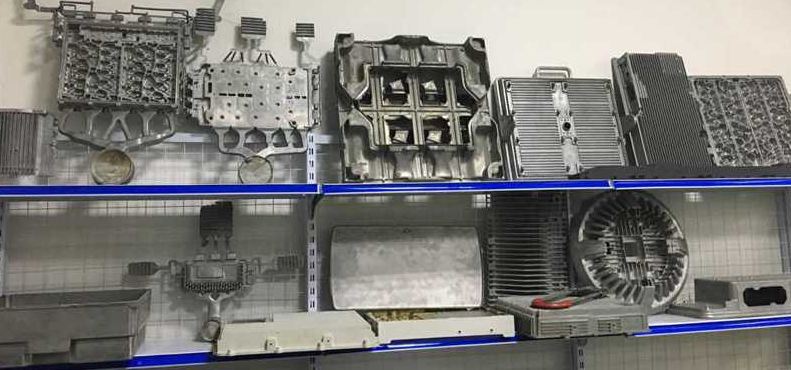
다이캐스팅 부품

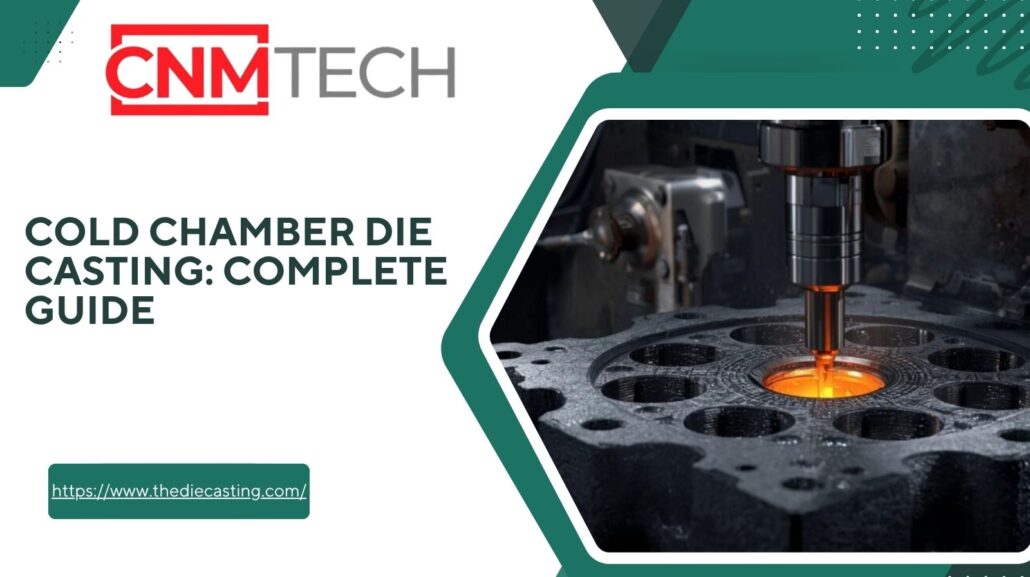
콜드 챔버 다이 캐스팅: 전체 가이드

다이 캐스팅, 다이캐스팅 제조업체, 다이캐스팅 부품

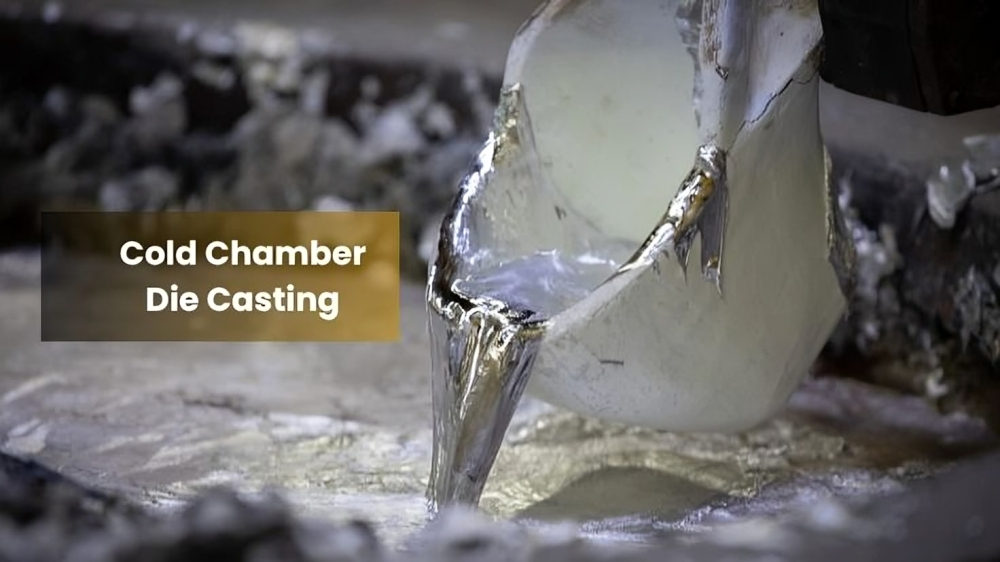
The cold chamber die casting process is initiated by first ladling molten metal into a separate injection chamber and then forcing it out into a steel mould. This process deals with high melting alloys such as aluminium, copper and magnesium. It is a tight-tolerance, high-pressure production process found in the automotive, electronics, and industrial parts production.  What is cold chamber die casting is and when to use it? Cold chamber die casting is a high-pressure moulding of metals, which would ruin or corrode a hot-chamber system. Practically, the operators melt the metal in a different furnace. Then they pour the molten metal into an unheated shot sleeve. The metal is forced into the closed mould by a hydraulic plunger with extreme pressure. The section hardens very rapidly, and the die is opened to spurt out the casting. This can be used when the alloy is of high melting temperature or where the alloy would corrode injection components, such as aluminium and copper alloys. The process sacrifices speed of the cycle for the scale and flexibility of the alloy.  Cold Chamber Die Casting Process Step-by-Step Cold chamber die casting is one of the most reliable techniques for making high-quality metal parts. Every process must be monitored in terms of temperature, pressure and time. Minor variations can impact the surface finish, strength and dimensional accuracy of the end product. Melting the Metal It starts by melting the metal in a separate furnace. Mostly used are aluminium, magnesium and copper alloys. In the case of aluminium, it is typically 650degC and 750degC. It is necessary to keep the melt clean. The impurities are eliminated by the operator with the help of fluxing agents and skimming tools. In case some oxide or gas is left, it may introduce defects such as porosity or inclusions in the future. In high-tech furnaces, a dosing system is the direct connection between the furnace and a die casting machine of China Cold. This guarantees that the temperature and composition of the molten metal are uniform in each shot. Molten Metal to the Shot Chamber Then molten metal is poured into the shot chamber or shot sleeve. This may be done manually or automatically. Manual ladling is easy, less fast and has more chances of entraping air. Automatic ladling systems, in their turn, provide the accurate amounts of metal with low turbulence. Oxidation and gas inclusion can be prevented by controlling the ladling speed and temperature. Others preheat the shot sleeve a little so that it will not suddenly drop in temperature, to allow the fluidity of injection. 3. Injection into the Die Cavity A hydraulic plunger is used to inject the high-pressure molten metal into the die cavity once it is in the shot sleeve. This is the fundamental phase of the cold chamber die casting. Injection pressure varies between 3,000 psi and more than 20,000 psi, depending on the size of the part and the alloy. The injection cycle normally contains two stages: The timeliness of these phases is critical. Recent China cold chamber die casting machinery, servo-hydraulic systems automatically regulate pressure and speed of every shot and guarantee homogeneity. Solidification and Cooling Opening and Part Ejection Die Once the metal has solidified, the die is opened by the machine, after which ejector pins or robotic arms take the casting out. It should be ejected only when fully solidified; otherwise, it is distorted. In complex shapes, there is more than one ejector pin, which guarantees the clean release of the die cavity. Robots take the parts on the automated lines and place them on conveyors to be trimmed and cooled. This increases handling damage reduction and accelerates production. Trimming and Finishing Inspection and Quality Control The last one is inspection and quality control. Every casting is inspected to guarantee that it has the necessary tolerances and quality standards. Popular types of inspection are: The machinery of modern China cold chamber die casting is usually equipped with sensors and software which keep track of all the parameters – Melt temperature, injection pressure, and die temperature, which enables quality monitoring in real time. Optimisation of process and control The quality of outcomes must rely on controlled quality at each step. Safety and Environmental Factors Usually used materials and alloys. The use of a cold chamber is preferred in alloys which cannot be utilised in hot-chamber machines. Most common materials used include aluminium alloys, magnesium, copper and a few combinations of zinc andaluminiumm where corrosion of the injection mechanism should be prevented at all costs. In the automotive structural parts, aluminium alloys prevail. Magnesium is applicable in situations where very lightness is an issue. Both alloys have their own melting point, fluidity and shrinkage behaviour, which need to be handled in mould design and process parameters.  Machinery and features – such as the China cold chamber die casting machine choice. Die casting machines: The Cold chamber die casting machines are made of a robust frame, high pressure injection unit, a hydraulic system and the control electronics. The modern machines provide servo-hydraulics to save energy and enhance control, computer controls to make the shot profiles programmable and integrated auxiliary systems such as die temperature controllers and automatic ladling systems. It is also possible to find China cold chamber die casting machine suppliers that offer a large variety of models and different price ranges in case you are sourcing machines. There are compact models of Chinese manufacturers that fit small shops and large tonnage machines that are appropriate to high-volume production. Chinese constructors tend to package melting and handling equipment to provide a turnkey line as well. Compare machines in terms of check maximum clamping force (tons), volume in the shot, speed control in an injection, die size, and automation.  Essentials of tooling and die design The hardened tool steel is normally die (mould. The design of the die should permit a controlled flow of metals and escaping gaseous air,  and gating and runners geometry and cooling channels in order to

중국의 알루미늄 자동차 다이캐스팅

중국의 알루미늄 자동차 다이캐스팅

알루미늄 다이캐스팅, 다이캐스팅 부품

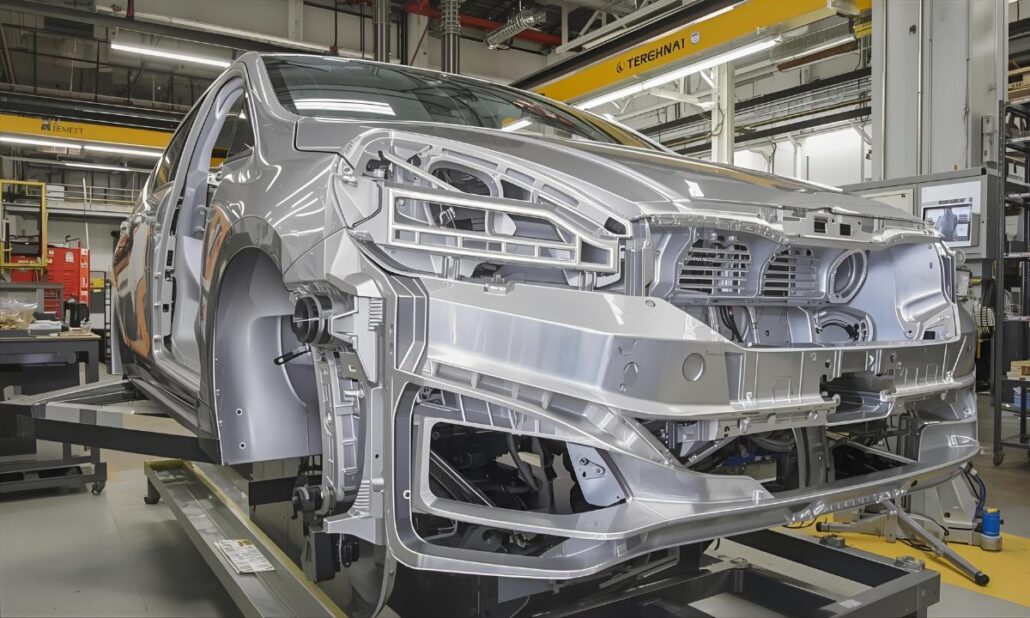
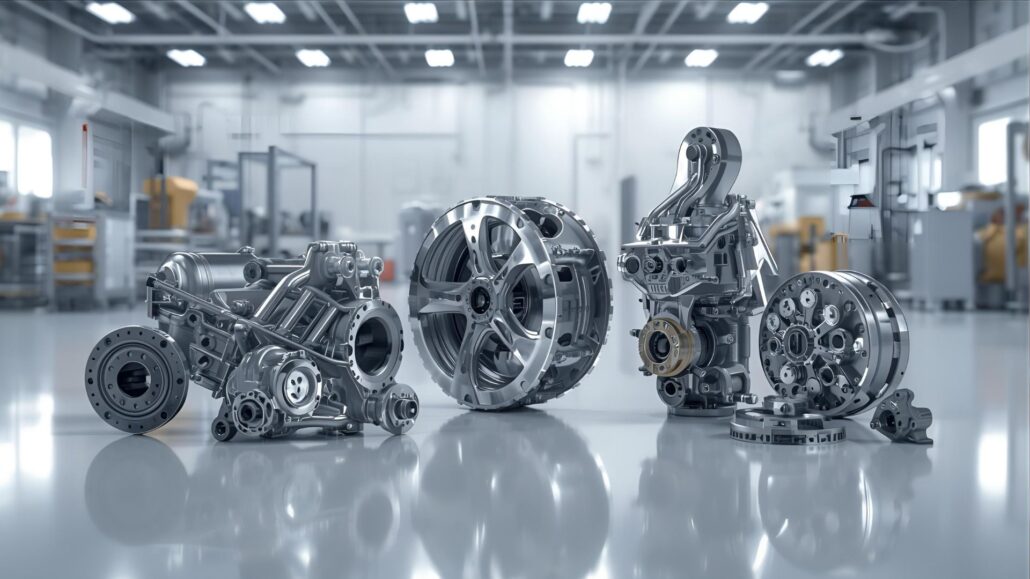
중국의 알루미늄 자동차 다이캐스팅은 국제 자동차 공급망에서 자동차 생산의 효율성, 지속 가능성 및 혁신에 기여하는 필수 공정으로 자리 잡았습니다. 가볍고 튼튼한 알루미늄은 현대 자동차 제조업체가 요구하는 기계적 성능과 연료 소비 사이의 특별한 균형을 제공합니다. 알루미늄 다이캐스트 부품은 차량 무게를 최소화하여 연료 소비를 줄이고 전기 자동차(EV)의 배터리 주행 거리를 늘리며 탄소 배출을 줄이는 데 직접적인 영향을 미칩니다. 따라서 이 기술은 제조업체뿐만 아니라 전 세계의 환경 규제에도 중요한 역할을 합니다. 중국의 자동차 산업에서의 이러한 지배력은 알루미늄 다이캐스팅의 자연스러운 확장입니다. 대규모 공급망과 산업 정책을 통한 정부의 지원으로 중국은 이미 최대 생산국이자 이 분야에서 가장 큰 혁신가 중 하나로 자리 잡았습니다. 중국의 다이캐스팅 부문은 현지 자동차 제조 산업과 해외 브랜드 모두에 서비스를 제공하고 있으며, 엔진 블록과 변속기 하우징은 물론 전기차 차체에 적용되는 첨단 기가캐스팅을 제공합니다. 경량화 소재와 친환경 생산 기술 개발도 더욱 빨라지고 있습니다. 이러한 산업 역량과 세계 지속 가능성 목표의 일치로 중국은 자동차 엔지니어링의 미래인 알루미늄 다이캐스팅 기술의 최전선에 서게 될 것입니다. 알루미늄 다이캐스팅이란? 알루미늄 다이캐스팅은 용융 알루미늄을 고압의 강철 금형(다이)에 가압하여 주입하는 생산 기술입니다. 금속이 냉각되고 응고되면 매우 유리한 중량 대비 강도 비율을 가진 복잡하고 정밀한 부품이 생산됩니다. 일반적으로 제조되는 자동차 부품은 엔진 블록, 변속기 하우징, 휠, 브래킷 및 차체 구조 부품입니다. 중국이 알루미늄 다이캐스팅을 선도하는 이유는 무엇일까요? 알루미늄 다이캐스팅 공정 알루미늄 다이캐스팅은 뛰어난 기계적 특성을 지닌 복잡하고 정확한 자동차 부품을 제작할 수 있는 가장 전문화된 제조 기술 중 하나입니다. 이 공정에는 잘 규제된 여러 단계가 포함되며, 각 단계는 최종 제품의 품질, 강도 및 내구성을 향한 단계로 볼 수 있습니다. 다음은 각 단계에 대한 설명입니다: 1. 금형 준비 일반적으로 경화 공구강으로 만들어진 강철 금형은 생산을 시작하기 전에 완전히 세척하고 점검하며 마모나 손상이 없어야 합니다. 그런 다음 이형제 또는 윤활제를 금형의 캐비티에 도포하는데, 이는 여러 가지 중요한 목적을 가지고 있습니다. 용융 알루미늄이 금형에 달라붙는 것을 방지하고 부품 배출을 원활하게 하며 연속적인 주조 사이클에서 금형 온도를 유지하는 데 도움을 줍니다. 금형 준비는 완성된 부품의 표면 품질 및 치수 정확도와 직접적인 관련이 있으므로 금형을 올바르게 준비하는 것이 중요합니다. 2. 용융 및 합금 준비 알루미늄 잉곳 또는 재활용 스크랩을 가스, 전기 또는 유도로 작동하는 고온 용광로에서 용융하는 것으로 시작됩니다. 이 단계에서 용융된 알루미늄은 약 660~700°C의 최적의 온도 범위를 유지하여 유동적인 질량을 제공하고 결함을 줄이기 위해 세심하게 관찰됩니다. 강도, 내식성 또는 열 전도성과 같은 특정 특성을 개선하기 위해 실리콘, 마그네슘, 구리와 같은 원소를 합금합니다. 화학 성분이 조금만 변해도 자동차 부품의 기능에 큰 영향을 미칠 수 있으므로 화학 성분을 정확하게 유지하는 것이 중요합니다. 3. 고압 다이캐스팅(사출) 용융된 알루미늄이 원하는 상태에 도달하면 고압 다이캐스팅(HPDC) 기계를 통해 준비된 강철 주조 금형에 부어 넣습니다. 주입 압력은 일반적으로 110~175MPa이며, 이를 통해 액체 금속이 가장 복잡한 주형 캐비티에도 정확하게 채워집니다. 또한 고압은 다공성 및 수축 결함을 줄여 고강도 및 고밀도 부품을 생산하는 데 도움이 됩니다. 이는 주조의 품질과 구조적 무결성을 깨지 않고 복잡한 형상을 생산할 수 있는지 여부를 결정하기 때문에 공정의 중심점으로 간주됩니다. 4. 냉각 및 응고 용융된 알루미늄은 주입된 후 강철 금형에서 빠르게 냉각되고 경화됩니다. 결정화가 균일하고 내부 응력이나 뒤틀림이 최소화되도록 냉각 속도가 전체적으로 유지됩니다. 냉각 시간은 주조되는 부품의 두께와 복잡성에 따라 크게 달라지며, 벽이 얇은 부품은 단 몇 초 만에 응고될 수 있는 반면 복잡한 부품은 응고에 더 오랜 시간이 걸릴 수 있습니다. 잘 조직된 냉각 회로(금형에 내장된 수로 또는 오일 회로)는 생산 공정 전반에 걸쳐 일관성을 보장하기 위해 일반적으로 사용됩니다. 적절한 응고를 통해 강도, 연성 및 치수 정확도의 균형을 맞추는 것이 필수적입니다. 5. 이젝션 부품이 경화되면 금형의 이젝터 핀을 통해 주물을 강제로 배출합니다. 이 단계에서는 부품의 민감한 부분이나 얇은 벽이 타는 것을 방지하기 위해 정확도가 필요합니다. 대규모 자동차 제조에서는 사이클 타임의 일관성을 보장하고 수작업을 최소화하는 자동화된 이젝션 시스템에 의존하는 경우가 많습니다. 이젝션 프로세스는 쉬워 보이지만 잘못 적용하면 표면 결함, 균열 또는 정렬 불량이 발생하여 최종 제품의 사용성에 악영향을 미칠 수 있습니다. 6. 트리밍 및 마무리 생 주물에는 배출 후 플래시, 러너 또는 게이트와 같은 다량의 이물질이 포함될 수 있으므로 이를 제거해야 합니다. 정확한 가장자리 라인을 얻기 위해 일반적으로 유압 프레스 또는 CNC 기계가 트리밍에 사용됩니다. 쇼트 블라스팅과 같은 다른 마감 공정은 표면의 질감을 향상시키고 기계 가공은 엔진 또는 변속기 부품에 필요한 높은 치수 공차를 제공합니다. 강도와 경도를 높이기 위해 열처리할 수 있으며, 코팅 또는 아노다이징을 통해 내식성을 높일 수 있습니다. 이러한 2차 공정은 원주조를 다음 단계로 끌어올려 기능적이고 신뢰할 수 있는 자동차 부품으로 만들기 위해 반드시 필요한 과정입니다. 7. 검사 및 품질 관리 마지막 단계는 모든 주물을 집중적으로 검사하는 단계입니다.

주조로 만든 자동차 부품:

주조로 만드는 자동차 부품: 재료 및 공정 선택

다이캐스팅 부품

현대의 자동차는 안전, 성능, 신뢰성을 제공하기 위해 각자의 목적을 가진 수천 개의 개별 부품으로 구성된 정교한 기계입니다. 주조는 자동차 산업에서 사용되는 다양한 제조 공정 중 하나입니다. 주조는 이제 돌이킬 수 없는 공정으로, 용융된 금속을 매우 섬세하고 튼튼한 부품으로 성형하여 차량의 주요 부품을 형성합니다. 대부분의 차량의 엔진, 변속기, 제동 시스템은 주조로 제작된 부품이 필요한 가장 중요한 시스템 중 하나입니다. 실제로 설계자와 제작자가 생산의 효율성, 내구성, 비용 효율성을 논의할 때 자동차 부품의 주조는 종종 논쟁의 중심에 서게 됩니다. 주조 기술은 수천 년 전에 발명된 새로운 기술이 아닙니다. 그러나 자동차 산업에서 주조 기술은 첨단 기술과 현대 자동차의 높은 요구 사항을 충족할 수 있는 최신 합금을 활용하기 위해 혁명적인 변화를 겪었습니다. 주조는 견고한 경량 알루미늄 엔진 블록과 탄력 있는 주철 브레이크 부품을 통해 자동차가 비교적 저렴한 비용으로 고성능 기준을 유지할 수 있도록 하는 데 중요한 역할을 해왔습니다. 이 글에서는 자동차 주조 부품의 역사, 공정, 장점, 미래 트렌드에 대해 살펴보고 자동차 주조 부품이 자동차 제조 산업의 한 축을 담당하고 있는 이유에 대해 알아보고자 합니다. 주조의 역사 사실 20세기 중반에 주조 공정이 본격적으로 보급된 것은 알루미늄 주조 공정이었습니다. 주조는 마차를 대체하기 위해 자동차가 처음 개발된 19세기 말과 20세기 초부터 자동차에 사용되었습니다. 초기 엔진에는 강력하면서도 저렴한 부품이 필요했고, 주조는 이에 적합한 방법이었습니다. 엔진 블록, 크랭크샤프트, 하우징을 만드는 최초의 방법 중 하나는 철 주조였습니다. 자동차 산업이 성장함에 따라 주조 기술은 점점 더 발전했습니다. 자동차 제조업체들은 엔진과 구조 부품의 경량화를 통해 차량의 수명을 줄이지 않으면서도 연비를 높일 수 있다는 사실을 알게 되었습니다. 주조는 용도와 중요도에 따라 차량의 다양한 시스템에 적용됩니다. 마지막으로 자동차 주조 부품은 강도, 정확성 및 원가 절감을 위한 비용 효율성을 제공하는 중요한 역할을 하기 때문에 자동차 부품은 자동차 산업의 거인입니다. 자동차 주조 부품이란? 자동차 주조 부품은 용융 금속을 금형에 붓고 그 결과 용융 금속이 원하는 모양으로 굳어져 생산되는 차량의 부품으로 정의할 수 있습니다. 이를 통해 엔진 블록, 실린더 헤드, 변속기 하우징, 브레이크 드럼, 휠 등 자동차에 사용되는 견고하고 견고하며 복잡한 부품을 제조할 수 있습니다. 주조 제안이 들어올 때부터 인기가 높습니다: 엔진 블록의 경우를 예로 들면, 블록에는 다양한 챔버와 냉각수 통로가 있고 나사 구멍이 있어 정확하게 주조할 수 있습니다. 주조란 무엇인가요? 주조 공정은 용융 금속을 금형에 붓고 금형 모양으로 냉각시키는 제조 유형입니다. 냉각 후 주물을 제거하고 필요한 경우 가공한 후 완제품에 장착합니다. 튼튼하고 기하학적으로 복잡한 부품을 모두 생산할 수 있는 작업입니다. 자동차 제조업체가 주조를 선호하는 이유는 복잡한 부품을 균일한 품질로 대량 생산할 수 있기 때문입니다. 또한 다공성이나 언더필과 같은 결함을 제거하기 위해 적절한 용융 온도를 유지해야 합니다. 자동차의 구조적으로 중요한 부품뿐만 아니라 고온, 고압, 지속적인 마모 등 가혹한 조건에서 정밀하고 내구성이 있어야 하는 부품도 주조로 제작합니다. 자동차 부품 주조 공정 대량 생산에서는 높은 수준의 정확성과 일관성을 보장하기 위해 기계 또는 고압 시스템을 자동화하기도 합니다. 1. 패턴 제작 완성된 부품의 모조품인 패턴을 제작하는 것으로 시작됩니다. 패턴은 주로 목재, 금속 또는 플라스틱으로 만들어집니다. 또한 용융 금속을 부어 넣을 금형 캐비티의 정확한 모양과 크기를 결정합니다. 2. 금형 준비 모래, 금속 또는 세라믹 재료를 사용하여 금형을 만듭니다. 금형의 두 반쪽은 부품의 모양을 만들기 위해 캐비티를 만듭니다. 엔진 블록의 내부 통로와 같이 금형 내에 중공이 생길 수도 있습니다. 3. 금속 용해 용광로에서는 제어된 온도를 사용하여 선택한 금속 또는 합금(주철, 알루미늄 또는 마그네슘)을 녹입니다. 이는 엔진이나 기어박스와 같은 고성능 애플리케이션에 기계적 특성을 부여하기 위한 것입니다. 4. 붓기 금속이 녹으면 금형에 채워집니다. 드릴링, 밀링, 터닝 과정에서 적절한 크기와 마감이 보장됩니다. 5. 응고 및 냉각 가열된 재료는 금형 내에서 금형 모양을 가정하여 냉각 및 경화됩니다. 부품은 냉각 속도가 제어되지 않아 수축 결함이나 균열이 발생하지 않도록 해야 합니다. 6. 금형 제거 응고되면 금형을 부수거나(모래 주조) 금형을 열어서(영구 주조 및 다이 주조) 금형을 제거합니다. 그런 다음 미가공 주물을 제거하여 주조 블랭크로 추가 가공합니다. 7. 페틀링 및 청소 스프 루, 라이저 또는 플래시를 포함한 불필요한 재료가 제거됩니다. 주물을 블라스팅하거나 연마하여 가공하기 쉽도록 표면을 정리할 수 있습니다. 8. 열처리(필요한 경우) 주조 부품의 강도, 경도 또는 인성을 향상시키기 위해 열처리할 수 있습니다. 모래 주조 - 모래 주조는 모래 주형을 더 복잡한 모양으로 성형하는 가장 오래되고 가장 일반적인 방법 중 하나입니다. 9. 가공 및 마감 주조는 그물에 가까운 모양을 만들지만, 많은 자동차 부품은 정밀하게 가공해야 합니다. 엔진 블록, 실린더 헤드 및 매니폴드와 함께 사용됩니다. 10. 검사 및 테스트 마지막으로 주조 부품에 대한 품질 검사가 이루어집니다. 비파괴 검사(NDT), 치수 검사, 재료 검사를 통해 부품이 산업 표준에 부합하는지 확인한 후 조립됩니다.

콜드 챔버 다이 캐스팅

콜드 챔버 다이캐스팅 기술의 최신 동향

다이 캐스팅, 다이캐스팅 제조업체, 다이캐스팅 부품

Cold Chamber Die Casting is a precision type of manufacturing technique applied in the manufacture of complicated metal components characterized by high levels of strength and precision. This process can best be used in metals having a high threshold of the melting point, like aluminum, brass, and copper alloys. Cold chamber die casting systems are not placed into molten metal like a hot chamber die casting system; instead, the metal is put into the cold chamber die casting machine by manually ladling metal into the cold chamber die casting machine after it is melted in another furnace. The arrangement wears less on the machine and uses alloys that are tougher. Among the important factors that make companies opt to use this method are the special cold chamber die casting advantages and disadvantages. It has top dimensional accuracy, smooth surface finishes, as well as long cycle times. Nevertheless, its strength and durability of the constituents are its favorites in the automotive, aerospace, and electronic markets. The difference between hot and cold chamber die casting is crucial to make the right choice of the process. Hot chamber die casting is more rapid and applied to metals of low-melting point, such as zinc, whereas the cold chamber die casting system is designed to handle higher temperatures and stronger metals. Manufacturers will also be able to manufacture long-lasting and reliable parts with this process that have a high degree of precision in their specifications. In the present article, we are going to discuss the principle of operation of cold chamber die casting, its main parts, the nature of the metal employed, and technological parameters of cold chamber die casting, including clamping force and cycle time. The cold chamber die casting advantages and disadvantages will also be considered to provide you with a full picture of this important manufacturing process. What is the Cold Chamber Die Casting? Cold Chamber Die Casting: A cold chamber die casting process is a metal casting process where molten metal is ladled either manually or automatically into a separate cold chamber outside the injection system. Thereafter, the metal is pushed with high pressure into a mold cavity, which causes the metal to cool and crystallize in the desired shape. It is usually applied to metal with a large melting point, like brass, aluminum, and copper alloys. The purpose of avoiding corrosion and thermal fatigue that can result in improper working of components of the injection system, unlike in the hot chamber die casting process, where the injection mechanism is suspended in molten metal, the cold chamber process keeps the injection facilities segregated. The application of the practice of the latter, i.e., Cold Chamber Die Casting, is especially advantageous, where the metals used would harm the components, contacting them. High pressure can be used in the injection process itself, and denser, stronger components with a brilliant surface finish and dimensional stability would be possible. Die Casting Process- Step by Step The object of the Cold Chamber Die Casting technique is to make highly accurate and hard metal parts that are frequently composed of alloys that have melt-points that are at high temperatures, such as aluminum and brass. Let us have a step-by-step breakdown of how it works: 1. The External Furnace is used to melt the Metal The process is similar to that of hot chamber casting except that the melting of metal is done in a separate furnace outside. This is required in that the molten metal in the cold chamber casting will cause a high level of heat to be experienced internally that cannot be handled. The metal is melted, after which it is able to be transferred into the casting machine. 2. Pouring the molten metal into the Shot Sleeve Thereafter, the molten metal is ladled into the shot sleeve in the die casting machine. This is manually done or arm-driven. The shot sleeve is a strong, resistant to heat tube into which the metal rests and is later injected. This should be taken very fast to prevent premature solidification. 3. Plunger forces the metal into the die. A steel plunger travels into the shot sleeve and presses the molten metal at high pressure in the die cavities. The force makes sure that the metal fills the mold even in any complicated pattern or with a very thin wall, and decreases the chances of any flaws, such as air pockets. 4. There is the Solidification of Metal within the Die When the mold is filled, the metal starts cooling and solidifying within the die. This solidification step is very important in coming up with a good and precise part. The cooling time is dependent on the part metal, part thickness, and die temperature. 5. The Brass Die and Ejector Pins Force-Out the Casting When the part has solidified, the clamping unit of the machine opens the die, and ejection pins force the casting out of the mold cavity. The portion is then moved to a cooler station or a trimming station. 6. Removal of Flash (Removal of Excess Metal) There is some over metal on the sides called flash that is around the edges of the casting where the halves of the die come together. This is then removed by mechanical trimming, grinding, or machining, depending on what the finish requires. This will prevent the final works from being below the intended shape and tolerance. 7. Die cycle reset and Lubrication The die is washed and greased before entering the next cycle in order to be of good quality and avoid sticking. When the oiling is done, the die is again clamped, and the machine is switched to reset for more cycles. 8. Quality Inspection and finishing This is a complete part that is checked to ensure quality defects do not exist, like cracks, shrinkage, or abnormalities on the surface. Depending on the end-use requirement of the part, it can be subjected to additional machining, surface treatment, or assembled (if required). Metals to be used in the

고성능 차량용 자동차 아연 다이캐스팅 부품

다이캐스팅 부품

In automotive manufacturing, it is important to have precision, solid components, and cost efficiency to produce top-performance parts. Meeting these demands can be done reliably with zinc die casting. Many manufacturers now use zinc die casting for automotive parts to obtain tough parts, exactly the right size, and protected against corrosion. Because they cast well, zinc alloys work great in large-scale automotive production. Owing to their easy melting and good flow, these alloys can be formed inside detailed molds with tight levels of accuracy. Zinc alloy casting is vital for building die-cast zinc parts in automobiles, such as housings for locks, brackets, door handles, and many under-the-hood fittings. Apart from needing mechanical power, these parts should also resist changes in temperature, vibration, and outside influences. Because the auto zinc-alloy die-cast process provides a better finish, manufacturers can also reduce or cancel out the need for extra finishing operations such as machining or polishing. What’s more, zinc can be used with many types of plating and coating, which boosts both how useful and attractive the parts become. Because zinc alloys are recyclable, manufacturing with them fits well with the industry’s move toward eco-efficiency. The following sections will focus on understanding the main features, weaknesses, areas of application, and related topics of zinc die casting in the automotive industry, underscoring the trend of greater interest in zinc die casting for mobility by examining a series of auto zinc alloy case studies. What is zinc die casting?  Zinc alloy is injected into a steel mold at high pressure in order to make accurate metal parts through zinc die casting. Because complex parts are produced with stability and top-quality smoothness, and exact fits, EBM is seen as particularly valued. What Are the Important Features of Zinc Die Casting? 1. When working with high-pressure injection, molten zinc is introduced quickly into a precise mold at high pressure, so that every part of the mold is filled. 2. Zinc cools and hardens very fast, which is why the process is suited to mass manufacturing. 3. Made of durably hardened steel, the dies are designed for many uses and are therefore suitable for large-volume production. Why Zinc? Because of its properties, zinc is frequently employed in die casting. Zinc Alloys: What Makes Them Unique? Zinc alloys include important mechanical and physical features required for good automotive performance. These include: The reasons behind these properties mean that zinc alloys are a common pick for brackets, housings, handles, lock components, and trim parts placed inside or outside a car. A strong benefit of automotive parts zinc die casting is that you can build many useful functions into a single, detailed part, which makes assembly less necessary and drops the product cost. What is the Die Casting Process? In die casting, the mold or die holds molten metal that is pressed under high pressure. For every part, a mold is made that ensures parts are produced quickly, exactly the same, and accurately. The most important parts of zinc die casting are: Great attention is paid to these stages to guarantee that zinc-cast vehicle parts are top quality. Zinc Die Casting Process and Its Characteristics Parameter Typical Value / Range Unit Description Injection Pressure 35 – 120 MPa High pressure ensures complete mold filling and detail replication. Injection Time 0.02 – 0.15 seconds Fast cycle times are possible due to zinc’s excellent fluidity. Die Temperature 150 – 250 °C Optimal temperature for mold longevity and casting quality. Melting Point of Zinc Alloy 380 – 390 °C Low melting point reduces energy consumption and tool wear. Solidification Time 0.1 – 1.0 seconds Zinc solidifies quickly, allowing short cycle times. Density 6.6 – 6.9 g/cm³ Zinc is denser than aluminum, offering better damping and strength. Tensile Strength (Zamak 3) ~280 MPa Sufficient for structural and mechanical automotive parts. Elongation at Break 10 – 15 % Indicates ductility; zinc alloys can absorb impact without cracking. Surface Finish Quality Excellent – Zinc supports high cosmetic quality with minimal post-processing. Tolerance Control ±0.02 – ±0.05 mm Tight tolerances are achievable, reducing the need for secondary machining. Reasons to Use Zinc Alloys Excellent Castability Zinc alloys are valued for their excellent ability to be cast. Because zinc melts at a low temperature and has great flow, it fills complex mold shapes perfectly. Therefore, zinc alloys are best for precise designs, as found in automotive zinc die casting parts, where getting consistent detail and form is important. Thin-walled sections and intricate forms, available with minimal porosity, are highly desirable in mass production. High levels of accurate matching Because of zinc alloys, it becomes very simple for manufacturers to achieve accurate dimensions. This matters a lot in industries such as automotive and electronics, since components should be accurate and barely vary. Because zinc die-cast components usually do not need post-machining, manufacturing costs are reduced. Thanks to their consistency, zinc alloys help keep quality high and the products reliable throughout massive production. Superb surface finish Zinc alloys are valuable because their superior surface finish is possible to obtain directly during molding. Reduced requirements for finishers’ operations come from the natural surface finish of the parts. Polishing, painting, or chrome or nickel plating zinc alloy parts is easy, so they serve well in places where both how they look and how they perform are important. In both consumer goods and automotive interiors, things like handles and buttons benefit a lot from this type of coating. Good Performance for Mechanical Strength and Toughness Zinc alloys bring together solid strength, a high resistance to being bent or broken, and a limited tendency to be malleable. As a result, we use metals with these properties wherever mechanical stress or strong wear occurs. Because they are impact resistant, zinc alloy components are strong and last a long time. Because they are strong, most structural and working parts, such as brackets, housings, and locking pieces, are built from plastics. Corrosion Resistance Because a zinc oxide layer forms on them, zinc alloys do not easily corrode.

중국의 아연 다이캐스팅 제조업체

중국과 미국 최고의 11개 아연 다이캐스팅 회사

다이캐스팅 부품, 아연 다이캐스팅

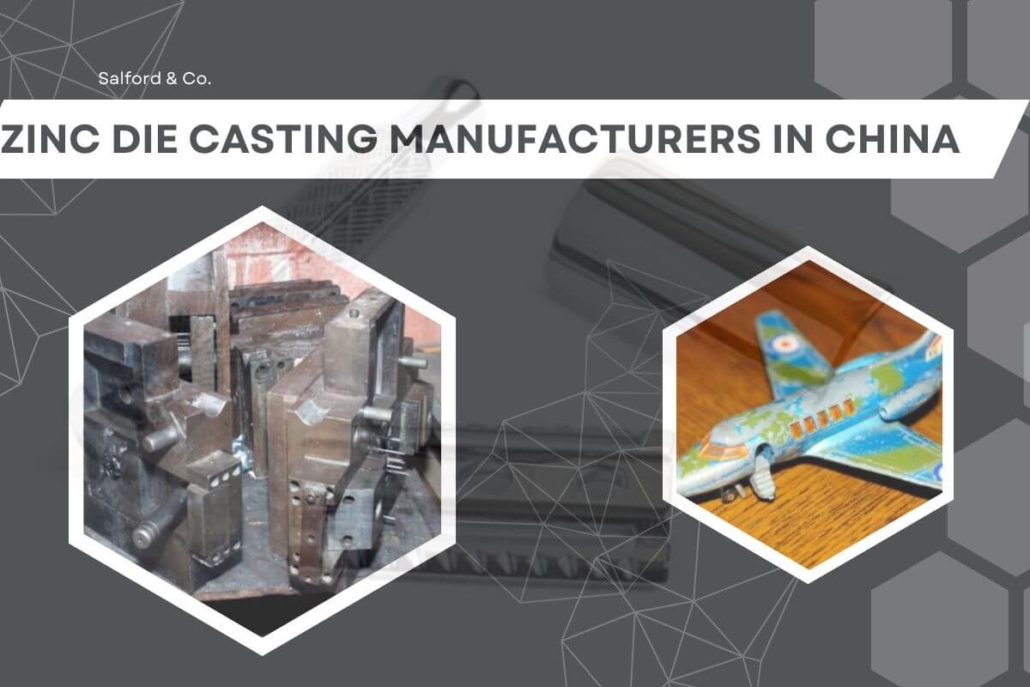
If you have metal alloy casting parts that require a high quality surface finish, such as polishing, plating, or electronic plating, then you should look for zinc die casting parts. Zinc or zamak die casting is frequently used in the production of precisely decorative parts, building accessories, door and window accessories, door hingers, die cast models, and other similar alloy products. The purpose of this article is to provide you with a concise introduction to the best 11 zinc die casting companies in China and the United States of America, as well as their casting capabilities and competitive advantages. With that in mind, let’s take a look at some of the most well-known businesses in this extensive guide. 1. Dongguan Sincere Tech Co., Ltd Dongguan Sincere Tech Co., Ltd is a mold manufacturer and zinc die casting company based in China. High-quality injection molds are the specialty of the company. It provides die-casting molds of aluminum, zinc, and magnesium along with the accuracy in plastic molding as well as molding. Services offered are for automotive, medical, and other sectors. The customers gain precision reliability and competitive charges for all the projects offered. The use of high-quality machines and equipment means that there is quality output with minimal deviations. Oversight of each project is left in the hands of skilled professionals to ensure that high standards are followed. The company has established a reputation as one of the leading companies because international clients have confidence in Dongguan Sincere Tech for success. Services Offered Dongguan Sincere Tech provides clients with a wide range of product development solutions. It ranges from the design process to the creation of prototypes, from production design to actual mass manufacturing. That is why mold creation and tooling services are considered to incorporate high precision of output product assembly, testing, and packaging. The company has immense experience in Die casting and plastic molding. Every move is performed with precision and clarity. The company makes sure that its products are according to the industry standards and values. Quick turnaround times and good results are guaranteed. Why Choose Dongguan Sincere Tech? Quality, precision, and reliability are the core values of Dongguan Sincere Tech Company. Quality assurance measures applied to the greatest level ensure the high quality and standards of the product. Raw materials of fine quality are used in the production of various products. The sophistication of manufacturing processes is used for better sturdiness. Every client is provided with high-performance and low-cost services. Accuracy and durability are the foremost aspects of designing the product. Professionals receive optimum levels of satisfaction in the services they offer to the customers as well as the products they manufacture. If you are seeking reliable and affordable molds, then Sincere Tech is a company you should look at. If you are looking for plastic injection molding, product assembly services China, and zinc die casting companies in China, you are welcome to contact with them for price. 2. GC Precision Mold Co., Ltd. GC Precision Mold Co., Ltd. is a leading Zinc die casting company in China offering vast experience of over two decades. Founded in 1999 and is primarily involved in the business of aluminum, zinc, and magnesium die-casting. In addition, they provide services for plastic molding, CNC machining, and surface finishing. GC Precision Mould works with different sectors of the economy such as automobile, electronics, and the healthcare sector. The company holds a reputation for its efficient production line. Its advanced machines are from 120 tons to 1650 tons. The services offered by the company include gravity casting, high-pressure die casting, and sand casting. They design and develop molds of specific interest. The accuracy and quality are ensured on every project to the maximum level. GC Precision Mould sells its products in the international market, specifically in North America and Europe. These companies provide efficient and convenient delivery and shipping for their customers in different parts of the globe. This has made them certified under the International Organization for Standardization (ISO) 9001 on quality. The company delivers customized solutions according to the client’s demand, thereby adding value. Core Services Provided GC Precision Mould Co., Ltd. provides a wide range of services: Die Casting: The materials used are aluminum, magnesium, zinc, and other custom alloys. Plastic Injection Molding: High precision in molding with a range of surface finishes. CNC Machining: CNC lathe turning and component manufacturing with high levels of accuracy. Surface Finish: Anodizing, powder coating, painting, and plating with chromium. Custom die casting Tooling: Equipment for difficult die casting and molding applications. Their die-casting services target the automotive, electronics, and consumer products industries. For every project, they employ modern tools and techniques, thus meeting the highest levels of production. They satisfy various customer needs since the machines used in manufacturing have a part-making capability of up to 50kg in weight. Why Choose GC Precision Mould Co. Ltd? GC Precision Mould is a reliable supplier of Zinc Die Casting Services. They provide steady and affordable services grounded on their many years of experience. The company emphasizes and assures a fast response time and works at a reasonable budget. GC Precision Mold offers a full spectrum of customer support starting from the time the project is initiated. From die casting, and CNC machining to plastic molding the company guarantees satisfaction to their customers. G.C Precision Mold Co., Ltd. focuses on constant innovation. They are always giving their best to advance their production systems and techniques. They are ISO 9001 certified and follow rigorous international standards for their products. They meet both small and big production needs in terms of service delivery. If you are looking for plastic injection molding, CNC machining, surface finish like anodzing, electronic plasting, 6063 or 6061 high pressure die casting, and zinc die casting manufacturers in China, you are welcome to contact with them for price. 3. CNM Casting CNM TECH is an advanced industrial zinc die casting company based in China, the CNM casting company is mainly involved in precision die-casting

아연 다이캐스팅

자동차 산업에서 아연 다이캐스팅의 중요성

다이캐스팅 알루미늄, 다이캐스팅 회사, 다이캐스팅 회사, 다이캐스팅 제조업체, 다이캐스팅 부품, 자막 3 다이 캐스팅, 자막 3 아연 주조, zamak 5, 자막 5 다이 캐스팅, 자막 다이 캐스팅, 아연 합금 다이캐스팅, 아연 다이캐스팅

다이캐스팅이란 무엇인가요? 다이캐스팅은 용융 금속을 금형 캐비티에 압입하는 것이 특징인 금속 주조 공정입니다. 금형 캐비티는 가공 중에 작업하는 두 개의 경화 공구강 금형을 사용하여 만들어지며 사출 금형과 유사하게 작동합니다. 대부분의 다이캐스팅은 비철금속, 특히 아연, 구리, 알루미늄, 마그네슘, 주석, 납 및 주석 기반 합금으로 만들어집니다. 던져지는 금속의 종류에 따라 열 또는 냉간 엔진이 사용됩니다. 아연 다이캐스팅 공정은 건축 및 산업 분야에서 부품을 만드는 데 매우 인기가 있지만, 가장 일반적으로 적용되는 분야는 자동차 산업입니다. 사실 자동차는 다이캐스팅을 통해 만들 수 있는 부품이 다양하기 때문에 현대의 다이캐스팅 공정은 원래 자동차 산업을 위해 시작되었습니다. 주조 공정은 주조 후 추가 가공이 필요 없는 경우가 많으며, 정확도가 최대 99.8%에 달할 뿐만 아니라 주조된 제품은 마감 처리가 잘 되어 있어 그대로 사용할 수 있습니다. 아연 다이캐스팅의 사용은 자동차 산업에서 거의 28%에 달하며, 건축 및 하드웨어 부문이 그 뒤를 잇고 있습니다. 아연은 자동차 부품 산업에서 가장 중요한 금속 중 하나로, 특히 안전벨트 시스템의 도어락 하우징, 폴, 기어 및 리트랙터 풀리와 같은 제품뿐만 아니라 캠샤프트 및 센서 부품에도 사용됩니다. 이 금속과 그 합금을 사용하면 다른 소재로는 불가능한 강도, 연성 및 유연성을 달성할 수 있습니다. 또한 아연은 다른 소재로는 불가능한 엄격한 공차를 가진 고품질의 미적 부품을 얻고 기계 부품이나 기어의 엠보싱 및 홈을 얻는 데 적합한 선택이 될 수 있습니다. 자동차의 아연 다이캐스팅 메커니즘 앞서 말했듯이 자동차 산업은 가장 일반적인 다이캐스팅 응용 분야로, 아연과 그 합금을 사용하면 형상 형태에 대해 엄격하고 좁은 허용 오차로 높은 미적 품질을 달성할 수 있는 부품을 생산할 수 있습니다. 아연 합금은 이미 인상적인 아연의 부식 방지 특성을 개선하는 등 많은 이점 때문에 코팅에도 사용됩니다. 아래에서 아연 도금의 가능한 여러 가지 예를 확인할 수 있습니다: 인테리어 미관 섹션 선루프 섹션 기계 부품 엔진 및 기타 언더후드 부품 파워 스티어링 시스템 부품 및 브레이크 시스템 에어컨 부품 및 시스템 섀시 하드웨어 안전벨트 시스템 부품 실내 온도 조절 부품 연료 시스템 아연 다이캐스팅의 장점: 다양한 형태와 형태를 제공하는 효율적이고 경제적인 공정. 고속 생산 치수 정확도 및 안정성 강도 및 무게 여러 마감 기법 사용 가능 간단한 조립 다이캐스팅 공정은 납과 납 합금, 마그네슘 및 구리 합금의 사용으로 시작되었으며, 1930년대에는 오늘날에도 사용되고 있는 많은 최신 합금을 사용할 수 있게 되었습니다. 이 공정은 주조 저압 사출에서 평방인치당 4,500파운드의 현대식 고압 사출로 발전했습니다. 최신 공정은 우수한 표면 마감으로 무결성이 높고 깨끗한 주조 형태를 생산할 수 있습니다. 아연 주조 합금은 강하고 내구성이 뛰어나며 비용 효율적인 엔지니어링 소재입니다. 기계적 특성은 경쟁력이 있으며 일반적으로 주조 알루미늄, 마그네슘, 청동, 플라스틱 및 대부분의 주철보다 높습니다.

자막 아연 다이캐스팅 부품이란?

다이캐스팅 회사, 다이캐스팅 제조업체, 다이캐스팅 부품, 다이캐스팅 제품, 아연 다이캐스팅

Zinc die casting Parts is referred to as the hot-chamber process. It is the method by which zinc (zamak) is heated under high temperatures and the molten material forced into a zinc die casting mold under high pressure to produce product with a similar shape as the die. As the metal moves through the die, air escapes through the vents. Once the die is full, the high pressure is maintained until it solidifies and the die is separated to release the finished zinc cast. After casting, no further modification is usually required. Use of Zinc Die Casting Zinc (zamak) is known for its high strength, accuracy, ductility, ease of casting, high thermal and electrical conductivity, and long life. As such, the zinc die casting is applied in the manufacture of high quality industrial and building materials. Die casting started in the automotive industry and it is still widely used in the manufacture of automotive components. The door locks casing, pulley, and the camshaft are some of the car parts that are made of zinc casting. In the construction industry, zinc die casting is utilized in the manufacture of components such as door knobs, faucets, and roofing. On the other hand, there are many zinc casting machine parts, such as electrical fittings. Zinc Die Casting Process Zinc is cast using the hot-chamber process due to its low melting temperatures. Cold chamber process is applied in the casting of metals with high melting temperatures such as the aluminium. The zinc die casting process involves the preparation of the metal, die preparation, and finishing. It commences with the preparation of the die followed by the metal. Notably, the die can be used once or severally depending on the component being manufactured. If it was used before, it should be lubricated to ease the removal of the cast metal. Afterwards, the ejector die half and the cover die half are screwed. The cover die half has a sprue through which the molten metal is injected while the ejector die has ejector pins for removing the castings. Preparation of the die is followed by melting of the ZA or the ZAMALAK alloy on a furnace. The physical properties of the product dictates the choice of the alloy. Due to metal hardness and strength, the furnace temperature is usually very high. The oxidized parts of the metal are removed at this stage to raise the purity of the finished product. Various chemicals can be added to improve physical properties of the finished alloy. Once the molten metal is prepared, it is injected into the feed system under high pressure. Most of the systems have several dies for efficiency and mass production. The raised pressure ensures that the molten zinc alloy gets into the mold as fast as possible, no air gets into the molten metal, and the expulsion of the air in the die through the vents. After filling the die, the pressure is raised further until the zinc alloy casting solidifies. The process also involves cooling using water. Then, the two dies are separated and the metal cast is removed. This is followed by the cleaning of the feed system to get rid of the flash. Further finishing can be carried out depending with the final use of the product. The runner that is removed from the final product and the flash are usually recycled.

도매 알루미늄 다이캐스팅 제조업체

다이캐스팅 부품

다이캐스팅 제조업체, 다이캐스팅 부품

Machining and Finishing Operations For Ready-To-Assemble Die Casting Parts. Over 20 years, CNM die casting company, Incorporated has provided high-quality aluminum, magnesium, and zinc die casting parts and services. CNM TECH specializes in the design, engineering, and production of complex die-cast parts in a broad range of sizes. Our experienced team of engineers, technicians, designers, machinists, finishers, and production staff excel at producing precision castings that are meticulously machined to tight tolerances, finished to customer specifications, and delivered ready for assembly. Regardless of quantity, part type, alloy, cast-and-trim to cosmetic finish, CNM TECH is a solution driven die-casting partner that works with you to produce the best possible products cost-effectively and efficiently. In order to supply ready-to-assemble component die casting parts, CNM TECH Die Casting manufacturer maintains a fully-equipped production machine shop. It’s staffed with machinists experienced in working with aluminum and zinc. Here, modern machine tools, supported by regular maintenance and a statistical process control program, can turn out production quantities of high-quality parts to meet your manufacturing schedules. CNM TECH has the capability of handling machining requirements where tolerances must be held to a few ten-thousandths of an inch and where production quality control records must be provided. CNM TECH also maintains close working relationships with local suppliers of a variety of finishing services such as plating, anodizing and painting. This assures you of a smooth flow of work through a single, responsible source and, at the same time, provides access to a wide variety of finishing options. Inventory capabilities to meet your just-in-time production needs. CNM TECH warehouses parts inventories for customers with just-in-time production schedules. Once a predetermined inventory level has been established, we can set manufacturing schedules to maintain the stock you require. Actual parts delivery is aided by our central location and easy access to interstate highways. Let’s talk about the difference that quality can make in your die casting parts. If you’re interested in lowering your current casting reject rate or if you feel your part quantities are reaching a volume that can justify die casting, please give us a call. We’ve invested a lot of ourselves in maintaining tight quality control standards and we’d like to put that investment to work for you. Finished parts can be packed to any specification for timely delivery anywhere in the country. CNM TECH’s location puts the entire upper Midwest within the overnight delivery time.  

다이캐스팅 부품

고품질 다이캐스팅 부품

다이캐스팅 회사, 다이캐스팅 회사, 다이캐스팅 제조업체, 다이캐스팅 부품, 아연 다이캐스팅

Your High-Quality Source For Aluminum, Magnesium and Zinc Die Castings; Machined and Finished, Ready For Assembly. Setting product quality as the company goal, CNM Die Casting has risen to the top of its industry during the past ten years. Die casting buyers to look to CNM TECH to help reduce reject problems they have encountered with other component part suppliers. A manufacturer of natural gas valves experienced reject levels of up to 40% until they were cast by CNM TECH. Now, very few of their parts fail to meet a rigorous 100% testing level for pressure leaks. Quality based on engineering experience At CNM TECH Die Casting company, quality begins with experienced engineering assistance. Consultation on part design and aluminum alloy selection are part of the service. Sometimes minor changes in part design can increase production rates and eliminate potential quality problems. The end result is a better part at a lower unit cost. To be sure finished die casting parts to meet alloy specifications, both incoming materials and finished product samples are checked on the Jarrell-Ash spectrometer. Quality that moves with production instead of just a final part check Production starts after a final part design is accepted. Our quality control program then begins a series of checks to determine that the part has been produced within the specified tolerances. First, alloys are tested to make sure they meet our customer’s specifications. Then, statistical sampling during the casting and machining processes provides an early warning of manufacturing defects and helps to prevent the production of defective finished parts. Inspection frequencies can be predetermined by the job requirements to make certain that the parts you receive are parts you can use. A Three Coordinate Measuring Machine (CMM) allows completed part dimensions to be checked against computer-stored specifications to assure that accuracy has been maintained throughout the entire production run. Fatigue testing for completed parts can also be carried out under simulated operating conditions if required by the customer. Whether your specifications call for pressure tightness, critical dimensions and details, or freedom from subsurface discontinuities, CNM TECH quality assurance people have the equipment and training for the job. A regular inspection program on casting and machining equipment helps us maintain close tolerances. Equipment that’s in top operating condition benefits our customers in both reduced costs and shorter lead times. In-plant maintenance personnel can quickly correct machine problems and smooth production flow. This online catalogue will introduce you to our capabilities and give you a brief tour of our facility. Over 150 employees share our interest in providing on-time delivery of ready-for-assembly die casting parts and our objective of striving for the highest quality. CNM TECH engineers are available for consultation at early design stages to help assure finished parts meet tolerance and quality requirements while making economical use of die casting processes. The dimensional coordinate measuring machine is used to measure castings against specified tolerances. Proven, rigid quality assurance techniques applied at CNM TECH Die Casting manufacturer can meet the most demanding industrial standards.

위로 스크롤

견적 받기