알루미늄 다이캐스팅

중국 및 세계 최고의 자동차 다이캐스팅 기업 

알루미늄 다이캐스팅, 다이캐스팅 회사, 다이캐스팅 회사, 다이캐스팅 제조업체

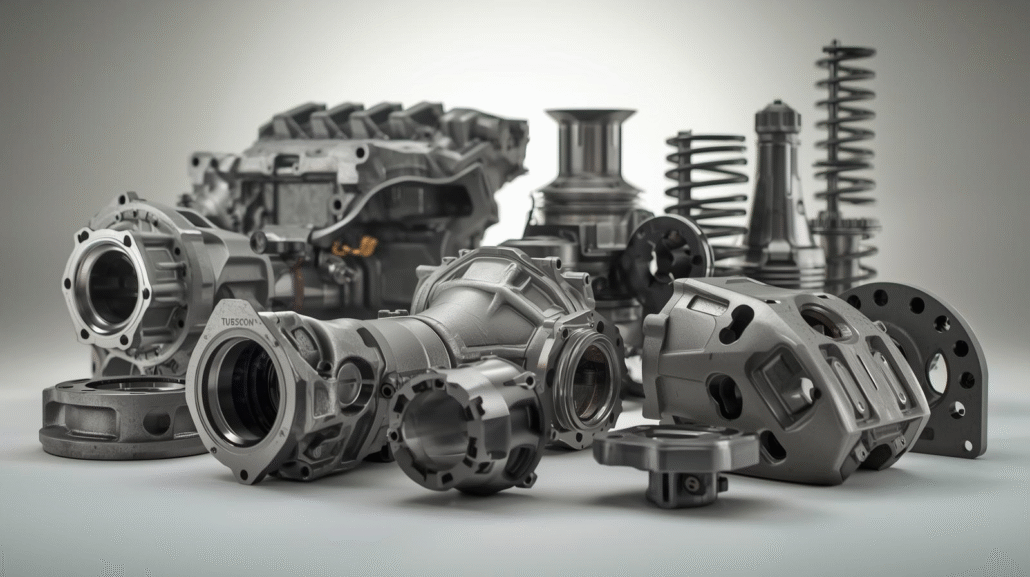
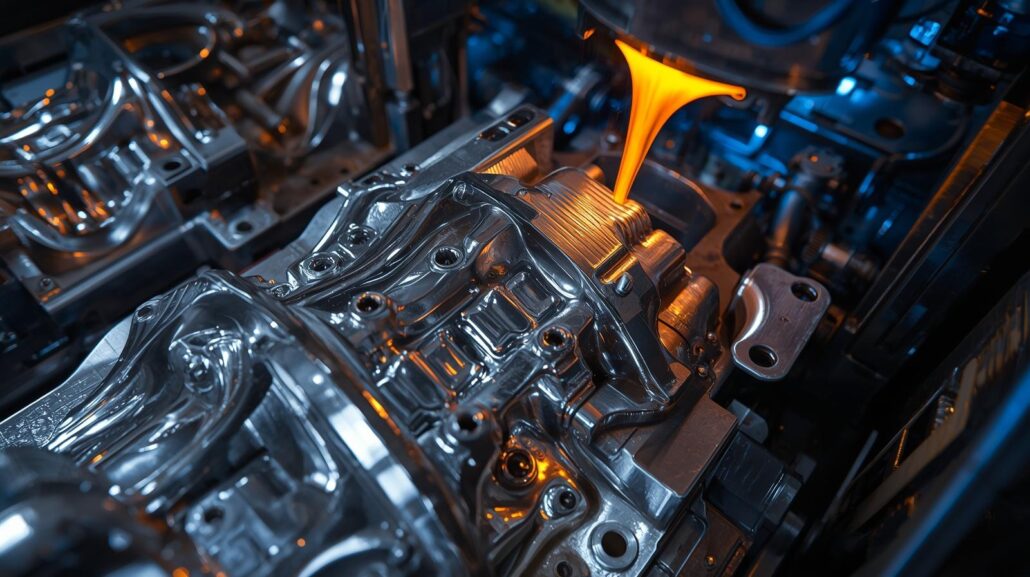
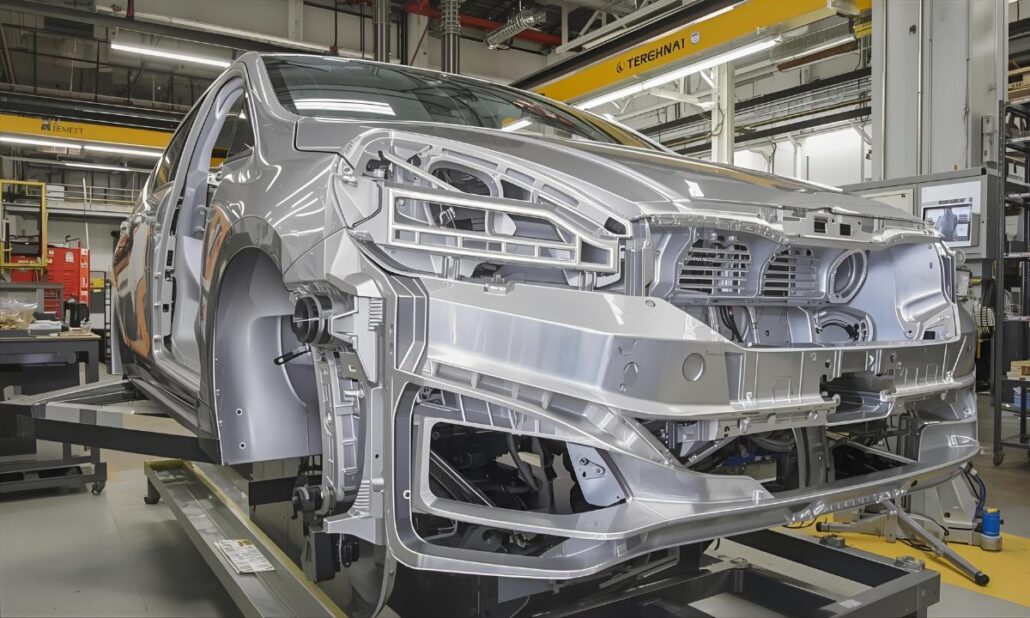
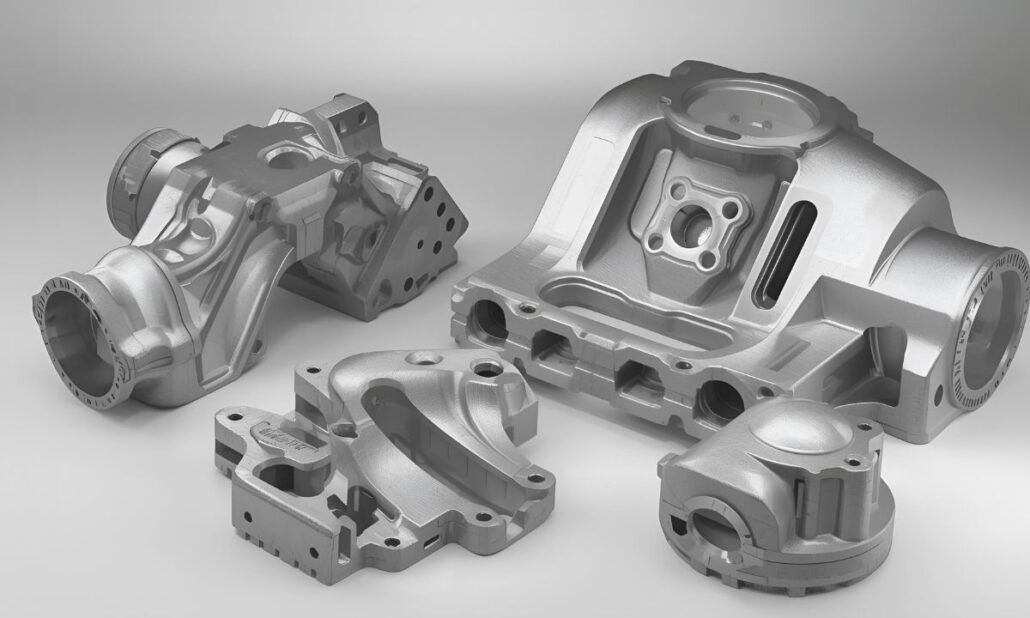
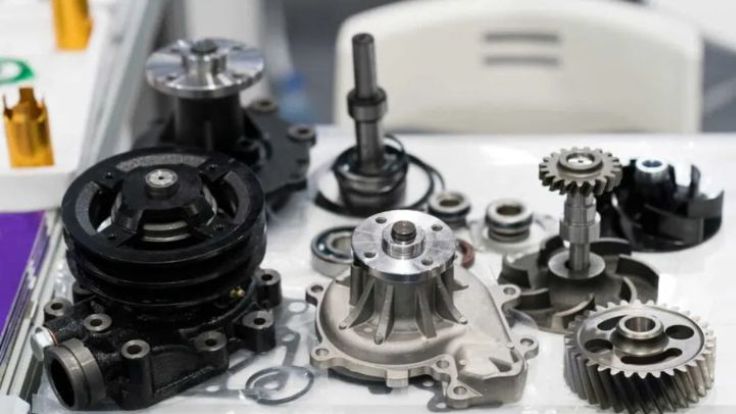
알루미늄 다이캐스팅은 현대 산업에서 가장 신뢰할 수 있고 비용 효율적인 제조 공정 중 하나입니다. 고온에서 녹인 알루미늄을 정확한 금형에 고압으로 주입하여 강력하고 가벼우면서도 치수가 정밀한 부품을 만드는 공정입니다. 특히 표면 마감이 높은 매우 복잡한 형상을 제작하는 데 유용하기 때문에 자동차, 항공우주, 전자, 소비재, 산업 기계 산업에서 선호하는 공정입니다. 알루미늄 다이캐스팅은 지난 몇 년 동안 높은 수요를 보여 왔습니다. 전기 자동차, 경량 구조 및 에너지 효율을 향한 전 세계의 추세로 인해 알루미늄 합금은 혁신의 최전선에 서게 되었습니다. 이제 제조업체들은 내구성과 경량성을 모두 갖춘 엔진 블록, 트랜스미션 하우스, 배터리 인클로저, 방열판과 같은 첨단 부품을 개발했습니다. 재활용성과 부식에 대한 저항성 덕분에 알루미늄은 지속 가능하고 친환경적인 생산을 추구하는 전 세계적인 추세에도 도움이 됩니다. 알루미늄 다이캐스팅의 두 가지 주요 허브는 미국과 중국입니다. 미국의 캠퍼니는 혁신적이고 품질 기준이 높으며 높은 수준의 자동화를 사용하는 것으로 알려져 있으며 고정밀 산업에 대한 좋은 투자로 간주될 수 있습니다. 반대로 중국 제조업체는 세계 시장에서 많은 경쟁력을 확보했으며 비용 효율적인 솔루션, 높은 생산 능력 및 더 진보된 기술을 제공하고 있습니다. 이 백서에서는 미국과 중국에서 가장 성공적인 알루미늄 다이캐스팅 산업, 그들의 강점, 능력 및 전 세계 기업이 제조 산업에서 선호하는 공급 업체로서 가장 신뢰할 수 있는 파트너가 되는 요인에 대해 설명합니다. 자동차 다이캐스팅이란? 다이캐스팅은 일반적으로 알루미늄, 마그네슘 또는 아연과 같은 용융 금속을 큰 압력을 가하여 개방된 공간의 금형에 밀어 넣는 생산 공정입니다. 이를 통해 복잡한 기능을 가진 고강도 부품을 표면 마감과 치수 정확도가 우수한 상태로 대량 생산할 수 있습니다. 자동차 산업에서 다이캐스팅을 통해 다음과 같은 부품을 생산할 수 있습니다: 다이캐스팅의 사용은 무게를 줄이면서도 동시에 성능을 발휘할 수 있는 현대식 차량 제작에 혁명을 일으켰습니다. 이러한 수요로 인해 중국, 유럽, 미국, 일본의 주요 자동차 다이캐스팅 회사가 높은 발전 속도를 보이고 있습니다. 중국이 자동차 다이캐스팅의 선두주자인 이유 중국은 세계 최대 규모의 자동차 다이캐스팅 제조업체를 보유하고 있습니다: 이러한 일련의 강점을 통해 중국 자동차 다이캐스팅 업체는 현지 시장뿐만 아니라 국제 공급망에서도 강자가 될 수 있었습니다. CNM Tech 다이캐스팅 회사는 우수한 알루미늄 다이캐스트 제품을 생산하는 선도적인 업체입니다. 자동차, 전자, 통신 등 여러 분야에 최고 품질 표준을 유지하기 위해 정밀하게 설계된 부품을 제공합니다. 고압 다이캐스팅 및 CNC 가공과 같은 첨단 생산 공정을 활용하여 가볍고 튼튼한 부품을 생산할 수 있습니다. 다이캐스팅 회사는 끊임없는 혁신의 힘을 믿기 때문에 항상 동일한 결과를 제공하는 데 도움이 되는 최신 기계, 자동화된 생산 라인, 더 중요한 품질 관리 시스템에 투자하고 있습니다. OEM과 티어 1 공급업체 모두 글로벌 고객층을 확보하고 있으므로 복잡하고 대량 생산에 필요한 요구 사항을 충족하는 신뢰할 수 있는 파트너입니다. 웹사이트: https://www.thediecasting.com/ 선택 이유 다이캐스팅 회사는 품질, 정밀도, 혁신에 중점을 두기 때문에 기업에서 선호합니다. 최첨단 다이캐스팅 기술 적용, 강력한 품질 관리, 정시 납품으로 고객이 국제 표준을 충족하는 부품을 얻을 수 있도록 보장하며, 신뢰할 수 있는 다이캐스팅 솔루션 제공업체를 찾고자 하는 자동차 OEM 및 제조업체가 가장 선호하는 선택입니다. 서비스 대상 산업 Sincere Tech는 플라스틱 사출 및 다이캐스트 분야의 고정밀 금형 생산업체 중 하나입니다. 이 회사는 금형 설계, 프로토타입 제작, 최종 제품 제조에 대한 배경 지식을 갖추고 있으며 전 세계 고객에게 원스톱 솔루션을 제공합니다. 그들은 컴퓨터화된 CAD/CAM 소프트웨어와 자동화된 가공을 사용하여 제조된 모든 금형이 매우 정확합니다. 플라스틱 몰드는 자동차, 가전제품 및 의료 기기 산업의 요구 사항을 충족하는 데 다년간의 경험을 바탕으로 복잡한 금형을 효율적으로 제공할 수 있는 역량을 갖추고 있습니다. 혁신, 품질 관리 및 배송 속도에서 두각을 나타내며 맞춤형 금형 솔루션을 원하는 기업이 신뢰할 수 있는 공급업체로 자리매김하고 있습니다. 웹 사이트: https://www.plasticmold.net/ 선택 이유 플라스틱 몰드는 완벽한 금형 제작 시스템, 기술력 및 제한된 생산 시간에 맞출 수 있는 능력으로 인해 선택되었습니다. 우수한 품질의 금형은 오류를 최소화하고 생산성을 향상시키며 고객이 정확하고 신뢰할 수 있는 다이캐스트 또는 사출 성형 제품을 생산할 수 있도록 지원합니다. GC 정밀 금형 서비스 산업 GC 정밀 금형은 알루미늄, 아연 및 마그네슘 다이캐스트를 제공하는 중국의 다이캐스팅 생산업체입니다. 자동차, 전자 및 조명 분야에서 고품질, 비용 효율적이며 가벼운 부품을 제조하는 것으로 명성이 높습니다. 고압 다이캐스팅, CNC 가공 및 2차 마감 작업 능력을 갖추고 있습니다. 알루 다이캐스팅은 정확성, 수명, 생산성에 중점을 두고 있습니다. 최신 설비, 자동화 라인, 숙련된 엔지니어를 통해 항상 국제 표준을 준수합니다. 현지 고객은 물론 OEM 및 티어 1 공급업체와 같은 전 세계 고객에게 서비스를 제공하고 있으며, 자동차 산업에서 중국 최고의 다이캐스팅 제조업체로 자리매김하고 있습니다. 웹 사이트: https://aludiecasting.com/ 선택 이유 경쟁력 있는 가격, 고품질 표준 및 기술을 결합하여 제공하는 Alu Diecasting을 사용하고 있습니다. 이 업체는 다양한 합금, 정밀 가공 및 정시 생산에 대한 실적을 보유하고 있어 세계 자동차 산업의 요구를 충족하는 신뢰할 수 있고 수명이 길며 가벼운 부품을 유지합니다. 서비스 산업 분야 Get It Made는 영국에 본사를 둔 CNC 가공, 3D 프린팅, 다이캐스팅 및 금속 성형 생산업체입니다. 프로토타이핑과 소량 생산을 모두 지원합니다,

미국의 알루미늄 다이캐스팅 회사

미국의 알루미늄 다이캐스팅 회사

알루미늄 다이캐스팅, 다이캐스팅 회사, 다이캐스팅 회사

알루미늄 다이캐스팅은 현재 미국에서 가장 확실하고 경제적인 생산 공정 중 하나로, 특히 견고성, 수명 및 정밀성을 요구하는 제조업체에 적합합니다. 이 공정은 용융 알루미늄을 강철 주물에 고압으로 주입하여 가벼울 뿐만 아니라 치수가 정확하고 내구성이 뛰어난 부품을 생산합니다. 이러한 강도와 가벼운 무게 덕분에 알루미늄 다이캐스팅은 자동차 및 항공우주 산업, 전자 제품, 산업 기계 및 소비재 분야에서 선호되는 소재입니다. 미국 시장은 전 세계에 진출한 대규모 제조업체부터 맞춤형 부품 및 틈새 애플리케이션을 전문으로 하는 소규모 전문 업체까지 전 세계에서 가장 확고한 알루미늄 다이캐스팅 산업을 자랑합니다. 이 회사들은 엔진 블록, 변속기 하우징, 전자 인클로저 및 구조 부품과 같은 산업 부문을 공급함으로써 주요 산업을 유지하는 데 매우 중요한 역할을 하고 있습니다. 미국에 기반을 둔 제조업체들은 고품질 기술, 인증 및 고품질 제품에 대한 집중을 통해 전 세계에서 신뢰성과 혁신적인 제품이라는 명성을 얻었습니다. 최근 몇 년 동안 차량 경량화, 전기 자동차 생산, 에너지 효율적 제조의 추진으로 인해 다이캐스트 알루미늄 부품의 수요가 급증하는 추세를 보이고 있습니다. 미국 기업들은 이러한 요구 사항을 충족하기 위해 자동화, 지속 가능한 주조 및 우수한 합금을 채택하여 높은 성과를 달성하고 있습니다. 이 기사에서는 미국 최고의 알루미늄 다이캐스팅 제조업체와 이들의 업적, 잠재력 및 현대 산업에 대한 기여도를 소개합니다. 대규모 제조 공정을 수행하기 위한 부품이든 고도의 기술 응용 분야이든 상관없이 이러한 제조업체는 알루미늄 다이캐스팅 분야에서 최고의 미국 기술을 구현하고 있습니다. 알루미늄 다이캐스팅이란? 알루미늄 다이캐스팅은 용융 알루미늄에 고압을 가해 금형이라고도 하는 강철 주형에 강제로 주입하는 생산 기법입니다. 금속이 식고 굳으면 금형이 열리고 완성된 부품이 배출됩니다. 이 공정을 통해 제조업체는 높은 수준의 치수 정확도와 매끄러운 표면 마감으로 튼튼하고 가벼우며 매우 섬세한 부품을 만들 수 있습니다. 알루미늄 다이캐스팅은 다른 제조 공정으로는 생산하기 어렵거나 비용이 많이 드는 복잡한 형상을 생산할 수 있다는 점이 가장 큰 장점입니다. 엔진 블록, 변속기 하우징, 전자 인클로저, 방열판 및 구조 부품과 같은 부품 제조에 광범위하게 적용됩니다. 알루미늄 다이캐스팅에는 몇 가지 주요 장점이 있습니다: 이러한 강점 덕분에 알루미늄 다이캐스팅은 기술 및 경제적 필요성에 맞는 고품질의 신뢰할 수 있고 효율적인 구성 요소가 필요한 산업에서 더 나은 대안으로 부상했습니다. 미국 최고의 알루미늄 다이캐스팅 회사 1. 다이나캐스트 인터내셔널 다이나캐스트 인터내셔널은 정밀 다이캐스팅 분야에서 전 세계적으로 가장 잘 알려진 회사 중 하나입니다. 이 회사는 알루미늄, 아연 및 마그네슘 합금을 사용하여 작고 복잡한 부품을 생산하는 데 수십 년의 경험을 가지고 있습니다. 자동차, 가전, 통신 및 의료 기기 산업에서 필요로 하는 엄격한 공차와 복잡한 기능을 가진 부품을 생산하는 데 능숙합니다. 또한 글로벌 기업이기 때문에 프로젝트마다 다르지 않은 유연성, 혁신 및 품질로 중소기업과 다국적 기업에 서비스를 제공할 수 있습니다. 2. 페이스 인더스트리 북미 최대의 다이 캐스팅 회사가 된 페이스 인더스트리는 종합적인 솔루션을 제공하는 것으로 명성을 쌓아왔습니다. 서비스 범위에는 설계 및 엔지니어링 지원, 다이캐스팅, 기계 가공, 표면 마감 및 최종 조립이 포함되며 자동차, 산업 및 소비자 산업의 고객에게 원스톱 솔루션을 제공해 왔습니다. 운영 규모가 크기 때문에 대량 프로젝트와 맞춤형 프로젝트도 처리할 수 있습니다. 또한 빠르게 변화하는 업계에서 경쟁력을 유지할 수 있도록 최신 기술과 지속 가능한 관행에 투자하는 문화를 따르고 있습니다. 3. 료비 다이캐스팅(미국), Inc. 료비는 세계 다이캐스팅 부문에서 유명한 브랜드이며, 미국에서 주요한 입지를 확보하고 있습니다. 미국에서의 사업은 주로 자동차 부문에 중대형 알루미늄 다이캐스트 부품을 중심으로 이루어지고 있습니다. Ryobi는 내구성과 정밀성이 요구되는 엔진 블록, 변속기 하우징 및 구조 부품을 제조합니다. 이 회사는 최첨단 기술과 품질 관리를 활용하여 전 세계 주요 자동차 제조업체가 선택하는 공급업체가 되었습니다. 4. 깁스 다이캐스팅 미국 시장의 또 다른 선두주자인 깁스 다이캐스팅은 켄터키주 헨더슨에 본사를 두고 있습니다. 이 회사는 자동차 산업, 특히 변속기 하우징과 파워 트레인 부품의 알루미늄 및 마그네슘 다이캐스팅을 전문으로 합니다. 깁스는 높은 수준의 효율성과 작업 품질을 보장하기 위해 자동화와 정교한 제조 기술을 사용하는 혁신에 중점을 두고 있습니다. 또한 낭비를 억제하고 환경 친화적인 비즈니스 관행을 장려함으로써 비즈니스에 지속 가능성 개념을 통합하고 있습니다. 5. 에이펙스 알루미늄 다이 캐스팅 주식회사 에이펙스 알루미늄 다이캐스팅은 오하이오에 위치하고 있으며 자동차, 전자 및 가전 산업에서 사용됩니다. 이 비즈니스는 중간 규모의 생산 로트 작업에서 평판이 좋기 때문에 안정적인 출력 품질이 필요하지만 더 큰 수입 업체의 막대한 힘이 필요하지 않은 회사에게 완벽한 옵션이됩니다. Apex의 팀은 고객 만족, 서비스 신뢰성, 엔지니어링 및 제조의 정확성에 중점을 두고 있습니다. 일관된 결과물을 제공한다는 좋은 평판 덕분에 많은 미국 기업의 신뢰할 수 있는 파트너로 자리매김했습니다. 6. 켄왈트 다이캐스팅 회사 캘리포니아에 본사를 둔 켄왈트 다이캐스팅은 알루미늄과 아연 등 다이캐스팅 생산에 수십 년 이상의 경험을 보유하고 있습니다. 이 회사는 또한 맞춤형 작업에 중점을 두고 있으며 산업 장비 및 소비재 산업에 서비스를 제공합니다. KenWalt는 고객과 긴밀하게 협업하는 회사로 돋보입니다.

다이캐스팅 자동차 부품에 대한 완벽한 가이드

다이캐스팅 자동차 부품에 대한 완벽한 가이드

알루미늄 다이캐스팅

Die Casting Automotive Parts has been involved in automobile production for over one hundred years. With the course of time, the process has been advanced with better materials and technology. It is also now more prominent today in decreasing vehicle weight and enhancing fuel efficiency. The contemporary automobile sector relies on accuracy and power. The cars of the modern world have to be safe, reliable, and efficient. A method of doing this with a lot of trust is by casting an automotive part through die casting. This process is a combination of precision and high manufacturing. It provides automakers with strong, lightweight, and uniform parts. The increased use of automotive die casting is not merely about performance. It is also cost savings, increased speed of production, and sustainability. Automakers are able to create thousands of the same parts and of the same quality. This is necessary in mass production. In the present paper, we are going to discuss the significance of automotive casting. We are going to watch its work, its importance, and what tendencies of the future are influencing the industry. At the conclusion, you will know the reason why the contemporary manufacturing of vehicles is supported by automotive die casting. Automotive Die Casting Car manufacturing is one of the most sophisticated technologies through which parts are manufactured by a process known as automotive die casting. It is contrasting to the traditional casting as it operates under high pressure. Molten metal is injected into a steel mold known as a die in this process. The die is extremely precise, and hence the section that is produced is of specific dimensions. This is done by first melting the metal. The most common ones are aluminum and magnesium. After the liquid metal is melted, it is forced to fill the die at an extremely high rate. The die is filled with the metal that solidifies. Upon opening the die, the completed part is cut off. Two systems of automotive die casting are in existence: The principal advantages of automotive die casting are speed, accuracy, and strength. Thousands of parts could be made using one die. All sections are emerging virtually the same. It has smooth surfaces, and this means that it does not require additional machining. When it comes to large-scale production, automotive die casting will do. It is used by car companies to manufacture engine blocks, gear houses, wheels, and even structural parts. It is economical in both time and cost, besides providing powerful yet lightweight components. The die casting automotive parts Process The die casting automotive parts making process follows a number of steps. Every step is significant so as to be accurate, strong, and reliable. Preparing the Die It starts with the design and fabrication of the die. A die is a form of hardened steel. It consists of two parts that join each other. The die is designed with the specifics of the part by engineers. The die should be powerful enough to endure pressure and heat. Melting the Metal The second step entails melting the metal that was selected. The most common are aluminum, magnesium, and zinc. The heated metal is taken through a furnace where it is melted into a liquid. The temperature should be under control to avoid impurities. Injecting the Metal After being molten, the metal is forced into the die at very high pressure. This is the most important process in die casting the automotive parts. High pressure is used to make sure that the liquid metal fills all the corners of the die. This imprints analytical lines, flattened areas, and exact forms. Cooling and Solidifying Once injected, the metal solidifies rapidly in the die. The metal is solidified through cooling and gives the part strength. Cooling time is determined by the size and thickness of the part. Starting the Die and Ejection of the Part When the metal is solidified, the die opens. The part is forced out of the mold by special ejector pins. The section is now in its overall shape, but it can still require finishing. Trimming and Cleaning Excessive metal that results is called flash, and can occur within the edges of the casting. This is trimmed away. It is followed by cleaning the part and heating it occasionally to achieve additional strength. Finishing and Inspection Surface finishing and inspection are the last. Certain portions can be painted, polished, or coated. Each section is thoroughly screened against flaws. Only the ones that are of quality are passed to be used. What happens to be a die-casting automotive part? Die casting automotive parts- are those components made with molten metal that is pressed into a mold under pressure. This produces components whose shapes and dimensions are accurate. The molds, referred to as dies, are made with great accuracy to fit the part that is needed. The most used metals are aluminum, magnesium, and zinc. These are lightweight and strong metals. Automakers like them due to the fact that they make the vehicle lighter without sacrificing durability. Typically used die-casting automotive parts are: This is because, through this process, automakers can manufacture cars that are of high quality in terms of safety and efficiency. The Industry of Automotive Casting Role One of the most traditional and consistent processes of car production is called automotive casting. It works molten metal into components of complicated forms. Engines, transmissions, suspensions, and many other systems require these parts. The contemporary automobile sector cannot operate without this procedure. The primary purpose of the automotive casting is to make strong parts at a reduced cost. With casting, the car companies can make thousands of similar parts at a time. This is significant since automobiles need accuracy and stability. One fault may have an impact on the safety or performance. Flexibility is another application of the automotive casting. The ability to design more complex shapes that otherwise were too costly to machine is possible for engineers. Through casting, thin walls, hollow, and delicate details can

중국의 알루미늄 자동차 다이캐스팅

중국의 알루미늄 자동차 다이캐스팅

알루미늄 다이캐스팅, 다이캐스팅 부품

중국의 알루미늄 자동차 다이캐스팅은 국제 자동차 공급망에서 자동차 생산의 효율성, 지속 가능성 및 혁신에 기여하는 필수 공정으로 자리 잡았습니다. 가볍고 튼튼한 알루미늄은 현대 자동차 제조업체가 요구하는 기계적 성능과 연료 소비 사이의 특별한 균형을 제공합니다. 알루미늄 다이캐스트 부품은 차량 무게를 최소화하여 연료 소비를 줄이고 전기 자동차(EV)의 배터리 주행 거리를 늘리며 탄소 배출을 줄이는 데 직접적인 영향을 미칩니다. 따라서 이 기술은 제조업체뿐만 아니라 전 세계의 환경 규제에도 중요한 역할을 합니다. 중국의 자동차 산업에서의 이러한 지배력은 알루미늄 다이캐스팅의 자연스러운 확장입니다. 대규모 공급망과 산업 정책을 통한 정부의 지원으로 중국은 이미 최대 생산국이자 이 분야에서 가장 큰 혁신가 중 하나로 자리 잡았습니다. 중국의 다이캐스팅 부문은 현지 자동차 제조 산업과 해외 브랜드 모두에 서비스를 제공하고 있으며, 엔진 블록과 변속기 하우징은 물론 전기차 차체에 적용되는 첨단 기가캐스팅을 제공합니다. 경량화 소재와 친환경 생산 기술 개발도 더욱 빨라지고 있습니다. 이러한 산업 역량과 세계 지속 가능성 목표의 일치로 중국은 자동차 엔지니어링의 미래인 알루미늄 다이캐스팅 기술의 최전선에 서게 될 것입니다. 알루미늄 다이캐스팅이란? 알루미늄 다이캐스팅은 용융 알루미늄을 고압의 강철 금형(다이)에 가압하여 주입하는 생산 기술입니다. 금속이 냉각되고 응고되면 매우 유리한 중량 대비 강도 비율을 가진 복잡하고 정밀한 부품이 생산됩니다. 일반적으로 제조되는 자동차 부품은 엔진 블록, 변속기 하우징, 휠, 브래킷 및 차체 구조 부품입니다. 중국이 알루미늄 다이캐스팅을 선도하는 이유는 무엇일까요? 알루미늄 다이캐스팅 공정 알루미늄 다이캐스팅은 뛰어난 기계적 특성을 지닌 복잡하고 정확한 자동차 부품을 제작할 수 있는 가장 전문화된 제조 기술 중 하나입니다. 이 공정에는 잘 규제된 여러 단계가 포함되며, 각 단계는 최종 제품의 품질, 강도 및 내구성을 향한 단계로 볼 수 있습니다. 다음은 각 단계에 대한 설명입니다: 1. 금형 준비 일반적으로 경화 공구강으로 만들어진 강철 금형은 생산을 시작하기 전에 완전히 세척하고 점검하며 마모나 손상이 없어야 합니다. 그런 다음 이형제 또는 윤활제를 금형의 캐비티에 도포하는데, 이는 여러 가지 중요한 목적을 가지고 있습니다. 용융 알루미늄이 금형에 달라붙는 것을 방지하고 부품 배출을 원활하게 하며 연속적인 주조 사이클에서 금형 온도를 유지하는 데 도움을 줍니다. 금형 준비는 완성된 부품의 표면 품질 및 치수 정확도와 직접적인 관련이 있으므로 금형을 올바르게 준비하는 것이 중요합니다. 2. 용융 및 합금 준비 알루미늄 잉곳 또는 재활용 스크랩을 가스, 전기 또는 유도로 작동하는 고온 용광로에서 용융하는 것으로 시작됩니다. 이 단계에서 용융된 알루미늄은 약 660~700°C의 최적의 온도 범위를 유지하여 유동적인 질량을 제공하고 결함을 줄이기 위해 세심하게 관찰됩니다. 강도, 내식성 또는 열 전도성과 같은 특정 특성을 개선하기 위해 실리콘, 마그네슘, 구리와 같은 원소를 합금합니다. 화학 성분이 조금만 변해도 자동차 부품의 기능에 큰 영향을 미칠 수 있으므로 화학 성분을 정확하게 유지하는 것이 중요합니다. 3. 고압 다이캐스팅(사출) 용융된 알루미늄이 원하는 상태에 도달하면 고압 다이캐스팅(HPDC) 기계를 통해 준비된 강철 주조 금형에 부어 넣습니다. 주입 압력은 일반적으로 110~175MPa이며, 이를 통해 액체 금속이 가장 복잡한 주형 캐비티에도 정확하게 채워집니다. 또한 고압은 다공성 및 수축 결함을 줄여 고강도 및 고밀도 부품을 생산하는 데 도움이 됩니다. 이는 주조의 품질과 구조적 무결성을 깨지 않고 복잡한 형상을 생산할 수 있는지 여부를 결정하기 때문에 공정의 중심점으로 간주됩니다. 4. 냉각 및 응고 용융된 알루미늄은 주입된 후 강철 금형에서 빠르게 냉각되고 경화됩니다. 결정화가 균일하고 내부 응력이나 뒤틀림이 최소화되도록 냉각 속도가 전체적으로 유지됩니다. 냉각 시간은 주조되는 부품의 두께와 복잡성에 따라 크게 달라지며, 벽이 얇은 부품은 단 몇 초 만에 응고될 수 있는 반면 복잡한 부품은 응고에 더 오랜 시간이 걸릴 수 있습니다. 잘 조직된 냉각 회로(금형에 내장된 수로 또는 오일 회로)는 생산 공정 전반에 걸쳐 일관성을 보장하기 위해 일반적으로 사용됩니다. 적절한 응고를 통해 강도, 연성 및 치수 정확도의 균형을 맞추는 것이 필수적입니다. 5. 이젝션 부품이 경화되면 금형의 이젝터 핀을 통해 주물을 강제로 배출합니다. 이 단계에서는 부품의 민감한 부분이나 얇은 벽이 타는 것을 방지하기 위해 정확도가 필요합니다. 대규모 자동차 제조에서는 사이클 타임의 일관성을 보장하고 수작업을 최소화하는 자동화된 이젝션 시스템에 의존하는 경우가 많습니다. 이젝션 프로세스는 쉬워 보이지만 잘못 적용하면 표면 결함, 균열 또는 정렬 불량이 발생하여 최종 제품의 사용성에 악영향을 미칠 수 있습니다. 6. 트리밍 및 마무리 생 주물에는 배출 후 플래시, 러너 또는 게이트와 같은 다량의 이물질이 포함될 수 있으므로 이를 제거해야 합니다. 정확한 가장자리 라인을 얻기 위해 일반적으로 유압 프레스 또는 CNC 기계가 트리밍에 사용됩니다. 쇼트 블라스팅과 같은 다른 마감 공정은 표면의 질감을 향상시키고 기계 가공은 엔진 또는 변속기 부품에 필요한 높은 치수 공차를 제공합니다. 강도와 경도를 높이기 위해 열처리할 수 있으며, 코팅 또는 아노다이징을 통해 내식성을 높일 수 있습니다. 이러한 2차 공정은 원주조를 다음 단계로 끌어올려 기능적이고 신뢰할 수 있는 자동차 부품으로 만들기 위해 반드시 필요한 과정입니다. 7. 검사 및 품질 관리 마지막 단계는 모든 주물을 집중적으로 검사하는 단계입니다.

알루미늄 고압 다이캐스팅 자동차 부품

알루미늄 고압 다이캐스팅 자동차 부품: 내구성과 효율성

알루미늄 다이캐스팅, 고압 다이캐스팅

자동차 산업은 알루미늄 고압 다이캐스팅 자동차 부품의 사용으로 인해 변화하고 있습니다. 제조업체는 더 가볍고 강하며 효율적인 자동차를 설계할 수 있는 힘을 얻게 되었습니다. 이 기술을 통해 자동차 제조업체는 자동차의 내구성을 손상시키지 않으면서도 무게를 줄이고 연비를 높이며 친환경 이동성을 확보할 수 있습니다. 자동차 부품 다이캐스팅은 용융 알루미늄을 강철 주형에 매우 높은 압력으로 주입하는 공정입니다. 이를 통해 매끄럽고 날카로운 강인한 형상이 만들어집니다. 이 방법을 사용하면 더 빠른 생산, 기계 가공 감소 및 일관된 품질이 가능합니다. 다이캐스팅 자동차 부품의 경우 복잡한 부품을 한 번에 설계할 수 있어 시간과 비용을 절약할 수 있습니다. 알루미늄 다이캐스팅으로 제작된 자동차 부품은 이제 현대 자동차에 많이 사용되고 있습니다. 전기 자동차의 엔진 블록, 변속기 하우징, 브레이크 부품 및 배터리 케이스를 생산하는 데 자주 사용되는 방법입니다. 가볍지만 견고하고 부식에 강하며 도로의 거친 조건을 충족하도록 설계된 이러한 부품이 만들어집니다. 알루미늄 다이캐스팅으로 제작된 자동차 부품은 특히 전기차와 하이브리드 자동차로 이동하면서 수요가 빠르게 증가하고 있습니다. 자동차의 총 중량을 줄이면 배터리 수명과 성능이 향상되고 배기가스 배출량이 감소합니다. 따라서 알루미늄 다이캐스팅은 친환경 생산의 주요 구성 요소입니다. 간단히 말해, 자동차 제조에 알루미늄 고압 다이캐스팅 자동차 부품을 사용하는 것은 더 이상 선택이 아닙니다. 이 부품은 현재의 성능 표준에 부합할 뿐만 아니라 친환경적인 최신 자동차를 만드는 데 핵심적인 역할을 해왔습니다. 강력하고 효과적이며 안정적인 이 부품은 미래에도 자동차 설계의 중심에 서게 될 것입니다. 알루미늄 고압 다이캐스팅이란? 다이캐스팅은 금속을 성형하는 공정입니다. 이 공정에서는 용융된 알루미늄을 매우 높은 압력으로 강철 주형의 캐비티에 밀어 넣습니다. 냉각되면 금속은 금형과 동일한 모양으로 굳어집니다. 결과는 매끄럽고 정확하며 오래 지속됩니다. 이것이 다이캐스팅이 현대 자동차 부품을 생산하는 가장 인기 있는 방법 중 하나가 된 이유입니다. 기존 기술에 비해 고압 다이캐스팅은 복잡한 부품을 한 번에 만들 수 있습니다. 따라서 제조업체는 시간, 가공 요구 사항 및 비용을 절약할 수 있습니다. 왜 자동차 부품에 알루미늄을 사용해야 할까요? 알루미늄 고압 다이캐스팅 자동차 부품이 인기 있는 이유는 알루미늄만큼 다양한 특성을 가진 소재가 없기 때문입니다. 알루미늄은 친환경적이고 거칠기 때문에 가볍기 때문에 자동차 산업에서 사용할 수 있습니다. 효율성과 환경 요구 사항이 증가함에 따라 알루미늄은 자동차 부품에서 다이캐스팅으로 선택되고 있습니다. 가장 큰 장점은 무게 감소입니다. 강철은 알루미늄보다 훨씬 무겁습니다. 자동차 제조업체는 알루미늄을 사용하여 생산된 다이캐스팅 자동차 부품을 통합하여 전체 차량을 경량화할 수 있습니다. 자동차가 가벼울수록 연비, 배기가스 배출량, 성능이 향상됩니다. 이는 기존 차량과 전기 자동차 모두에서 중요합니다. 한편 알루미늄은 강도가 떨어지지 않습니다. 무게 대비 강도가 좋기 때문에 부품에 무리가 가더라도 부드러워지지 않는다는 장점이 있습니다. 이 때문에 알루미늄 다이캐스트 자동차 부품은 엔진, 변속기 및 섀시 부품에 매우 유용합니다. 또 다른 중요한 장점은 내식성입니다. 알루미늄은 다른 금속처럼 녹슬거나 마모되지 않습니다. 따라서 알루미늄 다이캐스팅 자동차 부품의 수명을 늘리고 차량 소유자의 유지보수 비용을 절감할 수 있습니다. 주요 자동차 부품은 다이캐스팅으로 생산 자동차 제조업체는 대부분의 부품을 알루미늄 다이캐스팅으로 주조합니다. 이 부품들은 일반 자동차는 물론 전기 자동차에도 사용할 수 있는 가볍지만 강력한 부품입니다. 엔진 블록 엔진 블록은 열, 진동 및 압력을 견뎌야 합니다. 자동차 부품 다이캐스팅의 경우 알루미늄 블록은 무게는 가볍지만 매우 가혹한 조건에서도 작동할 수 있을 만큼 견고합니다. 따라서 엔진의 전체 무게와 연료 소비를 절약할 수 있습니다. 트랜스미션 하우징 트랜스미션 하우징은 정밀하고 내구성이 뛰어나야 합니다. 다이캐스팅 자동차 부품은 부드럽게 작동하는 기어의 정확성을 달성하기 위해 사용됩니다. 이를 통해 시간이 지나도 높은 신뢰성을 보장하고 최소한의 가공만 필요합니다. 브레이크 부품 브레이크는 지속적인 스트레스에 직면합니다. 제조업체는 알루미늄 다이캐스팅 자동차 부품을 사용하기 때문에 무겁지 않으면서도 튼튼한 부품을 생산합니다. 이러한 균형은 제동력을 높이고 차량의 무게를 줄이기 위해 적용됩니다. 섀시 부품 섀시 부품은 안전과 안정성을 제공하는 데 사용됩니다. 알루미늄 다이캐스팅 자동차 부품을 사용하여 제작하면 튼튼하지만 부피가 크지 않습니다. 따라서 관리와 생산성이 향상됩니다. EV 전기 하우징의 모터 및 배터리 모터와 배터리를 보호하는 자동차 부품은 전기 자동차에서 알루미늄 고압 다이캐스팅을 사용하여 제작됩니다. 하우징은 섬세한 시스템을 보호하면서도 가벼운 프레임을 제공하여 주행 거리를 늘릴 수 있습니다. 이러한 요소들을 종합하면 자동차 부품 다이캐스팅은 새로운 자동차를 설계하는 데 중요한 역할을 합니다. 알루미늄 다이캐스팅은 엔진, 전기차 배터리 등의 성능을 효율적으로 개선하고 수명을 연장하며 내구성을 높였습니다. 알루미늄 고압 다이캐스팅 공정 1. 금형 준비 금형 준비가 시작됩니다. 불순물을 제거하기 위해 강철로 된 금형을 깨끗이 세척하고 적절한 온도로 가열합니다. 용융된 알루미늄이 표면에 달라붙는 것을 방지하고 냉각 속도를 제어하는 데 도움이 되는 보호 코팅을 표면에 도포합니다. 이는 금속의 순환을 개선하고 금형의 수명을 연장하며 생산 주기당 부품의 일관성을 보장하기 위해 수행됩니다. 2. 알루미늄 용해 이러한 알루미늄 합금은 특정 온도가 제어된 용광로에서 녹습니다. 그러나 산화를 방지하고 용융 금속이 금형 캐비티로 쉽게 흘러 들어가기 때문에 충분한 온도도 필요합니다. 불순물은 정제제나 필터를 통해 제거됩니다. 이렇게 하면 알루미늄 다이캐스트 자동차 부품에 결함이 없고 품질이 우수하고 일관된 특성을 유지할 수 있습니다. 3. 고압 사출. 그런 다음 용융된 알루미늄을

아연 도금 대 니켈 도금: 어떤 것을 선택해야 할까요?

아연 도금 대 니켈 도금: 어떤 것을 선택해야 할까요?

알루미늄 주조 금형, 알루미늄 다이캐스팅, 알루미늄 표면 마감

아연 도금과 니켈 도금은 금속 마감과 관련하여 자주 언급되는 주제입니다. 이 두 가지 방법은 금속을 보호하고 성능을 향상시키며 제품을 더 오래 사용할 수 있도록 하기 위해 적용됩니다. 이 두 가지 유형의 차이점은 비용, 내구성, 외관에 따라 달라집니다. 표면 마감은 외관에 관한 것이 전부는 아닙니다. 제품이 녹, 마모 및 손상에 대응할 수 있는 정확성과 관련이 있습니다. 아무리 강한 금속이라도 적절한 코팅이 되어 있지 않으면 무력화될 수 있습니다. 이것이 바로 자동차, 항공우주, 건설, 전자 산업에서 도금이 중요한 공정으로 자리 잡은 이유입니다. 아연 도금은 저렴하고 효과적인 것으로 잘 알려져 있습니다. 아연은 얇고 작업 가능한 보호 코팅을 형성하여 밑에 있는 금속의 녹 손상을 방지합니다. 따라서 패스너, 너트, 볼트 및 일상용품에 사용되는 기타 많은 소형 제품 요소에 선호됩니다. 반면에 니켈 도금은 더 강하고 내구성이 뛰어납니다. 쉽게 마모되지 않으며 산에 강합니다. 또한 니켈 도금은 밝고 매력적인 마감 처리이므로 자동차 트림이나 가전제품 부속품, 전자제품 케이스 등 장식용 또는 눈에 잘 띄는 부품에 사용하기에 이상적입니다. 아연 도금과 니켈 도금을 고려할 때, 어떤 것이 상황에 더 적합할까요? 부품이 적용될 위치, 부품에 필요한 보호 기능의 정도, 부품을 얼마만큼 포기할 준비가 되었는지에 따라 답이 결정됩니다. 이번 블로그에서는 가장 적절한 결정을 내리는 데 도움이 될 수 있도록 두 가지 공정과 그 장점, 한계, 그리고 가장 잘 활용할 수 있는 주요 분야를 소개합니다. 아연 도금이란 무엇인가요? 아연 도금은 널리 사용되는 비용 효율적인 코팅 기술입니다. 아연 도금은 전기 도금이라는 공정을 통해 금속(주로 강철 또는 철) 표면에 얇은 아연 코팅을 입히는 방식으로 이루어집니다. 이 과정에서 아연 염 용액을 사용하여 기본 금속을 담그고 전류를 흘려보냅니다. 아연 용액은 부품의 표면으로 이동하여 균일하고 얇은 코팅을 남깁니다. 아연 도금의 장점 아연 도금의 한계 니켈 도금이란 무엇인가요? 니켈 도금도 일반적인 마감 기법이지만 아연에 비해 더 단단하고 내구성이 뛰어나며 심미적으로 보기 좋은 표면을 제공합니다. 이 공정은 크게 두 가지 방법으로 이루어집니다: 전해 니켈 도금(전기 도금) - 아연 도금 공정과 마찬가지로 원금속을 니켈 염 용액에 넣고 금속에 전류를 가하여 표면에 니켈을 증착하는 방식입니다. 무전해 니켈 도금은 전기가 필요 없는 방식입니다. 대신 화학 공정을 사용하여 복잡한 구조나 접근하기 어려운 곳을 포함하여 표면을 고르게 덮을 수 있도록 니켈을 증착할 수 있습니다. 니켈 도금의 장점 니켈 도금의 한계 도금 공정 아연 도금 공정 아연 도금의 경우 표면 처리는 매우 세심하게 이루어집니다. 도금을 하기 전에 대부분의 경우 금속(일반적으로 강철 또는 철)인 표면을 기름, 먼지, 녹, 산화물 등으로 깨끗이 닦아야 합니다. 이를 위해 산성 또는 알칼리성 액체로 부품을 세척한 다음 잔여물이 남지 않도록 헹굽니다. 세척 후 부품은 주로 황산아연 또는 염화아연과 같은 아연 염 용액이 담긴 전해조에 넣습니다. 그런 다음 수조를 통해 전기가 충전됩니다. 이러한 움직임으로 인해 매질 내의 아연 이온이 이동하여 모재 표면에 증착됩니다. 그 결과 아연이 매우 얇고 균일하게 코팅되어 그 아래의 아연을 덮게 됩니다. 도금된 구성 요소의 후처리 공정이 종종 수행되어 부식 방지 효과를 높일 수 있으며 코팅의 외관을 변경하여 노란색, 검은색 또는 투명한 마감을 제공할 수 있습니다. 아연 도금은 비교적 빠르고 가격이 저렴하며 하드웨어 및 차량 부품의 대량 생산에 적용 가능성이 높습니다. 니켈 도금 공정 니켈 도금도 거의 비슷한 방식으로 준비되며, 초기 단계는 세척입니다. 부품 표면을 잘 처리하고 깨끗하게 만들어 잔여물로 인해 접착력이 손상되지 않도록 합니다. 전해 니켈 도금: 부품을 황산니켈과 같은 니켈 염 용액에 넣고 전류를 가합니다. 이렇게 하면 니켈 이온이 표면에 침착되어 단단한 보호층을 형성합니다. 니켈 도금이며 전력이 필요하지 않은 또 다른 접근 방식은 무전해 니켈 도금입니다. 대신 부품을 니켈 염과 차아 인산나트륨과 같은 환원 용액에 일부 화학 물질에 담그는 방식입니다. 또한 도금 화학 반응이 일어나 니켈이 부품에 균일하게 증착됩니다. 이 공정은 홈, 홈 및 기타 복잡한 형상에도 균일하게 도금할 수 있다는 점에서 전해 도금에 비해 장점이 있습니다. 무전해 니켈 침전물은 매우 단단하고 부식에 강한 것으로 알려져 있지만 이 공정은 전기 도금 방법보다 비용이 많이 들고 용액 화학, pH 수준 및 온도에 대해 훨씬 더 많은 주의가 필요합니다. 아연 도금과 니켈 도금 비교: 주요 차이점 아연 도금과 니켈 도금 중 하나를 선택할 때는 비용, 내구성, 외관, 내식성, 적용의 적절성 등을 모두 고려해야 합니다. 하나씩 살펴보겠습니다. 1. 내식성 승자: 장기적인 부식 방지를 위한 니켈 도금. 2. 내구성 / 내마모성 수상자: 니켈 도금; 경도, 내마모성. 3. 비용 우승자: 아연 도금으로 비용 효율적인 솔루션. 4. 외관 우승자: 니켈 도금-보기 좋게. 5. 환경 영향 우승자: 아연 도금- 친환경성. 빠른 비교표 특징 아연 도금 니켈 도금 내식성 우수하지만 열악한 조건에서는 제한적 내구성 우수, 특히 무전해 니켈 내구성 보통 - 빨리 마모됨 높음 - 긁힘 및 마모 방지 비용 낮음(예산 친화적) 높음(프리미엄 옵션) 외관 광택이 있지만 기본 마감 매끄럽고 거울 같은 장식 마감 환경 영향 폐기물 처리 용이 더 엄격한 환경 관리 필요 패스너, 볼트, 일반 하드웨어 항공우주, 전자, 장식용 아연 및 니켈 도금의 산업 응용 두 도금 기술은 산업에서 매우 흔합니다;

어떤 알루미늄 합금이 용접에 가장 적합할까요?

어떤 알루미늄 합금이 용접에 가장 적합할까요?

알루미늄 주조, 알루미늄 다이캐스팅

Which Aluminum Alloys Are Best for Welding? Aluminum has become the most popular of the metals used in contemporary industries because of its high portability, strong resistance to the elements and ease of fabrication. Its alloys are invaluable in the aerospace, automotive and marine as well as housing and building industries. But the challenges created by welding aluminum are different to welding other metals, in part because of the high thermal conductivity, speed of oxide formation and distortion and cracking characteristics of aluminum in the welding process. Knowledge of the properties and the characteristics of various aluminum alloys is important in the choice of the material that suits a particular task. Not every aluminum alloy is equally weldable, whereas some are well-adapted to traditional welding, others need some special welding procedure like friction stir welding. The alloy selection and method of welding depends on such factors as strength, resistance to corrosion, ductility, and the ability of heat-treating. Surfaces must also be properly prepared, filler metals need to be compatible and post-weld treatments must consider to achieve high-quality junctions. The article will give an in-depth report on the best types of aluminum alloy to be welded, their characteristics, the benefits associated with their usage, recommendations to follow and the challenges to expect when welding these types of aluminium alloy. Based on such knowledge, professionals will be in a position to achieve durable, reliable and good performing welded structures across diverse industrial and structural applications. What is aluminum alloys Aluminum alloys are the materials used by adding other metals to the aluminum to enhance its qualities like strength, corrosion resistant, machinability or weldability. Pure aluminum is weak, lightweight, soft, and very well resistant to corrosion. By mixing additional elements (such as copper (Cu), magnesium (Mg), silicon (Si), manganese (Mn), or zinc (Zn)), engineers can make alloys suitable to a variety of types of applications, including aerospace, automotive parts, marine and building structures. A few points of aluminum alloys Simply put, aluminum alloys have the lightweight, corrosion-resistant properties of aluminum with extra favorable qualities needed to suit the needs of an industrial application. Knowing the Aluminum Alloys Aluminum alloys have been divided into wrought alloys and cast alloys. Mechanically worked alloys are wrought into sheets, plates or extrusions but casting alloys are in form of poured molten aluminum into molds. The wrought alloys are further divided into series according to the alloying elements: Conditions which Affect Weldability Aluminum alloys can be welded, depending upon a variety of factors: The best Aluminum Alloys to weld on 5052 Alloy Al-Mg (aluminum-magnesium) alloy 5052 is considered by many to be one of the most welding friendly alloys. This is due to its high magnesium content and therefore it has good resistance to corrosion, especially in marine environments and applications in chemical processing. Applications: Moderate-to-high strength, high ductile and above-average corrosion resistance. Advantages: Materials: Marine structures, Chemical tanks, automotive panels, roofing sheets and industrial equipment. Alloy 5083 Aluminum-magnesium alloy 5083 has high strength at low temperatures and thus is applicable in marine and cryogenics. It resists corrosion especially in industrial and seawater. Characteristics: Extra-high strength, good corrosion protection, good fatigue resistance. Advantages: Applications: Shipbuilding, pressure vessels and tanks, automotive frames and equipment and transportation equipment. 5754 Alloy Another Al-Mg alloy is A-Mg 5754 which can be described as medium strength with high corrosion resistance and high formability. It also achieves structural strength, as well as, weldability and that is why it is commonly used where structural strength is key as well as weldability. Characteristics: Moderate strength, high ductility, is corrosion resistant. Advantages: Applications: Auto Body panels, structural panels, construction cladding, and marine. 6061 Alloy Al-Mg-Si alloy with the composition 6061 has found wide usage in the structural and aerospace fields. It is a compromise between toughness, corrosion resistance and utility. Type of properties: Medium-high strength, very good corrosion resistance, and moderate ductility. Advantages: Applications: Aircraft structures, pipeline, automotive components, bridge structures and structural products. 6063 Alloy Al-Mg-Si alloy (6063) is another architectural and decorative Al alloy that is noted to have a smooth finish on its surface and the ability to resist corrosion. Properties: A strong or moderate strength, good corrosion resistance, a good surface finish. Advantages: Applications: Architectural structure, window frames, doors, curtain walls and extrusions. Alloy 1100 Aluminum alloy 1100 can almost seem a pure aluminum alloy (it is 99% aluminum). It is soft, ductile and very easy to weld so it is suitable where resistivity is the issue rather than strength. High ductility: Excellent corrosion resistance, Low strength. Advantages: 1350 Alloy Another aluminum alloy of high purity applicable in the electrical and chemical industries is1350. It is incredibly strong and has great corrosion resistance as well as being very weldable and is a very dependable metal when used in specialized settings. Advantages: Immune to corrosion, excellent welding ability and low weight. Advantages: Aluminum Alloys, as well as of their major properties and the ability to be welded The technical table below contains the list of the full proper names of the aluminum alloys, as well as of their major properties and the ability to be welded: Alloy (Proper Name) Density (g/cm³) Melting Temp (°C) Tensile Strength (MPa) Yield Strength (MPa) Elongation (%) Hardness (HB) Weldability Aluminium 1100 (Commercially Pure Aluminum) 2.71 640 90 35 35 40 Excellent Aluminium 1350 (High Purity Aluminum, Electrical Grade) 2.71 640 110 40 20 50 Excellent Aluminium 5052 (Aluminium-Magnesium Alloy) 2.68 607–650 228 193 12 60 Excellent Aluminium 5083 (Aluminium-Magnesium Alloy, Marine Grade) 2.66 635 317 228 12 70 Excellent Aluminium 5754 (Aluminium-Magnesium Alloy) 2.67 637 250 190 15 60 Excellent Aluminium 6061 (Aluminium-Magnesium-Silicon Alloy) 2.70 582–652 310 276 12 95 Good Aluminium 6063 (Aluminium-Magnesium-Silicon Alloy, Architectural Grade) 2.70 615 241 214 8 90 Good Aluminium 2024 (Aluminium-Copper Alloy, Aerospace Grade) 2.78 500–640 483 345 20 120 Difficult Aluminium 2219 (Aluminium-Copper Alloy, High Strength Aerospace) 2.84 509–638 470 330 18 130 Difficult Aluminium 7075 (Aluminium-Zinc-Copper Alloy, Aerospace Grade) 2.81 477–635 572 503 11 150 Very Difficult This is

알루미늄 압출 공정이란? 

알루미늄 주조, 알루미늄 다이캐스팅

알루미늄 압출은 튼튼하면서도 가벼운 부품을 만든다는 점에서 높은 평가를 받고 있을 뿐만 아니라 유연하고 비용 효율적인 설계도 한 요인으로 작용합니다. 알루미늄은 건설, 항공우주, 자동차, 전자 산업 등 거의 모든 분야에서 사용됩니다. 알루미늄 압출은 혁신적인 디자인과 효과적인 생산 사이의 균형을 나타내는 공정 중 하나이며, 제조 산업의 지배적인 공정 중 하나가 될 것입니다. 알루미늄은 현대 산업에서 가장 인기 있는 금속 중 하나로 가벼운 무게, 강도, 내구성 및 부식에 대한 저항력으로 인해 높은 평가를 받고 있습니다. 알루미늄은 도시의 고층 빌딩 건설, 우리가 운전하는 자동차, 일상 생활에서 사용하는 기타 기기 등 우리 삶에서 더욱 눈에 띄는 소재입니다. 이러한 다용도성을 보장하는 가장 중요한 제조 공정 중 하나가 바로 알루미늄 압출 공정입니다. 압출은 치약과 유사한 방식으로 금형을 통해 금속을 밀거나 압착하는 금속 변형 방법을 광범위하게 지칭합니다. 알루미늄에서는 이미 가열된 다이를 통해 단단한 블록 모양의 물체(빌릿이라고 함)를 밀어 넣어 미리 정해진 최종 단면 모양의 긴 연속 단면이 형성됩니다. 이러한 프로파일은 일반 막대, 튜브 또는 특정 산업의 요구 사항을 충족할 수 있도록 매우 복잡하고 특수하게 제작될 수 있습니다. 이 기사에서는 알루미늄 압출 공정의 역사, 압출 공정, 유형, 응용 분야, 장점과 한계, 미래 제조에서 떠오르는 역량 등 알루미늄 압출 공정에 대한 모든 것을 알아볼 것입니다. 역사적 배경 제조 공정으로서의 압출에 대한 아이디어는 18세기 후반으로 거슬러 올라갑니다. 최초로 잘 알려진 압출은 영국의 발명가 조셉 브라마가 1797년에 특허를 획득한 것입니다. 그는 납과 같은 유연한 금속을 다이에 밀어 넣어 길고 동일한 모양의 조각, 주로 파이프를 만드는 공정을 사용했습니다. 압출 공정의 전제 조건은 발명품이었습니다. 19세기 대부분까지만 해도 더 부드러운 금속을 압출하는 것은 기술적으로 불가능했습니다. 진정한 돌파구는 220세기 초에 알루미늄을 경제적으로 생산할 수 있는 방법이 발견되면서 이루어졌습니다. 1886년 미국의 찰스 마틴 홀이 알루미늄의 가격을 낮추고 대량 생산을 가능하게 한 홀-헤룰트 공법을 발명했고, 이와는 별도로 프랑스의 폴 H. 룰트는 홀-헤룰트 공법을 개발했습니다. 알루미늄이 발명된 후 과학자들과 제조업체들이 압출의 잠재력을 깨닫기까지는 그리 오랜 시간이 걸리지 않았습니다. 알루미늄 압출 기술은 특히 유럽과 북미에서 20년대부터 본격적으로 사용되기 시작했습니다. 제2차 세계대전 당시 항공기, 군용 차량, 건물 등에 가볍지만 내구성이 뛰어난 소재가 필요했던 산업계에서 대규모로 활용되었습니다. 그 이후로 라인 주조 기술이 발명되어 군용 분야에서 처음 등장한 알루미늄 압출보다 훨씬 더 광범위하게 확장되었습니다. 알루미늄 압출이란 무엇인가요? 알루미늄 압출은 고체 알루미늄을 특정 단면을 가진 긴 모양으로 가소화하는 데 사용되는 상업적 물리적 방법입니다. 아이디어는 간단합니다. 알루미늄 블록(빌릿)을 가단성 단계까지 가열한 다음 강철로 만든 금형에 강한 압력을 가하여 강제로 밀어 넣습니다. 다이를 누르면 알루미늄은 직선, 중공 또는 솔리드 또는 매우 복잡한 프로파일의 개구부 모양을 취합니다. 압출에 가장 잘 적용되는 비유는 치약 튜브의 압출입니다. 치약과 마찬가지로 노즐의 모양을 취하고 마찬가지로 압출 알루미늄은 금형의 모양을 취합니다. 알루미늄 압출의 장점은 정확한 형상의 가볍고 튼튼한 부품을 제조할 수 있다는 점입니다. 압출된 프로파일은 다양한 길이로 박리할 수 있으며 아노다이징, 파우더 코팅, 마감 처리 등 추가 마감 처리를 할 수도 있습니다. 이러한 모든 업그레이드를 통해 성능, 내구성 및 외관이 향상됩니다. 이러한 유연성 덕분에 압출 공정은 건설 산업, 항공 산업, 전자 산업, 운송 및 소비재 산업과 같은 다양한 담론에서 활용되는 압출 공정 중 하나가 되었습니다. 이는 단순한 공정이 아니라 현재의 엔지니어링과 첨단 건축을 정의하는 기본 스테인리스 스틸과 흡수된 기능 사이의 중요한 가교 역할을 합니다. 단계별 알루미늄 압출 공정 프로파일 특성화 및 합금 주조 선택 및 빌릿 스칼프 또는 톱으로 빌릿 크리스텐 빌릿 검사 빌릿 가열 다이 및 툴링 윤활 및 프레스 준비 빌릿 적재 및 QC 프레스 시작 압출, 테이블에서 안정된 칭킹 고속 냉각(즉시 담금질) 냉각을 위한 취급 온도 담금질 후 테이블에서 프로파일이 각인이나 휨 없이 취급될 때까지 냉각됩니다. 부드럽고 제어된 냉각으로 잔류 응력을 최소화합니다. 스트레칭/교정 길이에 맞게 절단 열처리(필요한 경우) 표면 마감(옵션) 가공 및 제작(필요에 따라) 프로파일은 CNC 가공, 펀칭, 드릴링, 탭핑 또는 구부림으로 가공됩니다. 지그/픽스처는 얇거나 복잡한 섹션에서 공차 제어의 반복성을 제공합니다. 테스트 및 온-품질 관리 다이 튜닝 및 유지보수 치수 제어 또는 표면 마감이 제어되지 않을 경우 베어링의 길이와 흐름 균형을 수정하고, 다이를 연마하고, 꼭 필요하지 않은 경우 질화 처리하고, 다이를 연마 및 세척할 수 있습니다. 포장 및 물류 모든 단계가 중요한 이유 알루미늄 압출에 사용되는 부품 알루미늄 압출은 기계적, 열적, 부식 요건에 맞는 올바른 알루미늄 합금을 선택하는 것이 중요합니다. 산업마다 요구하는 특성이 다르기 때문에 합금 선택은 강도, 연성, 내식성, 열처리성에 따라 결정됩니다. 1000 시리즈(실질적으로 순수한 알루미늄) 3000 시리즈(Al-Mn 합금) 5000 시리즈(Al-Mg 합금) 6000 시리즈(Al-Mg-Si 합금) 7000 시리즈(Al-Zn-Mg-Cu 합금) 기타 특수 합금 조성 유사성을 유지하기 위해 동일한 합금이 포함된 재활용 가능한 알루미늄 스크랩이 자주 재사용됩니다. 알루미늄 압출 재료 빠른 참조 표 압출에 사용되는 일반적인 알루미늄 합금, 주요 특성 및 설정된 압출 파라미터에 대한 기술 표는 다음과 같습니다: 합금 시리즈

아노다이징 다이캐스트 알루미늄: 기술, 도전 과제 및 응용 분야

아노다이징 다이캐스트 알루미늄: 기술, 도전 과제 및 응용 분야

알루미늄 주조, 알루미늄 다이캐스팅

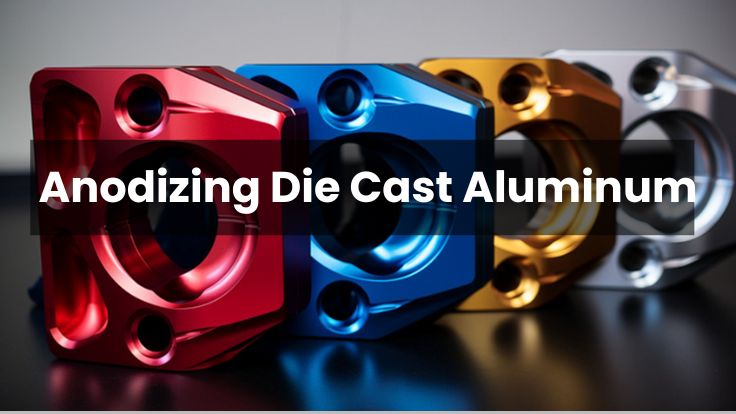
Anodizing die cast aluminum is a key metal finishing process that enhances durability, anti-seizing/corrosion and the looks of aluminum products that are extracted through die casting. With the ever-increasing demands of the industry to produce lighter-weight high-strength components for everything from car parts to electronics housing, its surface properties have become one of the most important things to add to it. Working behind the anodizing process is a controlled oxide layer that forms on the surface of aluminum by a technique of electrochemistry. Although the method has been thoroughly developed with regard to pure aluminum, its use with the alloy that is created in die casting has particular difficulties associated with it due to the inclusion of other elements such as silicon and zinc. This then brings the question to the mind of manufacturers as to whether you can anodise die-cast aluminum without sacrificing quality and appearance. To achieve performance levels under severe conditions, a combination of the techniques will be used by some industries that today are referred to as aluminum alloy die casting, plating anodizing. The technique is a combination of the strength of electroplating and anodizing, therefore, presenting better surface hardness, conductivity, and corrosion resistance. This article presents the science, techniques, and differences in anodizing die cast aluminum in order to give the complete picture to engineers, designers, and manufacturers who want to use a reliable and long-lasting surface finishing technology. What is die cast aluminum? Die casting entails pressing molten metal into a cavity of the mold at high pressure. Aluminum is lightweight and strong, making it an effective material for making durable parts with high dimensional accuracy. Nevertheless, due to a few impurities and porosities found in the process, surface finishing procedures such as anodizing die cast aluminum are made complex. It is also common to add silicon and other additives to die-casting alloys of aluminium in order to improve fluidity and other mechanical properties. However, it complicates the work on surface treatment, because these very additives will disturb the process of anodizing.  The Science of Anodizing Anodizing is an electrochemical treatment to strengthen and thicken the oxide film that occurs naturally on metal and makes it harder. The method will increase service life/durability, resistance to corrosion, and appearance. Anodized finish on aluminum has a porous structure that is perfect to absorb sealed dyes and sealants, thus they provide good decorative and functional applications. The difficulty with anodizing die cast aluminum lies in its composition. High-silicon alloy does not anodize well, and a blotchy finish or diminished corrosion resistance can be a consequence. Therefore, alloy composition is important to get a successful anodized finish. What is an Anodizing Die Cast Aluminum? Anodizing die cast aluminum. The anodizing of die-cast aluminium is the electrochemical treatment of die-cast aluminium parts to produce a permanent, protective, frequently decorative layer of corrosion-resistant oxide on the surface. The technique comes in handy, especially in areas that require protection against corrosion, advancement of surface hardness, and a limited aesthetic effect. In the process known as the anodizing die cast aluminum, the aluminum part is inserted into an electrolytic bath of acid, usually sulfuric acid, and an electric current is generated in it. This leads to the oxidation of surface of the aluminium to produce an oxide film, which is controlled and uniform. The process can be complicated, though, given the particular make-up of die-cast aluminum, commonly containing high silicon and other alloying components. Nonetheless, industries keep on investing in technologies that help to maximize the quality of anodizing die cast aluminum. The final preparation of anodized finishing is performed by methods of surface preparation like polishing, acid etching and smutting to remove the contaminants. The list of items where anodising die cast aluminum is used and utilized is long, including automotive parts, consumer electronics and many more, either to serve some functional purpose, or as an ornament. Its capability to augment the life span of parts, as well as their vulnerability to environmental degradation, makes it a vital surface treatment technique in the contemporary manufacturing industry. Process The anodizing of die cast aluminium process consists of various important steps that must be followed to achieve a good, uniform, and quality finish, even though this is a challenging process due to factors that surround the use of die-cast metals. All steps should be well-regulated in order to address such challenges as porosity of the surface and inconsistency of alloys. 1. Cleaning & Degreasing Paint, grease and oil stick to a surface and need to be removed before anodising through cleaning. This will make the process of having the oxide formed over the surface of the material even throughout the process of the anodising die die-cast aluminium. 2. Etching And De-Smuttering The outer layer is then removed, leaving a clean metallic surface by etching using an alkaline solution. This is followed by a de-smutting process to remove the residues left over by the alloying elements, a common occurrence in anodising die cast aluminium. 3. Anodising ( Electrolytic Oxidation ) The component is immersed in an electrolytic solution, normally sulfuric acid, and attached as an anode. A controlled layer of oxide is generated by the use of an electric current. This step lies at the heart of the process of anodising die cast aluminium, because it defines the thickness, porosity and longevity of the final finish. 4. Colouring (Optional) Where the finish is colored, dyes may be added to the porous anodised surface. This process is normally applied in decorative processes where looks count as much as performance in anodising die cast aluminium. 5. Sealing Lastly, the part is sealed using hot water or nickel acetate; frequently, the sealing is done in hot water or nickel acetate to seal the pores and improve corrosion resistance. This process seals dyes and reinforces the oxide layer, nd the process of anodising die-cast aluminium is complete. All the steps of this process must be controlled accurately, and so must the types of die-cast materials which are

현대 산업에서의 맞춤형 판금 제작

현대 산업에서의 맞춤형 판금 제작

알루미늄 다이캐스팅

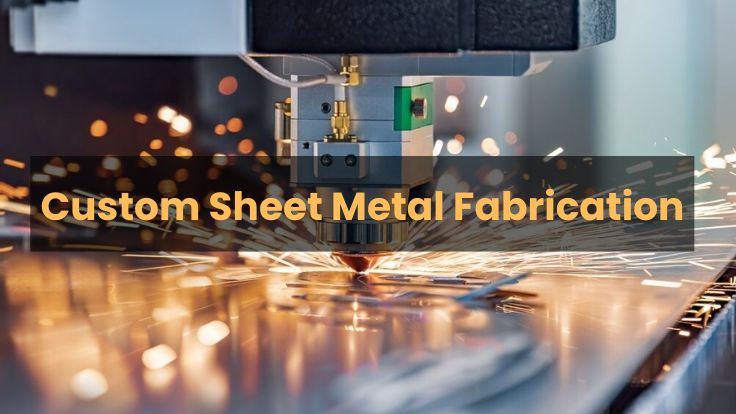
Custom sheet metal fabrication is now an activity that has established manufacturing industries in a variety of categories in the modern face of manufacturing. Whether in the form of cars and electronics, construction and healthcare, fabricated metal components play an essential role in the design, operation and durability of the enormous variety of products. It entails the sheet metal being cut, bent, shaped and assembled, based on specifications to fit the match, and manufacturers can make highly customised, durable and efficient parts. Among the most important industries that depend on this capacity is the automotive industry, in cases where the so-called custom automotive sheet metal fabrication will guarantee the production of high-performance body panels, supporting structure, and engine components. Such components should also have high standards in terms of weight, strength, and safety; hence, precision and customisation are essential. More and more foreign companies are resorting to the services provided by more advanced manufacturers like the car sheet metal fabrication in China because of favourable cost rates. Chinese manufacturers provide comprehensive services using advanced CNC equipment and short production schedules, which makes they useful partners in the global supply chain. Along with cars, the fabrication of sheet metal is a vital aspect in such areas as the aerospace industry, electronics, medical equipment, and the food processing industry. Such industries require great tolerances, corrosion resistance, and customised surface finishes, all of which can be provided by sheet metal fabrication. In this article, we are going to look at the complete range of this discipline, beginning with classic methods to the state of the art automation, mainly concentrating on automotive uses and the contribution of leading world actors, such as China. What is Custom Sheet metal fabrication? The term custom sheet metal fabrication is used when it comes to designing and manufacturing metal members or structures that can meet the specific needs of a particular project. In contrast to the mass-produced components, custom fabrications take unique solutions to specific sizes, materials and applications. This fabrication incorporates laser cutting, water jet cutting, punching, welding, forming and finishing of the surface. The most common ones are stainless steel, aluminum, galvanized steel, copper, and brass, among others, all selected due to their strength, conductivity, corrosion, and weight requirements. Manufacturers and engineers work hand in hand to make sure that all specifications are followed to the micrometre. Main Items in the Process 1. Design and Prototyping: A digital blueprint is sketched with the aid of CAD (Computer-Aided Design) software. Prototypes are frequently manufactured in order to run tests on how they work before large-scale production can commence. 2. Cutting and Shaping: The metal sheet is precisely shaped by using high-precision cutting tools to give very little tolerance. 3. Bending and Forming: The Sheet is curved to form complex shapes by bending and forming equipment, which includes press brakes. 4. Welding and Assembly: There are various parts which are assembled through TIG welding, MIG welding or spot welding. 5. Finishing: Finishing processes such as powder coating, polishing or anodising increase strength and aesthetics. Custom Automotive Sheet Metal Fabrication Rise  The Rise of custom automotive sheet metal fabrication began in the late nineteenth century, which saw the birth of the automobile industry. This period saw many people lose their lives and even more become injured by automobile accidents. This again led to the production and use of automobile insurance as a solution to automobile accidents. Precision and customization are vital in the car manufacturing business.  The custom automotive sheet metal fabrication is a significant element in the production of car body panels, chassis parts, heat shields, as well as engine enclosures. Such parts should be of high safety rating, aerodynamic, and aesthetically pleasing. Customisation gains significant relevance in the performance car, restoration car, electric car, and luxury vehicle production. The engineers may also need some special structural bracing or a project in terms of aerodynamic panels, which cannot be produced by general mass production. The benefits of the exercise of best sheet metal car fabrication are that: Common Materials in Sheet Metal Fabrication One most crucial decisions of the custom sheet metal fabrication is the choice of material. Whether it is carbon steel or stainless steel, it traverses all the aspects, including strength and corrosion resistance and even weight and workability. Knowing the nature of widely used metals enables an engineer to make a wise decision to maximise the efficiency and economic gains. Aluminium: Extremely Light and Non-Corrosive Aluminum is the most common material that is used in fabrication custom sheet metal. It is perfect for aerospace, electronic, and transport application materials because of its inherent corrosion resistance, easy weight, and good formability. It is also a highly conductive material, such that it can be used in enclosures and parts that radiate heat. As per the custom automotive sheet metal fabrication, aluminium is frequently used in the body parts and as a heat deflector to lighten the weight of the vehicle, without compromising its strength. Stainless Steel: Strong and Clean Stainless Steel  The strength of stainless and the fact that stainless is non-corrosive an attributes of the material. It is mainly utilized in food grade, medical and architectural applications where cleanliness and strength are important. Stainless steel may be specified in use of products that are under severe conditions of weather or that need a high-end finish in the custom sheet metal fabrication services. It is resistant to the effects of chemicals, water or high temperatures, hence its common use in many industries. Cold Rolled Steel: Versatile, Tough and Economical In the field of sheet metal custom fabrication, cold rolled steel (CRS) can be a common decision in construction when tight tolerances and a smooth surface are needed. It is cheap to weld or machine. Although it is likely to rust when not coated, it can be applied in buildings or painted. CSR is mostly applied in the cabinet, brackets, as well as enclosures in numerous industries such as the automotive industry, the construction industry and consumer

위로 스크롤

견적 받기