aluminium spuitgietbedrijven

Aluminium zand gieten

Een uitgebreide technische analyse van aluminium zand gieten in moderne productie

aluminium gietwerk

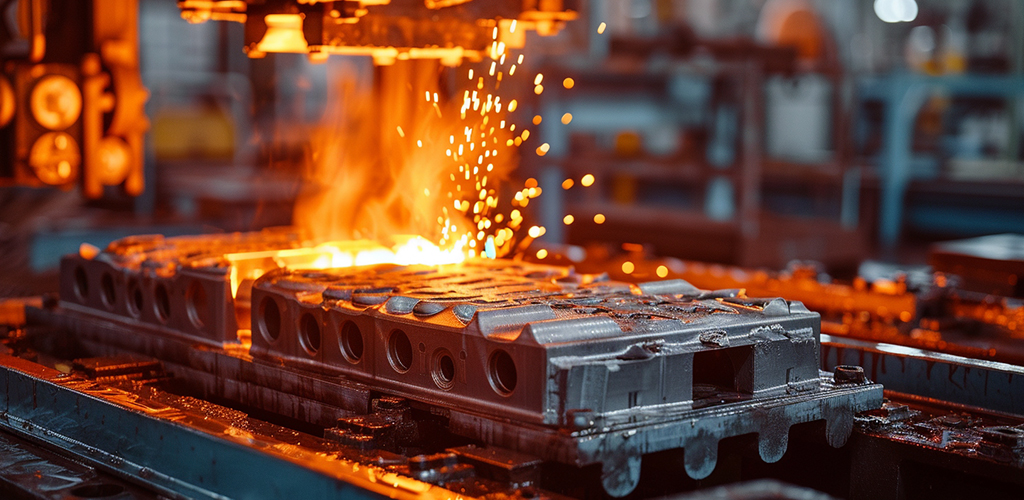
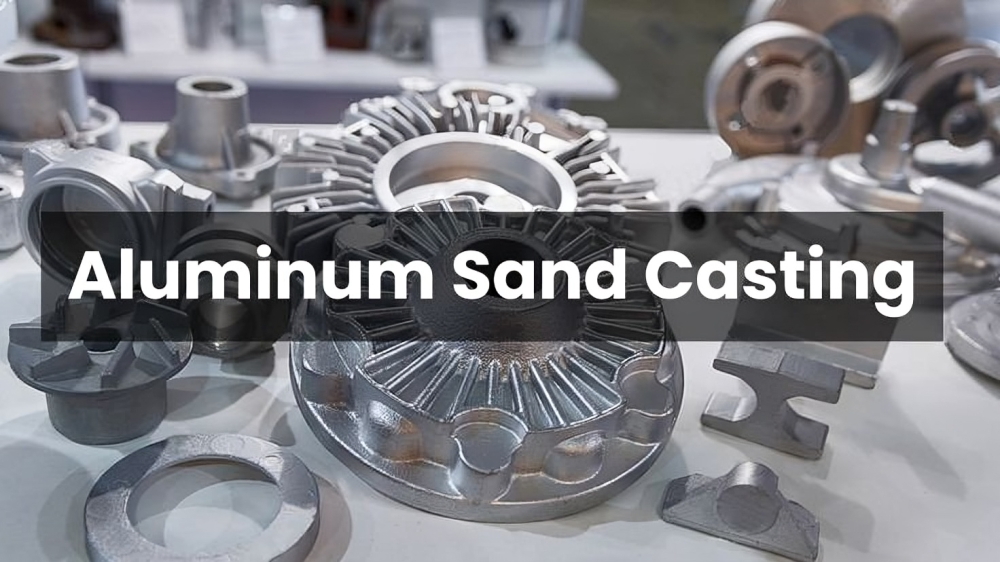
Aluminum sand casting is one of the oldest and most versatile metal casting processes, widely used in modern manufacturing to produce complex, durable, and cost-effective components. Aluminum Sand casting Manufacturers can generate complex geometries with intricate features that would have otherwise been either impractical or unprofitable to machine out of solid material through pouring molten aluminum into prepared sand molds. This method is especially suitable in low to medium-volume production, prototyping, and high structural castings on applications spanning the aerospace, automotive, defence, and energy industries. The most interesting about the sand-casting aluminum is that it is both flexible and functional. Aluminum has a very good strength versus weight, corrosion resistance, and recyclability, and thus makes it an excellent casting material. Together with the thermal resistance of sand and its high moulding capability, the process provides scalable production capability with excellent dimensional accuracy. Pattern design, the makeup of the mold, the quality of the melt, and gating design are key factors to the success of every casting. An excellent foundry of aluminum sand castings has to control not only the classic facts in metal technology but also touch on innovations in the processes. The current facilities apply the latest technology to prevent defects and ensure the best performance of the casting by using 3D sand printing, simulation software, and real-time process monitoring. Precision-engineered and casting aluminum parts are now capable of meeting stringent engineering standards for safety, tolerance, and durability. As demand grows for complex components with faster lead times and lower environmental impact, professional aluminum sand casting services must continue evolving. This article goes into the technical ins and outs of the process itself, its engineering workflow, materials, challenges, innovations, and so on. The Fundamentals of Aluminum Sand Casting At its core, aluminum sand casting involves pouring molten aluminum into a sand mold cavity, which is shaped by a pattern that replicates the final part’s geometry. When the aluminum solidifies, the sand mold is shaken off, leaving the cast piece. The process also has an outstanding dimensional flexibility and scalability capability in high-mix low-volume manufacturing conditions. The process is based on the use of a non-permanent mould, sand, that may be recycled and re-utilized, minimizing the waste of materials and expenses. Sand molds most commonly consist of silica sand with a binder added, and the nature of the binder system generally influences considerably the resulting surface finish, dimensional accuracy, and rate of cooling. The process of Flow in the Engineering of Sand Casting Aluminum Sand casting aluminum is an engineering process that consists of a set of accurately calibrated activities that aim at transforming raw aluminum into specific, well-built, and accurately dimensioned parts. Both the material and mechanical expertise are required to be in-depth to make all of the stages of the process successful. The following is a step-by-step analysis of the way in which sand casting of aluminum is implemented professionally and technically. 1. Pattern Design and making In the sand casting aluminum process, the initial step is designing and manufacturing the pattern, a physical copy of the final casting. The allowances that must be included in patterns are rather critical, such as shrinkage, draft, and machining stock. As aluminum contracts, during cooling patterns are laid out a little bigger than the finished component. The shrinkage rate of aluminum alloys is normally applied at 1.3 per cent; however, depending upon the alloy and the conditions of cooling, it may vary. Vertical portions of moulds are given draft angles, normally a few degrees between 1 and 3, to ensure that the pattern can be removed easily in the sand mold, being careful not to destroy the cavity. Additional allowances (machining allowances) are included such that there is no adverse interaction between the post-processing and the final part. Patterns may be made out of wood, metal, resin, or even 3D-printed polymer materials, depending on the accuracy demands and the needs of the production volume. 2. Mold Making (Molding and Core Setting) After preparing the pattern, the mold is to be prepared. For the sand cast, aluminum mold, there are two separate halves: the cope (upper half) and the drag (lower half). They are produced by stuffing the sand around the mold in a flask. Depending on the application, the sand is generally silica-based and is amalgamated with binders such as clay (green sand) or chemical resins (no-bake sand). In case the part design has internal space and hollow parts, it necessitates the use of sand cores. They are placed in the mold cavity, after which the metal is poured. Cores can be fabricated using core boxes, and in precision production, they can be printed with greater precision using 3D sand printing. The exact footprint of the core is very important in order to have a rigid structure and adherence to the final part dimension. 3. The Design of the Gating System The timeliness and effectiveness of the gating system formed are significant towards the success of the process of sand casting aluminum. This system consists of a pouring basin, sprue, runners, and gates, which coerce the impounded aluminum into the involvement of the mold. Adequate gating will prevent a lot of turbulence, minimize airlock, and also make sure that there is an even fill. Risers (alternatively called feeders) are also required, and these can be seen as a reservoir of molten metal that offsets the direction of shrinkage that comes after solidification. Casting simulation software is usually utilized by engineers to study and optimize the gating and riser systems. Prediction takes place by using simulation tools such as MAGMASoft or ProCAST so that typical defects such as cold shuts, misruns, and shrinkage porosity can all be corrected virtually before any production takes place. 4. Cu Melting and Metal Treating Aluminum is usually melted by a reverberatory furnace, a crucible furnace, or an induction furnace, and the choice depends on the batch volume, alloy needs, and the amount of energy needed. The melting temperature of pure aluminum is about 660 degrees
TIG-lassen van aluminium

TIG-lassen van aluminium: Een uitgebreide technische handleiding

aluminium gietwerk

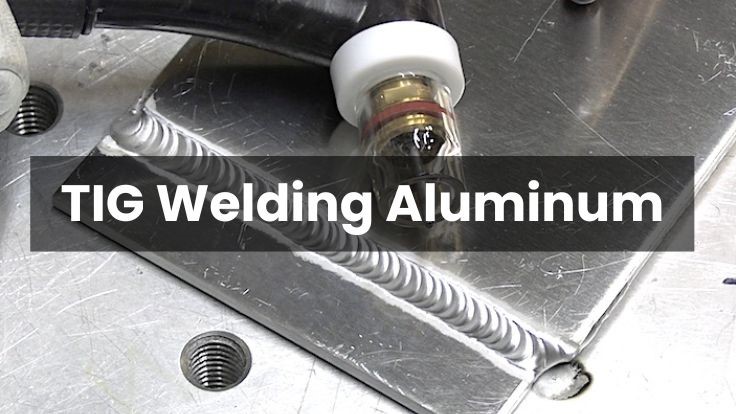
TIG Welding Aluminum is widely regarded as one of the most technically demanding processes in the field of welding. When working with aluminium, the metal that is characterised by its light weight, corrosion resistance, and high conductivity, a set of unprecedented problems emerges, which distinguishes it so much in terms of steel or stainless steel. Poor handling of aluminum can cause the natural oxide layer to provide a weak, porous, or otherwise structurally undesirable weld due to its natural oxide level, low melting point and its ability to absorb hydrogen gas. Thus, the TIG (Tungsten Inert Gas) process, or the Gas Tungsten Arc Welding (GTAW) process, is the process of choice by the industry to use in instances when precision, aesthetics, and weld integrity are the main factors. These will cover the behaviour of materials, selection of equipment, choice of shielding gas, joint preparation and troubleshooting methods, although much emphasis will be placed on quality control and repeatability. Additionally, the article will detail how to correctly select and operate an aluminum tig welder, manage various types of aluminum welding parts, and produce consistent, defect-free joints when attempting to weld aluminium TIG. By the end, the reader will have a thorough knowledge of how to create a good, clean, structurally good-looking tig-welded aluminium assembly as per the industry standard in the aerospace, automotive industry, marine industry, as well as the manufacturing industry.  This article discusses the science, methods as well and practical aspects of TIG welding on aluminium. It is meant to be used by experts and technically trained people who want to extend their knowledge about the welding of aluminium in high-performance or industrial processes. What is TIG Welding Aluminum? TIG Welding Aluminum refers to the process of joining aluminium components using Tungsten Inert Gas (TIG) welding, also known as Gas Tungsten Arc Welding (GTAW). Here, an electric arc is generated by a non-consumable tungsten electrode and aluminium base metal and a filler rod are melted in a protective cover of inert gas, usually argon. Since aluminium has high thermal conductivity, low melting point and a high melting oxide layer, welding aluminium has unique colouring, and drying must be done carefully. TIG welding has a situated control of heat input and weld puddle, which means it is perfect in thin materials, advanced assemblies and other high-performance applications. The aerospace, automotive, and marine industries, among others, use TIG welding to manufacture resistant, non-corrosive, and neat-looking welding video. Successful “TIG Welding Aluminum” requires skilled technique, proper equipment, and careful surface preparation to ensure weld integrity and strength. Why Aluminum TIG Welding? Gas Tungsten Arc Welding (GTAW), which is also known as Tungsten Inert Gas (TIG), is the ideal technique to use where precision, control and a fine look are requisite. It offers unparalleled control in the amount of input heat so that welders have the opportunity to control the fluidity of the weld pool of the aluminum. The TIG welding, when utilized with aluminum is quite convenient mainly because: Welding aluminum involves a better understanding of its physical and chemical properties and which are much different compared to other widely used metals. Below are the key challenges associated with TIG Welding Aluminum. 1. Very High Thermal Conductivity Aluminum carries heat 5 times than steel. This means that heat dissipates quickly from the weld zone, requiring higher amperage when attempting to weld aluminium TIG, especially with thick materials. When not done best can end up in gap fusion or irregular weld penetration. 2. Oxide Layer Problems When aluminum surfaces are exposed to air, a layer of oxide (reliably adherent) forms instantly, and it is thin. This layer is melted at approximately 2050 °C, which is well above the base metal melting point of aluminium, which is 660 °C. TIG welding, when AC mode is used, assists in breaking this layer, but it is also important that pre-cleaning is done to produce high-quality TIG-welded aluminium. 3. Hydrogen Porosity Susceptibility Hydrogen readily absorbs in molten aluminum, and this can create porosity or cause cracks during cooling. Oil, moisture, or dirty filler rods acted as a source of contaminants that caused the hydrogen to get into the weld pool. Proper cleaning and using dry filler rods are essential to avoid defects in aluminum welding parts. Technical Summary Table for TIG Welding Aluminum Here is a comprehensive technical table summarising the key aspects of TIG Welding Aluminum, including welding parameters, joint types, common defects, and how to manage them. In this table, you combine the ideas of your article, and it is original and highly technical. Category Technical Detail Recommendations / Parameters Base Material 1xxx to 6xxx aluminum alloys are most commonly TIG welded Clean all surfaces before welding; avoid 7xxx for high-crack sensitivity Main Process TIG Welding Aluminum using alternating current (AC) Use an inverter TIG with AC balance, high-frequency start, and stable arc control Primary Keyword Weld aluminum tig Use appropriate AC balance and amperage; optimize puddle control and filler deposition Electrode Type 2% Lanthanated or Ceriated Tungsten (1/16″, 3/32″, or 1/8″) Sharpen to a truncated point or ball tip (for AC), depending on application Shielding Gas High-purity Argon (99.99%) Flow rate: 15–20 CFH; add Helium for thicker materials or deeper penetration Filler Rods ER4043, ER5356 Match filler to base alloy and application (ER5356 for strength, ER4043 for crack resistance) Joint Types Butt, Lap, T, Corner Design with small gaps (~1/16”) and allow for thermal expansion Weld Preparation Degrease + stainless steel wire brush No touching after cleaning; remove the oxide layer before welding Torch Technique Short arc length (<1/8”), 10–15° travel angle Keep filler outside the arc cone to prevent oxidation Amperage Settings 1 amp per 0.001” thickness baseline 60–130 amps for most thin-to-mid aluminium applications AC Frequency Controls the arc focus 120–200 Hz for clean, narrow arc on thin aluminum welding parts AC Balance 70% EN / 30% EP typical Adjust toward more EN for deeper penetration; more EP for cleaning oxide Tip: Make sure to calibrate your aluminum tig welder properly

Aluminium hogedruk spuitgietwerk

Fabrikant van aluminium hogedrukgietwerk en IATF 16949

aluminium spuitgietwerk

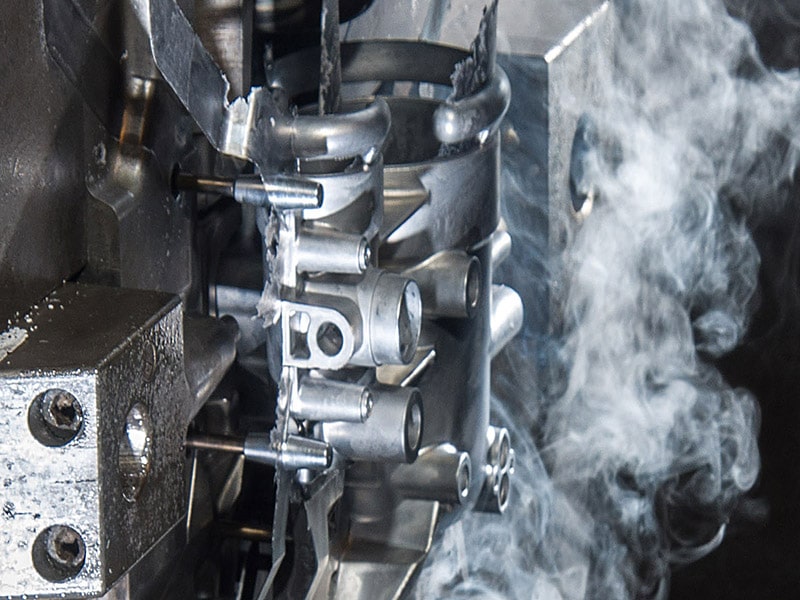
Modern manufacturing uses aluminium high-pressure die casting to make parts that are strong, light, and have many complex shapes. The reason automotive, aerospace, telecommunications, and consumer electronics all use it is that it can do both mass production and create very accurate pieces. Because the demand for quality aluminium high-pressure die-cast parts keeps increasing, it is important to deal with a well-known and certified supplier. In this area, the IATF 16949 certification is very important because it is a respected quality management standard used worldwide in the automotive industry. Such certification guarantees that quality control, proper risk handling, and continuous improvement are used during every stage of manufacturing. A certified aluminum die-casting and ISO 16949 company demonstrates its commitment to consistent product quality and customer satisfaction. Being a high precision die casting manufacturer and ITAF 16949 means meeting rigorous international standards and having the processes in place to minimize defects, enhance production efficiency, and ensure complete traceability of components. They can meet Tier 1 suppliers and OEMs by delivering components that exactly follow the business’s specifications. In addition, complying with aluminum die casting and 16949 standards means a manufacturer can meet expectations worldwide, mainly in areas where it is important to focus on safety and secure performance. Working with a suitable aluminium die casing partner that has IATF 16949 certification benefits your products, helps cut costs in the future, and strengthens the links in your supply chain. This article looks into how an aluminium high-pressure die casting manufacturer follows the IATF 16949 standard and its role. Aluminium High Pressure Die Casting  Aluminium high-pressure die casting helps make metal parts that are accurate in shape and have a perfect non-porous surface. When molten aluminium is injected into a steel mold at high pressure, it makes it possible to quickly fabricate complex parts and reduces later processing steps. Because it is strong and light, aluminium is widely used in many industries. The products made from this process are commonly seen in cars’ engines, housings, and brackets. For any aluminum die-casting and ITAF 16949 certified operation, maintaining the integrity of this process is vital to both quality and compliance. How IATF 16949 Helps in Die Casting? IATF 16949 is an international standard made for cars, and it uses quality management to ensure the reliability of products and their processes. Continuous development, prevention of quality issues, and lowering waste in the supply chain are the main elements of the system, which was created by the International Automotive Task Force. For manufacturers engaged in aluminum die-casting and ISO 16949 certification, certification is not just a regulatory requirement; it’s a badge of trust. It guarantees that the manufacturer follows quality rules that are respected everywhere. Besides, since IATF 16949 matches ISO 9001, it ensures full and proper quality management. Why is aluminium used in High Pressure Die Casting? Die casting benefits a lot from aluminium due to its ability to resist corrosion, its strong thermal conductivity, and being lighter than other metals like steel and brass. Because of these qualities, this material is suitable for cars since both light weight and performance depend on fuel efficiency. An IATF 16949 certification shows that all of these benefits are achieved by the business. For instance, manufacturers focusing on “high precision die casting manufacturer and ISO 16949 standards can assure customers of consistent product performance and minimal variance in production. What Makes an Aluminium Die Casting Manufacturer Reliable? Selecting a competent manufacturer is very important for firms doing aluminium die casting. A manufacturer should not only have the necessary know-how but also follow all quality standards. These are some of the essential traits you should notice: Using Precision in Die Casting Good die casting depends mostly on precise engineering. It confirms that components follow the tight guidelines of both dimensions and performance. Manufacturers who identify as high precision die casting manufacturers and ITA 16949 go to great lengths to implement exacting standards across the design and production cycle. Because of CAD/CAM software, quality inspection, and automated processes, production is kept as close as possible to the specific requirements. For applications like transmission housings, electronic enclosures, and important car components, the exactness needed is very important. Why Managing Quality Is Important? A well-structured quality management system (QMS) makes it possible to produce the same quality goods all the time. In the aluminium die casting industry, following the principles of IATF 16949 gives a way to control processes, reduce risks, and improve constantly. By following IATF 16949, a high precision die casting manufacturer and itaf 16949 ensures not only quality but also traceability and accountability. Everything is checked and confirmed along the supply chain to lower the chances of issues and defects. Below is a detailed and professional table that outlines key aspects of Aluminium High Pressure Die Casting Manufacturer and IATF 16949, integrating relevant information across different categories such as process, benefits, certification, and industry relevance. This table is ideal for use on a website, brochure, or presentation. Aluminium High Pressure Die Casting & IATF 16949 – Comprehensive Overview Category Details Manufacturing Process Aluminium is melted and injected into a steel mold under high pressure, producing complex shapes with excellent dimensional accuracy. Key Material Used Aluminium alloys (e.g., A380, ADC12, AlSi10Mg) are known for their strength, light weight, and thermal conductivity. Application Industries Automotive, Aerospace, Electronics, Industrial Equipment, Telecommunications, Consumer Goods. Advantages of Aluminium Die Casting – Lightweight components- High strength-to-weight ratio- Excellent surface finish- High-volume efficiency- Corrosion resistance Importance of Precision Tight tolerances and fine details can be achieved, ideal for engine parts, housings, connectors, brackets, and structural components. What is IATF 16949? A global quality management standard for the automotive industry, based on ISO 9001 with additional requirements specific to auto manufacturing. Benefits of IATF 16949 Certification – Consistent product quality- Risk-based thinking- Defect prevention- Better customer satisfaction- Competitive advantage Why Certification Matters Ensures traceability, standardized procedures, regulatory compliance, and ongoing performance improvement. Target Clients OEMs, Tier 1 & Tier 2 automotive suppliers, industrial system designers, and

Automobielgietbedrijven in China en de wereld

Automobielgietbedrijven in China en de wereld

aluminium gietwerk, spuitgietbedrijven

De toekomst van de auto-industrie wordt sterk beïnvloed door de opkomst van spuitgieten. Motoronderdelen, batterijhouders voor EV's en andere onderdelen die door spuitgieten worden gemaakt, zijn essentieel om sterke, precieze en lichtere voertuigen te krijgen. Omdat mensen steeds meer elektrische en brandstofbesparende voertuigen kopen, lopen de spuitgietbedrijven voorop als het gaat om vooruitgang en grootschalige oplossingen op dit gebied. China is, meer dan welk ander land ook, een topspeler geworden op het gebied van spuitgieten vanwege geavanceerde gereedschappen, geschoolde arbeidskrachten en betaalbare productie. Toonaangevende bedrijven op dit gebied zijn Sincere Tech, CNM Tech Co., Ltd. en GC Precision Mould Co., Ltd., die zich bezighouden met het ontwerpen van matrijzen, CNC-bewerking en oppervlakteafwerking. Met behulp van zowel kwaliteitscontroles als snelle prototyping maken deze bedrijven grote aantallen onderdelen, wat zowel lokale als wereldwijde autofabrikanten als partners aantrekt. In verschillende landen zijn bedrijven als Wisconsin Aluminium Foundry (VS), Get It Made (VK) en MES Inc. (VS) aanwezig, die de industrie veranderen. Tientallen jaren ervaring, certificeringen van ISO 9001 en IATF 16949 en een focus op groen en innovatief zorgen ervoor dat deze bedrijven kunnen voldoen aan de verbeterde verwachtingen van autofabrikanten op het gebied van nauwkeurigheid, betrouwbaarheid en zorg voor het milieu. Het artikel wijst op enkele belangrijke spelers die veranderingen in de spuitgietindustrie voor auto's leiden. Door trends als elektrificatie, digitalisering en het gebruik van duurzame methoden worden spuitgietbedrijven wereldwijd, inclusief in China, gezien als de belangrijkste spelers in het bereiken van uitmuntendheid in auto's. 1. Sincere Tech Oprichtingsjaar: 2005Aantal werknemers: 100-200 Bedrijfstype: Sincere Tech is een van China's grootste producenten van kunststof spuitgietmatrijzen, spuitgietproducenten, machinale bewerkingsbedrijven en assemblagebedrijven. Website en Contact Website: https://plas.co/Phone: +86 135 30801277Email: steve@sincere-tech.comAddress: Rm101, N041, Donghu road, JingLian cun, Qiaotou town, Dongguan City, Guangdong Province, China. 523000. Bedrijfsprofiel De Chinese leverancier van kunststof spuitgietmatrijzen en vormdiensten, Sincere Tech, behoort tot de belangrijkste bedrijven in China. Vanaf 2005 is dit bedrijf ontstaan uit de combinatie van stempelen van metaal en kunststof, kunststof precisie spuitgietmatrijzen, CNC-verspaning, spuitgieten en siliconen gieten. Geavanceerde machines, bescherming van informatie met NDA's, eerlijke prijzen en bijna twintig jaar uitstekende productie wachten op onze klanten bij Sincere Tech. Spuitgieten wordt gebruikt voor machines van 60-1800 ton voor industrieën als elektronica, medisch, auto's of cosmetica en de onderdelen variëren van minder dan een gram tot 8 kilogram in gewicht. Hun beloften voor topkwaliteit Volgens ISO 9001:2015 en ISO 9000:2015 streeft Sincere Tech ernaar producten te maken die wereldwijd worden geaccepteerd. Door de zorg voor kwaliteit heeft het bedrijf een enorme vraag gecreëerd, waardoor het zijn producten exporteert naar Finland en een aantal andere landen. Sincere Tech wordt erkend als een betrouwbare en innovatieve partner voor het spuitgieten van kunststof. Waarom voor ons kiezen? 2. CNM Tech Co, Ltd. Jaar van oprichting: 20+Aantal medewerkers: 100-200 Bedrijfstype: CNM Tech Co., Ltd. is een precisieproductiebedrijf dat zich richt op spuitgieten, CNC-verspaning en assemblagediensten. Website en contactgegevens Website: https://www.thediecasting.com/Contact: +86 13045898002Email: sales@thediecasting.comAddress: Fabrieksadres: Rm 101, No.40, Donghu Road, Jinglian, Qiaotou town, Dongguan city, Guangdong Province, China. 523520. Bedrijfsprofiel Thediecasting.com is het officiële domein dat CNM Tech Co, Ltd opereert onder, dat is een uitstekende Chinese fabrikant van spuitgieten oplossingen. Het bedrijf is een in China gevestigd aluminium, magnesium en zink spuitgietbedrijf; CNC-verspaning; oppervlakteafwerking en assemblage met hoofdkantoor in Dongguan, China. CNM Tech heeft meer dan 20 jaar ervaring op het gebied van auto's, luchtvaart, elektronica, enz. Als gevolg van de hoge precisie productie, hun in-house tooling shop en geavanceerde CNC-machines ook te garanderen. CNM Tech biedt alle soorten polijsten, zandstralen, poedercoaten, olieverven, enz., met hoogwaardige afwerkingsproducten die voldoen aan de behoeften van gebruikers over de hele wereld. Hun kwaliteitsverbintenissen CNM Tech Co., Ltd. levert ISO 9001:2008, TS16949 en ISO 14001:2015 documenten. In de meeste gevallen bieden deze u de zekerheid dat het management van uw bedrijf van topkwaliteit is en garanderen ze ook de naleving van de normen voor de auto-industrie en milieuvriendelijke activiteiten die door het betrokken bedrijf worden ondernomen. Als gevolg van het strikt volgen van de kwaliteits- en milieuvoorschriften, biedt CNM Tech geweldige spuitgietoplossingen met een minimale impact op het milieu, met een uitstekende reputatie op de markt. Waarom voor ons kiezen? 3. GC Precision Mould Co, Ltd. Jaar van oprichting: 1999Aantal medewerkers: 100-200Bedrijfstype: Ons bedrijf, GC Precision Mould Co, Ltd, doet aluminium, zink en magnesium spuitgieten, CNC-verspaning en kunststof spuitgieten. Website en contactgegevens Website: https://aludiecasting.com/Contact: +86 131 4886 5556Email: info@aludiecasting.comAddress: Fabriek Adres 1: No. 30 Huan Zhen Rd, Qi Shi Town, Dongguan City, Guangdong Province, China, 523516 Bedrijfsprofiel GC Precision Mold Co, Ltd, opereert onder Aludiecasting.com, is een spuitgieten en precisiebewerking productie site die is een van de toonaangevende Chinese fabrikanten. Het bedrijf werd opgericht in 1999 en de diensten omvatten aluminium, zink en magnesium spuitgieten, kunststof spuitgieten en CNC-verspaning en oppervlaktebewerking. Ze beschikken over ultramoderne machines zoals hogedrukgietmachines (120 - 1600 ton) en spuitgietmachines (80 - 2800 ton) die zijn aangesloten op industrieën als de auto-industrie, luchtvaart en elektronica. Ze hebben een zeer strikte kwaliteit om de exacte, duurzame en goedkopere productieoplossingen over de hele wereld te bieden. Hun kwaliteitsverplichtingen GC Precision Mold Co, Ltd biedt de beste spuitgiet- en bewerkingsoplossingen zoals gespecificeerd in de ISO 9001-certificering. Hun kwaliteitscontrole is zo streng dat ze testen op precisie, CMM-machines, röntgenstralen en spectrometers om een betrouwbaar product te garanderen. Door de strikte naleving van internationale normen zorgt het bedrijf voor de levering van consistente componenten van hoge kwaliteit met minimale klachten van klanten vanwege het betrouwbaarheidsaspect, om de redenen die bij elk project worden aangegeven. Waarom kiezen voor GC Precision Mould Co, Ltd? 4. Get It Made Jaar van oprichting: 2011Aantal medewerkers: 50-100Bedrijfstype: Fabrikant en leverancier van gietdelen voor automobielen. Website en contactgegevens Website: https://get-it-made.co.uk/ E-mail: team@get-it-made.co.ukContact: +44 (0)20 3286 6002Adres: Get It Made Ltd, Unit 1 Southbrook Mews, London SE12 8LG. Bedrijfsprofiel Get It Made is opgericht in Londen,

Legeringsmatrijzenafgietselbedrijf in China en de wereld 

Legeringsmatrijzenafgietselbedrijf in China en de wereld 

spuitgieten, spuitgietbedrijven, spuitgietbedrijf

Legeringsmatrijzen worden gebruikt om gecompliceerde metalen stukken te produceren die nauwe toleranties vereisen en een zeer goede afwerking hebben. Het speelt onder andere een belangrijke rol in de auto-industrie, luchtvaart, elektronica, defensie, medische apparatuur en consumentenproducten. Over de hele wereld werken fabrikanten samen, en China leidt deze industrie omdat het een sterke infrastructuur, goed opgeleide mensen en goede prijzen heeft. CNM Tech Co., Ltd., Sincere Tech en GC Precision Mould Co., Ltd. zijn bekende bedrijven in de Chinese spuitgietsector die zich allemaal bezighouden met matrijsontwerp, CNC-bewerking en eindassemblage. Deze fabrikanten maken gebruik van de allernieuwste technologie en volgen wereldwijde kwaliteitsnormen zoals ISO 9001. De meeste van hun diensten ondersteunen internationale klanten, waardoor ze een belangrijke rol spelen in wereldwijde toeleveringsnetwerken. Bedrijven zoals Nemak (Mexico), MRT Castings Ltd en Haworth Castings (UK) en PHB Inc. (USA) zijn goede voorbeelden van geavanceerde spuitgiettechnologie buiten Azië. Innovatie, duurzaamheid en precisieproductie staan centraal bij deze bedrijven, die leveren aan de ruimtevaart, de medische sector en de sector elektrische voertuigen, waar strenge voorschriften gelden. Beide bedrijven onderscheiden zich van anderen doordat ze hoog opgeleid zijn en ook sterk de nadruk leggen op kwaliteit, klantenzorg en groene veranderingen. Het artikel bespreekt verschillende toonaangevende spuitgietbedrijven in China en de rest van de wereld en benadrukt hun belangrijkste kwaliteiten, sterke punten en waarom ze het goed doen in deze zakelijke markt. Ongeacht aan welk deel van de wereld je wilt uitbesteden, de gegeven profielen geven je nuttig advies over je beste keuzes. Legeringsmatrijzen gieten Bij legeringsmatrijzen gieten wordt een vloeibare metaallegering met grote kracht in matrijzen van staal geperst, die vele malen hergebruikt kunnen worden. Deze productiemethode helpt bij het maken van metalen onderdelen die zeer nauwkeurig zijn in hun afmetingen, glad zijn en zeer efficiënt geproduceerd kunnen worden. Belangrijkste kenmerken van Alloy Die Casting: 1. Gebruikte legeringen: De meeste van deze processen zijn gebaseerd op non-ferro metaallegeringen, bijvoorbeeld aluminium, zink en magnesium, die hun belangrijke voordelen hebben met betrekking tot gewicht, hoe sterk ze zijn, corrosiebestendigheid en warmtegeleiding. 2. Procesoverzicht: Vervolgens wordt de legering gesmolten door het materiaal in een oven te plaatsen. Een geharde stalen mal ontvangt het gesmolten metaal, dat via een spuitgietmachine binnenkomt. 3. Soorten Die Casting zijn: Hier zijn de belangrijkste sterke punten van Alloy Die Casting: Gemeenschappelijke toepassingen: 1. CNM Tech Co, Ltd. Jaar van oprichting: 20+Aantal medewerkers: 100-200Bedrijfstype: CNM Tech Co., Ltd. is een precisieproductiebedrijf dat zich richt op spuitgieten, CNC-verspaning en assemblagediensten. Website en contactgegevens Website: https://www.thediecasting.com/Contact: +86 13045898002Email: sales@thediecasting.comAddress: Fabrieksadres: Rm 101, No.40, Donghu Road, Jinglian, Qiaotou town, Dongguan City, Guangdong Province, China. 523520. Bedrijfsprofiel Het maken van precisie aluminium en zink gegoten componenten is wat The Die Casting Company is het best bekend voor. Het bedrijf biedt volledige gietdiensten aan door de capaciteiten te hebben die voor vormontwerp, het bewerken, CNC het machinaal bewerken, oppervlakte het eindigen, en kwaliteit het testen allen intern nodig zijn. Het bedrijf bedient de automobielindustrie, de elektrische industrie en de industriële machinebouw en combineert technische kennis met ISO 9001-certificaten. Met behulp van moderne technologie en een klantvriendelijke benadering biedt The Die Casting Company hoge prestaties, lage kosten en onveranderlijke kwaliteit. Met het hoofdkantoor in India biedt Codeplay ondersteuning op maat en tijdige leveringen aan klanten over de hele wereld. Kwaliteitsbelofte Hoge kwaliteit is belangrijk voor elke taak bij The Die Casting Company. Beginnend met het controleren van grondstoffen, gebruikt het bedrijf strikte kwaliteitscontroleprocedures tot en met het testen van afgewerkte producten. Het bedrijf voldoet aan ISO 9001, gebruikt de nieuwste apparatuur en heeft een team van goed opgeleide medewerkers. Elk gietstuk wordt zorgvuldig gecontroleerd op afmetingen, sterkte en uiterlijk om te voldoen aan wat de klant nodig heeft en wat de industrie vereist. Dankzij deze toewijding zijn klanten tevreden, presteren producten betrouwbaar en wordt er vertrouwen opgebouwd voor de lange termijn. Waarom ons bedrijf? 2. Oprechte Tech Jaar van oprichting: 2005Aantal medewerkers: 100-200Bedrijfstype: Sincere Tech is een van China's grootste fabrikanten van kunststof spuitgietmatrijzen, spuitgietproducenten, machinale bewerkingsbedrijven en assemblagebedrijven. Website en Contact Website: https://plas.co/Phone: +86 135 30801277Email: steve@sincere-tech.comAddress: Rm101, N041, Donghu road, JingLian cun, qiaotou town, Dongguan City, Guangdong Province, China. 523000. Bedrijfsprofiel In 2005 werd Sincere Tech (plas.co) opgericht, en het is uitgegroeid tot een belangrijke Chinese leverancier van op maat gemaakte kunststof spuitgietmatrijzen en spuitgietdiensten. Dankzij 18 jaar ervaring op dit gebied is het bedrijf in staat om uitgebreide oplossingen te bieden, zoals matrijsontwerp, CNC-bewerking, spuitgieten, siliconengieten en assemblage. Sincere Tech werkt in elektronica, auto's, medicijnen en huishoudelijke apparaten en is afhankelijk van hightech machines zoals 5-assige CNC en CMM's voor nauwkeurigheid en kwaliteit. Het bedrijf volgt de internationale normen en houdt zich aan de ISO 9001:2015 en QS 9000:2015 certificeringen, zodat klanten kwaliteitsproducten ontvangen binnen het budget. Kwaliteitsbelofte Bij Sincere Tech moet alles worden gedaan met kwaliteit in gedachten. Het bedrijf gebruikt ISO 9001:2015 en QS 9000:2015 standaarden tijdens het maken van al zijn producten. Met behulp van moderne hulpmiddelen en strenge voorschriften garandeert Sincere Tech dat alle producten precies volgens specificaties worden gemaakt. Alle processen, van het maken van het ontwerp tot het voltooien van de assemblage, worden nauwlettend in de gaten gehouden om ervoor te zorgen dat bepaalde onderdelen sterk en nauwkeurig zijn en de klanten tevreden stellen, waardoor het gerespecteerd wordt door de industrie. Waarom ons bedrijf? 3. GC Precision Mould Co, Ltd. Jaar van oprichting: 1999Aantal medewerkers: 100-200Bedrijfstype: Ons bedrijf, GC PrecisionMould Co, Ltd, doet aan aluminium, zink en magnesium spuitgieten, CNC-verspaning en kunststof spuitgieten Website en contact Website: https://aludiecasting.com/Contact: +86 131 4886 5556Email: info@aludiecasting.comAddress: Fabriek Adres 1: No. 30 Huan Zhen Rd, Qi Shi Town, Dongguan City, Guangdong Province, China, 523516 Bedrijfsprofiel GC PrecisioMould Co, Ltd begon in 1999 en is nu uitgegroeid tot een van de top wereldwijde leveranciers van oddie-gieten kunst en bewerkte producten van non-ferro metalen. Fireray Precision Equipment is al meer dan twee decennia in de industrie en doet voornamelijk aluminium spuitgieten, zink spuitgieten, bronzen zand gieten, aluminium zwaartekracht gieten en CNC precisiebewerking. Gevestigd in Dongguan City, Guangdong Province, China, GC PrecisionMould Co.

Waarom toonaangevende fabrikanten de voorkeur geven aan aluminium spuitgietwerk auto-onderdelen

Aluminium spuitgiet Auto-onderdelen: Waarom toonaangevende fabrikanten de voorkeur geven aan

aluminium spuitgietwerk

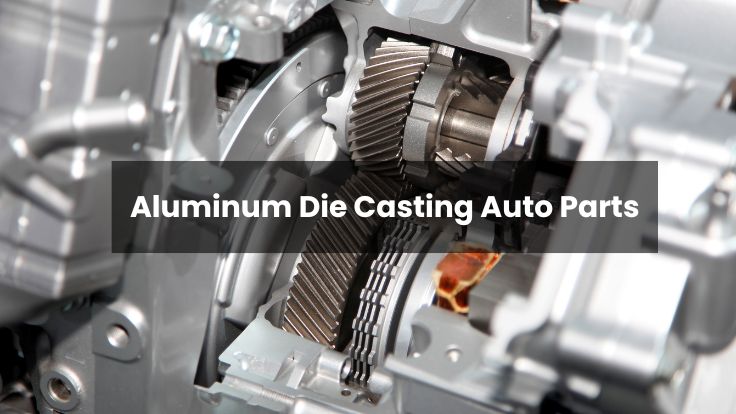
Aluminum Die Casting Auto Parts are now a common practice for industry-leading designs of engine blocks, transmission housings and a wide range of brackets. The method makes it possible to include complex designs and ensures both lightness and durability in parts crucial for strong performance and better fuel efficiency. Because it is fast and produces very little scrap waste, aluminum die casting is widely used by automakers everywhere. Auto diecasting is essential when building parts for modern cars. This manufacturing process melts aluminum into shapes required by dies, since the moulds are strong and reusable. The increasing emphasis on improved and more energy-efficient vehicles has caused companies to use more aluminum. Producing these parts dependably at a high level of accuracy often depends on aluminum die casting. The auto diecasting parts manufacturer is central to these manufacturing developments. Because electric vehicles and hybrids are getting more common, manufacturers will need more aluminum components that are both light and don’t rust or corrode easily. Because of these qualities, aluminum die casting is important to the development of transportation technology. In this article, we will cover the auto diecasting process, its advantages, common applications in automobiles and how leading die casting manufacturers make outstanding diecasting parts for today’s vehicles. What Exactly Is Aluminum Die Casting? Aluminum die casting happens when molten aluminum is pushed under high pressure into a cavity in a mould. Generally, the mould consists of hardened tool steel and shapes repeatable forms of high precision. As soon as the casting is solid and cool, the die is opened so the cast can be removed. Key Features: What Makes Die Casting With Aluminium Useful? Aluminum die casting enables producers to make high-quality components at reasonable and flexible costs. Main Benefits: When several features are present, numerous components can be assembled together into one unit. What is Auto DieCasting? Auto diecasting is the process of forcing liquid aluminum into special die or mold to shape automotive components. Many consider it known for producing extremely detailed and correct parts to tight tolerances. Because it is faster, cleaner and less costly, “auto diecasting” is now used instead of other approaches to make many vehicle components. High quality Steel dies or die casting molds are used in the manufacturing process, allowing them to handle the heat used over and over again. The cooling and ejection of the demolded aluminum part are simple, so very little finishing is needed. Therefore, the process achieves greater efficiency than machining and similar metal-forming techniques. The need for using auto die casting increases as auto designers and engineers try to build lighter, more efficient vehicles with aluminum. Uses of Aluminum Die Casting The reason aluminum die casting is important in several sectors is that it creates parts that are both strong, light and very precise. Since it performs very well mechanically, aluminum is highly appreciated in fields that demand top performance, lasting use and unique geometry. You’ll find ceramics in cars, planes, electronics, appliances and other equipment, and these applications are always increasing. Automotive Industry Aluminum die-cast parts are used most by the automotive industry. The use of this method grows as it helps manufacturers cut vehicle weight, improve mileage and fulfil tight environmental rules. Part of any auto engine, transmission, cylinder head, suspension unit or support structure may be made of aluminium. Increasing numbers of electric vehicles make die casting in aluminum necessary, since lightweight components help prolong battery life and make driving more enjoyable. Good dimensional accuracy in parts allows several components to be shaped into complex shapes, which then saves on costs by needing fewer processes and pieces. Aerospace Industry In aerospace, aluminum die casting is chosen because it gives the best strength and weight reduction. Customers turn to die-cast aluminium for aircraft frames, flight systems, gearbox coverings and engines. They are subjected to tough loads and various oil field conditions while staying the same size and remaining safe. Because of the process, parts for aerospace can be fully customized to meet high standards, all within a quicker timeframe and while working more efficiently. Because commercial and defence aviation is advancing, more demand for advanced aluminium parts is appearing. Consumer Electronics Aluminum die casting is popular in the consumer electronics industry for making parts that are both attractive, durable and good at handling heat. Internal parts of many laptops, tablets, smartphones, and camera bodies are commonly protected by die-cast aluminium housings which also give them an elegant appearance. Apart from how it lookaluminiumnum is great at conducting heat, so it’s often used in heat sinks and cooling systems. Because of die casting, small and complex designs can be manufactured, answering the industry’s desire for gadgets that use less power and take up less space. Lighting Industry There would be no excellent outdoors or industrial lighting without die-cast aluminum. Because of its advantages, aluminum is used to create street lights, LED covers and floodlight covers. That’s why lighting components can last a long time in all sorts of weather conditions. As a result, die casting makes it possible to put detailed features into a single part, so manufacturers may not have to add additional items or assemble different parts, saving them further money. Industrial machinery and equipment Aluminum die-cast parts are frequently employed in machines and equipment in industry because they last, offer high accuracy and protect against environmental damage. Examples of applications include pump housings, valve bases, gearboxes, motor cases and different structural components. Using this type of process allows the production of powerful parts that must function reliably in tough conditions.  Different Types of Aluminum Die Casting Different types of aluminum die casting are chosen based on what type of part, how many and the desired quality. Every process comes with specific pros, and one is picked depending on what the product requires. Die casting that uses high pressure (HPDC) Most of the time, high-pressure die casting is the process used. The aluminium is poured into the mould when pressured at a very high

Automotive zink spuitgietdelen voor krachtige voertuigen

gietdelen

In automotive manufacturing, it is important to have precision, solid components, and cost efficiency to produce top-performance parts. Meeting these demands can be done reliably with zinc die casting. Many manufacturers now use zinc die casting for automotive parts to obtain tough parts, exactly the right size, and protected against corrosion. Because they cast well, zinc alloys work great in large-scale automotive production. Owing to their easy melting and good flow, these alloys can be formed inside detailed molds with tight levels of accuracy. Zinc alloy casting is vital for building die-cast zinc parts in automobiles, such as housings for locks, brackets, door handles, and many under-the-hood fittings. Apart from needing mechanical power, these parts should also resist changes in temperature, vibration, and outside influences. Because the auto zinc-alloy die-cast process provides a better finish, manufacturers can also reduce or cancel out the need for extra finishing operations such as machining or polishing. What’s more, zinc can be used with many types of plating and coating, which boosts both how useful and attractive the parts become. Because zinc alloys are recyclable, manufacturing with them fits well with the industry’s move toward eco-efficiency. The following sections will focus on understanding the main features, weaknesses, areas of application, and related topics of zinc die casting in the automotive industry, underscoring the trend of greater interest in zinc die casting for mobility by examining a series of auto zinc alloy case studies. What is zinc die casting?  Zinc alloy is injected into a steel mold at high pressure in order to make accurate metal parts through zinc die casting. Because complex parts are produced with stability and top-quality smoothness, and exact fits, EBM is seen as particularly valued. What Are the Important Features of Zinc Die Casting? 1. When working with high-pressure injection, molten zinc is introduced quickly into a precise mold at high pressure, so that every part of the mold is filled. 2. Zinc cools and hardens very fast, which is why the process is suited to mass manufacturing. 3. Made of durably hardened steel, the dies are designed for many uses and are therefore suitable for large-volume production. Why Zinc? Because of its properties, zinc is frequently employed in die casting. Zinc Alloys: What Makes Them Unique? Zinc alloys include important mechanical and physical features required for good automotive performance. These include: The reasons behind these properties mean that zinc alloys are a common pick for brackets, housings, handles, lock components, and trim parts placed inside or outside a car. A strong benefit of automotive parts zinc die casting is that you can build many useful functions into a single, detailed part, which makes assembly less necessary and drops the product cost. What is the Die Casting Process? In die casting, the mold or die holds molten metal that is pressed under high pressure. For every part, a mold is made that ensures parts are produced quickly, exactly the same, and accurately. The most important parts of zinc die casting are: Great attention is paid to these stages to guarantee that zinc-cast vehicle parts are top quality. Zinc Die Casting Process and Its Characteristics Parameter Typical Value / Range Unit Description Injection Pressure 35 – 120 MPa High pressure ensures complete mold filling and detail replication. Injection Time 0.02 – 0.15 seconds Fast cycle times are possible due to zinc’s excellent fluidity. Die Temperature 150 – 250 °C Optimal temperature for mold longevity and casting quality. Melting Point of Zinc Alloy 380 – 390 °C Low melting point reduces energy consumption and tool wear. Solidification Time 0.1 – 1.0 seconds Zinc solidifies quickly, allowing short cycle times. Density 6.6 – 6.9 g/cm³ Zinc is denser than aluminum, offering better damping and strength. Tensile Strength (Zamak 3) ~280 MPa Sufficient for structural and mechanical automotive parts. Elongation at Break 10 – 15 % Indicates ductility; zinc alloys can absorb impact without cracking. Surface Finish Quality Excellent – Zinc supports high cosmetic quality with minimal post-processing. Tolerance Control ±0.02 – ±0.05 mm Tight tolerances are achievable, reducing the need for secondary machining. Reasons to Use Zinc Alloys Excellent Castability Zinc alloys are valued for their excellent ability to be cast. Because zinc melts at a low temperature and has great flow, it fills complex mold shapes perfectly. Therefore, zinc alloys are best for precise designs, as found in automotive zinc die casting parts, where getting consistent detail and form is important. Thin-walled sections and intricate forms, available with minimal porosity, are highly desirable in mass production. High levels of accurate matching Because of zinc alloys, it becomes very simple for manufacturers to achieve accurate dimensions. This matters a lot in industries such as automotive and electronics, since components should be accurate and barely vary. Because zinc die-cast components usually do not need post-machining, manufacturing costs are reduced. Thanks to their consistency, zinc alloys help keep quality high and the products reliable throughout massive production. Superb surface finish Zinc alloys are valuable because their superior surface finish is possible to obtain directly during molding. Reduced requirements for finishers’ operations come from the natural surface finish of the parts. Polishing, painting, or chrome or nickel plating zinc alloy parts is easy, so they serve well in places where both how they look and how they perform are important. In both consumer goods and automotive interiors, things like handles and buttons benefit a lot from this type of coating. Good Performance for Mechanical Strength and Toughness Zinc alloys bring together solid strength, a high resistance to being bent or broken, and a limited tendency to be malleable. As a result, we use metals with these properties wherever mechanical stress or strong wear occurs. Because they are impact resistant, zinc alloy components are strong and last a long time. Because they are strong, most structural and working parts, such as brackets, housings, and locking pieces, are built from plastics. Corrosion Resistance Because a zinc oxide layer forms on them, zinc alloys do not easily corrode.

De toekomst van productie: Onderzoek naar spuitgieten van aluminium voor de auto-industrie

De toekomst van productie: Onderzoek naar spuitgieten van aluminium voor de auto-industrie

aluminium gietwerk, aluminium spuitgietwerk

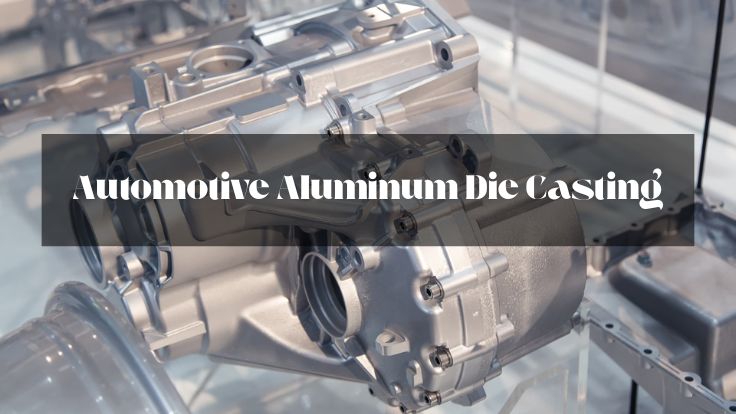
The rapid changes in the automotive industry mean car companies always need to build vehicles that are lighter, safer, and save energy. One key technology behind this change is automotive aluminum die casting. Thanks to this process, manufacturers can form metal parts that are both strong and light, maintaining the necessary complex figures and precision needed today in automotive work. As there is growing interest in EVs, improved security, and fuel savings, automotive die casting is now used more than ever. In die casting, aluminum is poured into a small, highly accurate steel mold at considerable force. The process allows for quick and regularly repeatable results and the parts have precise dimensions and look great. Right now, many die casting products are put to great use in important parts of cars such as engine blocks, transmission housings, car suspensions and battery enclosures. The construction must be solid, but it also has to meet high standards for heat and stress. Because people are choosing aluminum more than steel, many makers are turning to automotive aluminum die casting since it helps lower vehicle weight without hurting strength. Modern advances in machines, materials and sustainability make it possible for manufacturers to produce aluminium die casting parts for vehicles that satisfy modern regulations and please the environment. We go over the main ideas in automotive die casting which include materials, machines, design criteria and examples of their use. No matter if you work in the industry or not, understanding automotive die casting helps you see the evolution of manufacturing and the future of vehicles. What is the process known as automotive aluminum die casting? Automotive aluminum die casting takes place by injecting melting aluminum into steel dies using tremendous pressure. As soon as the aluminum becomes solid, it establishes a part that is both precise and tough, with a fine surface finish and good dimensions. Because safety, performance, and efficiency matter most in the automotive sector, these features are vital. This way of manufacturing helps produce complex designs that cannot be achieved with traditional production. Because it is light, using aluminum helps vehicles shed weight without becoming weaker. Design Engineering All automotive casting starts with a complete design and engineering phase. With 3D CAD software, engineers can make a model and test it to predict its actions in reality. The molding simulations show how molten metal is shaped inside the mold, how it will set, and where possible problems with air pockets or shrinkage could happen. The goal is to enhance the performance, strength, and ease of manufacturing of the part. The team also figures out the end joining process and the aluminum alloy suitable for the application. The process of making a Die (Mold) The design is followed by creating the die, which will shape the molten material in the process. These dies are expertly made to measure with tight tolerances and resist many casting attempts. Whether the job is complex or produced in high volume, the die may be made to work with more than one cavity. The die will also hold special channels for cooling and pins that will eject the part as soon as it is done solidifying. A well-designed die helps ensure the product is dimensionally accurate, has a good surface, and the tools last a long time. Adjust the Metal After that, aluminum ingots are melted further in industrial furnaces that work beyond 660°C (1220°F), the melting point for aluminum. The molten material is held at a constant temperature and is often freed from hydrogen, which might otherwise cause empty spaces inside. Sometimes chemicals are combined to provide extra strength, increased flexibility, or less susceptibility to corrosion of the aluminum. Since impurities in the molten metal may create flaws in the final item, the metal needs to be clean. Injection and Casting High-pressure die casting is a key process since the molten aluminum is shot into the mold at super-fast and extremely high pressure. Fast filling the metal into all corners of the die catches the tiny details from the part design. All the stress involved helps to reduce air pockets inside the components, which makes them powerful and solid. Just after the die is filled, the aluminum starts to cool and harden in only a few seconds. A fast initial cooling allows for a good grain structure and a perfect surface finish. Finished air tanks are sent through cooling and then ejected The air in the die is released and, with automated pins, the molded part is ejected after the aluminum has solidified. Throughout the die, temperature is controlled, and cycle times are cut down because of the cooling channels. The process at this phase requires attention because crooked cooling may result in either cracks or warping. Even after being ejected, the casting keeps its warmth and may undergo more treatment before entering the next step. The trimmers and finishers are part of this, too Often, in the casting process, some runner and flash pieces are left that have to be cut off. Trimming or machining the ends is how this is done. Sometimes, drilling, threading, surface grinding, or applying a coating is needed to finish the item accurately for its purpose. Sometimes, shops apply heat treatments to help increase a metal’s strength and ability to resist fatigue. After everything is finished, the parts are inspected for both inside and outside problems with measurements, X-rays, or ultrasonic machines. The assembly or shipping of objects is accomplished in stages A thorough check and finish mean the casting can either go to the customer or be carried forward for assembly systems. Before going into vehicles, the housing, brackets, and mounts are assembled with many other mechanical or electronic elements. Castings are best protected during transportation, and the supply chain moves smoothly if logistics and packing are effective. Benefits of Automotive Die Casting in the Automotive Industry More automakers are adopting aluminum components because of the benefits made possible by automotive die casting. The main benefit is that vehicles

Top 10 Aangepaste spuitgieten diensten in China

Top 10 Aangepaste spuitgieten diensten in China

China Engineering Machines, spuitgietbedrijven, Die Casting Fabrikant

China staat bekend om zijn wereldwijde leidende positie in de productie, waaronder de spuitgietindustrie die de auto-, luchtvaart-, elektronica-, consumptiegoederen- en industriële machine-industrie bedient. Al deze industrieën hebben metalen onderdelen van hoge kwaliteit nodig. Van alle technieken voor het vormen van metaal, is het spuitgieten de meest individueel erkende voor het kunnen bereiken van hoge precisieniveaus van ingewikkelde vormgeving, oppervlakteafwerking, sterkte en kosteneffectiviteit. In China bereikt de op maat gemaakte spuitgietservice een status van wereldklasse dankzij de precisiemarketing en de focus op technologie van de uitblinkers. Prototypeontwikkeling voor startende bedrijven en schaalbare productieoplossingen voor multinationals zijn afgestemd op de diensten die worden aangeboden door de dienstverleners op het gebied van spuitgieten in China. Ze hebben de apparatuur en de technische mogelijkheden om concepten om te zetten in realiteit. Laten we nu dieper ingaan op de beste van de beste en wat hen onderscheidt van de andere wereldwijde concurrenten. Het kiezen van een geschikte spuitgietpartner in China kan een strategische impact hebben op de kwaliteit, kostenefficiëntie en betrouwbaarheid van uw producten. De belangrijkste spuitgietfabrikanten in China bieden diensten met toegevoegde waarde die verder gaan dan alleen spuitgieten. Deze diensten omvatten ontwerpoverleg, het maken van mallen, CNC-bewerking, oppervlakteafwerking, kwaliteitscontrole en zelfs assemblage, allemaal binnenshuis. Ze hebben een internationale klantenkring opgebouwd dankzij hun vermogen om consistent grote volumes te produceren. We hebben een lijst van de Top 10 Custom Die Casting Services in China voor je samengesteld op basis van hun geavanceerde apparatuur, productiecapaciteit en certificeringen - ISO 9001 en IATF 16949, samen met feedback van klanten en blootstelling aan buitenlandse bedrijven. Deze industrieleiders zijn toegewijd aan het verbeteren van efficiënte productieprocessen terwijl ze voldoen aan de steeds veranderende eisen van klanten. Sincere Tech Oprichtingsjaar: 2005Aantal werknemers: 100-500Bedrijfstype: Productie van kunststof spuitgietmatrijzen, spuitgieten, CNC-bewerking, assemblagediensten Website en contact: Website: plasticmold.netEmail: info@plasticmold.netPhone: +86 135 30801277Adres: Building 1, No. 30 Huan Zhen Rd, Shang Dong village, Qi Shi Town, Dongguan City, Guangdong province, China, 523000 Bedrijfsprofiel Sincere Tech is een van de leiders op het gebied van aangepast spuitgietwerk in China. Hun hoofdkantoor is gevestigd in Dongguan City, Guangdong provincie, en zijn uitgerust met fabrieken en een personeelsbestand dat varieert van 100 tot 500 werknemers. Naast spuitgieten heeft Sincere Tech ook ervaring met onder andere kunststof spuitgieten en CNC-verspaning. Door de decennia heen heeft Sincere Tech als contractfabrikant een reputatie opgebouwd van nauwkeurigheid en betrouwbaarheid bij multinationale klanten in de automobiel-, elektronica-, medische, industriële en IAT-sectoren. Kwaliteitsbeloften Sincere Tech is ISO 9001 gecertificeerd en als zodanig worden de protocollen en interne controles gehouden aan strenge normen. Deze certificering zorgt er ook voor dat de organisatie voldoet aan de internationale normen voor kwaliteitsmanagementsystemen. Sincere Tech voegt waarde toe aan haar klanten door kwaliteit te integreren in elke productiefase, inclusief: selectie van grondstoffen, tooling en productie, waarbij gebruik wordt gemaakt van state-of-the-art CMM's en projectoren om nauwkeurige metingen te garanderen. Waarom kiezen voor Sincere Tech? GC Precision Mould Co, Ltd Jaar van oprichting: 1999Aantal medewerkers: 100-200+Bedrijfstype: Aluminium, zink, magnesium spuitgietwerk, CNC-bewerking, kunststof spuitgieten Website en contact: Website: aludiecasting.comEmail: info@aludiecasting.comPhone: +86 131 4886 5556Adres: No. 30 Huan Zhen Rd, Qi Shi Town, Dongguan City, provincie Guangdong China, 523516 Bedrijfsprofiel GC Precision Mould Co., Ltd. is opgericht in 1999 en gevestigd in Dongguan City, provincie Guangdong, China. Het is gespecialiseerd in aangepaste spuitgieten en heeft een personeelsbestand van ongeveer 100 tot 200 werknemers. Het bedrijf biedt aluminium, zink en magnesium spuitgietwerk, CNC-verspaning en plastic spuitgietwerk. Met GC Precision kunnen klanten complete diensten krijgen van matrijsontwerp tot productie, ongeacht hoe eenvoudig of complex het project is. Kwaliteitsbeloften GC Precision handhaaft concurrerende prijzen terwijl het aangepaste spuitgietoplossingen van hoge kwaliteit aan zijn klanten aanbiedt. Het bedrijf volgt ISO 9001 richtlijnen, dus hun kwaliteitsprocedures zoals inspectie van mallen, eerste artikel inspectie, in-proces inspecties en eindinspectie zorgen ervoor dat altijd aan de eisen van de klant wordt voldaan. Waarom kiezen voor GC Precision Mould? CNM Tech Co, Ltd. Jaar van oprichting: 20+ jaar geledenAantal medewerkers: 100-400Bedrijfstype: Precisie spuitgieten, CNC-bewerking, assemblagediensten Website en contact: Website: diecastingschina.comEmail: info@diecastingschina.comPhone: +86 130 4589 8002Adres: Rm 101, No.40, Donghu road, Jinglian, Qiaotou town, Dongguan city, Guangdong Province, China. 523520. Bedrijfsprofiel Al snel na het voltooien van de bedrijfsregistratie in Dongguan City, Guangdong provincie, CNM Tech Co, Ltd, werd bekend in de aangepaste spuitgieten industrie. Met een sterkte van 100 - 400 werknemers, het bedrijf is gespecialiseerd in aluminium spuitgieten met CNC bewerking en full-service montage. Het bedrijf levert aan de automobiel-, elektronica-, medische en consumentenproductenindustrie. Kwaliteitsbeloften Met een ISO 9001-certificering garandeert CNM Tech kwaliteit in elke stap van het proces. Het bedrijf maakt gebruik van ultrasone testers, 3D-scanners en CMM's om grondige inspecties uit te voeren tijdens alle productiestadia om precisie en kwaliteit te garanderen. Waarom kiezen voor CNM Tech? Sunrise Metal Technology Co. Jaar van oprichting: 2010Geen aantal medewerkers: 100-300Bedrijfstype: Hoge precisie aluminium aangepaste spuitgieten fabrikant, CNC-verspaning en product assemblage dienstverlener. Website en contact: Website: sunrise-metal.comEmail: sales@sunrise-metal.comPhone: (+86)139 1265 1818Adres: No 1456, Fushikang Road, Kunshan, Jiangsu, China (215300) Bedrijfsprofiel Sunrise Metal Technology Co., Ltd. begon haar activiteiten in 2010 en is gevestigd in Shenzhen. Het bedrijf richt zich op sectoren zoals aluminium spuitgieten, rapid prototyping, CNC-verspaning, oppervlakte-afwerking, en is een leverancier voor medische, automotive, telecommunicatie en industriële apparatuur productie-industrieën. Kwaliteitsbeloften Sunrise Metal werkt volgens ISO 9001:2015 en IATF 16949:2016. Naleving van de voorschriften betekent strikte waakzaamheid op nauwkeurigheid in metingen. Geavanceerde kwaliteitscontroles zoals Mold flow simulatie, X-ray inspecties, CMM metingen en first article inspection (FAI) worden uitgevoerd. Waarom kiezen voor Sunrise Metal Technology? EMP Tech Co, Ltd. Jaar van oprichting: 1990Geen aantal medewerkers: 500+Bedrijfstype: Professionele fabrikant van aangepaste spuitgietmatrijzen gespecialiseerd in aluminium spuitgietmatrijzen, CNC-verspaning en productassemblage. Website en contact: Website: empcasting.comEmail: info@empcasting.comPhone: +86 180 3316 3576Adres: NO.38 Duanzhou 3rd Road, Zhaoqing(526060), Guangdong, China. Bedrijfsprofiel Begonnen in 1990, EMP Tech Co, Ltd heeft een reputatie voor het aanbieden van hoge-precisie aluminium spuitgieten samen met CNC verspanen diensten. EMP

Gegoten aluminium straatverlichting

Gegoten aluminium straatverlichting: Langdurige verlichting

aluminium spuitgietwerk

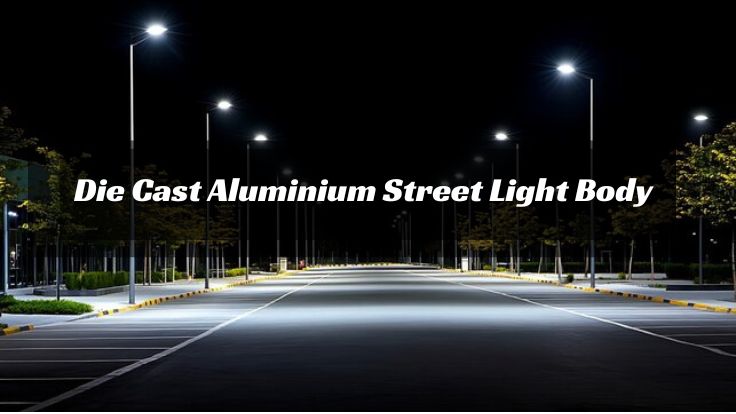
Because of modern, energy-saving technology, it is crucial nowadays for lighting products to be strong and reliable. Almost all modern outdoor lighting systems include a die cast aluminium body for their street lights. Because it is highly thermal, corrosion-resistant, and strong, this housing lasts long despite harsh events in the environment. It shields the LED’s circuits and also lets heat escape, which maintains their life. The aluminum LED street light casings are designed to ensure safety and quality on a global level. Because they are well-built and versatile, you can often see these enclosures along streets, highways, in industries, and in parks. Thanks to design progress, many kinds of LED street lights die cast aluminum bodies are being made now to suit numerous needs and preferences in light fixtures. While LED street light housing was formerly designed for efficiency, it now offers modular designs, smart features, and pleasing looks. This article discusses the features, types, series, specifications, and benefits of using die-cast aluminium in street lighting for those who plan, design, and select street lighting fixtures. This article covers how important, advantageous and in-demand die cast aluminium street light bodies are, as well as the steps involved in making them and modern trends in the market. What is meant by a die-cast aluminum Street Light Body? Die-cast aluminium is the process used to make the protective and supporting body of LED street lights. Within this body are placed all the important things in the lighting unit, like the LED driver, circuit board and lens and they are all protected from things like dust, water and hot or cold temperatures. Die-casting aluminum allows manufacturers to create LED street light housings that are strong, uniform, precise, and lightweight. The item that results is durable and also looks stylish, usually including smooth, stylish lines. The Steps Involved in the Die Casting Process In die casting, molten aluminium is pushed by high pressure into a shape cavity in the mold. Once the procedure is finished and the metal has fully solidified, it forms to the shape of the mold and is afterward pulled out, trimmed, cleaned up and polished. A major reason to use this process in LED street lighting is the ability to produce pieces with precise accuracy, the same features every time, and excellent surface and physical qualities. Here is a simple outline of what you have to do: It allows manufacturers to make many products at a low cost since it minimizes waste. Why You Should Use Die-Cast Aluminium for Street Light Housings? There are many benefits to using a die-cast aluminium body for a street light. 1. Heat Dissipation Aluminium is excellent at transferring heat. Heat generated by the LEDs is dispersed by the body and stops the components from overheating and ultimately damaging them. By using this feature, the vehicle is able to handle stable performance in different kinds of weather. 2. Toughness and Sturdiness The material does not add weight, but it’s durable enough to face harsh weather conditions. 3. Corrosion Resistance Applying coating or anodizing to aluminium makes it very resistant to corrosion, so the housing for LED street lights lasts for a long time in rough places, including by the sea or around factories. 4. Design Flexibility With die casting, it is possible to create objects with extra features and shapes, meaning the need for other types of assembly is reduced. 5. Aesthetic Appeal Nowadays, modern city planners prefer fixtures that are clean and sleek. Both the purpose and appearance of a city can be shaped by LED street lights with a die cast aluminum body. Tools for Use in Urban and Industrial Areas The body of a die-cast aluminium street light is found in places such as: This kind of housing can be used with LEDs that draw light at all levels, from lighting to smart controls. Why Die Casting Aluminum LED Street Light Housing is Favorable in the Market? In the last several years, more and more companies have switched to aluminum die-cast LED street light housing. It is influenced by a variety of different aspects. The trend will continue since many cities invest in updating their infrastructure and prefer energy-saving lighting systems. The Quality Control and Standards function Manufacturers of LED street light housing must strictly follow industry rules to ensure it operates safely, works properly, and lasts long. Businesses should check the following qualities: To gain worldwide approval and trust from buyers, a high-quality LED street light should pass CE, RoHS and ISO certifications. Production of a Series of Die-Cast Aluminium Street Light Bodies Many manufacturers separate their products into series based on how they look, their output, where they are used, and their technical attributes. Thanks to the street light body series, buyers can easily select a product that suits their needs. The following are the most common types of TV series seen: 1. Miniseries 20W–50W The Mini Series has compact housing units for LED street lights that are meant for narrow roads, walkways and homes. Because they’re all very light and efficient, these models are common in locations that do not need much light. 2. Standard Series (60- 120W) This is the group of literature that most people read. The LED street lighting housings in this series are both strong and save on costs. It is perfect for driving on roads, parking lots, and guarding plants and factories. 3. The range covers from 150W to 250W As they are meant for highways, broad streets and expansive outdoor areas, these products have LED street lights in sturdy aluminum casting with extra heat dissipation. Many such phones include smart features and higher levels of dust and water resistance. 4. Smart/Intelligent Series These hosts are configured to support motion sensors, IoT modules, or smart drivers. In the series, aluminium street lights are equipped with wireless technology, allowing them to respond to remote control for new smart city technology. 5. Designer or Architectural series The series joins music with the beauty of art.

Scroll naar boven

Een offerte aanvragen