hoge druk spuitgieten

Hot Chamber Die Casting and Cold Chamber Die Casting

Difference Between Hot Chamber Die Casting and Cold Chamber Die Casting

aluminium gietwerk

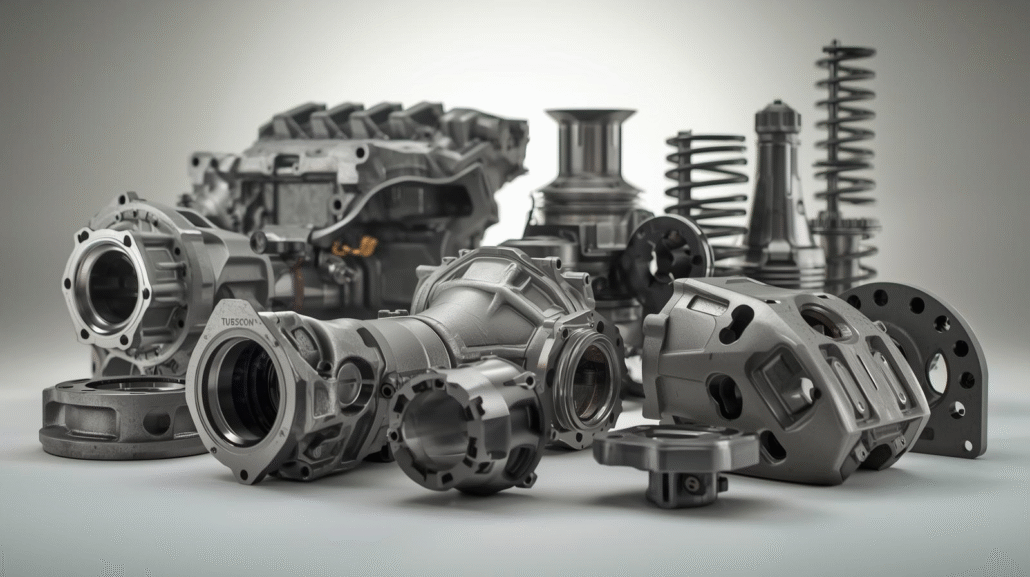
Die casting is a metal casting process that uses high pressure to produce complex, high-volume, precise metal components with superior surface finish and dimensional accuracy. This is achieved by high-speed, high-pressure injection of molten metal into a hardened steel mold, known as a die. After the metal solidifies, the die is opened, and the completed component is ejected, trimmed, or lightly secondary processed. Due to its speed, reproducibility, and ability to produce thin-walled, detailed casts, die casting is widely used across the automotive, electronics, aerospace, appliance, and consumer products sectors. High-pressure die casting processes fall into two major types: hot-chamber and cold-chamber die casting. Although both processes use pressure to force molten metal into a die, the ways the metal is melted, manipulated, and injected differ markedly. The differences influence the type of metals used, cycle time, production cost, tooling life, and part size. Hot-chamber die casting integrates the melting furnace with the casting machine, enabling faster processing and improved suitability for low-melting-point alloys. In cold-chamber die casting, however, a separate furnace is used, and molten metal is poured into the machine each time. This arrangement is preferable when the alloy has a higher melting point, e.g., aluminum and copper. Knowledge of the differences between these two processes helps Die Castings China select the most effective, cost-effective, and technically viable method for the company’s application. Hot Chamber Die Casting: Process and Technical Knowledge Hot-chamber die casting is a high-pressure metal casting process primarily used for low-melting-point alloys. It has extensive applications in the automotive hardware, electronics, telecommunications, and consumer goods industries, as well as in sectors that require high production speeds, tight dimensional tolerances, and good surface finish. The key feature of this process is that the melting furnace is integrated into the casting machine. In this type of design, the molten metal is kept in a continuously ready-to-inject state, reducing handling time and resulting in production that is much more efficient than in other casting methods. Summary of the Process Process Explanation Melting Metal is maintained in a furnace inbuilt as molten at about 400 -450 °C in the case of zinc alloys and 600 °C in the case of some magnesium alloys. Filling the Gooseneck In this setup, a hydraulic plunger is used to withdraw until molten metal fills the gooseneck chamber. Injection The plunger moves forward and injects metal into the die cavity at rates up to 3060 m/s. Solidification The metal’s cooling and solidification take 2-10 seconds, depending on the part’s thickness. Ejection This is where the die opens, and the casting is removed by die ejection pins. Repeat The total cycle time is 3 to 15 seconds, enabling high production volumes. The Process of the Hot Chamber Die Casting In hot-chamber die casting, the molten metal is retained in an in-built furnace mounted on the machine. The molten metal submerges a component called a gooseneck. When the plunger is retracted, an intake port supplies molten metal to the injection chamber. The plunger is then hydraulically actuated, driving the metal through the gooseneck and into the die cavity at high velocity. The injection rates may reach 30-60 meters per second, filling the cavity before the metal solidifies. After being cast, the molten metal is pressurized and cooled. Solidification typically takes 2-10 seconds, depending on wall thickness and alloy. With the part already solid, the die is opened, and the ejector pins force the casting out. The machine thereafter shuts and initiates the subsequent cycle. Technical Parameters and the Operating Conditions The process is carried out within well-controlled temperature and high-pressure ranges to ensure tooling quality and safety. Zinc alloys can be cast at temperatures between 400 and 450 °C. In contrast, magnesium alloys can be cast at temperatures closer to 600 °C. The injection pressure is typically 7-35 MPa (approximately 1,000-5,000 psi). The die temperature is maintained between 150 and 250 °C to ensure consistent metal flow and controlled cooling. Due to the wide range of machine sizes, the clamping force typically ranges from 20 to 500 tons. Shot weights are usually less than 1 kilogram, but machines can handle up to 5 kilograms. This is one of the fastest metal-forming methods, with production rates often reaching 300-700 parts per hour due to its high cycle rate. Applicable Material Limits and Alloys Hot-chamber die casting applies only to alloys that do not attack iron at high temperatures. The most common are zinc alloys, including Zamak 3 and Zamak 5, which have melting points near 385 °C. It is also commonly used with magnesium alloys such as AZ91D, which melts at about 595 °C. It is also possible to process lead-tin alloys, but their industrial applications are more limited. This process cannot be applied to aluminum, which has a melting point of approximately 660 degrees Celsius, which can destroy the submerged injection elements. Performance Benefits and Practices Limitations Parameter Typical Range Metal Temperature 400–450°C (Zinc), up to 600°C (Magnesium) Injection Pressure 7–35 MPa (1,000–5,000 psi) Cycle Time 3–15 seconds Machine Tonnage 20–500 tons Production Rate 300–700 parts/hour Die Temperature 150–250°C Typical Part Weight 0.02–5 kg Cold Chamber Die Casting: Process and Technical Observations Cold-chamber die casting is a high-pressure metal casting process suitable for alloys with medium- to high-melting points. It is commonly used in industries such as automotive, aerospace, industrial machinery, and electronics that require strong, lightweight components with precise dimensions. This process uses a separate furnace to melt the metal, rather than a hot-chamber die casting. Each shot is moved into the casting machine with the molten metal, making the system suitable for materials that would harm a permanently submerged injection process. This geometric distinction characterizes the operating mode, production speed, and material range of the cold-chamber process. Process Overview During cold-chamber die casting, the metal is melted in an external furnace at the appropriate alloy-specific temperature. The melting temperature of aluminum alloys is generally in the range of 660- 700 °C, and copper-based alloys might be melted at temperatures exceeding 1,000 °C. After melting,
Top Automotive spuitgietbedrijven in China en de wereld 

aluminium spuitgietwerk, spuitgietbedrijven, spuitgietbedrijf, Die Casting Fabrikant

Aluminium spuitgietwerk is een van de meest betrouwbare en rendabele productieprocessen in de hedendaagse industrie. Het is het proces waarbij gesmolten aluminium onder hoge druk in een nauwkeurige mal wordt gespoten om krachtige, lichte en maatvaste onderdelen te maken. Het is vooral nuttig bij de productie van zeer complexe vormen met een hoge oppervlakteafwerking en daarom is het een geliefd proces in de auto-, lucht- en ruimtevaart-, elektronica-, consumentenproducten- en industriële machine-industrie. De laatste jaren is er veel vraag naar aluminium spuitgietwerk. De tendens van de wereld naar elektrische auto's, lichtgewicht constructies en energie-efficiëntie heeft de aluminiumlegeringen in de frontlinie van innovatie geplaatst. Fabrikanten hebben nu hightech onderdelen ontwikkeld zoals motorblokken, transmissiehuizen, accubehuizingen en koellichamen die zowel duurzaam als licht zijn. Recyclebaarheid en weerstand tegen corrosie maken aluminium ook nuttig in de wereldwijde tendensen om duurzaam en milieuvriendelijk te produceren. Twee van de belangrijkste hubs voor het gieten van aluminium zijn de Verenigde Staten en China. Bedrijven in de Verenigde Staten staan bekend als innovatief, hebben hoge kwaliteitsnormen en gebruiken hoge automatiseringsniveaus en kunnen worden beschouwd als een goede investering in hoge precisie-industrieën. Omgekeerd hebben Chinese fabrikanten veel concurrentievermogen verworven op de wereldmarkt, bieden ze een kosteneffectieve oplossing, een hoge productiecapaciteit en meer geavanceerde technologieën. Dit artikel bespreekt enkele van de meest succesvolle aluminium spuitgietbedrijven in de VS en China, hun sterke punten, hun mogelijkheden en de factoren die hen tot de meest betrouwbare partners maken voor bedrijven over de hele wereld als hun voorkeursleveranciers in de productie-industrie. Wat is spuitgieten voor auto's? Spuitgieten is een productieproces waarbij gesmolten metaal, meestal aluminium, magnesium of zink, onder grote druk in een mal met een open ruimte wordt geperst. Dit maakt massaproductie mogelijk van onderdelen met een hoge sterkte, complexe functies en een goede oppervlakteafwerking en maatnauwkeurigheid. Spuitgieten in de auto-industrie maakt de productie mogelijk van onderdelen die: Het gebruik van spuitgieten heeft een revolutie teweeggebracht in de constructie van hedendaagse voertuigen waarbij men gewicht kan besparen en tegelijkertijd toch kan presteren. De vraag heeft bijgedragen aan het hoge ontwikkelingstempo van de grote autogietbedrijven in China, Europa, Amerika en Japan. Waarom China de leider is op het gebied van autospuitgietwerk China heeft een aantal van de grootste fabrikanten van autospuitgietwerk ter wereld vanwege zijn: Een dergelijke reeks sterke punten heeft Chinese auto-motief spuitgietbedrijven in staat gesteld om de krachtpatsers te zijn, niet alleen op de lokale markt, maar ook internationaal in de toeleveringsketen. CNM Tech Diecasting Company is een toonaangevende producent van superieure aluminium spuitgietproducten. Ze bieden verschillende sectoren zoals de auto-industrie, elektronica en telecommunicatie met precisie ontworpen onderdelen die gericht zijn op het handhaven van de hoogste kwaliteitsnormen. Ze kunnen lichte en sterke onderdelen produceren met behulp van hun geavanceerde productieprocessen zoals hogedrukgieten en CNC-verspaning. The Diecasting Company gelooft in de kracht van constante innovatie en investeert daarom in moderne machines, geautomatiseerde productielijnen en, nog belangrijker, kwaliteitscontrolesystemen die helpen om altijd dezelfde resultaten te leveren. Zowel OEM's als Tier-1 leveranciers behoren ook tot hun wereldwijde klantenbestand en daarom zijn ze een betrouwbare partner bij het voldoen aan complexe en grote productiebehoeften. Website: https://www.thediecasting.com/ Waarom voor hen kiezen The Diecasting Company geniet de voorkeur van bedrijven omdat ze gericht zijn op kwaliteit, precisie en innovatie. Hun toepassing van de allernieuwste spuitgiettechnologieën, sterke kwaliteitscontrole en tijdige levering zorgen ervoor dat hun klanten componenten krijgen die aan internationale normen kunnen voldoen en maken van hen de favoriete keuze als het gaat om OEM's in de automobielindustrie en fabrikanten die een betrouwbare leverancier van spuitgietoplossingen willen vinden. Bedrijfstakken die worden bediend Sincere Tech Sincere Tech is een van de producenten van hoognauwkeurige matrijzen in kunststof injectie en spuitgieten. Ze hebben een achtergrond in het ontwerpen van mallen, prototyping en de productie van het eindproduct, wat hun klanten over de hele wereld een one-stop-oplossing biedt. Ze gebruiken geautomatiseerde CAD/CAM-software en geautomatiseerde bewerking, zodat alle vervaardigde mallen zeer nauwkeurig zijn. Plastic Mold kan worden gecrediteerd met jarenlange ervaring in het bedienen van de behoeften van de auto-industrie, consumentenelektronica en medische hulpmiddelen industrie met de capaciteit van het leveren van complexe mallen met efficiëntie. Ze onderscheiden zich door hun innovatie, kwaliteitscontrole en snelheid in levering, waardoor ze een vertrouwde leverancier zijn voor bedrijven die graag een gepersonaliseerde matrijsoplossing willen. Website: https://www.plasticmold.net/ Waarom voor hen kiezen Plastic Mold wordt geselecteerd vanwege hun complete systemen voor het maken van mallen, hun technische vaardigheden en hun vermogen om in een beperkte productietijd te passen. Hun mallen van superieure kwaliteit minimaliseren fouten, verhogen de productiviteit en helpen klanten nauwkeurige en betrouwbare spuitgegoten of spuitgegoten producten te maken. De bedrijfstakken die worden bediend GC Precision Mould GC Precision Mould is een producent van spuitgieten in China die aluminium, zink en magnesium spuitgietmatrijzen levert. Ze hebben een reputatie in het produceren van hoogwaardige, rendabele en lichtgewicht onderdelen in de automobiel-, elektronische en verlichtingssector. Ze beschikken over de vaardigheden van hogedrukgietwerk, CNC-verspaning en secundaire afwerking. Alu Diecasting richt zich op nauwkeurigheid, duurzaamheid en productiviteit. Ze voldoen altijd aan de internationale normen door het gebruik van moderne faciliteiten, geautomatiseerde lijnen en bekwame technici. Ze leveren zowel lokaal als internationaal aan klanten zoals OEM's en Tier-1 leveranciers, en zijn gepositioneerd als een top Chinese fabrikant van gietstukken voor de automobielindustrie. Website: https://aludiecasting.com/ Waarom ze kiezen Ze gebruiken Alu Diecasting omdat ze een combinatie van concurrerende prijzen, hoge kwaliteitsnormen en technologie bieden. Ze hebben een trackrecord van verschillende legeringen, precisiebewerking en tijdige productie die betrouwbare, duurzame en lichtgewicht onderdelen onderhoudt die voldoen aan de eisen van de wereldwijde auto-industrie. Get It Made Get It Made is een producent van CNC-verspaning, 3D-printen, spuitgieten en metaalvorming gevestigd in het Verenigd Koninkrijk. Ze ondersteunen zowel prototyping als productie in kleine aantallen,

Wat is hogedruk spuitgieten?

aluminium gietwerk

One of the most important metal processes, which is used today, is high pressure die casting. It is characterized by the capability to manufacture high-precision components. It is a process that manufacturers resort to when they require quality parts in large quantities. The process is achieved by placing a lot of pressure on molten metal and forcing it into a steel mold, referred to as a die. The pressure is used to maintain the flow of the metal to all corners of the mold. It produces components of small details, narrow walls and smooth surfaces. Because of this, the high pressure die casting would be a convenient choice in the case of an industry that has to be precise and uniform. Examples of the metals that are usually utilized during the process are aluminum, zinc, and magnesium. The materials have their own advantages. Die casting Aluminum is light and undergoes no corrosion. The reason is that Zinc die casting can be cast in thin and intricate designs. The strength of magnesium die casting is very light. High pressure die casting serves most industries. It provides vital parts in automotive, aerospace, electronic and consumer goods manufacturing industries.  This process provides durability and performance in engine housings, and in electronics cases, among other things. This article will discuss the functionality of high-pressure die casting, the material used, its advantages, constraints and its numerous applications. High Pressure Die Casting Die casting under high pressure has a history of over 100 years. Its creation dates back to the 19th century when it was used to create printing type. With time, technology was enhanced and became an essential procedure in the automotive and aerospace industries. One of the most effective methods of producing composite metal parts nowadays is high pressure die casting. It can be employed in cases where accuracy, durability, and speed are needed. This process has been adopted by manufacturers because it provides substantial production which is regular in quality, smooth, and detailed shapes which are in line with the requirements of modern engineering. The Die Casting Process of High Pressure High-pressure die casting is a rapid process that is accurate and applicable in mass production. It is a combination of high machines with molten metal that makes accurate and detailed parts. This is made efficient as the whole process enables the manufacturers to produce thousands of components of similar quality. Die Preparation It starts with the preparation of the die. The steel mold or die is meticulously washed and sprayed with a lubricant. This is to regulate the temperature and ensure that the metal does not adhere to the die surface. It should be properly prepared since it is the way to a smooth ejection of the final casting. Metal Melting After reading a die, the preferred material- aluminum, zinc or magnesium is molten down in a furnace. The metal should be heated to the right degree of temperature to attain a complete liquid state. The strength and the finish of the final casting largely depend on the quality of the melting. Metal Injection The molten metal is then forced into the die under a very high pressure. This pressure presses the metal in all corners of the mold cavity. It enables the process to make thin walls, sharp edges and complex shapes which are hard to make in other casting processes. Cooling and Solidification The metal freezes quickly within the steel mold after injection. Cooling periods are also extremely short; they may take only a few seconds. Quick cooling provides the part with its strength and assists in keeping the part at the proper size. Ejection from the Die When the solidification of the metal is done, the die is opened. The casting is forced out of the mold by ejector pins. The part is shaped at this phase except that it still contains additional material that must be eliminated. Trimming and Finishing The last phase is finishing and preparing. The metal that is kept in excess is removed, known as flash. Depending on the needs, the part can then be machined, polished, painted or coated. This will guarantee that the component is prepared to be used. Automation in Modern Factories The high pressure die casting is completely automated in modern factories. The steps of injection, cooling and ejection are performed with accuracy by robots. Automation enhances consistency, lowers labour expenses, and makes it an ideal way of undertaking mass production. Raw Materials of High Pressure Die Casting High pressure die casting is ideal for non-ferrous metals that have relatively low melting points. The most frequent are: Aluminum The most popular one is aluminum die casting. It is a low-weight, high-strength combination. Aluminum products are also resistant to corrosion, thus suitable for cars, aeroplanes and electronics. Zinc Small parts that are fine and precise are best cast with zinc. Zinc is of good toughness and strength. Thin walls and fine details are also enabled. That is why it is suitable for connectors, housings and decorative parts. Magnesium Magnesium is the lightest structural die cast metal. It possesses a good strength-to-weight ratio. It is commonly applied in aerospace, automobile, and consumer electronics in areas where a lightweight is a factor. Copper Alloys Alloys can also be made of copper, but this is not common. They are very hard, have high wear resistance and high electrical conductivity. All the materials possess their strengths depending on the usage. Aluminum is selected as a strong and corrosion-resistant material, zinc as an accurate one, and magnesium as a lightweight component. High Pressure Die Casting Tooling and Dies The most important aspect of the process is the die, or the mold. Hardened tool steel is used in making dies, and it is constructed to resist excessive heat and pressure. Dies are of two major types: It is also possible to design a die that will transfer the creation of a variety of parts in a single cycle, a combination die. The tooling costs are also expensive,

Wat is gegoten aluminium kookgerei?

Wat is gegoten aluminium kookgerei? Een complete gids

Aluminium, aluminium gietwerk

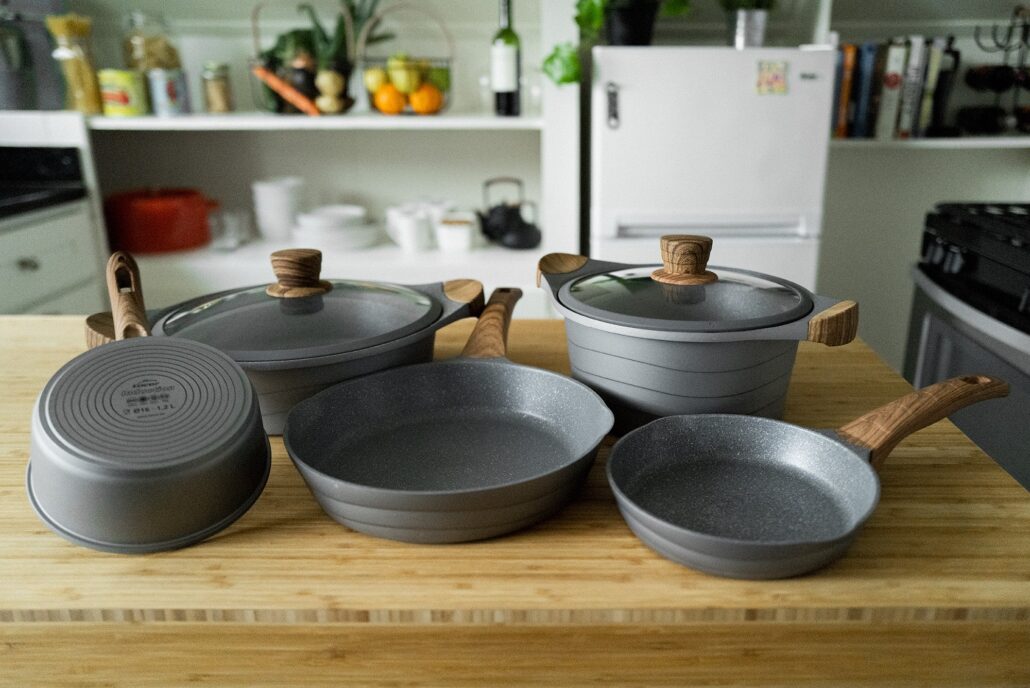
Cast aluminum cookware is becoming popular in kitchens worldwide. It is lightweight, inexpensive, and easy to use. The food can have a different taste depending on the cookware that is used, including the easy cooking process. Cookware is also time-saving and long-lasting. The cast aluminum is made by pouring molten aluminum into a mold. The method gives the cookware both a concrete structure and consistency in the thickness. It allows the pan or the pot to warm up quickly and evenly spread the heat. This simplifies and reduces the time spent preparing day-to-day meals. Cast aluminum is another relatively lightweight material that many people have been using since it is relatively inexpensive when compared to stainless steel. It may also be prepared in different shapes and sizes; therefore, it may be fried, baked, and boiled. However, cast aluminum has its negative sides. It is not as tough as stainless steel nor as tough as cast iron. There are also some types of cooking utensils that need a non-stick or anodized coating so that the food does not stick or is not in contact with acidic foods. In this article, all of these will be expounded using simple language. You will be introduced to the advantages, disadvantages, security, and treatment of cast aluminum cookware. How Cast Aluminum Cookware is Made? Cast aluminum cooking utensils are produced as a result of pouring the melted aluminum into a mold. The metal (aluminum) will then be in the shape of a pan, pot, or baking dish after cooling down. The process makes the cookware tougher and heavier than the traditional pressed or rolled aluminum. The two big stages of the process are: Such casting makes the coocooklightlightut strong enough that it can be used daily. Others are non-stick envelopings on them to prevent the sticking of food, and to facilitate their cleaning. Cast Aluminum Process of Cookware Preparing the Aluminum The initial step entails the selection of aluminum. Pure aluminum or recycled aluminum can be used by manufacturers. This is put into large furnaces where it is heated to over 660 °Cuntil it melts to form a liquid. This stage is where purification of the aluminum is done to determine that it will be strong and safe in the final product. Creating the Mold Once the aluminum is on hand, the mold is created. The form is determined by the mould, and it may be a frying pan, a pot, or a baking pan. These moulds are mostly sandy or steely. The thinness, balance, and durability of the copopotterarere dare be determined by the type of mold and the level of exquisiteness. Pouring the Molten Aluminum The mold is then filled with liquid aluminum. It is filled to the very brim in every crevice of design. It is the process that also causes cast aluminum cookware to be heavier and stronger than pressed aluminum cookware. Cooling and Solidifying After being poured, the aluminum is expected to cool down. It is stiffening and depressing when it comes to cooling and acquires the shape of the mold. The cooling is required as it removes cracks, air bubbles, or weak areas that can jeopardize the quality of the cookware. Trimming and Finishing Once hardened, cookware is removed from the mold. Such is where a crude surface gets cut and polished. Other features are also incorporated, such as handles and bases. This is to ensure that the cook’s uniform is smooth, safe, and ready to be coated. Surface Coating and Finishing Most cast aluminum cooking utensils are surface-treated. They have most of them supplied with non-sticky surfaces, such that the food does not stick on the surfaces,, and the cleaning does not take much time. They can be anodized by others, and this increases their resistance to corrosion and scratches. These finishes are also resistant to the reactivity with acidic food. Quality Testing The quality control is the last one. All of the works are inspected on balance, durability, and coating safety. Cookware that has been carefully checked is packed and only sent into the market. It will ensure the customers receive durable, quality, and safe cookware. Cast Aluminum Cookware advantages What is the reason not to use other materials, to use cast aluminum? Here are the key benefits: Lightweight In comparison to cast iron, it is very light in cast aluminum. It does not take much time tocleanna, and it is more so when one has a cook who prepares meals regularly for the elderly. Superb Heat Distribution Aluminium is a thermal conductor. Cast aluminum utensils are quick to cook and evenly cook. This means that there would be fewer hot spots and even cooking. Affordable It is normally cheaper than stainless steel or copper cookware. It has decent performance at an affordable price. Versatile Cast aluminum may be fried, baked, boiled, or simmered. Some are even oven-safe. Quick Heating The aluminum makes food cook more quickly since it reacts to heat faster. This saves time and energy. Disadvantages of Cast Aluminum Cookware Despite several advantages of cast aluminum cookware, it also possesses several limitations: Durability Issues The cast aluminum is softer than the cast iron or stainless steel. Eventually,, it is likely to be dented or scratched, especially when it is not handled properly. Reactivity with Food The uncoated aluminium can react with acids such as tomatoes or vinegar. This may either render it metallic or discoloured. The majority of modern cast aluminium pans are coated to such effects. Coating Problems The non-stick film on the pan may be of poor quality, and thus, it may wear away with time. It can be scrubbed with hard sponges or metal utensils, and this decreases its life span. Aluminum Cast And Other Cookware The choice of cookware is more of a choice. The cast Aluminum performance when compared with the popular substitutes stands as follows: Cast Aluminum and Stainless steel The first distinguishable difference in the case of the cast aluminum and stainless steel is the heat

Aluminium spuitgietbedrijven in de VS

Aluminium spuitgietbedrijven in de VS

aluminium spuitgietwerk, spuitgietbedrijven, spuitgietbedrijf

Aluminium spuitgieten is nu een van de zekerste en meest economische productieprocedures in de Verenigde Staten van Amerika, vooral voor fabrikanten die robuustheid, duurzaamheid en precisie vereisen. Dit wordt gedaan door het onder hoge druk injecteren van gesmolten aluminium in stalen gietstukken en dit produceert onderdelen die niet alleen licht van gewicht zijn, maar ook dimensionaal nauwkeurig en duurzaam. Het is deze sterkte en dit lage gewicht dat van het spuitgieten van aluminium het materiaal van keuze maakt in de auto- en ruimtevaartindustrie, elektronica, industriële machines en consumptiegoederen. De Amerikaanse markt heeft een aantal van de meest gevestigde aluminium spuitgietindustrie ter wereld in de vorm van grote fabrikanten met wereldwijde aanwezigheid tot kleine en gespecialiseerde bedrijven die gespecialiseerd zijn in aangepaste onderdelen en nichetoepassingen. Deze bedrijven zijn van cruciaal belang voor het voortbestaan van de sleutelindustrie door segmenten van de industrie te leveren zoals motorblokken, transmissiebehuizingen, elektronische behuizingen en structurele onderdelen. De in de VS gevestigde fabrikanten hebben hun reputatie van betrouwbaarheid en innovatieve producten in de wereld verdiend door hun hoogwaardige technologieën, certificering en focus op kwaliteitsproducten. In de afgelopen jaren is de vraag naar gegoten aluminium onderdelen enorm gestegen door de recente ontwikkelingen op het gebied van lichtgewicht voertuigen, de productie van elektrische voertuigen en het streven naar energie-efficiënte productie. Amerikaanse bedrijven omarmen automatisering, duurzame gietstukken en superieure legeringen om hoge resultaten te behalen om aan deze eisen te voldoen. Dit artikel geeft een overzicht van enkele van de beste fabrikanten van gietaluminium in de VS en hun prestaties, potentieel en bijdragen aan de hedendaagse industrie. Het maakt niet uit of je onderdelen krijgt voor een grootschalig productieproces of een zeer technische toepassing, deze fabrikanten zijn de belichaming van de beste Amerikaanse technologie in aluminium spuitgieten. Wat is aluminium spuitgieten? Het gieten van aluminiummatrijzen is een productietechniek waarbij gesmolten aluminium onder hoge druk in een stalen mal wordt geperst die ook wel een matrijs wordt genoemd. Wanneer het metaal afkoelt en stolt, wordt de mal geopend en wordt het afgewerkte onderdeel uitgeworpen. Dit is het proces waarmee fabrikanten sterke, lichte en zeer gedetailleerde onderdelen kunnen maken met een hoge mate van maatnauwkeurigheid en een gladde oppervlakteafwerking. Het feit dat aluminium spuitgietwerk complexe vormen kan produceren die anders moeilijk of duur te produceren zouden zijn met andere productieprocessen, is het belangrijkste voordeel. Het wordt op grote schaal toegepast bij de productie van onderdelen zoals motorblokken, transmissiebehuizingen, elektronische behuizingen, koellichamen en structurele componenten. Het spuitgieten van aluminium heeft verschillende grote voordelen: Dankzij deze sterke punten is het spuitgieten van aluminium naar voren gekomen als een beter alternatief in industrieën die betrouwbare en efficiënte componenten van hoge kwaliteit nodig hebben om aan hun technische en economische behoeften te voldoen. Top USA Aluminium Die Casting Bedrijven 1. Dynacast International Dynacast International is wereldwijd één van de bekendste bedrijven op het gebied van het gieten van precisiematrijzen. Het bedrijf heeft tientallen jaren ervaring in de productie van kleine, complexe onderdelen met behulp van aluminium, zink en magnesiumlegeringen. Ze zijn goed in het produceren van onderdelen met strenge toleranties en complexe kenmerken, die nodig zijn voor de auto-industrie, consumentenelektronica, telecommunicatie en medische apparatuur. Wereldwijd zijn betekent ook dat Dynacast in staat is om kleine bedrijven en multinationals te bedienen met de flexibiliteit, innovaties en kwaliteit die niet variëren tussen projecten. 2. Pace Industries Pace Industries is uitgegroeid tot de grootste spuitgietbedrijven in Noord-Amerika en heeft een goede reputatie opgebouwd als aanbieder van totaaloplossingen. Hun dienstenpakket omvat ontwerpen en engineeringondersteuning, spuitgietwerk, machinale bewerking, oppervlakteafwerking en eindassemblage; ze bieden een totaaloplossing voor klanten in de automobiel-, industriële en consumentenindustrie. Door de schaal van hun activiteiten kunnen ze projecten met hoge volumes en projecten op maat aan. Pace volgt ook de cultuur om geld te steken in moderne technologie en duurzame praktijken, zodat ze concurrerend kunnen blijven in de snel veranderende industrie. 3. Ryobi Die Casting (USA), Inc. Ryobi is een gerenommeerd merk in het wereldwijde spuitgietsegment en is sterk vertegenwoordigd in de Verenigde Staten. Hun activiteiten in de VS zijn gericht op middelgrote tot grote aluminium spuitgietonderdelen, voornamelijk voor de automobielsector. Ryobi produceert motorblokken, transmissiebehuizingen en structurele onderdelen die duurzaam en nauwkeurig moeten zijn. Het bedrijf heeft gebruik gemaakt van geavanceerde technologie en kwaliteitsmanagement, waardoor het een favoriete leverancier is geworden van grote autofabrikanten in de wereld. 4. Gibbs Die Casting Gibbs Die Casting, de andere leider op de Amerikaanse markt, is gevestigd in Henderson, Kentucky. Het bedrijf is gespecialiseerd in aluminium en magnesium spuitgietwerk voor de auto-industrie, vooral voor transmissiebehuizingen en aandrijflijnonderdelen. Gibbs legt sterk de nadruk op innovatie, waarbij automatisering en geavanceerde productietechnieken worden gebruikt om hoge normen voor efficiëntie en kwaliteit van het werk te garanderen. Het bedrijf integreert ook het concept van duurzaamheid in zijn activiteiten door verspilling tegen te gaan en milieuvriendelijke bedrijfspraktijken aan te moedigen. 5. Apex Aluminum Die Casting Co, inc. Apex Aluminum Die Casting is gevestigd in Ohio en wordt gebruikt in de auto-, elektronica- en apparatenindustrie. Het bedrijf is gerenommeerd in het werken met middelgrote productiepartijen, waardoor het de perfecte optie is voor bedrijven die een constante uitvoerkwaliteit vereisen maar niet de enorme krachten van grotere importeurs nodig hebben. Het team van Apex houdt zich bezig met klanttevredenheid, betrouwbaarheid van de service, engineering en nauwkeurigheid in de productie. Ze hebben zich gevestigd als een betrouwbare partner voor een aantal Amerikaanse bedrijven vanwege hun goede reputatie om consistente resultaten te leveren. 6. KenWalt Die Casting Company KenWalt Die Casting is gevestigd in Californië en heeft meer dan tientallen jaren ervaring met het produceren van gietstukken; aluminium en zink. Het bedrijf richt zich ook op klussen op maat en bedient de industrie van zowel industriële apparatuur als consumentengoederen. KenWalt onderscheidt zich als een bedrijf dat nauw samenwerkt met de klant tijdens het

Aluminium hoge druk spuitgieten auto-onderdelen

Aluminium hogedruk spuitgieten auto-onderdelen: Duurzaam en Efficiënt

aluminium spuitgietwerk, hoge druk spuitgieten

The automotive industry is changing due to the use of aluminum high pressure die-casting auto parts. They provide manufacturers with the power to design lighter, stronger and more efficient cars. With this technology, the car manufacturers can save on weight, become fuel efficient and have green mobility without compromising on the durability of the car. Auto parts die casting is the process whereby molten aluminum is injected into a steel mold at a very high pressure. This produces a strong shape that is smooth and sharp. The method allows faster production, reduced machining and consistent quality. In die casting auto parts, the companies are able to design complex components in a single step, which saves them time and money. Auto parts made in aluminium die casting are now much needed in modern vehicles. This is a frequent method of producing engine blocks, transmission housings, brake parts, and battery casings in electric cars. Lightweight, but tough, corrosion-resistant, and designed to meet tough conditions on the road, these parts are made. Auto parts made with aluminum die casting are increasing in demand rapidly, particularly as we move to electric and hybrid cars. Loss of total weight of cars increases battery life, performance and reduces emissions. This makes aluminum die casting a major component of green production. In brief, the use of aluminum high pressure die-casting auto parts in car manufacturing is no longer a choice. They have played a key role in creating the modern vehicles, which will not only be up to the present performance standards, but also be green. Powerful, effective, and stable, they will also be at the very centre of automotive design in the future. What Is Aluminum High Pressure Die-Casting? Die casting is a process of molding metal. In this, molten aluminum is forced under a very high pressure into a cavity in a steel mold. When cooled, the metal hardens in the same shape as the mold. The outcome is smooth, accurate and long-lasting. That is why die casting became one of the most popular ways of producing modern car parts. In comparison with the traditional technique, high pressure die casting can make complicated parts in one time. This saves time, machining requirements and costs to manufacturers. Why Aluminum for Auto Parts? The reason why aluminum high pressure die-casting auto parts are so popular is that there is no other material that has a combination of qualities as much as aluminum. It is green and rough; therefore, it is light and, therefore, can be used in the automobile industry. Increasing efficiency and environmental requirements have made aluminum the die casting of choice in auto parts. Weight loss is one of the largest benefits. Steel is a lot heavier than aluminum. Carmakers can lighten an overall vehicle by incorporating die casting auto parts produced using aluminum. The lighter a car is, the better its fuel economy, emissions, and performance. This would be important in both a conventional and an electric vehicle. Meanwhile, aluminum does not lose strength. It has a good strength-to-weight ratio, and this is good because even when the part is strained, it does not become soft. This is what renders aluminium die cast auto parts so useful in engines, transmission and chassis parts. The other important advantage is corrosion resistance. Aluminum does not rust and wear out like other metals. This provides increased life to aluminum die casting auto parts and decreased maintenance expenses to vehicle owners. Major Auto Parts are produced using Die Casting Automobile manufacturers cast most of their components using aluminum die casting. These are lightweight yet powerful parts that can be used in conventional as well as electric cars. Engine Blocks Engine blocks have to deal with heat, vibration and pressure. When it comes to auto parts die casting, aluminum blocks weigh less but are firm enough to work in very harsh conditions. This will conserve the overall weight of the engine and fuel consumption. Transmission Housings The transmission housings have to be precise and durable. Die casting auto parts are used in order to achieve the accuracy of smooth-running gears. This guarantees high reliability over time, and minimal machining is required. Brake Components Brakes face constant stress. Manufacturers produce strong components that are not heavy since they use aluminum die casting auto parts. This balance is applied to increase the braking force and to decrease the vehicle’s weight. Chassis Parts The chassis parts are used to provide safety and stability. They are strong but not bulky when made using aluminium die casting auto parts. This increases the management and productivity. EV Electric Housing’s motor and battery The auto parts that shield the motors and batteries are constructed using aluminum high pressure die-casting in electric vehicles. The housings protect delicate systems and still provide a lightweight frame, increasing the distance covered during driving. Collectively, these elements bring out the role of auto parts die casting in helping to design new cars. Aluminum die casting has made engines, EV batteries, and more perform efficiently, last longer, and be durable. Process of Aluminum High Pressure Die Casting 1. Mold Preparation Preparation of the moulds starts. The die of steel is thoroughly washed in order to eliminate all materials that are impurities and heated to the appropriate temperature. A protective coating is applied to the surface that prevents the sticking of the molten aluminum to the surface, and helps in controlling the cooling rate. This is done to ensure enhanced circulation of metals and longer life of moulds and consistency of parts per production cycle. 2. Melting the Aluminum These aluminum alloys are melted in a furnace with specific controlled temperatures. But sufficient temperature is also required, as that prevents oxidation, and the molten metal will flow easily into the mold cavity. Any impurities are removed by refining the agents or filters. This ensures that aluminum die cast auto parts contain no defects and are of good and consistent properties. 3. Under high pressure injection. Then the molten aluminum is forced into

Auto-onderdelen gemaakt door gieten:

Auto-onderdelen gemaakt door gieten: Materiaal- en proceskeuze

gietdelen

The modern automobile is a sophisticated machine that consists of thousands of separate parts with their own purpose to provide safety, performance, and reliability. Casting is one of the various manufacturing processes that are employed in the automotive industry. Casting is now an irreversible procedure where major parts of a vehicle are formed by shaping molten metal into extremely detailed and strong parts. The engines, transmissions, and braking systems of most vehicles are among the most significant systems that require parts made by casting. Indeed, when designers and builders discuss efficiency, durability, and cost-effectiveness in the production, casting of automobile parts are often at the centre stage of the debate. The art of casting is not new; it was invented thousands of years ago. However, its application in the motor industry has undergone a revolutionary shift to harness hi-tech technologies and the most recent alloys that can fit the high demands of the modern car. Casting has been instrumental in enabling cars to maintain high-performance standards at a relatively low cost through lightweight aluminum engine blocks that are tough and, resilient cast-iron brake components. The article will review the history of the automobile casting parts, processes, advantages, and future trends of automobile casting parts and reveal the reasons why the automobile casting parts continue to be a pillar in the automotive manufacturing industry. History  of Casting It was actually the aluminum casting process that penetrated the sphere in the middle of the 20th century. Casting has been in use in vehicles since the late 19th and early 20th centuries, when the automobile was first developed to replace the horse-drawn carriage. Early engines demanded powerful but inexpensive parts, and casting was the right way to go. One of the first methods to make engine blocks, crankshafts, and housings was iron casting. With the increase in the automobile industry, casting techniques increased and became advanced. The automobile manufacturers learned that they could increase fuel efficiency without reducing the lifetime of the vehicles due to lighter engines and structural parts. Casting is applied to different systems of vehicles in accordance with their application and importance. Finally, the automobile casting parts have the important role of giving strength, accuracy, and cost-effectiveness to reduce the cost, which is why automobile parts are the giants of the automotive industry. What are Automobile Casting Parts? Automobile Casting Parts can be defined as parts of a vehicle that are produced through pouring molten metal into a mold, and the resulting molten metal hardens into a desired shape. This has enabled the manufacture of robust, sturdy, and intricate components that are utilized in automobiles, including engine blocks, cylinder heads, transmission housings, brake drums, and wheels. They are very popular since casting offers: Taking the case of an engine block, the block has various chambers and coolant passages with threaded openings that can be cast correctly. What is Casting? The process of casting is a type of manufacturing where molten metal is poured into a mold and allowed to cool in the shape of the mold. After cooling, the casting is removed, machined (where needed),, and fitted into the finished product. It is an operation in which it is possible to produce both strong and geometrically complex parts. The reason why automobile manufacturers like to use casting is that they can produce large quantities of complicated parts of uniform quality. The proper melting temperature should also be maintained to remove defects such as porosity or underfill We are discussing not only structurally significant parts of automobiles, but also those that must be precise and durable under severe conditions of high temperatures, pressures, and constant wear. Process of Casting in Automobile Parts High-volume production also automates machines or high-pressure systems to ensure a high level of accuracy and consistency. 1. Pattern Making It starts with the production of a pattern, an imitation of the finished part. Patterns tend to be made of wood, metal, or plastic. They also determine the accurate shape and size of the mold cavity into which the molten metal will be poured. 2. Mold Preparation Sand, metal, or ceramic materials are used to form a mold. The two halves of the mold make the cavity to shape the part. Hollows can also be introduced within the mold,, such as internal passages within an engine block. 3. Melting the Metal In a furnace, a controlled temperature is used to melt the selected metal or alloy (cast iron, aluminum, or magnesium). This is to bring mechanical properties to high-performance applications such as engines or gearboxes. 4. Pouring When the metal is melted, it is filled into the mold. The proper sizes and finishes are ensured during drilling, milling, and turning. 5. Solidification and Cooling The heated material is left to cool and harden within the mold, assuming the shape of the mold. The part should avoid a shrinkage defect or crack due to uncontrolled cooling rates. 6. Mold Removal When solidifying, the mold is broken (in sand casting) or the mold is opened (in permanent and die casting). A raw casting is then removed and processed further as a casting blank. 7. Fettling and Cleaning Unneeded material, including sprues, risers, or flash, is eliminated. The casting could be shot blasted or ground to clean up the surface to make it easy to machine. 8. Heat Treatment (if required) Cast parts can be heat-treated to enhance their strength, hardness, or toughness. Sand Casting – Sand casting is one of the oldest and most common ways in which a mold of sand is molded into a more complicated shape. 9. Machining and Finishing Despite the fact that casting generates near-net shapes, a lot of automobile parts have to be machined to be precise. It is used with the engine block, cylinder head, and manifold. 10. Inspection and Testing Lastly, quality checks are done on the cast part. Non-destructive testing (NDT), dimensional testing, and material inspection are conducted to ensure that the part is up to industry standards before assembly into

Waarom is gesmeed aluminium beter dan gegoten metaal?

Waarom is gesmeed aluminium beter dan gegoten metaal?

Gesmeed aluminium

Forged aluminum is among the most trusted materials in contemporary engineering practice. It is formed by pressing solid aluminum with a high amount of heat and pressure. It alters the internal structure of the metal and makes it stronger and tougher than cast aluminum. Due to this, industries that require safety and durability use forged aluminum. Aluminum in itself is already rated as lightweight, resistant to corrosion and versatile. It is present in vehicles, aircraft, buildings, electronics and even in common tools. Not everything that is made of aluminum is the same, though. The performance of the metal is directly affected by how the metal is formed. Aluminium is melted and poured into molds when it is cast. This may cause flaws such as air bubbles and holes. Forging eliminates those issues. Rather than melting, the aluminum is pressed into form so that the grain is forced to conform to the design of the part. This yields a very powerful and homogeneous material. Forged aluminum has become popular now that industries are shifting to lighter, safer and more efficient solutions. This paper tells us why it is better than cast metal, the process involved in forging metals, where it is applied and the future of forging of aluminum. What Is Forged Aluminum? Forged aluminum is done by pressing solid aluminum under high pressure. The metal is not melted all the way as in casting. Rather, it is heated till it turns soft and malleable. After being softened, the aluminum is stamped or beaten into the required shape by means of heavy forging machines. This stress flattens the metal and also perfects its internal grains. The grain is oriented in the shape direction, and it contributes to the part’s better strength and toughness. Such a fine structure also removes numerous defects present in cast aluminum, including pores or cracks. Consequently, forged aluminum is safer, more durable and stronger. How an Aluminum Forge Works? Forging is done in an aluminum forge. There are a few steps involved in the process: This process ends up with a thick, solid, and homogeneous portion. It does not have weak spots or air bubbles like casting. Benefits of Forged Aluminum Cast metal and other materials cannot do what forged aluminum can do. It has become the tool of preference in industries where we cannot afford to compromise on performance and safety. Superior Strength Forged aluminum is very strong, and this is one of the key benefits of forged aluminum. The grain structure of the metal is refined through the forging process. The tensile and fatigue strength are enhanced by this alignment. False components can bear heavy loads as well as stresses and strains repeatedly without failure. This also positions them very well in high-performance activities like plane landing gear, suspension systems, and industrial machinery. Lightweight but Tough Aluminum is inherently lighter than steel, and forging goes even deeper with it. Forged aluminum is very strong for its weight. This enables engineers to ensure that they make lighter machines and vehicles that are still safe and strong. The weight loss makes cars and aeroplanes more fuel efficient, but also gives them durability. Increased Resistance to Fatigue Cast parts wear out much more than forged aluminum. Fatigue is a condition in which a part has worn out due to multiple stress cycles. Due to weak grain structure, cast parts tend to crack. Aluminum that has been forged does not crack easily, and thus parts made with this material will survive long in the hands of those who use them. Uniform Grain Structure The forging process is used to match the part shape with the grain in the metal. Such homogeneous graining makes it harder and harder to strike. Quite the contrary, casting gives arbitrary grain structures that create weak positions. Safety and Reliability Safety is the first priority in high-pressure industries like aerospace, automotive and defense. Forged aluminum is reliable as it provides power, hardness and steadiness over time, even in extreme circumstances. Aluminum Forging uses Aluminum forging has made an impression in the world where weightless, powerful and enduring parts are required. Forged aluminum parts are believed to be safe and, therefore, are commonly trusted in critical applications related to safety. Automotive Industry Modern automobiles are involved in fraudulent aluminum. A very common application is in wheels. Compared to cast wheels, forged wheels are lighter, more durable and safer. This type of weight loss improves manoeuvrability and fuel efficiency. Suspension parts are another significant use that should resist heavy loads, impact, and vibration on the road. The aluminum used is forged, so they are not stressed. Moreover, most engine parts, including connecting rods and pistons, are forged. These sections can withstand high pressure and hot temperatures with long durability. Concisely, forged aluminum improves the automobile’s performance and safety. Aerospace Industry Aircraft require components that are lightweight in nature and strong. Forged aluminum fits this specification. It applies to landing gears, which are supposed to withstand high levels of impact during landing and takeoff. It also occurs in wing structures where efficiency depends on lightness. Forged aluminum parts deal with pressure, heat and vibration in aircraft engines. Failure is not an option in flight; this is why the aerospace industry relies on forging. Military and Defense Defense applications require forged aluminum. Forged parts of tanks, aircraft, and naval ships have to endure the extreme conditions of combat. Forging guarantees maximum toughness, strength and reliability even in the most strenuous conditions. Industrial Machinery Major equipment is usually operated at full load. Forged aluminum products are wear-resistant and minimize downtime. This makes them cost-effective and long-term solutions for manufacturers. Sports and Lifestyle The sports and lifestyle items also use forged aluminum. Forged components are used to manufacture high-end bicycles, climbing gear and sports equipment. Such objects need to be lightweight and durable over a long period of time, which is why forging is the best method. The Reason Why Industries use forging rather than casting? Forging is the option

Verzinken vs. vernikkelen: Welke moet je kiezen?

Verzinken vs. vernikkelen: Welke moet je kiezen?

aluminium gietmallen, aluminium spuitgietwerk, Aluminium oppervlakteafwerking

Zinc Plating vs Nickel plating is a frequent point of reference in terms of metal finishing. These two methods are applied to safeguard the metals, enhance their performance, and cause their products to last longer. The differences between these two types depend on cost, durability, and appearance. Surface finishing is not all about appearances. It is concerned with the accuracy with which a product can counter rust, wear, and damage. Even strong metals can be defeated where there is no appropriate coating. This is the reason why plating has been an important process in the automotive, aerospace, construction, and electronic industries. Zinc plating is well known to be cheap and effective. It forms a thin and workable protective coating that resists rust damage on the metal underneath. This gives it preference in fasteners, nuts, bolts, and many other small product elements used in day-to-day items. Nickel plating is stronger and durable, on the other hand. It cannot be worn out easily, and it resists acid. Nickel plating is also a bright, attractive finish, so it is ideal when it is needed on decorative or visible parts such as car trims and appliance fittings or on electronic casings. And when considering Zinc Plating vs Nickel Plating, it becomes the question: which works better in your situation? Depending on the location where the part will find application, how much safeguarding it needs, and how much you are ready to part with, determines the answer. In the current blog, we will unravel both the processes, their advantages, limitations, and major areas where they can be best used to help you make the most appropriate decision. What is Zinc Plating? Zinc plating is a widely used and cost-efficient technique of coating. It is done by depositing a thin coat of zinc on the surface of metal, most commonly steel or iron, by a process known as electroplating. In the process, a zinc salt solution is used to immerse the base metal, and an electrical current is passed. Zinc solutions travel to the surface of the piece leaving an even and thin coating. Benefits of Zinc Plating Limitations of Zinc Plating What is Nickel Plating? Nickel plating is also a common finishing technique, but compared with zinc, it offers a harder, more durable, and aesthetically pleasing surface. The process is achieved in either of two major ways: Electrolytic Nickel Plating (Electroplating) – Much like the zinc plating process, the raw metal is placed into a nickel salt solution, and the nickel is deposited on the surface by applying an electric current to the metal. Electroless Nickel Plating is a method that does not need electricity. Rather, it uses a chemical process to capably deposit nickel to cover the surface evenly, including in complex structures or otherwise inaccessible places. Benefits of Nickel Plating Limitations of Nickel Plating The Plating Process Zinc Plating Process Surface preparation is very meticulous in the case of zinc plating. Before a plate can be done, the surface, which is in most cases metal, normally steel or iron, must be cleaned of oil, dirt, rust, and oxides. To accomplish this, components are either cleaned in acid or alkaline fluids and then rinsed so that no residues remain. After cleaning, the component is inserted into an electrolytic bath that has a zinc salt solution, mostly zinc sulfate or zinc chloride. Electricity is then charged through the bath.. This movement results in zinc ions in the medium to move and being deposited on the surface of the base metal. The effect is a very thin, even coating of zinc covering the zinc below it. A post-step processing of the plated component is often carried out, which can give a more corrosion-resistant effect, also able to change the appearance of the coating, providing a yellow, black, or clear finish. Zinc plating is comparatively quick, price low, and highly applicable in the mass production of hardware and vehicle parts. Nickel Plating Process Nickel plating is prepared in almost a similar manner, with the initial step being cleaning. Part surfaces are well-treated and made clean to ensure adhesion is not compromised by residues. Electrolytic nickel plating: The part enters a bath of solutions of nickel salts, e.g., nickel sulfate, and an electric current is applied. This makes the nickel ions deposit on the surface, forming a hard and protective layer. Another approach, which is nickel plating and does not require power, is electroless nickel plating. Rather, the part is immersed in some chemicals under nickel salts and a reducing solution such as sodium hypophosphite. A plated chemical reaction also occurs, the nickel being deposited uniformly onto the part. This process has an advantage over electrolytic plating in that it will cover with uniformity even in recesses, grooves, and other complex geometries. Electroless nickel deposits are noted to be highly hard and resistant to corrosion, but this process is costlier than the electroplating method and demands much more care over the bath chemistry, pH level, and temperature. Zinc Plating vs Nickel Plating: Key Differences With the choice between zinc plating and nickel plating, cost, durability, appearance, corrosion resistance, and the appropriateness of application are all aspects that may come into consideration. Let us look at them one by one. 1.     Corrosion Resistance Winner: Nickel Plating to serve long-term corrosion protection. 2. Endurance / Wearability Winner: Nickel Plating; Hardness, wear resistance. 3. Cost  Winner: Zinc Plating to cost-effective solutions. 4. Appearance  Winner: Nickel Plating- to look good. 5. Environmental Impact  Winner: Zinc Plating on its greenness. Quick Comparison Table Feature Zinc Plating Nickel Plating Corrosion Resistance Good, but limited in harsh conditions Excellent, especially electroless nickel Durability Moderate – wears faster High – scratch & wear-resistant Cost Low (budget-friendly) Higher (premium option) Appearance Shiny, but basic finish Smooth, mirror-like decorative finish Environmental Impact Easier waste treatment Stricter environmental controls are needed Best For Fasteners, bolts, general hardware Aerospace, electronics, decorative uses Industry Applications of Zinc and Nickel Plating Both plating techniques are very common in industries;

Zink spuitgietwerk:

Zink spuitgietwerk plateren: Technieken, voordelen en industriële toepassingen

Zink spuitgieten

Zinkspuitgieten is een veelgebruikte productiemethode die vaak wordt toegepast in industrieën waar snelheid, nauwkeurigheid, sterkte en betaalbaarheid echt belangrijk zijn. Zinklegeringen worden gebruikt in de auto-industrie, ruimtevaart, consumentenelektronica en nog veel meer vanwege hun hoge gieteigenschappen, dimensionale controle, sterkte en veelzijdigheid. Ze kunnen worden gebruikt om ingewikkelde vormen te maken met gladde oppervlakken en dat maakt ze zeer gewild voor massaproductie. Kale zinkoppervlakken hebben de neiging om gemakkelijk te corroderen, aan te tasten en in het algemeen te verslijten door blootstelling aan ongunstige omgevingen, waardoor het nodig is om een beschermende afwerking aan te brengen. Hier wordt plateren een van de belangrijkste stappen, zowel voor de bruikbaarheid en levensduur van de producten als voor de aantrekkelijkheid en professionele uitstraling van de producten op de markt. Als het gaat om oppervlakteafwerking, garandeert het plateren van zink gegoten onderdelen een verbeterde weerstand tegen verouderende omgevingen, uiterlijk en duurzaamheid. De meest voorkomende processen in de verwerkende industrie over de hele wereld zijn verchromen, zinkpersgieten en vernikkelen van zinkpersgietwerk. Naast levensduur creëert vergulden ook commerciële waarde omdat klanten altijd sterke producten willen met een glanzende afwerking van hoge kwaliteit. Dit maakt plating tot een fundamentele activiteit in de huidige industrieën. In dit artikel geef ik een gedetailleerde extrapolatie van argumenten over waarom plateren nodig is, hoe het technische proces werkt, de uitdagingen en de industriële voordelen van het proces. Wat is zink spuitgieten? Zink spuitgieten is het proces dat gebruikt wordt om een beschermende en decoratieve metalen coating gelijkmatig aan te brengen op onderdelen die gegoten werden met behulp van zink spuitgieten. Aangezien zinklegeringen sterk en rendabel zijn, maar corrosief en afhankelijk van slijtage, verlengt het plateren de duurzaamheid, het uiterlijk en de werking. Simpel gezegd is zinkspuitgieten het proces dat het echte onderdeel of component produceert, terwijl plating een extra laag aanbrengt die een beschermende coating op het oppervlak aanbrengt en voor de nodige afwerking zorgt. Door zinkspuitgietproducten te vernikkelen en te vernikkelen kan een spiegelende afwerking worden verkregen door zinkspuitgietproducten te verchromen of een beschermende, hoogwaardige afwerking door zinkspuitgietproducten te vernikkelen. Deze samenstelling leidt ertoe dat het gegoten zink een breed scala aan toepassingen vindt in auto-onderdelen, elektronische behuizingen, huishoudelijke en industriële apparatuur, waar een goed uiterlijk en sterkte potentiële vereisten zijn. Wat is plateren? Plateren is het aanbrengen van een dunne laag metaal over het oppervlak van een ander materiaal, ofwel door galvaniseren (met elektrische stroom) of door chemisch plateren (zonder elektrische stroom). Plating wordt gedaan om de esthetiek, slijtvastheid, corrosiebestendigheid, geleidbaarheid en slijtvastheid van het substraat te verbeteren. Een voorbeeld is wanneer we nikkel of chroom gebruiken op zink gegoten onderdelen om bescherming en glans toe te voegen aan het basiszink, dat de sterkte en vorm biedt. Het glanzende oppervlak van een glanzend chromen handvat van een auto of een badkamermeubel is een direct resultaat van plating. Kortom, plating is een gelijkaardig proces om een product te voorzien van een schild en een mooie afwerking zodat het er duurzamer en aantrekkelijker uitziet. De reden waarom zink spuitgietwerk moet worden geplateerd Ondanks de sterke punten van zinklegeringen die in verschillende toepassingen kunnen worden gebruikt, zijn er enkele beperkingen wanneer ze onbewerkt zijn. Ongecoat zink is onderhevig aan aantasting door vocht, chemicaliën en thermische veranderingen. Het ongecoate deel is in veel industrieën niet voldoende om op lange termijn betrouwbaar te zijn. Oppervlakteafwerkingen door verzinken dienen niet alleen een cosmetisch doel, maar bieden ook diverse voordelen in de techniek. Fabrikanten verhogen de voorzorgsmaatregelen tegen corrosie, slijtage en oxidatie door het gebruik van de zogenaamde plating zink spuitgiettechnieken. Dit garandeert de duurzaamheid van het product, zowel wat betreft de integriteit van de structuur als de esthetische aantrekkingskracht op de lange termijn. Daarnaast zijn speciale coatings mogelijk zoals verchromen, zinkpersgieten, dat een hoogglanzende afwerking geeft die het meest geschikt is voor onderdelen van consumentenproducten, en vernikkelen op zinkpersgietwerk, dat zowel een beschermende als een decoratieve coating is. Het proces van plateren op zinkspuitgietstukken Plateren is een ingewikkeld proces dat een delicate voorbereiding en uitvoering vereist. In tegenstelling tot aluminium en staal vormen zinklegeringen ongewone uitdagingen vanwege de reactiviteit van zink. Daarom vereist het plateren op zink een speciale behandeling om een goede hechting te garanderen. Oppervlakte 1: Oppervlaktevoorbereiding Het eerste proces is ontvetten, waarbij olie, smeermiddel en onzuiverheden van het gietstuk worden verwijderd. Zonder strikte reiniging zou afschilfering of schilfering optreden, wat een slechte hechting betekent bij het gebruik van zink gegoten onderdelen. Stap 2: Selecteren De gietstukken worden ontoxideerd en gereinigd door onderdompeling in zuur. Dit maakt het oppervlak schoon, actief en geschikt voor het aanbrengen van lagen. Stap 3: Aanbrengen van de laag De zinklegeringen zijn zeer reactief. Daarom wordt normaal een dunne laag koper of nikkel gebruikt om de hechting te verbeteren voor de afwerking. Dit is een cruciale stap voor zowel verchromen als vernikkelen op zinkpersgietwerk. Stap 4, de laatste laag Niet-resistente metalen, chroom, nikkel of andere legeringen worden gegalvaniseerd om het oppervlak te bedekken. De duurzaamheid en het uiterlijk van het eindproduct zijn afhankelijk van deze laag en de dikte en kwaliteit ervan. Verchromen van zinkspuitgietstukken De meest gewaardeerde afwerkingstechniek voor zinkspuitgietstukken is verchromen; dit type afwerking wordt gebruikt om de duurzaamheid, functionaliteit en schoonheid van het zinkdeel te verhogen. Verchromen verwijst naar het aanbrengen van een zeer dun laagje chroommetaal op het oppervlak van zinkspuitgietproducten door middel van een galvanisch proces. Het resultaat is een glanzende, spiegelachtige coating die de esthetiek kan verbeteren, maar die het onderdeel ook versterkt tegen corrosie, krassen en dagelijkse slijtage. Het is gebleken dat verchroomde voorwerpen een ruw zinkoppervlak beschermen dat de neiging heeft om snel aan te tasten in moeilijkere omstandigheden, en de producten zijn duurzaam. Belangrijke voordelen van

Scroll naar boven

Een offerte aanvragen