fundição sob pressão de alumínio

Principais empresas de fundição sob pressão automotiva na China e no mundo 

fundição sob pressão de alumínio, empresas de fundição sob pressão, empresa de fundição sob pressão, Fabricante de fundição sob pressão

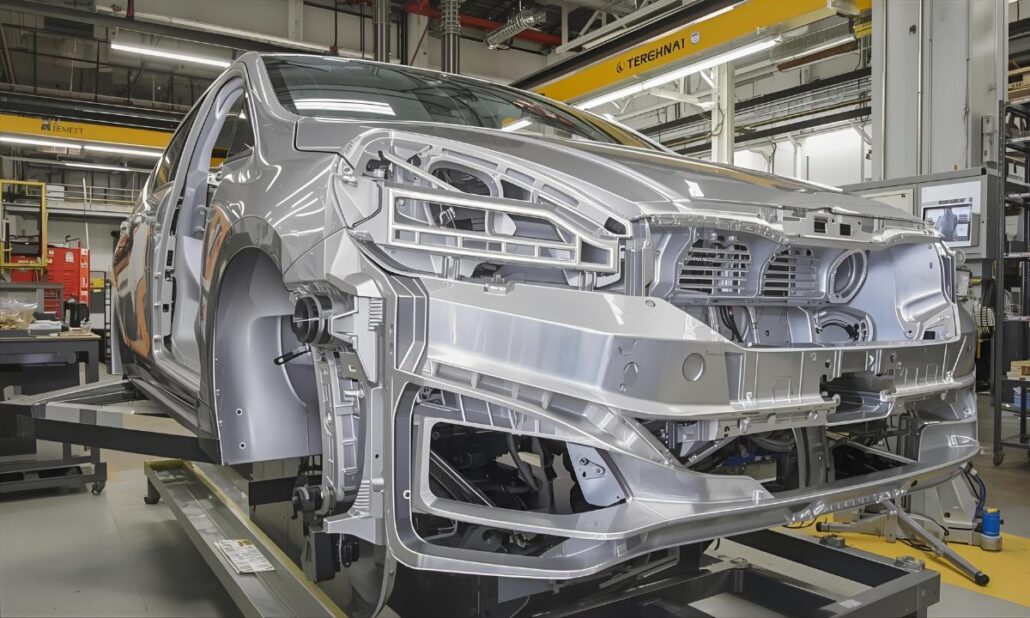
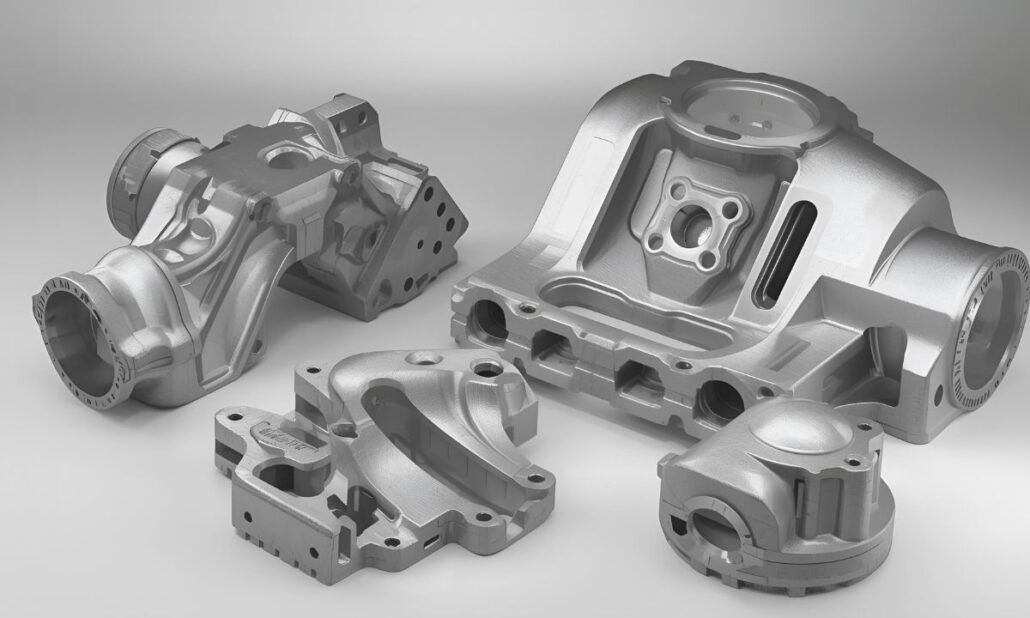
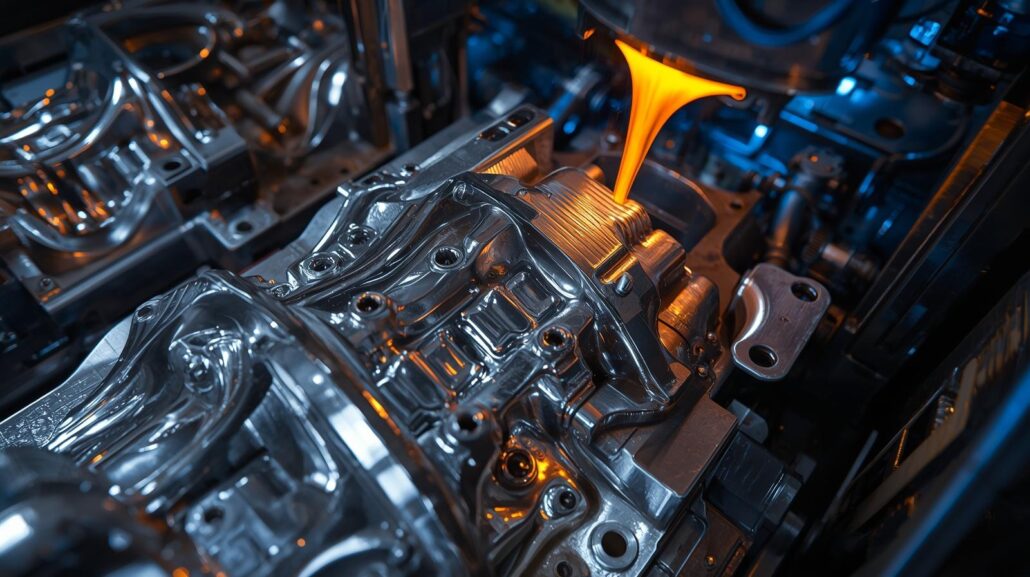
A fundição de alumínio é um dos processos de fabricação mais confiáveis e econômicos do setor contemporâneo. É o processo de injeção de alta pressão de alumínio derretido em alta temperatura em um molde preciso para criar peças potentes, leves e dimensionalmente precisas. É particularmente útil na produção de formas altamente complexas com alto acabamento de superfície e, portanto, é um processo preferido nos setores automotivo, aeroespacial, eletrônico, de produtos de consumo e de maquinário industrial. A fundição sob pressão de alumínio tem sido muito procurada nos últimos anos. A tendência mundial de carros elétricos, construções leves e eficiência energética colocou as ligas de alumínio na linha de frente da inovação. Os fabricantes agora desenvolveram componentes de alta tecnologia, como blocos de motor, caixas de transmissão, gabinetes de bateria e dissipadores de calor que são duráveis e leves. A capacidade de reciclagem e a resistência à corrosão fazem com que o alumínio também seja útil nas tendências mundiais de produção sustentável e ecologicamente correta. Dois dos principais centros de fundição de alumínio são os Estados Unidos da América e a China. As empresas dos Estados Unidos são conhecidas por serem inovadoras, terem altos padrões de qualidade e usarem altos níveis de automação, podendo ser consideradas um bom investimento em setores de alta precisão. Por outro lado, os fabricantes chineses ganharam muita competitividade no mercado mundial, forneceram uma solução econômica, alta capacidade de produção e tecnologias mais avançadas. Este documento discutirá algumas das indústrias de fundição sob pressão de alumínio mais bem-sucedidas dos EUA e da China, seus pontos fortes, suas habilidades e os fatores que as tornam as parceiras mais confiáveis das empresas de todo o mundo como seus fornecedores preferenciais no setor de manufatura. O que é fundição sob pressão automotiva? A fundição sob pressão é um processo de produção pelo qual o metal fundido, geralmente alumínio, magnésio ou zinco, é forçado sob grande pressão em um molde que tem um espaço aberto. Isso permite a produção em massa de componentes de alta resistência com funções complexas e com bom acabamento de superfície e precisão dimensional. A fundição sob pressão no setor automotivo permite a produção de componentes que são: O uso da fundição sob pressão revolucionou a construção de veículos contemporâneos, o que permite economizar peso e, ao mesmo tempo, manter o desempenho. A demanda contribuiu para a alta taxa de desenvolvimento das principais empresas de fundição sob pressão automotiva na China, Europa, América e Japão. Por que a China é líder em fundição sob pressão automotiva A China tem alguns dos maiores fabricantes de fundição sob pressão automotiva do mundo por causa de sua estrutura: Esse conjunto de pontos fortes permitiu que as empresas chinesas de fundição sob pressão automotiva se tornassem potências não apenas no mercado local, mas também internacionalmente na cadeia de suprimentos. A CNM Tech Diecasting Company é uma das principais produtoras de produtos superiores de alumínio fundido sob pressão. Ela oferece a vários setores, como automotivo, eletrônico e de telecomunicações, componentes de engenharia de precisão que visam manter os mais altos padrões de qualidade. Eles podem produzir peças leves e resistentes utilizando seus avançados processos de produção, como fundição sob pressão de alta pressão e usinagem CNC. A The Diecasting Company acredita no poder da inovação constante e, portanto, investe em maquinário moderno, linhas de produção automatizadas e, mais importante, sistemas de controle de qualidade que ajudam a fornecer sempre os mesmos resultados. Tanto os OEMs quanto os fornecedores Tier-1 também fazem parte de sua base global de clientes e, portanto, são um parceiro confiável para atender às necessidades de produção complexas e de grande volume. Site: https://www.thediecasting.com/ Por que escolher a The Diecasting Company A Diecasting Company é a preferida das empresas porque seu foco é a qualidade, a precisão e a inovação. A aplicação de tecnologias de fundição sob pressão de última geração, o forte controle de qualidade e a entrega no prazo garantem que seus clientes obtenham os componentes que podem atender aos padrões internacionais e os tornam a escolha favorita quando se trata de OEMs e fabricantes automotivos que desejam encontrar um fornecedor confiável de soluções de fundição sob pressão. Setores atendidos Sincere Tech A Sincere Tech é uma das produtoras de moldes de alta precisão para injeção de plástico e fundição sob pressão. A empresa tem experiência no projeto de moldes, prototipagem e fabricação do produto final, o que proporciona uma solução completa para seus clientes em todo o mundo. Eles usam software CAD/CAM computadorizado e usinagem automatizada para que todos os moldes fabricados sejam muito precisos. A Plastic Mold tem anos de experiência no atendimento às necessidades dos setores automotivo, de eletrônicos de consumo e de dispositivos médicos, com a capacidade de fornecer moldes complexos com eficiência. A empresa se destaca por sua inovação, controle de qualidade e rapidez na entrega, o que a torna um fornecedor confiável para empresas que desejam ter uma solução de molde personalizada. Website: https://www.plasticmold.net/ Why Choose Them A Plastic Mold é selecionada devido a seus sistemas completos de fabricação de moldes, habilidades técnicas e capacidade de se adequar a um tempo de produção restrito. Seus moldes de qualidade superior minimizam os erros, aumentam a produtividade e ajudam os clientes a ter produtos precisos e confiáveis fundidos sob pressão ou moldados por injeção. Setores atendidos GC Precision Mould A GC Precision Mould é uma produtora de fundição sob pressão na China que fornece fundições sob pressão de alumínio, zinco e magnésio. A empresa tem a reputação de fabricar peças de alta qualidade, econômicas e leves para os setores automotivo, eletrônico e de iluminação. Eles têm a capacidade de fazer fundição sob pressão, usinagem CNC e operações de acabamento secundário. A Alu Diecasting tem como foco a precisão, a longevidade e a produtividade. A empresa está sempre de acordo com os padrões internacionais, com o uso de instalações modernas, linhas automatizadas e engenheiros qualificados. A empresa atende a clientes locais e internacionais, como OEMs e fornecedores de nível 1, e está posicionada como uma das principais fabricantes chinesas de peças fundidas sob pressão no setor automotivo. Site: https://aludiecasting.com/ Por que escolhê-los Eles estão usando a Alu Diecasting porque oferecem uma combinação de preços competitivos, padrões de alta qualidade e tecnologia. Eles têm um histórico de várias ligas, usinagem de precisão e produção pontual que mantém peças confiáveis, de longa duração e leves que satisfazem as demandas do setor automotivo mundial. Setores atendidos Get It Made A Get It Made é uma produtora de usinagem CNC, impressão 3D, fundição sob pressão e formação de metal com sede no Reino Unido. Eles oferecem suporte à prototipagem e à produção de baixo volume,
Empresas de fundição sob pressão de alumínio nos EUA

Empresas de fundição sob pressão de alumínio nos EUA

fundição sob pressão de alumínio, empresas de fundição sob pressão, empresa de fundição sob pressão

A fundição sob pressão de alumínio é hoje um dos procedimentos de produção mais seguros e econômicos nos Estados Unidos da América, especialmente para fabricantes que exigem robustez, longevidade e precisão. Isso é feito por meio da injeção de alta pressão de alumínio fundido em peças fundidas de aço, o que produz peças que não são apenas leves, mas também dimensionalmente precisas e duráveis. É essa resistência e esse baixo peso que fazem da fundição de alumínio o material preferido nos setores automotivo e aeroespacial, eletrônico, de máquinas industriais e de bens de consumo. O mercado dos EUA se orgulha de ter um dos setores de fundição sob pressão de alumínio mais estabelecidos do mundo, na forma de fabricantes de grande porte com presença global e empresas pequenas e especializadas em peças customizadas e aplicações de nicho. Essas empresas são muito importantes para o sustento do setor principal, fornecendo segmentos do setor como blocos de motor, caixas de transmissão, gabinetes eletrônicos e peças estruturais. Os fabricantes sediados nos EUA conquistaram sua reputação de confiabilidade e produtos inovadores no mundo por meio de suas tecnologias de alta qualidade, certificação e foco em produtos de qualidade. A tendência nos últimos anos tem visto um aumento maciço na demanda de peças de alumínio fundido devido aos recentes desenvolvimentos na redução do peso dos veículos, à produção de veículos elétricos e ao esforço para fabricar com eficiência energética. As empresas americanas estão adotando a automação, as peças fundidas sustentáveis e as ligas superiores para obter resultados elevados e atender a esses requisitos. Este artigo lista alguns dos melhores fabricantes de fundição sob pressão de alumínio dos EUA e suas realizações, potencial e contribuições para o setor atual. Não importa se você está adquirindo peças para realizar um processo de fabricação em larga escala ou uma aplicação altamente técnica, esses fabricantes são a personificação da melhor tecnologia americana em fundição sob pressão de alumínio. O que é fundição sob pressão de alumínio? A fundição de alumínio é uma técnica de produção em que a alta pressão sobre o alumínio fundido é forçada em um molde de aço, também chamado de matriz. Quando o metal esfria e se solidifica, o molde é aberto e a peça completa é ejetada. Esse é o processo com o qual os fabricantes podem criar componentes fortes, leves e altamente detalhados com alto nível de precisão dimensional e acabamentos de superfície suaves. O principal benefício é o fato de que a fundição de alumínio pode produzir formas complexas que, de outra forma, seriam difíceis ou caras de produzir usando outros processos de fabricação. Ela encontra ampla aplicação na fabricação de peças como blocos de motor, carcaças de transmissão, gabinetes eletrônicos, dissipadores de calor e componentes estruturais. A fundição sob pressão de alumínio tem várias vantagens importantes: Graças a esses pontos fortes, a fundição sob pressão de alumínio surgiu como uma alternativa melhor nos setores que exigem componentes confiáveis e eficientes de alta qualidade para atender às suas necessidades técnicas e econômicas. Principais empresas de fundição de alumínio dos EUA 1. Dynacast International A Dynacast International é uma das empresas mais conhecidas na área de fundição sob pressão de precisão em todo o mundo. A empresa tem décadas de experiência na produção de componentes pequenos e complexos com o uso de ligas de alumínio, zinco e magnésio. Eles são bons na produção de componentes com tolerâncias rigorosas e com características complexas, que são necessárias para os setores automotivo, de eletrônicos de consumo, telecomunicações e dispositivos médicos. O fato de ser global também significa que a Dynacast é capaz de atender a pequenas empresas e multinacionais com a flexibilidade, as inovações e a qualidade que não variam entre os projetos. 2. Pace Industries Tendo se tornado a maior empresa de fundição sob pressão da América do Norte, a Pace Industries estabeleceu uma boa reputação de oferecer soluções completas. Suas linhas de serviços incluem projetos e suporte de engenharia, fundição sob pressão, usinagem, acabamento de superfície e montagem final; elas têm fornecido uma solução completa para clientes dos setores automotivo, industrial e de consumo. É possível lidar com projetos de alto volume e projetos personalizados devido à escala de suas operações. A Pace também segue a cultura de investir em tecnologia moderna e práticas sustentáveis, de modo que possa se manter competitiva no setor em rápida mudança. 3. Ryobi Die Casting (USA), Inc. A Ryobi é uma marca renomada no segmento mundial de fundição sob pressão e tem uma presença importante nos Estados Unidos. Suas operações nos EUA estão centradas em componentes de alumínio fundido em média e grande escala, principalmente para o setor automotivo. A Ryobi fabrica blocos de motor, carcaças de transmissão e peças estruturais que precisam ser duráveis e precisas. A empresa tem utilizado tecnologia de ponta e gerenciamento de qualidade, o que a levou a se tornar a fornecedora preferida dos principais fabricantes de automóveis do mundo. 4. Gibbs Die Casting A Gibbs Die Casting, a outra líder no mercado americano, está sediada em Henderson, Kentucky. A empresa é especializada em fundição sob pressão de alumínio e magnésio para o setor automotivo, especialmente carcaças de transmissão e peças de trem de força. A Gibbs dá grande ênfase à inovação, onde a automação e as técnicas sofisticadas de fabricação estão sendo usadas para garantir altos padrões de eficiência e qualidade de trabalho. A empresa também incorpora o conceito de sustentabilidade em seus negócios, reduzindo o desperdício e incentivando práticas comerciais que respeitam o meio ambiente. 5. Apex Aluminum Die Casting Co., Inc. A Apex Aluminum Die Casting está situada em Ohio e é usada nos setores automotivo, eletrônico e de eletrodomésticos. A empresa tem a reputação de trabalhar com lotes de produção de volume médio, o que a torna a opção perfeita para empresas que precisam de uma qualidade de produção estável, mas que não precisam dos enormes poderes de importadores maiores. A equipe da Apex se preocupa com a satisfação do cliente, a confiabilidade do serviço, a engenharia e a precisão na fabricação. Eles se estabeleceram como um parceiro confiável para várias empresas dos EUA devido à sua boa reputação de fornecer resultados consistentes. 6. KenWalt Die Casting Company A KenWalt Die Casting está sediada na Califórnia e tem mais de várias décadas de experiência na produção de peças fundidas em alumínio e zinco. A empresa também se concentra em trabalhos sob medida e atende aos setores de equipamentos industriais e bens de consumo. A KenWalt se destaca por ser uma empresa que colabora estreitamente com o cliente durante o processo de produção.

O guia completo para peças automotivas fundidas sob pressão

O guia completo para peças automotivas fundidas sob pressão

fundição sob pressão de alumínio

Die Casting Automotive Parts has been involved in automobile production for over one hundred years. With the course of time, the process has been advanced with better materials and technology. It is also now more prominent today in decreasing vehicle weight and enhancing fuel efficiency. The contemporary automobile sector relies on accuracy and power. The cars of the modern world have to be safe, reliable, and efficient. A method of doing this with a lot of trust is by casting an automotive part through die casting. This process is a combination of precision and high manufacturing. It provides automakers with strong, lightweight, and uniform parts. The increased use of automotive die casting is not merely about performance. It is also cost savings, increased speed of production, and sustainability. Automakers are able to create thousands of the same parts and of the same quality. This is necessary in mass production. In the present paper, we are going to discuss the significance of automotive casting. We are going to watch its work, its importance, and what tendencies of the future are influencing the industry. At the conclusion, you will know the reason why the contemporary manufacturing of vehicles is supported by automotive die casting. Automotive Die Casting Car manufacturing is one of the most sophisticated technologies through which parts are manufactured by a process known as automotive die casting. It is contrasting to the traditional casting as it operates under high pressure. Molten metal is injected into a steel mold known as a die in this process. The die is extremely precise, and hence the section that is produced is of specific dimensions. This is done by first melting the metal. The most common ones are aluminum and magnesium. After the liquid metal is melted, it is forced to fill the die at an extremely high rate. The die is filled with the metal that solidifies. Upon opening the die, the completed part is cut off. Two systems of automotive die casting are in existence: The principal advantages of automotive die casting are speed, accuracy, and strength. Thousands of parts could be made using one die. All sections are emerging virtually the same. It has smooth surfaces, and this means that it does not require additional machining. When it comes to large-scale production, automotive die casting will do. It is used by car companies to manufacture engine blocks, gear houses, wheels, and even structural parts. It is economical in both time and cost, besides providing powerful yet lightweight components. The die casting automotive parts Process The die casting automotive parts making process follows a number of steps. Every step is significant so as to be accurate, strong, and reliable. Preparing the Die It starts with the design and fabrication of the die. A die is a form of hardened steel. It consists of two parts that join each other. The die is designed with the specifics of the part by engineers. The die should be powerful enough to endure pressure and heat. Melting the Metal The second step entails melting the metal that was selected. The most common are aluminum, magnesium, and zinc. The heated metal is taken through a furnace where it is melted into a liquid. The temperature should be under control to avoid impurities. Injecting the Metal After being molten, the metal is forced into the die at very high pressure. This is the most important process in die casting the automotive parts. High pressure is used to make sure that the liquid metal fills all the corners of the die. This imprints analytical lines, flattened areas, and exact forms. Cooling and Solidifying Once injected, the metal solidifies rapidly in the die. The metal is solidified through cooling and gives the part strength. Cooling time is determined by the size and thickness of the part. Starting the Die and Ejection of the Part When the metal is solidified, the die opens. The part is forced out of the mold by special ejector pins. The section is now in its overall shape, but it can still require finishing. Trimming and Cleaning Excessive metal that results is called flash, and can occur within the edges of the casting. This is trimmed away. It is followed by cleaning the part and heating it occasionally to achieve additional strength. Finishing and Inspection Surface finishing and inspection are the last. Certain portions can be painted, polished, or coated. Each section is thoroughly screened against flaws. Only the ones that are of quality are passed to be used. What happens to be a die-casting automotive part? Die casting automotive parts- are those components made with molten metal that is pressed into a mold under pressure. This produces components whose shapes and dimensions are accurate. The molds, referred to as dies, are made with great accuracy to fit the part that is needed. The most used metals are aluminum, magnesium, and zinc. These are lightweight and strong metals. Automakers like them due to the fact that they make the vehicle lighter without sacrificing durability. Typically used die-casting automotive parts are: This is because, through this process, automakers can manufacture cars that are of high quality in terms of safety and efficiency. The Industry of Automotive Casting Role One of the most traditional and consistent processes of car production is called automotive casting. It works molten metal into components of complicated forms. Engines, transmissions, suspensions, and many other systems require these parts. The contemporary automobile sector cannot operate without this procedure. The primary purpose of the automotive casting is to make strong parts at a reduced cost. With casting, the car companies can make thousands of similar parts at a time. This is significant since automobiles need accuracy and stability. One fault may have an impact on the safety or performance. Flexibility is another application of the automotive casting. The ability to design more complex shapes that otherwise were too costly to machine is possible for engineers. Through casting, thin walls, hollow, and delicate details can

Fundição sob pressão automotiva de alumínio na China

Fundição sob pressão automotiva de alumínio na China

fundição sob pressão de alumínio, peças de fundição sob pressão

A fundição de alumínio para automóveis na China tornou-se um processo essencial na cadeia de suprimentos automotiva internacional que contribui para a eficiência, a sustentabilidade e a inovação na produção de veículos. Leve e resistente, o alumínio proporciona um equilíbrio especial entre o desempenho mecânico e o consumo de combustível, o que os fabricantes de automóveis contemporâneos exigem. Por meio da minimização do peso do veículo, os componentes fundidos sob pressão de alumínio têm um impacto direto na redução do consumo de combustível, na maior autonomia da bateria em veículos elétricos (EVs) e nas emissões de carbono. Isso não apenas torna a tecnologia importante para os fabricantes, mas também para as regulamentações ambientais em todo o mundo. Esse domínio no setor automotivo da China é uma extensão natural da fundição sob pressão de alumínio. Sendo o maior produtor, o país com enormes taxas de produção, com sua grande cadeia de suprimentos e o apoio do governo por meio da política industrial, a China já se estabeleceu como o maior produtor e um dos maiores inovadores na área. O setor de fundição sob pressão do país atende tanto às indústrias locais de fabricação de automóveis quanto às marcas estrangeiras e fornece blocos de motor e carcaças de transmissão, bem como fundições giga de alta tecnologia, aplicadas à carroceria de EVs. O desenvolvimento de materiais leves e de tecnologias de produção mais amigáveis ao meio ambiente tornou-se ainda mais rápido. Essa congruência entre a competência industrial e as metas mundiais de sustentabilidade manterá a China na linha de frente da tecnologia de fundição sob pressão de alumínio, que é o futuro da engenharia automotiva. O que é fundição sob pressão de alumínio? A fundição de alumínio é a técnica de produção em que o alumínio fundido é pressurizado e injetado em um molde de aço de alta pressão (matriz). Após o resfriamento e a solidificação, o metal produz componentes complexos e precisos com relações de resistência e peso muito favoráveis. As peças automotivas comumente fabricadas são blocos de motor, caixas de transmissão, rodas, suportes e peças estruturais da carroceria. Por que a China é líder em fundição sob pressão de alumínio? Processo de fundição sob pressão de alumínio A fundição sob pressão de alumínio é uma das técnicas de fabricação mais especializadas que permite a criação de componentes automotivos complexos e precisos com excelentes propriedades mecânicas. Ela inclui várias fases bem reguladas, e cada uma delas pode ser vista como um passo em direção à qualidade, resistência e durabilidade de um produto final. A seguir, apresentamos uma discussão sobre cada um dos estágios: 1. Preparação do molde O molde de aço, geralmente de aço endurecido para ferramentas, é completamente limpo e verificado antes do início da produção e deve estar livre de desgaste ou danos. Em seguida, o agente desmoldante ou lubrificante é aplicado à cavidade do molde, o que tem várias finalidades importantes. Ele evita a aderência do alumínio fundido ao molde, proporciona uma ejeção suave da peça e ajuda a manter a temperatura do molde em ciclos sucessivos de fundição. É importante preparar o molde adequadamente, pois isso tem uma relação direta com a qualidade da superfície e a precisão dimensional do componente acabado. 2. Fusão e preparação da liga Começa com a fusão de lingotes de alumínio ou sucata reciclada em um forno de alta temperatura que pode ser movido a gás, elétrico ou induzido. Nessa fase, o alumínio derretido é observado atentamente para manter uma faixa de temperatura ideal de cerca de 660 a 700 °C para fornecer uma massa fluida e reduzir defeitos. Elementos como silício, magnésio e cobre são ligados para melhorar determinadas propriedades, como força, resistência à corrosão ou condutividade térmica. É importante manter a composição química precisa, pois uma pequena alteração nela pode afetar muito a funcionalidade dos elementos automotivos. 3. Fundição sob pressão (injeção) Depois que o alumínio fundido atinge o estado desejado, ele é despejado no molde de fundição de aço preparado por uma máquina de fundição sob pressão de alta pressão (HPDC). A pressão de injeção geralmente está entre 110 e 175 MPa, o que faz com que o metal líquido preencha com precisão até mesmo as cavidades de moldagem mais complexas. A alta pressão também ajuda a reduzir a porosidade e as falhas de contração para produzir peças densas e de alta resistência. Isso é considerado o ponto central do processo, pois determina a qualidade da fundição e se formas complicadas podem ser produzidas sem quebrar a integridade estrutural. 4. Resfriamento e solidificação O alumínio fundido é então injetado, resfriado rapidamente e endurecido no molde de aço. A taxa de resfriamento é mantida durante todo o processo para garantir que a cristalização seja uniforme e que as tensões internas ou deformações sejam minimizadas. O tempo de resfriamento varia muito com a espessura e a complexidade do componente que está sendo fundido; um componente de parede fina pode ser solidificado em questão de segundos, enquanto uma peça mais complexa pode levar um ciclo mais longo para se solidificar. Circuitos de resfriamento bem organizados (canais de água ou circuitos de óleo embutidos na matriz) são comuns com o objetivo de garantir a consistência em toda a produção. É essencial obter um equilíbrio entre resistência, ductilidade e precisão dimensional por meio da solidificação adequada. 5. Ejeção Após o endurecimento da peça, os pinos ejetores no molde forçam a fundição para fora. Nessa etapa, a precisão é necessária para evitar queimar áreas sensíveis ou paredes finas da peça. A fabricação automotiva em larga escala geralmente depende de sistemas de ejeção automatizados, que garantem a consistência dos tempos de ciclo e minimizam o trabalho manual. O processo de ejeção pode parecer fácil, mas se for aplicado de forma inadequada, pode causar defeitos na superfície, rachaduras ou desalinhamento, o que afetará negativamente a usabilidade do produto final. 6. Corte e acabamento A fundição bruta pode conter grandes quantidades de materiais estranhos, como rebarbas, canais ou até mesmo gates, após a ejeção, e isso precisa ser removido. Normalmente, uma prensa hidráulica ou uma máquina CNC é usada no corte para obter uma linha de borda precisa. Outros processos de acabamento, como jateamento, melhoram a textura da superfície, e a usinagem proporciona a alta tolerância dimensional necessária para os componentes do motor ou da transmissão. Eles podem ser tratados termicamente para aumentar a resistência e a dureza, e o revestimento ou a anodização podem aumentar a resistência à corrosão. Esses são os processos secundários necessários porque, por meio deles, a fundição bruta é levada ao próximo nível, onde é transformada em um componente automotivo funcional e confiável. 7. Inspeção e controle de qualidade A última etapa é a inspeção intensiva, na qual todas as peças fundidas serão

Peças automotivas de alumínio fundido sob pressão

Peças automotivas de alumínio fundido sob pressão de alta pressão: Durável e eficiente

fundição sob pressão de alumínio, Fundição sob pressão de alta pressão

The automotive industry is changing due to the use of aluminum high pressure die-casting auto parts. They provide manufacturers with the power to design lighter, stronger and more efficient cars. With this technology, the car manufacturers can save on weight, become fuel efficient and have green mobility without compromising on the durability of the car. Auto parts die casting is the process whereby molten aluminum is injected into a steel mold at a very high pressure. This produces a strong shape that is smooth and sharp. The method allows faster production, reduced machining and consistent quality. In die casting auto parts, the companies are able to design complex components in a single step, which saves them time and money. Auto parts made in aluminium die casting are now much needed in modern vehicles. This is a frequent method of producing engine blocks, transmission housings, brake parts, and battery casings in electric cars. Lightweight, but tough, corrosion-resistant, and designed to meet tough conditions on the road, these parts are made. Auto parts made with aluminum die casting are increasing in demand rapidly, particularly as we move to electric and hybrid cars. Loss of total weight of cars increases battery life, performance and reduces emissions. This makes aluminum die casting a major component of green production. In brief, the use of aluminum high pressure die-casting auto parts in car manufacturing is no longer a choice. They have played a key role in creating the modern vehicles, which will not only be up to the present performance standards, but also be green. Powerful, effective, and stable, they will also be at the very centre of automotive design in the future. What Is Aluminum High Pressure Die-Casting? Die casting is a process of molding metal. In this, molten aluminum is forced under a very high pressure into a cavity in a steel mold. When cooled, the metal hardens in the same shape as the mold. The outcome is smooth, accurate and long-lasting. That is why die casting became one of the most popular ways of producing modern car parts. In comparison with the traditional technique, high pressure die casting can make complicated parts in one time. This saves time, machining requirements and costs to manufacturers. Why Aluminum for Auto Parts? The reason why aluminum high pressure die-casting auto parts are so popular is that there is no other material that has a combination of qualities as much as aluminum. It is green and rough; therefore, it is light and, therefore, can be used in the automobile industry. Increasing efficiency and environmental requirements have made aluminum the die casting of choice in auto parts. Weight loss is one of the largest benefits. Steel is a lot heavier than aluminum. Carmakers can lighten an overall vehicle by incorporating die casting auto parts produced using aluminum. The lighter a car is, the better its fuel economy, emissions, and performance. This would be important in both a conventional and an electric vehicle. Meanwhile, aluminum does not lose strength. It has a good strength-to-weight ratio, and this is good because even when the part is strained, it does not become soft. This is what renders aluminium die cast auto parts so useful in engines, transmission and chassis parts. The other important advantage is corrosion resistance. Aluminum does not rust and wear out like other metals. This provides increased life to aluminum die casting auto parts and decreased maintenance expenses to vehicle owners. Major Auto Parts are produced using Die Casting Automobile manufacturers cast most of their components using aluminum die casting. These are lightweight yet powerful parts that can be used in conventional as well as electric cars. Engine Blocks Engine blocks have to deal with heat, vibration and pressure. When it comes to auto parts die casting, aluminum blocks weigh less but are firm enough to work in very harsh conditions. This will conserve the overall weight of the engine and fuel consumption. Transmission Housings The transmission housings have to be precise and durable. Die casting auto parts are used in order to achieve the accuracy of smooth-running gears. This guarantees high reliability over time, and minimal machining is required. Brake Components Brakes face constant stress. Manufacturers produce strong components that are not heavy since they use aluminum die casting auto parts. This balance is applied to increase the braking force and to decrease the vehicle’s weight. Chassis Parts The chassis parts are used to provide safety and stability. They are strong but not bulky when made using aluminium die casting auto parts. This increases the management and productivity. EV Electric Housing’s motor and battery The auto parts that shield the motors and batteries are constructed using aluminum high pressure die-casting in electric vehicles. The housings protect delicate systems and still provide a lightweight frame, increasing the distance covered during driving. Collectively, these elements bring out the role of auto parts die casting in helping to design new cars. Aluminum die casting has made engines, EV batteries, and more perform efficiently, last longer, and be durable. Process of Aluminum High Pressure Die Casting 1. Mold Preparation Preparation of the moulds starts. The die of steel is thoroughly washed in order to eliminate all materials that are impurities and heated to the appropriate temperature. A protective coating is applied to the surface that prevents the sticking of the molten aluminum to the surface, and helps in controlling the cooling rate. This is done to ensure enhanced circulation of metals and longer life of moulds and consistency of parts per production cycle. 2. Melting the Aluminum These aluminum alloys are melted in a furnace with specific controlled temperatures. But sufficient temperature is also required, as that prevents oxidation, and the molten metal will flow easily into the mold cavity. Any impurities are removed by refining the agents or filters. This ensures that aluminum die cast auto parts contain no defects and are of good and consistent properties. 3. Under high pressure injection. Then the molten aluminum is forced into

Zincagem x Niquelagem: Qual deles você deve escolher?

Zincagem x Niquelagem: Qual deles você deve escolher?

moldes para fundição de alumínio, fundição sob pressão de alumínio, Acabamento da superfície de alumínio

A zincagem versus a niquelagem é um ponto de referência frequente em termos de acabamento de metais. Esses dois métodos são aplicados para proteger os metais, aprimorar seu desempenho e fazer com que seus produtos durem mais. As diferenças entre esses dois tipos dependem do custo, da durabilidade e da aparência. O acabamento de superfície não se resume à aparência. Ele se preocupa com a precisão com que um produto pode combater a ferrugem, o desgaste e os danos. Até mesmo metais resistentes podem ser danificados se não houver um revestimento adequado. Essa é a razão pela qual a galvanização tem sido um processo importante nos setores automotivo, aeroespacial, de construção e eletrônico. O revestimento de zinco é conhecido por ser barato e eficaz. Ele forma um revestimento protetor fino e funcional que resiste aos danos causados pela ferrugem no metal subjacente. Isso lhe dá preferência em fixadores, porcas, parafusos e muitos outros elementos de produtos pequenos usados em itens do dia a dia. Por outro lado, o revestimento de níquel é mais forte e durável. Ele não se desgasta facilmente e é resistente a ácidos. A niquelagem também é um acabamento brilhante e atraente, por isso é ideal quando é necessária em peças decorativas ou visíveis, como guarnições de carros e acessórios de eletrodomésticos ou em carcaças de eletrônicos. Ao considerar a zincagem versus a niquelagem, surge a pergunta: o que funciona melhor em sua situação? Dependendo do local em que a peça será aplicada, da quantidade de proteção necessária e de quanto você está disposto a gastar, isso determina a resposta. Neste blog, vamos desvendar os dois processos, suas vantagens, limitações e as principais áreas em que eles podem ser mais bem utilizados para ajudá-lo a tomar a decisão mais adequada. O que é zincagem? A zincagem é uma técnica de revestimento amplamente utilizada e econômica. Ela é feita por meio da deposição de uma fina camada de zinco na superfície do metal, geralmente aço ou ferro, por um processo conhecido como galvanoplastia. No processo, uma solução de sal de zinco é usada para imergir o metal de base e uma corrente elétrica é passada. As soluções de zinco se deslocam até a superfície da peça, deixando um revestimento uniforme e fino. Benefícios da zincagem Limitações da zincagem O que é niquelagem? A niquelagem também é uma técnica de acabamento comum, mas, em comparação com o zinco, oferece uma superfície mais dura, durável e esteticamente agradável. O processo é realizado de duas maneiras principais: Niquelagem eletrolítica (galvanoplastia) - Assim como no processo de zincagem, o metal bruto é colocado em uma solução de sal de níquel, e o níquel é depositado na superfície por meio da aplicação de uma corrente elétrica no metal. A niquelagem sem eletrólito é um método que não precisa de eletricidade. Em vez disso, ele usa um processo químico para depositar níquel de forma capaz de cobrir a superfície uniformemente, inclusive em estruturas complexas ou locais inacessíveis. Benefícios da niquelagem Limitações da niquelagem O processo de niquelagem Processo de zincagem A preparação da superfície é muito meticulosa no caso da zincagem. Antes que uma chapa possa ser feita, a superfície, que na maioria dos casos é de metal, normalmente aço ou ferro, deve ser limpa de óleo, sujeira, ferrugem e óxidos. Para isso, os componentes são limpos em fluidos ácidos ou alcalinos e, em seguida, enxaguados para que nenhum resíduo permaneça. Após a limpeza, o componente é inserido em um banho eletrolítico que contém uma solução de sal de zinco, principalmente sulfato de zinco ou cloreto de zinco. A eletricidade é então carregada através do banho. Esse movimento faz com que os íons de zinco no meio se movam e se depositem na superfície do metal base. O efeito é um revestimento muito fino e uniforme de zinco que cobre o zinco abaixo dele. Geralmente, é realizado um processamento pós-etapa do componente galvanizado, o que pode proporcionar um efeito mais resistente à corrosão e também pode alterar a aparência do revestimento, proporcionando um acabamento amarelo, preto ou transparente. A zincagem é comparativamente rápida, tem preço baixo e é altamente aplicável na produção em massa de peças de hardware e veículos. Processo de niquelagem A niquelagem é preparada de maneira quase semelhante, sendo a etapa inicial a limpeza. As superfícies das peças são bem tratadas e limpas para garantir que a adesão não seja comprometida por resíduos. Niquelagem eletrolítica: A peça entra em um banho de soluções de sais de níquel, por exemplo, sulfato de níquel, e uma corrente elétrica é aplicada. Isso faz com que os íons de níquel se depositem na superfície, formando uma camada dura e protetora. Outra abordagem, que é o niquelamento e não requer energia, é o niquelamento sem eletrólito. Em vez disso, a peça é imersa em alguns produtos químicos sob sais de níquel e uma solução redutora, como hipofosfito de sódio. Também ocorre uma reação química de revestimento, e o níquel é depositado uniformemente na peça. Esse processo tem uma vantagem sobre a galvanização eletrolítica, pois cobre com uniformidade até mesmo reentrâncias, ranhuras e outras geometrias complexas. Os depósitos de níquel sem eletrólito são altamente duros e resistentes à corrosão, mas esse processo é mais caro do que o método de galvanoplastia e exige muito mais cuidado com a química do banho, o nível de pH e a temperatura. Zincagem x Niquelagem: Principais diferenças Na escolha entre zincagem e niquelagem, o custo, a durabilidade, a aparência, a resistência à corrosão e a adequação da aplicação são aspectos que podem ser levados em consideração. Vamos examiná-los um a um. 1. Vencedor da resistência à corrosão: Niquelagem para servir de proteção contra corrosão a longo prazo. 2. Resistência/desgaste Vencedor: Niquelagem; dureza, resistência ao desgaste. 3. Vencedor em custo: Zincagem para soluções econômicas. 4. Vencedor em aparência: Niquelagem - para ter boa aparência. 5. Vencedor do impacto ambiental: Zincagem por ser mais ecológica. Tabela de comparação rápida Característica Zincagem Niquelagem Resistência à corrosão Boa, mas limitada em condições adversas Excelente, especialmente em níquel sem eletrólito Durabilidade Moderada - desgasta mais rápido Alta - resistente a arranhões e desgaste Custo Baixo (econômico) Mais alto (opção premium) Aparência Acabamento brilhante, mas básico Acabamento decorativo liso e espelhado Impacto ambiental Tratamento de resíduos mais fácil São necessários controles ambientais mais rígidos Melhor para Fixadores, parafusos, ferragens em geral Aeroespacial, eletrônica, usos decorativos Aplicações industriais de zincagem e niquelagem Ambas as técnicas de galvanização são muito comuns nas indústrias;

Quais são as melhores ligas de alumínio para soldagem?

Quais são as melhores ligas de alumínio para soldagem?

fundição de alumínio, fundição sob pressão de alumínio

Which Aluminum Alloys Are Best for Welding? Aluminum has become the most popular of the metals used in contemporary industries because of its high portability, strong resistance to the elements and ease of fabrication. Its alloys are invaluable in the aerospace, automotive and marine as well as housing and building industries. But the challenges created by welding aluminum are different to welding other metals, in part because of the high thermal conductivity, speed of oxide formation and distortion and cracking characteristics of aluminum in the welding process. Knowledge of the properties and the characteristics of various aluminum alloys is important in the choice of the material that suits a particular task. Not every aluminum alloy is equally weldable, whereas some are well-adapted to traditional welding, others need some special welding procedure like friction stir welding. The alloy selection and method of welding depends on such factors as strength, resistance to corrosion, ductility, and the ability of heat-treating. Surfaces must also be properly prepared, filler metals need to be compatible and post-weld treatments must consider to achieve high-quality junctions. The article will give an in-depth report on the best types of aluminum alloy to be welded, their characteristics, the benefits associated with their usage, recommendations to follow and the challenges to expect when welding these types of aluminium alloy. Based on such knowledge, professionals will be in a position to achieve durable, reliable and good performing welded structures across diverse industrial and structural applications. What is aluminum alloys Aluminum alloys are the materials used by adding other metals to the aluminum to enhance its qualities like strength, corrosion resistant, machinability or weldability. Pure aluminum is weak, lightweight, soft, and very well resistant to corrosion. By mixing additional elements (such as copper (Cu), magnesium (Mg), silicon (Si), manganese (Mn), or zinc (Zn)), engineers can make alloys suitable to a variety of types of applications, including aerospace, automotive parts, marine and building structures. A few points of aluminum alloys Simply put, aluminum alloys have the lightweight, corrosion-resistant properties of aluminum with extra favorable qualities needed to suit the needs of an industrial application. Knowing the Aluminum Alloys Aluminum alloys have been divided into wrought alloys and cast alloys. Mechanically worked alloys are wrought into sheets, plates or extrusions but casting alloys are in form of poured molten aluminum into molds. The wrought alloys are further divided into series according to the alloying elements: Conditions which Affect Weldability Aluminum alloys can be welded, depending upon a variety of factors: The best Aluminum Alloys to weld on 5052 Alloy Al-Mg (aluminum-magnesium) alloy 5052 is considered by many to be one of the most welding friendly alloys. This is due to its high magnesium content and therefore it has good resistance to corrosion, especially in marine environments and applications in chemical processing. Applications: Moderate-to-high strength, high ductile and above-average corrosion resistance. Advantages: Materials: Marine structures, Chemical tanks, automotive panels, roofing sheets and industrial equipment. Alloy 5083 Aluminum-magnesium alloy 5083 has high strength at low temperatures and thus is applicable in marine and cryogenics. It resists corrosion especially in industrial and seawater. Characteristics: Extra-high strength, good corrosion protection, good fatigue resistance. Advantages: Applications: Shipbuilding, pressure vessels and tanks, automotive frames and equipment and transportation equipment. 5754 Alloy Another Al-Mg alloy is A-Mg 5754 which can be described as medium strength with high corrosion resistance and high formability. It also achieves structural strength, as well as, weldability and that is why it is commonly used where structural strength is key as well as weldability. Characteristics: Moderate strength, high ductility, is corrosion resistant. Advantages: Applications: Auto Body panels, structural panels, construction cladding, and marine. 6061 Alloy Al-Mg-Si alloy with the composition 6061 has found wide usage in the structural and aerospace fields. It is a compromise between toughness, corrosion resistance and utility. Type of properties: Medium-high strength, very good corrosion resistance, and moderate ductility. Advantages: Applications: Aircraft structures, pipeline, automotive components, bridge structures and structural products. 6063 Alloy Al-Mg-Si alloy (6063) is another architectural and decorative Al alloy that is noted to have a smooth finish on its surface and the ability to resist corrosion. Properties: A strong or moderate strength, good corrosion resistance, a good surface finish. Advantages: Applications: Architectural structure, window frames, doors, curtain walls and extrusions. Alloy 1100 Aluminum alloy 1100 can almost seem a pure aluminum alloy (it is 99% aluminum). It is soft, ductile and very easy to weld so it is suitable where resistivity is the issue rather than strength. High ductility: Excellent corrosion resistance, Low strength. Advantages: 1350 Alloy Another aluminum alloy of high purity applicable in the electrical and chemical industries is1350. It is incredibly strong and has great corrosion resistance as well as being very weldable and is a very dependable metal when used in specialized settings. Advantages: Immune to corrosion, excellent welding ability and low weight. Advantages: Aluminum Alloys, as well as of their major properties and the ability to be welded The technical table below contains the list of the full proper names of the aluminum alloys, as well as of their major properties and the ability to be welded: Alloy (Proper Name) Density (g/cm³) Melting Temp (°C) Tensile Strength (MPa) Yield Strength (MPa) Elongation (%) Hardness (HB) Weldability Aluminium 1100 (Commercially Pure Aluminum) 2.71 640 90 35 35 40 Excellent Aluminium 1350 (High Purity Aluminum, Electrical Grade) 2.71 640 110 40 20 50 Excellent Aluminium 5052 (Aluminium-Magnesium Alloy) 2.68 607–650 228 193 12 60 Excellent Aluminium 5083 (Aluminium-Magnesium Alloy, Marine Grade) 2.66 635 317 228 12 70 Excellent Aluminium 5754 (Aluminium-Magnesium Alloy) 2.67 637 250 190 15 60 Excellent Aluminium 6061 (Aluminium-Magnesium-Silicon Alloy) 2.70 582–652 310 276 12 95 Good Aluminium 6063 (Aluminium-Magnesium-Silicon Alloy, Architectural Grade) 2.70 615 241 214 8 90 Good Aluminium 2024 (Aluminium-Copper Alloy, Aerospace Grade) 2.78 500–640 483 345 20 120 Difficult Aluminium 2219 (Aluminium-Copper Alloy, High Strength Aerospace) 2.84 509–638 470 330 18 130 Difficult Aluminium 7075 (Aluminium-Zinc-Copper Alloy, Aerospace Grade) 2.81 477–635 572 503 11 150 Very Difficult This is

O que é o processo de extrusão de alumínio? 

fundição de alumínio, fundição sob pressão de alumínio

Aluminum extrusion has not only been appreciated in the respect that it makes a strong, yet lightweight part, but also its flexible and cost-effective designs are a factor. It is used in construction, aerospace, automotive and electronic industries, and nearly everywhere in between. Aluminium extrusion is among the processes that indicate an equalization between innovative designs and effective production, which is just about to become one of the dominating procedures of the manufacturing industry. Aluminum is one of the most popular metals in the modern industries, being appreciated because of its light weight, strength, durability and also its capacity to resist corrosion. Aluminum is more conspicuous in our lives; in the construction of skyscrapers in our cities, the cars we drive and other gadgets that we use in our daily lives. One of the most vital processes of manufacturing that has ensured the versatility is the aluminum extrusion process. Extrusion refers broadly to methods of metal deformation whereby metal is pushed or squeezed through a die in a similar fashion to toothpaste. In aluminum, longer continuous sections of final, predetermined cross-sectional shapes are formed by ramming solid block-like objects (known as billets) through an already heated die. These profiles may be plain rods, tubes or highly complex and specially made to the extent that they will meet the demands of a given industry. In this article, we will learn everything about the aluminium extrusion process; its history, the extrusion process, types, applications, advantages and limitations and its rising capabilities in future of manufacturing. Historical Background The idea of extrusion as a manufacturing process has been traced back to the late 18th century. The first well-known extrusion was that of the British inventor Joseph Bramah, who patented his exactly in 1797. Instead, he used a process that involved pushing pliable metals such as lead through a die to shape long, identical-looking pieces and primarily pipes. The preconditioning of the process of extrusion was an invention. Until much of the 19th century, the extrusion of softer metals had been inhibited by technology. The real breakthrough came about in the early 220thcenturies when economical ways of producing aluminium were discovered. The acquisition of aluminium was brought to lower prices and large-scale production by the invention in 1886 by Charles Martin Hall in the United States and separately by Paul H. Roult in France of the Hall-Heroult process. After the invention of aluminum, it did not take long before scientists and manufacturers saw the potential extrusion had to offer. The use of aluminum extrusion technology began gaining steam in the 20s, especially coming into force in Europe and North America. It was on a large scale utilized in the Second World War when the industries required a lightweight but durable material in aircraft, vehicles used by the military, and buildings. Since then, the line-casting technology has been invented and has been extended far farther than the aluminum extrusion that first emerged in the military sectors. What is Aluminum extruded? Aluminum extrusion is the commercial physical method that is used in plasticizing solid aluminum into shapes that are long with specific cross-sections. The idea is simple: a block of aluminum (a billet) is heated to a malleable stage and forced under intense pressure of a die made of steel. In pressing through the die, the aluminum takes on the shape of the opening, either straight, hollow, or solid, or in a highly complicated profile. The analogy that is best applied in extrusion is the extrusion of a toothpaste tube. Same as the toothpaste- it takes the shape of the nozzle, and similarly, the extruded aluminum takes the shape of the die. The advantage of aluminium extrusion is the ability to manufacture lightweight yet strong components of the exact shape. The resultant extruded profiles can be strippable to various lengths and are also subjected to further finishing, including anodising, powder coating, and finishing. All these upgrades raise performance, wear and look. Due to its flexibility, it has become one of the extrusion processes whose scope has been resorted to within different discourses like the construction industry, the aviation industry, the electronic industry, the transport and even the consumer products industry. It is not just the process but a vital bridge between the native stainless steel and absorbed functionality that defines the current engineering and high-construction. Aluminium Extrusion Process in Steps Characterise the Profile & Select the Alloy Cast and Christen the Billet Scalp or Saw Inspect Billet Heat the Billet Make the Die & Tooling Lubricate and Prepare the Press Load the Billet and QC Start the Press Breakthrough Extrusion, Steady Chinking on the Table Fast Cooling (Immediate Quenching) Handling temperature for cooling Profiles cool on the table after quenching until they are able to be handled without imprint or warping. Soft, controlled cooling minimises residual stress. Stretching / Straightening Cutting Back to Length Heat Treatment (Where Necessary) Surface Finish (Optional) Machining & Fabrication (As required) Profiles are CNC-machined, punched, drilled, tapped or bent. Jigs/ fixtures provide repeatability of tolerance control on thin or complex sections. Test and On-Quality Control Die Tuning & Maintenance When dimension control or surface finish is out of control, the length of the bearings and flow balance can be modified; dies may be polished and, when absolutely not required, nitrided; dies are polished and cleaned. Packing & Logistics Why every step counts The Components Used in Aluminum Extrusion Aluminum extrusion draws on choosing the correct aluminum alloy to suit the mechanical, thermal, and corrosion requirements. The properties required by different industries differ, thus selection of alloys is determined by strength, ductility, corrosion resistance and heat-treatability. 1000 Series (Practically Pure Aluminum) 3000 Series (Al-Mn Alloys) 5000 Series (Al-Mg Alloys) 6000 Series (Al-Mg-Si Alloys) 7000 Series (Al-Zn-Mg-Cu Alloys) Allothers Speciality Alloys To keep composition similarity, recyclable aluminum scrap containing the same alloy is frequently reused. Aluminum Extrusion Materials Quick Reference Table A technical table of probable common aluminum alloys used in extrusions, major properties and established extrusion parameters as follows: Alloy Series

Anodização de alumínio fundido sob pressão: Técnicas, desafios e aplicações

Anodização de alumínio fundido sob pressão: Técnicas, desafios e aplicações

fundição de alumínio, fundição sob pressão de alumínio

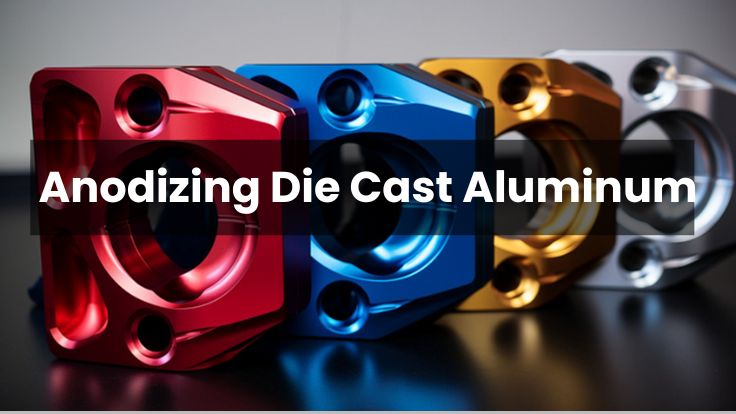
Anodizing die cast aluminum is a key metal finishing process that enhances durability, anti-seizing/corrosion and the looks of aluminum products that are extracted through die casting. With the ever-increasing demands of the industry to produce lighter-weight high-strength components for everything from car parts to electronics housing, its surface properties have become one of the most important things to add to it. Working behind the anodizing process is a controlled oxide layer that forms on the surface of aluminum by a technique of electrochemistry. Although the method has been thoroughly developed with regard to pure aluminum, its use with the alloy that is created in die casting has particular difficulties associated with it due to the inclusion of other elements such as silicon and zinc. This then brings the question to the mind of manufacturers as to whether you can anodise die-cast aluminum without sacrificing quality and appearance. To achieve performance levels under severe conditions, a combination of the techniques will be used by some industries that today are referred to as aluminum alloy die casting, plating anodizing. The technique is a combination of the strength of electroplating and anodizing, therefore, presenting better surface hardness, conductivity, and corrosion resistance. This article presents the science, techniques, and differences in anodizing die cast aluminum in order to give the complete picture to engineers, designers, and manufacturers who want to use a reliable and long-lasting surface finishing technology. What is die cast aluminum? Die casting entails pressing molten metal into a cavity of the mold at high pressure. Aluminum is lightweight and strong, making it an effective material for making durable parts with high dimensional accuracy. Nevertheless, due to a few impurities and porosities found in the process, surface finishing procedures such as anodizing die cast aluminum are made complex. It is also common to add silicon and other additives to die-casting alloys of aluminium in order to improve fluidity and other mechanical properties. However, it complicates the work on surface treatment, because these very additives will disturb the process of anodizing.  The Science of Anodizing Anodizing is an electrochemical treatment to strengthen and thicken the oxide film that occurs naturally on metal and makes it harder. The method will increase service life/durability, resistance to corrosion, and appearance. Anodized finish on aluminum has a porous structure that is perfect to absorb sealed dyes and sealants, thus they provide good decorative and functional applications. The difficulty with anodizing die cast aluminum lies in its composition. High-silicon alloy does not anodize well, and a blotchy finish or diminished corrosion resistance can be a consequence. Therefore, alloy composition is important to get a successful anodized finish. What is an Anodizing Die Cast Aluminum? Anodizing die cast aluminum. The anodizing of die-cast aluminium is the electrochemical treatment of die-cast aluminium parts to produce a permanent, protective, frequently decorative layer of corrosion-resistant oxide on the surface. The technique comes in handy, especially in areas that require protection against corrosion, advancement of surface hardness, and a limited aesthetic effect. In the process known as the anodizing die cast aluminum, the aluminum part is inserted into an electrolytic bath of acid, usually sulfuric acid, and an electric current is generated in it. This leads to the oxidation of surface of the aluminium to produce an oxide film, which is controlled and uniform. The process can be complicated, though, given the particular make-up of die-cast aluminum, commonly containing high silicon and other alloying components. Nonetheless, industries keep on investing in technologies that help to maximize the quality of anodizing die cast aluminum. The final preparation of anodized finishing is performed by methods of surface preparation like polishing, acid etching and smutting to remove the contaminants. The list of items where anodising die cast aluminum is used and utilized is long, including automotive parts, consumer electronics and many more, either to serve some functional purpose, or as an ornament. Its capability to augment the life span of parts, as well as their vulnerability to environmental degradation, makes it a vital surface treatment technique in the contemporary manufacturing industry. Process The anodizing of die cast aluminium process consists of various important steps that must be followed to achieve a good, uniform, and quality finish, even though this is a challenging process due to factors that surround the use of die-cast metals. All steps should be well-regulated in order to address such challenges as porosity of the surface and inconsistency of alloys. 1. Cleaning & Degreasing Paint, grease and oil stick to a surface and need to be removed before anodising through cleaning. This will make the process of having the oxide formed over the surface of the material even throughout the process of the anodising die die-cast aluminium. 2. Etching And De-Smuttering The outer layer is then removed, leaving a clean metallic surface by etching using an alkaline solution. This is followed by a de-smutting process to remove the residues left over by the alloying elements, a common occurrence in anodising die cast aluminium. 3. Anodising ( Electrolytic Oxidation ) The component is immersed in an electrolytic solution, normally sulfuric acid, and attached as an anode. A controlled layer of oxide is generated by the use of an electric current. This step lies at the heart of the process of anodising die cast aluminium, because it defines the thickness, porosity and longevity of the final finish. 4. Colouring (Optional) Where the finish is colored, dyes may be added to the porous anodised surface. This process is normally applied in decorative processes where looks count as much as performance in anodising die cast aluminium. 5. Sealing Lastly, the part is sealed using hot water or nickel acetate; frequently, the sealing is done in hot water or nickel acetate to seal the pores and improve corrosion resistance. This process seals dyes and reinforces the oxide layer, nd the process of anodising die-cast aluminium is complete. All the steps of this process must be controlled accurately, and so must the types of die-cast materials which are

Fabricação de chapas metálicas personalizadas em setores modernos

Fabricação de chapas metálicas personalizadas em setores modernos

fundição sob pressão de alumínio

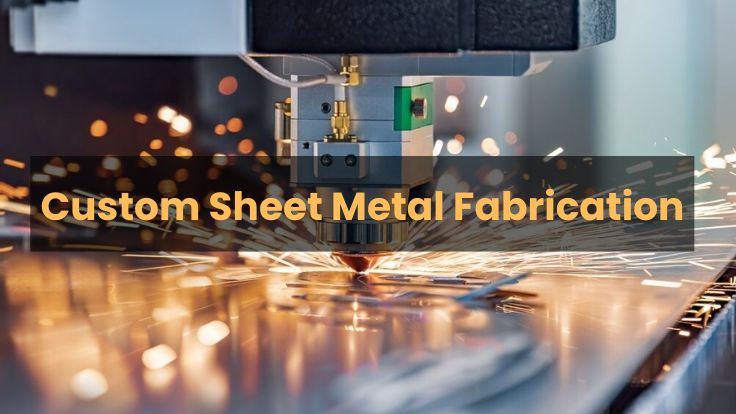
Custom sheet metal fabrication is now an activity that has established manufacturing industries in a variety of categories in the modern face of manufacturing. Whether in the form of cars and electronics, construction and healthcare, fabricated metal components play an essential role in the design, operation and durability of the enormous variety of products. It entails the sheet metal being cut, bent, shaped and assembled, based on specifications to fit the match, and manufacturers can make highly customised, durable and efficient parts. Among the most important industries that depend on this capacity is the automotive industry, in cases where the so-called custom automotive sheet metal fabrication will guarantee the production of high-performance body panels, supporting structure, and engine components. Such components should also have high standards in terms of weight, strength, and safety; hence, precision and customisation are essential. More and more foreign companies are resorting to the services provided by more advanced manufacturers like the car sheet metal fabrication in China because of favourable cost rates. Chinese manufacturers provide comprehensive services using advanced CNC equipment and short production schedules, which makes they useful partners in the global supply chain. Along with cars, the fabrication of sheet metal is a vital aspect in such areas as the aerospace industry, electronics, medical equipment, and the food processing industry. Such industries require great tolerances, corrosion resistance, and customised surface finishes, all of which can be provided by sheet metal fabrication. In this article, we are going to look at the complete range of this discipline, beginning with classic methods to the state of the art automation, mainly concentrating on automotive uses and the contribution of leading world actors, such as China. What is Custom Sheet metal fabrication? The term custom sheet metal fabrication is used when it comes to designing and manufacturing metal members or structures that can meet the specific needs of a particular project. In contrast to the mass-produced components, custom fabrications take unique solutions to specific sizes, materials and applications. This fabrication incorporates laser cutting, water jet cutting, punching, welding, forming and finishing of the surface. The most common ones are stainless steel, aluminum, galvanized steel, copper, and brass, among others, all selected due to their strength, conductivity, corrosion, and weight requirements. Manufacturers and engineers work hand in hand to make sure that all specifications are followed to the micrometre. Main Items in the Process 1. Design and Prototyping: A digital blueprint is sketched with the aid of CAD (Computer-Aided Design) software. Prototypes are frequently manufactured in order to run tests on how they work before large-scale production can commence. 2. Cutting and Shaping: The metal sheet is precisely shaped by using high-precision cutting tools to give very little tolerance. 3. Bending and Forming: The Sheet is curved to form complex shapes by bending and forming equipment, which includes press brakes. 4. Welding and Assembly: There are various parts which are assembled through TIG welding, MIG welding or spot welding. 5. Finishing: Finishing processes such as powder coating, polishing or anodising increase strength and aesthetics. Custom Automotive Sheet Metal Fabrication Rise  The Rise of custom automotive sheet metal fabrication began in the late nineteenth century, which saw the birth of the automobile industry. This period saw many people lose their lives and even more become injured by automobile accidents. This again led to the production and use of automobile insurance as a solution to automobile accidents. Precision and customization are vital in the car manufacturing business.  The custom automotive sheet metal fabrication is a significant element in the production of car body panels, chassis parts, heat shields, as well as engine enclosures. Such parts should be of high safety rating, aerodynamic, and aesthetically pleasing. Customisation gains significant relevance in the performance car, restoration car, electric car, and luxury vehicle production. The engineers may also need some special structural bracing or a project in terms of aerodynamic panels, which cannot be produced by general mass production. The benefits of the exercise of best sheet metal car fabrication are that: Common Materials in Sheet Metal Fabrication One most crucial decisions of the custom sheet metal fabrication is the choice of material. Whether it is carbon steel or stainless steel, it traverses all the aspects, including strength and corrosion resistance and even weight and workability. Knowing the nature of widely used metals enables an engineer to make a wise decision to maximise the efficiency and economic gains. Aluminium: Extremely Light and Non-Corrosive Aluminum is the most common material that is used in fabrication custom sheet metal. It is perfect for aerospace, electronic, and transport application materials because of its inherent corrosion resistance, easy weight, and good formability. It is also a highly conductive material, such that it can be used in enclosures and parts that radiate heat. As per the custom automotive sheet metal fabrication, aluminium is frequently used in the body parts and as a heat deflector to lighten the weight of the vehicle, without compromising its strength. Stainless Steel: Strong and Clean Stainless Steel  The strength of stainless and the fact that stainless is non-corrosive an attributes of the material. It is mainly utilized in food grade, medical and architectural applications where cleanliness and strength are important. Stainless steel may be specified in use of products that are under severe conditions of weather or that need a high-end finish in the custom sheet metal fabrication services. It is resistant to the effects of chemicals, water or high temperatures, hence its common use in many industries. Cold Rolled Steel: Versatile, Tough and Economical In the field of sheet metal custom fabrication, cold rolled steel (CRS) can be a common decision in construction when tight tolerances and a smooth surface are needed. It is cheap to weld or machine. Although it is likely to rust when not coated, it can be applied in buildings or painted. CSR is mostly applied in the cabinet, brackets, as well as enclosures in numerous industries such as the automotive industry, the construction industry and consumer

Rolar para cima

Obter uma cotação