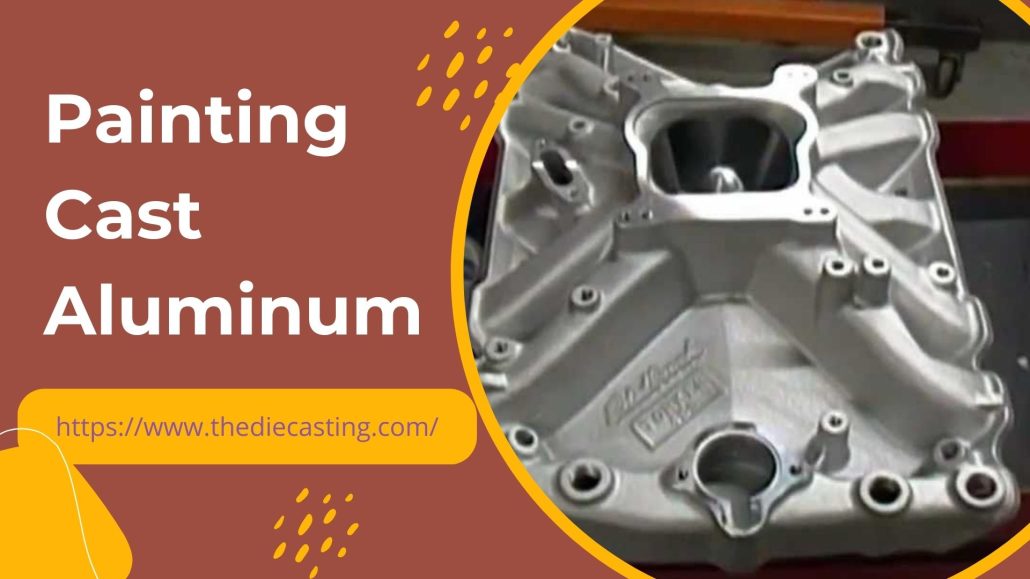
Painting Cast Aluminum
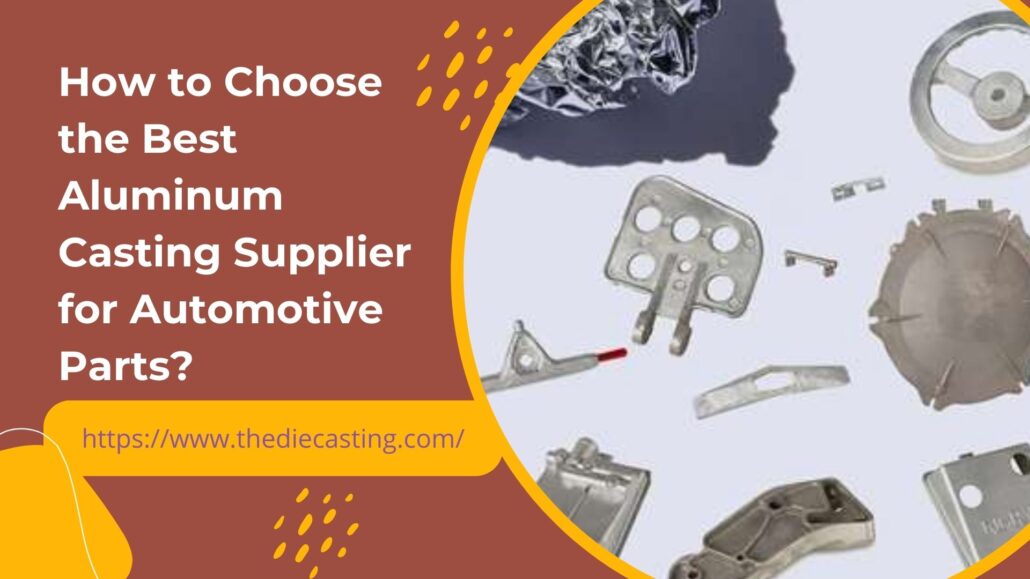
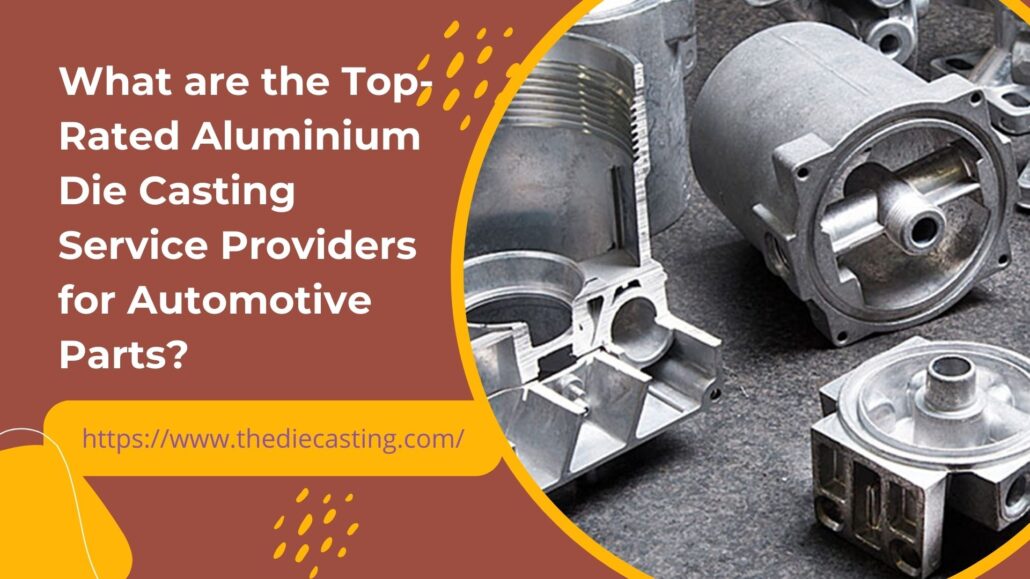
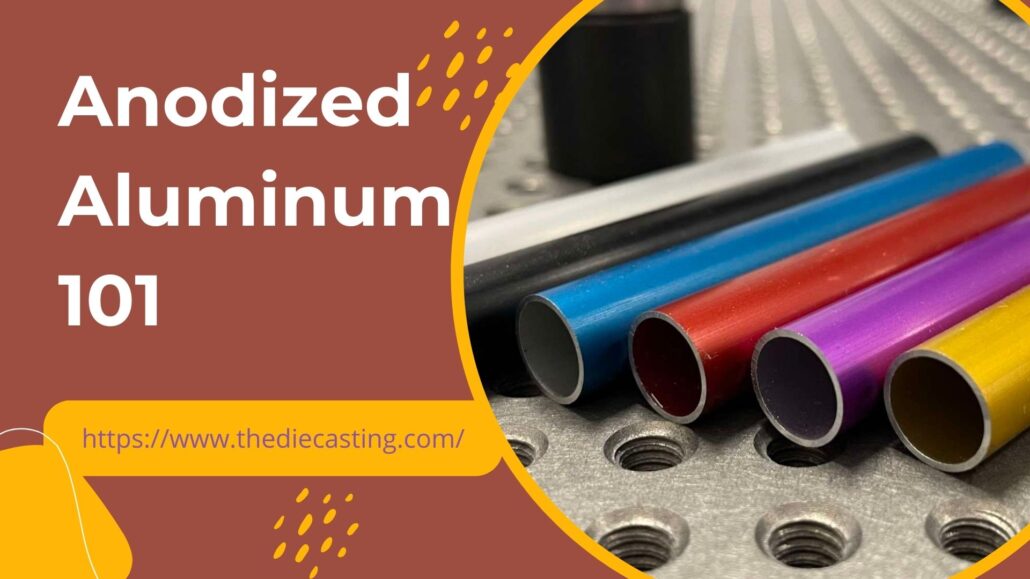
알루미늄 주조The strength, lightweight properties, and exceptional corrosion resistance are the key factors that make cast aluminum applicable in different industries. Cast aluminum has become a highly sought-after material for outdoor furniture and lighting fixtures, automotive parts, and industrial machinery. However, even a cast aluminum surface can oxidize, discolour, or lose its aesthetic appeal over time. Painting cast aluminum is usually employed to improve protection and appearance, as manufacturers paint the items. Whether it is done by proper painting of aluminum parts or not, enhancing the component’s aesthetic appearance also increases its resistance to environmental degradation, wear, and oxidation. The correct coating procedure and the appropriate selection of paint for cast aluminum can ensure long-term results and a good working process. The paper provides detailed information on painting aluminum castings, surface preparation, types of paint and primer, the usefulness of painting in the die-casting business, and maintenance procedures that help aluminum products last more than a few years. Introduction to Painting Cast Aluminum and Its Uses Cast aluminum is manufactured by pouring molten aluminum into specially designed molds. When the metal cools and solidifies, it becomes a part with the required shape and structure. The type of casting enables manufacturers to form intricate geometries and sophisticated designs that cannot be achieved using other metalworking techniques. The ability to be both lightweight and strong is a major factor in the popularity of cast aluminum. It is also made of an excellent material that resists rust and corrosion, unlike most other alloys. Furthermore, aluminum is a good heat conductor, which makes it suitable for the manufacture of cookware, engine parts, and heat exchangers. Outdoor furniture, automotive engine components, lighting fixtures, machine houses, electrical enclosures, and architectural components are among the commonly used products made of cast aluminum. Although aluminum is naturally covered with a thin oxide coating that protects it against corrosion, this coating does not necessarily hold up in the long run when exposed to harsh environments. Consequently, painting cast aluminum is a significant step toward durability and enhancing the products’ beauty. The Value of Painting Cast Aluminum Cast aluminum is painted to serve both functional and aesthetic purposes. Despite aluminum’s natural resistance to corrosion, adding a coating enhances its strength and extends the product’s lifespan. The primary advantage of using cast aluminum alloy paint is its enhanced environmental resistance. Aluminum parts taken outside are exposed to rain, humidity, salt, and UV radiation. Paint forms a protective layer that prevents moisture and oxygen from contacting the metal surface, which lowers the risk of corrosion. The other significant benefit is increased visual appeal. Aluminum components are used as visible parts in many industries. Furniture, lighting fixtures, and automotive parts often require specific colors and finishes to suit product design. Paint enables manufacturers to tailor the look of aluminum components to meet aesthetic needs. Service life is also increased through painting. Paint prevents metal surfaces from oxidizing or other environmental wear, allowing aluminum parts to be stronger and more structurally robust. This is especially useful in industrial and outdoor work, where durability is needed. Die Casting Industry: Painting Cast Aluminum The casting industry is so dependent on aluminum because it enables the production of high-precision parts with high mechanical properties. Surface finishing is one of the steps taken after die-casting aluminum parts to ensure they are functional and aesthetically pleasing. Painting is also a common finishing process in die-casting manufacturing of aluminum products, such as automotive housings, electrical enclosures, mechanical parts, and casings for consumer products. These sections usually require a protective layer against corrosion, as well as aesthetic appeal. In the production of die castings, aluminum parts can undergo additional processes beyond die casting, such as machining, drilling, or trimming. These processes leave behind residues in the form of lubricants, oils, and metal chips on the surface. To eliminate such contaminants, manufacturers need to carefully clean and prepare components before applying cast aluminum paint. The die-casting industry also uses painting to achieve a uniform surface finish. Cast aluminum parts are occasionally marked with small flaws or surface anomalies. The correct primer and paint systems are used to mask these flaws and give it a clean, professional look. The current die-casting plant frequently employs automated robotic spraying. These technologies provide consistent coating thickness, minimize material waste, and enhance production efficiency. Such automated systems are essential in high-volume manufacturing environments to produce high-quality painted aluminum components at scale. Selection of the Correct Paint for Painting Cast Aluminum The choice of paint for cast aluminum is very important for a durable, long-lasting coating. Various paint recipes would provide different degrees of resistance, environmental, and visual finish. Oil-based paints are widely used in industry because they adhere well and offer excellent wear resistance. These paints form a long-lasting coating that performs well in challenging conditions. Oil-based paints, however, can contain higher levels of volatile organic compounds (VOCs), which can have environmental and health implications. Water-based paints are gaining widespread popularity because they have a lower environmental impact. These paints emit lower levels of VOC and are also quite flexible, thereby reducing the risk of cracking over time. Water-based coatings are also highly UV-resistant, making them suitable for outdoor environments. An alternative product is acrylic enamel paint, widely used in automotive and decorative applications. The acrylic enamel dries quickly, yielding smooth, glossy results. Though it does not last as long as other industrial finishes, it provides superior aesthetic results and is easier to apply. These paints are subject to a variety of choices based on the environment where they will be used, desired durability, and aesthetics. Paint types Characteristics Applications Oil-based paint Strong adhesion and high durability Industrial machinery and heavy equipment Water-based paint Low VOC and flexible coating Outdoor furniture and architectural components Acrylic enamel Smooth glossy finish and fast drying Automotive parts and decorative products The Significance of Primer to Painting Cast Aluminum Primer is an important part of the painting process, as aluminum surfaces are smooth and nonporous. Paint can also peel or chip