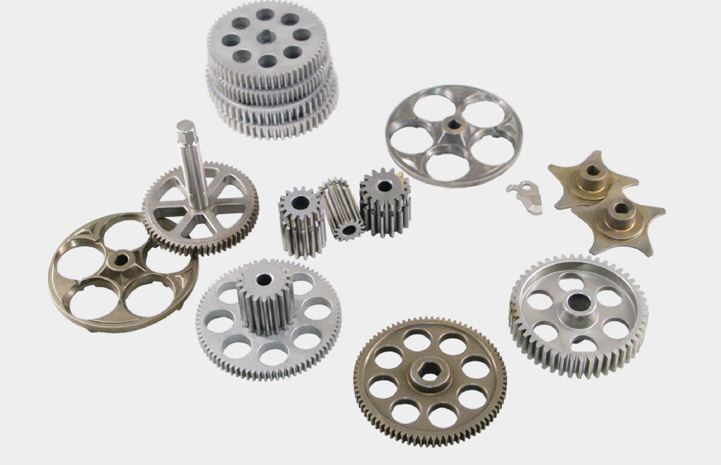
powder metallurgy gears

Powder metallurgy components

aluminium gietwerk

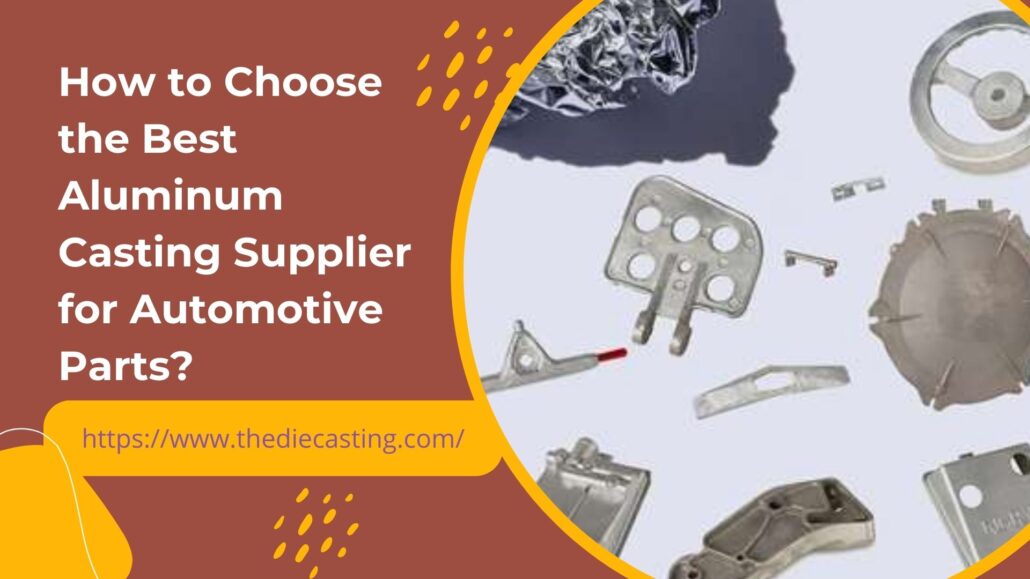
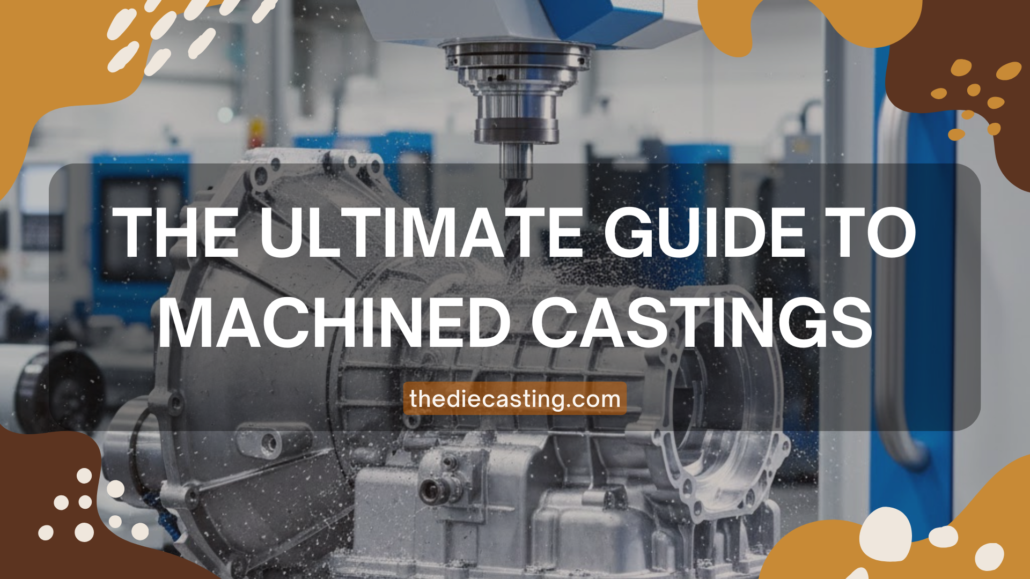
The Engineering Guide to Powder Metallurgy Components Manufacturing Powder metallurgy components are machined parts that are produced by compacting metal powders and sintering them at high temperatures. The process produces tight tolerances (±0.01mm), intricate geometries, as well as near-net-shape production with minimal waste of material. Commonly applied in the automotive, aerospace, and industrial industries, Powder metallurgy (PM) production comprises a low-cost substitute to machining and casting of large-volume, intricate part shapes. Powder Metallurgy Components Guide Key Takeaways Parameter Powder Metallurgy Die Casting (Comparison) Dimensional Tolerance ±0.01mm – ±0.05mm ±0.05mm – ±0.1mm Material Utilization 95–97% 85–92% Ideal Production Volume 10,000+ units/run 5,000+ units/run Common Materials Iron, Copper, Stainless Steel, Bronze Aluminum A380, ADC12, Zamak 3, Magnesium AZ91D Surface Finish Options Sintered, Plated, Impregnated Anodizing, Powder Coating, Shot Blasting Quality Standards ISO 9001, IATF 16949 ISO 9001, IATF 16949 What Are Powder Metallurgy Components and How Are They Made? Powder metallurgy (PM) is a net-shape or near-net-shape production method which transforms metallic powders into solid, functional components by way of compaction and sintering. As opposed to traditional methods of casting or machining, PM develops the piece by printing it at a microscopic scale from the ground at a microstructural level. This gives the engineer control over porosity, density, and alloy composition. The typical PM manufacturing cycle has four fundamental stages: Stage 1: Powder Preparation- Raw metal powders (iron, copper, nickel, stainless steel, bronze) are mixed with lubricants and alloying elements to attain the desired composition. Stage 2:The blended powder is poured into a hardened die and compressed under pressures of between 150 and 900MPa to form a green compact that maintains its shape. Stage 3: The green compact is heated in a controlled atmosphere furnace to 70-90% of the melting point of the metal. Atomic diffusion bonds the particles permanently without full melting. Stage 4: Depending on what you need the parts for, they may undergo CNC Machining, sizing, heat treatment, plating, or oil impregnation to achieve the final specifications. This sequence allows the manufacturing of powder metallurgy components having a wall thickness as low as 1.5mm, internal features and repeatable tolerances of ±0.01mm in large volume batches. Why Are Powder Metallurgy Parts Critical for Automotive and Industrial Applications? The automotive industry consumes over 70% of global PM. One of the major reasons for this is that powder metallurgy parts deliver mechanical performance, dimensional consistency, and production efficiency that few competing processes can match at scale. PM is used in the production of self-lubricating bearings, structural brackets, valve seat inserts, and transmission components because the process allows controlled porosity. An example is the oil-impregnated sintered bearings. These components can operate without need for maintenance throughout the lifespan of a vehicle. This key performance characteristic is impossible to replicate through the casting process alone. Key automotive applications include: PM industrial applications include power tools, hydraulic systems, filtration components, and medical device housings. In short, anywhere that repeatable geometry and consistent density is an operational necessity. For manufacturers who makes automotive parts that must meet IATF 16949 and ISO 9001 quality frameworks rely on PM’s process repeatability to achieve Cpk requirements and zero-defect delivery targets demanded by Tier 1 automotive suppliers. we are automotie die casting manufacturer in China, we are IATF 16946 certified die casting company in China. How Does Powder Metallurgy Gears Production Work, and What Tolerances Are Achievable? Gears are one of the most challenging applications in PM manufacturing. Powder metallurgy gears production has improved greatly in the last 20 years, and gear manufacturers are now able to substitute broached or hobbed steel gears with sintered ones at a fraction of the unit price. The Technical Case for Sintered Gears Sintered gears are compacted directly to their final tooth profile geometry, eliminating the hobbing, shaping, and grinding operations that are required for cut steel gears. This reduces lead time by 30-50% and material scrap to under 3%. PM gears can be achieved to standard specifications, which include: Warm compaction or powder forging processes can be used to push density above 7.5 g/cm³ which are required for higher-load applications. This brings the mechanical properties close to wrought steel and helps retain the PM’s geometric flexibility. Secondary Finishing for Gear Applications Once sintered, gears that are to be used in high-load transmissions are usually subjected to: For CNM Tech, the available in-house CNC machining can also enable the post-sinter finishing to be done within the same supply chain so that handling, lead time, and dimensional risks due to multiple vendor hand-offs are minimised. Powder Metallurgy vs. Die Casting: Which Process Is Right for Your Part? Both die casting and PM are net-shape manufacturing processes of high volume, and are used in different design needs. It is a choice between geometry, material, mechanical load and volume of production. Process Comparison Powder Metallurgy — Advantages: Powder Metallurgy — Limitations: Die Casting — Advantages: Die Casting — Limitations: The Bottom Line If your part is a structural gear, bearing, or small precision component under 2.5 kg requiring tight bore tolerances and high-volume repeatability, powder metallurgy parts are the technically correct choice. Die casting is the better way to go in case your component needs thin walls, large external surfaces, lightweight enclosures, or decorative finishes in aluminium or zinc alloy. Most complex assemblies enjoy the advantages of both procedures, such as die-cast Aluminum A380 housing combined with sintered PM gears and bearings. The full service of CNM Tech encompasses both processes under one project management system, and, therefore, procurement teams find it easier to coordinate with the vendors. What Quality Standards Govern Powder Metallurgy Components Manufacturing? The concept of quality assurance in PM manufacturing is not a choice, but the basis of all repeatable production runs in engineering. All powder metallurgy components, in CNM Tech, are manufactured and defined according to the quality management system of ISO 9001:2015 and IATF 16949:2016. These frameworks govern: Components that are shipped to automotive Tier 1 buyers have complete PPAP (Production Part Approval Process) reports that contain material certifications, capability

zink spuitgieten

Hoe kies je een fabrikant van zinkspuitgietmatrijzen voor kleine series?

aluminium gietwerk

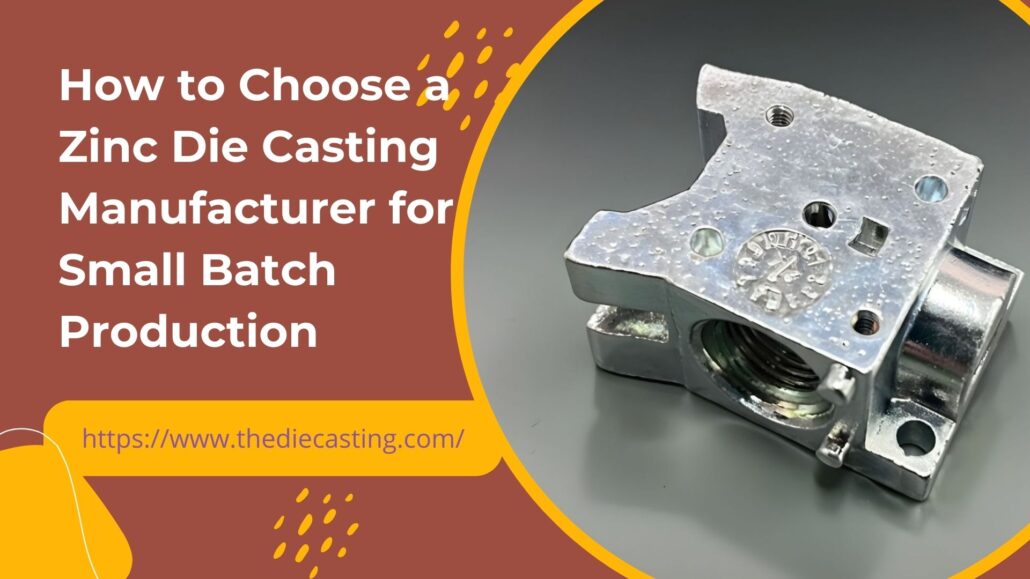
Zinc die casting has emerged as one of the most popular manufacturing processes used to generate the precision metal parts, which require high quality on the surfaces, tight tolerances and geometric shapes. The automotive industry, electronic industry, construction hardware, consumer goods and decorative fittings industry are some of the industries that are highly dependent on zinc or ZAMAK die casting since they possess excellent mechanical properties and finishing capabilities. In cases where the volumes of production are low, the choice of the appropriate zinc die casting manufacturer is even more valuable. Low batch production needs flexibility, control of cost, reduced lead time and engineering skills, which many manufacturers may lack due to the need to deal with mass production. The instructional manual describes the method of selecting an appropriate zinc die casting vendor that handles small orders and names seven reputable Chinese manufacturers, plus six reputable international companies. The Knowledge of Zinc Die Casting Small Batch Manufacturing Zinc die casting is one of the metal casting technologies in which the molten zinc alloy is injected into a steel mold under high pressure.  Zinc alloys have a lower melting point, higher fluidity and longer tool life compared to the aluminum or magnesium which is particularly well suited to low to medium volume production. In the case of small batch projects, zinc die casting has enormous benefits. The tooling costs are usually cheaper, the cycle time is shorter, and parts can be near net shape in nature, hence do not require much machining. Zinc can also be used as decorative and functional components to be polished, electroplated, chrome plated, powder coated or painted. Small batch manufacturing frequently includes prototype testing, small market rollouts or specialised industry use. Thus, the manufacturers have to offer flexibility in the tooling, responsiveness in communication, and maintain uniformity even at reduced volumes. The Special Consideration of Small-Batch Zinc Die Casting Small batch zinc die casting is not just a smaller variant of mass production. Manufacturers have to change their operations to make sure they are efficient without adding unnecessarily high costs. The tooling plan is paramount. Although the tooling of zinc will outlive that of aluminum, the initial cost may still be a burden in small amounts. A company that sells simplified molds, modular tooling or even rapid tooling would be more adaptable to a small batch. The flexibility of production is also significant. Small quantity orders can be characterized with design modification, numerous revisions, or bespoke finishing. An efficient supplier has to be in a position to handle such changes without causing any delays. The other determinant is surface finishing capability. Zinc elements are usually employed in the visible or ornamental industry, and in such cases, the look of the surface is equally crucial as the dimensional precision. In-house finishing enables manufacturers to have more quality control and delivery schedules. Some of the considerations that are important to make when selecting a manufacturer of zinc die castings include; Experience and Technical Knowledge in Manufacturing The experience of a manufacturer in zinc alloys has a direct influence on the quality and consistency of parts. Alloy casting suppliers Zinc die casting companies know more about the choice of alloys, mold design, the positioning of gates and the control of processes than general metal casting suppliers. In small-scale projects, the engineering experience becomes even more helpful. Experienced manufacturers have the capability to propose design refinements which would have lower tooling complexity, fewer defects, and yield. Mold Design Capabilities and Tooling One of the most expensive aspects of die casting is tooling. In small batches, manufacturers with in-house design and fabrication of molds are cheaper to deal with and can deliver faster. Die casting moulds of Zinc can have thin walls and fine details. Nevertheless, these mold designs should be done correctly to prevent porosity, sink marks, or surface defects. Suppliers that have simulation software and mold flow analysis are in a better position to provide consistent results. Surface Finishing and Secondary Operations Zinc alloys have a high preference due to their outstanding surface finishing properties. Manufacturers are supposed to provide secondary services like polishing, electroplating, chrome plating, nickel plating, powder coating and painting. When working with small batch production, the outsourcing of finishing may worsen the lead time and quality risks. One vendor who finishes in-house gives a homogenous effect and expedited delivery. Quality Management and Certifications Even when making a small order, quality assurance must not be compromised. The manufacturers who have received the ISO-certified quality management systems show devotion to consistency and traceability. Such inspection devices as CMM machines, roughness testers, and material testing facilities are signs of a good supplier. Responsiveness and Communication Close cooperation is frequently needed on small-scale projects. There should be effective communication, quick quotation turnover and a proactive solution to problems. Companies that offer project managers tend to perform well when it comes to low-volume production. Best Chinese Zinc Die Casting Maker for a Minimum Batch GC MOLD (aludiecasting.com) GC MOLD is a Chinese manufacturer of zinc die cast that has a good reputation due to its tooling accuracy and versatility. The company deals in die casting of zinc, aluminum, and magnesium and assists small to medium batch production for the global clients. GC MOLD is a company that provides all the services such as designing of molds, die casting, CNC machining and surface finishing. Their engineering team collaborates intimately with customers to ensure an optimization of part design, which makes them a good option for start-ups and OEMs that demand small volumes of production with high accuracy. This is because the company can process decorative zinc parts, functional industrial components, as well as automotive applications, which makes it one of the surest bets in China in terms of small batch zinc die casting. CNM CASTING (diecasting.com / diecastingschina.com) CNM CASTING is a special-purpose manufacturer of zinc alloy die castings with one-stop manufacturing solutions. The company has experience in manufacturing high cosmetic geometries and precision zinc components with complex geometries. CNM

verminderen van gesmolten aluminium dross

12 Bewezen manieren om de hoeveelheid gesmolten aluminium te verminderen en de terugwinning te verbeteren

aluminium gietwerk

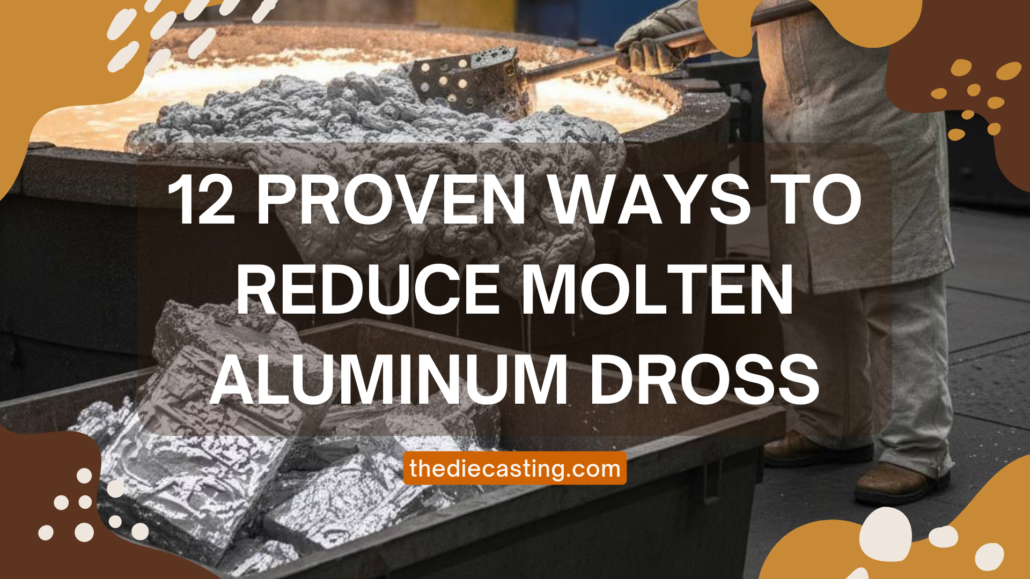
Vandaag stropen we onze mouwen op en gaan we naar het hart van de gieterij om een van de duurste problemen in de industrie aan te pakken: aluminium smeltende dross. Als u ooit in een typische reverberatory oven voor het smelten van massief aluminium hebt gekeken, weet u dat wat er aan het oppervlak van die smelt gebeurt uw winstmarges kan maken of breken. Om concurrerend te blijven, moet elke gieterijmanager precies weten hoe hij de hoeveelheid gesmolten aluminiumdross kan verminderen voordat het de winstmarges aantast. Als we het hebben over het terugwinnen van aluminium, hebben we het eigenlijk over een oorlog tegen oxidatie. Elk stuk aluminiumschroot dat naar een oven wordt gevoerd, heeft een zeer dun laagje aluminiumoxide. Het maakt niet uit of het een zware staaf is of een lichte, die huid is er. Wanneer het schroot in een oven wordt verhit, zorgt de hogere temperatuur ervoor dat de huid sneller groeit, vooral als het schroot in lucht of een oxiderende omgeving wordt verhit. Als er niets wordt gedaan, leidt deze oxidatie tot enorm veel afval, waardoor het van cruciaal belang is om strategieën te implementeren die de hoeveelheid gesmolten aluminiumdross tijdens de smeltcyclus verminderen. Deze gids is ontworpen om u te helpen de hoeveelheid gesmolten aluminiumdross te verminderen en uw aluminiumterugwinning te maximaliseren door gebruik te maken van zowel gezond verstand als geavanceerde chemische strategieën. Aluminium smelt Dross begrijpen Om gesmolten aluminium dross effectief te verminderen, moet je eerst begrijpen wat het precies is. Wanneer het aluminium smelt, drijft het aluminiumoxide naar de oppervlakte en vormt een tweede fase die bekend staat als dross. Maar het is niet zomaar “afval”. Door de oppervlaktespanning van de oxidehuid zit er ook metallisch aluminium gevangen in de dross van 15% tot 80%. Denk daar eens over na: het primaire doel van elke gieterij is het verminderen van gesmolten aluminium dross, want tot 80% van dat “schuim” dat je afroomt kan eigenlijk goed, bruikbaar metaal zijn. Grote, zware smeltvoorraden hebben de grootste verhouding tussen massa en oppervlakte en hebben een minimaal smeltverlies. Het binnenshuis omsmelten van schoon schroot zal echter het smeltverlies verhogen vanwege het grotere oppervlak, waardoor het nog moeilijker wordt om gesmolten aluminium dross te verminderen. Als u dieper wilt ingaan op de basisprincipes van smeltkwaliteit, bekijk dan onze gids over raffinagemiddelen. De hoge kosten van vervuiling en oppervlakte Een van de snelste manieren om geld te verliezen is door “vuil” materiaal te laden, wat het bijna onmogelijk maakt om gesmolten aluminium dross te verminderen. Voor elke 1% organische stoffen en vocht resulteert 2% smeltverlies. Daarom is het gebruik van schoon, droog laadmateriaal regel nummer één als je de hoeveelheid gesmolten aluminiumdross wilt verminderen en de aluminiumterugwinning wilt verbeteren. Verder is de vorm van je schroot belangrijk. Het laden van draaiwerk, boringen en bewerkingsspanen resulteert in wel 10% tot 15% drossvorming. Dit komt door het enorme oppervlak dat wordt blootgesteld aan de ovenatmosfeer. Als u worstelt met hoge uitvalpercentages tijdens het machinaal bewerken van spuitgietwerk, is het probleem waarschijnlijk hier in de oven begonnen, omdat u geen plan had om de slakvorming van gesmolten aluminium te verminderen. De invloed van temperatuur op de vorming van dross Een belangrijke factor in je zoektocht om gesmolten aluminium dross te verminderen is de temperatuur van de smelt. Je zou kunnen denken dat een paar graden er niet toe doen, maar de impact van temperatuurverhogingen van slechts 25 tot 55°C kan behoorlijk significant zijn. Hoge temperaturen versnellen de oxidatiereactie, dus het koel houden van de smelt is de eenvoudigste manier om gesmolten aluminium dross te verminderen. Bovendien zorgt de dikte van de laag dross over de smelt voor een isolerend effect en moet de brandsnelheid van het brandersysteem worden verhoogd. Het is een vicieuze cirkel: hoe meer dross je hebt, hoe harder je de branders moet stoken, waardoor er weer meer dross ontstaat. Om de dross van gesmolten aluminium te verminderen, wordt de dikte van de laag op de smelteroppervlakken meestal op minder dan 40 mm gehouden om de oven efficiënt te houden. Dross op de juiste manier uit aluminium verwijderen Als het tijd is om dross uit aluminium te verwijderen, moet je het er niet gewoon afschrapen terwijl het nog “nat” is. Als je dat wel doet, gooi je je winst weg. Het correct toepassen van de juiste fluxsamenstelling resulteert in het fysiek breken van een zwak gebonden oxidelaag, wat helpt bij het verminderen van gesmolten aluminium dross door vers aluminium in te sluiten en terug te brengen naar het bad. Hierdoor kunnen de metallische vloeistofdruppels samensmelten, wat de “geheime saus” is voor succesvol aluminiumherstel. Je kunt aan het uiterlijk van het materiaal zien of je succesvol flux gebruikt om gesmolten aluminium dross te verminderen. Metaalrijke dross ziet er helder en glanzend uit, zeker beladen met metaalhoudend aluminium, terwijl behandelde dross er doffer en poederachtig uitziet. Om dross effectief van aluminium te verwijderen, wil je die poederachtige afwerking. Het aluminiumgehalte van onbehandelde dross is gemiddeld 85 tot 90%, maar een ovenbehandeling kan ongeveer de helft van deze hoeveelheid terugwinnen, wat je aluminiumterugwinningspercentages aanzienlijk verhoogt. Tien gezond verstand procedures om aluminium dross te verminderen De beste manier om in eerste instantie om te gaan met de vorming van dross is om het te minimaliseren. Dit kan worden bereikt door een aantal verstandige en consciëntieuze onderhoudsprocedures: Geavanceerde systemen voor aluminiumterugwinning Naast handmatig afschuimen is het gebruik van een professioneel systeem voor het terugwinnen van dross een totale spelbreker voor gieterijen met grote volumes die gesmolten aluminiumdross willen verminderen. Deze geavanceerde systemen gebruiken mechanische actie en nauwkeurige temperatuurregeling om het resterende metallische aluminium uit de aluminium smeltdross te “persen” voordat het de kans krijgt om af te koelen en te stollen. Door het materiaal te verwerken terwijl het nog heet is, kun je een veel hoger niveau van aluminiumterugwinning bereiken dan met alleen handmatige methoden. Om gesmolten aluminiumdross consistent te verminderen, moet je er bovendien voor zorgen dat alle thermokoppels goed werken. Als je sensoren niet goed werken, zal je bewaartemperatuur onnauwkeurig zijn en zal je productie van gesmolten aluminiumschroten omhoog schieten door overmatige hitte. Nauwkeurige thermische bewaking is de ruggengraat van elke strategie om gesmolten aluminium dross te verminderen. Voor meer informatie over professionele apparatuur en gespecialiseerde sourcing, bezoek China Die Casting fabrikanten. Gereedschap

Gieten van aluminium

Hoe kies je de beste leverancier van aluminium gietstukken voor auto-onderdelen?

aluminium gietwerk

The automotive industry in the world is developing fast due to the need for lightweight cars, better fuel efficiency, lower emissions, and high-performance parts. Aluminum die casting has emerged as one of the most important manufacturing processes, which has been amazingly supportive of this transformation. In the electric car design, aluminum die-cast components are crucial in the modern automotive design, including engine housings and transmission cases, as well as structural components of the car. The selection of an appropriate automotive parts aluminum casting supplier is no longer an easy-purchasing choice. It is a strategic alliance that influences the quality of products, production efficiency, cost control, and business success in the long run. This paper describes the steps involved in identifying the most optimal aluminum die-casting supplier, as well as identifies some of the leading manufacturers of aluminum die-casting auto parts in China and globally. Why Automotive Manufacturing Requires Aluminum Die Casting Through aluminum die casting, manufacturers are able to develop complicated, high-precision components at massive volumes with high surface finish and dimensional accuracy. Aluminum has a better strength-to-weight ratio, resistance to corrosion, and thermal conductivity than conventional materials, it is the perfect material to be used in automobiles. Aluminum die casting is becoming even more significant with the emergence of electric vehicles. Die-casting technology is important in battery casings, motor frames, inverter casings, and massive structural parts. With the increased complexity of the automotive designs, the suppliers have to provide casting services along with the engineering services, machining, surface finishing, and quality control. Essential Factors to be Considered When Selecting an Aluminum Casting Supplier Car and Automotive Knowledge and Experience The experience of the aluminum die casting supplier in automotive die casting is one of the first factors that should be considered. Car parts have to be of high safety, durability, and compliance with regulations. A supplier who has been long term in experience in automotive projects knows the choice of materials, control of tolerances, and process stability. The suppliers who have engaged in partnership with automotive OEMs, with Tier-1 or Tier-2 suppliers, tend to produce steady quality and handle complicated production specifications. Production Facilities and Resources A trusted aluminum die-casting company must possess up-to-date production facilities such as high-pressure die-casting machines of different tonnages, CNC machining centres, and surface finishing. It is a great strength to be able to deal with small precision castings as well as large structural castings. Automation, robotics, and digital monitoring are other technologies that are also frequently used by advanced suppliers to attain repeatability and minimize defects in mass production. Quality Control and Certifications In car production, quality control plays a key role. The most effective suppliers have been developed on internationally recognized systems of quality like ISO 9001, IATF 16949 (previously TS 16949), and ISO 14001. These certifications are an indication of quality management, process control, and environmental responsibility. The inspections are also checked in-house by CMM machines, X-ray tests, spectrometers, and pressure leak testing systems, which also ensure that the product has high reliability. Engineering Customisation and Support Automotive projects are normally customized as opposed to off-the-shelf products. An effective supplier of aluminum die-casting must be able to provide engineering services to the initial design phase, such as design of the mould, optimization of materials, and design-for-manufacturing (DFM) analysis. Aluminum die casting suppliers are the ones where customers can find prototyping, rapid tooling, and design validation services, which would reduce the development time and eliminate expensive redesigns. International Supply Chain and Delivery Performance World and China Leaders of Auto Parts Suppliers: Aluminum Die Casting CNM Tech Co., Ltd Company Overview CNM Tech Co., Ltd. is an experienced manufacturer of aluminum die-casting auto parts with over 20 years of working experience in the industry, based in Dongguan, China. The firm deals with aluminum, magnesium, and zinc die casting, CNC machining, surface finishing, and assembly. CNM Tech manufactures components of aluminum, zinc, and some magnesium that weigh not more than 12 kg, 2 kg, and others, respectively. Its vertically integrated production system includes sourcing of raw materials, tooling, casting, machining, finishing, and final packaging. Why Choose CNM Tech CNM Tech has the advantage of end-to-end capabilities of manufacturing. The company has retained tooling, machining, and surface finishing, resulting in complete control of quality and lead times. The company works on the basis of ISO 9001, TS 16949, and ISO 14001 quality systems, which guarantee high-quality production with automotive standards. CNM Tech provides aluminum die-casting auto parts at competitive prices; therefore, it offers its customers a reliable partner in supplying high-precision parts worldwide. Industries Served CNM Tech also deals with the medical equipment, home appliances, LED electronics, power tools, and mechanical equipment segments in the automotive industry. Sincere Tech Company Overview Sincere Tech is a full-service manufacturing firm with its headquarters located in Dongguan, China, and was established in 2005. The company is a specialist in die castings in aluminum, plastic injection molding, CNC machining, silicone rubber components, and entire assembly solutions. Sincere Tech offers small-tolerance parts to the high-pressure industries with highly modernized production equipment like CNC machines, EDM systems, and CMM inspection equipment. Why Choose Sincere Tech Sincere Tech has a real one-stop point of manufacture. All processes are handled in a single location, starting with product designing, prototyping, mould making, die casting, machining, and packaging. This combined solution will minimize the risk of coordination and enhance efficiency in production. The company has excellent project management, English-speaking abilities, and experience in delivering world domination, making it a good partner to automotive customers who want consistency and cost-efficient production. Industries Served Sincere Tech is a manufacturer of die-cast parts made of aluminum and sold to automotive manufacturers, electronic manufacturers, medical equipment manufacturers, home appliances manufacturers, and industrial machinery manufacturers. GC Precision Mould Co., Ltd Company Overview Aludiecasting, the Chinese company is called GC Precision Mould Co. Ltd., a major manufacturer of auto parts under die-casting of aluminum, and is based in Dongguan, Guangdong, China. The company is over 20 years old, ISO 9001

Gieten van aluminium

Wat zijn de Top-Rated Aluminium Die Casting dienstverleners voor auto-onderdelen?

aluminium gietwerk

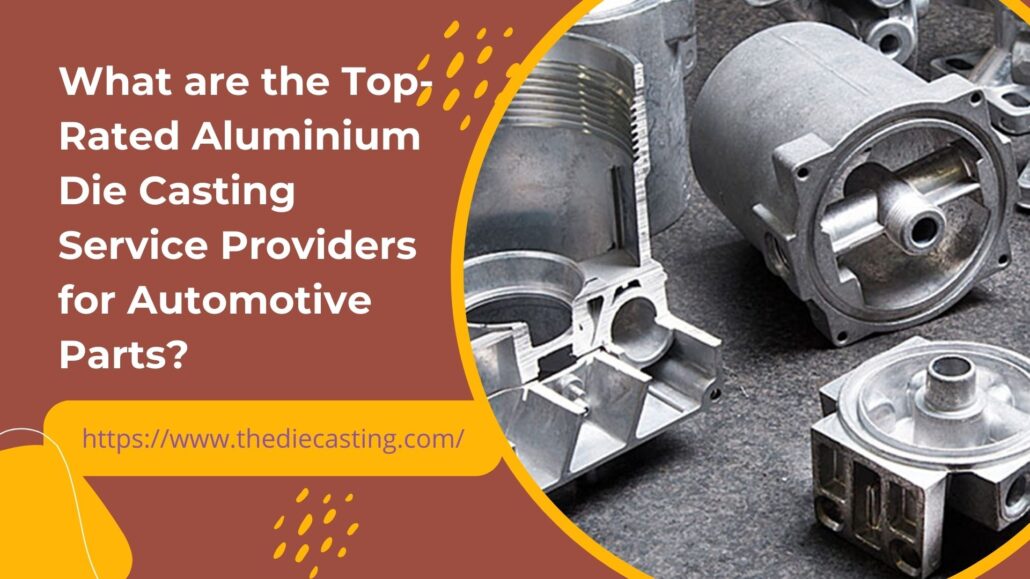
Selecting an appropriate aluminum die-casting service provider is a critical decision for car manufacturers. Aluminum die casting has been at the forefront of producing light, high-strength, dimensionally accurate parts that comply with stringent current fuel-efficiency, safety, and emissions requirements. Despite the acknowledged performance advantages of aluminum alloys, the final quality of automotive components still depends on the supplier’s skills, technologies, and quality systems. Due to the change in the automotive industry to the production of lighter cars and electric mobility, the need to find a reliable aluminum die-casting partner is growing. Tier 1 suppliers and OEMs do not intend to focus solely on price. They consider factors such as suppliers’ engineering capacity, manufacturing reliability, certifications, overseas experience, and the potential for long-term cooperation. The article points out three notable die casting service firms based in China, including GC Precision Mold (Aludiecasting), CNM Casting, and Sincere Tech, and five widely known aluminum die casting firms in other parts of the world. These companies are the most reputable brands in international aluminum die casting for the automotive sector. Aluminum Die Casting in the Auto Industry: Overview Aluminum die casting is a high-pressure production process whereby molten aluminum alloy is forced into a hardened steel mold, producing complex parts with high dimensional accuracy and surface finish. Die casting is used to produce high volumes with tight tolerances, unlike other forming methods, which is why it is widely used in the automotive industry. Automotive manufacturers increasingly use aluminum for its low weight, corrosion resistance, and strong mechanical properties. Other components typically produced by aluminum die casting include engine housings, transmission cases, motor housings, structural brackets, battery enclosures, and chassis components. The use of aluminum die casting has also increased in electric vehicles, as they require balancing bulky battery packs. Nevertheless, the unique thermal and flow properties of aluminum require specific tooling design, controlled casting parameters, and advanced quality control. That is why automotive project editions require selecting an experienced, skilled aluminum die-casting service provider. Aluminum Die Casting- Auto Market The global automotive aluminum die-casting market has been growing steadily. As of 2025, the market is valued at USD 31.27 billion and is expected to exceed USD 41 billion in 2029, with a compound annual growth rate of over 7%. The emergency increase is driven by policies such as lightweighting, more stringent emissions standards, and the adoption of electric vehicles. China has been the world’s largest hub for aluminum die-casting production, with a well-developed manufacturing infrastructure, strong supply chains, and economies of scale. Meanwhile, its global partners, including Europe, Japan, Korea, and North America, continue to lead in innovation across large structural castings, automation, and sustainability. Aluminum Die Casting Service Companies Specifications State of the Art Die Casting By 2025, the best suppliers of aluminum die casting services will have been those that have the capability of producing the required components of the automotive systems accurately. They offer various casting methods, including high-pressure, low-pressure, and vacuum-assisted die casting, enabling manufacturers to produce lightweight parts with high strength and minimal defects. These capabilities are required for engine and structural parts and for safety-critical applications. Contemporary Technology and Machinery The major suppliers invest heavily in modern die-casting machines, automation, and simulation. Analysis of mold flow and real-time process monitoring helps ensure production stability and quality consistency. Modern casting technology also enables large, single-piece aluminum production, saving assembly time and reducing vehicle weight. Custom Design and Support for Manufacturing Leading aluminum casting firms offer comprehensive solutions, including design and engineering analysis, prototyping, and mass production. This combined methodology ensures design optimization, functionality, and flexibility to meet OEM and supplier needs. Quality Control and International Certifications Leaders in an industry are characterized by strict quality control. IATF 16949 and ISO standards, and X-ray and CMM tests are all the certifications that guarantee that each component meets the international safety and performance standards. Customer Support and Cost Effectiveness Their strong technical support, effective communication, and reasonable pricing make these vendors strong long-term partners for automotive manufacturers worldwide. Top-Rated Aluminium Die Casting Service Providers GC Precision Mold (Aludiecasting.com) -China Aludiecasting, or GC Precision Mold, is a reputable automotive and industrial die-casting service provider of aluminum die castings in China. The company, founded in 1999 and headquartered in Dongguan, Guangdong Province, has built a strong reputation for providing a comprehensive, end-to-end die-casting solution. Aludiecasting specializes in aluminum alloys, including ADC12, A380, A360, and A356. Its services include designing molds, high-pressure die casting, CNC machining, surface finishing, and final assembly. The company can handle not only small parts requiring high accuracy but also larger automotive components, using modern die-casting machines up to large-tonnage machines. Aludiecasting has a major strength: a vertically integrated manufacturing model. The company retains tooling, casting, machining, and finishing under one roof, enabling it to tightly control quality, cost, and lead time. This makes it a partner of choice for automotive customers seeking a reliable production partner and competitive pricing. CNM Casting (diecastingschina.com)-China Another reputable aluminum die-casting service provider in China is CNM Casting, with over 20 years of industry experience. The company provides die casting in aluminum, zinc, and magnesium for automotive, lighting, electronics, and industrial equipment manufacturers. The key strength of CNM Casting is its adaptive production strategy. In addition to die casting, the company offers CNC machining, surface finishing, and design optimization services. Automotive customers appreciate that CNM can facilitate product development by enhancing mould efficiency and minimizing waste. The company places a strong emphasis on quality assurance; in this case, inspection tools include CMM measurements, dimensional testing, and surface quality checks. CNM Casting would be best suited to small- to medium-sized automotive initiatives, where cost-effectiveness and engineering guidance are equally important. Sincere Tech (plas.co / plasticmold.net) -China Sincere Tech is a flexible production firm that provides aluminum die casting, plastic injection molding, and CNC machining. Sincere Tech, based in Dongguan, China, has gained popularity among customers seeking flexibility, rapid prototyping, and small production runs. Sincere Tech specializes in precision aluminum component housings, brackets, and functional

Geanodiseerd aluminium

Geanodiseerd aluminium 101

aluminium gietwerk

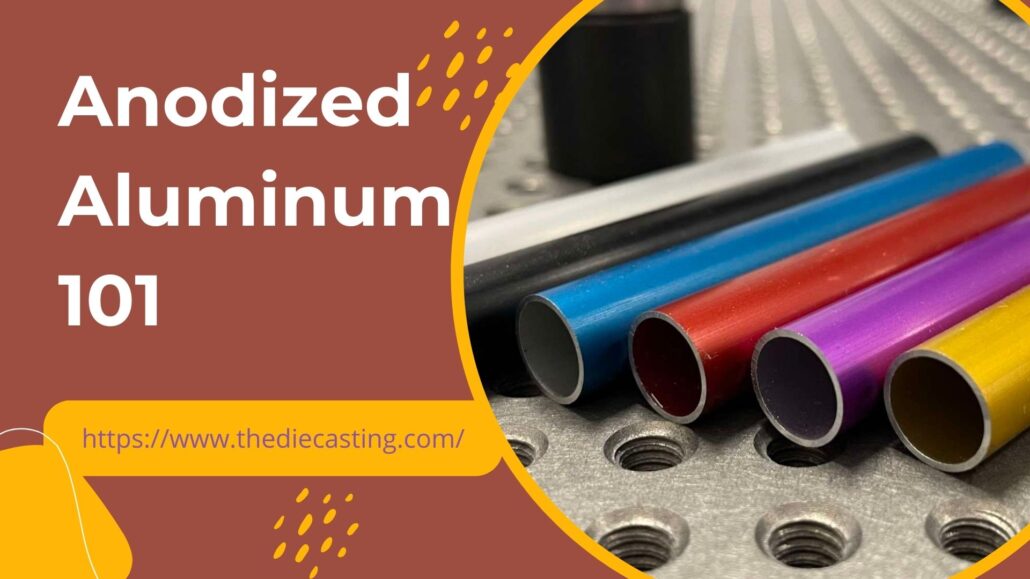
Anodized aluminum 101 refers to aluminum that has undergone a controlled electrochemical process to create a stable layer of oxide on its surface. This anodic oxide, as opposed to paint or plating, forms part of the metal and enhances aluminum’s resistance to corrosion, wear, and environmental exposure, thereby maintaining the usefulness of lightweight aluminum and its strength. Surface hardness can also be increased, and a variety of decorative and functional finishes are possible through the process. Anodizing is essential in contemporary manufacturing and product design, as it enhances performance and appearance without compromising dimensional stability. Anodized aluminum has been used as a material of choice due to its durability, cost-effectiveness, and sustainability. It has extensive applications in architecture, automotive, aerospace, consumer electronics, medical equipment, and industrial equipment. Additionally, alongside wrought aluminum products, there is an increasing use of aluminum die-cast components to which anodized aluminum is applied. Anodizing can improve corrosion resistance, surface life, and service life for various functional applications, although die-cast alloys present challenges, particularly with silicon alloys. This article will provide a detailed description of anodized aluminum 101, including the anodizing process, alloy considerations, design, advantages, and practical applications, to help readers determine when to use anodized aluminum in their projects. What Is Anodizing? The process of deliberately oxidizing aluminum to thicken the natural oxide on the material’s surface is called anodizing. In anodizing, the aluminum component is immersed in an acidic electrolyte and serves as the anode in an electrical circuit. Oxygen ions reactive with the aluminum surface are generated when an electric current flows through the solution, thereby forming a controlled, uniform layer of aluminum oxide. This oxide is grown on the substrate rather than being applied as a surface coating, which is applied later. This is the major difference between anodizing and painting or plating. Mechanical adhesion holds paints and plated finishes to the metal and relies on this mechanism to remain in place. With time, they may peel, crack, and chip. However, with anodizing, a finish is formed that is part of the metal and much more durable and reliable in harsh conditions. The anodic oxide layer confers several important performance benefits on aluminum. To a great extent, it enhances corrosion resistance by forming a protective coating against moisture, chemicals, and atmospheric exposure. Surface hardness is also increased by the process, which enhances abrasion and mechanical wear resistance. Moreover, the anodic layer is inherently porous, capturing dyes for coloration and serving as an important sealant that further enhances its durability. Lastly, anodized aluminium provides electrical insulation because the oxide layer is non-conductive and is therefore used in electrical, electronic, and industrial applications. The Aluminum Anodizing Process Explained Surface Preparation One of the most important steps in the anodizing process is surface preparation, because the final surface appearance and performance of anodized aluminum require high surface uniformity and cleanliness. Any oil, grease, oxide, or surface flaw left on the part may cause uneven coating or visible flaws after anodizing. Surface imperfections can be removed by mechanical finishing, or a desired texture can be imparted. Typical methods include buffing and polishing to achieve smooth or reflective finishes, sanding to produce directional finishes, and blasting to achieve uniform matte finishes. Anodic finishes are always present because they are transparent; therefore, they are visible after anodizing. Chemical pretreatment is the next step in mechanical finishing and typically comprises several steps. The cleaning and degreasing processes remove oils, machining fluids, and contaminants. Deoxidizing removes the natural scale and oxide layer and then heat-treats, thereby exposing fresh aluminum. Surfaces are then controlled in terms of appearance: etching produces a uniform matte finish by abrasion, whereas bright dipping uses chemicals to smooth the surface and create a high-luster, reflective appearance. Anodizing Step The aluminum components are prepared, then immersed in an electrolyte bath containing sulfuric acid, and the anode is connected to the electric circuit. The circuit is completed by a cathode typically made of lead or aluminum. Upon application of direct current, oxygen ions interact with the aluminum surface, forming an anodic oxide layer. This oxide structure consists of two layers: a thin, dense barrier layer at the metal interface and a thicker, porous layer atop it. Adhesion and protection are achieved through the barrier layer, whereas coloring and sealing are performed through the porous layer. Coloring (Optional) The porous nature of the anodic oxide is such that it can be coloured in different ways. A wider color palette can be achieved by absorbing organic or inorganic dyes into the pores. Metal salts are deposited into pores via an electrolytic process to produce bronze and black finishes that are highly durable. Integral coloring is a method for producing color during anodizing using a specialized electrolyte. In contrast, interference coloring is a coloring method that produces unique colors by manipulating light reflection. Sealing It is necessary to seal the pores of the anodic coating to retain the color and increase corrosion resistance. Hot-water sealing, steam sealing, and nickel acetate sealing are common sealing techniques that provide extended service life and high finish stability. Aluminum Alloy and Its Effects on Anodizing Wrought Aluminum Alloys A strong relationship exists between the anodizing behavior, appearance, and performance of aluminum and its alloy composition. Produced by rolling, extrusion, or forging, wrought aluminum alloys tend to anodize more evenly than cast alloys because their composition is more precisely controlled and their impurity content is lower. The 2xxx series alloys contain high copper content and exhibit high strength and machinability. Their high copper content, however, makes anodizing more difficult, and the finished products tend to have softer oxide layers that are less corrosion-resistant and exhibit darker, less uniform finishes. The 3xxx alloy family, which is primarily alloyed with manganese, offers moderate strength and formability. Such alloys are easy to anodize and typically yield silver, gray, or light brown finishes, depending on the anodizing conditions. The 5xxx series is magnesium-based and is known for producing aesthetically pleasing decorative finishes. Some low-iron-content alloys in this series are

Scroll naar boven

Een offerte aanvragen