Hot Chamber Die Casting and Cold Chamber Die Casting

Difference Between Hot Chamber Die Casting and Cold Chamber Die Casting

hliníkové odlitky

Die casting is a metal casting process that uses high pressure to produce complex, high-volume, precise metal components with superior surface finish and dimensional accuracy. This is achieved by high-speed, high-pressure injection of molten metal into a hardened steel mold, known as a die. After the metal solidifies, the die is opened, and the completed component is ejected, trimmed, or lightly secondary processed. Due to its speed, reproducibility, and ability to produce thin-walled, detailed casts, die casting is widely used across the automotive, electronics, aerospace, appliance, and consumer products sectors. High-pressure die casting processes fall into two major types: hot-chamber and cold-chamber die casting. Although both processes use pressure to force molten metal into a die, the ways the metal is melted, manipulated, and injected differ markedly. The differences influence the type of metals used, cycle time, production cost, tooling life, and part size. Hot-chamber die casting integrates the melting furnace with the casting machine, enabling faster processing and improved suitability for low-melting-point alloys. In cold-chamber die casting, however, a separate furnace is used, and molten metal is poured into the machine each time. This arrangement is preferable when the alloy has a higher melting point, e.g., aluminum and copper. Knowledge of the differences between these two processes helps Die Castings China select the most effective, cost-effective, and technically viable method for the company’s application. Hot Chamber Die Casting: Process and Technical Knowledge Hot-chamber die casting is a high-pressure metal casting process primarily used for low-melting-point alloys. It has extensive applications in the automotive hardware, electronics, telecommunications, and consumer goods industries, as well as in sectors that require high production speeds, tight dimensional tolerances, and good surface finish. The key feature of this process is that the melting furnace is integrated into the casting machine. In this type of design, the molten metal is kept in a continuously ready-to-inject state, reducing handling time and resulting in production that is much more efficient than in other casting methods. Summary of the Process Process Explanation Melting Metal is maintained in a furnace inbuilt as molten at about 400 -450 °C in the case of zinc alloys and 600 °C in the case of some magnesium alloys. Filling the Gooseneck In this setup, a hydraulic plunger is used to withdraw until molten metal fills the gooseneck chamber. Injection The plunger moves forward and injects metal into the die cavity at rates up to 3060 m/s. Solidification The metal’s cooling and solidification take 2-10 seconds, depending on the part’s thickness. Ejection This is where the die opens, and the casting is removed by die ejection pins. Repeat The total cycle time is 3 to 15 seconds, enabling high production volumes. The Process of the Hot Chamber Die Casting In hot-chamber die casting, the molten metal is retained in an in-built furnace mounted on the machine. The molten metal submerges a component called a gooseneck. When the plunger is retracted, an intake port supplies molten metal to the injection chamber. The plunger is then hydraulically actuated, driving the metal through the gooseneck and into the die cavity at high velocity. The injection rates may reach 30-60 meters per second, filling the cavity before the metal solidifies. After being cast, the molten metal is pressurized and cooled. Solidification typically takes 2-10 seconds, depending on wall thickness and alloy. With the part already solid, the die is opened, and the ejector pins force the casting out. The machine thereafter shuts and initiates the subsequent cycle. Technical Parameters and the Operating Conditions The process is carried out within well-controlled temperature and high-pressure ranges to ensure tooling quality and safety. Zinc alloys can be cast at temperatures between 400 and 450 °C. In contrast, magnesium alloys can be cast at temperatures closer to 600 °C. The injection pressure is typically 7-35 MPa (approximately 1,000-5,000 psi). The die temperature is maintained between 150 and 250 °C to ensure consistent metal flow and controlled cooling. Due to the wide range of machine sizes, the clamping force typically ranges from 20 to 500 tons. Shot weights are usually less than 1 kilogram, but machines can handle up to 5 kilograms. This is one of the fastest metal-forming methods, with production rates often reaching 300-700 parts per hour due to its high cycle rate. Applicable Material Limits and Alloys Hot-chamber die casting applies only to alloys that do not attack iron at high temperatures. The most common are zinc alloys, including Zamak 3 and Zamak 5, which have melting points near 385 °C. It is also commonly used with magnesium alloys such as AZ91D, which melts at about 595 °C. It is also possible to process lead-tin alloys, but their industrial applications are more limited. This process cannot be applied to aluminum, which has a melting point of approximately 660 degrees Celsius, which can destroy the submerged injection elements. Performance Benefits and Practices Limitations Parameter Typical Range Metal Temperature 400–450°C (Zinc), up to 600°C (Magnesium) Injection Pressure 7–35 MPa (1,000–5,000 psi) Cycle Time 3–15 seconds Machine Tonnage 20–500 tons Production Rate 300–700 parts/hour Die Temperature 150–250°C Typical Part Weight 0.02–5 kg Cold Chamber Die Casting: Process and Technical Observations Cold-chamber die casting is a high-pressure metal casting process suitable for alloys with medium- to high-melting points. It is commonly used in industries such as automotive, aerospace, industrial machinery, and electronics that require strong, lightweight components with precise dimensions. This process uses a separate furnace to melt the metal, rather than a hot-chamber die casting. Each shot is moved into the casting machine with the molten metal, making the system suitable for materials that would harm a permanently submerged injection process. This geometric distinction characterizes the operating mode, production speed, and material range of the cold-chamber process. Process Overview During cold-chamber die casting, the metal is melted in an external furnace at the appropriate alloy-specific temperature. The melting temperature of aluminum alloys is generally in the range of 660- 700 °C, and copper-based alloys might be melted at temperatures exceeding 1,000 °C. After melting,

tlakové lití zinku

Custom Zinc Die Casting Molding Companies Near Me

tlakové lití ze zinkové slitiny, Tlakové lití zinku

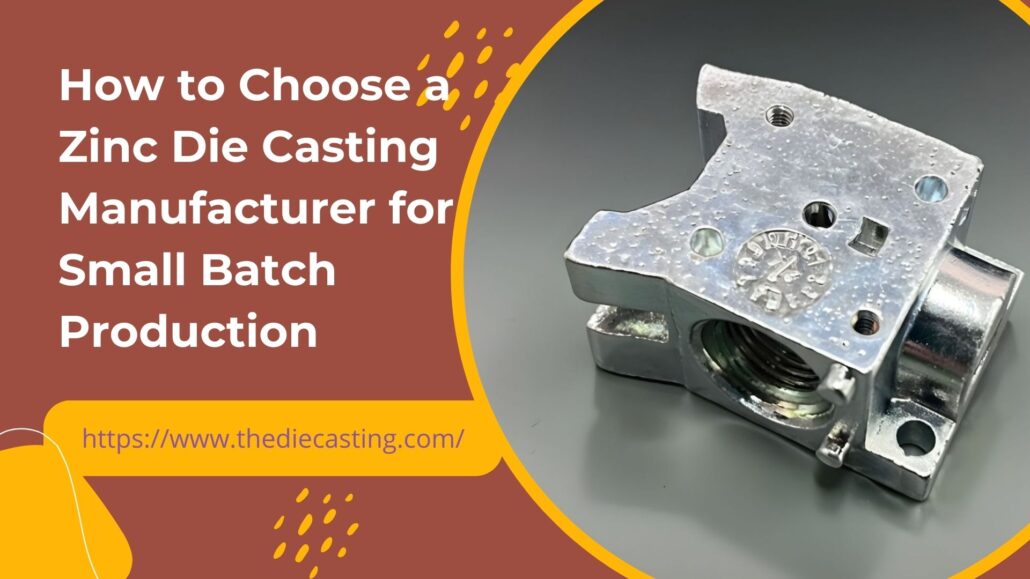
Introduction The worldwide manufacturing sector is increasingly relying on custom zinc die-casting firms to produce cost-effective, durable, and precision metal parts. Zinc die casting is also well known due to its capability to produce complex geometries, close tolerances, smooth surface finishes, and high mechanical strength, at a rather low cost of production. These benefits make zinc die casting a favorable manufacturing technique across sectors such as automobiles, electronics, medical devices, industrial equipment, consumer products, and telecommunications. When individuals enter the query “custom zinc die casting molding companies near me,” they may refer to manufacturers close to where they live. China is known as the largest die-casting center in the world, a trusted supplier to the international market that can effectively meet those markets’ demands. China’s manufacturing base remains a leading one, with well-developed production facilities, a highly skilled labor force, complete supply chains, and low prices. Meanwhile, there are some world-renowned zinc die-casting firms in the USA, Europe, and other markets that provide high-technology, automation, and stringent quality standards in high-end, controlled industries. This is a complete guide that is concerned with mentioning the largest and most efficient suppliers and manufacturers of zinc die casting products. Three Major Chinese Die-Casting Firms of Zinc Near China Nevertheless, it can be argued that the process is complex and expensive, requiring both machinery and labor costs to build a new brand. However, one can say that this is not an easy and cheap process, as it requires both equipment and labor expenditures when establishing a new brand. There are at least five major global manufacturers of zinc die-cast products. These companies are delivering high-end services to international markets. Every company will see the same organization, appropriate technical specifications, and useful data to help OEMs, product developers, and procurement professionals select the right long-term manufacturing partner. What is the Reason behind the Popularity of Custom Zinc Die Casting? The zinc die casting can be customized, which has several benefits that make it suitable for modern manufacturing: Dimensional stability Zinc alloys offer excellent dimensional stability, enabling manufacturers to produce parts with tight tolerances and high repeatability. The process aids in the production of thin-wall, intricate shapes and precise surface attributes, and minimizes secondary machining. Physical Properties High strength-to-weight ratio, corrosion resistance, and thermal/ electrical conductivity are also features of zinc that make it an appropriate material for both applied and decorative purposes. Cost and benefits Economically, zinc die casting facilitates high-volume production, low scrap rates, long mold life, and shorter cycle times compared to other casting methods. This combination of quality, efficiency, and lower cost is what makes industries worldwide use zinc die casting when they need precision components. Custom Zinc Die-Casting Companies Near China Sincere Tech (China) -Very close to China Website: https://plas.co Company Overview Sincere Tech is among the most stable custom zinc die-casting mold firms in the vicinity of China, known for its integrated manufacturing and engineering services. The company deals with zinc die castings, aluminum die castings, mold making, plastic injection molding, CNC machining, and full assembly services. Sincere Tech provides customers with technical assistance and mass-production equipment, supported by innovative production systems and professional teams. The manufacturing model of Sincere Tech is centered on precision tooling, efficient production workflows, and stringent quality control to maintain the consistency of part accuracy and surface quality. The company caters to car manufacturers, medical devices, electronics, industrial equipment, and consumer products industries. Capabilities and Services Sincere Tech also offers all-inclusive project services, including mold design, die-making, prototyping, high-volume die-casting, post-machinery, surface finishing, and product assembly. Their zinc die casting is streamlined for tight-tolerance parts, complex geometries, and volume production, thus meeting the requirements of OEMs seeking long-term production alliances. Why Choose Sincere Tech Sincere Tech would be best suited to companies looking for a Chinese zinc die-casting supplier that is economically viable, close to China, and offers strong technical support, quick lead times, and high-quality export services. They can accommodate various manufacturing processes within a single roof, which minimizes the project risk, cost, and production schedule. GC Precision (China) Website: https://www.aludiecasting.com Company Overview GC MOULD is one of the most reputable manufacturers of custom zinc die casting in the region near China, with a focus on precision engineering, sophisticated mould design, and multi-material die casting. The company supplies zinc, aluminum, and magnesium alloys to customers in the automotive, electronics, lighting, industrial machinery, and medical devices sectors. GC MOULD has built a reputation for high reproducibility, dimensional accuracy, and stable production quality over decades of experience. Their facilities accommodate both small-scale and mass production, making them applicable to start-ups and other international brands. Capabilities and Services GC MOULD is a full-cycle manufacturing company that provides services including mould design, high-pressure die casting, gravity casting, CNC machining, surface finishing, and assembly. Their operations in zinc die casting emphasize precision parts and high structural integrity as well as high surface finishes, which lowers the secondary processing. Why Choose GC MOULD GC MOULD is a good option for any company seeking a bespoke zinc die-casting moulding firm close to China with engineering expertise, as well as being cost-effective. They are a reliable long-term partner because of their ability to handle complex projects, maintain a consistent level of quality, and operate worldwide. CNM CASTING (China) Website: Company Overview CNM CASTING The company is among the oldest custom zinc die-casting firms located in China and provides comprehensive manufacturing services in zinc, aluminum, and magnesium die casting. The company has been noted for its good mold design, combined production systems, and consumer-oriented manufacturing strategy. CNM CASTING serves a range of industries, including automotive, electronics, telecommunications, home appliances, and industrial equipment. Their model of production focuses on durable tooling, large-volume efficiency, and uniform quality output. Capabilities and Services CNM CASTING offers mold design, die castings, zinc die castings, CNC machining, surface finishing, quality inspection, and final assembly. Their zinc casting is suitable for both functional and structural decorative components, and it is flexible across various product types. Why Choose CNM CASTING

ALuminum

Melting Point of Aluminum

hliníkové odlitky

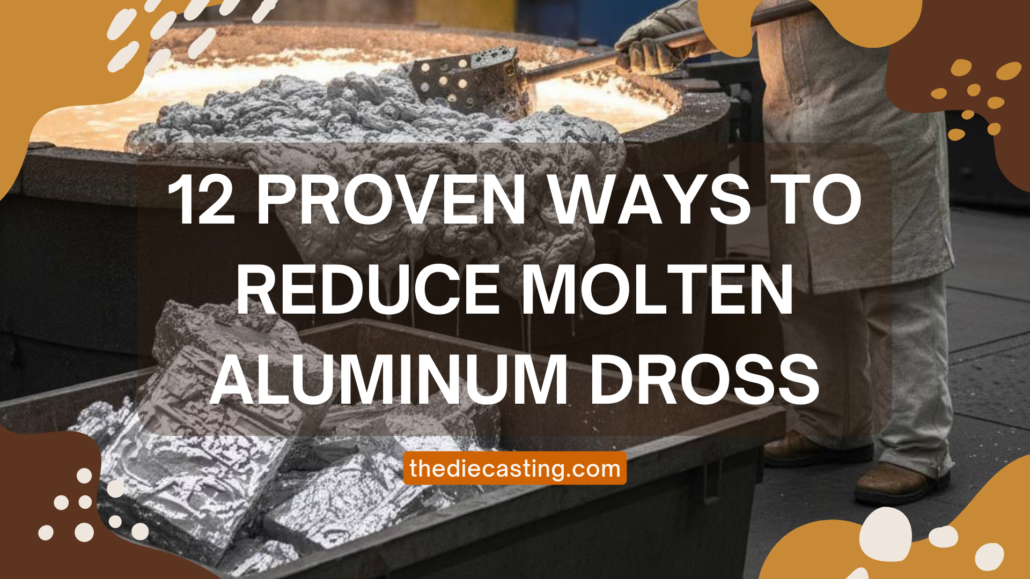
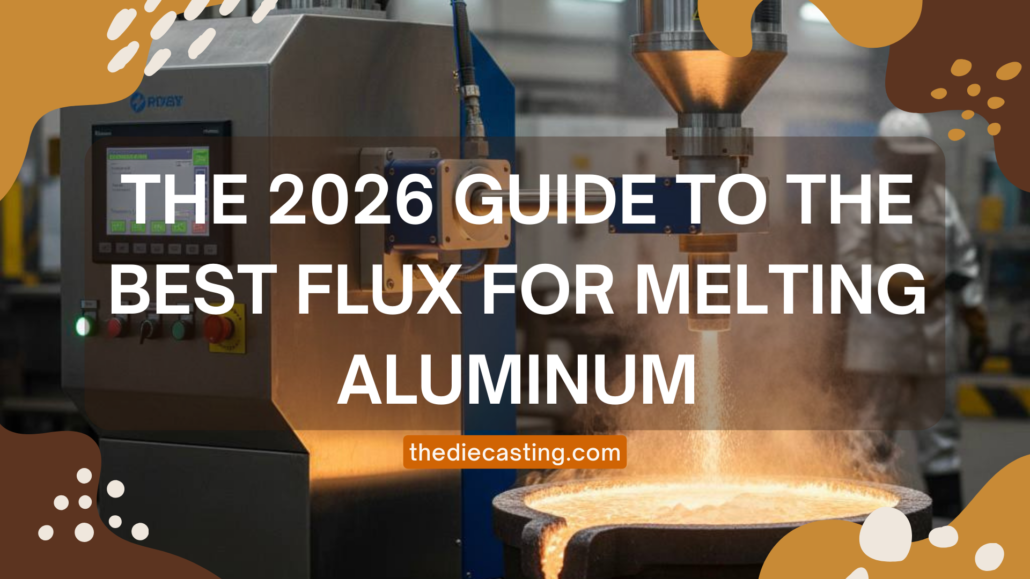
Aluminum is an important engineering material in present-day manufacturing, particularly in die-casting. It is manufactured in such quantities because it is exact, has a high strength-to-weight ratio, is corrosion-resistant, has thermal conductivity, and is lightweight. Among other characteristics that determine how readily aluminum can be processed and molded into industrial products, the most significant physical property is the aluminum melting temperature. The producer of die-casting products should be aware that 660.32 °C (1220.58 °F) is the melting point of pure aluminum, although in practice pure aluminum is rarely melted in industry. Instead, it is treated as an alloy, and the inclusion of other elements such as silicon, copper, magnesium, and zinc not only alters its mechanical strength and corrosion resistance but also its melting characteristics. These alloying elements have a melting range rather than a melting point, with direct implications for die-casting operations. The melting temperature is not a collection of laboratory values in the die-casting industry; it defines furnace design, power consumption, mold life, flow behavior, defects, solidification structure, mechanical properties, and production efficiency. Melting, flow, and solidification of aluminum are essential to producing high-quality castings that are dimensionally accurate to within a millimeter and structurally sound. Aluminum or Aluminum Alloys: Different Melting Temperatures The melting temperature is the temperature at which a solid metal changes into a liquid. In pure aluminum, this change of state occurs at 660.32 °C. However, this is not the case with industrial alloys. They melt over a range of temperatures, meaning some of the material melts while the rest remains solid. This is referred to as melting-point depression, in which alloying elements disrupt aluminum’s crystal lattice. This forms a mushy zone, a semi-solid state in die casting operations that has a direct impact on the flow of metals, behavior in mold filling, formation of shrinkages, and internal defects. This range of melting points is significant to die, casting engineers, more than the absolute melting point, since it determines: Melting Point of Aluminum: Die Casting Industry In the casting process, molten aluminum is forced into steel molds. The aluminum melting temperature controls all the stages of this process. Furnace and Energy Systems Efficiency Reduced melting points mean less energy use and operational expenses. The relatively low melting temperature of aluminum compared to steel or titanium enables foundries to use lower furnace temperatures, making die casting less energy-intensive and more cost-effective to scale. Effect on Flow Behavior and Molding Viscosity is directly proportional to melting temperature. Lower-melting alloys are easier to pour into thin sections and intricate geometries and are therefore preferred for precision die casting, such as vehicle housings, electronic casings, and structural brackets. Impact on Defect Formation The inappropriate melting temperature causes: Here is the summary of different Aluminum alloys in the die casting industry:  Alloys Melting points Die casting Industry usage A360 557 – 596 °C This alloy can be used in high-pressure, tight-die casting and exhibits high fluidity. A380 538 – 593 °C The casting industry uses this alloy for its excellent castability in making structural parts. A413 574 – 582°C This could be used to make thin-wall casting products. B390 510 – 649 °C It makes products more wear-resistant. A356 555 – 615°C Automotive and structural products are made from the A356 aluminum alloy. Melting Ranges of Common Die Casting Alloys 2024 Alloy Industrial Behavior and Melting Temperature Aluminum 2024 fuses at 500-638 °C. This wide melting range makes it sensitive to temperature control during casting. This alloy is sensitive to thermal control during die casting, as it can partially melt and form segregated, weak areas. Role in Manufacturing Although it is not popular for high-pressure casting due to its tendency to corrode, 2024 aluminum is used to illustrate how the melting range influences the development of microstructures and mechanical properties. 3003 Alloy Characteristics of melting temperature Aluminum 3003 melts between 643 °C and 654 °C, which is near the melting point of pure aluminum. This relatively narrow melting range provides consistent flow behavior. Applicability to Casting and Fabrication Although more common in fabrication than in die casting, it has a stable melting profile, suggesting that higher melting temperatures can enhance dimensional stability. 5052 Alloy Thermal Behavior In aluminum, 5052 alloy is melted at 607 -649 °C, providing a balance of fluidity and strength. Die Casting Implications Although it is not a primary die-casting alloy, its melting range demonstrates why magnesium-based alloys require controlled heating to prevent oxidation and hydrogen uptake. 6061 Alloy Melting Temperature Range The melting range of 6061 aluminum is 582 °C- 652 °C. Position in Industry Processing Though die-casting is infrequent, its fusion scope demonstrates the importance of temperature in regulating the solidification process and mechanical stability in aluminum production. 7075 Alloy Low Melting Range 7075 aluminum melts at 477-635 °C, which is one of the lowest melting points of all structural aluminum alloys. Manufacturing Significance This low melting point outlines the correlation between the chemical composition of alloys and thermal sensitivity. In the die-casting process, these alloys must maintain high-temperature precision to prevent premature melting and separation. A356 Alloy Melting Curve Profile A356 has a melting point of between 555 and 615 C and is therefore very useful in die casting. Die Casting Importance A356 is a very popular alloy in the automotive and die-casting industries because it offers good flow properties, controllable solidification, and a balanced meltability range that enables high-quality mold filling. A360 Alloy Thermal Properties A360 has a temperature range of 557 °C to 596 °C, giving it excellent fluidity. Role in Die Casting It is a super alloy used in pressure-tight die castings, where dimensional precision and surface quality are paramount. It has a wide freezing temperature and easily freezes. A380 Alloy Melting Behavior A380 melts between 538°C and 593°C. Industry Dominance The most popular alloy in the world is A380, an aluminum die-casting alloy. Aluminum’s melting point offers the best fluidity, reduced contraction, and good mold filling, making it the best for automotive housing, electronic enclosures, and structural elements.

Top-down view of a container filled with fine, shimmering grey metallic powder used in the first stage of powder metallurgy production

A Comprehensive Guide to Powder Metallurgy: 6 Essential Steps You Need to Know

Obrábění kovů

Powder Metallurgy is a specialized and vital branch of Metallurgy dealing with metal and non-metal powders and then using them for economical manufacturing of high precision components. In the modern industrial landscape, a powder metallurgy company provides the technical expertise required to transform loose particles into robust, functional parts. This process is favored because the properties of powder metallurgy components depend largely on the properties of loose metal from which they are made, allowing for a level of customization and purity that traditional casting often cannot match. For industries requiring exact specifications, working with experienced powder metallurgy manufacturers is essential. You can explore further technical resources on precision manufacturing at plasticmold.net and plas.co. The Six Basic Steps of Powder Metallurgy Powder Metallurgy consists of the following six basic steps namely: (a) Powder Production, (b) Powder Conditioning, (c) Powder Compacting or pressing, (d) Sintering, (e) Sizing or Impregnation, and (f) Testing and Inspection. 1. Powder Production First comes Powder Production in which the metal or non-metal undergoes various mechanical processes like machining, crushing, Milling, Shotting, Graining and Atomization to produce powder in the form of small chips, filings, break-offs etc. For volatile metals and carbon carbonyls, physicals processes like condensation and thermal decomposition are used to carry out powder production. The powders produced through these processes are mainly spherical in shape. These processes are usually carried out in closed containers to avoid formation of metal oxides. For metals in their oxide, oxalate, formate or halide states, reduction principle is used where reducing agents like carbon, hydrogen, ammonia and carbon monoxide are used for economical and flexible powder production of irregular shape. For Metals in their aqueous solution or fused salts, electro-chemical processes are used. They ensure perfect control of powder size and type by varying parameters like high current, low metal ion concentration, low temperature and thus obtain highly pure crystalline shape. 2. Powder Conditioning Second comes Powder Conditioning which makes use of heat treatment, sieving and blending to reduce impurities and oxide content, obtain desired powder size and obtain a homogeneous mixture of powders. This step is critical for a powder metallurgy company to ensure the raw material is ready for the high-pressure environment of the die. 3. Powder Compacting (Pressing) Third comes Powder Compacting which is the process of pressing and imparting shape to the powder mix using a die and punch arrangement. The powder mix is fed through a vibrating hopper and feeder which allows for smooth flow of powder in die. Pressure is then applied in the powder mix through the upper punch. After sufficient time and pressure application, the upper punch is lifted and the compact powder mix is called Green Compact, is ejected out with the help of bottom punch. The density of this compact depends on pressure applied. For insights into how die designs are optimized for these pressures, visit diecastingschina.com. 4. Sintering Next comes sintering processes which makes use of heat and soaking to help the compact crystal undergo Neck Formation, Neck Growth and pore rounding resulting in increased strength and hardness of compact. This thermal treatment is what transforms the fragile green compact into a durable metal part. 5. Sizing or Impregnation Next comes Sizing or Impregnation, which is the process of rectifying the sintered compact to the final required dimensions. Sizing is done by placing the compact in a master die and applying pressure. Impregnation is often used for specialized powder metallurgy components that require internal lubrication. 6. Testing and Inspection Last comes testing and inspection, which tests the components after sintering and sizing for compressive strength, Tensile Strength, Porosity, Density, Hardness, and Micro-structure. Powder Metallurgy Components: Testing Group and Material Properties Because the final product’s quality is so closely linked to the raw powder, powder metallurgy manufacturers test materials under three main groups: Group 1: Basic Properties These tests analyze the chemical composition, shape, size, porosity and specific surface of the material. Group 2: Compacting Properties Group 3: Sintering Properties This consists of dimensional changes during sintering calculated by the ratio of change in length to sintered length. Sintering density is calculated again as the ratio of density of solid material to that of the sintered compact. Finally, micro-structure examination is usually done by etching the sample followed by visual observation through a microscope. Advantages and Disadvantages Advantages of Powder Metallurgy include special characteristics due to mixing of both metallic and non-metallic powders and high purity components. This makes it an ideal choice for complex alloys. However, there is a drawback of high equipment cost, limited size of production and storage issues. Companies like aludiecasting.com provide alternative solutions like aluminum die casting when part sizes exceed the typical limits of powder pressing. Key Applications of Powder Metallurgy Self-Lubricating Bearings These are the bearings which do not require any external lubrication during its functional working. Small amount of graphite is used for increasing porosity in which oil is impregnated with the help of high pressure or vacuum. These bearings work due to the temperature rise caused by friction from rotating shaft inducing a reduction in the viscosity of oil thereby increasing its flow rate. Hence, the oil is pulled out from the pores and starts to circulate rapidly. Cermets A cermet is a combination of two words “cer” from ceramics and “mets” from metals. Ceramic powders have high temperature strength and hardness whereas metal powders have good shock resisting ability. Hence cermets have both these properties and are combined using approximately 20 to 60% ratio of metallic binders. Cermet are used in flame holders and nozzles of jet propulsion. Sintered Metal Friction Materials These materials are used in clutches, brakes and places where controlled friction is necessary. The precision offered by a powder metallurgy company ensures these materials perform reliably under extreme heat. Production of Refractory Materials Used in filament of electric bulbs, electrical contacts, high temperature furnaces, and rocket nozzles. These materials during casting or forging react with the environment and hence powder metallurgy is used for their production.

Hliník

Hliník nebo hliník

hliníkové odlitky

Flexible Metal Fashioning the Modern World One of the most important materials that contributes to modern civilization is aluminium. From high-tech aerospace and electric cars to simple things like food packaging and consumer electronics, this silvery-white metalloid is probably found in almost every sphere of modern life. Aluminium is a chemical with the chemical symbol Al and atomic number 13. It is prized for its outstanding light weight, strength, corrosion resistance, electrical and thermal conductivity, and complete recyclability. The only difference between Aluminum or aluminium is that it is able to respond to the increased world demand for materials that not only perform well but are also environmentally friendly. With industries shifting towards sustainability, lightweight design, and reduced energy consumption, aluminium has become one of the backbone metals of the 21st century.  This paper provides an in-depth description of the nomenclature of aluminum and aluminium, physical and chemical characteristics, history of aluminium, how it is made, its uses in industry, systems of alloys, its sustainability, and trends in its future in a fast-changing world. The Lingistic Dilemma: Aluminum vs. Aluminium Among the most widely observed peculiarities of this metal are the two spellings it has, i.e., aluminum or aluminium. Both terms mean the same thing, although regional language customs and the historical development of the scientific world explain their use. Aspect Aluminum Aluminium Chemical symbol Al Al Atomic number 13 13 Original term used Aluminum Aluminium Regions using the term United states British Dictionary Preference American dictionaries British dictionaries Scientific use U.S. publications European publications Industrial standards ASTM Standards ISO Standards Language influences American English British English Related Chemical Terms Al₂O₃, Al₄C₃ Al₂O₃, Al₄C₃ Naming Convention Originated with the Following The name itself can be traced back to the early 19th century, and it is strongly linked to Sir Humphry Davy, a British chemist who helped identify and name several chemical elements. During one of his experiments with alumina (aluminium oxide), Davy first suggested the name alumium. Soon, he amended it to aluminium. Nevertheless, certain contemporaries of Davy contended that the name ought to be stricter in accordance with the classical Latin style of naming as applied to other elements, e.g., sodium and potassium. Consequently, the name aluminum became common, especially in Britain and Europe. Local Tastes and Unification Regional tastes were, over time, entrenched in North America. The spelling aluminum was officially adopted and made uniform by the American Chemical Society (ACS) in 1925. In 1990, on the other hand, the International Union of Pure and Applied Chemistry (IUPAC) formally accepted the spelling aluminum as the standard international scientific spelling. Even today, aluminum is more common in the United States and Canada, whereas in most other regions, including the United Kingdom, Europe, and Australia, aluminium is more common. Implication on Global Communication Although there are dual spellings, scientific, technical, or industrial communication is not ambiguous at all. The two terms are universally applicable, and the international standards, product specifications and trade documentation routinely consider this linguistic variation but do not have an operational effect. Aluminium Physical and Chemical Properties The popularity of aluminium or aluminum lies in its exceptional physical and chemical properties. It is the most common metallic element in the Earth’s crust, accounting for approximately 8.1%, but it is never found in pure metallic form. Main Physical Characteristics Aluminum has some of the most interesting physical properties, which include: Aluminium is an excellent material for heat exchangers, radiators, and cooling electronic systems due to its excellent heat dissipation. Ductility and Malleability Aluminium can be beaten into foils less than 0.01 mm thick and pulled into very fine wires without breaking. This makes aluminium an ideal material for a wide range of frames and products acrossindustries. Chemical Behaviour and Resistance to Corrosion Corrosion resistance is also a natural characteristic of aluminium, which is very desirable. The presence of air leads to the immediate formation of a dense, adherent layer of aluminium oxide (Al2O3) on aluminium. This coated film prevents further oxidation and shields the underlying metal from environmental degradation. Additionally, aluminium is: History of the Discovery of Aluminum or Aluminium Early Isolation Efforts Although aluminium compounds have been in use since antiquity, isolating the pure metal was not an easy task. In 1825, Danish physicist Hans Christian Oersted was able to reduce small amounts of aluminium chloride, producing small amounts of aluminium. It was soon followed by an improvement by Friedrich Woehler in 1827, but production remained costly and low. Aluminum was an expensive material at this time, more precious than gold, and was actually used to top the Washington Monument as a technological showcase. Breakthrough in the Hall-Héroult In 1886, breakthroughs were made when Charles Martin Hall, then in the United States, and Paul Heroult, then in France, independently developed the electrolytic reduction process for aluminium extraction. The process is called the Hall-Héroult process, and it consists of dissolving alumina in a molten cryolite solution and passing an electric current through the solution to obtain molten aluminium. This invention, added to the Bayer process (invented in 1887 to process bauxite into alumina), significantly reduced production costs and enabled large-scale industrialisation. The Development into Mass Production At the beginning of the 20th century, aluminium production increased rapidly. Its strategic significance was fully realised during World War I and World War II, especially in aircraft production. Since then, aluminium die casting has ceased to be a rare novelty and has become an essential part of industry. Contemporary Processes of Production Primary Production: Bauxite to Metal Bauxite mining is the starting point of primary aluminium production, and the ores usually contain 30-60 per cent alumina ). It consists of two major phases: Bayer Process Through this process, bauxite is purified into alumina using sodium hydroxide. Hall-Héroult Process Alumina undergoes electrolytic reduction to molten aluminium, which requires about 13-15 kWh of electricity per kilogram. The World Production and Main manufacturers By 2024, the world had a steady output of about 72 million metric tons of aluminum. Major producers include: Secondary

tlakové lití hliníku

Co je tlakové lití hliníku?

hliníkové odlitky

One of the most popular manufacturing processes for producing high-precision metal parts on a large scale is aluminum die casting. It is important in contemporary industries that require high precision in dimensions, mechanical strength, light weight, and cost-effectiveness.

tlakové lití zinku

Tipy pro odstraňování závad při tlakovém lití zinku a zajištění kvality

Zamak tlakové lití, Tlakové lití zinku

Zinc die casting is a very efficient process of manufacturing, which is widely used in automobile parts, electronic housing, fittings, hardware, medical equipment, and consumer goods. It is appreciated for its ability to create complex geometries with high-quality dimensional accuracy, clean surface finishes, and high production rates. Despite these benefits, zinc die casting is not a technology immune to quality issues. The defects may occur due to irregularities in the materials used, tool capacity, lack of process control, or design. Good defect prevention, problem shooting, and quality control are critical to ensuring uniform quality in production, reducing scrap rates, and enhancing the overall efficiency of the manufacturing process. This paper will provide an in-depth discussion of the most common defects in zinc die casting, their causes, effective corrective actions, and profile best practices to ensure quality in each production cycle. Quality Problems in Zinc Die Casting The process of zinc die casting involves injecting molten zinc alloy under high pressure into a highly machined steel die. The metal’s solidification rate is fast, resulting in short cycle times and high repeatability. Nevertheless, the high pressure and high speed at which the process operates are the same factors that contribute to both its effectiveness and its susceptibility to defects when the parameters are not monitored. Quality control issues in zinc die casting are often associated with mechanical performance, dimensional quality, surface appearance, corrosion resistance, or assembly fit. Most defects are interconnected, as a single root cause can lead to multiple quality issues. It is important to understand the relationships among material behavior, die design, and processing parameters to enable efficient troubleshooting. Zinc Die Casting Defects Most common defects in zinc die casting can be classified by appearance and their effect on part performance. An overview of common defects and their overall effect is given in the following table. Defect type Appearance Impact Porosity Voids or pinhole internally It will reduce the strength It may cause leakage Cold shuts Visible lines and seams This will result in weak bonding between the flow. Shrinkage Cavities and sink marks The dimensions of the parts change. This will lead to measurement inaccuracies. Incomplete filling Missing or thin sections This will cause the functional failure. Soldering Metal adhering to the die This will cause tool damage Cracks Internal or surface fractures This appearance indicates structural damage or failure. Blistering Bubble-like appearance on the surface Poor surface finish Flash Excess of metal at parting lines The aesthetic appearance will be damaged Porosity in Die Castings Zinc Porosity refers to the presence of empty spaces or gas bubbles in the casting. These cavities can be located on the surface or within the body; they are very difficult to detect without sophisticated inspection techniques. Porosity breaks the mechanical integrity of the casting and may result in leakage in pressure-containing components. Porosity type Description Origin Gas Porosity Smooth rounded voids Gas or air gets trapped Shrinkage Porosity Irregular cavities Inadequate feeding Micro Porosity Very fine void Rapid solidification Etiology and Prophylaxis The porosity may result from trapped air during injection, high turbulence in the molten metal flow, or poor die-cavity venting. Gas formation may also be due to high moisture content on die surfaces or due to inappropriate melt temperature. The porosity reduction is achieved by closely controlling injection speed and pressure, venting the dies, and efficiently utilizing vacuum systems where necessary. Maintaining an optimal melt temperature and keeping die surfaces clean and dry will also reduce gas entrapment. In most cases, reconstructing the gating system to facilitate smooth metal flow can go a long way toward minimizing porosity. Cold Shuts and Flow Line Defects Description and Impact Cold shut: This happens when two molten zinc streams meet and do not fuse correctly, leaving a visible seam or line on the casting surface. Such flaws reduce structural integrity and can cause early collapse under mechanical pressure. Root Causes and Solutions Low melt temperature, inadequate injection speed, or long flow paths can lead to premature solidification and cold shuts. Poor positioning of gates and thin wall sections also worsens the matter. To prevent cold shuts, it is necessary to improve the metal’s flow characteristics. These may be accomplished by raising the melt and die temperatures within reasonable ranges, optimizing injection velocity, and redesigning the gates to allow balanced filling. Flow continuity is also enhanced by changing part geometry to eradicate thin sections and acute angles. Zinc Die Casting Defects of Shrinkage Knowledge about Shrinkage Behavior When molten zinc solidifies, it contracts, causing shrinkage. Unless more molten metal is added to offset this contraction, internal cavities or surface sink marks can form. The zinc defects in the form of shrinkage usually arise in the areas of casting that are thick and can be ascertained to have solidified last. Reasons and Remedial Measures Insufficient holding pressure, inadequate feeding system design, or sudden changes in wall thickness are often the causes of shrinkage defects. Uneven cooling rates can also cause localized shrinkage. To prevent it, it is important to design the runners and gates to maintain a constant metal feed throughout the solidification process. By applying higher holding pressure and increasing the time under pressure, molten metal can compensate for shrinkage. Maintaining uniform wall thickness and enhancing thermal balance in the die also minimizes the risk of shrinkage-related defects. Flash Formation and Its Control Description of Flash Flash is in the form of thin layers of excess metal along the die parting line, ejector pin, or in the form of vents. Even though the flash does not necessarily compromise the part’s functionality, it often requires secondary trimming processes and can affect the appearance. Causes and Prevention Flash formation has often been linked to high injection pressure, die component wear, or even die misalignment. Die surfaces can also not seal properly due to foreign material on them. To avoid flash, it is necessary to maintain the correct amount of injection pressure, adequate clamping force, and routine die maintenance. Wearing and damage checking of dies, and

tlakové lití zinku

Nejlepší výrobky zinkového tlakového lití pro dekorativní hardware

Tlakové lití zinku

Zinc die casting is considered one of the preferred production processes for decorative hardware because it can produce complex, high-quality finishes at a cost-effective rate. This is done by forcing molten zinc alloy under high pressure into a precision steel mould to produce parts with superior surface finish, tight tolerances, and intricate geometries. Decorative hardware comprises door handles, cabinet knobs, pulls, hinges, scutcheons, and decorative accents for residential, commercial, and architectural applications. The low melting point (380-390 °C) and high fluidity of zinc allow for finely detailed thin walls (down to 0.5 mm), extended tool life (typically over 1 million shots), and large dimensions. These features make it suitable for decorative works that need to be both appealing and functional in the long term. Finishes such as chrome, nickel, brass imitation, or antique bronze enhance visual luxury and offer corrosion resistance. Ordinary Zinc Die Casting Decorative Hardware Alloys The choice of the right zinc alloy in the production of decorative hardware is critical to the performance, stability, appearance, and overall cost-effectiveness of the products. Zinc alloys are popular because they offer a good compromise between castability, strength, and finish. Alloy Composition Hardness Tensile strength (Mpa) Elongation % Applications Zamak 3 Zn 96% Al 4% Mg 0.03% 82   283   10   Doorknobs, escutcheons, ornamental plates Zamak 5 Zn 95% Al 4% Cu 1% 91   331   7   Cabinet pulls, hinges, locksets. Zamak 7 Zn 95.9% Al 4% Ni 0.02% 80   285   13   Intricate finials, decorative brackets ZA-8 Zn 91% Al 8.4% Cu 1% 103   372   6-10   Heavy-duty hardware like gate latches Zamak 3 The most common decorative hardware application is Zamak 3. It offers great castability, dimensional stability and a smooth as-cast surface. These characteristics make it suitable for door handles, cabinet knobs, rosettes, and other parts exposed to view. Zamak 3 also offers good compatibility with plating, painting, and powder coating, enabling manufacturers to achieve high-quality decorative finishes with minimal surface preparation. Zamak 5 Zamak 5 is enhanced with a small amount of copper, which enhances hardness and creep resistance. The alloy is typically used to make load-bearing decorative hardware, including hinges, locks, latches, and structural fittings. The increased mechanical strength enables the parts to withstand repeated stress and prolonged use, maintain good surface condition, and maintain good dimensions. Zamak 7 Zamak 7 is appreciated for its purity and fluidity. These features make it particularly appropriate for intricate, thin-walled, and ornate designs. It is frequently employed with complex hardware components that require sharp edges, fine finishes, and a high-quality surface appearance. ZA-8 ZA-8 has greater wear resistance and strength than standard Zamak alloys. Its application is commonly referred to as decorative hardware that is higher stress or mechanical load, and both durability and appearance are needed. Best Zinc Die Casting Products of Decorative Hardware Zinc die casting is critical in the manufacture of decorative hardware, as it provides a perfect blend of strength, accuracy, surface quality, and cost-effectiveness. Ornamental hardware accents are not merely useful; they also play a major role in the appearance of doors, furniture, and architectural interiors. Zinc die casting enables manufacturers to form complex shapes with tight tolerances and surface features, making it the choice for both high-end and mass-market decorative hardware. Zinc die-cast products, whether door handles and cabinet pulls, hinges, or ornamental accessories, are designed to withstand heavy use while retaining their beauty. Door Handles and Levers Decorative hardware products, such as zinc die-cast door handles and levers, are widely used for their flexibility in design, mechanical performance, and ergonomic comfort. These parts are typically designed with wall thicknesses of 1 to 2mm, making them very lightweight yet structurally sound. Draft angles of 1 to 2 degrees are commonly used to ensure easy ejection and maintain fine surface detailing. In fact, modern zinc die-cast lever designs are frequently designed with internal springs and mounting provisions. This integration reduces assembly complexity and enhances its smooth operation. These handles are made from high-quality zinc alloys to ensure tensile strengths up to 300 MPa and long-term resistance to bending and deformation. Well-designed zinc levers can withstand 500,000 or more cycles and are therefore used in entry doors, interior passages, and busy commercial settings. Cabinet Knobs and Pulls One of the most economical uses of zinc die casting is for cabinet knobs and pulls, as well as small, very delicate parts. Zinc also has great fluidity, which enables the manufacture of small designs with fine textures, impressed logos, and fine threading. Common cabinet knobs are about 1-1.5 inches in diameter, and common pulls have a 3-12-inch centre-to-centre spacing, all with high dimensional accuracy. Zinc die-cast cabinet hardware is so lightweight (typically 50-150 grams) that it is simple to install and use daily. The texture of the grips and the contour design promote comfortable handling, whereas the inner hardness of the zinc alloys provides resistance to scratches, fingerprints, and wear. Popular finishes include brushed antique brass, satin nickel, and oil-rubbed bronze, which are timeless and will fit both modern and antique furniture designs. Furniture and Door Hinges Hinges made by zinc die casting are appreciated for their smooth operation, consistent dimensions, and ability to incorporate functional features. The typical hinge types are hinges, concealed hinges, and pie-cut corner hinges. These hinges usually have loads of 20-50 kg, depending on the use. Zinc die casting enables the addition of self-lubricating properties, built-in stops, and accurate pivot points, thereby enabling smooth, quiet operation. Close dimensional tolerances of 0.05 mm ensure a tight fit between the doors and frames. Zinc hinges can be used in both the residential and light commercial markets, with nickel plating and other protective coatings providing up to 500 hours of corrosion protection. Keyhole Covers and Escutcheons Escutcheons and keyhole covers can be used to protect as well as be decorative. Zinc die casting allows making thin sections as small as 1 mm, while also enabling high-resolution details of 0.1 mm. Such accuracy enables manufacturers to create

tlakové lití zinku

Pokyny pro navrhování přesných dílů při tlakovém lití zinku

Zámek 5, Tlakové lití zinku

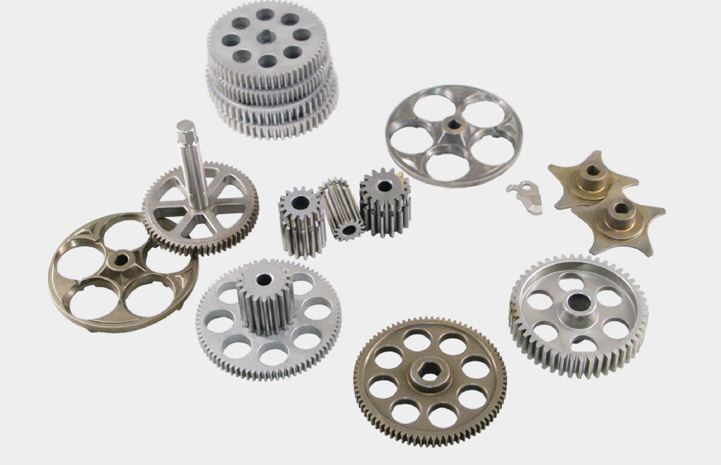
Zinc die casting is a flexible production method which entails an injection of zinc alloy molten matter into a specially designed mold with high pressure in order to create complex and high-precision parts. Such an approach is especially appropriate for precision parts because zinc has high fluidity, a low melting point, and can be machined to tight tolerances without much post-processing. Zamak die casting is used in industries such as automotive, electronics, consumer goods, and medical devices for parts, including connectors, gears, housings, and complex mechanisms that require dimensional tolerances and longevity. Most zinc alloys are processed using hot-chamber machines, which enable quick cycle times and a steady quality. Accurate parts benefit from zinc’s ability to produce thin walls, complex geometries, and net-shape parts, reducing material waste and assembly time. Nevertheless, high success rates are achieved when specific design rules are followed, and material properties, shape, form, and processing parameters are considered. These rules help reduce defects, improve manufacturability, and enhance precision. This article identifies major guidelines supported by industry standards set by organizations to help engineers design zinc die-cast precision parts. Advantages of Zinc Die Casting of Precision Parts The use of zinc die casting offers several benefits, making it one of the best materials for precision applications. Selection Material: Zinc Alloys Selecting the correct zinc alloy is important for precision parts because it affects mechanical properties, castability, and tolerances. The Zamak die-casting series (2, 3, 5, 7) and the ZA series (8, 12, 27) have specific compositions and performance properties. The table below will summarize the kinds of zinc alloy used in the manufacture of precision parts: Types of Zinc Alloy Tensile strength (ksi/MPa) Elongation % Hardness (BHN)   Density g/cm³   Yield strength (MPa) Melting point °C Zamak 2 52/359 7 100 6.6 283 379-390 Zamak 3 41/283 10 82 6.6 269 381-387 Zamak 5 48/328 7 91 6.6 283-269 380-386 Zamak 7 41/283 13 80 6.6 310-331 381-387 ZA 8 54/372 6-10 100-106 6.3 359-379 375-404 ZA-12 59/400 4-7 95-105 6.03 145 377-432 ZA-27 62/426 2.0-3.5 116-122 5.3 N/A 372-484 These properties can be used to ensure that zinc alloys meet precision specifications and that complex parts have high fluidity scores (1-2 on a 1-4 scale; 1 best). To be more exact, manufacturers would want to choose alloys such as Zamak 3 or ZA-8 due to their stability and ability to withstand tight tolerances. Key Design Guidelines Good zinc die casting is designed to facilitate flow and ejection while maintaining strength at minimal cost. Wall Thickness The wall thickness should be uniform to avoid porosity and distortion. For precision parts, keep it within +/-10% and use a minimum thickness of 0.040 inches (1 mm) for a good surface finish, and as fine as 0.020 inches (0.5 mm) in miniature models. Ratios of thick to thin sections should be kept to less than 3:1 to minimize the chance of porosity; preferably the inscribed sphere diameter ratios should not exceed 6:1. Thickening walls enhances flow but raises the cycle time and consumption. To distances away from the ingate, minimum thickness changes: below 0.5 mm in areas less than 50 mm, up to 2 mm at 200 mm. Different simulations can be used to check designs. In zinc casting, specify a minimum of 0.025 inches (0.635 mm) in selected locations, but 0.040 inches (1.016 mm) in best-as-cast locations. Draft Angles Draft angles help eject parts and prevent damage to the die. For zinc, the minimum drafts are 0.5 ° -1 on outside surfaces, 1- -1 on internal surfaces, and 0.1 ° -1 on round holes. Short features that use moving parts (die elements) can be printed in zero, but it is more expensive. For ribs, a 5-10 taper is used when it is not parallel to the shrinkage. Different standards give draft calculations: standard tolerances are 50 (draft angle approximately 1.9 degrees at a 1-inch depth) for inside walls and 100 for outside walls. There are also precision tolerances that permit 60 and 120 constant drafts. Fillets and Radii Fillets and radii should always be added since sharp edges lead to stress concentrations and die erosion. Minimum radius of inside fillet is 0.016 inches (0.4 mm), and outside 0.031 inches (0.8 mm). Radii of larger size (up to 0.063 inches or 1.6 mm) enhance flow and strength. Minimum radii should be used (0.060 inches (1.5 mm) for bosses and ribs). Radius at high stress should not be less than 1 mm; standards suggest ±0.08/±0.04 inches (±2/±1 mm) in fillets. This improves the part’s life and reduces cracking. Ribs and Bosses Ribs enhance reinforcement without adding bulk. Create shallow, rounded ribs (height-to-thickness ratio no more than 3:1) and evenly space them so they are not distorted. Adhesion ribs to walls with fillets to avoid porosity in the intersection. The height of bosses used to mount or thread must be equal to their diameter, and when the diameter is large, they must have ribs. Keep 0.25 inches (6.5 mm) distance between bosses. Tolerances of critical heights can be contained in ribs, such as in the precision designs of ±0.001 inches (±0.025 mm) ribs. Cored Holes and Threads Holes made in the core make it lighter and allow elements such as threads. Maximum depths are around 3 mm diameter, 9 mm blind or 24 mm through; up to 12 mm diameter with larger openings. At least 0.25 inches (6 mm) in diameter, L/D ratio not more than 4:1 in small holes. Parting Line Considerations It is best to place the parting line in the largest section possible to produce the least amount of flash and to allow easy trimming. Vertical or complicated lines should be avoided; die motion plane right angles are best. Tolerances on parting lines are the sum of linear ones, by projected area. Projected area Tolerance (+in) Upto 10 +0.0045 11-20 +0.005 21-50 +0.006 51-100 +0.009 Tolerances of Precision Parts Zinc die casting has even higher precision tolerances than standard, and sometimes 65% of those special controls are

tlakové lití zinku

Tlakové lití zinku vs. tlakové lití hliníku: Výhody a nevýhody

hliníkové odlitky, Tlakové lití zinku

Die casting has also been a viable and versatile process in the manufacturing sector for producing high-precision metal products. Aluminum and zinc are among the most common die-casting alloys. Supposing that you are engaged in the production of a product, engineering, or locating the ingredients, you have to realize the difference between zinc die casting and aluminum die casting. The guide will help manufacturers to choose the most appropriate alloy for their project, whether it’s automotive parts, electronics, or consumer goods. Die casting is a process of pouring hot molten metal into a mold under high pressure to produce intricate shapes with a high level of surface finishes. Both Zinc and aluminum die casting have their own merits and demerits. We will also provide in-depth comparisons, a tabular, fast-tracked view, and professional commentary to help you make an informed decision. At the end, you will clearly understand the difference between zinc die casting and aluminum die casting, and when to use either of them. Let’s explore the key factors. What is Die Casting? A Quick Overview It is vital to understand the die casting process before comparing zinc die casting and aluminum die casting. Die casting is a process of forcing molten metal into a mold cavity under high pressure (1,000 to 20,000 psi). The hardened steel mold or die can typically produce thousands of similar parts with tight tolerances. Die Casting Types Hot Chamber Die Casting  It is applied in low-melting-point metals such as zinc. The injection system is dipped in molten metal. Cold Chamber Die Casting It is best when the metal has a higher melting temperature, such as aluminum. Lading of molten metal into the chamber is done to prevent damage to the machine. It is preferred for its speed, accuracy, and ability to create complex designs without extensive post-processing. At this point, we will compare the two star alloys: zinc and aluminum. Primary Properties of Zinc and Aluminum Die Casting The decision between zinc and aluminum die casting is often reduced to material characteristics. Zinc (and is commonly alloyed as Zamak) and aluminum (such as ADC12 or A380) do not share the same strengths, weight, corrosion resistance, etc. Strength and Durability Zinc alloys are reported to possess great impact strength and ductility. They can withstand significant stress without breaking, making them suitable for components that should be bent or shaped after casting. Aluminum alloys, on the other hand, are superior in tensile strength and hardness, particularly in structures. Weight and Density Compared to zinc, which has a density of 6.6 g/cm 3, aluminum is lighter (d = 2.7 g/cm 3). This contributes to the use of aluminum in industries that require low weight, such as the aerospace industry. Melting Point and Castability Zinc melts at approximately 380-390 °C, allowing hot-chamber machines to run faster. Aluminum-only melts at 660 °C, which means cold-chamber processes that may slow production but enable thinner walls to. Corrosion Resistance Both have good resistance; however, aluminium performs better under harsh conditions because it naturally forms a protective oxide coating. Outdoor use of zinc demands coating. Features Zinc die casting Aluminum die casting Melting point 380-390 degrees 660 degrees Tensile strength 280-400 200-300 Density 6.6 2.7 Thermal conductivity 109 100-140 Electrical conductivity High Very high Impact strength Ductile Brittle Corrosion resistance Good Best Benefits of Zinc Die Casting The versatility of zinc die casting has made it a reliable option for more than a hundred years. That is why manufacturers are fond of it: Outstanding Dimensional Accuracy Zinc remains intact to 0.05mm or less, eliminating the need for secondary machining. The manufacturer can achieve extreme dimensional accuracy with zinc die casting moulds. High Finish The raw material itself has a high-quality finish. Parts emerge clean and frequently do not require additional polishing before being plated or painted. Prolonged Tool Life Zinc melts easily, so the dies wear out less, resulting in lower long-term tooling costs. The products are corrosion- and wear-resistant, resulting in a longer lifespan. Fast Speed of Production The molten material solidifies within 15-30 seconds. It makes zinc die casting suitable for high-volume production. Large-scale industry uses it to improve and increase production. Affordable for Small Components Zinc is ideal for complex, small parts such as locks, gears, and hardware. But weight-sensitive applications may make zinc less desirable due to its greater density. Examples of standard alloys include Zamak 3 (general-purpose) and Zamak 5 (higher strength). Applications In other industries, such as the automotive sector, zinc is utilized in door handles and brackets. In the case of electronics, it is preferred in connection because it can shield against EMI. Benefits of Aluminum Die Casting In larger and structural components, aluminum die casting is leading. Its benefits include: Lightweight and Strong Aluminum components can reduce the product’s total weight by 50 percent compared to steel or zinc. Aluminum is light but strong. That makes aluminum die casting ideal for producing products suited to high-strength applications.   Excellent Corrosion Resistance It does not need further coating in most instances, which is time- and money-saving. The products made from aluminum die casting have a longer lifespan and remain intact. Good Thermal and Electrical Conductivity Aluminum’s ability to conduct electricity and heat makes it ideal for a wide range of applications. It is perfect for use in heat sinks, engine blocks, and electrical housings. Recyclability The aluminum die-casting process is best because of its high recyclability—100 percent aluminum recycling, in line with sustainable manufacturing trends. Thin-Wall Capability Aluminum die casting can produce walls as thin as 0.5mm, enabling complex designs. Drawbacks Contradictions and Disadvantages Not any material is perfect. In the case of zinc die casting as compared to aluminum die casting, these are the cons: Zinc Die Casting Limitations Aluminum Die Casting Restrictions Comparison of Costs: Zinc Die Casting vs Aluminum Die Casting A significant factor in the zinc die versus aluminum die casting is cost. Raw materials are usually cheaper, getting Zinc (2-3/kg) as compared to aluminum (2-4/kg), yet tooling and manufacturing

Přejít nahoru

Získat nabídku