trykstøbning af aluminium

De bedste virksomheder inden for trykstøbning af biler i Kina og resten af verden 

trykstøbning af aluminium, Trykstøbningsvirksomheder, trykstøbningsfirma, Producent af trykstøbning

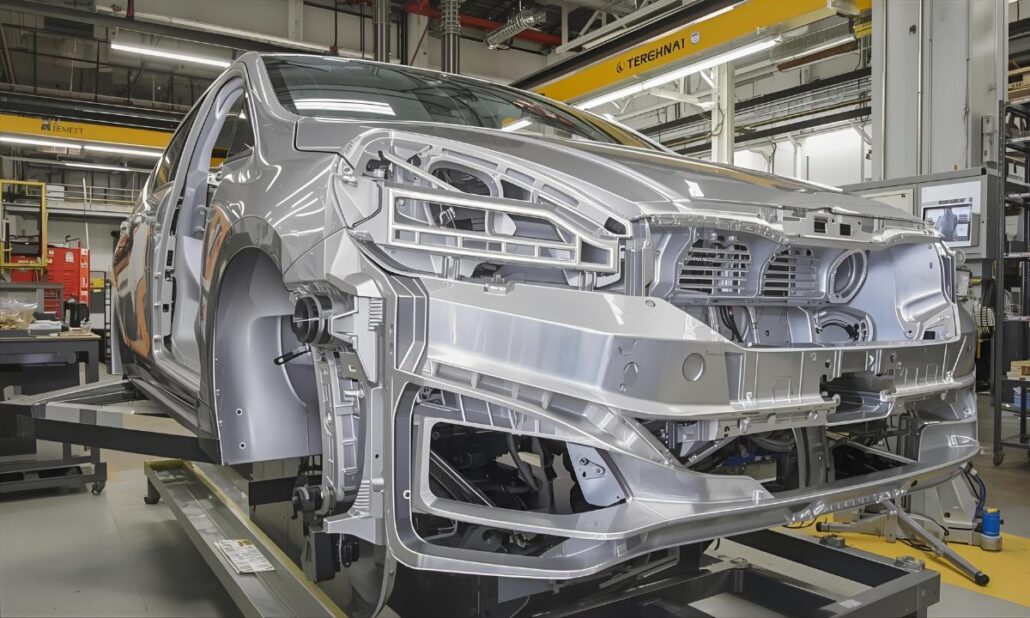
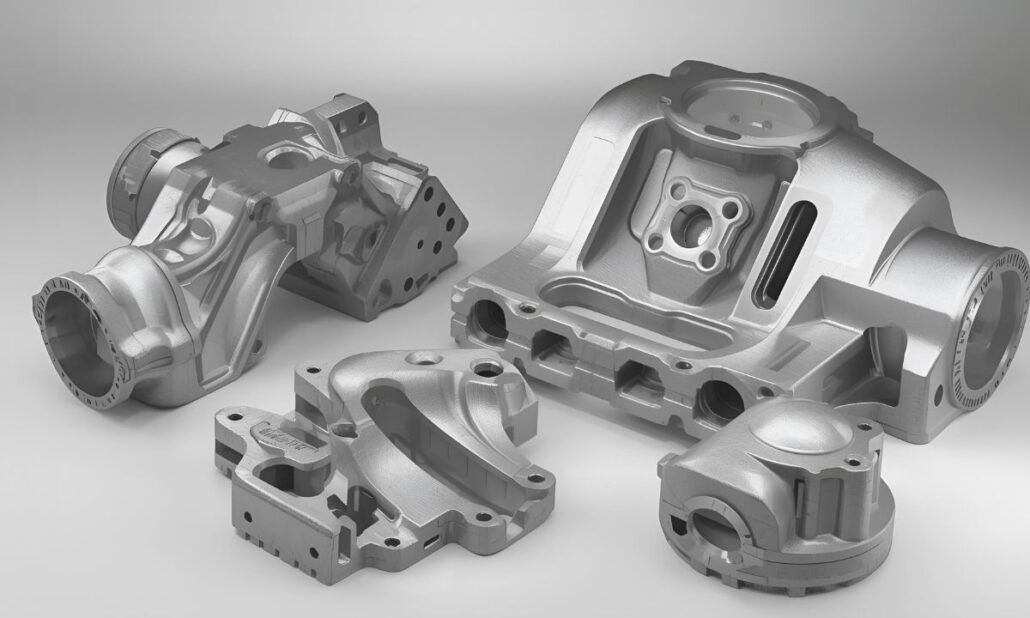
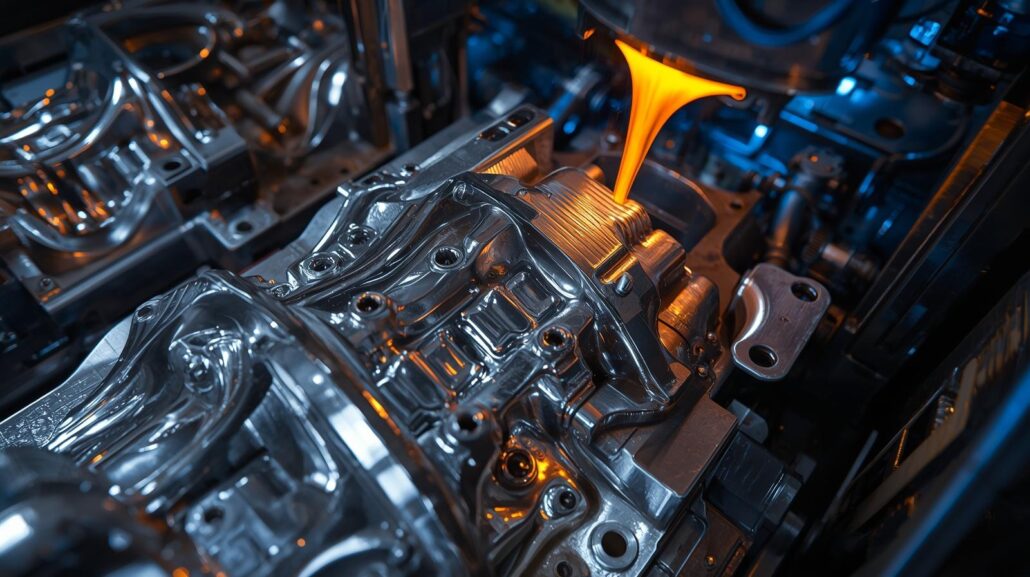
Aluminum die casting is one of the most dependable and cost effective manufacturing processes in the contemporary industry. It is the process of high pressure injection of high temperature melted aluminum into an accurate mold to create powerful, lightweight as well as dimensionally precise parts. It is particularly useful in the production of highly complex shapes with high surface finishes, and thus it is a favored process in the automotive, aerospace, electronics, consumer products, and industrial machinery industries. The aluminum die casting has been on a high demand in the past years. The tendency of the world towards electric cars, lightweight constructions, and energy efficiency has put the aluminum alloys on the frontline of innovation. Manufacturers have now developed high-tech components like engine blocks, transmission houses, battery enclosures and heat sinks that are both durable and lightweight. Recyclability and resistance to corrosion make aluminum also helpful in the world-wide tendencies to produce sustainable and ecologically friendly. Two of the major aluminum die casting hubs are the United States of America and China. Campanies in the United States are known to be innovative, have high standards in quality, and use high levels of automation and can be considered as a good investment in high precision industries. Conversely, Chinese manufacturers have gained a lot of competitiveness over the world market, have provided a cost effective solution, high production capacity and more advanced technologies. This paper will discuss some of the most successful aluminum die casting industries in the USA and China, their strengths, abilities and the factors that make them the most reliable partners that businesses across the world as their preferred suppliers in the manufacturing industry. What is Automotive Die Casting? Die casting is a production process whereby molten metal, usually aluminum, magnesium, or zinc, is forced under great pressure into a mold that has an open space. This enables mass production of high-strength components of complex functions and with good surface finish and dimensional accuracy. Die casting in the automotive industry allows the production of components which are: The use of die casting has revolutionized the construction of contemporary vehicles whereby one can save weight and still manage to perform at the same time. The demand has contributed to the high rate of development of the major Automotive die casting firms in China, Europe, America and Japan. Why China is the leader in Automotive Die Casting China has some of the largest in the world of manufacturers of Automotive die castings because of its: Such a set of strengths has enabled Chinese auto-motive die casting firms to be the powerhouses not only in the local market but also internationally in the supply chain. CNM Tech Diecasting Company is a leading producer of superior aluminum die-cast products. They offer several sectors such as automotive, electronics and telecommunication with precision-engineered components that are aimed at maintaining the highest quality standards. They can produce light and strong parts utilizing their advanced production processes such as high-pressure die casting and CNC machining. The Diecasting Company believes in the power of constant innovation and therefore, it invests in modern machinery, automated production lines and more importantly quality control systems that help to deliver the same results at all times. Both OEMs and Tier-1 suppliers are also in their global client base, and therefore, they are a reliable partner in meet complex and large-volume production needs.  Website: https://www.thediecasting.com/ Why Choose Them  The Diecasting Company is preferred by businesses because it is focused on quality, precision, and innovation. Their application of state-of-the-art die casting technologies, strong quality control, and delivery on time makes sure that their clients get the components that could meet international standards and make them their favorite choice when it comes to automotive OEMs and manufacturers that want to find a reliable die-cast solutions provider. Industries Served  Sincere Tech  Sincere Tech is one of the producers of high-precise molds in plastic injection and die casts. They have a background in designing mold, prototyping, and manufacturing of the final product which provides a one-stop solution to their customers all over the world. They use computerized CAD/CAM software and automated machining so that all the molds manufactured are very accurate. Plastic Mold can be credited with years of experience in serving the needs of automotive, consumer electronics and medical device industries with the capacity of delivering complex molds with efficiency. They stand out in their innovation, quality control, and speed in delivery, thus making them a trusted supplier of companies that would like to have a personalized mold solution. Website: https://www.plasticmold.net/ Why Choose Them Plastic Mold is selected due to their complete mould making systems, technical skills and capability to fit into constrained production time. Their superior quality molds minimize errors, enhance productivity and aids clients to have accurate and dependable die-cast or injection-molded products. Industries Served  GC Precision Mould  GC Precision Mould is a producer of die casting in China which provides aluminum, zinc, and magnesium die casts. They have reputations of manufacturing high quality, cost effective, and lightweight parts in the automotive, electronic and lighting sectors. They have the abilities of high-pressure die casting, CNC machining and secondary finishing operations. Alu Diecasting is focused on accuracy, longevity and productivity. They are always up to the international standards with the use of modern facilities, automated lines, and skilled engineers. They cater to customers both locally as well as internationally such as OEMs and Tier-1 suppliers, and are positioned as a top Chinese manufacturer of die castings as an automotive industry. Website: https://aludiecasting.com/ Why Choose Them  They are using Alu Diecasting as they offer a combination of competitive prices, high-quality standards, and technology. They have a track record of various alloys, precision machining and on time production which maintains dependable, long life, and lightweight parts that satisfy the demands of the world automotive industry. Industries Served  Get It Made Get It Made is a producer of CNC machining, 3D printing, die casting, and metal forming based in UK. They support both prototyping and low-volume production,
Støbevirksomheder i aluminium i USA

Støbevirksomheder i aluminium i USA

trykstøbning af aluminium, Trykstøbningsvirksomheder, trykstøbningsfirma

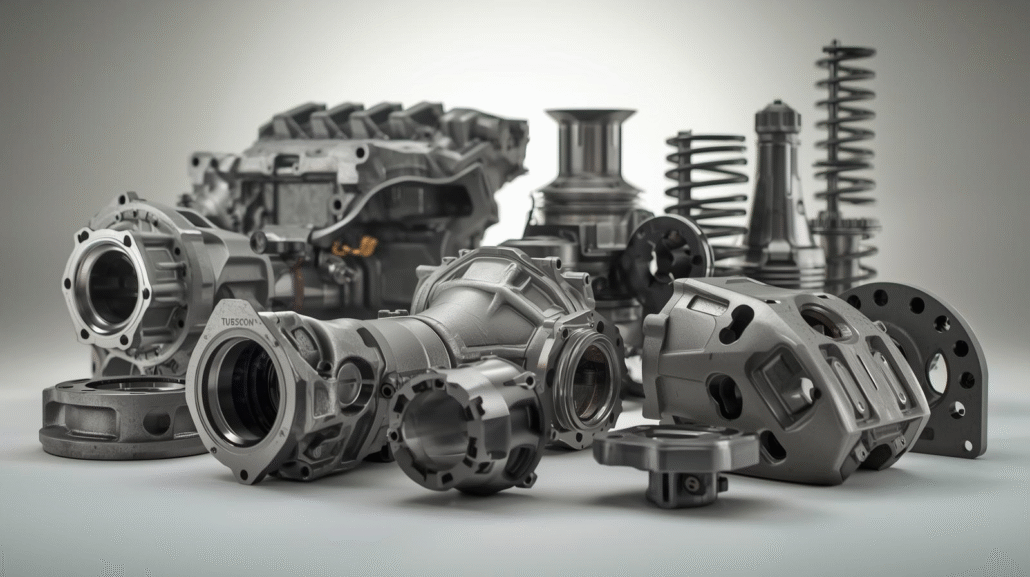
Aluminum die casting is now one of the surest and most economical production procedures in the United States of America, particularly to manufacturers that require robustness, longevity and precision. This is done by high pressure injection of molten aluminum into steel castings and this produces parts which are not only lightweight but also dimensionally accurate and durable. It is this strength and low weight that makes aluminum die casting the material of choice in the automotive and aerospace industry, electronics, industrial machineries, and consumer goods. The U.S market boasts of some of the most established aluminum die casting industry worldwide in the form of large scale manufacturers with global presence to small and specialized firms, specializing in custom parts and niche applications. These firms are very crucial in the sustenance of the key industry by supplying such segments of the industry as engine blocks, transmission housings, electronic enclosures, and structural parts. The U.S. based manufacturers have earned their reputation of reliability and innovative products in the world through their high quality technologies, certification and focus on quality products. The trend in the last few years has seen a massive surge in demand of die-cast aluminum parts because of the recent developments in lightweighting of vehicles, the production of electric vehicles, and the drive to manufacture energy efficiently. American firms are embracing automation, sustainable castings, and superior alloys so as to achieve high results to meet these requirements. This article lists some of the best aluminum die casting manufacturers in the USA and their achievements, potential, and contributions to the contemporary industry. It does not matter whether you are getting parts to perform a large-scale manufacturing process or a highly-technical application, these manufacturers are the embodiment of the finest American technology in aluminum die casting. What Is Aluminum Die Casting? Aluminum die casting is a production technique where high pressure on a molten aluminum is forced into a steel mold also referred to as a die. When the metal cools and solidifies the mold is opened and the completed part is ejected. This is the process with the help of which the manufacturers can create strong, light and highly detailed components with high level of dimensional accuracy and smooth surface finishes. The fact that aluminum die casting can produce complex shapes that would otherwise be challenging or costly to produce using other manufacturing processes is the key benefit. It finds extensive application in the manufacture of such parts as engine blocks, transmission housings, electronic enclosures, heat sinks and structural components. The Aluminum Die Casting has several major advantages: Thanks to such strengths, aluminum die casting has emerged as a better alternative in industries, which require dependable and efficient components of high-quality to match its technical and economical necessities. Top USA Aluminum Die Casting Companies 1. Dynacast International Dynacast International has been one of the best known companies in the area of precision die casting globally. The company has decades of experience in the production of small, complex components with the use of aluminum, zinc and magnesium alloys. They are good at producing components that have stringent tolerances and that have complex features, which are needed by the automotive, consumer electronics, telecommunications, and medical devices industries. Being global also means that Dynacast is able to serve small businesses and multinational companies with the flexibility, innovations and quality that do not vary among projects. 2. Pace Industries Having become the largest die casting companies in North America, Pace industries have established a good reputation of offering to offer solutions in totality. Their service ranges include designs and engineering support, die castings, machining, surface finishing and final assembly; they have been providing a one-stop solution to clients in the automotive, industrial and consumer industries. High-volume projects and custom projects can be dealt with because of the scale of their operations. Pace also follows the culture of putting money in the modern technology and sustainable practices such that they can be able to remain competitive in the rapidly changing industry. 3. Ryobi Die Casting (USA), Inc. Ryobi is a renowned brand in the world die casting segment, and it has a major presence in the United States. Their operations in the U.S. are centered on medium to large scale aluminum die cast components, majorly to the automotive sector. Ryobi manufactures engine block, transmission housing, and structural parts that they need to be durable and precise. The firm has utilized cutting edge technology and quality management which has seen it become a supplier of choice to major automobile manufacturers in the world. 4. Gibbs Die Casting Gibbs Die Casting, the other leader in the U.S. market is based in Henderson, Kentucky. The company specializes in the aluminum and magnesium die castings in the automotive industry, especially the transmission housings and power train parts. Gibbs lays strong emphasis on innovation where automation and sophisticated manufacturing techniques are being used to ensure high standards of efficiency and quality of work. The company also incorporates the concept of sustainability in its business by curbing wastage and encouraging environmental friendliness business practices. 5. Apex Aluminum Die Casting Co., inc. Apex Aluminum Die Casting is situated in Ohio and it is used in automotive, electronic, and appliances industries. The business is reputable in working with mid-volume production lots, which makes it the perfect option with firms that require a steady output quality but does not require the enormous powers of bigger importers. The team of Apex is concerned with customer satisfaction, reliability of service, engineering and accuracy in manufacturing. They have established themselves as a reliable partner to a number of U.S. companies because of their good reputation to deliver consistent results. 6. KenWalt Die Casting Company KenWalt Die Casting is based in California and has over several decades of experience with producing die castings; aluminum and zinc. The firm also focuses on bespoke jobs and serves the industries of both industrial equipment and consumer goods. KenWalt stands out as a company that collaborates closely with the client during the

Den komplette guide til trykstøbning af bildele

Den komplette guide til trykstøbning af bildele

trykstøbning af aluminium

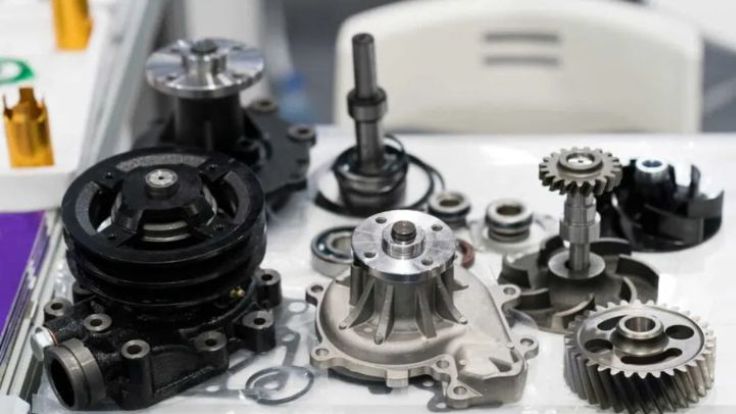
Die Casting Automotive Parts has been involved in automobile production for over one hundred years. With the course of time, the process has been advanced with better materials and technology. It is also now more prominent today in decreasing vehicle weight and enhancing fuel efficiency. The contemporary automobile sector relies on accuracy and power. The cars of the modern world have to be safe, reliable, and efficient. A method of doing this with a lot of trust is by casting an automotive part through die casting. This process is a combination of precision and high manufacturing. It provides automakers with strong, lightweight, and uniform parts. The increased use of automotive die casting is not merely about performance. It is also cost savings, increased speed of production, and sustainability. Automakers are able to create thousands of the same parts and of the same quality. This is necessary in mass production. In the present paper, we are going to discuss the significance of automotive casting. We are going to watch its work, its importance, and what tendencies of the future are influencing the industry. At the conclusion, you will know the reason why the contemporary manufacturing of vehicles is supported by automotive die casting. Automotive Die Casting Car manufacturing is one of the most sophisticated technologies through which parts are manufactured by a process known as automotive die casting. It is contrasting to the traditional casting as it operates under high pressure. Molten metal is injected into a steel mold known as a die in this process. The die is extremely precise, and hence the section that is produced is of specific dimensions. This is done by first melting the metal. The most common ones are aluminum and magnesium. After the liquid metal is melted, it is forced to fill the die at an extremely high rate. The die is filled with the metal that solidifies. Upon opening the die, the completed part is cut off. Two systems of automotive die casting are in existence: The principal advantages of automotive die casting are speed, accuracy, and strength. Thousands of parts could be made using one die. All sections are emerging virtually the same. It has smooth surfaces, and this means that it does not require additional machining. When it comes to large-scale production, automotive die casting will do. It is used by car companies to manufacture engine blocks, gear houses, wheels, and even structural parts. It is economical in both time and cost, besides providing powerful yet lightweight components. The die casting automotive parts Process The die casting automotive parts making process follows a number of steps. Every step is significant so as to be accurate, strong, and reliable. Preparing the Die It starts with the design and fabrication of the die. A die is a form of hardened steel. It consists of two parts that join each other. The die is designed with the specifics of the part by engineers. The die should be powerful enough to endure pressure and heat. Melting the Metal The second step entails melting the metal that was selected. The most common are aluminum, magnesium, and zinc. The heated metal is taken through a furnace where it is melted into a liquid. The temperature should be under control to avoid impurities. Injecting the Metal After being molten, the metal is forced into the die at very high pressure. This is the most important process in die casting the automotive parts. High pressure is used to make sure that the liquid metal fills all the corners of the die. This imprints analytical lines, flattened areas, and exact forms. Cooling and Solidifying Once injected, the metal solidifies rapidly in the die. The metal is solidified through cooling and gives the part strength. Cooling time is determined by the size and thickness of the part. Starting the Die and Ejection of the Part When the metal is solidified, the die opens. The part is forced out of the mold by special ejector pins. The section is now in its overall shape, but it can still require finishing. Trimming and Cleaning Excessive metal that results is called flash, and can occur within the edges of the casting. This is trimmed away. It is followed by cleaning the part and heating it occasionally to achieve additional strength. Finishing and Inspection Surface finishing and inspection are the last. Certain portions can be painted, polished, or coated. Each section is thoroughly screened against flaws. Only the ones that are of quality are passed to be used. What happens to be a die-casting automotive part? Die casting automotive parts- are those components made with molten metal that is pressed into a mold under pressure. This produces components whose shapes and dimensions are accurate. The molds, referred to as dies, are made with great accuracy to fit the part that is needed. The most used metals are aluminum, magnesium, and zinc. These are lightweight and strong metals. Automakers like them due to the fact that they make the vehicle lighter without sacrificing durability. Typically used die-casting automotive parts are: This is because, through this process, automakers can manufacture cars that are of high quality in terms of safety and efficiency. The Industry of Automotive Casting Role One of the most traditional and consistent processes of car production is called automotive casting. It works molten metal into components of complicated forms. Engines, transmissions, suspensions, and many other systems require these parts. The contemporary automobile sector cannot operate without this procedure. The primary purpose of the automotive casting is to make strong parts at a reduced cost. With casting, the car companies can make thousands of similar parts at a time. This is significant since automobiles need accuracy and stability. One fault may have an impact on the safety or performance. Flexibility is another application of the automotive casting. The ability to design more complex shapes that otherwise were too costly to machine is possible for engineers. Through casting, thin walls, hollow, and delicate details can

Støbning af aluminium til biler i Kina

Støbning af aluminium til biler i Kina

trykstøbning af aluminium, Dele til trykstøbning

Aluminium automotive die casting in China has become an essential process within the international automotive supply chain that contributes to efficiency, sustainability, and innovation in vehicle production. Lightweight and strong, aluminium provides a special balance between mechanical performance and fuel consumption, which contemporary car manufacturers require. Through minimised vehicle weight, aluminium die-cast components have a direct impact on reducing fuel consumption, longer battery range in electric vehicles (EVs), and carbon emissions. This not only renders the technology significant to the manufacturers, but also to environmental regulations across the world. This domination in the automotive industry of China is a natural extension of aluminium die casting. Being the largest producer, the country with huge production rates, with its large supply chain and the support of the government through industrial policy, China has already established itself as the largest producer and one of the greatest innovators in the area. The die casting sector of the country serves both local car manufacturing industries and foreign brands, and it provides engine blocks and transmission housings, as well as high-tech giga castings, applied to the body of EVs. The development of lightweight materials and more environmentally friendly production technologies has become even faster. This congruence between industrial competency and the world sustainability targets will keep China on the frontline of the technology of aluminium die casting, which is the future of automotive engineering. What is Die Casting of Aluminium? Aluminium die casting is the production technique where molten aluminium is pressurized and injected into a high-pressure steel mold (die). Upon cooling and solidification, the metal produces complex and precise components with very favourable strength-to-weight ratios. The automotive parts that are commonly manufactured are engine blocks, transmission housings, wheels, brackets, and structural body parts. Why China Leads in Aluminium Die Casting? Aluminium Die Casting Process Aluminium die casting is one of the most specialized manufacturing techniques that allows the creation of complex and accurate automotive components with great mechanical properties. It does include several well-regulated phases, and each of them can be seen as a step toward the quality, strength, and durability of a final product. The following is a discussion of each of the stages: 1. Mold Preparation The steel mold, usually of hardened tool steel, is completely cleaned and checked before production starts and should be free of wear or damage. Then the release agent or lubricant is applied to the cavity of the mold, which has a variety of significant purposes. It avoids the sticking of the molten aluminium to the die, provides smooth part ejection and assists in maintaining mold temperature in successive casting cycles. It is important to prepare the mold properly, as this has a direct relation to the surface quality and dimensional accuracy of the finished component. 2. Melting & Alloy Preparation It begins with the melting of aluminium ingots or recycled scrap in a high-temperature furnace that can be either gas-powered, electrically powered or induced. At this phase, molten aluminium is observed keenly to maintain an optimal temperature range of around 660 to 700 °C to provide a fluid mass and reduce defects. Elements like silicon, magnesium, and copper are alloyed in order to improve certain properties such as strength, corrosion resistance, or thermal conductivity. It is important to keep the chemical composition accurate since a slight change in it might greatly affect the functionality of automotive elements. 3. High-Pressure Die Casting (injection) After the molten aluminium attains the desired state, it is poured into the prepared steel casting mould by a high-pressure die casting (HPDC) machine. The pressure of injection is usually between 110 and 175 MPa, and this makes the liquid metal fill even in the most complex molding cavities with accuracy. High pressure also aids in reducing porosity and shrinkage flaws to produce high-strength and dense parts. This is regarded as the centre point of the process since it determines the quality of the casting and whether complicated shapes can be produced without breaking the structural integrity. 4. Cooling & Solidification The molten aluminium is then injected and quickly cools down and hardens in the steel mould. The rate of cooling is maintained throughout to make sure that the crystallization is uniform and internal stresses or warping are minimized. Cooling time varies greatly with the thickness and intricacy of the component being cast; a thin-walled component could be solidified in a matter of seconds, whereas a more complex part could take a longer cycle to solidify. Well-organised cooling circuits (water channels or oil circuits built into the die) are commonplace with the aim of ensuring consistency throughout the production runs. It is essential to attain a balance of strength, ductility, and dimensional accuracy by proper solidification. 5. Ejection After the part has hardened, ejector pins in the mold force the casting out. In this step, accuracy is needed to prevent burning sensitive areas or thin walls of the part. Large-scale automotive manufacturing often relies on automated ejection systems, which guarantee the consistency of cycle times and minimize manual work. The process of ejection may appear to be easy, yet with improper application, it might cause surface defects, cracks or misalignment, which will adversely affect the usability of the final product. 6. Trimming & Finishing Raw casting may contain large quantities of extraneous material, such as flash, runners or even gates, after ejection, and this needs to be removed. A hydraulic press or a CNC machine is usually used in trimming to attain an accurate edge line. Other finishing processes like shot blasting enhance the texture of the surface, and machining provides the high dimensional tolerance needed by engine or transmission components. They can be heat-treated to increase strength and hardness, and coating or anodizing may increase corrosion resistance. These are the necessary secondary processes because through them the raw casting is taken to the next level, where it is turned into a functional and reliable automotive component. 7. Inspection & Quality Control The last step is the intensive inspection, whereby all castings will be

Højtryksstøbte bildele i aluminium

Højtryksstøbte bildele i aluminium: Holdbar og effektiv

trykstøbning af aluminium, trykstøbning under højt tryk

The automotive industry is changing due to the use of aluminum high pressure die-casting auto parts. They provide manufacturers with the power to design lighter, stronger and more efficient cars. With this technology, the car manufacturers can save on weight, become fuel efficient and have green mobility without compromising on the durability of the car. Auto parts die casting is the process whereby molten aluminum is injected into a steel mold at a very high pressure. This produces a strong shape that is smooth and sharp. The method allows faster production, reduced machining and consistent quality. In die casting auto parts, the companies are able to design complex components in a single step, which saves them time and money. Auto parts made in aluminium die casting are now much needed in modern vehicles. This is a frequent method of producing engine blocks, transmission housings, brake parts, and battery casings in electric cars. Lightweight, but tough, corrosion-resistant, and designed to meet tough conditions on the road, these parts are made. Auto parts made with aluminum die casting are increasing in demand rapidly, particularly as we move to electric and hybrid cars. Loss of total weight of cars increases battery life, performance and reduces emissions. This makes aluminum die casting a major component of green production. In brief, the use of aluminum high pressure die-casting auto parts in car manufacturing is no longer a choice. They have played a key role in creating the modern vehicles, which will not only be up to the present performance standards, but also be green. Powerful, effective, and stable, they will also be at the very centre of automotive design in the future. What Is Aluminum High Pressure Die-Casting? Die casting is a process of molding metal. In this, molten aluminum is forced under a very high pressure into a cavity in a steel mold. When cooled, the metal hardens in the same shape as the mold. The outcome is smooth, accurate and long-lasting. That is why die casting became one of the most popular ways of producing modern car parts. In comparison with the traditional technique, high pressure die casting can make complicated parts in one time. This saves time, machining requirements and costs to manufacturers. Why Aluminum for Auto Parts? The reason why aluminum high pressure die-casting auto parts are so popular is that there is no other material that has a combination of qualities as much as aluminum. It is green and rough; therefore, it is light and, therefore, can be used in the automobile industry. Increasing efficiency and environmental requirements have made aluminum the die casting of choice in auto parts. Weight loss is one of the largest benefits. Steel is a lot heavier than aluminum. Carmakers can lighten an overall vehicle by incorporating die casting auto parts produced using aluminum. The lighter a car is, the better its fuel economy, emissions, and performance. This would be important in both a conventional and an electric vehicle. Meanwhile, aluminum does not lose strength. It has a good strength-to-weight ratio, and this is good because even when the part is strained, it does not become soft. This is what renders aluminium die cast auto parts so useful in engines, transmission and chassis parts. The other important advantage is corrosion resistance. Aluminum does not rust and wear out like other metals. This provides increased life to aluminum die casting auto parts and decreased maintenance expenses to vehicle owners. Major Auto Parts are produced using Die Casting Automobile manufacturers cast most of their components using aluminum die casting. These are lightweight yet powerful parts that can be used in conventional as well as electric cars. Engine Blocks Engine blocks have to deal with heat, vibration and pressure. When it comes to auto parts die casting, aluminum blocks weigh less but are firm enough to work in very harsh conditions. This will conserve the overall weight of the engine and fuel consumption. Transmission Housings The transmission housings have to be precise and durable. Die casting auto parts are used in order to achieve the accuracy of smooth-running gears. This guarantees high reliability over time, and minimal machining is required. Brake Components Brakes face constant stress. Manufacturers produce strong components that are not heavy since they use aluminum die casting auto parts. This balance is applied to increase the braking force and to decrease the vehicle’s weight. Chassis Parts The chassis parts are used to provide safety and stability. They are strong but not bulky when made using aluminium die casting auto parts. This increases the management and productivity. EV Electric Housing’s motor and battery The auto parts that shield the motors and batteries are constructed using aluminum high pressure die-casting in electric vehicles. The housings protect delicate systems and still provide a lightweight frame, increasing the distance covered during driving. Collectively, these elements bring out the role of auto parts die casting in helping to design new cars. Aluminum die casting has made engines, EV batteries, and more perform efficiently, last longer, and be durable. Process of Aluminum High Pressure Die Casting 1. Mold Preparation Preparation of the moulds starts. The die of steel is thoroughly washed in order to eliminate all materials that are impurities and heated to the appropriate temperature. A protective coating is applied to the surface that prevents the sticking of the molten aluminum to the surface, and helps in controlling the cooling rate. This is done to ensure enhanced circulation of metals and longer life of moulds and consistency of parts per production cycle. 2. Melting the Aluminum These aluminum alloys are melted in a furnace with specific controlled temperatures. But sufficient temperature is also required, as that prevents oxidation, and the molten metal will flow easily into the mold cavity. Any impurities are removed by refining the agents or filters. This ensures that aluminum die cast auto parts contain no defects and are of good and consistent properties. 3. Under high pressure injection. Then the molten aluminum is forced into

Forzinkning vs. nikkelbelægning: Hvilken skal du vælge?

Forzinkning vs. nikkelbelægning: Hvilken skal du vælge?

støbeforme af aluminium, trykstøbning af aluminium, Overfladebehandling af aluminium

Forzinkning vs. fornikling er et hyppigt referencepunkt, når det gælder efterbehandling af metal. Disse to metoder anvendes for at beskytte metallerne, forbedre deres ydeevne og få deres produkter til at holde længere. Forskellene mellem disse to typer afhænger af omkostninger, holdbarhed og udseende. Overfladebehandling handler ikke kun om udseende. Det handler om den nøjagtighed, hvormed et produkt kan modstå rust, slid og skader. Selv stærke metaller kan blive besejret, hvis der ikke er en passende belægning. Det er grunden til, at plettering har været en vigtig proces i bil-, rumfarts-, bygge- og elektronikindustrien. Zinkbelægning er kendt for at være billig og effektiv. Den danner en tynd og brugbar beskyttende belægning, der modstår rustskader på metallet nedenunder. Det giver den fortrinsret i skruer, møtrikker, bolte og mange andre små produktelementer, der bruges i dagligdagen. Nikkelbelægning er på den anden side stærkere og mere holdbar. Den bliver ikke så let slidt, og den er modstandsdygtig over for syre. Nikkelbelægning er også en lys, attraktiv finish, så den er ideel, når der er brug for den på dekorative eller synlige dele som f.eks. bilbeklædning og apparatbeslag eller på elektroniske kabinetter. Og når man overvejer forzinkning vs. fornikling, bliver spørgsmålet: Hvad fungerer bedst i din situation? Svaret afhænger af, hvor delen skal bruges, hvor meget den skal beskyttes, og hvor meget du er klar til at skille dig af med. I denne blog vil vi gennemgå begge processer, deres fordele, begrænsninger og de vigtigste områder, hvor de bedst kan bruges, for at hjælpe dig med at træffe den mest hensigtsmæssige beslutning. Hvad er forzinkning? Forzinkning er en udbredt og omkostningseffektiv belægningsteknik. Den udføres ved at afsætte et tyndt lag zink på overfladen af metal, oftest stål eller jern, ved en proces, der kaldes galvanisering. I processen bruges en zinksaltopløsning til at nedsænke det uædle metal, og der sendes en elektrisk strøm. Zinkopløsningen bevæger sig til emnets overflade og efterlader en jævn og tynd belægning. Fordele ved zinkplettering Begrænsninger ved zinkplettering Hvad er nikkelplettering? Fornikling er også en almindelig efterbehandlingsteknik, men sammenlignet med zink giver den en hårdere, mere holdbar og æstetisk flot overflade. Processen opnås på en af to hovedmåder: Elektrolytisk nikkelbelægning (elektroplettering) - Ligesom ved zinkbelægning lægges det rå metal i en nikkelsaltopløsning, og nikkelen aflejres på overfladen ved at tilføre metallet en elektrisk strøm. Electroless Nickel Plating er en metode, der ikke kræver elektricitet. I stedet bruger den en kemisk proces til at aflejre nikkel, så det dækker overfladen jævnt, også i komplekse strukturer eller på ellers utilgængelige steder. Fordele ved nikkelbelægning Begrænsninger ved nikkelbelægning Belægningsprocessen Zinkbelægningsprocessen Overfladeforberedelsen er meget omhyggelig i forbindelse med zinkbelægning. Før en plettering kan udføres, skal overfladen, som i de fleste tilfælde er af metal, normalt stål eller jern, renses for olie, snavs, rust og oxider. For at opnå dette rengøres komponenterne enten i syre eller alkaliske væsker og skylles derefter, så der ikke er nogen rester tilbage. Efter rengøringen sættes komponenten ned i et elektrolytisk bad med en zinksaltopløsning, for det meste zinksulfat eller zinkklorid. Derefter ledes der elektricitet gennem badet. Denne bevægelse får zinkioner i mediet til at bevæge sig og blive aflejret på overfladen af det uædle metal. Effekten er en meget tynd, jævn belægning af zink, der dækker zinken nedenunder. Der udføres ofte en efterbehandling af den belagte komponent, som kan give en mere korrosionsbestandig effekt, og som også kan ændre belægningens udseende, så den får en gul, sort eller klar finish. Forzinkning er forholdsvis hurtig, prisen lav og meget anvendelig i masseproduktionen af hardware og køretøjsdele. Forniklingsprocessen Fornikling forberedes på næsten samme måde, idet det første trin er rengøring. Delens overflade behandles godt og gøres ren for at sikre, at vedhæftningen ikke forringes af rester. Elektrolytisk nikkelbelægning: Delen lægges i et bad med opløsninger af nikkelsalte, f.eks. nikkelsulfat, og der tilføres elektrisk strøm. Det får nikkelionerne til at aflejre sig på overfladen og danne et hårdt og beskyttende lag. En anden metode, som er nikkelbelægning og ikke kræver strøm, er kemisk nikkelbelægning. I stedet nedsænkes delen i nogle kemikalier under nikkelsalte og en reducerende opløsning som f.eks. natriumhypofosfit. Der sker også en kemisk reaktion, hvor nikkel aflejres ensartet på emnet. Denne proces har den fordel frem for elektrolytisk plettering, at den dækker ensartet selv i fordybninger, riller og andre komplekse geometrier. Kemiløse nikkelaflejringer er kendt for at være meget hårde og modstandsdygtige over for korrosion, men denne proces er dyrere end galvaniseringsmetoden og kræver meget mere omhu med hensyn til badets kemi, pH-niveau og temperatur. Forzinkning vs. fornikling: Vigtige forskelle I valget mellem forzinkning og fornikling er omkostninger, holdbarhed, udseende, korrosionsbestandighed og hensigtsmæssig anvendelse alle aspekter, der kan komme i betragtning. Lad os se på dem en for en. 1. Vinder af korrosionsbestandighed: Nikkelbelægning giver langvarig korrosionsbeskyttelse. 2. Udholdenhed / slidstyrke Vinder: Nikkelbelægning; hårdhed, slidstyrke. 3. Vinder af omkostninger: Forzinkning til omkostningseffektive løsninger. 4. Vinder af udseende: Nikkelbelægning - for at se godt ud. 5. Vinder af miljøpåvirkning: Forzinkning på grund af sin grønhed. Hurtig sammenligningstabel Egenskab Zinkbelægning Nikkelbelægning Korrosionsbestandighed God, men begrænset under barske forhold Fremragende, især kemisk nikkel Holdbarhed Moderat - slides hurtigere Høj - ridse- og slidstærk Omkostninger Lav (budgetvenlig) Højere (premium-mulighed) Udseende Skinnende, men grundlæggende finish Glat, spejllignende dekorativ finish Miljøpåvirkning Lettere affaldsbehandling Strengere miljøkontrol er nødvendig Bedst til Fastgørelseselementer, bolte, generel hardware Luft- og rumfart, elektronik, dekorative anvendelser Industrielle anvendelser af zink- og nikkelbelægning Begge belægningsteknikker er meget almindelige i industrien;

Hvilke aluminiumslegeringer er bedst til svejsning?

Hvilke aluminiumslegeringer er bedst til svejsning?

Støbning af aluminium, trykstøbning af aluminium

Hvilke aluminiumslegeringer er bedst til svejsning? Aluminium er blevet det mest populære af de metaller, der bruges i moderne industrier, på grund af dets store mobilitet, stærke modstandsdygtighed over for elementerne og lette fremstilling. Legeringerne er uvurderlige i luftfarts-, bil- og marineindustrien samt i bolig- og byggeindustrien. Men udfordringerne ved svejsning af aluminium er anderledes end ved svejsning af andre metaller, bl.a. på grund af aluminiums høje varmeledningsevne, hurtige oxiddannelse og forvrængnings- og revnedannelsesegenskaber i svejseprocessen. Viden om de forskellige aluminiumlegeringers egenskaber og karakteristika er vigtig, når man skal vælge det materiale, der passer til en bestemt opgave. Ikke alle aluminiumslegeringer er lige svejsbare, mens nogle er velegnede til traditionel svejsning, har andre brug for en særlig svejseprocedure som f.eks. friktionsomrøringssvejsning. Valget af legering og svejsemetode afhænger af faktorer som styrke, korrosionsbestandighed, duktilitet og muligheden for varmebehandling. Overfladerne skal også forberedes ordentligt, tilsatsmaterialerne skal være kompatible, og der skal tages højde for efterbehandlinger for at opnå samlinger af høj kvalitet. Artiklen vil give en dybdegående rapport om de bedste typer aluminiumslegeringer til svejsning, deres egenskaber, fordelene ved at bruge dem, anbefalinger, der skal følges, og de udfordringer, man kan forvente ved svejsning af disse typer aluminiumslegeringer. Baseret på denne viden vil fagfolk være i stand til at opnå holdbare, pålidelige og velfungerende svejsede strukturer på tværs af forskellige industrielle og strukturelle anvendelser. Hvad er aluminiumslegeringer Aluminiumslegeringer er de materialer, der bruges ved at tilsætte andre metaller til aluminium for at forbedre dets kvaliteter som styrke, korrosionsbestandighed, bearbejdelighed eller svejsbarhed. Rent aluminium er svagt, let, blødt og meget modstandsdygtigt over for korrosion. Ved at blande yderligere elementer (f.eks. kobber (Cu), magnesium (Mg), silicium (Si), mangan (Mn) eller zink (Zn)) kan ingeniører lave legeringer, der er egnede til en række forskellige anvendelser, herunder rumfart, bildele, marine- og bygningskonstruktioner. Et par punkter om aluminiumslegeringer Kort sagt har aluminiumslegeringer aluminiums lette, korrosionsbestandige egenskaber med ekstra gunstige kvaliteter, der er nødvendige for at opfylde behovene i en industriel applikation. Kendskab til aluminiumslegeringer Aluminiumslegeringer er blevet inddelt i smedelegeringer og støbelegeringer. Mekanisk bearbejdede legeringer smedes til plader eller ekstruderinger, men støbelegeringer er i form af smeltet aluminium, der hældes i forme. De smedede legeringer inddeles yderligere i serier efter legeringselementerne: Forhold, der påvirker svejsbarhed Aluminiumslegeringer kan svejses afhængigt af en række faktorer: De bedste aluminiumslegeringer at svejse på 5052 Legering Al-Mg (aluminium-magnesium) legering 5052 anses af mange for at være en af de mest svejsevenlige legeringer. Det skyldes det høje magnesiumindhold, og derfor har den god modstandsdygtighed over for korrosion, især i havmiljøer og ved kemisk forarbejdning. Anvendelser: Moderat til høj styrke, høj duktilitet og korrosionsbestandighed over gennemsnittet. Fordelene ved materialet: Materialer: Marinekonstruktioner, kemikalietanke, bilpaneler, tagplader og industrielt udstyr. Legering 5083 Aluminium-magnesium-legering 5083 har høj styrke ved lave temperaturer og er derfor anvendelig i marine- og kryoteknik. Den modstår korrosion, især i industri- og havvand. Karakteristika: Ekstra høj styrke, god korrosionsbeskyttelse, god udmattelsesmodstand. Fordele: Høj styrke: Anvendelser: Skibsbygning, trykbeholdere og tanke, bilrammer og -udstyr og transportudstyr. 5754 Alloy En anden Al-Mg-legering er A-Mg 5754, som kan beskrives som middelstærk med høj korrosionsbestandighed og høj formbarhed. Den opnår også strukturel styrke samt svejsbarhed, og derfor bruges den ofte, hvor strukturel styrke er nøglen såvel som svejsbarhed. Karakteristika: Moderat styrke, høj duktilitet, er korrosionsbestandig. Fordele: Høj styrke: Anvendelser: Karosseripaneler, strukturelle paneler, bygningsbeklædning og marine. 6061 Alloy Al-Mg-Si-legering med sammensætningen 6061 har fundet bred anvendelse inden for konstruktion og rumfart. Den er et kompromis mellem sejhed, korrosionsbestandighed og anvendelighed. Type af egenskaber: Mellemhøj styrke, meget god korrosionsbestandighed og moderat duktilitet. Fordele: Meget høj styrke: Anvendelser: Flykonstruktioner, rørledninger, bilkomponenter, brokonstruktioner og strukturelle produkter. 6063 Alloy Al-Mg-Si-legering (6063) er en anden arkitektonisk og dekorativ Al-legering, der er kendt for at have en glat finish på overfladen og evnen til at modstå korrosion. Egenskaber: En stærk eller moderat styrke, god korrosionsbestandighed, en god overfladefinish. Fordele: En stærk eller moderat styrke: Anvendelser: Arkitektonisk struktur, vinduesrammer, døre, gardinvægge og profiler. Legering 1100 Aluminiumslegering 1100 kan næsten virke som en ren aluminiumslegering (det er 99% aluminium). Den er blød, duktil og meget let at svejse, så den er velegnet, hvor resistivitet er et problem snarere end styrke. Høj duktilitet: Fremragende korrosionsbestandighed, lav styrke. Fordele ved denne legering: 1350 Alloy En anden aluminiumslegering med høj renhed, der anvendes i den elektriske og kemiske industri, er 1350. Den er utrolig stærk og har stor korrosionsbestandighed samt er meget svejsbar og er et meget pålideligt metal, når det bruges i specialiserede omgivelser. Fordele: Immun over for korrosion, fremragende svejseegenskaber og lav vægt. Fordelene: Aluminiumslegeringer samt deres vigtigste egenskaber og evnen til at blive svejset Den tekniske tabel nedenfor indeholder en liste over de fulde egennavne på aluminiumslegeringerne samt deres vigtigste egenskaber og evnen til at blive svejset: Legering (egennavn) Densitet (g/cm³) Smelte-temp (°C) Trækstyrke (MPa) Udbyttestyrke (MPa) Forlængelse (%) Hårdhed (HB) Svejsbarhed Aluminium 1100 (kommercielt rent aluminium) 2.71 640 90 35 35 40 Fremragende Aluminium 1350 (højrent aluminium, elektrisk kvalitet) 2.71 640 110 40 20 50 Fremragende Aluminium 5052 (aluminium-magnesiumlegering) 2.68 607-650 228 193 12 60 Fremragende Aluminium 5083 (aluminium-magnesiumlegering, marinekvalitet) 2.66 635 317 228 12 70 Fremragende Aluminium 5754 (aluminium-magnesiumlegering) 2.67 637 250 190 15 60 Excellent Aluminium 6061 (Aluminium-Magnesium-Silicium Legering) 2.70 582-652 310 276 12 95 Good Aluminium 6063 (Aluminium-Magnesium-Silicium Legering, Architectural Grade) 2.70 615 241 214 8 90 Good Aluminium 2024 (Aluminium-Kobber Legering, Aerospace Grade) 2.78 500-640 483 345 20 120 Vanskelig Aluminium 2219 (Aluminium-kobberlegering, højstyrkeluftfart) 2.84 509-638 470 330 18 130 Vanskelig Aluminium 7075 (Aluminium-zink-kobberlegering, luft- og rumfart) 2.81 477-635 572 503 11 150 Meget vanskelig Dette er

Hvad er aluminiumsekstruderingsprocessen? 

Støbning af aluminium, trykstøbning af aluminium

Ekstrudering af aluminium er ikke kun blevet værdsat i den henseende, at det giver en stærk, men alligevel let del, men også dets fleksible og omkostningseffektive design er en faktor. Det bruges i bygge-, luftfarts-, bil- og elektronikindustrien og næsten overalt derimellem. Ekstrudering af aluminium er en af de processer, der viser, at der er balance mellem innovativt design og effektiv produktion, og som er på vej til at blive en af de dominerende procedurer i fremstillingsindustrien. Aluminium er et af de mest populære metaller i den moderne industri og værdsættes på grund af sin lette vægt, styrke, holdbarhed og også sin evne til at modstå korrosion. Aluminium er mere iøjnefaldende i vores liv; i konstruktionen af skyskrabere i vores byer, de biler, vi kører i, og andre gadgets, som vi bruger i vores dagligdag. En af de mest vitale fremstillingsprocesser, der har sikret alsidigheden, er aluminiumsekstruderingsprocessen. Ekstrudering refererer bredt til metoder til metaldeformation, hvor metal skubbes eller presses gennem en matrice på samme måde som tandpasta. I aluminium dannes længere kontinuerlige sektioner med endelige, forudbestemte tværsnitsformer ved at ramme solide bloklignende genstande (kendt som billets) gennem en allerede opvarmet matrice. Disse profiler kan være almindelige stænger, rør eller meget komplekse og specialfremstillede i det omfang, de opfylder kravene i en given industri. I denne artikel vil vi lære alt om aluminiumsekstruderingsprocessen; dens historie, ekstruderingsprocessen, typer, anvendelser, fordele og begrænsninger og dens stigende muligheder i fremtidens produktion. Historisk baggrund Ideen om ekstrudering som en produktionsproces kan spores tilbage til slutningen af det 18. århundrede. Den første kendte ekstrudering blev udført af den britiske opfinder Joseph Bramah, som fik patent på netop dette i 1797. I stedet brugte han en proces, hvor han pressede bøjelige metaller som bly gennem en matrice for at forme lange, identisk udseende stykker og primært rør. Forudsætningen for ekstruderingsprocessen var en opfindelse. Indtil en stor del af det 19. århundrede havde ekstrudering af blødere metaller været hæmmet af teknologi. Det virkelige gennembrud kom i begyndelsen af det 220. århundrede, da man opdagede økonomiske måder at producere aluminium på. Købet af aluminium blev bragt til lavere priser og produktion i stor skala ved opfindelsen i 1886 af Charles Martin Hall i USA og separat af Paul H. Roult i Frankrig af Hall-Heroult-processen. Efter opfindelsen af aluminium tog det ikke lang tid, før forskere og producenter så det potentiale, som ekstrudering havde at tilbyde. Brugen af aluminiumsekstruderingsteknologi begyndte at vinde indpas i 20'erne, især i Europa og Nordamerika. Den blev brugt i stor skala under Anden Verdenskrig, da industrien havde brug for et let, men holdbart materiale til fly, militærkøretøjer og bygninger. Siden da er linjestøbningsteknologien blevet opfundet og er blevet udvidet langt mere end den aluminiumsekstrudering, der først opstod i de militære sektorer. Hvad er ekstruderet aluminium? Ekstrudering af aluminium er den kommercielle fysiske metode, der bruges til at plastificere fast aluminium til lange former med specifikke tværsnit. Ideen er enkel: En blok aluminium (en billet) opvarmes til et formbart stadie og tvinges under intenst tryk af en matrice lavet af stål. Når aluminiummet presses gennem matricen, får det form som åbningen, enten lige, hult eller massivt, eller i en meget kompliceret profil. Den bedste analogi til ekstrudering er ekstrudering af en tandpastatube. Ligesom tandpastaen tager den form af dysen, og på samme måde tager det ekstruderede aluminium form af matricen. Fordelen ved ekstrudering af aluminium er muligheden for at fremstille lette, men alligevel stærke komponenter med den nøjagtige form. De resulterende ekstruderede profiler kan strippes til forskellige længder og kan også efterbehandles yderligere, herunder anodisering, pulverlakering og finish. Alle disse opgraderinger øger ydeevnen, slidstyrken og udseendet. På grund af sin fleksibilitet er det blevet en af de ekstruderingsprocesser, der er blevet anvendt inden for forskellige brancher som byggeindustrien, luftfartsindustrien, elektronikindustrien, transportsektoren og endda forbrugerproduktindustrien. Det er ikke kun processen, men en vigtig bro mellem det oprindelige rustfrie stål og den absorberede funktionalitet, der definerer den nuværende teknik og højkonstruktion. Aluminiumekstruderingsprocessen i trin Karakteriser profilen og vælg legeringen Støb og døb billetten Skalper eller sav Inspicer billetten Varm billetten Lav matricen og værktøjet Smør og forbered pressen Indlæs billetten og QC Start pressen Gennembrudsekstrudering, stabil afkøling på bordet Hurtig afkøling (øjeblikkelig slukning) Håndteringstemperatur for afkøling Profiler afkøles på bordet efter slukning, indtil de kan håndteres uden aftryk eller vridning. Blød, kontrolleret afkøling minimerer restspændinger. Strækning/retning Tilbageskæring til længde Varmebehandling (om nødvendigt) Overfladefinish (valgfrit) Bearbejdning og fremstilling (efter behov) Profiler CNC-bearbejdes, stanses, bores, tappes eller bukkes. Jigs/fiksturer giver repeterbarhed af tolerancekontrol på tynde eller komplekse sektioner. Test og kvalitetskontrol Indstilling og vedligeholdelse af matricer Når dimensionskontrollen eller overfladefinishen er ude af kontrol, kan lejernes længde og flowbalancen ændres; matricerne kan poleres og, hvis det ikke er absolut nødvendigt, nitreres; matricerne poleres og rengøres. Pakning og logistik Hvorfor hvert trin tæller De komponenter, der bruges i aluminiumekstrudering Aluminiumekstrudering bygger på valg af den korrekte aluminiumlegering, der passer til de mekaniske, termiske og korrosionsmæssige krav. De egenskaber, der kræves af forskellige industrier, er forskellige, og derfor bestemmes valget af legeringer af styrke, duktilitet, korrosionsbestandighed og varmebehandlingsmuligheder. 1000-serien (praktisk talt rent aluminium) 3000-serien (Al-Mn-legeringer) 5000-serien (Al-Mg-legeringer) 6000-serien (Al-Mg-Si-legeringer) 7000-serien (Al-Zn-Mg-Cu-legeringer) Alle andre speciallegeringer For at holde sammensætningen ens genbruges ofte genanvendeligt aluminiumsskrot, der indeholder den samme legering. Hurtigreferencetabel for aluminiumsekstruderede materialer En teknisk tabel over sandsynlige almindelige aluminiumslegeringer, der bruges i ekstruderinger, vigtige egenskaber og etablerede ekstruderingsparametre som følger: Legeringsserie

Anodisering af trykstøbt aluminium: Teknikker, udfordringer og anvendelser

Anodisering af trykstøbt aluminium: Teknikker, udfordringer og anvendelser

Støbning af aluminium, trykstøbning af aluminium

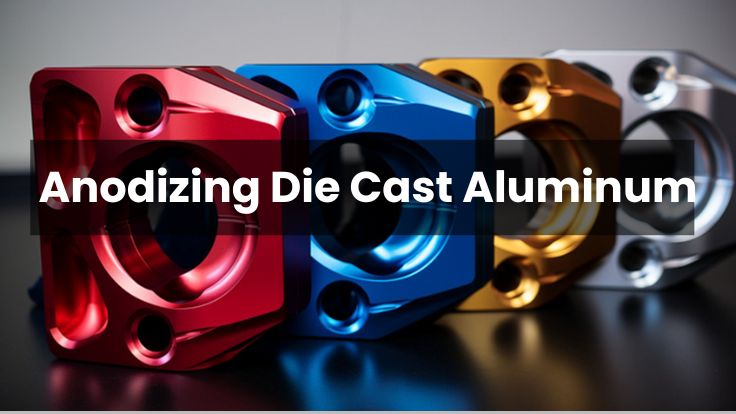
Anodisering af trykstøbt aluminium er en vigtig metalbehandlingsproces, der forbedrer holdbarheden, antikorrosionen og udseendet af aluminiumsprodukter, der er fremstillet ved trykstøbning. Med industriens stadigt stigende krav om at producere lettere komponenter med høj styrke til alt fra bildele til elektronikhuse er dets overfladeegenskaber blevet en af de vigtigste ting at tilføje til det. Bag anodiseringsprocessen ligger et kontrolleret oxidlag, der dannes på overfladen af aluminium ved hjælp af en elektrokemisk teknik. Selv om metoden er blevet grundigt udviklet med hensyn til rent aluminium, er der særlige vanskeligheder forbundet med at bruge den på den legering, der skabes ved trykstøbning, fordi den indeholder andre elementer som f.eks. silicium og zink. Det får producenterne til at spørge sig selv, om man kan anodisere trykstøbt aluminium uden at gå på kompromis med kvalitet og udseende. For at opnå præstationsniveauer under svære forhold vil en kombination af teknikkerne blive brugt af nogle industrier, der i dag omtales som trykstøbning af aluminiumslegeringer, plettering og anodisering. Teknikken er en kombination af styrken ved galvanisering og anodisering og giver derfor bedre overfladehårdhed, ledningsevne og korrosionsbestandighed. Denne artikel præsenterer videnskaben, teknikkerne og forskellene i anodisering af trykstøbt aluminium for at give det komplette billede til ingeniører, designere og producenter, der ønsker at bruge en pålidelig og langtidsholdbar overfladebehandlingsteknologi. Hvad er trykstøbt aluminium? Trykstøbning indebærer, at smeltet metal presses ind i et hulrum i formen ved højt tryk. Aluminium er let og stærkt, hvilket gør det til et effektivt materiale til fremstilling af holdbare dele med høj dimensionsnøjagtighed. På grund af nogle få urenheder og porøsiteter, der findes i processen, er overfladebehandlingsprocedurer som f.eks. anodisering af trykstøbt aluminium dog komplekse. Det er også almindeligt at tilsætte silicium og andre additiver til trykstøbte aluminiumslegeringer for at forbedre flydeevnen og andre mekaniske egenskaber. Det komplicerer dog arbejdet med overfladebehandling, fordi netop disse tilsætningsstoffer vil forstyrre anodiseringsprocessen. Videnskaben om anodisering Anodisering er en elektrokemisk behandling, der styrker og fortykker den oxidfilm, som findes naturligt på metal, og som gør det hårdere. Metoden øger levetiden/holdbarheden, korrosionsbestandigheden og udseendet. Anodiseret finish på aluminium har en porøs struktur, der er perfekt til at absorbere forseglede farvestoffer og fugemasser, og derfor giver de gode dekorative og funktionelle anvendelser. Vanskeligheden ved at anodisere trykstøbt aluminium ligger i dets sammensætning. Legeringer med højt siliciumindhold anodiserer ikke godt, og en plettet finish eller nedsat korrosionsbestandighed kan være en konsekvens. Derfor er legeringssammensætningen vigtig for at få en vellykket anodiseret finish. Hvad er anodisering af støbt aluminium? Anodisering af trykstøbt aluminium. Anodisering af trykstøbt aluminium er den elektrokemiske behandling af trykstøbte aluminiumsdele for at frembringe et permanent, beskyttende og ofte dekorativt lag af korrosionsbestandigt oxid på overfladen. Teknikken er praktisk, især i områder, der kræver beskyttelse mod korrosion, forbedring af overfladehårdheden og en begrænset æstetisk effekt. I den proces, der er kendt som anodisering af trykstøbt aluminium, indsættes aluminiumsdelen i et elektrolytisk bad af syre, normalt svovlsyre, og der genereres en elektrisk strøm i det. Det fører til, at aluminiumsoverfladen oxideres, så der dannes en oxideret film, som er kontrolleret og ensartet. Processen kan dog være kompliceret på grund af den særlige sammensætning af trykstøbt aluminium, der ofte indeholder et højt indhold af silicium og andre legeringskomponenter. Ikke desto mindre bliver industrien ved med at investere i teknologier, der hjælper med at maksimere kvaliteten af anodisering af trykstøbt aluminium. Den endelige forberedelse af anodiseret finish udføres ved hjælp af overfladebehandlingsmetoder som polering, syreætsning og smeltning for at fjerne forurenende stoffer. Listen over genstande, hvor anodiseret trykstøbt aluminium bruges og udnyttes, er lang, inklusive bildele, forbrugerelektronik og mange flere, enten for at tjene et funktionelt formål eller som et ornament. Dens evne til at øge levetiden for dele samt deres sårbarhed over for miljøforringelse gør den til en vigtig overfladebehandlingsteknik i den moderne fremstillingsindustri. Processen Anodisering af trykstøbt aluminium består af forskellige vigtige trin, der skal følges for at opnå en god, ensartet og kvalitetsmæssig finish, selv om det er en udfordrende proces på grund af de faktorer, der omgiver brugen af trykstøbte metaller. Alle trin skal være velregulerede for at imødegå udfordringer som porøsitet i overfladen og uensartethed i legeringerne. 1. Rengøring og affedtning Maling, fedt og olie klæber til en overflade og skal fjernes før anodisering ved hjælp af rengøring. Dette vil gøre processen med at få dannet oxid over materialets overflade jævn under hele processen med anodisering af trykstøbt aluminium. 2. Ætsning og afsmeltning Det ydre lag fjernes derefter, så der efterlades en ren metaloverflade ved hjælp af ætsning med en alkalisk opløsning. Dette efterfølges af en afsmeltningsproces for at fjerne de rester, som legeringselementerne har efterladt, hvilket er almindeligt ved anodisering af trykstøbt aluminium. 3. Anodisering (elektrolytisk oxidation) Komponenten nedsænkes i en elektrolytisk opløsning, normalt svovlsyre, og fastgøres som en anode. Et kontrolleret lag af oxid genereres ved hjælp af en elektrisk strøm. Dette trin er kernen i processen med anodisering af trykstøbt aluminium, fordi det definerer tykkelsen, porøsiteten og levetiden af den endelige finish. 4. Indfarvning (valgfrit) Når finishen skal indfarves, kan der tilsættes farvestoffer til den porøse anodiserede overflade. Denne proces anvendes normalt i dekorative processer, hvor udseendet tæller lige så meget som ydeevnen ved anodisering af trykstøbt aluminium. 5. Forsegling Til sidst forsegles delen med varmt vand eller nikkelacetat; ofte sker forseglingen i varmt vand eller nikkelacetat for at forsegle porerne og forbedre korrosionsbestandigheden. Denne proces forsegler farvestoffer og forstærker oxidlaget, og processen med at anodisere trykstøbt aluminium er færdig. Alle trin i denne proces skal kontrolleres nøjagtigt, og det samme skal de typer trykstøbte materialer, der anvendes.

Specialfremstilling af metalplader i moderne industrier

Specialfremstilling af metalplader i moderne industrier

trykstøbning af aluminium

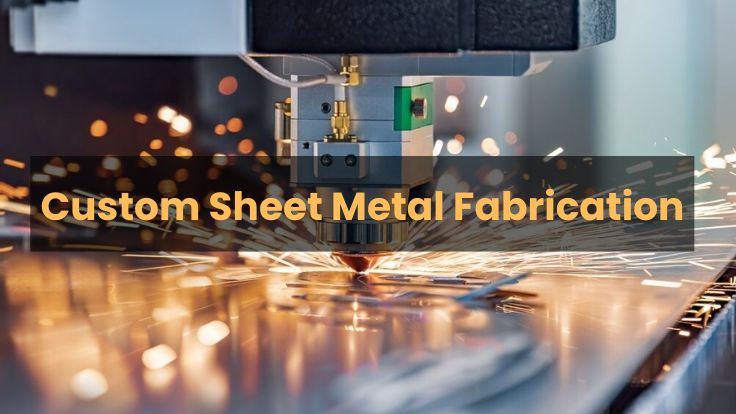
Custom sheet metal fabrication is now an activity that has established manufacturing industries in a variety of categories in the modern face of manufacturing. Whether in the form of cars and electronics, construction and healthcare, fabricated metal components play an essential role in the design, operation and durability of the enormous variety of products. It entails the sheet metal being cut, bent, shaped and assembled, based on specifications to fit the match, and manufacturers can make highly customised, durable and efficient parts. Among the most important industries that depend on this capacity is the automotive industry, in cases where the so-called custom automotive sheet metal fabrication will guarantee the production of high-performance body panels, supporting structure, and engine components. Such components should also have high standards in terms of weight, strength, and safety; hence, precision and customisation are essential. More and more foreign companies are resorting to the services provided by more advanced manufacturers like the car sheet metal fabrication in China because of favourable cost rates. Chinese manufacturers provide comprehensive services using advanced CNC equipment and short production schedules, which makes they useful partners in the global supply chain. Along with cars, the fabrication of sheet metal is a vital aspect in such areas as the aerospace industry, electronics, medical equipment, and the food processing industry. Such industries require great tolerances, corrosion resistance, and customised surface finishes, all of which can be provided by sheet metal fabrication. In this article, we are going to look at the complete range of this discipline, beginning with classic methods to the state of the art automation, mainly concentrating on automotive uses and the contribution of leading world actors, such as China. What is Custom Sheet metal fabrication? The term custom sheet metal fabrication is used when it comes to designing and manufacturing metal members or structures that can meet the specific needs of a particular project. In contrast to the mass-produced components, custom fabrications take unique solutions to specific sizes, materials and applications. This fabrication incorporates laser cutting, water jet cutting, punching, welding, forming and finishing of the surface. The most common ones are stainless steel, aluminum, galvanized steel, copper, and brass, among others, all selected due to their strength, conductivity, corrosion, and weight requirements. Manufacturers and engineers work hand in hand to make sure that all specifications are followed to the micrometre. Main Items in the Process 1. Design and Prototyping: A digital blueprint is sketched with the aid of CAD (Computer-Aided Design) software. Prototypes are frequently manufactured in order to run tests on how they work before large-scale production can commence. 2. Cutting and Shaping: The metal sheet is precisely shaped by using high-precision cutting tools to give very little tolerance. 3. Bending and Forming: The Sheet is curved to form complex shapes by bending and forming equipment, which includes press brakes. 4. Welding and Assembly: There are various parts which are assembled through TIG welding, MIG welding or spot welding. 5. Finishing: Finishing processes such as powder coating, polishing or anodising increase strength and aesthetics. Custom Automotive Sheet Metal Fabrication Rise  The Rise of custom automotive sheet metal fabrication began in the late nineteenth century, which saw the birth of the automobile industry. This period saw many people lose their lives and even more become injured by automobile accidents. This again led to the production and use of automobile insurance as a solution to automobile accidents. Precision and customization are vital in the car manufacturing business.  The custom automotive sheet metal fabrication is a significant element in the production of car body panels, chassis parts, heat shields, as well as engine enclosures. Such parts should be of high safety rating, aerodynamic, and aesthetically pleasing. Customisation gains significant relevance in the performance car, restoration car, electric car, and luxury vehicle production. The engineers may also need some special structural bracing or a project in terms of aerodynamic panels, which cannot be produced by general mass production. The benefits of the exercise of best sheet metal car fabrication are that: Common Materials in Sheet Metal Fabrication One most crucial decisions of the custom sheet metal fabrication is the choice of material. Whether it is carbon steel or stainless steel, it traverses all the aspects, including strength and corrosion resistance and even weight and workability. Knowing the nature of widely used metals enables an engineer to make a wise decision to maximise the efficiency and economic gains. Aluminium: Extremely Light and Non-Corrosive Aluminum is the most common material that is used in fabrication custom sheet metal. It is perfect for aerospace, electronic, and transport application materials because of its inherent corrosion resistance, easy weight, and good formability. It is also a highly conductive material, such that it can be used in enclosures and parts that radiate heat. As per the custom automotive sheet metal fabrication, aluminium is frequently used in the body parts and as a heat deflector to lighten the weight of the vehicle, without compromising its strength. Stainless Steel: Strong and Clean Stainless Steel  The strength of stainless and the fact that stainless is non-corrosive an attributes of the material. It is mainly utilized in food grade, medical and architectural applications where cleanliness and strength are important. Stainless steel may be specified in use of products that are under severe conditions of weather or that need a high-end finish in the custom sheet metal fabrication services. It is resistant to the effects of chemicals, water or high temperatures, hence its common use in many industries. Cold Rolled Steel: Versatile, Tough and Economical In the field of sheet metal custom fabrication, cold rolled steel (CRS) can be a common decision in construction when tight tolerances and a smooth surface are needed. It is cheap to weld or machine. Although it is likely to rust when not coated, it can be applied in buildings or painted. CSR is mostly applied in the cabinet, brackets, as well as enclosures in numerous industries such as the automotive industry, the construction industry and consumer

Rul til toppen

Få et tilbud