Aluminiumdruckguss

Führende Automobil-Druckgussunternehmen in China und der Welt 

Aluminiumdruckguss, Druckgussunternehmen, Druckgussunternehmen, Druckguss Hersteller

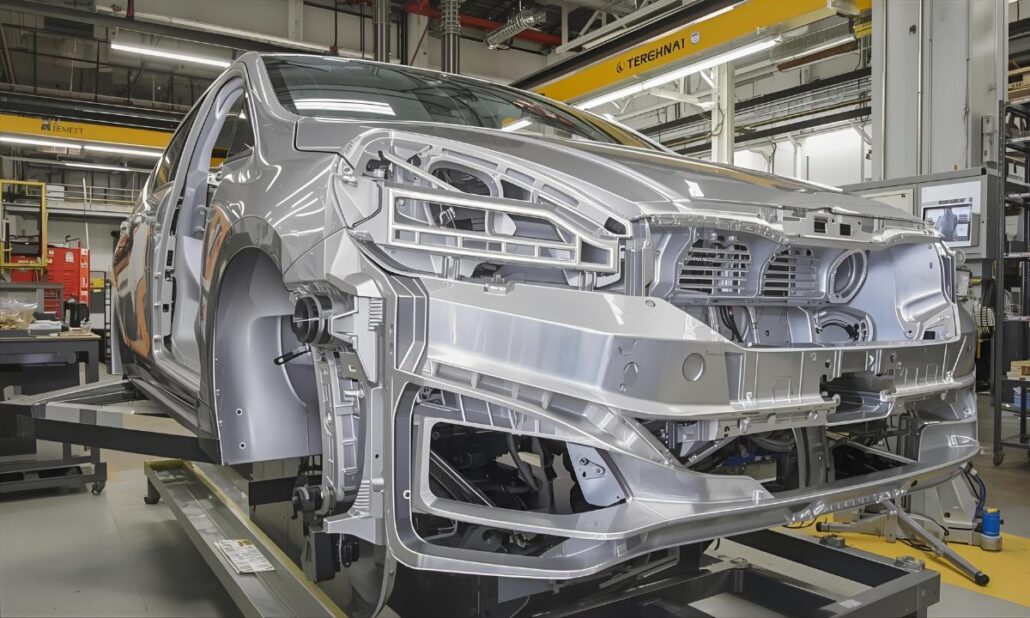
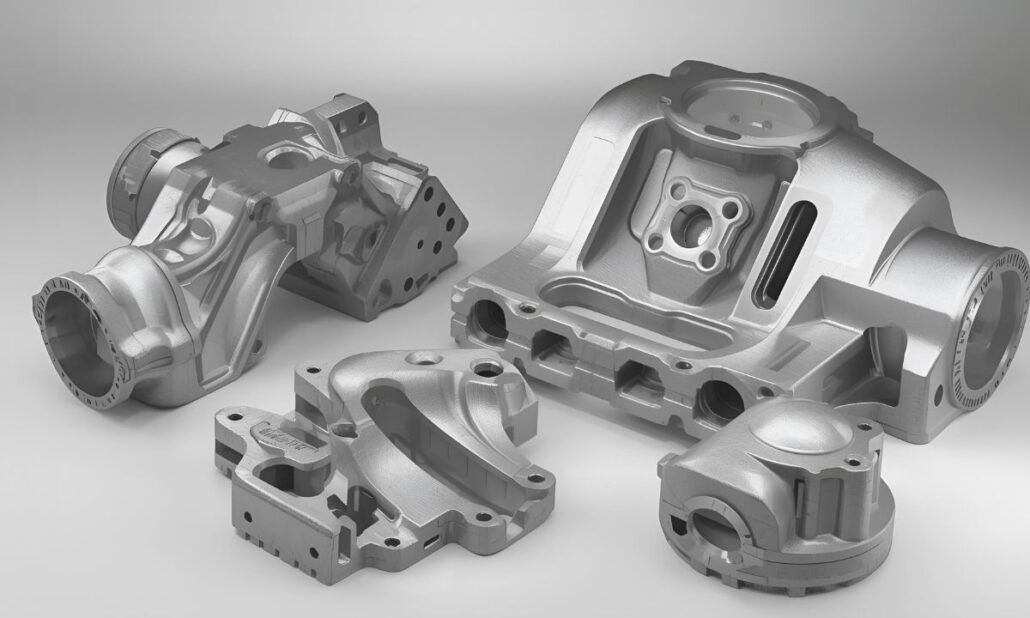
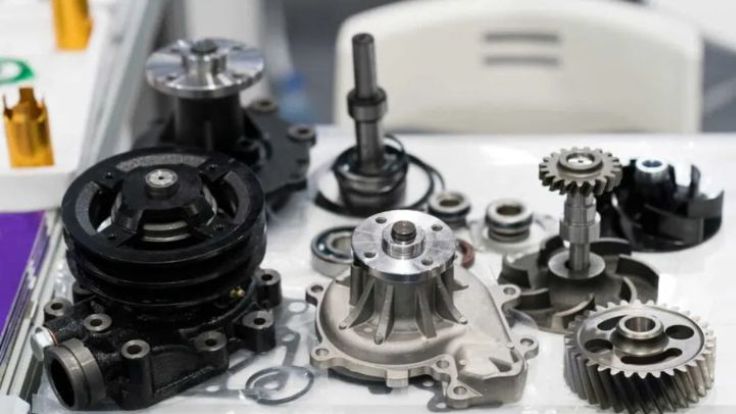
Aluminum die casting is one of the most dependable and cost effective manufacturing processes in the contemporary industry. It is the process of high pressure injection of high temperature melted aluminum into an accurate mold to create powerful, lightweight as well as dimensionally precise parts. It is particularly useful in the production of highly complex shapes with high surface finishes, and thus it is a favored process in the automotive, aerospace, electronics, consumer products, and industrial machinery industries. The aluminum die casting has been on a high demand in the past years. The tendency of the world towards electric cars, lightweight constructions, and energy efficiency has put the aluminum alloys on the frontline of innovation. Manufacturers have now developed high-tech components like engine blocks, transmission houses, battery enclosures and heat sinks that are both durable and lightweight. Recyclability and resistance to corrosion make aluminum also helpful in the world-wide tendencies to produce sustainable and ecologically friendly. Two of the major aluminum die casting hubs are the United States of America and China. Campanies in the United States are known to be innovative, have high standards in quality, and use high levels of automation and can be considered as a good investment in high precision industries. Conversely, Chinese manufacturers have gained a lot of competitiveness over the world market, have provided a cost effective solution, high production capacity and more advanced technologies. This paper will discuss some of the most successful aluminum die casting industries in the USA and China, their strengths, abilities and the factors that make them the most reliable partners that businesses across the world as their preferred suppliers in the manufacturing industry. What is Automotive Die Casting? Die casting is a production process whereby molten metal, usually aluminum, magnesium, or zinc, is forced under great pressure into a mold that has an open space. This enables mass production of high-strength components of complex functions and with good surface finish and dimensional accuracy. Die casting in the automotive industry allows the production of components which are: The use of die casting has revolutionized the construction of contemporary vehicles whereby one can save weight and still manage to perform at the same time. The demand has contributed to the high rate of development of the major Automotive die casting firms in China, Europe, America and Japan. Why China is the leader in Automotive Die Casting China has some of the largest in the world of manufacturers of Automotive die castings because of its: Such a set of strengths has enabled Chinese auto-motive die casting firms to be the powerhouses not only in the local market but also internationally in the supply chain. CNM Tech Diecasting Company is a leading producer of superior aluminum die-cast products. They offer several sectors such as automotive, electronics and telecommunication with precision-engineered components that are aimed at maintaining the highest quality standards. They can produce light and strong parts utilizing their advanced production processes such as high-pressure die casting and CNC machining. The Diecasting Company believes in the power of constant innovation and therefore, it invests in modern machinery, automated production lines and more importantly quality control systems that help to deliver the same results at all times. Both OEMs and Tier-1 suppliers are also in their global client base, and therefore, they are a reliable partner in meet complex and large-volume production needs.  Website: https://www.thediecasting.com/ Why Choose Them  The Diecasting Company is preferred by businesses because it is focused on quality, precision, and innovation. Their application of state-of-the-art die casting technologies, strong quality control, and delivery on time makes sure that their clients get the components that could meet international standards and make them their favorite choice when it comes to automotive OEMs and manufacturers that want to find a reliable die-cast solutions provider. Industries Served  Sincere Tech  Sincere Tech is one of the producers of high-precise molds in plastic injection and die casts. They have a background in designing mold, prototyping, and manufacturing of the final product which provides a one-stop solution to their customers all over the world. They use computerized CAD/CAM software and automated machining so that all the molds manufactured are very accurate. Plastic Mold can be credited with years of experience in serving the needs of automotive, consumer electronics and medical device industries with the capacity of delivering complex molds with efficiency. They stand out in their innovation, quality control, and speed in delivery, thus making them a trusted supplier of companies that would like to have a personalized mold solution. Website: https://www.plasticmold.net/ Why Choose Them Plastic Mold is selected due to their complete mould making systems, technical skills and capability to fit into constrained production time. Their superior quality molds minimize errors, enhance productivity and aids clients to have accurate and dependable die-cast or injection-molded products. Industries Served  GC Precision Mould  GC Precision Mould is a producer of die casting in China which provides aluminum, zinc, and magnesium die casts. They have reputations of manufacturing high quality, cost effective, and lightweight parts in the automotive, electronic and lighting sectors. They have the abilities of high-pressure die casting, CNC machining and secondary finishing operations. Alu Diecasting is focused on accuracy, longevity and productivity. They are always up to the international standards with the use of modern facilities, automated lines, and skilled engineers. They cater to customers both locally as well as internationally such as OEMs and Tier-1 suppliers, and are positioned as a top Chinese manufacturer of die castings as an automotive industry. Website: https://aludiecasting.com/ Why Choose Them  They are using Alu Diecasting as they offer a combination of competitive prices, high-quality standards, and technology. They have a track record of various alloys, precision machining and on time production which maintains dependable, long life, and lightweight parts that satisfy the demands of the world automotive industry. Industries Served  Get It Made Get It Made is a producer of CNC machining, 3D printing, die casting, and metal forming based in UK. They support both prototyping and low-volume production,
Aluminium-Druckgießereien in den USA

Aluminium-Druckgießereien in den USA

Aluminiumdruckguss, Druckgussunternehmen, Druckgussunternehmen

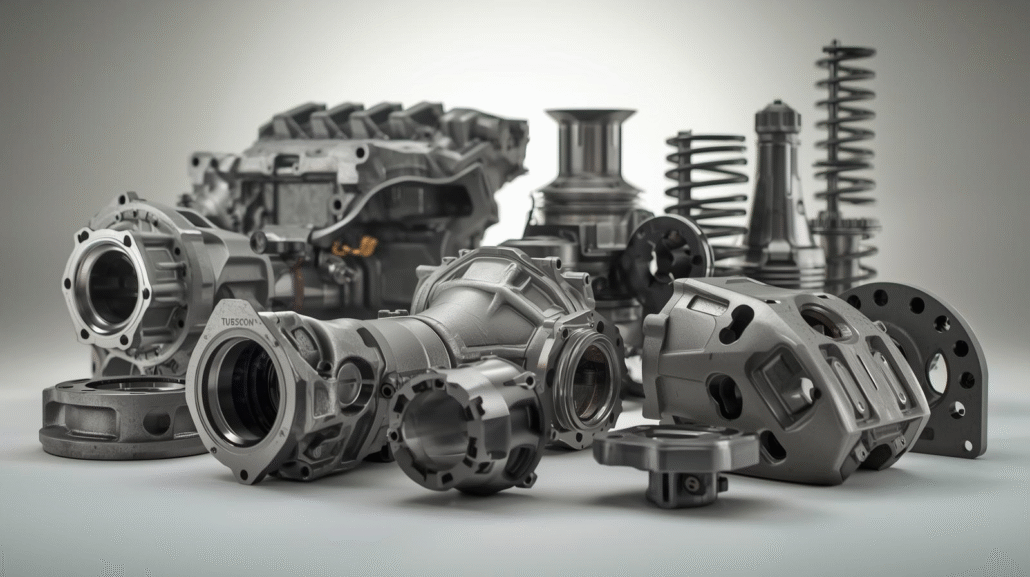
Der Aluminiumdruckguss ist heute eines der sichersten und wirtschaftlichsten Produktionsverfahren in den Vereinigten Staaten von Amerika, insbesondere für Hersteller, die Robustheit, Langlebigkeit und Präzision benötigen. Dabei wird geschmolzenes Aluminium unter hohem Druck in Stahlgussteile eingespritzt, wodurch Teile entstehen, die nicht nur leicht, sondern auch maßgenau und langlebig sind. Diese Festigkeit und das geringe Gewicht machen den Aluminiumdruckguss zum bevorzugten Werkstoff in der Automobil- und Luftfahrtindustrie, der Elektronik, bei Industriemaschinen und Konsumgütern. Der US-Markt verfügt über einige der etabliertesten Aluminiumdruckguss-Industrien weltweit, von großen Herstellern mit globaler Präsenz bis hin zu kleinen und spezialisierten Unternehmen, die sich auf kundenspezifische Teile und Nischenanwendungen spezialisiert haben. Diese Firmen sind für die Aufrechterhaltung der Schlüsselindustrie sehr wichtig, da sie Segmente wie Motorblöcke, Getriebegehäuse, Elektronikgehäuse und Strukturteile liefern. Die in den USA ansässigen Hersteller haben sich durch ihre hochwertigen Technologien, ihre Zertifizierungen und ihren Fokus auf Qualitätsprodukte weltweit den Ruf von Zuverlässigkeit und innovativen Produkten erworben. In den letzten Jahren ist die Nachfrage nach Aluminiumdruckgussteilen aufgrund der jüngsten Entwicklungen bei der Leichtbauweise von Fahrzeugen, der Produktion von Elektrofahrzeugen und dem Bestreben, energieeffizient zu produzieren, massiv angestiegen. Amerikanische Unternehmen setzen auf Automatisierung, nachhaltige Gussteile und hochwertige Legierungen, um diesen Anforderungen gerecht zu werden. In diesem Artikel werden einige der besten Aluminiumdruckgusshersteller in den USA und ihre Leistungen, ihr Potenzial und ihre Beiträge zur heutigen Industrie aufgeführt. Ganz gleich, ob Sie Teile für einen groß angelegten Fertigungsprozess oder eine hochtechnische Anwendung benötigen, diese Hersteller sind die Verkörperung der besten amerikanischen Technologie im Aluminiumdruckguss. Was ist Aluminium-Druckguss? Aluminiumdruckguss ist eine Produktionstechnik, bei der geschmolzenes Aluminium unter hohem Druck in eine Stahlform gepresst wird, die auch als Matrize bezeichnet wird. Wenn das Metall abkühlt und sich verfestigt, wird die Form geöffnet, und das fertige Teil wird ausgestoßen. Mit Hilfe dieses Verfahrens können die Hersteller starke, leichte und hochdetaillierte Bauteile mit hoher Maßgenauigkeit und glatter Oberfläche herstellen. Der Hauptvorteil des Aluminiumdruckgusses besteht darin, dass komplexe Formen hergestellt werden können, deren Herstellung mit anderen Fertigungsverfahren schwierig oder kostspielig wäre. Es findet breite Anwendung bei der Herstellung von Teilen wie Motorblöcken, Getriebegehäusen, Elektronikgehäusen, Kühlkörpern und Strukturbauteilen. Das Aluminiumdruckgussverfahren hat mehrere große Vorteile: Dank dieser Stärken hat sich der Aluminiumdruckguss als bessere Alternative in Industrien herauskristallisiert, die verlässliche und effiziente Komponenten von hoher Qualität benötigen, um ihren technischen und wirtschaftlichen Anforderungen gerecht zu werden. Top USA Aluminium Druckguss Unternehmen 1. Dynacast International Dynacast International ist eines der bekanntesten Unternehmen im Bereich des Präzisionsdruckgusses auf der ganzen Welt. Das Unternehmen verfügt über jahrzehntelange Erfahrung in der Herstellung kleiner, komplexer Komponenten unter Verwendung von Aluminium-, Zink- und Magnesiumlegierungen. Das Unternehmen ist gut darin, Komponenten mit strengen Toleranzen und komplexen Merkmalen herzustellen, die in der Automobil-, Unterhaltungselektronik-, Telekommunikations- und Medizintechnikindustrie benötigt werden. Die globale Präsenz von Dynacast bedeutet auch, dass das Unternehmen in der Lage ist, kleine Unternehmen und multinationale Konzerne mit der Flexibilität, den Innovationen und der Qualität zu bedienen, die bei den einzelnen Projekten nicht variieren. 2. Pace Industries Als größtes Druckgussunternehmen in Nordamerika hat sich Pace Industries einen guten Ruf als Anbieter von Komplettlösungen erworben. Das Unternehmen bietet seinen Kunden aus der Automobil-, Industrie- und Konsumgüterindustrie Lösungen aus einer Hand: von der Konstruktion und technischen Unterstützung über den Druckguss bis hin zur Bearbeitung, Oberflächenveredelung und Endmontage. Aufgrund der Größe des Unternehmens können sowohl großvolumige Projekte als auch kundenspezifische Projekte bearbeitet werden. Pace verfolgt auch die Kultur, Geld in moderne Technologien und nachhaltige Praktiken zu investieren, um in der sich schnell verändernden Industrie wettbewerbsfähig zu bleiben. 3. Ryobi Die Casting (USA), Inc. Ryobi ist eine renommierte Marke im weltweiten Druckguss-Segment und hat eine starke Präsenz in den Vereinigten Staaten. Die Geschäftstätigkeit in den USA konzentriert sich auf mittelgroße bis große Aluminium-Druckgussteile, hauptsächlich für den Automobilsektor. Ryobi stellt Motorblöcke, Getriebegehäuse und Strukturteile her, die langlebig und präzise sein müssen. Das Unternehmen hat sich durch den Einsatz von Spitzentechnologie und Qualitätsmanagement zu einem bevorzugten Zulieferer der großen Automobilhersteller in der Welt entwickelt. 4. Gibbs Die Casting Gibbs Die Casting, der andere Marktführer in den Vereinigten Staaten, hat seinen Sitz in Henderson, Kentucky. Das Unternehmen ist auf Aluminium- und Magnesiumdruckgussteile für die Automobilindustrie spezialisiert, insbesondere auf Getriebegehäuse und Antriebsstrangteile. Gibbs legt großen Wert auf Innovation, wobei Automatisierung und ausgefeilte Fertigungstechniken eingesetzt werden, um hohe Standards für Effizienz und Arbeitsqualität zu gewährleisten. Das Unternehmen bezieht auch das Konzept der Nachhaltigkeit in seine Tätigkeit ein, indem es die Verschwendung eindämmt und umweltfreundliche Geschäftspraktiken fördert. 5. Apex Aluminum Die Casting Co, Inc. Apex Aluminum Die Casting ist in Ohio ansässig und wird in der Automobil-, Elektronik- und Haushaltsgeräteindustrie eingesetzt. Das Unternehmen ist bekannt für seine Arbeit mit mittelgroßen Produktionsmengen, was es zur perfekten Wahl für Firmen macht, die eine gleichbleibende Produktionsqualität benötigen, aber nicht die enorme Leistung größerer Importeure. Das Team von Apex legt großen Wert auf Kundenzufriedenheit, Zuverlässigkeit im Service, Technik und Genauigkeit in der Fertigung. Aufgrund seines guten Rufs, beständige Ergebnisse zu liefern, hat sich Apex als zuverlässiger Partner für eine Reihe von US-Unternehmen etabliert. 6. KenWalt Die Casting Company KenWalt Die Casting hat seinen Sitz in Kalifornien und verfügt über mehrere Jahrzehnte Erfahrung in der Herstellung von Druckgussteilen aus Aluminium und Zink. Das Unternehmen konzentriert sich auch auf maßgeschneiderte Aufträge und bedient sowohl die Industrie als auch die Konsumgüterindustrie. KenWalt zeichnet sich durch eine enge Zusammenarbeit mit dem Kunden während des gesamten Prozesses aus.

Der vollständige Leitfaden zum Druckguss von Automobilteilen

Der vollständige Leitfaden zum Druckguss von Automobilteilen

Aluminiumdruckguss

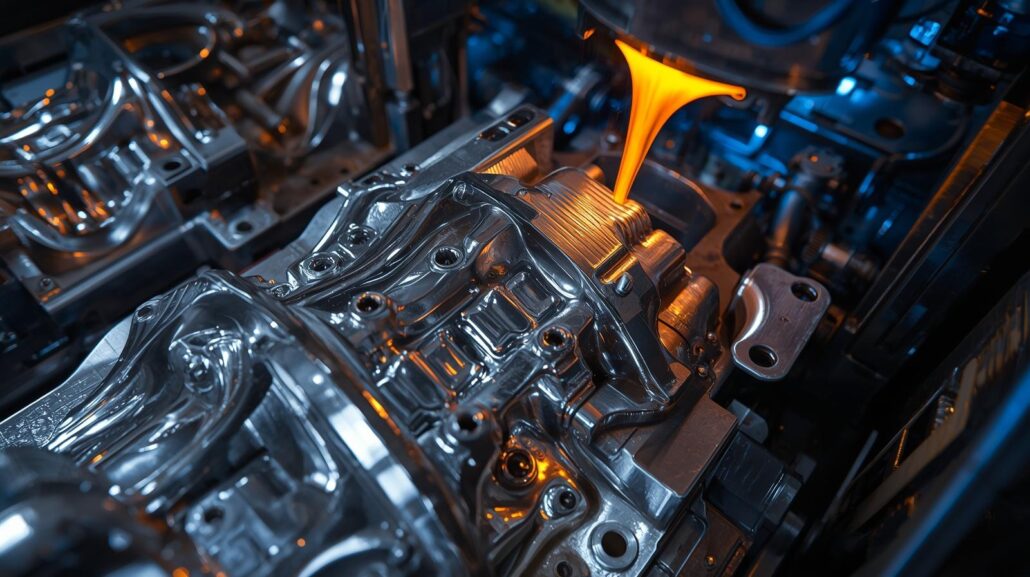
Druckguss-Autoteile werden seit über hundert Jahren in der Automobilproduktion eingesetzt. Im Laufe der Zeit wurde das Verfahren mit besseren Materialien und Technologien weiterentwickelt. Heute spielt es auch eine größere Rolle bei der Verringerung des Fahrzeuggewichts und der Verbesserung der Kraftstoffeffizienz. In der heutigen Automobilbranche kommt es auf Präzision und Leistung an. Die Autos der modernen Welt müssen sicher, zuverlässig und effizient sein. Eine Methode, dies mit viel Vertrauen zu erreichen, ist das Gießen von Automobilteilen im Druckgussverfahren. Dieses Verfahren ist eine Kombination aus Präzision und hoher Fertigungstiefe. Es liefert den Automobilherstellern stabile, leichte und einheitliche Teile. Beim vermehrten Einsatz des Druckgusses in der Automobilindustrie geht es nicht nur um Leistung. Es geht auch um Kosteneinsparungen, höhere Produktionsgeschwindigkeit und Nachhaltigkeit. Die Automobilhersteller sind in der Lage, Tausende von gleichen Teilen in der gleichen Qualität herzustellen. Dies ist für die Massenproduktion notwendig. In diesem Beitrag werden wir die Bedeutung des Automobilgusses erörtern. Wir schauen uns an, wie er funktioniert, welche Bedeutung er hat und welche Tendenzen die Branche in Zukunft beeinflussen werden. Am Ende werden Sie wissen, warum die heutige Fahrzeugherstellung durch den Automobildruckguss unterstützt wird. Automobil-Druckguss Die Automobilherstellung ist eine der anspruchsvollsten Technologien, bei der Teile durch ein Verfahren hergestellt werden, das als Automobil-Druckguss bekannt ist. Es steht im Gegensatz zum traditionellen Gießen, da es unter hohem Druck arbeitet. Bei diesem Verfahren wird geschmolzenes Metall in eine Stahlform, die so genannte Kokille, gespritzt. Die Form ist äußerst präzise, so dass das hergestellte Teil bestimmte Abmessungen aufweist. Dazu muss das Metall zunächst geschmolzen werden. Die gängigsten Metalle sind Aluminium und Magnesium. Nachdem das flüssige Metall geschmolzen ist, wird es mit einer extrem hohen Geschwindigkeit in die Form gepresst. Die Matrize wird mit dem Metall gefüllt, das dann erstarrt. Beim Öffnen der Form wird das fertige Teil abgeschnitten. Es gibt zwei Systeme für den Druckguss von Kraftfahrzeugen: Die Hauptvorteile des Druckgusses für Kraftfahrzeuge sind Geschwindigkeit, Genauigkeit und Festigkeit. Tausende von Teilen können mit einer einzigen Form hergestellt werden. Alle Abschnitte entstehen praktisch auf die gleiche Weise. Es hat glatte Oberflächen, was bedeutet, dass es keine zusätzliche Bearbeitung erfordert. Wenn es um Großserien geht, ist das Druckgussverfahren für die Automobilindustrie geeignet. Er wird von Automobilherstellern zur Herstellung von Motorblöcken, Getriebegehäusen, Rädern und sogar Strukturteilen verwendet. Das Verfahren ist sowohl zeit- als auch kostensparend und ermöglicht die Herstellung leistungsstarker und dennoch leichter Bauteile. Das Druckgussverfahren für Kraftfahrzeugteile Das Druckgussverfahren für Kraftfahrzeugteile besteht aus einer Reihe von Schritten. Jeder Schritt ist wichtig, damit die Teile genau, stabil und zuverlässig sind. Vorbereitung der Gussform Es beginnt mit der Konstruktion und Herstellung der Gussform. Eine Matrize ist eine Form aus gehärtetem Stahl. Sie besteht aus zwei Teilen, die miteinander verbunden sind. Die Matrize wird von Ingenieuren unter Berücksichtigung der Besonderheiten des Teils entworfen. Die Matrize muss stark genug sein, um Druck und Hitze standzuhalten. Schmelzen des Metalls Der zweite Schritt besteht im Schmelzen des ausgewählten Metalls. Die gängigsten Metalle sind Aluminium, Magnesium und Zink. Das erhitzte Metall wird durch einen Ofen geführt, wo es zu einer Flüssigkeit geschmolzen wird. Die Temperatur sollte kontrolliert werden, um Verunreinigungen zu vermeiden. Einspritzen des Metalls Nachdem das Metall geschmolzen ist, wird es mit sehr hohem Druck in die Form gepresst. Dies ist der wichtigste Vorgang beim Druckguss von Automobilteilen. Der hohe Druck wird verwendet, um sicherzustellen, dass das flüssige Metall alle Ecken der Form ausfüllt. Auf diese Weise werden analytische Linien, abgeflachte Bereiche und exakte Formen eingeprägt. Abkühlung und Erstarrung Nach dem Einspritzen erstarrt das Metall schnell in der Form. Durch die Abkühlung verfestigt sich das Metall und verleiht dem Teil Festigkeit. Die Abkühlungszeit hängt von der Größe und Dicke des Teils ab. Starten der Form und Auswerfen des Teils Wenn das Metall erstarrt ist, öffnet sich die Form. Das Teil wird durch spezielle Auswerferstifte aus der Form gedrückt. Das Teil hat nun seine endgültige Form, muss aber möglicherweise noch nachbearbeitet werden. Beschneiden und Reinigen Das überschüssige Metall, das dabei entsteht, wird als Grat bezeichnet und kann an den Rändern des Gussteils auftreten. Dieser wird weggekürzt. Anschließend wird das Teil gereinigt und gelegentlich erhitzt, um zusätzliche Festigkeit zu erreichen. Endbearbeitung und Prüfung Die Endbearbeitung und Prüfung der Oberfläche ist der letzte Schritt. Bestimmte Teile können lackiert, poliert oder beschichtet werden. Jedes Teil wird gründlich auf Fehler untersucht. Nur die Teile, die von guter Qualität sind, werden zur Verwendung freigegeben. Was ist ein Automobil-Druckgussteil? Druckguss-Autoteile sind Bauteile, die aus geschmolzenem Metall hergestellt werden, das unter Druck in eine Form gepresst wird. Auf diese Weise entstehen Bauteile, deren Formen und Abmessungen genau sind. Die Formen, die so genannten Matrizen, werden mit großer Genauigkeit für das benötigte Teil hergestellt. Die am häufigsten verwendeten Metalle sind Aluminium, Magnesium und Zink. Diese Metalle sind leicht und stabil. Die Automobilhersteller schätzen sie, weil sie das Fahrzeug leichter machen, ohne dass die Haltbarkeit darunter leidet. Typischerweise werden Autoteile im Druckgussverfahren hergestellt: Denn durch dieses Verfahren können die Automobilhersteller Autos herstellen, die in Bezug auf Sicherheit und Effizienz von hoher Qualität sind. Die Rolle des Automobilgusses Eines der traditionellsten und beständigsten Verfahren der Automobilproduktion ist der Automobilguss. Dabei wird geschmolzenes Metall zu Komponenten mit komplizierten Formen verarbeitet. Motoren, Getriebe, Aufhängungen und viele andere Systeme benötigen diese Teile. Der moderne Automobilsektor kann ohne dieses Verfahren nicht funktionieren. Der Hauptzweck des Automobilgusses besteht darin, starke Teile zu geringeren Kosten herzustellen. Mit dem Gussverfahren können die Automobilhersteller Tausende ähnlicher Teile auf einmal herstellen. Dies ist von großer Bedeutung, da Automobile Genauigkeit und Stabilität benötigen. Ein einziger Fehler kann Auswirkungen auf die Sicherheit oder die Leistung haben. Flexibilität ist eine weitere Anwendung des Automobilgusses. Die Ingenieure können komplexere Formen entwerfen, deren Bearbeitung sonst zu kostspielig wäre. Durch Gießen können dünne Wände, Hohlräume und empfindliche Details

Aluminium-Druckguss für die Automobilindustrie in China

Aluminium-Druckguss für die Automobilindustrie in China

Aluminiumdruckguss, Druckgussteile

Der Aluminiumdruckguss in China hat sich zu einem wesentlichen Prozess innerhalb der internationalen Automobilzulieferkette entwickelt, der zu Effizienz, Nachhaltigkeit und Innovation in der Fahrzeugproduktion beiträgt. Aluminium ist leicht und stabil und bietet ein besonderes Gleichgewicht zwischen mechanischer Leistung und Kraftstoffverbrauch, das von modernen Automobilherstellern gefordert wird. Durch die Minimierung des Fahrzeuggewichts haben Aluminiumdruckgusskomponenten einen direkten Einfluss auf die Reduzierung des Kraftstoffverbrauchs, die Verlängerung der Batteriereichweite bei Elektrofahrzeugen und die Verringerung der Kohlenstoffemissionen. Dies macht die Technologie nicht nur für die Hersteller, sondern auch für die Umweltvorschriften auf der ganzen Welt bedeutsam. Die Vorherrschaft Chinas in der Automobilindustrie ist eine natürliche Erweiterung des Aluminiumdruckgusses. Als größter Produzent, das Land mit enormen Produktionsraten, mit seiner großen Lieferkette und der Unterstützung der Regierung durch die Industriepolitik hat sich China bereits als größter Produzent und einer der größten Innovatoren in diesem Bereich etabliert. Der Druckguss-Sektor des Landes beliefert sowohl die einheimische Automobilindustrie als auch ausländische Marken und liefert Motorblöcke und Getriebegehäuse sowie Hightech-Giga-Gussteile, die für die Karosserie von Elektrofahrzeugen verwendet werden. Die Entwicklung von Leichtbaumaterialien und umweltfreundlicheren Produktionstechnologien ist noch schneller geworden. Diese Übereinstimmung zwischen industrieller Kompetenz und den weltweiten Nachhaltigkeitszielen wird China an der Spitze der Technologie des Aluminiumdruckgusses halten, der die Zukunft des Automobilbaus darstellt. Was ist Druckguss von Aluminium? Aluminiumdruckguss ist eine Produktionstechnik, bei der geschmolzenes Aluminium unter Druck in eine Hochdruck-Stahlform (Matrize) gespritzt wird. Nach dem Abkühlen und Erstarren des Metalls entstehen komplexe und präzise Bauteile mit einem sehr günstigen Verhältnis zwischen Festigkeit und Gewicht. Zu den Automobilteilen, die üblicherweise hergestellt werden, gehören Motorblöcke, Getriebegehäuse, Räder, Halterungen und strukturelle Karosserieteile. Warum ist China führend im Aluminiumdruckguss? Aluminiumdruckgussverfahren Aluminiumdruckguss ist eines der spezialisiertesten Fertigungsverfahren, das die Herstellung komplexer und präziser Automobilkomponenten mit hervorragenden mechanischen Eigenschaften ermöglicht. Es umfasst mehrere gut geregelte Phasen, und jede von ihnen kann als ein Schritt in Richtung Qualität, Festigkeit und Haltbarkeit des Endprodukts betrachtet werden. Im Folgenden wird auf die einzelnen Phasen eingegangen: 1. Vorbereitung der Form Die Stahlform, in der Regel aus gehärtetem Werkzeugstahl, wird vor Beginn der Produktion vollständig gereinigt und geprüft und sollte frei von Verschleiß oder Beschädigungen sein. Dann wird das Trenn- oder Schmiermittel auf den Hohlraum der Form aufgetragen, was eine Reihe von wichtigen Zwecken erfüllt. Es verhindert das Verkleben des geschmolzenen Aluminiums mit der Form, sorgt für einen reibungslosen Teileauswurf und unterstützt die Aufrechterhaltung der Formtemperatur in aufeinanderfolgenden Gießzyklen. Es ist wichtig, die Form richtig vorzubereiten, da dies in direktem Zusammenhang mit der Oberflächenqualität und der Maßhaltigkeit des fertigen Bauteils steht. 2. Schmelzen und Legierungsvorbereitung Es beginnt mit dem Schmelzen von Aluminiumbarren oder recyceltem Schrott in einem Hochtemperaturofen, der entweder gasbetrieben, elektrisch betrieben oder induziert sein kann. In dieser Phase wird das geschmolzene Aluminium genau beobachtet, um einen optimalen Temperaturbereich von etwa 660 bis 700 °C aufrechtzuerhalten, damit eine flüssige Masse entsteht und Defekte reduziert werden. Elemente wie Silizium, Magnesium und Kupfer werden zulegiert, um bestimmte Eigenschaften wie Festigkeit, Korrosionsbeständigkeit oder Wärmeleitfähigkeit zu verbessern. Es ist wichtig, dass die chemische Zusammensetzung genau eingehalten wird, da eine geringfügige Änderung die Funktionalität von Kraftfahrzeugelementen stark beeinträchtigen kann. 3. Druckguss (Einspritzung) Nachdem das geschmolzene Aluminium den gewünschten Zustand erreicht hat, wird es mit einer Hochdruck-Druckgussmaschine in die vorbereitete Stahlgussform gegossen. Der Einspritzdruck liegt in der Regel zwischen 110 und 175 MPa, wodurch sich das flüssige Metall selbst in die kompliziertesten Formhohlräume mit Genauigkeit einfüllen lässt. Der hohe Druck trägt auch zur Verringerung von Porosität und Schrumpfungsfehlern bei, um hochfeste und dichte Teile herzustellen. Dies wird als der zentrale Punkt des Verfahrens angesehen, da er die Qualität des Gussteils bestimmt und darüber entscheidet, ob komplizierte Formen hergestellt werden können, ohne die strukturelle Integrität zu beeinträchtigen. 4. Abkühlung und Erstarrung Das geschmolzene Aluminium wird dann eingespritzt und kühlt in der Stahlform schnell ab und härtet aus. Die Abkühlungsgeschwindigkeit wird durchgehend beibehalten, um sicherzustellen, dass die Kristallisation gleichmäßig verläuft und innere Spannungen oder Verformungen minimiert werden. Die Abkühlungszeit hängt stark von der Dicke und der Komplexität des zu gießenden Bauteils ab; ein dünnwandiges Bauteil kann in wenigen Sekunden erstarren, während ein komplexeres Teil einen längeren Zyklus zur Erstarrung benötigt. Gut organisierte Kühlkreisläufe (in die Form eingebaute Wasserkanäle oder Ölkreisläufe) sind üblich, um eine gleichmäßige Produktion zu gewährleisten. Ein ausgewogenes Verhältnis von Festigkeit, Duktilität und Maßhaltigkeit muss durch eine ordnungsgemäße Erstarrung erreicht werden. 5. Auswerfen Nachdem das Teil ausgehärtet ist, drücken Auswerferstifte in der Form das Gussteil heraus. In diesem Schritt ist Genauigkeit gefragt, um das Verbrennen empfindlicher Bereiche oder dünner Wände des Teils zu verhindern. In der Großserienfertigung von Automobilen werden häufig automatisierte Auswerfersysteme eingesetzt, die gleichbleibende Zykluszeiten garantieren und den manuellen Arbeitsaufwand minimieren. Der Ausstoßvorgang mag zwar einfach erscheinen, kann aber bei unsachgemäßer Anwendung zu Oberflächenfehlern, Rissen oder Ausrichtungsfehlern führen, die sich nachteilig auf die Verwendbarkeit des Endprodukts auswirken. 6. Entgraten und Nachbearbeitung Rohgussteile können nach dem Auswerfen große Mengen an Fremdmaterial wie Grate, Angüsse oder sogar Anschnitte enthalten, die entfernt werden müssen. Beim Entgraten wird in der Regel eine hydraulische Presse oder eine CNC-Maschine eingesetzt, um eine genaue Kantenlinie zu erhalten. Andere Nachbearbeitungsverfahren wie das Kugelstrahlen verbessern die Oberflächenstruktur, und die maschinelle Bearbeitung sorgt für die hohe Maßtoleranz, die für Motor- oder Getriebekomponenten erforderlich ist. Sie können wärmebehandelt werden, um die Festigkeit und Härte zu erhöhen, und eine Beschichtung oder Eloxierung kann die Korrosionsbeständigkeit erhöhen. Dies sind die notwendigen sekundären Verfahren, denn durch sie wird der Rohguss auf die nächste Stufe gebracht, wo er zu einem funktionellen und zuverlässigen Automobilbauteil wird. 7. Inspektion und Qualitätskontrolle Der letzte Schritt ist die intensive Inspektion, bei der alle Gussteile

Aluminium-Druckguss-Autoteile

Aluminium-Druckgussteile für Autos: Langlebig und effizient

Aluminiumdruckguss, Druckguss

Die Automobilindustrie verändert sich durch den Einsatz von Aluminium-Druckgussteilen. Sie geben den Herstellern die Möglichkeit, leichtere, stärkere und effizientere Autos zu entwickeln. Mit dieser Technologie können die Autohersteller Gewicht einsparen, Kraftstoff sparen und umweltfreundlich mobil sein, ohne Kompromisse bei der Haltbarkeit des Fahrzeugs eingehen zu müssen. Beim Druckguss von Autoteilen wird geschmolzenes Aluminium unter sehr hohem Druck in eine Stahlform gespritzt. Dadurch entsteht eine starke Form, die glatt und scharfkantig ist. Das Verfahren ermöglicht eine schnellere Produktion, eine geringere Bearbeitung und eine gleichbleibende Qualität. Beim Druckguss von Autoteilen sind die Unternehmen in der Lage, komplexe Komponenten in einem einzigen Schritt zu entwerfen, was ihnen Zeit und Geld spart. Autoteile aus Aluminiumdruckguss werden heute in modernen Fahrzeugen dringend benötigt. Dies ist eine häufige Methode zur Herstellung von Motorblöcken, Getriebegehäusen, Bremsteilen und Batteriegehäusen in Elektroautos. Diese Teile sind leicht, aber robust, korrosionsbeständig und für den harten Einsatz auf der Straße ausgelegt. Die Nachfrage nach Autoteilen aus Aluminiumdruckguss steigt rapide an, vor allem im Zuge der Umstellung auf Elektro- und Hybridautos. Die Verringerung des Gesamtgewichts von Autos erhöht die Lebensdauer der Batterien, die Leistung und reduziert die Emissionen. Dies macht den Aluminiumdruckguss zu einem wichtigen Bestandteil der umweltfreundlichen Produktion. Kurz gesagt, die Verwendung von Aluminiumdruckguss-Autoteilen in der Automobilproduktion ist keine Option mehr. Sie haben eine Schlüsselrolle bei der Entwicklung moderner Fahrzeuge gespielt, die nicht nur den heutigen Leistungsstandards entsprechen, sondern auch umweltfreundlich sind. Leistungsstark, effektiv und stabil, werden sie auch in Zukunft im Mittelpunkt des Automobilbaus stehen. Was ist Aluminium-Druckguss? Druckguss ist ein Verfahren zum Formen von Metall. Dabei wird geschmolzenes Aluminium unter sehr hohem Druck in einen Hohlraum in einer Stahlform gepresst. Beim Abkühlen härtet das Metall in der gleichen Form wie die Form aus. Das Ergebnis ist glatt, präzise und langlebig. Aus diesem Grund wurde das Druckgussverfahren zu einer der beliebtesten Methoden zur Herstellung moderner Autoteile. Im Vergleich zur traditionellen Technik können mit dem Druckguss komplizierte Teile in einem Arbeitsgang hergestellt werden. Das spart Zeit, Bearbeitungsaufwand und Kosten für die Hersteller. Warum Aluminium für Autoteile? Der Grund, warum Autoteile aus Aluminiumdruckguss so beliebt sind, liegt darin, dass kein anderes Material eine solche Kombination von Eigenschaften aufweist wie Aluminium. Es ist grün und rau, daher ist es leicht und kann daher in der Automobilindustrie verwendet werden. Steigende Effizienz und Umweltanforderungen haben dazu geführt, dass Aluminium zum bevorzugten Druckgussmaterial für Autoteile geworden ist. Die Gewichtsreduzierung ist einer der größten Vorteile. Stahl ist sehr viel schwerer als Aluminium. Autohersteller können ein Fahrzeug insgesamt leichter machen, indem sie Druckguss-Autoteile aus Aluminium verwenden. Je leichter ein Auto ist, desto besser sind sein Kraftstoffverbrauch, seine Emissionen und seine Leistung. Dies ist sowohl bei einem konventionellen als auch bei einem Elektrofahrzeug wichtig. Gleichzeitig verliert Aluminium nicht an Festigkeit. Es hat ein gutes Verhältnis von Festigkeit zu Gewicht, und das ist gut so, denn selbst wenn das Teil belastet wird, wird es nicht weich. Das macht Aluminium-Druckgussteile für Motoren, Getriebe- und Fahrwerksteile so nützlich. Ein weiterer wichtiger Vorteil ist die Korrosionsbeständigkeit. Aluminium rostet nicht und nutzt sich nicht ab wie andere Metalle. Dies erhöht die Lebensdauer von Aluminiumdruckguss-Autoteilen und verringert die Wartungskosten für Fahrzeugbesitzer. Wichtige Autoteile werden im Druckgussverfahren hergestellt Automobilhersteller gießen die meisten ihrer Komponenten im Aluminiumdruckgussverfahren. Dabei handelt es sich um leichte und dennoch leistungsstarke Teile, die sowohl in konventionellen als auch in Elektroautos verwendet werden können. Motorblöcke Motorblöcke müssen Hitze, Vibrationen und Druck standhalten. Wenn es um Autoteile aus Druckguss geht, wiegen Aluminiumblöcke weniger, sind aber stabil genug, um unter sehr rauen Bedingungen zu funktionieren. Dadurch wird das Gesamtgewicht des Motors und der Kraftstoffverbrauch gesenkt. Getriebegehäuse Die Getriebegehäuse müssen präzise und haltbar sein. Um die Genauigkeit der leichtgängigen Zahnräder zu erreichen, werden Autoteile aus Druckguss verwendet. Dies garantiert eine hohe Zuverlässigkeit im Laufe der Zeit, und es ist nur eine minimale Bearbeitung erforderlich. Bremsenkomponenten Bremsen sind ständigen Belastungen ausgesetzt. Die Hersteller produzieren starke Komponenten, die nicht schwer sind, da sie Autoteile aus Aluminiumdruckguss verwenden. Dieses Gleichgewicht wird eingesetzt, um die Bremskraft zu erhöhen und das Gewicht des Fahrzeugs zu verringern. Fahrwerksteile Die Fahrwerksteile dienen der Sicherheit und Stabilität. Sie sind stark, aber nicht sperrig, wenn sie aus Aluminiumdruckguss-Autoteile hergestellt werden. Dies erhöht das Management und die Produktivität. Motor und Batterie des Elektrofahrzeugs Die Autoteile, die die Motoren und Batterien abschirmen, werden in Elektrofahrzeugen im Aluminiumdruckgussverfahren hergestellt. Die Gehäuse schützen empfindliche Systeme und bieten dennoch einen leichten Rahmen, der die Fahrstrecke verlängert. Diese Elemente machen deutlich, welche Rolle der Druckguss für die Entwicklung neuer Autos spielt. Der Aluminiumdruckguss hat dafür gesorgt, dass Motoren, EV-Batterien und vieles mehr effizient arbeiten, länger halten und langlebig sind. Prozess des Aluminium-Druckgusses 1. Vorbereitung der Form Die Vorbereitung der Formen beginnt. Die Stahlform wird gründlich gewaschen, um alle Verunreinigungen zu entfernen, und auf die richtige Temperatur erhitzt. Auf die Oberfläche wird eine Schutzschicht aufgetragen, die das Anhaften des geschmolzenen Aluminiums an der Oberfläche verhindert und hilft, die Abkühlgeschwindigkeit zu kontrollieren. Auf diese Weise wird die Zirkulation der Metalle verbessert, die Lebensdauer der Formen verlängert und die Konsistenz der Teile pro Produktionszyklus gewährleistet. 2. Schmelzen des Aluminiums Diese Aluminiumlegierungen werden in einem Ofen mit bestimmten kontrollierten Temperaturen geschmolzen. Es ist jedoch auch eine ausreichende Temperatur erforderlich, um eine Oxidation zu verhindern, und das geschmolzene Metall fließt leicht in den Formhohlraum. Etwaige Verunreinigungen werden durch Raffinationsmittel oder Filter entfernt. Auf diese Weise wird sichergestellt, dass Autoteile aus Aluminiumdruckguss keine Mängel aufweisen und von guter und gleichmäßiger Beschaffenheit sind. 3. Einspritzen unter hohem Druck. Dann wird das geschmolzene Aluminium in die

Verzinkung vs. Vernickelung: Welche sollten Sie wählen?

Verzinkung vs. Vernickelung: Welche sollten Sie wählen?

Aluminiumgussformen, Aluminiumdruckguss, Aluminium-Oberflächenbehandlung

Zinc Plating vs Nickel plating is a frequent point of reference in terms of metal finishing. These two methods are applied to safeguard the metals, enhance their performance, and cause their products to last longer. The differences between these two types depend on cost, durability, and appearance. Surface finishing is not all about appearances. It is concerned with the accuracy with which a product can counter rust, wear, and damage. Even strong metals can be defeated where there is no appropriate coating. This is the reason why plating has been an important process in the automotive, aerospace, construction, and electronic industries. Zinc plating is well known to be cheap and effective. It forms a thin and workable protective coating that resists rust damage on the metal underneath. This gives it preference in fasteners, nuts, bolts, and many other small product elements used in day-to-day items. Nickel plating is stronger and durable, on the other hand. It cannot be worn out easily, and it resists acid. Nickel plating is also a bright, attractive finish, so it is ideal when it is needed on decorative or visible parts such as car trims and appliance fittings or on electronic casings. And when considering Zinc Plating vs Nickel Plating, it becomes the question: which works better in your situation? Depending on the location where the part will find application, how much safeguarding it needs, and how much you are ready to part with, determines the answer. In the current blog, we will unravel both the processes, their advantages, limitations, and major areas where they can be best used to help you make the most appropriate decision. What is Zinc Plating? Zinc plating is a widely used and cost-efficient technique of coating. It is done by depositing a thin coat of zinc on the surface of metal, most commonly steel or iron, by a process known as electroplating. In the process, a zinc salt solution is used to immerse the base metal, and an electrical current is passed. Zinc solutions travel to the surface of the piece leaving an even and thin coating. Benefits of Zinc Plating Limitations of Zinc Plating What is Nickel Plating? Nickel plating is also a common finishing technique, but compared with zinc, it offers a harder, more durable, and aesthetically pleasing surface. The process is achieved in either of two major ways: Electrolytic Nickel Plating (Electroplating) – Much like the zinc plating process, the raw metal is placed into a nickel salt solution, and the nickel is deposited on the surface by applying an electric current to the metal. Electroless Nickel Plating is a method that does not need electricity. Rather, it uses a chemical process to capably deposit nickel to cover the surface evenly, including in complex structures or otherwise inaccessible places. Benefits of Nickel Plating Limitations of Nickel Plating The Plating Process Zinc Plating Process Surface preparation is very meticulous in the case of zinc plating. Before a plate can be done, the surface, which is in most cases metal, normally steel or iron, must be cleaned of oil, dirt, rust, and oxides. To accomplish this, components are either cleaned in acid or alkaline fluids and then rinsed so that no residues remain. After cleaning, the component is inserted into an electrolytic bath that has a zinc salt solution, mostly zinc sulfate or zinc chloride. Electricity is then charged through the bath.. This movement results in zinc ions in the medium to move and being deposited on the surface of the base metal. The effect is a very thin, even coating of zinc covering the zinc below it. A post-step processing of the plated component is often carried out, which can give a more corrosion-resistant effect, also able to change the appearance of the coating, providing a yellow, black, or clear finish. Zinc plating is comparatively quick, price low, and highly applicable in the mass production of hardware and vehicle parts. Nickel Plating Process Nickel plating is prepared in almost a similar manner, with the initial step being cleaning. Part surfaces are well-treated and made clean to ensure adhesion is not compromised by residues. Electrolytic nickel plating: The part enters a bath of solutions of nickel salts, e.g., nickel sulfate, and an electric current is applied. This makes the nickel ions deposit on the surface, forming a hard and protective layer. Another approach, which is nickel plating and does not require power, is electroless nickel plating. Rather, the part is immersed in some chemicals under nickel salts and a reducing solution such as sodium hypophosphite. A plated chemical reaction also occurs, the nickel being deposited uniformly onto the part. This process has an advantage over electrolytic plating in that it will cover with uniformity even in recesses, grooves, and other complex geometries. Electroless nickel deposits are noted to be highly hard and resistant to corrosion, but this process is costlier than the electroplating method and demands much more care over the bath chemistry, pH level, and temperature. Zinc Plating vs Nickel Plating: Key Differences With the choice between zinc plating and nickel plating, cost, durability, appearance, corrosion resistance, and the appropriateness of application are all aspects that may come into consideration. Let us look at them one by one. 1.     Corrosion Resistance Winner: Nickel Plating to serve long-term corrosion protection. 2. Endurance / Wearability Winner: Nickel Plating; Hardness, wear resistance. 3. Cost  Winner: Zinc Plating to cost-effective solutions. 4. Appearance  Winner: Nickel Plating- to look good. 5. Environmental Impact  Winner: Zinc Plating on its greenness. Quick Comparison Table Feature Zinc Plating Nickel Plating Corrosion Resistance Good, but limited in harsh conditions Excellent, especially electroless nickel Durability Moderate – wears faster High – scratch & wear-resistant Cost Low (budget-friendly) Higher (premium option) Appearance Shiny, but basic finish Smooth, mirror-like decorative finish Environmental Impact Easier waste treatment Stricter environmental controls are needed Best For Fasteners, bolts, general hardware Aerospace, electronics, decorative uses Industry Applications of Zinc and Nickel Plating Both plating techniques are very common in industries;

Welche Aluminiumlegierungen sind am besten zum Schweißen geeignet?

Welche Aluminiumlegierungen sind am besten zum Schweißen geeignet?

Aluminiumguss, Aluminiumdruckguss

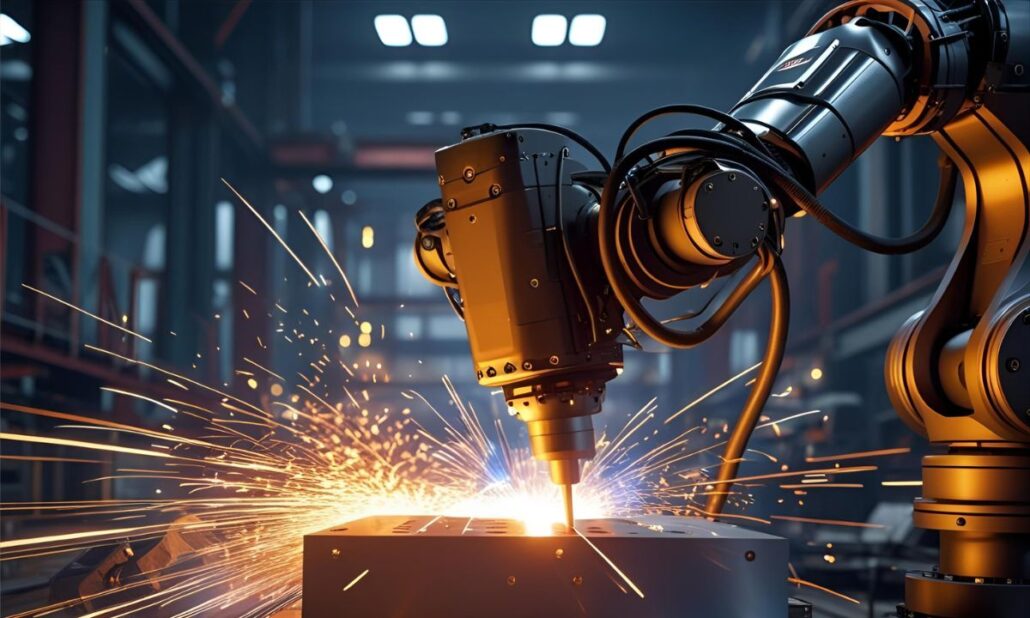
Which Aluminum Alloys Are Best for Welding? Aluminum has become the most popular of the metals used in contemporary industries because of its high portability, strong resistance to the elements and ease of fabrication. Its alloys are invaluable in the aerospace, automotive and marine as well as housing and building industries. But the challenges created by welding aluminum are different to welding other metals, in part because of the high thermal conductivity, speed of oxide formation and distortion and cracking characteristics of aluminum in the welding process. Knowledge of the properties and the characteristics of various aluminum alloys is important in the choice of the material that suits a particular task. Not every aluminum alloy is equally weldable, whereas some are well-adapted to traditional welding, others need some special welding procedure like friction stir welding. The alloy selection and method of welding depends on such factors as strength, resistance to corrosion, ductility, and the ability of heat-treating. Surfaces must also be properly prepared, filler metals need to be compatible and post-weld treatments must consider to achieve high-quality junctions. The article will give an in-depth report on the best types of aluminum alloy to be welded, their characteristics, the benefits associated with their usage, recommendations to follow and the challenges to expect when welding these types of aluminium alloy. Based on such knowledge, professionals will be in a position to achieve durable, reliable and good performing welded structures across diverse industrial and structural applications. What is aluminum alloys Aluminum alloys are the materials used by adding other metals to the aluminum to enhance its qualities like strength, corrosion resistant, machinability or weldability. Pure aluminum is weak, lightweight, soft, and very well resistant to corrosion. By mixing additional elements (such as copper (Cu), magnesium (Mg), silicon (Si), manganese (Mn), or zinc (Zn)), engineers can make alloys suitable to a variety of types of applications, including aerospace, automotive parts, marine and building structures. A few points of aluminum alloys Simply put, aluminum alloys have the lightweight, corrosion-resistant properties of aluminum with extra favorable qualities needed to suit the needs of an industrial application. Knowing the Aluminum Alloys Aluminum alloys have been divided into wrought alloys and cast alloys. Mechanically worked alloys are wrought into sheets, plates or extrusions but casting alloys are in form of poured molten aluminum into molds. The wrought alloys are further divided into series according to the alloying elements: Conditions which Affect Weldability Aluminum alloys can be welded, depending upon a variety of factors: The best Aluminum Alloys to weld on 5052 Alloy Al-Mg (aluminum-magnesium) alloy 5052 is considered by many to be one of the most welding friendly alloys. This is due to its high magnesium content and therefore it has good resistance to corrosion, especially in marine environments and applications in chemical processing. Applications: Moderate-to-high strength, high ductile and above-average corrosion resistance. Advantages: Materials: Marine structures, Chemical tanks, automotive panels, roofing sheets and industrial equipment. Alloy 5083 Aluminum-magnesium alloy 5083 has high strength at low temperatures and thus is applicable in marine and cryogenics. It resists corrosion especially in industrial and seawater. Characteristics: Extra-high strength, good corrosion protection, good fatigue resistance. Advantages: Applications: Shipbuilding, pressure vessels and tanks, automotive frames and equipment and transportation equipment. 5754 Alloy Another Al-Mg alloy is A-Mg 5754 which can be described as medium strength with high corrosion resistance and high formability. It also achieves structural strength, as well as, weldability and that is why it is commonly used where structural strength is key as well as weldability. Characteristics: Moderate strength, high ductility, is corrosion resistant. Advantages: Applications: Auto Body panels, structural panels, construction cladding, and marine. 6061 Alloy Al-Mg-Si alloy with the composition 6061 has found wide usage in the structural and aerospace fields. It is a compromise between toughness, corrosion resistance and utility. Type of properties: Medium-high strength, very good corrosion resistance, and moderate ductility. Advantages: Applications: Aircraft structures, pipeline, automotive components, bridge structures and structural products. 6063 Alloy Al-Mg-Si alloy (6063) is another architectural and decorative Al alloy that is noted to have a smooth finish on its surface and the ability to resist corrosion. Properties: A strong or moderate strength, good corrosion resistance, a good surface finish. Advantages: Applications: Architectural structure, window frames, doors, curtain walls and extrusions. Alloy 1100 Aluminum alloy 1100 can almost seem a pure aluminum alloy (it is 99% aluminum). It is soft, ductile and very easy to weld so it is suitable where resistivity is the issue rather than strength. High ductility: Excellent corrosion resistance, Low strength. Advantages: 1350 Alloy Another aluminum alloy of high purity applicable in the electrical and chemical industries is1350. It is incredibly strong and has great corrosion resistance as well as being very weldable and is a very dependable metal when used in specialized settings. Advantages: Immune to corrosion, excellent welding ability and low weight. Advantages: Aluminum Alloys, as well as of their major properties and the ability to be welded The technical table below contains the list of the full proper names of the aluminum alloys, as well as of their major properties and the ability to be welded: Alloy (Proper Name) Density (g/cm³) Melting Temp (°C) Tensile Strength (MPa) Yield Strength (MPa) Elongation (%) Hardness (HB) Weldability Aluminium 1100 (Commercially Pure Aluminum) 2.71 640 90 35 35 40 Excellent Aluminium 1350 (High Purity Aluminum, Electrical Grade) 2.71 640 110 40 20 50 Excellent Aluminium 5052 (Aluminium-Magnesium Alloy) 2.68 607–650 228 193 12 60 Excellent Aluminium 5083 (Aluminium-Magnesium Alloy, Marine Grade) 2.66 635 317 228 12 70 Excellent Aluminium 5754 (Aluminium-Magnesium Alloy) 2.67 637 250 190 15 60 Excellent Aluminium 6061 (Aluminium-Magnesium-Silicon Alloy) 2.70 582–652 310 276 12 95 Good Aluminium 6063 (Aluminium-Magnesium-Silicon Alloy, Architectural Grade) 2.70 615 241 214 8 90 Good Aluminium 2024 (Aluminium-Copper Alloy, Aerospace Grade) 2.78 500–640 483 345 20 120 Difficult Aluminium 2219 (Aluminium-Copper Alloy, High Strength Aerospace) 2.84 509–638 470 330 18 130 Difficult Aluminium 7075 (Aluminium-Zinc-Copper Alloy, Aerospace Grade) 2.81 477–635 572 503 11 150 Very Difficult This is

Was ist ein Aluminium-Strangpressverfahren? 

Aluminiumguss, Aluminiumdruckguss

Aluminum extrusion has not only been appreciated in the respect that it makes a strong, yet lightweight part, but also its flexible and cost-effective designs are a factor. It is used in construction, aerospace, automotive and electronic industries, and nearly everywhere in between. Aluminium extrusion is among the processes that indicate an equalization between innovative designs and effective production, which is just about to become one of the dominating procedures of the manufacturing industry. Aluminum is one of the most popular metals in the modern industries, being appreciated because of its light weight, strength, durability and also its capacity to resist corrosion. Aluminum is more conspicuous in our lives; in the construction of skyscrapers in our cities, the cars we drive and other gadgets that we use in our daily lives. One of the most vital processes of manufacturing that has ensured the versatility is the aluminum extrusion process. Extrusion refers broadly to methods of metal deformation whereby metal is pushed or squeezed through a die in a similar fashion to toothpaste. In aluminum, longer continuous sections of final, predetermined cross-sectional shapes are formed by ramming solid block-like objects (known as billets) through an already heated die. These profiles may be plain rods, tubes or highly complex and specially made to the extent that they will meet the demands of a given industry. In this article, we will learn everything about the aluminium extrusion process; its history, the extrusion process, types, applications, advantages and limitations and its rising capabilities in future of manufacturing. Historical Background The idea of extrusion as a manufacturing process has been traced back to the late 18th century. The first well-known extrusion was that of the British inventor Joseph Bramah, who patented his exactly in 1797. Instead, he used a process that involved pushing pliable metals such as lead through a die to shape long, identical-looking pieces and primarily pipes. The preconditioning of the process of extrusion was an invention. Until much of the 19th century, the extrusion of softer metals had been inhibited by technology. The real breakthrough came about in the early 220thcenturies when economical ways of producing aluminium were discovered. The acquisition of aluminium was brought to lower prices and large-scale production by the invention in 1886 by Charles Martin Hall in the United States and separately by Paul H. Roult in France of the Hall-Heroult process. After the invention of aluminum, it did not take long before scientists and manufacturers saw the potential extrusion had to offer. The use of aluminum extrusion technology began gaining steam in the 20s, especially coming into force in Europe and North America. It was on a large scale utilized in the Second World War when the industries required a lightweight but durable material in aircraft, vehicles used by the military, and buildings. Since then, the line-casting technology has been invented and has been extended far farther than the aluminum extrusion that first emerged in the military sectors. What is Aluminum extruded? Aluminum extrusion is the commercial physical method that is used in plasticizing solid aluminum into shapes that are long with specific cross-sections. The idea is simple: a block of aluminum (a billet) is heated to a malleable stage and forced under intense pressure of a die made of steel. In pressing through the die, the aluminum takes on the shape of the opening, either straight, hollow, or solid, or in a highly complicated profile. The analogy that is best applied in extrusion is the extrusion of a toothpaste tube. Same as the toothpaste- it takes the shape of the nozzle, and similarly, the extruded aluminum takes the shape of the die. The advantage of aluminium extrusion is the ability to manufacture lightweight yet strong components of the exact shape. The resultant extruded profiles can be strippable to various lengths and are also subjected to further finishing, including anodising, powder coating, and finishing. All these upgrades raise performance, wear and look. Due to its flexibility, it has become one of the extrusion processes whose scope has been resorted to within different discourses like the construction industry, the aviation industry, the electronic industry, the transport and even the consumer products industry. It is not just the process but a vital bridge between the native stainless steel and absorbed functionality that defines the current engineering and high-construction. Aluminium Extrusion Process in Steps Characterise the Profile & Select the Alloy Cast and Christen the Billet Scalp or Saw Inspect Billet Heat the Billet Make the Die & Tooling Lubricate and Prepare the Press Load the Billet and QC Start the Press Breakthrough Extrusion, Steady Chinking on the Table Fast Cooling (Immediate Quenching) Handling temperature for cooling Profiles cool on the table after quenching until they are able to be handled without imprint or warping. Soft, controlled cooling minimises residual stress. Stretching / Straightening Cutting Back to Length Heat Treatment (Where Necessary) Surface Finish (Optional) Machining & Fabrication (As required) Profiles are CNC-machined, punched, drilled, tapped or bent. Jigs/ fixtures provide repeatability of tolerance control on thin or complex sections. Test and On-Quality Control Die Tuning & Maintenance When dimension control or surface finish is out of control, the length of the bearings and flow balance can be modified; dies may be polished and, when absolutely not required, nitrided; dies are polished and cleaned. Packing & Logistics Why every step counts The Components Used in Aluminum Extrusion Aluminum extrusion draws on choosing the correct aluminum alloy to suit the mechanical, thermal, and corrosion requirements. The properties required by different industries differ, thus selection of alloys is determined by strength, ductility, corrosion resistance and heat-treatability. 1000 Series (Practically Pure Aluminum) 3000 Series (Al-Mn Alloys) 5000 Series (Al-Mg Alloys) 6000 Series (Al-Mg-Si Alloys) 7000 Series (Al-Zn-Mg-Cu Alloys) Allothers Speciality Alloys To keep composition similarity, recyclable aluminum scrap containing the same alloy is frequently reused. Aluminum Extrusion Materials Quick Reference Table A technical table of probable common aluminum alloys used in extrusions, major properties and established extrusion parameters as follows: Alloy Series

Eloxieren von Aluminiumdruckguss: Techniken, Herausforderungen und Anwendungen

Eloxieren von Aluminiumdruckguss: Techniken, Herausforderungen und Anwendungen

Aluminiumguss, Aluminiumdruckguss

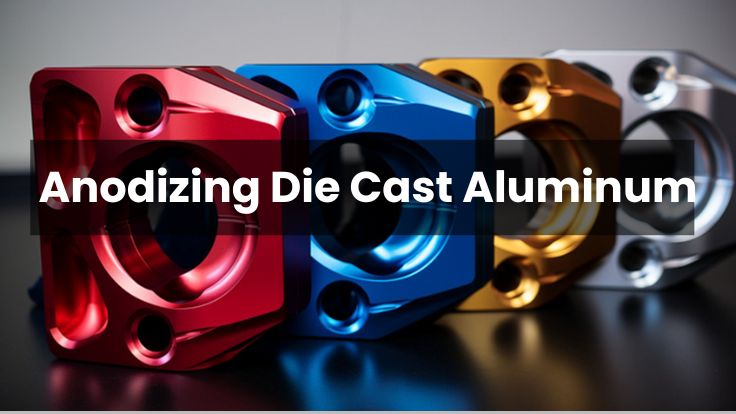
Anodizing die cast aluminum is a key metal finishing process that enhances durability, anti-seizing/corrosion and the looks of aluminum products that are extracted through die casting. With the ever-increasing demands of the industry to produce lighter-weight high-strength components for everything from car parts to electronics housing, its surface properties have become one of the most important things to add to it. Working behind the anodizing process is a controlled oxide layer that forms on the surface of aluminum by a technique of electrochemistry. Although the method has been thoroughly developed with regard to pure aluminum, its use with the alloy that is created in die casting has particular difficulties associated with it due to the inclusion of other elements such as silicon and zinc. This then brings the question to the mind of manufacturers as to whether you can anodise die-cast aluminum without sacrificing quality and appearance. To achieve performance levels under severe conditions, a combination of the techniques will be used by some industries that today are referred to as aluminum alloy die casting, plating anodizing. The technique is a combination of the strength of electroplating and anodizing, therefore, presenting better surface hardness, conductivity, and corrosion resistance. This article presents the science, techniques, and differences in anodizing die cast aluminum in order to give the complete picture to engineers, designers, and manufacturers who want to use a reliable and long-lasting surface finishing technology. What is die cast aluminum? Die casting entails pressing molten metal into a cavity of the mold at high pressure. Aluminum is lightweight and strong, making it an effective material for making durable parts with high dimensional accuracy. Nevertheless, due to a few impurities and porosities found in the process, surface finishing procedures such as anodizing die cast aluminum are made complex. It is also common to add silicon and other additives to die-casting alloys of aluminium in order to improve fluidity and other mechanical properties. However, it complicates the work on surface treatment, because these very additives will disturb the process of anodizing.  The Science of Anodizing Anodizing is an electrochemical treatment to strengthen and thicken the oxide film that occurs naturally on metal and makes it harder. The method will increase service life/durability, resistance to corrosion, and appearance. Anodized finish on aluminum has a porous structure that is perfect to absorb sealed dyes and sealants, thus they provide good decorative and functional applications. The difficulty with anodizing die cast aluminum lies in its composition. High-silicon alloy does not anodize well, and a blotchy finish or diminished corrosion resistance can be a consequence. Therefore, alloy composition is important to get a successful anodized finish. What is an Anodizing Die Cast Aluminum? Anodizing die cast aluminum. The anodizing of die-cast aluminium is the electrochemical treatment of die-cast aluminium parts to produce a permanent, protective, frequently decorative layer of corrosion-resistant oxide on the surface. The technique comes in handy, especially in areas that require protection against corrosion, advancement of surface hardness, and a limited aesthetic effect. In the process known as the anodizing die cast aluminum, the aluminum part is inserted into an electrolytic bath of acid, usually sulfuric acid, and an electric current is generated in it. This leads to the oxidation of surface of the aluminium to produce an oxide film, which is controlled and uniform. The process can be complicated, though, given the particular make-up of die-cast aluminum, commonly containing high silicon and other alloying components. Nonetheless, industries keep on investing in technologies that help to maximize the quality of anodizing die cast aluminum. The final preparation of anodized finishing is performed by methods of surface preparation like polishing, acid etching and smutting to remove the contaminants. The list of items where anodising die cast aluminum is used and utilized is long, including automotive parts, consumer electronics and many more, either to serve some functional purpose, or as an ornament. Its capability to augment the life span of parts, as well as their vulnerability to environmental degradation, makes it a vital surface treatment technique in the contemporary manufacturing industry. Process The anodizing of die cast aluminium process consists of various important steps that must be followed to achieve a good, uniform, and quality finish, even though this is a challenging process due to factors that surround the use of die-cast metals. All steps should be well-regulated in order to address such challenges as porosity of the surface and inconsistency of alloys. 1. Cleaning & Degreasing Paint, grease and oil stick to a surface and need to be removed before anodising through cleaning. This will make the process of having the oxide formed over the surface of the material even throughout the process of the anodising die die-cast aluminium. 2. Etching And De-Smuttering The outer layer is then removed, leaving a clean metallic surface by etching using an alkaline solution. This is followed by a de-smutting process to remove the residues left over by the alloying elements, a common occurrence in anodising die cast aluminium. 3. Anodising ( Electrolytic Oxidation ) The component is immersed in an electrolytic solution, normally sulfuric acid, and attached as an anode. A controlled layer of oxide is generated by the use of an electric current. This step lies at the heart of the process of anodising die cast aluminium, because it defines the thickness, porosity and longevity of the final finish. 4. Colouring (Optional) Where the finish is colored, dyes may be added to the porous anodised surface. This process is normally applied in decorative processes where looks count as much as performance in anodising die cast aluminium. 5. Sealing Lastly, the part is sealed using hot water or nickel acetate; frequently, the sealing is done in hot water or nickel acetate to seal the pores and improve corrosion resistance. This process seals dyes and reinforces the oxide layer, nd the process of anodising die-cast aluminium is complete. All the steps of this process must be controlled accurately, and so must the types of die-cast materials which are

Kundenspezifische Blechbearbeitung in der modernen Industrie

Kundenspezifische Blechbearbeitung in der modernen Industrie

Aluminiumdruckguss

Custom sheet metal fabrication is now an activity that has established manufacturing industries in a variety of categories in the modern face of manufacturing. Whether in the form of cars and electronics, construction and healthcare, fabricated metal components play an essential role in the design, operation and durability of the enormous variety of products. It entails the sheet metal being cut, bent, shaped and assembled, based on specifications to fit the match, and manufacturers can make highly customised, durable and efficient parts. Among the most important industries that depend on this capacity is the automotive industry, in cases where the so-called custom automotive sheet metal fabrication will guarantee the production of high-performance body panels, supporting structure, and engine components. Such components should also have high standards in terms of weight, strength, and safety; hence, precision and customisation are essential. More and more foreign companies are resorting to the services provided by more advanced manufacturers like the car sheet metal fabrication in China because of favourable cost rates. Chinese manufacturers provide comprehensive services using advanced CNC equipment and short production schedules, which makes they useful partners in the global supply chain. Along with cars, the fabrication of sheet metal is a vital aspect in such areas as the aerospace industry, electronics, medical equipment, and the food processing industry. Such industries require great tolerances, corrosion resistance, and customised surface finishes, all of which can be provided by sheet metal fabrication. In this article, we are going to look at the complete range of this discipline, beginning with classic methods to the state of the art automation, mainly concentrating on automotive uses and the contribution of leading world actors, such as China. What is Custom Sheet metal fabrication? The term custom sheet metal fabrication is used when it comes to designing and manufacturing metal members or structures that can meet the specific needs of a particular project. In contrast to the mass-produced components, custom fabrications take unique solutions to specific sizes, materials and applications. This fabrication incorporates laser cutting, water jet cutting, punching, welding, forming and finishing of the surface. The most common ones are stainless steel, aluminum, galvanized steel, copper, and brass, among others, all selected due to their strength, conductivity, corrosion, and weight requirements. Manufacturers and engineers work hand in hand to make sure that all specifications are followed to the micrometre. Main Items in the Process 1. Design and Prototyping: A digital blueprint is sketched with the aid of CAD (Computer-Aided Design) software. Prototypes are frequently manufactured in order to run tests on how they work before large-scale production can commence. 2. Cutting and Shaping: The metal sheet is precisely shaped by using high-precision cutting tools to give very little tolerance. 3. Bending and Forming: The Sheet is curved to form complex shapes by bending and forming equipment, which includes press brakes. 4. Welding and Assembly: There are various parts which are assembled through TIG welding, MIG welding or spot welding. 5. Finishing: Finishing processes such as powder coating, polishing or anodising increase strength and aesthetics. Custom Automotive Sheet Metal Fabrication Rise  The Rise of custom automotive sheet metal fabrication began in the late nineteenth century, which saw the birth of the automobile industry. This period saw many people lose their lives and even more become injured by automobile accidents. This again led to the production and use of automobile insurance as a solution to automobile accidents. Precision and customization are vital in the car manufacturing business.  The custom automotive sheet metal fabrication is a significant element in the production of car body panels, chassis parts, heat shields, as well as engine enclosures. Such parts should be of high safety rating, aerodynamic, and aesthetically pleasing. Customisation gains significant relevance in the performance car, restoration car, electric car, and luxury vehicle production. The engineers may also need some special structural bracing or a project in terms of aerodynamic panels, which cannot be produced by general mass production. The benefits of the exercise of best sheet metal car fabrication are that: Common Materials in Sheet Metal Fabrication One most crucial decisions of the custom sheet metal fabrication is the choice of material. Whether it is carbon steel or stainless steel, it traverses all the aspects, including strength and corrosion resistance and even weight and workability. Knowing the nature of widely used metals enables an engineer to make a wise decision to maximise the efficiency and economic gains. Aluminium: Extremely Light and Non-Corrosive Aluminum is the most common material that is used in fabrication custom sheet metal. It is perfect for aerospace, electronic, and transport application materials because of its inherent corrosion resistance, easy weight, and good formability. It is also a highly conductive material, such that it can be used in enclosures and parts that radiate heat. As per the custom automotive sheet metal fabrication, aluminium is frequently used in the body parts and as a heat deflector to lighten the weight of the vehicle, without compromising its strength. Stainless Steel: Strong and Clean Stainless Steel  The strength of stainless and the fact that stainless is non-corrosive an attributes of the material. It is mainly utilized in food grade, medical and architectural applications where cleanliness and strength are important. Stainless steel may be specified in use of products that are under severe conditions of weather or that need a high-end finish in the custom sheet metal fabrication services. It is resistant to the effects of chemicals, water or high temperatures, hence its common use in many industries. Cold Rolled Steel: Versatile, Tough and Economical In the field of sheet metal custom fabrication, cold rolled steel (CRS) can be a common decision in construction when tight tolerances and a smooth surface are needed. It is cheap to weld or machine. Although it is likely to rust when not coated, it can be applied in buildings or painted. CSR is mostly applied in the cabinet, brackets, as well as enclosures in numerous industries such as the automotive industry, the construction industry and consumer

Nach oben scrollen

Angebot einholen