ダイカスト

コールド・チャンバー・ダイカスト完全ガイド

ダイカスト, ダイカストメーカー, ダイカスト部品

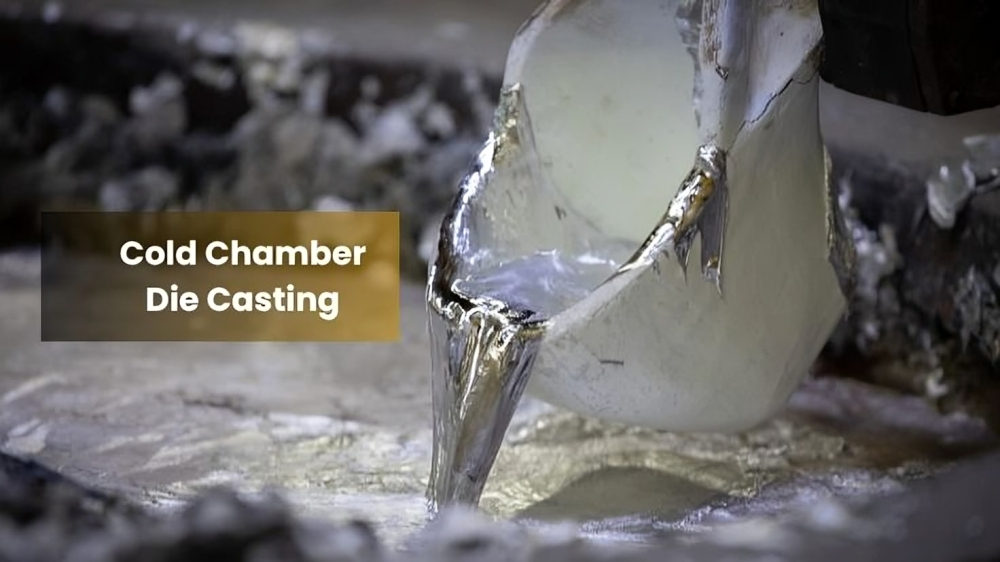
The cold chamber die casting process is initiated by first ladling molten metal into a separate injection chamber and then forcing it out into a steel mould. This process deals with high melting alloys such as aluminium, copper and magnesium. It is a tight-tolerance, high-pressure production process found in the automotive, electronics, and industrial parts production.  What is cold chamber die casting is and when to use it? Cold chamber die casting is a high-pressure moulding of metals, which would ruin or corrode a hot-chamber system. Practically, the operators melt the metal in a different furnace. Then they pour the molten metal into an unheated shot sleeve. The metal is forced into the closed mould by a hydraulic plunger with extreme pressure. The section hardens very rapidly, and the die is opened to spurt out the casting. This can be used when the alloy is of high melting temperature or where the alloy would corrode injection components, such as aluminium and copper alloys. The process sacrifices speed of the cycle for the scale and flexibility of the alloy.  Cold Chamber Die Casting Process Step-by-Step Cold chamber die casting is one of the most reliable techniques for making high-quality metal parts. Every process must be monitored in terms of temperature, pressure and time. Minor variations can impact the surface finish, strength and dimensional accuracy of the end product. Melting the Metal It starts by melting the metal in a separate furnace. Mostly used are aluminium, magnesium and copper alloys. In the case of aluminium, it is typically 650degC and 750degC. It is necessary to keep the melt clean. The impurities are eliminated by the operator with the help of fluxing agents and skimming tools. In case some oxide or gas is left, it may introduce defects such as porosity or inclusions in the future. In high-tech furnaces, a dosing system is the direct connection between the furnace and a die casting machine of China Cold. This guarantees that the temperature and composition of the molten metal are uniform in each shot. Molten Metal to the Shot Chamber Then molten metal is poured into the shot chamber or shot sleeve. This may be done manually or automatically. Manual ladling is easy, less fast and has more chances of entraping air. Automatic ladling systems, in their turn, provide the accurate amounts of metal with low turbulence. Oxidation and gas inclusion can be prevented by controlling the ladling speed and temperature. Others preheat the shot sleeve a little so that it will not suddenly drop in temperature, to allow the fluidity of injection. 3. Injection into the Die Cavity A hydraulic plunger is used to inject the high-pressure molten metal into the die cavity once it is in the shot sleeve. This is the fundamental phase of the cold chamber die casting. Injection pressure varies between 3,000 psi and more than 20,000 psi, depending on the size of the part and the alloy. The injection cycle normally contains two stages: The timeliness of these phases is critical. Recent China cold chamber die casting machinery, servo-hydraulic systems automatically regulate pressure and speed of every shot and guarantee homogeneity. Solidification and Cooling Opening and Part Ejection Die Once the metal has solidified, the die is opened by the machine, after which ejector pins or robotic arms take the casting out. It should be ejected only when fully solidified; otherwise, it is distorted. In complex shapes, there is more than one ejector pin, which guarantees the clean release of the die cavity. Robots take the parts on the automated lines and place them on conveyors to be trimmed and cooled. This increases handling damage reduction and accelerates production. Trimming and Finishing Inspection and Quality Control The last one is inspection and quality control. Every casting is inspected to guarantee that it has the necessary tolerances and quality standards. Popular types of inspection are: The machinery of modern China cold chamber die casting is usually equipped with sensors and software which keep track of all the parameters – Melt temperature, injection pressure, and die temperature, which enables quality monitoring in real time. Optimisation of process and control The quality of outcomes must rely on controlled quality at each step. Safety and Environmental Factors Usually used materials and alloys. The use of a cold chamber is preferred in alloys which cannot be utilised in hot-chamber machines. Most common materials used include aluminium alloys, magnesium, copper and a few combinations of zinc andaluminiumm where corrosion of the injection mechanism should be prevented at all costs. In the automotive structural parts, aluminium alloys prevail. Magnesium is applicable in situations where very lightness is an issue. Both alloys have their own melting point, fluidity and shrinkage behaviour, which need to be handled in mould design and process parameters.  Machinery and features – such as the China cold chamber die casting machine choice. Die casting machines: The Cold chamber die casting machines are made of a robust frame, high pressure injection unit, a hydraulic system and the control electronics. The modern machines provide servo-hydraulics to save energy and enhance control, computer controls to make the shot profiles programmable and integrated auxiliary systems such as die temperature controllers and automatic ladling systems. It is also possible to find China cold chamber die casting machine suppliers that offer a large variety of models and different price ranges in case you are sourcing machines. There are compact models of Chinese manufacturers that fit small shops and large tonnage machines that are appropriate to high-volume production. Chinese constructors tend to package melting and handling equipment to provide a turnkey line as well. Compare machines in terms of check maximum clamping force (tons), volume in the shot, speed control in an injection, die size, and automation.  Essentials of tooling and die design The hardened tool steel is normally die (mould. The design of the die should permit a controlled flow of metals and escaping gaseous air,  and gating and runners geometry and cooling channels in order to

金物ダイカスト

金物ダイカスト:現代製造業の完全ガイド

ダイカスト

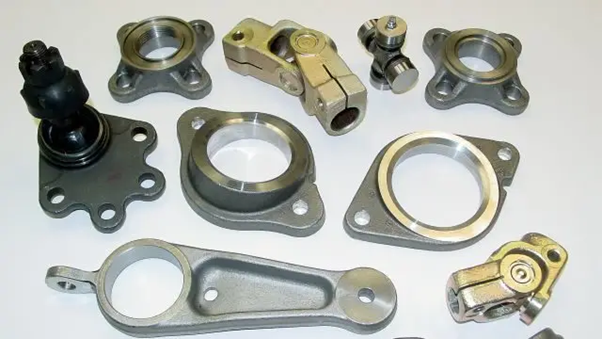
The modern competitive environment in the manufacturing industry has put industries under continuous pressure to manufacture hardware components that are robust, resilient, accurate, and economical. To attain these, firms use contemporary production methods that are quality and efficient. One of the most successful and popular processes is that of hardware die casting among them. Manufacturers are able to create hardware components that bring together complex detail with excellent strength by placing molten metal under high pressure into a mold made of steel. This process is used to produce both elements that have a smooth finish and even quality, as well as producing a significant number of elements at a reasonably low unit price. The relevance of hardware die casting is widespread in an array of industries. It is used in the automotive industry in the manufacture of light but strong components that result in fuel efficiency and safety. It can be used in electronics to make sustained housings, connectors and heat sinks. Precision parts are advantageous to aerospace companies in that they can withstand the harsh conditions, but the construction and furniture industries use them in their functional and decorative fittings. The article will be a complete investigation of the process of hardware die casting and its benefits, process, and materials. We shall also look at the position of the aluminum die casting hardware, the distinct advantages of the use of zinc die casting hardware and the increasing uses of the various parts of die casting hardware in the current industries. What is Hardware Die Casting? Hardware die casting is a specialized manufacturing method, which involves steel molds, otherwise molds, called dies, to form metal parts. This is done by melting metals like aluminum, zinc or magnesium and then forcing the molten metal into a die cavity at high pressure. After hardening of the metal, the mold is opened, and the component is forced out. The word hardware used here means minor yet vital parts such as hinges, brackets, handles, and locks, among other fittings. By casting them in die, the products are uniform, strong and cost-effective in contrast to other traditional methods of production like forging or machining. The Hardware Die Casting Process Design and Mold Preparation Hardware die casting- The die casting process starts by designing and preparing the mold, or die. A mold is designed by engineers using high-quality steel, which is hard enough to endure a higher number of molten metal injection cycles. The two halves of the mold are then molded and assembled to create a hollow into which the part will be shaped. To be efficient, the die will have inbuilt cooling channels to maintain its temperature and ejector pins, which will enable it to be easily released once it has solidified. Melting the Metal Once the mold is ready, the chosen metal is melted in a furnace at well-monitored temperatures. Aluminum and zinc are the most used, and it is important to maintain the appropriate molten state. The constant temperature enables the flowing molten material to fill the mold without forming defects and air bubbles. Injection into the Die After getting the metal to the correct molten state, it is forced into the die cavity with extremely high pressure that may range between 1500 and 25000 psi, depending on the material to be used and the intricacy of the design. It is a high-pressure injection method, which guarantees that all the sections of the mold are filled to the last detail, and the outcome is extremely precise. Cooling and Solidification Immediately the molten metal gets into the mold, it starts cooling and hardening. This process has to be well regulated since either rapid or slow cooling can lead to changes in the quality of the end product in terms of strength and precision. When an appropriate cooling cycle is maintained, the hardware components will be powerful and dimensionally accurate. Ejection and Finishing When the part is solid, the mold is opened, and the component is literally ejected by ejector pins. This is where the product is shaped, but it has excess material commonly referred to as a flash. This is removed and the portion can be subjected to further finishing processes of polishing, anodizing or coating to enhance its looks and workability. The cycle can be subsequently repeated continuously, and the manufacturers can manufacture huge numbers of the same type of die casting hardware parts with very high efficiency. Benefits of Hardware Die Casting Precision and Accuracy Among the most powerful positive aspects of the hardware die casting is the high precision that the process can provide. Complicated designs that are tightly tolerated can be generated in the process, and this can avoid further machining or even completely do away with it. This precision means that all the components fit in their use, be it in a vehicle, an electronic product, or building hardware. The manufacturers also like the fact that they are able to create complex shapes in the same process instead of using various manufacturing processes. Strength and Durability Die-cast metals are recognized to have a strong mechanical ability and outstanding endurance. Hardware components manufactured under the process of hardware die casting are capable of sustaining high weight, repeated application and subject to wear and tear without their functionality being affected. This is the reason why these parts tend to be applied in the most reliable industries, such as automotive and aerospace. Its durability also implies that there is a reduced need to replace products, and this is a value addition to the manufacturer and the end-users as well. Economical when dealing with large quantities The casting process is very cheap when mass production has to be done after the die has been produced. Firms can manufacture thousands or millions of parts of the same type with a very small variation. This capability to produce on a large scale and at a low cost per unit is among the factors that make hardware die casting more desirable compared to other

自動車用鋳物の未来

自動車鋳物の未来:革新、効率、性能

ダイカストメーカー, ダイカスト

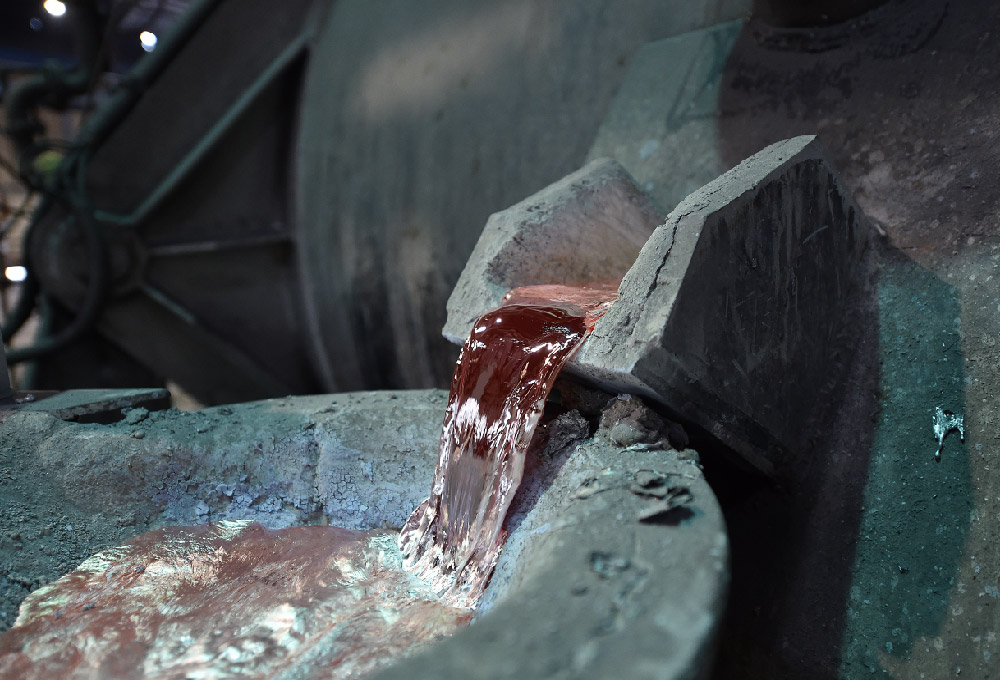
自動車は技術開発から決して取り残されてはいない。自動車製造における最初の鉄骨フレームから最新の軽量合金に至るまで、自動車の各部品は安全性、耐久性、性能を高めるための技術革新によって改良されてきた。最も大きな進歩のひとつは、自動車鋳造の世界にある。これは自動車の設計、生産、最適化に役立っている。平たく言えば、自動車鋳造とは、溶けた金属を計量して型に流し込み、自動車の複雑な部品を成形するプロセスと定義できる。この方法は精密でコスト効率が高く、大量生産にも対応できる。現在、道路を走っているほとんどすべての自動車には、鋳造された部品がいくつかあるため、これらの工程は業界において重要である。この記事では、いわゆる自動車鋳造の歴史、製造、利点、将来性を検証し、また、いわゆる自動車鋳造、ダイカスト自動車部品、鋳造自動車部品が現代の自動車の形成にどのように貢献したかを見てみましょう。自動車鋳造の歴史 鋳造の方法は数千年前にさかのぼるが、自動車産業で使用されるようになったのは19世紀末から20世紀初頭のことである。最初の自動車は非力で重量も重く、そのほとんどが鍛造鋼部品であった。大量生産の必要性が高まるにつれ、メーカーはより安価で迅速な解決策を見出すことが求められるようになった。そして、自動車鋳造の技術が従来の技術に取って代わり始めた時期である。鋳造によって、自動車メーカーは材料の無駄を省き、同じ部品を大量に作ることができるようになった。これが大量生産をもたらし、産業ブームで自動車が一般庶民にも買えるようになった理由のひとつである。現代の自動車鋳造では、国際的な自動車規格の高い基準を満たすために、最先端の合金、正確な金型、オートメーションが使用されています。 自動車鋳造とは?自動車鋳造とは、自動車製造において、溶融金属を鋳型に流し込んで凝固させ、目的の形状に固めることで自動車の部品を作る製造プロセスです。これは、従来の機械加工や鍛造に比べ、複雑で長持ちする正確な部品を、コスト効率よく、少ない労力で作ることを可能にする技術です。エンジンブロック部品、シリンダーヘッド部品、トランスミッションハウジング部品、ブレーキ部品、サスペンション部品などに応用されている。アルミニウム、鋳鉄、鋼鉄、マグネシウムなどのさまざまな合金を通して、自動車鋳造は現代の自動車に必要な強度、軽量設計、耐久性を提供します。この技術が普及しているのは、そのためである:鋳造で作られる一般的な自動車部品自動車鋳造の種類 正確に言えば、自動車鋳造は、自動車メーカーが信頼性が高く、軽量で、費用対効果の高い部品を大量に開発するのに役立つため、必要なのです。現代の自動車は、鋳造なしでは大量生産できません。自動車鋳物の材料 アルミニウム 軽量で耐腐食性のガラスであるアルミニウムは、自動車鋳物の分野で最も好まれている材料のひとつです。自動車の総重量を大幅に削減し、燃費と操縦性を向上させます。また、アルミニウムは熱伝導性に優れているため、エンジンブロック、シリンダーヘッド、トランスミッションハウジングにも適しています。強度を損なうことなく高精度で軽量な部品を作ることができるため、アルミニウムは多くのダイカスト自動車部品の製造に使用されています。その柔軟性と安定性により、アルミニウムは現代の自動車製造において最も優れた材料のひとつです。鋳鉄 自動車鋳物で人気のある他の材料は鋳鉄で、その理由はこの材料が高い強度、耐熱性、摩耗特性を持っているからです。鋳鉄はアルミニウムよりも重く、エンジンブロック、ブレーキドラム、その他サスペンションの部品など、構造的で頑丈な用途に適しています。この構造は非常に耐久性が高く、このような部品は長期間の使用や高温条件下での圧力に耐えることができるため、強力で信頼性の高い性能を必要とする自動車には不可欠です。スチール 自動車鋳物では、その高い強度と柔軟性からスチールが好まれている。スチール部品を熱処理すると靭性が増すため、シャーシ部品、ブラケット、構造フレームに最適です。スチールはアルミニウムよりも重量があるが、自動車の安全上重要な部品の一部に強度と運搬能力を提供する。柔軟性があり、エンジニアは性能と規制要件の両方を満たす部品を考え出すことができる。マグネシウム合金 マグネシウム合金は、軽量化が優先される、いわゆる自動車鋳物への用途が拡大している。これらの合金は非常に軽量でありながら、非構造部品に十分な強度を提供します。マグネシウム部品は、内装部品、エンジンカバー、特定の構造部品、特に総重量を最小限に抑えることが性能やハンドリングに重要な高性能車や電気自動車に使用されることがあります。銅合金 銅合金は、その高い電気伝導性と熱伝導性により、いわゆる自動車鋳造品に使われることがあります。これらは腐食に強く、丈夫な材料であるため、現代の自動車の特定の電気部品や熱に敏感な部品に適用することができます。銅合金はアルミニウムやスチールほど広く使われてはいないが、性能と導電性が重要な場合など、ニッチな用途がある。複合材料 自動車技術の発展に伴い、鋳造自動車部品に複合材料を試験的に使用しているメーカーもある。これらの材料は、軽量化と強度を両立させるために開発されたもので、電気自動車やハイブリッド車には非常に便利である。また、複合材料は熱調節や耐腐食性にも優れており、次世代自動車部品の新しい技術となっています。自動車鋳造プロセスの種類 自動車業界では数多くの鋳造技術が採用されており、それぞれに部品や材料が異なります。ここでは最もポピュラーなものについて考えてみます:砂型鋳造 最も古い技術のひとつが砂型鋳造で、大型で複雑な部品を砂型を使って作ります。試作品やエンジンブロックのような重い部品に最適です。ダイカスト ダイカストは、再利用可能な鋼鉄製の金型に溶融金属を高圧射出する必要があるプロセスです。これは、特に軽量かつ高剛性の部品を製造するのに適した技術です。

コールド・チャンバー・ダイカスト

コールド・チャンバー・ダイカスト技術の最新動向

ダイカスト, ダイカストメーカー, ダイカスト部品

コールド・チャンバー・ダイカストは、高い強度と精度を特徴とする複雑な金属部品の製造に適用される精密タイプの製造技術です。このプロセスは、アルミニウム、真鍮、銅合金のような融点の閾値が高い金属に最適です。コールド・チャンバー・ダイカスト・システムは、ホット・チャンバー・ダイカスト・システムのように溶けた金属に入れるのではなく、別の炉で溶かした金属を手作業でコールド・チャンバー・ダイカスト・マシンに入れる。この配置は機械の摩耗を少なくし、より丈夫な合金を使用する。企業にこの方法を選択させる重要な要因の中には、特殊なコールドチャンバー・ダイカスト鋳造の利点と欠点があります。ダイカスト鋳造は、最高の寸法精度、滑らかな表面仕上げ、長いサイクルタイムを持っています。それにもかかわらず、その強度と構成部品の耐久性は、自動車、航空宇宙、電子機器市場で好まれています。ホット・チャンバー・ダイカストとコールド・チャンバー・ダイカストの違いは、プロセスを正しく選択する上で非常に重要である。ホット・チャンバー・ダイカストはより迅速で、亜鉛のような低融点の金属に適用されるのに対し、コールド・チャンバー・ダイカスト・システムはより高温でより強い金属を扱うように設計されています。メーカーはまた、このプロセスによって、仕様の精度が高く、長持ちする信頼性の高い部品を製造できるようになる。本記事では、コールドチャンバー・ダイカストの動作原理、主要部品、採用される金属の性質、クランプ力やサイクルタイムなど、コールドチャンバー・ダイカストの技術的パラメーターについて説明する。また、コールドチャンバー・ダイカストの利点と欠点についても考察し、この重要な製造工程の全体像をお伝えします。コールド・チャンバー・ダイカストとは?コールド・チャンバー・ダイカスト:コールドチャンバー・ダイカストプロセスは金属鋳造プロセスであり、溶融金属を手動または自動で射出システム外の独立したコールドチャンバーに投入します。その後、金属は高圧で金型キャビティに押し込まれ、金属は冷却され、所望の形状に結晶化します。通常、真鍮、アルミニウム、銅合金のような融点の高い金属に適用される。射出システムの部品の不適切な作業の原因となる腐食や熱疲労を避ける目的で、射出機構が溶融金属中に浮遊しているホットチャンバーダイカストプロセスとは異なり、コールドチャンバープロセスでは射出設備を隔離しておく。後者の実践、すなわちコールドチャンバーダイカストの適用は、使用される金属が部品に接触して害を及ぼすような場合に特に有利である。射出プロセス自体で高圧を使用することができ、鮮やかな表面仕上げと寸法安定性を備えた、より高密度で強力な部品が可能になります。ダイカストプロセス-ステップバイステップ コールドチャンバーダイカスト技術の目的は、アルミニウムや真鍮のような高温で融点を持つ合金で構成されることが多い、高精度で硬い金属部品を作ることです。どのように機能するのか、順を追って説明しましょう:1.金属を溶かすために外部炉が使用される プロセスは、金属の溶融が外部の別の炉で行われることを除けば、ホット・チャンバー鋳造と同様である。これは、コールド・チャンバー鋳造では溶けた金属が内部で高熱を発生させ、処理しきれないためです。金属は溶かされた後、鋳造機に移される。2.溶湯をショットスリーブに流し込む その後、ダイカストマシンのショットスリーブに溶湯を流し込む。手動またはアームで行う。ショットスリーブは強度があり、熱に強い管で、その中に金属が静止し、後に注入される。凝固が早まるのを防ぐため、この作業は非常に迅速に行う必要がある。3.プランジャーが金属をダイに押し込む。スチール製のプランジャーがショットスリーブ内を移動し、溶融金属を高圧でダイキャビティ内に押し込む。この力は、複雑なパターンや非常に薄い壁であっても、金属が金型に充填されることを確実にし、エアポケットのような欠陥の可能性を減少させる。4.金型内での金属の凝固 金型に金属が充填されると、金型内で金属が冷却され凝固し始めます。この凝固ステップは、精度の高い部品を作る上で非常に重要です。冷却時間は、部品の金属、部品の厚さ、金型の温度によって異なります。5.真鍮ダイとエジェクターピンが鋳物を押し出す 部品が凝固したら、機械のクランプユニットがダイを開き、エジェクションピンが鋳物を金型キャビティから押し出します。その後、冷却ステーションまたはトリミングステーションに移動します。6.フラッシュの除去 (余分な金属の除去) ダイの半分が合わさる鋳物のエッジ周辺には、フラッシュと呼ばれる側面の余分な金属があります。これは、仕上げの要求に応じて、機械的なトリミング、研磨、機械加工によって除去されます。これにより、最終製品が意図した形状や公差を下回ることを防ぐことができる。7.金型サイクルのリセットと注油 金型は、次のサイクルに入る前に洗浄と注油が行われる。注油が終わると、金型は再びクランプされ、機械は次のサイクルのためのリセットに切り替えられます。8.品質検査と仕上げ ひび割れ、収縮、表面の異常など、品質上の欠陥が存在しないことを確認するためにチェックされる完成部品である。部品の最終用途の要件に応じて、追加の機械加工、表面処理、組み立て(必要な場合)を行うことができる。部品に使用される金属

ホットチャンバー・ダイカスト

ホットチャンバー・ダイカスト:重要な製造工程を深く掘り下げる

ダイカスト

ホットチャンバー・ダイカストは、金属部品を非常に高精度に、また表面の優れた仕上げを実現するために広く使用されている、非常に効果的な製造プロセスです。特に亜鉛、マグネシウム、鉛を含む合金のような融点の低い金属の鋳造に適しています。射出システムが溶融金属に浸漬されるという事実に代表されるように、高速サイクルタイムと大量生産の経済性が可能である。コールド・チャンバー・ダイカストとホット・チャンバー・ダイカストについて鋳物を考えるとき、必ず同じような比較の場が出てくる。どちらも加圧ダイカストのバリエーションではあるが、デザイン、用途、使用材料の相性など、その違いは非常に大きい。例えば、ホット・チャンバー・ダイカストは、炉を機械に置き換えた高速ダイカストです。そのため、低融点金属の制約がある。逆に、コールド・チャンバー・タイプの機械は、高温の金属が設備に直接触れないため、アルミニウムや真鍮のような高融点の液体に適しています。ホットチャンバーダイカストプロセスの特徴は、材料の無駄が少なく、人件費が安く、複雑な形状を高い公差で製造できることです。自動車、電子機器、配管、消費者製品などの業界で人気があります。とはいえ、コールド・チャンバー・ダイカストとホット・チャンバー・ダイカストのどちらを使用するかは、使用する材料の種類や部品設計の側面にも左右されます。この記事では、ホットチャンバー・ダイカストの重要な詳細、その部品、材料、工程説明、制約、そしてなぜそれが現代の製造業において不可欠な工程であるのかという理由について考察します。ホットチャンバー・ダイカストとは?ホットチャンバーダイカストとは、溶融金属を高圧で金型キャビティに注入する金属鋳造技術です。この方法のユニークな点は、射出機構が配置されていることです:溶融金属に直接注入されます。サイクルタイムと生産効率は、特に亜鉛、マグネシウム、一部の鉛合金のような低融点の金属では、このセットアップで高い。ホットチャンバー。この名称は、射出機構(プランジャーとグースネック)が溶融金属領域と常に接触(充填)していることから、システムのホットチャンバーを表している。プランジャーが下降すると、溶融金属がグースネックを通って金型キャビティに圧縮されます。金属が固まると金型が開き、部品が排出され、このプロセスが無数に繰り返される。ホットチャンバー・ダイカスト・プロセス ホットチャンバー・ダイカスト・プロセスは、金型の精度が非常に重要な金属部品の製造に利用される、高精度で高速な製造技術のプロセスであり、表面仕上げも優れています。低融点合金に最も適しており、亜鉛、マグネシウム、鉛は低融点合金の一例である。その主な特徴は、短いサイクルタイムと優れた材料効率である。この製法は、複雑な端部を簡単に、しかも1個当たりの価格が手ごろな価格で作ることができるため、主に自動車、電子機器、電化製品、金物産業で見られるさまざまな製品の製造に広く使われている。ホット・チャンバー・ダイカスト・プロセスを以下に順を追って説明する:ホットチャンバー・ダイカスト工程-ステップ・バイ・ステップの概要 1.金属が溶ける ダイカストマシンの内蔵炉で、金属(通常は亜鉛またはマグネシウム)を溶融成形することから始まります。溶融金属は、鋳造機に直接接続されている金属ポット内で一定の温度に保たれます。この絶え間ない熱供給により、鋳造工程は連続的に行われます。2.射出システムへの充填プロセス ホットチャンバーシステムでは、グースネックと呼ばれる部品の一部が浸漬された溶湯の一部があります。射出シリンダー内を流れるプランジャーは、溶湯がグースネックから射出注入孔に噴出する位置まで後方に引かれる。次のステップでは、この金属を金型キャビティに射出する。3.溶湯の射出 グースネックが満たされると、プランジャーが油圧または空気圧で押し進められ、溶湯がグースネック・チャンネルを通って金型キャビティ(ダイとも呼ばれる)に押し込まれます。これは、金属が硬化し始める前にキャビティが完全に充填されるように、高い速度と圧力で行われる。4.鋳型内での鋳造と凝固 この鋳型内の高温の金属は、鋳型の比較的冷たい鋼鉄によって急速に冷却されます。凝固には、部品のサイズと複雑さに応じて数秒かかります。このステップでは、金型冷却チャンネルが熱の除去を補助し、サイクル速度が低下しないようにし、収縮やポロシティなどの欠陥が発生しないようにします。5.金型の排出と開放 金属が凝固したら、金型の半分が開放されます。エジェクターシステムは金型の可動半体に設置され、エジェクターピンを使って力をかけて作動し、完成した鋳物をキャビティから押し出します。エジェクションの際、部品が損傷することなく出てくることが保証されます。6.二次加工とトリミング 射出された鋳造品には、フラッシュ、ランナー、スプルーと呼ばれる余分な材料が含まれている場合があります。これらは手作業でトリミングされるか、自動でトリミングされます。部品は、表面仕上げ、機械加工、コーティングなど、用途に応じてさらに加工することができます。7.リピート・サイクル 機械は、再び使用するためにクリアされ、クリーンアップされます。ホット・チャンバー・ダイカストは、サイクル・タイムが非常に速いことが特徴で、パーツの複雑さやサイズによっては、わずか10~20秒で数個の完成パーツを作ることもあります。サイクルタイムと効率 ホットチャンバープロセスの最大の利点は、そのスピードです。ホットチャンバー機コールド・チャンバー・ダイカストとは異なり、金属をお玉ですくい上げる必要があります。

中国と世界の合金ダイカスト会社 

中国と世界の合金ダイカスト会社 

ダイカスト, ダイカスト会社, ダイカスト会社

合金ダイカストは、厳しい公差が要求され、非常に優れた仕上がりを持つ複雑な金属片を製造するために使用されます。中でも、自動車、航空宇宙、電子機器、防衛、医療機器、消費者製品産業で大きな役割を果たしている。世界中のメーカーが協力していますが、中国がこの業界をリードしているのは、強力なインフラ、よく訓練された人材、優れた価格設定があるからです。CNM Tech Co.Ltd.、Sincere Tech、GC Precision Mould Co.Ltd.は、中国のダイカスト分野で有名な企業であり、いずれも金型設計、CNC加工、最終組立を手がけている。これらのメーカーは最新の技術を駆使し、ISO9001などの世界的な品質基準に従っています。彼らのサービスのほとんどは国際的な顧客をサポートしているため、世界的な供給ネットワークにおいて大きな役割を果たしている。Nemak社(メキシコ)、MRT Castings Ltd社、Haworth Castings社(英国)、PHB社(米国)などは、アジア以外の先進ダイカスト技術の好例である。イノベーション、持続可能性、精密生産がこれらの企業の中心であり、厳しい規制のある航空宇宙、医療、電気自動車分野に納入している。これらの企業はいずれも高度な技術を有し、品質、顧客ケア、グリーン・チェンジを重視している点で他とは異なる。本記事では、中国および世界の主要なダイカスト企業数社について取り上げ、その主な資質、強み、このビジネス市場でうまくいっている理由を強調する。あなたが世界のどの地域に外注しようとしているかにかかわらず、与えられたプロフィールは、あなたの最良の選択についての有用なアドバイスを提供します。合金ダイカスト 合金ダイカストでは、何度も再利用できる鋼鉄製の金型に、液体状の金属合金を勢いよく押し込んでいきます。この製造方法は、寸法が非常に正確で、滑らかで、非常に効率的に製造できる金属部品を作るのに役立ちます。合金ダイカストの主な特徴1.使用される合金:合金ダイカストの多くは、アルミニウム、亜鉛、マグネシウムなどの非鉄金属合金を使用しており、重さ、強度、耐食性、熱伝導性などに重要な利点があります。2.プロセスの概要次に、材料を炉に入れて合金を溶かす。硬化した鋼鉄の型がダイカストマシンを通って入る溶融金属を受け取ります。3.ダイカストの種類は:合金ダイカストの主な強みは以下のとおりです:共通の適用:1.CNMテック株式会社設立年: 20年以上従業員数:100-200人ビジネスタイプCNM Tech Co., Ltd.は、ダイカスト、CNC機械加工、組立サービスに重点を置く精密製造会社である。ウェブサイトと連絡先ウェブサイト: https://www.thediecasting.com/Contact:+86 13045898002Email: sales@thediecasting.comAddress:工場の住所中国広東省東莞市橋頭鎮景連市東湖路40号101室。523520.会社概要 精密アルミニウムおよび亜鉛ダイカスト部品の製造は、ダイカスト・カンパニーの最も得意とするところである。同社は、金型設計、金型製作、CNC機械加工、表面仕上げ、品質検査に必要な能力をすべて社内に持ち、完全な鋳造サービスを提供しています。自動車、電気、産業機械などの業界にサービスを提供する同社は、エンジニアリングの知識とISO9001の認証を取得している。近代的な技術と顧客に優しいアプローチにより、ダイカスト・カンパニーは高性能、低コスト、不変の品質を提供している。インドに本社を置くCodeplayは、世界中のお客様にカスタムサポートと納期厳守の納品を提供しています。品質へのこだわり The Die Casting Companyでは、すべての作業において高い品質が重要視されています。原材料のチェックに始まり、完成品の検査に至るまで、厳格な品質管理手順を採用しています。同社はISO9001に準拠しているため、同社の施設では最新の設備が使用され、訓練を受けた作業員がチームを組んでいます。鋳造品のひとつひとつが、寸法、強度、外観を入念にチェックされ、顧客のニーズや業界の要求に応えている。このような取り組みにより、顧客は満足し、製品は確実に機能し、長期的な信頼が築かれるのです。当社が選ばれる理由2.誠実な技術創業年:2005年従業員数:100~200名100-200ビジネスタイプSincere Techは中国最大級のプラスチック射出成形金型メーカー、ダイカストメーカー、機械加工プロバイダー、組立プロバイダーである。ウェブサイトと連絡先ウェブサイト:https://plas.co/Phone:+86 135 30801277Email: steve@sincere-tech.comAddress:中国広東省東莞市橋頭鎮景連村東湖路N041号101室523000.会社概要 2005年、誠信科技(plas.co)は設立され、中国におけるカスタムプラスチック射出成形金型及び成形サービスの大手プロバイダーとなりました。この分野で18年の実績があるため、金型設計、CNC加工、ダイカスト、シリコン成形、組立などの幅広いソリューションを提供することができる。電子機器、自動車、医療、家電製品に携わるSincere Techは、5軸CNCやCMMなどのハイテク機械に精度と品質を依存しています。国際標準に従って、同社はISO 9001:2015とQS 9000:2015の認証を遵守し、顧客が予算内で高品質の製品を受け取れるようにしています。品質へのこだわり Sincere Techでは、すべてが品質を念頭に置いて行われなければなりません。同社はISO 9001:2015とQS 9000:2015規格を使用しながら、すべての製品を製造しています。最新のツールと厳格な規制により、Sincere Techはすべての製品が仕様通りに作られていることを保証しています。設計のレイアウトから組み立ての完了まで、すべての工程は、特定の部品が強く、正確で、顧客を満足させることを保証するために厳密に監視され、それが業界で尊敬されている理由です。なぜ当社なのか?3. 株式会社GC精密金型設立年1999年従業員数100-200ビジネスタイプ弊社GC精密金型株式会社はアルミ、亜鉛、マグネシウムダイカスト、CNC機械加工、プラスチック射出成形を行っています。ウェブサイトと連絡先ウェブサイト:https://aludiecasting.com/Contact:+86 131 4886 5556Email: info@aludiecasting.comAddress:工場住所 1: No 30 Huan Zhen Rd, Qi Shi Town, Dongguan City, Guangdong Province, China, 523516 Company Profile GC PrecisioMold Co., Ltd.は1999年にスタートし、現在では非鉄金属からの奇数鋳造芸術と機械加工製品の世界トップクラスのサプライヤーとなっています。ファイアレイ精密設備は20年以上の業界経験があり、主にアルミダイカスト、亜鉛ダイカスト、青銅砂型鋳造、アルミ重力鋳造、CNC精密機械加工を行っています。中国広東省東莞市を拠点とするGC PrecisionMould Co.

中国と米国のダイカスト会社トップ10

中国と米国のダイカスト会社トップ10

ダイカスト, ダイカスト会社, ダイカスト会社

The die-casting production method remains a fundamental process in making various products throughout multiple industries including automotive production together with aerospace applications and electronic components together with industrial machinery production. It is the process of injecting molten metal into a mold cavity under high pressure to obtain high precision and durable metal components. Numerous die-casting service companies emerged due to rising market demand for high-quality manufacturing solutions. The world’s most accomplished die-casting producers operate from China and the USA driven by both advances in their technological capabilities and strong dedication to manufacturing excellence. The Chinese market functions as a worldwide center for die casting where businesses deliver affordable services with stringent industry requirements. These manufacturers deliver whole service packages that include mold design alongside production services together with surface finishing and assembly solutions. The USA operates through an innovation-focused system while maintaining strict quality standards in addition to precise engineering practices. The die-casting companies in America provide solutions across various industry sectors which deliver exceptional performance qualities. This post is a list of the top 10 die-casting companies in China and the USA, with a history, and capabilities, and serves as a list. The mentioned companies lead the industry because they provide dependable production services at every scale together with specialized die-casting expertise. 1. Sincere Tech Year of Establishment: 2005Number of Employees: 100-200Business Type: Sincere Tech is one of the china’s largest plastic injection mold manufacturers, die-casting producers, machining providers and assembly providers. Website and Contact Website: https://plas.co/Phone: +86 135 30801277Email: steve@sincere-tech.comAddress: Rm101, N041, Donghu road, JingLian cun, qiaotou town, Donggguan City, Guangdong Province, China. 523000. Company Profile A Chinese supplier of plastic injection moulds and moulding services, Sincere Tech is a leading Chinese company. This company was founded in 2005, and stamping metal and plastic, precision plastic injection moulds, CNC machining, die casting and silicone moulding are its competitive edge in the market. Sincere Tech has advanced equipment, NDA protection, competitive prices and 18 years of experience in high-quality production. With injection moulding machines for 60 to 1800 tons that serve electronics, medical, automotive, or cosmetics industries, its components of under 1 gram to 8 kilograms are produced efficiently. Their Quality Commitments Sincere Tech is dedicated to creating products that meet international quality standards as per ISO 9001:2015 and QS 9000:2015. They have been dedicated to quality and this has enabled the company to cultivate a massive demand, exporting it to Finland and other countries. Amongst all the plastic injection molding industry partners that are providing almost the same quality of services, it is sincere Tech that stands out as a trustworthy and innovative partner for plastic injection moulding. Why Choose Sincere Tech? Customers seeking die-casting services from China or the USA should get in touch with these trustworthy manufacturing companies that will provide professional assistance. 2.  CNM Tech Co., Ltd. Year of Establishment: 20+Number of Employees: 100-200Business Type: CNM Tech Co., Ltd. is a precision manufacturing company focused on die casting, CNC machining and assembly services. Website and Contact Website: https://www.thediecasting.com/Contact: +86 13045898002Email: sales@thediecasting.comAddress: Factory Address: Rm 101, No.40, Donghu Road, Jinglian, Qiaotou town, Dongguan city, Guangdong Province, China. 523520. Company Profile Thediecasting.com is the official domain that CNM Tech Co., Ltd. operates under, which is an outstanding Chinese manufacturer of die-casting solutions. The company is a China-based aluminium, magnesium, and zinc die casting; CNC machining; surface finishing, and assembly business headquartered in Dongguan, China. CNM Tech has more than 20 years of experience in the fields of automotive, aerospace, electronics, etc. Due to the high precision manufacturing their in-house tooling shop and advanced CNC machines also ensure. CNM Tech provides all types of polishing, sandblasting, powder coating, oil painting etc. with high-quality finish products matching the needs of users worldwide. Their Quality Commitments CNM Tech Co., Ltd. is provided ISO 9001:2008, TS16949, and ISO 14001:2015 documents. In most cases, these will provide you with the assurance that the management of your company is top-notch and also will guarantee compliance with automotive industry standards and environmentally friendly activities undertaken by the company involved. As a result of strictly following quality and environmental regulations, CNM Tech provides great die-casting solutions with a minimal environmental impact with its excellent reputation in the market. Why Choose CNM Tech Co., Ltd? Customers seeking die-casting services from China or the USA should get in touch with these trustworthy manufacturing companies that will provide professional assistance. 3.  GC Precision Mold Co., Ltd. Year of Establishment: 1999Number of Employees: 100-200Business Type: Our company GC Precision Mold Co., Ltd. do aluminium, zinc and magnesium die casting, CNC machining, and plastic injection moulding. Website and Contact Website: https://aludiecasting.com/Contact: +86 131 4886 5556Email: info@aludiecasting.comAddress: Factory Address 1: No. 30 Huan Zhen Rd, Qi Shi Town, Dongguan City, Guangdong Province China, 523516 Company Profile GC Precision Mold Co., Ltd., operates under Aludiecasting.com is a die casting and precision machining manufacturing site that is one of the leading Chinese manufacturers. The company was founded in 1999 and the services include aluminium, zinc and magnesium die casting, plastic injection moulding, and CNC machining and surface finishing. They have state-of-the-art art machinery such as high-pressure die casting machines (120 – 1600 tons) and injection moulding machines (80 – 2800 tons connected to industries like automotive, aerospace and electronics. They have a very strict quality to provide the exact, durable and cheaper manufacturing solutions throughout the world. Their Quality Commitments GC Precision Mold Co Ltd provides the best die casting and machining solutions as specified in the ISO 9001 certification their quality control is so strict that they test for precision, CMM machines, X-rays and spectrometers to ensure a reliable product. Through strict adherence to international standards, the company ensures delivery of consistent, high-quality components with minimum customer complaints due to the reliability aspect for the reasons indicated in every project. Why choose GC Precision Mold Co., Ltd.? Customers seeking die-casting services from China or the USA should get in touch with these trustworthy manufacturing companies that will provide professional assistance. 4.

ダイカストとは?ダイカストについて知っておくべきこと

ダイカストとは?ダイカストについて知っておくべきこと

ダイカスト

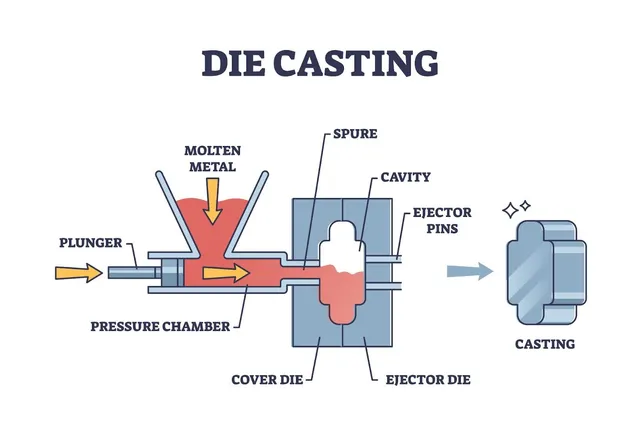
This is a manufacturing process in which molten metal is forced using pressure to fill a mold cavity also known as die casting. The mold is usually of high-quality steel and hence the part can be produced in large quantities the term is used to mean the manufacture of many parts. The finished part is then produced by opening the mold after the molten metal is cooled and forms a solid layer. This kind of use of the process is mostly applied in making intricate metal used in the production of different parts that require high accuracy in measurement and polished surfaces. Die casting can be done on aluminium, zinc, and magnesium but other metals can also be used on a case depending on application and other requirements. Die casting is considered to be one of the expert manufacturing techniques in the conception of mass production of small to medium-sized components out of metals. The popularity of the method has been spread across automotive, aerospace, electronics, and industrial machines due to its ability to produce durable lightweight intricately tailored parts. However, this process is widely recognized for its ability to manufacture products with complex geometry that would be very hard to make using conventional techniques. How Die Casting Works Molding is the first part of the die-casting process. On one side of the mold, there is a half, and it is a half of a particular design to make the mold shaped like the final product. Cavities and cores are designed for the molds that are usually custom-made so that the part can be replicated as closely as possible. 1. Molten Metal Injection: Then the molten metal is injected into the mold cavity under high pressure to form the desired shape. The metal is usually heated to one degree above the melting strain to make it fluid. In die casting, the pressure that the molten metal is pushed into the mold can be from several thousand to tens of thousands of psi (pounds per square inch), to be sure that the molten metal gets into every detail of the mold. 2. Solidification: This occurs when the metal is injected into the casing cavity whereby it cools and the metal hardens. The quality of the casting depends upon the cooling rate. Additional modes of failure (shear, climb, and glide) come into play in this case and result in faster cooling higher strength better surface finish, and slower cooling which could result in more internal defects and lower mechanical properties. Water-cooling systems built into the mold are usually used to assist the cooling process. 3. Ejection: Following this, the metal is allowed to cool and solidify and it is then easy to remove the mold from the larger casting and eject the part. Then most of the time is used in the pushing out part from the mold using a mechanical ejector system. This depends on the complexity of the part that requires other extra steps, namely trimming and machining to deliver the final shape and dimension. 4. Quality Control: A quality check is then performed on a part after ejection. It can involve dimensional verification, visual inspection, and mechanical testing to confirm that the part is equal to or better than the requirements. High precision and repeatability are theoretically achieved in die casting. Types of Die Casting There are two types of Die casting, they are hot chamber die casting and cold chamber die casting. These are all good and have their advantages, limitations and ideal applications. 1. Hot Chamber Die Casting The process most suitable for metals such as zinc, magnesium, and lead is a hot chamber die casting since the process is done at high temperatures, and melting points. The injection system is installed inside the melting furnace in this way, the metal is always in contact with the chamber. Advantages: Disadvantages: 2. Cold Chamber Die Casting The metals that have higher melting points like aluminium, brass and copper are cast in cold chamber die casting. In this case, the molten metal is tapped from a second furnace injected into the cold chamber then into the mold cavity. Advantages: Disadvantages: The Comparison of Die Casting Methods: Hot Chamber vs. Cold Chamber Here is a comparison of the most common types of two die-casting methods, Feature Hot Chamber Die Casting Cold Chamber Die Casting Metal Compatibility Best for low-melting-point metals (e.g., zinc, lead) Best for high-melting-point metals (e.g., aluminium, brass) Cycle Time Faster cycle times Slower cycle times Mold Wear Higher mold wear due to direct contact with molten metal Lower mold wear Cost Lower cost for high-volume production Higher initial cost, but better for high-strength metals Complexity of Parts Good for simpler parts Better for more complex, larger parts Advantages of Die Casting It is one of the largest advantages that die casting is one of the main preferred methods of large-scale production of products from metal alloys. 1. High Precision and Accuracy There are many advantages of die casting, which makes it convenient to offer high die precision. This method of production is also widely used for the production of parts, which requires good dimensional accuracy which is very crucial as it defines tolerance levels required in a specific job. One should note that die casting is the only manufacturing technique that can produce given parts with the utmost complexities such as the intricacies of its geometries.  2. High Production Rates In terms of large volumes, die casting is very efficient. Parts are quickly and cheaply produced once the first mold is created with very little labor involved. The demand for simulated powders is particularly high in industries like automotive and electronics where large volumes of the same parts are required. 3. Complex Designs and Thin Walls Complex design can be achieved by die casting, which would be difficult or impossible to achieve by traditional manufacturing methods. The process can make parts with thin walls, and complex internal structures, and can accommodate undercuts; thus making it the

高圧ダイカストにおける通常の製造不良:原因、予防、解決策

アルミ鋳造, ダイカスト, 高圧ダイカスト

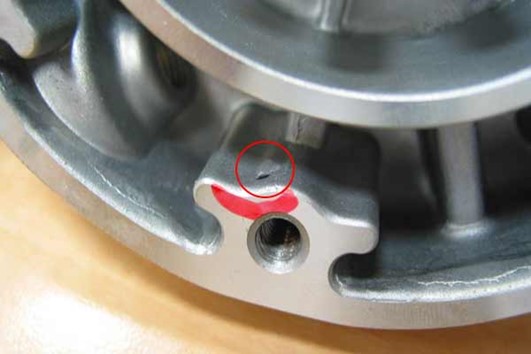
高圧ダイカスト(HPDC)は、現在の製造業で最も頻繁に利用されている金属鋳造プロセスの1つです。製造業者がHPDCを選択する理由は、高精度で迅速な生産速度、優れた寸法精度と滑らかな仕上げの両方を達成する複雑な金属部品の生産を可能にするからです。HPDCは、自動車や航空宇宙産業、電子部品や消費財の製造において、エンジンやハウジング、構造要素、機械組立品などの用途に使用される軽量で耐久性のある部品の製造を可能にします。高圧ダイカストの製造工程は、製品の品質を低下させ、寿命を縮め、性能を損なう重大な欠陥を生み出す多くのリスクに直面しています。様々な欠陥は、不適切な金型設計、乱れた溶湯の流れ、閉じ込められたガス、一貫性のない冷却速度、製造工程中の熱応力などから発生します。HPDC技術では、ポロシティ、コールド・シャット、収縮欠陥、フラッシュ形成、表面欠陥、ミスラン、金型浸食、はんだ付けといった7つの主要欠陥が発生します。これらのタイプの製造欠陥は、材料強度の劣化を引き起こすと同時に、不規則な寸法や望ましくない視覚効果を生じさせ、部品の故障を誘発する可能性がある。メーカー各社は、温度制御システムや真空アシスト鋳造手順とともに、加工パラメーターやより優れたアンダーマイニング方法を最適化することで、製造上の問題に対処しています。リアルタイムのモニタリングとシミュレーション・ソフトウェアは、ダイカスト・プロセスにおける効率と信頼性をさらに高める高度な品質管理手法です。この記事では、高圧ダイカスト技術における標準的な製造上の問題を包括的に分析し、これらの欠陥を減らすための根本原因と解決策を解説します。これらの課題を理解し、ベストプラクティスを適用することによってのみ、製造業者はダイカスト部品の品質、寿命、そしてもちろん性能を向上させ、同時に廃棄物や製造コストを削減することができるのです。これらの製造欠陥に習熟することは、ダイカスト・エンジニア、生産管理者、品質管理専門家が、最良のダイカスト鋳造結果を得るためにプロセスを最適化するのに役立ちます。1.その結果、機械的特性に影響を与え、強度を低下させ、空気やガスが構造体を通過し、ダイカスト製品の目に見える表面欠陥につながる。原因予防と解決策2.コールド・シャット コールド・シャットは、溶融金属の2つの流れが適切に融合せず、鋳造品に弱い接合部や目に見える継ぎ目が形成される場合に生じます。この欠陥は、機械的強度を低下させるだけでなく、破壊のリスクを高め、部品の耐久性と外観に悪影響を及ぼします。原因予防と解決策:3.収縮欠陥 収縮欠陥は、冷却中の金属の収縮が原因で発生し、鋳物の 構造的完全性を劣化させる内部ボイドや空洞につながる。その結果、これらの欠陥は最終製品の機械的強度を低下させ、応力下での潜在的な破損を引き起こし、表面品質の低下を引き起こすため、最終製品の機能性と美観の両方に影響を及ぼします。原因予防と解決策:4.フラッシュ形成 高圧の金属逃がしにより、パーティングラインやダイギャップに形成される余分な薄い金属層をフラッシュと呼ぶ。フラッシュは鋳造後に取り除くことができますが、過剰なフラッシュは材料の無駄、工具の摩耗、関連する生産コストの増加につながり、ダイカスト工程の全体的な効率を低下させます。原因予防と解決策5.表面欠陥(ブリスター、クラック、シワ)の検査 様々な表面欠陥、ブリスター、クラック、シワは、鋳物の外観と機械的強度を低下させるため、予防と除去が必要です。溶接欠陥の原因となり、製品の耐久性を低下させ、不合格率を増加させ、塗装やコーティングなどの鋳造後の処理後の製品の密着性を悪くする。原因予防と解決策:6.介在物および汚染 最終鋳造品に捕捉されるスラグ、酸化皮膜、汚れ、その他 の不純物などの不要な異物は、機械的特性の低下、構造的完全 性の低下、表面欠陥を引き起こし、介在物と呼ばれる。これらの異物が存在すると、ダイカスト部品の性能や耐久性が低下し、高精度の用途には適さなくなります。原因予防と解決策:7.ミスランと不完全な充填 ミスランは、金型キャビティへの充填が不十分な場合に発生し、最終部品に欠落部、薄肉部、弱点が生じます。部品の構造的完全性と機能性に悪影響を及ぼし、性能の高い用途には適しません。原因予防と解決策:8.金型の腐食と摩耗 溶融腐食金型の摩耗とは、高速の金属が必要な寸法に達するまで金型部品の表面を継続的に摩耗させるため、金型表面が損なわれることであり、その結果、表面仕上げが悪くなり、金型工具の寿命が短くなる。この欠陥が発生すると、金型の交換が一般的になり、その結果、鋳造品質が変化する一方で生産コストが上昇します。原因予防と解決策:9.熱割れ 金属の半凝固状態で、高い熱応力と過度の収縮により発生する割れを熱割れという。これらのクラックは鋳物の機械的完全性を低下させ、応力や荷重がかかった際にクラックが存在する箇所で鋳物が破損する可能性を高めます。原因:防止及び解決:10.はんだ付け 溶融金属が金型表面に付着し、鋳造で除去することが困難なため、表面欠陥、金型の磨耗、生産ダウンタイムの長期化を引き起こす。寸法の不正確さや表面仕上げの悪さもこの欠陥が原因で、最終製品の品質が全体的に損なわれる。原因予防と解決策結論 高圧ダイカストは、複雑な金属部品を高精度で最大の効率で製造する強力な製造プロセスです。しかし、不適切なプロセスパラメータ、材料の問題、および/または金型設計の欠陥を使用して、さまざまな種類の欠陥が発生します。製造業者は、これらの通常の製造欠陥を理解した上で、最適なプロセス制御金型、適切に選択された材料などの予防措置を講じることができます。企業は、欠陥防止戦略だけでなく、継続的なプロセス改善を重視することで、ダイカスト事業における製品品質の向上、生産コストの削減、生産効率の向上を達成することができます。よくある質問(FAQ) 1.高圧ダイカストで不良が発生する主な原因は何ですか?主な原因

ダイカスト製造会社

ダイカスト・プロセス ステップ・バイ・ステップ

アルミ鋳造用金型, アルミダイキャスト, ダイカスト, アルミダイカスト, ダイカスト会社, ダイカスト会社, ダイカストメーカー

上昇段階:第1段階は、各金型の面を清掃し、潤滑剤または離型剤を塗布して、鋳造用の金型半体を準備することである。金型の準備が完了したら、ダイハーフを閉じ、ダイカストマシンから圧力をかけてクランプします。クランプ力はマシンのサイズによって異なりますが、鋳造工程でダイを開こうとする力よりも大きくなければなりません。射出段階:インゴットを炉に入れ、使用する金属に応じて設定された温度で溶融状態に保ちます。溶融金属は射出チャンバーに移され、1000~20,000psiの範囲の閉鎖型圧力で射出される。圧力は金属が凝固する間維持される。ダイに注入される量は「ショット」と呼ばれ、ダイへの金属の注入は非常に短いため、ダイが完全に満たされる前に金属が凝固し始めることはありません。冷却段階:射出が完了した後、金型を開く前に溶融金属を凝固させる必要があります。冷却時間は、部品の形状と金属の熱力学的特性によって異なります。部品の肉厚は冷却時間に大きく影響し、肉厚の厚い部分ほど冷却時間が長くなります。排出段階:冷却時間が経過すると、2つの金型を開くことができます。その後、排出機構が凝固した鋳物をダイから押し出します。排出の力は、部品の大きさによって決まりますが、部品が冷却中に収縮し、金型表面に付着する傾向があることを念頭に置いてください。部品が射出されたら、金型を閉じて次の射出サイクルに備えます。トリミング段階 冷却と凝固の段階では、鋳物は部品、フラッシュ、ランナーシステムを含む完全な鋳造ユニットとして凝固します。トリミングの方法には、トリムツール、バンドソー、手作業による切り抜きなどがある。切り落とされた金属は、廃棄されるか、許可されていればリサイクルされます。ダイカストの利点ダイ カストは速いです ダイ カストは秒の各部分および数量の何百から何千もの金属部分毎日作り出すことができます。ニアネットシェイプ ダイカストは、どんなに複雑な形状でも、どんなに公差が厳しくても、「ニアネットシェイプ」で製造されます。軽量 ダイカスト鋳造は、材料の厚さではなく、材料の表皮のために強いので、部品はより薄い鋳物の壁の厚さでより少ない重量を量ることができます。ダイカストは多目的である ダイカストの製造工程を使用して、より多くの部品の形およびサイズを作り出すことができる。ダイカストは耐久性がある ダイカスト部品は金属であり、耐用年数が長い。ダイカストは安価です ダイカストは生産が速く、無駄な材料がありません。ダイカストは通常、他のほとんどの金属部品製造プロセスよりも安価です。.    

上部へスクロール

お見積もり