trykkstøping av aluminium

De beste bilstøpefirmaene i Kina og verden 

trykkstøping av aluminium, trykkstøpefirmaer, trykkstøpefirma, Produsent av støpegods

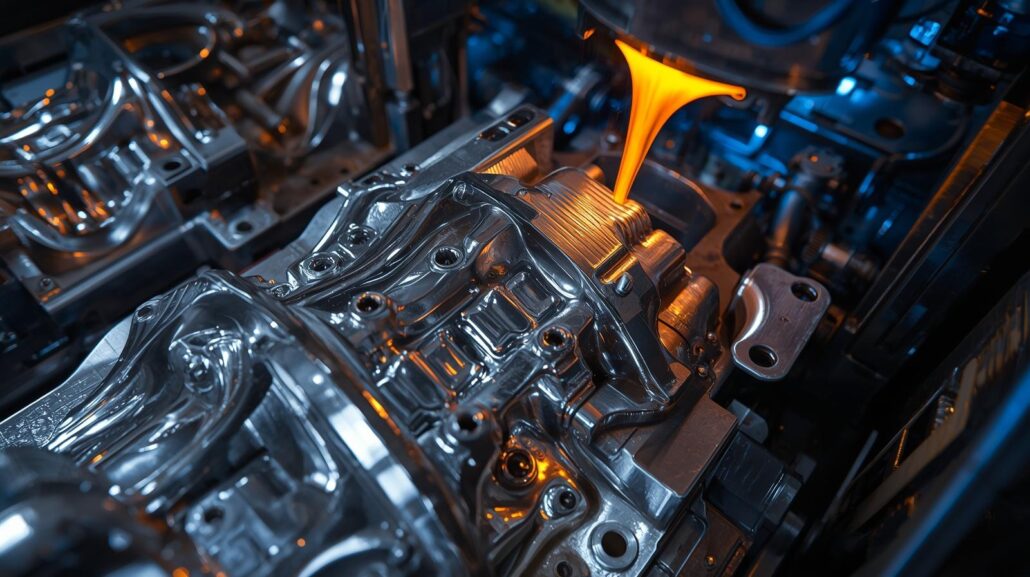
Aluminiumstøping er en av de mest pålitelige og kostnadseffektive produksjonsprosessene i moderne industri. Det er en prosess der høytrykksinjeksjon av smeltet aluminium ved høy temperatur sprøytes inn i en nøyaktig støpeform for å skape kraftige, lette og dimensjonalt presise deler. Den er spesielt nyttig i produksjonen av svært komplekse former med høy overflatefinish, og dermed er det en foretrukket prosess i bilindustrien, romfart, elektronikk, forbrukerprodukter og industrimaskiner. Det har vært stor etterspørsel etter aluminiumstøping de siste årene. Verdens tendens mot elbiler, lettvektskonstruksjoner og energieffektivitet har satt aluminiumslegeringer i frontlinjen for innovasjon. Produsentene har nå utviklet høyteknologiske komponenter som motorblokker, girkasser, batterikapslinger og kjøleribber som er både slitesterke og lette. Resirkulerbarhet og korrosjonsbestandighet gjør aluminium også nyttig i den verdensomspennende tendensen til å produsere bærekraftig og miljøvennlig. To av de største knutepunktene for aluminiumstøping er USA og Kina. Bedriftene i USA er kjent for å være innovative, ha høye kvalitetsstandarder og bruke høy grad av automatisering, og kan betraktes som en god investering i høypresisjonsindustrier. Kinesiske produsenter har derimot opparbeidet seg stor konkurransekraft på verdensmarkedet, og de kan tilby kostnadseffektive løsninger, høy produksjonskapasitet og mer avansert teknologi. Denne artikkelen vil ta for seg noen av de mest vellykkede aluminiumstøpeindustriene i USA og Kina, deres styrker, evner og de faktorene som gjør dem til de mest pålitelige partnerne som bedrifter over hele verden foretrekker som sine leverandører i produksjonsindustrien. Hva er Automotive Die Casting? Støping er en produksjonsprosess der smeltet metall, vanligvis aluminium, magnesium eller sink, presses under stort trykk inn i en form som har et åpent rom. Dette muliggjør masseproduksjon av høyfaste komponenter med komplekse funksjoner og med god overflatefinish og dimensjonsnøyaktighet. Pressstøping i bilindustrien gjør det mulig å produsere komponenter som er: Bruken av pressstøping har revolusjonert konstruksjonen av moderne kjøretøyer, slik at man kan spare vekt samtidig som man klarer å prestere. Etterspørselen har bidratt til den høye utviklingshastigheten til de store bilstøpefirmaene i Kina, Europa, Amerika og Japan. Hvorfor Kina er ledende innen støping av biler Kina har noen av verdens største produsenter av støpegods til biler på grunn av sin sterke posisjon: Et slikt sett med styrker har gjort det mulig for kinesiske støpefirmaer for bilmotorer å være kraftsentre ikke bare i det lokale markedet, men også internasjonalt i forsyningskjeden. CNM Tech Diecasting Company er en ledende produsent av overlegne aluminiumstøpte produkter. De tilbyr presisjonsutviklede komponenter av høyeste kvalitet til en rekke bransjer, blant annet bilindustrien, elektronikk- og telekommunikasjonsbransjen. De kan produsere lette og sterke deler ved hjelp av avanserte produksjonsprosesser som høytrykksstøping og CNC-maskinering. Diecasting Company tror på kraften i konstant innovasjon og investerer derfor i moderne maskiner, automatiserte produksjonslinjer og, enda viktigere, kvalitetskontrollsystemer som bidrar til å levere de samme resultatene til enhver tid. De har både OEM- og Tier 1-leverandører i sin globale kundebase, og er derfor en pålitelig partner når det gjelder å oppfylle komplekse produksjonsbehov i store volumer. Nettsted: https://www.thediecasting.com/ Hvorfor velge dem The Diecasting Company er foretrukket av bedrifter fordi de fokuserer på kvalitet, presisjon og innovasjon. Deres anvendelse av toppmoderne støpeteknologi, sterk kvalitetskontroll og levering i tide sørger for at kundene får komponenter som kan oppfylle internasjonale standarder og gjør dem til deres favorittvalg når det gjelder bilprodusenter og produsenter som ønsker å finne en pålitelig leverandør av støpte løsninger. Sincere Tech Sincere Tech er en av produsentene av høypresise støpeformer for plastinnsprøytning og pressstøping. De har bakgrunn i design av støpeformer, prototyping og produksjon av sluttproduktet, noe som gir en one-stop-løsning til kunder over hele verden. De bruker datastyrt CAD/CAM-programvare og automatisert maskinering slik at alle formene som produseres er veldig nøyaktige. Plastic Mold kan krediteres med mange års erfaring med å betjene behovene til bilindustrien, forbrukerelektronikk og medisinsk utstyr med kapasitet til å levere komplekse former med effektivitet. De skiller seg ut i innovasjon, kvalitetskontroll og leveringshastighet, og gjør dem dermed til en pålitelig leverandør av selskaper som ønsker å ha en personlig formløsning. Nettsted: https://www.plasticmold.net/ Hvorfor velge dem Plastic Mold er valgt på grunn av deres komplette formfremstillingssystemer, tekniske ferdigheter og evne til å passe inn i begrenset produksjonstid. Deres overlegne kvalitetsformer minimerer feil, forbedrer produktiviteten og hjelper kundene med å ha nøyaktige og pålitelige støpte eller sprøytestøpte produkter. GC Precision Mould GC Precision Mould er en produsent av støpegods i Kina som tilbyr støpegods i aluminium, sink og magnesium. De har rykte på seg for å produsere høykvalitets, kostnadseffektive og lette deler til bilindustrien, elektronikk- og belysningssektoren. De har evnen til høytrykksstøping, CNC-bearbeiding og sekundær etterbehandling. Alu Diecasting fokuserer på nøyaktighet, lang levetid og produktivitet. De oppfyller alltid internasjonale standarder med bruk av moderne fasiliteter, automatiserte linjer og dyktige ingeniører. De henvender seg til kunder både lokalt og internasjonalt, for eksempel OEM-er og Tier-1-leverandører, og er posisjonert som en av de beste kinesiske produsentene av støpegods til bilindustrien. Nettsted: https://aludiecasting.com/ Hvorfor velge dem De bruker Alu Diecasting ettersom de tilbyr en kombinasjon av konkurransedyktige priser, høykvalitetsstandarder og teknologi. De har en oversikt over forskjellige legeringer, presisjonsbearbeiding og produksjon i tide som opprettholder pålitelige, lange levetider og lette deler som tilfredsstiller kravene fra verdens bilindustri. Get It Made Get It Made er en produsent av CNC-maskinering, 3D-printing, pressstøping og metallforming med base i Storbritannia. De støtter både prototyping og lavvolumproduksjon,
Bedrifter som støper aluminium i USA

Bedrifter som støper aluminium i USA

trykkstøping av aluminium, trykkstøpefirmaer, trykkstøpefirma

Aluminiumstøping er i dag en av de sikreste og mest økonomiske produksjonsprosedyrene i USA, særlig for produsenter som krever robusthet, lang levetid og presisjon. Dette gjøres ved at smeltet aluminium under høyt trykk sprøytes inn i stålstøpegods, noe som gir deler som ikke bare er lette, men som også er dimensjonsnøyaktige og holdbare. Det er denne styrken og lave vekten som gjør aluminiumstøping til det foretrukne materialet i bil- og romfartsindustrien, elektronikk, industrimaskiner og forbruksvarer. Det amerikanske markedet kan skryte av å ha noen av de mest etablerte aluminiumstøpeindustriene i verden, i form av store produsenter med global tilstedeværelse og små og spesialiserte bedrifter som spesialiserer seg på spesialtilpassede deler og nisjeapplikasjoner. Disse firmaene er svært viktige for opprettholdelsen av nøkkelindustrien ved å levere slike segmenter av industrien som motorblokker, girkassehus, elektroniske kabinetter og konstruksjonsdeler. De amerikanske produsentene har opparbeidet seg et rykte om pålitelighet og innovative produkter i hele verden gjennom sin høykvalitetsteknologi, sertifisering og fokus på kvalitetsprodukter. De siste årene har etterspørselen etter trykkstøpte aluminiumsdeler økt kraftig på grunn av den nylige utviklingen innen lettvektsproduksjon av kjøretøy, produksjon av elektriske kjøretøy og ønsket om å produsere energieffektivt. Amerikanske bedrifter satser på automatisering, bærekraftige støpegods og overlegne legeringer for å oppnå gode resultater og oppfylle disse kravene. Denne artikkelen lister opp noen av de beste produsentene av aluminiumstøpegods i USA og deres prestasjoner, potensial og bidrag til den moderne industrien. Det spiller ingen rolle om du får deler til å utføre en storskala produksjonsprosess eller en høyteknisk applikasjon, disse produsentene er legemliggjørelsen av den fineste amerikanske teknologien innen støping av aluminium. Hva er støping av aluminium? Aluminiumstøping er en produksjonsteknikk der høyt trykk på smeltet aluminium tvinges inn i en stålform, også referert til som en dyse. Når metallet avkjøles og stivner, åpnes formen og den ferdige delen skytes ut. Det er denne prosessen som gjør det mulig for produsentene å skape sterke, lette og svært detaljerte komponenter med høy grad av dimensjonsnøyaktighet og glatt overflatefinish. Den største fordelen med aluminiumstøping er at den kan produsere komplekse former som det ellers ville vært utfordrende eller kostbart å fremstille ved hjelp av andre produksjonsprosesser. Aluminiumstøping brukes i stor utstrekning til produksjon av deler som motorblokker, girhus, elektroniske kabinetter, kjøleribber og strukturelle komponenter. Aluminiumstøping har flere store fordeler: Takket være slike styrker har aluminiumsstøping dukket opp som et bedre alternativ i bransjer som krever pålitelige og effektive komponenter av høy kvalitet for å matche sine tekniske og økonomiske nødvendigheter. Topp USA Aluminium Die Casting Selskaper 1. Dynacast International Dynacast International har vært et av de mest kjente selskapene innen presisjonsstøping på verdensbasis. Selskapet har flere tiårs erfaring med produksjon av små, komplekse komponenter ved bruk av aluminium-, sink- og magnesiumlegeringer. De er gode til å produsere komponenter med strenge toleranser og komplekse funksjoner, noe som er nødvendig i bilindustrien, forbrukerelektronikk, telekommunikasjon og medisinsk utstyr. Det at Dynacast er global betyr også at de kan betjene både små bedrifter og multinasjonale selskaper med fleksibilitet, innovasjon og kvalitet som ikke varierer fra prosjekt til prosjekt. 2. Pace Industries Pace Industries har blitt Nord-Amerikas største pressstøperi, og har opparbeidet seg et godt rykte for å kunne tilby helhetlige løsninger. Tjenestespekteret omfatter design og teknisk støtte, støpegods, maskinering, overflatebehandling og sluttmontering; de har levert en totalløsning til kunder i bil-, industri- og forbrukerindustrien. På grunn av virksomhetens størrelse kan de håndtere store volumprosjekter og spesialtilpassede prosjekter. Pace har også en kultur for å investere i moderne teknologi og bærekraftig praksis, slik at de kan forbli konkurransedyktige i en bransje i rask endring. 3. Ryobi Die Casting (USA), Inc. Ryobi er et anerkjent varemerke i det globale pressestøpesegmentet, og selskapet har en stor tilstedeværelse i USA. Virksomheten i USA er konsentrert om støpte aluminiumskomponenter i middels til stor skala, hovedsakelig til bilindustrien. Ryobi produserer motorblokker, girkasser og konstruksjonsdeler som skal være holdbare og presise. Firmaet har benyttet seg av banebrytende teknologi og kvalitetsstyring, noe som har gjort det til en foretrukket leverandør til de største bilprodusentene i verden. 4. Gibbs Die Casting Gibbs Die Casting, den andre ledende aktøren på det amerikanske markedet, holder til i Henderson, Kentucky. Selskapet har spesialisert seg på aluminium- og magnesiumstøpegods til bilindustrien, spesielt girhus og deler til drivverk. Gibbs legger stor vekt på innovasjon, der automatisering og sofistikerte produksjonsteknikker brukes for å sikre høye standarder for effektivitet og kvalitet på arbeidet. Selskapet tar også hensyn til bærekraft i sin virksomhet ved å redusere sløsing og oppmuntre til miljøvennlig forretningspraksis. 5. Apex Aluminium Die Casting Co, Inc. Apex Aluminum Die Casting ligger i Ohio og brukes i bil-, elektronikk- og hvitevareindustrien. Virksomheten er anerkjent for å jobbe med mellomstore produksjonspartier, noe som gjør den til det perfekte alternativet for bedrifter som krever en jevn produksjonskvalitet, men som ikke krever de enorme kreftene til større importører. Teamet i Apex er opptatt av kundetilfredshet, pålitelig service, prosjektering og nøyaktighet i produksjonen. De har etablert seg som en pålitelig partner for en rekke amerikanske selskaper på grunn av sitt gode rykte for å levere konsistente resultater. 6. KenWalt Die Casting Company KenWalt Die Casting er basert i California og har over flere tiår med erfaring innen produksjon av støpegods i aluminium og sink. Firmaet fokuserer også på skreddersydde jobber og betjener bransjene for både industrielt utstyr og forbruksvarer. KenWalt skiller seg ut som et selskap som samarbeider tett med kunden under hele prosessen.

Den komplette guiden til støping av bildeler

Den komplette guiden til støping av bildeler

trykkstøping av aluminium

Die Casting Automotive Parts har vært involvert i bilproduksjon i over hundre år. Med tiden har prosessen blitt avansert med bedre materialer og teknologi. Det er også nå mer fremtredende i dag når det gjelder å redusere kjøretøyets vekt og forbedre drivstoffeffektiviteten. Dagens bilindustri er avhengig av nøyaktighet og kraft. Bilene i den moderne verden må være trygge, pålitelige og effektive. En metode for å gjøre dette med stor tillit er å støpe en bildel gjennom pressstøping. Denne prosessen er en kombinasjon av presisjon og høy produksjonskvalitet. Den gir bilprodusentene sterke, lette og ensartede deler. Den økte bruken av pressstøping i bilindustrien handler ikke bare om ytelse. Det handler også om kostnadsbesparelser, økt produksjonshastighet og bærekraft. Bilprodusentene kan lage tusenvis av de samme delene av samme kvalitet. Dette er nødvendig i masseproduksjon. I denne artikkelen skal vi diskutere betydningen av støping i bilindustrien. Vi skal se på hvordan det fungerer, hvor viktig det er, og hvilke tendenser som påvirker bransjen i fremtiden. Til slutt vil du vite hvorfor den moderne produksjonen av kjøretøyer støttes av støping av bilindustrien. Automotive Die Casting Bilproduksjon er en av de mest sofistikerte teknologiene der deler produseres ved hjelp av en prosess kjent som automotive die casting. Det står i kontrast til tradisjonell støping ettersom den fungerer under høyt trykk. I denne prosessen sprøytes smeltet metall inn i en stålform som kalles en dyse. Formen er ekstremt presis, og den produserte delen har derfor spesifikke dimensjoner. Dette gjøres ved først å smelte metallet. De vanligste metallene er aluminium og magnesium. Etter at det flytende metallet er smeltet, tvinges det til å fylle matrisen med en ekstremt høy hastighet. Matriksen fylles med metallet som størkner. Når formen åpnes, skjæres den ferdige delen av. Det finnes to systemer for støping av bildeler: De viktigste fordelene med støping av bildeler er hastighet, nøyaktighet og styrke. Tusenvis av deler kan lages ved hjelp av én form. Alle delene blir tilnærmet like. Den har glatte overflater, og dette betyr at den ikke krever ytterligere maskinering. Når det gjelder storskalaproduksjon, vil støping av bilindustrien gjøre det. Den brukes av bilfirmaer til å produsere motorblokker, girhus, hjul og til og med konstruksjonsdeler. Det er økonomisk både i tid og kostnader, i tillegg til at det gir kraftige, men lette komponenter. Støping av bildeler Prosessen for støping av bildeler Fremstillingsprosessen for støping av bildeler følger en rekke trinn. Hvert trinn er viktig for å være nøyaktig, sterk og pålitelig. Forberedelse av matrisen Det starter med design og fabrikasjon av matrisen. En støpeform er en form av herdet stål. Den består av to deler som settes sammen. Matriksen utformes av ingeniører ut fra detaljene til den aktuelle delen. Matriksen skal være kraftig nok til å tåle trykk og varme. Smelting av metallet Det andre trinnet innebærer å smelte metallet som ble valgt. De vanligste metallene er aluminium, magnesium og sink. Det oppvarmede metallet føres gjennom en ovn der det smeltes om til en væske. Temperaturen bør være under kontroll for å unngå urenheter. Etter at metallet er smeltet, presses det inn i matrisen ved svært høyt trykk. Dette er den viktigste prosessen ved støping av bildeler. Høyt trykk brukes for å sikre at det flytende metallet fyller alle hjørnene i formen. Dette gir analytiske linjer, flate områder og eksakte former. Avkjøling og størkning Når metallet er sprøytet inn, størkner det raskt i formen. Metallet størkner gjennom avkjøling og gir delen styrke. Avkjølingstiden bestemmes av emnets størrelse og tykkelse. Start av formen og utstøting av delen Når metallet er størknet, åpnes formen. Delen presses ut av formen ved hjelp av spesielle utstøterpinner. Delen har nå fått sin endelige form, men den kan fortsatt kreve etterbehandling. Trimming og rengjøring Overflødig metall som oppstår kalles flash, og kan forekomme i kantene av støpeformen. Dette trimmes bort. Deretter rengjøres delen og varmes opp av og til for å oppnå ekstra styrke. Etterbehandling og inspeksjon Overflatebehandling og inspeksjon er det siste. Visse deler kan males, poleres eller overflatebehandles. Hver seksjon blir grundig undersøkt for feil. Bare de som er av høy kvalitet, blir godkjent for bruk. Hva skjer for å være en støpegods bildel? Støping av bildeler - er de komponentene som er laget med smeltet metall som presses inn i en form under trykk. Dette produserer komponenter hvis former og dimensjoner er nøyaktige. Formene, som kalles matriser, er laget med stor nøyaktighet for å passe til den delen som trengs. De mest brukte metallene er aluminium, magnesium og sink. Dette er lette og sterke metaller. Bilprodusentene liker dem fordi de gjør kjøretøyet lettere uten at det går på bekostning av holdbarheten. Typisk brukte bildeler er støpegods: Dette er fordi bilprodusentene gjennom denne prosessen kan produsere biler som er av høy kvalitet når det gjelder sikkerhet og effektivitet. En av de mest tradisjonelle og konsekvente prosessene for bilproduksjon kalles bilstøping. Den bearbeider smeltet metall til komponenter av kompliserte former. Motorer, girkasser, fjæringer og mange andre systemer krever disse delene. Den moderne bilsektoren kan ikke fungere uten denne prosedyren. Det primære formålet med bilstøping er å lage sterke deler til en redusert kostnad. Med støping kan bilfirmaene lage tusenvis av like deler om gangen. Dette er viktig siden biler trenger nøyaktighet og stabilitet. Én feil kan påvirke sikkerheten eller ytelsen. Fleksibilitet er et annet bruksområde for støping i bilindustrien. Ingeniørene kan designe mer komplekse former som det ellers ville vært for kostbart å maskinbearbeide. Gjennom støping kan tynne vegger, hule og delikate detaljer

Støping av aluminium til bilindustrien i Kina

Støping av aluminium til bilindustrien i Kina

trykkstøping av aluminium, trykkstøpte deler

Støping av aluminium til bilindustrien i Kina har blitt en viktig prosess i den internasjonale leverandørkjeden som bidrar til effektivitet, bærekraft og innovasjon i bilproduksjonen. Aluminium er lett og sterkt, og gir en spesiell balanse mellom mekanisk ytelse og drivstofforbruk, noe som moderne bilprodusenter krever. Ved å minimere vekten på kjøretøyene har pressstøpte aluminiumkomponenter en direkte innvirkning på redusert drivstofforbruk, lengre batterirekkevidde i elbiler og lavere karbonutslipp. Dette gjør ikke bare teknologien viktig for produsentene, men også for miljøreguleringer over hele verden. Denne dominansen i bilindustrien i Kina er en naturlig forlengelse av støping av aluminium. Som den største produsenten, landet med enorme produksjonsrater, med sin store leverandørkjede og med støtte fra myndighetene gjennom industripolitikken, har Kina allerede etablert seg som den største produsenten og en av de største innovatørene på området. Landets pressstøpesektor betjener både lokal bilindustri og utenlandske merker, og leverer motorblokker og girkassehus, samt høyteknologiske giga-støpegods som brukes til karosseriet på elbiler. Utviklingen av lettvektsmaterialer og mer miljøvennlige produksjonsteknologier har gått enda raskere. Dette samsvaret mellom industriell kompetanse og verdens bærekraftsmål vil holde Kina i frontlinjen når det gjelder støpeteknologi for aluminium, som er fremtiden for bilindustrien. Hva er pressstøping av aluminium? Aluminiumstøping er en produksjonsteknikk der smeltet aluminium settes under trykk og sprøytes inn i en høytrykksform av stål. Etter avkjøling og størkning produserer metallet komplekse og presise komponenter med et svært gunstig forhold mellom styrke og vekt. De vanligste bildelene som produseres, er motorblokker, girhus, hjul, braketter og strukturelle karosserideler. Hvorfor er Kina ledende innen støping av aluminium? Aluminium Die Casting Process Aluminium Die Casting er en av de mest spesialiserte produksjonsteknikkene som gjør det mulig å lage komplekse og nøyaktige bilkomponenter med gode mekaniske egenskaper. Den omfatter flere velregulerte faser, og hver av dem kan ses på som et skritt mot kvalitet, styrke og holdbarhet for et sluttprodukt. Her følger en gjennomgang av hver av fasene: 1. Klargjøring av støpeformen Stålformen, vanligvis av herdet verktøystål, rengjøres og kontrolleres fullstendig før produksjonen starter, og den skal være fri for slitasje eller skader. Deretter påføres støpeformens hulrom slippmiddel eller smøremiddel, som har en rekke viktige formål. Det forhindrer at det smeltede aluminiumet fester seg til støpeformen, sørger for jevn utstøping av delene og bidrar til å opprettholde temperaturen i støpeformen i etterfølgende støpesykluser. Det er viktig å klargjøre støpeformen på riktig måte, da dette har en direkte sammenheng med overflatekvaliteten og dimensjonsnøyaktigheten til den ferdige komponenten. 2. Smelting og legeringspreparering Det begynner med smelting av aluminiumsblokker eller resirkulert skrap i en høytemperaturovn som kan være enten gassdrevet, elektrisk drevet eller indusert. I denne fasen overvåkes smeltet aluminium nøye for å opprettholde et optimalt temperaturområde på rundt 660 til 700 °C, slik at massen blir flytende og feilene reduseres. Elementer som silisium, magnesium og kobber legeres for å forbedre visse egenskaper som styrke, korrosjonsbestandighet eller varmeledningsevne. Det er viktig å holde den kjemiske sammensetningen nøyaktig, siden en liten endring i den kan ha stor innvirkning på funksjonaliteten til elementene i bilindustrien. 3. Høytrykksstøping (injeksjon) Etter at det smeltede aluminiumet har oppnådd ønsket tilstand, helles det i den klargjorte støpeformen av stål ved hjelp av en høytrykksstøpemaskin (HPDC). Injeksjonstrykket er vanligvis mellom 110 og 175 MPa, noe som gjør at det flytende metallet fyller selv de mest komplekse støpeformene med stor nøyaktighet. Høytrykket bidrar også til å redusere porøsitet og krymping, slik at man kan produsere høyfaste og tette deler. Dette anses som prosessens midtpunkt, siden det er avgjørende for kvaliteten på støpestykket og hvorvidt kompliserte former kan produseres uten at den strukturelle integriteten brytes. 4. Avkjøling og størkning Det smeltede aluminiumet sprøytes deretter inn og kjøles raskt ned og stivner i stålformen. Avkjølingshastigheten opprettholdes hele tiden for å sikre at krystalliseringen er jevn og at indre spenninger eller skjevheter minimeres. Avkjølingstiden varierer sterkt med tykkelsen og kompleksiteten til komponenten som støpes; en tynnvegget komponent kan størkne i løpet av noen sekunder, mens en mer kompleks del kan ta en lengre syklus å størkne. Velorganiserte kjølekretser (vannkanaler eller oljekretser innebygd i støpeformen) er vanlig for å sikre jevnhet i hele produksjonskjøringen. Det er viktig å oppnå en balanse mellom styrke, duktilitet og dimensjonsnøyaktighet ved hjelp av riktig størkning. 5. Utstøting Etter at delen har herdet, tvinges støpegodset ut av støpeformen ved hjelp av utstøpingspinner. I dette trinnet er det nødvendig med nøyaktighet for å unngå at følsomme områder eller tynne vegger i delen brenner seg fast. I storskalaproduksjon av bildeler brukes ofte automatiserte utstøpingssystemer, noe som sikrer en jevn syklustid og minimerer manuelt arbeid. Utstøtingsprosessen kan virke enkel, men hvis den utføres feil, kan det oppstå overflatedefekter, sprekker eller skjevheter, noe som kan ha negativ innvirkning på sluttproduktets brukbarhet. 6. Trimming og etterbehandling Etter utstøping kan rå støpegods inneholde store mengder fremmedmateriale, for eksempel flammer, løpere eller til og med grinder, og dette må fjernes. Vanligvis brukes en hydraulisk presse eller en CNC-maskin til trimming for å oppnå en nøyaktig kantlinje. Andre etterbehandlingsprosesser som sandblåsing forbedrer overflatestrukturen, og maskinbearbeiding gir den høye dimensjonstoleransen som er nødvendig for motor- eller girkassekomponenter. De kan varmebehandles for å øke styrken og hardheten, og belegg eller anodisering kan øke korrosjonsbestandigheten. Dette er de nødvendige sekundærprosessene, fordi de tar den rå støpegodset til neste nivå, der det forvandles til en funksjonell og pålitelig bilkomponent. 7. Inspeksjon og kvalitetskontroll Det siste trinnet er den intensive inspeksjonen, der alle støpegodsene blir

Aluminium høytrykksstøpte bildeler

Aluminium høytrykksstøpte bildeler: Holdbare og effektive

trykkstøping av aluminium, høytrykksstøping

Bilindustrien er i endring på grunn av bruken av høytrykksstøpte bildeler i aluminium. De gir produsentene muligheten til å designe lettere, sterkere og mer effektive biler. Med denne teknologien kan bilprodusentene spare vekt, bli drivstoffeffektive og ha grønn mobilitet uten at det går på bekostning av bilens holdbarhet. Støping av bildeler er en prosess der smeltet aluminium sprøytes inn i en stålform under svært høyt trykk. Dette gir en sterk form som er glatt og skarp. Metoden gir raskere produksjon, redusert maskinering og jevn kvalitet. Ved å støpe bildeler i aluminium kan selskapene designe komplekse komponenter i ett enkelt trinn, noe som sparer dem for tid og penger. Bildeler som er støpt i aluminium, er i dag ettertraktet i moderne biler. Dette er en vanlig metode for å produsere motorblokker, girhus, bremsedeler og batterikapslinger i elbiler. Disse delene er lette, men tøffe, korrosjonsbestandige og designet for å møte tøffe forhold på veien. Etterspørselen etter bildeler som er støpt i aluminium, øker raskt, særlig etter hvert som vi går over til el- og hybridbiler. Når bilene blir lettere, øker batterilevetiden og ytelsen, og utslippene reduseres. Dette gjør pressstøping av aluminium til en viktig komponent i grønn produksjon. Kort sagt er bruken av høytrykksstøpte bildeler i aluminium i bilproduksjon ikke lenger et valg. De har spilt en nøkkelrolle i å skape de moderne kjøretøyene, som ikke bare vil være opp til dagens ytelsesstandarder, men også være grønne. Kraftige, effektive og stabile, de vil også være i sentrum for bildesign i fremtiden. Hva er høytrykksstøping av aluminium? Trykkstøping er en prosess for støping av metall. I denne prosessen presses smeltet aluminium under svært høyt trykk inn i et hulrom i en stålform. Når metallet er avkjølt, stivner det i samme form som støpeformen. Resultatet er glatt, nøyaktig og langvarig. Det er grunnen til at trykkstøping er blitt en av de mest populære måtene å produsere moderne bildeler på. Sammenlignet med den tradisjonelle teknikken kan høytrykksstøping lage kompliserte deler på én gang. Dette sparer tid, maskineringskrav og kostnader for produsentene. Hvorfor aluminium til bildeler? Årsaken til at høytrykksstøpte bildeler av aluminium er så populære, er at det ikke er noe annet materiale som har en kombinasjon av kvaliteter så mye som aluminium. Det er grønt og grovt; derfor er det lett og kan derfor brukes i bilindustrien. Økende effektivitets- og miljøkrav har gjort aluminium til det foretrukne støpematerialet for bildeler. Vektreduksjon er en av de største fordelene. Stål er mye tyngre enn aluminium. Bilprodusentene kan gjøre bilen lettere ved å bruke pressstøpte bildeler produsert i aluminium. Jo lettere en bil er, desto bedre blir drivstofføkonomien, utslippene og ytelsen. Dette er viktig både i konvensjonelle og elektriske biler. Samtidig mister ikke aluminium styrke. Det har et godt forhold mellom styrke og vekt, og det er bra fordi det ikke blir mykt selv om det utsettes for belastning. Det er dette som gjør støpte bildeler i aluminium så nyttige i motorer, girkasser og chassisdeler. Den andre viktige fordelen er korrosjonsbestandighet. Aluminium ruster ikke og slites ikke ut som andre metaller. Dette gir økt levetid for bildeler støpt i aluminium og reduserte vedlikeholdsutgifter for bileiere. Store bildeler produseres ved hjelp av pressstøping Bilprodusenter støper de fleste av komponentene sine ved hjelp av pressstøping av aluminium. Dette er lette, men likevel kraftige deler som kan brukes i konvensjonelle så vel som elektriske biler. Motorblokker Motorblokker må håndtere varme, vibrasjoner og trykk. Når det gjelder støping av bildeler, veier aluminiumsblokker mindre, men er faste nok til å fungere under svært tøffe forhold. Dette vil spare motorens totale vekt og drivstofforbruk. Girkassehus Girkassehusene må være presise og holdbare. For å oppnå nøyaktigheten til de lettløpende tannhjulene brukes pressstøpte bildeler. Dette garanterer høy pålitelighet over tid, og det kreves minimalt med maskinering. Bremsekomponenter Bremser utsettes for konstant stress. Produsenter produserer sterke komponenter som ikke er tunge siden de bruker bildeler av aluminiumstøping. Denne balansen brukes for å øke bremsekraften og redusere kjøretøyets vekt. Chassisdeler Chassisdelene brukes for å gi sikkerhet og stabilitet. De er sterke, men ikke klumpete når de er laget av aluminiumsstøpte bildeler. Dette øker styringen og produktiviteten. EV Electric Housing's motor og batteri Bildelene som beskytter motorene og batteriene er konstruert ved hjelp av høytrykksstøping av aluminium i elektriske kjøretøy. Husene beskytter de ømfintlige systemene samtidig som de gir en lett ramme, noe som øker kjørelengden. Samlet sett viser disse elementene hvilken rolle pressstøping av bildeler spiller i utviklingen av nye biler. Støping av aluminium har gjort motorer, elbilbatterier og mer effektivt, varig og holdbart. Prosessen med høytrykksstøping av aluminium 1. Formforberedelse Forberedelse av formene starter. Formen av stål vaskes grundig for å eliminere alle urenheter og varmes opp til riktig temperatur. Et beskyttende belegg påføres overflaten for å hindre at det smeltede aluminiumet fester seg til overflaten, og for å kontrollere avkjølingshastigheten. Dette gjøres for å sikre bedre sirkulasjon av metallene, lengre levetid på formene og en jevn produksjon av deler per produksjonssyklus. 2. Smelting av aluminium Aluminiumslegeringene smeltes i en smelteovn med spesifikke, kontrollerte temperaturer. Men det kreves også tilstrekkelig temperatur, ettersom det forhindrer oksidasjon, og det smeltede metallet vil flyte lett inn i formhulen. Eventuelle urenheter fjernes ved hjelp av raffineringsmidler eller filtre. Dette sikrer at støpte bildeler i aluminium ikke inneholder noen feil og har gode og konsistente egenskaper. 3. Under høytrykksinjeksjon. Deretter tvinges det smeltede aluminiumet inn i

Forzinking vs. fornikling: Hvilken bør du velge?

Forzinking vs. fornikling: Hvilken bør du velge?

støpeformer av aluminium, trykkstøping av aluminium, Overflatebehandling av aluminium

Zinc Plating vs Nickel plating is a frequent point of reference in terms of metal finishing. These two methods are applied to safeguard the metals, enhance their performance, and cause their products to last longer. The differences between these two types depend on cost, durability, and appearance. Surface finishing is not all about appearances. It is concerned with the accuracy with which a product can counter rust, wear, and damage. Even strong metals can be defeated where there is no appropriate coating. This is the reason why plating has been an important process in the automotive, aerospace, construction, and electronic industries. Zinc plating is well known to be cheap and effective. It forms a thin and workable protective coating that resists rust damage on the metal underneath. This gives it preference in fasteners, nuts, bolts, and many other small product elements used in day-to-day items. Nickel plating is stronger and durable, on the other hand. It cannot be worn out easily, and it resists acid. Nickel plating is also a bright, attractive finish, so it is ideal when it is needed on decorative or visible parts such as car trims and appliance fittings or on electronic casings. And when considering Zinc Plating vs Nickel Plating, it becomes the question: which works better in your situation? Depending on the location where the part will find application, how much safeguarding it needs, and how much you are ready to part with, determines the answer. In the current blog, we will unravel both the processes, their advantages, limitations, and major areas where they can be best used to help you make the most appropriate decision. What is Zinc Plating? Zinc plating is a widely used and cost-efficient technique of coating. It is done by depositing a thin coat of zinc on the surface of metal, most commonly steel or iron, by a process known as electroplating. In the process, a zinc salt solution is used to immerse the base metal, and an electrical current is passed. Zinc solutions travel to the surface of the piece leaving an even and thin coating. Benefits of Zinc Plating Limitations of Zinc Plating What is Nickel Plating? Nickel plating is also a common finishing technique, but compared with zinc, it offers a harder, more durable, and aesthetically pleasing surface. The process is achieved in either of two major ways: Electrolytic Nickel Plating (Electroplating) – Much like the zinc plating process, the raw metal is placed into a nickel salt solution, and the nickel is deposited on the surface by applying an electric current to the metal. Electroless Nickel Plating is a method that does not need electricity. Rather, it uses a chemical process to capably deposit nickel to cover the surface evenly, including in complex structures or otherwise inaccessible places. Benefits of Nickel Plating Limitations of Nickel Plating The Plating Process Zinc Plating Process Surface preparation is very meticulous in the case of zinc plating. Before a plate can be done, the surface, which is in most cases metal, normally steel or iron, must be cleaned of oil, dirt, rust, and oxides. To accomplish this, components are either cleaned in acid or alkaline fluids and then rinsed so that no residues remain. After cleaning, the component is inserted into an electrolytic bath that has a zinc salt solution, mostly zinc sulfate or zinc chloride. Electricity is then charged through the bath.. This movement results in zinc ions in the medium to move and being deposited on the surface of the base metal. The effect is a very thin, even coating of zinc covering the zinc below it. A post-step processing of the plated component is often carried out, which can give a more corrosion-resistant effect, also able to change the appearance of the coating, providing a yellow, black, or clear finish. Zinc plating is comparatively quick, price low, and highly applicable in the mass production of hardware and vehicle parts. Nickel Plating Process Nickel plating is prepared in almost a similar manner, with the initial step being cleaning. Part surfaces are well-treated and made clean to ensure adhesion is not compromised by residues. Electrolytic nickel plating: The part enters a bath of solutions of nickel salts, e.g., nickel sulfate, and an electric current is applied. This makes the nickel ions deposit on the surface, forming a hard and protective layer. Another approach, which is nickel plating and does not require power, is electroless nickel plating. Rather, the part is immersed in some chemicals under nickel salts and a reducing solution such as sodium hypophosphite. A plated chemical reaction also occurs, the nickel being deposited uniformly onto the part. This process has an advantage over electrolytic plating in that it will cover with uniformity even in recesses, grooves, and other complex geometries. Electroless nickel deposits are noted to be highly hard and resistant to corrosion, but this process is costlier than the electroplating method and demands much more care over the bath chemistry, pH level, and temperature. Zinc Plating vs Nickel Plating: Key Differences With the choice between zinc plating and nickel plating, cost, durability, appearance, corrosion resistance, and the appropriateness of application are all aspects that may come into consideration. Let us look at them one by one. 1.     Corrosion Resistance Winner: Nickel Plating to serve long-term corrosion protection. 2. Endurance / Wearability Winner: Nickel Plating; Hardness, wear resistance. 3. Cost  Winner: Zinc Plating to cost-effective solutions. 4. Appearance  Winner: Nickel Plating- to look good. 5. Environmental Impact  Winner: Zinc Plating on its greenness. Quick Comparison Table Feature Zinc Plating Nickel Plating Corrosion Resistance Good, but limited in harsh conditions Excellent, especially electroless nickel Durability Moderate – wears faster High – scratch & wear-resistant Cost Low (budget-friendly) Higher (premium option) Appearance Shiny, but basic finish Smooth, mirror-like decorative finish Environmental Impact Easier waste treatment Stricter environmental controls are needed Best For Fasteners, bolts, general hardware Aerospace, electronics, decorative uses Industry Applications of Zinc and Nickel Plating Both plating techniques are very common in industries;

Hvilke aluminiumslegeringer er best for sveising?

Hvilke aluminiumslegeringer er best for sveising?

aluminiumsstøping, trykkstøping av aluminium

Which Aluminum Alloys Are Best for Welding? Aluminum has become the most popular of the metals used in contemporary industries because of its high portability, strong resistance to the elements and ease of fabrication. Its alloys are invaluable in the aerospace, automotive and marine as well as housing and building industries. But the challenges created by welding aluminum are different to welding other metals, in part because of the high thermal conductivity, speed of oxide formation and distortion and cracking characteristics of aluminum in the welding process. Knowledge of the properties and the characteristics of various aluminum alloys is important in the choice of the material that suits a particular task. Not every aluminum alloy is equally weldable, whereas some are well-adapted to traditional welding, others need some special welding procedure like friction stir welding. The alloy selection and method of welding depends on such factors as strength, resistance to corrosion, ductility, and the ability of heat-treating. Surfaces must also be properly prepared, filler metals need to be compatible and post-weld treatments must consider to achieve high-quality junctions. The article will give an in-depth report on the best types of aluminum alloy to be welded, their characteristics, the benefits associated with their usage, recommendations to follow and the challenges to expect when welding these types of aluminium alloy. Based on such knowledge, professionals will be in a position to achieve durable, reliable and good performing welded structures across diverse industrial and structural applications. What is aluminum alloys Aluminum alloys are the materials used by adding other metals to the aluminum to enhance its qualities like strength, corrosion resistant, machinability or weldability. Pure aluminum is weak, lightweight, soft, and very well resistant to corrosion. By mixing additional elements (such as copper (Cu), magnesium (Mg), silicon (Si), manganese (Mn), or zinc (Zn)), engineers can make alloys suitable to a variety of types of applications, including aerospace, automotive parts, marine and building structures. A few points of aluminum alloys Simply put, aluminum alloys have the lightweight, corrosion-resistant properties of aluminum with extra favorable qualities needed to suit the needs of an industrial application. Knowing the Aluminum Alloys Aluminum alloys have been divided into wrought alloys and cast alloys. Mechanically worked alloys are wrought into sheets, plates or extrusions but casting alloys are in form of poured molten aluminum into molds. The wrought alloys are further divided into series according to the alloying elements: Conditions which Affect Weldability Aluminum alloys can be welded, depending upon a variety of factors: The best Aluminum Alloys to weld on 5052 Alloy Al-Mg (aluminum-magnesium) alloy 5052 is considered by many to be one of the most welding friendly alloys. This is due to its high magnesium content and therefore it has good resistance to corrosion, especially in marine environments and applications in chemical processing. Applications: Moderate-to-high strength, high ductile and above-average corrosion resistance. Advantages: Materials: Marine structures, Chemical tanks, automotive panels, roofing sheets and industrial equipment. Alloy 5083 Aluminum-magnesium alloy 5083 has high strength at low temperatures and thus is applicable in marine and cryogenics. It resists corrosion especially in industrial and seawater. Characteristics: Extra-high strength, good corrosion protection, good fatigue resistance. Advantages: Applications: Shipbuilding, pressure vessels and tanks, automotive frames and equipment and transportation equipment. 5754 Alloy Another Al-Mg alloy is A-Mg 5754 which can be described as medium strength with high corrosion resistance and high formability. It also achieves structural strength, as well as, weldability and that is why it is commonly used where structural strength is key as well as weldability. Characteristics: Moderate strength, high ductility, is corrosion resistant. Advantages: Applications: Auto Body panels, structural panels, construction cladding, and marine. 6061 Alloy Al-Mg-Si alloy with the composition 6061 has found wide usage in the structural and aerospace fields. It is a compromise between toughness, corrosion resistance and utility. Type of properties: Medium-high strength, very good corrosion resistance, and moderate ductility. Advantages: Applications: Aircraft structures, pipeline, automotive components, bridge structures and structural products. 6063 Alloy Al-Mg-Si alloy (6063) is another architectural and decorative Al alloy that is noted to have a smooth finish on its surface and the ability to resist corrosion. Properties: A strong or moderate strength, good corrosion resistance, a good surface finish. Advantages: Applications: Architectural structure, window frames, doors, curtain walls and extrusions. Alloy 1100 Aluminum alloy 1100 can almost seem a pure aluminum alloy (it is 99% aluminum). It is soft, ductile and very easy to weld so it is suitable where resistivity is the issue rather than strength. High ductility: Excellent corrosion resistance, Low strength. Advantages: 1350 Alloy Another aluminum alloy of high purity applicable in the electrical and chemical industries is1350. It is incredibly strong and has great corrosion resistance as well as being very weldable and is a very dependable metal when used in specialized settings. Advantages: Immune to corrosion, excellent welding ability and low weight. Advantages: Aluminum Alloys, as well as of their major properties and the ability to be welded The technical table below contains the list of the full proper names of the aluminum alloys, as well as of their major properties and the ability to be welded: Alloy (Proper Name) Density (g/cm³) Melting Temp (°C) Tensile Strength (MPa) Yield Strength (MPa) Elongation (%) Hardness (HB) Weldability Aluminium 1100 (Commercially Pure Aluminum) 2.71 640 90 35 35 40 Excellent Aluminium 1350 (High Purity Aluminum, Electrical Grade) 2.71 640 110 40 20 50 Excellent Aluminium 5052 (Aluminium-Magnesium Alloy) 2.68 607–650 228 193 12 60 Excellent Aluminium 5083 (Aluminium-Magnesium Alloy, Marine Grade) 2.66 635 317 228 12 70 Excellent Aluminium 5754 (Aluminium-Magnesium Alloy) 2.67 637 250 190 15 60 Excellent Aluminium 6061 (Aluminium-Magnesium-Silicon Alloy) 2.70 582–652 310 276 12 95 Good Aluminium 6063 (Aluminium-Magnesium-Silicon Alloy, Architectural Grade) 2.70 615 241 214 8 90 Good Aluminium 2024 (Aluminium-Copper Alloy, Aerospace Grade) 2.78 500–640 483 345 20 120 Difficult Aluminium 2219 (Aluminium-Copper Alloy, High Strength Aerospace) 2.84 509–638 470 330 18 130 Difficult Aluminium 7075 (Aluminium-Zinc-Copper Alloy, Aerospace Grade) 2.81 477–635 572 503 11 150 Very Difficult This is

Hva er ekstruderingsprosessen for aluminium? 

aluminiumsstøping, trykkstøping av aluminium

Aluminum extrusion has not only been appreciated in the respect that it makes a strong, yet lightweight part, but also its flexible and cost-effective designs are a factor. It is used in construction, aerospace, automotive and electronic industries, and nearly everywhere in between. Aluminium extrusion is among the processes that indicate an equalization between innovative designs and effective production, which is just about to become one of the dominating procedures of the manufacturing industry. Aluminum is one of the most popular metals in the modern industries, being appreciated because of its light weight, strength, durability and also its capacity to resist corrosion. Aluminum is more conspicuous in our lives; in the construction of skyscrapers in our cities, the cars we drive and other gadgets that we use in our daily lives. One of the most vital processes of manufacturing that has ensured the versatility is the aluminum extrusion process. Extrusion refers broadly to methods of metal deformation whereby metal is pushed or squeezed through a die in a similar fashion to toothpaste. In aluminum, longer continuous sections of final, predetermined cross-sectional shapes are formed by ramming solid block-like objects (known as billets) through an already heated die. These profiles may be plain rods, tubes or highly complex and specially made to the extent that they will meet the demands of a given industry. In this article, we will learn everything about the aluminium extrusion process; its history, the extrusion process, types, applications, advantages and limitations and its rising capabilities in future of manufacturing. Historical Background The idea of extrusion as a manufacturing process has been traced back to the late 18th century. The first well-known extrusion was that of the British inventor Joseph Bramah, who patented his exactly in 1797. Instead, he used a process that involved pushing pliable metals such as lead through a die to shape long, identical-looking pieces and primarily pipes. The preconditioning of the process of extrusion was an invention. Until much of the 19th century, the extrusion of softer metals had been inhibited by technology. The real breakthrough came about in the early 220thcenturies when economical ways of producing aluminium were discovered. The acquisition of aluminium was brought to lower prices and large-scale production by the invention in 1886 by Charles Martin Hall in the United States and separately by Paul H. Roult in France of the Hall-Heroult process. After the invention of aluminum, it did not take long before scientists and manufacturers saw the potential extrusion had to offer. The use of aluminum extrusion technology began gaining steam in the 20s, especially coming into force in Europe and North America. It was on a large scale utilized in the Second World War when the industries required a lightweight but durable material in aircraft, vehicles used by the military, and buildings. Since then, the line-casting technology has been invented and has been extended far farther than the aluminum extrusion that first emerged in the military sectors. What is Aluminum extruded? Aluminum extrusion is the commercial physical method that is used in plasticizing solid aluminum into shapes that are long with specific cross-sections. The idea is simple: a block of aluminum (a billet) is heated to a malleable stage and forced under intense pressure of a die made of steel. In pressing through the die, the aluminum takes on the shape of the opening, either straight, hollow, or solid, or in a highly complicated profile. The analogy that is best applied in extrusion is the extrusion of a toothpaste tube. Same as the toothpaste- it takes the shape of the nozzle, and similarly, the extruded aluminum takes the shape of the die. The advantage of aluminium extrusion is the ability to manufacture lightweight yet strong components of the exact shape. The resultant extruded profiles can be strippable to various lengths and are also subjected to further finishing, including anodising, powder coating, and finishing. All these upgrades raise performance, wear and look. Due to its flexibility, it has become one of the extrusion processes whose scope has been resorted to within different discourses like the construction industry, the aviation industry, the electronic industry, the transport and even the consumer products industry. It is not just the process but a vital bridge between the native stainless steel and absorbed functionality that defines the current engineering and high-construction. Aluminium Extrusion Process in Steps Characterise the Profile & Select the Alloy Cast and Christen the Billet Scalp or Saw Inspect Billet Heat the Billet Make the Die & Tooling Lubricate and Prepare the Press Load the Billet and QC Start the Press Breakthrough Extrusion, Steady Chinking on the Table Fast Cooling (Immediate Quenching) Handling temperature for cooling Profiles cool on the table after quenching until they are able to be handled without imprint or warping. Soft, controlled cooling minimises residual stress. Stretching / Straightening Cutting Back to Length Heat Treatment (Where Necessary) Surface Finish (Optional) Machining & Fabrication (As required) Profiles are CNC-machined, punched, drilled, tapped or bent. Jigs/ fixtures provide repeatability of tolerance control on thin or complex sections. Test and On-Quality Control Die Tuning & Maintenance When dimension control or surface finish is out of control, the length of the bearings and flow balance can be modified; dies may be polished and, when absolutely not required, nitrided; dies are polished and cleaned. Packing & Logistics Why every step counts The Components Used in Aluminum Extrusion Aluminum extrusion draws on choosing the correct aluminum alloy to suit the mechanical, thermal, and corrosion requirements. The properties required by different industries differ, thus selection of alloys is determined by strength, ductility, corrosion resistance and heat-treatability. 1000 Series (Practically Pure Aluminum) 3000 Series (Al-Mn Alloys) 5000 Series (Al-Mg Alloys) 6000 Series (Al-Mg-Si Alloys) 7000 Series (Al-Zn-Mg-Cu Alloys) Allothers Speciality Alloys To keep composition similarity, recyclable aluminum scrap containing the same alloy is frequently reused. Aluminum Extrusion Materials Quick Reference Table A technical table of probable common aluminum alloys used in extrusions, major properties and established extrusion parameters as follows: Alloy Series

Anodisering av støpt aluminium: Teknikker, utfordringer og bruksområder

Anodisering av støpt aluminium: Teknikker, utfordringer og bruksområder

aluminiumsstøping, trykkstøping av aluminium

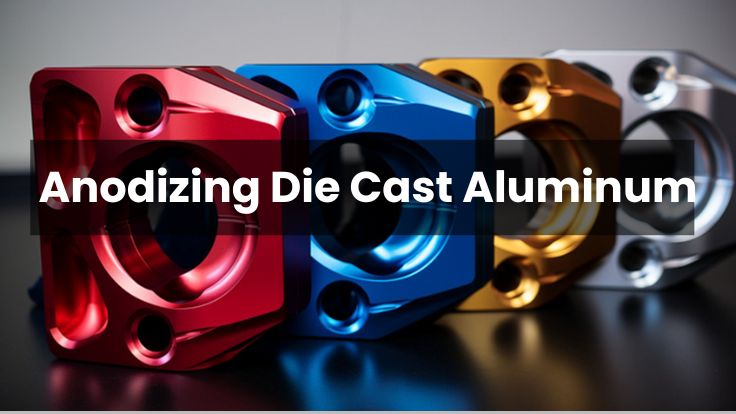
Anodizing die cast aluminum is a key metal finishing process that enhances durability, anti-seizing/corrosion and the looks of aluminum products that are extracted through die casting. With the ever-increasing demands of the industry to produce lighter-weight high-strength components for everything from car parts to electronics housing, its surface properties have become one of the most important things to add to it. Working behind the anodizing process is a controlled oxide layer that forms on the surface of aluminum by a technique of electrochemistry. Although the method has been thoroughly developed with regard to pure aluminum, its use with the alloy that is created in die casting has particular difficulties associated with it due to the inclusion of other elements such as silicon and zinc. This then brings the question to the mind of manufacturers as to whether you can anodise die-cast aluminum without sacrificing quality and appearance. To achieve performance levels under severe conditions, a combination of the techniques will be used by some industries that today are referred to as aluminum alloy die casting, plating anodizing. The technique is a combination of the strength of electroplating and anodizing, therefore, presenting better surface hardness, conductivity, and corrosion resistance. This article presents the science, techniques, and differences in anodizing die cast aluminum in order to give the complete picture to engineers, designers, and manufacturers who want to use a reliable and long-lasting surface finishing technology. What is die cast aluminum? Die casting entails pressing molten metal into a cavity of the mold at high pressure. Aluminum is lightweight and strong, making it an effective material for making durable parts with high dimensional accuracy. Nevertheless, due to a few impurities and porosities found in the process, surface finishing procedures such as anodizing die cast aluminum are made complex. It is also common to add silicon and other additives to die-casting alloys of aluminium in order to improve fluidity and other mechanical properties. However, it complicates the work on surface treatment, because these very additives will disturb the process of anodizing.  The Science of Anodizing Anodizing is an electrochemical treatment to strengthen and thicken the oxide film that occurs naturally on metal and makes it harder. The method will increase service life/durability, resistance to corrosion, and appearance. Anodized finish on aluminum has a porous structure that is perfect to absorb sealed dyes and sealants, thus they provide good decorative and functional applications. The difficulty with anodizing die cast aluminum lies in its composition. High-silicon alloy does not anodize well, and a blotchy finish or diminished corrosion resistance can be a consequence. Therefore, alloy composition is important to get a successful anodized finish. What is an Anodizing Die Cast Aluminum? Anodizing die cast aluminum. The anodizing of die-cast aluminium is the electrochemical treatment of die-cast aluminium parts to produce a permanent, protective, frequently decorative layer of corrosion-resistant oxide on the surface. The technique comes in handy, especially in areas that require protection against corrosion, advancement of surface hardness, and a limited aesthetic effect. In the process known as the anodizing die cast aluminum, the aluminum part is inserted into an electrolytic bath of acid, usually sulfuric acid, and an electric current is generated in it. This leads to the oxidation of surface of the aluminium to produce an oxide film, which is controlled and uniform. The process can be complicated, though, given the particular make-up of die-cast aluminum, commonly containing high silicon and other alloying components. Nonetheless, industries keep on investing in technologies that help to maximize the quality of anodizing die cast aluminum. The final preparation of anodized finishing is performed by methods of surface preparation like polishing, acid etching and smutting to remove the contaminants. The list of items where anodising die cast aluminum is used and utilized is long, including automotive parts, consumer electronics and many more, either to serve some functional purpose, or as an ornament. Its capability to augment the life span of parts, as well as their vulnerability to environmental degradation, makes it a vital surface treatment technique in the contemporary manufacturing industry. Process The anodizing of die cast aluminium process consists of various important steps that must be followed to achieve a good, uniform, and quality finish, even though this is a challenging process due to factors that surround the use of die-cast metals. All steps should be well-regulated in order to address such challenges as porosity of the surface and inconsistency of alloys. 1. Cleaning & Degreasing Paint, grease and oil stick to a surface and need to be removed before anodising through cleaning. This will make the process of having the oxide formed over the surface of the material even throughout the process of the anodising die die-cast aluminium. 2. Etching And De-Smuttering The outer layer is then removed, leaving a clean metallic surface by etching using an alkaline solution. This is followed by a de-smutting process to remove the residues left over by the alloying elements, a common occurrence in anodising die cast aluminium. 3. Anodising ( Electrolytic Oxidation ) The component is immersed in an electrolytic solution, normally sulfuric acid, and attached as an anode. A controlled layer of oxide is generated by the use of an electric current. This step lies at the heart of the process of anodising die cast aluminium, because it defines the thickness, porosity and longevity of the final finish. 4. Colouring (Optional) Where the finish is colored, dyes may be added to the porous anodised surface. This process is normally applied in decorative processes where looks count as much as performance in anodising die cast aluminium. 5. Sealing Lastly, the part is sealed using hot water or nickel acetate; frequently, the sealing is done in hot water or nickel acetate to seal the pores and improve corrosion resistance. This process seals dyes and reinforces the oxide layer, nd the process of anodising die-cast aluminium is complete. All the steps of this process must be controlled accurately, and so must the types of die-cast materials which are

Produksjon av spesialtilpassede metallplater i moderne industrier

Produksjon av spesialtilpassede metallplater i moderne industrier

trykkstøping av aluminium

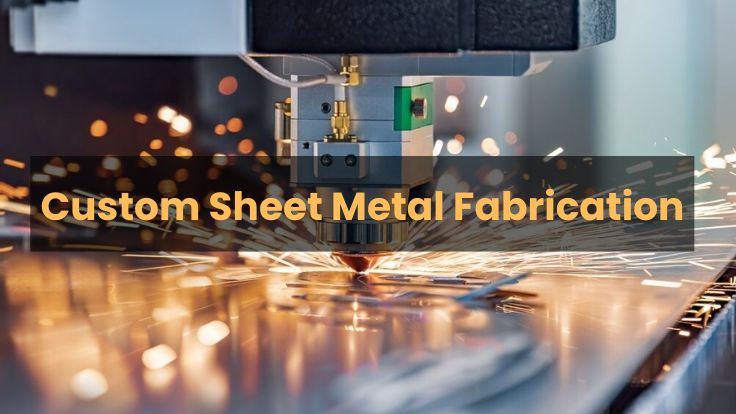
Custom sheet metal fabrication is now an activity that has established manufacturing industries in a variety of categories in the modern face of manufacturing. Whether in the form of cars and electronics, construction and healthcare, fabricated metal components play an essential role in the design, operation and durability of the enormous variety of products. It entails the sheet metal being cut, bent, shaped and assembled, based on specifications to fit the match, and manufacturers can make highly customised, durable and efficient parts. Among the most important industries that depend on this capacity is the automotive industry, in cases where the so-called custom automotive sheet metal fabrication will guarantee the production of high-performance body panels, supporting structure, and engine components. Such components should also have high standards in terms of weight, strength, and safety; hence, precision and customisation are essential. More and more foreign companies are resorting to the services provided by more advanced manufacturers like the car sheet metal fabrication in China because of favourable cost rates. Chinese manufacturers provide comprehensive services using advanced CNC equipment and short production schedules, which makes they useful partners in the global supply chain. Along with cars, the fabrication of sheet metal is a vital aspect in such areas as the aerospace industry, electronics, medical equipment, and the food processing industry. Such industries require great tolerances, corrosion resistance, and customised surface finishes, all of which can be provided by sheet metal fabrication. In this article, we are going to look at the complete range of this discipline, beginning with classic methods to the state of the art automation, mainly concentrating on automotive uses and the contribution of leading world actors, such as China. What is Custom Sheet metal fabrication? The term custom sheet metal fabrication is used when it comes to designing and manufacturing metal members or structures that can meet the specific needs of a particular project. In contrast to the mass-produced components, custom fabrications take unique solutions to specific sizes, materials and applications. This fabrication incorporates laser cutting, water jet cutting, punching, welding, forming and finishing of the surface. The most common ones are stainless steel, aluminum, galvanized steel, copper, and brass, among others, all selected due to their strength, conductivity, corrosion, and weight requirements. Manufacturers and engineers work hand in hand to make sure that all specifications are followed to the micrometre. Main Items in the Process 1. Design and Prototyping: A digital blueprint is sketched with the aid of CAD (Computer-Aided Design) software. Prototypes are frequently manufactured in order to run tests on how they work before large-scale production can commence. 2. Cutting and Shaping: The metal sheet is precisely shaped by using high-precision cutting tools to give very little tolerance. 3. Bending and Forming: The Sheet is curved to form complex shapes by bending and forming equipment, which includes press brakes. 4. Welding and Assembly: There are various parts which are assembled through TIG welding, MIG welding or spot welding. 5. Finishing: Finishing processes such as powder coating, polishing or anodising increase strength and aesthetics. Custom Automotive Sheet Metal Fabrication Rise  The Rise of custom automotive sheet metal fabrication began in the late nineteenth century, which saw the birth of the automobile industry. This period saw many people lose their lives and even more become injured by automobile accidents. This again led to the production and use of automobile insurance as a solution to automobile accidents. Precision and customization are vital in the car manufacturing business.  The custom automotive sheet metal fabrication is a significant element in the production of car body panels, chassis parts, heat shields, as well as engine enclosures. Such parts should be of high safety rating, aerodynamic, and aesthetically pleasing. Customisation gains significant relevance in the performance car, restoration car, electric car, and luxury vehicle production. The engineers may also need some special structural bracing or a project in terms of aerodynamic panels, which cannot be produced by general mass production. The benefits of the exercise of best sheet metal car fabrication are that: Common Materials in Sheet Metal Fabrication One most crucial decisions of the custom sheet metal fabrication is the choice of material. Whether it is carbon steel or stainless steel, it traverses all the aspects, including strength and corrosion resistance and even weight and workability. Knowing the nature of widely used metals enables an engineer to make a wise decision to maximise the efficiency and economic gains. Aluminium: Extremely Light and Non-Corrosive Aluminum is the most common material that is used in fabrication custom sheet metal. It is perfect for aerospace, electronic, and transport application materials because of its inherent corrosion resistance, easy weight, and good formability. It is also a highly conductive material, such that it can be used in enclosures and parts that radiate heat. As per the custom automotive sheet metal fabrication, aluminium is frequently used in the body parts and as a heat deflector to lighten the weight of the vehicle, without compromising its strength. Stainless Steel: Strong and Clean Stainless Steel  The strength of stainless and the fact that stainless is non-corrosive an attributes of the material. It is mainly utilized in food grade, medical and architectural applications where cleanliness and strength are important. Stainless steel may be specified in use of products that are under severe conditions of weather or that need a high-end finish in the custom sheet metal fabrication services. It is resistant to the effects of chemicals, water or high temperatures, hence its common use in many industries. Cold Rolled Steel: Versatile, Tough and Economical In the field of sheet metal custom fabrication, cold rolled steel (CRS) can be a common decision in construction when tight tolerances and a smooth surface are needed. It is cheap to weld or machine. Although it is likely to rust when not coated, it can be applied in buildings or painted. CSR is mostly applied in the cabinet, brackets, as well as enclosures in numerous industries such as the automotive industry, the construction industry and consumer

Skroll til toppen

Få et tilbud