części odlewane ciśnieniowo

Odlewanie ciśnieniowe w zimnej komorze: Kompletny przewodnik

odlewanie ciśnieniowe, Producent odlewów ciśnieniowych, części odlewane ciśnieniowo

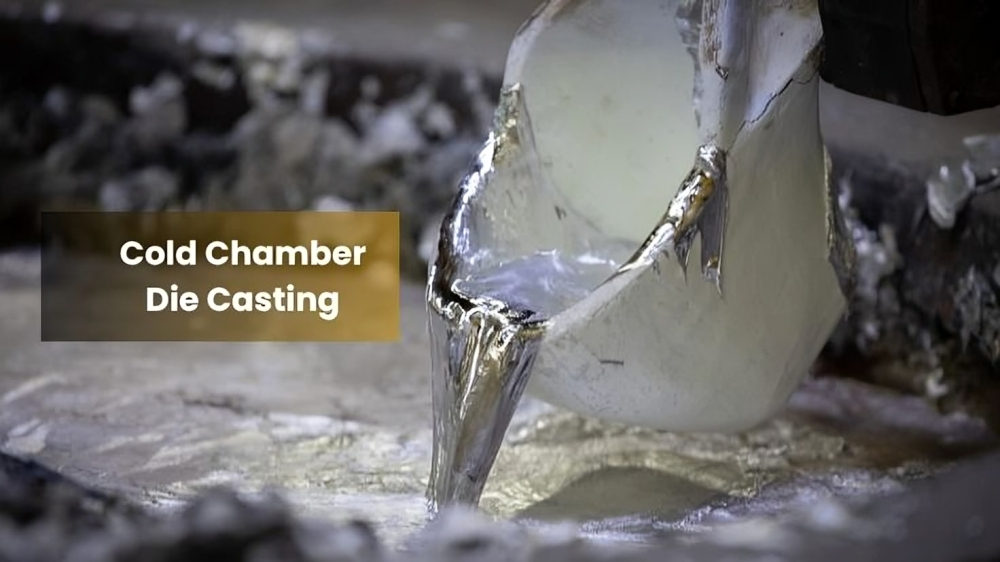
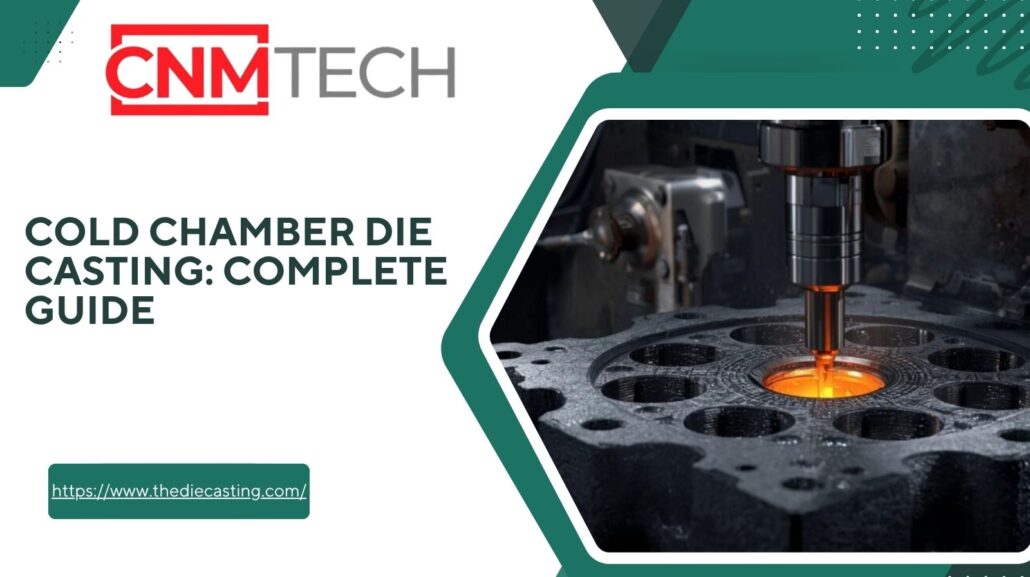
The cold chamber die casting process is initiated by first ladling molten metal into a separate injection chamber and then forcing it out into a steel mould. This process deals with high melting alloys such as aluminium, copper and magnesium. It is a tight-tolerance, high-pressure production process found in the automotive, electronics, and industrial parts production.  What is cold chamber die casting is and when to use it? Cold chamber die casting is a high-pressure moulding of metals, which would ruin or corrode a hot-chamber system. Practically, the operators melt the metal in a different furnace. Then they pour the molten metal into an unheated shot sleeve. The metal is forced into the closed mould by a hydraulic plunger with extreme pressure. The section hardens very rapidly, and the die is opened to spurt out the casting. This can be used when the alloy is of high melting temperature or where the alloy would corrode injection components, such as aluminium and copper alloys. The process sacrifices speed of the cycle for the scale and flexibility of the alloy.  Cold Chamber Die Casting Process Step-by-Step Cold chamber die casting is one of the most reliable techniques for making high-quality metal parts. Every process must be monitored in terms of temperature, pressure and time. Minor variations can impact the surface finish, strength and dimensional accuracy of the end product. Melting the Metal It starts by melting the metal in a separate furnace. Mostly used are aluminium, magnesium and copper alloys. In the case of aluminium, it is typically 650degC and 750degC. It is necessary to keep the melt clean. The impurities are eliminated by the operator with the help of fluxing agents and skimming tools. In case some oxide or gas is left, it may introduce defects such as porosity or inclusions in the future. In high-tech furnaces, a dosing system is the direct connection between the furnace and a die casting machine of China Cold. This guarantees that the temperature and composition of the molten metal are uniform in each shot. Molten Metal to the Shot Chamber Then molten metal is poured into the shot chamber or shot sleeve. This may be done manually or automatically. Manual ladling is easy, less fast and has more chances of entraping air. Automatic ladling systems, in their turn, provide the accurate amounts of metal with low turbulence. Oxidation and gas inclusion can be prevented by controlling the ladling speed and temperature. Others preheat the shot sleeve a little so that it will not suddenly drop in temperature, to allow the fluidity of injection. 3. Injection into the Die Cavity A hydraulic plunger is used to inject the high-pressure molten metal into the die cavity once it is in the shot sleeve. This is the fundamental phase of the cold chamber die casting. Injection pressure varies between 3,000 psi and more than 20,000 psi, depending on the size of the part and the alloy. The injection cycle normally contains two stages: The timeliness of these phases is critical. Recent China cold chamber die casting machinery, servo-hydraulic systems automatically regulate pressure and speed of every shot and guarantee homogeneity. Solidification and Cooling Opening and Part Ejection Die Once the metal has solidified, the die is opened by the machine, after which ejector pins or robotic arms take the casting out. It should be ejected only when fully solidified; otherwise, it is distorted. In complex shapes, there is more than one ejector pin, which guarantees the clean release of the die cavity. Robots take the parts on the automated lines and place them on conveyors to be trimmed and cooled. This increases handling damage reduction and accelerates production. Trimming and Finishing Inspection and Quality Control The last one is inspection and quality control. Every casting is inspected to guarantee that it has the necessary tolerances and quality standards. Popular types of inspection are: The machinery of modern China cold chamber die casting is usually equipped with sensors and software which keep track of all the parameters – Melt temperature, injection pressure, and die temperature, which enables quality monitoring in real time. Optimisation of process and control The quality of outcomes must rely on controlled quality at each step. Safety and Environmental Factors Usually used materials and alloys. The use of a cold chamber is preferred in alloys which cannot be utilised in hot-chamber machines. Most common materials used include aluminium alloys, magnesium, copper and a few combinations of zinc andaluminiumm where corrosion of the injection mechanism should be prevented at all costs. In the automotive structural parts, aluminium alloys prevail. Magnesium is applicable in situations where very lightness is an issue. Both alloys have their own melting point, fluidity and shrinkage behaviour, which need to be handled in mould design and process parameters.  Machinery and features – such as the China cold chamber die casting machine choice. Die casting machines: The Cold chamber die casting machines are made of a robust frame, high pressure injection unit, a hydraulic system and the control electronics. The modern machines provide servo-hydraulics to save energy and enhance control, computer controls to make the shot profiles programmable and integrated auxiliary systems such as die temperature controllers and automatic ladling systems. It is also possible to find China cold chamber die casting machine suppliers that offer a large variety of models and different price ranges in case you are sourcing machines. There are compact models of Chinese manufacturers that fit small shops and large tonnage machines that are appropriate to high-volume production. Chinese constructors tend to package melting and handling equipment to provide a turnkey line as well. Compare machines in terms of check maximum clamping force (tons), volume in the shot, speed control in an injection, die size, and automation.  Essentials of tooling and die design The hardened tool steel is normally die (mould. The design of the die should permit a controlled flow of metals and escaping gaseous air,  and gating and runners geometry and cooling channels in order to
Odlewanie ciśnieniowe aluminium dla przemysłu motoryzacyjnego w Chinach

Odlewanie ciśnieniowe aluminium dla przemysłu motoryzacyjnego w Chinach

odlew aluminiowy, części odlewane ciśnieniowo

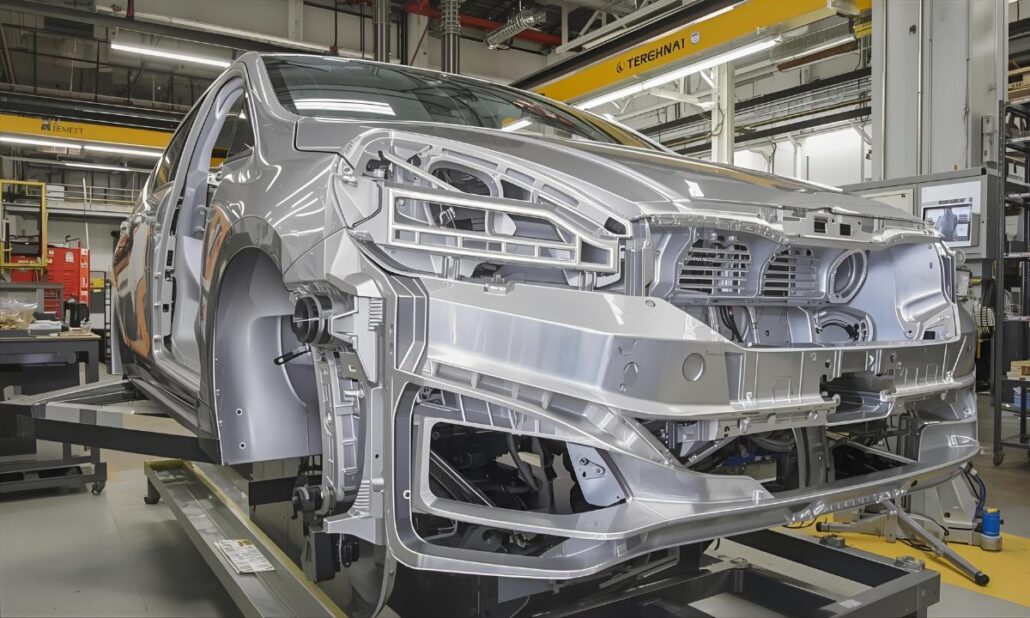
Aluminium automotive die casting in China has become an essential process within the international automotive supply chain that contributes to efficiency, sustainability, and innovation in vehicle production. Lightweight and strong, aluminium provides a special balance between mechanical performance and fuel consumption, which contemporary car manufacturers require. Through minimised vehicle weight, aluminium die-cast components have a direct impact on reducing fuel consumption, longer battery range in electric vehicles (EVs), and carbon emissions. This not only renders the technology significant to the manufacturers, but also to environmental regulations across the world. This domination in the automotive industry of China is a natural extension of aluminium die casting. Being the largest producer, the country with huge production rates, with its large supply chain and the support of the government through industrial policy, China has already established itself as the largest producer and one of the greatest innovators in the area. The die casting sector of the country serves both local car manufacturing industries and foreign brands, and it provides engine blocks and transmission housings, as well as high-tech giga castings, applied to the body of EVs. The development of lightweight materials and more environmentally friendly production technologies has become even faster. This congruence between industrial competency and the world sustainability targets will keep China on the frontline of the technology of aluminium die casting, which is the future of automotive engineering. What is Die Casting of Aluminium? Aluminium die casting is the production technique where molten aluminium is pressurized and injected into a high-pressure steel mold (die). Upon cooling and solidification, the metal produces complex and precise components with very favourable strength-to-weight ratios. The automotive parts that are commonly manufactured are engine blocks, transmission housings, wheels, brackets, and structural body parts. Why China Leads in Aluminium Die Casting? Aluminium Die Casting Process Aluminium die casting is one of the most specialized manufacturing techniques that allows the creation of complex and accurate automotive components with great mechanical properties. It does include several well-regulated phases, and each of them can be seen as a step toward the quality, strength, and durability of a final product. The following is a discussion of each of the stages: 1. Mold Preparation The steel mold, usually of hardened tool steel, is completely cleaned and checked before production starts and should be free of wear or damage. Then the release agent or lubricant is applied to the cavity of the mold, which has a variety of significant purposes. It avoids the sticking of the molten aluminium to the die, provides smooth part ejection and assists in maintaining mold temperature in successive casting cycles. It is important to prepare the mold properly, as this has a direct relation to the surface quality and dimensional accuracy of the finished component. 2. Melting & Alloy Preparation It begins with the melting of aluminium ingots or recycled scrap in a high-temperature furnace that can be either gas-powered, electrically powered or induced. At this phase, molten aluminium is observed keenly to maintain an optimal temperature range of around 660 to 700 °C to provide a fluid mass and reduce defects. Elements like silicon, magnesium, and copper are alloyed in order to improve certain properties such as strength, corrosion resistance, or thermal conductivity. It is important to keep the chemical composition accurate since a slight change in it might greatly affect the functionality of automotive elements. 3. High-Pressure Die Casting (injection) After the molten aluminium attains the desired state, it is poured into the prepared steel casting mould by a high-pressure die casting (HPDC) machine. The pressure of injection is usually between 110 and 175 MPa, and this makes the liquid metal fill even in the most complex molding cavities with accuracy. High pressure also aids in reducing porosity and shrinkage flaws to produce high-strength and dense parts. This is regarded as the centre point of the process since it determines the quality of the casting and whether complicated shapes can be produced without breaking the structural integrity. 4. Cooling & Solidification The molten aluminium is then injected and quickly cools down and hardens in the steel mould. The rate of cooling is maintained throughout to make sure that the crystallization is uniform and internal stresses or warping are minimized. Cooling time varies greatly with the thickness and intricacy of the component being cast; a thin-walled component could be solidified in a matter of seconds, whereas a more complex part could take a longer cycle to solidify. Well-organised cooling circuits (water channels or oil circuits built into the die) are commonplace with the aim of ensuring consistency throughout the production runs. It is essential to attain a balance of strength, ductility, and dimensional accuracy by proper solidification. 5. Ejection After the part has hardened, ejector pins in the mold force the casting out. In this step, accuracy is needed to prevent burning sensitive areas or thin walls of the part. Large-scale automotive manufacturing often relies on automated ejection systems, which guarantee the consistency of cycle times and minimize manual work. The process of ejection may appear to be easy, yet with improper application, it might cause surface defects, cracks or misalignment, which will adversely affect the usability of the final product. 6. Trimming & Finishing Raw casting may contain large quantities of extraneous material, such as flash, runners or even gates, after ejection, and this needs to be removed. A hydraulic press or a CNC machine is usually used in trimming to attain an accurate edge line. Other finishing processes like shot blasting enhance the texture of the surface, and machining provides the high dimensional tolerance needed by engine or transmission components. They can be heat-treated to increase strength and hardness, and coating or anodizing may increase corrosion resistance. These are the necessary secondary processes because through them the raw casting is taken to the next level, where it is turned into a functional and reliable automotive component. 7. Inspection & Quality Control The last step is the intensive inspection, whereby all castings will be

Części samochodowe wykonane metodą odlewania:

Części samochodowe wykonane metodą odlewania: Wybór materiału i procesu

części odlewane ciśnieniowo

The modern automobile is a sophisticated machine that consists of thousands of separate parts with their own purpose to provide safety, performance, and reliability. Casting is one of the various manufacturing processes that are employed in the automotive industry. Casting is now an irreversible procedure where major parts of a vehicle are formed by shaping molten metal into extremely detailed and strong parts. The engines, transmissions, and braking systems of most vehicles are among the most significant systems that require parts made by casting. Indeed, when designers and builders discuss efficiency, durability, and cost-effectiveness in the production, casting of automobile parts are often at the centre stage of the debate. The art of casting is not new; it was invented thousands of years ago. However, its application in the motor industry has undergone a revolutionary shift to harness hi-tech technologies and the most recent alloys that can fit the high demands of the modern car. Casting has been instrumental in enabling cars to maintain high-performance standards at a relatively low cost through lightweight aluminum engine blocks that are tough and, resilient cast-iron brake components. The article will review the history of the automobile casting parts, processes, advantages, and future trends of automobile casting parts and reveal the reasons why the automobile casting parts continue to be a pillar in the automotive manufacturing industry. History  of Casting It was actually the aluminum casting process that penetrated the sphere in the middle of the 20th century. Casting has been in use in vehicles since the late 19th and early 20th centuries, when the automobile was first developed to replace the horse-drawn carriage. Early engines demanded powerful but inexpensive parts, and casting was the right way to go. One of the first methods to make engine blocks, crankshafts, and housings was iron casting. With the increase in the automobile industry, casting techniques increased and became advanced. The automobile manufacturers learned that they could increase fuel efficiency without reducing the lifetime of the vehicles due to lighter engines and structural parts. Casting is applied to different systems of vehicles in accordance with their application and importance. Finally, the automobile casting parts have the important role of giving strength, accuracy, and cost-effectiveness to reduce the cost, which is why automobile parts are the giants of the automotive industry. What are Automobile Casting Parts? Automobile Casting Parts can be defined as parts of a vehicle that are produced through pouring molten metal into a mold, and the resulting molten metal hardens into a desired shape. This has enabled the manufacture of robust, sturdy, and intricate components that are utilized in automobiles, including engine blocks, cylinder heads, transmission housings, brake drums, and wheels. They are very popular since casting offers: Taking the case of an engine block, the block has various chambers and coolant passages with threaded openings that can be cast correctly. What is Casting? The process of casting is a type of manufacturing where molten metal is poured into a mold and allowed to cool in the shape of the mold. After cooling, the casting is removed, machined (where needed),, and fitted into the finished product. It is an operation in which it is possible to produce both strong and geometrically complex parts. The reason why automobile manufacturers like to use casting is that they can produce large quantities of complicated parts of uniform quality. The proper melting temperature should also be maintained to remove defects such as porosity or underfill We are discussing not only structurally significant parts of automobiles, but also those that must be precise and durable under severe conditions of high temperatures, pressures, and constant wear. Process of Casting in Automobile Parts High-volume production also automates machines or high-pressure systems to ensure a high level of accuracy and consistency. 1. Pattern Making It starts with the production of a pattern, an imitation of the finished part. Patterns tend to be made of wood, metal, or plastic. They also determine the accurate shape and size of the mold cavity into which the molten metal will be poured. 2. Mold Preparation Sand, metal, or ceramic materials are used to form a mold. The two halves of the mold make the cavity to shape the part. Hollows can also be introduced within the mold,, such as internal passages within an engine block. 3. Melting the Metal In a furnace, a controlled temperature is used to melt the selected metal or alloy (cast iron, aluminum, or magnesium). This is to bring mechanical properties to high-performance applications such as engines or gearboxes. 4. Pouring When the metal is melted, it is filled into the mold. The proper sizes and finishes are ensured during drilling, milling, and turning. 5. Solidification and Cooling The heated material is left to cool and harden within the mold, assuming the shape of the mold. The part should avoid a shrinkage defect or crack due to uncontrolled cooling rates. 6. Mold Removal When solidifying, the mold is broken (in sand casting) or the mold is opened (in permanent and die casting). A raw casting is then removed and processed further as a casting blank. 7. Fettling and Cleaning Unneeded material, including sprues, risers, or flash, is eliminated. The casting could be shot blasted or ground to clean up the surface to make it easy to machine. 8. Heat Treatment (if required) Cast parts can be heat-treated to enhance their strength, hardness, or toughness. Sand Casting – Sand casting is one of the oldest and most common ways in which a mold of sand is molded into a more complicated shape. 9. Machining and Finishing Despite the fact that casting generates near-net shapes, a lot of automobile parts have to be machined to be precise. It is used with the engine block, cylinder head, and manifold. 10. Inspection and Testing Lastly, quality checks are done on the cast part. Non-destructive testing (NDT), dimensional testing, and material inspection are conducted to ensure that the part is up to industry standards before assembly into

Odlewanie ciśnieniowe w zimnej komorze

Nowoczesne trendy w technologii odlewania ciśnieniowego w zimnej komorze

odlewanie ciśnieniowe, Producent odlewów ciśnieniowych, części odlewane ciśnieniowo

Cold Chamber Die Casting is a precision type of manufacturing technique applied in the manufacture of complicated metal components characterized by high levels of strength and precision. This process can best be used in metals having a high threshold of the melting point, like aluminum, brass, and copper alloys. Cold chamber die casting systems are not placed into molten metal like a hot chamber die casting system; instead, the metal is put into the cold chamber die casting machine by manually ladling metal into the cold chamber die casting machine after it is melted in another furnace. The arrangement wears less on the machine and uses alloys that are tougher. Among the important factors that make companies opt to use this method are the special cold chamber die casting advantages and disadvantages. It has top dimensional accuracy, smooth surface finishes, as well as long cycle times. Nevertheless, its strength and durability of the constituents are its favorites in the automotive, aerospace, and electronic markets. The difference between hot and cold chamber die casting is crucial to make the right choice of the process. Hot chamber die casting is more rapid and applied to metals of low-melting point, such as zinc, whereas the cold chamber die casting system is designed to handle higher temperatures and stronger metals. Manufacturers will also be able to manufacture long-lasting and reliable parts with this process that have a high degree of precision in their specifications. In the present article, we are going to discuss the principle of operation of cold chamber die casting, its main parts, the nature of the metal employed, and technological parameters of cold chamber die casting, including clamping force and cycle time. The cold chamber die casting advantages and disadvantages will also be considered to provide you with a full picture of this important manufacturing process. What is the Cold Chamber Die Casting? Cold Chamber Die Casting: A cold chamber die casting process is a metal casting process where molten metal is ladled either manually or automatically into a separate cold chamber outside the injection system. Thereafter, the metal is pushed with high pressure into a mold cavity, which causes the metal to cool and crystallize in the desired shape. It is usually applied to metal with a large melting point, like brass, aluminum, and copper alloys. The purpose of avoiding corrosion and thermal fatigue that can result in improper working of components of the injection system, unlike in the hot chamber die casting process, where the injection mechanism is suspended in molten metal, the cold chamber process keeps the injection facilities segregated. The application of the practice of the latter, i.e., Cold Chamber Die Casting, is especially advantageous, where the metals used would harm the components, contacting them. High pressure can be used in the injection process itself, and denser, stronger components with a brilliant surface finish and dimensional stability would be possible. Die Casting Process- Step by Step The object of the Cold Chamber Die Casting technique is to make highly accurate and hard metal parts that are frequently composed of alloys that have melt-points that are at high temperatures, such as aluminum and brass. Let us have a step-by-step breakdown of how it works: 1. The External Furnace is used to melt the Metal The process is similar to that of hot chamber casting except that the melting of metal is done in a separate furnace outside. This is required in that the molten metal in the cold chamber casting will cause a high level of heat to be experienced internally that cannot be handled. The metal is melted, after which it is able to be transferred into the casting machine. 2. Pouring the molten metal into the Shot Sleeve Thereafter, the molten metal is ladled into the shot sleeve in the die casting machine. This is manually done or arm-driven. The shot sleeve is a strong, resistant to heat tube into which the metal rests and is later injected. This should be taken very fast to prevent premature solidification. 3. Plunger forces the metal into the die. A steel plunger travels into the shot sleeve and presses the molten metal at high pressure in the die cavities. The force makes sure that the metal fills the mold even in any complicated pattern or with a very thin wall, and decreases the chances of any flaws, such as air pockets. 4. There is the Solidification of Metal within the Die When the mold is filled, the metal starts cooling and solidifying within the die. This solidification step is very important in coming up with a good and precise part. The cooling time is dependent on the part metal, part thickness, and die temperature. 5. The Brass Die and Ejector Pins Force-Out the Casting When the part has solidified, the clamping unit of the machine opens the die, and ejection pins force the casting out of the mold cavity. The portion is then moved to a cooler station or a trimming station. 6. Removal of Flash (Removal of Excess Metal) There is some over metal on the sides called flash that is around the edges of the casting where the halves of the die come together. This is then removed by mechanical trimming, grinding, or machining, depending on what the finish requires. This will prevent the final works from being below the intended shape and tolerance. 7. Die cycle reset and Lubrication The die is washed and greased before entering the next cycle in order to be of good quality and avoid sticking. When the oiling is done, the die is again clamped, and the machine is switched to reset for more cycles. 8. Quality Inspection and finishing This is a complete part that is checked to ensure quality defects do not exist, like cracks, shrinkage, or abnormalities on the surface. Depending on the end-use requirement of the part, it can be subjected to additional machining, surface treatment, or assembled (if required). Metals to be used in the

Części samochodowe odlewane ciśnieniowo z cynku dla pojazdów o wysokich osiągach

części odlewane ciśnieniowo

In automotive manufacturing, it is important to have precision, solid components, and cost efficiency to produce top-performance parts. Meeting these demands can be done reliably with zinc die casting. Many manufacturers now use zinc die casting for automotive parts to obtain tough parts, exactly the right size, and protected against corrosion. Because they cast well, zinc alloys work great in large-scale automotive production. Owing to their easy melting and good flow, these alloys can be formed inside detailed molds with tight levels of accuracy. Zinc alloy casting is vital for building die-cast zinc parts in automobiles, such as housings for locks, brackets, door handles, and many under-the-hood fittings. Apart from needing mechanical power, these parts should also resist changes in temperature, vibration, and outside influences. Because the auto zinc-alloy die-cast process provides a better finish, manufacturers can also reduce or cancel out the need for extra finishing operations such as machining or polishing. What’s more, zinc can be used with many types of plating and coating, which boosts both how useful and attractive the parts become. Because zinc alloys are recyclable, manufacturing with them fits well with the industry’s move toward eco-efficiency. The following sections will focus on understanding the main features, weaknesses, areas of application, and related topics of zinc die casting in the automotive industry, underscoring the trend of greater interest in zinc die casting for mobility by examining a series of auto zinc alloy case studies. What is zinc die casting?  Zinc alloy is injected into a steel mold at high pressure in order to make accurate metal parts through zinc die casting. Because complex parts are produced with stability and top-quality smoothness, and exact fits, EBM is seen as particularly valued. What Are the Important Features of Zinc Die Casting? 1. When working with high-pressure injection, molten zinc is introduced quickly into a precise mold at high pressure, so that every part of the mold is filled. 2. Zinc cools and hardens very fast, which is why the process is suited to mass manufacturing. 3. Made of durably hardened steel, the dies are designed for many uses and are therefore suitable for large-volume production. Why Zinc? Because of its properties, zinc is frequently employed in die casting. Zinc Alloys: What Makes Them Unique? Zinc alloys include important mechanical and physical features required for good automotive performance. These include: The reasons behind these properties mean that zinc alloys are a common pick for brackets, housings, handles, lock components, and trim parts placed inside or outside a car. A strong benefit of automotive parts zinc die casting is that you can build many useful functions into a single, detailed part, which makes assembly less necessary and drops the product cost. What is the Die Casting Process? In die casting, the mold or die holds molten metal that is pressed under high pressure. For every part, a mold is made that ensures parts are produced quickly, exactly the same, and accurately. The most important parts of zinc die casting are: Great attention is paid to these stages to guarantee that zinc-cast vehicle parts are top quality. Zinc Die Casting Process and Its Characteristics Parameter Typical Value / Range Unit Description Injection Pressure 35 – 120 MPa High pressure ensures complete mold filling and detail replication. Injection Time 0.02 – 0.15 seconds Fast cycle times are possible due to zinc’s excellent fluidity. Die Temperature 150 – 250 °C Optimal temperature for mold longevity and casting quality. Melting Point of Zinc Alloy 380 – 390 °C Low melting point reduces energy consumption and tool wear. Solidification Time 0.1 – 1.0 seconds Zinc solidifies quickly, allowing short cycle times. Density 6.6 – 6.9 g/cm³ Zinc is denser than aluminum, offering better damping and strength. Tensile Strength (Zamak 3) ~280 MPa Sufficient for structural and mechanical automotive parts. Elongation at Break 10 – 15 % Indicates ductility; zinc alloys can absorb impact without cracking. Surface Finish Quality Excellent – Zinc supports high cosmetic quality with minimal post-processing. Tolerance Control ±0.02 – ±0.05 mm Tight tolerances are achievable, reducing the need for secondary machining. Reasons to Use Zinc Alloys Excellent Castability Zinc alloys are valued for their excellent ability to be cast. Because zinc melts at a low temperature and has great flow, it fills complex mold shapes perfectly. Therefore, zinc alloys are best for precise designs, as found in automotive zinc die casting parts, where getting consistent detail and form is important. Thin-walled sections and intricate forms, available with minimal porosity, are highly desirable in mass production. High levels of accurate matching Because of zinc alloys, it becomes very simple for manufacturers to achieve accurate dimensions. This matters a lot in industries such as automotive and electronics, since components should be accurate and barely vary. Because zinc die-cast components usually do not need post-machining, manufacturing costs are reduced. Thanks to their consistency, zinc alloys help keep quality high and the products reliable throughout massive production. Superb surface finish Zinc alloys are valuable because their superior surface finish is possible to obtain directly during molding. Reduced requirements for finishers’ operations come from the natural surface finish of the parts. Polishing, painting, or chrome or nickel plating zinc alloy parts is easy, so they serve well in places where both how they look and how they perform are important. In both consumer goods and automotive interiors, things like handles and buttons benefit a lot from this type of coating. Good Performance for Mechanical Strength and Toughness Zinc alloys bring together solid strength, a high resistance to being bent or broken, and a limited tendency to be malleable. As a result, we use metals with these properties wherever mechanical stress or strong wear occurs. Because they are impact resistant, zinc alloy components are strong and last a long time. Because they are strong, most structural and working parts, such as brackets, housings, and locking pieces, are built from plastics. Corrosion Resistance Because a zinc oxide layer forms on them, zinc alloys do not easily corrode.

Producent odlewów cynkowych w Chinach

11 najlepszych firm odlewniczych cynku w Chinach i USA

części odlewane ciśnieniowo, Odlew cynkowy

Jeśli masz części odlewane ze stopów metali, które wymagają wysokiej jakości wykończenia powierzchni, takiego jak polerowanie, powlekanie lub powlekanie elektroniczne, powinieneś poszukać części odlewanych ciśnieniowo z cynku. Odlewy cynkowe lub zamakowe są często stosowane w produkcji precyzyjnych elementów dekoracyjnych, akcesoriów budowlanych, akcesoriów do drzwi i okien, zawiasów drzwiowych, modeli odlewanych ciśnieniowo i innych podobnych produktów ze stopów. Celem tego artykułu jest zwięzłe przedstawienie 11 najlepszych firm zajmujących się odlewami cynkowymi w Chinach i Stanach Zjednoczonych Ameryki, a także ich możliwości odlewniczych i przewag konkurencyjnych. Mając to na uwadze, przyjrzyjmy się niektórym z najbardziej znanych firm w tym obszernym przewodniku. 1. Dongguan Sincere Tech Co., Ltd Dongguan Sincere Tech Co., Ltd jest producentem form i odlewnią cynku z siedzibą w Chinach. Specjalnością firmy są wysokiej jakości formy wtryskowe. Dostarcza formy odlewnicze z aluminium, cynku i magnezu wraz z dokładnością w formowaniu tworzyw sztucznych, a także formowaniu. Usługi oferowane są dla sektora motoryzacyjnego, medycznego i innych. Klienci zyskują precyzję, niezawodność i konkurencyjne opłaty za wszystkie oferowane projekty. Zastosowanie wysokiej jakości maszyn i urządzeń oznacza, że jakość produkcji jest minimalna. Nadzór nad każdym projektem spoczywa w rękach wykwalifikowanych specjalistów, aby zapewnić przestrzeganie wysokich standardów. Firma zyskała reputację jednej z wiodących firm, ponieważ międzynarodowi klienci ufają, że Dongguan Sincere Tech odniesie sukces. Oferowane usługi Dongguan Sincere Tech zapewnia klientom szeroką gamę rozwiązań w zakresie rozwoju produktów. Począwszy od procesu projektowania po tworzenie prototypów, od projektowania produkcji po rzeczywistą produkcję masową. Dlatego usługi tworzenia form i oprzyrządowania są uważane za obejmujące wysoką precyzję montażu, testowania i pakowania produktów wyjściowych. Firma ma ogromne doświadczenie w odlewaniu ciśnieniowym i formowaniu tworzyw sztucznych. Każdy ruch wykonywany jest z precyzją i przejrzystością. Firma zapewnia, że jej produkty są zgodne ze standardami i wartościami branżowymi. Gwarantujemy szybki czas realizacji i dobre wyniki. Dlaczego warto wybrać Dongguan Sincere Tech? Jakość, precyzja i niezawodność to podstawowe wartości firmy Dongguan Sincere Tech. Środki zapewnienia jakości stosowane na najwyższym poziomie zapewniają wysoką jakość i standardy produktu. Surowce wysokiej jakości są wykorzystywane do produkcji różnych produktów. Zaawansowane procesy produkcyjne są wykorzystywane dla lepszej wytrzymałości. Każdy klient ma zapewnioną wysoką wydajność i niskie koszty usług. Dokładność i trwałość to najważniejsze aspekty projektowania produktu. Profesjonaliści otrzymują optymalny poziom satysfakcji z usług, które oferują klientom, a także z produktów, które wytwarzają. Jeśli szukasz niezawodnych i niedrogich form wtryskowych, to Sincere Tech jest firmą, na którą powinieneś zwrócić uwagę. Jeśli szukasz formowania wtryskowego tworzyw sztucznych, usług montażu produktów w Chinach i firm odlewniczych cynku w Chinach, zapraszamy do kontaktu z nimi w sprawie ceny. 2. GC Precision Mold Co, Ltd. GC Precision Mold Co., Ltd. jest wiodącą firmą odlewniczą cynku w Chinach, oferującą ogromne doświadczenie od ponad dwóch dekad. Firma została założona w 1999 roku i zajmuje się głównie odlewnictwem ciśnieniowym aluminium, cynku i magnezu. Ponadto świadczy usługi w zakresie formowania tworzyw sztucznych, obróbki CNC i wykańczania powierzchni. GC Precision Mould współpracuje z różnymi sektorami gospodarki, takimi jak motoryzacja, elektronika i sektor opieki zdrowotnej. Firma cieszy się renomą dzięki wydajnej linii produkcyjnej. Jej zaawansowane maszyny mają udźwig od 120 ton do 1650 ton. Usługi oferowane przez firmę obejmują odlewanie grawitacyjne, odlewanie wysokociśnieniowe i odlewanie piaskowe. Firma projektuje i opracowuje formy o określonych zainteresowaniach. Dokładność i jakość są zapewnione w każdym projekcie do maksymalnego poziomu. GC Precision Mould sprzedaje swoje produkty na rynku międzynarodowym, w szczególności w Ameryce Północnej i Europie. Firmy te zapewniają sprawną i wygodną dostawę i wysyłkę dla swoich klientów w różnych częściach świata. Dzięki temu firma uzyskała certyfikat jakości Międzynarodowej Organizacji Normalizacyjnej (ISO) 9001. Firma dostarcza niestandardowe rozwiązania zgodnie z wymaganiami klienta, zwiększając w ten sposób wartość dodaną. Podstawowe świadczone usługi GC Precision Mould Co., Ltd. zapewnia szeroki zakres usług: Odlewanie ciśnieniowe: Stosowane materiały to aluminium, magnez, cynk i inne niestandardowe stopy. Formowanie wtryskowe tworzyw sztucznych: Wysoka precyzja formowania z szeroką gamą wykończeń powierzchni. Obróbka CNC: Toczenie CNC i produkcja komponentów o wysokim poziomie dokładności. Wykończenie powierzchni: Anodowanie, malowanie proszkowe, malowanie i powlekanie chromem. Niestandardowe oprzyrządowanie do odlewania ciśnieniowego: Sprzęt do trudnych zastosowań odlewania ciśnieniowego i formowania. Usługi odlewania ciśnieniowego są skierowane do branży motoryzacyjnej, elektronicznej i produktów konsumenckich. Do każdego projektu wykorzystują nowoczesne narzędzia i techniki, spełniając tym samym najwyższe poziomy produkcji. Zaspokajają różne potrzeby klientów, ponieważ maszyny wykorzystywane w produkcji mają zdolność wytwarzania części o wadze do 50 kg. Dlaczego warto wybrać GC Precision Mould Co. Ltd? GC Precision Mould jest niezawodnym dostawcą usług odlewania ciśnieniowego cynku. Zapewnia stabilne i niedrogie usługi oparte na wieloletnim doświadczeniu. Firma kładzie nacisk i zapewnia szybki czas reakcji i działa w rozsądnym budżecie. GC Precision Mold oferuje pełne spektrum obsługi klienta od momentu rozpoczęcia projektu. Od odlewania ciśnieniowego i obróbki CNC po formowanie tworzyw sztucznych, firma gwarantuje satysfakcję swoim klientom. G.C Precision Mold Co., Ltd. koncentruje się na ciągłych innowacjach. Zawsze daje z siebie wszystko, aby rozwijać swoje systemy i techniki produkcji. Firma posiada certyfikat ISO 9001 i przestrzega rygorystycznych międzynarodowych standardów dla swoich produktów. Zaspokajają zarówno małe, jak i duże potrzeby produkcyjne w zakresie świadczenia usług. Jeśli szukasz formowania wtryskowego tworzyw sztucznych, obróbki CNC, wykończenia powierzchni, takiego jak anodowanie, plastrowanie elektroniczne, odlewanie ciśnieniowe pod wysokim ciśnieniem 6063 lub 6061 oraz producentów odlewów cynkowych w Chinach, zapraszamy do kontaktu z nimi w sprawie ceny. 3. CNM Casting CNM TECH jest zaawansowaną przemysłową firmą odlewniczą cynku z siedzibą w Chinach, firma odlewnicza CNM zajmuje się głównie precyzyjnym odlewaniem ciśnieniowym

Odlew cynkowy

Znaczenie odlewania ciśnieniowego cynku w przemyśle motoryzacyjnym

odlewanie ciśnieniowe aluminium, firmy odlewnicze, firma odlewnicza, Producent odlewów ciśnieniowych, części odlewane ciśnieniowo, zamak 3 odlew ciśnieniowy, Odlew cynkowy Zamak 3, zamak 5, zamak 5 odlew ciśnieniowy, odlewanie ciśnieniowe zamak, Odlewanie ciśnieniowe ze stopu cynku, Odlew cynkowy

Czym jest odlewanie ciśnieniowe? Odlewanie ciśnieniowe to proces odlewania metali, który charakteryzuje się wtłaczaniem stopionego metalu do gniazda formy. Wnęka formy jest wykonana przy użyciu dwóch hartowanych form ze stali narzędziowej, które są obrabiane podczas przetwarzania i działają podobnie do form wtryskowych. Większość odlewów ciśnieniowych jest wykonywana z metali nieżelaznych, zwłaszcza cynku, miedzi, aluminium, magnezu, cyny, ołowiu i stopów na bazie cyny. W zależności od rodzaju odlewanego metalu stosowany jest silnik termiczny lub zimny. Proces odlewania ciśnieniowego cynku jest bardzo popularny w produkcji części w budownictwie i przemyśle, ale najczęstszym zastosowaniem jest przemysł motoryzacyjny. W rzeczywistości samochody mają różne części, które mogą być wykonane poprzez odlewanie ciśnieniowe, w taki sposób, że nowoczesny proces odlewania ciśnieniowego został pierwotnie zapoczątkowany dla przemysłu motoryzacyjnego. W procesie odlewania często nie jest wymagana dalsza obróbka po odlaniu: nie tylko dokładność wynosi do 99,8%, ale odlane produkty mogą być również używane w stanie surowym, ponieważ mają przyjemne wykończenie. Zastosowanie odlewów cynkowych jest prawie 28% w przemyśle motoryzacyjnym, a następnie w sektorze budowlanym i sprzętowym. Cynk stał się jednym z najważniejszych metali w przemyśle części samochodowych, zwłaszcza w przypadku produktów takich jak obudowa zamka drzwi, zapadka, koła zębate i rolki zwijacza w systemach pasów bezpieczeństwa, ale także w przypadku wałka rozrządu i elementów czujników. Dzięki zastosowaniu tego metalu i jego stopów możliwe jest osiągnięcie wytrzymałości, plastyczności i elastyczności, które nie byłyby możliwe w przypadku innych materiałów. Ponadto, cynk może być właściwym wyborem do uzyskania wysokiej jakości estetycznych komponentów, o wąskich tolerancjach, które nie są możliwe w przypadku innych materiałów, a także do uzyskania wytłoczeń i rowków dla elementów mechanicznych lub kół zębatych. Mechanizmy odlewania ciśnieniowego cynku w przemyśle motoryzacyjnym Jak wspomniano wcześniej, przemysł motoryzacyjny jest najczęstszym zastosowaniem odlewania ciśnieniowego: wykorzystanie cynku i jego stopów umożliwia produkcję komponentów, które są w stanie osiągnąć wysoką jakość estetyczną, z wąską i wąską tolerancją dla morfologii kształtu. Stopy cynku są również wykorzystywane do produkcji powłok ze względu na ich liczne zalety, takie jak poprawa właściwości antykorozyjnych cynku, które już teraz są imponujące. Poniżej znajduje się kilka możliwych przykładów cynkowania: Sekcja estetyki wnętrza Sekcja szyberdachów Części mechaniczne Silnik i inne elementy podwozia Układ wspomagania kierownicy Części i układ hamulcowy Elementy i układy klimatyzacji Osprzęt podwozia Części w układzie pasów bezpieczeństwa Elementy układu klimatyzacji Układ paliwowy Zalety odlewania ciśnieniowego cynku: Wydajny i ekonomiczny proces oferujący różne możliwe formy i kształty. Szybka produkcja Dokładność i stabilność wymiarów Wytrzymałość i waga Dostępnych jest kilka technik wykańczania Prosty montaż Proces odlewania ciśnieniowego rozpoczął się od użycia ołowiu i stopów ołowiu, stopów magnezu i miedzi, które szybko zostały wykorzystane, a w latach 30. XX wieku dostępnych jest wiele nowoczesnych stopów używanych do dziś. Proces ten ewoluował od odlewania niskociśnieniowego do nowoczesnego wtrysku wysokociśnieniowego o wartości 4500 funtów na cal kwadratowy. Nowoczesny proces jest w stanie zapewnić wysoką integralność, czyste formy odlewnicze z doskonałym wykończeniem powierzchni. Cynkowy stop odlewniczy jest mocnym, trwałym i opłacalnym materiałem inżynieryjnym. Ich właściwości mechaniczne są konkurencyjne i zwykle wyższe niż odlewów z aluminium, magnezu, brązu, tworzyw sztucznych i większości żeliwa.

Co to są części odlewane ciśnieniowo z cynku Zamak?

firma odlewnicza, Producent odlewów ciśnieniowych, części odlewane ciśnieniowo, produkty do odlewania ciśnieniowego, Odlew cynkowy

Zinc die casting Parts is referred to as the hot-chamber process. It is the method by which zinc (zamak) is heated under high temperatures and the molten material forced into a zinc die casting mold under high pressure to produce product with a similar shape as the die. As the metal moves through the die, air escapes through the vents. Once the die is full, the high pressure is maintained until it solidifies and the die is separated to release the finished zinc cast. After casting, no further modification is usually required. Use of Zinc Die Casting Zinc (zamak) is known for its high strength, accuracy, ductility, ease of casting, high thermal and electrical conductivity, and long life. As such, the zinc die casting is applied in the manufacture of high quality industrial and building materials. Die casting started in the automotive industry and it is still widely used in the manufacture of automotive components. The door locks casing, pulley, and the camshaft are some of the car parts that are made of zinc casting. In the construction industry, zinc die casting is utilized in the manufacture of components such as door knobs, faucets, and roofing. On the other hand, there are many zinc casting machine parts, such as electrical fittings. Zinc Die Casting Process Zinc is cast using the hot-chamber process due to its low melting temperatures. Cold chamber process is applied in the casting of metals with high melting temperatures such as the aluminium. The zinc die casting process involves the preparation of the metal, die preparation, and finishing. It commences with the preparation of the die followed by the metal. Notably, the die can be used once or severally depending on the component being manufactured. If it was used before, it should be lubricated to ease the removal of the cast metal. Afterwards, the ejector die half and the cover die half are screwed. The cover die half has a sprue through which the molten metal is injected while the ejector die has ejector pins for removing the castings. Preparation of the die is followed by melting of the ZA or the ZAMALAK alloy on a furnace. The physical properties of the product dictates the choice of the alloy. Due to metal hardness and strength, the furnace temperature is usually very high. The oxidized parts of the metal are removed at this stage to raise the purity of the finished product. Various chemicals can be added to improve physical properties of the finished alloy. Once the molten metal is prepared, it is injected into the feed system under high pressure. Most of the systems have several dies for efficiency and mass production. The raised pressure ensures that the molten zinc alloy gets into the mold as fast as possible, no air gets into the molten metal, and the expulsion of the air in the die through the vents. After filling the die, the pressure is raised further until the zinc alloy casting solidifies. The process also involves cooling using water. Then, the two dies are separated and the metal cast is removed. This is followed by the cleaning of the feed system to get rid of the flash. Further finishing can be carried out depending with the final use of the product. The runner that is removed from the final product and the flash are usually recycled.

Hurtowy producent odlewów aluminiowych

Części odlewane ciśnieniowo

Producent odlewów ciśnieniowych, części odlewane ciśnieniowo

Machining and Finishing Operations For Ready-To-Assemble Die Casting Parts. Over 20 years, CNM die casting company, Incorporated has provided high-quality aluminum, magnesium, and zinc die casting parts and services. CNM TECH specializes in the design, engineering, and production of complex die-cast parts in a broad range of sizes. Our experienced team of engineers, technicians, designers, machinists, finishers, and production staff excel at producing precision castings that are meticulously machined to tight tolerances, finished to customer specifications, and delivered ready for assembly. Regardless of quantity, part type, alloy, cast-and-trim to cosmetic finish, CNM TECH is a solution driven die-casting partner that works with you to produce the best possible products cost-effectively and efficiently. In order to supply ready-to-assemble component die casting parts, CNM TECH Die Casting manufacturer maintains a fully-equipped production machine shop. It’s staffed with machinists experienced in working with aluminum and zinc. Here, modern machine tools, supported by regular maintenance and a statistical process control program, can turn out production quantities of high-quality parts to meet your manufacturing schedules. CNM TECH has the capability of handling machining requirements where tolerances must be held to a few ten-thousandths of an inch and where production quality control records must be provided. CNM TECH also maintains close working relationships with local suppliers of a variety of finishing services such as plating, anodizing and painting. This assures you of a smooth flow of work through a single, responsible source and, at the same time, provides access to a wide variety of finishing options. Inventory capabilities to meet your just-in-time production needs. CNM TECH warehouses parts inventories for customers with just-in-time production schedules. Once a predetermined inventory level has been established, we can set manufacturing schedules to maintain the stock you require. Actual parts delivery is aided by our central location and easy access to interstate highways. Let’s talk about the difference that quality can make in your die casting parts. If you’re interested in lowering your current casting reject rate or if you feel your part quantities are reaching a volume that can justify die casting, please give us a call. We’ve invested a lot of ourselves in maintaining tight quality control standards and we’d like to put that investment to work for you. Finished parts can be packed to any specification for timely delivery anywhere in the country. CNM TECH’s location puts the entire upper Midwest within the overnight delivery time.  

Części odlewane ciśnieniowo

Wysokiej jakości części odlewane ciśnieniowo

firmy odlewnicze, firma odlewnicza, Producent odlewów ciśnieniowych, części odlewane ciśnieniowo, Odlew cynkowy

Źródło wysokiej jakości odlewów ciśnieniowych z aluminium, magnezu i cynku; obrobione i wykończone, gotowe do montażu. Stawiając jakość produktu jako cel firmy, CNM Die Casting wspięła się na szczyt swojej branży w ciągu ostatnich dziesięciu lat. Nabywcy odlewów ciśnieniowych zwracają się do CNM TECH o pomoc w ograniczeniu problemów z odrzutami, które napotkali u innych dostawców części. Producent zaworów gazu ziemnego doświadczał poziomów odrzutów do 40%, dopóki nie zostały one odlane przez CNM TECH. Obecnie bardzo niewiele części nie spełnia rygorystycznego poziomu testowania 100% pod kątem wycieków ciśnienia. Jakość oparta na doświadczeniu inżynieryjnym W firmie CNM TECH Die Casting jakość zaczyna się od doświadczonej pomocy inżynieryjnej. Konsultacje w zakresie projektowania części i wyboru stopu aluminium są częścią usługi. Czasami niewielkie zmiany w projekcie części mogą zwiększyć tempo produkcji i wyeliminować potencjalne problemy z jakością. Efektem końcowym jest lepsza część przy niższym koszcie jednostkowym. Aby mieć pewność, że gotowe części odlewane ciśnieniowo spełniają specyfikacje stopów, zarówno materiały przychodzące, jak i próbki gotowego produktu są sprawdzane na spektrometrze Jarrell-Ash. Jakość, która zmienia się wraz z produkcją, a nie tylko końcowa kontrola części Produkcja rozpoczyna się po zaakceptowaniu ostatecznego projektu części. Nasz program kontroli jakości rozpoczyna następnie serię kontroli w celu ustalenia, czy część została wyprodukowana z zachowaniem określonych tolerancji. Najpierw testowane są stopy, aby upewnić się, że spełniają one specyfikacje klienta. Następnie statystyczne pobieranie próbek podczas procesów odlewania i obróbki zapewnia wczesne ostrzeganie o wadach produkcyjnych i pomaga zapobiegać produkcji wadliwych gotowych części. Częstotliwość kontroli może być z góry określona przez wymagania zadania, aby upewnić się, że otrzymane części są częściami, których można użyć. Trzy współrzędnościowe maszyny pomiarowe (CMM) umożliwiają sprawdzenie wymiarów gotowych części w odniesieniu do zapisanych w komputerze specyfikacji, aby upewnić się, że dokładność została zachowana przez cały cykl produkcyjny. Testy zmęczeniowe gotowych części mogą być również przeprowadzane w symulowanych warunkach pracy, jeśli wymaga tego klient. Niezależnie od tego, czy specyfikacje wymagają szczelności ciśnieniowej, krytycznych wymiarów i szczegółów, czy też braku nieciągłości podpowierzchniowych, pracownicy działu zapewnienia jakości CNM TECH dysponują odpowiednim sprzętem i przeszkoleniem. Regularny program kontroli urządzeń odlewniczych i obróbczych pomaga nam zachować ścisłe tolerancje. Sprzęt, który jest w najlepszym stanie operacyjnym, przynosi korzyści naszym klientom zarówno w postaci niższych kosztów, jak i krótszych czasów realizacji. Personel zajmujący się konserwacją w zakładzie może szybko skorygować problemy z maszynami i zapewnić płynny przepływ produkcji. Niniejszy katalog online przybliży Państwu nasze możliwości i umożliwi krótką wycieczkę po naszym zakładzie. Ponad 150 pracowników podziela nasze zainteresowanie dostarczaniem na czas gotowych do montażu części odlewanych ciśnieniowo i naszym celem dążenia do najwyższej jakości. Inżynierowie CNM TECH są dostępni do konsultacji na wczesnych etapach projektowania, aby pomóc zapewnić, że gotowe części spełniają wymagania dotyczące tolerancji i jakości, przy jednoczesnym ekonomicznym wykorzystaniu procesów odlewania ciśnieniowego. Współrzędnościowa maszyna pomiarowa jest używana do pomiaru odlewów pod kątem określonych tolerancji. Sprawdzone, sztywne techniki zapewniania jakości stosowane przez producenta odlewów ciśnieniowych CNM TECH mogą sprostać najbardziej wymagającym standardom przemysłowym.

Przewiń do góry

Wycena