tlakové lití hliníku

Nejlepší společnosti zabývající se tlakovým litím pro automobilový průmysl v Číně a ve světě 

tlakové lití hliníku, společnosti zabývající se tlakovým litím, společnost zabývající se tlakovým litím, Výrobce tlakových odlitků

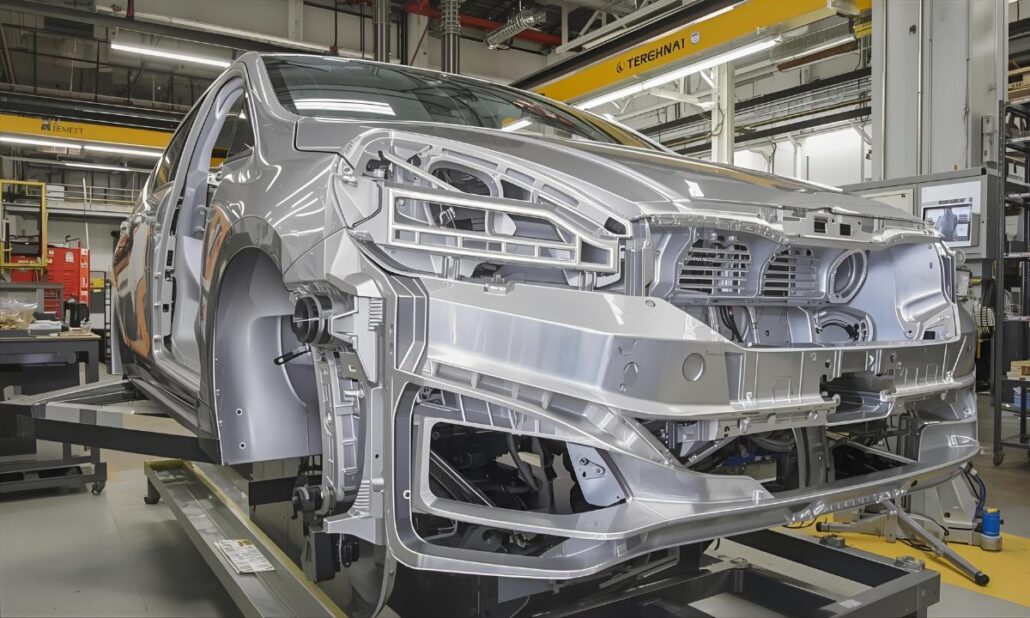
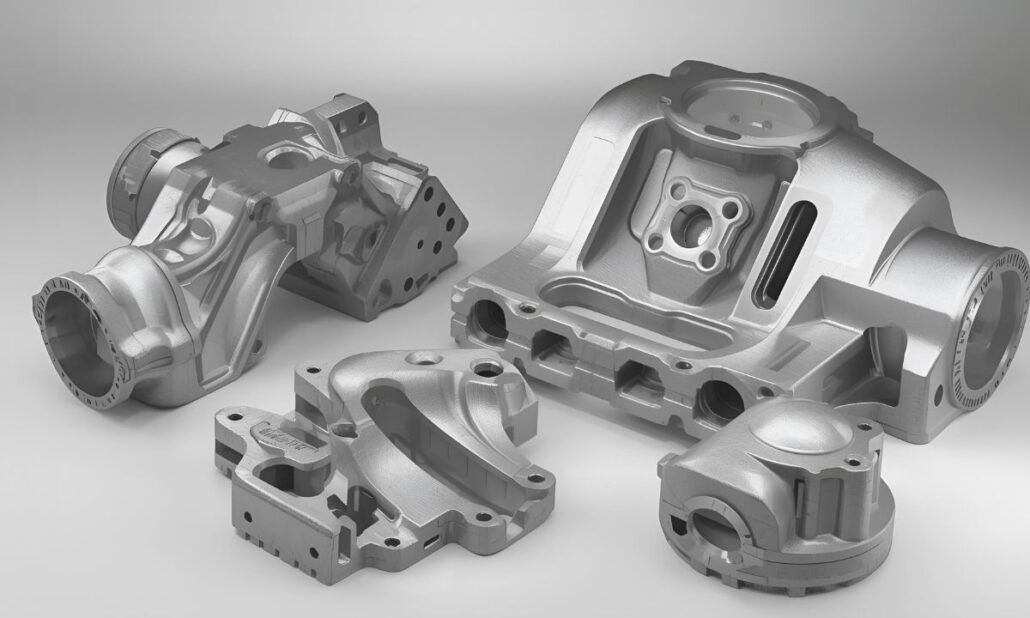
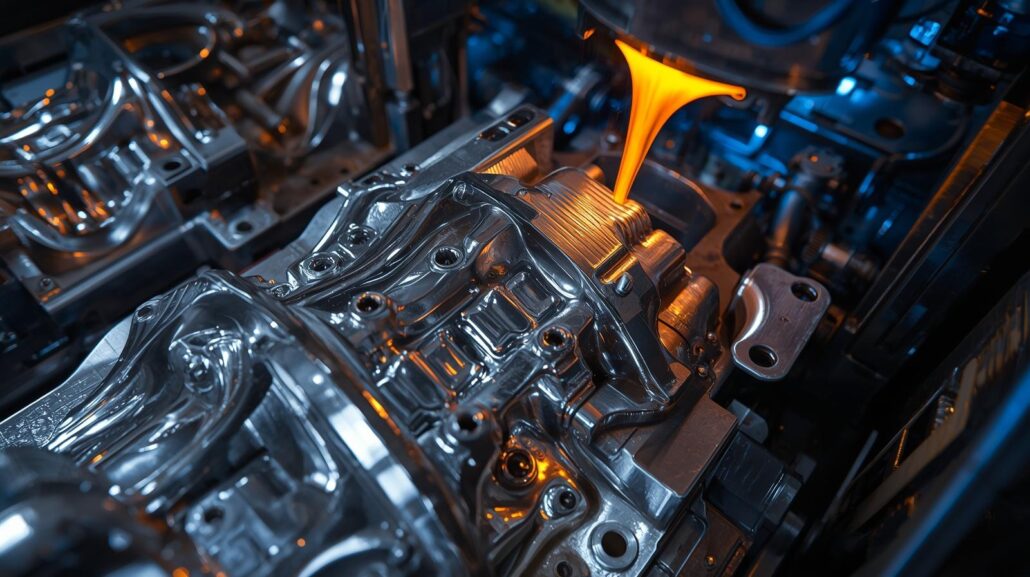
Aluminum die casting is one of the most dependable and cost effective manufacturing processes in the contemporary industry. It is the process of high pressure injection of high temperature melted aluminum into an accurate mold to create powerful, lightweight as well as dimensionally precise parts. It is particularly useful in the production of highly complex shapes with high surface finishes, and thus it is a favored process in the automotive, aerospace, electronics, consumer products, and industrial machinery industries. The aluminum die casting has been on a high demand in the past years. The tendency of the world towards electric cars, lightweight constructions, and energy efficiency has put the aluminum alloys on the frontline of innovation. Manufacturers have now developed high-tech components like engine blocks, transmission houses, battery enclosures and heat sinks that are both durable and lightweight. Recyclability and resistance to corrosion make aluminum also helpful in the world-wide tendencies to produce sustainable and ecologically friendly. Two of the major aluminum die casting hubs are the United States of America and China. Campanies in the United States are known to be innovative, have high standards in quality, and use high levels of automation and can be considered as a good investment in high precision industries. Conversely, Chinese manufacturers have gained a lot of competitiveness over the world market, have provided a cost effective solution, high production capacity and more advanced technologies. This paper will discuss some of the most successful aluminum die casting industries in the USA and China, their strengths, abilities and the factors that make them the most reliable partners that businesses across the world as their preferred suppliers in the manufacturing industry. What is Automotive Die Casting? Die casting is a production process whereby molten metal, usually aluminum, magnesium, or zinc, is forced under great pressure into a mold that has an open space. This enables mass production of high-strength components of complex functions and with good surface finish and dimensional accuracy. Die casting in the automotive industry allows the production of components which are: The use of die casting has revolutionized the construction of contemporary vehicles whereby one can save weight and still manage to perform at the same time. The demand has contributed to the high rate of development of the major Automotive die casting firms in China, Europe, America and Japan. Why China is the leader in Automotive Die Casting China has some of the largest in the world of manufacturers of Automotive die castings because of its: Such a set of strengths has enabled Chinese auto-motive die casting firms to be the powerhouses not only in the local market but also internationally in the supply chain. CNM Tech Diecasting Company is a leading producer of superior aluminum die-cast products. They offer several sectors such as automotive, electronics and telecommunication with precision-engineered components that are aimed at maintaining the highest quality standards. They can produce light and strong parts utilizing their advanced production processes such as high-pressure die casting and CNC machining. The Diecasting Company believes in the power of constant innovation and therefore, it invests in modern machinery, automated production lines and more importantly quality control systems that help to deliver the same results at all times. Both OEMs and Tier-1 suppliers are also in their global client base, and therefore, they are a reliable partner in meet complex and large-volume production needs.  Website: https://www.thediecasting.com/ Why Choose Them  The Diecasting Company is preferred by businesses because it is focused on quality, precision, and innovation. Their application of state-of-the-art die casting technologies, strong quality control, and delivery on time makes sure that their clients get the components that could meet international standards and make them their favorite choice when it comes to automotive OEMs and manufacturers that want to find a reliable die-cast solutions provider. Industries Served  Sincere Tech  Sincere Tech is one of the producers of high-precise molds in plastic injection and die casts. They have a background in designing mold, prototyping, and manufacturing of the final product which provides a one-stop solution to their customers all over the world. They use computerized CAD/CAM software and automated machining so that all the molds manufactured are very accurate. Plastic Mold can be credited with years of experience in serving the needs of automotive, consumer electronics and medical device industries with the capacity of delivering complex molds with efficiency. They stand out in their innovation, quality control, and speed in delivery, thus making them a trusted supplier of companies that would like to have a personalized mold solution. Website: https://www.plasticmold.net/ Why Choose Them Plastic Mold is selected due to their complete mould making systems, technical skills and capability to fit into constrained production time. Their superior quality molds minimize errors, enhance productivity and aids clients to have accurate and dependable die-cast or injection-molded products. Industries Served  GC Precision Mould  GC Precision Mould is a producer of die casting in China which provides aluminum, zinc, and magnesium die casts. They have reputations of manufacturing high quality, cost effective, and lightweight parts in the automotive, electronic and lighting sectors. They have the abilities of high-pressure die casting, CNC machining and secondary finishing operations. Alu Diecasting is focused on accuracy, longevity and productivity. They are always up to the international standards with the use of modern facilities, automated lines, and skilled engineers. They cater to customers both locally as well as internationally such as OEMs and Tier-1 suppliers, and are positioned as a top Chinese manufacturer of die castings as an automotive industry. Website: https://aludiecasting.com/ Why Choose Them  They are using Alu Diecasting as they offer a combination of competitive prices, high-quality standards, and technology. They have a track record of various alloys, precision machining and on time production which maintains dependable, long life, and lightweight parts that satisfy the demands of the world automotive industry. Industries Served  Get It Made Get It Made is a producer of CNC machining, 3D printing, die casting, and metal forming based in UK. They support both prototyping and low-volume production,
Společnosti zabývající se tlakovým litím hliníku v USA

Společnosti zabývající se tlakovým litím hliníku v USA

tlakové lití hliníku, společnosti zabývající se tlakovým litím, společnost zabývající se tlakovým litím

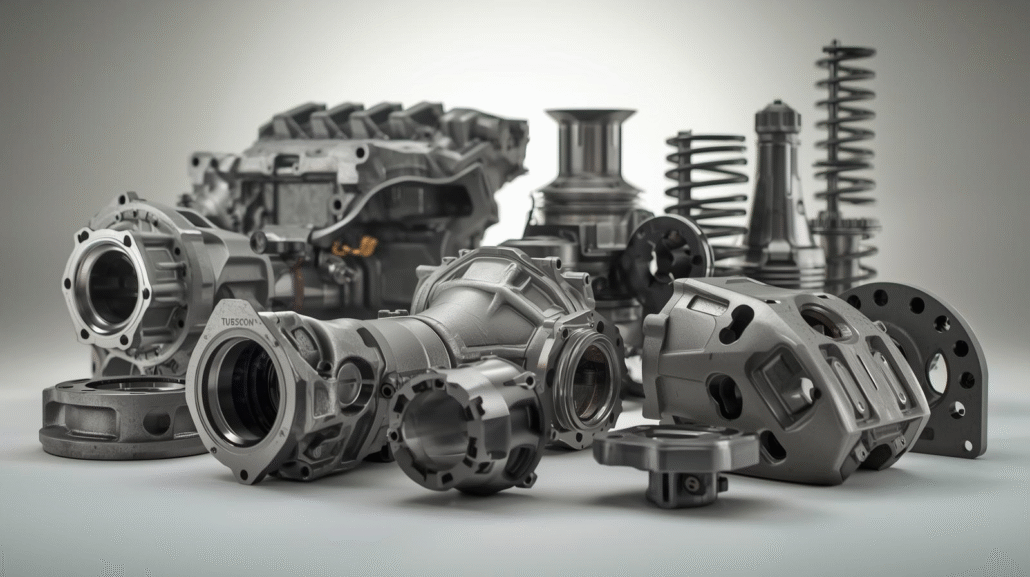
Aluminum die casting is now one of the surest and most economical production procedures in the United States of America, particularly to manufacturers that require robustness, longevity and precision. This is done by high pressure injection of molten aluminum into steel castings and this produces parts which are not only lightweight but also dimensionally accurate and durable. It is this strength and low weight that makes aluminum die casting the material of choice in the automotive and aerospace industry, electronics, industrial machineries, and consumer goods. The U.S market boasts of some of the most established aluminum die casting industry worldwide in the form of large scale manufacturers with global presence to small and specialized firms, specializing in custom parts and niche applications. These firms are very crucial in the sustenance of the key industry by supplying such segments of the industry as engine blocks, transmission housings, electronic enclosures, and structural parts. The U.S. based manufacturers have earned their reputation of reliability and innovative products in the world through their high quality technologies, certification and focus on quality products. The trend in the last few years has seen a massive surge in demand of die-cast aluminum parts because of the recent developments in lightweighting of vehicles, the production of electric vehicles, and the drive to manufacture energy efficiently. American firms are embracing automation, sustainable castings, and superior alloys so as to achieve high results to meet these requirements. This article lists some of the best aluminum die casting manufacturers in the USA and their achievements, potential, and contributions to the contemporary industry. It does not matter whether you are getting parts to perform a large-scale manufacturing process or a highly-technical application, these manufacturers are the embodiment of the finest American technology in aluminum die casting. What Is Aluminum Die Casting? Aluminum die casting is a production technique where high pressure on a molten aluminum is forced into a steel mold also referred to as a die. When the metal cools and solidifies the mold is opened and the completed part is ejected. This is the process with the help of which the manufacturers can create strong, light and highly detailed components with high level of dimensional accuracy and smooth surface finishes. The fact that aluminum die casting can produce complex shapes that would otherwise be challenging or costly to produce using other manufacturing processes is the key benefit. It finds extensive application in the manufacture of such parts as engine blocks, transmission housings, electronic enclosures, heat sinks and structural components. The Aluminum Die Casting has several major advantages: Thanks to such strengths, aluminum die casting has emerged as a better alternative in industries, which require dependable and efficient components of high-quality to match its technical and economical necessities. Top USA Aluminum Die Casting Companies 1. Dynacast International Dynacast International has been one of the best known companies in the area of precision die casting globally. The company has decades of experience in the production of small, complex components with the use of aluminum, zinc and magnesium alloys. They are good at producing components that have stringent tolerances and that have complex features, which are needed by the automotive, consumer electronics, telecommunications, and medical devices industries. Being global also means that Dynacast is able to serve small businesses and multinational companies with the flexibility, innovations and quality that do not vary among projects. 2. Pace Industries Having become the largest die casting companies in North America, Pace industries have established a good reputation of offering to offer solutions in totality. Their service ranges include designs and engineering support, die castings, machining, surface finishing and final assembly; they have been providing a one-stop solution to clients in the automotive, industrial and consumer industries. High-volume projects and custom projects can be dealt with because of the scale of their operations. Pace also follows the culture of putting money in the modern technology and sustainable practices such that they can be able to remain competitive in the rapidly changing industry. 3. Ryobi Die Casting (USA), Inc. Ryobi is a renowned brand in the world die casting segment, and it has a major presence in the United States. Their operations in the U.S. are centered on medium to large scale aluminum die cast components, majorly to the automotive sector. Ryobi manufactures engine block, transmission housing, and structural parts that they need to be durable and precise. The firm has utilized cutting edge technology and quality management which has seen it become a supplier of choice to major automobile manufacturers in the world. 4. Gibbs Die Casting Gibbs Die Casting, the other leader in the U.S. market is based in Henderson, Kentucky. The company specializes in the aluminum and magnesium die castings in the automotive industry, especially the transmission housings and power train parts. Gibbs lays strong emphasis on innovation where automation and sophisticated manufacturing techniques are being used to ensure high standards of efficiency and quality of work. The company also incorporates the concept of sustainability in its business by curbing wastage and encouraging environmental friendliness business practices. 5. Apex Aluminum Die Casting Co., inc. Apex Aluminum Die Casting is situated in Ohio and it is used in automotive, electronic, and appliances industries. The business is reputable in working with mid-volume production lots, which makes it the perfect option with firms that require a steady output quality but does not require the enormous powers of bigger importers. The team of Apex is concerned with customer satisfaction, reliability of service, engineering and accuracy in manufacturing. They have established themselves as a reliable partner to a number of U.S. companies because of their good reputation to deliver consistent results. 6. KenWalt Die Casting Company KenWalt Die Casting is based in California and has over several decades of experience with producing die castings; aluminum and zinc. The firm also focuses on bespoke jobs and serves the industries of both industrial equipment and consumer goods. KenWalt stands out as a company that collaborates closely with the client during the

Kompletní průvodce tlakovým litím automobilových dílů

Kompletní průvodce tlakovým litím automobilových dílů

tlakové lití hliníku

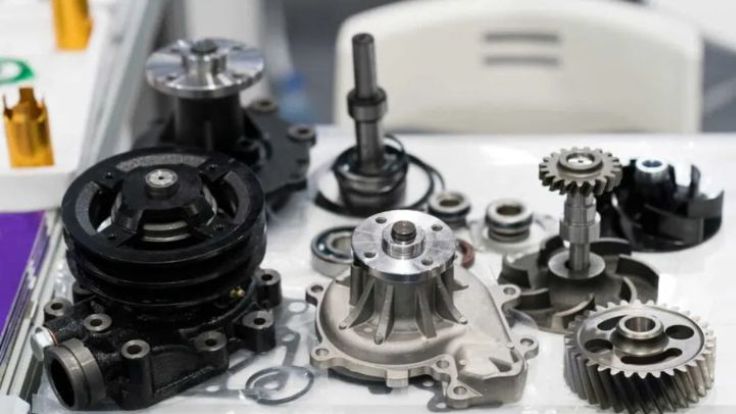
Die Casting Automotive Parts has been involved in automobile production for over one hundred years. With the course of time, the process has been advanced with better materials and technology. It is also now more prominent today in decreasing vehicle weight and enhancing fuel efficiency. The contemporary automobile sector relies on accuracy and power. The cars of the modern world have to be safe, reliable, and efficient. A method of doing this with a lot of trust is by casting an automotive part through die casting. This process is a combination of precision and high manufacturing. It provides automakers with strong, lightweight, and uniform parts. The increased use of automotive die casting is not merely about performance. It is also cost savings, increased speed of production, and sustainability. Automakers are able to create thousands of the same parts and of the same quality. This is necessary in mass production. In the present paper, we are going to discuss the significance of automotive casting. We are going to watch its work, its importance, and what tendencies of the future are influencing the industry. At the conclusion, you will know the reason why the contemporary manufacturing of vehicles is supported by automotive die casting. Automotive Die Casting Car manufacturing is one of the most sophisticated technologies through which parts are manufactured by a process known as automotive die casting. It is contrasting to the traditional casting as it operates under high pressure. Molten metal is injected into a steel mold known as a die in this process. The die is extremely precise, and hence the section that is produced is of specific dimensions. This is done by first melting the metal. The most common ones are aluminum and magnesium. After the liquid metal is melted, it is forced to fill the die at an extremely high rate. The die is filled with the metal that solidifies. Upon opening the die, the completed part is cut off. Two systems of automotive die casting are in existence: The principal advantages of automotive die casting are speed, accuracy, and strength. Thousands of parts could be made using one die. All sections are emerging virtually the same. It has smooth surfaces, and this means that it does not require additional machining. When it comes to large-scale production, automotive die casting will do. It is used by car companies to manufacture engine blocks, gear houses, wheels, and even structural parts. It is economical in both time and cost, besides providing powerful yet lightweight components. The die casting automotive parts Process The die casting automotive parts making process follows a number of steps. Every step is significant so as to be accurate, strong, and reliable. Preparing the Die It starts with the design and fabrication of the die. A die is a form of hardened steel. It consists of two parts that join each other. The die is designed with the specifics of the part by engineers. The die should be powerful enough to endure pressure and heat. Melting the Metal The second step entails melting the metal that was selected. The most common are aluminum, magnesium, and zinc. The heated metal is taken through a furnace where it is melted into a liquid. The temperature should be under control to avoid impurities. Injecting the Metal After being molten, the metal is forced into the die at very high pressure. This is the most important process in die casting the automotive parts. High pressure is used to make sure that the liquid metal fills all the corners of the die. This imprints analytical lines, flattened areas, and exact forms. Cooling and Solidifying Once injected, the metal solidifies rapidly in the die. The metal is solidified through cooling and gives the part strength. Cooling time is determined by the size and thickness of the part. Starting the Die and Ejection of the Part When the metal is solidified, the die opens. The part is forced out of the mold by special ejector pins. The section is now in its overall shape, but it can still require finishing. Trimming and Cleaning Excessive metal that results is called flash, and can occur within the edges of the casting. This is trimmed away. It is followed by cleaning the part and heating it occasionally to achieve additional strength. Finishing and Inspection Surface finishing and inspection are the last. Certain portions can be painted, polished, or coated. Each section is thoroughly screened against flaws. Only the ones that are of quality are passed to be used. What happens to be a die-casting automotive part? Die casting automotive parts- are those components made with molten metal that is pressed into a mold under pressure. This produces components whose shapes and dimensions are accurate. The molds, referred to as dies, are made with great accuracy to fit the part that is needed. The most used metals are aluminum, magnesium, and zinc. These are lightweight and strong metals. Automakers like them due to the fact that they make the vehicle lighter without sacrificing durability. Typically used die-casting automotive parts are: This is because, through this process, automakers can manufacture cars that are of high quality in terms of safety and efficiency. The Industry of Automotive Casting Role One of the most traditional and consistent processes of car production is called automotive casting. It works molten metal into components of complicated forms. Engines, transmissions, suspensions, and many other systems require these parts. The contemporary automobile sector cannot operate without this procedure. The primary purpose of the automotive casting is to make strong parts at a reduced cost. With casting, the car companies can make thousands of similar parts at a time. This is significant since automobiles need accuracy and stability. One fault may have an impact on the safety or performance. Flexibility is another application of the automotive casting. The ability to design more complex shapes that otherwise were too costly to machine is possible for engineers. Through casting, thin walls, hollow, and delicate details can

Tlakové lití hliníku pro automobilový průmysl v Číně

Tlakové lití hliníku pro automobilový průmysl v Číně

tlakové lití hliníku, díly pro tlakové lití

Aluminium automotive die casting in China has become an essential process within the international automotive supply chain that contributes to efficiency, sustainability, and innovation in vehicle production. Lightweight and strong, aluminium provides a special balance between mechanical performance and fuel consumption, which contemporary car manufacturers require. Through minimised vehicle weight, aluminium die-cast components have a direct impact on reducing fuel consumption, longer battery range in electric vehicles (EVs), and carbon emissions. This not only renders the technology significant to the manufacturers, but also to environmental regulations across the world. This domination in the automotive industry of China is a natural extension of aluminium die casting. Being the largest producer, the country with huge production rates, with its large supply chain and the support of the government through industrial policy, China has already established itself as the largest producer and one of the greatest innovators in the area. The die casting sector of the country serves both local car manufacturing industries and foreign brands, and it provides engine blocks and transmission housings, as well as high-tech giga castings, applied to the body of EVs. The development of lightweight materials and more environmentally friendly production technologies has become even faster. This congruence between industrial competency and the world sustainability targets will keep China on the frontline of the technology of aluminium die casting, which is the future of automotive engineering. What is Die Casting of Aluminium? Aluminium die casting is the production technique where molten aluminium is pressurized and injected into a high-pressure steel mold (die). Upon cooling and solidification, the metal produces complex and precise components with very favourable strength-to-weight ratios. The automotive parts that are commonly manufactured are engine blocks, transmission housings, wheels, brackets, and structural body parts. Why China Leads in Aluminium Die Casting? Aluminium Die Casting Process Aluminium die casting is one of the most specialized manufacturing techniques that allows the creation of complex and accurate automotive components with great mechanical properties. It does include several well-regulated phases, and each of them can be seen as a step toward the quality, strength, and durability of a final product. The following is a discussion of each of the stages: 1. Mold Preparation The steel mold, usually of hardened tool steel, is completely cleaned and checked before production starts and should be free of wear or damage. Then the release agent or lubricant is applied to the cavity of the mold, which has a variety of significant purposes. It avoids the sticking of the molten aluminium to the die, provides smooth part ejection and assists in maintaining mold temperature in successive casting cycles. It is important to prepare the mold properly, as this has a direct relation to the surface quality and dimensional accuracy of the finished component. 2. Melting & Alloy Preparation It begins with the melting of aluminium ingots or recycled scrap in a high-temperature furnace that can be either gas-powered, electrically powered or induced. At this phase, molten aluminium is observed keenly to maintain an optimal temperature range of around 660 to 700 °C to provide a fluid mass and reduce defects. Elements like silicon, magnesium, and copper are alloyed in order to improve certain properties such as strength, corrosion resistance, or thermal conductivity. It is important to keep the chemical composition accurate since a slight change in it might greatly affect the functionality of automotive elements. 3. High-Pressure Die Casting (injection) After the molten aluminium attains the desired state, it is poured into the prepared steel casting mould by a high-pressure die casting (HPDC) machine. The pressure of injection is usually between 110 and 175 MPa, and this makes the liquid metal fill even in the most complex molding cavities with accuracy. High pressure also aids in reducing porosity and shrinkage flaws to produce high-strength and dense parts. This is regarded as the centre point of the process since it determines the quality of the casting and whether complicated shapes can be produced without breaking the structural integrity. 4. Cooling & Solidification The molten aluminium is then injected and quickly cools down and hardens in the steel mould. The rate of cooling is maintained throughout to make sure that the crystallization is uniform and internal stresses or warping are minimized. Cooling time varies greatly with the thickness and intricacy of the component being cast; a thin-walled component could be solidified in a matter of seconds, whereas a more complex part could take a longer cycle to solidify. Well-organised cooling circuits (water channels or oil circuits built into the die) are commonplace with the aim of ensuring consistency throughout the production runs. It is essential to attain a balance of strength, ductility, and dimensional accuracy by proper solidification. 5. Ejection After the part has hardened, ejector pins in the mold force the casting out. In this step, accuracy is needed to prevent burning sensitive areas or thin walls of the part. Large-scale automotive manufacturing often relies on automated ejection systems, which guarantee the consistency of cycle times and minimize manual work. The process of ejection may appear to be easy, yet with improper application, it might cause surface defects, cracks or misalignment, which will adversely affect the usability of the final product. 6. Trimming & Finishing Raw casting may contain large quantities of extraneous material, such as flash, runners or even gates, after ejection, and this needs to be removed. A hydraulic press or a CNC machine is usually used in trimming to attain an accurate edge line. Other finishing processes like shot blasting enhance the texture of the surface, and machining provides the high dimensional tolerance needed by engine or transmission components. They can be heat-treated to increase strength and hardness, and coating or anodizing may increase corrosion resistance. These are the necessary secondary processes because through them the raw casting is taken to the next level, where it is turned into a functional and reliable automotive component. 7. Inspection & Quality Control The last step is the intensive inspection, whereby all castings will be

Hliníkové vysokotlaké tlakové lití autodílů

Hliníkové vysokotlaké tlakové lití autodílů: Odolné a efektivní

tlakové lití hliníku, vysokotlaké lití

The automotive industry is changing due to the use of aluminum high pressure die-casting auto parts. They provide manufacturers with the power to design lighter, stronger and more efficient cars. With this technology, the car manufacturers can save on weight, become fuel efficient and have green mobility without compromising on the durability of the car. Auto parts die casting is the process whereby molten aluminum is injected into a steel mold at a very high pressure. This produces a strong shape that is smooth and sharp. The method allows faster production, reduced machining and consistent quality. In die casting auto parts, the companies are able to design complex components in a single step, which saves them time and money. Auto parts made in aluminium die casting are now much needed in modern vehicles. This is a frequent method of producing engine blocks, transmission housings, brake parts, and battery casings in electric cars. Lightweight, but tough, corrosion-resistant, and designed to meet tough conditions on the road, these parts are made. Auto parts made with aluminum die casting are increasing in demand rapidly, particularly as we move to electric and hybrid cars. Loss of total weight of cars increases battery life, performance and reduces emissions. This makes aluminum die casting a major component of green production. In brief, the use of aluminum high pressure die-casting auto parts in car manufacturing is no longer a choice. They have played a key role in creating the modern vehicles, which will not only be up to the present performance standards, but also be green. Powerful, effective, and stable, they will also be at the very centre of automotive design in the future. What Is Aluminum High Pressure Die-Casting? Die casting is a process of molding metal. In this, molten aluminum is forced under a very high pressure into a cavity in a steel mold. When cooled, the metal hardens in the same shape as the mold. The outcome is smooth, accurate and long-lasting. That is why die casting became one of the most popular ways of producing modern car parts. In comparison with the traditional technique, high pressure die casting can make complicated parts in one time. This saves time, machining requirements and costs to manufacturers. Why Aluminum for Auto Parts? The reason why aluminum high pressure die-casting auto parts are so popular is that there is no other material that has a combination of qualities as much as aluminum. It is green and rough; therefore, it is light and, therefore, can be used in the automobile industry. Increasing efficiency and environmental requirements have made aluminum the die casting of choice in auto parts. Weight loss is one of the largest benefits. Steel is a lot heavier than aluminum. Carmakers can lighten an overall vehicle by incorporating die casting auto parts produced using aluminum. The lighter a car is, the better its fuel economy, emissions, and performance. This would be important in both a conventional and an electric vehicle. Meanwhile, aluminum does not lose strength. It has a good strength-to-weight ratio, and this is good because even when the part is strained, it does not become soft. This is what renders aluminium die cast auto parts so useful in engines, transmission and chassis parts. The other important advantage is corrosion resistance. Aluminum does not rust and wear out like other metals. This provides increased life to aluminum die casting auto parts and decreased maintenance expenses to vehicle owners. Major Auto Parts are produced using Die Casting Automobile manufacturers cast most of their components using aluminum die casting. These are lightweight yet powerful parts that can be used in conventional as well as electric cars. Engine Blocks Engine blocks have to deal with heat, vibration and pressure. When it comes to auto parts die casting, aluminum blocks weigh less but are firm enough to work in very harsh conditions. This will conserve the overall weight of the engine and fuel consumption. Transmission Housings The transmission housings have to be precise and durable. Die casting auto parts are used in order to achieve the accuracy of smooth-running gears. This guarantees high reliability over time, and minimal machining is required. Brake Components Brakes face constant stress. Manufacturers produce strong components that are not heavy since they use aluminum die casting auto parts. This balance is applied to increase the braking force and to decrease the vehicle’s weight. Chassis Parts The chassis parts are used to provide safety and stability. They are strong but not bulky when made using aluminium die casting auto parts. This increases the management and productivity. EV Electric Housing’s motor and battery The auto parts that shield the motors and batteries are constructed using aluminum high pressure die-casting in electric vehicles. The housings protect delicate systems and still provide a lightweight frame, increasing the distance covered during driving. Collectively, these elements bring out the role of auto parts die casting in helping to design new cars. Aluminum die casting has made engines, EV batteries, and more perform efficiently, last longer, and be durable. Process of Aluminum High Pressure Die Casting 1. Mold Preparation Preparation of the moulds starts. The die of steel is thoroughly washed in order to eliminate all materials that are impurities and heated to the appropriate temperature. A protective coating is applied to the surface that prevents the sticking of the molten aluminum to the surface, and helps in controlling the cooling rate. This is done to ensure enhanced circulation of metals and longer life of moulds and consistency of parts per production cycle. 2. Melting the Aluminum These aluminum alloys are melted in a furnace with specific controlled temperatures. But sufficient temperature is also required, as that prevents oxidation, and the molten metal will flow easily into the mold cavity. Any impurities are removed by refining the agents or filters. This ensures that aluminum die cast auto parts contain no defects and are of good and consistent properties. 3. Under high pressure injection. Then the molten aluminum is forced into

Zinkování vs. niklování: Který z nich byste měli zvolit?

Zinkování vs. niklování: Který z nich byste měli zvolit?

formy na odlévání hliníku, tlakové lití hliníku, Povrchová úprava hliníku

Zinkování vs. niklování je častým referenčním bodem, pokud jde o povrchovou úpravu kovů. Tyto dvě metody se používají k ochraně kovů, zvýšení jejich výkonnosti a prodloužení životnosti výrobků. Rozdíly mezi těmito dvěma typy závisí na ceně, trvanlivosti a vzhledu. Povrchová úprava není jen o vzhledu. Zabývá se přesností, s jakou může výrobek čelit korozi, opotřebení a poškození. Dokonce i silné kovy mohou být poraženy tam, kde není vhodná povrchová úprava. To je důvod, proč je pokovování důležitým procesem v automobilovém, leteckém, stavebním a elektronickém průmyslu. Je známo, že zinkování je levné a účinné. Vytváří tenký a zpracovatelný ochranný povlak, který odolává poškození kovu pod ním korozí. Díky tomu je upřednostňován u spojovacího materiálu, matic, šroubů a mnoha dalších drobných prvků výrobků používaných v předmětech denní potřeby. Na druhou stranu je niklování pevnější a odolnější. Nelze jej snadno opotřebovat a odolává kyselinám. Niklování má také jasnou a atraktivní povrchovou úpravu, takže je ideální, pokud je potřeba na dekorativních nebo viditelných částech, jako jsou lišty automobilů a kování spotřebičů nebo na elektronických krytech. A když zvažujete zinkování vs. niklování, vyvstává otázka: Co se ve vaší situaci hodí lépe? Odpověď závisí na místě, kde se díl uplatní, na tom, jakou ochranu potřebuje, a na tom, s jakou částkou jste ochotni se rozloučit. V tomto blogu vám odhalíme oba procesy, jejich výhody, omezení a hlavní oblasti, kde je lze nejlépe využít, abychom vám pomohli učinit nejvhodnější rozhodnutí. Co je zinkování? Zinkování je široce používaná a nákladově efektivní technika povrchové úpravy. Provádí se nanášením tenké vrstvy zinku na povrch kovu, nejčastěji oceli nebo železa, procesem známým jako galvanické pokovování. Při tomto procesu se k ponoření základního kovu používá roztok zinkové soli a prochází jím elektrický proud. Roztoky zinku se dostanou na povrch kusu a zanechají na něm rovnoměrný a tenký povlak. Výhody zinkování Omezení zinkování Co je to niklování? Niklování je také běžnou technikou povrchové úpravy, ale ve srovnání se zinkem nabízí tvrdší, odolnější a estetičtější povrch. Procesu se dosahuje jedním ze dvou hlavních způsobů: Podobně jako u zinkování se surový kov vloží do roztoku niklové soli a nikl se na povrch nanese působením elektrického proudu. Bezelektrické niklování je metoda, která nepotřebuje elektrický proud. Spíše využívá chemický proces, který dokáže nanesením niklu rovnoměrně pokrýt povrch, a to i ve složitých strukturách nebo na jinak nepřístupných místech. Výhody niklování Omezení niklování Proces pokovování Proces zinkování Příprava povrchu je v případě zinkování velmi pečlivá. Před provedením plechu musí být povrch, který je ve většině případů kovový, obvykle ocelový nebo železný, očištěn od oleje, nečistot, rzi a oxidů. Za tímto účelem se součásti čistí buď v kyselých, nebo alkalických tekutinách a poté se opláchnou, aby nezůstaly žádné zbytky. Po vyčištění se součástka vloží do elektrolytické lázně s roztokem zinečnaté soli, většinou síranu zinečnatého nebo chloridu zinečnatého. V lázni se pak nabíjí elektrickým proudem. Tento pohyb má za následek, že se ionty zinku v prostředí pohybují a usazují se na povrchu základního kovu. Výsledkem je velmi tenká, rovnoměrná vrstva zinku pokrývající zinek pod ní. Často se provádí následná úprava pokovené součásti, která může zajistit větší odolnost proti korozi a rovněž může změnit vzhled povlaku, a to tak, že se získá žlutý, černý nebo čirý povrch. Zinkování je poměrně rychlé, má nízkou cenu a je velmi dobře použitelné při hromadné výrobě železářských výrobků a součástí vozidel. Proces niklování Niklování se připravuje téměř podobným způsobem, přičemž počátečním krokem je čištění. Povrchy dílů se dobře ošetří a vyčistí, aby se zajistilo, že přilnavost nebude narušena zbytky. Elektrolytické niklování: Díl se vloží do lázně s roztoky solí niklu, např. síranu nikelnatého, a přivede se elektrický proud. Díky tomu se na povrchu usazují ionty niklu, které vytvářejí tvrdou a ochrannou vrstvu. Dalším přístupem, který představuje niklování a nevyžaduje elektrický proud, je bezelektrické niklování. Díl se spíše ponoří do některých chemikálií pod soli niklu a redukční roztok, jako je hypofosforečnan sodný. Dochází také k chemické reakci pokovování, přičemž nikl se na díl rovnoměrně nanese. Tento proces má oproti elektrolytickému pokovování tu výhodu, že rovnoměrně pokryje i prohlubně, drážky a další složité geometrie. Elektrolytické niklové nánosy se vyznačují vysokou tvrdostí a odolností proti korozi, ale tento proces je nákladnější než metoda galvanického pokovování a vyžaduje mnohem větší péči o chemii lázně, úroveň pH a teplotu. Zinkování vs. niklování: Při výběru mezi zinkováním a niklováním přicházejí v úvahu náklady, trvanlivost, vzhled, odolnost proti korozi a vhodnost použití. Podívejme se na ně jeden po druhém. 1. Odolnost proti korozi Vítěz: Niklování slouží k dlouhodobé ochraně proti korozi. 2. Vítěz v oblasti odolnosti / opotřebení: Tvrdost, odolnost proti opotřebení. 3. Vítěz nákladů: Nerezový povlak: Zinkování k nákladově efektivním řešením. 4. Vítěz vzhledu: Niklování - pro dobrý vzhled. 5. Vítěz v oblasti dopadu na životní prostředí: Zinkování je ekologičtější. Tabulka rychlého srovnání Vlastnost Zinkování Niklování Odolnost proti korozi Dobrá, ale omezená v náročných podmínkách Výborná, zejména u elektrolytického niklu Odolnost Střední - rychleji se opotřebovává Vysoká - odolná proti poškrábání a opotřebení Náklady Nízké (cenově výhodné) Vyšší (prémiová varianta) Vzhled Lesklý, ale základní povrch Hladký, zrcadlový dekorativní povrch Vliv na životní prostředí Snadnější zpracování odpadu Je nutná přísnější kontrola životního prostředí Nejlepší pro Spojovací materiál, šrouby, obecný hardware Letectví, elektronika, dekorativní použití Průmyslové aplikace zinkování a niklování Obě techniky pokovování jsou v průmyslu velmi rozšířené;

Které slitiny hliníku jsou nejlepší pro svařování?

Které slitiny hliníku jsou nejlepší pro svařování?

hliníkové odlitky, tlakové lití hliníku

Které slitiny hliníku jsou nejlepší pro svařování? Hliník se stal nejoblíbenějším z kovů používaných v současném průmyslu díky své vysoké přenositelnosti, silné odolnosti vůči povětrnostním vlivům a snadné výrobě. Jeho slitiny jsou neocenitelné v leteckém, automobilovém a námořním průmyslu i v bytové výstavbě a stavebnictví. Problémy, které vznikají při svařování hliníku, se však liší od svařování jiných kovů, částečně kvůli vysoké tepelné vodivosti, rychlosti tvorby oxidů a charakteristikám deformace a praskání hliníku v procesu svařování. Znalost vlastností a charakteristik různých hliníkových slitin je důležitá při výběru materiálu, který vyhovuje konkrétnímu úkolu. Ne každá hliníková slitina je stejně svařitelná, zatímco některé jsou dobře přizpůsobeny tradičnímu svařování, jiné potřebují nějaký speciální postup svařování, jako je svařování třením. Výběr slitiny a způsob svařování závisí na takových faktorech, jako je pevnost, odolnost proti korozi, tažnost a schopnost tepelného zpracování. Povrchy musí být také správně připraveny, přídavné kovy musí být kompatibilní a pro dosažení kvalitních spojů je třeba zvážit úpravy po svařování. V článku bude podána podrobná zpráva o nejvhodnějších typech hliníkových slitin ke svařování, jejich vlastnostech, výhodách spojených s jejich použitím, doporučeních, kterými je třeba se řídit, a problémech, které lze při svařování těchto typů hliníkových slitin očekávat. Na základě těchto znalostí budou odborníci schopni dosáhnout odolných, spolehlivých a dobře fungujících svařovaných konstrukcí v různých průmyslových a konstrukčních aplikacích. Co jsou slitiny hliníku Slitiny hliníku jsou materiály, které se používají přidáním dalších kovů do hliníku, aby se zvýšily jeho vlastnosti, jako je pevnost, odolnost proti korozi, obrobitelnost nebo svařitelnost. Čistý hliník je slabý, lehký, měkký a velmi dobře odolává korozi. Přimícháním dalších prvků (například mědi (Cu), hořčíku (Mg), křemíku (Si), manganu (Mn) nebo zinku (Zn)) mohou konstruktéři vytvořit slitiny vhodné pro různé typy použití, včetně leteckého průmyslu, automobilových dílů, námořních a stavebních konstrukcí. Několik bodů o slitinách hliníku Jednoduše řečeno, slitiny hliníku mají lehké a korozivzdorné vlastnosti hliníku s dalšími příznivými vlastnostmi potřebnými pro potřeby průmyslové aplikace. Znalost slitin hliníku Slitiny hliníku se dělí na kované a lité. Mechanicky zpracované slitiny jsou tepané do plechů, desek nebo výlisků, ale slitiny lité mají podobu lití roztaveného hliníku do forem. Tvářené slitiny se dále dělí do řad podle legujících prvků: Podmínky, které ovlivňují svařitelnost Slitiny hliníku lze svařovat v závislosti na řadě faktorů: Nejlepší slitiny hliníku ke svařování 5052 Slitina Al-Mg (hliník-hořčík) 5052 je mnohými považována za jednu z nejvhodnějších slitin pro svařování. Je to dáno vysokým obsahem hořčíku, a proto má dobrou odolnost proti korozi, zejména v mořském prostředí a při použití v chemickém zpracování. Použití: V praxi se používá pro výrobu hliníkových slitin, které se vyznačují vysokou odolností proti poškození: Střední až vysoká pevnost, vysoká tažnost a nadprůměrná odolnost proti korozi. Výhody: Materiály: Námořní konstrukce, nádrže na chemikálie, panely pro automobilový průmysl, střešní krytiny a průmyslová zařízení. Slitina 5083 Slitina hliníku a hořčíku 5083 má vysokou pevnost při nízkých teplotách, a proto je použitelná v námořnictví a kryogenním průmyslu. Odolává korozi zejména v průmyslové a mořské vodě. Vlastnosti: Mimořádně vysoká pevnost, dobrá ochrana proti korozi, dobrá odolnost proti únavě. Výhody: Aplikace: - odolnost proti korozivzdorným látkám: Použití: Stavba lodí, tlakové nádoby a nádrže, rámy a zařízení automobilů a dopravní zařízení. Slitina 5754 Další Al-Mg slitinou je A-Mg 5754, kterou lze popsat jako středně pevnou s vysokou odolností proti korozi a vysokou tvářitelností. Dosahuje také strukturní pevnosti a svařitelnosti, a proto se běžně používá tam, kde je klíčová strukturní pevnost a svařitelnost. Charakteristiky: Střední pevnost, vysoká tažnost, odolnost proti korozi. Výhody: Použití: - houževnatost, pevnost, odolnost proti houževnatosti: Použití: Panely automobilových karoserií, konstrukční panely, stavební obklady a lodě. Slitina 6061 Slitina Al-Mg-Si se složením 6061 našla široké uplatnění v konstrukční a letecké oblasti. Je kompromisem mezi houževnatostí, odolností proti korozi a užitnými vlastnostmi. Typ vlastností: Středně vysoká pevnost, velmi dobrá odolnost proti korozi a střední tažnost. Výhody: Je odolný proti opotřebení a odolný proti poškození: Použití: Vhodná pro použití v průmyslu: Letecké konstrukce, potrubí, automobilové součásti, mostní konstrukce a konstrukční výrobky. Slitina 6063 Slitina Al-Mg-Si (6063) je další architektonickou a dekorativní slitinou Al, která se vyznačuje hladkým povrchem a schopností odolávat korozi. Vlastnosti: Silná nebo střední pevnost, dobrá odolnost proti korozi, dobrá povrchová úprava. Výhody: Použití: Architektonické konstrukce, okenní rámy, dveře, závěsy a výlisky. Slitina 1100 Hliníková slitina 1100 se může jevit téměř jako čistá hliníková slitina (jedná se o hliník 99%). Je měkká, tvárná a velmi snadno se svařuje, takže je vhodná tam, kde jde spíše o odolnost než o pevnost. Vysoká tažnost: Vynikající odolnost proti korozi, nízká pevnost. Výhody: Slitina 1350 Další hliníkovou slitinou vysoké čistoty použitelnou v elektrotechnickém a chemickém průmyslu je slitina1350. Je neuvěřitelně pevná a má velkou odolnost proti korozi, stejně jako je velmi dobře svařitelná a je velmi spolehlivým kovem při použití ve specializovaných zařízeních. Výhody: Odolnost vůči korozi, vynikající svařovací schopnosti a nízká hmotnost. Slitiny hliníku, jakož i jejich hlavní vlastnosti a svařitelnost Níže uvedená technická tabulka obsahuje seznam úplných vlastních názvů slitin hliníku, jakož i jejich hlavních vlastností a svařitelnosti: Slitina (vlastní název) Hustota (g/cm³) Teplota tání (°C) Pevnost v tahu (MPa) Mez kluzu (MPa) Prodloužení (%) Tvrdost (HB) Svařitelnost Hliník 1100 (komerčně čistý hliník) 2,71 640 90 35 35 40 Vynikající Hliník 1350 (vysoce čistý hliník, elektrotechnická třída) 2.71 640 110 40 20 50 Vynikající Hliník 5052 (slitina hliníku a hořčíku) 2,68 607-650 228 193 12 60 Vynikající Hliník 5083 (slitina hliníku a hořčíku, námořní třída) 2,66 635 317 228 12 70 Vynikající Hliník 5754 (slitina hliníku a hořčíku) 2.67 637 250 190 15 60 Výborný Hliník 6061 (slitina hliníku, hořčíku a křemíku) 2,70 582-652 310 276 12 95 Dobrý Hliník 6063 (slitina hliníku, hořčíku a křemíku, architektonická třída) 2,70 615 241 214 8 90 Dobrý Hliník 2024 (slitina hliníku a mědi, letecká třída) 2.78 500-640 483 345 20 120 Obtížný Hliník 2219 (slitina hliníku a mědi, vysokopevnostní letecká třída) 2,84 509-638 470 330 18 130 Obtížný Hliník 7075 (slitina hliníku, zinku a mědi, letecká třída) 2,81 477-635 572 503 11 150 Velmi obtížný Toto je

Co je proces vytlačování hliníku? 

hliníkové odlitky, tlakové lití hliníku

Vytlačování hliníku je ceněno nejen z toho hlediska, že z něj lze vyrobit pevný a přitom lehký díl, ale také proto, že je flexibilní a cenově výhodné. Používá se ve stavebnictví, leteckém, automobilovém a elektronickém průmyslu a téměř všude mezi nimi. Vytlačování hliníku patří mezi postupy, které naznačují vyrovnání inovativních návrhů a efektivní výroby, která se právě chystá stát se jedním z dominantních postupů výrobního průmyslu. Hliník je jedním z nejoblíbenějších kovů v moderních průmyslových odvětvích, který je ceněn pro svou nízkou hmotnost, pevnost, odolnost a také schopnost odolávat korozi. Hliník je v našem životě více než nápadný; ve stavbě mrakodrapů v našich městech, v autech, kterými jezdíme, a v dalších pomůckách, které používáme v každodenním životě. Jedním z nejdůležitějších výrobních procesů, který zajistil univerzálnost, je proces vytlačování hliníku. Vytlačování obecně označuje metody deformace kovu, při nichž se kov protlačuje nebo vytlačuje přes matrici podobně jako zubní pasta. V případě hliníku se delší souvislé úseky konečného, předem určeného tvaru průřezu vytvářejí protlačováním pevných předmětů podobných blokům (známých jako sochory) již zahřátou matricí. Tyto profily mohou být obyčejné tyče, trubky nebo velmi složité a speciálně vyrobené v takovém rozsahu, aby vyhovovaly požadavkům daného průmyslového odvětví. V tomto článku se dozvíme vše o procesu vytlačování hliníku; o jeho historii, procesu vytlačování, typech, aplikacích, výhodách a omezeních a jeho rostoucích možnostech v budoucí výrobě. Historické pozadí Myšlenka vytlačování jako výrobního procesu sahá až do konce 18. století. První známou extruzí se zabýval britský vynálezce Joseph Bramah, který si svůj vynález nechal patentovat v roce 1797. Používal přitom proces, který spočíval v protlačování poddajných kovů, jako je olovo, skrze matrici, čímž vznikaly dlouhé, stejně vypadající kusy a především trubky. Předpokladem procesu vytlačování byl vynález. Až do velké části 19. století bylo vytlačování měkčích kovů brzděno technologií. Skutečný průlom nastal na počátku 220. století, kdy byly objeveny ekonomické způsoby výroby hliníku. Získávání hliníku přinesl nižší ceny a velkovýrobu vynález Hallova-Heroultova procesu v roce 1886 Charlesem Martinem Hallem ve Spojených státech a samostatně Paulem H. Roultem ve Francii. Po vynálezu hliníku netrvalo dlouho a vědci a výrobci si všimli potenciálu, který vytlačování nabízí. Využívání technologie vytlačování hliníku začalo nabírat na síle ve 20. letech 20. století, kdy se prosadilo zejména v Evropě a Severní Americe. Ve velkém měřítku se využívala za druhé světové války, kdy průmysl potřeboval lehký, ale odolný materiál do letadel, vozidel používaných armádou a budov. Od té doby byla vynalezena technologie linkového lití, která se rozšířila mnohem dále než vytlačování hliníku, jež se poprvé objevilo ve vojenských odvětvích. Co je extrudovaný hliník? Vytlačování hliníku je komerční fyzikální metoda, která se používá při plastifikaci pevného hliníku do dlouhých tvarů se specifickým průřezem. Myšlenka je jednoduchá: blok hliníku (polotovar) se zahřeje do stádia tvárnosti a vytlačí se pod intenzivním tlakem matrice vyrobené z oceli. Při lisování přes matrici hliník získá tvar otvoru, a to buď rovný, dutý nebo plný, nebo ve velmi komplikovaném profilu. Analogií, která se při vytlačování nejlépe uplatní, je vytlačování tuby zubní pasty. Stejně jako zubní pasta - nabývá tvaru trysky a podobně i vytlačovaný hliník nabývá tvaru matrice. Výhodou vytlačování hliníku je možnost vyrábět lehké a přitom pevné součásti přesného tvaru. Výsledné vytlačované profily lze odizolovat na různé délky a také je podrobit dalším úpravám, včetně eloxování, práškového lakování a dokončovacích prací. Všechna tato vylepšení zvyšují výkon, opotřebení a vzhled. Díky své flexibilitě se stal jedním z vytlačovacích procesů, k jehož působnosti se uchylují různé diskurzy, jako je stavebnictví, letecký průmysl, elektronický průmysl, doprava a dokonce i průmysl spotřebních výrobků. Není to jen proces, ale zásadní most mezi původní nerezovou ocelí a absorbovanou funkčností, která definuje současné strojírenství a špičkové stavebnictví. Proces vytlačování hliníku v krocích Charakterizujte profil a vyberte slitinu Odlijte a pokřtěte předlohu Skalp nebo pila Prohlédněte předlohu Zahřejte předlohu Vyrobte formu a nástroje Namažte a připravte lis Naložte předlohu a proveďte kontrolu kvality Spusťte lis Průlomové vytlačování, rovnoměrné zchlazování na stole Rychlé chlazení (okamžité kalení) Manipulační teplota pro chlazení Profily se po kalení na stole ochlazují, dokud s nimi není možné manipulovat bez otisků nebo deformací. Měkké, řízené chlazení minimalizuje zbytkové napětí. Protahování / rovnání Řezání zpět na délku Tepelné zpracování (v případě potřeby) Povrchová úprava (volitelně) Obrábění a výroba (podle potřeby) Profily jsou obráběny na CNC, děrovány, vrtány, závitovány nebo ohýbány. Přípravky zajišťují opakovatelnost kontroly tolerance u tenkých nebo složitých profilů. Zkoušky a kontrola kvality Ladění a údržba matric Pokud se kontrola rozměrů nebo povrchová úprava vymyká kontrole, lze upravit délku ložisek a vyvážení toku; matrice lze leštit, a pokud to není nezbytně nutné, nitridovat; matrice se leští a čistí. Balení a logistika Proč záleží na každém kroku Komponenty používané při vytlačování hliníku Vytlačování hliníku se opírá o výběr správné hliníkové slitiny, která vyhovuje mechanickým, tepelným a korozním požadavkům. Vlastnosti požadované různými průmyslovými odvětvími se liší, proto se výběr slitin řídí pevností, tažností, odolností proti korozi a tepelným zpracováním. Řada 1000 (prakticky čistý hliník) Řada 3000 (slitiny Al-Mn) Řada 5000 (slitiny Al-Mg) Řada 6000 (slitiny Al-Mg-Si) Řada 7000 (slitiny Al-Zn-Mg-Cu) Ostatní speciální slitiny Pro zachování podobnosti složení se často znovu používá recyklovatelný hliníkový šrot obsahující stejnou slitinu. Stručná referenční tabulka materiálů pro vytlačování hliníku Následuje technická tabulka pravděpodobných běžných hliníkových slitin používaných při vytlačování, hlavních vlastností a stanovených parametrů vytlačování: Slitina Řada

eloxování tlakově litého hliníku: Techniky, výzvy a aplikace

eloxování tlakově litého hliníku: Techniky, výzvy a aplikace

hliníkové odlitky, tlakové lití hliníku

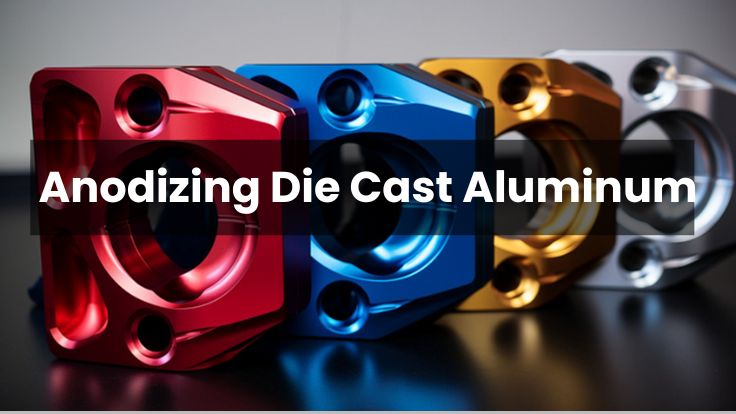
Eloxování tlakově litého hliníku je klíčový proces povrchové úpravy kovů, který zvyšuje odolnost, ochranu proti korozi a vzhled hliníkových výrobků, které se získávají tlakovým litím. Se stále rostoucími požadavky průmyslu na výrobu lehčích komponent s vysokou pevností pro vše od automobilových dílů až po pouzdra elektroniky se jeho povrchové vlastnosti staly jednou z nejdůležitějších věcí, které je třeba mu dodat. Za procesem eloxování stojí řízená vrstva oxidu, která se na povrchu hliníku vytváří technikou elektrochemie. Ačkoli tato metoda byla důkladně vyvinuta s ohledem na čistý hliník, její použití se slitinou, která se vytváří při tlakovém lití, je spojeno se zvláštními obtížemi kvůli zahrnutí dalších prvků, jako je křemík a zinek. To pak přivádí výrobce k otázce, zda lze eloxovat tlakově litý hliník, aniž by to bylo na úkor kvality a vzhledu. K dosažení úrovně výkonu v náročných podmínkách se v některých průmyslových odvětvích použije kombinace technik, které se dnes označují jako tlakové lití hliníkových slitin, pokovování eloxování. Tato technika je kombinací síly galvanického pokovování a eloxování, a proto představuje lepší tvrdost povrchu, vodivost a odolnost proti korozi. Tento článek představuje vědu, techniky a rozdíly v eloxování hliníkových tlakových odlitků, aby poskytl ucelený obraz konstruktérům, designérům a výrobcům, kteří chtějí používat spolehlivou a dlouhotrvající technologii povrchové úpravy. Co je to tlakově litý hliník? Tlakové lití zahrnuje lisování roztaveného kovu do dutiny formy pod vysokým tlakem. Hliník je lehký a pevný, což z něj činí efektivní materiál pro výrobu odolných dílů s vysokou rozměrovou přesností. Nicméně kvůli několika nečistotám a pórovitosti, které se v procesu vyskytují, jsou postupy povrchové úpravy, jako je eloxování tlakově litého hliníku, složité. Do slitin tlakového lití hliníku se také běžně přidává křemík a další přísady, aby se zlepšila tekutost a další mechanické vlastnosti. To však komplikuje práci na povrchové úpravě, protože právě tato aditiva naruší proces eloxování. Věda o eloxování Eloxování je elektrochemická úprava, která má za cíl zpevnit a zhustit oxidový film, který se na kovu přirozeně vyskytuje a činí jej tvrdším. Tato metoda zvýší životnost/odolnost, odolnost proti korozi a vzhled. Eloxovaná povrchová úprava hliníku má porézní strukturu, která je ideální pro absorpci zapečetěných barviv a tmelů, a tak poskytují dobré dekorativní a funkční využití. Potíž s eloxováním tlakově litého hliníku spočívá v jeho složení. Slitina s vysokým obsahem křemíku se špatně eloxuje a důsledkem může být skvrnitý povrch nebo snížená odolnost proti korozi. Proto je pro úspěšné eloxování důležité složení slitiny. Co je eloxování tlakově litého hliníku? Eloxování tlakově litého hliníku. Eloxování tlakově litého hliníku je elektrochemické ošetření tlakově litých hliníkových dílů za účelem vytvoření trvalé, ochranné, často dekorativní vrstvy oxidu odolného proti korozi na povrchu. Tato technika se hodí zejména v oblastech, které vyžadují ochranu proti korozi, pokrok v tvrdosti povrchu a omezený estetický efekt. Při procesu známém jako eloxování tlakově litého hliníku se hliníkový díl vloží do elektrolytické lázně kyseliny, obvykle kyseliny sírové, a vytvoří se v ní elektrický proud. To vede k oxidaci povrchu hliníku za vzniku oxidového filmu, který je kontrolovaný a rovnoměrný. Tento proces však může být komplikovaný vzhledem ke zvláštnímu složení hliníkových odlitků, které běžně obsahují vysoký obsah křemíku a dalších legujících složek. Přesto průmyslová odvětví stále investují do technologií, které pomáhají maximalizovat kvalitu eloxování tlakově litého hliníku. Konečná příprava eloxované povrchové úpravy se provádí metodami přípravy povrchu, jako je leštění, leptání kyselinou a smutování, aby se odstranily nečistoty. Seznam předmětů, kde se eloxování tlakově litého hliníku používá a využívá, je dlouhý, včetně automobilových dílů, spotřební elektroniky a mnoha dalších, ať už slouží k nějakému funkčnímu účelu, nebo jako ozdoba. Schopnost prodloužit životnost dílů a jejich náchylnost k degradaci vlivem prostředí z ní činí zásadní techniku povrchové úpravy v současném výrobním průmyslu. Proces eloxování tlakově litého hliníku se skládá z různých důležitých kroků, které je třeba dodržet, aby bylo dosaženo dobré, rovnoměrné a kvalitní povrchové úpravy, i když se jedná o náročný proces vzhledem k faktorům, které použití tlakově litých kovů provázejí. Všechny kroky by měly být dobře regulovány, aby bylo možné řešit takové problémy, jako je pórovitost povrchu a nesoudržnost slitin. 1. Čištění a odmašťování Barvy, tuky a oleje ulpívají na povrchu a je třeba je před eloxováním odstranit čištěním. Díky tomu bude proces, kdy se na povrchu materiálu vytvoří oxid, rovnoměrný po celou dobu procesu eloxování tlakově litého hliníku. 2. Leptání a odleptávání Vnější vrstva se poté odstraní a zanechá čistý kovový povrch leptáním pomocí alkalického roztoku. Poté následuje proces odleptávání, aby se odstranily zbytky po legujících prvcích, což je u eloxování tlakově litého hliníku běžný jev. 3. Eloxování ( elektrolytická oxidace ) Součástka se ponoří do elektrolytického roztoku, obvykle kyseliny sírové, a připojí se jako anoda. Pomocí elektrického proudu se vytvoří řízená vrstva oxidu. Tento krok je jádrem procesu eloxování tlakově litého hliníku, protože určuje tloušťku, pórovitost a trvanlivost konečné povrchové úpravy. 4. Barvení (volitelné) Pokud je povrchová úprava barevná, mohou být do porézního eloxovaného povrchu přidána barviva. Tento proces se obvykle používá v dekorativních procesech, kde při eloxování tlakově litého hliníku záleží na vzhledu stejně jako na výkonu. 5. Těsnění Nakonec se díl utěsní pomocí horké vody nebo octanu niklu; často se těsnění provádí v horké vodě nebo octanu niklu, aby se utěsnily póry a zlepšila odolnost proti korozi. Tento proces utěsní barviva a posílí vrstvu oxidu, nd proces eloxování tlakově litého hliníku je dokončen. Všechny kroky tohoto procesu musí být přesně kontrolovány, stejně jako typy materiálů, které se při tlakovém lití používají.

Zakázková výroba plechů v moderních průmyslových odvětvích

Zakázková výroba plechů v moderních průmyslových odvětvích

tlakové lití hliníku

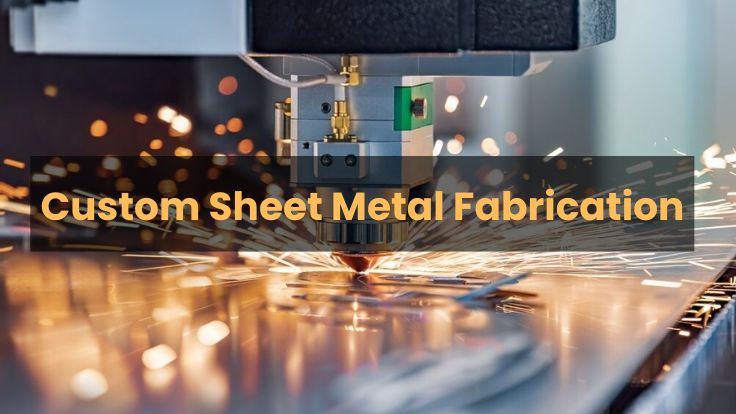
Custom sheet metal fabrication is now an activity that has established manufacturing industries in a variety of categories in the modern face of manufacturing. Whether in the form of cars and electronics, construction and healthcare, fabricated metal components play an essential role in the design, operation and durability of the enormous variety of products. It entails the sheet metal being cut, bent, shaped and assembled, based on specifications to fit the match, and manufacturers can make highly customised, durable and efficient parts. Among the most important industries that depend on this capacity is the automotive industry, in cases where the so-called custom automotive sheet metal fabrication will guarantee the production of high-performance body panels, supporting structure, and engine components. Such components should also have high standards in terms of weight, strength, and safety; hence, precision and customisation are essential. More and more foreign companies are resorting to the services provided by more advanced manufacturers like the car sheet metal fabrication in China because of favourable cost rates. Chinese manufacturers provide comprehensive services using advanced CNC equipment and short production schedules, which makes they useful partners in the global supply chain. Along with cars, the fabrication of sheet metal is a vital aspect in such areas as the aerospace industry, electronics, medical equipment, and the food processing industry. Such industries require great tolerances, corrosion resistance, and customised surface finishes, all of which can be provided by sheet metal fabrication. In this article, we are going to look at the complete range of this discipline, beginning with classic methods to the state of the art automation, mainly concentrating on automotive uses and the contribution of leading world actors, such as China. What is Custom Sheet metal fabrication? The term custom sheet metal fabrication is used when it comes to designing and manufacturing metal members or structures that can meet the specific needs of a particular project. In contrast to the mass-produced components, custom fabrications take unique solutions to specific sizes, materials and applications. This fabrication incorporates laser cutting, water jet cutting, punching, welding, forming and finishing of the surface. The most common ones are stainless steel, aluminum, galvanized steel, copper, and brass, among others, all selected due to their strength, conductivity, corrosion, and weight requirements. Manufacturers and engineers work hand in hand to make sure that all specifications are followed to the micrometre. Main Items in the Process 1. Design and Prototyping: A digital blueprint is sketched with the aid of CAD (Computer-Aided Design) software. Prototypes are frequently manufactured in order to run tests on how they work before large-scale production can commence. 2. Cutting and Shaping: The metal sheet is precisely shaped by using high-precision cutting tools to give very little tolerance. 3. Bending and Forming: The Sheet is curved to form complex shapes by bending and forming equipment, which includes press brakes. 4. Welding and Assembly: There are various parts which are assembled through TIG welding, MIG welding or spot welding. 5. Finishing: Finishing processes such as powder coating, polishing or anodising increase strength and aesthetics. Custom Automotive Sheet Metal Fabrication Rise  The Rise of custom automotive sheet metal fabrication began in the late nineteenth century, which saw the birth of the automobile industry. This period saw many people lose their lives and even more become injured by automobile accidents. This again led to the production and use of automobile insurance as a solution to automobile accidents. Precision and customization are vital in the car manufacturing business.  The custom automotive sheet metal fabrication is a significant element in the production of car body panels, chassis parts, heat shields, as well as engine enclosures. Such parts should be of high safety rating, aerodynamic, and aesthetically pleasing. Customisation gains significant relevance in the performance car, restoration car, electric car, and luxury vehicle production. The engineers may also need some special structural bracing or a project in terms of aerodynamic panels, which cannot be produced by general mass production. The benefits of the exercise of best sheet metal car fabrication are that: Common Materials in Sheet Metal Fabrication One most crucial decisions of the custom sheet metal fabrication is the choice of material. Whether it is carbon steel or stainless steel, it traverses all the aspects, including strength and corrosion resistance and even weight and workability. Knowing the nature of widely used metals enables an engineer to make a wise decision to maximise the efficiency and economic gains. Aluminium: Extremely Light and Non-Corrosive Aluminum is the most common material that is used in fabrication custom sheet metal. It is perfect for aerospace, electronic, and transport application materials because of its inherent corrosion resistance, easy weight, and good formability. It is also a highly conductive material, such that it can be used in enclosures and parts that radiate heat. As per the custom automotive sheet metal fabrication, aluminium is frequently used in the body parts and as a heat deflector to lighten the weight of the vehicle, without compromising its strength. Stainless Steel: Strong and Clean Stainless Steel  The strength of stainless and the fact that stainless is non-corrosive an attributes of the material. It is mainly utilized in food grade, medical and architectural applications where cleanliness and strength are important. Stainless steel may be specified in use of products that are under severe conditions of weather or that need a high-end finish in the custom sheet metal fabrication services. It is resistant to the effects of chemicals, water or high temperatures, hence its common use in many industries. Cold Rolled Steel: Versatile, Tough and Economical In the field of sheet metal custom fabrication, cold rolled steel (CRS) can be a common decision in construction when tight tolerances and a smooth surface are needed. It is cheap to weld or machine. Although it is likely to rust when not coated, it can be applied in buildings or painted. CSR is mostly applied in the cabinet, brackets, as well as enclosures in numerous industries such as the automotive industry, the construction industry and consumer

Přejít nahoru

Získat nabídku