gietdelen

Koudkamer spuitgieten: Complete gids

spuitgieten, Die Casting Fabrikant, gietdelen

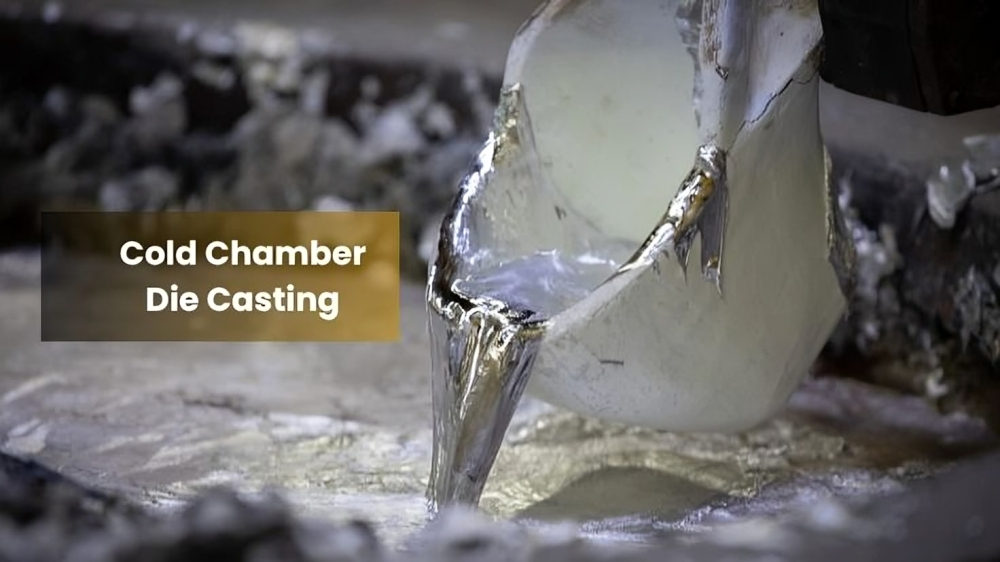
The cold chamber die casting process is initiated by first ladling molten metal into a separate injection chamber and then forcing it out into a steel mould. This process deals with high melting alloys such as aluminium, copper and magnesium. It is a tight-tolerance, high-pressure production process found in the automotive, electronics, and industrial parts production.  What is cold chamber die casting is and when to use it? Cold chamber die casting is a high-pressure moulding of metals, which would ruin or corrode a hot-chamber system. Practically, the operators melt the metal in a different furnace. Then they pour the molten metal into an unheated shot sleeve. The metal is forced into the closed mould by a hydraulic plunger with extreme pressure. The section hardens very rapidly, and the die is opened to spurt out the casting. This can be used when the alloy is of high melting temperature or where the alloy would corrode injection components, such as aluminium and copper alloys. The process sacrifices speed of the cycle for the scale and flexibility of the alloy.  Cold Chamber Die Casting Process Step-by-Step Cold chamber die casting is one of the most reliable techniques for making high-quality metal parts. Every process must be monitored in terms of temperature, pressure and time. Minor variations can impact the surface finish, strength and dimensional accuracy of the end product. Melting the Metal It starts by melting the metal in a separate furnace. Mostly used are aluminium, magnesium and copper alloys. In the case of aluminium, it is typically 650degC and 750degC. It is necessary to keep the melt clean. The impurities are eliminated by the operator with the help of fluxing agents and skimming tools. In case some oxide or gas is left, it may introduce defects such as porosity or inclusions in the future. In high-tech furnaces, a dosing system is the direct connection between the furnace and a die casting machine of China Cold. This guarantees that the temperature and composition of the molten metal are uniform in each shot. Molten Metal to the Shot Chamber Then molten metal is poured into the shot chamber or shot sleeve. This may be done manually or automatically. Manual ladling is easy, less fast and has more chances of entraping air. Automatic ladling systems, in their turn, provide the accurate amounts of metal with low turbulence. Oxidation and gas inclusion can be prevented by controlling the ladling speed and temperature. Others preheat the shot sleeve a little so that it will not suddenly drop in temperature, to allow the fluidity of injection. 3. Injection into the Die Cavity A hydraulic plunger is used to inject the high-pressure molten metal into the die cavity once it is in the shot sleeve. This is the fundamental phase of the cold chamber die casting. Injection pressure varies between 3,000 psi and more than 20,000 psi, depending on the size of the part and the alloy. The injection cycle normally contains two stages: The timeliness of these phases is critical. Recent China cold chamber die casting machinery, servo-hydraulic systems automatically regulate pressure and speed of every shot and guarantee homogeneity. Solidification and Cooling Opening and Part Ejection Die Once the metal has solidified, the die is opened by the machine, after which ejector pins or robotic arms take the casting out. It should be ejected only when fully solidified; otherwise, it is distorted. In complex shapes, there is more than one ejector pin, which guarantees the clean release of the die cavity. Robots take the parts on the automated lines and place them on conveyors to be trimmed and cooled. This increases handling damage reduction and accelerates production. Trimming and Finishing Inspection and Quality Control The last one is inspection and quality control. Every casting is inspected to guarantee that it has the necessary tolerances and quality standards. Popular types of inspection are: The machinery of modern China cold chamber die casting is usually equipped with sensors and software which keep track of all the parameters – Melt temperature, injection pressure, and die temperature, which enables quality monitoring in real time. Optimisation of process and control The quality of outcomes must rely on controlled quality at each step. Safety and Environmental Factors Usually used materials and alloys. The use of a cold chamber is preferred in alloys which cannot be utilised in hot-chamber machines. Most common materials used include aluminium alloys, magnesium, copper and a few combinations of zinc andaluminiumm where corrosion of the injection mechanism should be prevented at all costs. In the automotive structural parts, aluminium alloys prevail. Magnesium is applicable in situations where very lightness is an issue. Both alloys have their own melting point, fluidity and shrinkage behaviour, which need to be handled in mould design and process parameters.  Machinery and features – such as the China cold chamber die casting machine choice. Die casting machines: The Cold chamber die casting machines are made of a robust frame, high pressure injection unit, a hydraulic system and the control electronics. The modern machines provide servo-hydraulics to save energy and enhance control, computer controls to make the shot profiles programmable and integrated auxiliary systems such as die temperature controllers and automatic ladling systems. It is also possible to find China cold chamber die casting machine suppliers that offer a large variety of models and different price ranges in case you are sourcing machines. There are compact models of Chinese manufacturers that fit small shops and large tonnage machines that are appropriate to high-volume production. Chinese constructors tend to package melting and handling equipment to provide a turnkey line as well. Compare machines in terms of check maximum clamping force (tons), volume in the shot, speed control in an injection, die size, and automation.  Essentials of tooling and die design The hardened tool steel is normally die (mould. The design of the die should permit a controlled flow of metals and escaping gaseous air,  and gating and runners geometry and cooling channels in order to
Aluminium Automobielmatrijzenafgietsel in China

Aluminium Automobielmatrijzenafgietsel in China

aluminium spuitgietwerk, gietdelen

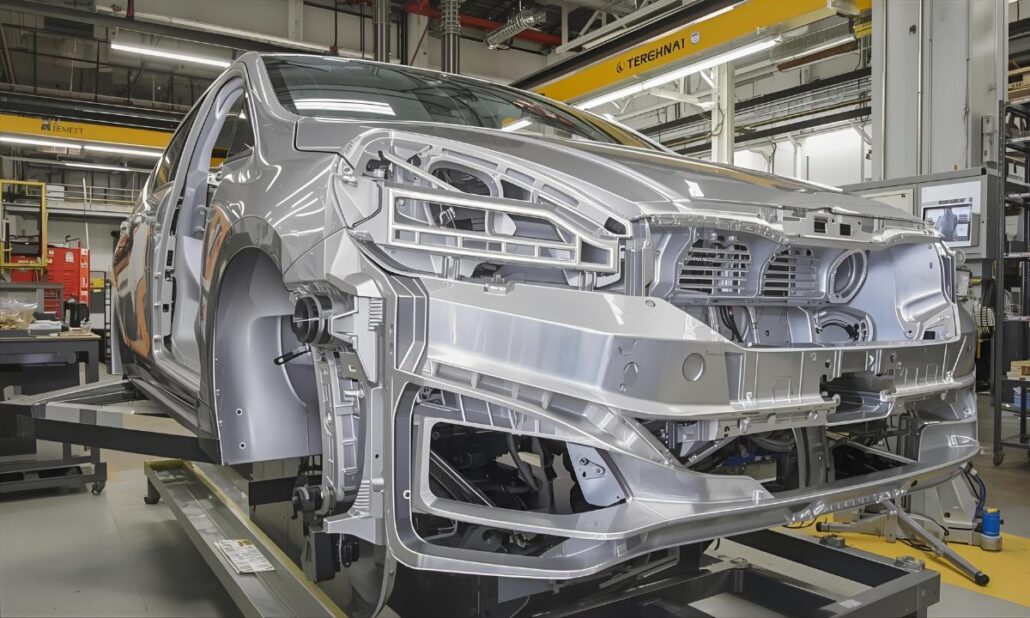
Aluminium automotive die casting in China has become an essential process within the international automotive supply chain that contributes to efficiency, sustainability, and innovation in vehicle production. Lightweight and strong, aluminium provides a special balance between mechanical performance and fuel consumption, which contemporary car manufacturers require. Through minimised vehicle weight, aluminium die-cast components have a direct impact on reducing fuel consumption, longer battery range in electric vehicles (EVs), and carbon emissions. This not only renders the technology significant to the manufacturers, but also to environmental regulations across the world. This domination in the automotive industry of China is a natural extension of aluminium die casting. Being the largest producer, the country with huge production rates, with its large supply chain and the support of the government through industrial policy, China has already established itself as the largest producer and one of the greatest innovators in the area. The die casting sector of the country serves both local car manufacturing industries and foreign brands, and it provides engine blocks and transmission housings, as well as high-tech giga castings, applied to the body of EVs. The development of lightweight materials and more environmentally friendly production technologies has become even faster. This congruence between industrial competency and the world sustainability targets will keep China on the frontline of the technology of aluminium die casting, which is the future of automotive engineering. What is Die Casting of Aluminium? Aluminium die casting is the production technique where molten aluminium is pressurized and injected into a high-pressure steel mold (die). Upon cooling and solidification, the metal produces complex and precise components with very favourable strength-to-weight ratios. The automotive parts that are commonly manufactured are engine blocks, transmission housings, wheels, brackets, and structural body parts. Why China Leads in Aluminium Die Casting? Aluminium Die Casting Process Aluminium die casting is one of the most specialized manufacturing techniques that allows the creation of complex and accurate automotive components with great mechanical properties. It does include several well-regulated phases, and each of them can be seen as a step toward the quality, strength, and durability of a final product. The following is a discussion of each of the stages: 1. Mold Preparation The steel mold, usually of hardened tool steel, is completely cleaned and checked before production starts and should be free of wear or damage. Then the release agent or lubricant is applied to the cavity of the mold, which has a variety of significant purposes. It avoids the sticking of the molten aluminium to the die, provides smooth part ejection and assists in maintaining mold temperature in successive casting cycles. It is important to prepare the mold properly, as this has a direct relation to the surface quality and dimensional accuracy of the finished component. 2. Melting & Alloy Preparation It begins with the melting of aluminium ingots or recycled scrap in a high-temperature furnace that can be either gas-powered, electrically powered or induced. At this phase, molten aluminium is observed keenly to maintain an optimal temperature range of around 660 to 700 °C to provide a fluid mass and reduce defects. Elements like silicon, magnesium, and copper are alloyed in order to improve certain properties such as strength, corrosion resistance, or thermal conductivity. It is important to keep the chemical composition accurate since a slight change in it might greatly affect the functionality of automotive elements. 3. High-Pressure Die Casting (injection) After the molten aluminium attains the desired state, it is poured into the prepared steel casting mould by a high-pressure die casting (HPDC) machine. The pressure of injection is usually between 110 and 175 MPa, and this makes the liquid metal fill even in the most complex molding cavities with accuracy. High pressure also aids in reducing porosity and shrinkage flaws to produce high-strength and dense parts. This is regarded as the centre point of the process since it determines the quality of the casting and whether complicated shapes can be produced without breaking the structural integrity. 4. Cooling & Solidification The molten aluminium is then injected and quickly cools down and hardens in the steel mould. The rate of cooling is maintained throughout to make sure that the crystallization is uniform and internal stresses or warping are minimized. Cooling time varies greatly with the thickness and intricacy of the component being cast; a thin-walled component could be solidified in a matter of seconds, whereas a more complex part could take a longer cycle to solidify. Well-organised cooling circuits (water channels or oil circuits built into the die) are commonplace with the aim of ensuring consistency throughout the production runs. It is essential to attain a balance of strength, ductility, and dimensional accuracy by proper solidification. 5. Ejection After the part has hardened, ejector pins in the mold force the casting out. In this step, accuracy is needed to prevent burning sensitive areas or thin walls of the part. Large-scale automotive manufacturing often relies on automated ejection systems, which guarantee the consistency of cycle times and minimize manual work. The process of ejection may appear to be easy, yet with improper application, it might cause surface defects, cracks or misalignment, which will adversely affect the usability of the final product. 6. Trimming & Finishing Raw casting may contain large quantities of extraneous material, such as flash, runners or even gates, after ejection, and this needs to be removed. A hydraulic press or a CNC machine is usually used in trimming to attain an accurate edge line. Other finishing processes like shot blasting enhance the texture of the surface, and machining provides the high dimensional tolerance needed by engine or transmission components. They can be heat-treated to increase strength and hardness, and coating or anodizing may increase corrosion resistance. These are the necessary secondary processes because through them the raw casting is taken to the next level, where it is turned into a functional and reliable automotive component. 7. Inspection & Quality Control The last step is the intensive inspection, whereby all castings will be

Auto-onderdelen gemaakt door gieten:

Auto-onderdelen gemaakt door gieten: Materiaal- en proceskeuze

gietdelen

The modern automobile is a sophisticated machine that consists of thousands of separate parts with their own purpose to provide safety, performance, and reliability. Casting is one of the various manufacturing processes that are employed in the automotive industry. Casting is now an irreversible procedure where major parts of a vehicle are formed by shaping molten metal into extremely detailed and strong parts. The engines, transmissions, and braking systems of most vehicles are among the most significant systems that require parts made by casting. Indeed, when designers and builders discuss efficiency, durability, and cost-effectiveness in the production, casting of automobile parts are often at the centre stage of the debate. The art of casting is not new; it was invented thousands of years ago. However, its application in the motor industry has undergone a revolutionary shift to harness hi-tech technologies and the most recent alloys that can fit the high demands of the modern car. Casting has been instrumental in enabling cars to maintain high-performance standards at a relatively low cost through lightweight aluminum engine blocks that are tough and, resilient cast-iron brake components. The article will review the history of the automobile casting parts, processes, advantages, and future trends of automobile casting parts and reveal the reasons why the automobile casting parts continue to be a pillar in the automotive manufacturing industry. History  of Casting It was actually the aluminum casting process that penetrated the sphere in the middle of the 20th century. Casting has been in use in vehicles since the late 19th and early 20th centuries, when the automobile was first developed to replace the horse-drawn carriage. Early engines demanded powerful but inexpensive parts, and casting was the right way to go. One of the first methods to make engine blocks, crankshafts, and housings was iron casting. With the increase in the automobile industry, casting techniques increased and became advanced. The automobile manufacturers learned that they could increase fuel efficiency without reducing the lifetime of the vehicles due to lighter engines and structural parts. Casting is applied to different systems of vehicles in accordance with their application and importance. Finally, the automobile casting parts have the important role of giving strength, accuracy, and cost-effectiveness to reduce the cost, which is why automobile parts are the giants of the automotive industry. What are Automobile Casting Parts? Automobile Casting Parts can be defined as parts of a vehicle that are produced through pouring molten metal into a mold, and the resulting molten metal hardens into a desired shape. This has enabled the manufacture of robust, sturdy, and intricate components that are utilized in automobiles, including engine blocks, cylinder heads, transmission housings, brake drums, and wheels. They are very popular since casting offers: Taking the case of an engine block, the block has various chambers and coolant passages with threaded openings that can be cast correctly. What is Casting? The process of casting is a type of manufacturing where molten metal is poured into a mold and allowed to cool in the shape of the mold. After cooling, the casting is removed, machined (where needed),, and fitted into the finished product. It is an operation in which it is possible to produce both strong and geometrically complex parts. The reason why automobile manufacturers like to use casting is that they can produce large quantities of complicated parts of uniform quality. The proper melting temperature should also be maintained to remove defects such as porosity or underfill We are discussing not only structurally significant parts of automobiles, but also those that must be precise and durable under severe conditions of high temperatures, pressures, and constant wear. Process of Casting in Automobile Parts High-volume production also automates machines or high-pressure systems to ensure a high level of accuracy and consistency. 1. Pattern Making It starts with the production of a pattern, an imitation of the finished part. Patterns tend to be made of wood, metal, or plastic. They also determine the accurate shape and size of the mold cavity into which the molten metal will be poured. 2. Mold Preparation Sand, metal, or ceramic materials are used to form a mold. The two halves of the mold make the cavity to shape the part. Hollows can also be introduced within the mold,, such as internal passages within an engine block. 3. Melting the Metal In a furnace, a controlled temperature is used to melt the selected metal or alloy (cast iron, aluminum, or magnesium). This is to bring mechanical properties to high-performance applications such as engines or gearboxes. 4. Pouring When the metal is melted, it is filled into the mold. The proper sizes and finishes are ensured during drilling, milling, and turning. 5. Solidification and Cooling The heated material is left to cool and harden within the mold, assuming the shape of the mold. The part should avoid a shrinkage defect or crack due to uncontrolled cooling rates. 6. Mold Removal When solidifying, the mold is broken (in sand casting) or the mold is opened (in permanent and die casting). A raw casting is then removed and processed further as a casting blank. 7. Fettling and Cleaning Unneeded material, including sprues, risers, or flash, is eliminated. The casting could be shot blasted or ground to clean up the surface to make it easy to machine. 8. Heat Treatment (if required) Cast parts can be heat-treated to enhance their strength, hardness, or toughness. Sand Casting – Sand casting is one of the oldest and most common ways in which a mold of sand is molded into a more complicated shape. 9. Machining and Finishing Despite the fact that casting generates near-net shapes, a lot of automobile parts have to be machined to be precise. It is used with the engine block, cylinder head, and manifold. 10. Inspection and Testing Lastly, quality checks are done on the cast part. Non-destructive testing (NDT), dimensional testing, and material inspection are conducted to ensure that the part is up to industry standards before assembly into

Koud Kamer Die Casting

Moderne trends in spuitgiettechnologie met koude kamer

spuitgieten, Die Casting Fabrikant, gietdelen

Cold Chamber Die Casting is a precision type of manufacturing technique applied in the manufacture of complicated metal components characterized by high levels of strength and precision. This process can best be used in metals having a high threshold of the melting point, like aluminum, brass, and copper alloys. Cold chamber die casting systems are not placed into molten metal like a hot chamber die casting system; instead, the metal is put into the cold chamber die casting machine by manually ladling metal into the cold chamber die casting machine after it is melted in another furnace. The arrangement wears less on the machine and uses alloys that are tougher. Among the important factors that make companies opt to use this method are the special cold chamber die casting advantages and disadvantages. It has top dimensional accuracy, smooth surface finishes, as well as long cycle times. Nevertheless, its strength and durability of the constituents are its favorites in the automotive, aerospace, and electronic markets. The difference between hot and cold chamber die casting is crucial to make the right choice of the process. Hot chamber die casting is more rapid and applied to metals of low-melting point, such as zinc, whereas the cold chamber die casting system is designed to handle higher temperatures and stronger metals. Manufacturers will also be able to manufacture long-lasting and reliable parts with this process that have a high degree of precision in their specifications. In the present article, we are going to discuss the principle of operation of cold chamber die casting, its main parts, the nature of the metal employed, and technological parameters of cold chamber die casting, including clamping force and cycle time. The cold chamber die casting advantages and disadvantages will also be considered to provide you with a full picture of this important manufacturing process. What is the Cold Chamber Die Casting? Cold Chamber Die Casting: A cold chamber die casting process is a metal casting process where molten metal is ladled either manually or automatically into a separate cold chamber outside the injection system. Thereafter, the metal is pushed with high pressure into a mold cavity, which causes the metal to cool and crystallize in the desired shape. It is usually applied to metal with a large melting point, like brass, aluminum, and copper alloys. The purpose of avoiding corrosion and thermal fatigue that can result in improper working of components of the injection system, unlike in the hot chamber die casting process, where the injection mechanism is suspended in molten metal, the cold chamber process keeps the injection facilities segregated. The application of the practice of the latter, i.e., Cold Chamber Die Casting, is especially advantageous, where the metals used would harm the components, contacting them. High pressure can be used in the injection process itself, and denser, stronger components with a brilliant surface finish and dimensional stability would be possible. Die Casting Process- Step by Step The object of the Cold Chamber Die Casting technique is to make highly accurate and hard metal parts that are frequently composed of alloys that have melt-points that are at high temperatures, such as aluminum and brass. Let us have a step-by-step breakdown of how it works: 1. The External Furnace is used to melt the Metal The process is similar to that of hot chamber casting except that the melting of metal is done in a separate furnace outside. This is required in that the molten metal in the cold chamber casting will cause a high level of heat to be experienced internally that cannot be handled. The metal is melted, after which it is able to be transferred into the casting machine. 2. Pouring the molten metal into the Shot Sleeve Thereafter, the molten metal is ladled into the shot sleeve in the die casting machine. This is manually done or arm-driven. The shot sleeve is a strong, resistant to heat tube into which the metal rests and is later injected. This should be taken very fast to prevent premature solidification. 3. Plunger forces the metal into the die. A steel plunger travels into the shot sleeve and presses the molten metal at high pressure in the die cavities. The force makes sure that the metal fills the mold even in any complicated pattern or with a very thin wall, and decreases the chances of any flaws, such as air pockets. 4. There is the Solidification of Metal within the Die When the mold is filled, the metal starts cooling and solidifying within the die. This solidification step is very important in coming up with a good and precise part. The cooling time is dependent on the part metal, part thickness, and die temperature. 5. The Brass Die and Ejector Pins Force-Out the Casting When the part has solidified, the clamping unit of the machine opens the die, and ejection pins force the casting out of the mold cavity. The portion is then moved to a cooler station or a trimming station. 6. Removal of Flash (Removal of Excess Metal) There is some over metal on the sides called flash that is around the edges of the casting where the halves of the die come together. This is then removed by mechanical trimming, grinding, or machining, depending on what the finish requires. This will prevent the final works from being below the intended shape and tolerance. 7. Die cycle reset and Lubrication The die is washed and greased before entering the next cycle in order to be of good quality and avoid sticking. When the oiling is done, the die is again clamped, and the machine is switched to reset for more cycles. 8. Quality Inspection and finishing This is a complete part that is checked to ensure quality defects do not exist, like cracks, shrinkage, or abnormalities on the surface. Depending on the end-use requirement of the part, it can be subjected to additional machining, surface treatment, or assembled (if required). Metals to be used in the

Automotive zink spuitgietdelen voor krachtige voertuigen

gietdelen

In automotive manufacturing, it is important to have precision, solid components, and cost efficiency to produce top-performance parts. Meeting these demands can be done reliably with zinc die casting. Many manufacturers now use zinc die casting for automotive parts to obtain tough parts, exactly the right size, and protected against corrosion. Because they cast well, zinc alloys work great in large-scale automotive production. Owing to their easy melting and good flow, these alloys can be formed inside detailed molds with tight levels of accuracy. Zinc alloy casting is vital for building die-cast zinc parts in automobiles, such as housings for locks, brackets, door handles, and many under-the-hood fittings. Apart from needing mechanical power, these parts should also resist changes in temperature, vibration, and outside influences. Because the auto zinc-alloy die-cast process provides a better finish, manufacturers can also reduce or cancel out the need for extra finishing operations such as machining or polishing. What’s more, zinc can be used with many types of plating and coating, which boosts both how useful and attractive the parts become. Because zinc alloys are recyclable, manufacturing with them fits well with the industry’s move toward eco-efficiency. The following sections will focus on understanding the main features, weaknesses, areas of application, and related topics of zinc die casting in the automotive industry, underscoring the trend of greater interest in zinc die casting for mobility by examining a series of auto zinc alloy case studies. What is zinc die casting?  Zinc alloy is injected into a steel mold at high pressure in order to make accurate metal parts through zinc die casting. Because complex parts are produced with stability and top-quality smoothness, and exact fits, EBM is seen as particularly valued. What Are the Important Features of Zinc Die Casting? 1. When working with high-pressure injection, molten zinc is introduced quickly into a precise mold at high pressure, so that every part of the mold is filled. 2. Zinc cools and hardens very fast, which is why the process is suited to mass manufacturing. 3. Made of durably hardened steel, the dies are designed for many uses and are therefore suitable for large-volume production. Why Zinc? Because of its properties, zinc is frequently employed in die casting. Zinc Alloys: What Makes Them Unique? Zinc alloys include important mechanical and physical features required for good automotive performance. These include: The reasons behind these properties mean that zinc alloys are a common pick for brackets, housings, handles, lock components, and trim parts placed inside or outside a car. A strong benefit of automotive parts zinc die casting is that you can build many useful functions into a single, detailed part, which makes assembly less necessary and drops the product cost. What is the Die Casting Process? In die casting, the mold or die holds molten metal that is pressed under high pressure. For every part, a mold is made that ensures parts are produced quickly, exactly the same, and accurately. The most important parts of zinc die casting are: Great attention is paid to these stages to guarantee that zinc-cast vehicle parts are top quality. Zinc Die Casting Process and Its Characteristics Parameter Typical Value / Range Unit Description Injection Pressure 35 – 120 MPa High pressure ensures complete mold filling and detail replication. Injection Time 0.02 – 0.15 seconds Fast cycle times are possible due to zinc’s excellent fluidity. Die Temperature 150 – 250 °C Optimal temperature for mold longevity and casting quality. Melting Point of Zinc Alloy 380 – 390 °C Low melting point reduces energy consumption and tool wear. Solidification Time 0.1 – 1.0 seconds Zinc solidifies quickly, allowing short cycle times. Density 6.6 – 6.9 g/cm³ Zinc is denser than aluminum, offering better damping and strength. Tensile Strength (Zamak 3) ~280 MPa Sufficient for structural and mechanical automotive parts. Elongation at Break 10 – 15 % Indicates ductility; zinc alloys can absorb impact without cracking. Surface Finish Quality Excellent – Zinc supports high cosmetic quality with minimal post-processing. Tolerance Control ±0.02 – ±0.05 mm Tight tolerances are achievable, reducing the need for secondary machining. Reasons to Use Zinc Alloys Excellent Castability Zinc alloys are valued for their excellent ability to be cast. Because zinc melts at a low temperature and has great flow, it fills complex mold shapes perfectly. Therefore, zinc alloys are best for precise designs, as found in automotive zinc die casting parts, where getting consistent detail and form is important. Thin-walled sections and intricate forms, available with minimal porosity, are highly desirable in mass production. High levels of accurate matching Because of zinc alloys, it becomes very simple for manufacturers to achieve accurate dimensions. This matters a lot in industries such as automotive and electronics, since components should be accurate and barely vary. Because zinc die-cast components usually do not need post-machining, manufacturing costs are reduced. Thanks to their consistency, zinc alloys help keep quality high and the products reliable throughout massive production. Superb surface finish Zinc alloys are valuable because their superior surface finish is possible to obtain directly during molding. Reduced requirements for finishers’ operations come from the natural surface finish of the parts. Polishing, painting, or chrome or nickel plating zinc alloy parts is easy, so they serve well in places where both how they look and how they perform are important. In both consumer goods and automotive interiors, things like handles and buttons benefit a lot from this type of coating. Good Performance for Mechanical Strength and Toughness Zinc alloys bring together solid strength, a high resistance to being bent or broken, and a limited tendency to be malleable. As a result, we use metals with these properties wherever mechanical stress or strong wear occurs. Because they are impact resistant, zinc alloy components are strong and last a long time. Because they are strong, most structural and working parts, such as brackets, housings, and locking pieces, are built from plastics. Corrosion Resistance Because a zinc oxide layer forms on them, zinc alloys do not easily corrode.

fabrikant van het zinkmatrijzenafgietsel in China

Beste 11 Zink spuitgietbedrijven in China en de VS

gietdelen, Zink spuitgieten

Als je gietstukken van metaallegeringen hebt die een hoogwaardige oppervlakteafwerking vereisen, zoals polijsten, plateren of elektronisch plateren, dan moet je op zoek gaan naar zink spuitgietstukken. Zink of zamak spuitgietwerk wordt vaak gebruikt bij de productie van precies decoratieve onderdelen, bouwaccessoires, deur- en raamaccessoires, deurhangers, gegoten modellen en andere soortgelijke legeringproducten. Het doel van dit artikel is om je een beknopte introductie te geven van de beste 11 zinkspuitgietbedrijven in China en de Verenigde Staten van Amerika, evenals hun gietcapaciteiten en concurrentievoordelen. Laten we met dat in gedachten eens kijken naar een aantal van de meest bekende bedrijven in deze uitgebreide gids. 1. Dongguan Sincere Tech Co, Ltd Dongguan Sincere Tech Co, Ltd is een matrijzenfabrikant en zinkspuitgietbedrijf gevestigd in China. Hoogwaardige spuitgietmatrijzen zijn de specialiteit van het bedrijf. Het biedt spuitgietmatrijzen van aluminium, zink en magnesium samen met de nauwkeurigheid in plastic vormen en gieten. De aangeboden diensten zijn voor de automobiel-, medische en andere sectoren. De klanten krijgen precisiebetrouwbaarheid en concurrerende prijzen voor alle aangeboden projecten. Het gebruik van machines en apparatuur van hoge kwaliteit betekent dat er kwaliteitsoutput is met minimale afwijkingen. Het toezicht op elk project is in handen van bekwame professionals die ervoor zorgen dat de hoge normen worden nageleefd. Het bedrijf heeft een reputatie opgebouwd als een van de toonaangevende bedrijven omdat internationale klanten vertrouwen hebben in Dongguan Sincere Tech voor succes. Aangeboden diensten Dongguan Sincere Tech biedt klanten een breed scala aan productontwikkelingsoplossingen. Dit varieert van het ontwerpproces tot het maken van prototypes, van productieontwerp tot daadwerkelijke massaproductie. Daarom worden de diensten voor het maken van matrijzen en het bewerken van gereedschappen beschouwd als een zeer nauwkeurige assemblage, testen en verpakken van outputproducten. Het bedrijf heeft enorme ervaring in spuitgieten en plastic gieten. Elke beweging wordt met precisie en duidelijkheid uitgevoerd. Het bedrijf zorgt ervoor dat zijn producten voldoen aan de industriële normen en waarden. Snelle doorlooptijden en goede resultaten zijn gegarandeerd. Waarom kiezen voor Dongguan Sincere Tech? Kwaliteit, precisie en betrouwbaarheid zijn de kernwaarden van Dongguan Sincere Tech Company. Kwaliteitsmaatregelen die op het hoogste niveau worden toegepast, garanderen de hoge kwaliteit en normen van het product. Bij de productie van verschillende producten worden grondstoffen van hoge kwaliteit gebruikt. De verfijning van de productieprocessen wordt gebruikt voor een betere stevigheid. Elke klant wordt voorzien van hoogwaardige en goedkope diensten. Nauwkeurigheid en duurzaamheid zijn de belangrijkste aspecten bij het ontwerpen van het product. Professionals worden optimaal tevreden gesteld over de diensten die ze hun klanten bieden en de producten die ze maken. Als je op zoek bent naar betrouwbare en betaalbare mallen, dan is Sincere Tech een bedrijf waar je naar moet kijken. Als u op zoek bent naar kunststof spuitgieten, product assemblage diensten China, en zink spuitgieten bedrijven in China, bent u van harte welkom om contact met hen op voor de prijs. 2. GC Precision Mold Co, Ltd. GC Precision Mold Co, Ltd is een toonaangevend zink spuitgietbedrijf in China met een enorme ervaring van meer dan twee decennia. Opgericht in 1999 en is voornamelijk betrokken bij de business van aluminium, zink en magnesium spuitgieten. Daarnaast leveren ze diensten voor kunststof spuitgieten, CNC-verspaning en oppervlakteafwerking. GC Precision Mould werkt met verschillende sectoren van de economie, zoals de auto-industrie, elektronica en de gezondheidszorg. Het bedrijf staat bekend om zijn efficiënte productielijn. De geavanceerde machines variëren van 120 ton tot 1650 ton. De diensten die het bedrijf aanbiedt zijn onder andere zwaartekrachtgieten, hogedrukgieten en zandgieten. Ze ontwerpen en ontwikkelen mallen van specifiek belang. De nauwkeurigheid en kwaliteit worden bij elk project maximaal gewaarborgd. GC Precision Mould verkoopt zijn producten op de internationale markt, met name in Noord-Amerika en Europa. Deze bedrijven zorgen voor een efficiënte en gemakkelijke levering en verzending voor hun klanten in verschillende delen van de wereld. Hierdoor zijn ze gecertificeerd volgens de International Organization for Standardization (ISO) 9001 voor kwaliteit. Het bedrijf levert op maat gemaakte oplossingen volgens de vraag van de klant, waardoor waarde wordt toegevoegd. Core Services Provided GC Precision Mould Co, Ltd biedt een breed scala van diensten: Die Casting: De gebruikte materialen zijn aluminium, magnesium, zink en andere aangepaste legeringen. Kunststof spuitgieten: Hoge precisie in het gieten met een scala aan oppervlakteafwerkingen. CNC Verspaning: CNC-draaien en onderdelen maken met hoge nauwkeurigheid. Oppervlakteafwerking: Anodiseren, poedercoaten, schilderen en verchromen. Aangepaste spuitgietgereedschappen: Apparatuur voor moeilijke spuitgiet- en giettoepassingen. Hun spuitgietservices zijn gericht op de automobiel-, elektronica- en consumentenproductenindustrie. Voor elk project gebruiken ze moderne gereedschappen en technieken, waardoor ze voldoen aan de hoogste productieniveaus. Ze voldoen aan verschillende behoeften van klanten omdat de machines die gebruikt worden bij de productie een onderdeel kunnen maken met een gewicht tot 50 kg. Waarom kiezen voor GC Precision Mould Co. Ltd? GC Precision Mould is een betrouwbare leverancier van Zink spuitgieten diensten. Ze bieden stabiele en betaalbare diensten gebaseerd op hun jarenlange ervaring. Het bedrijf benadrukt en verzekert een snelle responstijd en werkt met een redelijke begroting. GC Precision Mold biedt een volledig spectrum van klantenondersteuning vanaf het moment dat het project wordt gestart. Van spuitgieten en CNC-verspaning tot plastic gieten, het bedrijf garandeert tevredenheid aan hun klanten. G.C Precision Mold Co, Ltd richt zich op constante innovatie. Ze doen altijd hun best om hun productiesystemen en -technieken te verbeteren. Ze zijn ISO 9001 gecertificeerd en volgen strenge internationale normen voor hun producten. Ze voldoen aan zowel kleine als grote productiebehoeften in termen van dienstverlening. Als u op zoek bent naar kunststof spuitgieten, CNC-verspaning, oppervlakte-afwerking zoals anodiseren, elektronische plastificeren, 6063 of 6061 hoge druk spuitgieten en zink spuitgieten fabrikanten in China, bent u van harte welkom om contact met hen op voor de prijs. 3. CNM Casting CNM TECH is een geavanceerde industriële zink spuitgieten bedrijf gevestigd in China, de CNM gieten bedrijf is voornamelijk betrokken bij precisie spuitgieten

Zink spuitgieten

Het belang van spuitgieten van zink in de auto-industrie

spuitgiet aluminium, spuitgietbedrijven, spuitgietbedrijf, Die Casting Fabrikant, gietdelen, zamak 3 spuitgietwerk, Zamak 3 zinkgieten, zamak 5, zamak 5 spuitgietwerk, zamak spuitgietwerk, het afgietsel van de zinklegering, Zink spuitgieten

Wat is spuitgieten? Spuitgieten is een metaalgietproces waarbij gesmolten metaal in de vormholte wordt geperst. De matrijsholte wordt gemaakt met behulp van twee geharde matrijzen van gereedschapsstaal die tijdens de verwerking worden bewerkt en werken op dezelfde manier als spuitgietmatrijzen. Het meeste spuitgietwerk wordt gemaakt van non-ferrometalen, vooral zink, koper, aluminium, magnesium, tin, lood en op tin gebaseerde legeringen. Afhankelijk van het type metaal dat wordt gegoten, wordt een thermische of koude motor gebruikt. Het zinkspuitgietproces is erg populair voor het maken van onderdelen in de bouw en industrie, maar de meest voorkomende toepassing is in de auto-industrie. Auto's hebben zelfs verschillende onderdelen die door middel van spuitgieten kunnen worden gemaakt, zodanig dat het moderne proces van spuitgieten oorspronkelijk is begonnen voor de auto-industrie. Bij het gietproces is vaak geen verdere bewerking nodig na het gieten: niet alleen is de nauwkeurigheid tot 99,8%, maar de gegoten producten kunnen ook onbewerkt gebruikt worden omdat ze een aangename afwerking hebben. Het gebruik van zink spuitgietwerk is bijna 28% in de automobielindustrie, gevolgd door de bouw- en ijzerwarensector. Zink is een van de belangrijkste metalen geworden in de auto-onderdelenindustrie, vooral voor producten zoals portierslotbehuizingen, pal, tandwielen en oprolmechanismen in veiligheidsgordelsystemen, maar ook voor nokkenas- en sensoronderdelen. Door dit metaal en zijn legeringen te gebruiken, is het mogelijk om sterkte, vervormbaarheid en flexibiliteit te bereiken die met andere materialen niet mogelijk zouden zijn. Bovendien kan zink de juiste keuze zijn om esthetische componenten van hoge kwaliteit te krijgen, met nauwe toleranties die niet mogelijk zijn met andere materialen, en om reliëf en groeven te krijgen voor mechanische componenten of tandwielen. Zink spuitgietmechanismen in de automobielindustrie Zoals eerder gezegd is de automobielindustrie de meest voorkomende spuitgiettoepassing: het gebruik van zink en zinklegeringen maakt het mogelijk om onderdelen te produceren met een hoge esthetische kwaliteit, met nauwe toleranties voor de vormmorfologie. Zinklegeringen worden ook gebruikt voor coatings vanwege de vele voordelen, zoals het verbeteren van de roestwerende eigenschappen van zink, die al indrukwekkend zijn. Hieronder vind je een aantal mogelijke voorbeelden van verzinken: Esthetisch interieur Sectie Zonnedaken Sectie Mechanische onderdelen Motor en andere onderdelen onder de motorkap Stuurbekrachtigingssysteem Onderdelen en remsysteem Airconditioning onderdelen en systemen Chassis hardware Onderdelen in het gordelsysteem Onderdelen van de klimaatregeling Brandstofsysteem Voordelen voor zink spuitgieten: Een efficiënt & economisch proces waarbij verschillende vormen mogelijk zijn. Productie op hoge snelheid Nauwkeurigheid & stabiliteit van afmetingen Sterkte & gewicht Verschillende afwerkingstechnieken zijn beschikbaar Eenvoudige assemblage Het spuitgietproces begon met het gebruik van lood en loodlegeringen, magnesium- en koperlegeringen die snel werden gevolgd en in de jaren 1930 waren veel moderne legeringen beschikbaar die vandaag nog steeds worden gebruikt. Dit proces evolueerde van injectie onder lage druk bij het gieten tot moderne injectie onder hoge druk van 4500 pond per vierkante inch. Het moderne proces is in staat om schone gietvormen met een hoge integriteit en een uitstekende oppervlakteafwerking te produceren. Een zinklegering is een sterk, duurzaam en kosteneffectief technisch materiaal. De mechanische eigenschappen zijn concurrerend en meestal beter dan gegoten aluminium, magnesium, brons, kunststof en het meeste gietijzer.

Wat is Zamak Zink spuitgietdelen

spuitgietbedrijf, Die Casting Fabrikant, gietdelen, spuitgietproducten, Zink spuitgieten

Zink spuitgietmatrijzen worden ook wel het hete-kamer proces genoemd. Het is de methode waarbij zink (zamak) onder hoge temperaturen wordt verhit en het gesmolten materiaal onder hoge druk in een zinkmatrijs wordt geperst om een product te maken met een gelijkaardige vorm als de matrijs. Terwijl het metaal door de matrijs beweegt, ontsnapt er lucht door de openingen. Zodra de matrijs vol is, wordt de hoge druk gehandhaafd totdat het stolt en de matrijs wordt gescheiden om het afgewerkte zinkgietproduct vrij te geven. Na het gieten zijn er meestal geen verdere aanpassingen nodig. Gebruik van zink spuitgietwerk Zink (zamak) staat bekend om zijn hoge sterkte, nauwkeurigheid, vervormbaarheid, gietgemak, hoge thermische en elektrische geleidbaarheid en lange levensduur. Als zodanig wordt het zink spuitgieten toegepast bij de productie van hoogwaardige industriële en bouwmaterialen. Het spuitgieten begon in de auto-industrie en wordt nog steeds veel gebruikt bij de productie van auto-onderdelen. De behuizing van de deursloten, de poelie en de nokkenas zijn enkele van de auto-onderdelen die gemaakt zijn van zinkgietwerk. In de bouw wordt zink spuitgieten gebruikt bij de productie van onderdelen zoals deurknoppen, kranen en dakbedekking. Aan de andere kant zijn er veel machineonderdelen van zinkgietwerk, zoals elektrische fittingen. Zink spuitgietproces Zink wordt gegoten met behulp van het warm-kamer proces vanwege de lage smelttemperaturen. Het koudkamerproces wordt toegepast bij het gieten van metalen met hoge smelttemperaturen, zoals aluminium. Het gietproces van zink omvat de voorbereiding van het metaal, de voorbereiding van de matrijs en de afwerking. Het begint met de voorbereiding van de matrijs, gevolgd door het metaal. De matrijs kan één keer of meerdere keren worden gebruikt, afhankelijk van het onderdeel dat wordt vervaardigd. Als de matrijs al eerder is gebruikt, moet hij worden gesmeerd om het verwijderen van het gegoten metaal te vergemakkelijken. Daarna worden de uitwerpmatrijshelft en de dekmatrijshelft vastgeschroefd. De dekmatrijshelft heeft een sprue waardoor het gesmolten metaal wordt geïnjecteerd, terwijl de uitwerpmatrijs uitwerppennen heeft voor het verwijderen van de gietstukken. De voorbereiding van de matrijs wordt gevolgd door het smelten van de ZA- of ZAMALAK-legering in een oven. De fysieke eigenschappen van het product bepalen de keuze van de legering. Vanwege de hardheid en sterkte van het metaal is de oventemperatuur meestal erg hoog. De geoxideerde delen van het metaal worden in dit stadium verwijderd om de zuiverheid van het eindproduct te verhogen. Er kunnen verschillende chemicaliën worden toegevoegd om de fysieke eigenschappen van de afgewerkte legering te verbeteren. Zodra het gesmolten metaal is geprepareerd, wordt het onder hoge druk in het toevoersysteem geïnjecteerd. De meeste systemen hebben meerdere matrijzen voor efficiëntie en massaproductie. De verhoogde druk zorgt ervoor dat de gesmolten zinklegering zo snel mogelijk in de matrijs terechtkomt, dat er geen lucht in het gesmolten metaal terechtkomt en dat de lucht in de matrijs wordt verdreven via de ventilatieopeningen. Na het vullen van de matrijs wordt de druk verder verhoogd totdat het zinklegeringgietwerk stolt. Het proces omvat ook koeling met water. Daarna worden de twee matrijzen van elkaar gescheiden en wordt het gegoten metaal verwijderd. Daarna wordt het toevoersysteem gereinigd om de flash te verwijderen. Afhankelijk van het uiteindelijke gebruik van het product kan verdere afwerking plaatsvinden. De runner die uit het eindproduct wordt verwijderd en de flash worden meestal gerecycled.

Groothandel aluminium spuitgietwerk fabrikant

Onderdelen Gieten

Die Casting Fabrikant, gietdelen

Machining and Finishing Operations For Ready-To-Assemble Die Casting Parts. Over 20 years, CNM die casting company, Incorporated has provided high-quality aluminum, magnesium, and zinc die casting parts and services. CNM TECH specializes in the design, engineering, and production of complex die-cast parts in a broad range of sizes. Our experienced team of engineers, technicians, designers, machinists, finishers, and production staff excel at producing precision castings that are meticulously machined to tight tolerances, finished to customer specifications, and delivered ready for assembly. Regardless of quantity, part type, alloy, cast-and-trim to cosmetic finish, CNM TECH is a solution driven die-casting partner that works with you to produce the best possible products cost-effectively and efficiently. In order to supply ready-to-assemble component die casting parts, CNM TECH Die Casting manufacturer maintains a fully-equipped production machine shop. It’s staffed with machinists experienced in working with aluminum and zinc. Here, modern machine tools, supported by regular maintenance and a statistical process control program, can turn out production quantities of high-quality parts to meet your manufacturing schedules. CNM TECH has the capability of handling machining requirements where tolerances must be held to a few ten-thousandths of an inch and where production quality control records must be provided. CNM TECH also maintains close working relationships with local suppliers of a variety of finishing services such as plating, anodizing and painting. This assures you of a smooth flow of work through a single, responsible source and, at the same time, provides access to a wide variety of finishing options. Inventory capabilities to meet your just-in-time production needs. CNM TECH warehouses parts inventories for customers with just-in-time production schedules. Once a predetermined inventory level has been established, we can set manufacturing schedules to maintain the stock you require. Actual parts delivery is aided by our central location and easy access to interstate highways. Let’s talk about the difference that quality can make in your die casting parts. If you’re interested in lowering your current casting reject rate or if you feel your part quantities are reaching a volume that can justify die casting, please give us a call. We’ve invested a lot of ourselves in maintaining tight quality control standards and we’d like to put that investment to work for you. Finished parts can be packed to any specification for timely delivery anywhere in the country. CNM TECH’s location puts the entire upper Midwest within the overnight delivery time.  

Onderdelen Gieten

Hoogwaardige spuitgietdelen

spuitgietbedrijven, spuitgietbedrijf, Die Casting Fabrikant, gietdelen, Zink spuitgieten

Uw Hoogwaardige Bron voor de Afgietsels van het Aluminium, van het Magnesium en van het Zink; Machinaal bewerkt en gebeëindigd, klaar voor Assemblage. Instellen van productkwaliteit als het bedrijf doel, CNM Die Casting is gestegen naar de top van zijn industrie in de afgelopen tien jaar. Kopers van spuitgietwerk te kijken naar CNM TECH om te helpen verminderen afwijzen problemen die ze hebben ondervonden met andere leveranciers van onderdelen. Een fabrikant van aardgaskleppen ervoer afwijzing niveaus van maximaal 40% totdat ze werden gegoten door CNM TECH. Nu, zeer weinig van hun onderdelen niet voldoen aan een strenge 100% testniveau voor druklekken. Kwaliteit gebaseerd op engineering ervaring Bij CNM TECH Die Casting bedrijf, kwaliteit begint met ervaren technische bijstand. Overleg over deel ontwerp en aluminium legering selectie maken deel uit van de service. Soms kunnen kleine veranderingen in deelontwerp productiesnelheden verhogen en potentiële kwaliteitsproblemen elimineren. Het eindresultaat is een beter onderdeel tegen lagere kosten per eenheid. Om er zeker van te zijn dat afgewerkte spuitgietproducten voldoen aan de specificaties van de legering, worden zowel binnenkomende materialen als afgewerkte productmonsters gecontroleerd met de Jarrell-Ash spectrometer. Kwaliteit die meebeweegt met de productie in plaats van alleen een laatste deelcontrole De productie begint nadat een definitief deelontwerp is geaccepteerd. Ons kwaliteitscontroleprogramma begint dan met een reeks controles om te bepalen of het onderdeel binnen de gespecificeerde toleranties is geproduceerd. Eerst worden legeringen getest om er zeker van te zijn dat ze voldoen aan de specificaties van onze klant. Statistische steekproeven tijdens het giet- en bewerkingsproces waarschuwen vroegtijdig voor fabricagefouten en helpen de productie van defecte eindproducten te voorkomen. De inspectiefrequentie kan vooraf worden bepaald door de eisen die aan het werk worden gesteld om er zeker van te zijn dat de onderdelen die u ontvangt, onderdelen zijn die u kunt gebruiken. Met een coördinatenmeetmachine (CMM) met drie coördinaten kunnen de afmetingen van voltooide onderdelen worden gecontroleerd aan de hand van computer opgeslagen specificaties om te garanderen dat de nauwkeurigheid tijdens de hele productierun is gehandhaafd. Vermoeiingstesten voor voltooide onderdelen kunnen ook worden uitgevoerd onder gesimuleerde bedrijfsomstandigheden als de klant daarom vraagt. Of uw specificaties nu vragen om drukdichtheid, kritische afmetingen en details, of vrijheid van discontinuïteiten in de ondergrond, de kwaliteitscontroleurs van CNM TECH beschikken over de apparatuur en de training voor deze taak. Een regelmatig inspectieprogramma op giet- en bewerkingsapparatuur helpt ons om nauwe toleranties te handhaven. Apparatuur die in topconditie verkeert, levert onze klanten zowel lagere kosten als kortere levertijden op. Onderhoudspersoneel in de fabriek kan machineproblemen snel verhelpen en de productiestroom soepel laten verlopen. Deze online catalogus laat u kennismaken met onze mogelijkheden en geeft u een korte rondleiding door onze fabriek. Meer dan 150 medewerkers delen onze interesse in het op tijd leveren van kant-en-klare spuitgietproducten en onze doelstelling om de hoogste kwaliteit na te streven. CNM TECH ingenieurs zijn beschikbaar voor overleg in vroege ontwerpfasen om ervoor te zorgen afgewerkte onderdelen voldoen aan tolerantie en kwaliteitseisen, terwijl zuinig gebruik te maken van spuitgieten processen. De dimensionale coördinaten meetmachine wordt gebruikt om gietstukken te meten aan de hand van gespecificeerde toleranties. Bewezen, strenge kwaliteitsborging technieken toegepast op CNM TECH Die Casting fabrikant kan voldoen aan de meest veeleisende industriële normen.

Scroll naar boven

Een offerte aanvragen