tlakové lití

Tlakové lití za studena: Kompletní průvodce

tlakové lití, Výrobce tlakových odlitků, díly pro tlakové lití

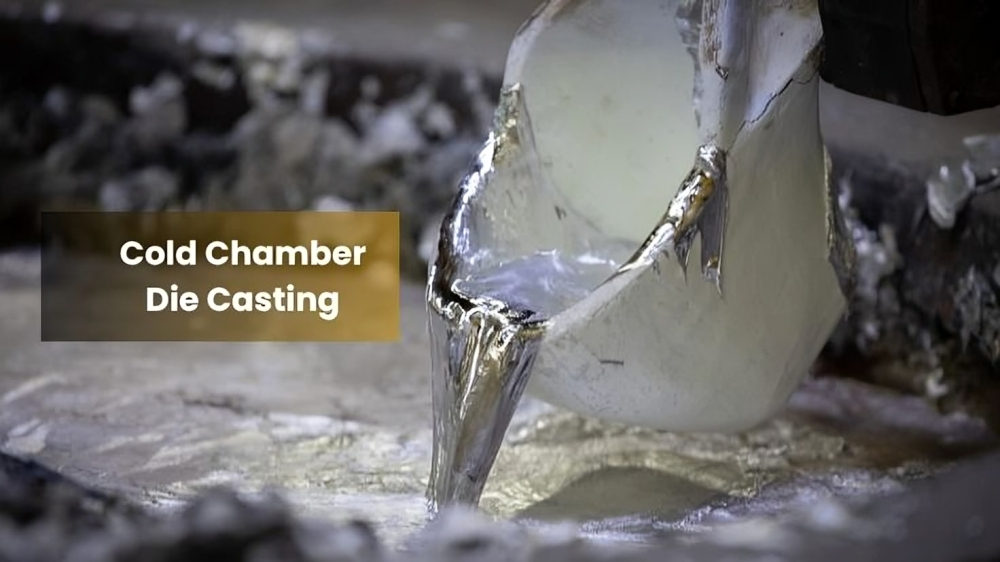
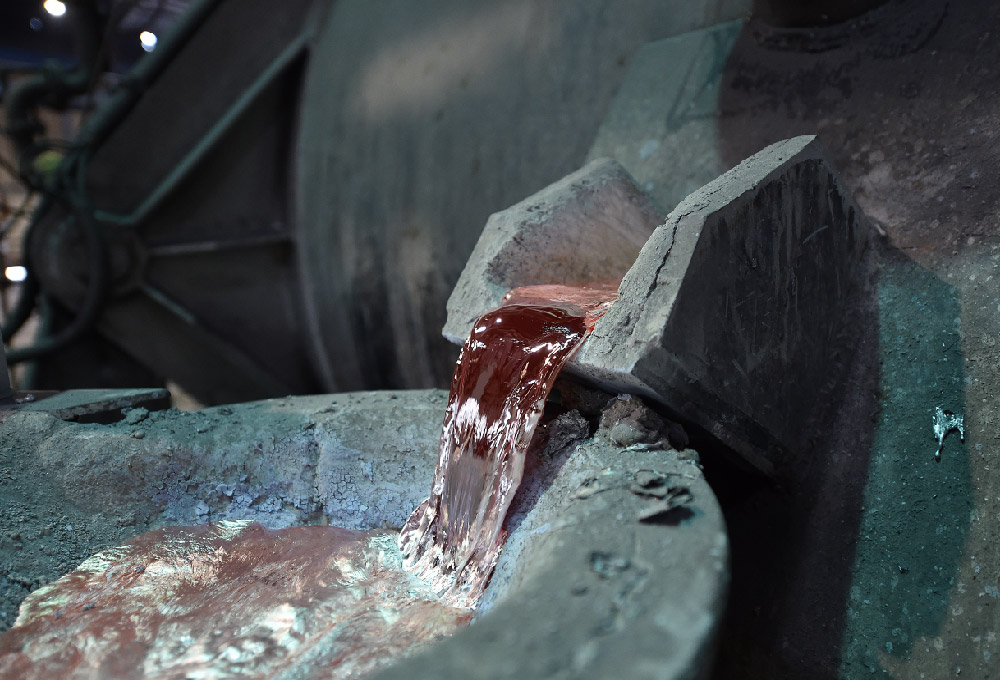
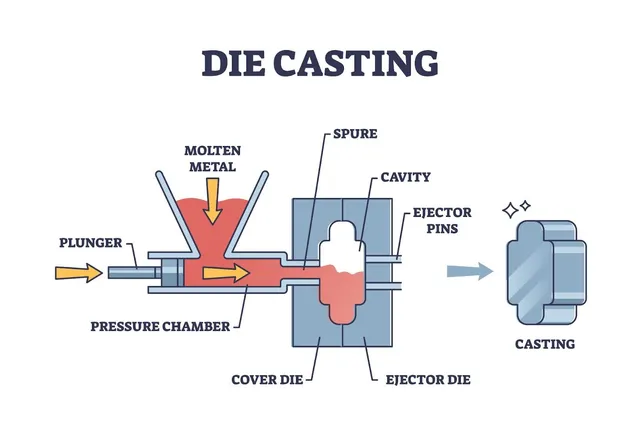
The cold chamber die casting process is initiated by first ladling molten metal into a separate injection chamber and then forcing it out into a steel mould. This process deals with high melting alloys such as aluminium, copper and magnesium. It is a tight-tolerance, high-pressure production process found in the automotive, electronics, and industrial parts production.  What is cold chamber die casting is and when to use it? Cold chamber die casting is a high-pressure moulding of metals, which would ruin or corrode a hot-chamber system. Practically, the operators melt the metal in a different furnace. Then they pour the molten metal into an unheated shot sleeve. The metal is forced into the closed mould by a hydraulic plunger with extreme pressure. The section hardens very rapidly, and the die is opened to spurt out the casting. This can be used when the alloy is of high melting temperature or where the alloy would corrode injection components, such as aluminium and copper alloys. The process sacrifices speed of the cycle for the scale and flexibility of the alloy.  Cold Chamber Die Casting Process Step-by-Step Cold chamber die casting is one of the most reliable techniques for making high-quality metal parts. Every process must be monitored in terms of temperature, pressure and time. Minor variations can impact the surface finish, strength and dimensional accuracy of the end product. Melting the Metal It starts by melting the metal in a separate furnace. Mostly used are aluminium, magnesium and copper alloys. In the case of aluminium, it is typically 650degC and 750degC. It is necessary to keep the melt clean. The impurities are eliminated by the operator with the help of fluxing agents and skimming tools. In case some oxide or gas is left, it may introduce defects such as porosity or inclusions in the future. In high-tech furnaces, a dosing system is the direct connection between the furnace and a die casting machine of China Cold. This guarantees that the temperature and composition of the molten metal are uniform in each shot. Molten Metal to the Shot Chamber Then molten metal is poured into the shot chamber or shot sleeve. This may be done manually or automatically. Manual ladling is easy, less fast and has more chances of entraping air. Automatic ladling systems, in their turn, provide the accurate amounts of metal with low turbulence. Oxidation and gas inclusion can be prevented by controlling the ladling speed and temperature. Others preheat the shot sleeve a little so that it will not suddenly drop in temperature, to allow the fluidity of injection. 3. Injection into the Die Cavity A hydraulic plunger is used to inject the high-pressure molten metal into the die cavity once it is in the shot sleeve. This is the fundamental phase of the cold chamber die casting. Injection pressure varies between 3,000 psi and more than 20,000 psi, depending on the size of the part and the alloy. The injection cycle normally contains two stages: The timeliness of these phases is critical. Recent China cold chamber die casting machinery, servo-hydraulic systems automatically regulate pressure and speed of every shot and guarantee homogeneity. Solidification and Cooling Opening and Part Ejection Die Once the metal has solidified, the die is opened by the machine, after which ejector pins or robotic arms take the casting out. It should be ejected only when fully solidified; otherwise, it is distorted. In complex shapes, there is more than one ejector pin, which guarantees the clean release of the die cavity. Robots take the parts on the automated lines and place them on conveyors to be trimmed and cooled. This increases handling damage reduction and accelerates production. Trimming and Finishing Inspection and Quality Control The last one is inspection and quality control. Every casting is inspected to guarantee that it has the necessary tolerances and quality standards. Popular types of inspection are: The machinery of modern China cold chamber die casting is usually equipped with sensors and software which keep track of all the parameters – Melt temperature, injection pressure, and die temperature, which enables quality monitoring in real time. Optimisation of process and control The quality of outcomes must rely on controlled quality at each step. Safety and Environmental Factors Usually used materials and alloys. The use of a cold chamber is preferred in alloys which cannot be utilised in hot-chamber machines. Most common materials used include aluminium alloys, magnesium, copper and a few combinations of zinc andaluminiumm where corrosion of the injection mechanism should be prevented at all costs. In the automotive structural parts, aluminium alloys prevail. Magnesium is applicable in situations where very lightness is an issue. Both alloys have their own melting point, fluidity and shrinkage behaviour, which need to be handled in mould design and process parameters.  Machinery and features – such as the China cold chamber die casting machine choice. Die casting machines: The Cold chamber die casting machines are made of a robust frame, high pressure injection unit, a hydraulic system and the control electronics. The modern machines provide servo-hydraulics to save energy and enhance control, computer controls to make the shot profiles programmable and integrated auxiliary systems such as die temperature controllers and automatic ladling systems. It is also possible to find China cold chamber die casting machine suppliers that offer a large variety of models and different price ranges in case you are sourcing machines. There are compact models of Chinese manufacturers that fit small shops and large tonnage machines that are appropriate to high-volume production. Chinese constructors tend to package melting and handling equipment to provide a turnkey line as well. Compare machines in terms of check maximum clamping force (tons), volume in the shot, speed control in an injection, die size, and automation.  Essentials of tooling and die design The hardened tool steel is normally die (mould. The design of the die should permit a controlled flow of metals and escaping gaseous air,  and gating and runners geometry and cooling channels in order to

Tlakové lití hardwaru

Tlakové lití hardwaru: Kompletní průvodce moderní výrobou

tlakové lití

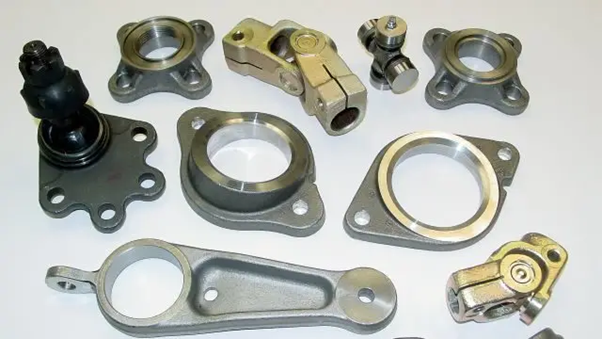
The modern competitive environment in the manufacturing industry has put industries under continuous pressure to manufacture hardware components that are robust, resilient, accurate, and economical. To attain these, firms use contemporary production methods that are quality and efficient. One of the most successful and popular processes is that of hardware die casting among them. Manufacturers are able to create hardware components that bring together complex detail with excellent strength by placing molten metal under high pressure into a mold made of steel. This process is used to produce both elements that have a smooth finish and even quality, as well as producing a significant number of elements at a reasonably low unit price. The relevance of hardware die casting is widespread in an array of industries. It is used in the automotive industry in the manufacture of light but strong components that result in fuel efficiency and safety. It can be used in electronics to make sustained housings, connectors and heat sinks. Precision parts are advantageous to aerospace companies in that they can withstand the harsh conditions, but the construction and furniture industries use them in their functional and decorative fittings. The article will be a complete investigation of the process of hardware die casting and its benefits, process, and materials. We shall also look at the position of the aluminum die casting hardware, the distinct advantages of the use of zinc die casting hardware and the increasing uses of the various parts of die casting hardware in the current industries. What is Hardware Die Casting? Hardware die casting is a specialized manufacturing method, which involves steel molds, otherwise molds, called dies, to form metal parts. This is done by melting metals like aluminum, zinc or magnesium and then forcing the molten metal into a die cavity at high pressure. After hardening of the metal, the mold is opened, and the component is forced out. The word hardware used here means minor yet vital parts such as hinges, brackets, handles, and locks, among other fittings. By casting them in die, the products are uniform, strong and cost-effective in contrast to other traditional methods of production like forging or machining. The Hardware Die Casting Process Design and Mold Preparation Hardware die casting- The die casting process starts by designing and preparing the mold, or die. A mold is designed by engineers using high-quality steel, which is hard enough to endure a higher number of molten metal injection cycles. The two halves of the mold are then molded and assembled to create a hollow into which the part will be shaped. To be efficient, the die will have inbuilt cooling channels to maintain its temperature and ejector pins, which will enable it to be easily released once it has solidified. Melting the Metal Once the mold is ready, the chosen metal is melted in a furnace at well-monitored temperatures. Aluminum and zinc are the most used, and it is important to maintain the appropriate molten state. The constant temperature enables the flowing molten material to fill the mold without forming defects and air bubbles. Injection into the Die After getting the metal to the correct molten state, it is forced into the die cavity with extremely high pressure that may range between 1500 and 25000 psi, depending on the material to be used and the intricacy of the design. It is a high-pressure injection method, which guarantees that all the sections of the mold are filled to the last detail, and the outcome is extremely precise. Cooling and Solidification Immediately the molten metal gets into the mold, it starts cooling and hardening. This process has to be well regulated since either rapid or slow cooling can lead to changes in the quality of the end product in terms of strength and precision. When an appropriate cooling cycle is maintained, the hardware components will be powerful and dimensionally accurate. Ejection and Finishing When the part is solid, the mold is opened, and the component is literally ejected by ejector pins. This is where the product is shaped, but it has excess material commonly referred to as a flash. This is removed and the portion can be subjected to further finishing processes of polishing, anodizing or coating to enhance its looks and workability. The cycle can be subsequently repeated continuously, and the manufacturers can manufacture huge numbers of the same type of die casting hardware parts with very high efficiency. Benefits of Hardware Die Casting Precision and Accuracy Among the most powerful positive aspects of the hardware die casting is the high precision that the process can provide. Complicated designs that are tightly tolerated can be generated in the process, and this can avoid further machining or even completely do away with it. This precision means that all the components fit in their use, be it in a vehicle, an electronic product, or building hardware. The manufacturers also like the fact that they are able to create complex shapes in the same process instead of using various manufacturing processes. Strength and Durability Die-cast metals are recognized to have a strong mechanical ability and outstanding endurance. Hardware components manufactured under the process of hardware die casting are capable of sustaining high weight, repeated application and subject to wear and tear without their functionality being affected. This is the reason why these parts tend to be applied in the most reliable industries, such as automotive and aerospace. Its durability also implies that there is a reduced need to replace products, and this is a value addition to the manufacturer and the end-users as well. Economical when dealing with large quantities The casting process is very cheap when mass production has to be done after the die has been produced. Firms can manufacture thousands or millions of parts of the same type with a very small variation. This capability to produce on a large scale and at a low cost per unit is among the factors that make hardware die casting more desirable compared to other

Budoucnost automobilových odlitků

Budoucnost automobilových odlitků: Inovace, efektivita a výkon

Výrobce tlakových odlitků, tlakové lití

Automobiles have never been left behind in technological development. Since the first steel framing in automobile manufacturing up to the latest lightweight alloys, each part of a car has been improved through innovation to enhance safety, durability and performance. One of the most significant areas of progress lies in the world of automotive castings. This has helped in the designing, production, and optimization of vehicles. In plain terms, the term automotive castings can be defined as the process through which the molten metal is measured and poured into the moulds to shape intricate parts of the vehicle. The method is precise, cost-efficient and can be scaled to mass production. These processes are important in the industry because almost all vehicles on the road today have several parts that have been cast. This article examines the history, manufacturing, advantages, and future of the so-called automotive castings, and also takes a look at how the so-called automotive casting, die casting automotive parts, and cast automotive parts contributed to the shaping of the modern automobile. The History of Automotive Castings The methods of casting date back several thousand years, although it was not until the end of the 19th and very early 20th centuries that they were used in the automotive industry. The first automobiles were ineffective and weighed a lot, with mostly forged steel components. With the increased need to produce in large quantities, manufacturers were required to find a cheaper and quicker solution. Then is the period when the techniques of automotive casting started to substitute traditional ones. Through casting, car manufacturers would be able to create numerous of the same parts in large quantities with less wastage of materials. This brought about mass production, one of the reasons why automobiles became affordable to ordinary people in the industrial boom. Modern automotive castings today use state-of-the-art alloys, accurate moulds, and automation to satisfy the high standards of the international automotive standards.  What is Automotive Casting? Automotive casting is a manufacturing process that is applied in automobile manufacturing to make parts of their vehicles through pouring of molten metal into the moulds, where it solidifies and hardens into the desired shape. This is a technique that enables manufacturers to make complex, long-lasting and accurate parts cost-effectively and with less effort as compared to traditional machining or forging. It finds application in engine block parts, cylinder head parts, transmission housing parts, brake parts, and suspension parts. Through various alloys such as aluminum, cast iron, steel, and magnesium, the automotive casting offers the strength, lightweight design, and durability needed in modern automobiles. This technique is popular because: Common Automotive Parts Made by Casting: Types of Automotive Casting Concisely, automotive casting is necessary since it assists automakers in developing dependable, lightweight, and cost-effective components on a mass basis. Modern cars cannot be produced in mass without it. Materials in the automotive castings Aluminum A lightweight and corrosion-resistant glass, aluminum is among the most favoured materials in the field of automotive castings. It makes huge savings in the total weight of cars, enhancing fuel efficiency and manoeuvrability. Aluminum is also a good thermal conductor and therefore it is good on engine blocks, cylinder heads and transmission housings. Aluminum is used to create many die-casting automotive parts since it enables manufacturers to create high-precision and lightweight components without losing strength. With its flexibility and stability, aluminum is one of the best materials in contemporary automobile manufacturing. Cast Iron Other popular materials in automotive castings are cast iron because the material has high strength, heat resistance, and wear properties. Cast iron is heavier than aluminum, and it is suitable for structural and heavy-duty applications as engine blocks, brake drums and other parts of the suspension. The structure is very durable, which means that such parts can resist the pressures of long-term service and high-temperature conditions, making it vital to vehicles that need strong and reliable performance. Steel In the automotive castings, steel has been preferred due to its high strength and flexibility. Heat-treatment of steel parts increases toughness, so they are ideal in chassis parts, brackets, and structural frames. Although steel weighs more than aluminum, it offers the strength and carrying capacity to some of the safety-critical parts of the car. It is flexible, and engineers can come up with components that satisfy both the performance and regulatory requirements. Magnesium Alloys Magnesium alloys are finding increased applications in so-called automotive castings where weight loss is a priority. These alloys are very light, yet offer sufficient strength to non-structural parts. Magnesium parts may be used in interior fittings, engine covers, and certain structural parts, especially in high-performance vehicles and electric vehicles, where minimizing total weight is important to performance and handling. Copper Alloys Copper alloys are sometimes made into so-called automotive castings due to their high electrical and thermal conductivity. These are resistant to corrosion and strong materials that can be applied to certain electrical components or heat-sensitive parts of the modern vehicle. Copper alloys are not as widely used as aluminum or steel, but have niche uses, such as where performance and conductivity are important. Composite Materials Some manufacturers are experimenting with composite materials in cast automotive parts with the development of automotive technology. These materials are developed to save weight and still offer strength, and can be very handy in electric and hybrid vehicles. Composites also have better thermal regulation and corrosion resistance, and are a new technology in the next-generation car parts. Types of Automotive Casting Processes The automotive industry employs a number of casting techniques, each with its own parts and materials. We will consider the most popular ones: Sand Casting One of the oldest techniques is sand casting, in which large, intricate components are made by means of sand moulds. It is most suitable for prototypes and heavy parts such as engine blocks. Die Casting Die casting is the process that requires high-pressure injection of molten metal into reusable steel moulds. It is a technique that is especially relevant in fabricating light but

Tlakové lití za studena

Moderní trendy v technologii tlakového lití za studena

tlakové lití, Výrobce tlakových odlitků, díly pro tlakové lití

Cold Chamber Die Casting is a precision type of manufacturing technique applied in the manufacture of complicated metal components characterized by high levels of strength and precision. This process can best be used in metals having a high threshold of the melting point, like aluminum, brass, and copper alloys. Cold chamber die casting systems are not placed into molten metal like a hot chamber die casting system; instead, the metal is put into the cold chamber die casting machine by manually ladling metal into the cold chamber die casting machine after it is melted in another furnace. The arrangement wears less on the machine and uses alloys that are tougher. Among the important factors that make companies opt to use this method are the special cold chamber die casting advantages and disadvantages. It has top dimensional accuracy, smooth surface finishes, as well as long cycle times. Nevertheless, its strength and durability of the constituents are its favorites in the automotive, aerospace, and electronic markets. The difference between hot and cold chamber die casting is crucial to make the right choice of the process. Hot chamber die casting is more rapid and applied to metals of low-melting point, such as zinc, whereas the cold chamber die casting system is designed to handle higher temperatures and stronger metals. Manufacturers will also be able to manufacture long-lasting and reliable parts with this process that have a high degree of precision in their specifications. In the present article, we are going to discuss the principle of operation of cold chamber die casting, its main parts, the nature of the metal employed, and technological parameters of cold chamber die casting, including clamping force and cycle time. The cold chamber die casting advantages and disadvantages will also be considered to provide you with a full picture of this important manufacturing process. What is the Cold Chamber Die Casting? Cold Chamber Die Casting: A cold chamber die casting process is a metal casting process where molten metal is ladled either manually or automatically into a separate cold chamber outside the injection system. Thereafter, the metal is pushed with high pressure into a mold cavity, which causes the metal to cool and crystallize in the desired shape. It is usually applied to metal with a large melting point, like brass, aluminum, and copper alloys. The purpose of avoiding corrosion and thermal fatigue that can result in improper working of components of the injection system, unlike in the hot chamber die casting process, where the injection mechanism is suspended in molten metal, the cold chamber process keeps the injection facilities segregated. The application of the practice of the latter, i.e., Cold Chamber Die Casting, is especially advantageous, where the metals used would harm the components, contacting them. High pressure can be used in the injection process itself, and denser, stronger components with a brilliant surface finish and dimensional stability would be possible. Die Casting Process- Step by Step The object of the Cold Chamber Die Casting technique is to make highly accurate and hard metal parts that are frequently composed of alloys that have melt-points that are at high temperatures, such as aluminum and brass. Let us have a step-by-step breakdown of how it works: 1. The External Furnace is used to melt the Metal The process is similar to that of hot chamber casting except that the melting of metal is done in a separate furnace outside. This is required in that the molten metal in the cold chamber casting will cause a high level of heat to be experienced internally that cannot be handled. The metal is melted, after which it is able to be transferred into the casting machine. 2. Pouring the molten metal into the Shot Sleeve Thereafter, the molten metal is ladled into the shot sleeve in the die casting machine. This is manually done or arm-driven. The shot sleeve is a strong, resistant to heat tube into which the metal rests and is later injected. This should be taken very fast to prevent premature solidification. 3. Plunger forces the metal into the die. A steel plunger travels into the shot sleeve and presses the molten metal at high pressure in the die cavities. The force makes sure that the metal fills the mold even in any complicated pattern or with a very thin wall, and decreases the chances of any flaws, such as air pockets. 4. There is the Solidification of Metal within the Die When the mold is filled, the metal starts cooling and solidifying within the die. This solidification step is very important in coming up with a good and precise part. The cooling time is dependent on the part metal, part thickness, and die temperature. 5. The Brass Die and Ejector Pins Force-Out the Casting When the part has solidified, the clamping unit of the machine opens the die, and ejection pins force the casting out of the mold cavity. The portion is then moved to a cooler station or a trimming station. 6. Removal of Flash (Removal of Excess Metal) There is some over metal on the sides called flash that is around the edges of the casting where the halves of the die come together. This is then removed by mechanical trimming, grinding, or machining, depending on what the finish requires. This will prevent the final works from being below the intended shape and tolerance. 7. Die cycle reset and Lubrication The die is washed and greased before entering the next cycle in order to be of good quality and avoid sticking. When the oiling is done, the die is again clamped, and the machine is switched to reset for more cycles. 8. Quality Inspection and finishing This is a complete part that is checked to ensure quality defects do not exist, like cracks, shrinkage, or abnormalities on the surface. Depending on the end-use requirement of the part, it can be subjected to additional machining, surface treatment, or assembled (if required). Metals to be used in the

Tlakové lití za tepla

Tlakové lití za tepla: Hluboký ponor do klíčového výrobního procesu

tlakové lití

Tlakové lití za tepla je velmi efektivní výrobní proces, který se hojně využívá k výrobě kovových dílů s velmi vysokou přesností a vynikající povrchovou úpravou. Je zvláště vhodný pro odlévání kovů s nízkou teplotou tání, jako je zinek, hořčík a některé slitiny obsahující olovo. Je pro něj typické, že vstřikovací systém je ponořen do roztaveného kovu, a tak je možné dosáhnout vysokých časů cyklů a hospodárnosti hromadné výroby. Jedno podobné místo srovnání se vždy objeví, když se uvažuje o odlitcích týkajících se tlakového lití za studena a za tepla. Ačkoli jsou obě varianty tlakového lití, tolik se liší z hlediska konstrukce, aplikací a kompatibility použitých materiálů. Příkladem je tlakové lití v horké komoře, což je vysokorychlostní tlakové lití, kde byla pec nahrazena strojem. To s sebou nese omezení kovů s nižší teplotou tání. Naopak studený komorový typ strojů je vhodnější používat s těmi kapalinami s vysokou teplotou tání, jako je hliník a mosaz, protože horký kov nepřichází do přímého kontaktu se zařízením. Proces tlakového lití v horké komoře se vyznačuje minimálním odpadem materiálu, nízkými náklady na pracovní sílu a výrobou složitých tvarů s vysokými tolerancemi. Je oblíbený v takových odvětvích, jako je automobilový průmysl, elektronika, instalatérství a spotřební zboží. Nicméně rozhodnutí, zda použít tlakové lití ve studené nebo horké komoře, závisí také na typu použitého materiálu a na konstrukčním hledisku dílu. Článek zkoumá důležité podrobnosti o tlakovém lití za tepla, jeho součástech, materiálech, popisu procesu, omezeních a důvodech, proč se jedná o zásadní proces v současném výrobním průmyslu. Co je tlakové lití za tepla? Tlakové lití za tepla je technika odlévání kovů, při níž se roztavený kov vstřikuje do dutiny formy pod vysokým tlakem. Jedinečnou součástí této metody je místo, kde je umístěn vstřikovací mechanismus: Ten se dostává přímo do roztaveného kovu. Doba cyklu a efektivita výroby jsou při tomto uspořádání vysoké, zejména u kovů s nízkou teplotou tání, jako je zinek, hořčík a některé slitiny olova. Horká komora. Název popisuje horkou komoru systému, protože vstřikovací mechanismus (píst a husí krk) je v neustálém kontaktu (naplněn) s oblastí roztaveného kovu. Jak píst klesá, stlačuje roztavený kov přes husí krk do dutiny matrice. Jakmile kov ztuhne, forma se otevře a díl je vyhozen a tento proces se nesčetněkrát opakuje. Proces tlakového lití v horké komoře Proces tlakového lití v horké komoře je proces vysoce přesné a rychlé výrobní technologie využívaný při výrobě kovových dílů, kde je velmi důležitá přesnost nástroje s velkou povrchovou úpravou. Nejvhodnější je u slitin s nízkou teplotou tání; příkladem slitin s nízkou teplotou tání jsou zinek, hořčík a olovo. Jejími hlavními vlastnostmi jsou krátká doba cyklu a velká účinnost materiálu. Tento proces je rozšířený při výrobě různých výrobků, které se vyskytují hlavně v automobilovém průmyslu, elektronice, spotřebičích a železářství, protože umožňuje snadno vytvářet komplikované konce za přijatelnou cenu za kus. Níže je postupně uveden proces lití pod tlakem do horké komory: Začíná roztavením kovu (obvykle zinku nebo hořčíku) ve vestavěné peci stroje na tlakové lití. 1. Tavení kovu Začíná roztavením kovu (obvykle zinku nebo hořčíku) ve vestavěné peci stroje na tlakové lití. Roztavený kov se udržuje při konstantní teplotě v kovové nádobě, která je přímo připojena k licímu stroji. Toto nepřetržité zásobování teplem zajišťuje, že proces odlévání probíhá nepřetržitě. 2. Proces plnění vstřikovacího systému V systémech s horkou komorou je ponořena část roztaveného kovu s částí součásti známé jako husí krk. Píst, který běží uvnitř vstřikovacího válce, je tažen dozadu do polohy, kdy roztavený kov může tryskat až k husímu krku do vstupního otvoru vstřikování. V dalším kroku se tento kov vstříkne do dutiny zápustky. 3. Vstřikování roztaveného kovu Po naplnění husího krku je píst tlačen dopředu buď hydraulickým, nebo pneumatickým tlakem, který vtlačuje roztavený kov kanálem husího krku do dutiny formy (nazývané také zápustka). To se provádí vysokou rychlostí a tlakem, aby bylo zajištěno, že dutina bude zcela zaplněna dříve, než kov začne tvrdnout. 4. Odlévání a tuhnutí ve formě Tento horký kov v zápustce je rychle ochlazován poměrně studenou ocelí formy. Tuhnutí trvá několik sekund v závislosti na velikosti a složitosti dílu. V této fázi pomáhají chladicí kanály zápustky při odvodu tepla, aby se nesnížila rychlost cyklu a zabránilo se vadám, jako je smršťování nebo pórovitost. 5. Vyhazování a otevírání formy Po ztuhnutí kovu se poloviny formy otevřou. Na pohyblivé polovině formy je umístěn vyhazovací systém, který působí silou prostřednictvím vyhazovacích kolíků a vytlačuje hotový odlitek z dutiny. Je zajištěno, že díl může vyjít ven, aniž by se při vyhazování poškodil. 6. Sekundární operace a ořezávání Po vyhození může dílec obsahovat dodatečný materiál nazývaný otřepy, vtoky nebo vtoky. Ty se ořezávají buď ručně, nebo automaticky. Díl může být dále zpracováván v závislosti na použití, jako je povrchová úprava, obrábění nebo nanášení povlaku. 7. Opakovací cyklus Stroj se vyčistí a vyčistí, aby mohl být znovu použit. Komorové lití za tepla se vyznačuje tak rychlým cyklem, že někdy vytvoří několik hotových dílů za pouhých 10 až 20 sekund podle složitosti a velikosti dílu. Doba cyklu a efektivita Největší výhodou procesu horké komory je rychlost. Stroje s horkou komorou. Na rozdíl od studeného komorového lití, kde se kov musí navážet do lázně

Společnost pro tlakové lití slitin v Číně a ve světě 

Společnost pro tlakové lití slitin v Číně a ve světě 

tlakové lití, společnosti zabývající se tlakovým litím, společnost zabývající se tlakovým litím

Slitinové lití se používá k výrobě složitých kovových dílů, které vyžadují přísné tolerance a velmi dobrou povrchovou úpravu. Mimo jiné hraje významnou roli v automobilovém, leteckém a kosmickém průmyslu, elektronice, obranném průmyslu, výrobě lékařských přístrojů a spotřebních výrobků. Výrobci spolupracují po celém světě a Čína v tomto odvětví vede, protože má silnou infrastrukturu, dobře vyškolené lidi a dobré ceny. CNM Tech Co, Ltd., Sincere Tech a GC Precision Mould Co, Ltd. jsou známé společnosti v čínském odvětví tlakového lití a všechny se zabývají návrhem forem, CNC obráběním a konečnou montáží. Tito výrobci využívají nejmodernější technologie a dodržují celosvětové normy kvality, jako je ISO 9001. Většina jejich služeb podporuje mezinárodní zákazníky, což jim dává významnou roli v celosvětových dodavatelských sítích. Společnosti jako Nemak (Mexiko), MRT Castings Ltd a Haworth Castings (Velká Británie) a PHB Inc (USA) jsou dobrým příkladem pokročilé technologie tlakového lití mimo Asii. Inovace, udržitelnost a přesná výroba jsou pro tyto společnosti, které dodávají pro odvětví letectví, lékařství a elektromobily, jež mají přísné předpisy, klíčové. Obě tyto firmy se od ostatních liší vysokou kvalifikací a také velkým důrazem na kvalitu, péči o zákazníky a ekologické změny. Článek pojednává o několika předních společnostech zabývajících se tlakovým litím v Číně a ve světě a zdůrazňuje jejich hlavní vlastnosti, silné stránky a důvody, proč se jim na tomto obchodním trhu daří. Bez ohledu na to, do které části světa chcete outsourcovat, vám dané profily poskytnou užitečné rady ohledně nejlepší volby. Tlakové lití slitin Při tlakovém lití slitin se tekutá kovová slitina velkou silou vtlačuje do forem z oceli, které lze mnohokrát opakovaně použít. Tato výrobní metoda pomáhá vytvářet kovové díly, které mají velmi přesné rozměry, jsou hladké a lze je vyrábět velmi efektivně. Hlavní charakteristiky tlakového lití slitin: 1. Používané slitiny: Většina těchto postupů se opírá o slitiny neželezných kovů, například hliníku, zinku a hořčíku, které mají své důležité výhody související s hmotností, pevností, odolností proti korozi a tepelnou vodivostí. 2. Přehled procesů: Dále následuje tavení slitiny, které se provádí vložením materiálu do pece. Do kalené ocelové formy se dostane roztavený kov, který vstupuje přes licí stroj. 3. Typy tlakového lití jsou: Zde jsou uvedeny hlavní přednosti tlakového lití slitin: Běžná použití: 1. CNM Tech Co., Ltd. Rok založení: 20+Počet zaměstnanců: Počet zaměstnanců: 100-200Typ podnikání: CNM Tech Co., Ltd. je přesná výrobní společnost zaměřená na tlakové lití, CNC obrábění a montážní služby. Webové stránky a kontaktní webové stránky: https://www.thediecasting.com/Contact: +86 13045898002Email: sales@thediecasting.comAddress: Adresa továrny: Rm 101, No.40, Donghu Road, Jinglian, Qiaotou town, Dongguan City, provincie Guangdong, Čína. 523520. Profil společnosti Výroba přesných hliníkových a zinkových součástek litých pod tlakem je to, čím je společnost The Die Casting Company nejznámější. Společnost nabízí kompletní služby v oblasti odlévání tím, že disponuje schopnostmi potřebnými pro návrh forem, výrobu nástrojů, CNC obrábění, povrchovou úpravu a testování kvality přímo ve firmě. Slouží automobilovému průmyslu, elektrotechnice a průmyslovým strojům a spojuje v sobě inženýrské znalosti a certifikáty ISO 9001. S pomocí moderních technologií a vstřícného přístupu k zákazníkům nabízí společnost The Die Casting Company vysoký výkon, nízké náklady na výrobu a neměnnou kvalitu. Společnost Codeplay sídlí v Indii a poskytuje zákaznickou podporu a včasné dodávky klientům po celém světě. Závazek kvality Vysoká kvalita je důležitá pro každý úkol společnosti The Die Casting Company. Počínaje kontrolou surovin používá společnost přísné postupy kontroly kvality až po testování hotových výrobků. Protože splňuje požadavky normy ISO 9001, její zařízení používají nejmodernější vybavení a disponují týmem vyškolených pracovníků. Každý jednotlivý odlitek je pečlivě kontrolován z hlediska rozměrů, pevnosti a vzhledu, aby splňoval to, co zákazník potřebuje a co vyžaduje průmysl. Díky tomuto závazku jsou zákazníci spokojeni, výrobky spolehlivě fungují a důvěra se buduje dlouhodobě. Proč právě naše společnost? 2. Upřímná technika Rok založení: 2005Počet zaměstnanců: 1: 100-200Typ podnikání: Společnost je založena v roce 2005: Společnost Sincere Tech je jedním z největších čínských výrobců forem pro vstřikování plastů, výrobců tlakových odlitků, poskytovatelů obrábění a montážních služeb. Webové stránky a kontakt Webové stránky: https://plas.co/Phone: +86 135 30801277Email: steve@sincere-tech.comAddress: Rm101, N041, Donghu road, JingLian cun, qiaotou town, Dongguan City, provincie Guangdong, Čína. 523000. Profil společnosti V roce 2005 byla založena společnost Sincere Tech (plas.co), která se stala významným čínským poskytovatelem zakázkových vstřikovacích forem na plasty a lisovacích služeb. Díky 18 letům působení v tomto oboru je společnost schopna poskytovat rozsáhlá řešení, jako je návrh forem, CNC obrábění, tlakové lití, lisování silikonu a montáž. Společnost Sincere Tech, která pracuje v oblasti elektroniky, automobilů, medicíny a domácích spotřebičů, je závislá na špičkových strojích, jako jsou pětiosé CNC a souřadnicové měřicí stroje, které zajišťují přesnost a kvalitu. V souladu s mezinárodními normami společnost dodržuje certifikace ISO 9001:2015 a QS 9000:2015, díky čemuž klienti dostávají kvalitní výrobky v rámci rozpočtu. Závazek kvality Ve společnosti Sincere Tech musí být vše prováděno s ohledem na kvalitu. Společnost při výrobě všech svých produktů používá normy ISO 9001:2015 a QS 9000:2015. Díky moderním nástrojům a přísným předpisům společnost Sincere Tech zaručuje, že všechny její výrobky jsou vyrobeny přesně podle specifikací. Všechny procesy, od rozvržení návrhu až po dokončení montáže, jsou pečlivě sledovány, aby bylo zajištěno, že některé díly budou pevné, přesné a zákazníci s nimi budou spokojeni, a proto je v tomto odvětví respektována. Proč právě naše společnost? 3. GC Precision Mould Co., Ltd. Rok založení: 1999Počet zaměstnanců: 1: Typ podnikání: Naše společnost GC PrecisionMould Co., Ltd., se zabývá tlakovým litím hliníku, zinku a hořčíku, CNC obráběním a vstřikováním plastů Webové stránky a kontaktní webové stránky: https://aludiecasting.com/Contact: +86 131 4886 5556Email: info@aludiecasting.comAddress: Společnost GC PrecisioMould Co., Ltd. zahájila svou činnost v roce 1999 a nyní se stala jedním z nejlepších světových dodavatelů uměleckých odlitků a obráběných výrobků z neželezných kovů. Společnost Fireray Precision Equipment působí v oboru již více než dvě desetiletí a zabývá se především tlakovým litím hliníku, zinku, bronzu do písku, gravitačním litím hliníku a přesným CNC obráběním. Společnost GC PrecisionMould Co., Ltd. se sídlem ve městě Dongguan v čínské provincii Guangdong.

10 nejlepších společností zabývajících se tlakovým litím v Číně a USA

10 nejlepších společností zabývajících se tlakovým litím v Číně a USA

tlakové lití, společnosti zabývající se tlakovým litím, společnost zabývající se tlakovým litím

The die-casting production method remains a fundamental process in making various products throughout multiple industries including automotive production together with aerospace applications and electronic components together with industrial machinery production. It is the process of injecting molten metal into a mold cavity under high pressure to obtain high precision and durable metal components. Numerous die-casting service companies emerged due to rising market demand for high-quality manufacturing solutions. The world’s most accomplished die-casting producers operate from China and the USA driven by both advances in their technological capabilities and strong dedication to manufacturing excellence. The Chinese market functions as a worldwide center for die casting where businesses deliver affordable services with stringent industry requirements. These manufacturers deliver whole service packages that include mold design alongside production services together with surface finishing and assembly solutions. The USA operates through an innovation-focused system while maintaining strict quality standards in addition to precise engineering practices. The die-casting companies in America provide solutions across various industry sectors which deliver exceptional performance qualities. This post is a list of the top 10 die-casting companies in China and the USA, with a history, and capabilities, and serves as a list. The mentioned companies lead the industry because they provide dependable production services at every scale together with specialized die-casting expertise. 1. Sincere Tech Year of Establishment: 2005Number of Employees: 100-200Business Type: Sincere Tech is one of the china’s largest plastic injection mold manufacturers, die-casting producers, machining providers and assembly providers. Website and Contact Website: https://plas.co/Phone: +86 135 30801277Email: steve@sincere-tech.comAddress: Rm101, N041, Donghu road, JingLian cun, qiaotou town, Donggguan City, Guangdong Province, China. 523000. Company Profile A Chinese supplier of plastic injection moulds and moulding services, Sincere Tech is a leading Chinese company. This company was founded in 2005, and stamping metal and plastic, precision plastic injection moulds, CNC machining, die casting and silicone moulding are its competitive edge in the market. Sincere Tech has advanced equipment, NDA protection, competitive prices and 18 years of experience in high-quality production. With injection moulding machines for 60 to 1800 tons that serve electronics, medical, automotive, or cosmetics industries, its components of under 1 gram to 8 kilograms are produced efficiently. Their Quality Commitments Sincere Tech is dedicated to creating products that meet international quality standards as per ISO 9001:2015 and QS 9000:2015. They have been dedicated to quality and this has enabled the company to cultivate a massive demand, exporting it to Finland and other countries. Amongst all the plastic injection molding industry partners that are providing almost the same quality of services, it is sincere Tech that stands out as a trustworthy and innovative partner for plastic injection moulding. Why Choose Sincere Tech? Customers seeking die-casting services from China or the USA should get in touch with these trustworthy manufacturing companies that will provide professional assistance. 2.  CNM Tech Co., Ltd. Year of Establishment: 20+Number of Employees: 100-200Business Type: CNM Tech Co., Ltd. is a precision manufacturing company focused on die casting, CNC machining and assembly services. Website and Contact Website: https://www.thediecasting.com/Contact: +86 13045898002Email: sales@thediecasting.comAddress: Factory Address: Rm 101, No.40, Donghu Road, Jinglian, Qiaotou town, Dongguan city, Guangdong Province, China. 523520. Company Profile Thediecasting.com is the official domain that CNM Tech Co., Ltd. operates under, which is an outstanding Chinese manufacturer of die-casting solutions. The company is a China-based aluminium, magnesium, and zinc die casting; CNC machining; surface finishing, and assembly business headquartered in Dongguan, China. CNM Tech has more than 20 years of experience in the fields of automotive, aerospace, electronics, etc. Due to the high precision manufacturing their in-house tooling shop and advanced CNC machines also ensure. CNM Tech provides all types of polishing, sandblasting, powder coating, oil painting etc. with high-quality finish products matching the needs of users worldwide. Their Quality Commitments CNM Tech Co., Ltd. is provided ISO 9001:2008, TS16949, and ISO 14001:2015 documents. In most cases, these will provide you with the assurance that the management of your company is top-notch and also will guarantee compliance with automotive industry standards and environmentally friendly activities undertaken by the company involved. As a result of strictly following quality and environmental regulations, CNM Tech provides great die-casting solutions with a minimal environmental impact with its excellent reputation in the market. Why Choose CNM Tech Co., Ltd? Customers seeking die-casting services from China or the USA should get in touch with these trustworthy manufacturing companies that will provide professional assistance. 3.  GC Precision Mold Co., Ltd. Year of Establishment: 1999Number of Employees: 100-200Business Type: Our company GC Precision Mold Co., Ltd. do aluminium, zinc and magnesium die casting, CNC machining, and plastic injection moulding. Website and Contact Website: https://aludiecasting.com/Contact: +86 131 4886 5556Email: info@aludiecasting.comAddress: Factory Address 1: No. 30 Huan Zhen Rd, Qi Shi Town, Dongguan City, Guangdong Province China, 523516 Company Profile GC Precision Mold Co., Ltd., operates under Aludiecasting.com is a die casting and precision machining manufacturing site that is one of the leading Chinese manufacturers. The company was founded in 1999 and the services include aluminium, zinc and magnesium die casting, plastic injection moulding, and CNC machining and surface finishing. They have state-of-the-art art machinery such as high-pressure die casting machines (120 – 1600 tons) and injection moulding machines (80 – 2800 tons connected to industries like automotive, aerospace and electronics. They have a very strict quality to provide the exact, durable and cheaper manufacturing solutions throughout the world. Their Quality Commitments GC Precision Mold Co Ltd provides the best die casting and machining solutions as specified in the ISO 9001 certification their quality control is so strict that they test for precision, CMM machines, X-rays and spectrometers to ensure a reliable product. Through strict adherence to international standards, the company ensures delivery of consistent, high-quality components with minimum customer complaints due to the reliability aspect for the reasons indicated in every project. Why choose GC Precision Mold Co., Ltd.? Customers seeking die-casting services from China or the USA should get in touch with these trustworthy manufacturing companies that will provide professional assistance. 4.

Co je tlakové lití? Vše, co potřebujete vědět o odlévání kovů

Co je tlakové lití? Vše, co potřebujete vědět o odlévání kovů

tlakové lití

This is a manufacturing process in which molten metal is forced using pressure to fill a mold cavity also known as die casting. The mold is usually of high-quality steel and hence the part can be produced in large quantities the term is used to mean the manufacture of many parts. The finished part is then produced by opening the mold after the molten metal is cooled and forms a solid layer. This kind of use of the process is mostly applied in making intricate metal used in the production of different parts that require high accuracy in measurement and polished surfaces. Die casting can be done on aluminium, zinc, and magnesium but other metals can also be used on a case depending on application and other requirements. Die casting is considered to be one of the expert manufacturing techniques in the conception of mass production of small to medium-sized components out of metals. The popularity of the method has been spread across automotive, aerospace, electronics, and industrial machines due to its ability to produce durable lightweight intricately tailored parts. However, this process is widely recognized for its ability to manufacture products with complex geometry that would be very hard to make using conventional techniques. How Die Casting Works Molding is the first part of the die-casting process. On one side of the mold, there is a half, and it is a half of a particular design to make the mold shaped like the final product. Cavities and cores are designed for the molds that are usually custom-made so that the part can be replicated as closely as possible. 1. Molten Metal Injection: Then the molten metal is injected into the mold cavity under high pressure to form the desired shape. The metal is usually heated to one degree above the melting strain to make it fluid. In die casting, the pressure that the molten metal is pushed into the mold can be from several thousand to tens of thousands of psi (pounds per square inch), to be sure that the molten metal gets into every detail of the mold. 2. Solidification: This occurs when the metal is injected into the casing cavity whereby it cools and the metal hardens. The quality of the casting depends upon the cooling rate. Additional modes of failure (shear, climb, and glide) come into play in this case and result in faster cooling higher strength better surface finish, and slower cooling which could result in more internal defects and lower mechanical properties. Water-cooling systems built into the mold are usually used to assist the cooling process. 3. Ejection: Following this, the metal is allowed to cool and solidify and it is then easy to remove the mold from the larger casting and eject the part. Then most of the time is used in the pushing out part from the mold using a mechanical ejector system. This depends on the complexity of the part that requires other extra steps, namely trimming and machining to deliver the final shape and dimension. 4. Quality Control: A quality check is then performed on a part after ejection. It can involve dimensional verification, visual inspection, and mechanical testing to confirm that the part is equal to or better than the requirements. High precision and repeatability are theoretically achieved in die casting. Types of Die Casting There are two types of Die casting, they are hot chamber die casting and cold chamber die casting. These are all good and have their advantages, limitations and ideal applications. 1. Hot Chamber Die Casting The process most suitable for metals such as zinc, magnesium, and lead is a hot chamber die casting since the process is done at high temperatures, and melting points. The injection system is installed inside the melting furnace in this way, the metal is always in contact with the chamber. Advantages: Disadvantages: 2. Cold Chamber Die Casting The metals that have higher melting points like aluminium, brass and copper are cast in cold chamber die casting. In this case, the molten metal is tapped from a second furnace injected into the cold chamber then into the mold cavity. Advantages: Disadvantages: The Comparison of Die Casting Methods: Hot Chamber vs. Cold Chamber Here is a comparison of the most common types of two die-casting methods, Feature Hot Chamber Die Casting Cold Chamber Die Casting Metal Compatibility Best for low-melting-point metals (e.g., zinc, lead) Best for high-melting-point metals (e.g., aluminium, brass) Cycle Time Faster cycle times Slower cycle times Mold Wear Higher mold wear due to direct contact with molten metal Lower mold wear Cost Lower cost for high-volume production Higher initial cost, but better for high-strength metals Complexity of Parts Good for simpler parts Better for more complex, larger parts Advantages of Die Casting It is one of the largest advantages that die casting is one of the main preferred methods of large-scale production of products from metal alloys. 1. High Precision and Accuracy There are many advantages of die casting, which makes it convenient to offer high die precision. This method of production is also widely used for the production of parts, which requires good dimensional accuracy which is very crucial as it defines tolerance levels required in a specific job. One should note that die casting is the only manufacturing technique that can produce given parts with the utmost complexities such as the intricacies of its geometries.  2. High Production Rates In terms of large volumes, die casting is very efficient. Parts are quickly and cheaply produced once the first mold is created with very little labor involved. The demand for simulated powders is particularly high in industries like automotive and electronics where large volumes of the same parts are required. 3. Complex Designs and Thin Walls Complex design can be achieved by die casting, which would be difficult or impossible to achieve by traditional manufacturing methods. The process can make parts with thin walls, and complex internal structures, and can accommodate undercuts; thus making it the

Obvyklé výrobní vady při vysokotlakém tlakovém lití: Příčiny, prevence a řešení

hliníkové odlitky, tlakové lití, vysokotlaké lití

Vysokotlaké tlakové lití (HPDC) je jedním z nejčastěji používaných procesů lití kovů v současné výrobě. Výrobci volí technologii HPDC, protože umožňuje výrobu složitých kovových dílů, které dosahují vysoké přesnosti i rychlé výrobní rychlosti vynikající rozměrové přesnosti a hladké povrchové úpravy. HPDC umožňuje automobilovému a leteckému průmyslu a výrobě elektronických součástek a spotřebního zboží vyrábět lehké odolné díly pro aplikace, jako jsou motory a skříně, konstrukční prvky a mechanické sestavy. Výrobní proces vysokotlakého tlakového lití se potýká s řadou rizik, která vytvářejí podstatné vady, jež snižují kvalitu výrobku a zároveň zkracují jeho životnost a zhoršují jeho výkon. Různé vady vznikají v důsledku nesprávné konstrukce formy, turbulentního proudění roztaveného kovu, zachycených plynů, nestejné rychlosti chlazení a tepelného namáhání během výrobního procesu. Technologie HPDC se setkává se sedmi základními vadami, mezi které patří pórovitost, studené uzávěry, vady smršťování, tvorba záblesků, povrchové vady, chybné výlisky, eroze matrice a pájení. Tyto typy výrobních vad způsobují zhoršení pevnosti materiálu a zároveň vytvářejí nepravidelné rozměry a nežádoucí vizuální efekty, které mohou podnítit rozpad součástky. Výrobci bojují proti výrobním problémům optimalizací parametrů zpracování a lepšími metodami podminování spolu se systémy řízené teploty a postupy odlévání ve vakuu. Monitorování v reálném čase a simulační software jsou pokročilé metody kontroly kvality s další účinností a spolehlivostí procesu tlakového lití. Tento článek poskytuje komplexní analýzu standardních výrobních problémů při technologii vysokotlakého tlakového lití s vysvětlením hlavních příčin a strategií řešení ke snížení těchto vad. Pouze pochopením těchto problémů a uplatněním osvědčených postupů mohou výrobci zlepšit kvalitu, životnost a samozřejmě i výkonnost svých součástí tlakového lití a současně snížit množství odpadu a výrobní náklady. Znalost těchto výrobních vad pomůže konstruktérům tlakového lití, výrobním manažerům a specialistům na kontrolu kvality optimalizovat jejich procesy pro dosažení nejlepších výsledků tlakového lití. 1. Pórovitost Pórovitost je definována malými otvory nebo plynnými vměstky, které se nacházejí v kovové matrici a v důsledku toho ovlivňují mechanické vlastnosti, snižují pevnost, včetně umožnění průchodu vzduchu a plynů strukturou, a vedou k viditelným povrchovým vadám tlakově litých výrobků. Příčiny: Prevence a řešení: 2. Studený uzávěr Studený uzávěr vzniká, když se dva proudy roztaveného kovu řádně nespojí a vytvoří v odlitku slabá místa spojení nebo viditelné švy. Tato vada nejenže snižuje mechanickou pevnost, ale také zvyšuje riziko lomu a negativně ovlivňuje trvanlivost a vzhled součásti. Příčiny: Prevence a řešení: 3. Vady způsobené smršťováním Vady způsobené smršťováním vznikají v důsledku smršťování kovu během chlazení, které vede ke vzniku vnitřních dutin nebo prázdných míst, jež zhoršují strukturální integritu odlitku. V důsledku toho tyto vady snižují mechanickou pevnost konečného výrobku, způsobují potenciální selhání při namáhání a způsobují špatnou kvalitu povrchu, čímž ovlivňují funkčnost i estetiku konečných výrobků. Příčiny: Prevence a řešení: 4. Tvorba otřepů Přebytečné tenké vrstvy kovu, které se tvoří na dělící čáře nebo v zápustce v důsledku úniku kovu pod vysokým tlakem, se označují jako otřepy. Přestože lze otřepy po odlití odstranit, nadměrné otřepy vedou ke zvýšenému plýtvání materiálem, opotřebení nástrojů a souvisejícím výrobním nákladům, a snižují tak celkovou účinnost procesu tlakového lití. Příčiny: Prevence a řešení: 5. Kontrola povrchových vad (puchýře, trhliny a vrásky) Různé povrchové vady, puchýře, trhliny a vrásky, zhoršují vizuální vzhled a mechanickou pevnost odlitku a je třeba jim předcházet a odstraňovat je. Způsobují vady svarů, které snižují trvanlivost výrobku, zvyšují míru zmetkovitosti a způsobují, že výrobek špatně drží po úpravách po odlití, jako je lakování nebo povrchová úprava. Příčiny: Prevence a řešení: 6. Vměstky a kontaminace Nežádoucí cizí částice, jako jsou struska, oxidové filmy, nečistoty nebo jiné nečistoty, které se zachytí v konečném odlitku, vytvářejí špatné mechanické vlastnosti, slabou strukturální integritu a povrchové vady a nazývají se vměstky. Přítomnost těchto nečistot může snížit výkonnost a trvanlivost tlakově litých součástí, takže nejsou vhodné pro vysoce přesné aplikace. Příčiny: Prevence a řešení: 7. Chybný náběh a neúplné vyplnění Chybný náběh nastává v případě, že dojde ke krátkému vyplnění dutiny formy, což způsobí chybějící části, tenké stěny a slabá místa ve finální součásti. Negativně ovlivňuje strukturální integritu a funkčnost dílu, a tím je nevhodný pro výkonné aplikace. Příčiny: Prevence a řešení: 8. Eroze a opotřebení formy Opotřebení roztavených erozních forem je úbytek povrchu formy v důsledku neustálého opotřebovávání povrchu dílu vysokou rychlostí kovu, dokud není dosaženo požadovaných rozměrů, což má za následek špatnou kvalitu povrchu a krátkou životnost formy. Pokud k této závadě dojde, je běžná výměna zápustek a v důsledku toho se zvyšují výrobní náklady a zároveň se mění kvalita odlitků. Příčiny: Prevence a řešení: 9. Praskání za tepla Praskliny, které vznikají v polotuhém stavu kovu, jsou způsobeny vysokým tepelným napětím a nadměrným smršťováním, se nazývají praskání za tepla. Tyto trhliny zhoršují mechanickou integritu odlitku, tj. zvyšují pravděpodobnost selhání odlitku v místě, kde se trhliny vyskytují pod napětím nebo zatížením. Příčiny: Prevence a řešení: 10. Pájení Roztavený kov ulpívá na povrchu zápustky, což se při odlévání obtížně odstraňuje, a způsobuje povrchové vady, opotřebení zápustky a také prodloužené prostoje ve výrobě. Tato vada způsobuje také rozměrové nepřesnosti a špatnou povrchovou úpravu, protože má za následek celkově zhoršenou kvalitu konečného výrobku. Příčiny: Prevence a řešení: Závěr Vysokotlaké tlakové lití je výkonný výrobní proces, který vytváří složité kovové díly s vysokou přesností a maximální účinností. Různé druhy vad však vznikají použitím nevhodných parametrů procesu, problémů s materiálem a/nebo konstrukčních chyb formy. Po pochopení těchto obvyklých výrobních vad mohou výrobci přijmout preventivní opatření, např. optimální řízení procesu formy, správně zvolený materiál atd. Společnost může zlepšit kvalitu výrobků, snížit výrobní náklady a dosáhnout vyšší efektivity výroby při tlakovém lití důrazem na neustálé zlepšování procesů i na strategie prevence vad. Často kladené otázky (FAQ) 1. Jaké jsou hlavní příčiny vzniku vad při vysokotlakém tlakovém lití? Hlavní příčiny

Výrobní společnost pro tlakové lití

Proces tlakového lití krok za krokem

formy na odlévání hliníku, tlakové lití hliníku, tlakové lití, tlakové lití hliníku, společnosti zabývající se tlakovým litím, společnost zabývající se tlakovým litím, Výrobce tlakových odlitků

The climbing phase: The 1st step is to prepare the die halves for casting by cleaning the faces of each die then applying lubrication or release agent. Once the die has been prepared, the die halves are closed and clamped together with pressure applied from the die-cast machine. The clamping force will depend upon the size of the machine but must be more than the opposing force trying to open the die during the casting process. The injection phase: The ingots are added to the furnace and kept molten at a set temperature according to the metal being used. The molten metal is transferred to an injection chamber and injected into the closed die pressure ranging from 1000 to 20,000 psi. The pressure is maintained while the metal solidifies. The amount is injected into the die is known as the ‘shot’ The injection of metal into the die is very short, this ensures the metals do not start to solidify before the die is completely filled. The cooling phase: After the injection is complete, the molten metal needs to solidify before the die is opened. The cooling time will depend upon the part geometry as well as the metal thermodynamic properties. The wall thickness of the parts plays a big factor in the cooling time, the thicker the wall section the longer the cooling time required. The ejection phase: After the cooling time has elapsed, the two die halves can be opened. An ejection mechanism then pushes the solidified casting out of the die. The force of the ejection will be determined by the size of the part, bearing in mind, the part shrink during the cooling process and tends to stick to the die surface. Once the part has been ejected, the die can be closed ready for the next injection cycle. The trimming phase During the cooling and solidification phase, the casting will solidify as a complete cast unit which includes the part, flash, and any runner system This excess material must be trimmed off to leave just the main cast product. Method of trimming includes trim tools, band saw are manually clipping. Any trimmed metal is either scrapped or recycled if permitted. Advantages of die casting: Die casting is fast Die casting can be produced in seconds each part and quantities of hundreds to thousands of metal parts each day. Near net shape Die casting are produced “near net shapes” no matter how complex the shape are how tight the tolerances are. Lighter weights Die casting are stronger because of the material surface skin not the thickness of materials so parts can weigh less with thinner casting wall thicknesses. Die casting is versatile Many more part shapes and sizes can be produced using the die casting manufacturing process. Die casting are durable Die castings parts are metal and have a long service life. Die castings are inexpensive Die castings are fast to produce and useless material. Die casting are typically less expensive than most other metal parts manufacturing processes.    

Přejít nahoru

Získat nabídku