pressofusione

Pressofusione a camera fredda: Guida completa

pressofusione, Produttore di pressofusioni, parti in pressofusione

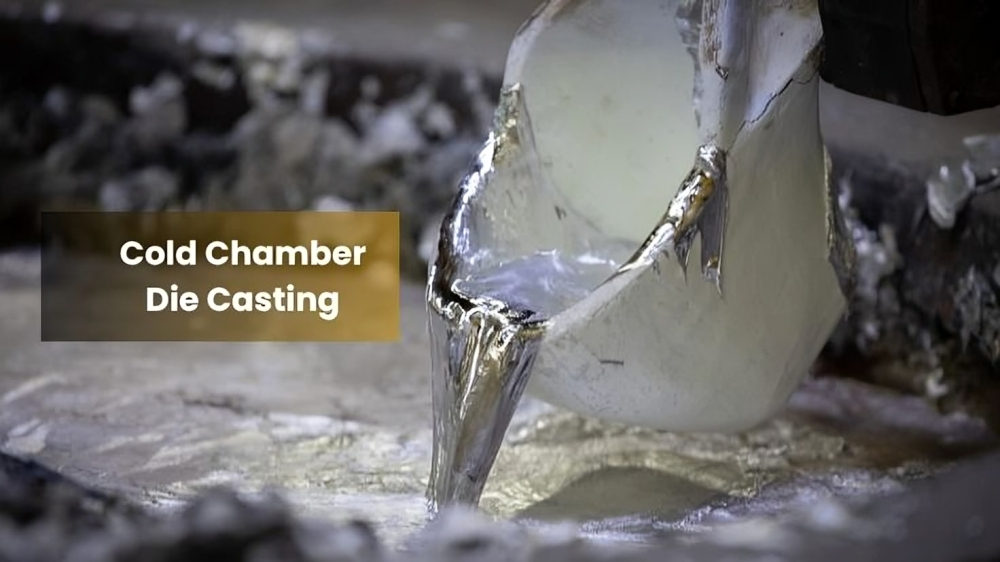
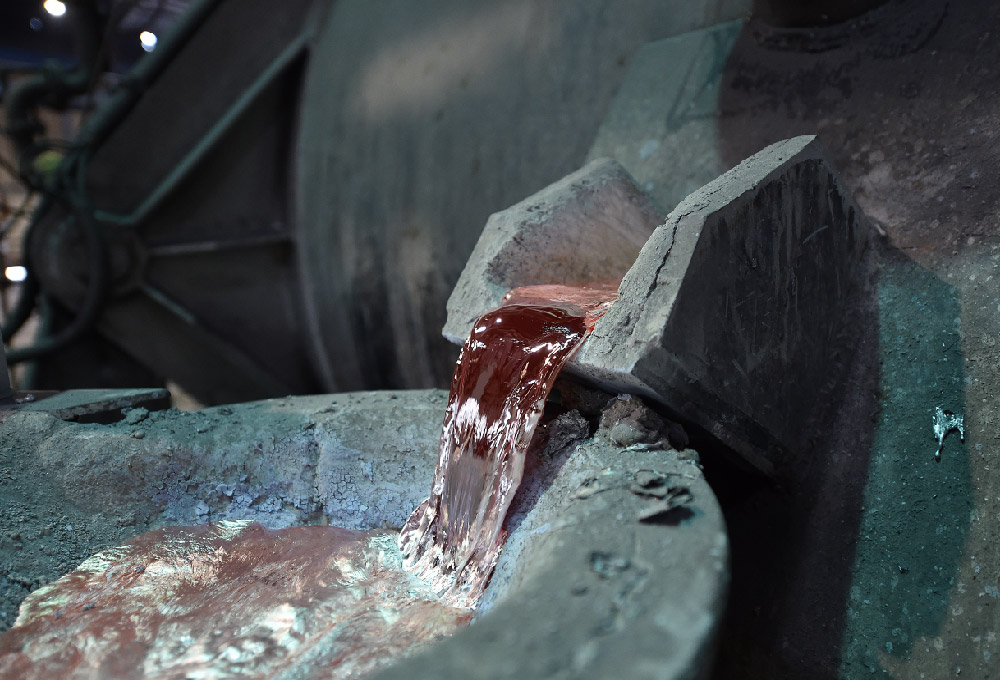
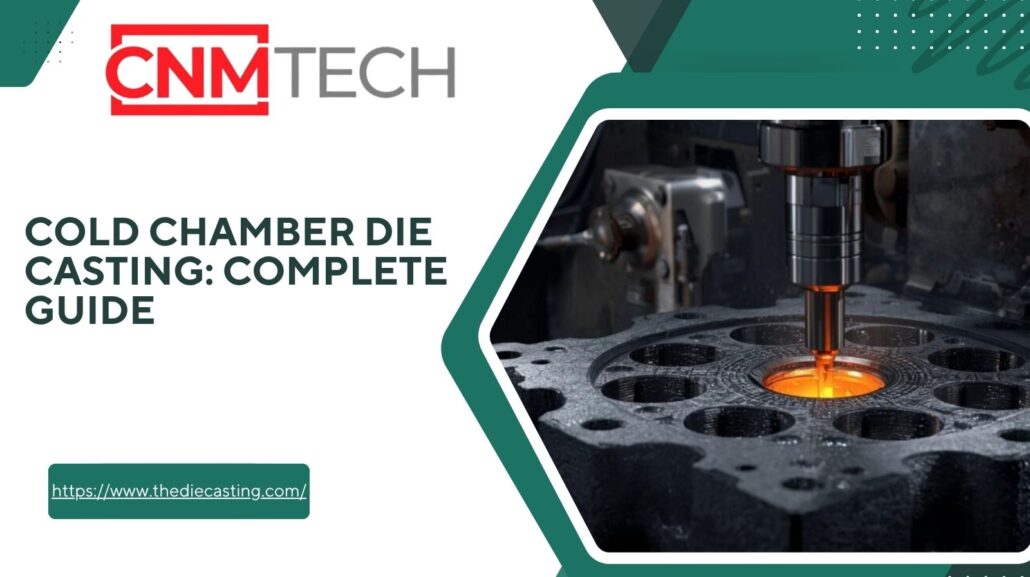
The cold chamber die casting process is initiated by first ladling molten metal into a separate injection chamber and then forcing it out into a steel mould. This process deals with high melting alloys such as aluminium, copper and magnesium. It is a tight-tolerance, high-pressure production process found in the automotive, electronics, and industrial parts production.  What is cold chamber die casting is and when to use it? Cold chamber die casting is a high-pressure moulding of metals, which would ruin or corrode a hot-chamber system. Practically, the operators melt the metal in a different furnace. Then they pour the molten metal into an unheated shot sleeve. The metal is forced into the closed mould by a hydraulic plunger with extreme pressure. The section hardens very rapidly, and the die is opened to spurt out the casting. This can be used when the alloy is of high melting temperature or where the alloy would corrode injection components, such as aluminium and copper alloys. The process sacrifices speed of the cycle for the scale and flexibility of the alloy.  Cold Chamber Die Casting Process Step-by-Step Cold chamber die casting is one of the most reliable techniques for making high-quality metal parts. Every process must be monitored in terms of temperature, pressure and time. Minor variations can impact the surface finish, strength and dimensional accuracy of the end product. Melting the Metal It starts by melting the metal in a separate furnace. Mostly used are aluminium, magnesium and copper alloys. In the case of aluminium, it is typically 650degC and 750degC. It is necessary to keep the melt clean. The impurities are eliminated by the operator with the help of fluxing agents and skimming tools. In case some oxide or gas is left, it may introduce defects such as porosity or inclusions in the future. In high-tech furnaces, a dosing system is the direct connection between the furnace and a die casting machine of China Cold. This guarantees that the temperature and composition of the molten metal are uniform in each shot. Molten Metal to the Shot Chamber Then molten metal is poured into the shot chamber or shot sleeve. This may be done manually or automatically. Manual ladling is easy, less fast and has more chances of entraping air. Automatic ladling systems, in their turn, provide the accurate amounts of metal with low turbulence. Oxidation and gas inclusion can be prevented by controlling the ladling speed and temperature. Others preheat the shot sleeve a little so that it will not suddenly drop in temperature, to allow the fluidity of injection. 3. Injection into the Die Cavity A hydraulic plunger is used to inject the high-pressure molten metal into the die cavity once it is in the shot sleeve. This is the fundamental phase of the cold chamber die casting. Injection pressure varies between 3,000 psi and more than 20,000 psi, depending on the size of the part and the alloy. The injection cycle normally contains two stages: The timeliness of these phases is critical. Recent China cold chamber die casting machinery, servo-hydraulic systems automatically regulate pressure and speed of every shot and guarantee homogeneity. Solidification and Cooling Opening and Part Ejection Die Once the metal has solidified, the die is opened by the machine, after which ejector pins or robotic arms take the casting out. It should be ejected only when fully solidified; otherwise, it is distorted. In complex shapes, there is more than one ejector pin, which guarantees the clean release of the die cavity. Robots take the parts on the automated lines and place them on conveyors to be trimmed and cooled. This increases handling damage reduction and accelerates production. Trimming and Finishing Inspection and Quality Control The last one is inspection and quality control. Every casting is inspected to guarantee that it has the necessary tolerances and quality standards. Popular types of inspection are: The machinery of modern China cold chamber die casting is usually equipped with sensors and software which keep track of all the parameters – Melt temperature, injection pressure, and die temperature, which enables quality monitoring in real time. Optimisation of process and control The quality of outcomes must rely on controlled quality at each step. Safety and Environmental Factors Usually used materials and alloys. The use of a cold chamber is preferred in alloys which cannot be utilised in hot-chamber machines. Most common materials used include aluminium alloys, magnesium, copper and a few combinations of zinc andaluminiumm where corrosion of the injection mechanism should be prevented at all costs. In the automotive structural parts, aluminium alloys prevail. Magnesium is applicable in situations where very lightness is an issue. Both alloys have their own melting point, fluidity and shrinkage behaviour, which need to be handled in mould design and process parameters.  Machinery and features – such as the China cold chamber die casting machine choice. Die casting machines: The Cold chamber die casting machines are made of a robust frame, high pressure injection unit, a hydraulic system and the control electronics. The modern machines provide servo-hydraulics to save energy and enhance control, computer controls to make the shot profiles programmable and integrated auxiliary systems such as die temperature controllers and automatic ladling systems. It is also possible to find China cold chamber die casting machine suppliers that offer a large variety of models and different price ranges in case you are sourcing machines. There are compact models of Chinese manufacturers that fit small shops and large tonnage machines that are appropriate to high-volume production. Chinese constructors tend to package melting and handling equipment to provide a turnkey line as well. Compare machines in terms of check maximum clamping force (tons), volume in the shot, speed control in an injection, die size, and automation.  Essentials of tooling and die design The hardened tool steel is normally die (mould. The design of the die should permit a controlled flow of metals and escaping gaseous air,  and gating and runners geometry and cooling channels in order to

Pressofusione di hardware

La pressofusione dell'hardware: Guida completa alla produzione moderna

pressofusione

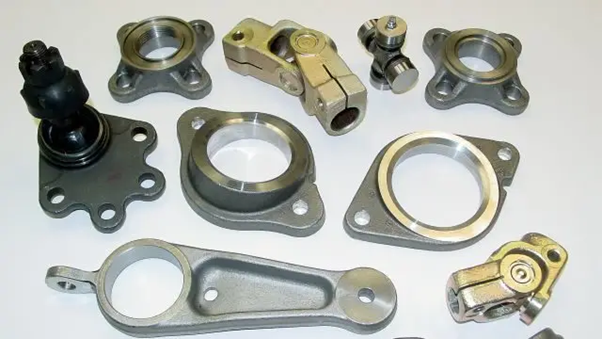
The modern competitive environment in the manufacturing industry has put industries under continuous pressure to manufacture hardware components that are robust, resilient, accurate, and economical. To attain these, firms use contemporary production methods that are quality and efficient. One of the most successful and popular processes is that of hardware die casting among them. Manufacturers are able to create hardware components that bring together complex detail with excellent strength by placing molten metal under high pressure into a mold made of steel. This process is used to produce both elements that have a smooth finish and even quality, as well as producing a significant number of elements at a reasonably low unit price. The relevance of hardware die casting is widespread in an array of industries. It is used in the automotive industry in the manufacture of light but strong components that result in fuel efficiency and safety. It can be used in electronics to make sustained housings, connectors and heat sinks. Precision parts are advantageous to aerospace companies in that they can withstand the harsh conditions, but the construction and furniture industries use them in their functional and decorative fittings. The article will be a complete investigation of the process of hardware die casting and its benefits, process, and materials. We shall also look at the position of the aluminum die casting hardware, the distinct advantages of the use of zinc die casting hardware and the increasing uses of the various parts of die casting hardware in the current industries. What is Hardware Die Casting? Hardware die casting is a specialized manufacturing method, which involves steel molds, otherwise molds, called dies, to form metal parts. This is done by melting metals like aluminum, zinc or magnesium and then forcing the molten metal into a die cavity at high pressure. After hardening of the metal, the mold is opened, and the component is forced out. The word hardware used here means minor yet vital parts such as hinges, brackets, handles, and locks, among other fittings. By casting them in die, the products are uniform, strong and cost-effective in contrast to other traditional methods of production like forging or machining. The Hardware Die Casting Process Design and Mold Preparation Hardware die casting- The die casting process starts by designing and preparing the mold, or die. A mold is designed by engineers using high-quality steel, which is hard enough to endure a higher number of molten metal injection cycles. The two halves of the mold are then molded and assembled to create a hollow into which the part will be shaped. To be efficient, the die will have inbuilt cooling channels to maintain its temperature and ejector pins, which will enable it to be easily released once it has solidified. Melting the Metal Once the mold is ready, the chosen metal is melted in a furnace at well-monitored temperatures. Aluminum and zinc are the most used, and it is important to maintain the appropriate molten state. The constant temperature enables the flowing molten material to fill the mold without forming defects and air bubbles. Injection into the Die After getting the metal to the correct molten state, it is forced into the die cavity with extremely high pressure that may range between 1500 and 25000 psi, depending on the material to be used and the intricacy of the design. It is a high-pressure injection method, which guarantees that all the sections of the mold are filled to the last detail, and the outcome is extremely precise. Cooling and Solidification Immediately the molten metal gets into the mold, it starts cooling and hardening. This process has to be well regulated since either rapid or slow cooling can lead to changes in the quality of the end product in terms of strength and precision. When an appropriate cooling cycle is maintained, the hardware components will be powerful and dimensionally accurate. Ejection and Finishing When the part is solid, the mold is opened, and the component is literally ejected by ejector pins. This is where the product is shaped, but it has excess material commonly referred to as a flash. This is removed and the portion can be subjected to further finishing processes of polishing, anodizing or coating to enhance its looks and workability. The cycle can be subsequently repeated continuously, and the manufacturers can manufacture huge numbers of the same type of die casting hardware parts with very high efficiency. Benefits of Hardware Die Casting Precision and Accuracy Among the most powerful positive aspects of the hardware die casting is the high precision that the process can provide. Complicated designs that are tightly tolerated can be generated in the process, and this can avoid further machining or even completely do away with it. This precision means that all the components fit in their use, be it in a vehicle, an electronic product, or building hardware. The manufacturers also like the fact that they are able to create complex shapes in the same process instead of using various manufacturing processes. Strength and Durability Die-cast metals are recognized to have a strong mechanical ability and outstanding endurance. Hardware components manufactured under the process of hardware die casting are capable of sustaining high weight, repeated application and subject to wear and tear without their functionality being affected. This is the reason why these parts tend to be applied in the most reliable industries, such as automotive and aerospace. Its durability also implies that there is a reduced need to replace products, and this is a value addition to the manufacturer and the end-users as well. Economical when dealing with large quantities The casting process is very cheap when mass production has to be done after the die has been produced. Firms can manufacture thousands or millions of parts of the same type with a very small variation. This capability to produce on a large scale and at a low cost per unit is among the factors that make hardware die casting more desirable compared to other

Il futuro delle fusioni automobilistiche

Il futuro delle fusioni automobilistiche: Innovazione, efficienza e prestazioni

Produttore di pressofusioni, pressofusione

Automobiles have never been left behind in technological development. Since the first steel framing in automobile manufacturing up to the latest lightweight alloys, each part of a car has been improved through innovation to enhance safety, durability and performance. One of the most significant areas of progress lies in the world of automotive castings. This has helped in the designing, production, and optimization of vehicles. In plain terms, the term automotive castings can be defined as the process through which the molten metal is measured and poured into the moulds to shape intricate parts of the vehicle. The method is precise, cost-efficient and can be scaled to mass production. These processes are important in the industry because almost all vehicles on the road today have several parts that have been cast. This article examines the history, manufacturing, advantages, and future of the so-called automotive castings, and also takes a look at how the so-called automotive casting, die casting automotive parts, and cast automotive parts contributed to the shaping of the modern automobile. The History of Automotive Castings The methods of casting date back several thousand years, although it was not until the end of the 19th and very early 20th centuries that they were used in the automotive industry. The first automobiles were ineffective and weighed a lot, with mostly forged steel components. With the increased need to produce in large quantities, manufacturers were required to find a cheaper and quicker solution. Then is the period when the techniques of automotive casting started to substitute traditional ones. Through casting, car manufacturers would be able to create numerous of the same parts in large quantities with less wastage of materials. This brought about mass production, one of the reasons why automobiles became affordable to ordinary people in the industrial boom. Modern automotive castings today use state-of-the-art alloys, accurate moulds, and automation to satisfy the high standards of the international automotive standards.  What is Automotive Casting? Automotive casting is a manufacturing process that is applied in automobile manufacturing to make parts of their vehicles through pouring of molten metal into the moulds, where it solidifies and hardens into the desired shape. This is a technique that enables manufacturers to make complex, long-lasting and accurate parts cost-effectively and with less effort as compared to traditional machining or forging. It finds application in engine block parts, cylinder head parts, transmission housing parts, brake parts, and suspension parts. Through various alloys such as aluminum, cast iron, steel, and magnesium, the automotive casting offers the strength, lightweight design, and durability needed in modern automobiles. This technique is popular because: Common Automotive Parts Made by Casting: Types of Automotive Casting Concisely, automotive casting is necessary since it assists automakers in developing dependable, lightweight, and cost-effective components on a mass basis. Modern cars cannot be produced in mass without it. Materials in the automotive castings Aluminum A lightweight and corrosion-resistant glass, aluminum is among the most favoured materials in the field of automotive castings. It makes huge savings in the total weight of cars, enhancing fuel efficiency and manoeuvrability. Aluminum is also a good thermal conductor and therefore it is good on engine blocks, cylinder heads and transmission housings. Aluminum is used to create many die-casting automotive parts since it enables manufacturers to create high-precision and lightweight components without losing strength. With its flexibility and stability, aluminum is one of the best materials in contemporary automobile manufacturing. Cast Iron Other popular materials in automotive castings are cast iron because the material has high strength, heat resistance, and wear properties. Cast iron is heavier than aluminum, and it is suitable for structural and heavy-duty applications as engine blocks, brake drums and other parts of the suspension. The structure is very durable, which means that such parts can resist the pressures of long-term service and high-temperature conditions, making it vital to vehicles that need strong and reliable performance. Steel In the automotive castings, steel has been preferred due to its high strength and flexibility. Heat-treatment of steel parts increases toughness, so they are ideal in chassis parts, brackets, and structural frames. Although steel weighs more than aluminum, it offers the strength and carrying capacity to some of the safety-critical parts of the car. It is flexible, and engineers can come up with components that satisfy both the performance and regulatory requirements. Magnesium Alloys Magnesium alloys are finding increased applications in so-called automotive castings where weight loss is a priority. These alloys are very light, yet offer sufficient strength to non-structural parts. Magnesium parts may be used in interior fittings, engine covers, and certain structural parts, especially in high-performance vehicles and electric vehicles, where minimizing total weight is important to performance and handling. Copper Alloys Copper alloys are sometimes made into so-called automotive castings due to their high electrical and thermal conductivity. These are resistant to corrosion and strong materials that can be applied to certain electrical components or heat-sensitive parts of the modern vehicle. Copper alloys are not as widely used as aluminum or steel, but have niche uses, such as where performance and conductivity are important. Composite Materials Some manufacturers are experimenting with composite materials in cast automotive parts with the development of automotive technology. These materials are developed to save weight and still offer strength, and can be very handy in electric and hybrid vehicles. Composites also have better thermal regulation and corrosion resistance, and are a new technology in the next-generation car parts. Types of Automotive Casting Processes The automotive industry employs a number of casting techniques, each with its own parts and materials. We will consider the most popular ones: Sand Casting One of the oldest techniques is sand casting, in which large, intricate components are made by means of sand moulds. It is most suitable for prototypes and heavy parts such as engine blocks. Die Casting Die casting is the process that requires high-pressure injection of molten metal into reusable steel moulds. It is a technique that is especially relevant in fabricating light but

Pressofusione a camera fredda

Tendenze moderne nella tecnologia della pressofusione a camera fredda

pressofusione, Produttore di pressofusioni, parti in pressofusione

Cold Chamber Die Casting is a precision type of manufacturing technique applied in the manufacture of complicated metal components characterized by high levels of strength and precision. This process can best be used in metals having a high threshold of the melting point, like aluminum, brass, and copper alloys. Cold chamber die casting systems are not placed into molten metal like a hot chamber die casting system; instead, the metal is put into the cold chamber die casting machine by manually ladling metal into the cold chamber die casting machine after it is melted in another furnace. The arrangement wears less on the machine and uses alloys that are tougher. Among the important factors that make companies opt to use this method are the special cold chamber die casting advantages and disadvantages. It has top dimensional accuracy, smooth surface finishes, as well as long cycle times. Nevertheless, its strength and durability of the constituents are its favorites in the automotive, aerospace, and electronic markets. The difference between hot and cold chamber die casting is crucial to make the right choice of the process. Hot chamber die casting is more rapid and applied to metals of low-melting point, such as zinc, whereas the cold chamber die casting system is designed to handle higher temperatures and stronger metals. Manufacturers will also be able to manufacture long-lasting and reliable parts with this process that have a high degree of precision in their specifications. In the present article, we are going to discuss the principle of operation of cold chamber die casting, its main parts, the nature of the metal employed, and technological parameters of cold chamber die casting, including clamping force and cycle time. The cold chamber die casting advantages and disadvantages will also be considered to provide you with a full picture of this important manufacturing process. What is the Cold Chamber Die Casting? Cold Chamber Die Casting: A cold chamber die casting process is a metal casting process where molten metal is ladled either manually or automatically into a separate cold chamber outside the injection system. Thereafter, the metal is pushed with high pressure into a mold cavity, which causes the metal to cool and crystallize in the desired shape. It is usually applied to metal with a large melting point, like brass, aluminum, and copper alloys. The purpose of avoiding corrosion and thermal fatigue that can result in improper working of components of the injection system, unlike in the hot chamber die casting process, where the injection mechanism is suspended in molten metal, the cold chamber process keeps the injection facilities segregated. The application of the practice of the latter, i.e., Cold Chamber Die Casting, is especially advantageous, where the metals used would harm the components, contacting them. High pressure can be used in the injection process itself, and denser, stronger components with a brilliant surface finish and dimensional stability would be possible. Die Casting Process- Step by Step The object of the Cold Chamber Die Casting technique is to make highly accurate and hard metal parts that are frequently composed of alloys that have melt-points that are at high temperatures, such as aluminum and brass. Let us have a step-by-step breakdown of how it works: 1. The External Furnace is used to melt the Metal The process is similar to that of hot chamber casting except that the melting of metal is done in a separate furnace outside. This is required in that the molten metal in the cold chamber casting will cause a high level of heat to be experienced internally that cannot be handled. The metal is melted, after which it is able to be transferred into the casting machine. 2. Pouring the molten metal into the Shot Sleeve Thereafter, the molten metal is ladled into the shot sleeve in the die casting machine. This is manually done or arm-driven. The shot sleeve is a strong, resistant to heat tube into which the metal rests and is later injected. This should be taken very fast to prevent premature solidification. 3. Plunger forces the metal into the die. A steel plunger travels into the shot sleeve and presses the molten metal at high pressure in the die cavities. The force makes sure that the metal fills the mold even in any complicated pattern or with a very thin wall, and decreases the chances of any flaws, such as air pockets. 4. There is the Solidification of Metal within the Die When the mold is filled, the metal starts cooling and solidifying within the die. This solidification step is very important in coming up with a good and precise part. The cooling time is dependent on the part metal, part thickness, and die temperature. 5. The Brass Die and Ejector Pins Force-Out the Casting When the part has solidified, the clamping unit of the machine opens the die, and ejection pins force the casting out of the mold cavity. The portion is then moved to a cooler station or a trimming station. 6. Removal of Flash (Removal of Excess Metal) There is some over metal on the sides called flash that is around the edges of the casting where the halves of the die come together. This is then removed by mechanical trimming, grinding, or machining, depending on what the finish requires. This will prevent the final works from being below the intended shape and tolerance. 7. Die cycle reset and Lubrication The die is washed and greased before entering the next cycle in order to be of good quality and avoid sticking. When the oiling is done, the die is again clamped, and the machine is switched to reset for more cycles. 8. Quality Inspection and finishing This is a complete part that is checked to ensure quality defects do not exist, like cracks, shrinkage, or abnormalities on the surface. Depending on the end-use requirement of the part, it can be subjected to additional machining, surface treatment, or assembled (if required). Metals to be used in the

Pressofusione a camera calda

Pressofusione a camera calda: Un'immersione profonda in un processo produttivo cruciale

pressofusione

Hot Chamber Die Casting is a very effective manufacturing process which is used very widely to produce metal parts to very high precision and an excellent finish on the surface. It is particularly suitable for casting metals with low melting points like zinc, magnesium and some alloys containing lead. It is typified by the fact that the injection system is immersed in molten metal, and so, high-speed cycle times and economy of mass manufacturing are possible. One similar place of comparison always pops up when the castings are considered regarding cold chamber die casting versus hot chamber. Although they are both variations of pressure die casting, they differ so much in terms of design, applications, and compatibility of materials used. An example is the hot chamber die casting, which is high-speed die casting where the furnace has been replaced with a machine. That comes with the limitation of the lower-melting-point metals. Conversely, the cold chamber type of machines is more aptly used with those liquids of a high melting point, such as aluminium and brass, since the hot metal does not come in direct contact with the equipment. Hot Chamber Die Casting process is characterised by minimal waste of material, low costs of labour, and complex shapes manufacture with high tolerances. It is popular in such industries as automotive, electronics, plumbing and consumer products. Nevertheless, the decision on whether to use cold chamber die casting or hot chamber is also dependent on the type of material used and the part design aspect. The article examines the important details of Hot Chamber Die Casting, its parts, materials, process description, constraints, and reasons as to why it is an essential process in the contemporary manufacturing industry. What is Hot Chamber Die Casting? Hot Chamber Die Casting is a metal casting technique where the molten metal is injected into a mould cavity at high pressure. The unique part of the given method is where the injection mechanism is placed: It goes directly to the molten metal. Cycle times and production efficiency are high with this setup, especially in metals of low melting point like zinc, magnesium and some lead alloys. Hot chamber. The name describes the system’s hot chamber as the injection mechanism (a plunger and gooseneck) is in constant contact (filled) with the molten metal area. As the plunger descends, it compresses the molten metal through the gooseneck and into the die cavity. As the metal sets, the mould opens, and the part is ejected, and this process is repeated innumerable times. Hot Chamber Die Casting Process Hot Chamber Die Casting Process is a process of high-precision and speed manufacturing technology utilised in the manufacture of metal parts, where the accuracy of the tool is very important, with great surface finishing. It is most appropriate in the alloys of low melting points; zinc, magnesium, and lead are examples of low melting point alloys. Its main characteristics are short cycle times and great material efficiency. The process is extensive in the manufacturing of a variety of products mainly found in the automotive, electronic, appliance, and hardware industry because of its capability to create complicated ends easily at an affordable per-piece price. The hot chamber die casting process is listed below in a stepwise manner: Hot Chamber Die Casting Process- Step by Step Overview 1. The Metal is melted It starts with the molten moulding of the metal (which is usually zinc or magnesium), in an incorporated furnace of the die casting machine. The molten metal is kept at a constant temperature within the metal pot that is directly connected to the casting machine. This unending heat provision ensures that the casting processes are continuous. 2. The process of filling the Injection System In hot chamber systems, there is a portion of the molten metal with a part of a component known as the gooseneck submerged. The plunger, which runs inside the cylinder of injection, is pulled backwards to a position where the molten metal may gush down to the gooseneck into the inlet hole of injection. The next step will involve injecting this metal into the die cavity. 3. Molten Metal injection When the gooseneck is filled, the plunger is either pushed forward by hydraulic or pneumatic pressure, which forces the molten metal through the gooseneck channel into the mould cavity (also called the die). This is done at a high rate and pressure to make sure that the cavity is totally filled before the metal begins to harden. 4. Casting and solidifying in the mould This hot metal in the die is quickly cooled down by the comparatively cold steel of the mould. Solidification takes several seconds, based on the size and complexity of the part. In this step, die cooling channels assist in the removal of heat to ensure that the cycle speed is not reduced and defects such as shrinkage or porosity are avoided. 5. Ejecting and opening of the mould Once the metal has been solidified, the die halves are opened. The ejector system is placed on the movable half of the mould, and it operates under force via the use of ejector pins and forces the completed casting out of the cavity. It is ensured that the part can come out without being damaged during ejection. 6. Secondary operation and Trimming After it is ejected, the piece might contain an extra material called flash, runners or sprues. These are either hand-trimmed or auto-trimmed. The part can be processed further depending on the application, like surface finishing, machining or coating. 7. Repeat Cycle The machine clears and cleans up to be used again. Hot chamber die casting is characterised by having such a quick cycle time, sometimes creating a few finished parts in just 10 to 20seconds according to the complexity and size of the part. Cycle Time and Efficiency The speed is the greatest advantage of the process of hot chamber process. Hot chamber machines. Unlike cold chamber die casting, where the metal has to be ladled

Società di pressofusione in lega in Cina e nel mondo 

Società di pressofusione in lega in Cina e nel mondo 

pressofusione, aziende di pressofusione, azienda di pressofusione

La pressofusione di leghe viene utilizzata per produrre pezzi metallici complicati che richiedono tolleranze strette e un'ottima finitura. Tra gli altri, ha un ruolo importante nell'industria automobilistica, aerospaziale, elettronica, della difesa, dei dispositivi medici e dei prodotti di consumo. In tutto il mondo, i produttori lavorano insieme e la Cina è leader in questo settore perché dispone di infrastrutture solide, personale ben addestrato e buoni prezzi. CNM Tech Co., Ltd., Sincere Tech e GC Precision Mould Co., Ltd. sono aziende molto conosciute nel settore della pressofusione cinese e tutte si occupano della progettazione degli stampi, della lavorazione CNC e dell'assemblaggio finale. Questi produttori si avvalgono delle tecnologie più avanzate e seguono standard di qualità mondiali come la ISO 9001. La maggior parte dei loro servizi supporta clienti internazionali, il che conferisce loro un ruolo importante nelle reti di fornitura mondiali. Aziende come Nemak (Messico), MRT Castings Ltd e Haworth Castings (Regno Unito) e PHB Inc. (USA) sono buoni esempi di tecnologia di pressofusione avanzata al di fuori dell'Asia. L'innovazione, la sostenibilità e la produzione di precisione sono elementi fondamentali per queste aziende, che forniscono prodotti ai settori aerospaziale, medico e dei veicoli elettrici, caratterizzati da normative rigorose. Entrambe le aziende si distinguono per l'elevata competenza e per la forte attenzione alla qualità, all'assistenza ai clienti e ai cambiamenti ecologici. L'articolo esamina alcune aziende leader nella pressofusione in Cina e nel mondo, evidenziandone le principali qualità, i punti di forza e i motivi per cui operano bene in questo mercato. Indipendentemente dalla parte del mondo in cui si desidera esternalizzare, i profili forniti forniscono consigli utili sulle scelte migliori. Pressofusione di leghe Nella pressofusione di leghe, la lega metallica liquida viene pressata con grande forza in stampi di acciaio, che possono essere riutilizzati più volte. Questo metodo di produzione consente di creare parti metalliche molto precise nelle dimensioni, lisce e che possono essere prodotte in modo molto efficiente. Caratteristiche principali della pressofusione di leghe: 1. Leghe utilizzate: La maggior parte di questi processi si basa su leghe metalliche non ferrose, ad esempio alluminio, zinco e magnesio, che presentano importanti vantaggi in termini di peso, robustezza, resistenza alla corrosione e conducibilità termica. 2. Panoramica del processo: La fusione della lega avviene successivamente, mettendo il materiale in un forno. Uno stampo in acciaio temprato riceve il metallo fuso, che entra in una macchina di pressofusione. 3. I tipi di pressofusione sono: Ecco i principali punti di forza della pressofusione di leghe: Applicazioni comuni: 1. CNM Tech Co. Anno di fondazione: 20+Numero di dipendenti: 100-200Tipo di azienda: CNM Tech Co., Ltd. è un'azienda di produzione di precisione che si occupa di pressofusione, lavorazione CNC e servizi di assemblaggio. Sito web e contatti Sito web: https://www.thediecasting.com/Contact: +86 13045898002Email: sales@thediecasting.comAddress: Indirizzo della fabbrica: Rm 101, No.40, Donghu Road, Jinglian, Qiaotou town, Dongguan City, Guangdong Province, China. 523520. Profilo aziendale La produzione di componenti di precisione in alluminio e zinco pressofuso è ciò per cui The Die Casting Company è meglio conosciuta. L'azienda offre servizi di fusione completi, disponendo delle capacità necessarie per la progettazione di stampi, l'attrezzaggio, la lavorazione CNC, la finitura superficiale e i test di qualità, tutti interni all'azienda. Servendo i settori automobilistico, elettrico e dei macchinari industriali, riunisce conoscenze ingegneristiche e certificati ISO 9001. Con l'aiuto di tecnologie moderne e un approccio orientato al cliente, The Die Casting Company offre prestazioni elevate, produzione a basso costo e qualità inalterata. Con sede in India, Codeplay fornisce assistenza personalizzata e consegne puntuali ai clienti di tutto il mondo. Impegno per la qualità L'alta qualità è importante per ogni attività di The Die Casting Company. A partire dal controllo delle materie prime, l'azienda utilizza rigorose procedure di controllo della qualità fino al collaudo dei prodotti finiti. Essendo conforme alla norma ISO 9001, le sue strutture utilizzano le attrezzature più moderne e dispongono di un team di lavoratori qualificati. Ogni singola colata viene controllata attentamente per quanto riguarda le misure, la resistenza e l'aspetto, in modo da soddisfare le esigenze del cliente e del settore. Grazie a questo impegno, i clienti sono soddisfatti, i prodotti funzionano in modo affidabile e la fiducia è costruita a lungo termine. Perché la nostra azienda? 2. Tech sincera Anno di fondazione: 2005Numero di dipendenti: 100-200Tipo di azienda: Sincere Tech è uno dei maggiori produttori cinesi di stampi a iniezione per materie plastiche, produttori di pressofusione, fornitori di lavorazioni meccaniche e fornitori di assemblaggio. Sito web e contatti Sito web: https://plas.co/Phone: +86 135 30801277Email: steve@sincere-tech.comAddress: Rm101, N041, Donghu road, JingLian cun, qiaotou town, Dongguan City, Guangdong Province, China. 523000. Profilo aziendale Nel 2005 è stata fondata Sincere Tech (plas.co), che è diventata uno dei principali fornitori cinesi di stampi a iniezione e servizi di stampaggio personalizzati. Grazie ai 18 anni di attività in questo settore, l'azienda è in grado di fornire soluzioni complete come progettazione di stampi, lavorazione CNC, pressofusione, stampaggio di silicone e assemblaggio. Lavorando nei settori dell'elettronica, delle automobili, della medicina e degli elettrodomestici, Sincere Tech si avvale di macchine ad alta tecnologia come i CNC a 5 assi e le CMM per garantire precisione e qualità. Seguendo gli standard internazionali, l'azienda rispetta le certificazioni ISO 9001:2015 e QS 9000:2015, assicurando ai clienti prodotti di qualità nel rispetto del budget. Impegno per la qualità In Sincere Tech, tutto deve essere fatto tenendo conto della qualità. L'azienda utilizza gli standard ISO 9001:2015 e QS 9000:2015 per la realizzazione di tutti i suoi prodotti. Grazie a strumenti moderni e a norme rigorose, Sincere Tech garantisce che tutti i suoi prodotti siano realizzati esattamente secondo le specifiche. Tutti i processi, dalla stesura del progetto al completamento dell'assemblaggio, sono attentamente monitorati per garantire che le parti siano robuste, precise e che rendano felici i clienti, motivo per cui l'azienda è rispettata dal settore. Perché la nostra azienda? 3. GC Precision Mould Co., Ltd. Anno di fondazione: 1999Numero di dipendenti: 100-200Tipo di azienda: La nostra azienda, GC PrecisionMould Co., Ltd, si occupa di pressofusione di alluminio, zinco e magnesio, lavorazione CNC e stampaggio a iniezione di materie plastiche Sito web e contatti: https://aludiecasting.com/Contact: +86 131 4886 5556Email: info@aludiecasting.comAddress: Indirizzo della fabbrica 1: No. 30 Huan Zhen Rd, Qi Shi Town, Dongguan City, Guangdong Province, China, 523516 Profilo dell'azienda GC PrecisioMould Co., Ltd. ha iniziato la sua attività nel 1999 ed è ora diventata uno dei principali fornitori mondiali di arti di pressofusione e prodotti lavorati da metalli non ferrosi. Fireray Precision Equipment opera nel settore da oltre due decenni e si occupa principalmente di pressofusione di alluminio, pressofusione di zinco, colata in sabbia di bronzo, colata a gravità di alluminio e lavorazione di precisione CNC. Con sede nella città di Dongguan, nella provincia di Guangdong, in Cina, GC PrecisionMould Co.

Le 10 principali aziende di pressofusione in Cina e negli Stati Uniti

Le 10 principali aziende di pressofusione in Cina e negli Stati Uniti

pressofusione, aziende di pressofusione, azienda di pressofusione

Il metodo di produzione della pressofusione rimane un processo fondamentale per la realizzazione di vari prodotti in diversi settori, tra cui la produzione automobilistica e le applicazioni aerospaziali, i componenti elettronici e la produzione di macchinari industriali. Si tratta del processo di iniezione di metallo fuso in una cavità dello stampo ad alta pressione per ottenere componenti metallici di alta precisione e durata. Numerose società di servizi di pressofusione sono emerse a causa della crescente domanda del mercato di soluzioni produttive di alta qualità. I produttori di pressofusione più affermati al mondo operano in Cina e negli Stati Uniti, grazie ai progressi delle loro capacità tecnologiche e alla forte dedizione all'eccellenza produttiva. Il mercato cinese funziona come un centro mondiale per la pressofusione, dove le aziende forniscono servizi a prezzi accessibili con requisiti industriali rigorosi. Questi produttori offrono pacchetti di servizi completi che comprendono la progettazione degli stampi, i servizi di produzione, la finitura delle superfici e le soluzioni di assemblaggio. Gli Stati Uniti operano attraverso un sistema incentrato sull'innovazione, mantenendo rigorosi standard di qualità e precise pratiche ingegneristiche. Le aziende di pressofusione americane forniscono soluzioni in vari settori industriali che garantiscono prestazioni eccezionali. Questo post è un elenco delle 10 principali aziende di pressofusione in Cina e negli Stati Uniti, con la loro storia e le loro capacità. Le aziende citate sono leader del settore perché forniscono servizi di produzione affidabili su ogni scala e competenze specializzate nella pressofusione. 1. Sincere Tech Anno di fondazione: 2005Numero di dipendenti: 100-200Tipo di azienda: Sincere Tech è uno dei maggiori produttori cinesi di stampi a iniezione per materie plastiche, produttori di pressofusione, fornitori di lavorazioni meccaniche e fornitori di assemblaggio. Sito web e contatti Sito web: https://plas.co/Phone: +86 135 30801277Email: steve@sincere-tech.comAddress: Rm101, N041, Donghu road, JingLian cun, qiaotou town, Donggguan City, Guangdong Province, China. 523000. Profilo aziendale Sincere Tech è un'azienda cinese leader nella fornitura di stampi a iniezione e servizi di stampaggio. L'azienda è stata fondata nel 2005 e lo stampaggio di metallo e plastica, gli stampi a iniezione di plastica di precisione, la lavorazione CNC, la pressofusione e lo stampaggio del silicone rappresentano il suo vantaggio competitivo sul mercato. Sincere Tech dispone di attrezzature avanzate, protezione NDA, prezzi competitivi e 18 anni di esperienza nella produzione di alta qualità. Con presse a iniezione da 60 a 1800 tonnellate che servono l'industria elettronica, medica, automobilistica o cosmetica, i suoi componenti da meno di 1 grammo a 8 chilogrammi sono prodotti in modo efficiente. Impegno per la qualità Sincere Tech si dedica alla creazione di prodotti che soddisfano gli standard internazionali di qualità secondo le norme ISO 9001:2015 e QS 9000:2015. L'impegno per la qualità ha permesso all'azienda di coltivare una domanda massiccia, esportandola in Finlandia e in altri Paesi. Tra tutti i partner del settore dello stampaggio a iniezione di materie plastiche che forniscono quasi la stessa qualità di servizi, Sincere Tech si distingue come partner affidabile e innovativo per lo stampaggio a iniezione di materie plastiche. Perché scegliere Sincere Tech? I clienti che cercano servizi di pressofusione dalla Cina o dagli Stati Uniti dovrebbero mettersi in contatto con queste aziende di produzione affidabili che forniranno un'assistenza professionale. 2. CNM Tech Co., Ltd. Anno di fondazione: 20+Numero di dipendenti: 100-200Tipo di azienda: CNM Tech Co., Ltd. è un'azienda manifatturiera di precisione che si occupa di pressofusione, lavorazione CNC e servizi di assemblaggio. Sito web e contatti Sito web: https://www.thediecasting.com/Contact: +86 13045898002Email: sales@thediecasting.comAddress: Indirizzo della fabbrica: Rm 101, No.40, Donghu Road, Jinglian, Qiaotou town, Dongguan city, Guangdong Province, China. 523520. Profilo aziendale Thediecasting.com è il dominio ufficiale con cui opera CNM Tech Co., Ltd., un importante produttore cinese di soluzioni per la pressofusione. L'azienda è una società cinese di pressofusione di alluminio, magnesio e zinco, lavorazione CNC, finitura superficiale e assemblaggio con sede a Dongguan, Cina. CNM Tech vanta oltre 20 anni di esperienza nei settori automobilistico, aerospaziale, elettronico, ecc. Grazie all'elevata precisione di produzione, la loro attrezzeria interna e le macchine CNC avanzate garantiscono un'elevata precisione. CNM Tech fornisce tutti i tipi di lucidatura, sabbiatura, verniciatura a polvere, verniciatura a olio, ecc. con prodotti di finitura di alta qualità che soddisfano le esigenze degli utenti di tutto il mondo. I loro impegni per la qualità CNM Tech Co., Ltd. dispone dei documenti ISO 9001:2008, TS16949 e ISO 14001:2015. Nella maggior parte dei casi, questi documenti vi daranno la certezza che la gestione dell'azienda è di alto livello e garantiranno anche la conformità agli standard dell'industria automobilistica e alle attività ecologiche intraprese dall'azienda. Grazie alla rigorosa osservanza delle norme sulla qualità e sull'ambiente, CNM Tech offre soluzioni di pressofusione eccellenti con un impatto ambientale minimo e un'ottima reputazione sul mercato. Perché scegliere CNM Tech Co., Ltd? I clienti che cercano servizi di pressofusione dalla Cina o dagli Stati Uniti dovrebbero mettersi in contatto con queste aziende di produzione affidabili che forniranno un'assistenza professionale. 3. GC Precision Mold Co., Ltd. Anno di fondazione: 1999Numero di dipendenti: 100-200Tipo di azienda: La nostra azienda GC Precision Mold Co., Ltd. si occupa di pressofusione di alluminio, zinco e magnesio, lavorazione CNC e stampaggio a iniezione di plastica. Sito web e contatti Sito web: https://aludiecasting.com/Contact: +86 131 4886 5556Email: info@aludiecasting.comAddress: Indirizzo della fabbrica 1: No. 30 Huan Zhen Rd, Qi Shi Town, Dongguan City, Guangdong Province China, 523516 Profilo dell'azienda GC Precision Mold Co., Ltd., che opera sotto Aludiecasting.com, è un sito produttivo di pressofusione e lavorazione di precisione che è uno dei principali produttori cinesi. L'azienda è stata fondata nel 1999 e i suoi servizi comprendono la pressofusione di alluminio, zinco e magnesio, lo stampaggio a iniezione di materie plastiche, la lavorazione CNC e la finitura delle superfici. Dispone di macchinari all'avanguardia come macchine per la pressofusione ad alta pressione (120 - 1600 tonnellate) e macchine per lo stampaggio a iniezione (80 - 2800 tonnellate) collegate a settori come quello automobilistico, aerospaziale ed elettronico. La qualità è molto rigorosa per fornire soluzioni di produzione precise, durevoli ed economiche in tutto il mondo. Il loro impegno per la qualità GC Precision Mold Co Ltd fornisce le migliori soluzioni di pressofusione e lavorazione, come specificato nella certificazione ISO 9001. Il loro controllo di qualità è così rigoroso che effettuano test di precisione, macchine CMM, raggi X e spettrometri per garantire un prodotto affidabile. Grazie al rigoroso rispetto degli standard internazionali, l'azienda garantisce la consegna di componenti costanti e di alta qualità, con reclami minimi da parte dei clienti grazie all'aspetto dell'affidabilità per i motivi indicati in ogni progetto. Perché scegliere GC Precision Mold Co., Ltd.? I clienti che cercano servizi di pressofusione dalla Cina o dagli Stati Uniti dovrebbero mettersi in contatto con queste aziende di produzione affidabili che forniranno un'assistenza professionale. 4.

Che cos'è la pressofusione? Tutto quello che c'è da sapere sulla fusione dei metalli

Che cos'è la pressofusione? Tutto quello che c'è da sapere sulla fusione dei metalli

pressofusione

This is a manufacturing process in which molten metal is forced using pressure to fill a mold cavity also known as die casting. The mold is usually of high-quality steel and hence the part can be produced in large quantities the term is used to mean the manufacture of many parts. The finished part is then produced by opening the mold after the molten metal is cooled and forms a solid layer. This kind of use of the process is mostly applied in making intricate metal used in the production of different parts that require high accuracy in measurement and polished surfaces. Die casting can be done on aluminium, zinc, and magnesium but other metals can also be used on a case depending on application and other requirements. Die casting is considered to be one of the expert manufacturing techniques in the conception of mass production of small to medium-sized components out of metals. The popularity of the method has been spread across automotive, aerospace, electronics, and industrial machines due to its ability to produce durable lightweight intricately tailored parts. However, this process is widely recognized for its ability to manufacture products with complex geometry that would be very hard to make using conventional techniques. How Die Casting Works Molding is the first part of the die-casting process. On one side of the mold, there is a half, and it is a half of a particular design to make the mold shaped like the final product. Cavities and cores are designed for the molds that are usually custom-made so that the part can be replicated as closely as possible. 1. Molten Metal Injection: Then the molten metal is injected into the mold cavity under high pressure to form the desired shape. The metal is usually heated to one degree above the melting strain to make it fluid. In die casting, the pressure that the molten metal is pushed into the mold can be from several thousand to tens of thousands of psi (pounds per square inch), to be sure that the molten metal gets into every detail of the mold. 2. Solidification: This occurs when the metal is injected into the casing cavity whereby it cools and the metal hardens. The quality of the casting depends upon the cooling rate. Additional modes of failure (shear, climb, and glide) come into play in this case and result in faster cooling higher strength better surface finish, and slower cooling which could result in more internal defects and lower mechanical properties. Water-cooling systems built into the mold are usually used to assist the cooling process. 3. Ejection: Following this, the metal is allowed to cool and solidify and it is then easy to remove the mold from the larger casting and eject the part. Then most of the time is used in the pushing out part from the mold using a mechanical ejector system. This depends on the complexity of the part that requires other extra steps, namely trimming and machining to deliver the final shape and dimension. 4. Quality Control: A quality check is then performed on a part after ejection. It can involve dimensional verification, visual inspection, and mechanical testing to confirm that the part is equal to or better than the requirements. High precision and repeatability are theoretically achieved in die casting. Types of Die Casting There are two types of Die casting, they are hot chamber die casting and cold chamber die casting. These are all good and have their advantages, limitations and ideal applications. 1. Hot Chamber Die Casting The process most suitable for metals such as zinc, magnesium, and lead is a hot chamber die casting since the process is done at high temperatures, and melting points. The injection system is installed inside the melting furnace in this way, the metal is always in contact with the chamber. Advantages: Disadvantages: 2. Cold Chamber Die Casting The metals that have higher melting points like aluminium, brass and copper are cast in cold chamber die casting. In this case, the molten metal is tapped from a second furnace injected into the cold chamber then into the mold cavity. Advantages: Disadvantages: The Comparison of Die Casting Methods: Hot Chamber vs. Cold Chamber Here is a comparison of the most common types of two die-casting methods, Feature Hot Chamber Die Casting Cold Chamber Die Casting Metal Compatibility Best for low-melting-point metals (e.g., zinc, lead) Best for high-melting-point metals (e.g., aluminium, brass) Cycle Time Faster cycle times Slower cycle times Mold Wear Higher mold wear due to direct contact with molten metal Lower mold wear Cost Lower cost for high-volume production Higher initial cost, but better for high-strength metals Complexity of Parts Good for simpler parts Better for more complex, larger parts Advantages of Die Casting It is one of the largest advantages that die casting is one of the main preferred methods of large-scale production of products from metal alloys. 1. High Precision and Accuracy There are many advantages of die casting, which makes it convenient to offer high die precision. This method of production is also widely used for the production of parts, which requires good dimensional accuracy which is very crucial as it defines tolerance levels required in a specific job. One should note that die casting is the only manufacturing technique that can produce given parts with the utmost complexities such as the intricacies of its geometries.  2. High Production Rates In terms of large volumes, die casting is very efficient. Parts are quickly and cheaply produced once the first mold is created with very little labor involved. The demand for simulated powders is particularly high in industries like automotive and electronics where large volumes of the same parts are required. 3. Complex Designs and Thin Walls Complex design can be achieved by die casting, which would be difficult or impossible to achieve by traditional manufacturing methods. The process can make parts with thin walls, and complex internal structures, and can accommodate undercuts; thus making it the

I soliti difetti di produzione nella pressofusione ad alta pressione: Cause, prevenzione e soluzioni

colata di alluminio, pressofusione, pressofusione ad alta pressione

High-pressure die Casting (HPDC) is one of the most frequently utilized metal casting processes in current manufacturing. Manufacturers choose HPDC because it enables the production of complex metal parts that achieve both high precision and rapid production rates superior dimensional accuracy and smooth finishes. HPDC enables automotive and aerospace industries and the production of electronics components and consumer goods to manufacture lightweight durable parts for applications like engines and housings, structural elements, and mechanical assemblies. The manufacturing process of high-pressure die casting faces numerous risks that create substantial defects that decrease product quality while shortening the lifespan and compromising performance. Various defects form from improper mold design, turbulent molten metal flow, trapped gases, inconsistent cooling rates, and thermal stress during the production process. HPDC technology encounters seven primary defects which include porosity, cold shuts, shrinkage defects, flash formation, surface defects, misruns, die erosion, and soldering. These types of manufacturing defects cause deterioration of material strength while producing irregular dimensions and undesirable visual effects which can instigate component breakdown. Manufacturers combat production problems through the optimization of processing parameters and better-undermining methods along with controlled temperature systems and vacuum-assisted casting procedures. Real-time monitoring and simulation software are advanced quality control methods with further efficiency and reliability in the die-casting process. This article provides a comprehensive analysis of standard manufacturing issues during high-pressure die-casting technology with explanations of root causes and solution strategies to decrease these defects. It is only by understanding these challenges and applying best practices that manufacturers can improve the quality, longevity, and, of course, the performance of their die-cast components and simultaneously cut down on waste, and production costs. Proficiency in these manufacturing defects will assist die-casting engineers, production managers, and quality control specialists to optimize their processes for the best die-casting outcomes. 1. Porosity Porosity is defined by small holes or gas inclusions found within the metal matrix, and as a result, affects the mechanical properties, decreasing the strength, including allowing for air and gasses to pass through the structure, and leading to visible surface defects in die-casted products. Causes: Prevention & Solutions: 2. Cold Shut A cold shut is created when two streams of molten metal do not fuse properly and form weak bonding areas or visible seams in the casting. This defect not only decreases the mechanical strength but also increases the risk of a fracture, as well as negatively affects the component’s durability and appearance. Causes: Prevention & Solutions: 3. Shrinkage Defects Shrinkage defects occur due to shrinkage of metal during cooling which leads to internal voids or cavities, which deteriorate the structural integrity of casting. As a result, these defects reduce the mechanical strength of the final product, cause potential failure under stress, and cause poor surface quality, thus affecting both the functionality and aesthetics of the final products. Causes: Prevention & Solutions: 4. Flash Formation Excess thin metal layers formed at the parting line or die gap due to high-pressure metal escape are referred to as flash. Although flash can be trimmed off post-casting, over-flash leads to increased material waste, tool wear, and associated production costs and thus reduces the overall efficiency of the die-casting process. Causes: Prevention & Solutions: 5. Inspection of Surface Defects (Blisters, Crack and Wrinkles) A variety of surface defects, blisters, cracks, and wrinkles, degrade the visual appearance and mechanical strength of the casting and need to be prevented and eliminated. It causes weld defects that reduce the durability of the product, increase the rejection rate, and make the product stick poorly after post-casting treatments such as painting or coating. Causes: Prevention & Solutions: 6. Inclusions and Contamination Unwanted foreign particles, such as slag, oxide films, dirt, or other impurities, which are trapped in a final casting, create poor mechanical properties, weak structural integrity, and surface defects and are called inclusions. The presence of these contaminants can reduce die-cast component performance and durability so that they are not suitable for high-precision applications. Causes: Prevention & Solutions: 7. Misruns and Incomplete Fill A misrun occurs where there is a short filling of the mold cavity, which causes missing sections, thin walls, and weak points in the final component. Negative effects on the structural integrity and functionality of the part and in this way unsuitable for performance applications. Causes: Prevention & Solutions: 8. Die Erosion and Wear Molten erosion dies wear is the loss of the mold surfaces due to the high-speed metal continuously wearing the mold part surfaces until the required dimensions are achieved, which results in poor surface finish and short mold tool life. If this defect occurs, die replacement is common and consequently, production costs increase while casting quality varies. Causes: Prevention & Solutions: 9. Hot Cracking Cracks that occur during the semi-solid state of the metal, is due to high thermal stress and excessive shrinkage are known as hot cracking. These cracks degrade the mechanical integrity of the casting that is increase the chance of failure of the casting at the place where the cracks are present under stress or load. Causes: Prevention & Solutions: 10. Soldering The molten metal adheres to the die surface, which is difficult to remove with casting, causing surface defects, die wear as well as prolonged production downtime. Dimensional inaccuracies and poor surface finish are also caused by this defect, as it results in the overall compromised quality of the final product. Causes: Prevention & Solutions: Conclusion The high-pressure die casting is a powerful manufacturing process that creates complex metal parts at high accuracy at maximum efficiency. However, different kinds of defects arise using improper process parameters, material issues, and/or mold design flaws. Manufacturers can take preventive measures, e.g. optimal process control mold, properly selected material, etc., after understanding these usual manufacturing defects. A company can improve product quality, lower production costs, and achieve higher production efficiency in die-casting operations by emphasizing continuous process improvement as well as defect prevention strategies. Frequently Asked Questions (FAQs) 1. What are the major reasons for defects in high-pressure die casting? The main causes

Azienda produttrice di pressofusioni

Il processo di pressofusione passo dopo passo

stampi per colata di alluminio, pressofusione di alluminio, pressofusione, alluminio pressofuso, aziende di pressofusione, azienda di pressofusione, Produttore di pressofusioni

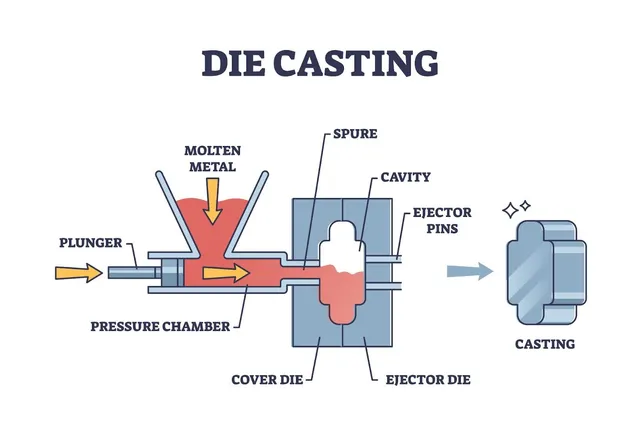
La fase di salita: Il primo passo consiste nel preparare le metà dello stampo per la colata, pulendo le facce di ogni stampo e applicando un lubrificante o un agente distaccante. Una volta preparata la matrice, le metà della matrice vengono chiuse e bloccate insieme con una pressione applicata dalla macchina di pressofusione. La forza di serraggio dipende dalle dimensioni della macchina, ma deve essere superiore alla forza contraria che cerca di aprire lo stampo durante il processo di colata. La fase di iniezione: I lingotti vengono aggiunti al forno e mantenuti fusi a una temperatura stabilita in base al metallo utilizzato. Il metallo fuso viene trasferito in una camera di iniezione e iniettato nello stampo chiuso a una pressione che varia da 1000 a 20.000 psi. La pressione viene mantenuta mentre il metallo si solidifica. La quantità di metallo iniettata nello stampo è nota come ‘shot’. L'iniezione di metallo nello stampo è molto breve, per evitare che il metallo inizi a solidificare prima che lo stampo sia completamente riempito. La fase di raffreddamento: Una volta completata l'iniezione, il metallo fuso deve solidificarsi prima che lo stampo venga aperto. Il tempo di raffreddamento dipende dalla geometria del pezzo e dalle proprietà termodinamiche del metallo. Lo spessore della parete dei pezzi gioca un ruolo importante nel tempo di raffreddamento: più spessa è la sezione della parete, più lungo è il tempo di raffreddamento richiesto. La fase di espulsione: Una volta trascorso il tempo di raffreddamento, le due metà dello stampo possono essere aperte. Un meccanismo di espulsione spinge il getto solidificato fuori dallo stampo. La forza di espulsione sarà determinata dalle dimensioni del pezzo, tenendo presente che il pezzo si restringe durante il processo di raffreddamento e tende ad aderire alla superficie dello stampo. Una volta espulso il pezzo, lo stampo può essere chiuso e pronto per il ciclo di iniezione successivo. La fase di rifilatura Durante la fase di raffreddamento e solidificazione, il getto si solidificherà come un'unità di colata completa che comprende il pezzo, la scoria e qualsiasi sistema di scorrimento. Il metodo di rifilatura comprende strumenti di rifilatura, sega a nastro o taglio manuale. Il metallo tagliato viene scartato o riciclato, se consentito. Vantaggi della pressofusione: La pressofusione è veloce La pressofusione può essere prodotta in pochi secondi per ogni pezzo e in quantità da centinaia a migliaia di pezzi metallici al giorno. Forma quasi netta Le pressofusioni vengono prodotte “quasi nette”, indipendentemente dalla complessità della forma e dalle strette tolleranze. Pesi più leggeri La pressofusione è più resistente grazie alla pelle della superficie del materiale e non allo spessore del materiale stesso, per cui i pezzi possono pesare meno con spessori di parete più sottili. La pressofusione è versatile Con il processo di produzione della pressofusione si possono produrre molte più forme e dimensioni di pezzi. La pressofusione è durevole I pezzi pressofusi sono in metallo e hanno una lunga durata. I getti pressofusi sono economici I getti pressofusi sono veloci da produrre e non necessitano di materiale. La pressofusione è in genere meno costosa della maggior parte degli altri processi di produzione di parti metalliche.    

Torna in alto

Richiedi un preventivo