spuitgieten

Koudkamer spuitgieten: Complete gids

spuitgieten, Die Casting Fabrikant, gietdelen

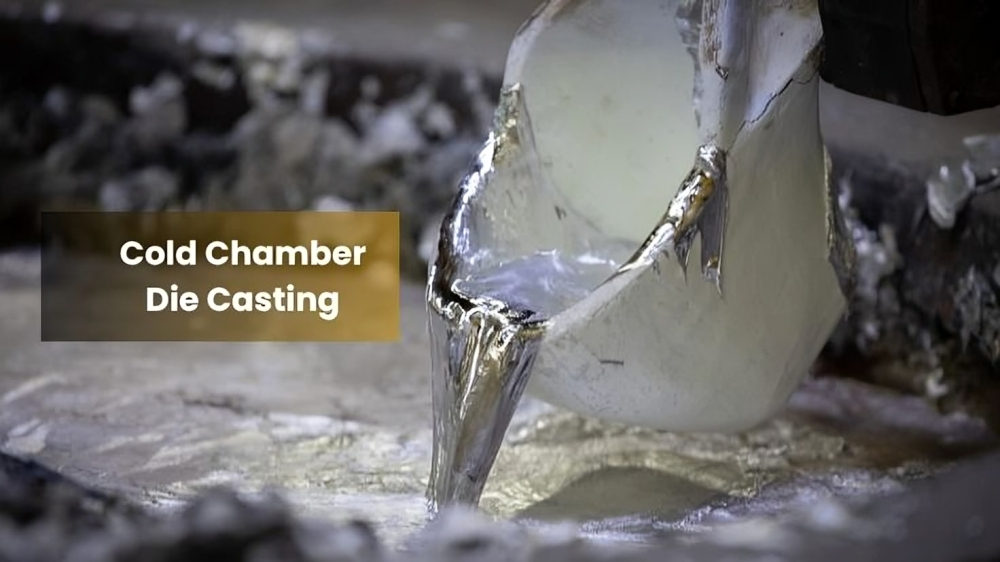
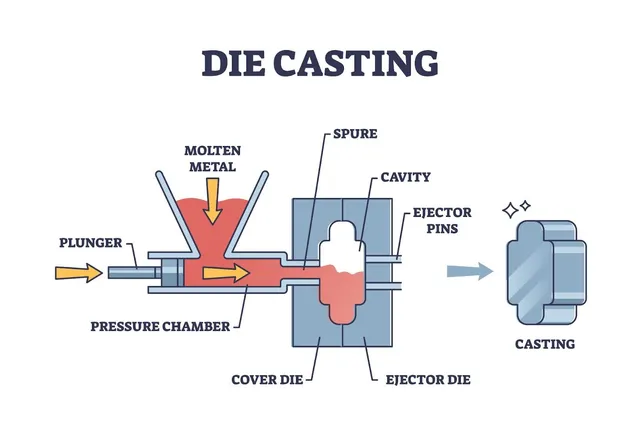
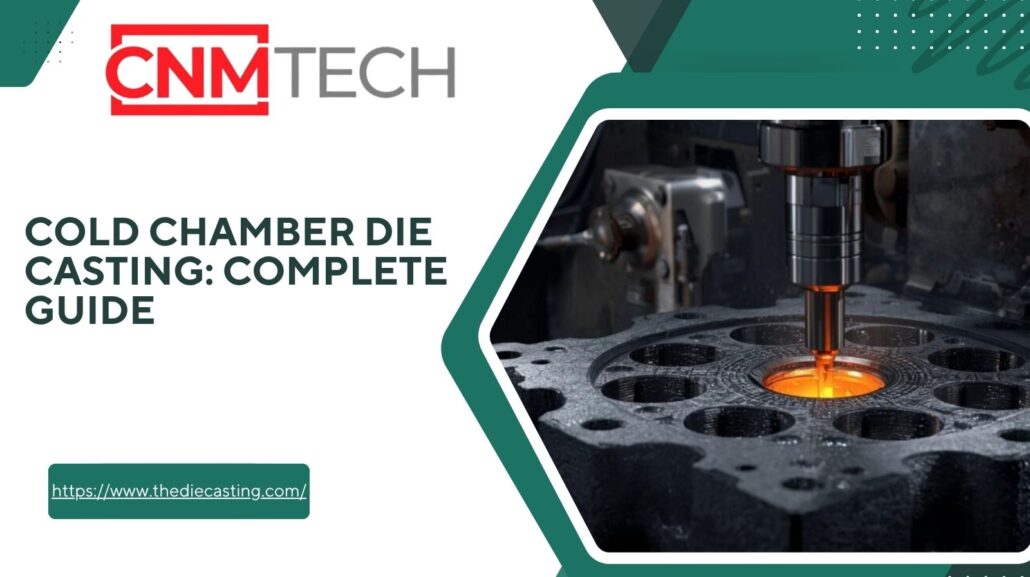
The cold chamber die casting process is initiated by first ladling molten metal into a separate injection chamber and then forcing it out into a steel mould. This process deals with high melting alloys such as aluminium, copper and magnesium. It is a tight-tolerance, high-pressure production process found in the automotive, electronics, and industrial parts production.  What is cold chamber die casting is and when to use it? Cold chamber die casting is a high-pressure moulding of metals, which would ruin or corrode a hot-chamber system. Practically, the operators melt the metal in a different furnace. Then they pour the molten metal into an unheated shot sleeve. The metal is forced into the closed mould by a hydraulic plunger with extreme pressure. The section hardens very rapidly, and the die is opened to spurt out the casting. This can be used when the alloy is of high melting temperature or where the alloy would corrode injection components, such as aluminium and copper alloys. The process sacrifices speed of the cycle for the scale and flexibility of the alloy.  Cold Chamber Die Casting Process Step-by-Step Cold chamber die casting is one of the most reliable techniques for making high-quality metal parts. Every process must be monitored in terms of temperature, pressure and time. Minor variations can impact the surface finish, strength and dimensional accuracy of the end product. Melting the Metal It starts by melting the metal in a separate furnace. Mostly used are aluminium, magnesium and copper alloys. In the case of aluminium, it is typically 650degC and 750degC. It is necessary to keep the melt clean. The impurities are eliminated by the operator with the help of fluxing agents and skimming tools. In case some oxide or gas is left, it may introduce defects such as porosity or inclusions in the future. In high-tech furnaces, a dosing system is the direct connection between the furnace and a die casting machine of China Cold. This guarantees that the temperature and composition of the molten metal are uniform in each shot. Molten Metal to the Shot Chamber Then molten metal is poured into the shot chamber or shot sleeve. This may be done manually or automatically. Manual ladling is easy, less fast and has more chances of entraping air. Automatic ladling systems, in their turn, provide the accurate amounts of metal with low turbulence. Oxidation and gas inclusion can be prevented by controlling the ladling speed and temperature. Others preheat the shot sleeve a little so that it will not suddenly drop in temperature, to allow the fluidity of injection. 3. Injection into the Die Cavity A hydraulic plunger is used to inject the high-pressure molten metal into the die cavity once it is in the shot sleeve. This is the fundamental phase of the cold chamber die casting. Injection pressure varies between 3,000 psi and more than 20,000 psi, depending on the size of the part and the alloy. The injection cycle normally contains two stages: The timeliness of these phases is critical. Recent China cold chamber die casting machinery, servo-hydraulic systems automatically regulate pressure and speed of every shot and guarantee homogeneity. Solidification and Cooling Opening and Part Ejection Die Once the metal has solidified, the die is opened by the machine, after which ejector pins or robotic arms take the casting out. It should be ejected only when fully solidified; otherwise, it is distorted. In complex shapes, there is more than one ejector pin, which guarantees the clean release of the die cavity. Robots take the parts on the automated lines and place them on conveyors to be trimmed and cooled. This increases handling damage reduction and accelerates production. Trimming and Finishing Inspection and Quality Control The last one is inspection and quality control. Every casting is inspected to guarantee that it has the necessary tolerances and quality standards. Popular types of inspection are: The machinery of modern China cold chamber die casting is usually equipped with sensors and software which keep track of all the parameters – Melt temperature, injection pressure, and die temperature, which enables quality monitoring in real time. Optimisation of process and control The quality of outcomes must rely on controlled quality at each step. Safety and Environmental Factors Usually used materials and alloys. The use of a cold chamber is preferred in alloys which cannot be utilised in hot-chamber machines. Most common materials used include aluminium alloys, magnesium, copper and a few combinations of zinc andaluminiumm where corrosion of the injection mechanism should be prevented at all costs. In the automotive structural parts, aluminium alloys prevail. Magnesium is applicable in situations where very lightness is an issue. Both alloys have their own melting point, fluidity and shrinkage behaviour, which need to be handled in mould design and process parameters.  Machinery and features – such as the China cold chamber die casting machine choice. Die casting machines: The Cold chamber die casting machines are made of a robust frame, high pressure injection unit, a hydraulic system and the control electronics. The modern machines provide servo-hydraulics to save energy and enhance control, computer controls to make the shot profiles programmable and integrated auxiliary systems such as die temperature controllers and automatic ladling systems. It is also possible to find China cold chamber die casting machine suppliers that offer a large variety of models and different price ranges in case you are sourcing machines. There are compact models of Chinese manufacturers that fit small shops and large tonnage machines that are appropriate to high-volume production. Chinese constructors tend to package melting and handling equipment to provide a turnkey line as well. Compare machines in terms of check maximum clamping force (tons), volume in the shot, speed control in an injection, die size, and automation.  Essentials of tooling and die design The hardened tool steel is normally die (mould. The design of the die should permit a controlled flow of metals and escaping gaseous air,  and gating and runners geometry and cooling channels in order to

Hardware spuitgietwerk

Matrijzengieten voor hardware: Een complete gids voor moderne productie

spuitgieten

The modern competitive environment in the manufacturing industry has put industries under continuous pressure to manufacture hardware components that are robust, resilient, accurate, and economical. To attain these, firms use contemporary production methods that are quality and efficient. One of the most successful and popular processes is that of hardware die casting among them. Manufacturers are able to create hardware components that bring together complex detail with excellent strength by placing molten metal under high pressure into a mold made of steel. This process is used to produce both elements that have a smooth finish and even quality, as well as producing a significant number of elements at a reasonably low unit price. The relevance of hardware die casting is widespread in an array of industries. It is used in the automotive industry in the manufacture of light but strong components that result in fuel efficiency and safety. It can be used in electronics to make sustained housings, connectors and heat sinks. Precision parts are advantageous to aerospace companies in that they can withstand the harsh conditions, but the construction and furniture industries use them in their functional and decorative fittings. The article will be a complete investigation of the process of hardware die casting and its benefits, process, and materials. We shall also look at the position of the aluminum die casting hardware, the distinct advantages of the use of zinc die casting hardware and the increasing uses of the various parts of die casting hardware in the current industries. What is Hardware Die Casting? Hardware die casting is a specialized manufacturing method, which involves steel molds, otherwise molds, called dies, to form metal parts. This is done by melting metals like aluminum, zinc or magnesium and then forcing the molten metal into a die cavity at high pressure. After hardening of the metal, the mold is opened, and the component is forced out. The word hardware used here means minor yet vital parts such as hinges, brackets, handles, and locks, among other fittings. By casting them in die, the products are uniform, strong and cost-effective in contrast to other traditional methods of production like forging or machining. The Hardware Die Casting Process Design and Mold Preparation Hardware die casting- The die casting process starts by designing and preparing the mold, or die. A mold is designed by engineers using high-quality steel, which is hard enough to endure a higher number of molten metal injection cycles. The two halves of the mold are then molded and assembled to create a hollow into which the part will be shaped. To be efficient, the die will have inbuilt cooling channels to maintain its temperature and ejector pins, which will enable it to be easily released once it has solidified. Melting the Metal Once the mold is ready, the chosen metal is melted in a furnace at well-monitored temperatures. Aluminum and zinc are the most used, and it is important to maintain the appropriate molten state. The constant temperature enables the flowing molten material to fill the mold without forming defects and air bubbles. Injection into the Die After getting the metal to the correct molten state, it is forced into the die cavity with extremely high pressure that may range between 1500 and 25000 psi, depending on the material to be used and the intricacy of the design. It is a high-pressure injection method, which guarantees that all the sections of the mold are filled to the last detail, and the outcome is extremely precise. Cooling and Solidification Immediately the molten metal gets into the mold, it starts cooling and hardening. This process has to be well regulated since either rapid or slow cooling can lead to changes in the quality of the end product in terms of strength and precision. When an appropriate cooling cycle is maintained, the hardware components will be powerful and dimensionally accurate. Ejection and Finishing When the part is solid, the mold is opened, and the component is literally ejected by ejector pins. This is where the product is shaped, but it has excess material commonly referred to as a flash. This is removed and the portion can be subjected to further finishing processes of polishing, anodizing or coating to enhance its looks and workability. The cycle can be subsequently repeated continuously, and the manufacturers can manufacture huge numbers of the same type of die casting hardware parts with very high efficiency. Benefits of Hardware Die Casting Precision and Accuracy Among the most powerful positive aspects of the hardware die casting is the high precision that the process can provide. Complicated designs that are tightly tolerated can be generated in the process, and this can avoid further machining or even completely do away with it. This precision means that all the components fit in their use, be it in a vehicle, an electronic product, or building hardware. The manufacturers also like the fact that they are able to create complex shapes in the same process instead of using various manufacturing processes. Strength and Durability Die-cast metals are recognized to have a strong mechanical ability and outstanding endurance. Hardware components manufactured under the process of hardware die casting are capable of sustaining high weight, repeated application and subject to wear and tear without their functionality being affected. This is the reason why these parts tend to be applied in the most reliable industries, such as automotive and aerospace. Its durability also implies that there is a reduced need to replace products, and this is a value addition to the manufacturer and the end-users as well. Economical when dealing with large quantities The casting process is very cheap when mass production has to be done after the die has been produced. Firms can manufacture thousands or millions of parts of the same type with a very small variation. This capability to produce on a large scale and at a low cost per unit is among the factors that make hardware die casting more desirable compared to other

Toekomst van gietstukken voor de auto-industrie

De toekomst van gietstukken voor de auto-industrie: Innovatie, efficiëntie en prestaties

Die Casting Fabrikant, spuitgieten

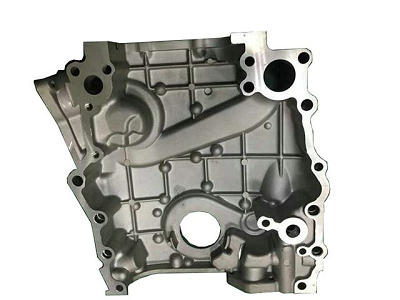
Automobiles have never been left behind in technological development. Since the first steel framing in automobile manufacturing up to the latest lightweight alloys, each part of a car has been improved through innovation to enhance safety, durability and performance. One of the most significant areas of progress lies in the world of automotive castings. This has helped in the designing, production, and optimization of vehicles. In plain terms, the term automotive castings can be defined as the process through which the molten metal is measured and poured into the moulds to shape intricate parts of the vehicle. The method is precise, cost-efficient and can be scaled to mass production. These processes are important in the industry because almost all vehicles on the road today have several parts that have been cast. This article examines the history, manufacturing, advantages, and future of the so-called automotive castings, and also takes a look at how the so-called automotive casting, die casting automotive parts, and cast automotive parts contributed to the shaping of the modern automobile. The History of Automotive Castings The methods of casting date back several thousand years, although it was not until the end of the 19th and very early 20th centuries that they were used in the automotive industry. The first automobiles were ineffective and weighed a lot, with mostly forged steel components. With the increased need to produce in large quantities, manufacturers were required to find a cheaper and quicker solution. Then is the period when the techniques of automotive casting started to substitute traditional ones. Through casting, car manufacturers would be able to create numerous of the same parts in large quantities with less wastage of materials. This brought about mass production, one of the reasons why automobiles became affordable to ordinary people in the industrial boom. Modern automotive castings today use state-of-the-art alloys, accurate moulds, and automation to satisfy the high standards of the international automotive standards.  What is Automotive Casting? Automotive casting is a manufacturing process that is applied in automobile manufacturing to make parts of their vehicles through pouring of molten metal into the moulds, where it solidifies and hardens into the desired shape. This is a technique that enables manufacturers to make complex, long-lasting and accurate parts cost-effectively and with less effort as compared to traditional machining or forging. It finds application in engine block parts, cylinder head parts, transmission housing parts, brake parts, and suspension parts. Through various alloys such as aluminum, cast iron, steel, and magnesium, the automotive casting offers the strength, lightweight design, and durability needed in modern automobiles. This technique is popular because: Common Automotive Parts Made by Casting: Types of Automotive Casting Concisely, automotive casting is necessary since it assists automakers in developing dependable, lightweight, and cost-effective components on a mass basis. Modern cars cannot be produced in mass without it. Materials in the automotive castings Aluminum A lightweight and corrosion-resistant glass, aluminum is among the most favoured materials in the field of automotive castings. It makes huge savings in the total weight of cars, enhancing fuel efficiency and manoeuvrability. Aluminum is also a good thermal conductor and therefore it is good on engine blocks, cylinder heads and transmission housings. Aluminum is used to create many die-casting automotive parts since it enables manufacturers to create high-precision and lightweight components without losing strength. With its flexibility and stability, aluminum is one of the best materials in contemporary automobile manufacturing. Cast Iron Other popular materials in automotive castings are cast iron because the material has high strength, heat resistance, and wear properties. Cast iron is heavier than aluminum, and it is suitable for structural and heavy-duty applications as engine blocks, brake drums and other parts of the suspension. The structure is very durable, which means that such parts can resist the pressures of long-term service and high-temperature conditions, making it vital to vehicles that need strong and reliable performance. Steel In the automotive castings, steel has been preferred due to its high strength and flexibility. Heat-treatment of steel parts increases toughness, so they are ideal in chassis parts, brackets, and structural frames. Although steel weighs more than aluminum, it offers the strength and carrying capacity to some of the safety-critical parts of the car. It is flexible, and engineers can come up with components that satisfy both the performance and regulatory requirements. Magnesium Alloys Magnesium alloys are finding increased applications in so-called automotive castings where weight loss is a priority. These alloys are very light, yet offer sufficient strength to non-structural parts. Magnesium parts may be used in interior fittings, engine covers, and certain structural parts, especially in high-performance vehicles and electric vehicles, where minimizing total weight is important to performance and handling. Copper Alloys Copper alloys are sometimes made into so-called automotive castings due to their high electrical and thermal conductivity. These are resistant to corrosion and strong materials that can be applied to certain electrical components or heat-sensitive parts of the modern vehicle. Copper alloys are not as widely used as aluminum or steel, but have niche uses, such as where performance and conductivity are important. Composite Materials Some manufacturers are experimenting with composite materials in cast automotive parts with the development of automotive technology. These materials are developed to save weight and still offer strength, and can be very handy in electric and hybrid vehicles. Composites also have better thermal regulation and corrosion resistance, and are a new technology in the next-generation car parts. Types of Automotive Casting Processes The automotive industry employs a number of casting techniques, each with its own parts and materials. We will consider the most popular ones: Sand Casting One of the oldest techniques is sand casting, in which large, intricate components are made by means of sand moulds. It is most suitable for prototypes and heavy parts such as engine blocks. Die Casting Die casting is the process that requires high-pressure injection of molten metal into reusable steel moulds. It is a technique that is especially relevant in fabricating light but

Koud Kamer Die Casting

Moderne trends in spuitgiettechnologie met koude kamer

spuitgieten, Die Casting Fabrikant, gietdelen

Cold Chamber Die Casting is a precision type of manufacturing technique applied in the manufacture of complicated metal components characterized by high levels of strength and precision. This process can best be used in metals having a high threshold of the melting point, like aluminum, brass, and copper alloys. Cold chamber die casting systems are not placed into molten metal like a hot chamber die casting system; instead, the metal is put into the cold chamber die casting machine by manually ladling metal into the cold chamber die casting machine after it is melted in another furnace. The arrangement wears less on the machine and uses alloys that are tougher. Among the important factors that make companies opt to use this method are the special cold chamber die casting advantages and disadvantages. It has top dimensional accuracy, smooth surface finishes, as well as long cycle times. Nevertheless, its strength and durability of the constituents are its favorites in the automotive, aerospace, and electronic markets. The difference between hot and cold chamber die casting is crucial to make the right choice of the process. Hot chamber die casting is more rapid and applied to metals of low-melting point, such as zinc, whereas the cold chamber die casting system is designed to handle higher temperatures and stronger metals. Manufacturers will also be able to manufacture long-lasting and reliable parts with this process that have a high degree of precision in their specifications. In the present article, we are going to discuss the principle of operation of cold chamber die casting, its main parts, the nature of the metal employed, and technological parameters of cold chamber die casting, including clamping force and cycle time. The cold chamber die casting advantages and disadvantages will also be considered to provide you with a full picture of this important manufacturing process. What is the Cold Chamber Die Casting? Cold Chamber Die Casting: A cold chamber die casting process is a metal casting process where molten metal is ladled either manually or automatically into a separate cold chamber outside the injection system. Thereafter, the metal is pushed with high pressure into a mold cavity, which causes the metal to cool and crystallize in the desired shape. It is usually applied to metal with a large melting point, like brass, aluminum, and copper alloys. The purpose of avoiding corrosion and thermal fatigue that can result in improper working of components of the injection system, unlike in the hot chamber die casting process, where the injection mechanism is suspended in molten metal, the cold chamber process keeps the injection facilities segregated. The application of the practice of the latter, i.e., Cold Chamber Die Casting, is especially advantageous, where the metals used would harm the components, contacting them. High pressure can be used in the injection process itself, and denser, stronger components with a brilliant surface finish and dimensional stability would be possible. Die Casting Process- Step by Step The object of the Cold Chamber Die Casting technique is to make highly accurate and hard metal parts that are frequently composed of alloys that have melt-points that are at high temperatures, such as aluminum and brass. Let us have a step-by-step breakdown of how it works: 1. The External Furnace is used to melt the Metal The process is similar to that of hot chamber casting except that the melting of metal is done in a separate furnace outside. This is required in that the molten metal in the cold chamber casting will cause a high level of heat to be experienced internally that cannot be handled. The metal is melted, after which it is able to be transferred into the casting machine. 2. Pouring the molten metal into the Shot Sleeve Thereafter, the molten metal is ladled into the shot sleeve in the die casting machine. This is manually done or arm-driven. The shot sleeve is a strong, resistant to heat tube into which the metal rests and is later injected. This should be taken very fast to prevent premature solidification. 3. Plunger forces the metal into the die. A steel plunger travels into the shot sleeve and presses the molten metal at high pressure in the die cavities. The force makes sure that the metal fills the mold even in any complicated pattern or with a very thin wall, and decreases the chances of any flaws, such as air pockets. 4. There is the Solidification of Metal within the Die When the mold is filled, the metal starts cooling and solidifying within the die. This solidification step is very important in coming up with a good and precise part. The cooling time is dependent on the part metal, part thickness, and die temperature. 5. The Brass Die and Ejector Pins Force-Out the Casting When the part has solidified, the clamping unit of the machine opens the die, and ejection pins force the casting out of the mold cavity. The portion is then moved to a cooler station or a trimming station. 6. Removal of Flash (Removal of Excess Metal) There is some over metal on the sides called flash that is around the edges of the casting where the halves of the die come together. This is then removed by mechanical trimming, grinding, or machining, depending on what the finish requires. This will prevent the final works from being below the intended shape and tolerance. 7. Die cycle reset and Lubrication The die is washed and greased before entering the next cycle in order to be of good quality and avoid sticking. When the oiling is done, the die is again clamped, and the machine is switched to reset for more cycles. 8. Quality Inspection and finishing This is a complete part that is checked to ensure quality defects do not exist, like cracks, shrinkage, or abnormalities on the surface. Depending on the end-use requirement of the part, it can be subjected to additional machining, surface treatment, or assembled (if required). Metals to be used in the

Warm kamer spuitgietwerk

Warmkamer spuitgieten: Een duik in een cruciaal productieproces

spuitgieten

Hot Chamber Die Casting is a very effective manufacturing process which is used very widely to produce metal parts to very high precision and an excellent finish on the surface. It is particularly suitable for casting metals with low melting points like zinc, magnesium and some alloys containing lead. It is typified by the fact that the injection system is immersed in molten metal, and so, high-speed cycle times and economy of mass manufacturing are possible. One similar place of comparison always pops up when the castings are considered regarding cold chamber die casting versus hot chamber. Although they are both variations of pressure die casting, they differ so much in terms of design, applications, and compatibility of materials used. An example is the hot chamber die casting, which is high-speed die casting where the furnace has been replaced with a machine. That comes with the limitation of the lower-melting-point metals. Conversely, the cold chamber type of machines is more aptly used with those liquids of a high melting point, such as aluminium and brass, since the hot metal does not come in direct contact with the equipment. Hot Chamber Die Casting process is characterised by minimal waste of material, low costs of labour, and complex shapes manufacture with high tolerances. It is popular in such industries as automotive, electronics, plumbing and consumer products. Nevertheless, the decision on whether to use cold chamber die casting or hot chamber is also dependent on the type of material used and the part design aspect. The article examines the important details of Hot Chamber Die Casting, its parts, materials, process description, constraints, and reasons as to why it is an essential process in the contemporary manufacturing industry. What is Hot Chamber Die Casting? Hot Chamber Die Casting is a metal casting technique where the molten metal is injected into a mould cavity at high pressure. The unique part of the given method is where the injection mechanism is placed: It goes directly to the molten metal. Cycle times and production efficiency are high with this setup, especially in metals of low melting point like zinc, magnesium and some lead alloys. Hot chamber. The name describes the system’s hot chamber as the injection mechanism (a plunger and gooseneck) is in constant contact (filled) with the molten metal area. As the plunger descends, it compresses the molten metal through the gooseneck and into the die cavity. As the metal sets, the mould opens, and the part is ejected, and this process is repeated innumerable times. Hot Chamber Die Casting Process Hot Chamber Die Casting Process is a process of high-precision and speed manufacturing technology utilised in the manufacture of metal parts, where the accuracy of the tool is very important, with great surface finishing. It is most appropriate in the alloys of low melting points; zinc, magnesium, and lead are examples of low melting point alloys. Its main characteristics are short cycle times and great material efficiency. The process is extensive in the manufacturing of a variety of products mainly found in the automotive, electronic, appliance, and hardware industry because of its capability to create complicated ends easily at an affordable per-piece price. The hot chamber die casting process is listed below in a stepwise manner: Hot Chamber Die Casting Process- Step by Step Overview 1. The Metal is melted It starts with the molten moulding of the metal (which is usually zinc or magnesium), in an incorporated furnace of the die casting machine. The molten metal is kept at a constant temperature within the metal pot that is directly connected to the casting machine. This unending heat provision ensures that the casting processes are continuous. 2. The process of filling the Injection System In hot chamber systems, there is a portion of the molten metal with a part of a component known as the gooseneck submerged. The plunger, which runs inside the cylinder of injection, is pulled backwards to a position where the molten metal may gush down to the gooseneck into the inlet hole of injection. The next step will involve injecting this metal into the die cavity. 3. Molten Metal injection When the gooseneck is filled, the plunger is either pushed forward by hydraulic or pneumatic pressure, which forces the molten metal through the gooseneck channel into the mould cavity (also called the die). This is done at a high rate and pressure to make sure that the cavity is totally filled before the metal begins to harden. 4. Casting and solidifying in the mould This hot metal in the die is quickly cooled down by the comparatively cold steel of the mould. Solidification takes several seconds, based on the size and complexity of the part. In this step, die cooling channels assist in the removal of heat to ensure that the cycle speed is not reduced and defects such as shrinkage or porosity are avoided. 5. Ejecting and opening of the mould Once the metal has been solidified, the die halves are opened. The ejector system is placed on the movable half of the mould, and it operates under force via the use of ejector pins and forces the completed casting out of the cavity. It is ensured that the part can come out without being damaged during ejection. 6. Secondary operation and Trimming After it is ejected, the piece might contain an extra material called flash, runners or sprues. These are either hand-trimmed or auto-trimmed. The part can be processed further depending on the application, like surface finishing, machining or coating. 7. Repeat Cycle The machine clears and cleans up to be used again. Hot chamber die casting is characterised by having such a quick cycle time, sometimes creating a few finished parts in just 10 to 20seconds according to the complexity and size of the part. Cycle Time and Efficiency The speed is the greatest advantage of the process of hot chamber process. Hot chamber machines. Unlike cold chamber die casting, where the metal has to be ladled

Legeringsmatrijzenafgietselbedrijf in China en de wereld 

Legeringsmatrijzenafgietselbedrijf in China en de wereld 

spuitgieten, spuitgietbedrijven, spuitgietbedrijf

Legeringsmatrijzen worden gebruikt om gecompliceerde metalen stukken te produceren die nauwe toleranties vereisen en een zeer goede afwerking hebben. Het speelt onder andere een belangrijke rol in de auto-industrie, luchtvaart, elektronica, defensie, medische apparatuur en consumentenproducten. Over de hele wereld werken fabrikanten samen, en China leidt deze industrie omdat het een sterke infrastructuur, goed opgeleide mensen en goede prijzen heeft. CNM Tech Co., Ltd., Sincere Tech en GC Precision Mould Co., Ltd. zijn bekende bedrijven in de Chinese spuitgietsector die zich allemaal bezighouden met matrijsontwerp, CNC-bewerking en eindassemblage. Deze fabrikanten maken gebruik van de allernieuwste technologie en volgen wereldwijde kwaliteitsnormen zoals ISO 9001. De meeste van hun diensten ondersteunen internationale klanten, waardoor ze een belangrijke rol spelen in wereldwijde toeleveringsnetwerken. Bedrijven zoals Nemak (Mexico), MRT Castings Ltd en Haworth Castings (UK) en PHB Inc. (USA) zijn goede voorbeelden van geavanceerde spuitgiettechnologie buiten Azië. Innovatie, duurzaamheid en precisieproductie staan centraal bij deze bedrijven, die leveren aan de ruimtevaart, de medische sector en de sector elektrische voertuigen, waar strenge voorschriften gelden. Beide bedrijven onderscheiden zich van anderen doordat ze hoog opgeleid zijn en ook sterk de nadruk leggen op kwaliteit, klantenzorg en groene veranderingen. Het artikel bespreekt verschillende toonaangevende spuitgietbedrijven in China en de rest van de wereld en benadrukt hun belangrijkste kwaliteiten, sterke punten en waarom ze het goed doen in deze zakelijke markt. Ongeacht aan welk deel van de wereld je wilt uitbesteden, de gegeven profielen geven je nuttig advies over je beste keuzes. Legeringsmatrijzen gieten Bij legeringsmatrijzen gieten wordt een vloeibare metaallegering met grote kracht in matrijzen van staal geperst, die vele malen hergebruikt kunnen worden. Deze productiemethode helpt bij het maken van metalen onderdelen die zeer nauwkeurig zijn in hun afmetingen, glad zijn en zeer efficiënt geproduceerd kunnen worden. Belangrijkste kenmerken van Alloy Die Casting: 1. Gebruikte legeringen: De meeste van deze processen zijn gebaseerd op non-ferro metaallegeringen, bijvoorbeeld aluminium, zink en magnesium, die hun belangrijke voordelen hebben met betrekking tot gewicht, hoe sterk ze zijn, corrosiebestendigheid en warmtegeleiding. 2. Procesoverzicht: Vervolgens wordt de legering gesmolten door het materiaal in een oven te plaatsen. Een geharde stalen mal ontvangt het gesmolten metaal, dat via een spuitgietmachine binnenkomt. 3. Soorten Die Casting zijn: Hier zijn de belangrijkste sterke punten van Alloy Die Casting: Gemeenschappelijke toepassingen: 1. CNM Tech Co, Ltd. Jaar van oprichting: 20+Aantal medewerkers: 100-200Bedrijfstype: CNM Tech Co., Ltd. is een precisieproductiebedrijf dat zich richt op spuitgieten, CNC-verspaning en assemblagediensten. Website en contactgegevens Website: https://www.thediecasting.com/Contact: +86 13045898002Email: sales@thediecasting.comAddress: Fabrieksadres: Rm 101, No.40, Donghu Road, Jinglian, Qiaotou town, Dongguan City, Guangdong Province, China. 523520. Bedrijfsprofiel Het maken van precisie aluminium en zink gegoten componenten is wat The Die Casting Company is het best bekend voor. Het bedrijf biedt volledige gietdiensten aan door de capaciteiten te hebben die voor vormontwerp, het bewerken, CNC het machinaal bewerken, oppervlakte het eindigen, en kwaliteit het testen allen intern nodig zijn. Het bedrijf bedient de automobielindustrie, de elektrische industrie en de industriële machinebouw en combineert technische kennis met ISO 9001-certificaten. Met behulp van moderne technologie en een klantvriendelijke benadering biedt The Die Casting Company hoge prestaties, lage kosten en onveranderlijke kwaliteit. Met het hoofdkantoor in India biedt Codeplay ondersteuning op maat en tijdige leveringen aan klanten over de hele wereld. Kwaliteitsbelofte Hoge kwaliteit is belangrijk voor elke taak bij The Die Casting Company. Beginnend met het controleren van grondstoffen, gebruikt het bedrijf strikte kwaliteitscontroleprocedures tot en met het testen van afgewerkte producten. Het bedrijf voldoet aan ISO 9001, gebruikt de nieuwste apparatuur en heeft een team van goed opgeleide medewerkers. Elk gietstuk wordt zorgvuldig gecontroleerd op afmetingen, sterkte en uiterlijk om te voldoen aan wat de klant nodig heeft en wat de industrie vereist. Dankzij deze toewijding zijn klanten tevreden, presteren producten betrouwbaar en wordt er vertrouwen opgebouwd voor de lange termijn. Waarom ons bedrijf? 2. Oprechte Tech Jaar van oprichting: 2005Aantal medewerkers: 100-200Bedrijfstype: Sincere Tech is een van China's grootste fabrikanten van kunststof spuitgietmatrijzen, spuitgietproducenten, machinale bewerkingsbedrijven en assemblagebedrijven. Website en Contact Website: https://plas.co/Phone: +86 135 30801277Email: steve@sincere-tech.comAddress: Rm101, N041, Donghu road, JingLian cun, qiaotou town, Dongguan City, Guangdong Province, China. 523000. Bedrijfsprofiel In 2005 werd Sincere Tech (plas.co) opgericht, en het is uitgegroeid tot een belangrijke Chinese leverancier van op maat gemaakte kunststof spuitgietmatrijzen en spuitgietdiensten. Dankzij 18 jaar ervaring op dit gebied is het bedrijf in staat om uitgebreide oplossingen te bieden, zoals matrijsontwerp, CNC-bewerking, spuitgieten, siliconengieten en assemblage. Sincere Tech werkt in elektronica, auto's, medicijnen en huishoudelijke apparaten en is afhankelijk van hightech machines zoals 5-assige CNC en CMM's voor nauwkeurigheid en kwaliteit. Het bedrijf volgt de internationale normen en houdt zich aan de ISO 9001:2015 en QS 9000:2015 certificeringen, zodat klanten kwaliteitsproducten ontvangen binnen het budget. Kwaliteitsbelofte Bij Sincere Tech moet alles worden gedaan met kwaliteit in gedachten. Het bedrijf gebruikt ISO 9001:2015 en QS 9000:2015 standaarden tijdens het maken van al zijn producten. Met behulp van moderne hulpmiddelen en strenge voorschriften garandeert Sincere Tech dat alle producten precies volgens specificaties worden gemaakt. Alle processen, van het maken van het ontwerp tot het voltooien van de assemblage, worden nauwlettend in de gaten gehouden om ervoor te zorgen dat bepaalde onderdelen sterk en nauwkeurig zijn en de klanten tevreden stellen, waardoor het gerespecteerd wordt door de industrie. Waarom ons bedrijf? 3. GC Precision Mould Co, Ltd. Jaar van oprichting: 1999Aantal medewerkers: 100-200Bedrijfstype: Ons bedrijf, GC PrecisionMould Co, Ltd, doet aan aluminium, zink en magnesium spuitgieten, CNC-verspaning en kunststof spuitgieten Website en contact Website: https://aludiecasting.com/Contact: +86 131 4886 5556Email: info@aludiecasting.comAddress: Fabriek Adres 1: No. 30 Huan Zhen Rd, Qi Shi Town, Dongguan City, Guangdong Province, China, 523516 Bedrijfsprofiel GC PrecisioMould Co, Ltd begon in 1999 en is nu uitgegroeid tot een van de top wereldwijde leveranciers van oddie-gieten kunst en bewerkte producten van non-ferro metalen. Fireray Precision Equipment is al meer dan twee decennia in de industrie en doet voornamelijk aluminium spuitgieten, zink spuitgieten, bronzen zand gieten, aluminium zwaartekracht gieten en CNC precisiebewerking. Gevestigd in Dongguan City, Guangdong Province, China, GC PrecisionMould Co.

Top 10 spuitgietbedrijven in China en de VS

Top 10 spuitgietbedrijven in China en de VS

spuitgieten, spuitgietbedrijven, spuitgietbedrijf

De spuitgietproductiemethode blijft een fundamenteel proces voor het maken van verschillende producten in verschillende industrieën, waaronder autoproductie samen met ruimtevaarttoepassingen en elektronische onderdelen samen met de productie van industriële machines. Het is het proces waarbij gesmolten metaal onder hoge druk in een matrijsholte wordt gespoten om zeer nauwkeurige en duurzame metalen onderdelen te verkrijgen. Door de stijgende marktvraag naar productieoplossingen van hoge kwaliteit zijn er talloze bedrijven ontstaan die diensten verlenen op het gebied van spuitgieten. De meest ervaren spuitgietproducenten ter wereld opereren vanuit China en de VS, gedreven door zowel de vooruitgang in hun technologische mogelijkheden als hun sterke toewijding aan uitmuntende productie. De Chinese markt fungeert als een wereldwijd centrum voor spuitgieten waar bedrijven betaalbare diensten leveren met strenge industriële eisen. Deze fabrikanten leveren complete servicepakketten die zowel matrijsontwerp als productiediensten, oppervlakteafwerking en assemblageoplossingen omvatten. De VS werkt via een op innovatie gericht systeem met behoud van strenge kwaliteitsnormen naast nauwkeurige engineeringpraktijken. De spuitgietbedrijven in Amerika bieden oplossingen voor verschillende industriesectoren die uitzonderlijke prestaties leveren. Dit bericht is een lijst van de top 10 spuitgietbedrijven in China en de VS, met een geschiedenis en capaciteiten. De genoemde bedrijven leiden de industrie omdat ze betrouwbare productiediensten leveren op elke schaal samen met gespecialiseerde expertise in spuitgieten. 1. Sincere Tech Oprichtingsjaar: 2005Aantal werknemers: 100-200Bedrijfstype: Sincere Tech is een van de grootste producenten van kunststof spuitgietmatrijzen, spuitgietproducenten, machinale bewerkingsbedrijven en assemblagebedrijven in China. Website en Contact Website: https://plas.co/Phone: +86 135 30801277Email: steve@sincere-tech.comAddress: Rm101, N041, Donghu road, JingLian cun, qiaotou town, Donggguan City, Guangdong Province, China. 523000. Bedrijfsprofiel Een Chinese leverancier van kunststof spuitgietmatrijzen en vormdiensten, Sincere Tech is een toonaangevend Chinees bedrijf. Dit bedrijf werd opgericht in 2005, en het stempelen van metaal en kunststof, precisie kunststof spuitgietmatrijzen, CNC-verspaning, spuitgieten en siliconen gieten zijn haar concurrentievoordeel in de markt. Sincere Tech heeft geavanceerde apparatuur, NDA-bescherming, concurrerende prijzen en 18 jaar ervaring in productie van hoge kwaliteit. Met spuitgietmachines van 60 tot 1800 ton voor de elektronica-, medische, automobiel- of cosmetica-industrie worden onderdelen van minder dan 1 gram tot 8 kilogram efficiënt geproduceerd. Hun kwaliteitsverplichtingen Sincere Tech is toegewijd aan het maken van producten die voldoen aan internationale kwaliteitsnormen zoals ISO 9001:2015 en QS 9000:2015. Ze zijn toegewijd aan kwaliteit en dit heeft het bedrijf in staat gesteld om een enorme vraag te cultiveren en te exporteren naar Finland en andere landen. Tussen alle partners in de kunststof spuitgietindustrie die bijna dezelfde kwaliteit van diensten leveren, is het Sincere Tech dat opvalt als een betrouwbare en innovatieve partner voor kunststof spuitgieten. Waarom Oprechte Technologie kiezen? Klanten die op zoek zijn naar spuitgietservices uit China of de VS moeten contact opnemen met deze betrouwbare productiebedrijven die professionele hulp zullen bieden. 2. CNM Tech Co, Ltd. Jaar van oprichting: 20+Aantal werknemers: 100-200 Bedrijfstype: CNM Tech Co., Ltd. is een precisieproductiebedrijf dat zich richt op spuitgieten, CNC-verspaning en assemblagediensten. Website en contactgegevens Website: https://www.thediecasting.com/Contact: +86 13045898002Email: sales@thediecasting.comAddress: Fabrieksadres: Rm 101, No.40, Donghu Road, Jinglian, Qiaotou town, Dongguan city, Guangdong Province, China. 523520. Bedrijfsprofiel Thediecasting.com is het officiële domein dat CNM Tech Co, Ltd opereert onder, dat is een uitstekende Chinese fabrikant van spuitgieten oplossingen. Het bedrijf is een in China gevestigd aluminium, magnesium en zink spuitgietbedrijf; CNC-verspaning; oppervlakteafwerking en assemblage met hoofdkantoor in Dongguan, China. CNM Tech heeft meer dan 20 jaar ervaring op het gebied van auto's, luchtvaart, elektronica, enz. Door de hoge precisie bij de productie zorgen hun eigen gereedschapmakerij en geavanceerde CNC-machines ook voor een hoge nauwkeurigheid. CNM Tech levert alle soorten polijsten, zandstralen, poedercoaten, olieverven enz. met hoogwaardige afwerkingsproducten die voldoen aan de behoeften van gebruikers wereldwijd. Hun kwaliteitsverplichtingen CNM Tech Co., Ltd. is voorzien van ISO 9001:2008, TS16949 en ISO 14001:2015 documenten. In de meeste gevallen bieden deze u de zekerheid dat het management van uw bedrijf top is en garanderen ze ook de naleving van de normen voor de auto-industrie en milieuvriendelijke activiteiten die door het betrokken bedrijf worden ondernomen. Als gevolg van het strikt volgen van de kwaliteits- en milieuvoorschriften biedt CNM Tech geweldige spuitgietoplossingen met een minimale impact op het milieu en een uitstekende reputatie op de markt. Waarom CNM Tech Co, Ltd kiezen? Klanten die op zoek zijn naar spuitgietdiensten uit China of de VS moeten contact opnemen met deze betrouwbare productiebedrijven die professionele hulp bieden. 3. GC Precision Mold Co, Ltd. Jaar van oprichting: 1999Aantal werknemers: 100-200Bedrijfstype: Ons bedrijf GC Precision Mold Co, Ltd. doet aan aluminium, zink en magnesium spuitgieten, CNC-verspaning en kunststof spuitgieten. Website en contactgegevens Website: https://aludiecasting.com/Contact: +86 131 4886 5556Email: info@aludiecasting.comAddress: Fabriek Adres 1: No. 30 Huan Zhen Rd, Qi Shi Town, Dongguan City, Guangdong Province China, 523516 Bedrijfsprofiel GC Precision Mold Co, Ltd, opereert onder Aludiecasting.com is een sterven gieten en precisie bewerking productie site die is een van de toonaangevende Chinese fabrikanten. Het bedrijf werd opgericht in 1999 en de diensten omvatten aluminium, zink en magnesium spuitgieten, kunststof spuitgieten en CNC-verspaning en oppervlaktebewerking. Ze beschikken over ultramoderne machines zoals hogedrukgietmachines (120 - 1600 ton) en spuitgietmachines (80 - 2800 ton) die zijn aangesloten op industrieën als de auto-industrie, luchtvaart en elektronica. Ze hebben een zeer strikte kwaliteit om de exacte, duurzame en goedkopere productieoplossingen over de hele wereld te bieden. Hun kwaliteitsverplichtingen GC Precision Mold Co Ltd biedt de beste spuitgiet- en bewerkingsoplossingen zoals gespecificeerd in de ISO 9001-certificering. Hun kwaliteitscontrole is zo streng dat ze testen op precisie, CMM-machines, röntgenstralen en spectrometers om een betrouwbaar product te garanderen. Door de strikte naleving van internationale normen zorgt het bedrijf voor de levering van consistente componenten van hoge kwaliteit met minimale klachten van klanten vanwege het betrouwbaarheidsaspect om de redenen die in elk project worden aangegeven. Waarom GC Precision Mold Co, Ltd kiezen? Klanten die op zoek zijn naar spuitgietdiensten uit China of de VS moeten contact opnemen met deze betrouwbare productiebedrijven die professionele hulp bieden. 4.

Wat is spuitgieten? Alles wat je moet weten over metaalgieten

Wat is spuitgieten? Alles wat je moet weten over metaalgieten

spuitgieten

Dit is een productieproces waarbij gesmolten metaal onder druk wordt geperst om een vormholte te vullen, ook wel bekend als spuitgieten. De mal is meestal van hoogwaardig staal en daarom kan het onderdeel in grote hoeveelheden worden geproduceerd. Het afgewerkte onderdeel wordt dan geproduceerd door de mal te openen nadat het gesmolten metaal is afgekoeld en een vaste laag vormt. Dit soort gebruik van het proces wordt meestal toegepast bij het maken van ingewikkeld metaal dat wordt gebruikt bij de productie van verschillende onderdelen die een hoge nauwkeurigheid in meting en gepolijste oppervlakken vereisen. Spuitgieten kan worden gedaan op aluminium, zink en magnesium, maar andere metalen kunnen ook worden gebruikt op een zaak, afhankelijk van de toepassing en andere vereisten. Spuitgieten wordt beschouwd als een van de deskundige productietechnieken voor massaproductie van kleine tot middelgrote onderdelen uit metalen. De populariteit van de methode is verspreid over de auto-industrie, lucht- en ruimtevaart, elektronica en industriële machines vanwege het vermogen om duurzame lichtgewicht onderdelen op maat te maken. Dit proces wordt echter alom erkend voor zijn vermogen om producten te maken met een complexe geometrie die zeer moeilijk te maken zou zijn met conventionele technieken. Hoe spuitgieten werkt Het gieten is het eerste deel van het spuitgietproces. Aan de ene kant van de mal zit een helft, en het is een helft van een bepaald ontwerp om de mal de vorm van het eindproduct te geven. Holtes en kernen worden ontworpen voor de mallen die meestal op maat worden gemaakt zodat het onderdeel zo goed mogelijk kan worden gerepliceerd. 1. Injectie van gesmolten metaal: Vervolgens wordt het gesmolten metaal onder hoge druk in de matrijsholte gespoten om de gewenste vorm te krijgen. Het metaal wordt meestal verwarmd tot één graad boven de smeltgrens om het vloeibaar te maken. Bij spuitgieten kan de druk waarmee het gesmolten metaal in de mal wordt geduwd enkele duizenden tot tienduizenden psi (pounds per square inch) bedragen, om er zeker van te zijn dat het gesmolten metaal in elk detail van de mal terechtkomt. 2. 2. Stolling: Dit gebeurt wanneer het metaal in de gietholte wordt geïnjecteerd, waarbij het afkoelt en het metaal hard wordt. De kwaliteit van het gietstuk hangt af van de afkoelsnelheid. Bijkomende faalwijzen (afschuiving, klimmen en glijden) spelen in dit geval een rol en resulteren in snellere afkoeling hogere sterkte betere oppervlakteafwerking, en langzamere afkoeling die kan resulteren in meer interne defecten en lagere mechanische eigenschappen. In de matrijs ingebouwde waterkoelsystemen worden meestal gebruikt om het koelproces te ondersteunen. 3. Uitwerpen: Hierna laat men het metaal afkoelen en stollen en kan men gemakkelijk de mal verwijderen van het grotere gietstuk en het onderdeel uitwerpen. De meeste tijd wordt dan gebruikt om het onderdeel uit de mal te duwen met behulp van een mechanisch uitwerpsysteem. Dit hangt af van de complexiteit van het onderdeel waarvoor andere extra stappen nodig zijn, namelijk bijsnijden en machinaal bewerken om de uiteindelijke vorm en afmeting te verkrijgen. 4. Kwaliteitscontrole: Na het uitwerpen wordt een kwaliteitscontrole uitgevoerd op een onderdeel. Het kan gaan om dimensionale verificatie, visuele inspectie en mechanische testen om te bevestigen dat het onderdeel gelijk is aan of beter is dan de vereisten. Hoge precisie en herhaalbaarheid worden theoretisch bereikt bij spuitgieten. Soorten spuitgietmatrijzen Er zijn twee soorten spuitgietmatrijzen, namelijk warmkamergieten en koudkamergieten. Deze zijn allemaal goed en hebben hun voordelen, beperkingen en ideale toepassingen. 1. Het hete kamer spuitgieten Het proces dat het meest geschikt is voor metalen zoals zink, magnesium en lood is het hete kamer spuitgieten omdat het proces bij hoge temperaturen en smeltpunten wordt uitgevoerd. Het injectiesysteem wordt in de smeltoven geïnstalleerd, zodat het metaal altijd in contact is met de kamer. Voordelen: Nadelen: 2. Koudkamergieten De metalen die een hoger smeltpunt hebben, zoals aluminium, messing en koper, worden gegoten in koudkamergieten. In dit geval wordt het gesmolten metaal uit een tweede oven getapt en in de koude kamer en vervolgens in de matrijsholte gespoten. Voordelen: Nadelen: De vergelijking van spuitgietmethodes: Hete kamer vs. Koude kamer Hier volgt een vergelijking van de meest voorkomende typen van twee spuitgietmethodes, Eigenschap Hete kamer spuitgieten Koude kamer spuitgieten Compatibiliteit metaal Beste voor metalen met een laag smeltpunt (bijv. zink, lood) Beste voor metalen met een hoog smeltpunt (bijv, aluminium, messing) Cyclustijd Snellere cyclustijden Langzamere cyclustijden Vormslijtage Hogere vormslijtage door direct contact met gesmolten metaal Lagere vormslijtage Kosten Lagere kosten voor productie van grote volumes Hogere initiële kosten, maar beter voor metalen met hoge sterkte Complexiteit van onderdelen Goed voor eenvoudigere onderdelen Beter voor complexere, grotere onderdelen Voordelen van spuitgieten Het is een van de grootste voordelen dat spuitgieten een van de belangrijkste voorkeursmethoden is voor grootschalige productie van producten uit metaallegeringen. 1. Hoge precisie en nauwkeurigheid Er zijn veel voordelen van spuitgieten, waardoor het handig is om een hoge precisie van de matrijs aan te bieden. Deze productiemethode wordt ook veel gebruikt voor de productie van onderdelen die een goede maatnauwkeurigheid vereisen, wat zeer cruciaal is omdat het tolerantieniveaus definieert die vereist zijn in een specifieke taak. Men moet opmerken dat spuitgieten de enige productietechniek is die bepaalde onderdelen kan produceren met de grootst mogelijke complexiteit, zoals de ingewikkeldheid van de geometrieën. 2. Hoge productiesnelheden In termen van grote volumes is spuitgieten zeer efficiënt. Onderdelen worden snel en goedkoop geproduceerd zodra de eerste mal is gemaakt met zeer weinig arbeid. De vraag naar gesimuleerde poeders is vooral hoog in industrieën zoals de auto-industrie en elektronica, waar grote hoeveelheden van dezelfde onderdelen nodig zijn. 3. Complexe ontwerpen en dunne wanden Door middel van spuitgieten kunnen complexe ontwerpen worden gemaakt, die met traditionele productiemethoden moeilijk of onmogelijk te realiseren zouden zijn. Het proces kan onderdelen maken met dunne wanden en complexe interne structuren en kan ondersnijdingen verwerken.

Gebruikelijke fabricagefouten bij hogedrukgietwerk: Oorzaken, preventie en oplossingen

aluminium gietwerk, spuitgieten, hoge druk spuitgieten

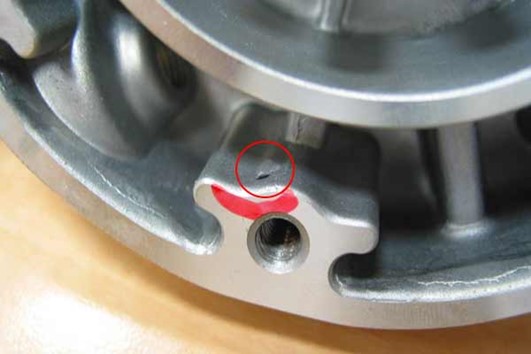
Hogedrukgieten (HPDC) is een van de meest gebruikte metaalgietprocessen in de huidige productie. Fabrikanten kiezen voor HPDC omdat het de productie mogelijk maakt van complexe metalen onderdelen die zowel hoge precisie en snelle productiesnelheden bereiken als superieure maatnauwkeurigheid en gladde afwerking. Met HPDC kunnen de auto- en luchtvaartindustrie en de productie van elektronicacomponenten en consumentengoederen lichtgewicht duurzame onderdelen maken voor toepassingen als motoren en behuizingen, structurele elementen en mechanische assemblages. Het productieproces van hogedrukgietwerk kent vele risico's die aanzienlijke defecten veroorzaken die de productkwaliteit verlagen, de levensduur verkorten en de prestaties in gevaar brengen. Verschillende defecten ontstaan door een onjuist matrijsontwerp, turbulente stroming van gesmolten metaal, ingesloten gassen, inconsistente koelsnelheden en thermische stress tijdens het productieproces. HPDC-technologie heeft te maken met zeven primaire defecten, waaronder poreusheid, koudsluiting, krimpfouten, vlamvorming, oppervlaktedefecten, misruns, matrijserosie en solderen. Deze soorten fabricagefouten veroorzaken een verslechtering van de sterkte van het materiaal, onregelmatige afmetingen en ongewenste visuele effecten die kunnen leiden tot defecten aan onderdelen. Fabrikanten bestrijden productieproblemen door het optimaliseren van procesparameters en betere ondermijningsmethoden in combinatie met gecontroleerde temperatuursystemen en gietprocedures met vacuümondersteuning. Real-time monitoring en simulatiesoftware zijn geavanceerde methoden voor kwaliteitscontrole die de efficiëntie en betrouwbaarheid van het spuitgietproces verhogen. Dit artikel biedt een uitgebreide analyse van standaard fabricageproblemen bij hogedrukgiettechnologie met uitleg over de hoofdoorzaken en oplossingsstrategieën om deze defecten te verminderen. Alleen door deze uitdagingen te begrijpen en best practices toe te passen, kunnen fabrikanten de kwaliteit, levensduur en natuurlijk de prestaties van hun spuitgietonderdelen verbeteren en tegelijkertijd verspilling en productiekosten beperken. Bekwaamheid in deze fabricagefouten zal spuitgietingenieurs, productiemanagers en kwaliteitscontrolespecialisten helpen om hun processen te optimaliseren voor de beste spuitgietresultaten. 1. Porositeit Porositeit wordt gedefinieerd als kleine gaatjes of gasinsluitingen in de metaalmatrix en beïnvloedt daardoor de mechanische eigenschappen, vermindert de sterkte, laat lucht en gassen door de structuur stromen en leidt tot zichtbare oppervlaktedefecten in spuitgietproducten. Oorzaken: Preventie & Oplossingen: 2. Koude sluiting Een koude sluiting ontstaat wanneer twee stromen gesmolten metaal niet goed samensmelten en zwakke hechtingsgebieden of zichtbare naden vormen in het gietstuk. Dit defect vermindert niet alleen de mechanische sterkte, maar verhoogt ook het risico op breuken en heeft een negatieve invloed op de duurzaamheid en het uiterlijk van het onderdeel. Oorzaken: Preventie & Oplossingen: 3. Krimpdefecten Krimpdefecten ontstaan door het krimpen van metaal tijdens het afkoelen, wat leidt tot interne holtes die de structurele integriteit van het gietstuk aantasten. Als gevolg daarvan verminderen deze defecten de mechanische sterkte van het eindproduct, veroorzaken ze potentiële uitval onder spanning en veroorzaken ze een slechte oppervlaktekwaliteit, waardoor ze zowel de functionaliteit als de esthetiek van de eindproducten aantasten. Oorzaken: Preventie & Oplossingen: 4. Vorming van flash Overtollige dunne metaallagen die gevormd worden bij de deellijn of matrijzenspleet als gevolg van het ontsnappen van metaal onder hoge druk, worden flash genoemd. Hoewel flash na het gieten kan worden verwijderd, leidt overmatige flash tot meer materiaalverspilling, slijtage van het gereedschap en de bijbehorende productiekosten en vermindert zo de algehele efficiëntie van het spuitgietproces. Oorzaken: Preventie & Oplossingen: 5. Inspectie van oppervlaktedefecten (blaren, barsten en rimpels) Een verscheidenheid aan oppervlaktedefecten, blaren, barsten en rimpels, verminderen het visuele uitzicht en de mechanische sterkte van het gietstuk en moeten worden voorkomen en geëlimineerd. Ze veroorzaken lasdefecten die de duurzaamheid van het product verminderen, het afkeurpercentage verhogen en ervoor zorgen dat het product slecht hecht na behandelingen na het gieten, zoals verven of coaten. Oorzaken: Preventie & Oplossingen: 6. Insluitsels en vervuiling Ongewenste vreemde deeltjes, zoals slak, oxidelaag, vuil of andere onzuiverheden, die vastzitten in het uiteindelijke gietstuk, zorgen voor slechte mechanische eigenschappen, zwakke structurele integriteit en oppervlaktedefecten en worden insluitsels genoemd. De aanwezigheid van deze verontreinigingen kan de prestaties en duurzaamheid van spuitgietonderdelen verminderen, zodat ze niet geschikt zijn voor toepassingen met hoge precisie. Oorzaken: Preventie & Oplossingen: 7. Misruns en onvolledige vulling Een misrun doet zich voor wanneer de matrijsholte niet volledig gevuld is, wat leidt tot ontbrekende delen, dunne wanden en zwakke punten in het uiteindelijke onderdeel. Dit heeft negatieve gevolgen voor de structurele integriteit en functionaliteit van het onderdeel en is op die manier ongeschikt voor prestatietoepassingen. Oorzaken: Preventie & Oplossingen: 8. Matrijserosie en -slijtage Matrijserosie en -slijtage is het verlies van de matrijsoppervlakken doordat het hogesnelheidsmetaal de oppervlakken van het matrijsdeel voortdurend verslijt tot de vereiste afmetingen bereikt zijn, wat resulteert in een slechte oppervlakteafwerking en een korte levensduur van het matrijsgereedschap. Als dit defect optreedt, moeten matrijzen vaak worden vervangen, waardoor de productiekosten toenemen en de gietkwaliteit afneemt. Oorzaken: Preventie & Oplossingen: 9. Warmscheuren Scheuren die ontstaan tijdens de halfvaste toestand van het metaal, als gevolg van hoge thermische spanning en overmatige krimp, staan bekend als warmscheuren. Deze scheuren tasten de mechanische integriteit van het gietstuk aan, wat de kans op bezwijken van het gietstuk verhoogt op de plaats waar de scheuren zich onder spanning of belasting bevinden. Oorzaken: Preventie & Oplossingen: 10. Solderen Het gesmolten metaal hecht zich aan het gietoppervlak, wat moeilijk te verwijderen is bij het gieten, wat oppervlaktedefecten, slijtage van de matrijs en langere productiestilstand veroorzaakt. Maatonnauwkeurigheden en een slechte oppervlakteafwerking worden ook veroorzaakt door dit defect, omdat de kwaliteit van het eindproduct eronder lijdt. Oorzaken: Preventie & Oplossingen: Conclusie Het hogedrukgieten is een krachtig productieproces dat complexe metalen onderdelen creëert met een hoge nauwkeurigheid en maximale efficiëntie. Er ontstaan echter verschillende soorten defecten door onjuiste procesparameters, materiaalproblemen en/of matrijsontwerpfouten. Fabrikanten kunnen preventieve maatregelen nemen, zoals een optimale procesbeheersing van de matrijs, een juiste materiaalkeuze, enzovoort, nadat ze deze gebruikelijke fabricagefouten hebben begrepen. Een bedrijf kan de productkwaliteit verbeteren, de productiekosten verlagen en een hogere productie-efficiëntie bereiken bij spuitgietprocessen door de nadruk te leggen op voortdurende procesverbetering en defectpreventiestrategieën. Veelgestelde vragen (FAQ's) 1. Wat zijn de belangrijkste redenen voor defecten bij hogedrukgieten? De belangrijkste oorzaken

De vervaardigingbedrijf van het matrijzenafgietsel

Het gietproces stap voor stap

aluminium gietmallen, aluminium spuitgietwerk, spuitgieten, spuitgiet aluminium, spuitgietbedrijven, spuitgietbedrijf, Die Casting Fabrikant

De klimfase: De 1e stap is om de matrijshelften voor te bereiden op het gieten door de oppervlakken van elke matrijs schoon te maken en vervolgens smeer- of lossingsmiddelen aan te brengen. Zodra de matrijs is voorbereid, worden de matrijshelften gesloten en samengeklemd met druk van de spuitgietmachine. De klemkracht hangt af van de grootte van de machine, maar moet groter zijn dan de tegenkracht die nodig is om de matrijs te openen tijdens het gietproces. De injectiefase: De ingots worden aan de oven toegevoegd en gesmolten gehouden op een bepaalde temperatuur, afhankelijk van het gebruikte metaal. Het gesmolten metaal wordt overgebracht naar een injectiekamer en onder een druk van 1000 tot 20.000 psi in de gesloten matrijs geïnjecteerd. De druk wordt gehandhaafd terwijl het metaal stolt. De hoeveelheid metaal die in de matrijs wordt geïnjecteerd staat bekend als de ‘shot’. De injectie van metaal in de matrijs is erg kort, dit zorgt ervoor dat het metaal niet begint te stollen voordat de matrijs volledig gevuld is. De afkoelfase: Nadat de injectie is voltooid, moet het gesmolten metaal stollen voordat de matrijs wordt geopend. De afkoeltijd hangt af van de geometrie van het onderdeel en de thermodynamische eigenschappen van het metaal. De wanddikte van de onderdelen speelt een grote rol in de koeltijd, hoe dikker de wand, hoe langer de koeltijd. De uitwerpfase: Nadat de koeltijd is verstreken, kunnen de twee matrijshelften worden geopend. Een uitwerpmechanisme duwt dan het gestolde gietstuk uit de matrijs. De kracht van het uitwerpen wordt bepaald door de grootte van het onderdeel, rekening houdend met het feit dat het onderdeel krimpt tijdens het afkoelen en de neiging heeft om aan het oppervlak van de matrijs te kleven. Zodra het onderdeel is uitgeworpen, kan de matrijs worden gesloten, klaar voor de volgende injectiecyclus. De trimfase Tijdens de koel- en stolfase zal het gietstuk stollen als een complete gegoten eenheid die het onderdeel, de uitloop en het eventuele runnersysteem omvat. De manier van afsnijden omvat trimgereedschap, lintzaag of handmatig knippen. Alle afgeknipte metaal wordt weggegooid of gerecycled als dat is toegestaan. Voordelen van spuitgieten: Spuitgieten is snel Spuitgieten kan in seconden per onderdeel en in hoeveelheden van honderden tot duizenden metalen onderdelen per dag worden geproduceerd. Bijna-netvorm Het spuitgieten produceert “bijna-netvormen”, ongeacht hoe complex de vorm is en hoe nauw de toleranties zijn. Lichtere gewichten Spuitgietstukken zijn sterker door de oppervlaktehuid van het materiaal, niet door de materiaaldikte, zodat onderdelen minder kunnen wegen met dunnere wanddiktes. Het matrijzenafgietsel is veelzijdig Veel meer deelvormen en grootte kunnen met het productieproces van het matrijzenafgietsel worden geproduceerd. Matrijzenafgietsels zijn duurzaam Matrijzenafgietseldelen zijn van metaal en hebben een lange levensduur. Matrijzenafgietsels zijn goedkoop Matrijzenafgietsels zijn snel te produceren en onbruikbaar materiaal. Het matrijzenafgietsel is typisch minder duur dan de meeste andere processen van de metaaldelenproductie.    

Scroll naar boven

Een offerte aanvragen